Category: Water

A plea for this planet!

I feel compelled to ‘bang the drum’!

The recent news that many scientists have signed an open letter warning about how soon it will be too late to “save Earth” has been widely broadcast; not that this stops me from republishing the version of the news story that I read on the EarthSky blog site.

Here it is.

oooooh

Scientists warn: Soon it will be too late to save Earth

By Eleanor Imster in EARTH | HUMAN WORLD | November 16, 2017
More than 15,000 scientists in 184 countries have signed a letter urging the world to address major environmental concerns. “Soon it will be too late to shift course away from our failing trajectory, and time is running out.”

A letter to all of us, signed by more than 15,000 scientists (and counting) in 184 countries, warns that human well-being will be severely jeopardized by continuing trends in environmental harm, including our changing climate, deforestation, loss of access to fresh water, species extinctions and human population growth.

Entitled World Scientists’ Warning to Humanity: A Second Notice, it was published in the international journal Bioscience on November 13, 2017.

In 1992, more than 1,700 scientists signed a World Scientists’ Warning to Humanity published by the Union of Concerned Scientists. But global trends have worsened since 1992, the authors wrote in the new letter. In the last 25 years, trends in nine environmental issues suggest that humanity is continuing to risk its future.

Read the letter here.

The scientists wrote:

Soon it will be too late to shift course away from our failing trajectory, and time is running out. We must recognize, in our day-to-day lives and in our governing institutions, that Earth with all its life is our only home.

The letter also says …

By failing to adequately limit population growth, reassess the role of an economy rooted in growth, reduce greenhouse gases, incentivize renewable energy, protect habitat, restore ecosystems, curb pollution, halt defaunation, and constrain invasive alien species, humanity is not taking the urgent steps needed to safeguard our imperiled biosphere.

The article was written by an international team led by William Ripple of Oregon State University led the international team of scientists who created the letter. Ripple said in a statement:

Some people might be tempted to dismiss this evidence and think we are just being alarmist. Scientists are in the business of analyzing data and looking at the long-term consequences. Those who signed this second warning aren’t just raising a false alarm. They are acknowledging the obvious signs that we are heading down an unsustainable path. We are hoping that our paper will ignite a wide-spread public debate about the global environment and climate.

Progress in some areas — such as a reduction in ozone-depleting chemicals and an increase in energy generated from renewable sources — shows that positive changes can be made, the authors wrote. There has been a rapid decline in fertility rates in some regions, which can be attributed to investments in education for women, they added. The rate of deforestation in some regions has also slowed.

The warning came with steps that can be taken to reverse negative trends, but the authors suggested that it may take a groundswell of public pressure to convince political leaders to take the right corrective actions. Such activities could include establishing more terrestrial and marine reserves, strengthening enforcement of anti-poaching laws and restraints on wildlife trade, expanding family planning and educational programs for women, promoting a dietary shift toward plant-based foods and massively adopting renewable energy and other “green” technologies.

Scientists who did not sign the warning prior to publication can endorse the published warning here.

Bottom line: A letter entitled World Scientists’ Warning to Humanity: A Second Notice, urging the world to address major environmental concerns. was signed by more than 15,000 scientists in 184 countries.

Read more from Oregon State University

ooOOoo

As is the way with this modern inter-connected world it was but a moment to track down said William Ripple, find his email address and ask him what he recommended as the top things that you and I should be doing now.

Not just for you and me but for all the animals as well on this very beautiful planet.

Bill’s reply is part of tomorrow’ post. See you then!

Beware of antifreeze

A very timely reminder!

The other day we went to buy more hay and feed from our local supplier The Red Barn on Upper River Road in Grants Pass.

Tyler, the owner, was distraught having just returned from urgently running his dog in to see Dr. Russ at local Lincoln Road Vet Clinic. The reason being that his dog had eaten some rat poison that he had put out on one of the upper floors of the barn.

Later I was discussing this with our good friend, Jim Goodbrod, also a Doctor of Veterinary Medicine (DVM), and Jim said that so long as the dog is caught quickly and taken to a vet it is unlikely that it would leave the dog with any permanent harm.

However, Jim then went on to say that especially at this time of the year the thing that vets see far too often is dogs who have drunk antifreeze that car owners put into their radiators ahead of the winter season.

Jim stressed that dogs very rarely are unharmed after having contact with antifreeze. Even a teaspoonful was sufficient to kill a cat and cause severe kidney damage in dogs!

So it was essential to spread the word.

No better done than by offering you this video. Watch it! Especially through to the end where Dr. Barker offers clear advice as to what to do if you suspect antifreeze poisoning of your dog or cat.

Published on Nov 23, 2014

If this prevents even a single dog or cat from being poisoned by antifreeze then that’s a win!
So spread the word!

Are we awake!

Returning to Earth with a bang!

My posts of the last few days have been in the ‘cuddly, cosy’ vein of life and, as many would say, a long way from the reality of this 21st century.

The reality is tough and scary and many, including me, favour running away from scary places. I’m sure that the urge to flee and hide is a survival behaviour from long time ago. BUT!! But the only hope for us humans is to face the facts full on.

Take, for example, the Ganges River. We have all heard of this famous river (my emphasis below):

The Ganges  is a trans-boundary river of Asia which flows through the nations of India and Bangladesh. The 2,525 km (1,569 mi) river rises in the eastern Himalayas in the Indian state of Uttarakhand, and flows south and east through the Gangetic Plain of North India into Bangladesh, where it empties into the Bay of Bengal. It is the third largest river in the world by discharge.

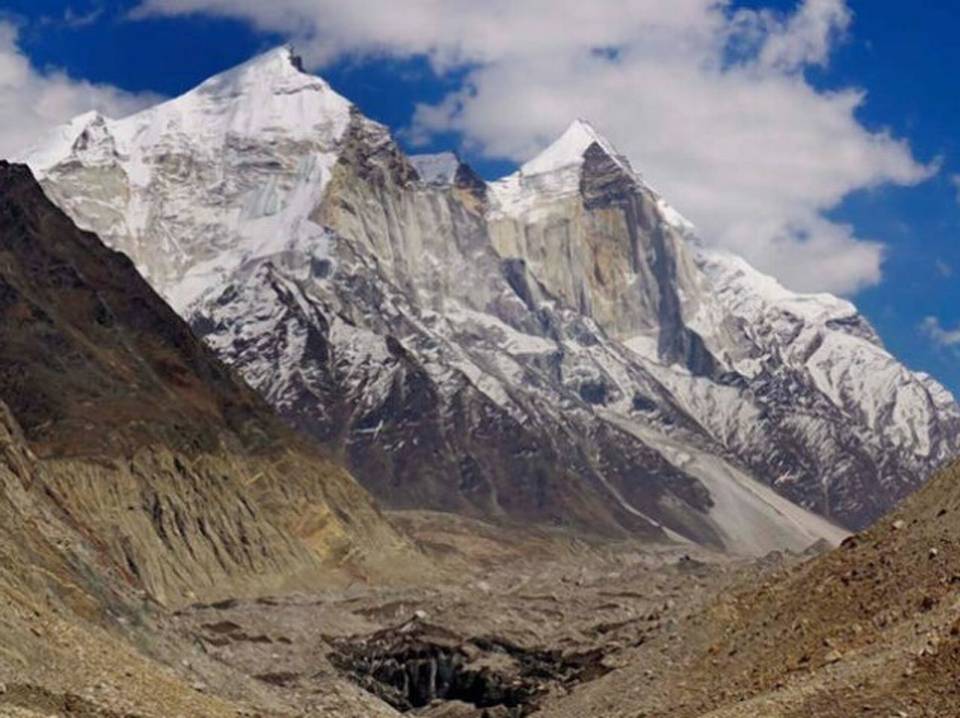
The source of the Ganges is the Gangotri glacier. Here it is:

Gaumukh, snout of the Gangotri glacier,surrounded by the Bhagirathi peaks of Garhwal Himalayas, at an altitude of over 4,000 metres. Photo: Vidya Venkat.

The photograph was taken from this article; from which I offer:

Scientists say dwindling snowfall affects volume of water fed to the Bhagirathi, the main source of the Ganga

After a four-hour-long trek from Bhojwasa, the final camping spot in Gangotri, when a brown, fractured pile of rocks finally came into view it was hard to believe that this was the mouth of the glacier from which the ‘holy’ Ganga emerged.

Gaumukh, the snout of the Gangotri glacier, named after its shape like the mouth of a cow, has retreated by over 3 kilometres since 1817, says glaciologist Milap Chand Sharma of Jawaharlal Nehru University.

It was nearly two centuries ago that the retreat of the glacier was first documented by John Hodgson, a Survey of India geologist.

With 10 Indian States reeling under drought and the country facing a severe water crisis after two weak monsoons, the story of retreating freshwater sources such as the Himalayan glaciers is worrying. And though a three-kilometre retreat over a period of two centuries might seem insignificant at first glance, data shows that the rate of retreat has increased sharply since 1971. The rate of retreat is 22 metres per year.

Twenty-two metres or seventy-two feet a year!

Wringing our hands is no good. All of us who care for our Living Planet have to shout out just what is going on. As George Monbiot continues to do. Take his latest essay, for example, that is republished here in full with GM’s very kind permission.

ooOOoo

Insectageddon

The scale and speed of environmental collapse is beyond imagination.

By George Monbiot, published in the Guardian 20th October 2017

Which of these would you name as the world’s most pressing environmental issue? Climate breakdown, air pollution, water loss, plastic waste or urban expansion? My answer is none of the above. Almost incredibly, I believe that climate breakdown takes third place, behind two issues that receive only a fraction of the attention.

This is not to downgrade the danger presented by global heating – on the contrary, it presents an existential threat. It is simply that I have come to realise that two other issues have such huge and immediate impacts that they push even this great predicament into third place.

One is industrial fishing, which, all over the blue planet, is now causing systemic ecological collapse. The other is the erasure of non-human life from the land by farming.

And perhaps not only non-human life. According to the UN Food and Agriculture Organisation, at current rates of soil loss, driven largely by poor farming practice, we have just 60 years of harvests left. And this is before the Global Land Outlook report, published in September, found that productivity is already declining on 20% of the world’s cropland.

The impact on wildlife of changes in farming practice (and the expansion of the farmed area) is so rapid and severe that it is hard to get your head round the scale of what is happening. A study published this week in the journal Plos One reveals that flying insects surveyed on nature reserves in Germany have declined by 76% in 27 years. The most likely cause of this Insectageddon is that the land surrounding those reserves has become hostile to them: the volume of pesticides and the destruction of habitat have turned farmland into a wildlife desert.

It is remarkable that we need to rely on a study in Germany to see what is likely to have been happening worldwide: long-term surveys of this kind simply do not exist elsewhere. This failure reflects distorted priorities in the funding of science. There is no end of grants for research on how to kill insects, but hardly any money for discovering what the impacts of this killing might be. Instead, the work has been left – as in the German case – to recordings by amateur naturalists.

But anyone of my generation (ie in the second bloom of youth) can see and feel the change. We remember the “moth snowstorm” that filled the headlight beams of our parents’ cars on summer nights (memorialised in Michael McCarthy’s lovely book of that name). Every year I collected dozens of species of caterpillars and watched them grow and pupate and hatch. This year I tried to find some caterpillars for my children to raise. I spent the whole summer looking and, aside from the cabbage whites on our broccoli plants, found nothing in the wild but one garden tiger larva. Yes, one caterpillar in one year. I could scarcely believe what I was seeing – or rather, not seeing.

Insects, of course, are critical to the survival of the rest of the living world. Knowing what we now know, there is nothing surprising about the calamitous decline of insect-eating birds. Those flying insects – not just bees and hoverflies but species of many different families – are the pollinators without which a vast tract of the plant kingdom, both wild and cultivated, cannot survive. The wonders of the living planet are vanishing before our eyes.

Well, I hear you say, we have to feed the world. Yes, but not this way. As a UN report published in March explained, the notion that pesticide use is essential for feeding a growing population is a myth. A recent study in Nature Plants reveals that most farms would increase production if they cut their use of pesticides. A study in the journal Arthropod-Plant Interactions shows that the more neonicotinoid pesticides were used to treat rapeseed crops, the more their yield declines. Why? Because the pesticides harm or kill the pollinators on which the crop depends.

Farmers and governments have been comprehensively conned by the global pesticide industry. It has ensured its products should not be properly regulated or even, in real-world conditions, properly assessed. A massive media onslaught by this industry has bamboozled us all about its utility and its impacts on the health of both human beings and the natural world.

The profits of these companies depend on ecocide. Do we allow them to hold the world to ransom, or do we acknowledge that the survival of the living world is more important than returns to their shareholders? At the moment, shareholder value comes first. And it will count for nothing when we have lost the living systems on which our survival depends.

To save ourselves and the rest of the living world, here’s what we need to do:

  1. We need a global treaty to regulate pesticides, and put the manufacturers back in their box.
  2. We need environmental impact assessments for the farming and fishing industries. It is amazing that, while these sectors present the greatest threats to the living world, they are, uniquely in many nations, not subject to such oversight.
  3. We need firm rules based on the outcomes of these assessments, obliging those who use the land to protect and restore the ecosystems on which we all depend.
  4. We need to reduce the amount of land used by farming, while sustaining the production of food. The most obvious way is greatly to reduce our use of livestock: many of the crops we grow and all of the grazing land we use are deployed to feed them. One study in Britain suggests that, if we stopped using animal products, everyone in Britain could be fed on just 3m of our 18.5m hectares of current farmland (or on 7m hectares if all our farming were organic). This would allow us to create huge wildlife and soil refuges: an investment against a terrifying future.
  5. We should stop using land that should be growing food for people to grow maize for biogas and fuel for cars.

Then, at least, nature and people would have some respite from the global onslaught. And, I hope, a chance of getting through the century.

http://www.monbiot.com

ooOOoo

Please do share this as widely as you can. Please do inform others. Please do make whatever changes, however small, you can within your own lives.

Bhagirathi Peaks from the Gangotri Glacier

And, please, please, listen to our Living Planet that is screaming out to us that this cannot go on!

Life-giving water!

Funny how the world goes around!

Why do I write that?

Well during the last week I was referred by my local doctor to see a urologist in connection with a query regarding my ‘back end’. Dr. N, the urologist pointed out that the human body, especially the brain, places such demands on ensuring that water is readily available (non-scientific description!) that it will ‘steal’ water from the bowel. Ergo, when I do my bike rides in the morning I was told to drink the water that I carry with me but previously have not been consuming. For even my hour’s ride three times a week will cause sufficient perspiration that other parts of my body will remove water from my bowel.

All of which seems more than sufficient introduction to today’s post that I first read on the Care 2 site.

ooOOoo

Is Your Dog Drinking Enough Water?

By: Abigail Geer October 14, 2017

About Abigail

Editor’s note: This Care2 favorite was originally posted on June 14, 2015. Enjoy!
Water makes up around 80 percent of a dog’s body. It’s essential for optimum health — for both humans and pets — but how much is enough for our pets? And is there such thing as too much water?

Looking after an animal is a major responsibility, since they depend on humans for their needs. We tend to assume that as long as we provide our dogs with a water bowl, they will drink the necessary amount, but unfortunately this is not always true.

Some dogs are under-hydrated, while others may drink too much. Here’s what every pet owner should know about hydration.

Water’s Vital Role in the Body

Water is the basis of life, as it hydrates, nourishes and cleanses the body. While your dog can survive for a long time without food, insufficient water consumption can seriously damage the body. In a relatively short period of time, just a 10 percent drop in hydration can be fatal.

From mental alertness and ease of breathing, to optimum digestion and bowel movements, every metabolic process in a dog’s body will be affected by its level of hydration.

Blood flow pumps oxygen through the body and removes toxins, but poor hydration can lead to a buildup of toxins in the muscles and organs, causing a huge array of health issues. Dogs regulate their heat by panting, and this heavy breath causes a lot of moisture to leave the body — especially on hot days or while exercising.

Lack of water can result in dehydration, organ failure and kidney stones or other urinary tract problems, but apart from these direct health issues, insufficient water intake can be an indicator of existing problems.

Water Consumption Can Be a Health Indicator

Dogs who are not drinking enough water or who have an insatiable thirst could be displaying signs of more serious health problems — and that’s why it’s essential to keep a close eye on their drinking habits.

Dogs with illnesses such as parvovirus, pancreatitis and leptospirois — as well as many others — do not tend to drink much water, so if you notice that your dog is barely drinking anything, it may be worth taking them for a check-up. On the flip side, dogs with bladder infections, diabetes and Cushing’s disease — among others — are often extremely thirsty and can be observed drinking excessive amounts of water.

While it’s important to monitor how much your dog is drinking, remember to keep things in perspective with their other behaviors, temperature conditions and so on, so that you don’t become overly concerned every time your dog has a big drink of water!

So How Much Water Does Your Dog Need?

A dog’s water needs vary from breed to breed, and they also depend on size, age, diet, activity level and environmental conditions.

The recommended water intake for a dog is approximately one ounce of water per pound of bodyweight, per day.

Your dog’s diet will play a big role in the amount of water that it needs to consume. For instance, dogs who solely eat dry biscuits or kibble will get significantly less hydration from their food than those on moisture-rich diets.

During the hot weather, if your dog is very thirsty after a long walk or play session, it’s a good idea to let him or her rehydrate over an extended period of time, rather than letting the dog guzzle down too much water at once.

If your dog finishes all the water in its bowl, wait for half an hour before refilling it, so that your pup has time to rest and digest. You can also help keep dogs hydrated during exercise by giving them access to water — little and often is best.

To test whether your dog may be dehydrated, you can lift the skin on the back of the neck and watch to see how quickly it returns to its normal position. If it forms a sort of tent, and doesn’t fall back into place immediately, then your dog may be dehydrated.

Nobody knows your dog better than you, and by keeping a close eye on your dog’s behavior you can tell if he or she is happy and healthy — or showing signs of dehydration or illness. Regularly monitoring water intake should become a habit, as it can tell you a lot about your dog’s health and wellness.

Photo Credit: ThePatronSaint

ooOOoo

Thus picking up on that recommended water intake, a 20lb dog should be drinking 20 oz of water a day. And for your reference:

USA system: 16 USA ounces to the USA pint
Imperial system (old British system): 20 imperial fluid ounces to the imperial pint

So Brandy, who weighs in at 140 lbs, should be drinking 8.75 US pints or more than 1 gallon of water a day!

Our Brandy!

Back to what you and I should be drinking? Sound advice in this Mayo Clinic article (that includes this):

So how much fluid does the average, healthy adult living in a temperate climate need? The National Academies of Sciences, Engineering, and Medicine determined that an adequate daily fluid intake is:

  • About 15.5 cups (3.7 liters) of fluids for men
  • About 11.5 cups (2.7 liters) of fluids a day for women

These recommendations cover fluids from water, other beverages and food. About 20 percent of daily fluid intake usually comes from food and the rest from drinks.

Cheers!

Letting go of the glass.

Another vital lesson from our dogs.

I saw the following video on Facebook from a dear friend back in my days of living and working in Colchester, Essex, England.

There’s nothing mind-blowing about the message but nevertheless it’s a good reminder to learn to chill out as our dogs do.

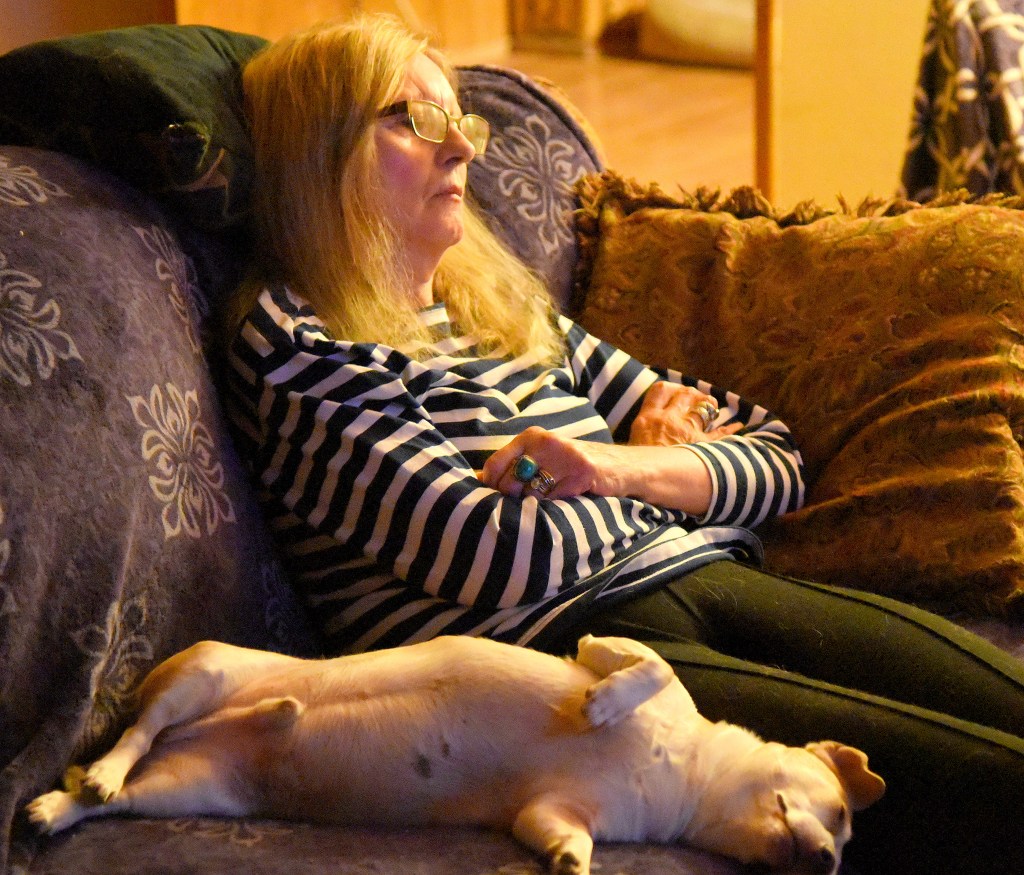
Or as Jeannie and Pedy were doing last Thursday evening!

(Oh, and this will be the first time that Jeannie knew of me taking this picture!)

Thanks Roger.

Love and caring.

“It is a time for kindness, love, community and human spirit to connect with nature.”

This sentence was written by Colette who blogs over at Stargazing Futures. Colette offered that thought in a response to a post last week in this place.

The reason I used it as the sub-heading for today’s share is that it is perfect.

Read this from Mother Nature News and you will understand.

ooOOoo

Watch an excavator gently rescue a deer

Russell McLendon   September 5, 2017

When two young black-tailed deer wandered onto a construction site in 2016, they probably didn’t realize how dangerously muddy the ground had become. They both got stuck in the mud, a predicament that could have easily been fatal — if an observant worker at the site hadn’t noticed them and swung into action.

“I wouldn’t have seen them if they hadn’t moved and caught my eye!” wrote Bill Davis, a native of Tacoma, Washington, who was checking on the property for his employer.

When he realized the two yearling deer were stuck, he “orchestrated a rescue operation with his cellphone,” his son-in-law told GrindTV, by contacting a skilled excavator operator who might be able to pluck the helpless deer out of the mud.

Using an uncannily light touch for such a powerful piece of machinery, the operator managed to rescue both deer from the mud. Davis posted one of the rescues in the video above; the actual scooping up of the deer starts at about the 2:30 point.

Of course, it might have been even better for these deer if the property was still forest, not a muddy construction site, and it’s worth noting that habitat loss is one of the main problems facing wildlife around the world. But that was a moot point by the time these deer got stuck, and since Davis couldn’t return their lost patch of habitat, he did the next best thing by making sure they survived this ordeal.

Plus, as Earth Touch News points out, these deer were thought to be yearlings at the time, so they may have already been old enough to rebound afterward.

Davis wasn’t taking any chances, though. “Didn’t sleep much last night [after the rescue],” he wrote on Facebook. “[A]ll I could think about was those little guys getting stuck again, and not finding mama! I’m out there looking to make sure the babies didn’t come back to the mud! No sign of them.”

ooOOoo

“It is a time for kindness, love, community and human spirit to connect with nature.”

Exactly!

So who is Sam?

You loved Sam Grant’s photos of Casper and Scotland. Learn more about her.

Last Sunday my Picture Parade was primarily a recent item that appeared on the BBC website.

Meet Scotland’s ‘most well-travelled dog’

By Ewan Murrie, BBC Scotland news website, 3rd June 2017

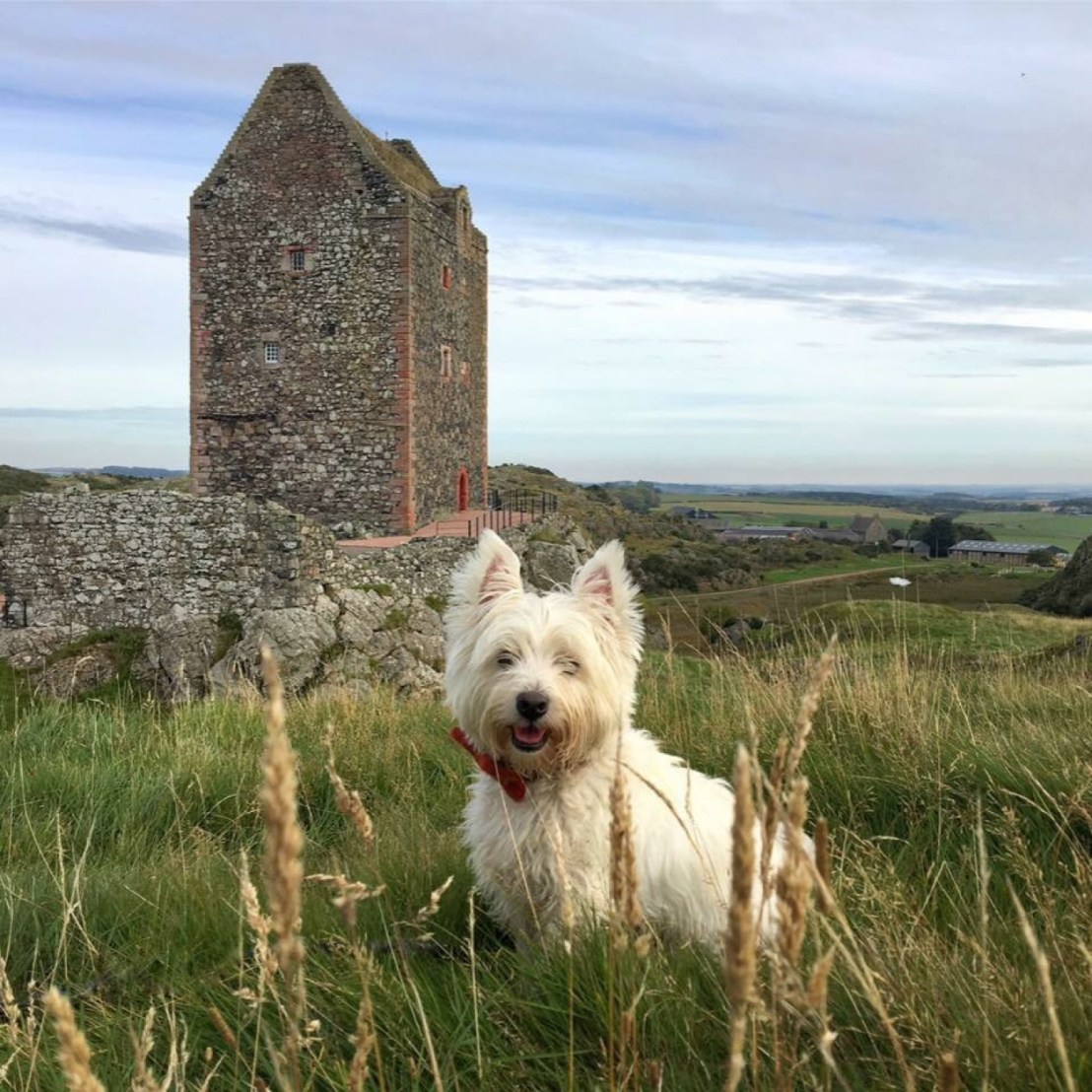
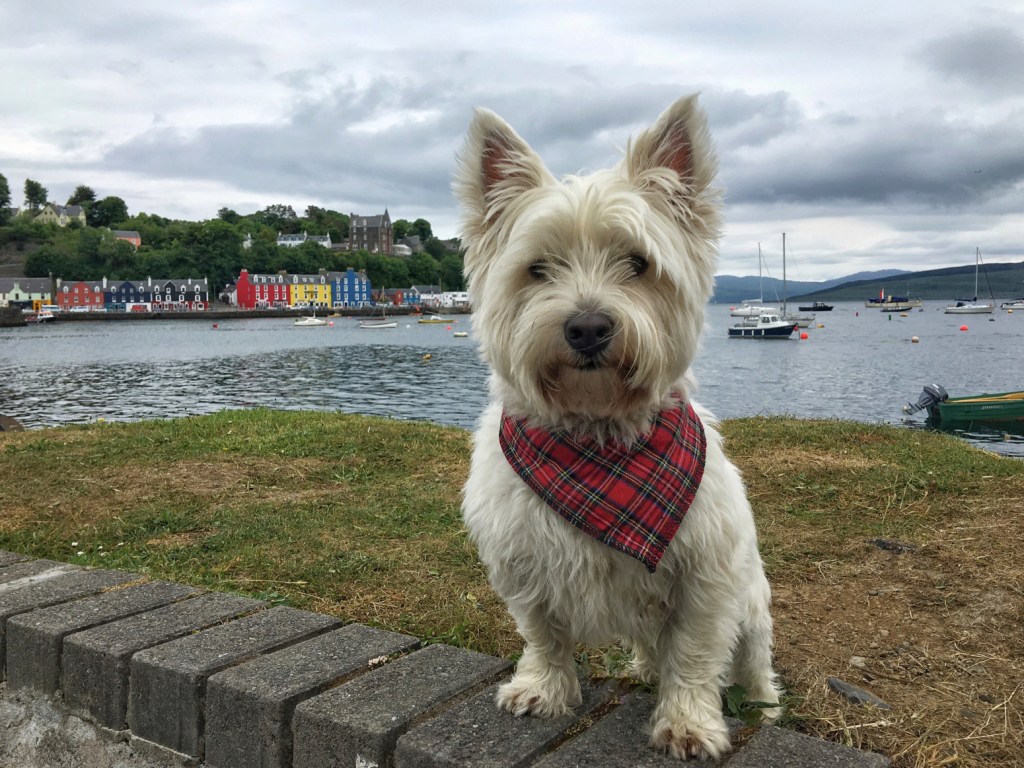
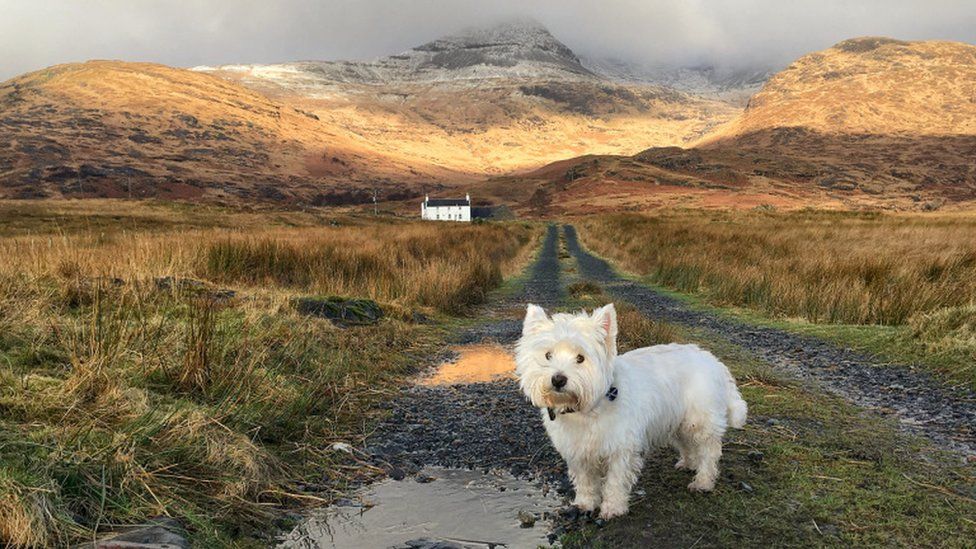
After photographs of her West Highland Terrier received more “likes” on social media than even the most stunning Glencoe landscapes she could capture, Sam Grant conceded that “the wee white dug” should star in her Scottish travel blog.

I went on to republish a wonderful set of photographs that had been taken by Sam. You all loved them and that led me to ask Sam if I could republish her About Me page on her blog. Sam very kindly said that would be fine.

ooOOoo

Scotland with the Wee White Dug

A Scottish travel blog showcasing the best of Scotland. Scotland with the Wee White Dug is a comprehensive and informative guide to Scotland, covering history, outdoor activities, events, visitor attractions, accommodation, eating out and more.

About Me

A little bit about me

Hello and welcome to my Scottish travel blog which I hope you’ll find informative and interesting, but most of all fun.

I’m Samantha but am generally known as Sam, Mrs G or Mum.  I’m married to Alex (Mr G) and we live in Edinburgh with a well travelled wee white dug called Casper.  We also share our home with the The Teen, Casper’s sloth like and gadget obsessed big sister.

All of my free time is spent road-tripping around Scotland.  I’ve travelled extensively throughout the country and never tire of its jawdropping and diverse beauty.

I have a vast knowledge of where to stay, eat and what to do in Scotland. Whether it be an afternoon out, a day trip or an extended tour. I also know all of the best places to go with your four legged friend.

I’m a Visit Scotland Ambassador and I helped launch their online Community in the spring of 2016.  The Community is a Scottish travel forum for sharing insider hints and tips about visiting Scotland.  Visit Scotland’s Ambassadors were selected for their expert knowledge of the country.

In January 2017 I took up the role of resident blogger for East Lothian Council on their Visit East Lothian website.  I write a fortnightly post for their blog, highlighting the delights of East Lothian.

I’m passionate about the history, language, literature, customs and myths of Scotland. I read History at the University of Edinburgh and during my time there I studied Scottish History, Literature and Politics which gave me an excellent understanding of how Scotland became the country that it is today.

I absolutely adore the great outdoors – it’s my happy place.  I love hiking, have been known to summit a Munro or two and am happiest when surrounded by lochs, moors and mountains.

My photography

I’ve been an avid hobby photographer since joining Instagram several years ago.  I’m part of a diverse group of Scottish Instagrammers with a passion for sharing Scotland with the World.

My feed @bean_nighe has appeared on Instagram’s prestigious Suggested User list.  You’ll find the Wee White Dug on Instagram too @theweewhitedug.  His feed is also dedicated to sharing our Scottish travels.

I’ve featured in articles recommending the best Scottish Instagram accounts to follow by The ScotsmanMatador Network and the award winning travel blog Stories my suitcase could tell.

My photos appear regularly on various social media channels including those of Canon UK, BBC, Skyscanners, Scottish Memories Magazine, Scotrail, Historic Scotland, Visit Scotland and The Guardian.

I share my Scottish travels on Facebook and Twitter too so if you’re on those sites stop by and say hello.

I’m passionate about promoting Scotland as a wonderful place to visit.  It’s a country with a rich history and heritage. A country full of stories just waiting to be told.

I appreciate you taking the time to stop by my blog to join me on my travels.  I hope ‘Scotland with the Wee White Dug’ inspires you to visit Scotland, helps you to plan for a forthcoming trip or makes you reminisce fondly about a past visit.

If you’re interested in working with me you can find out more here.

Sam

ooOOoo

Just glorious!

Picture Parade Two Hundred and Ten

Pictures of Casper.

(All will become clear shortly!)

Dear friend of this place, Margaret K. from Tasmania (MargfromTassie), recently sent me an email with a link to a story that had appeared on the BBC website.

I thought the photographs would make a fabulous Picture Parade.

But first sufficient of the news story for the photographs to be seen in proper context.

Meet Scotland’s ‘most well-travelled dog’

After photographs of her West Highland Terrier received more “likes” on social media than even the most stunning Glencoe landscapes she could capture, Sam Grant conceded that “the wee white dug” should star in her Scottish travel blog.

“Casper is my unique selling point,” says Sam Grant, an Edinburgh-based VisitScotland ambassador who spends her spare time travelling the country with her pet.

She adds: “There are lots of travel bloggers out there who are very good writers, but they don’t have the wee white dug.”

Here are almost all of those photographs that the BBC presented.

You will love them.

Please note that all of the photographs were taken by Sam Grant who, I am sure, retains copyright ownership of them. Sam’s blogsite is Scotland With The Wee White Dug and well worth a visit.

The village of Crianlarich is located in Glen Strathfillan to the north of the Trossachs, around eight miles north of the head of Loch Lomond

oooo

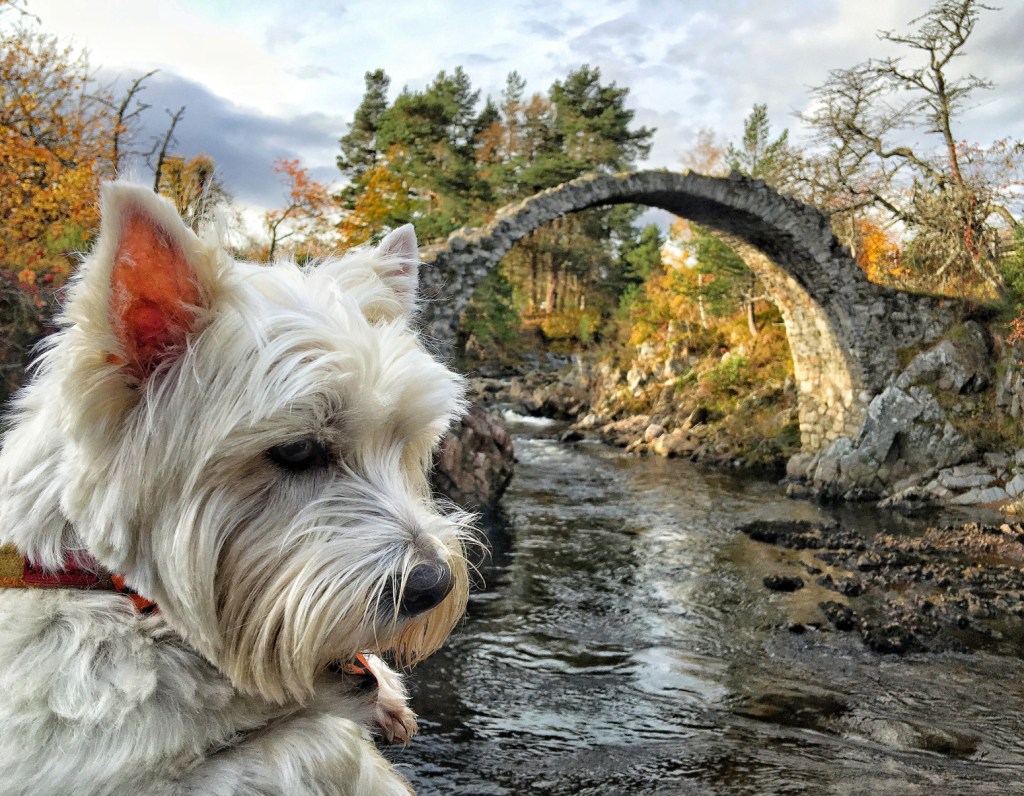
The village of Carrbridge, in the Scottish Highlands is famous for its 18th Century packhorse bridge.

oooo

Whiting Bay, Isle of Arran, offers views across to Holy Isle.

oooo

Culzean Castle is perched on the Ayrshire cliffs.

oooo

Culloden Moor in the Highlands is where the Battle of Culloden took place in 1746.

oooo

Iona, Inner Hebrides, is often described as a “tiny island paradise”.

oooo

The Tomb of the Eagles, Orkney, is thought to be more than 5,000 years old.

oooo

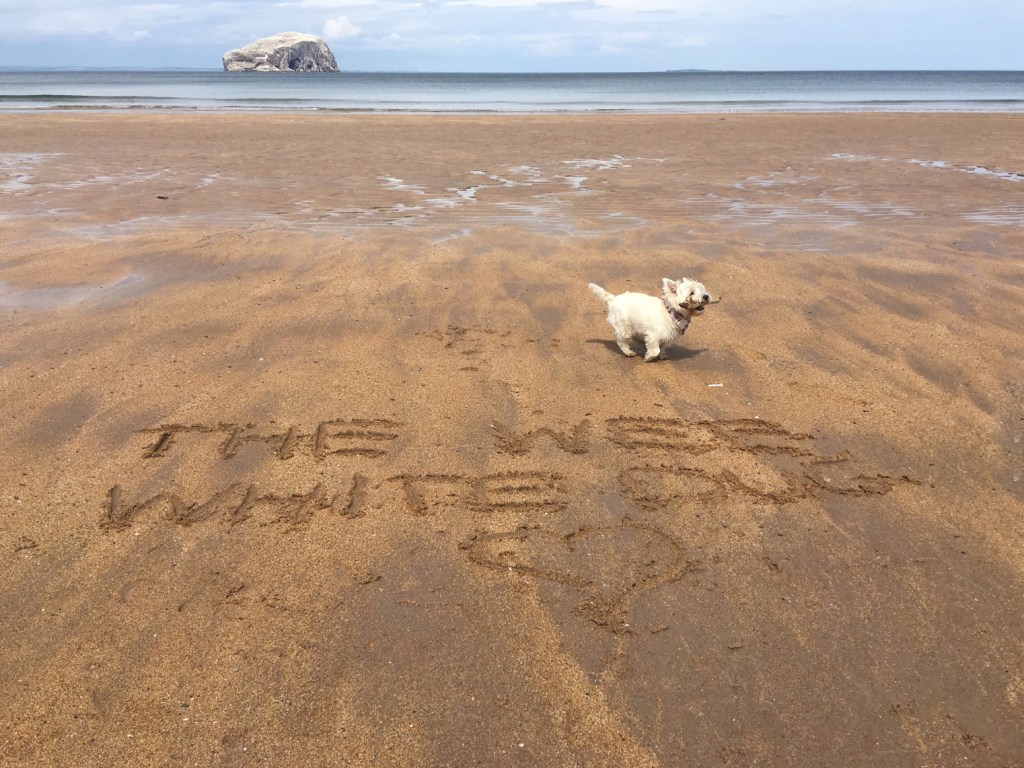
North Berwick, East Lothian, boasts many great beaches and coastal scenery.

oooo

“Dolphin Spirit” is a boat to take tourists onto the waters of the inner Moray Firth to see the dolphin pods.

oooo

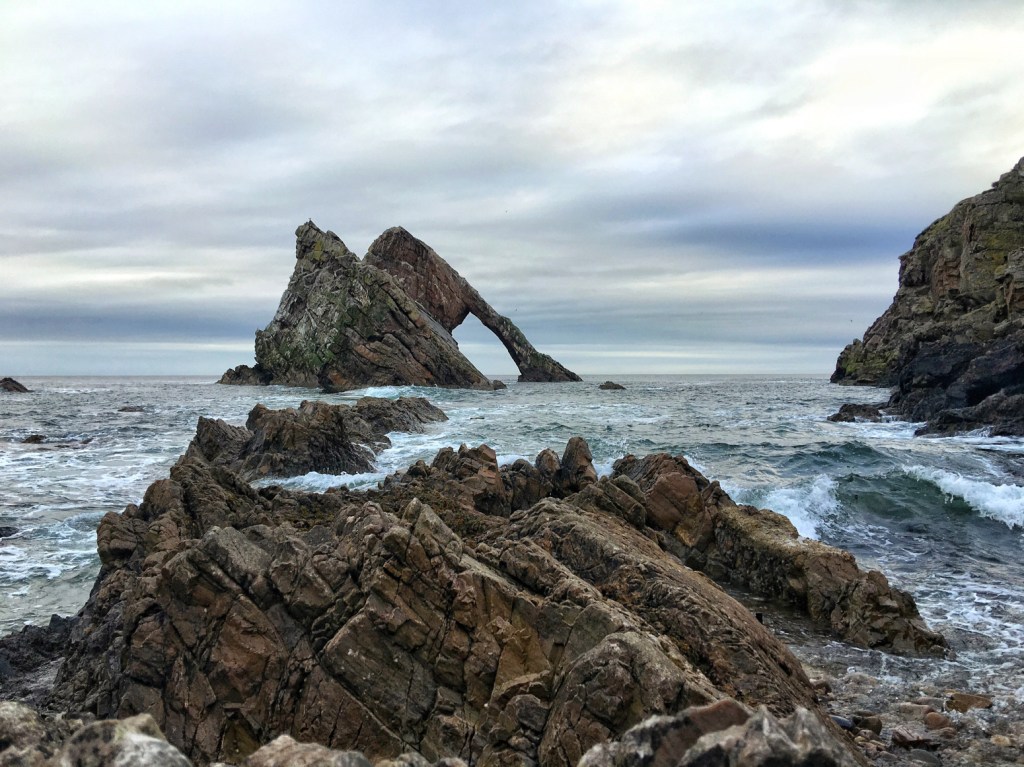
Bow Fiddle Rock is a natural sea arch near Portknockie on the north-eastern coast of Scotland.

oooo

Kilchurn Castle is a ruined castle on a rocky peninsula at the northeastern end of Loch Awe, Argyll and Bute.

oooo

Snow capped Ben More in Glen More, Isle of Mull, Western Isles.

oooo

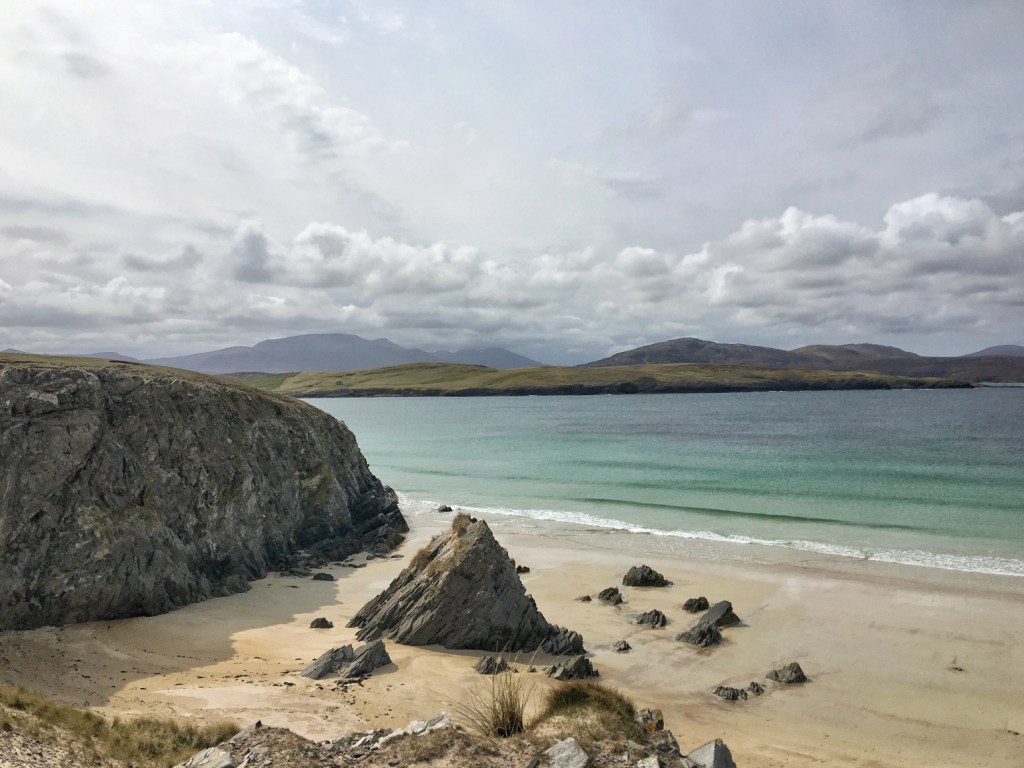
Balnakeil Bay is near Durness, Scottish Highlands.

I can’t resist including the rest of the text that the BBC published for the photographs are strengthened enormously by Sam’s words.

Her eccentric website details places of interest in areas including Orkney, Loch Lomond and the Scottish Borders.

It was launched in 2015 after an Instagram account written from Casper’s perspective proved popular with followers.

The social media profile has nearly 4,000 followers, who Sam says “can’t get enough” of the wee white dug’s quirky anecdotes about his travels.

Sam says travelling with Casper has given her lots of insight into Scotland’s best pet-friendly tourist attractions and holiday accommodation.

She says: “There are loads of good places that you can visit nowadays where you can bring along your four-legged friends.”

Sam hopes the blog could encourage more Scots to look around their own country, as well as attracting other visitors.

She says: “If you visit the beaches in the Outer Hebrides, you’ll see there’s really no need to go to the Caribbean – unless you’re a sun worshipper.

“Scotland’s a country with a rich history and heritage. A country full of stories just waiting to be told.”

Sam says most traffic to her website comes from the UK and US but she has had visitors from more than 100 countries – including China.

“When I see that I’ve had visitors from far-flung countries, I imagine them on the other side of the world reading about Scotland and the wee white dug,” the writer adds.

Asked if she thinks some people could say her pictures are a bit twee, Sam replied: “I did worry about that at first, so I try to make a joke of it.

“But if people like my pictures and they bring a bit of happiness to someone’s day, then why not?”

I guarantee that all of you dear people who view these photographs will have much happiness brought to you. As was brought to Jeannie and me.

Picture Parade Two Hundred and Eight

“The best laid plans of mice and men!”

The post Floor Diversion Day Three has been postponed for twenty-four hours.

Simply because yesterday morning the installers contracted by Home Depot (HD) to rip up our existing carpet and start laying the laminate wooden boarding found underneath the old carpet underlay another carpet that some time in the distant past had been glued down. Why this wasn’t spotted by the HD measuring unit when they came here to look at the project and offer an estimate for the cost of installing the new flooring is a question that has yet to be answered.

However, while the majority of HD work the full weekend the ‘Chargeback’ department do not. This department had to hear what had been discovered in order for us to know what extra costs we might be looking at!

A long-winded way of explaining why it is a pleasure to offer you a regular Picture Parade for today.

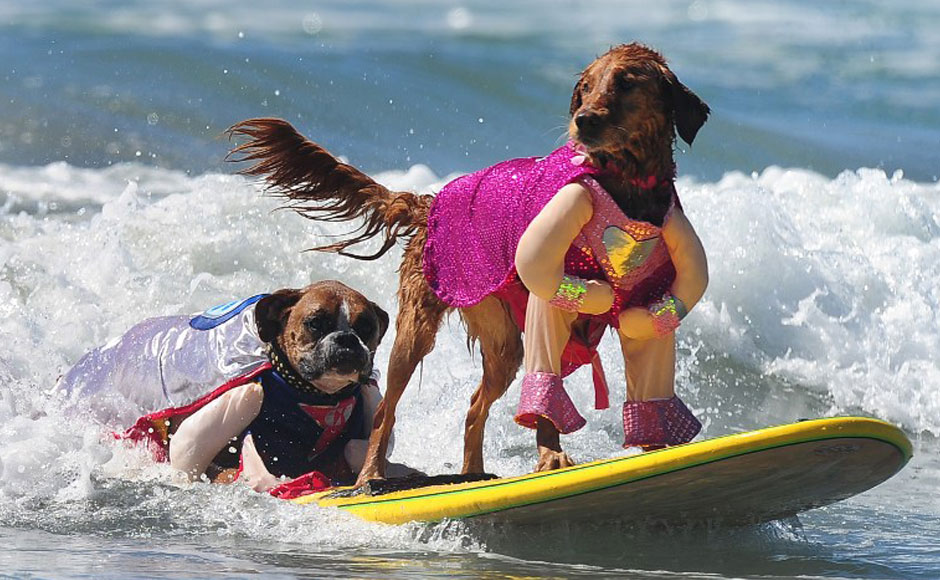
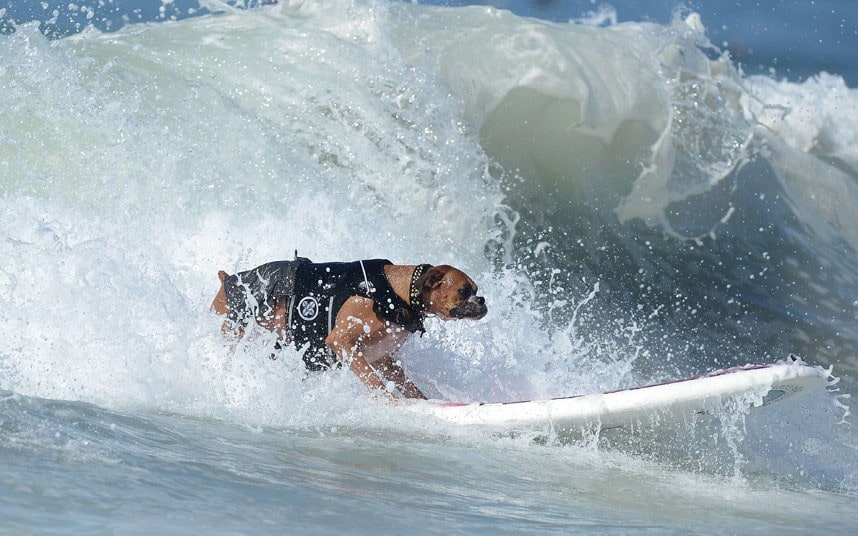
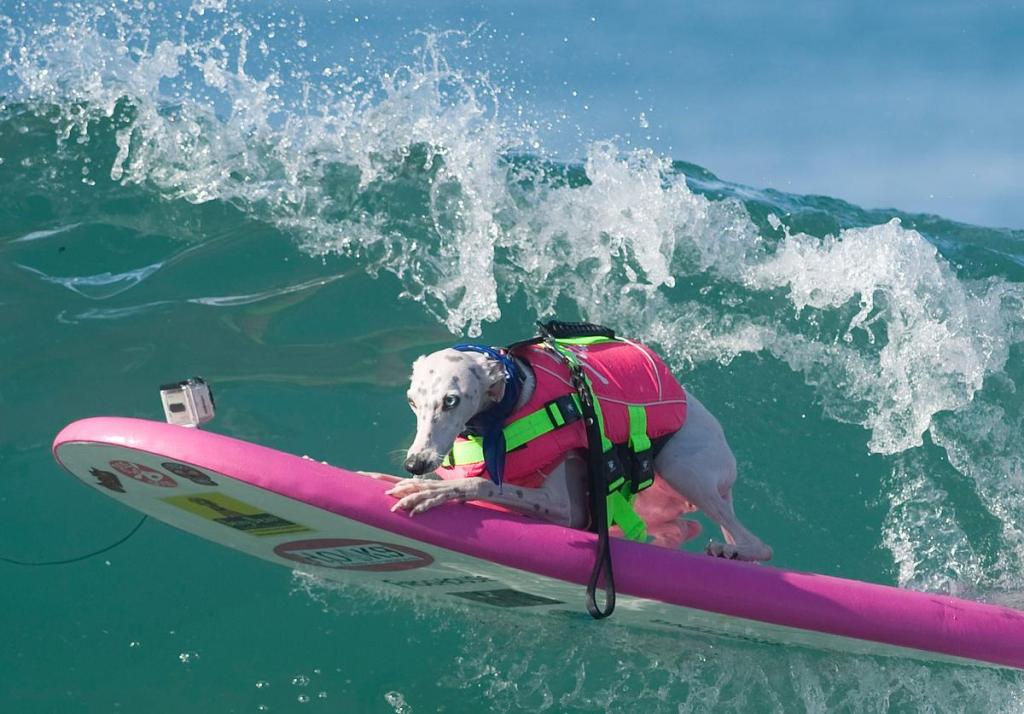
Californian Surfing Dogs!

oooo

oooo

oooo

oooo

oooo


And last but not least, a surfing goat!!

Hope to return on Wednesday!

Picture Parade Two Hundred and Five

Just a few photos from our night away.

Last Tuesday, Jean and I took a little overnight trip away. We went to Brookings on the Oregon Pacific coast.

As Wikipedia explains:

Brookings is a city in Curry County, Oregon, United States. It was named after John E. Brookings, president of the Brookings Lumber and Box Company, which founded the city in 1908. As of the 2010 census the population was 6,336.

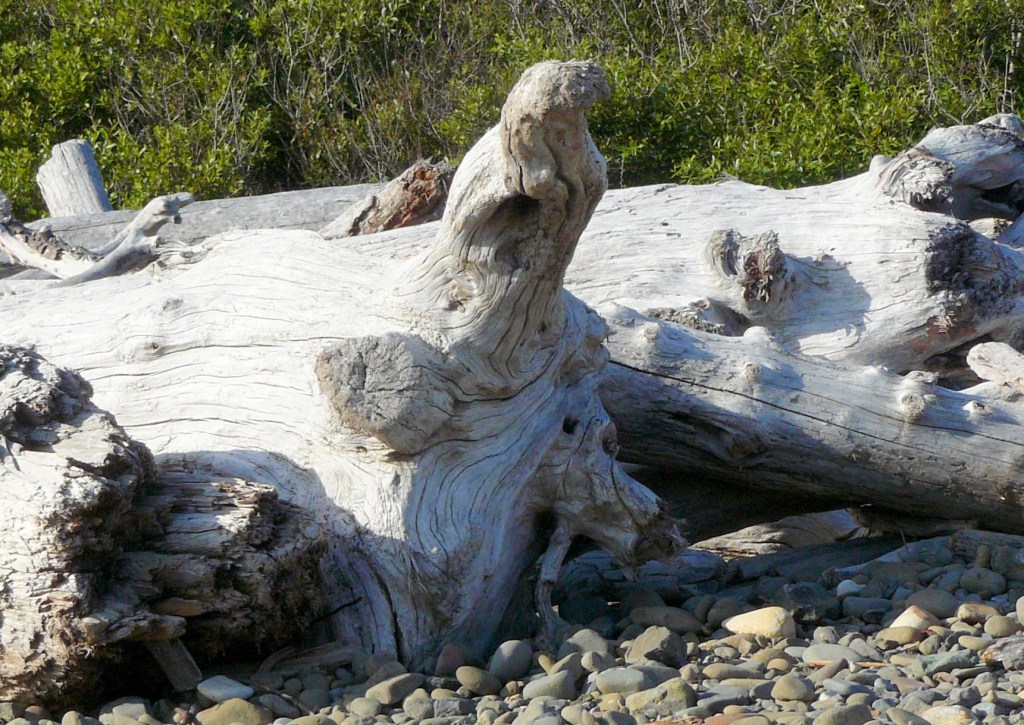
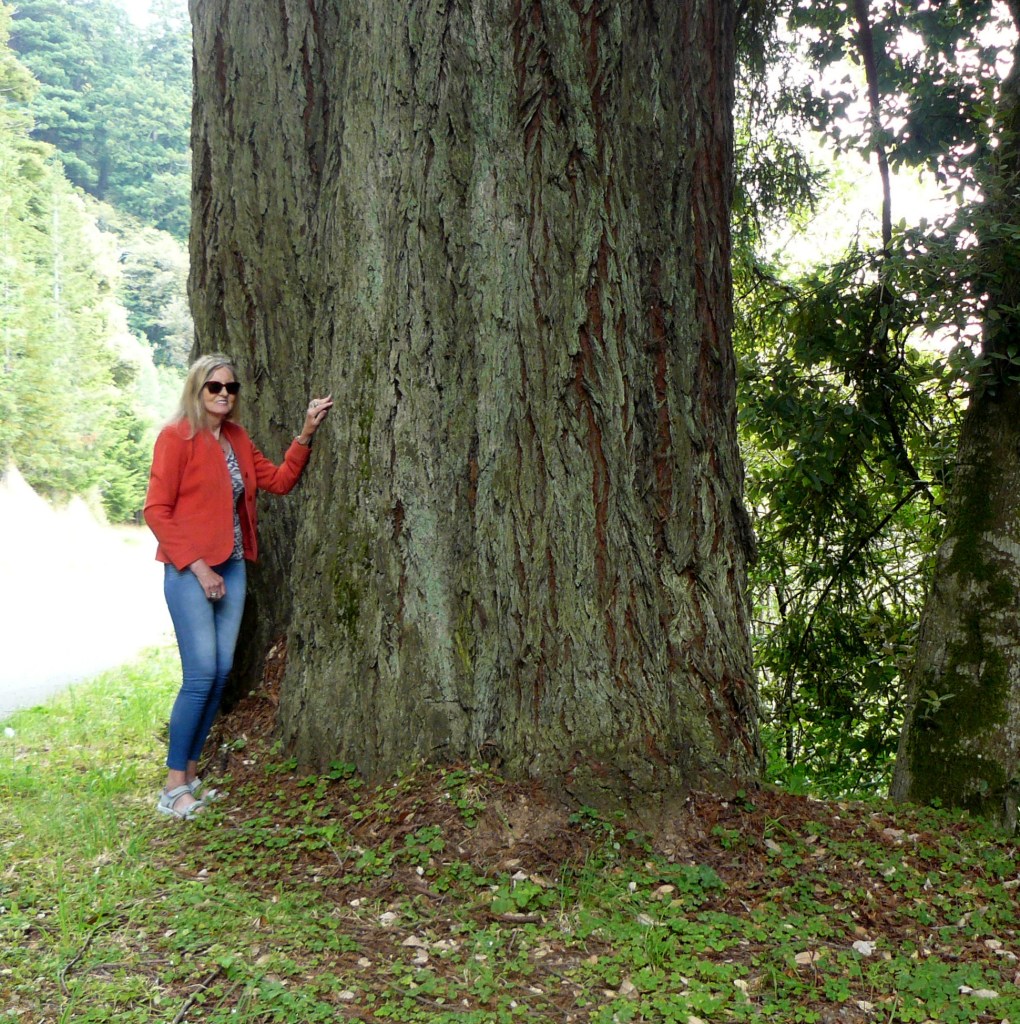
Anyway, a few pictures taken at Meyers Creek Beach that evening and a couple of shots of the Redwood trees seen on the way home on the Wednesday.

oooo

oooo

oooo

oooo

oooo

oooo

Fabulous!