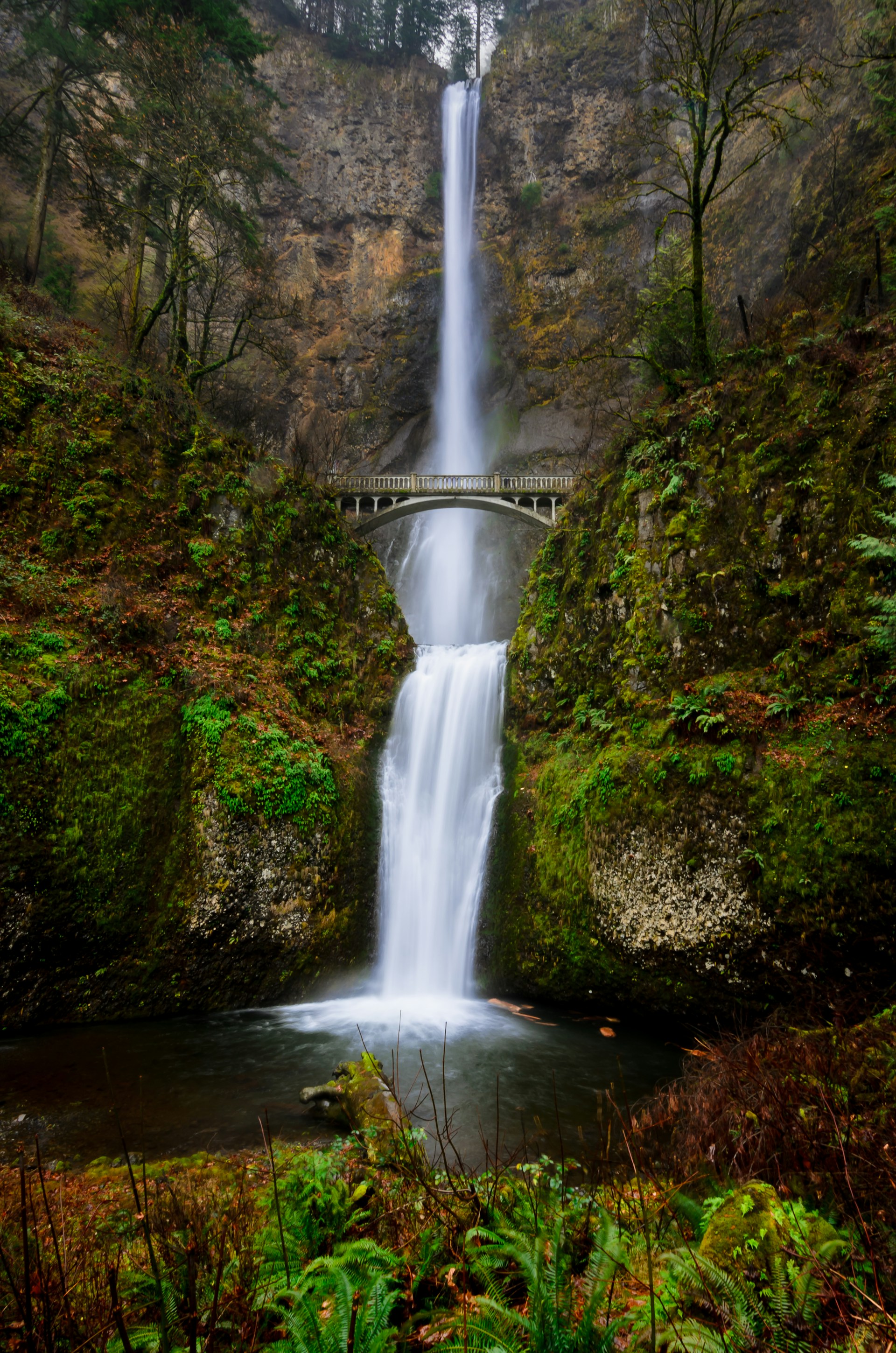
I was going through some files yesterday and found many photographs taken by me.
oooo
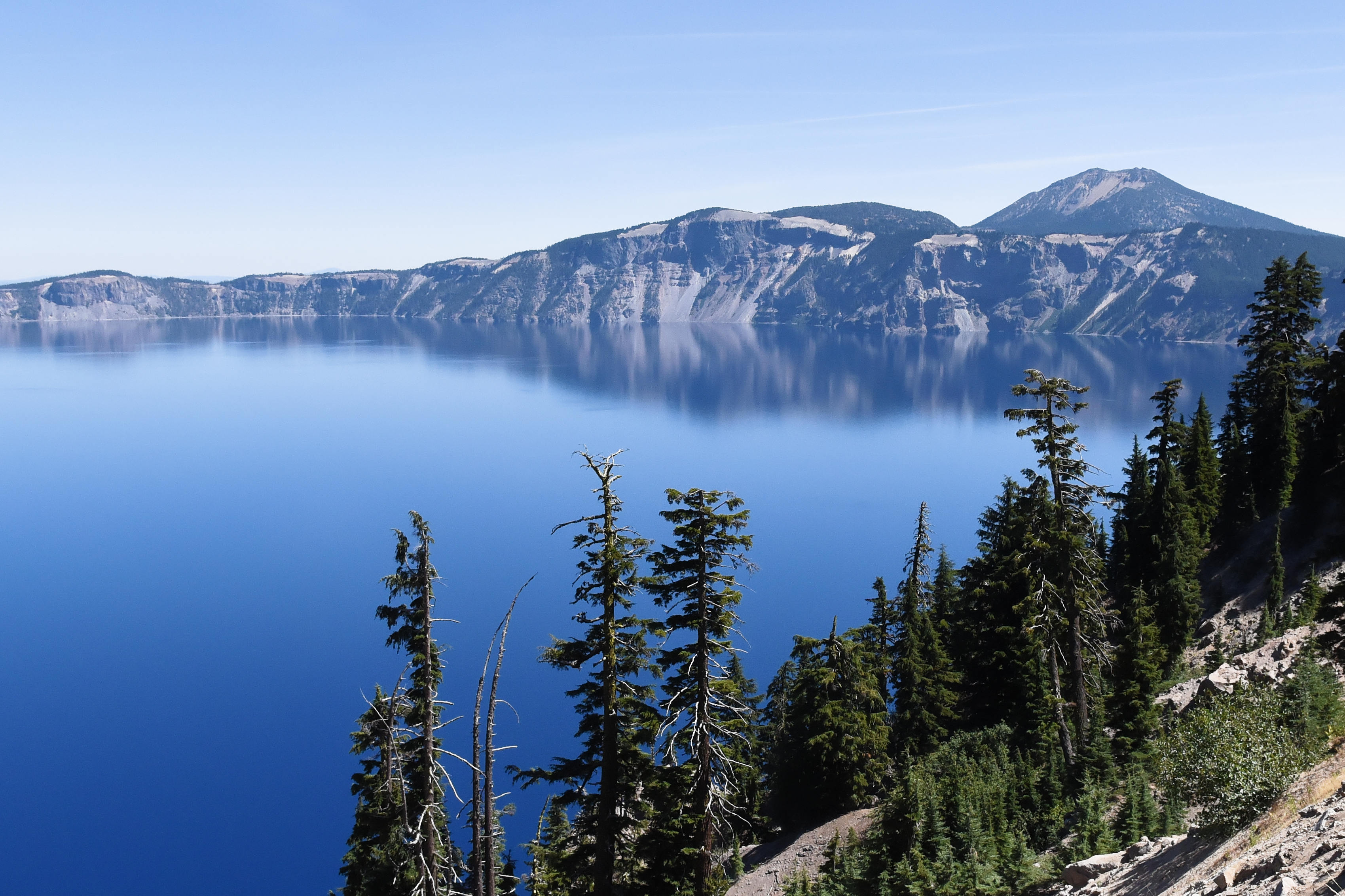
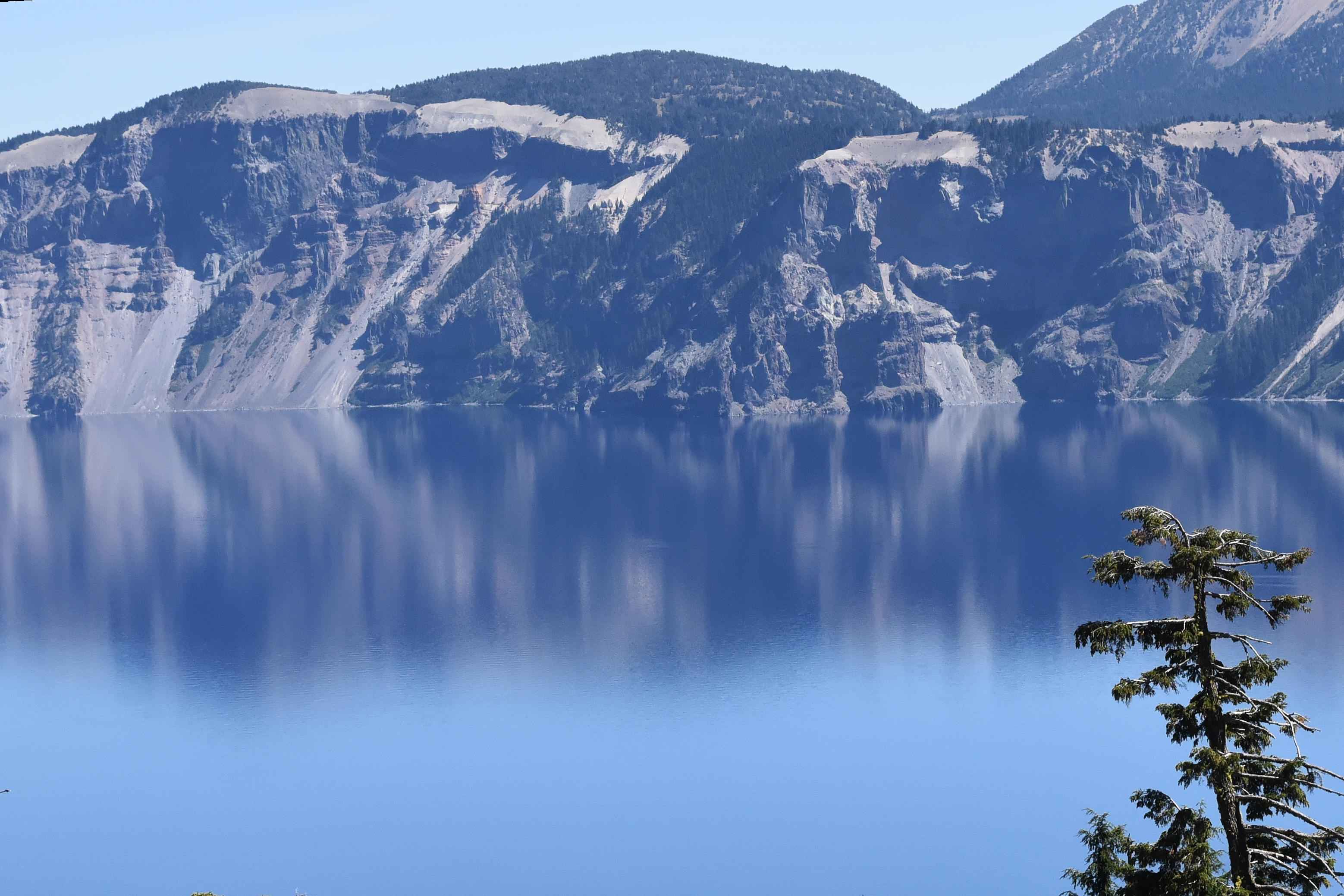
These were taken in 2018 which was when my son, Alex, and his partner, Lisa, came over to see us.
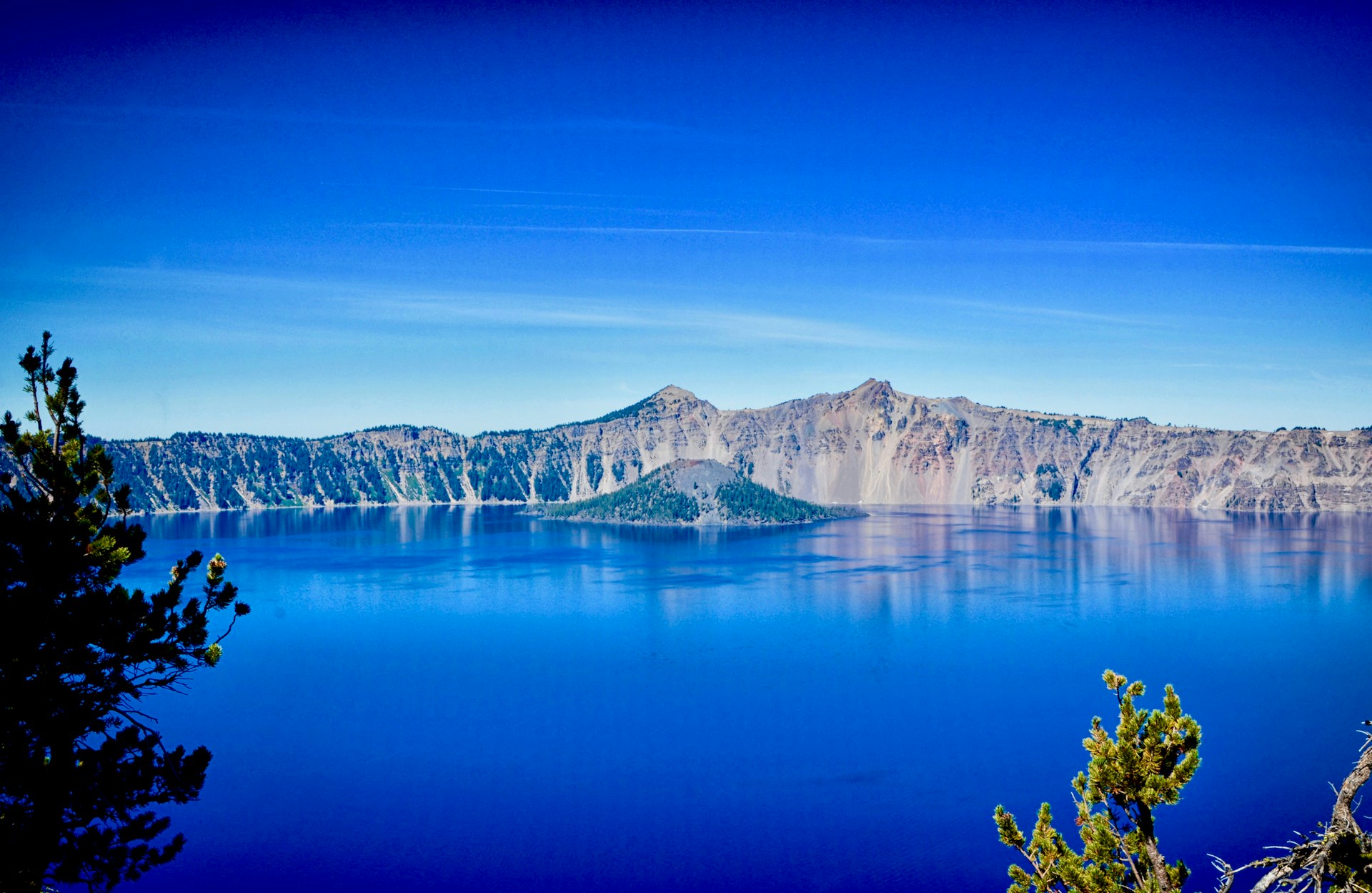
Here is the opening part of Wikipedia writing about Crater Lake:
Crater Lake (Klamath: Giiwas)[2] is a volcanic crater lake in south-central Oregon in the WesternUnited States. It is the main feature of Crater Lake National Park and is a tourist attraction for its deep blue color and water clarity. The lake partly fills a 2,148-foot-deep (655 m) caldera[3] that was formed around 7,700 (± 150) years ago[4] by the collapse of the volcano Mount Mazama. No rivers flow into or out of the lake; the evaporation is compensated for by rain and snowfall at a rate such that the total amount of water is replaced every 150 years.[5] With a depth of 1,949 feet (594 m),[6] the lake is the deepest in the United States. In the world, it ranks eleventh for maximum depth, as well as fifth for mean depth.
This article was published in The Conversation last Thursday, the 6th March, 2025.
Where we live in rural Southern Oregon is glorious and photos of our locale have been published before. However, I wanted to share this article with you all.
ooOOoo
Butterflies declined by 22% in just 2 decades across the US – there are ways you can help save them
We found declines in just about every region of the continental U.S. and across almost all butterfly species.
Overall, nearly one-third of the 342 butterfly species we were able to study declined by more than half. Twenty-two species fell by more than 90%. Only nine actually increased in numbers.
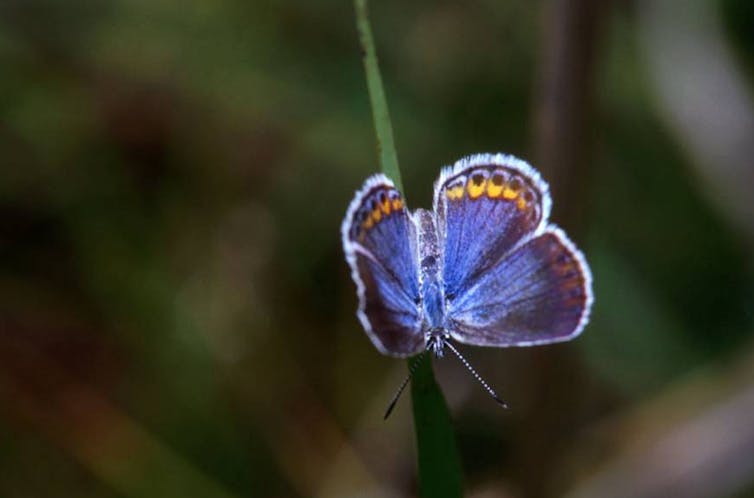
West Coast lady butterflies range across the western U.S., but their numbers have dropped by 80% in two decades. Renee Las Vegas/Wikimedia Commons, CC BY
Some species’ numbers are dropping faster than others. The West Coast lady, a fairly widespread species across the western U.S., dropped by 80% in 20 years. Given everything we know about its biology, it should be doing fine – it has a wide range and feeds on a variety of plants. Yet, its numbers are absolutely tanking across its range.
Why care about butterflies?
Butterflies are beautiful. They inspire people, from art to literature and poetry. They deserve to exist simply for the sake of existing. They are also important for ecosystem function.
Butterflies are pollinators, picking up pollen on their legs and bodies as they feed on nectar from one flower and carrying it to the next. In their caterpillar stage, they also play an important role as herbivores, keeping plant growth in check.
A pipevine swallowtail caterpillar munches on leaves at Brookside Gardens in Wheaton, Md. Herbivores help keep plant growth in check. Judy Gallagher/Wikimedia Commons, CC BY
Butterflies can also serve as an indicator species that can warn of threats and trends in other insects. Because humans are fond of butterflies, it’s easy to get volunteers to participate in surveys to count them.
The annual North American Butterfly Association Fourth of July Count is an example and one we used in the analysis. The same kind of nationwide monitoring by amateur naturalists doesn’t exist for less charismatic insects such as walking sticks.
What’s causing butterflies to decline?
Butterfly populations can decline for a number of reasons. Habitat loss, insecticides, rising temperatures and drying landscapes can all harm these fragile insects.
A study published in 2024 found that a change in insecticide use was a major factor in driving butterfly declines in the Midwest over 17 years. The authors, many of whom were also part of the current study, noted that the drop coincided with a shift to using seeds with prophylactic insecticides, rather than only spraying crops after an infestation.
The Southwest saw the greatest drops in butterfly abundance of any region. As that region heats up and dries out, the changing climate may be driving some of the butterfly decline there. Butterflies have a high surface-to-volume ratio – they don’t hold much moisture – so they can easily become desiccated in dry conditions. Drought can also harm the plants that butterflies rely on.
Only the Pacific Northwest didn’t lose butterfly population on average. This trend was largely driven by an irruptive species, meaning one with extremely high abundance in some years – the California tortoiseshell. When this species was excluded from the analyses, trends in the Pacific Northwest were similar to other regions.
The California tortoiseshell butterfly can look like wood when its wings are closed, but they’re a soft orange on the other side. Walter Siegmund/Wikimedia Commons, CC BY-SA
When we looked at each species by its historical range, we found something else interesting.
Many species suffered their highest losses at the southern ends of their ranges, while the northern losses generally weren’t as severe. While we could not link drivers to trends directly, the reason for this pattern might involve climate change, or greater exposure to agriculture with insecticides in southern areas, or it may be a combination of many stressors.
There is hope for populations to recover
Some butterfly species can have multiple generations per year, and depending on the environmental conditions, the number of generations can vary between years.
This gives me a bit of hope when it comes to butterfly conservation. Because they have such short generation times, even small conservation steps can make a big difference and we can see populations bounce back.
The Karner blue is an example. It’s a small, endangered butterfly that depends on oak savannas and pine barren ecosystems. These habitats are uncommon and require management, especially prescribed burning, to maintain. With restoration efforts, one Karner blue population in the Albany Pine Bush Preserve in New York rebounded from a few hundred individuals in the early 1990s to thousands of butterflies.
Similar management and restoration efforts could help other rare and declining butterflies to recover.
What you can do to help butterflies recover
The magnitude and rate of biodiversity loss in the world right now can make one feel helpless. But while national and international efforts are needed to address the crisis, you can also take small actions that can have quick benefits, starting in your own backyard.
Butterflies love wildflowers, and planting native wildflowers can benefit many butterfly species. The Xerces Society for Invertebrate Conservation has guides recommending which native species are best to plant in which parts of the country. Letting grass grow can help, even if it’s just a strip of grass and wildflowers a couple of feet wide at the back of the yard.
A patch of wildflowers and grasses can become a butterfly garden, like this one in Townsend, Tenn. Chris Light, CC BY-SA
Supporting policies that benefit conservation can also help. In some states, insects aren’t considered wildlife, so state wildlife agencies have their hands tied when it comes to working on butterfly conservation. But those laws could be changed.
The federal Endangered Species Act can also help. The law mandates that the government maintain habitat for listed species. The U.S. Fish and Wildlife Service in December 2024 recommended listing the monarch butterfly as a threatened species. With the new study, we now have population trends for more than half of all U.S. butterfly species, including many that likely should be considered for listing.
With so many species needing help, it can be difficult to know where to start. But the new data can help concentrate conservation efforts on those species at the highest risk.
I believe this study should be a wake-up call about the need to better protect butterflies and other insects – “the little things that run the world.”
I am writing this having listened to a programme on BBC Radio 4. (Was broadcast on Radio 4 on Tuesday, August 13th.) It shows how many, many people can have a really positive response to a dastardly negative occurrence such as the Covid outbreak or a pandemic.
Every Friday, volunteers gather on the Albert Embankment at the River Thames in London to lovingly retouch thousands of red hearts inscribed on a Portland stone wall directly opposite the Houses of Parliament. Each heart is dedicated to a British victim of COVID. It is a deeply social space – a place where the COVID bereaved come together to honour their dead and share memories.
The so-called National Covid Memorial Wall is not, however, officially sanctioned. In fact, ever since activists from COVID-19 Bereaved Families for Justice (CBFFJ) daubed the first hearts on the wall in March 2021 it has been a thorn in the side of the authorities.
Featured in the media whenever there is a new revelation about partygate, the wall is a symbol of the government’s blundering response to the pandemic and an implicit rebuke to former prime minister Boris Johnson and other government staff who breached coronavirus restrictions.
As one writer put it, viewed from parliament the hearts resemble “a reproachful smear of blood”. Little wonder that the only time Johnson visited the wall was under the cover of darkness to avoid the TV cameras. His successor Rishi Sunak has been similarly reluctant to acknowledge the wall or say what might take its place as a more formal memorial to those lost in the pandemic.
Though in April the UK Commission on COVID Commemoration presented Sunak with a report on how the pandemic should be remembered, Sunak has yet to reveal the commission’s recommendations.
Lady Heather Hallett, the former high court judge who chairs the public inquiry into COVID, has attempted to acknowledge the trauma of the bereaved by commissioning a tapestry to capture the experiences of people who “suffered hardship and loss” during the pandemic. Yet such initiatives are no substitute for state-sponsored memorials.
What is remembered and what is forgotten?
This political vacuum is odd when you consider that the United Kingdom, like other countries, engages in many other commemorative activities central to national identity. The fallen of the first world war and other military conflicts are commemorated in a Remembrance Sunday ceremony held every November at the Cenotaph in London, for example.
But while wars lend themselves to compelling moral narratives, it is difficult to locate meaning in the random mutations of a virus. And while wars draw on a familiar repertoire of symbols and rituals, pandemics have few templates.
For instance, despite killing more than 50 million globally, there are virtually no memorials to the 1918-1919 “Spanish” influenza pandemic. Nor does the UK have a memorial to victims of HIV/AIDS. As the memory studies scholar Astrid Erll puts it, pandemics have not been sufficiently “mediated” in collective memory.
As a rule, they do not feature in famous paintings, novels or films or in the oral histories passed down as part of family lore. Nor are they able to draw on familiar cultural materials such as poppies, gun carriages, catafalques and royal salutes. Without such symbols and schemata, Erll argues, we struggle to incorporate pandemics into our collective remembering systems.
This lacuna was brought home to me last September when tens of thousands of Britons flocked to the south bank of the Thames to pay their respects to Britain’s longest serving monarch. By coincidence, the police directed the queue for the late Queen’s lying-in-state in Westminster Hall over Lambeth Bridge and along Albert Embankment.
But few of the people I spoke to in the queue seemed to realise what the hearts signified. It was as if the spectacle of a royal death had eclipsed the suffering of the COVID bereaved, rendering the wall all but invisible.
Waiting for answers
Another place where the pandemic could be embedded in collective memory is at the public inquiry. Opening the preliminary hearing last October into the UK’s resilience and preparedness for a pandemic, Lady Hallett promised to put the estimated 6.8 million Britons mourning the death of a family member or friend to COVID at the heart of the legal process. “I am listening to them; their loss will be recognised,” she said.
But though Lady Hallett has strategically placed photographs of the hearts throughout the inquiry’s offices in Bayswater and has invited the bereaved to relate their experiences to “Every Story Matters”, the hearing room is dominated by ranks of lawyers. And except when a prominent minister or official is called to testify, the proceedings rarely make the news.
This is partly the fault of the inquiry process itself. The hearings are due to last until 2025, with the report on the first stage of the process not expected until the summer of 2024. As Lucy Easthope, an emergency planner and veteran of several disasters, puts it: “one of the most painful frustrations of the inquiry will be temporal. It will simply take too long.”
The inquiry has also been beset by bureaucratic obfuscation, not least by the Cabinet Office which attempted (unsuccessfully in the end) to block the release of WhatsApp messages relating to discussions between ministers and Downing Street officials in the run-up to lockdown.
To the inquiry’s critics, the obvious parallel is with the Grenfell inquiry, which promised to “learn lessons” from the devastating fire that engulfed the west London tower in 2017 but has so far ended up blurring the lines of corporate responsibility and forestalling a political reckoning.
The real work of holding the government to account and making memories takes place every Friday at the wall and the other places where people come together to spontaneously mourn and remember absent loved ones. These are the lives that demand to be “seen”. They are the ghosts that haunt our amnesic political culture.
For most dogs, their friend groups usually consist of a mix of humans and other dogs. But Lili, a 3-year-old dog who lives on a French Polynesian atoll called Fakarava, isn’t like most other dogs. She prefers friends who have gills and fins. In fact, her very best friend is a shark.
Ever since Lili’s mom, Emmanuelle Larchet, adopted Lili, she’s known that her dog has an affinity for all things aquatic. She started swimming in the lagoon near Larchet’s house when she was only a month old.
“She’s really a water dog,” Larchet told The Dodo.
There are around 100 sharks who live in this lagoon near Larchet’s house. So when Lili swims in the water there, she’s surrounded by them. While many dog parents would be terrified to see their dog swimming amongst sharks, Larchet knows that the sharks Lili swims with are nurse sharks, who are actually very docile creatures.
“We call them sea puppies because [they’re] like dogs, actually … They are very nice,” Larchet said.
Larchet likes to joke that when Lili swims around with her shark friends, it’s sea puppies meeting earth puppies.
Over the years Lili has been swimming in the lagoon, there’s one shark in particular she’s grown especially close with. His name is Sharky, and he and Lili visit each other almost every day. Larchet and Lili are able to recognize Sharky because he has a special marking on one of his fins.
Lili and Sharky like to explore their lagoon together. They enjoy splashing around in the warm, clear water.
“He comes to say hello every time she sees him,” Larchet said.
Even though Lili and Larchet are best friends themselves, Larchet is more than happy to share her Lili with Sharky. And even though Larchet watches Lili hang out with her shark friends all the time, it never gets old seeing them spend time together.
“[When] I see her swimming with Sharky, [I’m] so happy,” Larchet said.
Until quite recently I had imagined that a tree was just a tree. Then Jean and I got to watch a YouTube video on trees and it blew our minds. Here is what we watched:
That led us on to watching Judi Dench’s video of trees:
Which is a longish introduction to a piece on The Conversation about trees.
ooOOoo
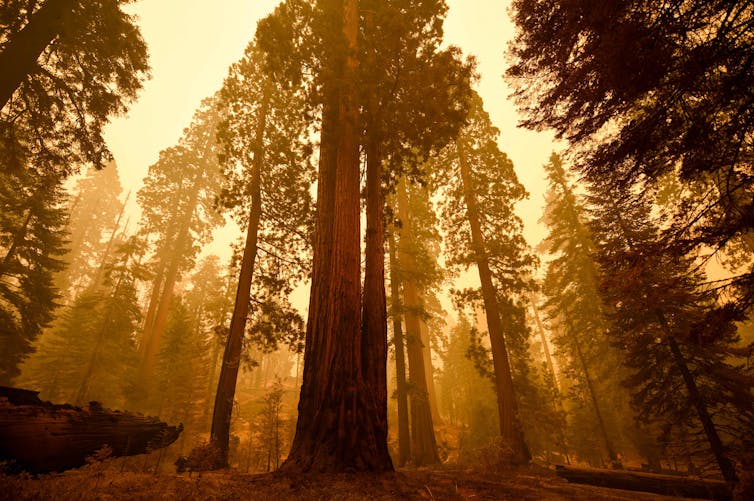
Trees don’t like to breathe wildfire smoke, either – and they’ll hold their breath to avoid it
When wildfire smoke is in the air, doctors urge people to stay indoors to avoid breathing in harmful particles and gases. But what happens to trees and other plants that can’t escape from the smoke?
They respond a bit like us, it turns out: Some trees essentially shut their windows and doors and hold their breath.
As atmospheric and chemical scientists, we study the air quality and ecological effects of wildfire smoke and other pollutants. In a study that started quite by accident when smoke overwhelmed our research site in Colorado, we were able to watch in real time how the leaves of living pine trees responded.
How plants breathe
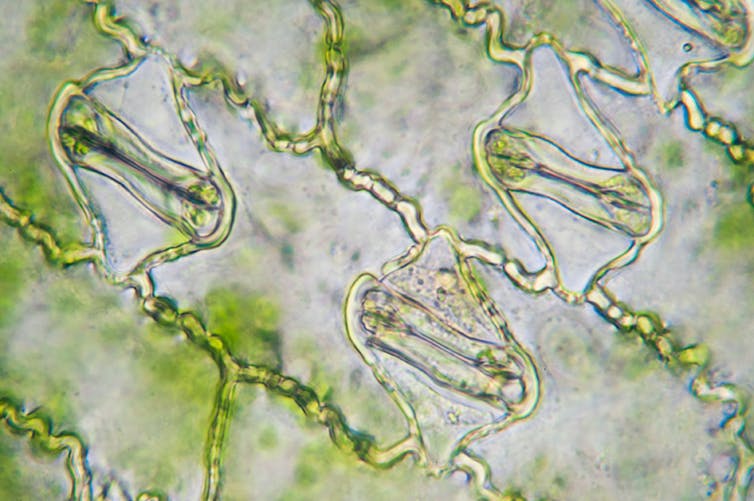
Plants have pores on the surface of their leaves called stomata. These pores are much like our mouths, except that while we inhale oxygen and exhale carbon dioxide, plants inhale carbon dioxide and exhale oxygen.
Both humans and plants inhale other chemicals in the air around them and exhale chemicals produced inside them – coffee breath for some people, pine scents for some trees.
Unlike humans, however, leaves breathe in and out at the same time, constantly taking in and releasing atmospheric gases.
Clues from over a century of research
In the early 1900s, scientists studying trees in heavily polluted areas discovered that those chronically exposed to pollution from coal-burning had black granules clogging the leaf pores through which plants breathe. They suspected that the substance in these granules was partly created by the trees, but due to the lack of available instruments at the time, the chemistry of those granules was never explored, nor were the effects on the plants’ photosynthesis.
For example, a study of multiple crop and wetland sites in California showed that smoke scatters light in a way that made plants more efficient at photosynthesis and growth. However, a lab study in which plants were exposed to artificial smoke found that plant productivity dropped during and after smoke exposure – though those plants did recover after a few hours.
There are other clues that wildfire smoke can impact plants in negative ways. You may have even tasted one: When grapes are exposed to smoke, their wine can be tainted.
What makes smoke toxic, even far from the fire
When wildfire smoke travels long distances, the smoke cooks in sunlight and chemically changes.
Mixing volatile organic compounds, nitrogen oxides and sunlight will make ground-level ozone, which can cause breathing problems in humans. It can also damage plants by degrading the leaf surface, oxidizing plant tissue and slowing photosynthesis.
While scientists usually think about urban regions as being large sources of ozone that effect crops downwind, wildfire smoke is an emerging concern. Other compounds, including nitrogen oxides, can also harm plants and reduce photosynthesis.
Taken together, studies suggest that wildfire smoke interacts with plants, but in poorly understood ways. This lack of research is driven by the fact that studying smoke effects on the leaves of living plants in the wild is hard: Wildfires are hard to predict, and it can be unsafe to be in smoky conditions.
Accidental research – in the middle of a wildfire
We didn’t set out to study plant responses to wildfire smoke. Instead, we were trying to understand how plants emit volatile organic compounds – the chemicals that make forests smell like a forest, but also impact air quality and can even change clouds.
Fall 2020 was a bad season for wildfires in the western U.S., and thick smoke came through a field site where we were working in the Rocky Mountains of Colorado.
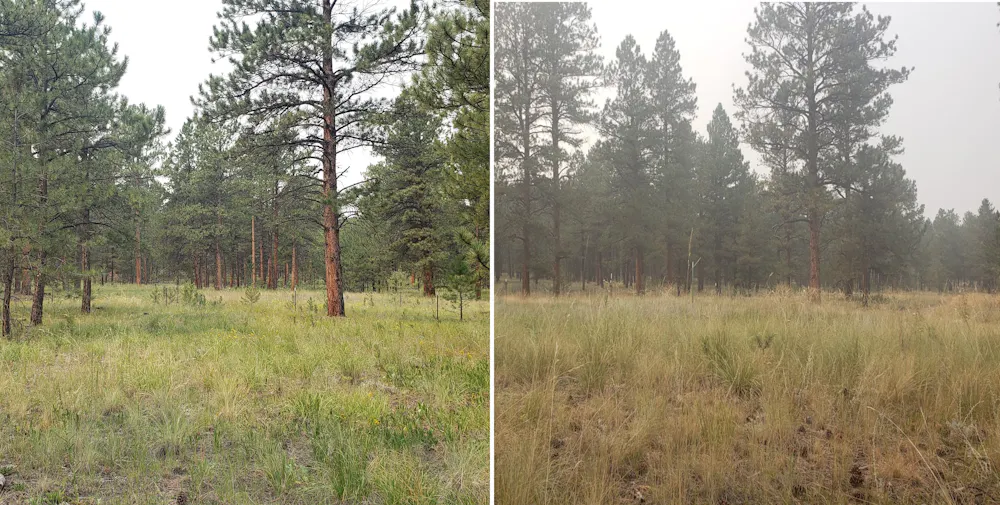
On the first morning of heavy smoke, we did our usual test to measure leaf-level photosynthesis of Ponderosa pines. We were surprised to discover that the tree’s pores were completely closed and photosynthesis was nearly zero.
We also measured the leaves’ emissions of their usual volatile organic compounds and found very low readings. This meant that the leaves weren’t “breathing” – they weren’t inhaling the carbon dioxide they need to grow and weren’t exhaling the chemicals they usually release.
A clear day at the Colorado test site, on the left, compared to the smoky day when trees responded to the poor air quality, on the right. Mj Riches, CC BY-SA
With these unexpected results, we decided to try to force photosynthesis and see if we could “defibrillate” the leaf into its normal rhythm. By changing the leaf’s temperature and humidity, we cleared the leaf’s “airways” and saw a sudden improvement in photosynthesis and a burst of volatile organic compounds.
What our months of data told us is that some plants respond to heavy bouts of wildfire smoke by shutting down their exchange with outside air. They are effectively holding their breath, but not before they have been exposed to the smoke.
We hypothesize a few processes that could have caused leaves to close their pores: Smoke particles could coat the leaves, creating a layer that prevents the pores from opening. Smoke could also enter the leaves and clog their pores, keeping them sticky. Or the leaves could physically respond to the first signs of smoke and close their pores before they get the worst of it.
It’s likely a combination of these and other responses.
The long-term impact is still unknown
The jury is still out on exactly how long the effects of wildfire smoke last and how repeated smoke events will affect plants – including trees and crops – over the long term.
Today’s post is a short video that has no sound. But don’t let that stop you from watching it.
Blind man and dog rescued after days stuck on trail.
A 55-year-old blind man and his dog have been rescued from the Rogue River trail in South-Western Oregon. They began hiking on the trail on July 3 or 4 with a friend. During the hike, the man began to experience heat exhaustion, so the friend left to try to call emergency services. A US Coast Guard helicopter crew airlifted them to safety and the man and his dog were taken to emergency medical services.
My understanding is that they were rescued on July 11th, just a week ago.
It was formed when this former volcano, “which collapsed on itself during an eruption just 7,700 years ago and slowly filled with melted snow, now stands as Oregon’s only national park.”
At over 2,000 feet deep it is the deepest lake in the United States of America.
EVENT: A coronal mass ejection (CME) is an eruption of solar material. When they arrive at Earth, a geomagnetic storm can result. Watches at this level are very rare. TIMING: Several CMEs are anticipated to merge and arrive at Earth on May 12th. EFFECTS: The general public should visit our webpage to keep properly informed. The aurora mav become visible over much of the northern half of the country, and maybe as far south as Alabama to northern California.
Meanwhile, Earth.com presented the following (and it is a long but extremely interesting report):
Update: New solar flare, secondary peak today in this “Extreme” solar storm
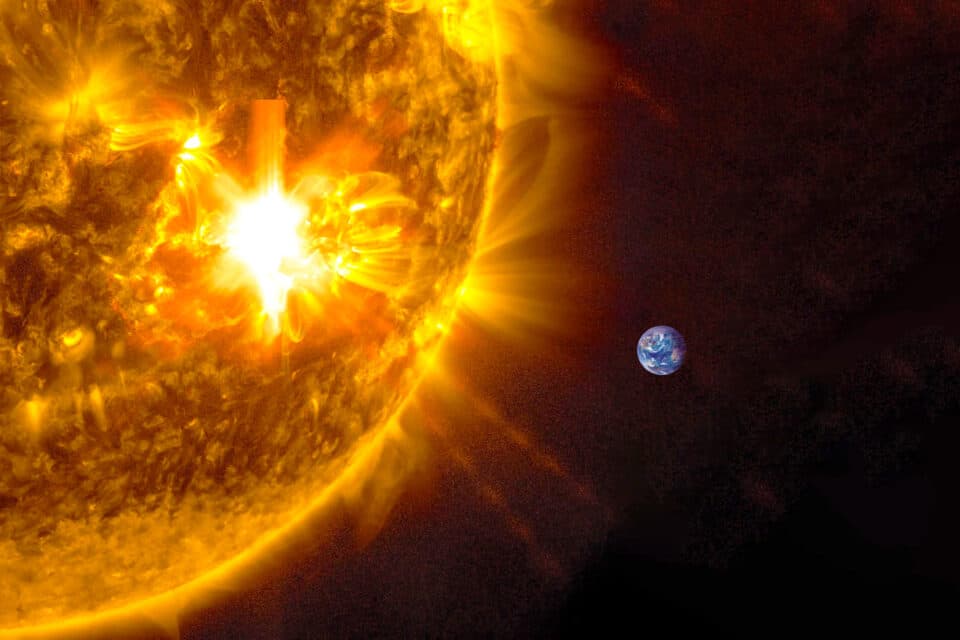
The Sun released another powerful burst of energy today, known as a solar flare, reaching its peak intensity at 12:26 p.m. Eastern Time. The flare originated from a region on the Sun’s surface called sunspot Region 3664, which has been quite active lately.
NASA’s Solar Dynamics Observatory, a spacecraft that keeps a constant eye on our nearest star, was able to capture a striking image of this latest solar outburst.
Solar flares are immense explosions on the Sun that send energy, light and high speed particles into space. They occur when the magnetic fields in and around the Sun reconnect, releasing huge amounts of stored magnetic energy. Flares are our solar system’s most powerful explosive events.
The NOAA’s Space Weather Prediction Center (SWPC) has extended the Geomagnetic Storm Warning until the afternoon of May 13, 2024.
Understanding different classes of solar flares
Today’s flare was classified as an X1.0 flare. Solar flares are categorized into classes based on their strength, with X-class flares being the most intense. The number provides additional information about the flare’s strength within that class. An X1 flare is ten times more powerful than an M1 flare.
These energetic solar eruptions can significantly impact Earth’s upper atmosphere and near-Earth space environment. Strong flares can disrupt high-frequency radio communications and GPS navigation signals. The particle radiation and X-rays from flares can also pose potential risks to astronauts in space.
Additionally, the magnetic disturbances from flares, if particularly strong, have the ability to affect electric power grids on Earth, sometimes causing long-lasting blackouts.
However, power grid problems are more commonly caused by coronal mass ejections (CMEs), another type of powerful solar eruption often associated with strong flares.
Scientists are always on alert, monitoring the Sun for these explosive events so that any potential impacts can be anticipated and prepared for. NASA’s Solar Dynamics Observatory, along with several other spacecraft, help provide this early warning system.
Stay tuned to Earth.com and the Space Weather Prediction Center (SWPC) for updates.
Update — May 12, 2024 at 9:41 AM EDT
The ongoing geomagnetic storm is expected to intensify later today, Sunday, May 12, 2024. Several intense Coronal Mass Ejections (CMEs), traveling from the Sun at speeds up to 1,200 miles per second, are anticipated to reach the Earth’s outer atmosphere by late afternoon.
Over the past two days, preliminary reports have surfaced regarding power grid irregularities, degradation of high-frequency communications, GPS outages, and satellite navigation issues. These disruptions are likely to persist as the geomagnetic storm strengthens.
Auroras visible across the continental United States
Weather permitting, auroras will be visible again tonight over most of the continental United States. This spectacular display of lights is a direct result of the ongoing geomagnetic storm.
The threat of additional strong solar flares and CMEs, which ultimately result in spectacular aurora displays, will persist until the large and magnetically complex sunspot cluster, NOAA Region 3664, rotates out of view of the Earth. This is expected to occur by Tuesday, May 14, 2024.
Solar activity remains at moderate to high levels
Solar activity has been at moderate levels over the past 24 hours. Region 3664 produced an M8.8/2b flare, the strongest of the period, on May 11 at 15:25 UTC. A CME signature was observed, but an Earth-directed component is not suspected.
Solar activity is expected to remain at high levels from May 12-14, with M-class and X-class flares anticipated, primarily due to the flare potential of Region 3664.
Energetic particle flux and solar wind enhancements
The greater than 10 MeV proton flux reached minor to moderate storm levels on May 10. Additional proton enhancements are likely on May 13-14 due to the flare potential and location of Region 3664.
The solar wind environment has been strongly enhanced due to continued CME activity. Solar wind speeds reached a peak of around 620 miles/second on May 12 at 00:55 UTC.
A strongly enhanced solar wind environment and continued CME influences are expected to persist on May 12-13, and begin to wane by May 14.
Geomagnetic field reaches G4 “Severe” storm levels
The geomagnetic field reached G4 (Severe) geomagnetic storm levels in the past 24 hours due to continued CME activity.
Periods of G3 (Strong) geomagnetic storms are likely, with isolated G4 levels possible, on May 12. Periods of G1-G3 (Minor-Strong) storming are likely on May 13, and periods of G1 (Minor) storms are likely on May 14.
Stay informed and enjoy the light show
As the geomagnetic storm rages on, we must remain vigilant and prepared for the potential consequences. Monitor official sources for updates on the storm’s progress and any further disruptions to our technological infrastructure.
Take a moment to step outside tonight and marvel at the incredible auroras painting the night sky — a stunning reminder of the raw power and beauty of our Sun.
While these solar storms can cause temporary inconveniences, they also provide us with an opportunity to reflect on our place in the universe and the awe-inspiring forces that shape our world.
Stay tuned to Earth.com and the Space Weather Prediction Center (SWPC) for updates.
Understanding geomagnetic solar storms
Geomagnetic storms are disturbances in the Earth’s magnetic field caused by the interaction between the solar wind and the planet’s magnetosphere. These storms can have significant impacts on technology, infrastructure, and even human health.
Causes of geomagnetic storms
Geomagnetic storms typically originate from the Sun. They are caused by two main phenomena:
Coronal Mass Ejections (CMEs): Massive bursts of plasma and magnetic fields ejected from the Sun’s surface.
Solar Flares: Intense eruptions of electromagnetic radiation from the Sun’s surface.
When these events occur, they send charged particles streaming towards Earth at high speeds, which can take anywhere from one to five days to reach our planet.
Effects on Earth’s magnetic field
As the charged particles from CMEs and solar flares reach Earth, they interact with the planet’s magnetic field. This interaction causes the magnetic field lines to become distorted and compressed, leading to fluctuations in the strength and direction of the magnetic field.
Impacts on technology and infrastructure
Geomagnetic storms can have significant impacts on various aspects of modern technology and infrastructure:
Power Grids: Strong geomagnetic storms can induce currents in power lines, causing transformers to overheat and potentially leading to widespread power outages.
Satellite Communications: Charged particles can damage satellite electronics and disrupt communication signals.
GPS and Navigation Systems: Geomagnetic disturbances can interfere with the accuracy of GPS and other navigation systems.
Radio Communications: Storms can disrupt radio signals, affecting communication systems that rely on HF, VHF, and UHF bands.
As charged particles collide with Earth’s upper atmosphere, they excite oxygen and nitrogen atoms, causing them to emit light in various colors.
Monitoring and forecasting
Scientists continuously monitor the Sun’s activity and use various instruments to detect and measure CMEs and solar flares.
This data helps them forecast the timing and intensity of geomagnetic storms, allowing for better preparedness and mitigation of potential impacts.
Historical geomagnetic storms
Some of the most notable geomagnetic storms in history include:
The Carrington Event (1859): The most powerful geomagnetic storm on record, which caused widespread telegraph system failures and auroras visible as far south as the Caribbean.
The Halloween Storms (2003): A series of powerful geomagnetic storms that caused power outages in Sweden and damaged transformers in South Africa.
The Quebec Blackout (1989): A geomagnetic storm that caused a massive power outage affecting millions of people in Quebec, Canada.
Understanding geomagnetic storms is crucial for protecting our technology-dependent world and mitigating the potential risks associated with these powerful space weather events.
—–
Like what you read? Subscribe to our newsletter for engaging articles, exclusive content, and the latest updates.
Check us out on EarthSnap, a free app brought to you by Eric Ralls and Earth.com.
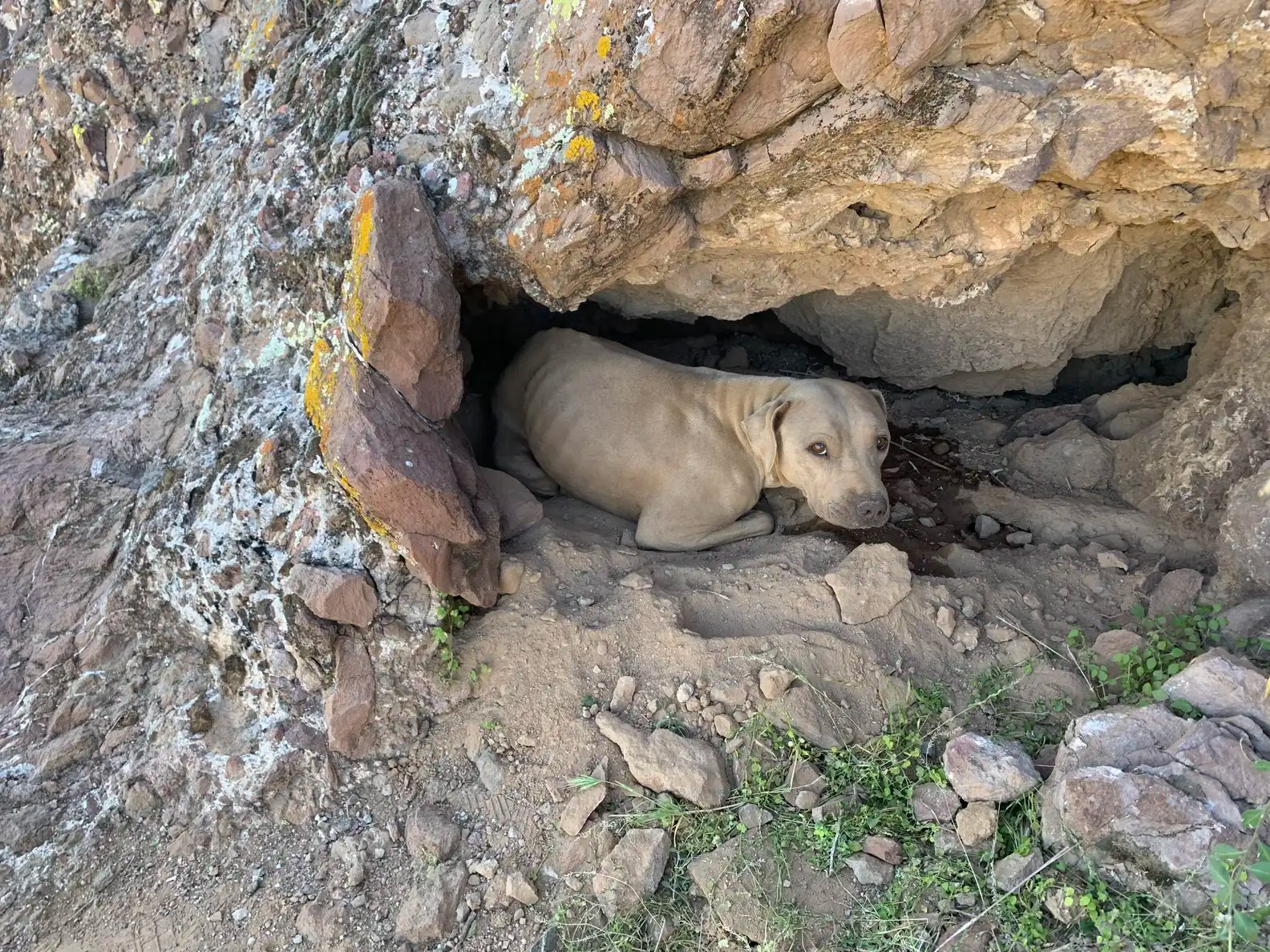
A Good Samaritan was hiking a narrow, slippery trail on Lookout Mountain in Phoenix, Arizona, and was very focused on his hike until something caught his eye. He was about half a mile up the mountain and a little off the beaten path when he caught a glimpse of light reflecting off of something — and was shocked to realize it was a pair of amber eyes.
The eyes belonged to a very scared dog huddled up in a tiny hole in the side of the mountain. She was completely blending in with her surroundings, and if she hadn’t had such piercing eyes, the hiker may not have noticed her. He had no idea how she’d managed to get up there, but it was clear that she’d been stuck for a while and might not be able to last much longer.
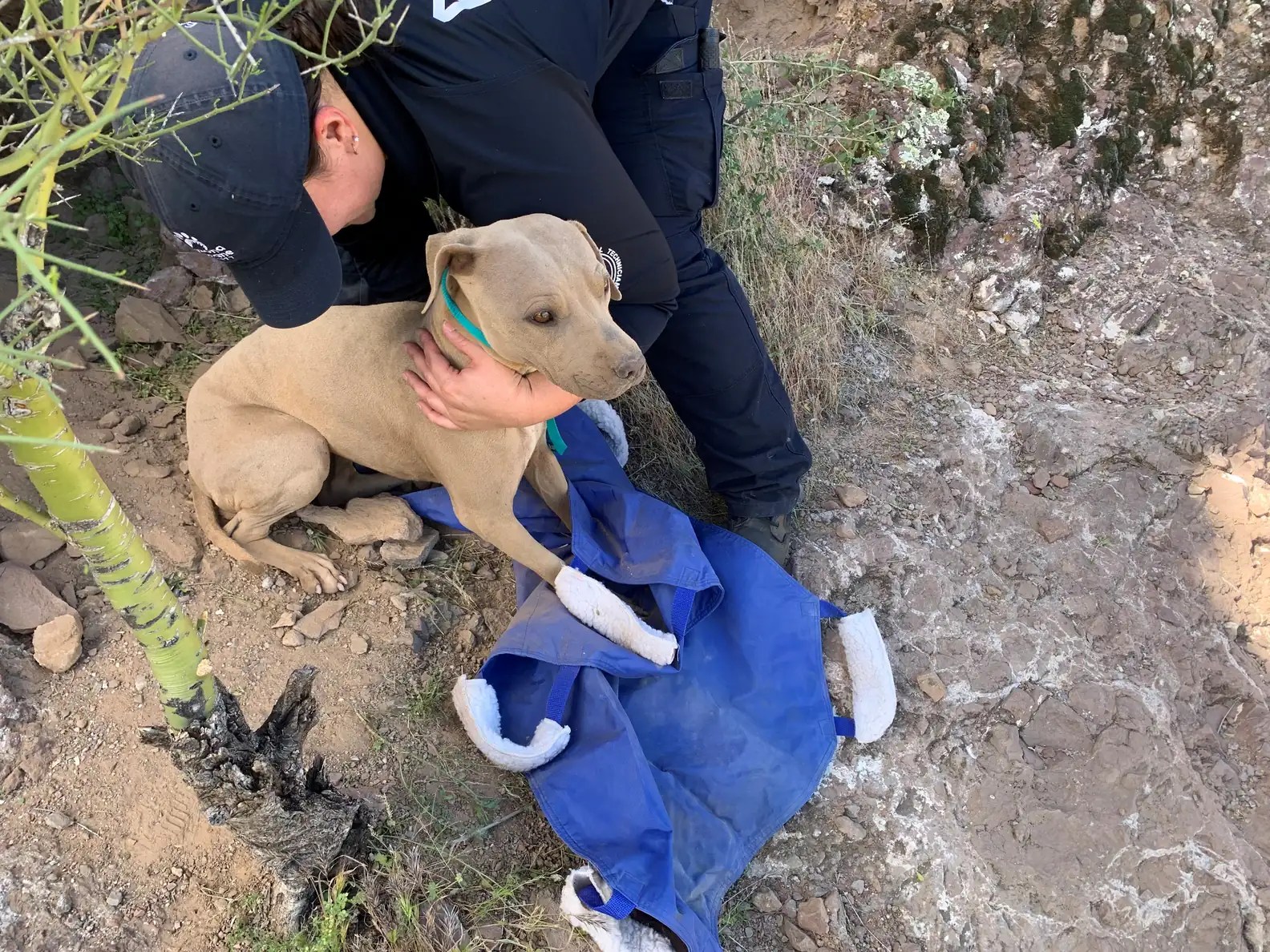
The Good Samaritan quickly contacted the Arizona Humane Society (AHS), who sent two emergency animal medical technicians, Tracey Miiller and Ruthie Jesus, out to help while he waited with the pup until they arrived. The dog was definitely scared but seemed open to getting help.
“This Good Samaritan waited probably almost two hours, and then we found this incredible dog, who incidentally is literally the same color as the dirt,” Jesus said in a press release. “She blends in so much, the complainant told us that he wanted to call her Bright Eyes because when he hiked past her, that was literally the only thing he saw was her amber bright eyes staring back at him.”
After a quick and careful assessment on the side of the mountain, the technicians determined that Bright Eyes was dangerously dehydrated with cut-up paws and a wound on her rear end.
“She was really sweet and letting me pet her head, but she absolutely did not want to come out of that den, so I kind of had to just sort of pull her out,” Jesus said.
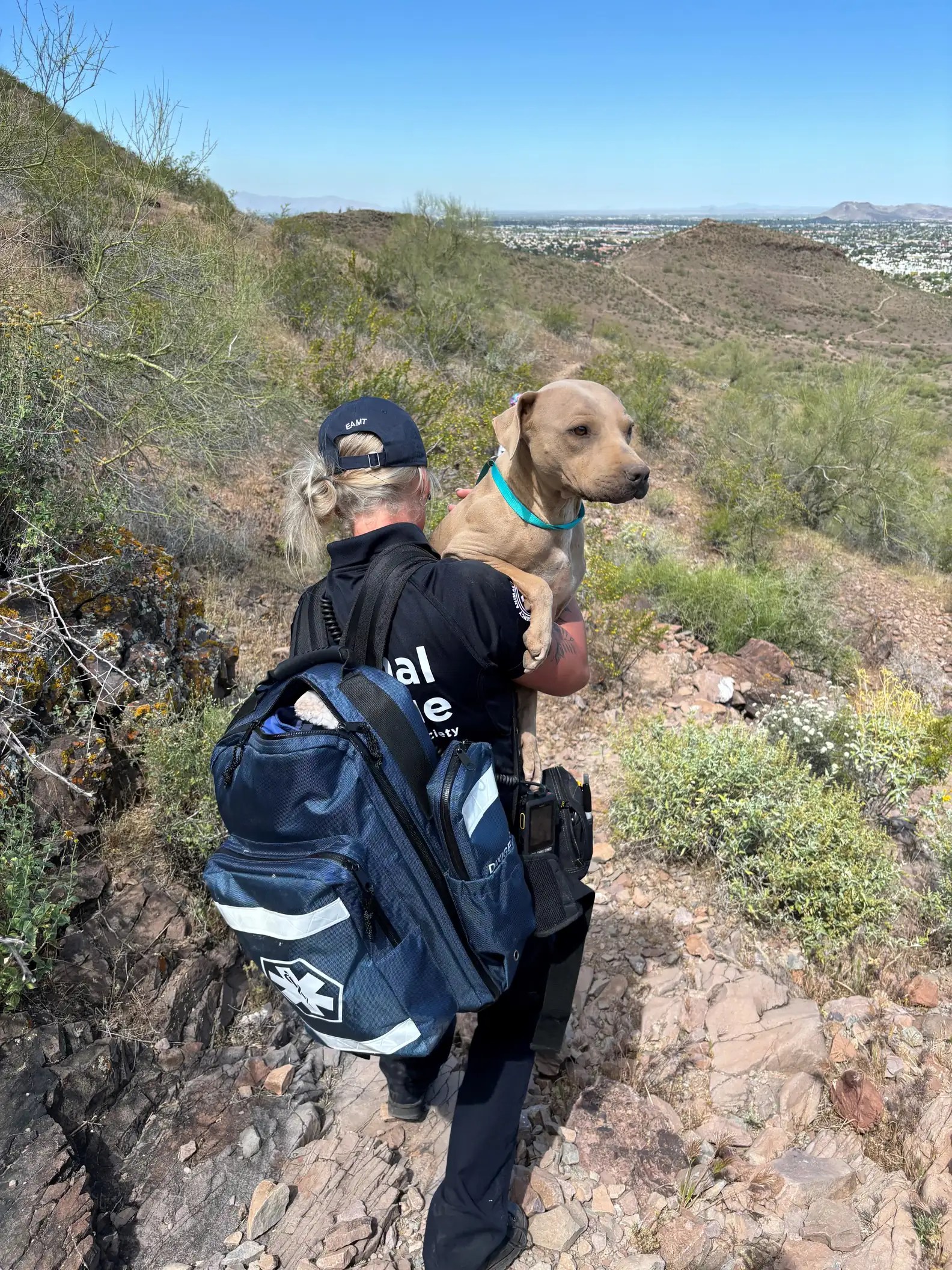
She was definitely too weak to walk with her rescuers down the mountain, so the technicians took turns carrying her until they reached the ambulance. Bright Eyes was calm the whole time, so grateful to finally be safe.
“She actually really just relaxed and seemed to enjoy being carried down the mountain,” Jesus said. “But it was a very teeny-tiny rocky trail that was pretty slick, and so Tracey and I took turns carrying her down the mountain, and she was just an absolute angel. She knew we were getting her to safety.”
It’s still a mystery as to how or why Bright Eyes ended up on the mountain in the first place, but the important thing is someone found her and now she’s getting the care she needs.
“We were so elated to be able to get her,” Jesus said. “She was just so dehydrated. I think she’d probably been up there several days and that was probably her last day, and this Good Samaritan really just saved her life.”
ooOOoo
Frankly, there’s nothing more to add to this account. For it captured all that so many people do for dogs.












 Learning from Dogs
.jpg)

