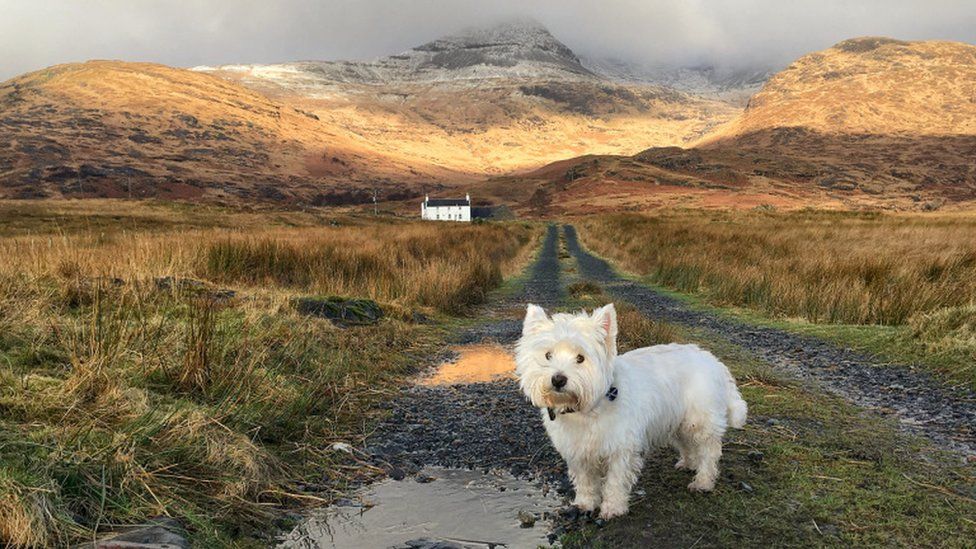
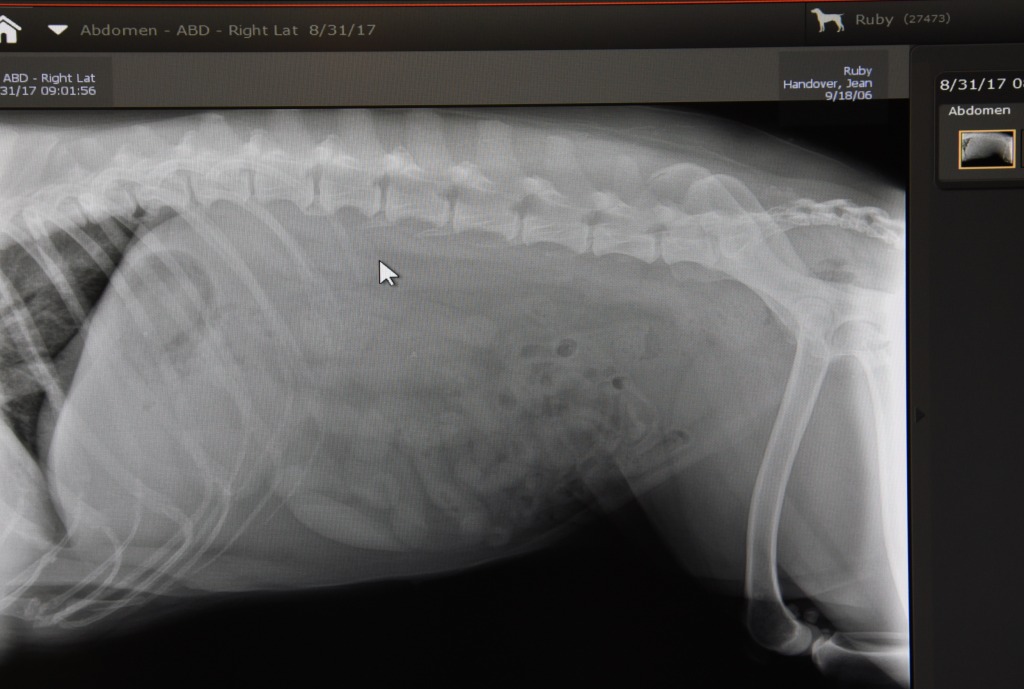
In lieu of being ‘off line’ until the 15th.

oooo

oooo

oooo

oooo

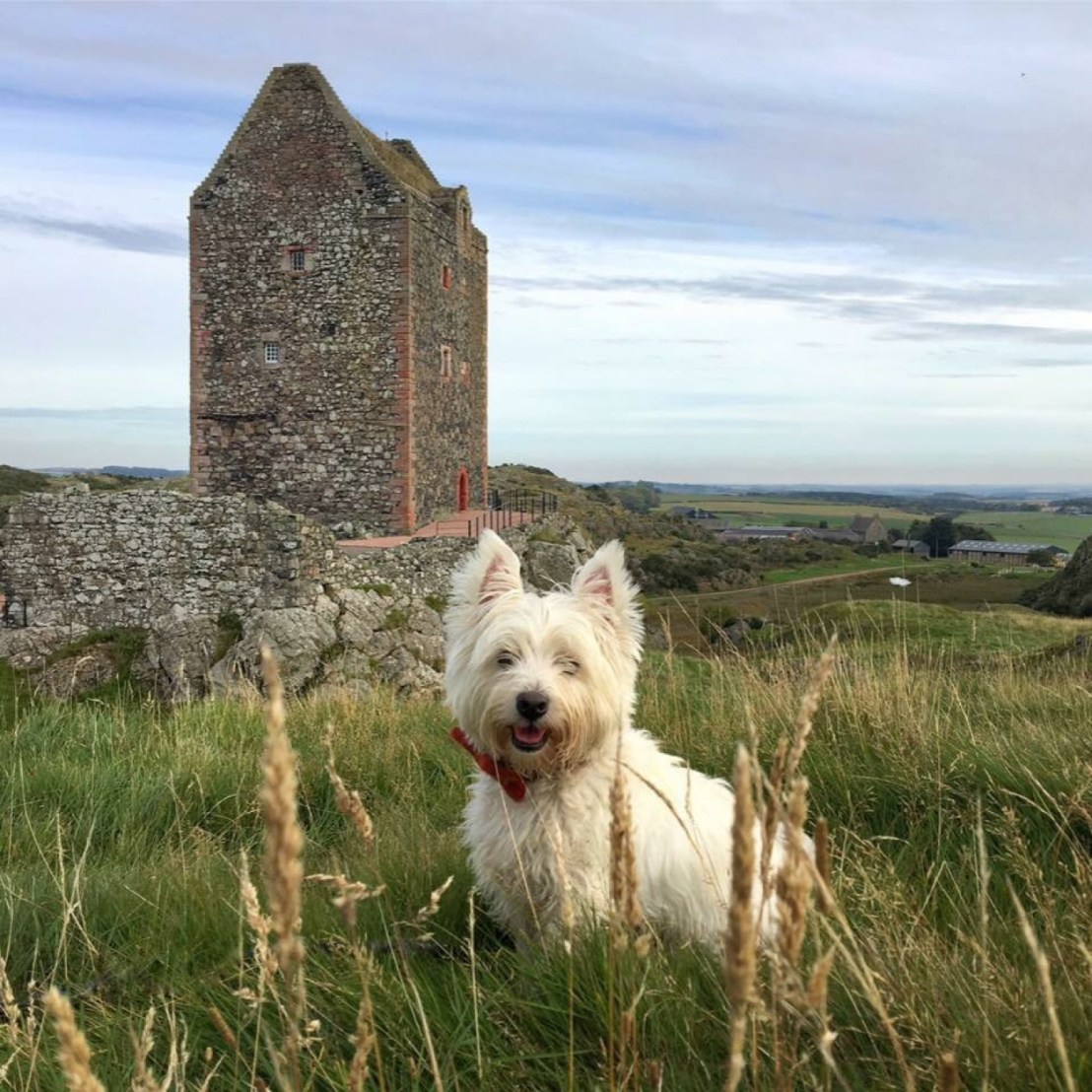
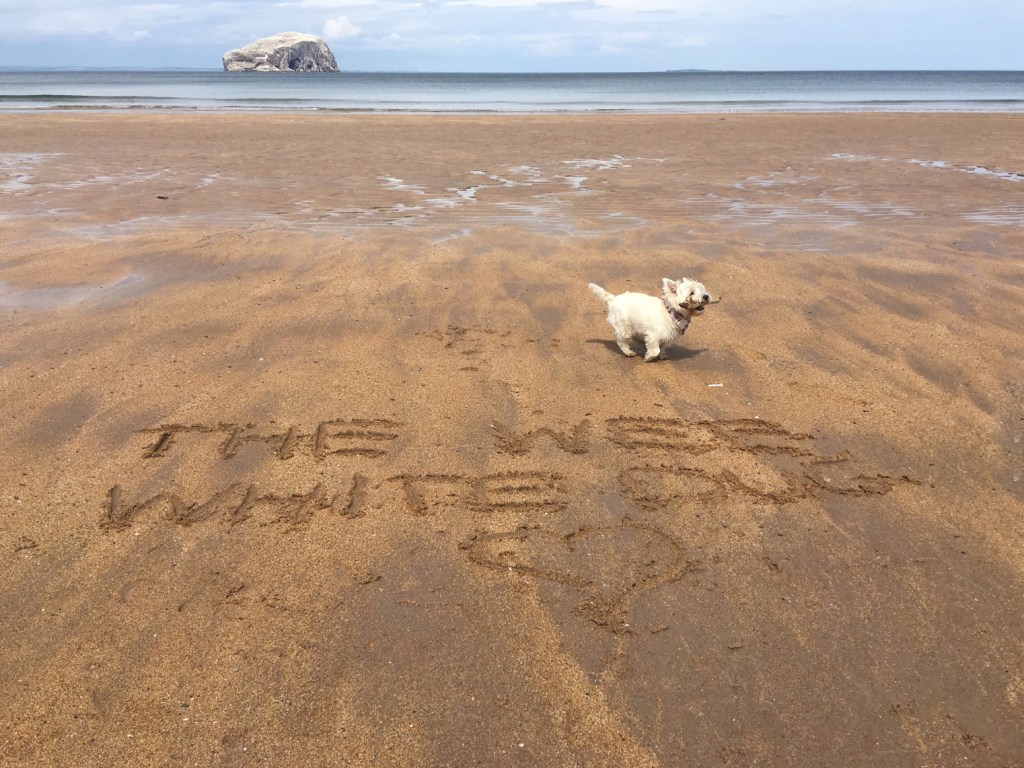
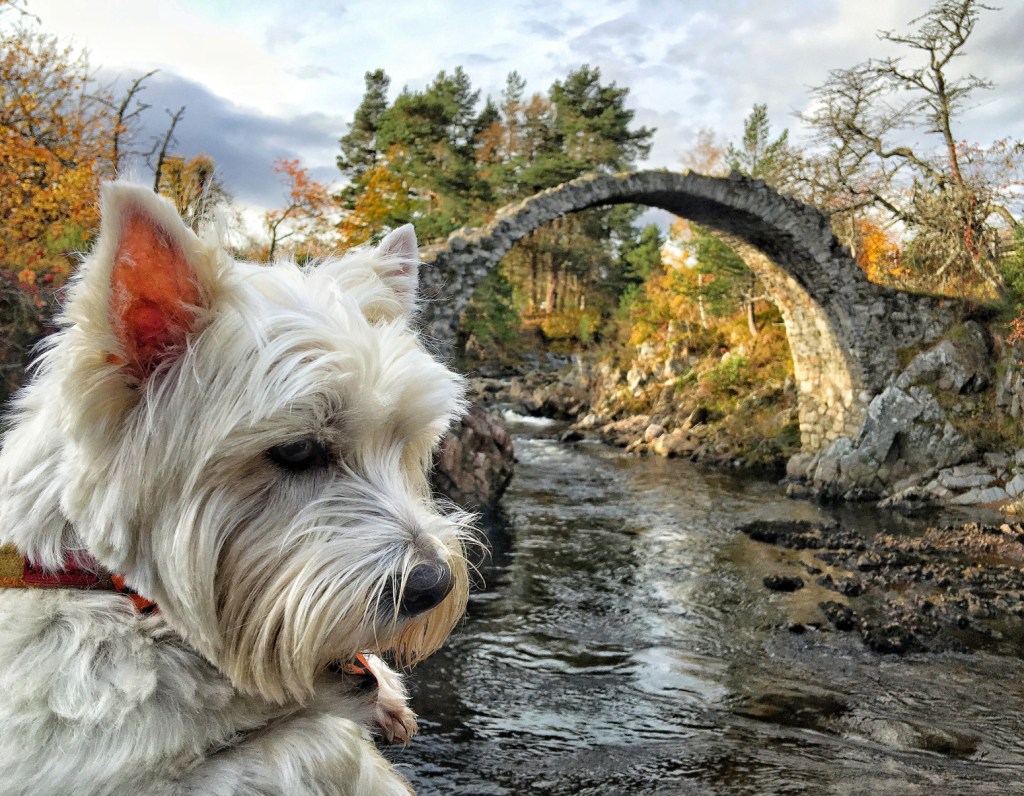
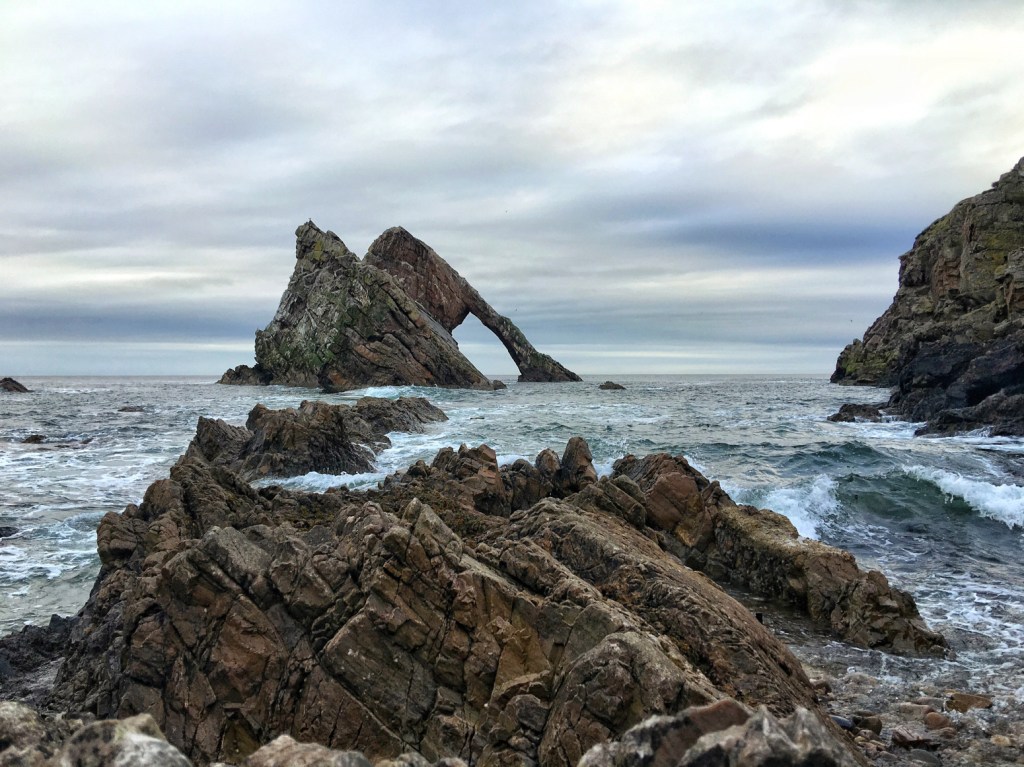
Aren’t these photographs gorgeous!
Dogs are animals of integrity. We have much to learn from them.
Category: Photography
In lieu of being ‘off line’ until the 15th.

oooo

oooo

oooo

oooo

Aren’t these photographs gorgeous!
Those precious dogs saved from the meat trade.
On the 26th July I posted an item about the work of The Humane Society in saving dogs. I included a very moving photograph and promised to include the rest of the photographs in a Picture Parade. Well, here they are including the one I republished.

oooo

oooo

oooo

oooo

oooo

oooo

Wonderful!
What to see in the night sky in August
You all understand that this blog, while predominantly about our special doggie friends, never hesitates to wander away from matters canine if I think it will be enjoyed by all you good people.
You will also all appreciate that August is the month where in the USA, on August 21st, there will be a total eclipse of the sun.
The reasons why I didn’t hesitate to republish a recent post that was presented on Mother Nature Network.
ooOOoo
While the total solar eclipse is the highlight, there are other celestial fireworks to look forward to this month.
Michael d’Estries August 1, 2017.
Michael d’Estries ( @michaeldestries ) covers science, technology, art, and the beautiful, unusual corners of our incredible world.

Welcome to August, a month defined by loud cicadas, pool parties, humidity and children fretting about an impending return to school. When it comes to celestial happenings, however, there is no larger star this month that our own moon. From a partial lunar eclipse to the first coast-to-coast solar eclipse in almost a century, the moon will be the cause of most eyeballs drifting towards the heavens over the next several weeks.
Below is a small sampling of some of the night and day celestial events to look forward to this month. Wishing you all clear skies!

August’s full moon, nicknamed the Sturgeon Moon, will rise for the U.S. Eastern Seaboard on the evening of Aug. 7 at 8:05 p.m.
The Sturgeon Moon gets its name from the species of fish native to both Europe and the Americas that is easily caught this time of year. Other nicknames include the Corn Moon, Fruit Moon and Grain Moon. In countries experiencing winter, such as New Zealand, native Māori called this full moon “Here-turi-kōkā” or “the scorching effect of fire is seen on the knees of man.” This reference is to warm fires that glow during the Southern Hemisphere’s coldest month.

As a kind of consolation prize for missing out on this month’s total solar eclipse over North America, those living on the continents of Africa, Asia and Australia will bear witness to a partial lunar eclipse. Spectators in Europe will catch the tail end of the eclipse as the moon rises around 7:10 p.m. on Aug. 7.
This phenomenon occurs between two to four times a year when the moon passes through a portion of the Earth’s shadow. Because the shadow cast is more than 5,700 miles wide, lunar eclipses last much longer than solar eclipses. In some instances, totality can occur for as long as 1 hour and 40 minutes. As a reference, maximum totality for the Aug. 21 solar eclipse will top out a mere 2 minutes and 42 seconds. The longest, at over 7 minutes, won’t take place until the year 2186.
This month’s partial lunar eclipse is the last of the year. Next year, total lunar eclipses will take place in January and July.

Regarded as one of the best celestial light shows of the year, the Perseid meteor shower occurs from July 17 to Aug. 24 and peaks on the evening of Aug. 12.
The shower, sometimes creating as many as 60 to 200 shooting stars per hour, is produced as Earth passes through debris left over from the orbit of Comet Swift-Tuttle. This 16-mile-wide periodic comet, which completes an orbit around the sun every 133 years, has been described as “the single most dangerous object known to humanity.” This is because every instance of its return to the inner solar system brings it ever closer to the Earth-moon system. Though astronomers believe the comet bears no threat for at least the next 2,000 years, future impacts cannot be ruled out.
If the comet were to hit Earth, scientists believe Swift-Tuttle would be at least 27 times more powerful than the asteroid or comet that wiped out the dinosaurs. For now, you can take in the beauty of the debris from this harbinger of doom by looking north towards the constellation Perseus. Because the moon will be three-quarters full, you’ll need to search out a nice dark sky to escape any light pollution from urban environments.

By far the biggest celestial event in ages, Aug. 21 marks the first time since June 1918 that a total solar eclipse will race from coast to coast across the United States. Cities and towns along the 72-mile-wide path of totality are preparing for an influx of visitors, with millions of Americans expected to drive to view the rare phenomenon. Those outside totality will still experience a show, with partial solar eclipses happening over much of North America. Regardless, everyone will want to invest in a pair of special solar eclipse glasses to avoid ruining your eyesight.
Total solar eclipses occur when the new moon moves between the Earth and the sun and casts its shadow on the planet. This shadow is comprised of two concentric cones –– the larger penumbra, which from Earth only shows the sun partially blocked, and the much smaller umbra, which blocks the sun completely. It is within this latter cone that totality will occur, giving spectators on the ground what’s considered by many to be a “once-in-a-lifetime” experience.
The Great American Eclipse will actually first start out in the Pacific (at this point, it will actually, unbelievably rise while completely eclipsed!), making landfall on the Oregon community of Lincoln Beach at 10:16:01 a.m. (PDT). From there, the moon’s shadow will continue to race across the U.S. The point of greatest eclipse, where the axis of the moon’s shadow passes nearest to the center of Earth, will take place in Hopkinsville, Kentucky and last 2 minutes and 40.1 seconds. In celebration of the event, the town has temporarily renamed itself “Eclipseville,” and expects anywhere from 55,000 to 150,000 tourists to visit in advance of Aug. 21.
The next total solar eclipse over the U.S. will take place on April 8, 2024.

Fresh after wowing the U.S. during the day with its solar theatrics, August’s new moon will give way to dark skies for the next several nights. This is the perfect opportunity to grab a blanket and head outside into the still-warm summer evenings to enjoy the heavens in all their glory. With some remnants of the Perseids still visible, it will also offer a chance to catch some of the faintest shooting stars.

Ever wonder what causes the beautiful bands of color in the eastern sky at sunset or the western sky at sunrise? The dark blue band stretching 180 degrees along the horizon is actually the Earth’s shadow emanating some 870,000 miles into space. The golden-red portion, nicknamed the “Belt of Venus,” is Earth’s upper-atmosphere illuminated by the setting or rising sun.
Now that you know about this phenomenon, choose a night or morning sometime to try and pick it out. You’ll need a western or eastern horizon that’s fairly unobstructed to get a clear view of our planet’s huge curved shadow.

As fall beckons, the biggest event next month will be the dramatic death dive of the Cassini spacecraft into Saturn. Taking place on Sept. 15, Cassini will make discoveries about Saturn right up until its fiery conclusion, with unprecedented photos and data captured and transmitted during its final moments.
ooOOoo
It is going to be quite a month!
Oh, and for those of you that want to know the timings of the eclipse over North America there is a useful reference site here, from which I republish the following table.
The eclipse will begin over the Pacific Ocean at 15:46 UTC, which corresponds to 8:46 am Pacific Time. It will reach the coast of Oregon at Lincoln City, just west of Salem, at 9:04 am local time. The eclipse will reach its maximum point here at 10:17 am.
From here, the Moon’s central shadow will move inland. The following table shows when the Moon will begin to move in front of the Sun and the moment it completely covers the Sun, as seen from some locations along the central path of the eclipse. All times are local.
| Location | Partial Eclipse Begins | Sun Completely Obscured |
|---|---|---|
| Salem, OR | 09:05 am PDT | 10:18 am PDT |
| Idaho Falls, ID | 10:15 am MDT | 11:33 am MDT |
| Casper, WY | 10:22 am MDT | 11:43 am MDT |
| Lincoln, NE | 11:37 am CDT | 1:03 pm CDT |
| Sabetha, KS | 11:38 am CDT | 1:05 pm CDT |
| Jefferson City, MO | 11:46 am CDT | 1:14 pm CDT |
| Carbondale, IL | 11:52 am CDT | 1:21 pm CDT |
| Hopkinsville, KY | 11:56 am CDT | 1:25 pm CDT |
| Nashville, TN | 11:58 am CDT | 1:28 pm CDT |
| Talulah Falls, GA | 1:07 pm EDT | 2:37 pm EDT |
| Columbia, SC | 1:13 pm EDT | 2:43 pm EDT |
| Charleston, SC | 1:16 pm EDT | 2:47 pm EDT |
Please note that this list includes only a small selection of locations where the total eclipse will be visible. You can look up more locations in our Eclipse Database or via the Eclipse Map.
Enjoy your nights out there! And let your dogs howl their hearts out!
The joys of installing new flooring!

In a number of the rooms here at home we still have down on the floor the carpeting that was in the house when we moved in 5 years ago. As you might imagine that carpet, being slept on daily by cats and dogs, is also home to a range of uninvited ‘guests’. That song title comes to mind: “The hills are alive ….”.
A while ago we replaced the carpet in our main living-room with oak flooring and now we are replacing just about all the rest of the carpet in our house with laminate boarding that is a very good match with the oak flooring.
One of the rooms that is affected is my office and although the installers will only be working for the three days of the 16th to the 18th August, the rooms will need to be emptied out of all furniture a few days before the 16th.
Ergo, I expect to be ‘off air’ for about a week. Probably from Sunday, 13th August through to Sunday, 20th August.
During those days I won’t be able to respond to your replies to posts. But I will put up posts for each of those days well ahead of the 13th.
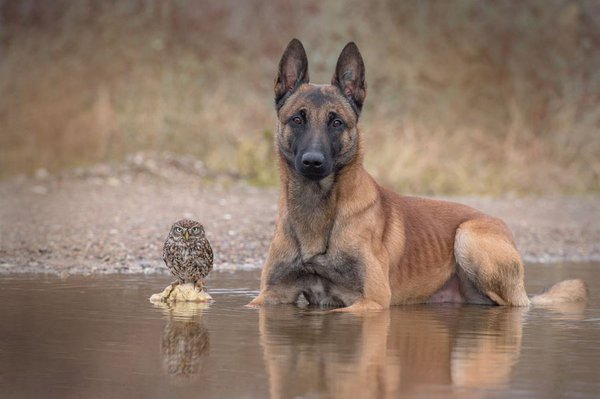
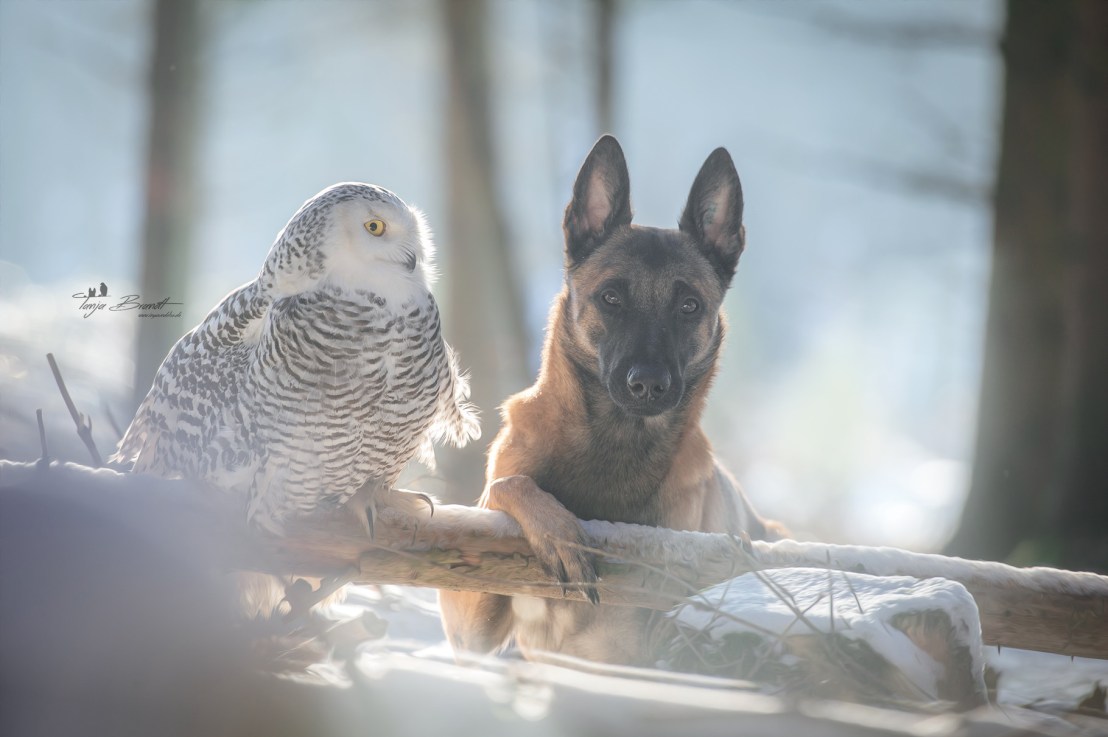
What I will post is something that Suzann emailed Jean the other day. It’s the wonderful story of a Belgian Shepherd dog befriending an owl. This is what was included in Suzann’s email:
ooOOoo

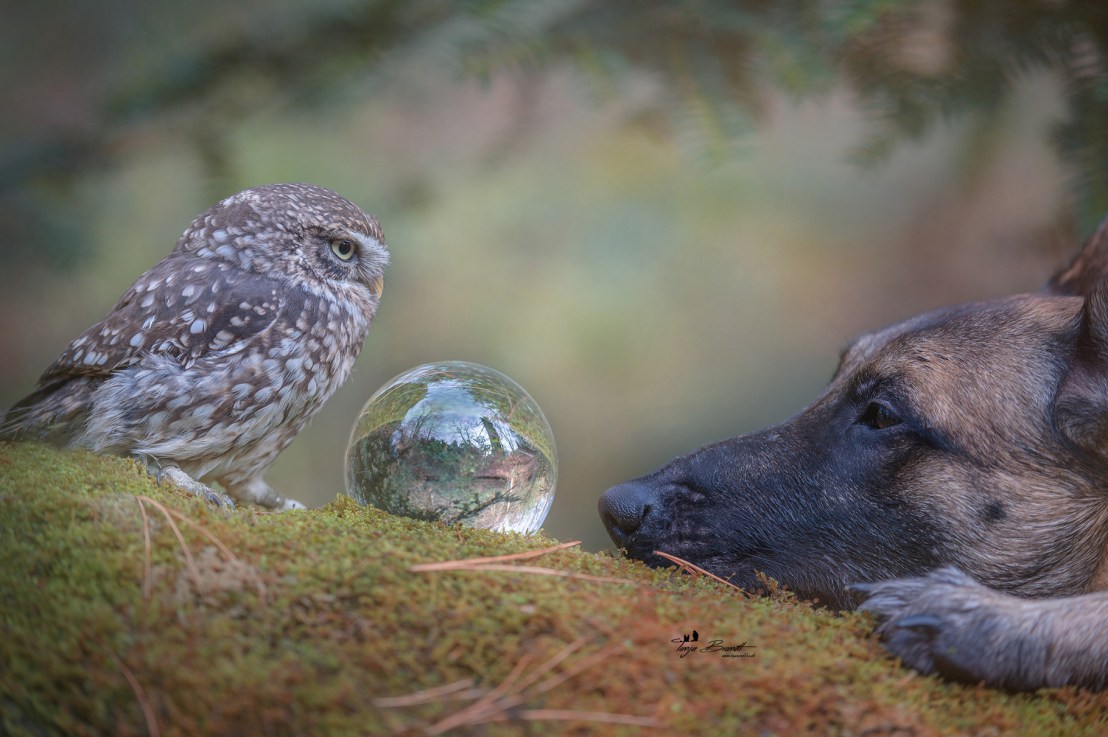
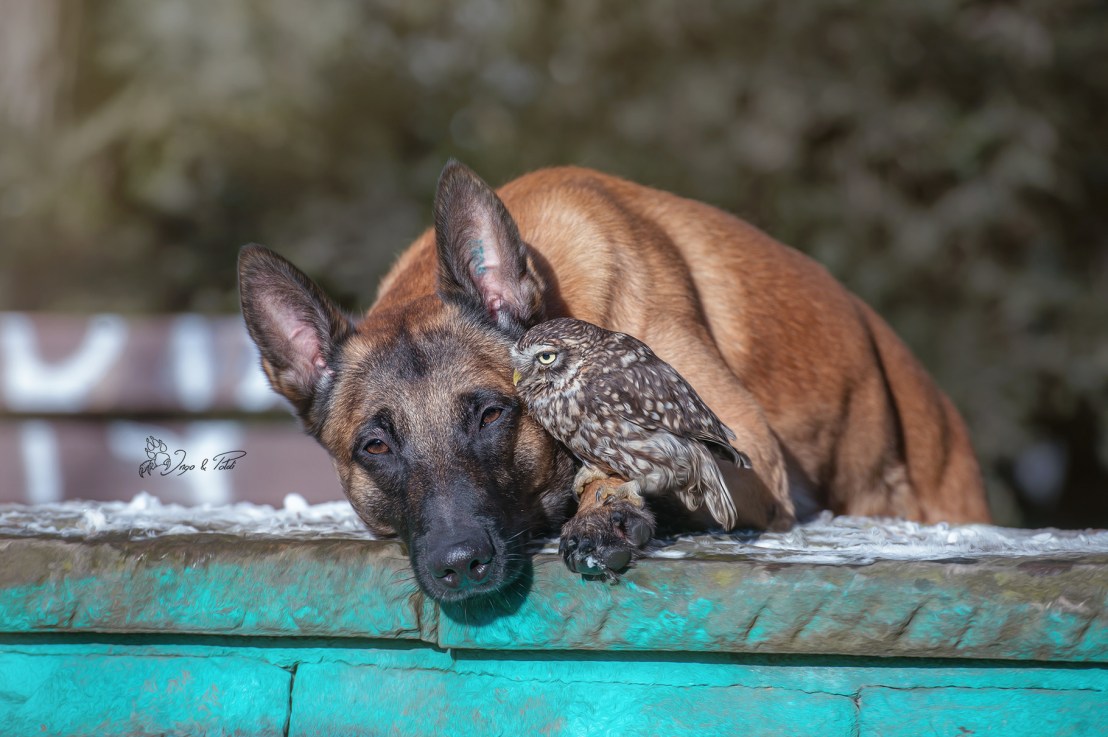
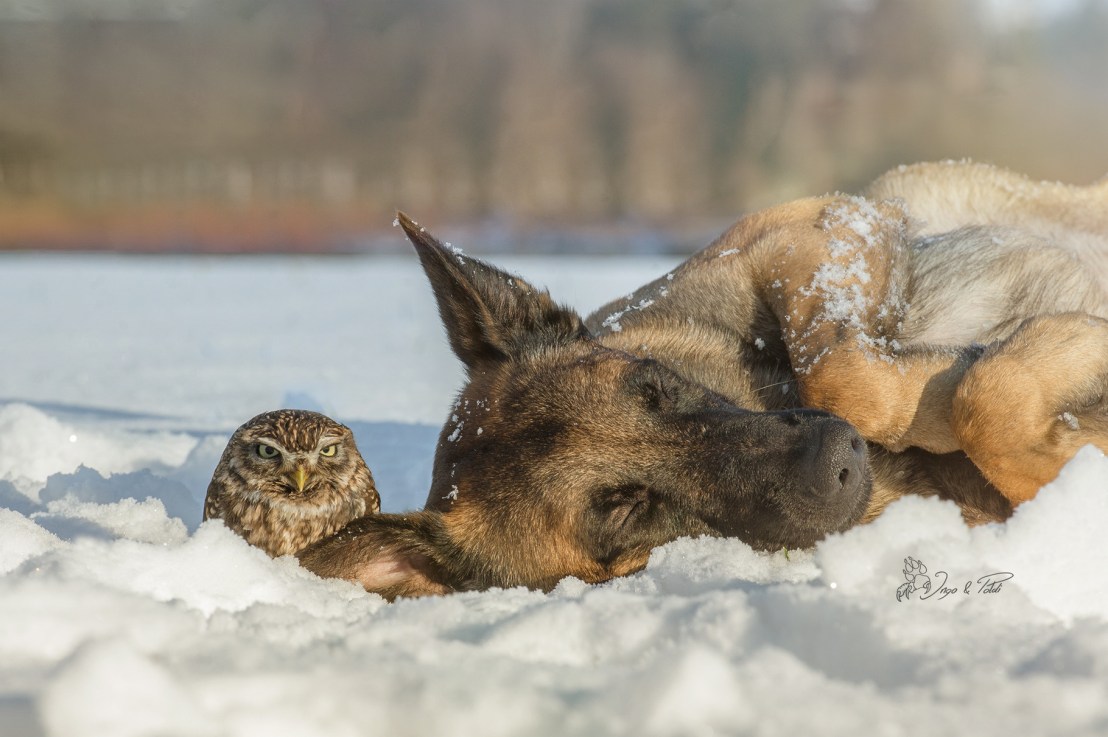
For years, photographer Tanja Brandt has made it her mission to capture magnificent photos of animals and wildlife. Recently, the German artist found a new challenge when she photographed the unique bond between two unlikely friends: Ingo, a Belgian shepherd, and Poldi (Napoleon), a one-year-old owlet.
The owlet and canine have a special “protector-protected” relationship and that their affection towards each other couldn’t be any more evident. Ingo lovingly guards Poldi, who apparently “doesn’t know how to live free.”
The owlet, hatched two days after his six brothers and sisters, therefore, has always been very vulnerable due to his small size. Comparatively, Ingo was raised by a family of strong, and oftentimes ruthless, police dogs.
“They respect each other and they can read each other,” says the photographer.
ooOOoo
There are many photographs of Ingo and Poldi and they will make up the posts for you all for that week of the 14th August.
Forgive the indulgence today.
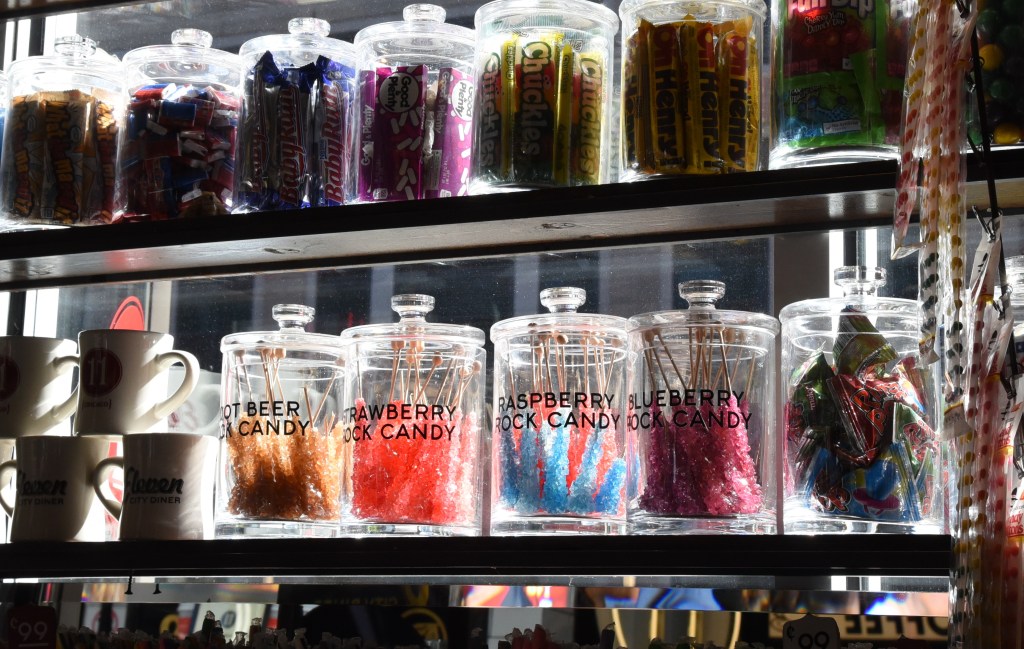
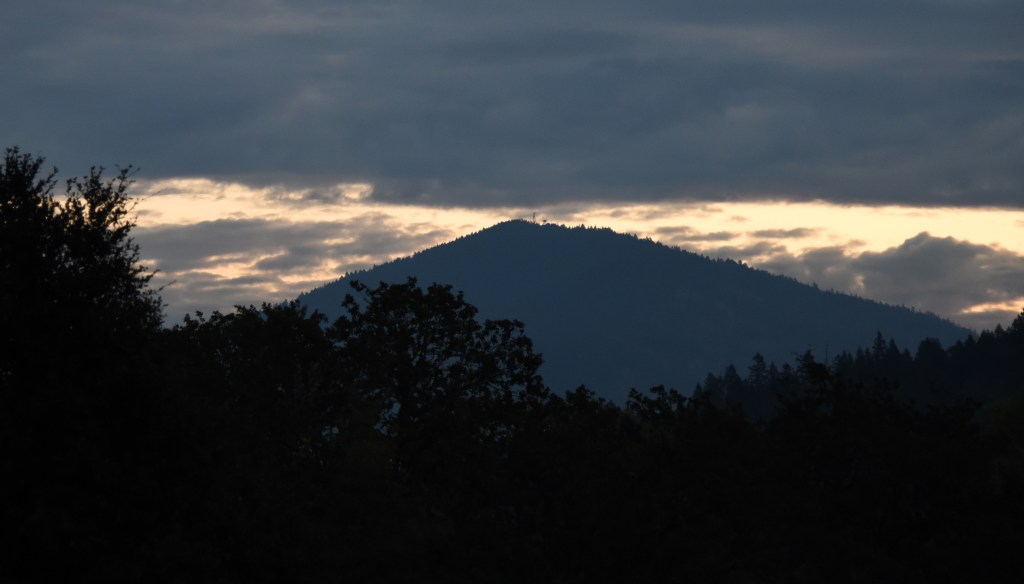
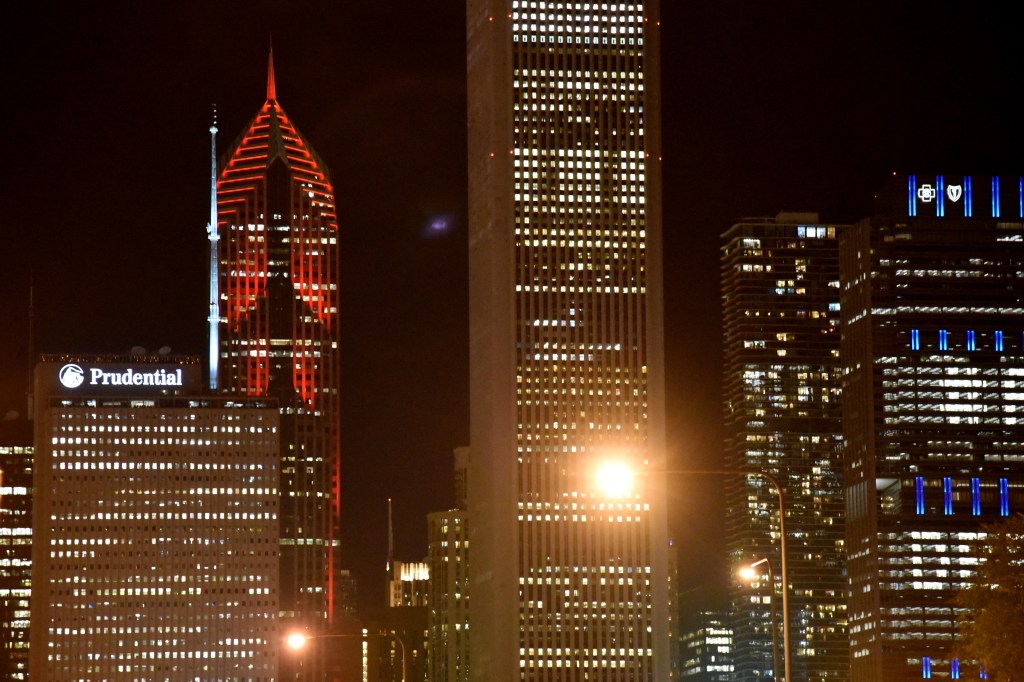
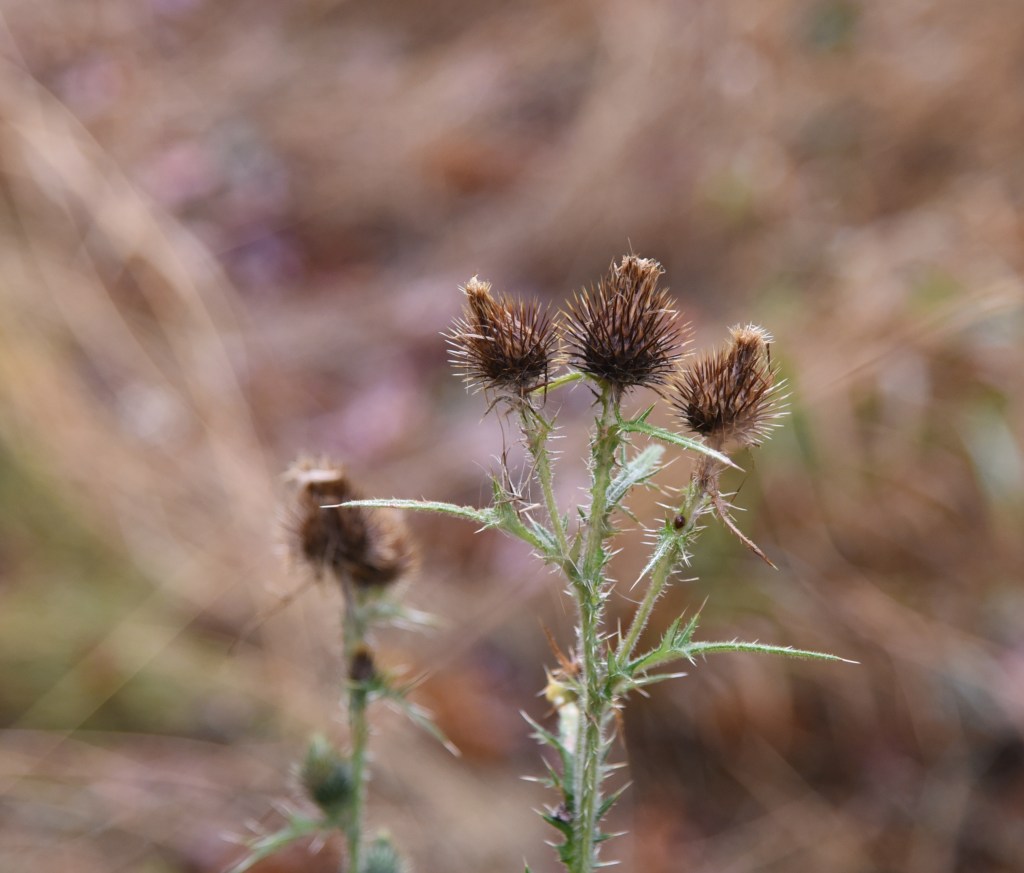
In last week’s Picture Parade it was mentioned that at some point I would share some of the sights of home.
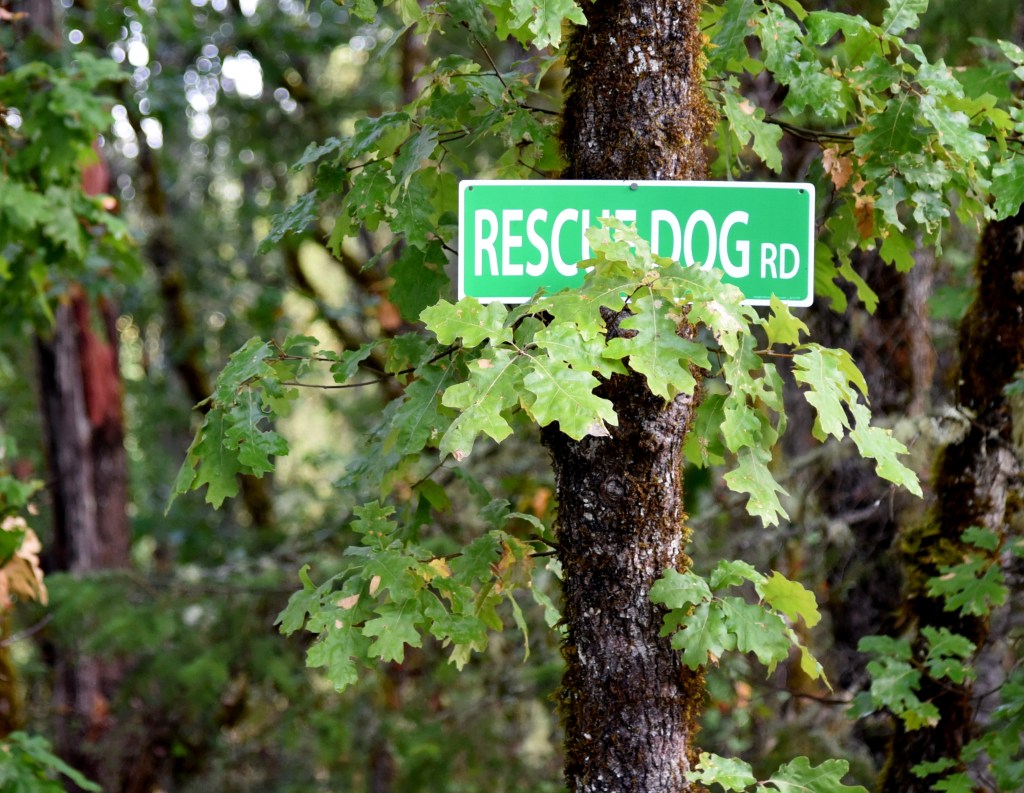
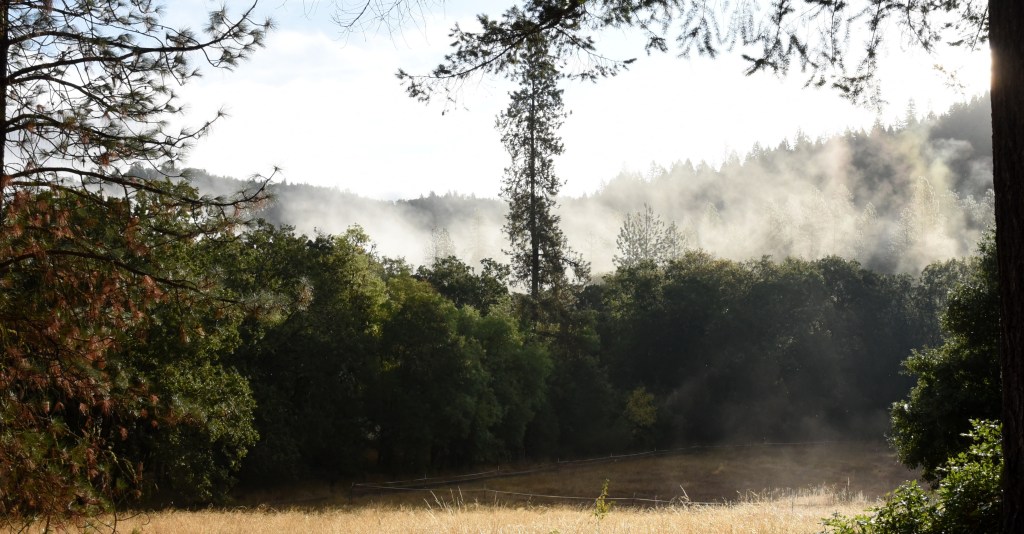
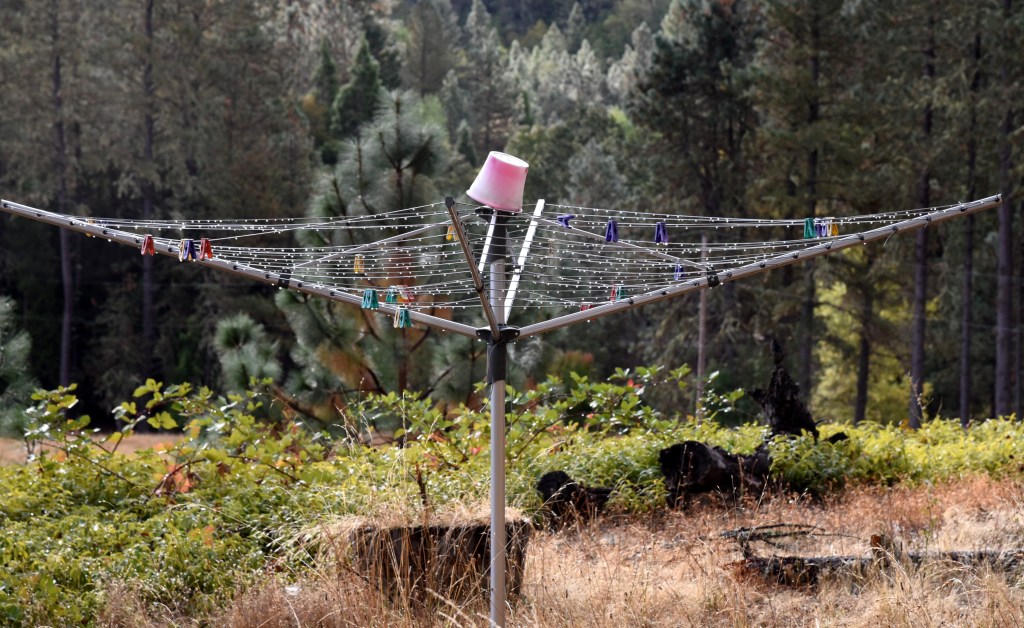
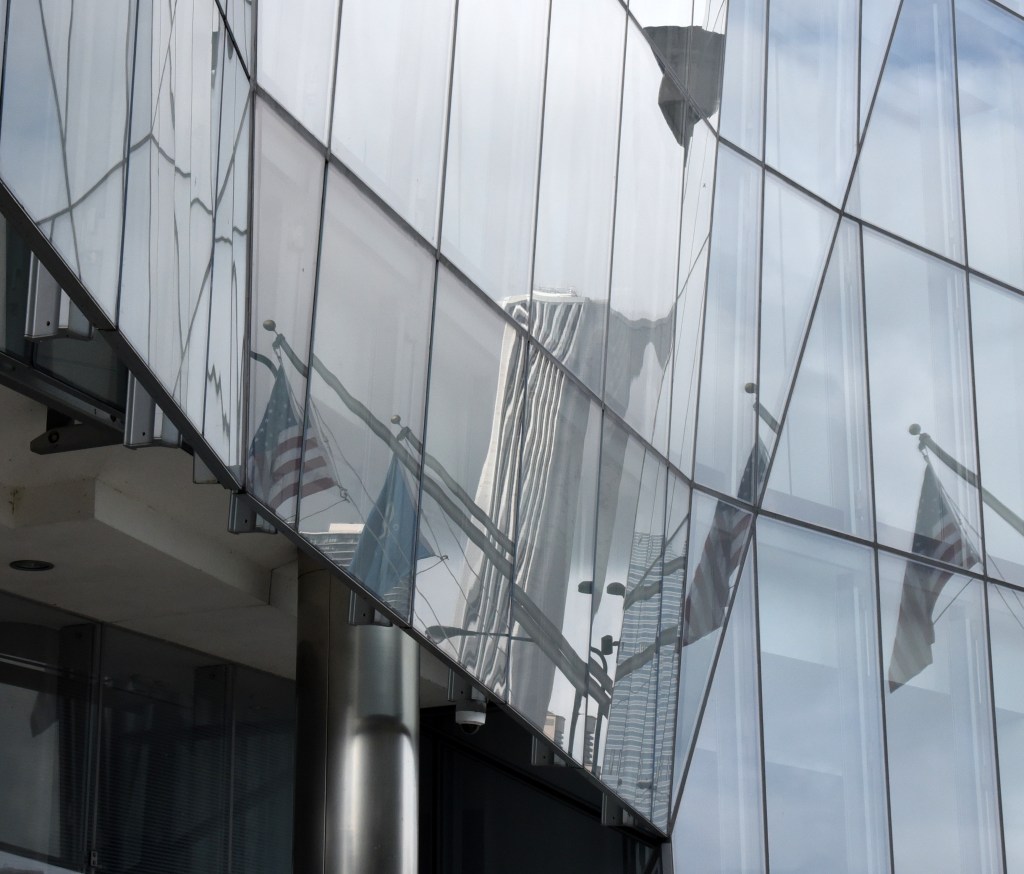
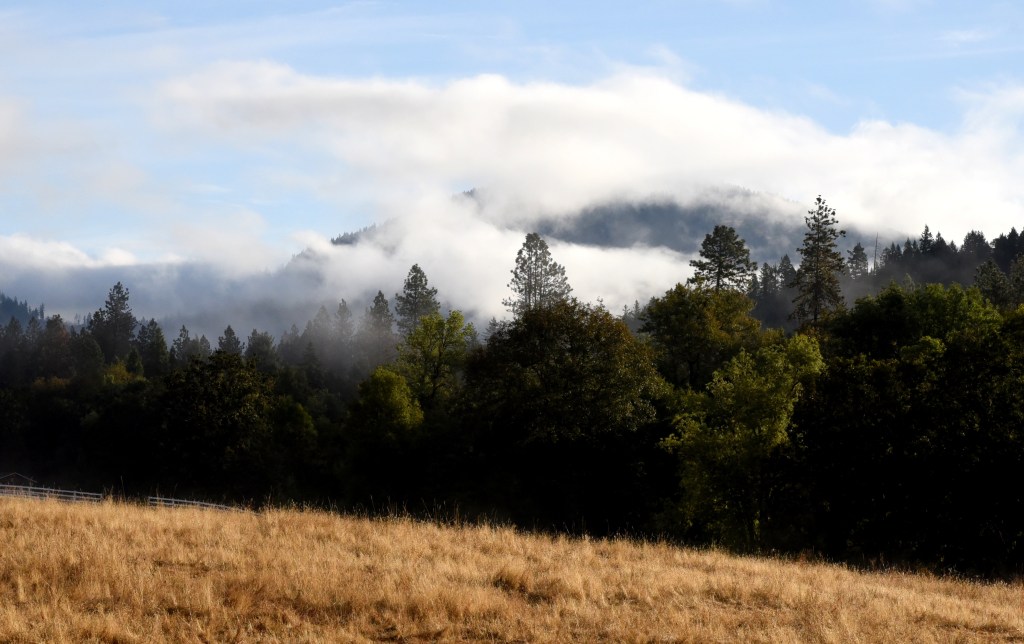
Well today, all the photographs were taken here at home (that being Merlin, Southern Oregon). The motivation behind these photographs was learning the operation of a new camera that I recently treated myself with. That is turning out to be quite a task; the user manual is 510 pages long!
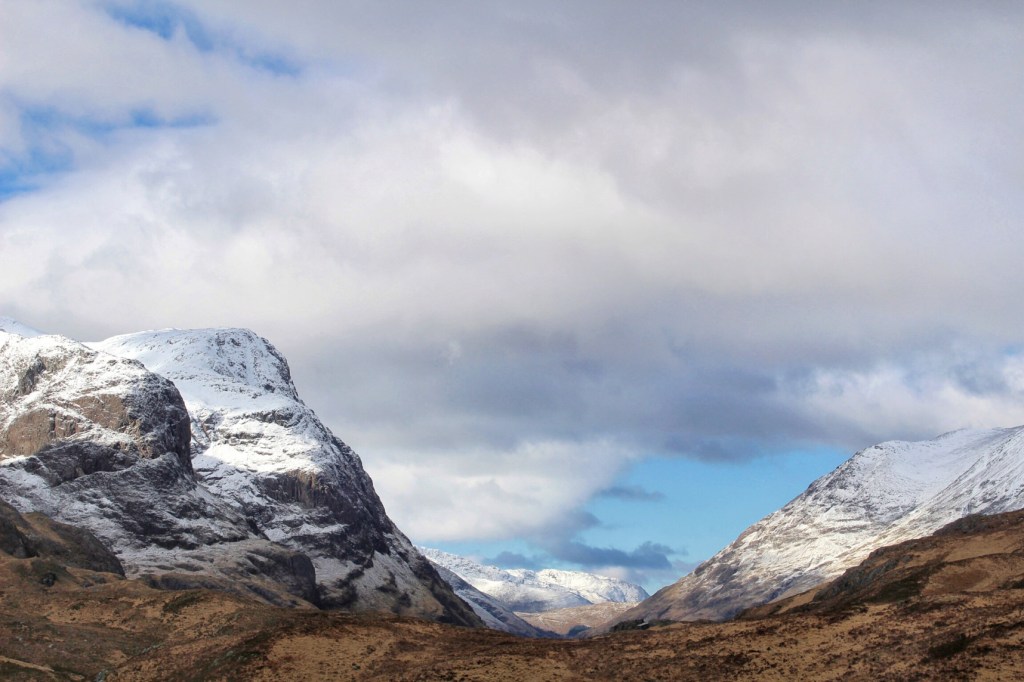
But in no particular order, here are a few pictures.

oooo

oooo

oooo

oooo

oooo

oooo

oooo

oooo

Can’t close without publicly thanking the wonderful photographic forum Ugly Hedgehog. With over 75,000 users it really is a superb place for all those interested in photography. The forum was invaluable in helping me decide what camera to purchase and, just as importantly, where to purchase it from.
Have a great week, everyone!

Just a few photos from our night away.
Last Tuesday, Jean and I took a little overnight trip away. We went to Brookings on the Oregon Pacific coast.
As Wikipedia explains:
Brookings is a city in Curry County, Oregon, United States. It was named after John E. Brookings, president of the Brookings Lumber and Box Company, which founded the city in 1908. As of the 2010 census the population was 6,336.
Anyway, a few pictures taken at Meyers Creek Beach that evening and a couple of shots of the Redwood trees seen on the way home on the Wednesday.

oooo

oooo

oooo

oooo

oooo

oooo

Fabulous!
Cute beyond words!
Published on Jul 13, 20175-month-old Angus the Golden Retriever loves his local beach on Port Phillip Bay in Seaford, Melbourne. After seeing crabs run through the shallows he chases straight for them, frantically trying to catch what he spotted. Awesome!

Have a great weekend!
Don’t try this yourself!
(NB: For much of the next three days I am going to have my attention diverted elsewhere. So, apologies in advance if I am not as attentive as I try to be.)
This was seen on the BBC News website last Sunday.
ooOOoo
A cocker spaniel has survived a 150ft (46m) fall from a cliff in Somerset.
The dog, called Indy, plunged off Hurlstone Point, near Porlock, while chasing a stone during a walk with her owners.
Minehead’s lifeboat crew was scrambled to rescue her and found her among boulders at the foot of the cliff.
A spokesman said: “She had a few scratches and bumps and was very shaken up, but it could have been much worse.” (Ed: Understatement of the year!)
ooOOoo
A quick search brought up this item on Wikipedia:
Hurlstone point (grid referenceSS898492) is a promontory of land between Porlock Weir and Minehead in the Exmoor National Park on the coast of Somerset, England.
Hurlstone Point marks the boundary between Porlock Bay and Blue Anchor Bay in the Bristol Channel and is on the South West Coast Path.[1] There is a coastguard lookout shelter on the point.[2]
The rocks, including a large slab known as “coastguard wall” are popular with climbers.[3]
In 2007 a cyclist was rescued after falling 40 feet (12 m) down the cliff.[4]
References
- “Bossington to Selworthy”. Official Guide to the South West Coast Path. Natural England. Retrieved 24 March 2010.
- “Coastguard’s lookout at Hurlstone Point, Selworthy, Somerset”. Viewfinder National Monuments Record. English Heritage. Archived from the original on 6 June 2011. Retrieved 24 March 2010.
- “Hurlstone point”. UK Climbing.com. Retrieved 2008-08-09.
- “Cyclist rescued after cliff fall”. BBC News. BBC. 2007-05-03. Retrieved 2008-08-09.
Plus this photograph that only underlines how very lucky was Indy.

How this theme is taking shape!
But first, let me offer an update and a correction.
In my first report, published on June 28th, the very first patient for Dr. Jim was Ginger.
Here’s an extract from that report:
It was immediately clear to Jim when he listened to Ginger’s heart that it was racing; Jim thought at something like 200 beats per minute. Jim continued to check Ginger over although, as he told me later, he had an idea that Ginger’s medical problem was a cardiac issue. Jim arranged for Ginger to be given an X-ray as well as blood work.
A number of you wanted me to check on Ginger’s status. Jim said that in a follow-up call made by the clinic they were told that Ginger was doing well.
The second item is a correction. In the report that described Lynn bringing in a stray kitten that had terrible puss oozing from one eye, I wrote: “Moments later Jim has not only cleaned out all the puss but found and removed the cause of the infection that was behind the kitten’s eyeball.”

When I queried with Jim what was the cause of the infection, he said that there was nothing physical behind the eye but that the kitten had contracted a severe eye infection probably a viral infection. The kitten was also doing well.
So last Thursday, the 13th July, I returned to Lincoln Road, arriving at 09:45. My plan was to spend the morning with Jim and then the afternoon with Dr. Russel Codd the owner of the clinic.
It was another wonderfully interesting day and I have sufficient material for the next two to three weeks.

Dr. Russ started the afternoon at 14:30 so there was a bit of a wait after Jim had finished his morning at 12:05. That prompted me to see if future sessions watching Dr. Russ at work could be morning ones.
In other words, I would go across to Lincoln Road on two mornings a month; one to spend with Dr. Jim and one with Dr. Russ. I have yet to speak to Russ about that but can’t envisage an issue.
What Russel Codd did say to me that afternoon was that he really supported this theme and that he might arrange for me to ‘shadow’ one or two specialists who work locally in Grants Pass. Plus, I did venture the idea that maybe there was book potential and Russ was very happy with that possible development as well.
So Sue, there’s the answer to you writing last week: “Lots of information here perhaps for a second book?” Great suggestion! (Indeed, good people, I am giving the idea of turning this series into a book very careful thought and will ask for feedback from you in a subsequent post once I am clearer about the purpose and objectives of such a book.)
So the first of my reports from my visit on the 13th will be published either later this week or early next week.
Thank you, everyone, for your interest, suggestions and support. You really are a great group of readers!
The last set of those glorious photographs sent in by Margaret from Tasmania
“Animals and nature are insignificant for a man when the man is unworthy.”

oooo
“There is no better psychiatrist in the world than a puppy licking your face.“ – Woodrow Wilson

oooo
“Somewhere in the rain, there will always be an abandoned dog, that prevents you from being happy“ – Aldous Huxley

oooo
“The greatness of a nation and its moral progress can be judged by the manner in which its animals are treated“ – Mahatma Gandhi

oooo
“Many who have dedicated their life to love, can tell us less about this subject than a child who lost his dog yesterday“. – Thornton Wilder

oooo
“Dogs are not everything in life, but they make it complete“ – Roger Caras

oooo
“Just thinking that my dog loves me more than I love him, I feel shame.“ – Konrad Lorenz

oooo
“They will be our friends forever, always and always.”

oooo

oooo
That’s it, folks.
But I do have wonderful photographs for next Sunday albeit as different to these from Marg as one could imagine!
You all take care.