don’t consider myself an envious type, but I have to admit to being jealous of your location there, Paul. Deer in the back garden! Amazing. I guess I’m lucky to see the odd squirrel. But (as usual) I digress…
Trees… yes. Were I King of the Earth my first edict would be to make it illegal to chop down any more trees anywhere for any reason, and to reward true reforestation efforts (while banning old-forest lumbering dressed up as ‘reforestation’).
As I’m not, the extent of my singing for the trees is limited to pledges on such worthy projects as Who Bombed Judi Bari? (less than subtle hint: just 39 hours to go, as I write).
Your first image above is wonderful, and is a terrific, healing counterpoint to the images I see elsewhere, such as in the clip below, of what we’re doing to our home, out of sight of most people. Thank you.
That comment also included this video:
I thought readers would be interested in learning more by visiting the Kickstarter Campaign page and just possibly offering whatever pledge you can afford.
The importance of this campaign was underlined by the fact that just last Wednesday my daughter Maija, son-in-law Marius, and grandson Morten visited the Redwood Forest as part of their holiday with us in Oregon. Here are three of their pictures taken just two days ago.
Life-giving Redwoods.
oooo
That need lots of loving.
oooo
From young and old alike.
oooo
So do whatever you can, please! There are just 26 hours to go at the time of posting this: 9:10 am PDT.
Thanks to Pedantry for bringing this to the attention of LfD readers and followers.
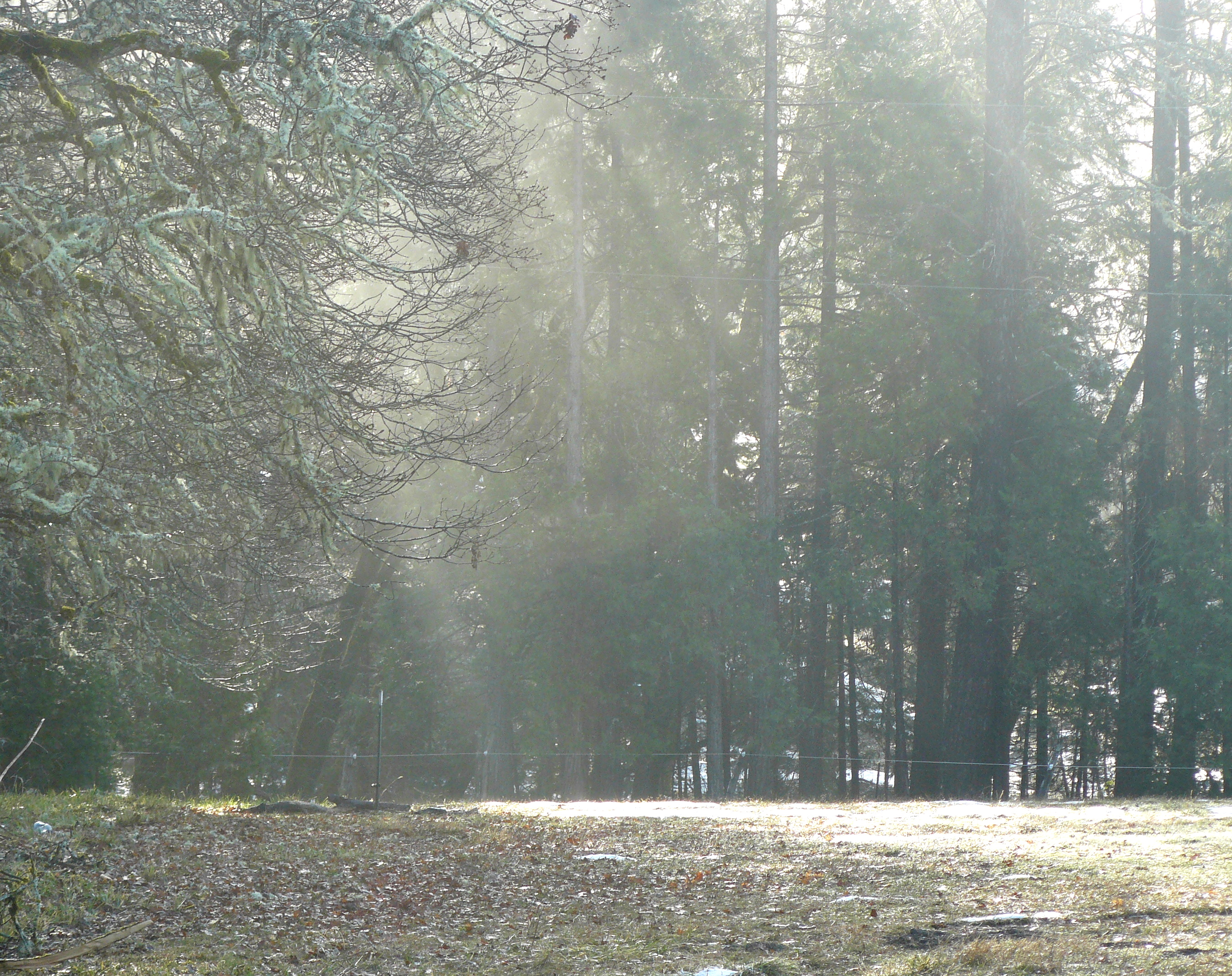
Winter sunlight filtering through the trees. Oregon, January 2013.
We don’t subscribe to television services here at home. The only way I stay partially informed is via the BBC News website. Thus it was a few days ago I saw the headline, “European forests near ‘carbon saturation point’” This was a report by Mark Kinver, Environment reporter, BBC News. It made me sit up and take notice. For Mark Kinver wrote:
European forests are showing signs of reaching a saturation point as carbon sinks, a study has suggested.
Since 2005, the amount of atmospheric CO2 absorbed by the continent’s trees has been slowing, researchers reported.
Carbon sinks play a key role in the global carbon cycle and are promoted as a way to offset rising emissions.
Many of Europe’s forests are reaching an age where growth, and carbon uptake, slows down.
Writing in their paper, the scientists said the continent’s forests had been recovering in recent times after centuries of stock decline and deforestation.
The growth had also provided a “persistent carbon sink”, which was projected to continue for decades.
However, the team’s study observed three warnings that the carbon sink provided by Europe’s tree stands was nearing a saturation point.
It would be wrong to republish the full report but do go and read it here. It contains much information, some of it counter-intuitive. Such as Dr. Gert-Jan Nabuurs from Wageningen University and Research Centre, Netherlands saying of Europe’s forest;
“These forests have now reached 70-80 years old and are starting a phase in the life of a tree where the growth rate starts to come down,” he explained.
“So you have large areas of old forest and even if you add these relatively small areas of new forest, this does not compensate for the loss of growth rate in the old forests.”
The report includes the glaringly obvious, “However, mature woodlands have been recognised as a key habitat for supporting and conserving biodiversity.”!
The issue of knowing what is best for the wildlife, of all types and sizes, of balancing doing nothing to the forest or undertaking beneficial husbandry is one that is going to be in our minds here at home this coming Winter.
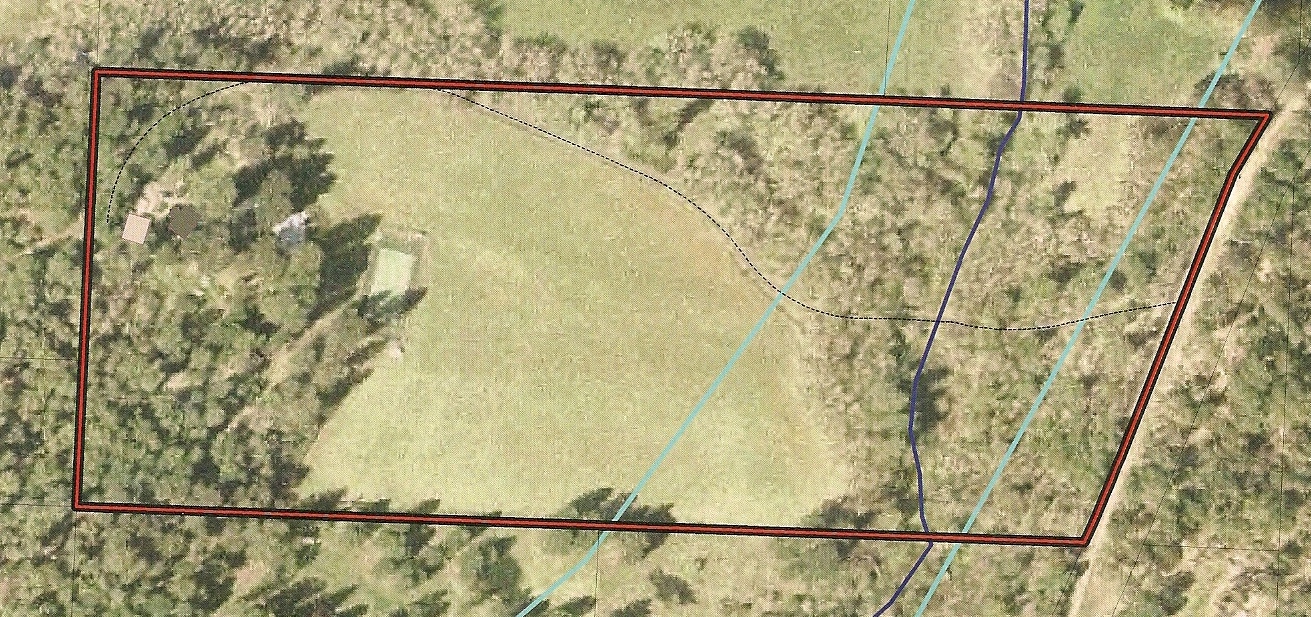
For much of our 13 acres is forest, as the following property map shows.
Assessor’s Map 4000 Hugo Road.
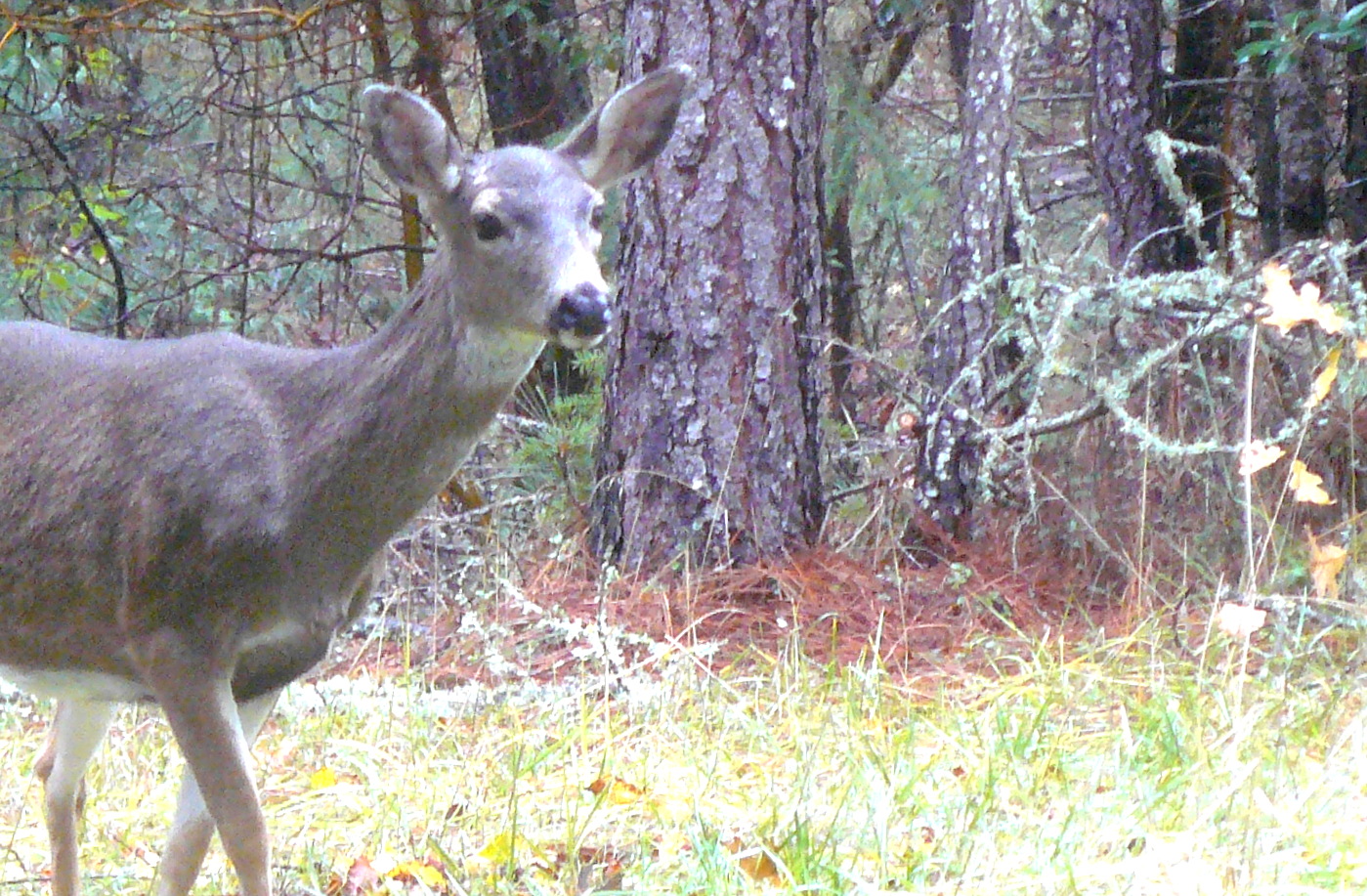
When we first moved in to the house last October, the most common wild large creatures around were the deer. The only way one could get close enough to take a photograph was when there wasn’t a dog in sight. Even then, the slightest sudden sound or movement had a deer dashing into the forest.
Deer very cautiously meets new humans on the block! (Early November 2012)
Yet over the following weeks, the healthy grass made an irresistible Winter meal and the deer settled down to being regular visitors. But always within a few leaps and bounds of the edge of the trees.
Nevertheless, the deer remained very cautious of feeding during the daytime as they soon became aware that without warning dogs could come rushing out from the house; as happened numerous times! It seemed clear that having the forest close by enabled them to scatter as soon as the first bark was heard.
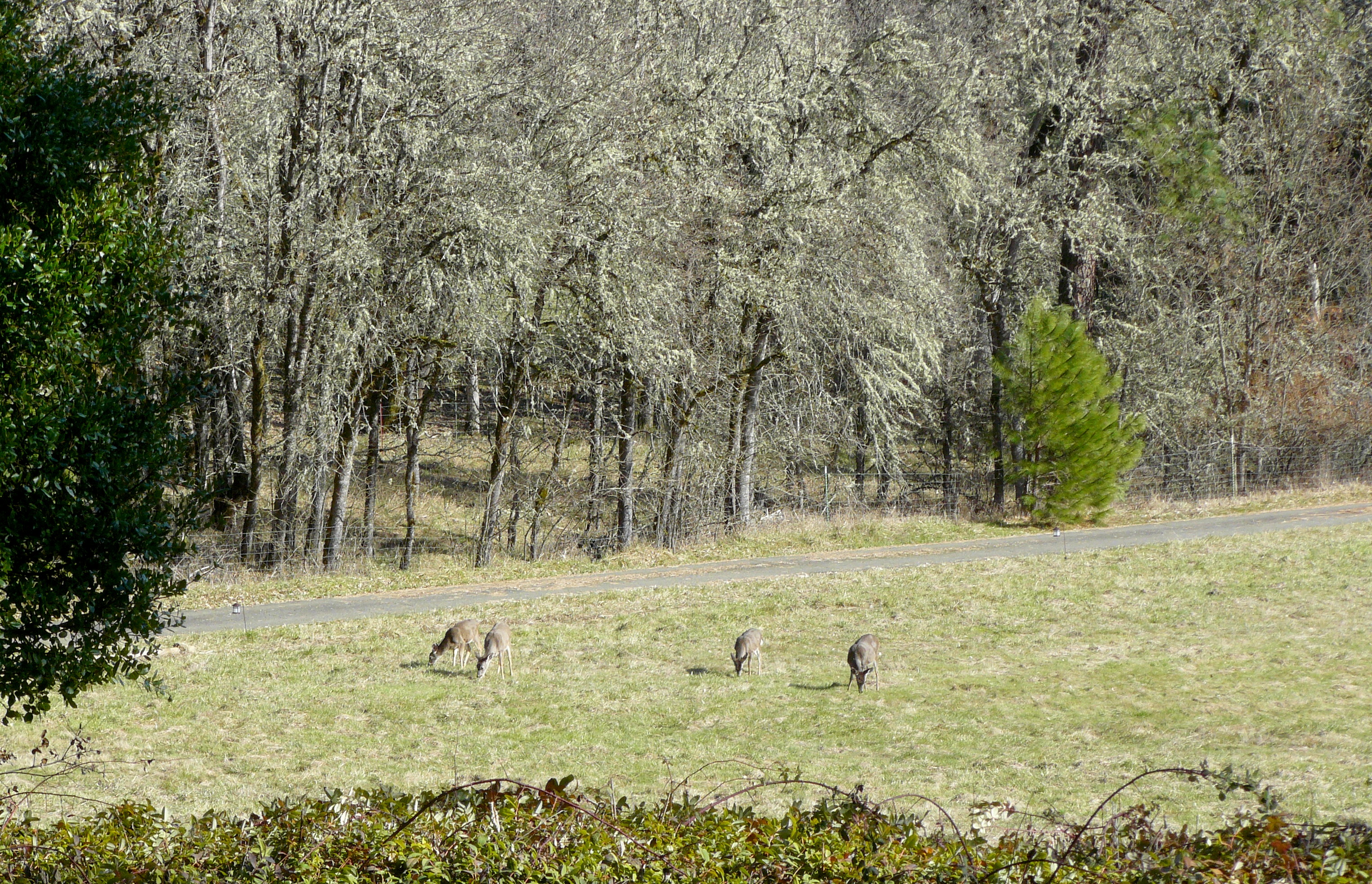
Months later, shown by this photograph taken early afternoon just a couple of weeks ago, these four wild deer still grazed close to the forest.
Wild deer feeding on the grass.
So this Autumn/Fall we shall be coming up with a plan to ensure that the forests on our property are reinvigorated to the best of our abilities.
A bright Perseid meteor streaked down Saturday night (Aug. 7, 2010) over buildings at the Stellafane amateur astronomy convention in Springfield, Vermont.
A response to the many who enjoy the regular Sunday photo parade.
Jean and I have recently joined the National Wildlife Federation partly because there are times when it really does seem ‘wild’! Anyway, I was trawling the NWF website the other day and came across this very helpful advice: 7 Wildlife Photo Tips to Never Forget. In view of the popularity of Sunday’s regular Picture Parade on Learning from Dogs, it seemed appropriate to dip into that section for today’s post. [Note: you will have to go to the website to read the full article as it would be wrong to republish the entire item without permission.]
7 Wildlife Photo Tips to Never Forget
This guest post by Jim Goldstein is sponsored by BorrowLenses.com.
I’ve always felt great wildlife photography mapped well to the Chinese proverb “the journey is the reward.” While I obviously enjoy seeing the end result of my wildlife photography outings I get a great deal of satisfaction in the crafting of those images. My best images often rise to the top because of one of the following maxims:
1. Backgrounds are Equally Important as Your Subject
2. Embrace Serendipity When Photo Editing
3. Challenge Viewers with Anthropomorphism
4. Employ Non-Standard Compositions
5. Capture Your Subjects at Their Eye Level
6. Factor in Form and Pose
7. Utilize Negative Space
I am going to republish just one of these tips to give you an idea, because the advice is stunning, in my humble opinion.
2. Embrace Serendipity When Photo Editing
Arctic Hare. Canon 1D Mark II, Canon 500mm f/2.8 + 1.4x teleconverter, 1/640 sec, f/7.1, ISO 400
When behind the camera, focus carefully on your subject. But when photo editing look for unique and subtle differences that might enhance or transform the story within your image. Case in point: this example image of a mosquito biting the nose of an Arctic Hare. My attention was on obtaining a razor sharp image and composing carefully, but when photo editing I found a couple frames that captured the biting mosquito that had been invisible to me at the time I took the photo.
Arctic Hare Being Bitten By Mosquito on the Nose
Jim Goldstein is a San Francisco-based professional photographer and author who has been in numerous publications, including Outdoor Photographer, Digital Photo Pro, Popular Photography and has self-published a PDF eBook Photographing the 4th Dimension – Time covering numerous slow shutter techniques. Follow Jim Goldstein on Google+ | Twitter | Facebook | 500px
Do take a few moments and go across to the website and read the full set of tips. If you have any interest in photographing nature and wildlife this is unmissable good advice. Want to know more about the National Wildlife Federation? More information here.
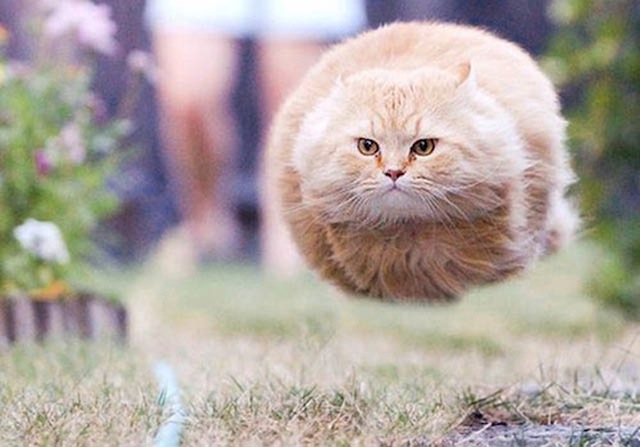
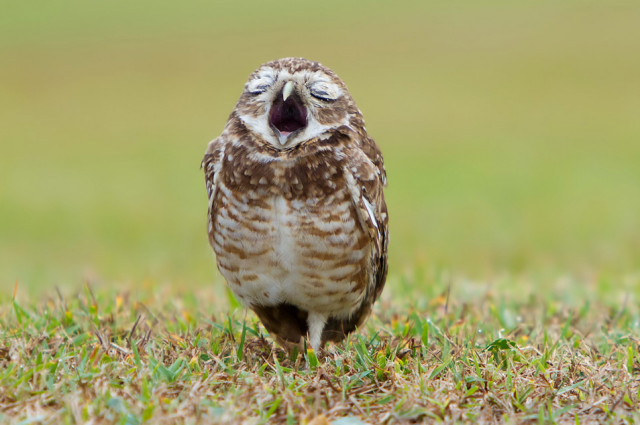
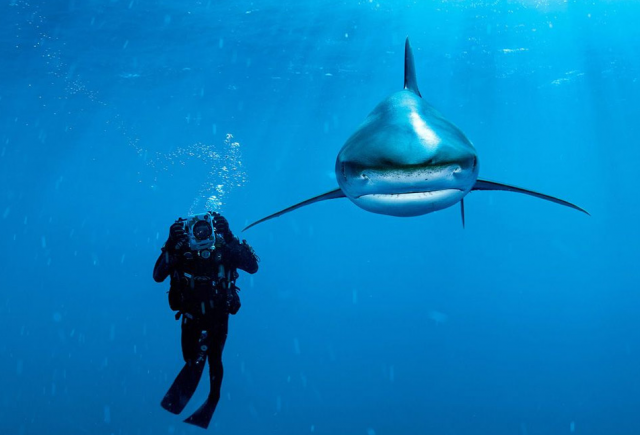
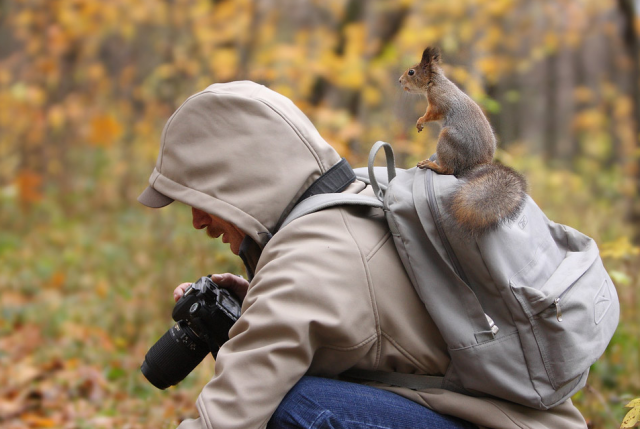
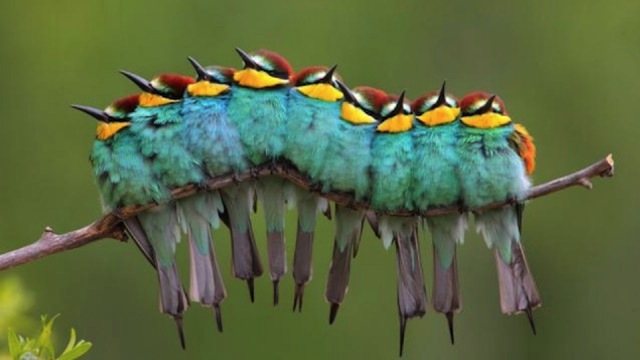
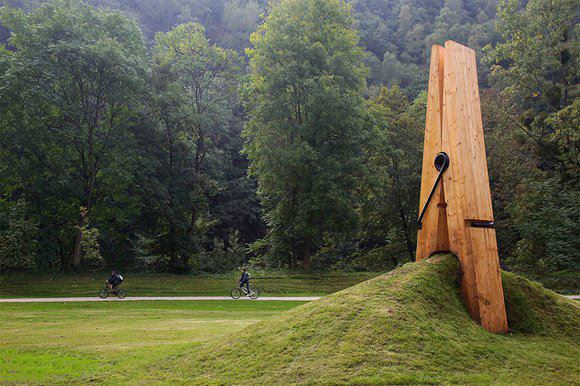
Aren’t these stunningly wonderful pictures! Another set of eight next Sunday. Oh, and if you missed last Sunday’s set please drop in here and admire them.
Last week was set four of the Perfect timing pictures.
From now on, well at least for several weeks or more, a general selection of photographs that have grabbed my attention will be presented every Sunday. Today, photographs sent to me by Neil Kelly in Devon.
In the wake of yesterday’s post about the power of meditation, this recent TED Talk seemed a perfect way to end the week.
Published on Jul 16, 2013
You don’t need to plan an exotic trip to find creative inspiration. Just look up, says Gavin Pretor-Pinney, founder of the Cloud Appreciation Society. As he shares charming photos of nature’s finest aerial architecture, Pretor-Pinney calls for us all to take a step off the digital treadmill, lie back and admire the beauty in the sky above.
Want to learn a little more about the different types of cloud? Then go here. Want to learn more about the Cloud Appreciation Society? More details here.
And who knows, you may even see your dog in those clouds!
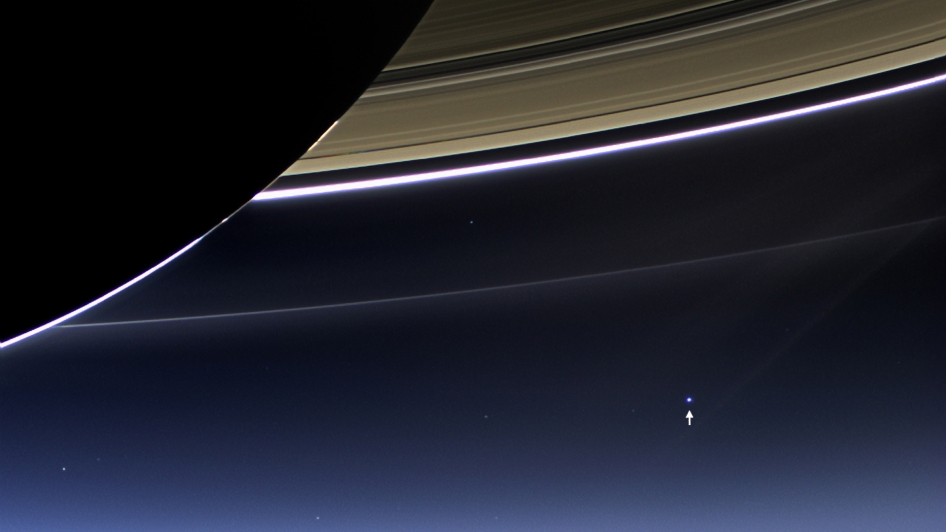
The full description may be read here, but I have taken the liberty of republishing this extract:
Earth, which is 898 million miles (1.44 billion kilometers) away in this image, appears as a blue dot at center right; the moon can be seen as a fainter protrusion off its right side. An arrow indicates their location in the annotated version. The other bright dots nearby are stars.
Now it doesn’t take too much imagination to put that minute speck of light, our Planet Earth, into its scale of meaning and importance vis-a-vis the universe. You get my message, I’m sure.
The second event was a comment left by long-term reader and supporter of Learning from Dogs, Patrice Ayme. The comment was on yesterday’s post, The meaning of wildness, and I quote:
Excellent article. Clearly primary temperate rain forest, nearly gone everywhere except in the American North west, has to be reintroduced.
Sheep ought not to be removed by man, but be removed by wolf, bear, felids. Cows would feel whole, having to fight off lions. And man’s sense of what nature means, vital to insure our survival, would blossom in this hour of need, when we have arisen as the planet’s gods. gods of evil, or gods of wisdom? That is the most important question.
“gods of evil, or gods of wisdom?”
To everybody I say this. (And I am most certainly not excluding me.) When you next look at yourself in the mirror will you make a decision? Will you be a god of evil or a god of wisdom?

























 Learning from Dogs