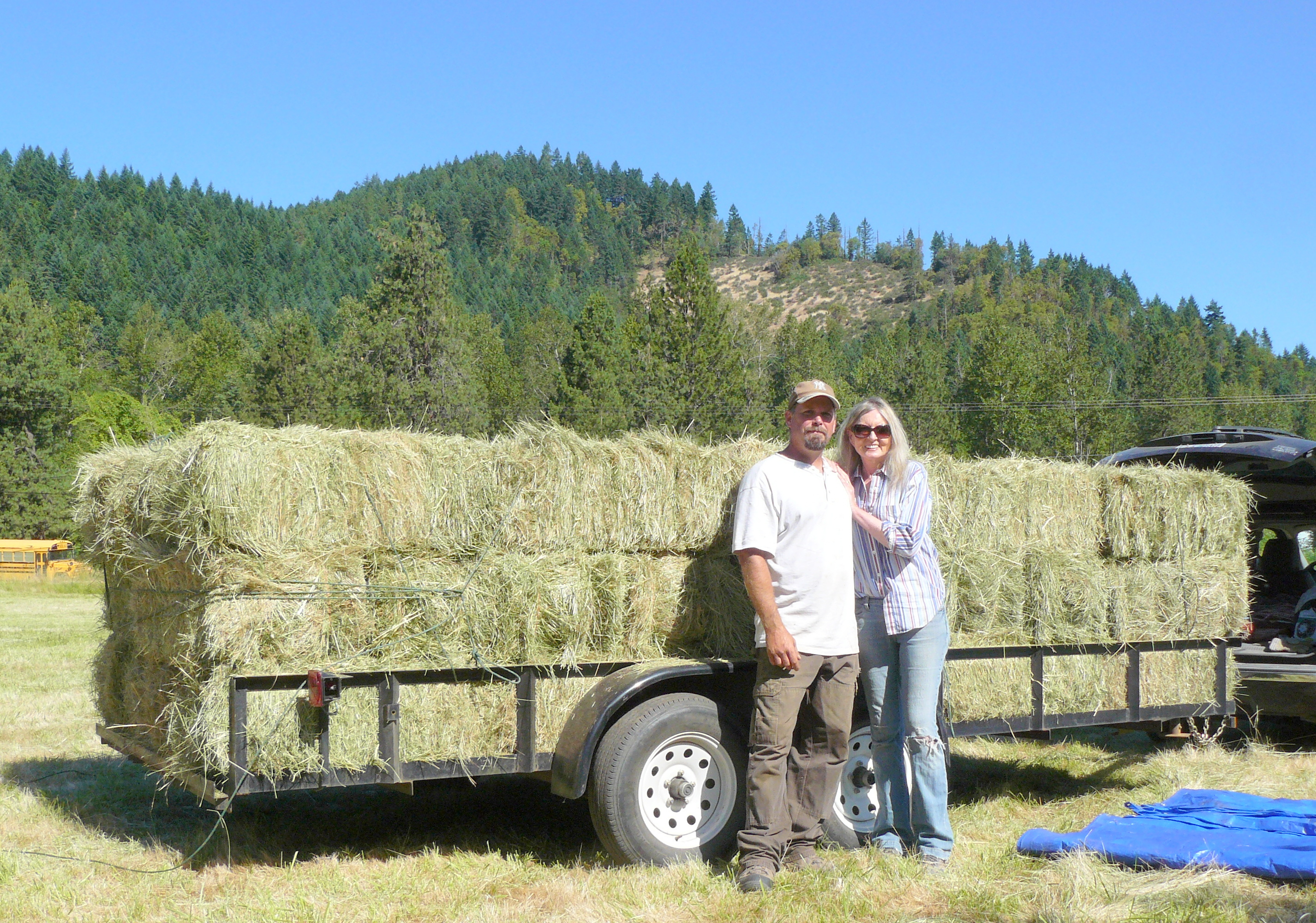
In last Wednesday’s post I included a picture of Jean with Robert who helped us load 60 bales of hay onto our trailer. This photo:
Jean thanking Robert for his great help in loading 60 bales!
Anyway, Tad, who farms the land, mentioned a wonderful place to fish not far from his farm at Wolf Creek.
I’m not a fisherman but Andy, who is staying with us with his wife, Trish, is a keen fisherman.
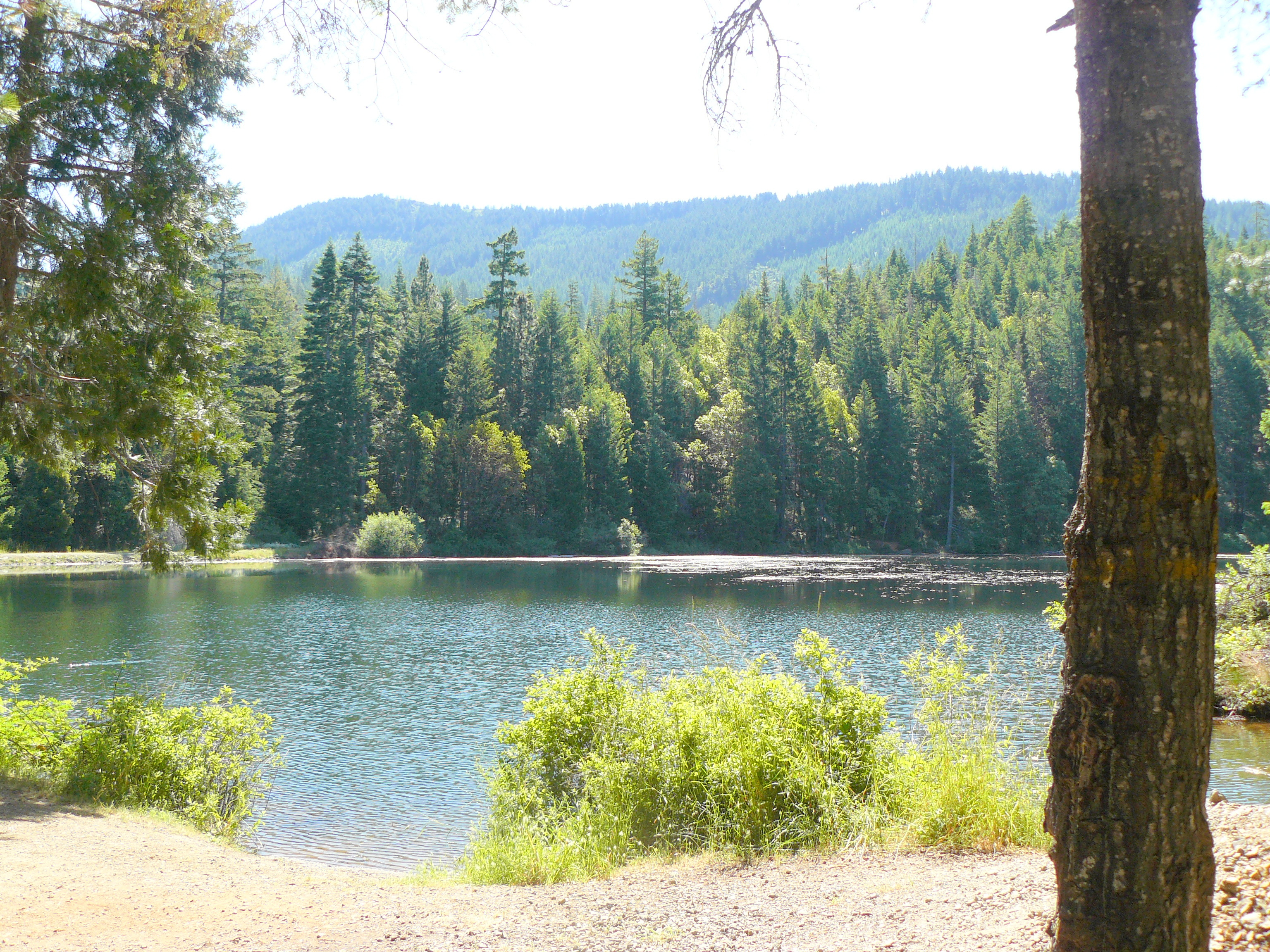
So last Wednesday we all set off into the high forest lands up above Wolf Creek and after some pretty tough driving up some steep dirt roads found the lake. Here’s a record of our morning at Secesh.
Wow! First sighting!
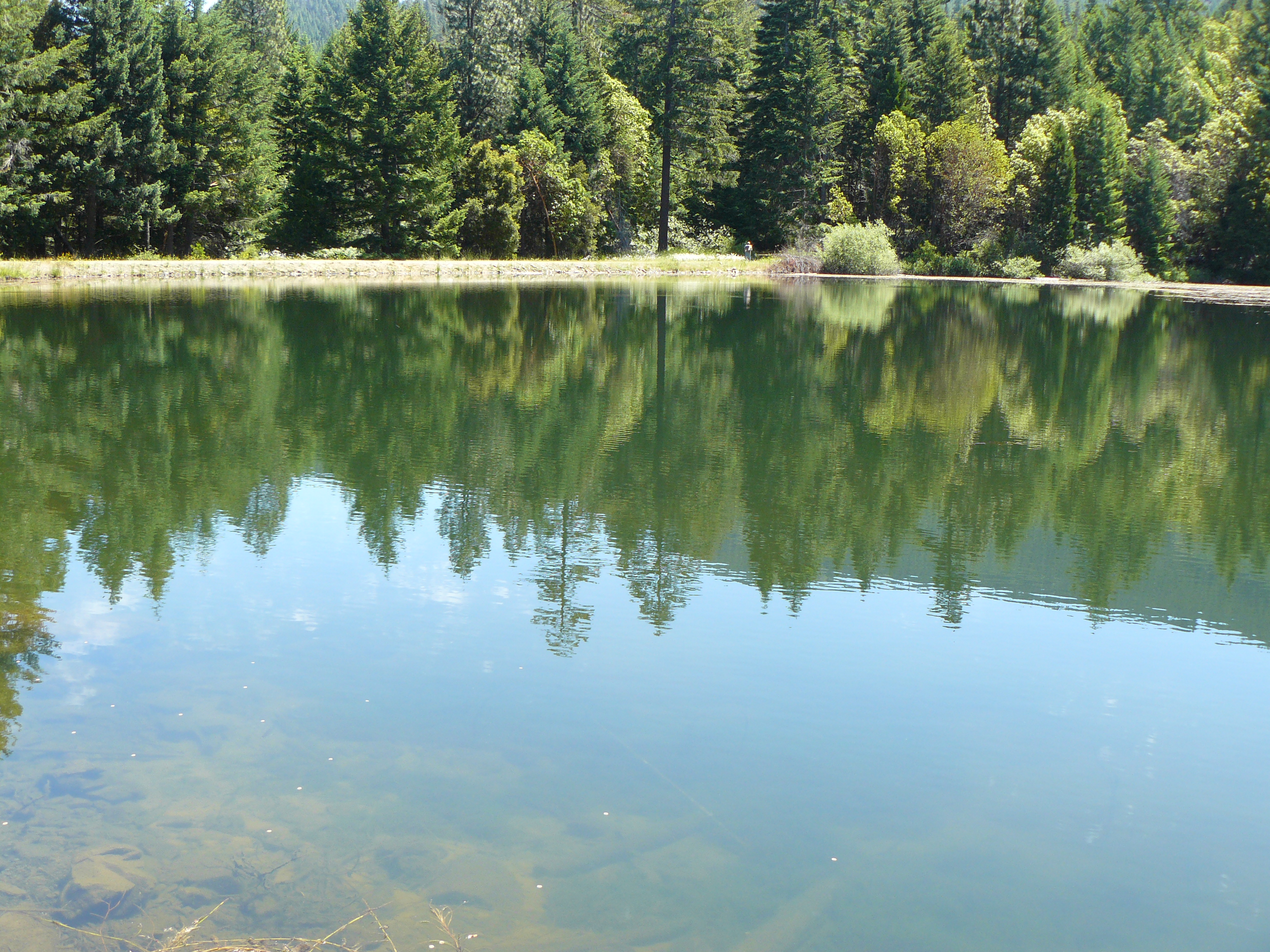
As you can see, it was a breath-taking oasis in a sea of tall trees and towering peaks.
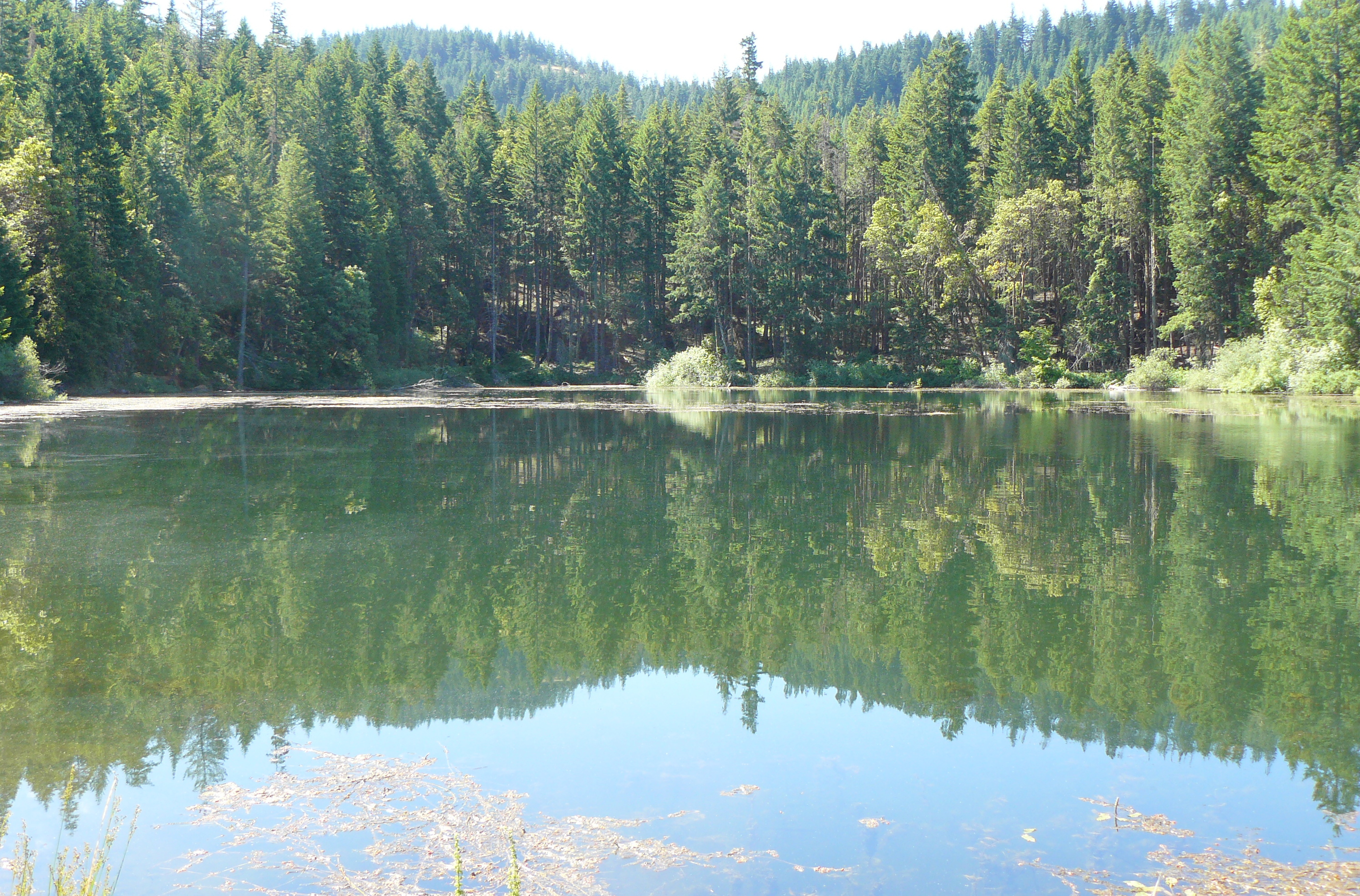
Still waters!
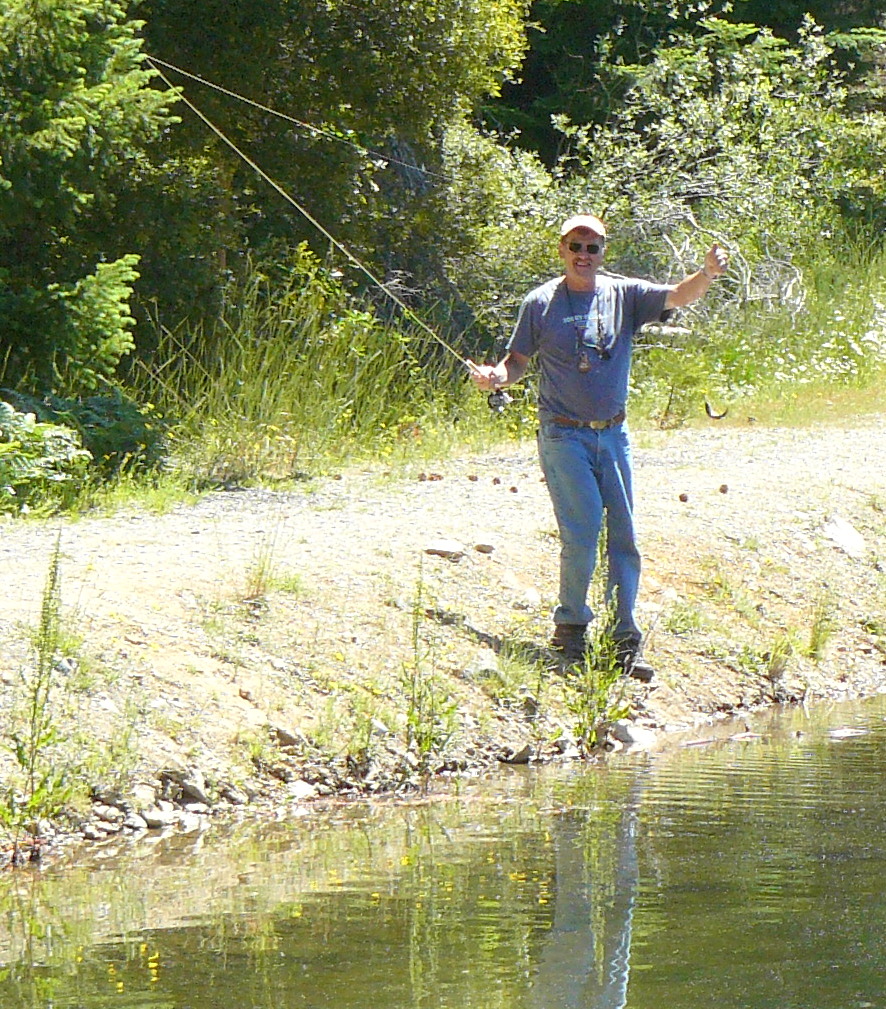
With crystal-clear waters that just seemed to be calling out to those that enjoy fly-fishing!
Doesn’t get much better than this!
Meanwhile, yours truly decided to walk the perimeter of the lake that is, apparently, some 3.7 acres of water area.
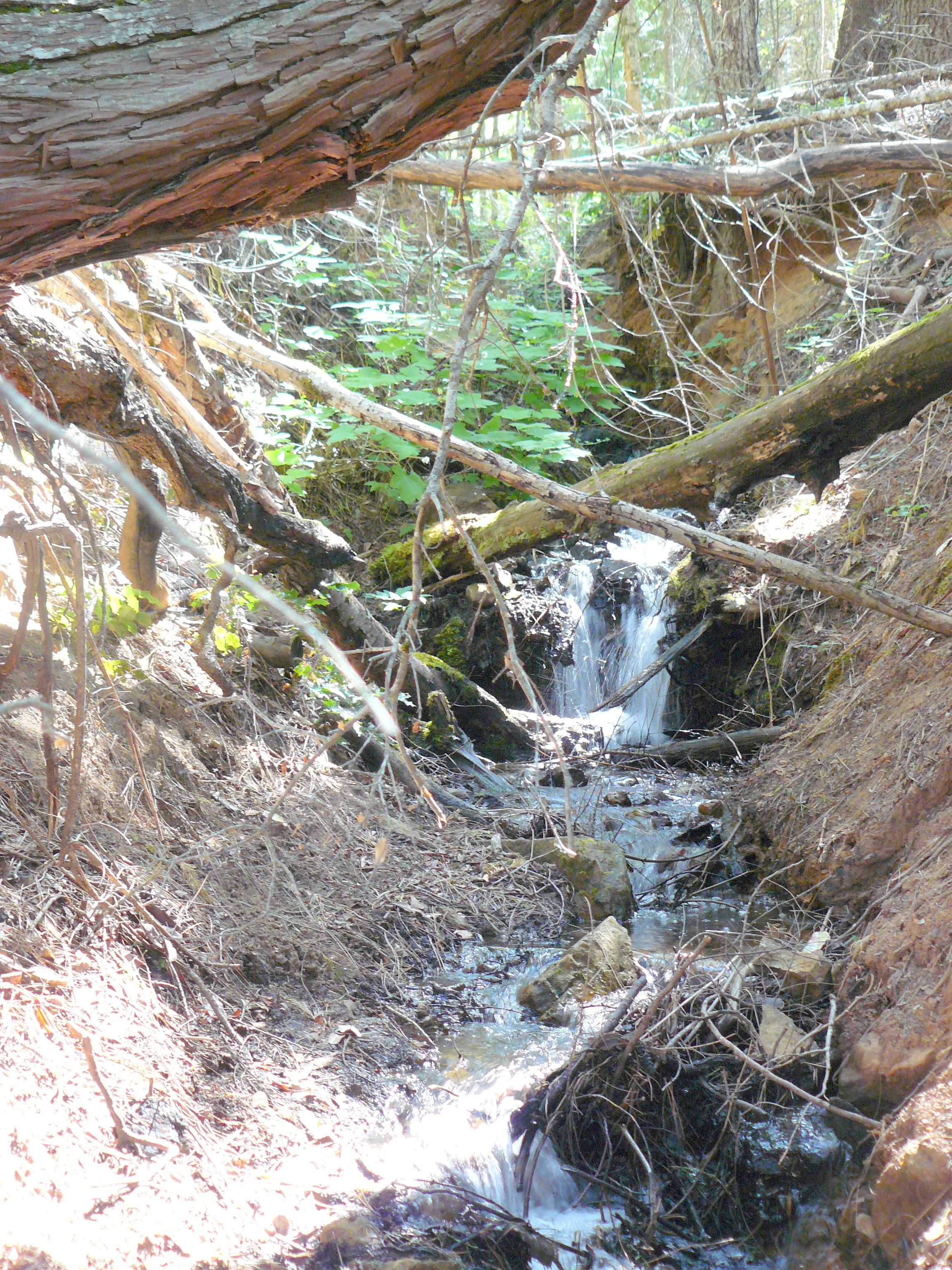
Towards the farthest point of the shoreline, a beautiful stream was flowing into the lake.
Mountain streams.
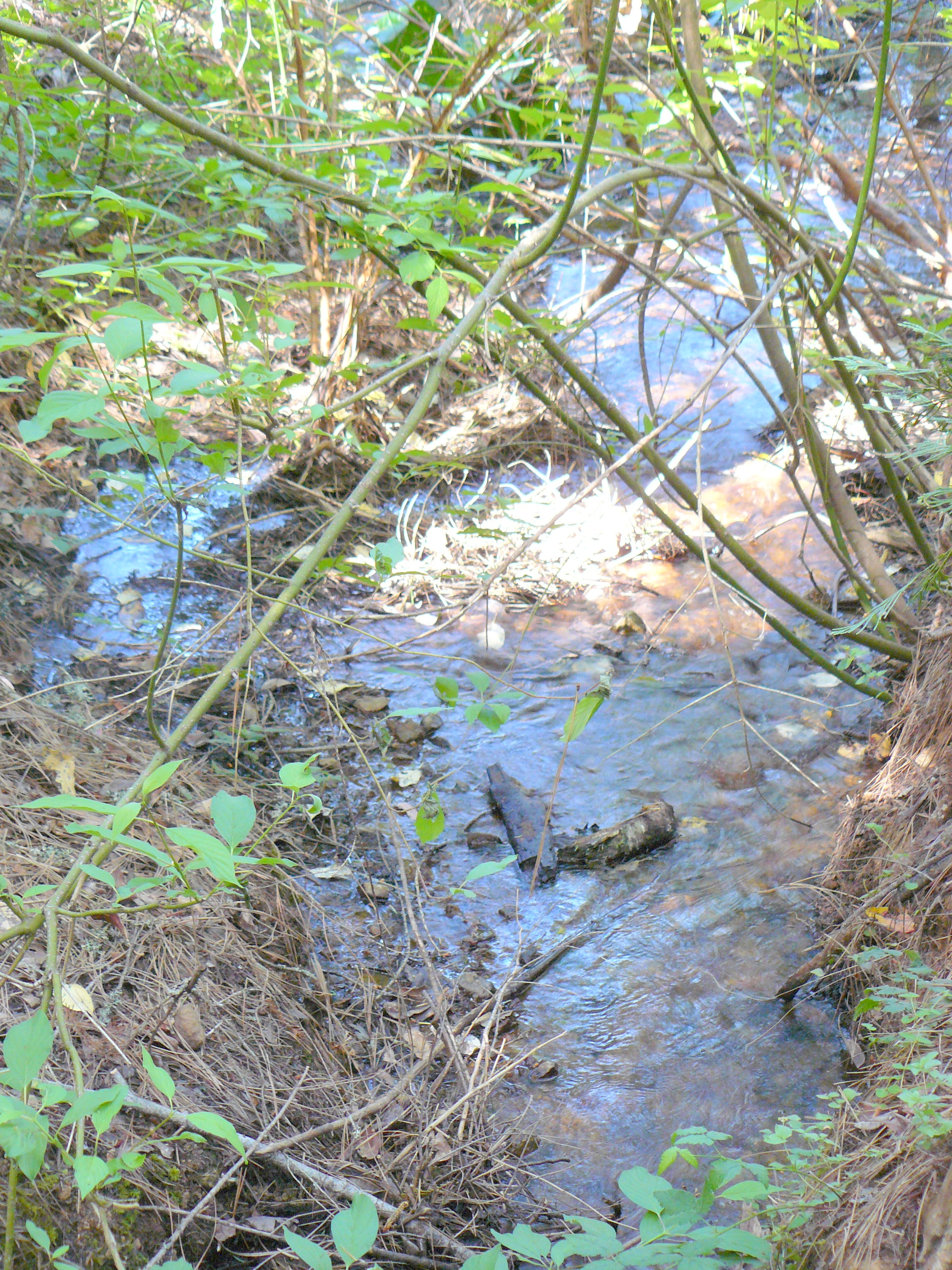
And not too farther along, a likewise beautiful stream outflowed from the lake.
What flows in … must eventually flow out.
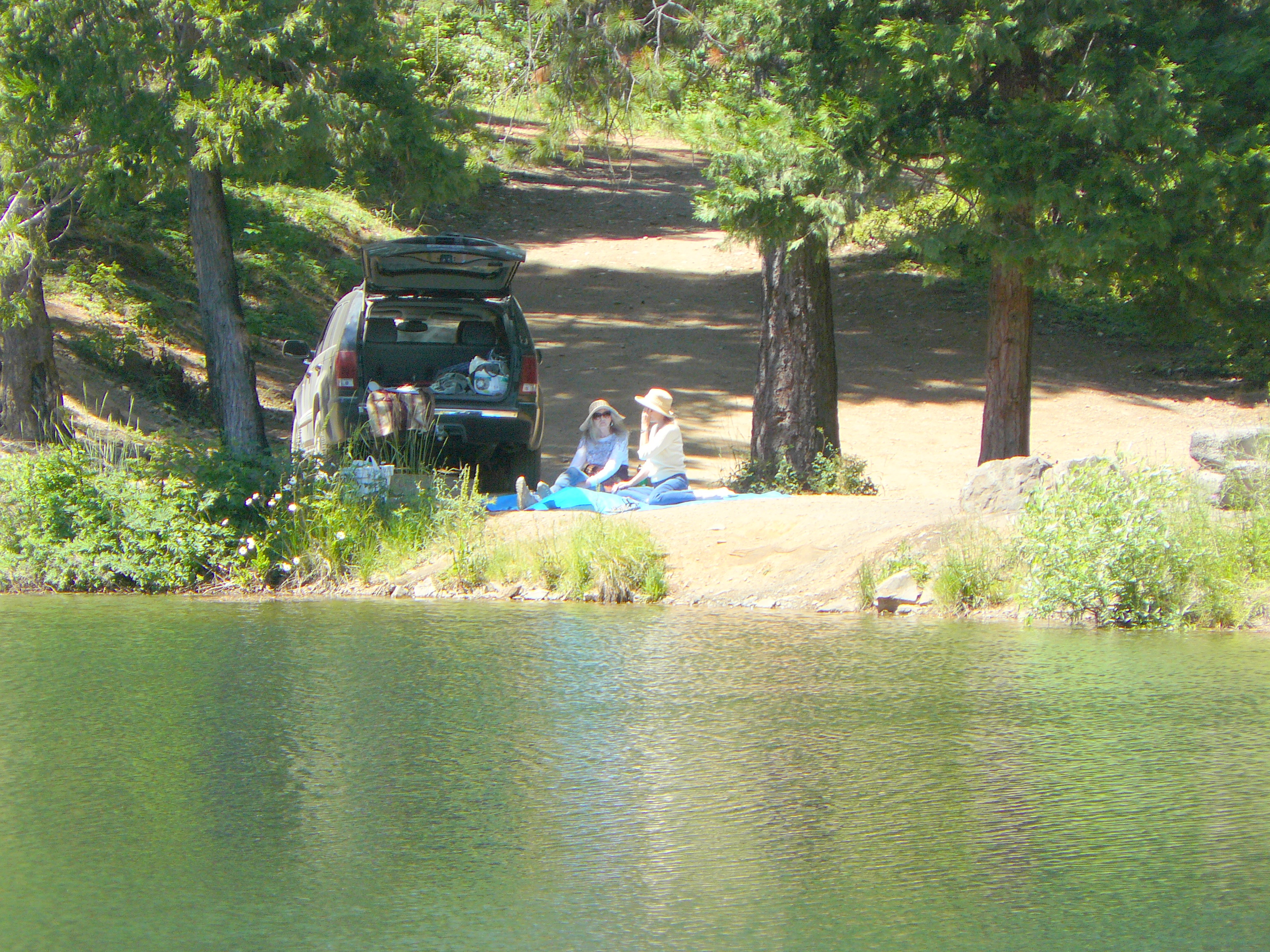
From this vantage point, one could look across the full breadth of the lake.
Tranquility in spades!
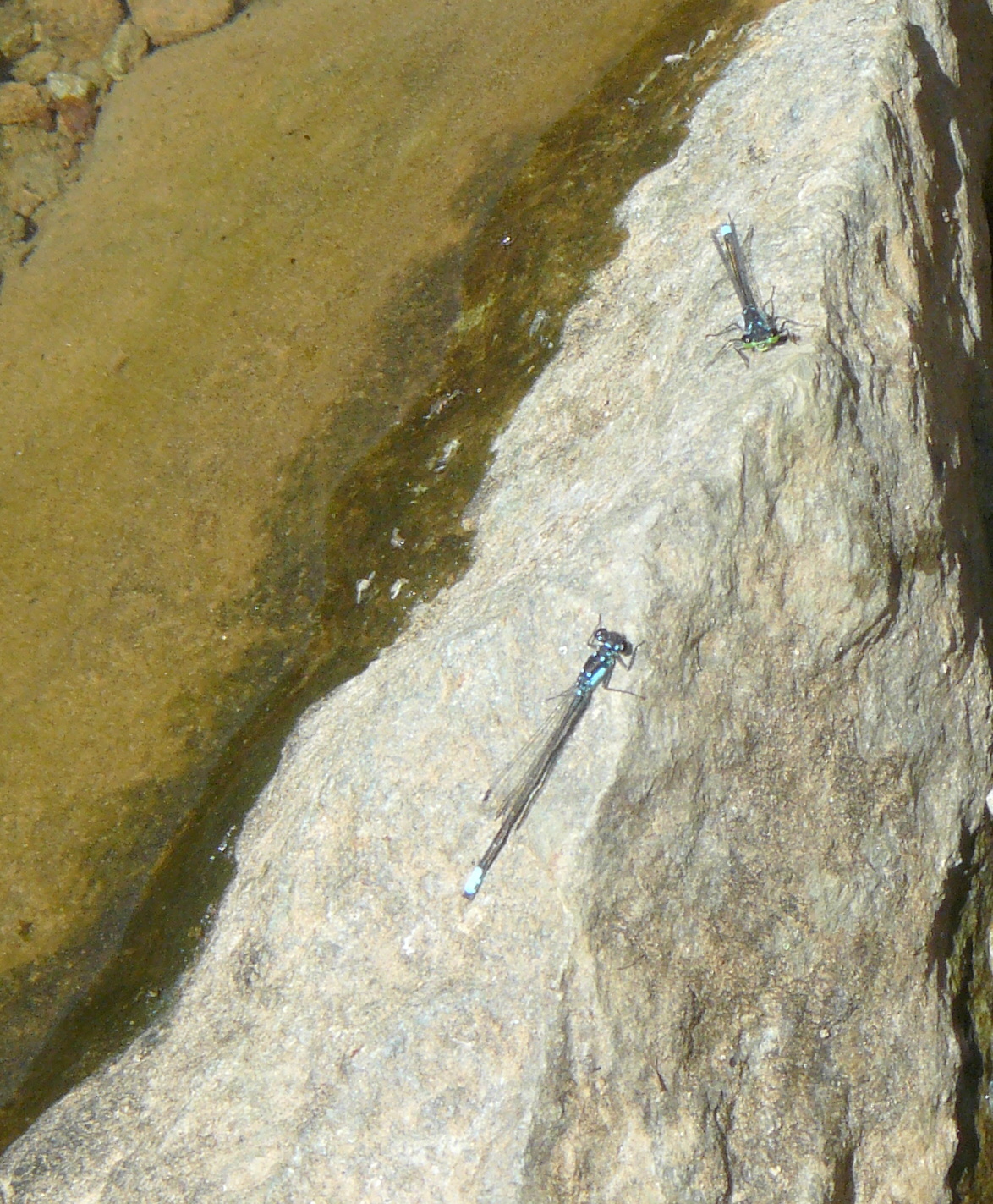
And marvel at the wildlife, from ….
Dragon flies.
… the very small, to ….
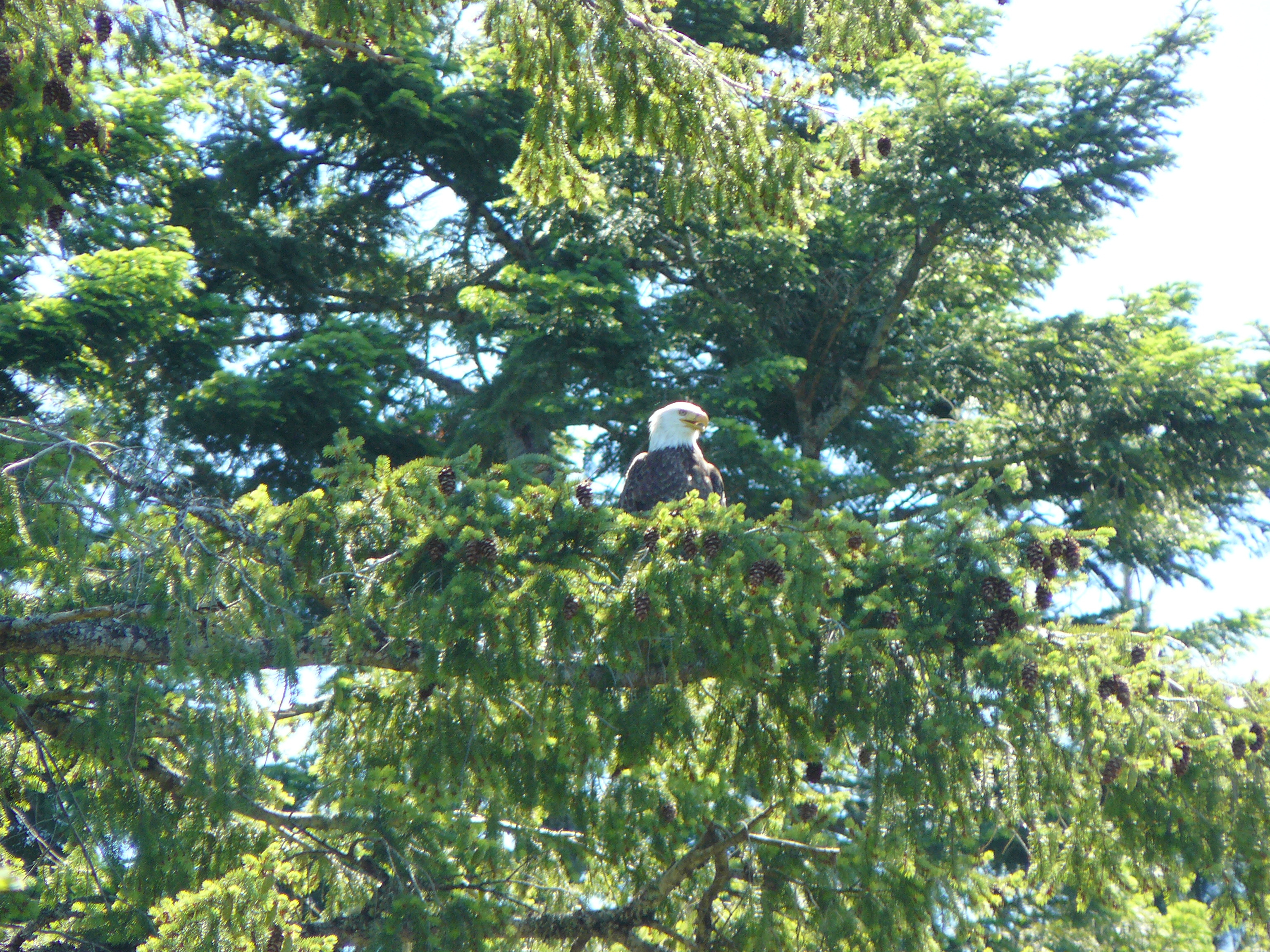
An American bald-eagle.
…. the stunning eagles of the land. A veritable icon of this country!
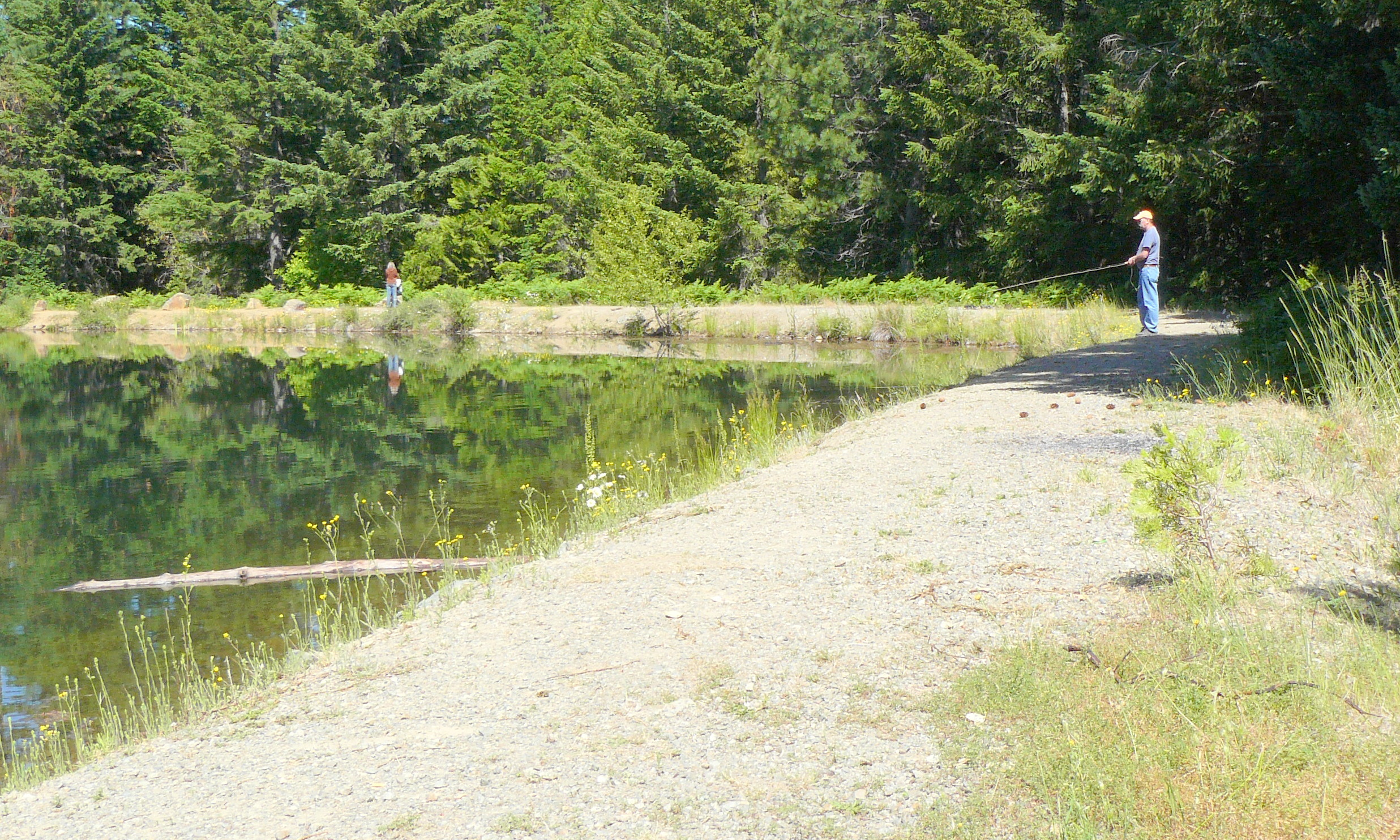
Returning in time to see Andy pulling a (small) fish from the lake.
Then yesterday, around 2pm, we dropped everything to race up to a farmer at Wolf Creek, just a dozen miles North of us, to inspect some hay that was for sale. It was great quality and at $5 a bale the deal of the century. So by the time we had loaded up some bales onto the trailer and returned, unloaded them into the hay loft, organised a bigger trailer from neighbours Dordie and Bill, and I had recuperated under a shower, there was no time at all for today’s post.
Well that larger flatbed trailer was borrowed on Monday evening and early yesterday morning we set off again to Wolf Creek to purchase more bales of hay.
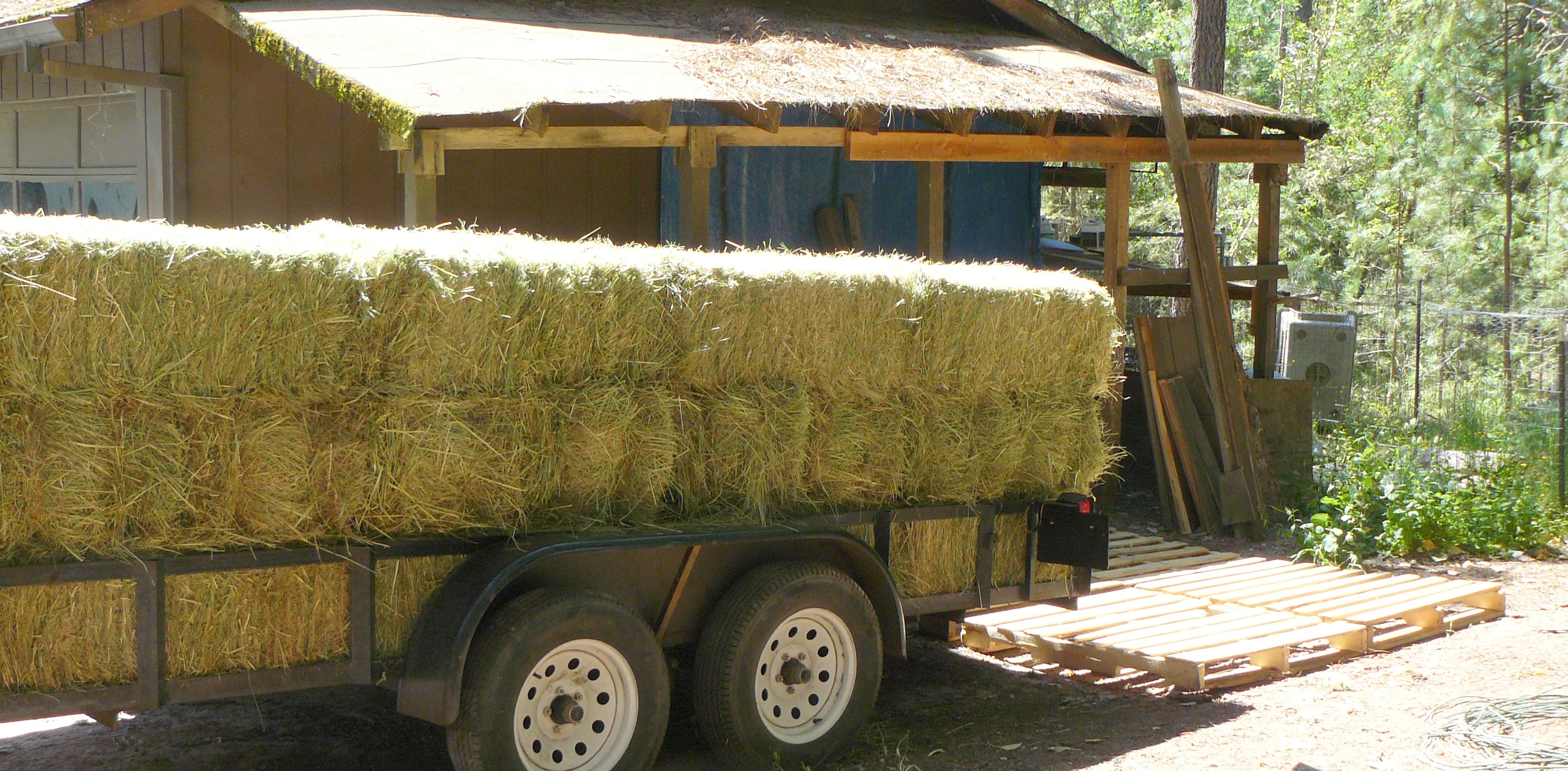
This time we had room for 60 bales, the equivalent of 4,200 lbs in weight. Each bale had to be lifted onto the trailer and stacked carefully.
But at last it was all done, great thanks to Robert who was up at Wolf Creek, and then it was time to head for home.
Jean thanking Robert for his great help in loading our 60 bales!
Impossible not to ignore the beautiful countryside that is so typical of this part of Southern Oregon. (Wolf Creek is less than 15 miles from home.)
The things we do for our horses!
Anyway, once back home somehow Jean and I managed to unload and stack all 60 bales, by which time my creative juices were no longer to be found.
A recent newspaper article offers yet more learning from dogs.
I can’t recall how I came across the article but so what! What I do recall was reading a recent item in The Washington Post and thinking that has to be reported here on Learning from Dogs.
A shaggy brown terrier approaches a large chocolate Labrador in a city park. When the terrier gets close, he adopts a yogalike pose, crouching on his forepaws and hiking his butt into the air. The Lab gives an excited bark, and soon the two dogs are somersaulting and tugging on each other’s ears. Then the terrier takes off and the Lab gives chase, his tail wagging wildly. When the two meet once more, the whole thing begins again.
Watch a couple of dogs play, and you’ll probably see seemingly random gestures, lots of frenetic activity and a whole lot of energy being expended. But decades of research suggest that beneath this apparently frivolous fun lies a hidden language of honesty and deceit, empathy and perhaps even a humanlike morality.
Now I don’t have permission to reproduce the entire article but will draw your attention to this further piece:
All of this suggests that dogs have a kind of moral code — one long hidden to humans until a cognitive ethologist named Marc Bekoff began to crack it.
A wiry 68-year-old with reddish-gray hair tied back in a long ponytail, Bekoff is a professor emeritus at the University of Colorado at Boulder, where he taught for 32 years. He began studying animal behavior in the early 1970s, spending four years videotaping groups of dogs, wolves and coyotes in large enclosures and slowly playing back the tapes, jotting down every nip, yip and lick. “Twenty minutes of film could take a week to analyze,” he says.
The data revealed insights into how the animals maintained their tight social bonds — by grooming each other, for example. But what changed Bekoff’s life was watching them play. The wolves would chase each other, run, jump and roll over for seemingly no other reason than to have fun.
Few people had studied animal play, but Bekoff was intrigued. “Play is a major expenditure of energy, and it can be dangerous,” he says. “You can twist a shoulder or break a leg, and it can increase your chances of being preyed upon. So why do they do it? It has to feel good.”
Suddenly, Bekoff wasn’t interested just in behavior; he was interested also in emotions and, fundamentally, what was going on inside these animals’ heads.
Marc Bekoff’s name rang a bell with me and, sure enough, I found that previously he was mentioned here. It was a post called Daisy offers a lesson for all,:
Animal Emotions
Do animals think and feel?
by Marc Bekoff – Professor Emeritus of Ecology and Evolutionary Biology at the University of Colorado, Boulder.
Daisy: The Injured Dog Who Believed She’d Walk Again and Did
Often, a simple video captures the essence of the deep nature of the incredibly close and enduring bonds we form with other animals and they with us. As a case in point, my recent essay called “A Dog and His Man” showed a dog exuberantly expressing his deep feelings for a human companion he hadn’t seen for six months. Another essay titled “My Dog Always Eats First: Homeless People and Their Animals” dealt with the relationship between homeless people and the animals with whom they share their lives.
Daisy: An unforgettable and inspirational symbol of dedication and hope
I just saw another video called “Daisy – the Little Pup Who Believed” that is well-worth sharing widely with others of all ages. There is no way I can summarize the depth of five-month old Daisy’s resolve to walk again after she was injured or of the devotion of the woman, Jolene, who found her on the side of a road – scared, malnourished, unable to walk or wag her tail, the people who contributed money to help her along, or the wonderful veterinarians and staff at Barrie Veterinary Hospital in Ontario, Canada, who took care of her. You can also read about Daisy’s remarkable and inspirational journey here.
Please take five minutes out of your day to watch this video, read the text, listen to the song that accompanies it, and share it widely. I am sure you will get teary as you watch Daisy go from an injured little ball of fur living in a ditch on the side of a road with a broken spine to learning to walk in water to romping around wildly as if life had been that proverbial pail of cherries from the start.
I’ve watched Daisy’s journey many times and every single time my eyes get watery. Among the many lessons in this wonderful video is “stay strong and never give up”. Clearly dogs and many other animals can truly teach us about traits such as trust, friendship, forgiveness, love, and hope.
Back to that Washington Post article.
Bekoff’s recent work suggests another remarkable canine skill: the ability to know what another animal is thinking — a so-called “theory of mind.”
Dogs seem to display a rudimentary form of this skill during play. He has noticed, for example, that one dog won’t begin trying to play with another dog until he has her attention. To get her to notice, he may nip the other dog or run into her field of view. That, Bekoff says, shows that the one wanting to play knows that she’s not paying attention to him. Though this may seem like a simple skill, it’s incredibly important to our species. Without it, we can have a hard time learning or interacting with the world around us.
So will leave you with this video and return to the theme tomorrow.
It’s almost impossible, at times, to get one’s mind around life’s events. I’m not wishing to be overly philosophical but, nonetheless, it doesn’t do any harm to muse from time to time about the nature of things.
Take our two rescue horses: Ben and Ranger.
They have now been with us for coming up to three months. Considering how terribly they were treated before being rescued by Darla Clark of Strawberry Mountain Mustangs, it’s a privilege to experience the way that these two horses have so rapidly put their past behind them.
All of which is a preamble to this photograph taken just a couple of days ago.
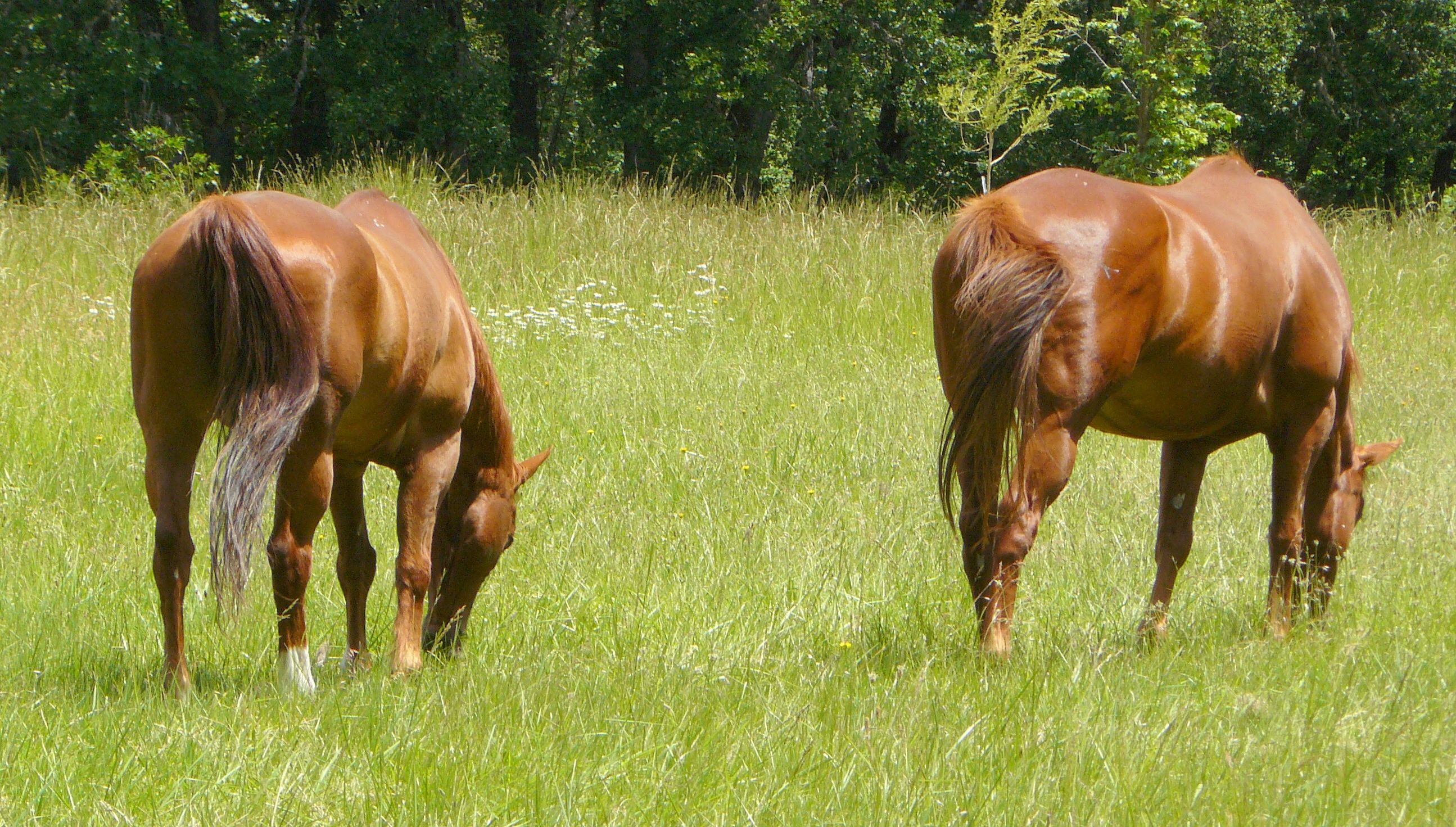
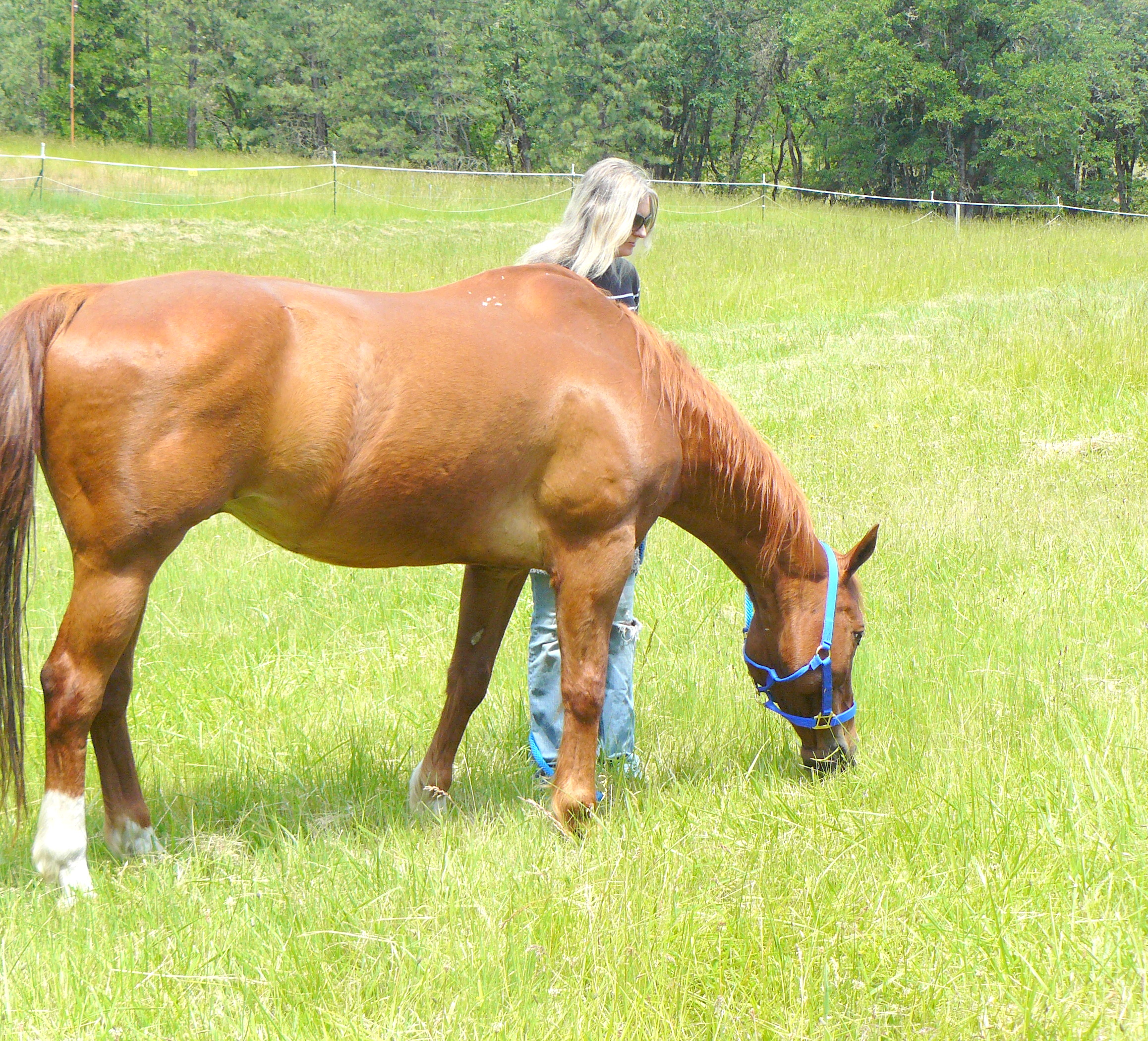
Ranger (LHS) and Ben enjoying our open grassland.
Just look at their shiny coats! Just look at them so happily munching away on the grass.
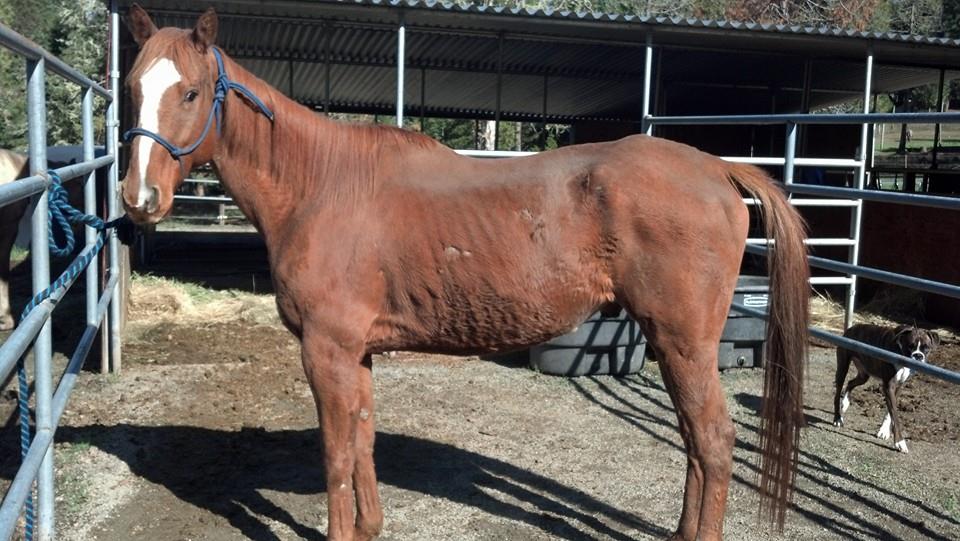
Now look at how they were not so long ago.
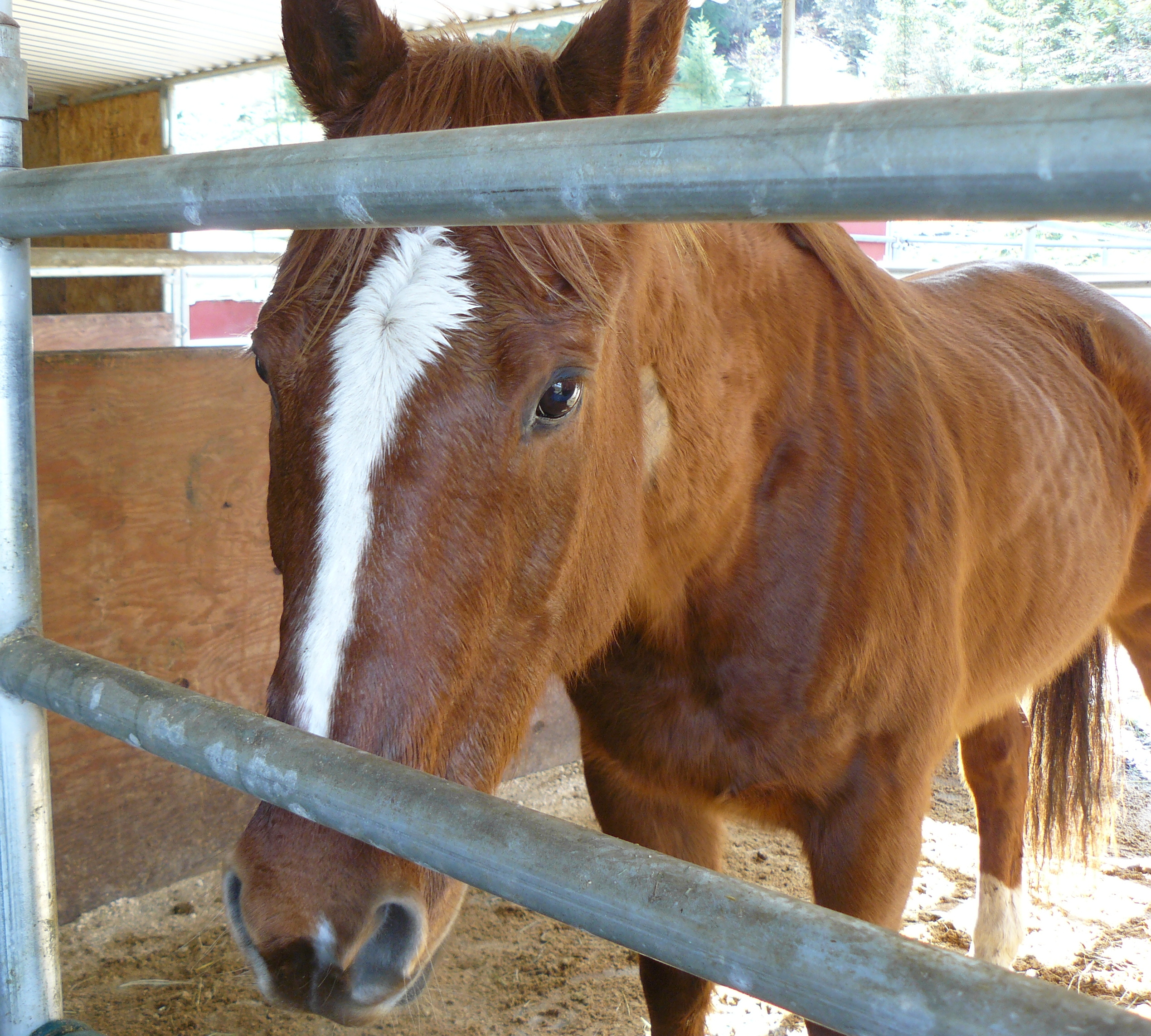
Ranger, when first seen in February.
oooo
Ben as seen last October.
So back to present, happy times.
The last photograph is of Jean having just put a halter on Ranger so that the two of them can be taken in at the end of the day. Ben follows Ranger in without the need of a halter. Ben and Ranger are inseparable!
oooo
Tomorrow, the celebration of another beautiful animal!
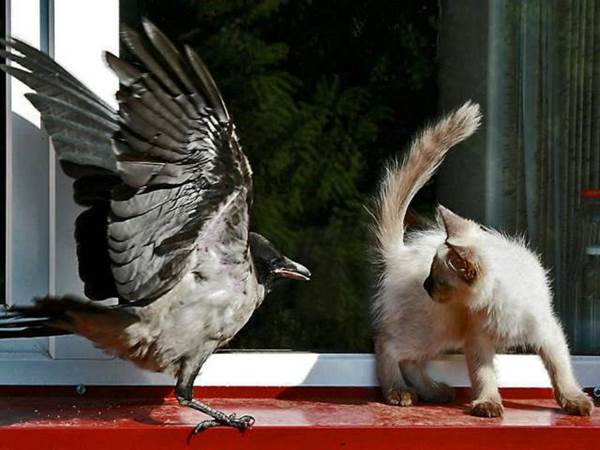
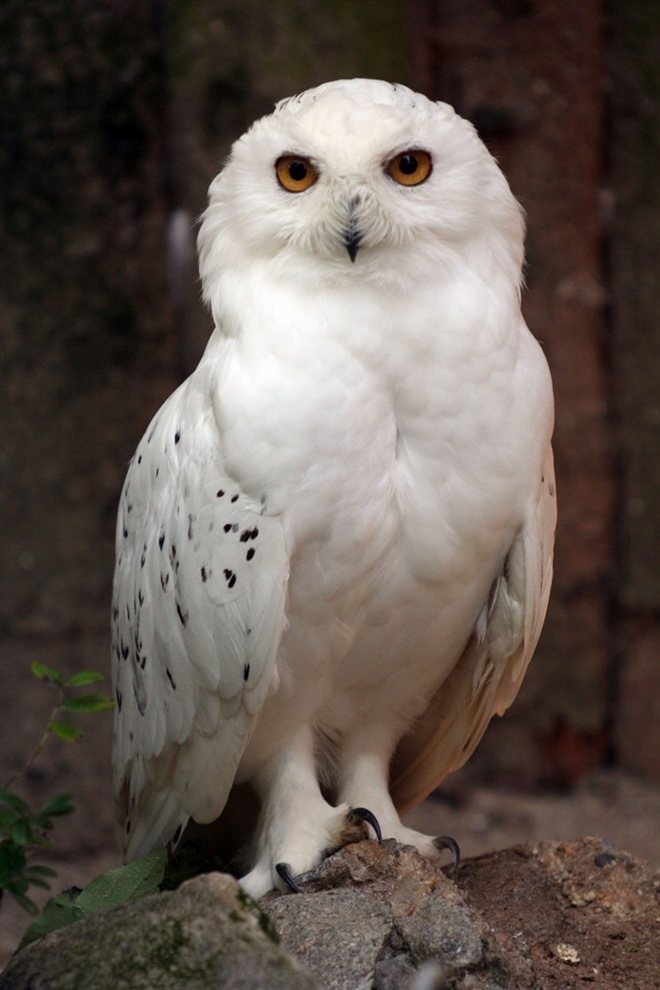
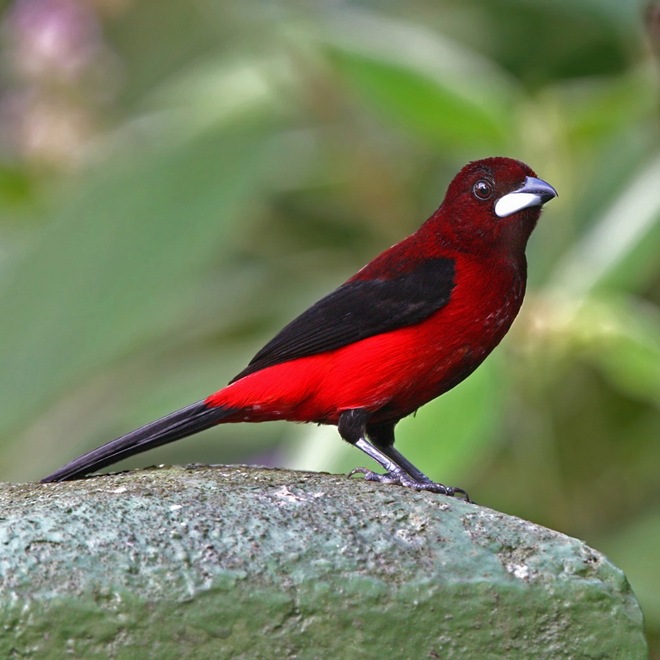
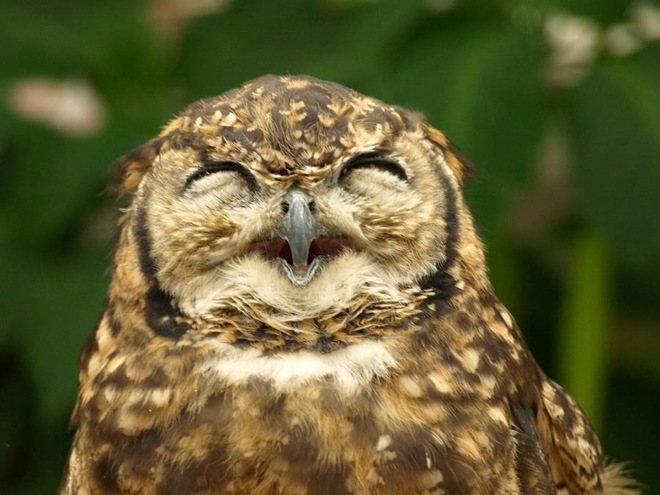
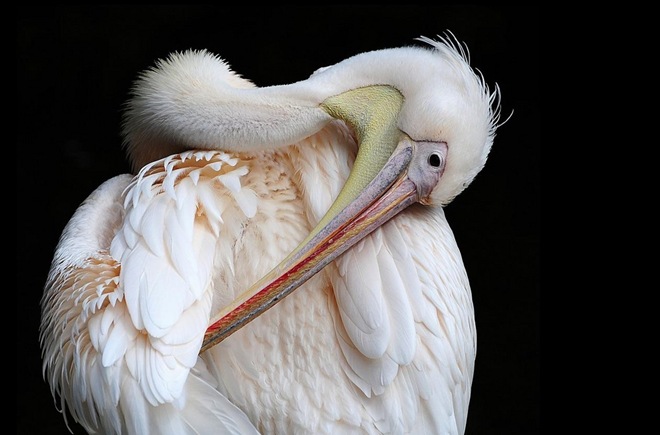
There were a total of twenty-four of these wonderful photographs sent to me by Su. Thus I am inclined to present them to you, dear reader, in a further two batches of eight over the next two weekends.








 Learning from Dogs