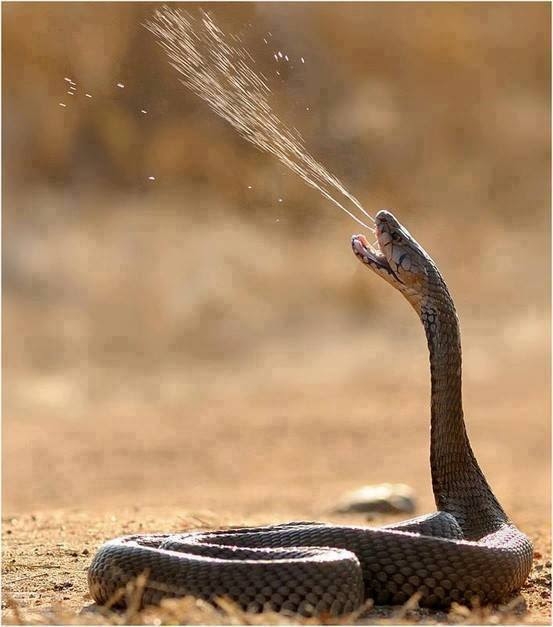
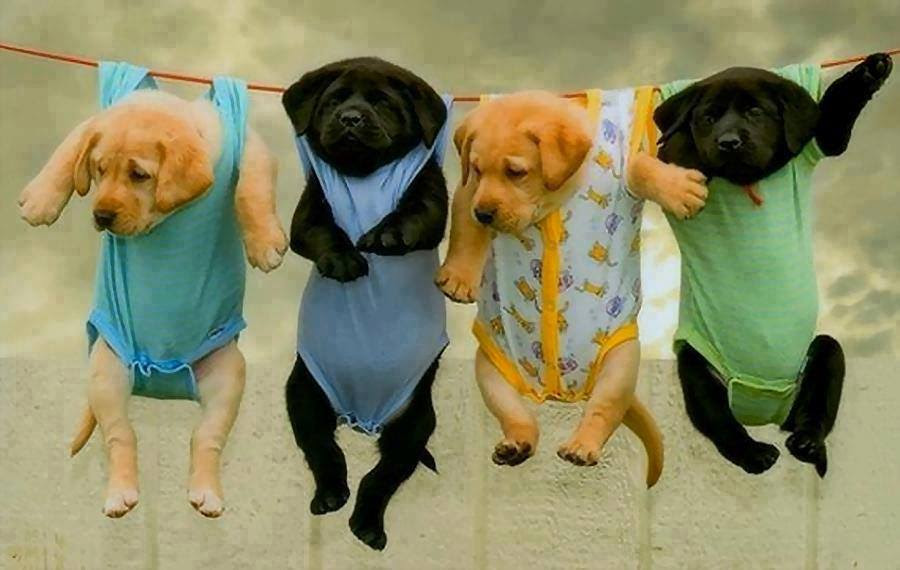
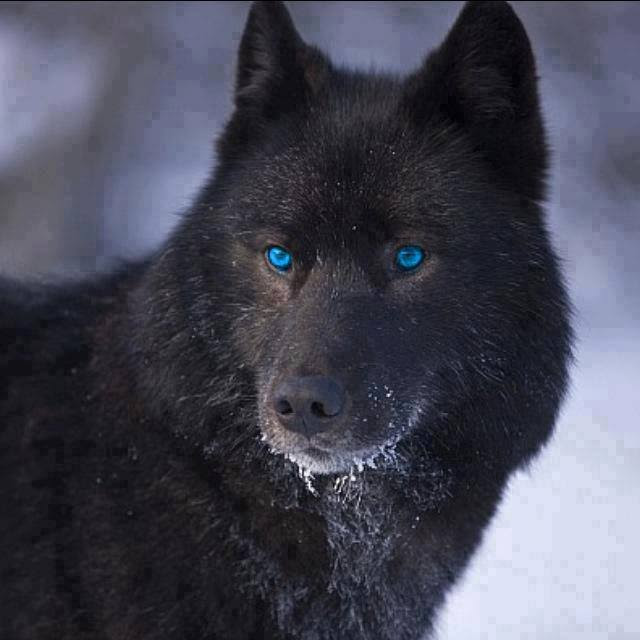
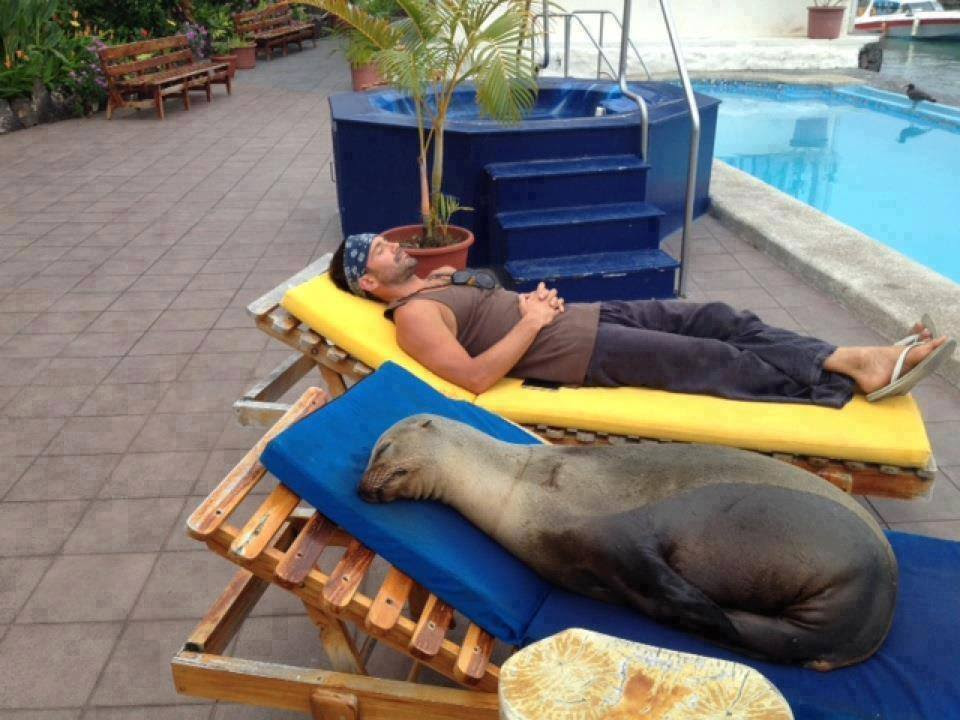
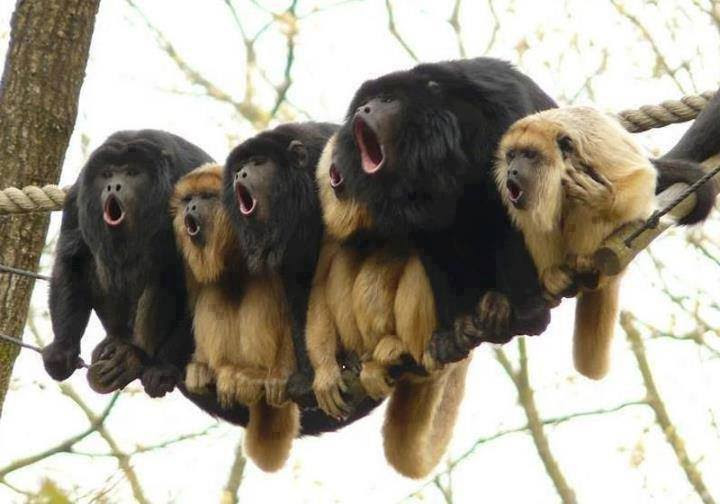
The third and final set of photographs from Dan on how our pets respond to the vet!
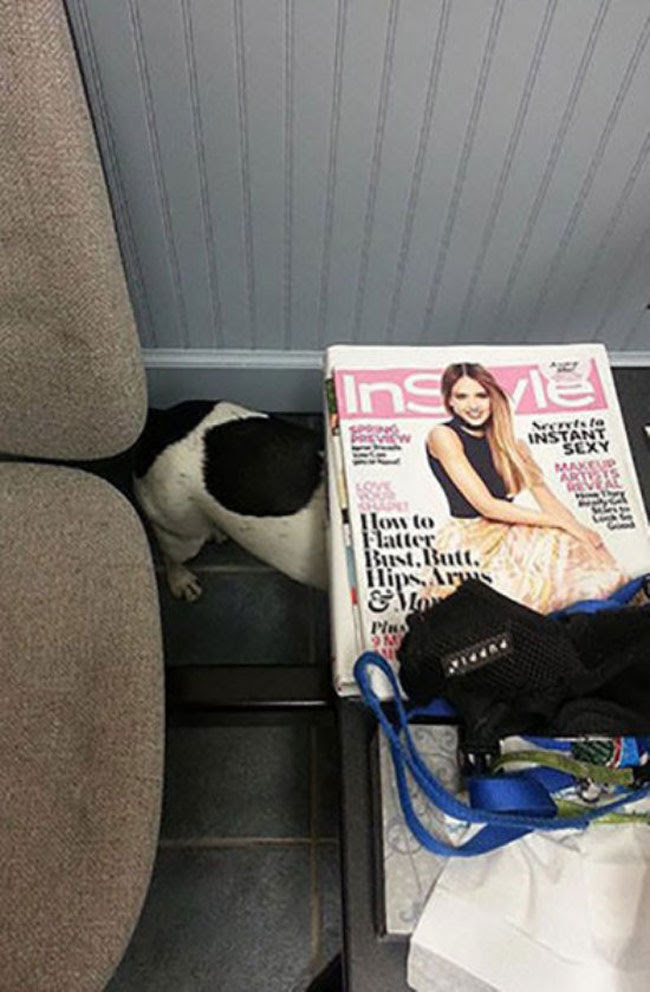
oooo
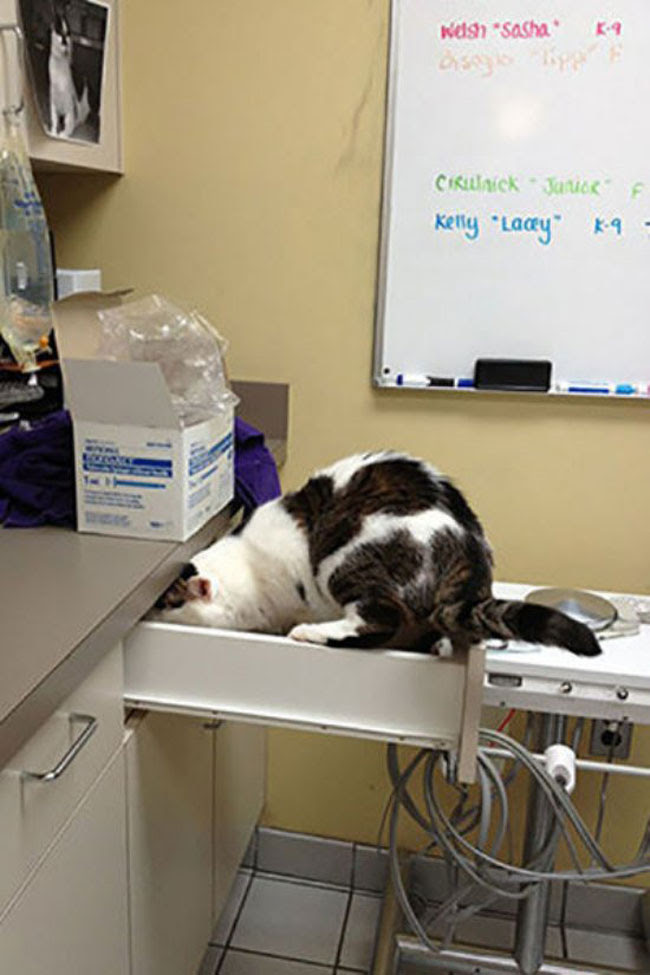
oooo
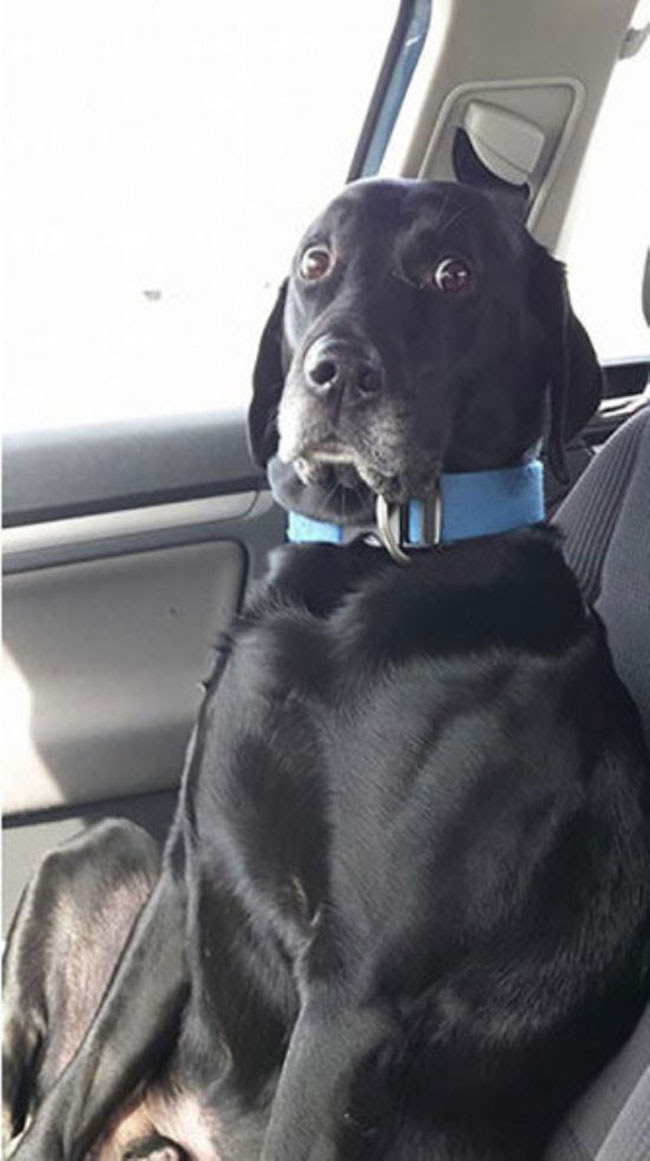
oooo
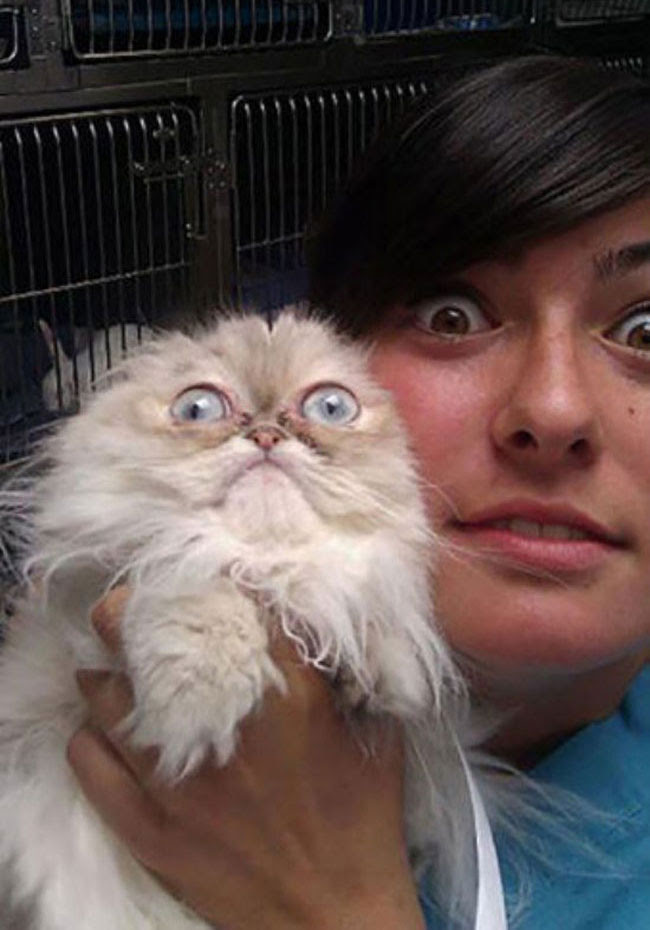
oooo

oooo
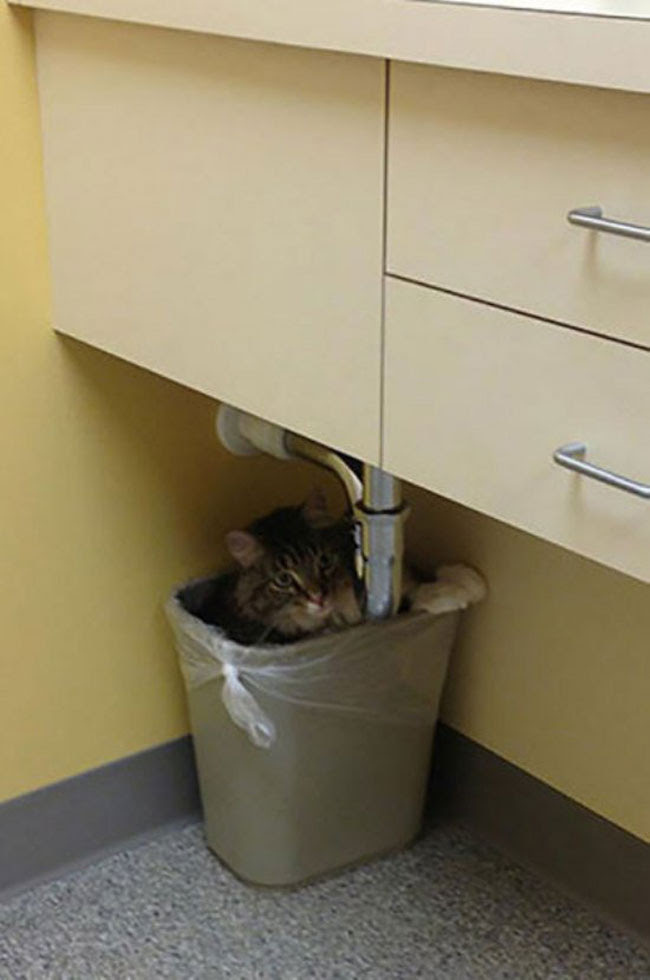
oooo

oooo

oooo
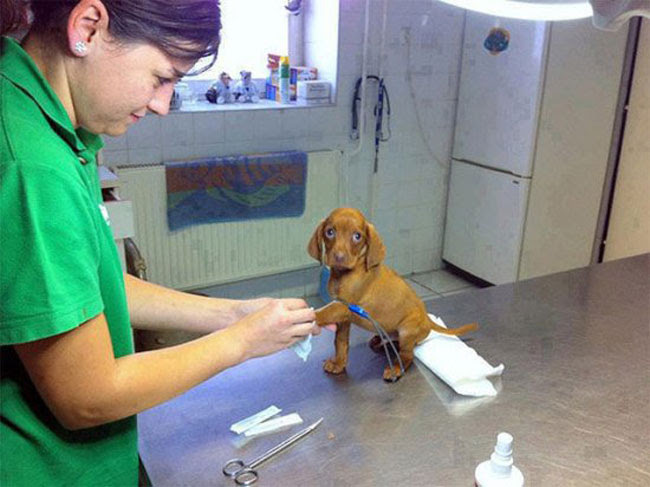
oooo
Another theme in a week’s time. You all take care out there!
Dogs are animals of integrity. We have much to learn from them.
Category: Photography
The third and final set of photographs from Dan on how our pets respond to the vet!
oooo
oooo
oooo
oooo
oooo
oooo
oooo
oooo
oooo
Another theme in a week’s time. You all take care out there!
My first general anaesthetic in nearly 70 years!
Today, I have an appointment with a urologist surgeon at the Rogue Regional Medical Centre in Medford, about an hour south of where we live in Merlin. All being well I should be out the same day but will need to take it easy for a couple of days thereafter. I’m curious about the experience of having a general anaesthetic; the first one I have had.
Also this week I need to get my head down and commit to another month of writing under the NaNoWriMo banner.
Last November, participating in the National Novel Writing Month was critical in me completing a draft start of 56,000 words of my book Learning from Dogs. Despite it not being a novel and despite me wanting to continue the draft rather that start another writing project, NaNoWriMo have accepted me for a second time. I’m very grateful because, fingers crossed, by the end of this coming November I should be within reach of my target of 120,000 words for a non-fiction book.
November also brings along a ’70’ birthday for me, a birthday for Jean later on in the month and our wedding anniversary in the middle of the month.
So you know where this is leading, don’t you!
Creative blog writing is going to be a little thin on the ground for the next four weeks – (What was that you said? Something about creative writing frequently being thin on the ground?!)
There will be a post every day but if I get squeezed for time I will repost something previously published in this place. I will also republish items of general interest that catch my eye on the broader front of the big-wide-web!
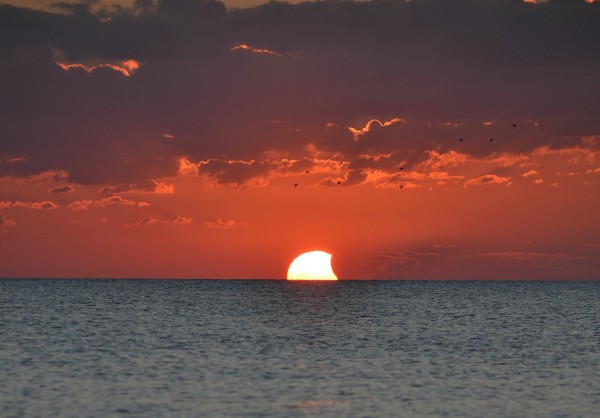
Going to close today by sharing a photograph of the recent solar eclipse. There have been many published but this one seemed especially beautiful. It was part of a set over on the EarthSky blogsite.
The second wonderful set of photographs sent to me by Dan Gomez.
Continuing the theme of how our pets react to mentioning the word ‘vet’!
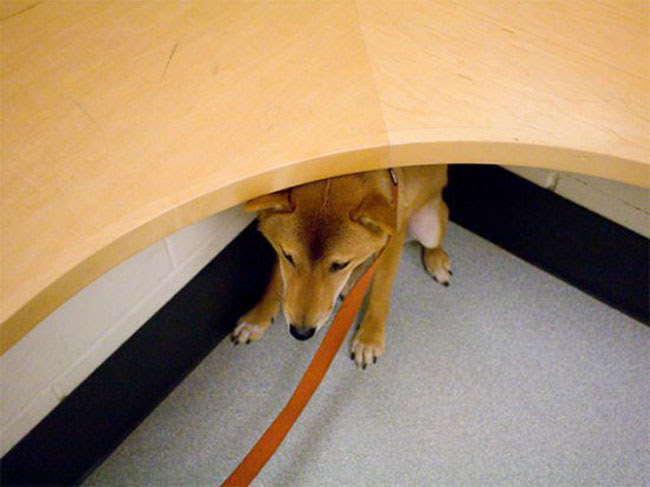
oooo

oooo

oooo

oooo

oooo

oooo

oooo

oooo
Aren’t they just wonderful!
Another set in a week’s time. You all take care of yourselves meanwhile.
Enough of the world of spying and whistleblowing and back to stuff that is really important!
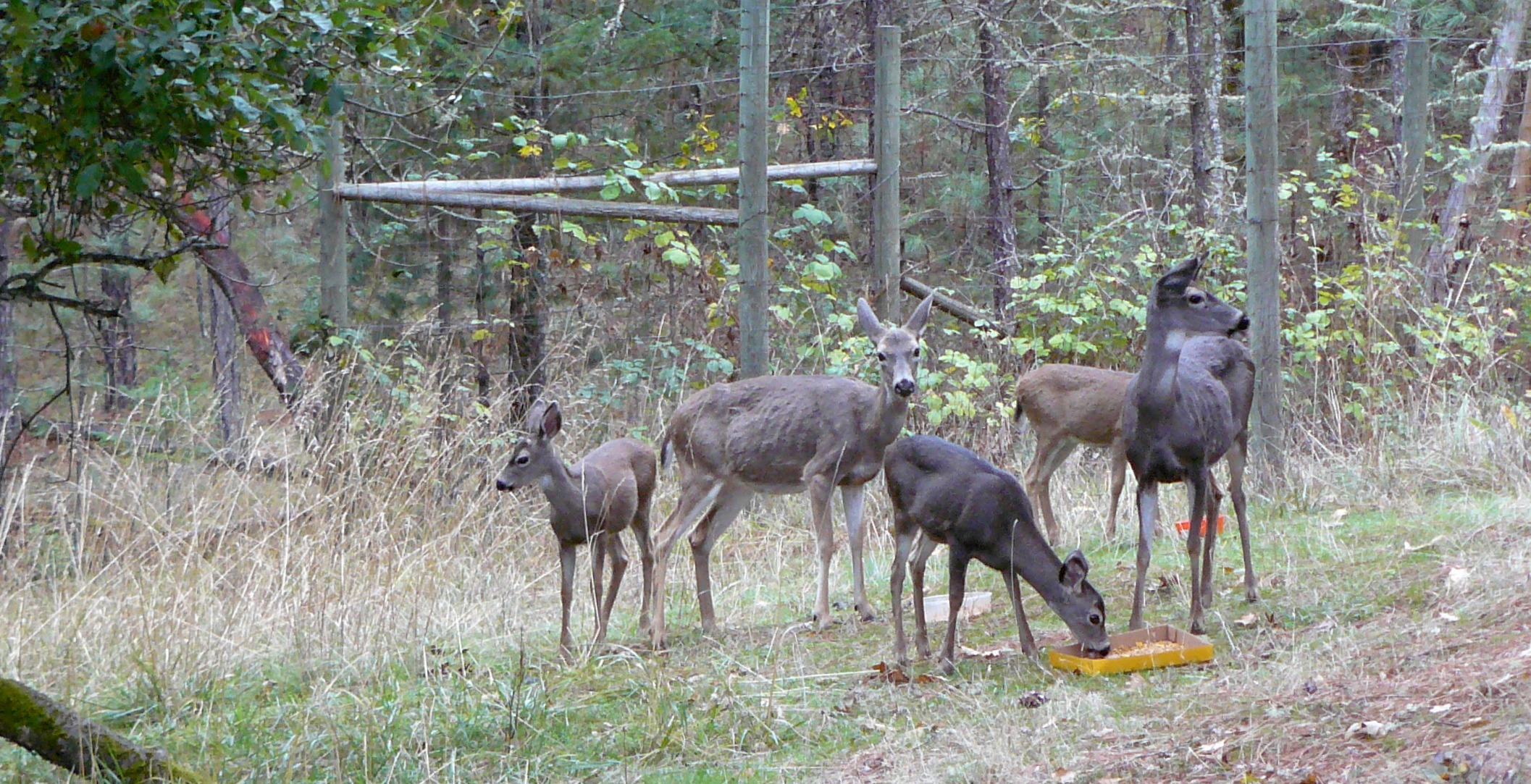
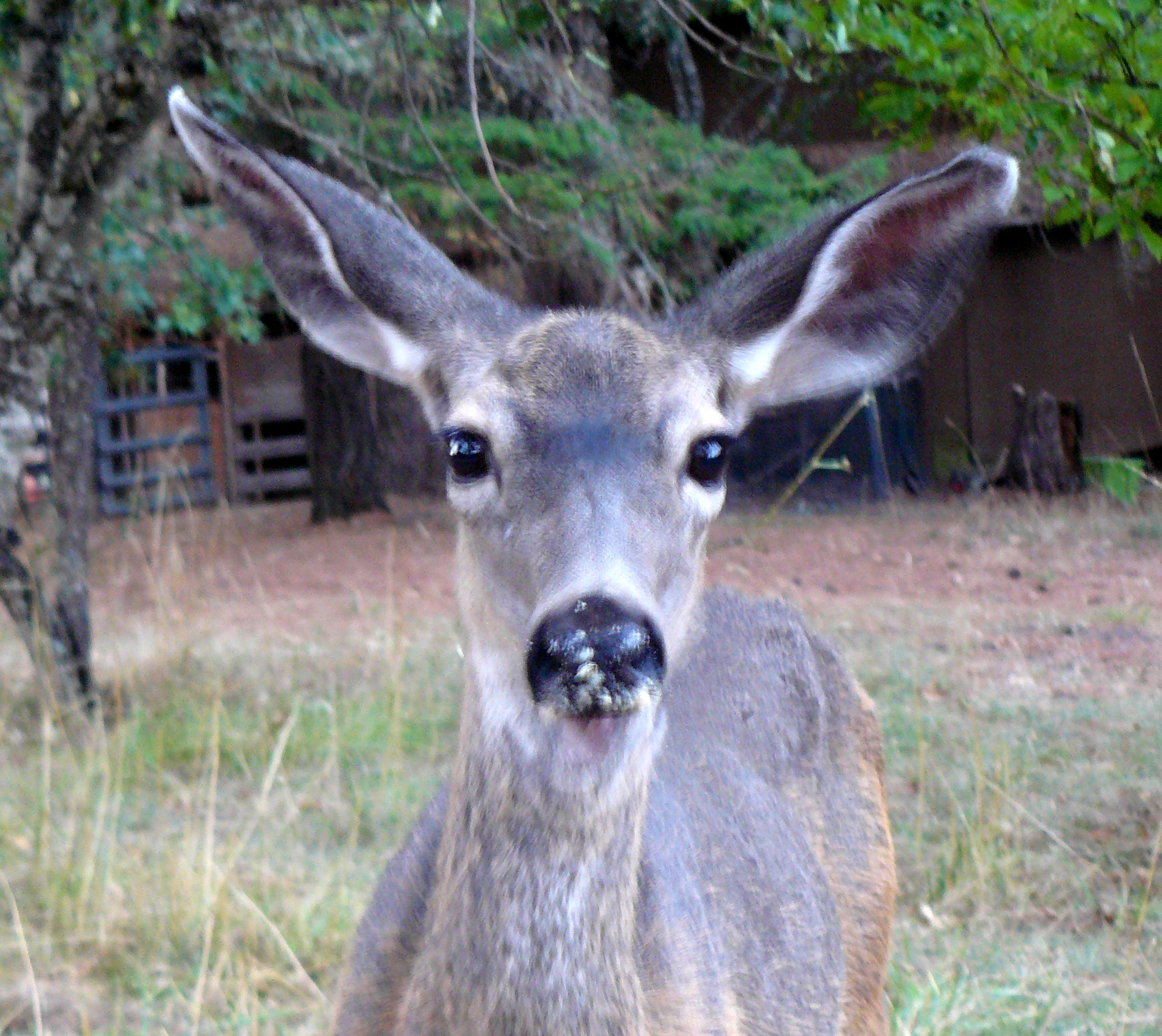
Many will recall that on the 10th October, under the heading of Utterly beyond words!, I wrote about a deer befriending us to the point that Jean was able to stroke its neck as it was feeding. The post included this photograph.
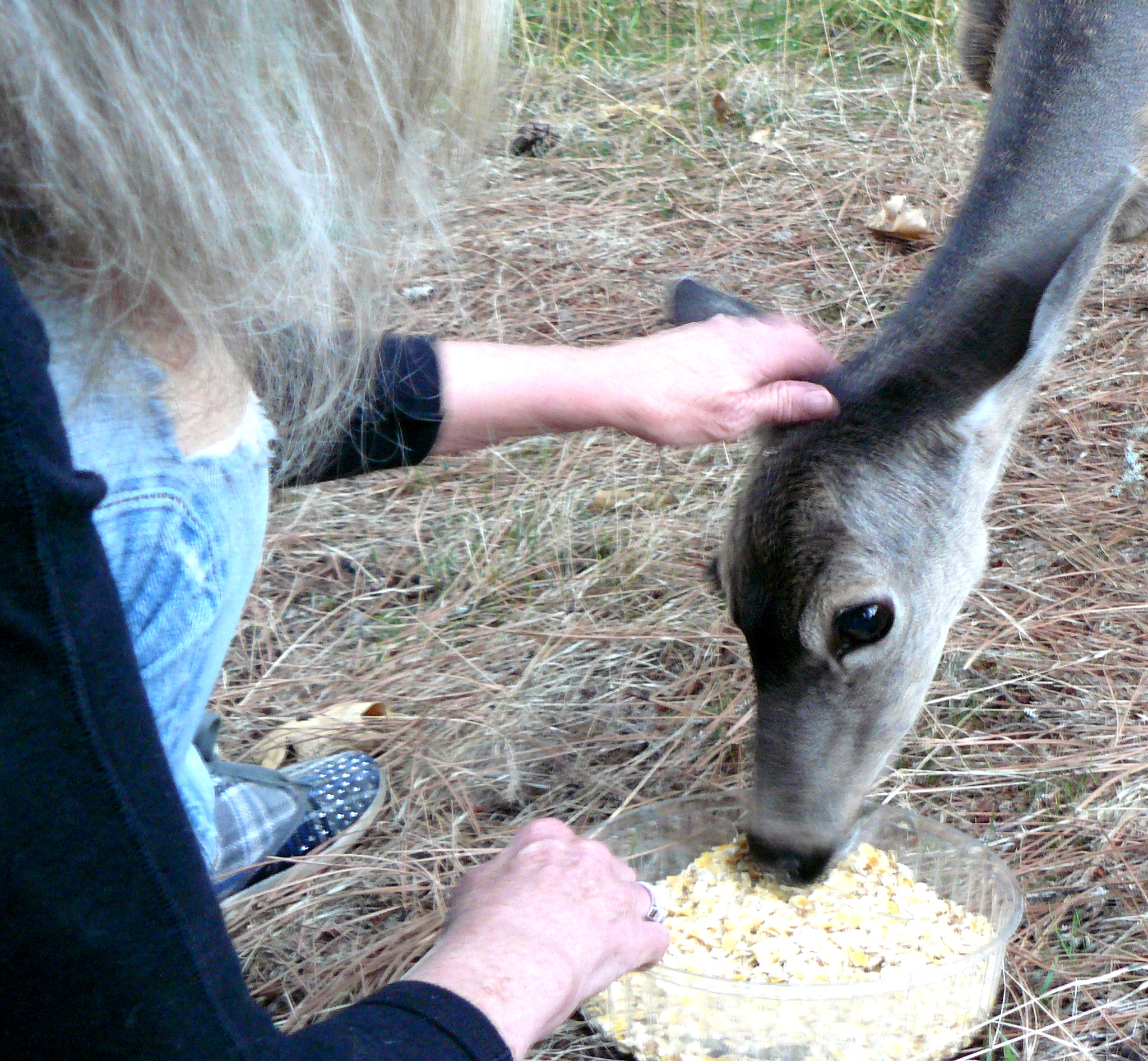
Inevitably, being the softies that we are, we have continued to put out feed, in the form of cob or cracked corn, most days.
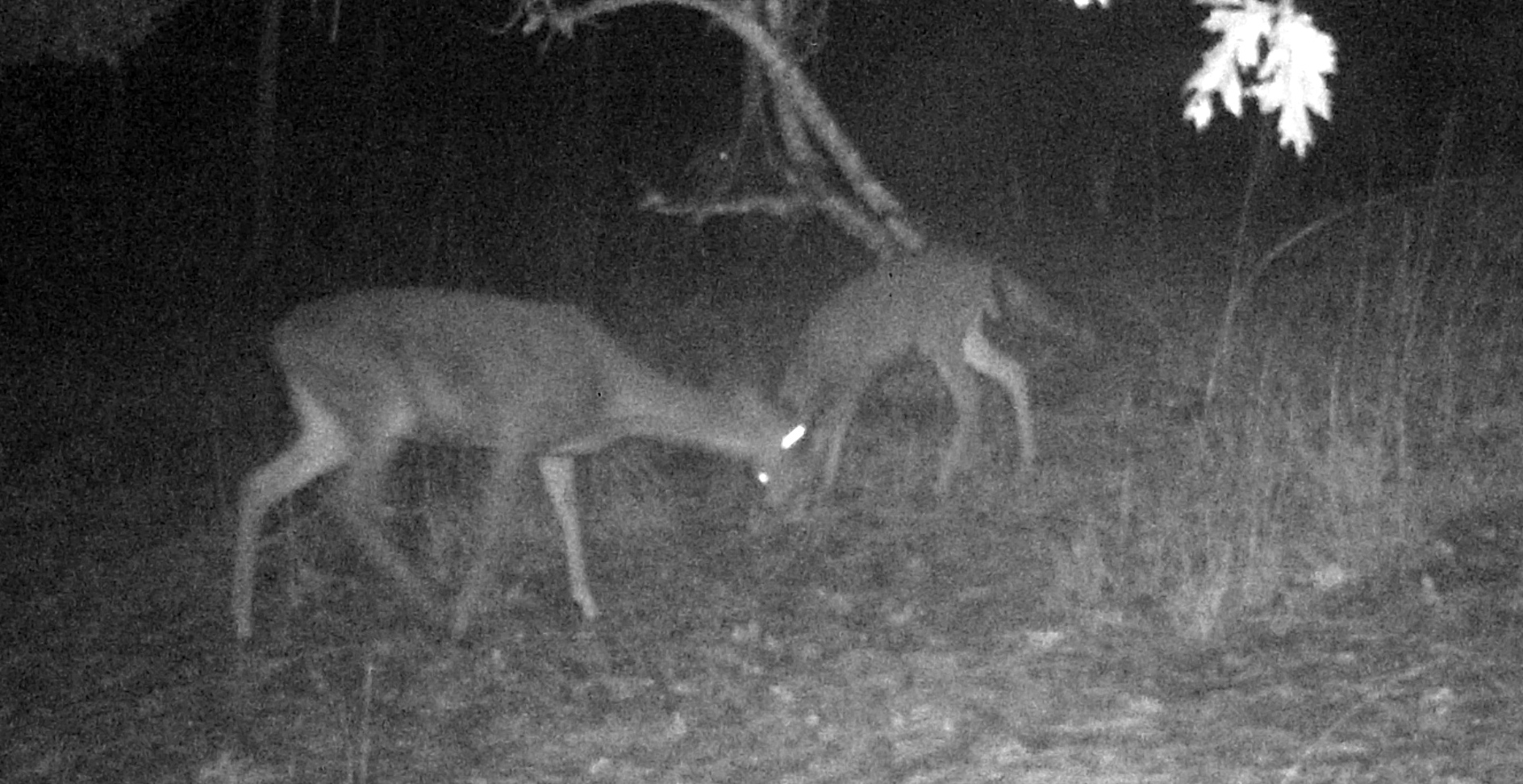
The word among the local deer population clearly has been passed around!
For here’s a photograph taken automatically on the night of the 19th October.
Then on the 22nd, just three days ago, these photographs were taken shortly after 10am.
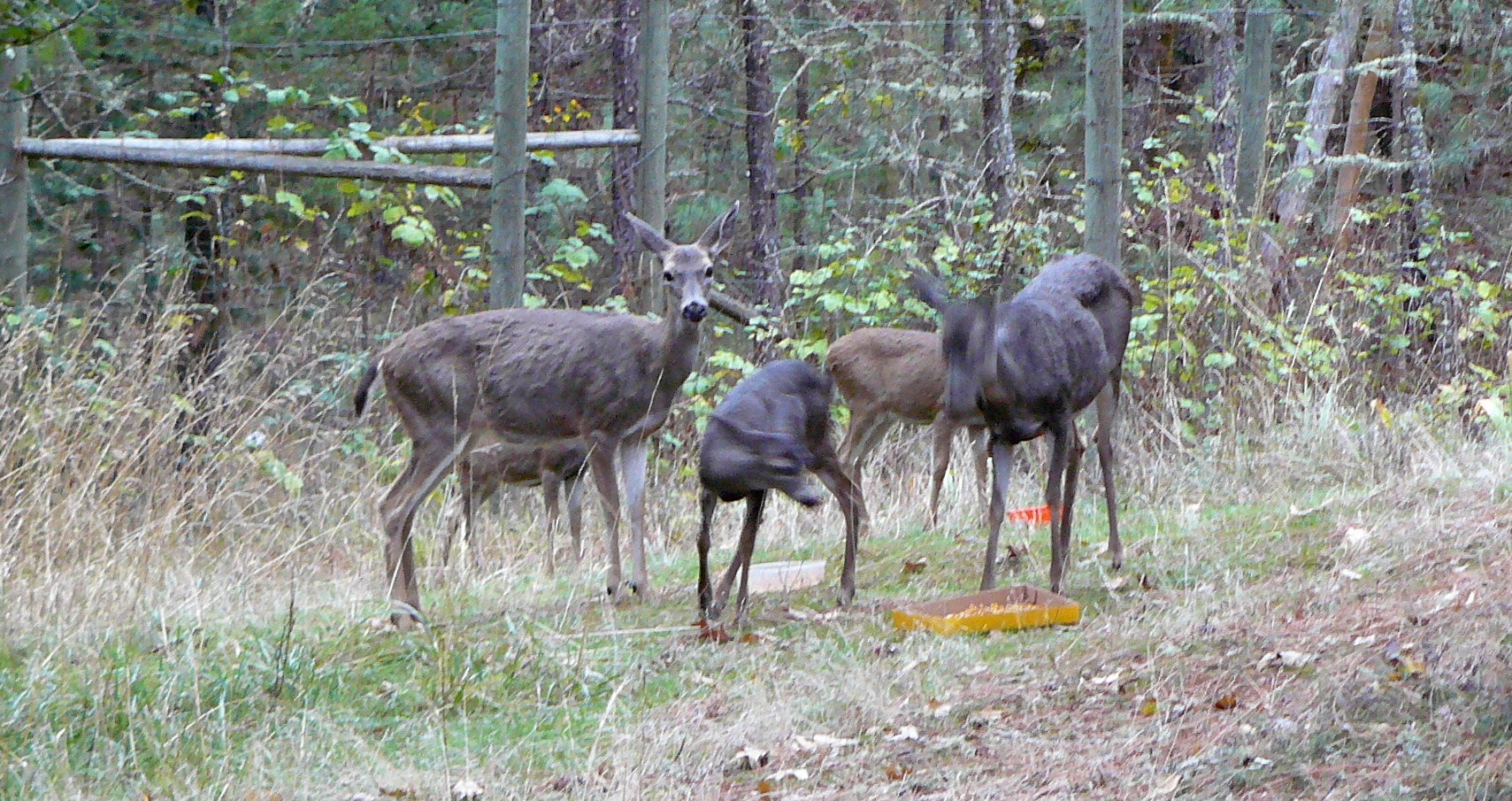
oooo
oooo
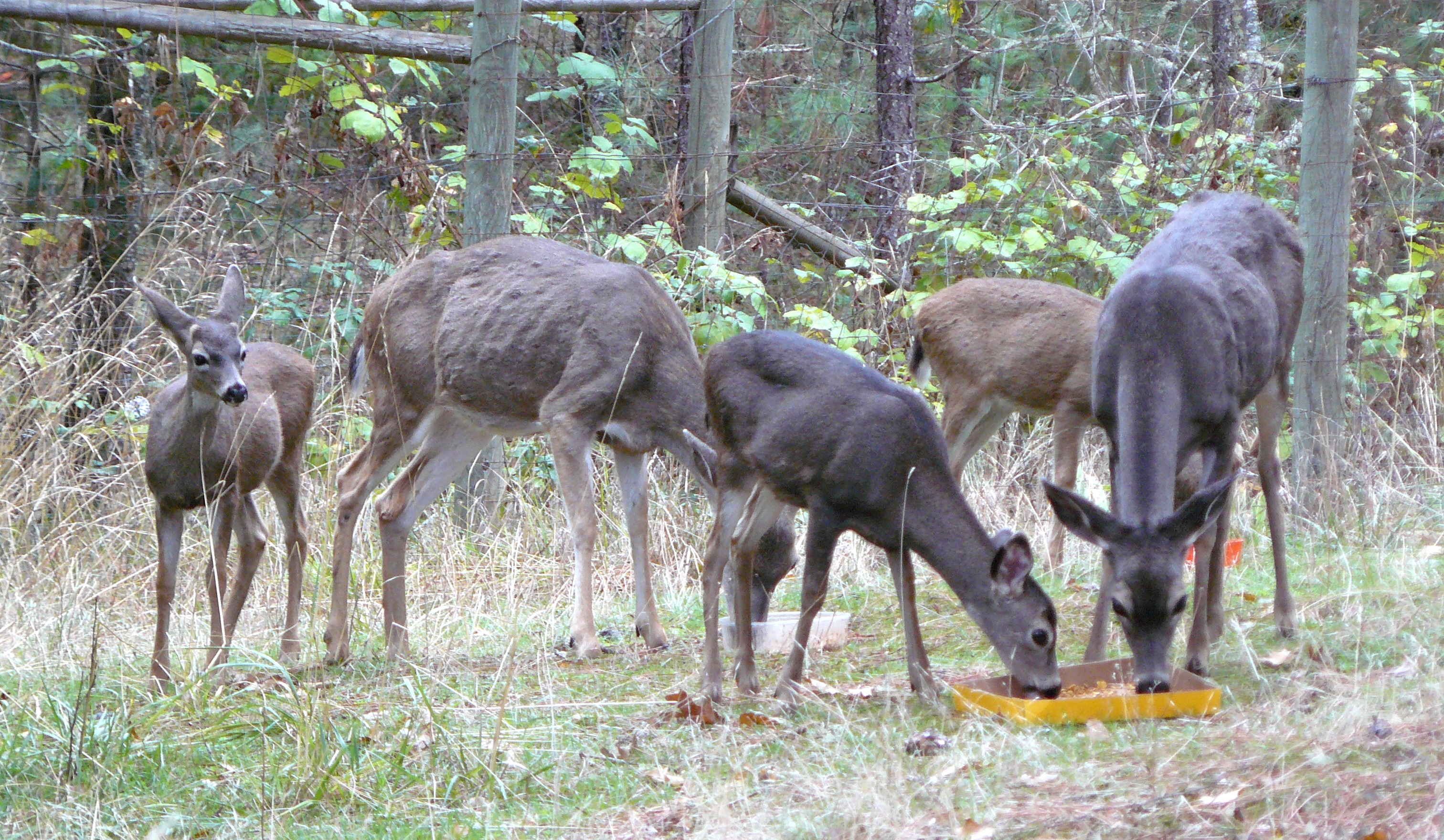
One fear that Jean and I had was that they would become vulnerable to an attack by our dogs. But the deer have quickly wised up to when dogs are being let out of the front or kitchen doors and are off like darts into the forest just a few yards away.
We treasure seeing them each day.
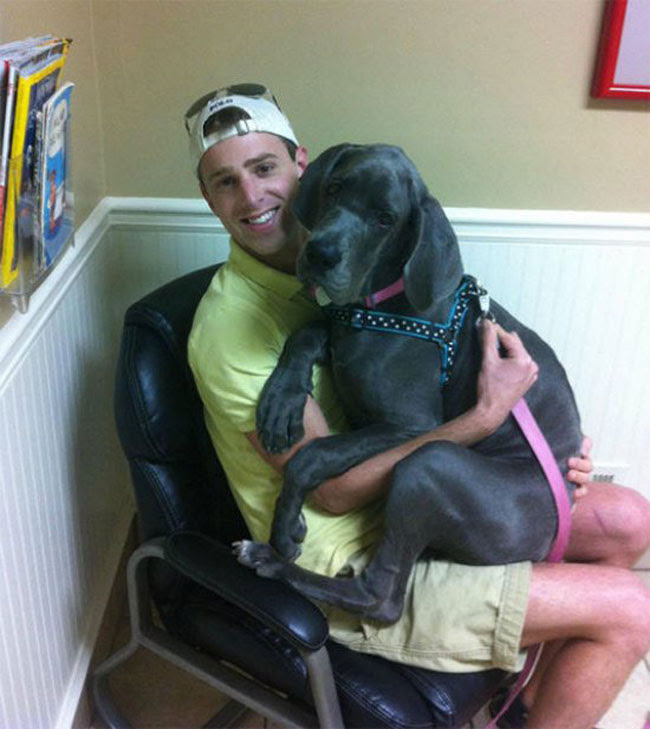
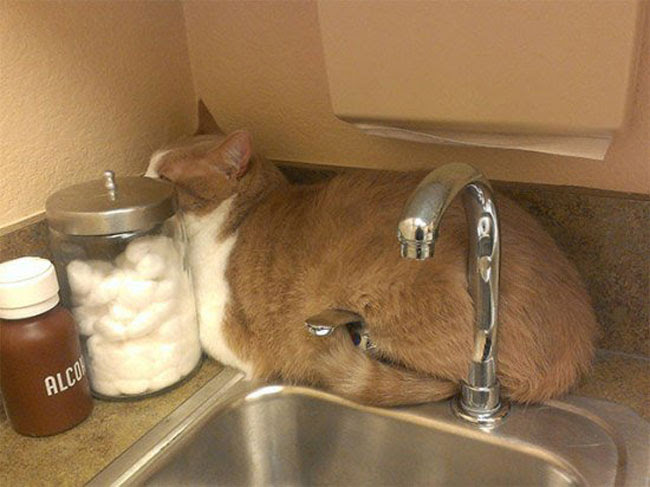
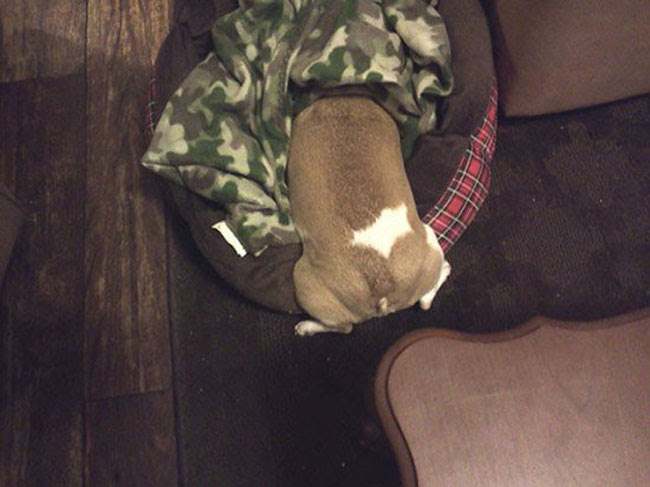
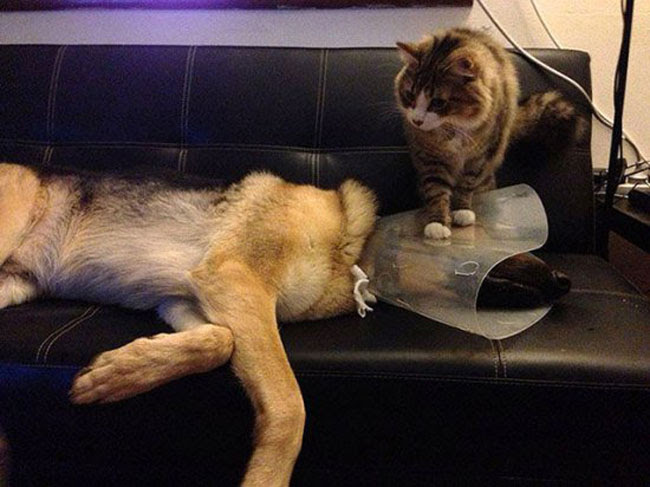
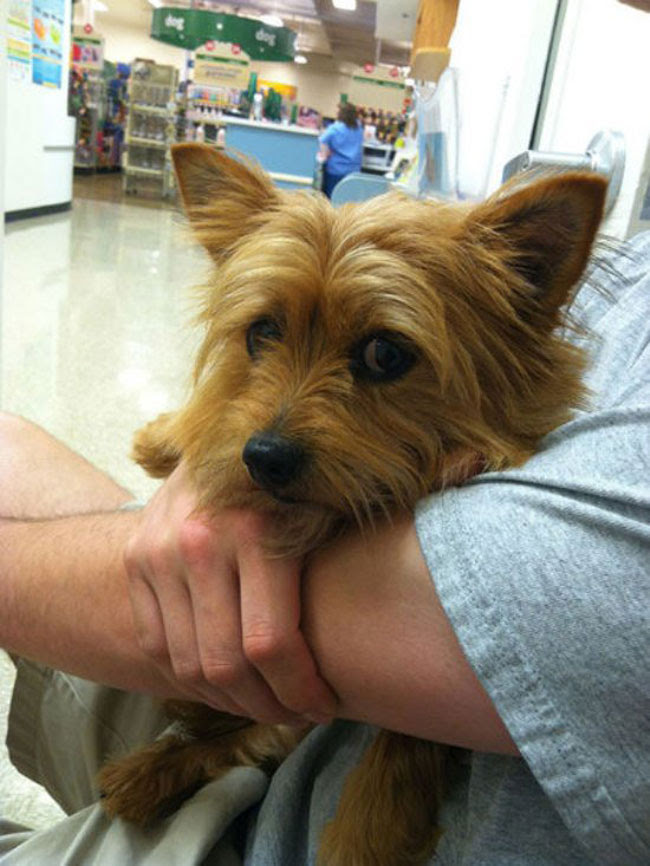
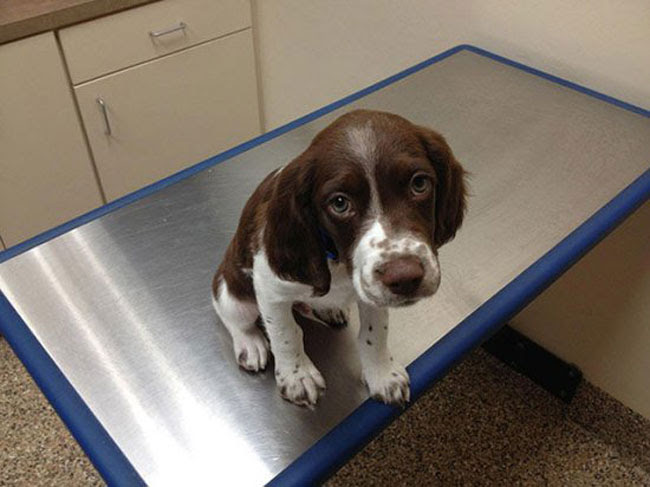
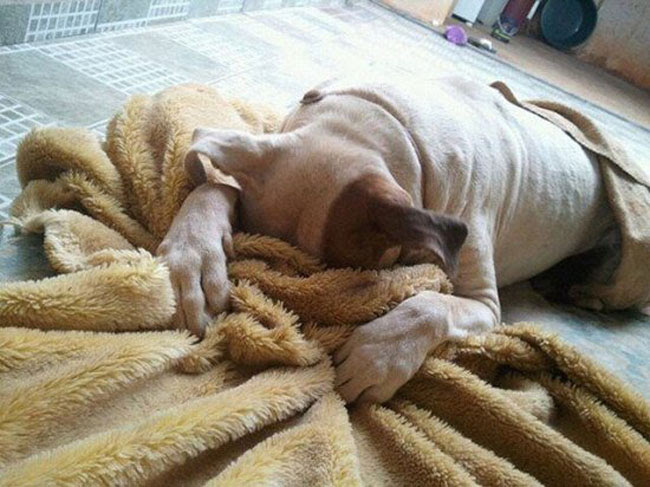
How our pets react to seeing the vet!
First of three sets of pictures sent to me by dear friend, Dan Gomez.
oooo
oooo
oooo
oooo
oooo

oooo
oooo
oooo
What wonderful expressions!
Another set, thanks to Dan, next Sunday.
The awe-inspiring pictures of the recent Aurora.
I stuck this in my drafts folder and then promptly forgot about it!
But despite the aurora taking place nearly two months ago, the pictures are stunning and I wanted still to share them with you. They came to my attention thanks to the EarthSky blogsite.
From where today’s post is taken.
ooOOoo
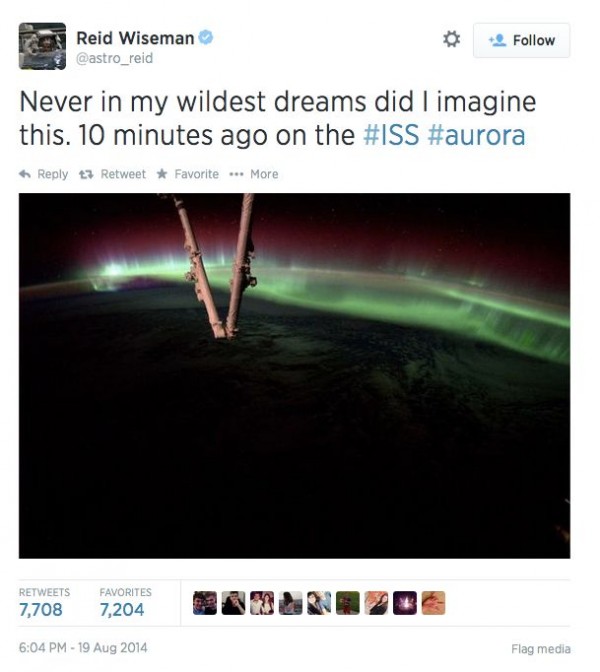
One of the first auroras of the 2014 autumn season appeared last night at northerly latitudes. Astronaut Reid Wiseman caught it from space. Photographer Göran Strand caught it from Sweden.
oooo

Astronaut Reid Wiseman captured these images from the window of the International Space Station last night (August 19, 2014). SpaceWeather.com says:
A moderate (G2-class) geomagnetic storm that erupted following a CME strike on August 19th is subsiding now. At its peak, the storm sparked auroras around both poles visible from the ground and from space.
Follow astronaut Reid Wiseman on Twitter – he’s our eyes from above!
More awesomeness from the International Space Station.
oooo

The Aurora season is here
Last night I got to see my first Aurora for the season, two days earlier than last year but five days later than my personal record from 2011 (August 14th).
It was a faint aurora that lasted for several hours and as you can see it was quite cloudy. The orange/yellow clouds to the right are clouds that are lit up by the street lights from the city of Östersund and Frösön.
Finally the dark nights are here so we can enjoy the auroras ahead and let us hope that there will be lots of them during the coming season.
Don’t you think Göran Strand’s photograph is just wonderful!
A connection with a wild animal doesn’t get better than this.
You may wonder, dear reader, how I “square the circle” in terms of a post title, Utterly beyond words, and then reaching out to you with the use of words! My answer to that legitimate question is that if I reflected for the rest of my life, I couldn’t verbalise adequately the feelings (but note p.s. at the end of the post) that went through me, and through Jean, when a mother deer and her young fawn, crossed the boundary between their wild, animal world and our human world.
This is what happened.
Last Sunday afternoon, around 4pm, I was pottering around the area of fruit trees just above our stables. We were fully aware that deer were coming in to our property to eat fallen apples as many times we had caught a glimpse of them through a window.
Anyway, on this particular afternoon outside by the stables, I noticed a deer eating some fallen apples and, somehow, picked up the idea that this gorgeous, wild animal was not stressed-out by me standing there looking at her from some twenty feet away.
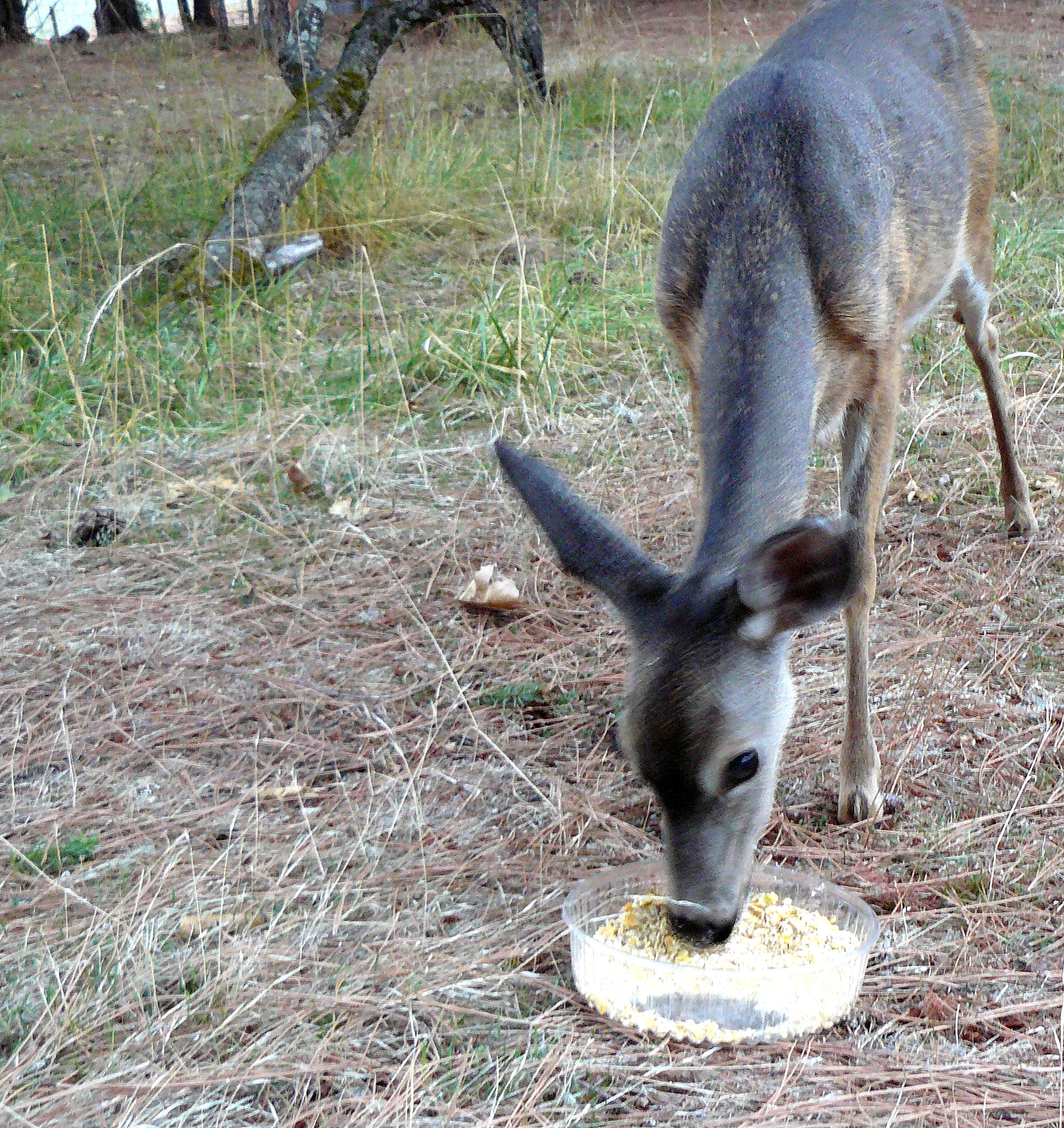
After a few minutes of just watching, I quietly went across to the garage where we keep a bag of cob, or cracked corn, that we use to feed the deer during tough winter times. I collected a small amount in a round plastic tray and went back into the orchard area and sat with my back against the trunk of an old oak tree, spread my legs apart and placed the tray with the cob in between my knees.
The mother deer was still hunting around for fallen apples but within a couple of minutes looked across at me, clearly smelling the cob.
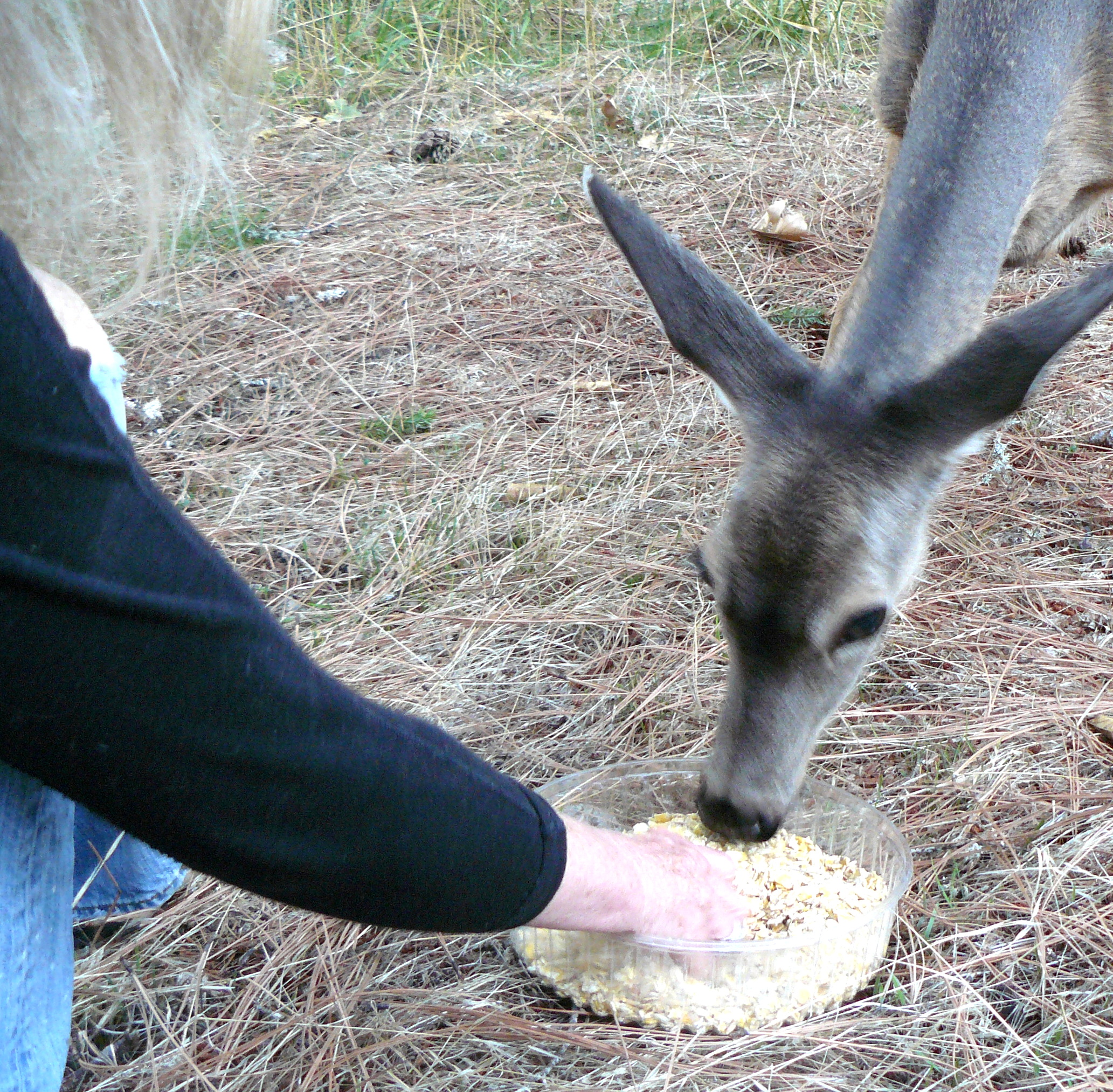
Slowly but steadily the beautiful creature came towards me and, miracle of miracles, trusted me sufficiently to eat from the tray. Her head was well within arm’s reach of me!
I was totally mesmerised by this beautiful, fragile, wild animal, head down, eating cob less than three feet from my face! I had the urge to touch her.
Slowly, I reached forward and took a small handful of the cob from the tray and with my other hand pulled the tray to one side. My hand with the cob was fully outstretched; my heart was whispering to the deer that I would never, ever harm her.
Softly, gently the deer reached towards me and nibbled the cob from my left hand.
Later on, when I relayed this incredible event to Jean, I said that if it was at all possible we must try and take a photograph of a wild deer feeding from our hands.
Moving on to Monday afternoon, camera ready if necessary, we kept an eye out for the return of the deer. There was no sign of her. Looked as though it wasn’t going to happen.
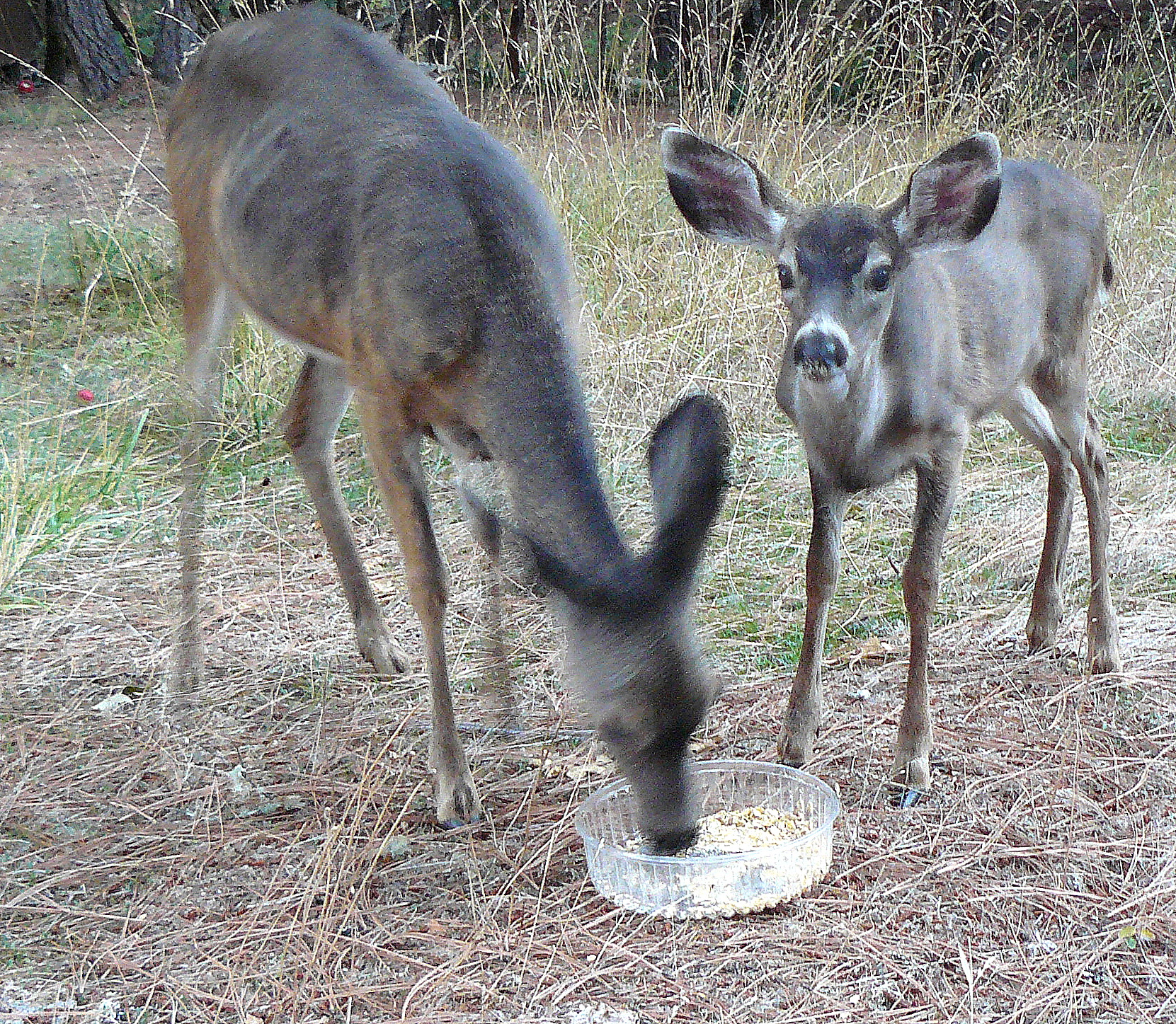
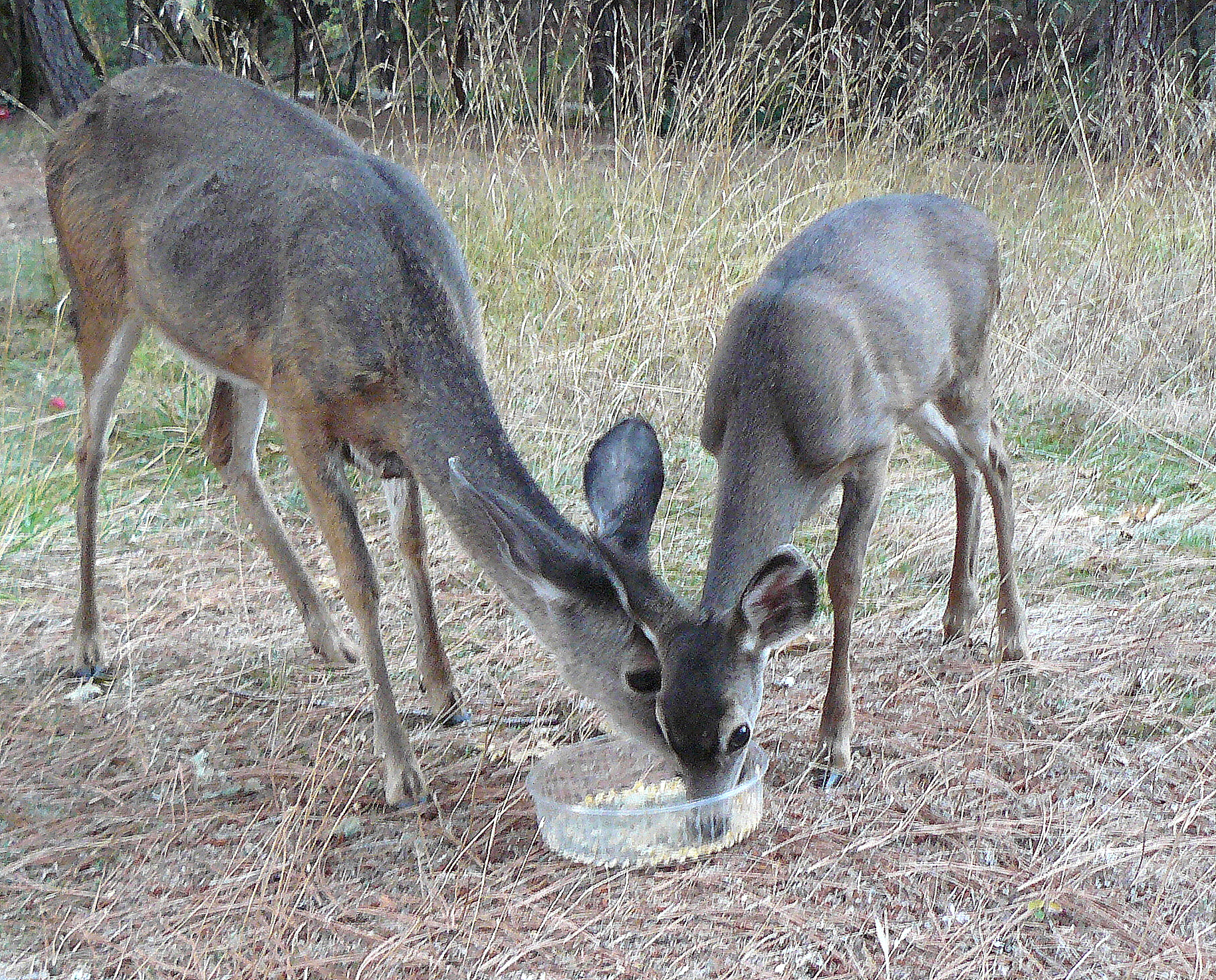
Then just before 7pm, I looked up from my desk and there, just outside the window, was the deer. But even better, this time the mother was accompanied by her young fawn.
I grabbed the camera and quickly told Jean to meet me outside with a refill of cob in the same plastic tray. We both sat down on the flat concrete cover of the septic tank; me with the camera, Jean with the tray of cob.
Over to the photographs! The daylight was fading fast and I was hand-holding the camera, thus these are not the sharpest of pictures. But so what!
oooo
oooo
oooo
oooo

oooo
oooo
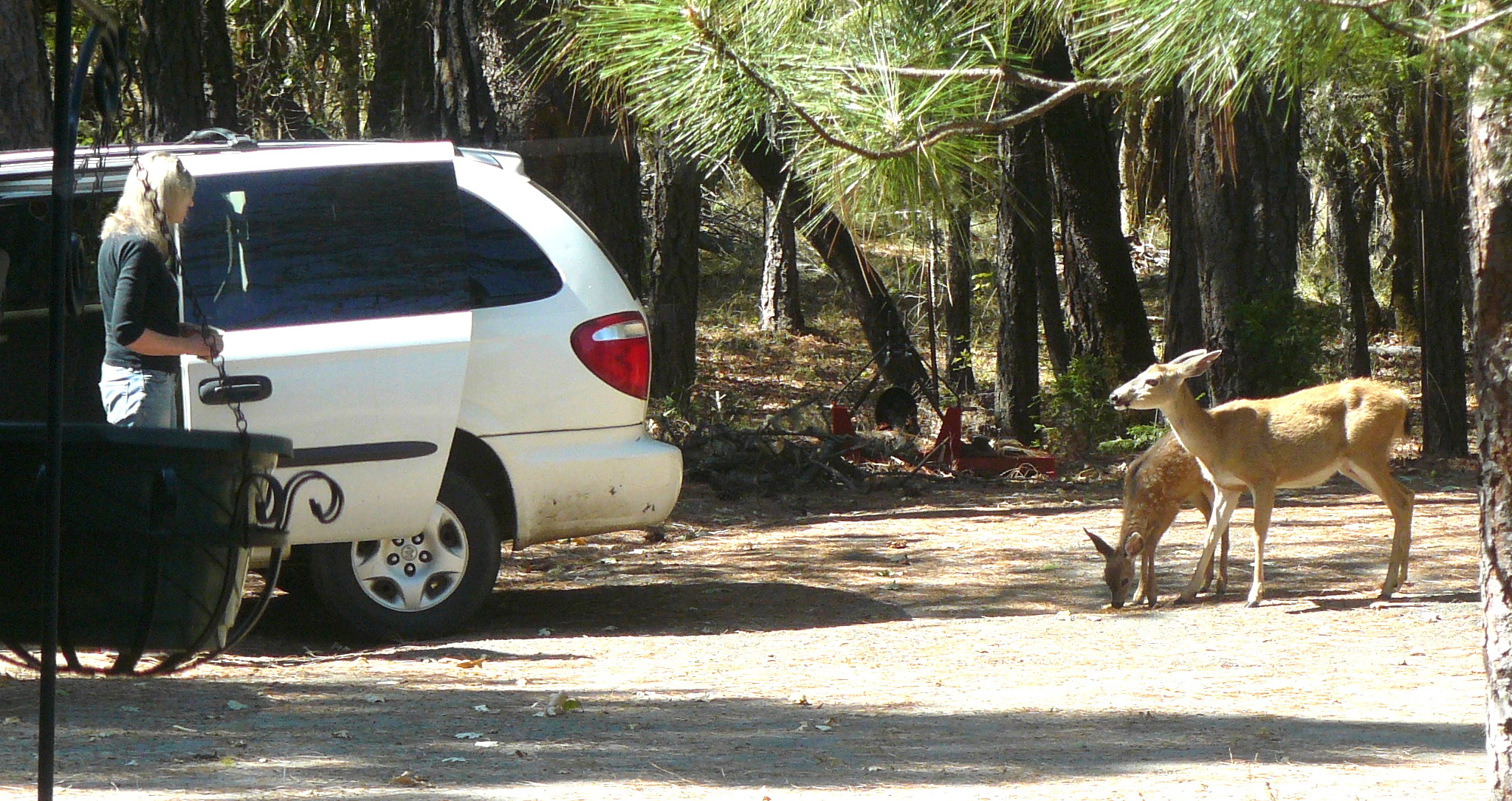
When I published my post Space for Nature a little over a week ago, a post that included a photograph of two deer some thirty feet from Jean’s car, never in my wildest dreams could I have imagined what took place last Tuesday afternoon.
Words truly do seem inadequate.
P.S. It is at times like this that we need poetry. So how about it: Sue? Kim? How would you describe in poetry what Jean and I experienced?
… and the Canary – Breathtakingly creative.
Australian artist Andy Thomas specializes in creating ‘audio life forms’: beautiful abstract shapes that react to sounds. In this animated short, he visualizes two recorded bird sounds from the archives of the Netherlands Institute for Sound and Vision in Hilversum.
I was blown away when I came across that video. Then a quick search found this place, from where one reads:
Australian multimedia artist Andy Thomas makes bird songs dance with 3D animations. It’s the latest in his line of “audio life forms.”
Using 3D visualization software and other programs, Thomas breaks down photos of insects, orchids, and birds into their composite parts. He then reassembles the images in a sort of collage and builds trippy animations that react, based on rules he’s set, to sound – in this case, archival bird song.
The resulting multimedia visualizations are stunning. They also suggest what you might see if you stood in the forest listening to the birds, while tripping on acid. The psychedelic feel is enhanced by the constant shape-shifting of the form, which in turn encourages you to be hyper-aware of the full range of tweets and trills.
Thomas has been painting and drawing since he was a child. In 1997 he began exploring the realm of digital art, and in recent years started experimenting with “creating a visual fusion between Nature and Technology.” But he also describes this work a bit moralistically “corrupting nature with technology.”
It was then a moment to go across to Andy’s website; which I strongly encourage you to do – the pictures are stunning: trust me! Just try yesterday’s Insect Friday photograph!

Golly, there are some very clever people out there!
Last day of September
I was mulling over the fact that tomorrow sees the start of October and, inevitably, pondering what sort of winter we are in for. At the same time, I was reflecting on how beautiful this last month has been. Wonderful ‘easy-on-the-body’ temperatures, an inch or more of much-needed rain, wonderful Autumn colours; all being shared for the last ten days with our guests: Reggie and Chris.
I was unsure what to write about to reflect my thoughts and was then saved by the September Digest from Transition Culture back in the old country. I started to read it and immediately wanted to share it with you; dear reader.
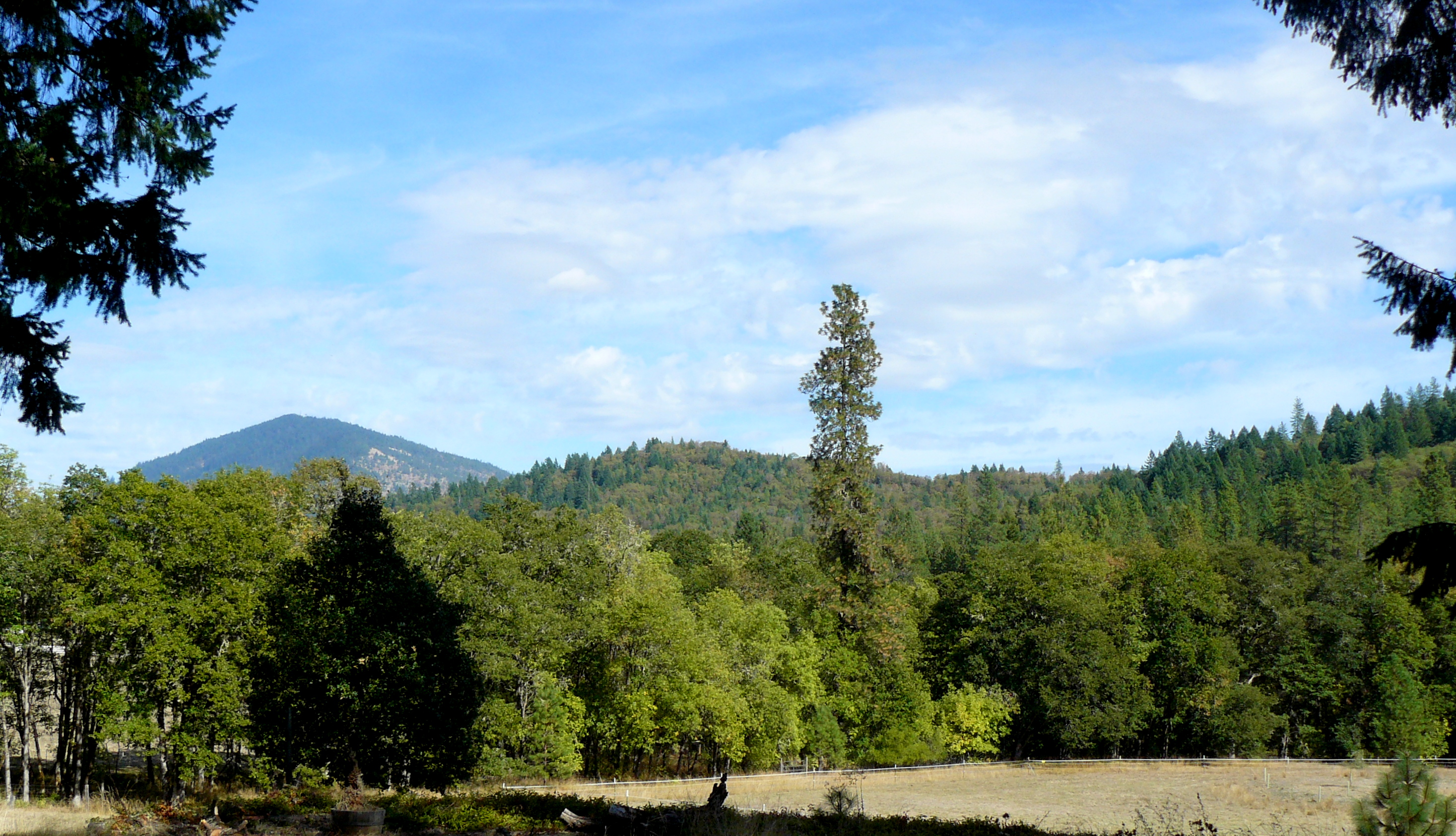
First, to set the tone, here is a photograph taken just before I sat down to write today’s post.
ooOOoo
Transitioners’ Digest (September 2014)
This month we have been exploring the theme of “Making Space for Nature” from a wide range of different angles. We started with an editorial piece which argued that one of the key things that  nature can bring our work doing Transition is a sense of wonder. Something to do with glowworms apparently. We grabbed George Monbiot before he went on stage and talked about his book Feral and the concept of rewilding.
Writer and founder of the charity Write to Freedom, Caspar Walsh, talked about the vital role nature can play in the healing of young men. “She, it, whatever it is”, he told us, “works on them and softens them up so I don’t have to do all the work”. Ecopsychologist Mary-Jayne Rust talked about the impacts being separated from nature can have on us, and the benefits we get from making space for it. “When was the last time you heard of an activist going on a pilgrimage for eight months?” she asked.
Isabel Carlisle introduced us to Community Charters, and the potential they have for making space for nature at the community scale. Richard Louv, author of Last Child in the Woods, and of the theory of Nature Deficit Disorder, talked to us via Skype. “If we’re not careful”, he told us, “environmentalists and others who care about the future of nature will carry nature in their briefcases, not in their hearts”. Mike Jones, who builds natural play spaces for kids, talked about the need to make space for “the primodial nature of kids”.
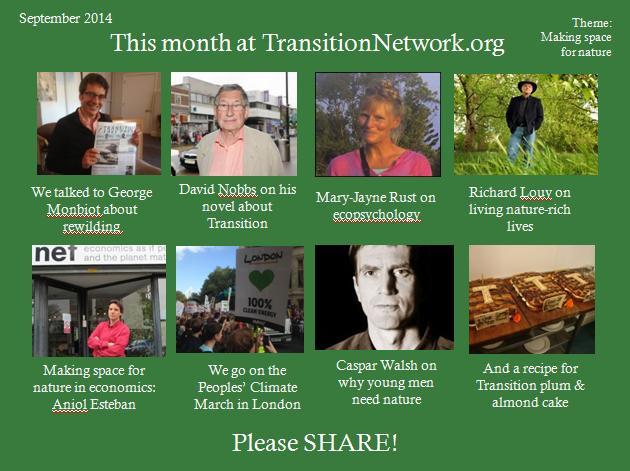
Aniol Esteban of New Economics Foundation reflected on why we need to make space for nature in economics. He told us:
Nature contributes to our mental health. It delivers mental health benefits and physical health benefits. It delivers a wide range of societal benefits. It contributes to our education. It can help reduce levels of crime. It can help urban regeneration. There is a huge range of areas and ways in which nature contributes to our wellbeing – individual wellbeing and collective wellbeing.
 Hayley Spann, one of the participants in One Year in Transition, reflected on “what nature taught me”. We had a review of the first mainstream novel about Transition, The Second Life of Sally Mottram by David Nobbs (see right). We also talked to the author about where the idea came from, and what makes a good story. We had a recipe for “Transition Plum and Almond Cake”. Mark Watson reflected on the importance of ‘Making Space for Flowers’, and the many ways in which his Transition initiatives, Sustainable Bungay, create opportunities for people to encounter and benefit from nature.
Rob Hopkins reflected on how different our approach to managing water and drought would be if we took forests as the model on which we based it. He also responded to a critique of Transition by Ted Trainer and explored why the language we use to talk about this stuff really matters. He also went on the Peoples’ Climate March in London and reflected on how that was.
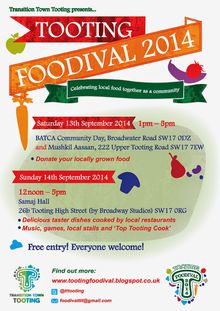
We heard from Transition initiatives about their experience of making space for nature in what they do. Hilary Jennings of Transition Town Tooting talked about the Tooting Foodival. Chris Bird wrote about the Transition Homes initiative in Totnes. Cara Naden discussed the many ways in which Transition Langport make space for nature. “I believe we all have an inherent bond with nature”, she wrote. “It makes us feel happy and healthy and makes us feel we are doing something positive and worthwhile for the benefit of wildlife, each other and ourselves”.
A very rich and thought-provoking month we hope you’ll agree. Our theme for October will be Transition and development. We hope you enjoy that too.
ooOOoo
(Note: there were many links in the original digest so do please check there as well.)
Can’t resist a couple more pictures from home to underline how we feel so strongly about having space for nature.
oooo
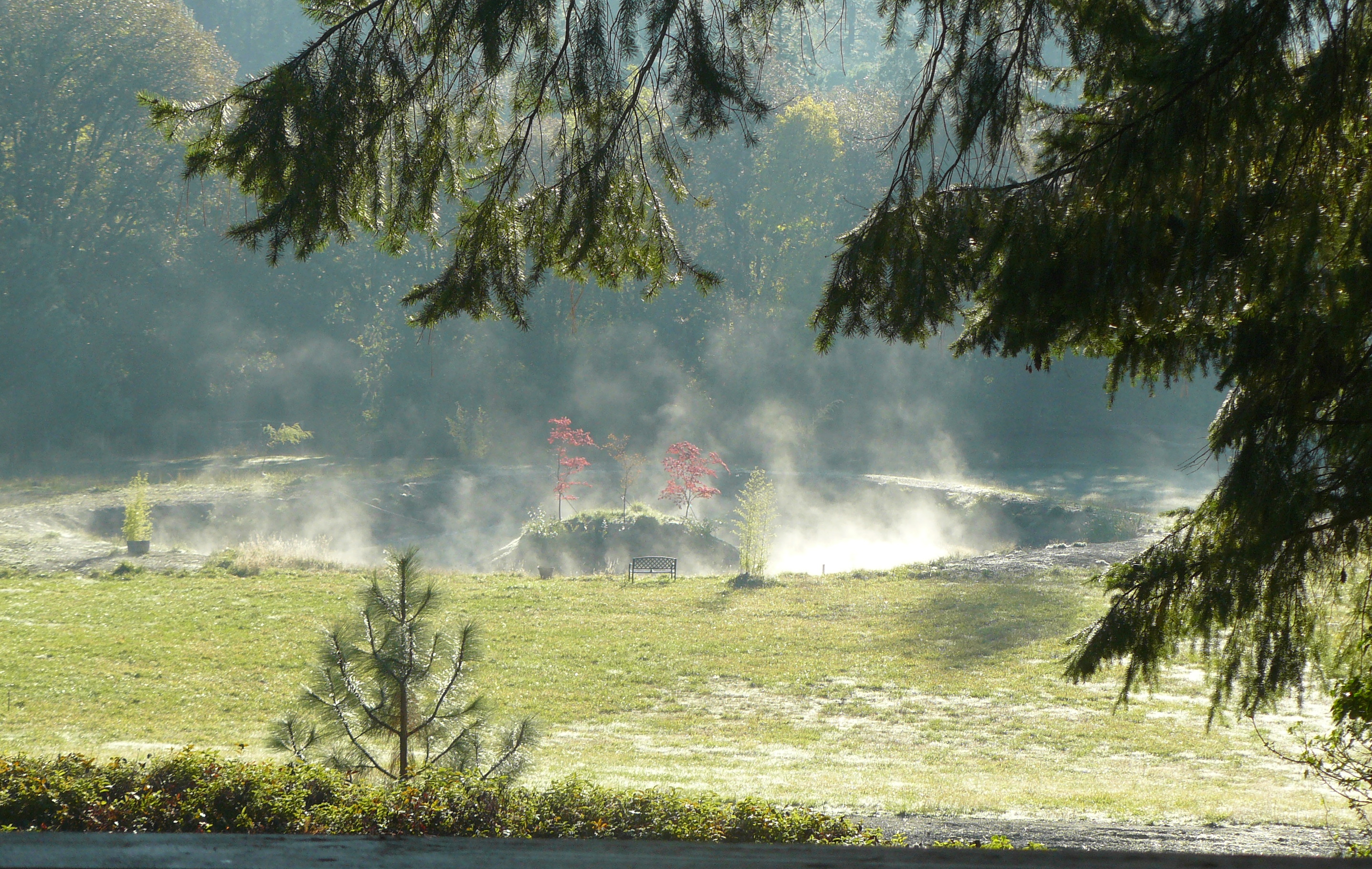
oooo
Let’s all have a great month of October embracing the natural world around us howsoever it can be done.