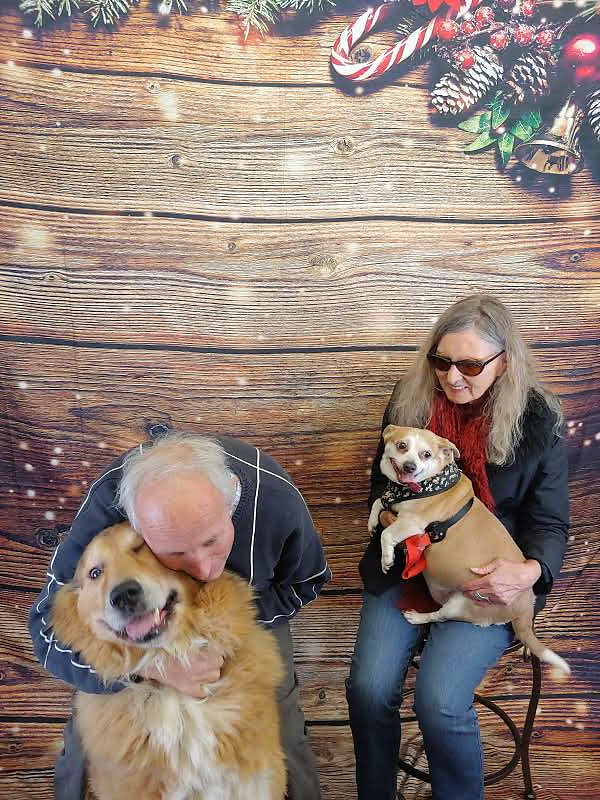
It is Jean’s birthday today.

This photograph was taken on the 8th January, 2008. Jean and I had met for the first time late in 2007.
It was close by in San Carlos, Mexico. Jean then lived in San Carlos!
Dogs are animals of integrity. We have much to learn from them.
Category: People
It is Jean’s birthday today.
This photograph was taken on the 8th January, 2008. Jean and I had met for the first time late in 2007.
It was close by in San Carlos, Mexico. Jean then lived in San Carlos!
This year, 2020, has been unlike any other year.
I am not saying anything new but just reiterating what has been said before: 2020 is going to go down as the year from hell! And I don’t think that is too strong a word!
Part of it are the news stories that sweep the world: Covid-19; Brexit; Climate change; up until yesterday what was President Trump going to do in his last few weeks; etc; etc.
Also part of it is the way that news and more news and, yes, more news is flashed around the globe. Most of it bad news as we all know that bad news sells!
Finally, part of it is the new world of social media especially messaging on a smartphone. President Trump isn’t the only one to communicate greatly via Twitter.
Now, speaking personally, I couldn’t have got through this year without Jeannie and our dogs.
But, nevertheless, something has changed and Mark Satta has written an article that tries to explain things.
ooOOoo
By Mark Satta, Assistant Professor of Philosophy, Wayne State University.
November 18th, 2020
An endless flow of information is coming at us constantly: It might be an article a friend shared on Facebook with a sensational headline or wrong information about the spread of the coronavirus. It could even be a call from a relative wanting to talk about a political issue.
All this information may leave many of us feeling as though we have no energy to engage.
As a philosopher who studies knowledge-sharing practices, I call this experience “epistemic exhaustion.” The term “epistemic” comes from the Greek word episteme, often translated as “knowledge.” So epistemic exhaustion is more of a knowledge-related exhaustion.
It is not knowledge itself that tires out many of us. Rather, it is the process of trying to gain or share knowledge under challenging circumstances.
Currently, there are at least three common sources that, from my perspective, are leading to such exhaustion. But there are also ways to deal with them.
1. Uncertainty
For many, this year has been full of uncertainty. In particular, the coronavirus pandemic has generated uncertainty about health, about best practices and about the future.
At the same time, Americans have faced uncertainty about the U.S. presidential election: first due to delayed results and now over questions about a peaceful transition of power.
Experiencing uncertainty can stress most of us out. People tend to prefer the planned and the predictable. Figures from 17th-century French philosopher René Descartes to 20th-century Austrian philosopher Ludwig Wittgenstein have recognized the significance of having certainty in our lives.
With information so readily available, people may be checking news sites or social media in hopes of finding answers. But often, people are instead greeted with more reminders of uncertainty.

2. Polarization
Political polarization is stressing many Americans out.
As political scientist Lilliana Mason notes in her book, “Uncivil Disagreement: How Politics Became Our Identity,” Americans have been increasingly dividing politically “into two partisan teams.”
Many writers have discussed the negative effects of polarization, such as how it can damage democracy. But discussions about the harms of polarization often overlook the toll polarization takes on our ability to gain and share knowledge.
That can happen in at least two ways.
First, as philosopher Kevin Vallier has argued, there is a “causal feedback loop” between polarization and distrust. In other words, polarization and distrust fuel one another. Such a cycle can leave people feeling unsure whom to trust or what to believe.
Second, polarization can lead to competing narratives because in a deeply polarized society, as studies show, we can lose common ground and tend to have less agreement.
For those inclined to take the views of others seriously, this can create additional cognitive work. And when the issues are heated or sensitive, this can create additional stress and emotional burdens, such as sadness over damaged friendships or anger over partisan rhetoric.
3. Misinformation
Viral misinformation is everywhere. This includes political propaganda in the United States and around the world.
People are also inundated with advertising and misleading messaging from private corporations, what philosophers Cailin O’Connor and James Owen Weatherall have called “industrial propaganda.” And in 2020, the public is also dealing with misinformation about COVID-19.
As chess grandmaster Garry Kasparov put it: “The point of modern propaganda isn’t only to misinform or push an agenda. It is to exhaust your critical thinking, to annihilate truth.”
Misinformation is often exhausting by design. For example, a video that went viral, “Plandemic,” featured a large number of false claims about COVID-19 in rapid succession. This flooding of misinformation in rapid succession, a tactic known as a Gish gallop, makes it challenging and time-consuming for fact checkers to refute the many falsehoods following one after another.
What to do?
With all this uncertainty, polarization and misinformation, feeling tired is understandable. But there are things one can do.
The American Psychological Association suggests coping with uncertainty through activities like limiting news consumption and focusing on things in one’s control. Another option is to work on becoming more comfortable with uncertainty through practices such as meditation and the cultivation of mindfulness.
To deal with polarization, consider communicating with the goal of creating empathetic understanding rather than “winning.” Philosopher Michael Hannon describes empathetic understanding as “the ability to take up another person’s perspective.”
[Deep knowledge, daily. Sign up for The Conversation’s newsletter.]
As for limiting the spread of misinformation: Share only those news stories that you’ve read and verified. And you can prioritize outlets that meet high ethical journalistic or fact-checking standards.
These solutions are limited and imperfect, but that’s all right. Part of resisting epistemic exhaustion is learning to live with the limited and imperfect. No one has time to vet all the headlines, correct all the misinformation or gain all the relevant knowledge. To deny this is to set oneself up for exhaustion.
ooOOoo
That last section, What to do?, is full of really sensible advice. In fact, the American Psychological Association has an article at the moment that appears to be freely available called Healing the political divide.
I intend to read it.
It finishes up saying:
Scientists must strive to share their research as broadly as possible. And they don’t have to do it alone. Organizations like More in Common work to conduct research and communicate findings to audiences where it can have the greatest impact.
Advocacy is essential as well. Other countries that have made strides in addressing the political divide relied heavily on government-led reconciliation efforts. The Truth and Reconciliation Commission, for example, in South Africa, has been fundamental in addressing disparities and conflict around Apartheid.
Were the United States to consider similar, government-backed efforts, psychologists must be part of the call to do so. And the behavioral expertise of the field would be central to success.
“The collective mental health of the nation is at risk,” says Moghaddam. “Just as we should rely on epidemiological science to tell us when there is a vaccine ready for mass use, we have to rely on psychological science to guide us through these mental health issues.”
And following an election that, for many, has felt like the most polarized of a lifetime, this piece seems critical. “ This is what our profession is all about,” says Moghaddam.
Good advice especially if you can take time off just losing oneself in nature.
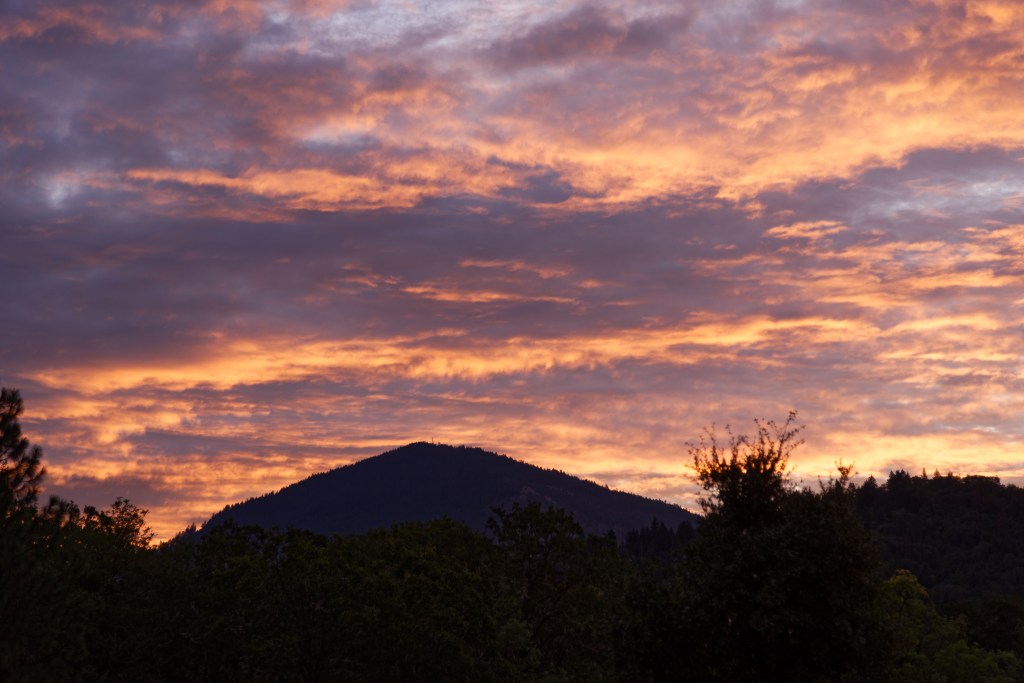
Enough said!
One has to be so careful these days.
I was prompted to write about this aspect of our modern lives by coming across a UK resource called BogusBuster. But these days we live in such a wired-up international world that BogusBuster has a much wider appeal that just the United Kingdom. This is what their home page says:
Not sure if an item you have found is fake? Think a site is dodgy? Submit a URL and we will use our fake-detecting software to establish if it is real or safe
Just off the top of my head I would say that at least 25% of the incoming calls we receive on our home telephone number are from scammers. I am also getting the odd call from a scammer on my mobile phone.
A lot of the calls are from women who purport to want to advise me about my investments. They appear to be out of the country. Tempted as I am to engage in the call in an attempt to find out more about them I resist and promptly put the telephone firmly down.
Anyway, a little more about BogusBuster from their About page.
BogusBuster is an independent resource that will guide you through everything scam related. Whether it’s tips to spot fake products on the internet or reporting a dangerous product being sold online, consider us your one-stop resource to being a smart shopper.
BogusBuster is co-funded by Innovate UK which launched a business competition in May 2020 to seek solutions to problems caused by the Covid-19 pandemic. As the virus spread, and communities ‘locked down,’ the spike in online shopping was significant. With this came a rise in those being scammed, so there’s never been a more important time to stay safe online. BogusBuster was created to keep consumers informed, ensuring they get exactly what they paid for.
BogusBuster is powered by SnapDragon, an award-winning brand protection company that’s been helping businesses across the world to fight fakes for over five years. SnapDragon founder’s experienced, first-hand, the damage caused by fake products when her own product was counterfeited. Fighting back, she founded SnapDragon to help protect and safeguard businesses, and consumers, from counterfeit crime. As the ‘Head Dragon’, she has built an expert and passionate team dedicated to identifying and removing fakes from sale, all over the world.
With scammers becoming more sophisticated, consumer safety is at the top of our agenda at BogusBuster; our regular updates, news, tips and advice will help to keep you safe and secure.
Hopefully others will find BogusBuster valuable.
Then there is a Common Scams and Frauds on the official USA Government website, from which I republish:
Coronavirus Scams, Rumors, and Price Gouging
During the coronavirus (COVID-19) outbreak, scammers may try to take advantage of you through misinformation and scare tactics. They might get in touch by phone, email, postal mail, text, or social media. Protect your money and your identity by not sharing personal information like your bank account number, Social Security number, or date of birth. Learn more about these scams and how to report them.
Open All +
Some videos of Alex, my son, and others taking a bike tour.
Now I would be the first to admit that the following videos will not be to everyone’s taste.
But there is a strong link to my son and his bike riding, and to my own bike riding. For over 5 years ago Alex persuaded me to get a better cycle than I already had. I chose the Specialized Sirrus and have been delighted with it ever since. I purchased it from the local Don’s Bike Center. There is a photograph of the bike below.

To be honest, riding the bike more or less every other day has been crucial in me staying as fit and healthy as I am.
On to the videos.
I was speaking to Alex recently and he was talking about the tour of the Isle of Wight off the south coast of England that he and friends took. That was Alex and Darren and Claire and their 14-year-old son Tom.
He mentioned the YouTube videos that had been taken and I asked Alex to forward them to me.
I reckoned that a few of you would be interested!
They are a total of 26 minutes spread across the 4 videos
oooo
oooo
oooo
Enjoy!
Finally, Alex and I still stay connected with our riding courtesy of Strava.
This uses a small GPS, in my case a Garmin EDGE 20, to upload and show the route to the Strava dashboard. We each give each other what is known as Kudos for our respective rides.
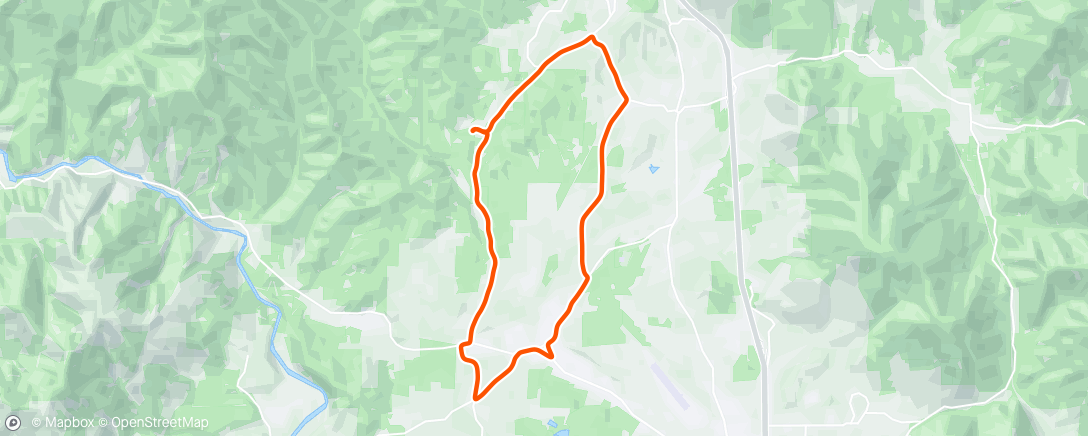
The following is my afternoon ride of a little under 13 miles around the local roads, grabbed when the rain ceased for a while. It shows me taking our driveway, a quarter-mile long, to Hugo Rd; about 10 o’clock in the diagram below. I then turned left and two miles later turned right into Three Pines Rd. then a further right into Russell Rd. and down to Pleasant Valley Rd. and back home with a small diversion along Robertson Bridge Rd. and Azalea Dr. and to the bottom of Hugo Rd. Precisely 3 miles up Hugo Rd. and back to our driveway.
That will be shared automatically with Alex when he wakes in the morning.
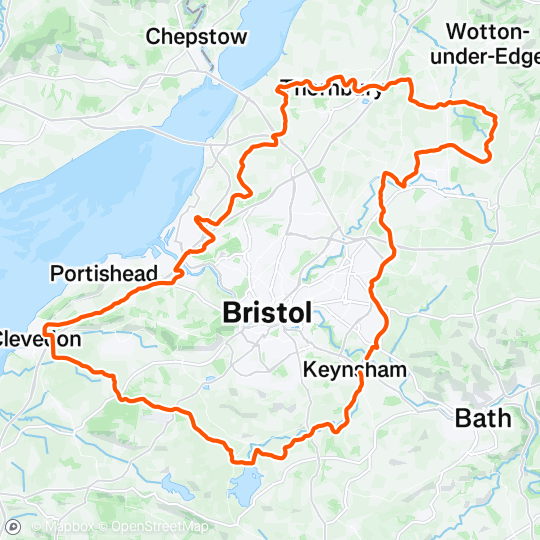
And this below was Alex’s recent ride; all 83.78 miles!
Technology, eh!
This is yet another great story about a dog.
I came to my desk a little late in the day but wanted to share this article. Again it is from The Dodo and, apologies, I am going straight into it. It’s a very lovely story.
ooOOoo
“I think he was just really happy that someone was being nice to him.”
By Lily Feinn
Published on 10/31/2020.
On a cold rainy day, a little puppy named Chowder thought he’d found the perfect spot to stay dry. A garage behind an abandoned building had become a dumping ground for neighborhood furniture and trash, and that’s where Chowder discovered a discarded mattress and crawled underneath.
But things were about to get a whole lot better for the little stray.
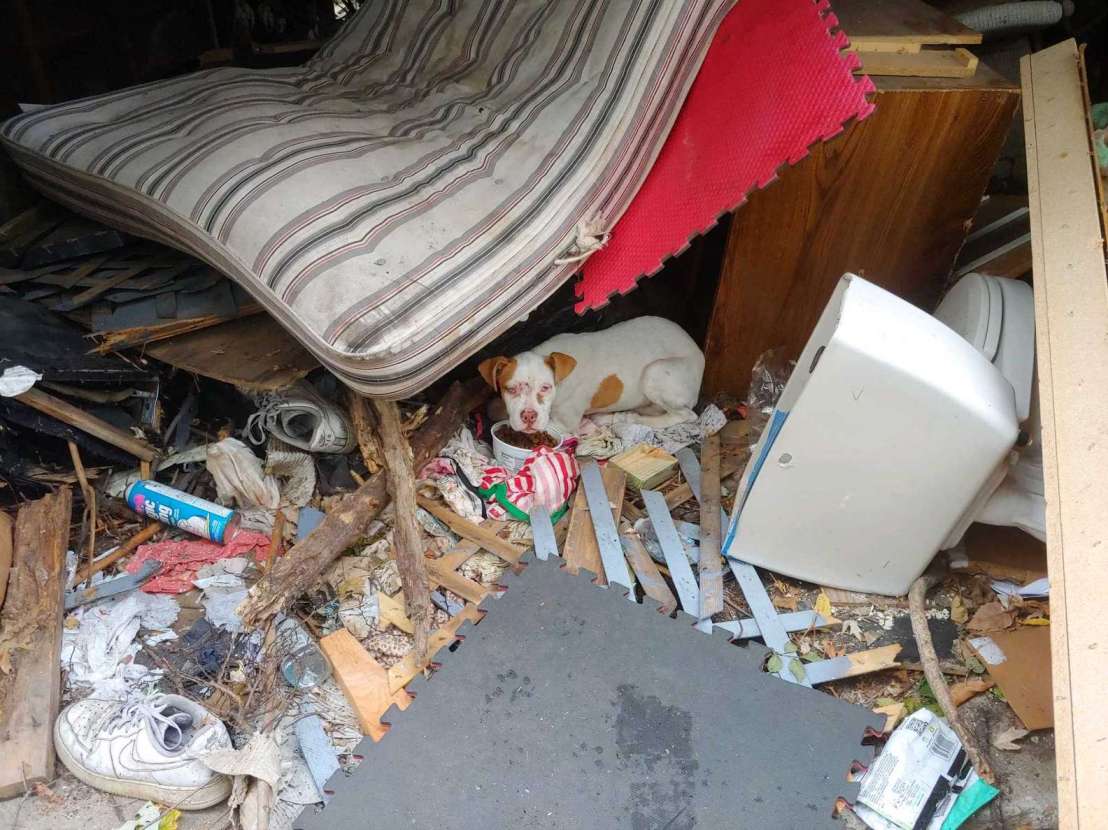
“[There’s a] super nice couple who lives in the area, and the husband had apparently gone out to the alley to throw some trash away,” Donna Lochmann, a rescuer with Stray Rescue of St. Louis, told The Dodo. “When the husband went out, he noticed that this white dog had found shelter underneath this corner of a mattress … and he gave him a little bit of food and water.”
The man called Stray Rescue of St. Louis, and Lochmann and her fellow rescuer rushed to the scene. When Lochmann met the 4-month-old puppy, she was shocked by how trusting he was.
“When we got out [of the car] he ran right up to me,” Lochmann said. “He was just the friendliest little guy. He wasn’t afraid of us or anything like that. I think he was just really happy that someone was being nice to him.”
Lochmann clipped a leash around Chowder’s neck, and the puppy was immediately excited. He put his paws on her shoulders as she picked him up to help him into the car and handed him over to her fellow rescuer.

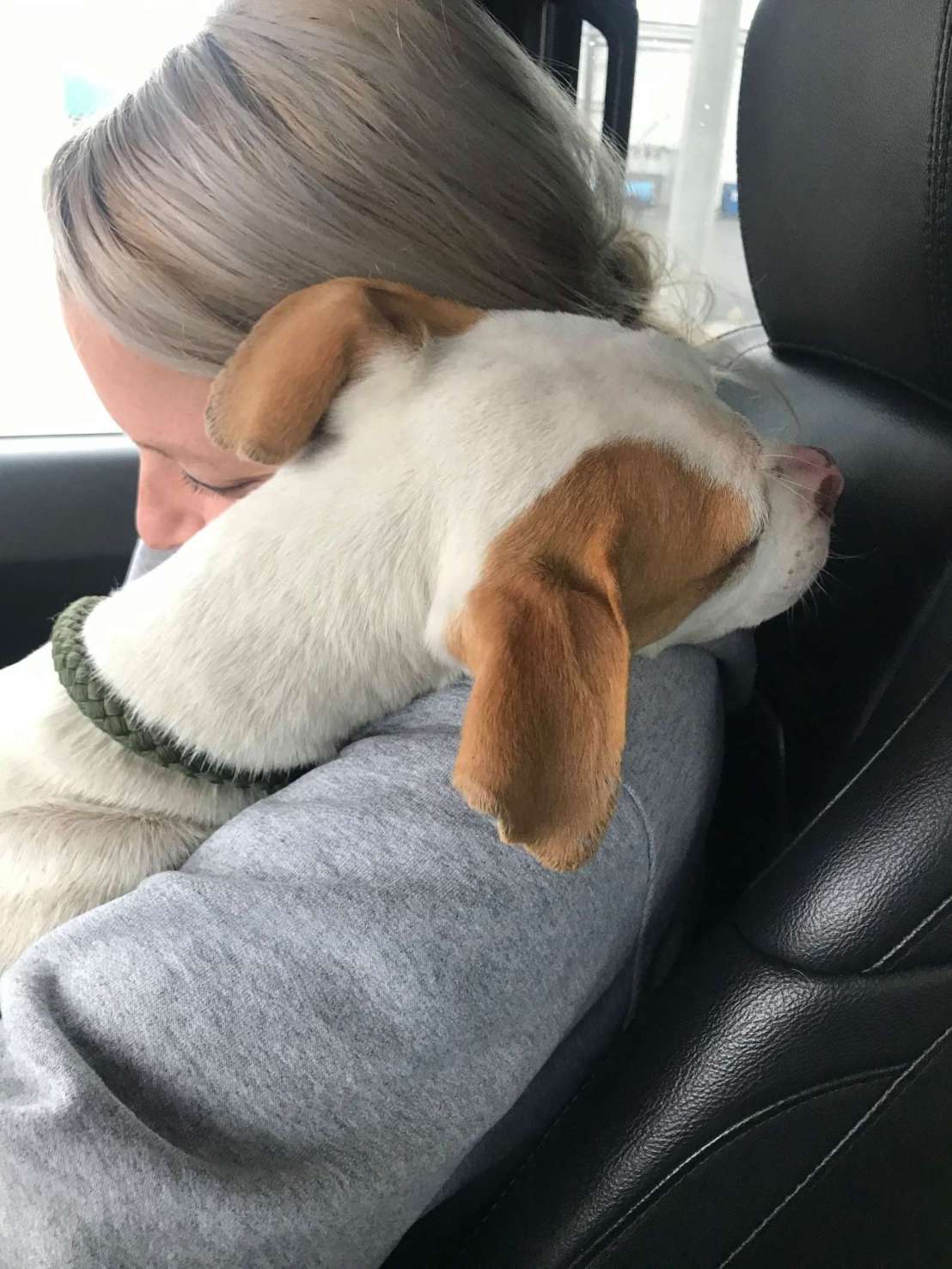
“He went up and sat on her lap and just snuggled with her,” Lochmann said. “He had his head on her shoulder and just buried his face in her arm. He was just so thankful to be warm and to have people be nice to him.”

Chowder snuggled his rescuers the whole drive to the shelter as if he knew he was finally safe.
At the shelter, Chowder started to relax and let his puppy personality shine. The energetic dog became even happier to see people, get attention and play with toys.
Now in a foster home, Chowder is adjusting to indoor life and learning how to live with people.

Once he is neutered and his eye infection has cleared up, he will be ready to find his forever family. And his rescuers know whoever ends up adopting the grateful puppy will be in for plenty of snuggles and hugs in the years to come.
ooOOoo
Please, please someone adopt this puppy. He is a beautiful dog. That comes out even via these blog pages.
In case you or someone you know wants to know more then:
If you’re interested in adopting Chowder, you can fill out an adoption application here. To help other stray dogs like Chowder find their forever homes, you can make a donation to Stray Rescue of St. Louis.
Please!
I don’t think his route is near us.
But I wish it was.
I am speaking of a UPS driver who has a love for dogs and, like my Jeannie, loves Pit Bulls. The breed have got such a bad reputation for being aggressive and always fighting but the truth is that men have used a few of them as fighting dogs and trained them to be the way they are.
There’s more about the breed on WebMD and I just quote a small piece from the article.
Doberman pinschers, rottweilers, and German shepherds topped lists of dogs some considered dangerous in the not-too-distant past.
These days, pit bulls often make headlines and it’s rarely good news. If it isn’t about an attack on a child or a shooting by police, it’s a tale of neglect or abuse. The heat of such reports has forged a frightening image of the pit bull as having a hair-trigger temper and a lock-jawed bite.
But pit bull advocates and some experts say the dogs get a bad rap. They say the dogs are not inherently aggressive, but in many cases suffer at the hands of irresponsible owners drawn to the dog’s macho image who encourage aggression for fighting and protection.
Indeed, the ASPCA web site gives the breed an endorsement that could fit a golden retriever. It says, “A well-socialized and well-trained pit bull is one of the most delightful, intelligent, and gentle dogs imaginable.”
So back to that UPS driver. This is his story.
ooOOoo
“I know most, but not all, of the pitties by name” 🥰
By Caitlin Jill Anders
Published on 10/16/2020
For as long as he can remember, Scott Hodges has loved pit bulls. He used to have a pittie of his own, Sheba, but after 15 years she passed away in 2004.
Luckily, Hodges has been a UPS driver for the past 32 years, and gets to see pit bulls every single day as he goes along his route. He sees lots of animals on the job, including a very friendly pig, but he’s always had a particular soft spot for the pit bulls. He’s gotten to know them all over the years — and they love him just as much as he loves them.
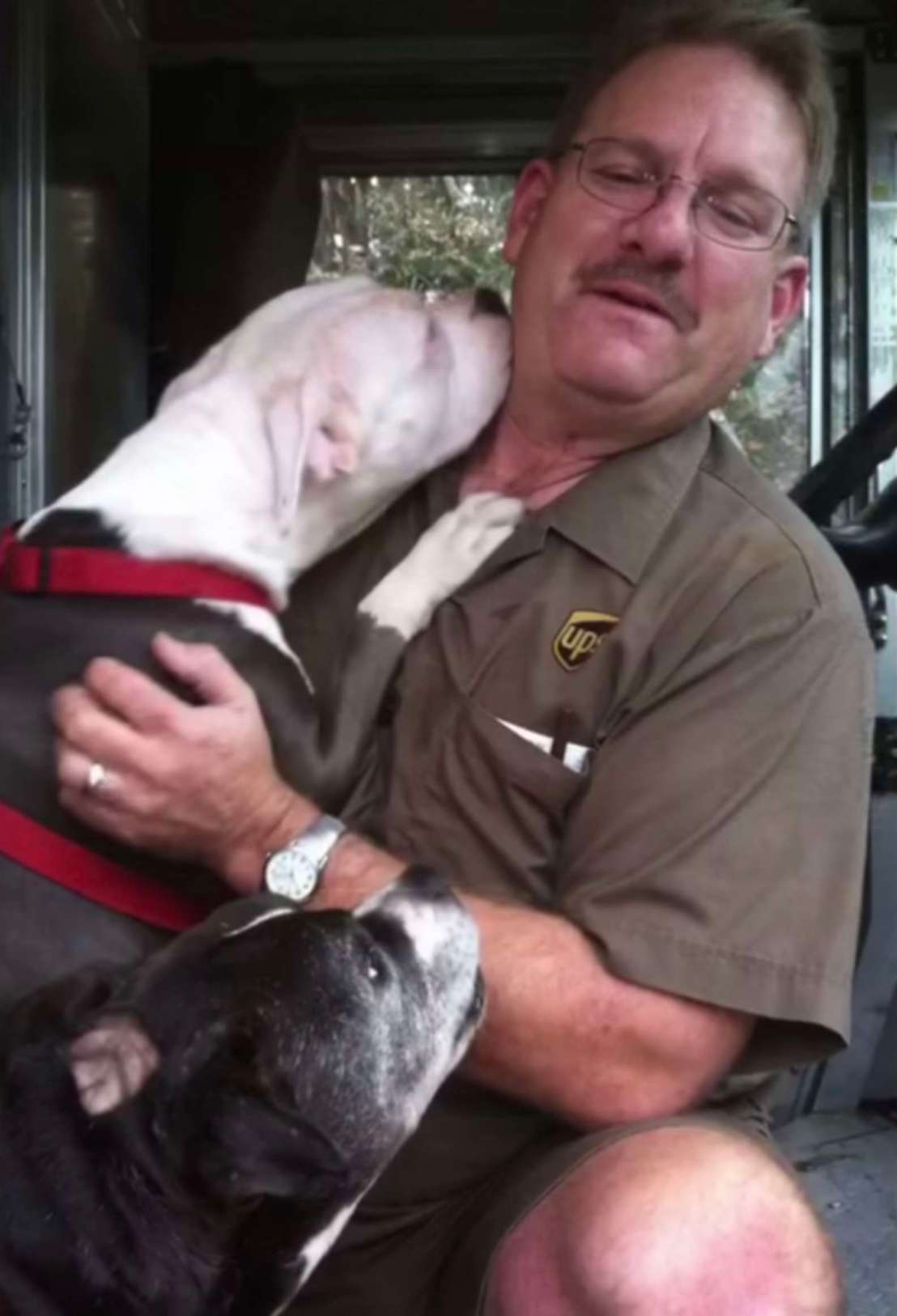
“I know most, but not all, of the pitties by name,” Hodges told The Dodo.
Every day, as Hodges does his UPS route, he stops to say hi to his pit bull friends (and all the other dogs, too). They know who he is by now and are always waiting for him, because they know Hodges can always be counted on to give them love and treats.
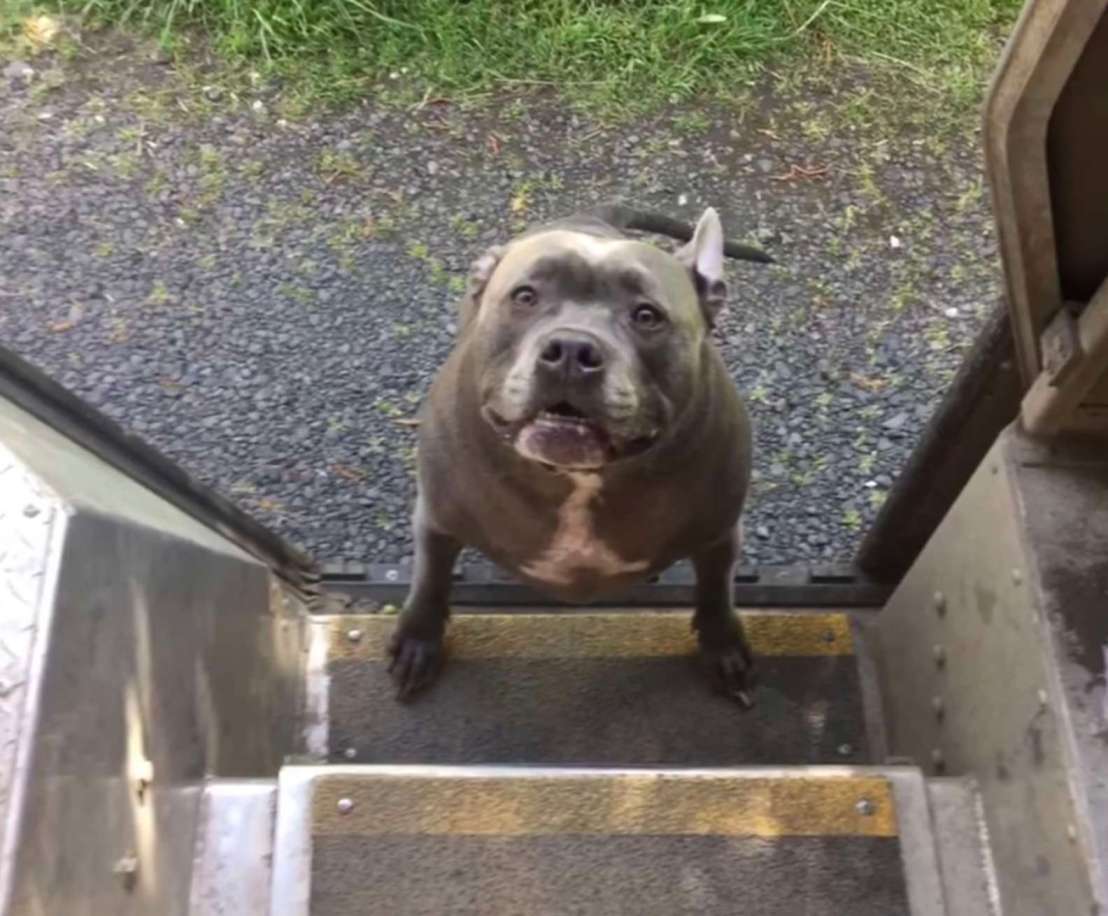
“All the pitties on my route are friendly and I give them biscuits every time I see them,” Hodges said.
In order to keep track of all the pitties he sees, he takes lots of pictures …

… and probably has at least one picture of every pit bull on his route by now.
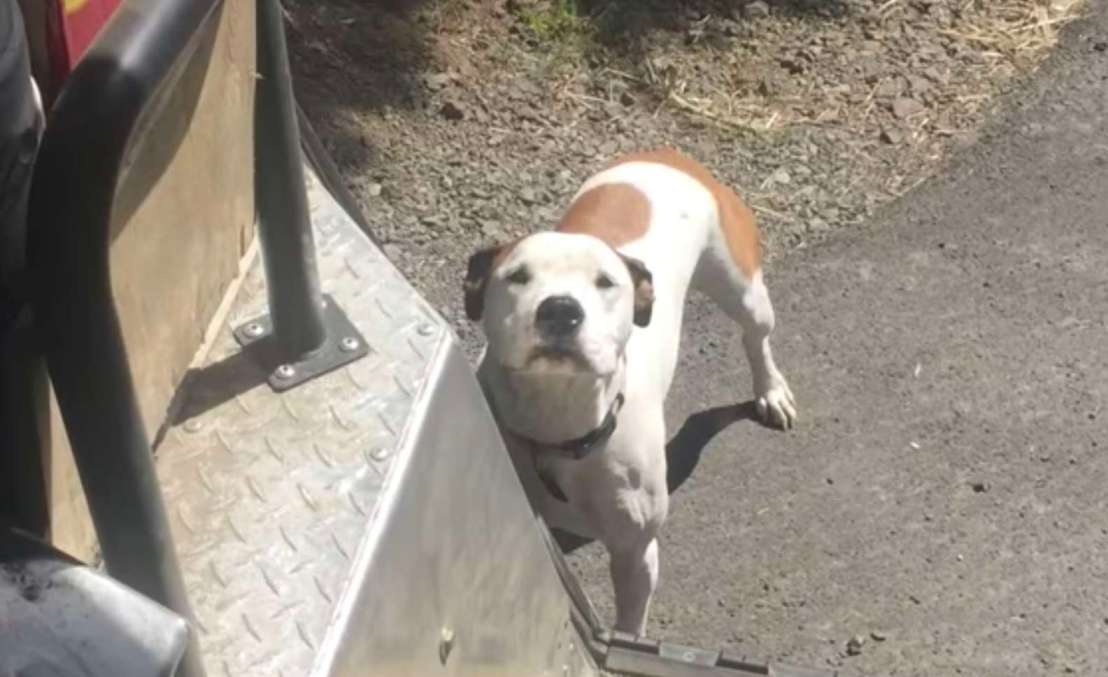
The pitties are of course always happy to see him …
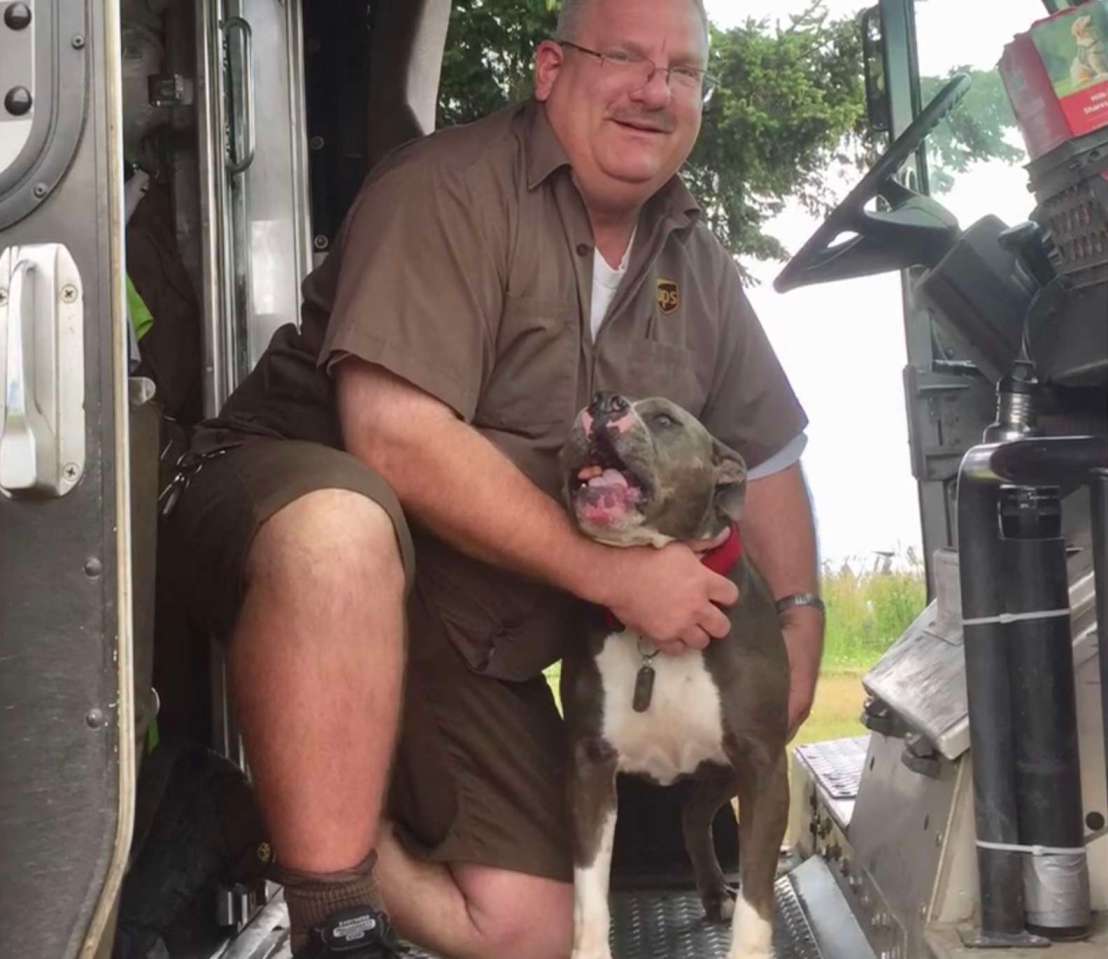
… and some like to ham it up a little more than others.
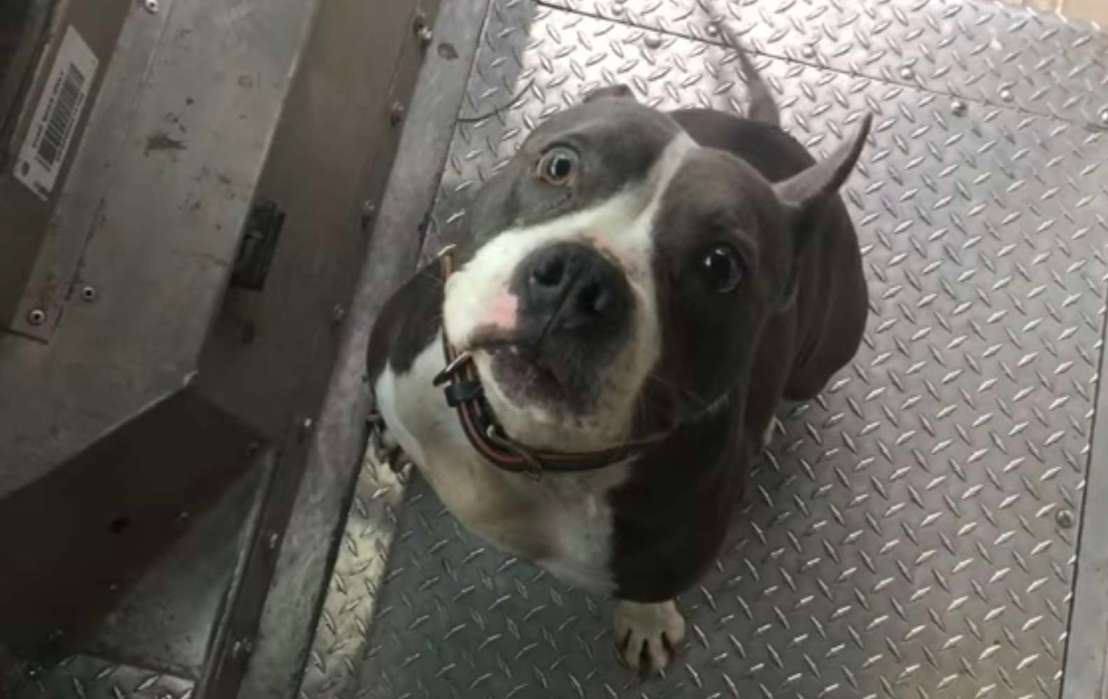
Sometimes he takes pictures of the other dogs along his route too …
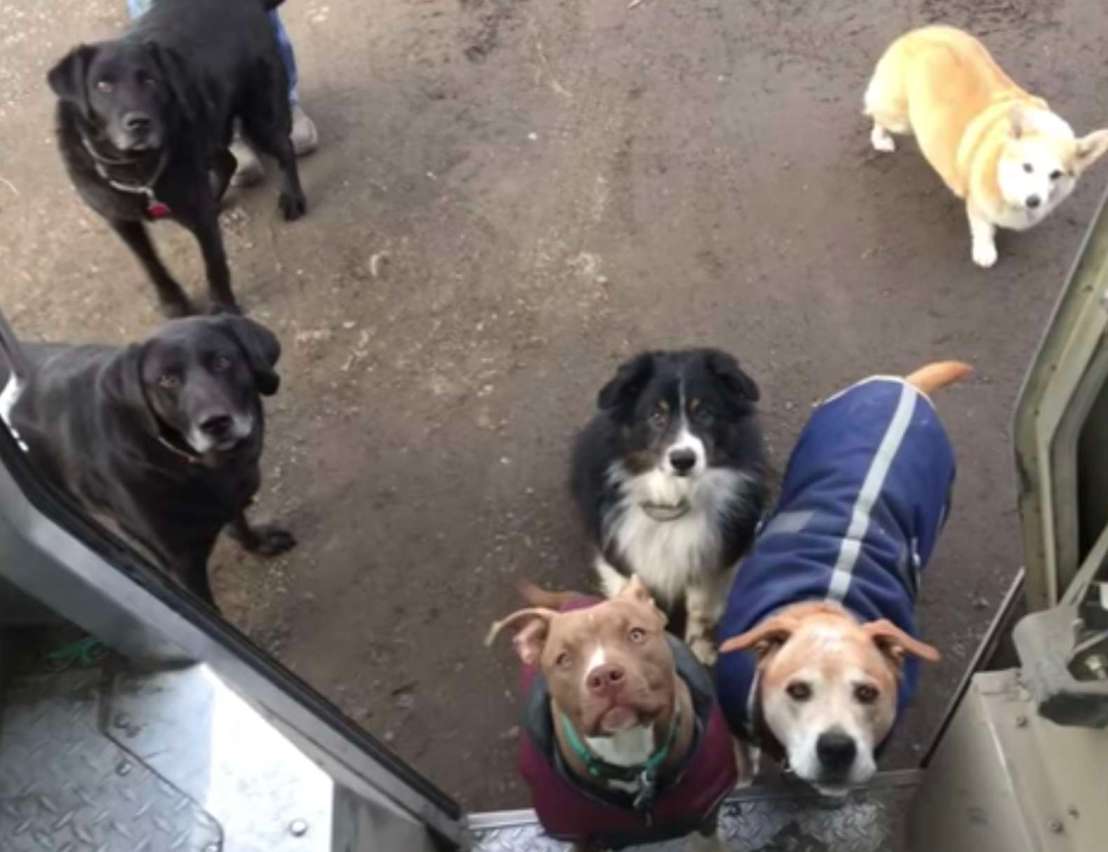
… but the pit bulls will always and forever be his favorites.

Hodges is lucky to get to work a job where he can see pit bulls every single day, and he never gets tired of stopping to say hi to all of his friends.
ooOOoo
Scott has been a UPS driver for 32 years!
My guess is that he was pretty quick at welcoming pit bulls and one can presume that he has been kind and generous to these dogs for most of the 32 years.
I think this is a delightful story and one that I am so pleased was carried by The Dodo.
This recent post from EarthSky is a fascinating read!
By some amazing luck when we came to Merlin, Oregon some eight years ago we found these acres distant from any form of light pollution. Frankly, light pollution at night never crossed our mind at the time.
But almost every evening, when it is dark, I go outside to call in the dogs and look up at the night sky. At this time of the year the Big Dipper is high in the sky. Also the Milky Way can be seen as a faint ‘smudge’ of light. It is a glorious sight and one that I will never, ever tire of seeing.
Which is my introduction to today’s post Why we need darkness.
And, please watch this TED Talk given by Paul.
ooOOoo
Posted by Kelly Whitt in ASTRONOMY ESSENTIALS, October 29, 2020
Light at night may be a sign of life on Earth, but the darkness will proclaim our true intelligence. Check out this video on why we need darkness, from Paul Bogard. In his captivating talk Paul describes what we call “light pollution,” the overuse and misuse of artificial light at night. In cities and towns, in suburbs and villages all over the world, we are using more light than we need, and we are using it ways that waste money and energy, harm our physical health, harm the environment, and yes — rob us of the stars. What are the solutions for this problem? A native Minnesotan, Paul Bogard loves night’s natural darkness. So much so that he wrote two successful books about it. He is author of The End of Night: Searching for Natural Darkness in an Age of Artificial Light and editor of Let There Be Night: Testimony on Behalf of the Dark. He also likes to walk through the woods, surrounded by the trees and birds and hidden animals. For 15 years he had a dog who would come with him on these walks. Her name was Luna, like the moon. He misses her a lot. He loves coffee in the morning and red wine at night. Paul is now an assistant professor at James Madison University in Harrisonburg, Virginia, where he teaches creative writing and environmental literature.
The dark is good for our sleep, our biology, and the health of our ecosystems. It’s good for our creativity and our spirits, and, yes, it’s even good for our safety and security. That’s the message of Paul Bogard, who has written extensively on the importance of darkness. His book is titled “The End of Night.” His TEDx Talk – above – focuses on why we need darkness. I’ve spent time mulling over both the book and this video and recommend them highly. In this pandemic year – as many wondered whether lockdowns gave us darker skies – you might enjoy thinking about it, too.
Bogard researched night-shift workers, those who are exposed to light during the hours that most bodies crave darkness and sleep. Humans have a circadian trough from approximately midnight to 6 am. The absence of darkness and sleep during this trough contributes to night-shift work being labeled a probable carcinogen, with workers more likely to suffer from obesity, diabetes, cardiovascular issues, depression, substance abuse, and especially breast and prostate cancer. Light at night disrupts the body’s production of melatonin, which is thought to be needed to keep these types of cancers at bay.
But it’s not just night-shift workers who suffer from exposure to lights at night. Any quick look at a photo of the Earth at night shows the great glows of cities and suburbs spilling across the land and down highways into the edges of the countryside. Even when we keep the lights dark outside our own home, the light from our neighbors’ homes seeps around the cracks in our blinds and splashes across our back patio.
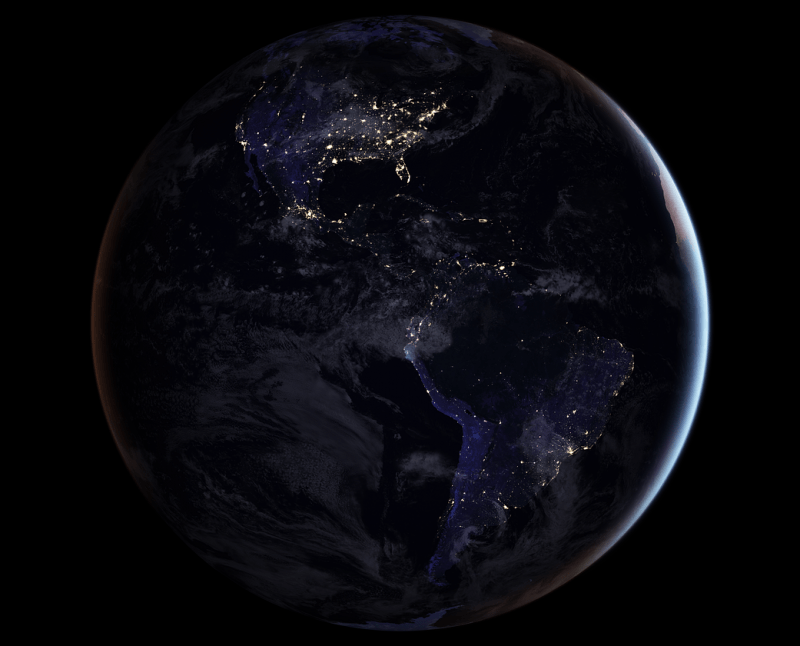
The light we see on maps of Earth at night isn’t just interrupting our sleep or blinding us on a late-night walk with our dog. It’s also wasting money. Bogard claims that billions of dollars are wasted each year throughout the world on light that illuminates nothing on the ground, but instead points straight up.
He points out that proper lighting directs illumination toward the ground, away from the sky and out of the eyes of those nearby. Bright lights near someone’s front door create an illusion of safety, but not true safety, according to Bogard. That’s because the glare shining into our eyes makes it difficult to impossible to see what is hiding in the deep shadows cast by the light.
Policing in some communities has been made much easier with the replacement of constant lighting by motion lights. For example, Bogard recounts how Loveland, Colorado, changed their schoolyard lighting to motion detectors, which made it simple for patrols to see if someone was present or not determined by whether or not the area was dark or light.
The issue with safety and lighting isn’t black or white, or darkness or light. It’s choosing proper lighting for each situation, which helps to make an area safer, saves money, preserves sleep, and protects the dark night sky.
When we protect the night sky, Bogard says, we’re also protecting not just ourselves and our biology but those of the ecosystem around us. In his book “The End of Night,” Bogard writes:
I remember Pierre Brunet arguing in Paris that the presence of an astronomer was the sign of a healthy ecosystem; that when the sky grows too bright for astronomy and the astronomers go away, you know you have a light-polluted sky, and whatever has polluted that sky will eventually pollute other resources, given time.
Countless animals are dependent on darkness, Bogard points out. More than 60% of invertebrates and 30% of vertebrates are nocturnal, having evolved to find food and mates in uninterrupted darkness.
Sea turtles are a well-known example of animal life that needs darkness to survive. Anyone who has been to the oceanfront has seen the lighting adapted to help the sea turtles find their way back to the sea. At my parents’ condo in Florida, the ocean-facing side of lamps have been blacked out so that the newly-hatched sea turtles, upon leaving their nests, are not lured onshore by false light but find their right paths into the water.
When you examine the night sky map of the United States and consider where most of the population lies, it’s not hard to believe, as Bogard tells us, that more than 80% of Americans can no longer see the Milky Way from their home. I live in the suburbs of a large city, for example, and my location on a map of light pollution is nearly bright white.
Recently, I spent some time about three hours west of Chicago in a quiet patch of countryside that is a rare blue shade of darkness on light pollution maps. When I stepped out onto the deck on a crystal-clear evening, I looked up at the stars and was immediately lost.
I’ve been observing and writing about the night sky for two decades, but my familiarity with the sky is linked to recognizing what I see nightly above me, which is usually a dim cousin to the depth and wonder of a truly dark sky. None of the conventional patterns were popping out at me like I was used to: the Big Dipper, the Summer Triangle, the V-shape of Taurus’s head. Instead, a brilliant orange Mars was bright enough to wash out the stars around it, yet the lush Milky Way held her own and a thousand normally unseen stars twinkled in a chorus.
For the first time ever, I witnessed the fuzzy oval glow of the Andromeda Galaxy with nothing more than my eyes. I saw star clusters dig out patches of sky and anchor their surroundings instead of having to hunt them down with binoculars. Cassiopeia and Perseus were nearly swallowed up by the sea of stars flowing from the Milky Way behind them.
We need darkness for moments like that. We need darkness to feed our spirit, protect our health and protect the health of our planet. Light at night may be a sign of life on Earth, but the darkness will proclaim our true intelligence.
Bottom line: A video on why we need darkness from Paul Bogard, author of the book “The End of Night.” The video explains why light pollution is detrimental and why darkness is good for our bodies, our world and our spirits.
ooOOoo
Yes, we need darkness!
So, please, take a moment to view the night sky. If you are somewhere where there is excessive light pollution then plan at some point to get away to the darkness. Also make sure you sleep in a dark room. It’s too easy to let a light or two get in the way of a properly darkened room.
Finally, amongst my many photographs I do not have is one of the night sky. And, frankly, if I did it wouldn’t be as fantastic as the one below. So let me close with a Pexels photograph of the Milky Way by Sam Kolder.

Stunning and what a brilliant photograph.
A fascinating account of the differences and similarities between dogs and ourselves.
I couldn’t believe it but three days ago The Conversation published a post about dogs that told me something that I didn’t know. That there was the similarity between dogs and humans when it came to the brain and love!
I can’t wait for you to read it!
ooOOoo
Associate Professor of Psychology, Illinois Wesleyan University.
October 26th, 2020
I have discovered one positive amid the pandemic: I love working with two dogs at my feet.
As someone who studies dog cognition, I often wonder: What is Charlie learning when he stops to sniff the crisp fall air? What is Cleo thinking when she stares at me while I write? Are my dogs happy?
I’m not alone in finding myself suddenly spending more time with my pups and contemplating what’s on their minds. More people in the U.S. are working from home now than are working in the workplace, and many now share home offices with their canine companions. What’s more, many are finding their lives enriched with the addition of a new pet, as people started adopting dogs at massive rates during the pandemic.
This uptick in dog time means I have been fielding questions from new and experienced dog owners alike about their companions’ mentalities. Many questions center on the same themes I ponder: What is my dog thinking? Am I doing everything I can to ensure my pup is content?
Fortunately, research on dog cognition can help unravel what is on their minds and provide insight into what they need for psychologically fulfilling and happy lives.
Smelling superstars
Dogs are both familiar and yet fascinatingly alien. To appreciate their “otherness” all you need to do is consider their sensory world.
My dogs and I have very different experiences when we walk a trail. I marvel at the beautiful autumn day, but my dogs have their heads to the ground, seemingly ignoring the wonders around them.
However, they are appreciating something I can’t perceive: the scent of the fox who scampered through last night, the lingering odor of the dogs who’ve walked this way and the footsteps of my neighbor, who last wore her hiking shoes in woods my dogs have never visited.
You’ve probably heard about dogs who sniff out cancer, weapons or even coronavirus. These dogs are not special in their nose power: Your dog could do the same thing. In fact, the first dog to sniff out cancer sniffed a mole on his owner’s leg so frequently that she went to the dermatologist, where she was diagnosed with melanoma.
A dog’s sense of smell is estimated to be 10,000 to 100,000 times better than that of a human. This is due, in large part, to staggering differences in odor processing in humans and dogs.
While we have about 6 million olfactory receptors, dogs have a staggering 300 million. Their epithelium, or nasal tissue, is about 30 times larger than ours. And while people have between 12 million and 40 million olfactory neurons – specialized cells involved in transmitting odor information to the brain – dogs, depending on the breed, can have 220 million to 2 billion!
How can you even conceptualize this breathtaking difference in abilities? This disparity is like detecting one teaspoon of sugar in enough water to fill two Olympic-sized swimming pools.
Now that your mind has been blown about your dog’s incredible sense of smell, you can use this information to make your dog happier by taking it on the occasional “sniffy walk” – letting it lead the way and take as much time to smell as it would like. Such walks can make dogs happier by allowing them to gain lots of information about the world around them.
The love is mutual
While there are parts of a dog’s mind that are alien, there are also parts that feel very familiar. Chances are, your dog occupies a special place in your heart. Recent research suggests your dog feels the same way about you. Your dog adores you.

Dogs attach to their owners in much the same way human infants attach to their parents. Like babies, dogs show distress when left with a stranger and rush to reunite upon their person’s return.
A recent study found that dogs that have been deprived of food and owners choose to greet their owners before eating. Further, their brain’s reward centers “light up” upon smelling their owners. And, when your eyes meet your dog’s, both your brains release oxytocin, also know as the “cuddle hormone.”
All of this research shows that you can make your dog happier with just one ingredient: you. Make more eye contact to release that cuddle hormone. Touch it more – dogs like pats better than treats! Go ahead and “baby talk” to your dog – it draws the dog’s attention to you more and may strengthen your bond.
Understanding your dog’s mind can not only satiate your curiosity about your companion, but can also help you ensure your pup lives a good, happy life. The more you know about your furry friends the more you can do to meet their needs.
And now I am off to gaze into Cleo’s bright blue eyes, give Charlie a belly rub, and then let them take me on a “sniffy” walk.
ooOOoo
How many of you also learnt something about our dogs when it comes to love?
This was a fascinating report of the research that was carried out by Illinois Wesleyan University.
When one quietly reflects on the span of time that dogs and humans have been together, something in the order of 40,000 years, it’s no surprise that dogs have evolved to be our closest companion. Indeed, the initial connection between man and wolf had a profound impact on man. We went from eating crops and nuts to eating meat. It was the first human-animal relationship, and it is still extremely special.
Yes, the dog’s nose and heart know no bounds!
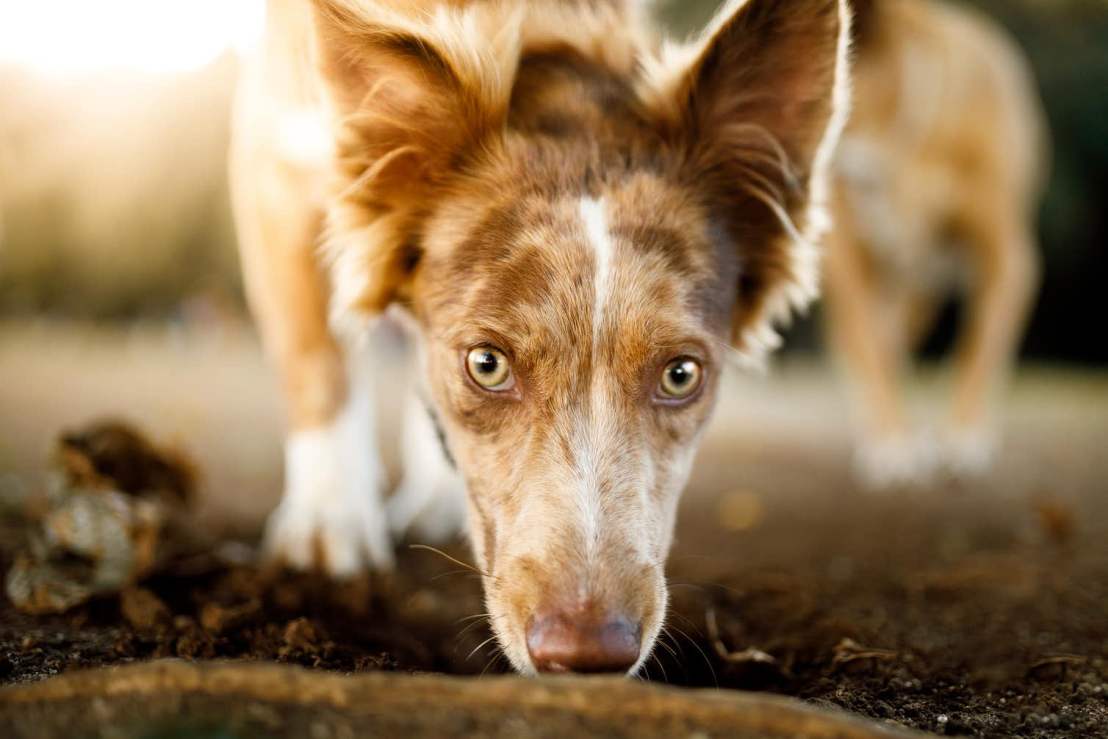
Dog wants to go to daycare? Then off she goes!
Back when I started this blog, back in July, 2009, I had no idea that there were so many stories about dogs. I mean many stories each day! I called the blog Learning from Dogs simply because when I first met Jean in 2007 she had upwards of 16 dogs. When I went out to be with her in 2008, together with my Pharaoh from England, I very quickly saw there was a huge potential in writing about them.
For example, how about this gorgeous article.
ooOOoo
“She just couldn’t wait for mom and dad to get up, so she came here herself.”
By Lily Feinn
Published on 10/21/2020
Early Saturday morning, Marty Carriere was getting ready for a busy day at Happy Tails Pet Resort and Spa when he saw someone at the door. He wasn’t expecting anyone quite so early, so he waited — then a wet nose pushed through the gates.
“It was 6:30ish when I saw her nose poking through the gate there,” Carriere told The Dodo. “Normally, I wait for the owners to come in with the dogs and see what happens but she was just poking around out there.”

When Carriere didn’t see any cars or people outside, he wandered over to the door to check things out and found Jem, a 5-year-old shepherd mix, waiting outside. Jem used to visit the day care three to four times a week before quarantine and was clearly eager to see her friends.
“I was pretty shocked when I opened the door and there was a dog there — and one of our regulars, too. So I was like, ‘Come on in, Jem. Let’s play,’” Carriere said. “I opened up the door and she ran right in — tail wagging and she was ready to go.”

Carriere called Jem’s parents, who rushed over to pick her up. It seems the independent pup had broken out of her yard when guests from the night before didn’t close the gate properly.
Jem’s parents brought her home and gave her breakfast, then drove her right back to day care since that was clearly how she wanted to spend the rest of her day. “She was definitely pretty anxious to get here,” Carriere said.

According to Carriere, Jem is a big goofball at day care and loves playing with all the other dogs.
“She comes in and does this little howling thing that not a lot of the other dogs do. She gets in and starts howling right away, she’s just so excited to be here,” he said. “I guess that morning she just couldn’t wait for Mom and Dad to get up, so she came here herself.”

In the three years that Carriere has worked for Happy Tails, he’s never experienced or heard of something like this happening before. But then again, Jem is one of a kind.
ooOOoo
Jem is special. But so are many, many other dogs.
But that doesn’t stop us in the slightest enjoying this story.
This is a film that all should watch!
Now again this has nothing to do with dogs and I would be the first person to say that there are still some people out there who are not convinced that global warming is a major result of human activity.. But none other than the Union of Concerned Scientists are persuaded that humans are the major cause. See their website here. (From which the following is taken.)
Every single year since 1977 has been warmer than the 20th century average, with 16 of the 17 warmest years on record occurring since 2001, and 2016 being the warmest year on recorded history. A study from 2016 found that without the emissions from burning coal and oil, there is very little likelihood that 13 out of the 15 warmest years on record would all have happened.
And further on in the article, this:
Scientists agree that today’s warming is primarily caused by humans putting too much carbon in the atmosphere, like when we choose to extract and burn coal, oil, and gas, or cut down and burn forests.
Today’s carbon dioxide levels haven’t been seen in at least the last 800,000 years. Data assembled from Antarctic ice core samples and modern atmospheric observations.
So on to the film.
My son, Alex, sent me the following email on the 7th October.
Hi Dad
This is a really interesting film about climate change in the west coast mountains, USA. A bit skiing related but a good watch !
Lots of love
Alex
Included in the email was a link to the film available on YouTube.
The film is just under one hour in length and a great film to watch as well as having a clear, fundamental message: All of us must act in whatever ways we can if our children and grandchildren are to have a future. Indeed, do you believe you have another twenty or more years to live? Then include yourself as well.

ooOOoo
 About The Film
Professional snowboarder and mountaineer Jeremy Jones has an intimate relationship with the outdoors. It’s his escape, his identity, and his legacy. But over the course of his 45 years in the mountains, he’s seen many things change: more extreme weather, fewer snow days, and economic strain on mountain towns.
Motivated by an urge to protect the places he loves, Jeremy sets out on a physical and philosophical journey to find common ground with fellow outdoor people across diverse political backgrounds. He learns their hopes and fears while walking a mile in their shoes on the mountain and in the snow.
With intimacy and emotion set against breathtaking backdrops, Purple Mountains navigates America’s divide with a refreshing perspective: even though we may disagree about climate policy, our shared values can unite us.
Please, please watch the film!
Thank you!

 Learning from Dogs