Just to put this into context, if you watched the George Monbiot speech that was the highlight of my post last Tuesday, The Goon Show, you might well have been forgiven for wondering if these are starting to feel like the end-times for species homo sapiens.
Almost perfectly on cue, on Monday, John Hurlburt down in Payson, AZ., sent me the following. It does make one think!
Time Required for the Earth to Heal if the Human Race Disappeared Today
Time Required for the Earth to Heal if the Human Race Disappeared Today.
(While John over the telephone read out the URL that was the source of this ‘chart’, I was unable to link to it. Thus apologies for not recognising the author.)
Then if you are up for more of the same theme, here’s a film that will ‘entertain’ you.
Published on Sep 2, 2012
What will happen when humans disappear from the face of the Earth? This movie will certain make you think about the impact we have made on this beautiful planet. But when humans are gone… Earth does continue.
Imagine if one minute from now, every single person on Earth disappeared. All 6.6 billion of us. What would happen to the world without humans?
How long would it be before our nuclear power plants erupted, skyscrapers crumbled and satellites dropped from the sky?
What would become of the household pets and farm animals? And could an ecosystem plagued with years of pollution ever recover?
Similar to the History Channel’s special Life After People (recommended), Aftermath features what scientists and others speculate the earth, animal life, and plant life might be like if humanity no longer existed, as well as the effect that humanity’s disappearance would have on the artefacts of civilisation.
FAIR USE NOTICE: The material on this channel is provided solely for educational and informational purposes. It may contain copyrighted material, the use of which has not been specifically authorized by the copyright owner. Infringement of copyright is not intended. The material is made available to help educate people about health related issues. It is believed that this constitutes a ‘FAIR USE’ of any such copyrighted material as provided for in Title 17, section 107 of the US Copyright Law. The material is distributed without profit to those who would like to use such material for research and educational purposes.
Delighted to introduce a guest picture parade for this week.
As you are aware, a great aspect of this world of blogging are the connections we make. Thus it was that as a result of Kristin signing up to follow Learning from Dogs I was made aware that she is the author of an Australian blog Fluidicthought and describes herself:
I became interested in Photography whilst creating a business site blog for Point Plaza Apartments.
I simply enjoy capturing a scene that moves me.
Photographs capture that moment in time. Here we have pieces of time that I have captured and can share with others.
Her photographs were delightful and Kristin readily agreed for me to use them for today’s picture parade. A picture parade with a story.
ooOOoo
My PLACE
WOODY POINT is a suburb on the western side of the Redcliffe Peninsula.
The first recorded English explorer to set foot on the Peninsula was Lt. Matthew Flinders, who landed near Woody Point on the 17th July 1799 while exploring Moreton Bay.
On 14th September 1824 the brig ‘Amity‘ brought a party of officials, soldiers, their wives and children, and 29 convicts. They landed on the beach near the mouth of Humpybong Creek to form a convict settlement.
Much of the peninsula was subdivided into farm lots in the early 1870s. The construction of the peninsula’s first significant jetty at Woody Point (1882) brought about some development. Visitors and holiday-makers came via a weekly ferry.
Woody Point Jetty.
The post office directory of 1901 recorded the Great Western Hotel (1883), three boarding houses, a school, a butcher and a store at Woody Point. In 1925 there were also the Belvedere and Woody Point Hotels.
The Hornibrook Bridge was opened by Queensland Premier Arthur Edward Moore on 14 October 1935, connecting the Redcliffe district at Clontarf and Brisbane City at Brighton. The bridge had a length of 2.684 kilometres. The toll for cars was one shilling per vehicle.
The Hornibrook Bridge was one of three bridges that crossed Bramble Bay. The second is the Houghton Highway, which was built to accommodate rising traffic levels in the 1970s. The third is the Ted Smout Memorial Bridge, which opened to traffic in July 2010.
The Ted Smout Memorial Bridge and its twin, the Houghton Highway, were Australia’s longest bridges, (as of 27 March 2013.) It is the first bridge in Australia designed to withstand Hurricane Katrina-type storm events. Ted Smout was born in 1898, joining the Royal Australian Army Medical Corps aged 17 (lied about his age to get in). He was awarded France’s highest honour, being made a Chevalier (Knight) of the Legion d’Honneur in 1998 and also received the Medal of the Order of Australia for service to the community. He died 106 years old.
The Ted Smout Memorial Bridge.
Woody Point’s Apex Park & Bicentennial Park were constructed by reclaiming land along the foreshore in the 1970s. A $9.5 million Woody Point Jetty and foreshore upgrade was completed in January 2009.
View of Woody Point Jetty from Point Plaza.
Woody Point’s current renovations include the construction of high-rise apartment buildings overlooking Bramble Bay, Moreton Bay, The Port of Brisbane and the Ted Smout Highway.
Point Plaza Apartments.Bramble Bay.Brisbane City from Woody Point.
Yes, on the 15th July, 2009, I published my first post! Five years ago today! That first post was called Parenting lessons from dogs; a shortish post that I republish now.
Much too late to make me realise the inadequacies of my own parenting skills, I learnt an important lesson when training my GSD (who is called Pharaoh, by the way). That is that putting more emphasis into praise and reward for getting it right ‘trains’ the dog much quicker than telling it off. The classic example is scolding a dog for running off when it should be lots of hugs and praise for returning home. The scolding simply teaches the dog that returning home isn’t pleasant whereas praise reinforces that home is the place to be. Like so many things in life, very obvious once understood!
Absolutely certain that it works with youngsters just the same way.
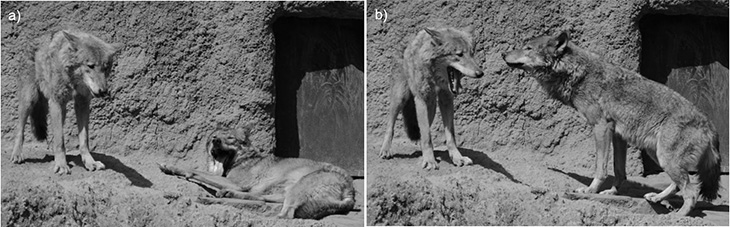
Despite being a very dominant dog, Pharaoh showed his teaching ability when working with other dogs. In the UK there is an amazing woman, Angela Stockdale, who has proved that dogs (and horses) learn most effectively when being taught by other dogs (and horses). Pharaoh was revealed to be a Beta Dog, (i.e. second in status below the Alpha Dog) and, therefore, was able to use his natural pack instinct to teach puppy dogs their social skills and to break up squabbles within a pack.
When you think about it, don’t kids learn much more (often to our chagrin!) from other kids than they do from their parents. Still focusing on giving more praise than punishment seems like a much more effective strategy.
As was read somewhere, Catch them in the act of doing Right!
According to my stats page, Learning from Dogs has accumulated 1,000,624 viewings, with a ‘best-ever’ of 3,980 for Trust me, I’m an engineer, courtesy of Bob Derham in March, 2013. A total of 2,125 posts have been published. Plus, it has been a wonderful journey for yours truly with ever so many great connections made across the world of blogging over these last five years. As evidenced by the rest of today’s post.
Regular readers will have seen comments from Alex Jones. He is a Brit living in Colchester, Essex in England and is the author of the blog The Liberated Way. He and I follow each other’s blogs.
I discover my values and personal insights from how I react to what I see and experience in the world around me. I reacted in anger at the greed and vanity of money investors in business ideas in the US reality television series Shark Tank on YouTube. I reacted in dismay at the wasteful stupidity portrayed in a video on consumerism: people queuing for a week to get hold of the latest iPhone, whose only enhancement from the last was its colour; IKEA marketing telling consumers to throw out perfectly good possessions; Apple designing a new type of screw on its smartphones in order to prevent people repairing damaged phones, thus encouraging waste; the extensive scams brands go to called obsolescence to make objects the consumer buys break quickly increasing waste and needless replacement. The contempt the modern economic paradigm has to this planet is at odds with our human ancestors, and at odds with my worldview.
I am part of a new business paradigm, where I can compete against rivals on equal terms with innovation and clever strategies, but where I care for the planet earth in the same manner as I cared for the grasshopper this morning and my oak saplings. In thinking on these matters in the garden this morning, my garden fox Amber appeared, yawned, then went to sleep in the sun.
Two days ago, another blogger signed up to follow this place. He writes under the name of Cully and his blog is Ahaa. As I always do, I went across to take a look at Cully’s blog, liked what I saw, especially this ‘header’ post on Gaia. Very promptly I was given permission to republish that post here.
ooOOoo
Gaia
It’s Time To Stop Living On The Earth and Start Cohabitating With Her – The Earth is a Sentient Living Organism
We are saturated with information and we are used to clipping and selecting segments of what news is thrown our way every day. We can process very little of it for use later on and it is well known that we only see ‘pertinent’ information as information that already supports our existing belief system. This narrow mindset is one of the main reasons why things don’t change. It is why we are happy to listen to shallow news, we simply don’t have time to do anything else. In this we kid ourselves we really don’t need to know which celebrity is dealing with addiction or changing partners.
On this page we hope to introduce a topic that will inspire you to contemplate, even meditate on its importance.
Gaia is more widely accepted now than when it was first introduced, and you’re not being asked to believe it wholesale and certainly not see it as a part of the New Age or hippy movement. Hopefully though whatever you think about our planet you will find it to be a useful platform to consider AND TAKE ACTION on the health of the environment that we are leaving our children.
It is easy …as with all the other scares that we hear about every day to think that we are too small, or that it is a governmental or corporate problem, so why spend any time considering it.
Whatever your particular mindset, Gaia related activities will become increasingly connected and important to leaving a beautiful world behind us. The study of planetary habitability is partly based upon extrapolation from knowledge of the Earth’s conditions, as the Earth is the only planet currently known to harbour life
The Gaia hypothesis, also known as Gaia theory or Gaia principle, proposes that organisms interact with their inorganic surroundings on Earth to form a self-regulating, complex system that contributes to maintaining the conditions for life on the planet. Topics of interest include how the biosphere and the evolution of life forms affect the stability of global temperature, ocean salinity, oxygen in the atmosphere and other environmental variables that affect the habitability of Earth.
The hypothesis, which is named after the Greek goddess Gaia, was formulated by the scientist James Lovelock and co-developed by the microbiologist Lynn Margulis in the 1970s. While early versions of the hypothesis were criticized for being teleological and contradicting principles of natural selection, later refinements have resulted in ideas highlighted by the Gaia Hypothesis being used in subjects such as geophysiology, Earth system science, biogeochemistry, systems ecology, and climate science. In 2006, the Geological Society of London awarded Lovelock the Wollaston Medal largely for his work on the Gaia theory.
It will take an enormous amount of time to create a menu that covers everything related to Gaia, please be patient or if the time help out in any small way that you can 🙂
respect
[If you haven’t watched this BBC programme about James Lovelock and his history of scientific understanding about how our planet works then settle down and watch it. I assure you that you will be entranced. PH]
ooOOoo
What can I say!
Other than to be extremely grateful for the opportunity to ramble on and make so many good friends, WordPress style, over these last five years.
Yes, fifty-two Sundays ago, I had the idea of posting a set of photographs. That first set was published on the 30th June, 2013 and just for fun I’m going to repost them.
Plus, I can’t resist adding a photograph that Chris Snuggs sent me.
oooo
Sit back and be amazed!
A friend from Payson, Arizona, Lew Levenson, recently sent across a set of 38 astounding photographs, all on the theme of perfectly timed shots.
They are so fabulous that I have decided that for today and the following four Sundays I will post a selection.
So today, the first set of 8 photographs. Trust me you will love them, so a big thank you to Lew. Do say which are your best ones!
oooo
oooo
oooo
oooo
oooo
oooo
oooo
oooo
To close here is that picture courtesy of Chris Snuggs.
By the way, if you would like see again the rest of Lew’s photographs just leave a comment to that effect.
Such a fundamental aspect of all conscious life on Planet Earth.
As many of you know, weekend posts on Learning from Dogs are usually pretty innocuous. But two things came together to make me want to offer today’s central thoughts while they were fresh and clear in my mind.
The first thing flowed from good friend, John Hurlburt. Together with Jon Lavin, John had helped me develop my Statement of Purpose for my book. It was John who proposed a chapter under the heading of “The biological interconnectedness of all conscious earthly life“; a proposal I embraced with open arms.
The second thing was that Alex Jones, he of the blog The Liberated Way, published a post yesterday that, succinctly and beautifully, supported John Hurlburt’s thesis.
What do we mean by the idea that all of us are connected? (…. and ignoring the many of you who wonder why the question even has to be asked.)
I’m going to answer that most fundamental of all questions in this rather roundabout manner.
As someone who in previous times has been a glider pilot (aka sailplane in US speak), and a long-distance sailor (Tradewind 33), the weather about me was very much part of my life. Long ago I came to love clouds. Yesterday morning we had to take puppy Oliver to the vet and, unusually for this time of year in Southern Oregon, overhead there were beautiful grey stratus clouds covering 90% of the sky. There wasn’t the time to grab my camera but the following stock photograph found on the web is close to what we saw.
Still en-route in answer to the question, take a look at the next photograph; also from the web.
Now to the next photograph. (Hang on in there!)
See how the road, a man-made road stretching away to the horizon, is such an intimate part of the landscape and the sky.
Now to my final photograph.
I see a strong and clear theme behind these four beautiful images. A theme that answers the question of what we mean by the idea that all of us are connected.
It is this.
Our planet’s atmosphere gives us all that we need to live. All the oxygen and water and other essentials for all of life. Over millions of years it has provided all that life has needed to evolve and grow.
The land prospered. Beautiful animals arrived. Then came man and over time he left his mark on the lands of the planet. For aeons of time, man and animals shared their lives upon the land. Indeed, man and animals frequently demonstrated they had the capacity to love each other without denying the fact that both man and animals, in many cases, were also meat-eaters. To state the obvious, the beauty of the obvious, is to say that everything on this planet is connected under Nature. Man, animals, lands: all part of that same Nature.
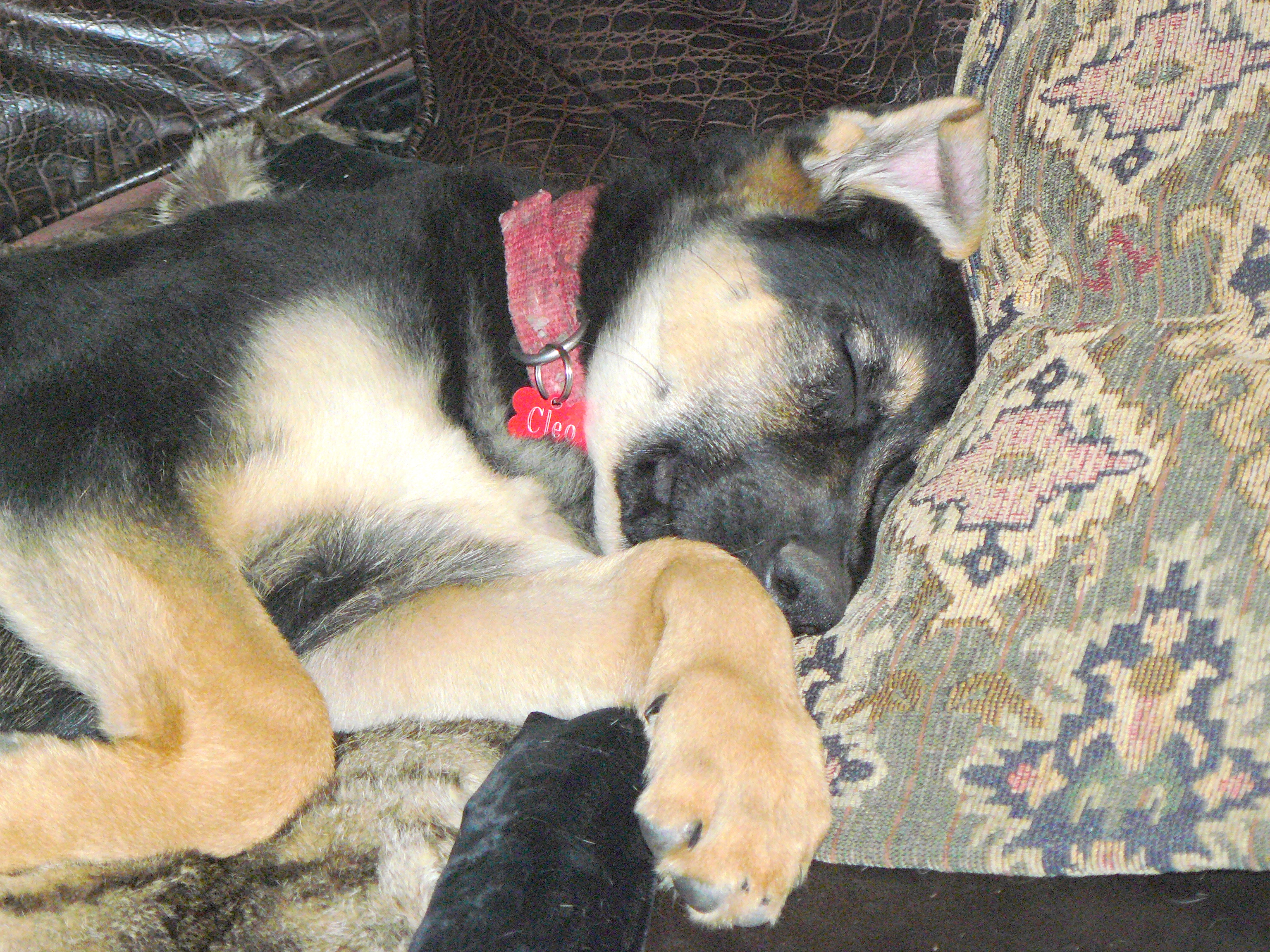
Loving each other: woman and dog!
Let me close by republishing with Alex’s permission his post from yesterday.
ooOOoo
One in nature
The joy of knowing nature and self are one.
The butterfly and I enjoyed a common connection in the sun on a fallen tree – we became one.
Sitting upon a fallen dead tree, one that could have but did not kill me when it fell in the storms last year, an orange butterfly flew and settled next to me. Here we were, butterfly and I, enjoying the warm sun sitting on the same tree trunk like two people on a park bench. The butterfly would after a time fly away returning later to sit next to me. In this moment I shared something in common with this butterfly, different species, but living on and coming from the same planet earth.
Another day it is raining, I huddle under the garden conifers eating raspberries, watching the clouds empty their water upon a thirsty garden, my cat Pebbles sitting at my feet. Out of the fallen branches two little mice played, oblivious to me and the cat, which did not seem to notice them.
For many people there are degrees of separation from nature, us and them. For some like me, Ubuntu, I am because we are. There is only connection, the animals and I are one.
Camping in the rain, a knocking at the tent door. I looked out of the tent, I looked into the eyes of a frog, which then vanished into the rainy darkness.
Before I move on to today’s essay, published courtesy of The Automatic Earth, let me ponder about the nature of reason. A quick dip into the dictionary offers this:
reason
noun
a basis or cause, as for some belief, action, fact, event, etc.: the reason for declaring war.
a statement presented in justification or explanation of a belief or action.
the mental powers concerned with forming conclusions, judgments, or inferences.
sound judgment; good sense.
normal or sound powers of mind; sanity.
The PhilosopherAyn Rand wrote once, “The Renaissance was specifically the rebirth of reason, the liberation of man’s mind, the triumph of rationality over mysticism – a faltering, incomplete, but impassioned triumph that led to the birth of science, of individualism, of freedom.”
Now as we move on, endeavour to keep this notion of reason in the forefront of your mind!
A few days ago, I read an essay that was first seen on Naked Capitalism. It was introduced by Yves Smith of NC thus:
Yves here. As Ilargi himself acknowledges, even by the standards of his fare, this post on “overshoot” is plenty sobering. We do seem to be on our way to precipitating a mass species die off (as in it’s underway already and humans seem remarkably unwilling to take sufficiently stern measures to stop it). The end of civilization as we know it seems almost inevitable, given that most “advanced” economies are seeing serious erosion of their social fabric, as reflected in falling social well-being measures.
However, the provocative point that Jay Hanson argues is that our hard-wired political habits guarantee our undoing. It’s akin to a literary rendering I read long ago of Dollo’s theory of evolution, which went something like this:
Species develop characteristics which give them competitive advantage. Dinosaurs get big so no predators can eat them up. Saber tooth tigers develop monster jaws so they can chomp on mastadons and other large prey.
But the problem is that species continue to develop these characteristics beyond the point of maximum advantage. Dinosaurs get so big that they need to get a second brain in their midsection to manage their bodies and they die of anatomical schizophrenia. Saber-tooth tiger become such efficient killers of large prey that they begin to wipe them out, and their hypertrophied jaws are badly adapted to killing smaller prey, so they die of starvation. And humans have developed overly large brains and are in the process of thinking themselves to death.
It was then a matter of moments to find that the essay was originally published on The Automatic Earth and, as was noted yesterday, a request to republish was very promptly replied to in the affirmative. It’s a privilege to share it with you.
It’s a long essay but entirely engaging; right through to the last footnote. More than that, many of those footnote links open up a majesty of learning and knowledge.
So if you aren’t in the right ‘headspace’ to settle down now and read it fully then bookmark it for a later date. I guarantee you will not be disappointed!
ooOOoo
Debt Rattle Jul 7 2014: Overshoot Loop
Posted by Raúl Ilargi Meijer
Russell Lee Fun with fountain at 4th of July picnic, Vale, OR July 1941
There is not one single person I’ve learned more from than Jay Hanson, back when I was even younger than I am now. Jay is not the greatest writer in the world, his talent is that he has the right kind of unrelenting curiosity, needed to dig deep into the reasons we put ourselves where we do (it’s hardwired). This curiosity put together the best library of information on ourselves and the world we live in that one can ever hope to find, at dieoff.org, much of it not published anywhere else. I took a month off, 15 years ago, and read it all back to back. The dieoff library was – mostly – finished by then. So it was a nice surprise to have someone send me the following piece, which is recent. It may look bleak and dark to you, but the challenge is to find where you think Jay goes wrong, and what you know better. That will not be easy, Jay’s a mighty smart puppy. I guess the essence is this: our brains are our destiny. That this leads to things we don’t like to acknowledge is something we will need to deal with. Walking away from it is neither a solution nor the best way to use the one part of us that may help find a solution. Which is also our brain.
Jay Hanson: I have been forced to review the key lessons that I have learned concerning human nature and collapse over the last 20 years. Our collective behavior is the problem that must be overcome before anything can be done to mitigate the coming global social collapse. The single most-important lesson for me was that we cannot re-wire (literally, because thought is physical) our basic political agendas through reading or discussion alone. Moreover, since our thoughts are subject to physical law, we do not have the free-will to either think or behave autonomously.
We swim in “politics” like fish swim in water; it’s everywhere, but we can’t see it!
We are “political” animals from birth until death. Everything we do or say can be seen as part of lifelong political agendas. Despite decades of scientific warnings, we continue to destroy our life-support system because that behavior is part of our inherited (DNA/RNA) hard wiring. We use scientific warnings, like all inter-animal communications, for cementing group identity and for elevating one’s own status (politics).
Only physical hardship can force us to rewire our mental agendas. I am certainly not the first to make the observation, but now, after 20 years of study and debate, I am totally certain. The net energy principle guarantees that our global supply lines will collapse. The rush to social collapse cannot be stopped no matter what is written or said. Humans have never been able to intentionally-avoid collapse because fundamental system-wide change is only possible after the collapse begins.
What about survivors? Within a couple of generations, all lessons learned from the collapse will be lost, and people will revert to genetic baselines. I wish it weren’t so, but all my experience screams “it’s hopeless.” Nevertheless, all we can do is the best we can and carry on…
I am thankful for the Internet where I can find others bright enough to discuss these complex ideas and help me to understand them.
Today, when one observes the many severe environmental and social problems, it appears that we are rushing towards extinction and are powerless to stop it. Why can’t we save ourselves? To answer that question we only need to integrate three of the key influences on our behavior: biological evolution, overshoot, and a proposed fourth law of thermodynamics called the “Maximum Power Principle”(MPP). The MPP states that biological systems will organize to increase power [1] generation, by degrading more energy, whenever systemic constraints allow it [2].
Biological evolution is a change in the properties of populations of organisms that transcend the lifetime of a single individual. Individual organisms do not evolve. The changes in populations that are considered evolutionary are those that are inheritable via the genetic (DNA/RNA) material from one generation to the next.
Natural selection is one of the basic mechanisms of evolution, along with mutation, migration, and genetic drift. Selection favors individuals who succeed at generating more power and reproducing more copies of themselves than their competitors.
OVERSHOOT!
Energy is a key aspect of overshoot because available energy is always limited by the energy required to utilize it.
Since natural selection occurs under thermodynamic laws, individual and group behaviors are biased by the MPP to generate maximum power, which requires over-reproduction and/or over-consumption of resources [3] whenever system constraints allow it. Individuals and families will form social groups to generate more power by degrading more energy. Differential power generation and accumulation result in a hierarchical group structure.
Overshoot eventually leads to decreasing power attainable for the group with lower-ranking members suffering first. Low-rank members will form subgroups and coalitions to demand a greater share of power from higher-ranking individuals who will resist by forming their own coalitions to maintain it. Meanwhile, social conflict will intensify as available power continues to fall.
Eventually, members of the weakest group (high or low rank) are forced to “disperse.” [4] Those members of the weak group who do not disperse are killed, [5] enslaved, or in modern times imprisoned. By most estimates, 10 to 20 percent of Stone-Age people died at the hands of other humans. The process of overshoot, followed by forced dispersal, may be seen as a sort of repetitive pumping action — a collective behavioural loop — that drove humans into every inhabitable niche.
Here is a synopsis of the behavioral loop described above:
Step 1. Individual and group behaviors are biased by the MPP to generate maximum power, which requires over-reproduction and/or over-consumption of natural resources (overshoot), whenever systemic constraints allow it. Individuals and families will form social groups to generate more power by degrading more energy. Differential power generation and accumulation result in a hierarchical group structure.
Step 2. Energy is always limited, so overshoot eventually leads to decreasing power available to the group, with lower-ranking members suffering first.
Step 3. Diminishing power availability creates divisive subgroups within the original group. Low-rank members will form subgroups and coalitions to demand a greater share of power from higher-ranking individuals, who will resist by forming their own coalitions to maintain power.
Step 4. Violent social strife eventually occurs among subgroups who demand a greater share of the remaining power.
Step 5. The weakest subgroups (high or low rank) are either forced to disperse to a new territory, are killed, enslaved, or imprisoned.
Step 6. Go back to step 1.
The above loop was repeated countless thousands of times during the millions of years that we were evolving [6]. This behavior is entrained in our genetic material and will be repeated until we go extinct. Carrying capacity will decline [7] with each future iteration of the overshoot loop, and this will cause human numbers to decline until they reach levels not seen since the Pleistocene.
Current models used to predict the end of the biosphere suggest that sometime between 0.5 billion to 1.5 billion years from now, land life as we know it will end on Earth due to the combination of CO2 starvation and increasing heat. It is this decisive end that biologists and planetary geologists have targeted for attention. However, all of their graphs reveal an equally disturbing finding: that global productivity will plummet from our time onward, and indeed, it already has been doing so for the last 300 million years. [8]
It’s impossible to know the details of how our rush to extinction will play itself out, but we do know that it is going to be hell for those who are unlucky to be alive at the time.
• To those who followed Columbus and Cortez, the New World truly seemed incredible because of the natural endowments. The land often announced itself with a heavy scent miles out into the ocean. Giovanni da Verrazano in 1524 smelled the cedars of the East Coast a hundred leagues out. The men of Henry Hudson’s Half Moon were temporarily disarmed by the fragrance of the New Jersey shore, while ships running farther up the coast occasionally swam through large beds of floating flowers. Wherever they came inland they found a rich riot of color and sound, of game and luxuriant vegetation. Had they been other than they were, they might have written a new mythology here. As it was, they took inventory. Frederick Jackson Turner
• Genocide is as human as art or prayer. John Gray
• Kai su, teknon. Julius Caesar
oooo
[1] Power is energy utilization for a purpose; proportional to forces x flows = work rate + entropy produced (Maximum Power and Maximum Entropy Production: Finalities in Nature, by S. N. Salthe, 2010). A surplus resource is stored power. Energy is a key aspect of overshoot because available energy is always limited by the energy required to utilize it.
[2] Originally formulated by Lotka and further developed by Odum and Pinkerton, the MPP states that biological systems capture and use energy to build and maintain structures and gradients, which allow additional capture and utilization of energy. One of the great strengths of the MPP is that it directly relates energetics to fitness; organisms maximize fitness by maximizing power. With greater power, there is greater opportunity to allocate energy to reproduction and survival, and therefore, an organism that captures and utilizes more energy than another organism in a population will have a fitness advantage (The maximum power principle predicts the outcomes of two-species competition experiments, by John P. DeLong, 2008).
[3] The best way to survive in such a milieu is not to live in ecological balance with slow growth, but to grow rapidly and be able to fend off competitors as well as take resources from others.
Not only are human societies never alone, but regardless of how well they control their own population or act ecologically, they cannot control their neighbors behavior. Each society must confront the real possibility that its neighbors will not live in ecological balance but will grow its numbers and attempt to take the resources from nearby groups. Not only have societies always lived in a changing environment, but they always have neighbors. The best way to survive in such a milieu is not to live in ecological balance with slow growth, but to grow rapidly and be able to fend off competitors as well as take resources from others.
To see how this most human dynamic works, imagine an extremely simple world with only two societies and no unoccupied land. Under normal conditions, neither group would have much motivation to take resources from the other. People may be somewhat hungry, but not hungry enough to risk getting killed in order to eat a little better. A few members of either group may die indirectly from food shortages—via disease or infant mortality, for example—but from an individual s perspective, he or she is much more likely to be killed trying to take food from the neighbors than from the usual provisioning shortfalls. Such a constant world would never last for long. Populations would grow and human activity would degrade the land or resources, reducing their abundance. Even if, by sheer luck, all things remained equal, it must be remembered that the climate would never be constant: Times of food stress occur because of changes in the weather, especially over the course of several generations. When a very bad year or series of years occurs, the willingness to risk a fight increases because the likelihood of starving goes up.
If one group is much bigger, better organized, or has better fighters among its members and the group faces starvation, the motivation to take over the territory of its neighbor is high, because it is very likely to succeed. Since human groups are never identical, there will always be some groups for whom warfare as a solution is a rational choice in any food crisis, because they are likely to succeed in getting more resources by warring on their neighbors.
Now comes the most important part of this overly simplified story: The group with the larger population always has an advantage in any competition over resources, whatever those resources may be. Over the course of human history, one side rarely has better weapons or tactics for any length of time, and most such warfare between smaller societies is attritional. With equal skills and weapons, each side would be expected to kill an equal number of its opponents. Over time, the larger group will finally overwhelm the smaller one. This advantage of size is well recognized by humans all over the world, and they go to great lengths to keep their numbers comparable to their potential enemies. This is observed anthropologically by the universal desire to have many allies, and the common tactic of smaller groups inviting other societies to join them, even in times of food stress.
Assume for a moment that by some miracle one of our two groups is full of farsighted, ecological geniuses. They are able to keep their population in check and, moreover, keep it far enough below the carrying capacity that minor changes in the weather, or even longer-term changes in the climate, do not result in food stress. If they need to consume only half of what is available each year, even if there is a terrible year, this group will probably come through the hardship just fine. More important, when a few good years come along, these masterfully ecological people will/not/grow rapidly, because to do so would mean that they would have trouble when the good times end. Think of them as the ecological equivalent of the industrious ants.
The second group, on the other hand, is just the opposite—it consists of ecological dimwits. They have no wonderful processes available to control their population. They are forever on the edge of the carrying capacity, they reproduce with abandon, and they frequently suffer food shortages and the inevitable consequences. Think of this bunch as the ecological equivalent of the carefree grasshoppers. When the good years come, they have more children and grow their population rapidly. Twenty years later, they have doubled their numbers and quickly run out of food at the first minor change in the weather. Of course, had this been a group of “noble savages who eschewed warfare, they would have starved to death and only a much smaller and more sustainable group survived. This is not a bunch of noble savages; these are ecological dimwits and they attack their good neighbors in order to save their own skins. Since they now outnumber their good neighbors two to one, the dimwits prevail after heavy attrition on both sides. The “good” ants turn out to be dead ants, and the “bad” grasshoppers inherit the earth. The moral of this fable is that if any group can get itself into ecological balance and stabilize its population even in the face of environmental change, it will be tremendously disadvantaged against societies that do not behave that way. The long-term successful society, in a world with many different societies, will be the one that grows when it can and fights when it runs out of resources. It is useless to live an ecologically sustainable existence in the “Garden of Eden unless the neighbors do so as well. Only one nonconservationist society in an entire region can begin a process of conflict and expansion by the “grasshoppers” at the expense of the Eden-dwelling “ants”. This smacks of a Darwinian competition—survival of the fittest—between societies. Note that the “fittest” of our two groups was not the more ecological, it was the one that grew faster. The idea of such Darwinian competition is unpalatable to many, especially when the “bad” folks appear to be the winners.[pp. 73-75] (Constant Battles: Why we Fight, by Steven A. LeBlanc, St. Martin, 2004)
[4] “Dispersal” is important in biology. Many amazing biological devices have evolved to ensure it, such as the production of fruits and nectar by plants and the provision of tasty protuberances called elaiosomes by seeds to attract insects. Often a species will produce two forms:
(1) a maintenance phenotype (the outcome of genes and the structures they produce interacting with a specific environment) that is adapted to the environment in which it is born,
and (2) a dispersal phenotype that is programmed to move to a new area and that often has the capacity to adapt to a new environment.
According to the present theory, humans have developed two dispersal phenotypes in the forms of the prophet and the follower. The coordinated action of these two phenotypes would serve to disperse us over the available habitat. This dispersal must have been aided by the major climatic changes over the past few million years in which vast areas of potential human habitat have repeatedly become available because of melting of ice sheets.
The dispersal phenotypes might have evolved through selection at the individual level, since the reproductive advantage of colonizing a new habitat would have been enormous. They would also promote selection between groups. This is important because selection at the group level can achieve results not possible at the level of selection between individuals. One result of the dispersal phenotype includes ethnocentrism (the tendency to favor one’s own ethnic group over another) and the tendency to use “ethnic cleansing.” The other result, as previously noted, is selection for cooperation, self-sacrifice, and a devotion to group rather than individual goals. Factors that promote selection at the group level are rapid splitting of groups, small size of daughter groups, heterogeneity (differences) of culture between groups, and reduction in gene flow between groups. These factors are all promoted by the breaking away of prophet-led groups with new belief systems.
One of the problems of selection at the group level is that of free-riders. These are people who take more than their share and contribute to the common good of the group less than their proper share. Selection at the group level gives free-riders their free ride. They potentially could increase until they destroy the cooperative fabric of the group.
However, the psychology of the free-rider, which is one of self-aggrandizement and neglect of group goals, is not likely to be indoctrinated with the mazeway of the group. Nor is it likely to be converted to the new belief system of the prophet. Therefore, theoretically one would predict that cults and New Religious Movements should be relatively free of free-riders. Such an absence of free-riders would further enhance selection at the group level. Moreover, this is a testable theoretical proposition.
Cult followers have been studied and found to be high on schizotypal traits, such as abnormal experiences and beliefs. They have not yet been tested for the sort of selfish attitudes and behavior that characterize free-riders. If a large cohort of people were tested for some measure of selfishness, it is predicted that those who subsequently joined cults would be low on such a measure. Predictions could also be made about future cult leaders. They would be likely to be ambitious males who were not at the top of the social hierarchy of their original group. If part of why human groups split in general is to give more reproductive opportunities to males in the new group, it can also be predicted that leaders of new religious movements would be males of reproductive age. Female cult leaders are not likely to be more fertile as a result of having many sexual partners, but their sons might be in an advantageous position for increased reproduction.
Conclusion: The biobehavioral science of ethology is about the movement of individuals. We have seen that change of belief system has been responsible for massive movements of individuals over the face of the earth. Religious belief systems appear to have manifest advantages both for the groups that espouse them and the individuals who share them. It is still controversial whether belief systems are adaptations or by-products of other evolutionary adaptive processes. Regardless of the answer to this question, the capacity for change of belief system, both that seen in the prophet and also that seen in the follower, may be adaptations because they have fostered the alternative life history strategies of dispersal from the natal habitat.
Moreover, change of belief system, when it is successful in the formation of a new social group and transfer of that group to a “promised land,” accelerates many of the parameters that have been thought in the past to be too slow for significant selection at the group level, such as eliminating free-riders, rapid group splitting, heterogeneity between groups and reduction of gene transfer between groups. Natural selection at the group level would also favor the evolution of the capacity for change of belief system, so that during the past few million years we may have seen a positive feedback system leading to enhanced cult formation and accelerated splitting of groups. This may have contributed to the rapid development of language and culture in our lineage. (The Biology of Religious Behavior, Edited by Jay R. Feierman, pp. 184-186)
[5] The results of the study are striking, according to Robbins Schug, because violence and disease increased through time, with the highest rates found as the human population was abandoning the cities. However, an even more interesting result is that individuals who were excluded from the city’s formal cemeteries had the highest rates of violence and disease. (Violence, Infectious Disease and Climate Change Contributed to Indus Civilization Collapse , Science Daily, January 17, 2014)
[6] My discussion will revolve around two basic propositions regarding long-term human population history: 1) the near-zero growth rates that have prevailed through much of prehistory are likely due to long-term averaging across periods of relatively rapid local population growth interrupted by infrequent crashes caused by density-dependent and density-independent factors; and 2) broad changes in population growth rates across subsistence modes in prehistory are probably best explained in terms of changes in mortality due to the dampening or buffering of crashes rather than significant increases in fertility (Subsistence strategies and early human population history: an evolutionary ecological perspective, by James L. Boone, 2002).
So all of you will understand, without any doubt, why this key essay was published here on Learning from Dogs. It strikes me as a rather bitter-sweet irony that in today’s super-networked society, where it is so easy to ‘sit at the knees‘ of such learned folk, it may all be too late to have a decisive effect. So back to Jay Hanson. Yes, his well-presented and beautifully researched essay does have some pretty terrifying notions. But humanity’s only hope is that person-by-person, street-by-street, city-by-city, a cry for change becomes such a torrent of sound that like a huge waterfall it has the power to change our landscape. Nature needs to be listened to: and soon!
Nature maintains our equilibrium. Denying Nature is a sure path to extinction.
In yesterday’s post, I closed it by saying “More on the theme tomorrow.” What I had in mind was writing about a recent essay that I read; courtesy of Naked Capitalism. However, the essay struck me as of such interest that it should be republished in full. Thus I sent off a request for permission to so do. Hopefully, permission granted in time for me to publish the essay tomorrow (and see my note later on).
That then gave me the opportunity to explain my situation for the next few weeks.
In short, as a result of a number of guests coming to stay with us from the end of July right through to the end of September, the hours that I spend pleasurably preparing and writing posts for Learning from Dogs are going to be under some pressure.
For instance!
Ahead of the arrival of our first set of guests, my mother from London and my sister from Tokyo, it has been decided to renovate the guest bathroom by upgrading the wash-basin. Naturally, something yours truly wants to do himself! (Don’t believe me? See the following photo!)
Of course, as well as still not speaking American, I’m a very long way from speaking American plumbing! I mean fancy going into a builder’s store and asking for a set of taps.
So how does one connect the hot and cold water to these taps!
I looked at what the store attendant had placed in front of me and said, “No, I don’t mean that sort of tap, I mean a tap for a bathroom basin.”
“Oh, you mean force-it!“, replied the attendant.
(Now how did this attendant know that my tool of choice for jobs around the house was a 2-pound club hammer!)
“Of course,” I replied, “You Americans call them faucets!”
So you get the message!
(By the way, the permission to republish the article from The Automatic Earth just came through – just 12 minutes after I sent off my email request – great service, peeps.)
Plus there’s another distraction! Even more bizarre than pretending to be an American plumber! I am pretending to be an American author!
I have returned to writing the book!
Long-term readers of this blog (you crazy lot) will recall that last November I signed up for NaNoWriMo: National Novel Writing Month. From that accomplishment has flowed a number of very positive outcomes. One of them was being contacted by a company specialising in self-publishing. I was told that really before I get started in earnest, I need to set out a clear idea of what I am writing about and the audience I have in mind. I called it my Statement of Purpose and after a number of weeks of being amended and revised (huge thanks to Jon and John for their help) it was finally completed just a week ago. Here are the opening sections:
Learning from Dogs
the book.
Statement of Purpose v1.51
Introduction
We live in very challenging times.
It seems rare these days to meet someone who doesn’t sense, to one degree or another, a feeling of vulnerability to today’s world. A sense that many aspects of their lives are beyond their control.
These are also times where it is widely acknowledged that the levers of privilege, power and money are undermining the rights and needs of so many. A feeling of unprecedented levels of deceit, lying and greed.
Then there’s the subject of climate change and the “end-of-world” sword just waiting to descend on us all; the so-called beat of the butterfly’s wing!
Yes, these are challenging times. As we are incessantly reminded by the drumbeat of the doom-and-gloom news industry every hour, frequently every half-hour, throughout the day. A symphony of negative energy.
Yet right next to us is a world of positive energy. The world of dogs. A canine world full of love and trust, playfulness and relaxation. A way of living that is both clear and straightforward; albeit far from being simple. As anyone will know who has seen the way dogs interact with each other and with us humans.
In other words, dogs offer endless examples of positive behaviours. The wonderful power of compassion for self, and others, and of loving joy. The way to live that we humans crave for. A life full of hope and positive energy that keeps the power of negativity at bay.
Reading audience
The book is written by ‘an ordinary bloke’, not by someone who has a specialist or professional understanding in the areas of mind and behaviour. The author is no different to the majority of people out there and, presumably, the majority of potential readers.
Readers who feel the weight of all that ‘doom-and-gloom’ and general negativity that seems to be in the air. Yet, readers who desire a positive, compassionate attitude to their own life, and to the lives of the people around them. Almost certainly readers who are animal lovers, in general, and dog lovers in particular.
The clarity provided by the above has been fantastic and I am now firmly committed to writing something, however small in words, each day.
Yet another drag on my blogging time; I regret.
So if over the coming weeks you read something that strikes you as familiar it may be because I have reposted the item from previous years. Or if there seems to be a string of posts that have been republished from elsewhere, then at least you will understand.
Of course even better would be for you, my dear reader, to send me stuff or point me towards material you think others would enjoy. Or write a guest post! 🙂 Now that would be splendid!
Irrespective of the author, it’s always the words that count.
Just recently, a very good friend of this blog sent me a wonderful and inspiring set of words attributed to George Carlin.
As is usual, I took a quick dip into the internet to learn more about how these words came to be. I soon came upon the Snopes website and their page The Paradox of Our Time.
Here’s what I read:
In May 1998, Jeff Dickson posted the ‘Paradox of Our Time’ essay to his Hacks-R-Us online forum, loosing it upon the Internet. That essay has since spread far and wide and has commonly been attributed to a variety authors, including comedian George Carlin, an unnamed Columbine High School student, the Dalai Lama, and that most prolific of scribes, Anonymous!
George Carlin very emphatically denied he had had anything to do with “Paradox,” a piece he referred to as “a sappy load of shit,” and posted his comments about being associated with this essay on his own web site. (The line about “His wife recently died” which was added to many forwarded versions referenced Brenda Carlin, the comedian’s wife, who passed away on 11 May 1997 of liver cancer. Carlin himself died in June 2008.)
The true author of the piece isn’t George Carlin, Jeff Dickson, or the Dalai Lama, nor is he anonymous. Credit belongs to Dr. Bob Moorehead, former pastor of Seattle’s Overlake Christian Church (who retired in 1998 after 29 years in that post). This essay appeared under the title “The Paradox of Our Age” in Words Aptly Spoken, Dr. Moorehead’s 1995 collection of prayers, homilies, and monologues used in his sermons and radio broadcasts.
Now, of course, what is presented on the Snopes webpage also may not be correct. But does it really matter? No!
What matters are the words themselves and the ability of words to inspire us and change the way we think about our lives. So with that, here are those words.
ooOOoo
The Paradox of Our Age
The paradox of our time in history is that we have taller buildings but shorter tempers, wider Freeways, but narrower viewpoints.
We spend more, but have less, we buy more, but enjoy less.
We have bigger houses and smaller families, more conveniences, but less time.
We have more degrees, but less sense, more knowledge, but less judgment, more experts, yet more problems, more medicine, but less wellness.
We drink too much, smoke too much, spend too recklessly, laugh too little, drive too fast, get too angry, stay up too late, get up too tired, read too little, watch TV too much, and pray too seldom.
We have multiplied our possessions, but reduced our values. We talk too much, love too seldom, and hate too often.
We’ve learned how making a living, but not a life.
We’ve added years to life not life to years.
We’ve been all the way to the moon and back, but have trouble crossing the street to meet a new neighbor. We conquered outer space but not inner space. We’ve done larger things, but not better things.
We’ve cleaned up the air, but polluted the soul.
We’ve conquered the atom, but not our prejudice.
We write more, but learn less.
We plan more, but accomplish less.
We’ve learned to rush, but not to wait.
We build more computers to hold more information, to produce more copies than ever, but we communicate less and less.
These are the times of fast foods and slow digestion, big men and small character, steep profits and shallow relationships. These are the days of two incomes but more divorce, fancier houses, but broken homes. These are days of quick trips, disposable diapers, throwaway morality, one night stands, overweight bodies, and pills that do everything from cheer, to quiet, to kill. It is a time when there is much in the showroom window and nothing in the stockroom. A time when technology can bring this letter to you, and a time when you can choose either to share this insight, or to just hit delete…
ooOOoo
I chose to share this with you. (Dear reader, feel free to share this as well!)
That good friend also included some of his own wisdoms.
Remember, spend some time with your loved ones, because they are not going to be around forever.
Remember, say a kind word to someone who looks up to you in awe, because that little person soon will grow up and leave your side.
Remember, to give a warm hug to the one next to you, because that is the only treasure you can give with your heart and it doesn’t cost a cent.
Remember, to say, ‘I love you’ to your partner and your loved ones, but most of all mean it. A kiss and an embrace will mend hurt when it comes from deep inside of you.
Remember to hold hands and cherish the moment. For someday that person will not be there again.
Give time to love, give time to speak! And give time to share the precious thoughts in your mind.
AND ALWAYS REMEMBER:
Life is not measured by the number of breaths we take, but by the moments that take our breath away.
Two days ago I published a rather introspective post called The temptation to turn ever inwards. It was the result of reading three disturbing essays about the ‘affairs of man’; essays by Tom Engelhardt, Jim Wright and George Monbiot. Frankly, I wasn’t expecting a great response either in the form of ‘Likes’ or written replies. However, the first reply, a long reply, came in from Patrice Ayme. I made the decision to reply to Patrice via a new post; ergo today’s post. Since making that decision a further comment came in from Sue Dreamwalker, also republished today.
What I am going to do is to reproduce Patrice’s comment but interspersed with my replies.
oooo
The biosphere evolved over billions of years. Now it is taken over by critters who live for just a few years. Solution? Make it so that said critters live longer, thus attaching a greater value upon survival.
I presume that the ‘said critters’ refer to humans? The average lifespan of humans has increased hugely. From a life expectancy of 30 years [1] at birth in Medieval Britain, back in the 13th Century, to an average of 67.2 years for humans worldwide in 2010. [2]
That’s an increase of 124% in a little over 700 years. Yet despite that incredible increase in lifespan, humans have shown no interest in attaching a greater value to their survival: far from it! One might even muse that humans have attached a greater value to those things that actively harm our survival.
For all the (over-) elaborate set-up of dear Monbiot, it’s simpler than that. Instead of going back to Baby Thatcher, Baroness god save the queen knows what, let’s grab a clear and present example.
I’m unclear as to what is meant by “the over-elaborate set-up” but as a long-time reader of Mr. Monbiot‘s essays I applaud both his commitment to the highest standards of journalism and to the UK’s Guardian newspaper for publishing so many of them over the years. I would invite Patrice to give an example of over-elaboration coming from the pen of George Monbiot.
Britain, and many of the Brits, say our dear friend Chris Snuggs, a participant to your, and my, site, have said that they hated Europe, because Europe was not democratic enough. However, one of the latest improvement of the European Constitution is now effective: the head of the EC, the European Commission, is now to be elected by the just elected European PARLIAMENT. Guess what?
Chris Snuggs is more than a participant to Learning from Dogs, he is a close friend of many years. Yes, he has strong views about Europe but those views are expressed in a declared, personal manner.
Chameleon Cameron, came out of the woodworks to bark, in the clearest way, that it was out of the question to do things differently from before, and now dare to have the European Parliament to elect (what is basically) the European Prime Minister.
Never mind that Britain voted for that European Constitutional change.
Never mind that in representative democracies, the leaders of the executive are elected by Parliament.
So what do we see here?
Contradiction within moods and thoughts systems (Britain agreed to the democratic change, and now does not). We also see erroneous ideas imposed (leaders of the executive says Cameron should be nominated undemocratically, that’s erroneous).
The same sort of things is also perking up in Iraq: the USA caused the mess there, committing several major war crimes in the process. Precisely because those war crimes were not prosecuted, a strong push has been exerted on Obama to duplicate Bush, and go back to attack Iraq some more.
Thus, it is simple: there bad ideas out there, and they need to be destroyed. And bad moods too (an example of bad moods is the enormity that the American population was made, by Bush, Cheney, Rumsfeld, etc., into an accomplice of the most major war crime there is, war of aggression. Now that this war is in the process of being lost, some clamor to have the war pursued with renewed vigor.
We are now the stewards of the biosphere, whether we like it, or not. We can’t just sit on our rumps, strokes dogs, and whine we will attend to our garden (Voltaire style). By doing nothing, we leave criminals such as Bush, or their spirit, or their mood, in power. And thus we become accomplices.
There is total agreement for the idea that humans are the stewards of the biosphere. But if the “sit on our rumps, strokes dogs and whine we will attend to our garden” is aimed at me, as it appears to be, then I strongly disagree. Living as simple a life as we can is a long way from “doing nothing”.
So go out there, and engage in combat, bad moods, and bad ideas. That’s what even very old alpha monkeys, covered with age spots, do. We don’t want to let very old monkeys be examples of moral rectitude we cannot emulate.
A last point: Monbiot does not realize the contradiction he engages in. In the guise of criticising the opposition, he puts it on a pedestal, and engages in its very propaganda. Monbiot, and many like him, bemoan a “shift towards conservatism”. Nothing could be more false. People who destroy the biosphere are NOT conservatives. They play conservatives on TV. In truth, they are just the opposite. They are destructionists.
I am of the opinion, totally so, that George Monbiot is not playing at conservatism.
oooo
So, dear reader, there is little in the comment from Patrice that has me nodding my head. Don’t get me wrong! Patrice Ayme is an individual of extreme intellect as even a dip into his blog will confirm. I am a regular reader of the writings over at that place.
However, there is one major stumbling block for me, one that I have communicated privately to the said Patrice, and that is the issue of anonymity. Because Patrice Ayme is a nom-de-plume. Despite following ‘his’ writings for some time and sharing the occasional private email, I have almost no idea about who the person is. Yes, ‘his’ writings are often very strong and highly critical of many aspects of modern life, especially the American political system. But that is not unique. There is a long line-up of writers doing the same, and doing the same over their signatures: Tom Engelhardt, Jim Wright and George Monbiot and many, many others
For me, hiding one’s identity so securely behind a ‘virtual’ mask yet writing so passionately about many of the issues critically affecting the future of mankind, doesn’t work. If one can’t or won’t be honest about who they are, then better, perhaps, that they keep their thoughts and ideas close to them. There is no shortage of people openly being critical about the American Government and much else across the world, and being critical openly.
Later, Sue of Sue Dreamwalker added a comment. That resonated perfectly with me and it, too, is reproduced in full.
Paul sometimes I despair at how Mankind plays out his life in the world Paul… We bemoan lots as we sit in our homes as the virus of hate, greed, and disaster pours into our living rooms via the BLACK BOX of FEAR tricks… Which helps depress, make us anxious, fearful,…. It insights anger, aggression and the spiral of thought escalates out via the Web… Internet at our fingertips- instant reactions…
Some times I wonder as I ponder… at the soup being remixed… as only this week we hear of ISIS another branch of the terrorists we are now supposed to fear… As the UK now makes friends with its long time enemy Iran.. reinstating diplomatic relationships again.. The Saga runs on an on… With Oil as the major players .
That’s why turning inward is sometimes Paul the only thing we can do… As we can only live our lives… While I so want to save the world.. The world has also got to want to save itself…
I can only live my own life and stop the petty squabbles, the judgements, the criticisms as I mend my own world to live at peace within it…
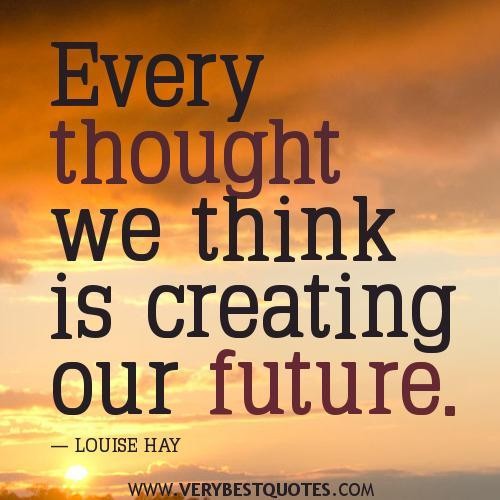
Once we all realise its our thoughts which in fact we send out, in fear, in anger, as we judge and condemn that are reflected back …
WE create the world.. We consume its products, We want to live in the lifestyles that demand this World to exploit others for riches.. And yet condemn the conditions of the haves and have nots…
We have lost sight of our basic values in life Paul…
So yes I often retreat inwards… I have too.. Because I worry too much about the kind of Earth we are leaving our Grandchildren to grow up in…
~Sue
In final reply to Patrice, I shall reproduce this well-known quotation [3]:
“I disapprove of what you say, but I will defend to the death your right to say it.“
3.This saying is widely attributed to Voltaire, but cannot be found in his writings. With good reason. The phrase was invented by a later author as an epitome of his attitude. It appeared in The Friends of Voltaire (1906), written by Evelyn Beatrice Hall under the pseudonym Stephen G. Tallentyre.
In last Wednesday’s post I included a picture of Jean with Robert who helped us load 60 bales of hay onto our trailer. This photo:
Jean thanking Robert for his great help in loading 60 bales!
Anyway, Tad, who farms the land, mentioned a wonderful place to fish not far from his farm at Wolf Creek.
I’m not a fisherman but Andy, who is staying with us with his wife, Trish, is a keen fisherman.
So last Wednesday we all set off into the high forest lands up above Wolf Creek and after some pretty tough driving up some steep dirt roads found the lake. Here’s a record of our morning at Secesh.
Wow! First sighting!
As you can see, it was a breath-taking oasis in a sea of tall trees and towering peaks.
Still waters!
With crystal-clear waters that just seemed to be calling out to those that enjoy fly-fishing!
Doesn’t get much better than this!
Meanwhile, yours truly decided to walk the perimeter of the lake that is, apparently, some 3.7 acres of water area.
Towards the farthest point of the shoreline, a beautiful stream was flowing into the lake.
Mountain streams.
And not too farther along, a likewise beautiful stream outflowed from the lake.
What flows in … must eventually flow out.
From this vantage point, one could look across the full breadth of the lake.
Tranquility in spades!
And marvel at the wildlife, from ….
Dragon flies.
… the very small, to ….
An American bald-eagle.
…. the stunning eagles of the land. A veritable icon of this country!
Returning in time to see Andy pulling a (small) fish from the lake.