More of those glorious pictures from Sue via John Hurlburt.
If you missed the first set, then they may be found here.
oooo

oooo

oooo

oooo
oooo

oooo

oooo
oooo
Yet more next Sunday. You good people out there have a happy and stress-free week.
Dogs are animals of integrity. We have much to learn from them.
Category: Musings
More of those glorious pictures from Sue via John Hurlburt.
If you missed the first set, then they may be found here.
oooo
oooo
oooo
oooo
oooo
oooo
oooo
oooo
Yet more next Sunday. You good people out there have a happy and stress-free week.
Certainly dogs couldn’t be any worse!
I am referring to politicians; but you probably guessed that.
Just my way of a lead-in to a wonderful item seen recently over on ABC Eye Witness News.
Namely:

Tuesday, August 12, 2014
CORMORANT, Minnesota (WLS) — Duke, a 7-year-old dog, was elected mayor of Cormorant, Minnesota.
“He won by a landslide,” Tricia Maloney said of the Great Pyrenees. “He’s used to coming to the pub and getting some burgers and some fries or something.”
The 12 people who live in Cormorant all paid $1 to vote.
“Poor Richard Sherbrook that owns the Cormorant store, he didn’t even have half as many votes as Duke did,” Maloney said.
The farm dog is all bark, no bite. His term lasts one year.
oooo
A quick web search found a longer version of the news item over on the CBS News website:

MINNEAPOLIS (WCCO) – Every dog has his day and Saturday is it for Duke the dog.
Duke was elected mayor of the northwestern Minnesota community of Cormorant, and he was sworn in Saturday. Organizer Tammy Odegaard says Duke got gussied up Friday night, his second trip to the groomer since his election.
“He spends a lot of time at the dairy farm next door,” Odegaard said, who notes she’s now a member of Duke’s staff. “So, twice in, like, seven days for him is, like, it’s never happened. So I’m sure he’s wondering what’s going on with just that.”
His first grooming took five hours and came after the majority of the town’s 12 voters backed him in the balloting. The town pulled out all the stops for the 10 a.m. ceremony during Cormorant’s annual fair.
“We’ll have him put his little paw on the bible, going to have him have the little oath,” Odegaard said. “Of course, he’s not going to repeat it. It would be awesome if he would bark, but who knows? He’s a country dog, so he’s not used to performing on cue.”
During the two-minute inauguration ceremony, Steve Sorenson, chairman of Cormorant Township, greeted Duke and set forth his duties.
“You are about to em-bark upon a great time of service, tremendous personal and professional growth,” Sorenson said. “If you accept this challenge and these responsibilities, please bark or pant.”
Duke panted.
“I think that qualifies,” Sorenson said.
As for the mayor’s salary, a pet food store is donating a year’s supply of kibble to reward him for his service.
The village of Cormorant is located in northwestern Minnesota, near Pelican Rapids.
Duke is a seven-year-old, big, white, shaggy Great Pyrenees that loves to roll around in the dirt. Odegaard would not say if that activity qualifies Duke for a career in politics.
“You said it, not me,” Odegaard laughed.
oooo
That inauguration ceremony was captured on video; see below. Warning, the first seven minutes are a little slow! But it is worth watching, trust me!
Funny how things happen.
Yesterday evening we had close friend Don Reeve staying with us. To put this into context, it was Don and his wife, Suzann, who in 2007 invited me to spend Christmas with them at their Winter home down in San Carlos, Mexico. That, in turn, led me to meeting Jean, Suzann’s best friend, and look where that got me! 🙂
(Can’t resist adding that Jean and I were born in London, some 23 miles from each other!)
Thus you can understand the pleasure it was for Jean and me again to see Don; albeit for a brief overnight stay.
What was an extra, unanticipated pleasure was meeting a young, rescue dog that Don had adopted in recent weeks. Her name is Margarita and she was found and rescued by Suzann from the streets in San Carlos. What was so glorious was to see the love and hope for a better future that flowed between Don and the sweet, young Margarita. It resonated so perfectly well with Suzan’s post published here on Monday: Rescued dogs are life-savers.
By the time I sat down at my desk yesterday, I was conscious of a) not having a clue as to what to write, and b) inspired by the sense of hope that dogs offer us humans. Serendipitously, the theme of hope led me to a post written by Jennifer Broudy de Hernandez over on her Transition Times blog. It was called Warriors for the Planet and was the most beautiful essay.
I’m delighted to reblog that here with Jennifer’s approval.
ooOOoo
Another summer, another war. I wonder how many summers there have been in the last 5,000 years when human beings were not occupied with killing each other?
Correction: not “human beings,” “men.”
Let’s be frank: even though there may be women in the armed forces of many countries now, war still remains a masculine activity and preoccupation. The women who serve as soldiers must adhere to the masculine warrior code and become honorary “bros,” for whom the worst insult is still be called a “girl” or a “pussy.”
 I have been reading Anne Baring’s magisterial book The Dream of the Cosmos, in which she gives a detailed account of the shift, around the time of Gilgamesh, from the ancient, goddess- and nature-worshipping “lunar cultures” to the contemporary era of solar, monotheistic, warrior-worshipping cultures.
In her elaboration of this shift, I read the tragedy of our time, enacted over and over again all over the planet, and not just by humans against humans, but also by humans against the other living beings with whom we share our world. I quote at length from Baring’s remarkable book:
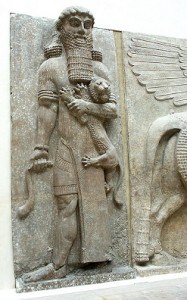 “The archetype of the solar hero as warrior still exerts immense unconscious influence on the modern male psyche, in the battlefield of politics as well as that of corporate business and even the world of science and academia: the primary aim of the male is to achieve, to win and, if necessary, to defeat other males. The ideal of the warrior has become an unconscious part of every man’s identity from the time he is a small child.
“With the mythic theme of the cosmic battle between good and evil and the indoctrination of the warrior went the focus on war and territorial conquest. War has been endemic throughout the 4000 years of the solar era. The glorification of war and conquest and the exaltation of the warrior is a major theme of the solar era—still with us today in George W. Bush’s words in 2005: ‘We will accept no outcome except victory.’ This call to victory echoes down the centuries, ensuring that hecatombs of young warriors were sacrificed to the god of war, countless millions led into captivity and slavery, countless women raped and widows left destitute. It has sanctioned an ethos that strives for victory at no matter what cost in human lives and even today glorifies war and admires the warrior leader. This archaic model of tribal dominance and conquest has inflicted untold suffering on humanity and now threatens our very survival as a species.

“The cosmic battle between light and darkness was increasingly projected into the world and a fascination with territorial conquest gripped the imagination and led to the creation of vast empires. It is as if the heroic human ego, identified with the solar hero, had to seek out new territories to conquer, had to embody the myth in a literal sense and as it did so, channel the primitive territorial drives of the psyche into a Dionysian orgy of unbridled conquest, slaughter and destruction. We hear very little about the suffering generated by these conquests: the weeping widows, the mothers who lost sons, the orphaned children and the crops and patterns of sowing and harvesting devastated and disrupted by the foraging armies passing over them, the exquisite works of art pillaged and looted….The long chronicle of conquest and human sacrifice, of exultation in power and the subjugation of enemies might truly be named the dark shadow of the solar age” (118;124).
Like Baring, I see our time as a critical era in the long history of homo sapiens on the planet. There is still hope that enough of us will be able to detach ourselves from the pressures and busyness of our lives—will become conscious of what is happening to the planet and human civilization writ large—will understand that there are other ways to relate to each other and to the Earth, ways that will seem increasingly possible and obvious once we focus on them and begin to put our energies into manifesting our visions of a creative, collaborative, respectful mode of being.
Baring ends her disturbing chapter on the ascendancy of the solar warrior culture with a hopeful quote from The Passion of the Western Mind by Richard Tarnas, from which she springs into her own positive vision of the potential of our time.
“’We stand at the threshold of a revelation of the nature of reality that could shatter our most established beliefs about ourselves and the world. The very constriction we are experiencing is part of the dynamic of our imminent release. For the deepest passion of the Western mind has been to reunite with the ground of its being. The driving impulse of the West’s masculine consciousness has been its quest not only to realize itself, to forge its own autonomy, but also, finally, to recover its connection with the whole, to come to terms with the great feminine principle in life; to differentiate itself from but then rediscover and reunite with the feminine, with the mystery of life, of nature, of soul. And that reunion can now occur on a new and profoundly different level from that of the primordial unconscious unity, for the long evolution of human consciousness has prepared it to be capable at last of embracing the ground and matrix of its own being freely and consciously.’
“As this deep soul-impulse gathers momentum, the ‘marriage’ of the re-emerging lunar consciousness with the dominant solar one is beginning to change our perception of reality. This gives us hope for the future. If we can recover the values intrinsic to the ancient participatory way of knowing without losing the priceless evolutionary attainment of a strong and focused ego, together with all the discoveries we have made and the skills we have developed, we could heal both the fissure in our soul and our raped and vandalized planet” (130-131).
My heart aches for the suffering of the innocent civilians trapped in the crossfire in Gaza this summer, and for the grieving families of the passenger plane heinously shot down by warriors who were either poorly trained or just plain evil.
I am heartsick when I think about the holocaust that is overtaking living beings on every quadrant of our planet as humans continue to ravage the forests and seas, to melt the poles with our greenhouse gases, and to poison the aquifers and soil with our chemicals.

This is where the solar cultures, with their “great” warrior kings, have led us. And yet, as Baring says, they have also presided over the most amazing advances in science and technology that humans have ever known in our long history on the planet.
We don’t need or want to go back to the simple innocence of ancient lunar societies. We don’t have to bomb ourselves back into the Stone Age.
What we need is to go forward, wisely and joyously, into a new phase of consciousness, in which the masculine warrior spirit is used for protection and stewardship rather than destruction, and the Earth is honored as the Mother of all that she is.
Never let anyone tell you it can’t be done. It is already happening.
ooOOoo
May I tempt you to go back and re-read that penultimate paragraph. A sentence that I cannot resist emphasising:
What we need is to go forward, wisely and joyously, into a new phase of consciousness, in which the masculine warrior spirit is used for protection and stewardship rather than destruction, and the Earth is honored as the Mother of all that she is.
The power of hope!
It is the differences between us that are to be praised.
On the 10th August, Alex Jones, he of The Liberated Way, published a post under the title of Wisdom comes out of calm. I read it and approved of the sentiments expressed. Here’s a flavour of what Alex wrote:
My attitude towards dogs, and everything I do, is it is better to act in harmony with my world than impose violent control upon it. Nature is my teacher, and calm is one of its teachings. Calm is the sister of patience and tolerance, letting nature flow at its own pace and in its own way. When I planted acorns, I was unable to force them to grow, they acted in their own timing, at their own pace. I am like a parent rather than the master of eight strong oak saplings. I provide my saplings with opportunity through water, sun and good soil; protecting them from caterpillar and fungus; they follow their own nature in becoming fast growing little trees.
Then dear Patrice, he (or is it she?) of the blog Patrice Ayme’s Thoughts went on to write his own essay Calmly Thinking Up A Storm reflecting on Alex’s musings. One of the comments to me was:
Well, Paul, the entire essay answered why it’s wrong to equate calm with wisdom, as Alex does. If it was only him, it would be an interesting quirk. However, it’s pretty much a mass mood.
That philosophy of boiled vegetable leaves the plutocrats free to do a home run, home being, for them, hell. Part of the program is biospheric annihilation.
I didn’t agree with Patrice and my immediate reaction was try and take sides. Yet both writers were the authors of many fine essays. What to do? As I expressed to Alex:
I have read both posts and, frankly, are bemused. It feels as though each is describing something utterly different to the other. I have a number of hours of electrical work today but will also give the matter a ‘coating of thought’ while working and offer my humble conclusions later on.
Serendipitously, the answered then arrived.
I’m about a third of the way through an audio course on Building Great Sentences delivered by Professor Brooks Landon, Professor at the University of Iowa English Department. Professor Landon talks about style and how difficult it is to define a particular author’s style.
It was at that moment that a flashbulb went off in my mind. Wouldn’t literature be incredibly plain and boring if there were no real differences in the styles of all the many authors; past and present!
It brought me back to Patrice and Alex and, by default, hundreds of other authors of blogs right across the ‘blogosphere’. Of course they express themselves differently! Of course they hold different opinions! It is those differences that are critical, utterly so, to each and every reader coming to their own conclusions; conclusions to a wide range of subjects and topics.
This was hammered home to me as I watched our dogs playing so well together. The differences in each dog’s backgrounds and experiences contributed to the wonderful, unconditional way that they played and lived together. The power of their unconditional love.
It is those differences that offer us insight into our own beliefs and prejudices. It is those differences that allow us, and dogs, to make sense of ourselves. One might argue that it is the differences that deliver truth.
That feels much better! 🙂
A highly fascinating glimpse of a lightning strike.
As seen on ‘big think‘.
ooOOoo
by FRANK JACOBS AUGUST 2, 2014, 1:53 PM

“This is a once in a lifetime photo”, says Arron McNally. “There will never be one like it again”. A few evenings ago, the Cornish father of five was watching a spectacular electrical storm with his wife Krista Oflynn from their daughter Kelly’s bedroom window.
No doubt to allay the four-year-old’s fear of the storm, mum and dad started a competition to see who could snap the most spectacular fork of lightning on camera. “When I caught this one I knew I was the winner”, Arron (26) says. Scrolling back to see the picture he had taken of a particularly bright strike nearby, he immediately recognised the outline: “It was exactly the same shape as Cornwall – it was as if someone drew a map of the county in the sky”.
The incident is related in the Plymouth Herald, which covers parts of Cornwall and Devon, in the southwest of England. The paper quotes unnamed ‘experts’ who claim this is “the first time on record that a place has been struck by lightning which looks like the area itself”. While that sounds suspiciously like that old trick in the journalist’s book – faking an ‘anonymous source’ to use an unverifiable quote you came up with yourself – it is true that the resemblance is uncanny.

Cornwall is England’s southwesternmost county, a wedge-shaped peninsula dividing the Celtic Sea to its west from the English Channel to its east. The peninsula’s tip is known as Land’s End. On the other side of the county, the River Tamar separates Cornwall from Devon, and the rest of England. Some would even say: from England proper – Cornwall, although officially English, has its own Celtic history, culture and language. Some locals promote the separate Cornish identity (reviving the virtually extinct Kernowek language – see also #13) and even strive for larger political autonomy. In April 2014, the Cornish were granted minority status under the European Framework Convention for the Protection of National Minorities.
The bolt of lightning photographed by Arron McNally mirrors the geography of Cornwall in a few crucial areas. The main streak at the bottom and the secondary one on top together suggest the wedge shape of the county. Two protrusions at bottom left of the fiery constellation resemble Land’s End, the neighbouring Lizard peninsula (Britain’s southernmost) and Mount’s Bay between them. In fact, the Lizard is suggested twice, by a second downward stab of lightning to the right; next, a hint of the gentler curve of Falmouth Bay. The fainter, northerly streak of lightning also shows a passing resemblance to the northern Cornish coastline, from St. Ives Bay to where the line fades.

The ‘meteorologists’ quoted by the Herald may or may not be right in claiming that the Cornwall-shaped lightning is a ‘world first’ – how could you be sure of either? – this certainly isn’t the first time this blog has reported on weird territorial echoes.
Some time ago, this blog reported on a mysterious Nebraska-shaped field in Nebraska (see #426). And recently, we demonstrated how Belgium possesses a body double in one of its own provinces (see #659). But, most strangely of all: this is not the first time that Cornwall’s shapely contour has been shown to possess a curious double (see #555). And they say lightning never strikes twice…
__________
Many thanks to Stijn Meuris for sending in this picture. Main info from this page at the Plymouth Herald. Bigger image of the lightning bolt taken here from the Jedi Council Forums.
ooOOoo
You all have a great weekend and don’t stand out in the open if there’s a thunderstorm about!
A highly pertinent post from Alex Jones.
I have written previously on Learning from Dogs about the future having to be local if we are to stand any chance of coping with what is ahead. So it was a delight to read this post from Alex’s blog The Liberated Way. In my opinion, Alex is spot on the mark.
ooOOoo
Posted on August 6, 2014
Globalism and central control is coming to an end.
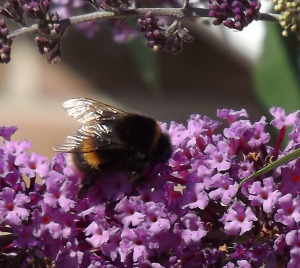
The first of a series of debates on Scottish independence from the UK took place yesterday, the vote for independence takes place next month. The campaign for Scottish independence is part of a larger paradigm shift away from globalism to localism around the world. Cornwall, Wales, Mercia, Yorkshire and Wessex are all campaigning for independence in the UK. Even in my town of Colchester we want to take back control of highways from external authorities.
The European elections this year resulted in a surge in anti-EU nationalistic parties doing well. UKIP which wants the UK to leave the EU was the clear winner in the UK in the European elections. The UN is increasingly seen as ineffective in the face of international crisis, often used by a few powerful nations, and ignored by practically everyone. Israel recently expressed the contempt nations now have for the UN by bombing UN schools in Gaza.
The USSR has broken up into small nations, as has Yugoslavia. Sudan split into two and Georgia into three nations. There is talk of California in the USA breaking into six states, and a growing but still small movements for other states breaking away from the Union altogether. The fighting in East Ukraine is as much about local Russians wanting to determine their own future as the international games of chess between the superpowers.
Flanders is seeking to break from Belgium; Catalonia and the Basque Country want to break from Spain; the city of Venice wants to break from Italy; Quebec is looking to break from Canada; Kurdistan and many other Peoples are seeking to form their own nation states out of the chaos of Iraq, Syria and Libya.
New forms of local currency such as the Totnes pound and electronic currencies such as Bitcoin challenge the bankers. Until recently my local council Essex Council was talking about creating its own bank for local people. Corporates such as Starbucks are considering creating their own currencies, in effect becoming their own banks. Multiple non-banking payment systems such as PayPal are now part of internet commerce. In the face of sanctions Russia has created their own version of VISA for citizens to pay their bills.
The internet has helped to break up the power of information monopolies where the citizen blogger is as effective as a journalist in the New York Times. The internet places greater power in the hands of the individual on the local level.
Water, energy, food and debt are the four great forces now driving the world politically, economically and socially. The many chasing a diminishing amount of resources drives people to fight or conserve their resources. Huge growing public and private debt is destroying nation states, driving the momentum to think local rather than global. The Greek economic crisis drove local people back to the land, to become self-sufficient, and create systems of trade outside of the global financial system.
I support localism, and I designed my business with localism in mind. The growing international crisis will force people to become local, sustainable and self-reliant. As the money runs out nations, communities and individuals will quickly learn that it is down to themselves to live or die.
ooOOoo
Couldn’t agree more.
One blink of the eye and we’re gone.
Or that’s how it struck me!
Just to put this into context, if you watched the George Monbiot speech that was the highlight of my post last Tuesday, The Goon Show, you might well have been forgiven for wondering if these are starting to feel like the end-times for species homo sapiens.
Almost perfectly on cue, on Monday, John Hurlburt down in Payson, AZ., sent me the following. It does make one think!
Time Required for the Earth to Heal if the Human Race Disappeared Today
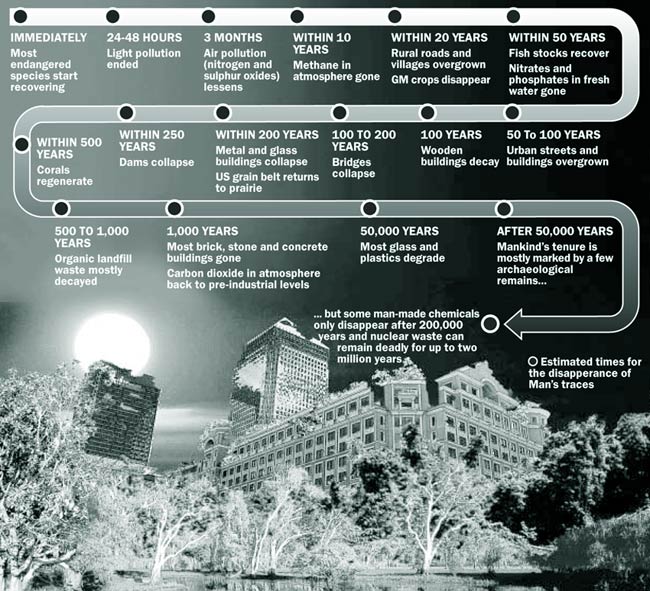
(While John over the telephone read out the URL that was the source of this ‘chart’, I was unable to link to it. Thus apologies for not recognising the author.)
Then if you are up for more of the same theme, here’s a film that will ‘entertain’ you.
Published on Sep 2, 2012
What will happen when humans disappear from the face of the Earth? This movie will certain make you think about the impact we have made on this beautiful planet. But when humans are gone… Earth does continue.Imagine if one minute from now, every single person on Earth disappeared. All 6.6 billion of us. What would happen to the world without humans?
How long would it be before our nuclear power plants erupted, skyscrapers crumbled and satellites dropped from the sky?
What would become of the household pets and farm animals? And could an ecosystem plagued with years of pollution ever recover?Similar to the History Channel’s special Life After People (recommended), Aftermath features what scientists and others speculate the earth, animal life, and plant life might be like if humanity no longer existed, as well as the effect that humanity’s disappearance would have on the artefacts of civilisation.
FAIR USE NOTICE: The material on this channel is provided solely for educational and informational purposes. It may contain copyrighted material, the use of which has not been specifically authorized by the copyright owner. Infringement of copyright is not intended. The material is made available to help educate people about health related issues. It is believed that this constitutes a ‘FAIR USE’ of any such copyrighted material as provided for in Title 17, section 107 of the US Copyright Law. The material is distributed without profit to those who would like to use such material for research and educational purposes.
Sleep well tonight!
Delighted to introduce a guest picture parade for this week.
As you are aware, a great aspect of this world of blogging are the connections we make. Thus it was that as a result of Kristin signing up to follow Learning from Dogs I was made aware that she is the author of an Australian blog Fluidicthought and describes herself:
I became interested in Photography whilst creating a business site blog for Point Plaza Apartments.
I simply enjoy capturing a scene that moves me.
Photographs capture that moment in time. Here we have pieces of time that I have captured and can share with others.
Copyright – Please ask permission before
reproducing my photography.
You are most welcome to use
information posted here. I
appreciate the link back or
acknowledgement.
© Kristin Jones
Her photographs were delightful and Kristin readily agreed for me to use them for today’s picture parade. A picture parade with a story.
ooOOoo
WOODY POINT is a suburb on the western side of the Redcliffe Peninsula.
The first recorded English explorer to set foot on the Peninsula was Lt. Matthew Flinders, who landed near Woody Point on the 17th July 1799 while exploring Moreton Bay.
On 14th September 1824 the brig ‘Amity‘ brought a party of officials, soldiers, their wives and children, and 29 convicts. They landed on the beach near the mouth of Humpybong Creek to form a convict settlement.
Much of the peninsula was subdivided into farm lots in the early 1870s. The construction of the peninsula’s first significant jetty at Woody Point (1882) brought about some development. Visitors and holiday-makers came via a weekly ferry.

The post office directory of 1901 recorded the Great Western Hotel (1883), three boarding houses, a school, a butcher and a store at Woody Point. In 1925 there were also the Belvedere and Woody Point Hotels.
The Hornibrook Bridge was opened by Queensland Premier Arthur Edward Moore on 14 October 1935, connecting the Redcliffe district at Clontarf and Brisbane City at Brighton. The bridge had a length of 2.684 kilometres. The toll for cars was one shilling per vehicle.
The Hornibrook Bridge was one of three bridges that crossed Bramble Bay. The second is the Houghton Highway, which was built to accommodate rising traffic levels in the 1970s. The third is the Ted Smout Memorial Bridge, which opened to traffic in July 2010.
The Ted Smout Memorial Bridge and its twin, the Houghton Highway, were Australia’s longest bridges, (as of 27 March 2013.) It is the first bridge in Australia designed to withstand Hurricane Katrina-type storm events. Ted Smout was born in 1898, joining the Royal Australian Army Medical Corps aged 17 (lied about his age to get in). He was awarded France’s highest honour, being made a Chevalier (Knight) of the Legion d’Honneur in 1998 and also received the Medal of the Order of Australia for service to the community. He died 106 years old.
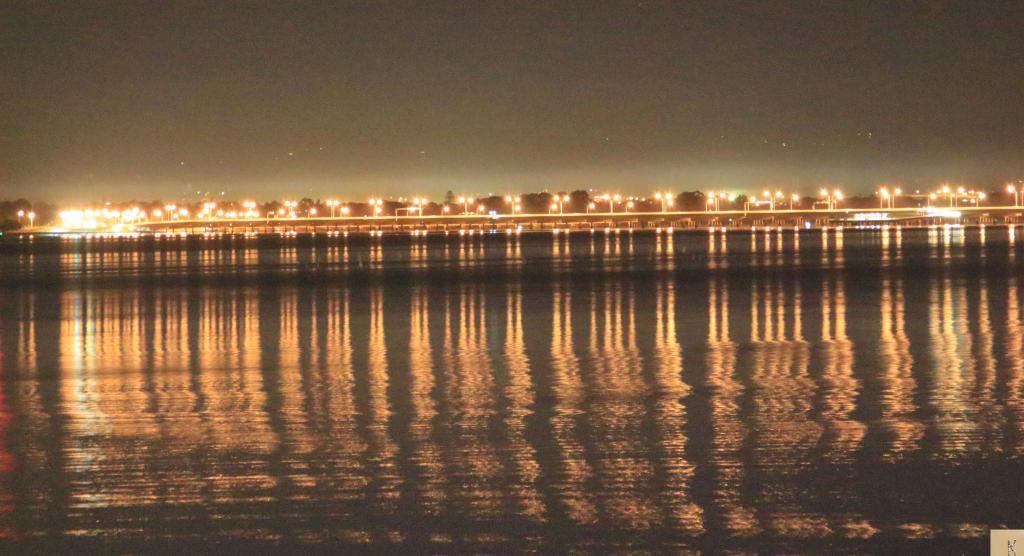
Woody Point’s Apex Park & Bicentennial Park were constructed by reclaiming land along the foreshore in the 1970s. A $9.5 million Woody Point Jetty and foreshore upgrade was completed in January 2009.

Woody Point’s current renovations include the construction of high-rise apartment buildings overlooking Bramble Bay, Moreton Bay, The Port of Brisbane and the Ted Smout Highway.
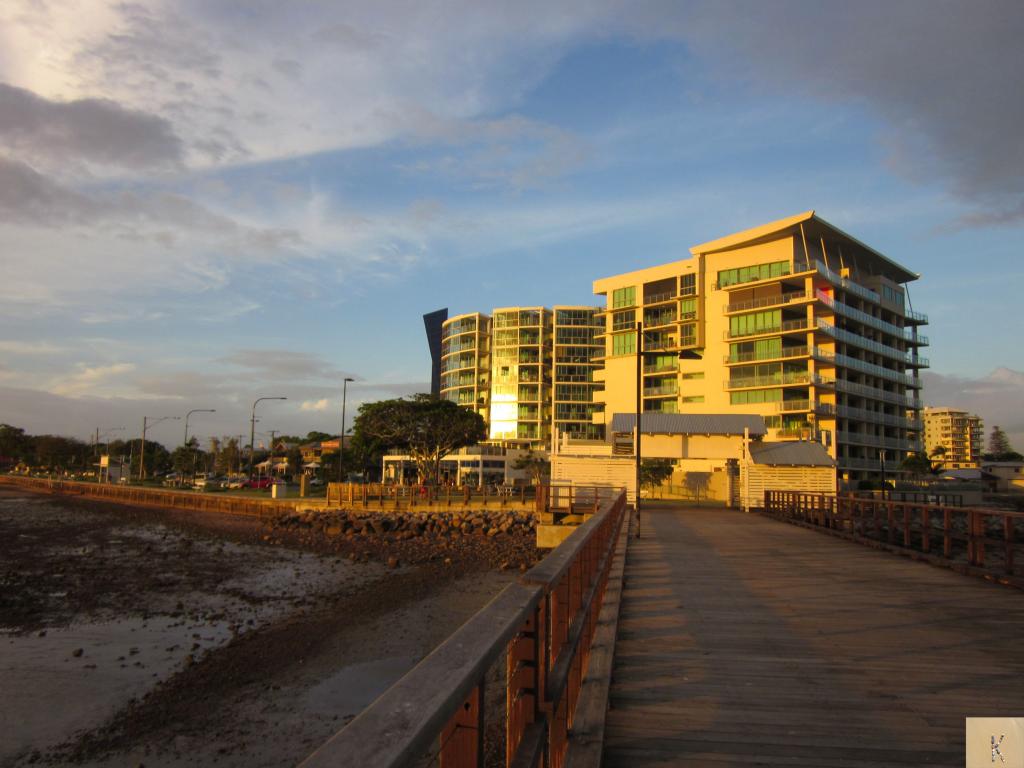
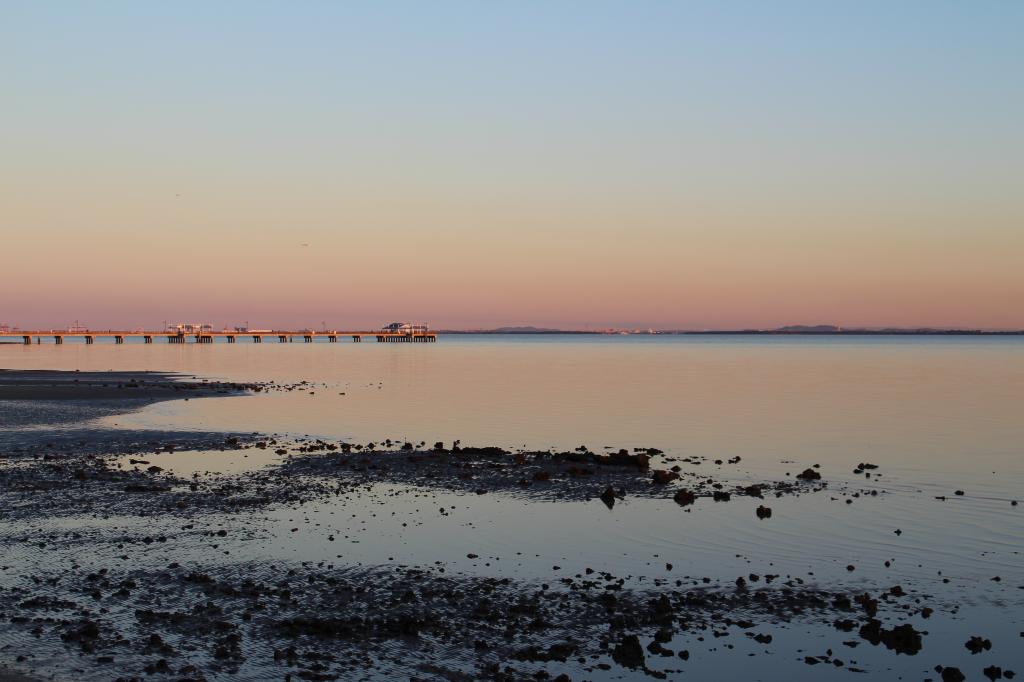

(Reference – Redcliffe Historical Society, Wikipedia and Queensland Places website)
Author – Kristin Jones
ooOOoo
Hope you all enjoyed Kristin’s guest Picture Parade as I did.
Another guest post from her in a couple of week’s time.
A part of me really can’t believe it!
Yes, on the 15th July, 2009, I published my first post! Five years ago today! That first post was called Parenting lessons from dogs; a shortish post that I republish now.
Much too late to make me realise the inadequacies of my own parenting skills, I learnt an important lesson when training my GSD (who is called Pharaoh, by the way). That is that putting more emphasis into praise and reward for getting it right ‘trains’ the dog much quicker than telling it off. The classic example is scolding a dog for running off when it should be lots of hugs and praise for returning home. The scolding simply teaches the dog that returning home isn’t pleasant whereas praise reinforces that home is the place to be. Like so many things in life, very obvious once understood!
Absolutely certain that it works with youngsters just the same way.
Despite being a very dominant dog, Pharaoh showed his teaching ability when working with other dogs. In the UK there is an amazing woman, Angela Stockdale, who has proved that dogs (and horses) learn most effectively when being taught by other dogs (and horses). Pharaoh was revealed to be a Beta Dog, (i.e. second in status below the Alpha Dog) and, therefore, was able to use his natural pack instinct to teach puppy dogs their social skills and to break up squabbles within a pack.
When you think about it, don’t kids learn much more (often to our chagrin!) from other kids than they do from their parents. Still focusing on giving more praise than punishment seems like a much more effective strategy.
As was read somewhere, Catch them in the act of doing Right!
According to my stats page, Learning from Dogs has accumulated 1,000,624 viewings, with a ‘best-ever’ of 3,980 for Trust me, I’m an engineer, courtesy of Bob Derham in March, 2013. A total of 2,125 posts have been published. Plus, it has been a wonderful journey for yours truly with ever so many great connections made across the world of blogging over these last five years. As evidenced by the rest of today’s post.
Regular readers will have seen comments from Alex Jones. He is a Brit living in Colchester, Essex in England and is the author of the blog The Liberated Way. He and I follow each other’s blogs.
Recently, Alex posted under the title of Relating business to planet earth and these are Alex’s last two paragraphs.
I discover my values and personal insights from how I react to what I see and experience in the world around me. I reacted in anger at the greed and vanity of money investors in business ideas in the US reality television series Shark Tank on YouTube. I reacted in dismay at the wasteful stupidity portrayed in a video on consumerism: people queuing for a week to get hold of the latest iPhone, whose only enhancement from the last was its colour; IKEA marketing telling consumers to throw out perfectly good possessions; Apple designing a new type of screw on its smartphones in order to prevent people repairing damaged phones, thus encouraging waste; the extensive scams brands go to called obsolescence to make objects the consumer buys break quickly increasing waste and needless replacement. The contempt the modern economic paradigm has to this planet is at odds with our human ancestors, and at odds with my worldview.
I am part of a new business paradigm, where I can compete against rivals on equal terms with innovation and clever strategies, but where I care for the planet earth in the same manner as I cared for the grasshopper this morning and my oak saplings. In thinking on these matters in the garden this morning, my garden fox Amber appeared, yawned, then went to sleep in the sun.
Two days ago, another blogger signed up to follow this place. He writes under the name of Cully and his blog is Ahaa. As I always do, I went across to take a look at Cully’s blog, liked what I saw, especially this ‘header’ post on Gaia. Very promptly I was given permission to republish that post here.
ooOOoo
We are saturated with information and we are used to clipping and selecting segments of what news is thrown our way every day. We can process very little of it for use later on and it is well known that we only see ‘pertinent’ information as information that already supports our existing belief system. This narrow mindset is one of the main reasons why things don’t change. It is why we are happy to listen to shallow news, we simply don’t have time to do anything else. In this we kid ourselves we really don’t need to know which celebrity is dealing with addiction or changing partners.
On this page we hope to introduce a topic that will inspire you to contemplate, even meditate on its importance.
Gaia is more widely accepted now than when it was first introduced, and you’re not being asked to believe it wholesale and certainly not see it as a part of the New Age or hippy movement. Hopefully though whatever you think about our planet you will find it to be a useful platform to consider AND TAKE ACTION on the health of the environment that we are leaving our children.
It is easy …as with all the other scares that we hear about every day to think that we are too small, or that it is a governmental or corporate problem, so why spend any time considering it.
Whatever your particular mindset, Gaia related activities will become increasingly connected and important to leaving a beautiful world behind us. The study of planetary habitability is partly based upon extrapolation from knowledge of the Earth’s conditions, as the Earth is the only planet currently known to harbour life
The Gaia hypothesis, also known as Gaia theory or Gaia principle, proposes that organisms interact with their inorganic surroundings on Earth to form a self-regulating, complex system that contributes to maintaining the conditions for life on the planet. Topics of interest include how the biosphere and the evolution of life forms affect the stability of global temperature, ocean salinity, oxygen in the atmosphere and other environmental variables that affect the habitability of Earth.
The hypothesis, which is named after the Greek goddess Gaia, was formulated by the scientist James Lovelock and co-developed by the microbiologist Lynn Margulis in the 1970s. While early versions of the hypothesis were criticized for being teleological and contradicting principles of natural selection, later refinements have resulted in ideas highlighted by the Gaia Hypothesis being used in subjects such as geophysiology, Earth system science, biogeochemistry, systems ecology, and climate science. In 2006, the Geological Society of London awarded Lovelock the Wollaston Medal largely for his work on the Gaia theory.
It will take an enormous amount of time to create a menu that covers everything related to Gaia, please be patient or if the time help out in any small way that you can 🙂
respect
[If you haven’t watched this BBC programme about James Lovelock and his history of scientific understanding about how our planet works then settle down and watch it. I assure you that you will be entranced. PH]
ooOOoo
What can I say!
Other than to be extremely grateful for the opportunity to ramble on and make so many good friends, WordPress style, over these last five years.
Thank you.
Can’t believe how quickly a year flows by!
Yes, fifty-two Sundays ago, I had the idea of posting a set of photographs. That first set was published on the 30th June, 2013 and just for fun I’m going to repost them.
Plus, I can’t resist adding a photograph that Chris Snuggs sent me.
oooo
Sit back and be amazed!
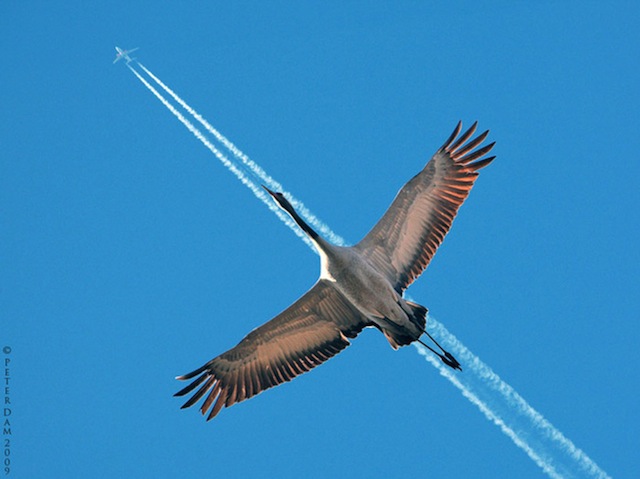
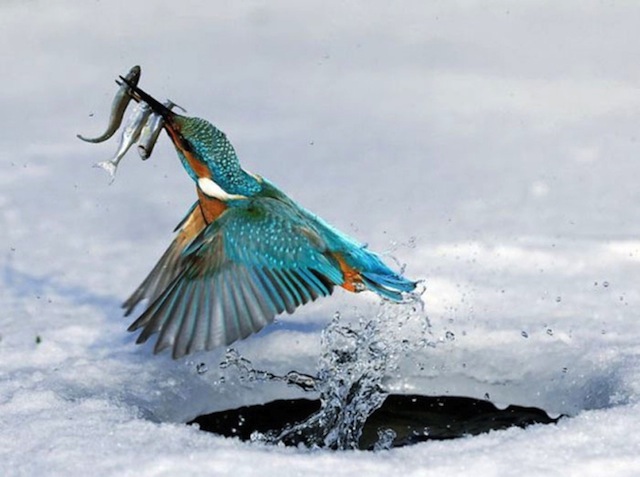
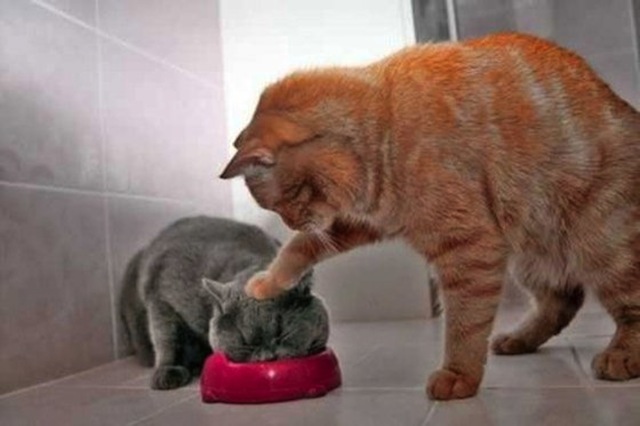
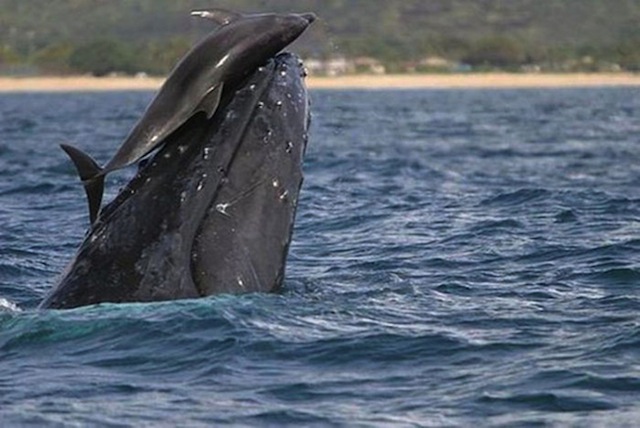
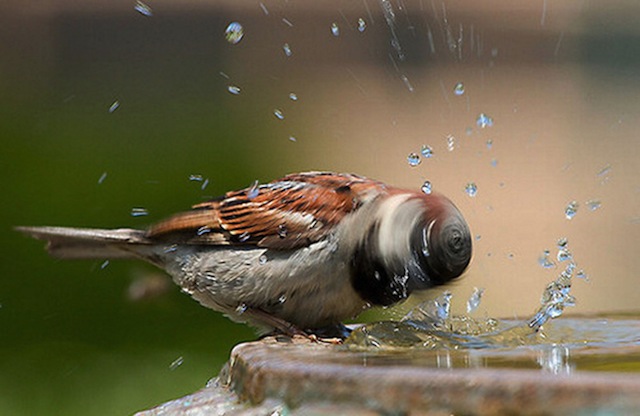
A friend from Payson, Arizona, Lew Levenson, recently sent across a set of 38 astounding photographs, all on the theme of perfectly timed shots.
They are so fabulous that I have decided that for today and the following four Sundays I will post a selection.
So today, the first set of 8 photographs. Trust me you will love them, so a big thank you to Lew. Do say which are your best ones!

oooo

oooo
oooo
oooo
oooo

oooo
oooo
oooo
To close here is that picture courtesy of Chris Snuggs.

By the way, if you would like see again the rest of Lew’s photographs just leave a comment to that effect.
You all have a great week.
 Learning from Dogs