Enough of the world of spying and whistleblowing and back to stuff that is really important!
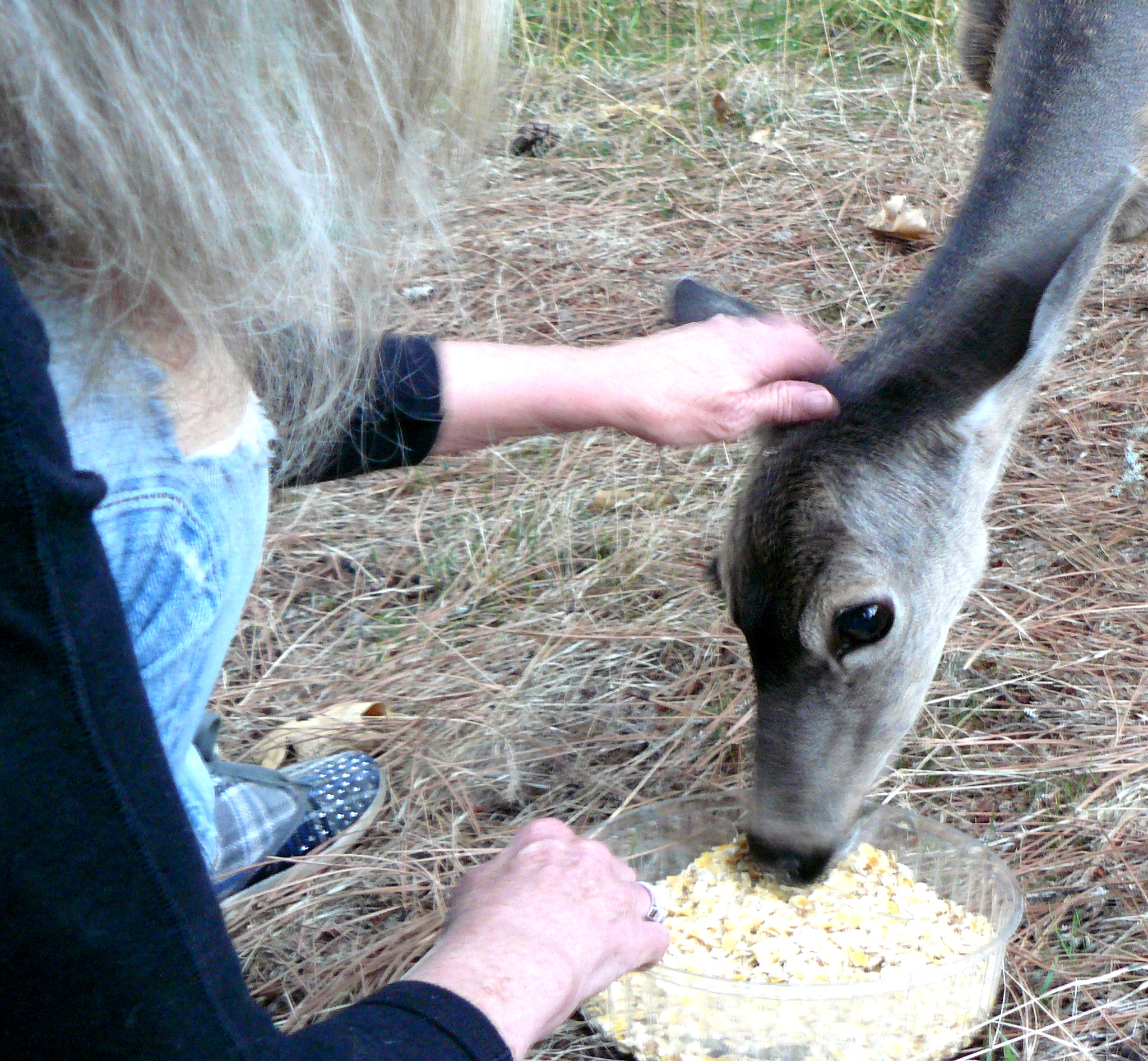
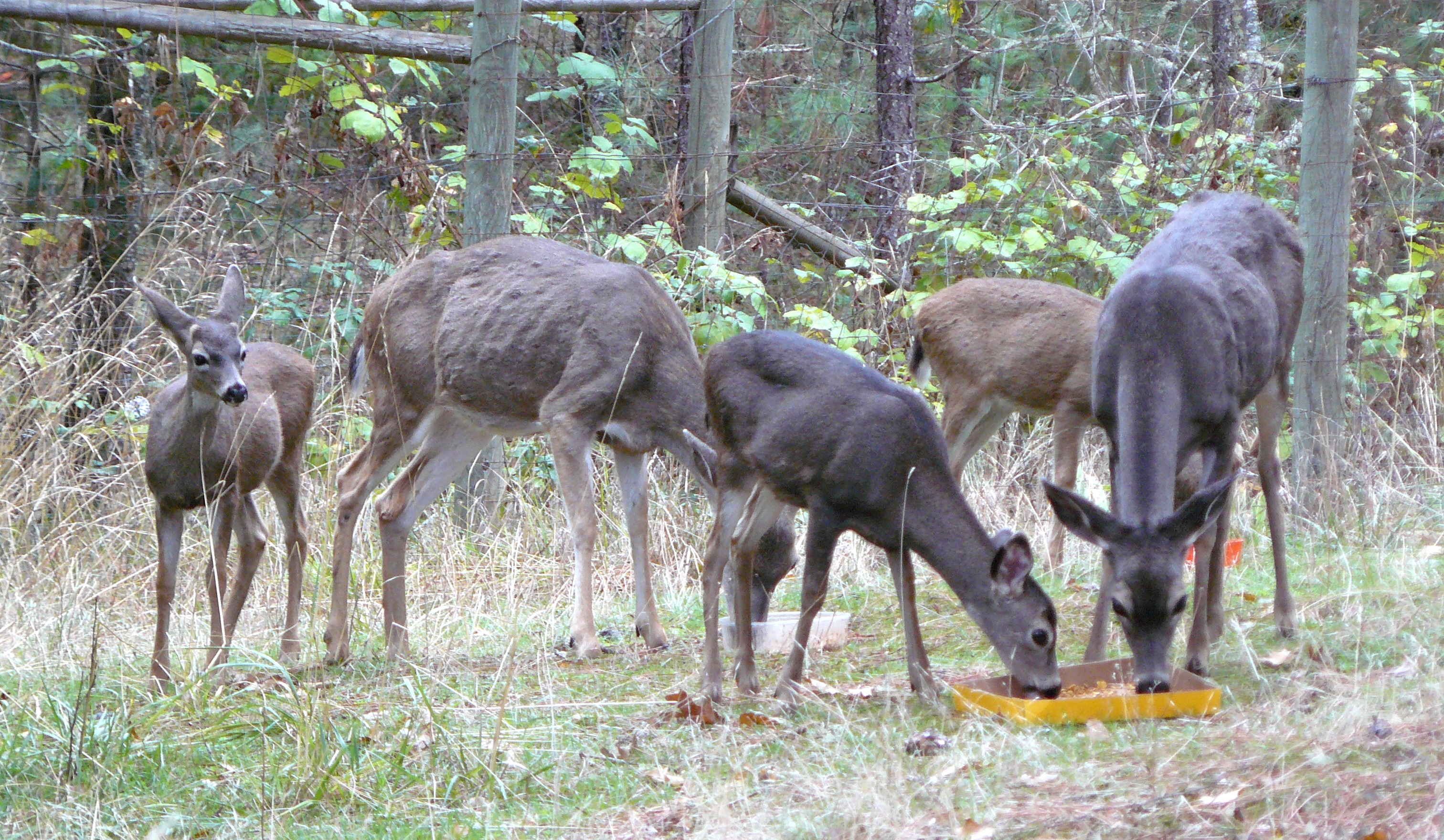
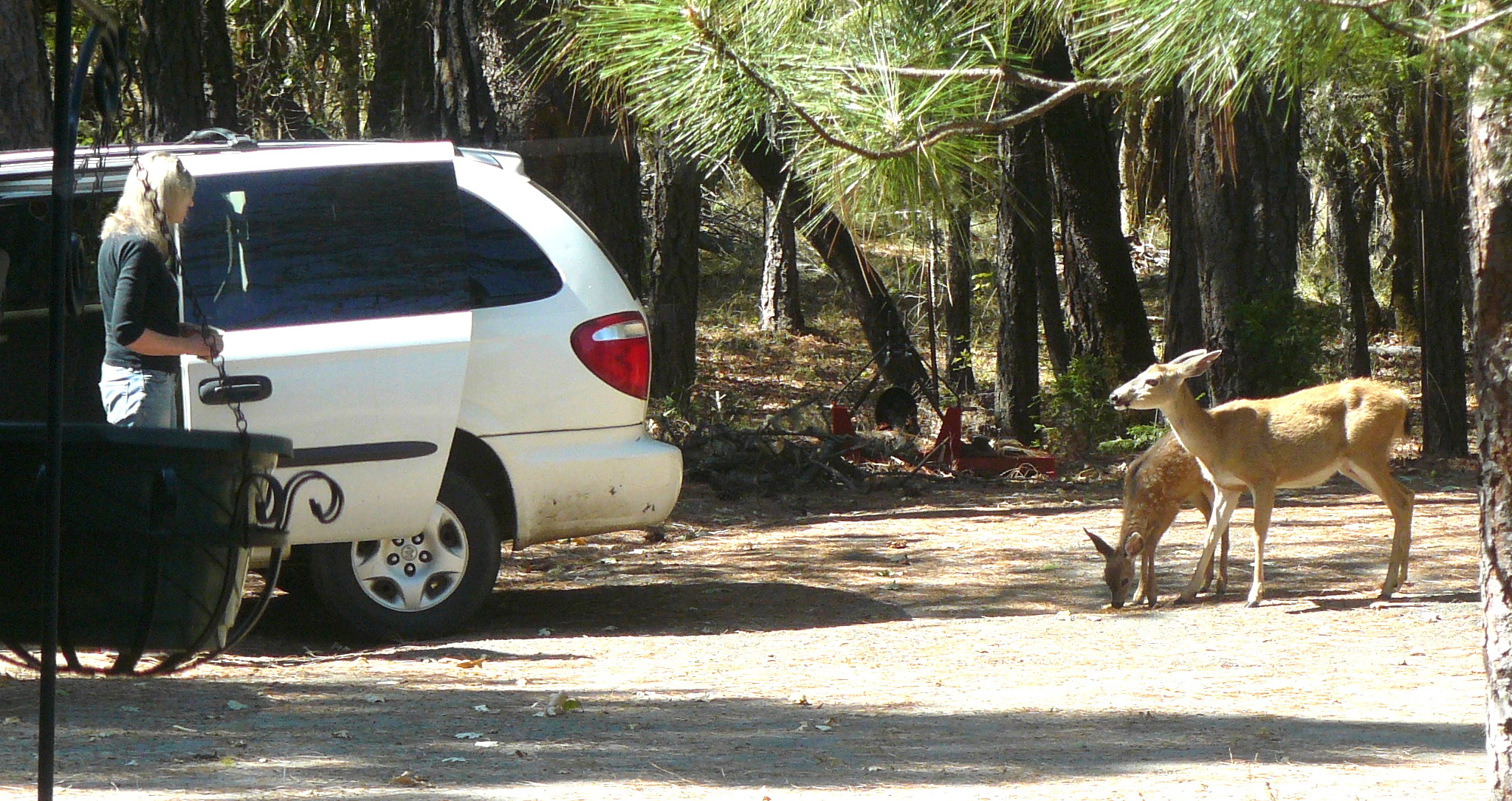
Many will recall that on the 10th October, under the heading of Utterly beyond words!, I wrote about a deer befriending us to the point that Jean was able to stroke its neck as it was feeding. The post included this photograph.
Then, unbelievably, the wild deer continues feeding as Jean fondles the deer’s ear.
Inevitably, being the softies that we are, we have continued to put out feed, in the form of cob or cracked corn, most days.
The word among the local deer population clearly has been passed around!
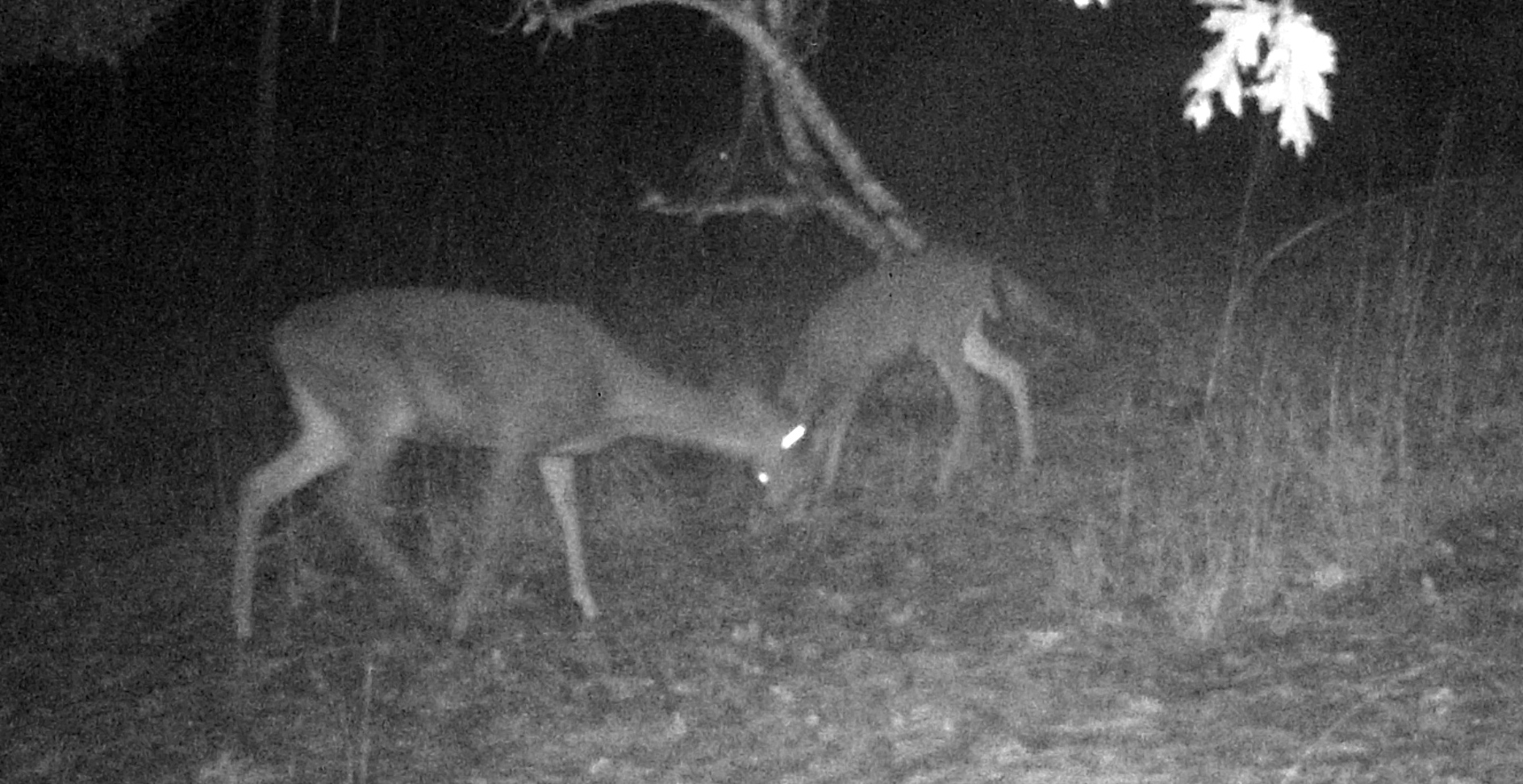
For here’s a photograph taken automatically on the night of the 19th October.
Time of the shot was a little before 5am.
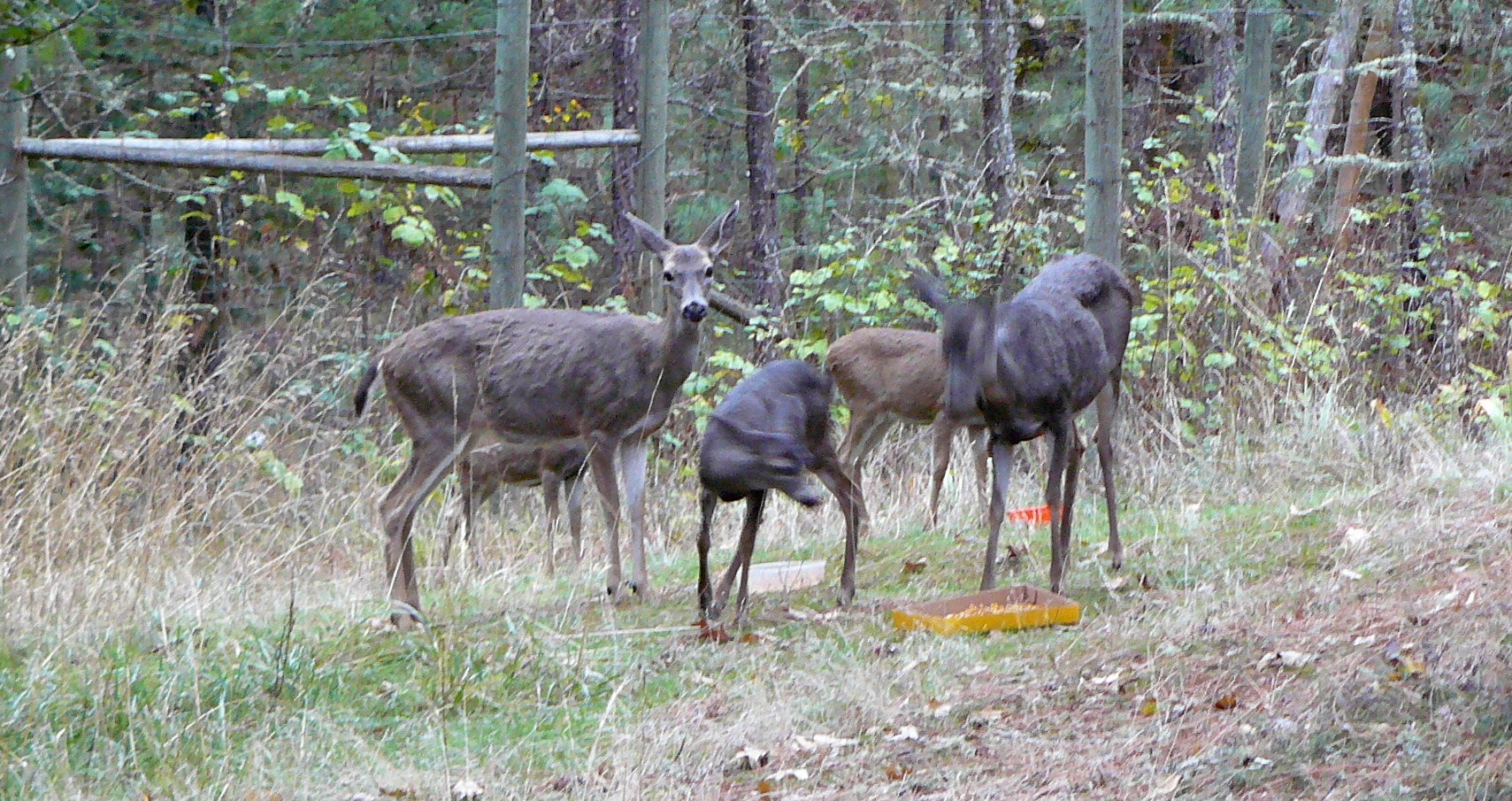
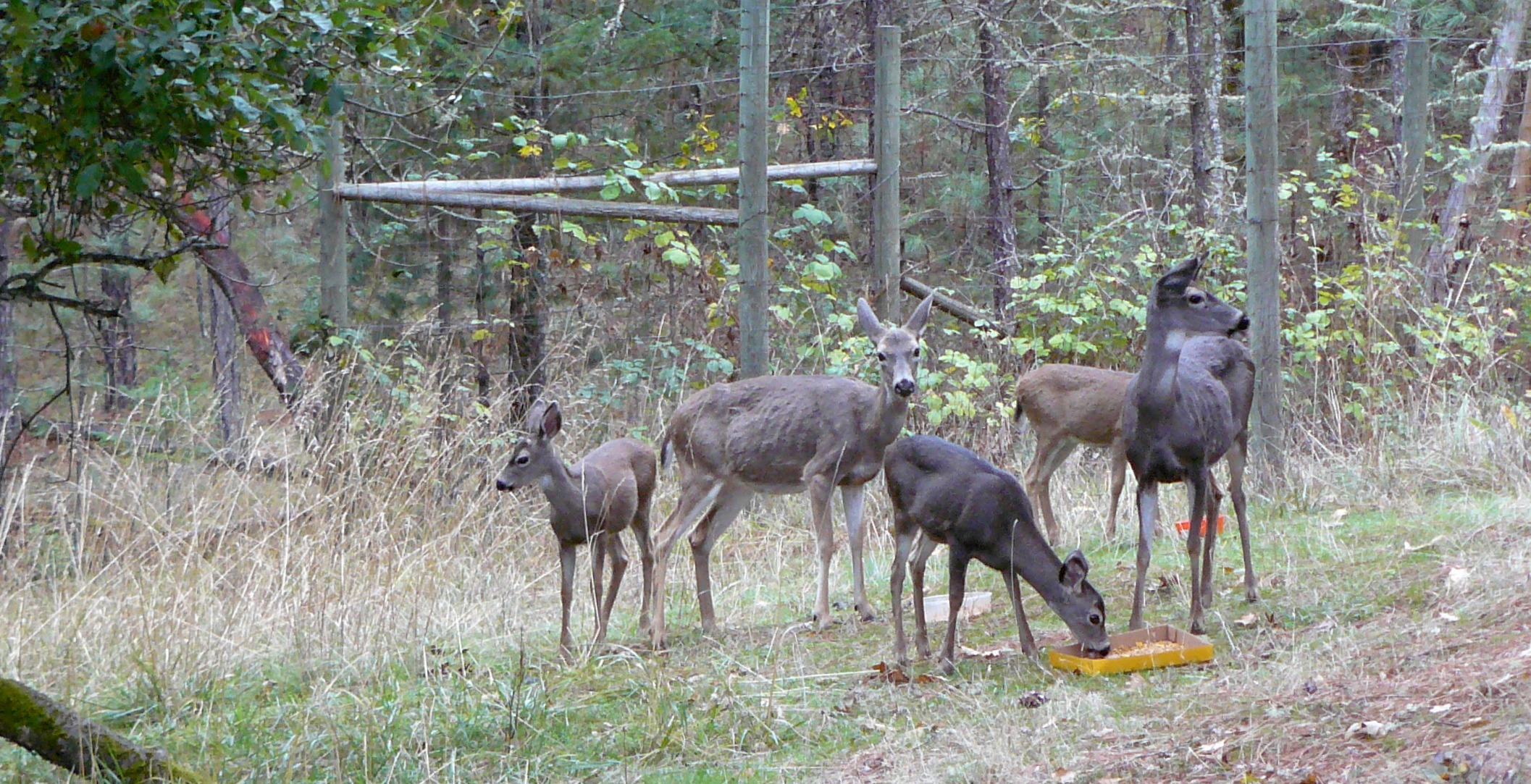
Then on the 22nd, just three days ago, these photographs were taken shortly after 10am.
More food and it isn’t even supper time!
oooo
Come on ladies, eat up! You never know when a dog will charge around the corner!
oooo
That’s more like it!
One fear that Jean and I had was that they would become vulnerable to an attack by our dogs. But the deer have quickly wised up to when dogs are being let out of the front or kitchen doors and are off like darts into the forest just a few yards away.
Last Friday I offered a post under the title of The power of stillness. It was founded on a recent essay seen in the newsletter called Just One Thing published, freely, by Dr. Rick Hanson. Here’s the closing paragraph of that essay:
Wherever you find it, enjoy stillness and let it feed you. It’s a relief from the noise and bustle, a source of clarity and peace. Give yourself the space, the permission, to be still – at least in your mind – amidst those who are busy. To use a traditional saying:
May that which is still be that in which your mind delights.
There’s a very strong correlation between finding that stillness within and having the self-awareness and peace that comes from knowing who one is. Seems such an easy ‘walk in the park’ to know ourselves but most times it is far from that. Many are the ways that we hide who we really are! 😉
However the rewards are everything. Knowing and liking oneself offers the richest scenery of any journey.
All of which constitutes my way of introducing a truly wonderful poem from Sue Dreamwalker, a great friend of this blog.
ooOOoo
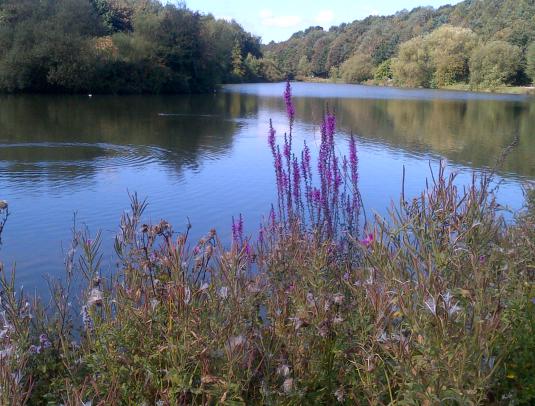
Vicar’s Water. A Sanctuary for wild life.
Journey Within..
Come with me on a journey it starts inside my head
Create a place to dwell from all the Fear and dread
Close your eyes and behind them create a perfect vision
Build a garden full of beauty get ready for your transition
~
Sit upon the grass as sky lark sings above
Hold out your hand to feed the many cooing Doves
See the babbling stream as the young fawn drinks her fill
And listen to the Woodpecker’s distant woodland drill
~
Watch the tiny fishes as the light glistens from their scales
You’re now adrift in the ocean, as you watch the Humpback Whales
You listen to their song a lament as old as time
Each breath takes you deeper as your Spirit begins to climb
~
Now you are on a mountain its top all crisp and white
You fly among the Eagles suspended in effortless flight
Thermals take you higher as you travel within its ring
Higher yet you travel, more peace to feel and bring
~
Through the clouds you break into outer-space you speed
Looking back at a Blue Planet which provided all your needs
Weightless and suspended no longer feeling Form
You fly around the heavens exploring each star born.
~
Filled up now with knowledge no mortal Words could speak
You return back to your garden upon your grassy seat
A new sense of Peace surrounds you as you open up your eyes
You can return in an instant, just open up your mind.
We can travel anywhere we wish when we just close our eyes and allow our mind to relax in a meditation.. Breathe deep and create your perfect space…. The above poem I wrote last week as I recollected part of a meditation.. The view I have included is one taken on a regular walk we often take..Have a fabulous week.
Thank you for Reading
Sue
ooOOoo
What can one say? All that comes to mind is stay on your own journey and never stop enjoying the views.
Like many who read yesterday’s post about this possibly being an age of loneliness I was struck by a terrible sense of sadness in George Monbiot’s words. Take these sentences:
Three months ago we read that loneliness has become an epidemic among young adults. Now we learn that it is just as great an affliction of older people. A study by Independent Age shows that severe loneliness in England blights the lives of 700,000 men and 1.1m women over 50, and is rising with astonishing speed.
Ebola is unlikely ever to kill as many people as this disease strikes down. Social isolation is as potent a cause of early death as smoking 15 cigarettes a day; loneliness, research suggests, is twice as deadly as obesity. Dementia, high blood pressure, alcoholism and accidents – all these, like depression, paranoia, anxiety and suicide, become more prevalent when connections are cut. We cannot cope alone.
It’s my proposition that not being able to cope with being alone derives from being unable to be fully at peace with oneself.
Yet, as dogs remind us so incredibly well, the ability to be on one’s own, to allow the brain to quieten down, to meditate in other words, is essential to our mental well-being. It is an essential part of the journey to find and like oneself. (I hasten to add that I write this without the benefit of any relevant professional knowledge!)
I am a neuropsychologist and have written and taught about the essential inner skills of personal well-being, psychological growth, and contemplative practice – as well as about relationships, family life, and raising children.Probably like you, there’s been a lot of to-ing and fro-ing in my life these days. Change can be interesting, exciting, and fun – but after awhile you start to long for something quieter, more stable.
A couple of weeks ago, the Just One Thing newsletter was all about stillness. It is republished below.
ooOOoo
Just One Thing (JOT) is the free newsletter that suggests a simple practice each week for more joy, more fulfilling relationships, and more peace of mind.
A small thing repeated routinely adds up over time to produce big results.
Things keep changing. The clock ticks, the day unfolds, trees grow, leaves turn brown, hair turns gray, children grow up and leave home, attention skitters from this to that, the cookie is delicious but then it’s all gone, you’re mad about something for awhile and then get over it, consciousness streams on and on and on.
Many changes are certainly good. Most people are glad to put middle school behind them. I’m still happy about shifting thirty years ago from single to married. Painkillers, flush toilets, and the internet seem like pretty good ideas. It’s lovely to watch grass waving in the wind or a river passing. Fundamentally, if there were no change, nothing could happen, reality would be frozen forever. I once asked my friend Tom what he thought God was and he said “possibility.”
On the other hand, many changes are uncomfortable, even awful. The body gets creaky, and worse. We lose those we love and eventually lose life itself. Families drift apart, companies fail, dictators tighten their grip, nations go to war. The planet warms at human hands, as each day we pour nearly a billion tons of carbon into the atmosphere. Countless species go extinct. As William Yeats wrote: “Things fall apart; the centre cannot hold.”
And change itself is often – maybe innately – stressful. When you really open to the fact always in front of our noses that each moment of now decays and disappears in the instant it arises – it can feel rather alarming. Life and time sweep us along. As soon as something pleasant occurs in the mind’s flow we reach for it but whoosh it passes away right through our fingers leaving disappointment behind. Inherently, anything that changes is not a reliable basis for enduring contentment and fulfillment.
Yet it is also true that some things remain always the same. In their stillness you can find a refuge, an island in the stream of changes, a place to stand for perspective and wisdom about events and your reactions to them, a respite from the race, quiet amidst the noise. Perhaps even find a sense of something transcendental, outside the frame of passing phenomena.
How?
Stillness, a sense of the unchanging, is all around, and at different levels. Look for it, explore its effects on you, and let it sink in.
For example, it’s not the ultimate stillness, but there is that lovely feeling when the house is quiet and you’re sitting in peace, the dishes are done and the kids are fine (or the equivalent), and you can really let down and let go. In your character, you have enduring strengths and virtues and values; situations change, but your good intentions persist. In relationships, love abides – even for people who drive you crazy!
More subtly, there is the moment at the very top of a tossed ball’s trajectory when it’s neither rising nor falling, the pause before the first stroke of the brush, that space between exhalation and inhalation, the silence in which sounds occur, or the discernible gap between thoughts when your mind is quiet.
In your mind there is always an underlying calm and well-being that contains emotional reactions, like a riverbed that is still even as the flood rushes over it (if you’re not aware of this, truly, with practice you can find and stabilize a sense of it). There is also the unchanging field of awareness, itself never altered by the thoughts passing through it.
More abstractly, 2+2=4 forever; the area of a circle will always be pi times the radius squared; etc. The fact that something has occurred will never change. The people who have loved you will always have loved you; they will always have found you lovable. Whatever is fundamentally true – including, ironically, the truth of impermanence – has an unchanging stillness at its heart. Things change, but the nature of things – emergent, interdependent, transient – does not.
Moving toward ultimate matters, and where language fails, you may have a sense of something unchangingly transcendental, divine. Or, perhaps related, an intuition of that which is unconditioned always just prior to the emergence of conditioned phenomena.
Wherever you find it, enjoy stillness and let it feed you. It’s a relief from the noise and bustle, a source of clarity and peace. Give yourself the space, the permission, to be still – at least in your mind – amidst those who are busy. To use a traditional saying:
May that which is still be that in which your mind delights.
Much as I respect Mr. Monbiot’s views, I hope he is wrong in this respect.
I have long admired the writings of George Monbiot and, as often as not, have republished his essays in this place.
But an essay by George that was published in the UK Guardian newspaper yesterday portrays a frightening picture of modern-day Britain. It was called Falling Apart and is republished, with George’s permission, today.
I want to offer a personal response to the essay, that immediately follows George’s piece.
ooOOoo
Falling Apart
October 14, 2014
Competition and individualism are forcing us into a devastating Age of Loneliness
By George Monbiot, published in the Guardian 15th October 2014
What do we call this time? It’s not the information age: the collapse of popular education movements left a void now filled by marketing and conspiracy theories(1). Like the stone age, iron age and space age, the digital age says plenty about our artefacts but little about society. The anthropocene, in which humans exert a major impact on the biosphere, fails to distinguish this century from the previous twenty. What clear social change marks out our time from those that precede it? To me it’s obvious. This is the Age of Loneliness.
When Thomas Hobbes claimed that in the state of nature, before authority arose to keep us in check, we were engaged in a war “of every man against every man”(2), he could not have been more wrong. We were social creatures from the start, mammalian bees, who depended entirely on each other. The hominims of East Africa could not have survived one night alone. We are shaped, to a greater extent than almost any other species, by contact with others. The age we are entering, in which we exist apart, is unlike any that has gone before.
Three months ago we read that loneliness has become an epidemic among young adults(3). Now we learn that it is just as great an affliction of older people. A study by Independent Age shows that severe loneliness in England blights the lives of 700,000 men and 1.1m women over 50(4), and is rising with astonishing speed.
Ebola is unlikely ever to kill as many people as this disease strikes down. Social isolation is as potent a cause of early death as smoking 15 cigarettes a day(5); loneliness, research suggests, is twice as deadly as obesity(6). Dementia, high blood pressure, alcoholism and accidents – all these, like depression, paranoia, anxiety and suicide, become more prevalent when connections are cut(7,8). We cannot cope alone.
Yes, factories have closed, people travel by car instead of buses, use YouTube rather than the cinema. But these shifts alone fail to explain the speed of our social collapse. These structural changes have been accompanied by a life-denying ideology, which enforces and celebrates our social isolation. The war of every man against every man – competition and individualism in other words – is the religion of our time, justified by a mythology of lone rangers, sole traders, self-starters, self-made men and women, going it alone. For the most social of creatures, who cannot prosper without love, there is now no such thing as society, only heroic individualism. What counts is to win. The rest is collateral damage.
British children no longer aspire to be train drivers or nurses, more than a fifth now say they “just want to be rich”: wealth and fame are the sole ambitions of 40% of those surveyed(9). A government study in June revealed that Britain is the loneliness capital of Europe(10). We are less likely than other Europeans to have close friends or to know our neighbours. Who can be surprised, when everywhere we are urged to fight like stray dogs over a dustbin?
We have changed our language to reflect this shift. Our most cutting insult is loser. We no longer talk about people. Now we call them individuals. So pervasive has this alienating, atomising term become that even the charities fighting loneliness use it to describe the bipedal entities formerly known as human beings(11). We can scarcely complete a sentence without getting personal. Personally speaking (to distinguish myself from a ventriloquist’s dummy), I prefer personal friends to the impersonal variety and personal belongings to the kind that don’t belong to me. Though that’s just my personal preference, otherwise known as my preference.
One of the tragic outcomes of loneliness is that people turn to their televisions for consolation: two-fifths of older people now report that the one-eyed god is their principal company(12). This self-medication enhances the disease. Research by economists at the University of Milan suggests that television helps to drive competitive aspiration(13). It strongly reinforces the income-happiness paradox: the fact that, as national incomes rise, happiness does not rise with them.
Aspiration, which increases with income, ensures that the point of arrival, of sustained satisfaction, retreats before us. The researchers found that those who watch a lot of television derive less satisfaction from a given level of income than those who watch only a little. Television speeds up the hedonic treadmill, forcing us to strive even harder to sustain the same level of satisfaction. You have only to think of the wall-to-wall auctions on daytime TV, Dragon’s Den, the Apprentice and the myriad forms of career-making competition the medium celebrates, the generalised obsession with fame and wealth, the pervasive sense, in watching it, that life is somewhere other than where you are, to see why this might be.
So what’s the point? What do we gain from this war of all against all? Competition drives growth, but growth no longer makes us wealthier. Figures published this week show that while the income of company directors has risen by more than a fifth, wages for the workforce as a whole have fallen in real terms over the past year (14). The bosses now earn – sorry, I mean take – 120 times more than the average full-time worker. (In 2000, it was 47 times). And even if competition did make us richer, it would make us no happier, as the satisfaction derived from a rise in income would be undermined by the aspirational impacts of competition.
The top 1% now own 48% of global wealth(15), but even they aren’t happy. A survey by Boston College of people with an average net worth of $78m found that they too are assailed by anxiety, dissatisfaction and loneliness(16). Many of them reported feeling financially insecure: to reach safe ground, they believed, they would need, on average, about 25% more money. (And if they got it? They’d doubtless need another 25%). One respondent said he wouldn’t get there until he had $1 billion in the bank.
For this we have ripped the natural world apart, degraded our conditions of life, surrendered our freedoms and prospects of contentment to a compulsive, atomising, joyless hedonism, in which, having consumed all else, we start to prey upon ourselves. For this we have destroyed the essence of humanity: our connectedness.
Yes, there are palliatives, clever and delightful schemes like Men in Sheds and Walking Football developed by charities for isolated older people(17). But if we are to break this cycle and come together once more, we must confront the world-eating, flesh-eating system into which we have been forced.
Hobbes’s pre-social condition was a myth. But we are now entering a post-social condition our ancestors would have believed impossible. Our lives are becoming nasty, brutish and long.
As closing sentences go, that’s about as tough as it gets.
Nevertheless, I’m going to offer a perspective, something that George doesn’t mention. That is the importance of community.
Back in 2008 BBC Timewatch screened a programme about the revelations that came from the latest archaeological dig at Stonehenge, near Amesbury in Wiltshire in England. I wrote about the programme over four years ago: Stonehenge – a place of healing.
Stonehenge is one of Britain’s most famous historical sites, deservedly so because Stonehenge was one of the most important places in ancient Europe.
Stonehenge
But evidence from a dig that was authorised in 2008 has shown that not only is Stonehenge a much older site of human habitation but that it’s purpose is altogether different to what has been assumed. It was, indeed, a healing place, possibly the most important in Europe.
Professors Tim Darvill and Geoff Wainwright are the world-renowned archaeologists who believe they have cracked the conundrum of Stonehenge’s original purpose.
If you would like to watch that Timewatch episode, and it is highly recommended, then someone has neatly uploaded it to YouTube.
The programme clearly offers evidence from the carbon-dating of seeds buried under the famous blue stones that dates this settlement to some 9,000 years BP. The detailed examination of ancient humans buried nearby indicates they came to Stonehenge with a range of diseases, many terminal in nature.
So back to George Monbiot’s essay and the element that screams out at me.
We have lost sight of the huge healing benefits that come from old-fashioned, shoulder-to-shoulder communities.
Not to mention the healing properties of a loving dog or two in one’s life!
A wonderful message from Sue of Sue Dreamwalker. Reders will recall that last Saturday, under the post title of And we’re back!, I offered a beautiful story told by the coal-mouse bird about the power of change. It included this sentence: “You see, it takes just one snowflake to make a difference.” In a very real sense, an example of that power of one snowflake was perfectly conveyed in Sue’s post a few days previously. Just read it, republished here with Sue’s blessings, and you will understand.
ooOOoo
Illusion.
What do you see in this Reality?
Do not your eyes view what is real to see?
Can you not touch the tangible fusion?
Or do we gaze into the ethers of illusion,
What trickery mocks us as we take in the lies
Binding our thoughts in roots of indoctrination
Following the herd, bleating like sheepHeld captive, half asleep.
What happened to the land of the Free?
Conform or suffer, or pay the penalty
What is your reality?
Come, let me walk you through the misty vale.
To where this illusion significantly pales
We are magnificent magicians whose thoughts cast their magic
Where all is possible, where to doubt is tragic
Seek and Find, let go of fear
Dance in joy as Light penetrates your sphere
For you have forgotten our Time’s lost spell
As into the abyss of darkness you dwell.
Open your eyes and open your hearts.
Let the Light dispel all dark
Fear nothing, hate less, and embrace ALL
Seek a new illusion before you fall.
Stop following blindly, grasp hold of Love today
Remember your tomorrows, forget your yesterdays
Reach for the memory held high up in the stars
And heal from within, let go of all your scars
Sit in the silence; begin to know who you are
As illusion drifts away revealing Ancient Stars
Your time is but a moment, live each moment well,
For soon the illusion shatters, broken like a spell.
I resurrected this poem which I published 4 years ago.. As it seems we are bombarded on all sides from the negative energies which are being put out..
Detach and spend some time in your Quiet zones of thought.. Bring in the Peace around you, and know that we are Magnificent BEings who have remarkable powers..
The Power of Thought!
What we Think we Create
We are the ones creating the chaos… So choose to create Peace.. Don’t allow yourselves to get caught up within the Fear being put out..
Know your time is but a moment, Live each moment well
For soon the Illusion shatters,
Broken like a Spell.
Enjoy your week
Blessings
Sue
ooOOoo
Whatever is going on in the world, whatever has the power to create fear in our minds, in the end it comes down to another power, the power of thought, and our choice of the behaviors that we offer the world.
That is why dogs are so important. Because they almost predominantly love sharing and living their lives in the company of humans.
Do you remember when puppy Oliver came to live with us?
Pharaoh passing on his wisdom to young Oliver.
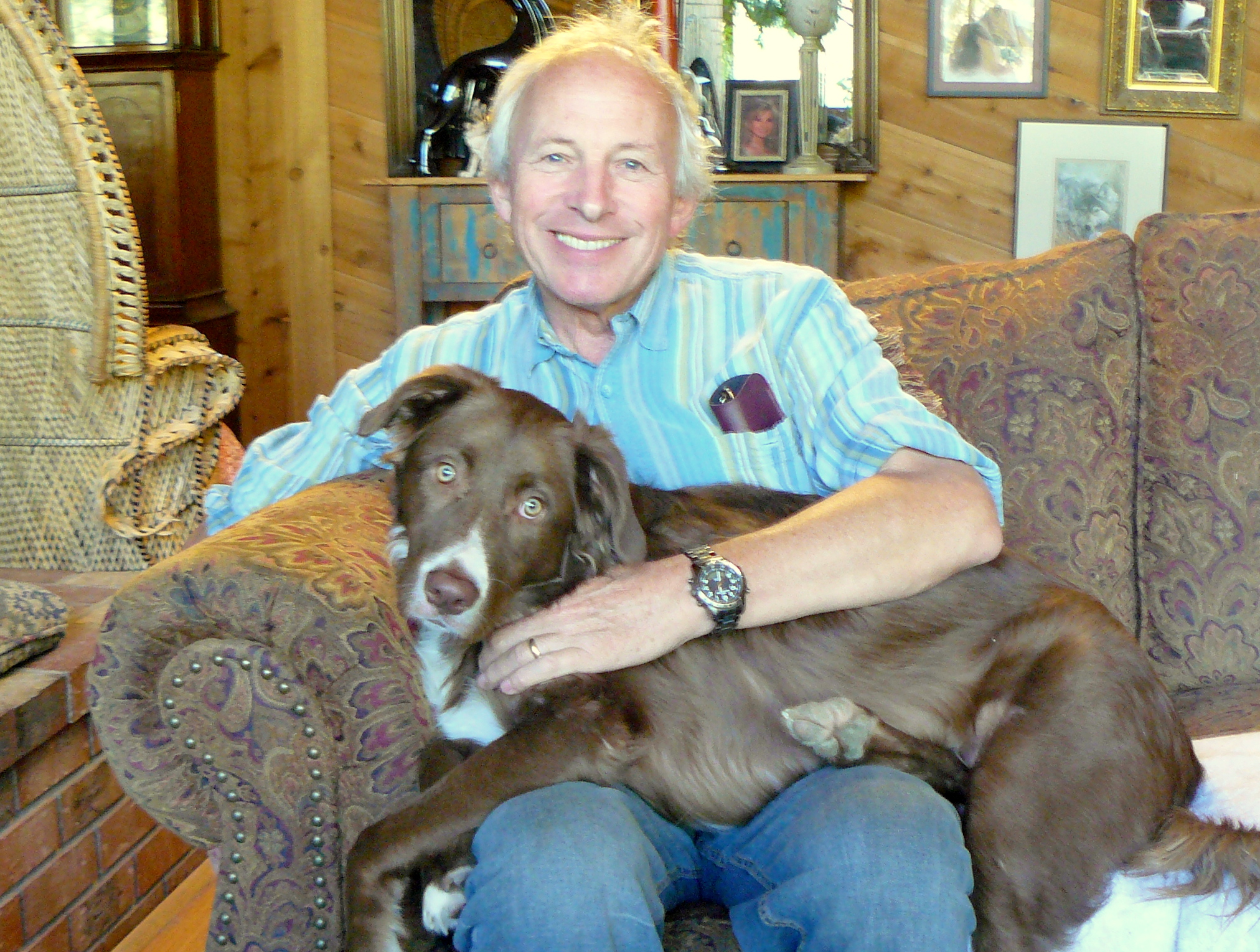
Another picture of Oliver sitting on the lap of yours truly taken in the last couple of days.
How time passes by! For both of us in the picture!
My internet connection was restored late yesterday afternoon.
Thus, inevitably, the weight of my ‘in-box’ prevented quiet writing times.
So for today’s post I’m going to do no more than republish an extract from a recent Terry Hershey mailing. I have included items from Terry before but for those new to him, do pop across to his website and catch up on what he writes. To give you a flavour of what you may find, this is from his home page.
TERRY HERSHEY is an inspirational speaker, humorist, author, organizational consultant and designer of sanctuary gardens who has been featured on The Hallmark Channel, CNN, PBS, and NPR. Terry holds a mirror up to our fast-forward, disconnected lives, and offers us the power of pause—the wisdom of slowing down and the permission to take an intentional Sabbath moment to regain emotional and spiritual balance… to find the sacred in every single day.
I’m sure that touches many people in these interesting times.
So on to Terry’s item. Written in Terry’s voice.
ooOOoo
“Tell me the weight of a snowflake,” a coal-mouse (a small bird) asked a wild dove.
“Nothing more than nothing,” was the answer.
“In that case, I must tell you a marvelous story,” the coal-mouse said.
“I sat on a fir branch, close to its trunk, when it began to snow–not heavily, not in a raging blizzard–no, just like in a dream, without a wind, without any violence. Since I did not have anything better to do, I counted the snowflakes settling on the twigs and needles of my branch. Their number was exactly 3,741,952. When the 3,741,953rd dropped onto the branch, nothing more than nothing, as you say, the branch broke off.”
Having said that, the coal-mouse flew away.
You see, it takes just one snowflake to make a difference.
Just one.
Every once in a while we are all pestered by the question, “Does what I do, or give, or offer, make any difference? Does it mean anything?” Sometimes it doesn’t take much to make me wonder.
It’s been an odd week for me, six states in ten days (close to two thousand miles, not one on an airplane). Translation: I spent a boatload of time in a rental car, with a boatload of time to cogitate.
My week began in Northern Indiana (Victory Noll Retreat Center, Huntington), the landscape an endless horizon of cornfields, still unharvested, the stalks acorn brown. I pointed my rental car north, toward Michigan’s Upper Peninsula, drinking in the progression of autumn color along the way toward Lake Superior. I had time with my Father. We began each day with breakfast at deer camp (his home-away-from-home, heated with an antique wood-stove/oven), an ATV ride from his house into the woodland, and only a stone’s throw from the Ottawa National Forest. (I will concede that this menu is neither found nor endorsed by any diet book.) After a few days, like the flocks of Canadian geese who escorted me on the way, my rental car headed back south, down through Wisconsin (passing on the temptation to buy cheese trinkets) and to a reunion dinner with a friend in Chicago. Again through Indiana, this time in a driving rainstorm–a heavenly show and tell — with thunder and lightning, and the night sky erupting with a rippling light spectacle. On to my weekend in Cincinnati (Transfiguration Retreat Center) where we talked about living our days from sufficiency instead of scarcity.
In case I wasn’t clear, I’m not an enthusiast for road trips, so I confess that my attitude is dictated by an agenda — an impatience to cross another state line, and cross another milestone off the list.
No, it’s not easy to savor the scenery when you have an agenda.
And yes, I don’t always practice what I preach.
Which means that surprises are nice. Like the view from Brockway Mountain Drive, above Copper Harbor Michigan; below a sea of autumn color framed to the north by Lake Superior’s cobalt blue.
I discover that driving long distances creates an ideal container for musing, which, somehow, in a rainstorm deluge, morphs into existential angst, questioning everything about life and the pursuit of happiness; an opportunity to weigh and measure, and find some reason why I’ve come up short on this road toward success. Lord help us and down the rabbit hole we go … So, just before the precipice of self-pity, I crank up my friend Bruce, and sing along; This Little Light of Mine, and smile, and laugh out loud.
Have you ever asked yourself the same question: Do I make a difference?
I have found that this question messes with me only when I assume that something is missing from my life. Or that I need to prove something to someone. And it doesn’t help that we live in a culture that assumes “enough is never enough.” (Only insuring that we will respond to the question with an even more frenzied lifestyle.)
In the airport before returning home to Seattle today, this question about making a difference still dogs me, so I peruse an airport bookshop. One book offers inner peace, another balance, another wealth, another a renewed sense of urgency, and yet another some comprehension about life’s most pressing questions. The variety made it awfully difficult to choose, so I settled for a bag of Ghirardelli’s dark chocolate. That seemed to help.
In the Gospel of Luke, a 12 or 13-year-old girl is given an extraordinary assignment. Her response, “I am the Lord’s servant. May it be to me as you have said.”
In essence, Mary said to the angel, “I am willing to be one snowflake.”
I am willing to do what I can, with what I have been given, with a full, grateful and willing heart. I am willing to not worry about the outcome. I am willing not to worry about what people think or say, or how it will be measured in the court of public opinion. I am willing to literally, let it be.
So, why am I afraid to let this be enough?
To know that, even as a single snowflake, there is enough. In fact, there is abundance. The retreat group this weekend reminded me of this truth, and I gladly sent them forth, to know that one touch means the world.
You may doubt it if you wish. But know this, you still make a difference.
On the ferry ride home tonight, the sun is setting beyond the Olympic Mountain range. Back-lit, the entire range is art done in charcoal. And to the south, the moon–a day or two shy of full–shines down on Tacoma harbor. I breathe in the night air.
The scene is exquisite.
It is perfection.
Which takes me back to snowflakes.
The moon, after all, is just being the moon.
Here’s the deal: the journey to wholeness it not about me becoming something I am not. The journey toward wholeness is about reflecting what is already there. Inside.
It is about snowflakes, and making a difference by just being you.
ooOOoo
Do you recall Terry writing of singing aloud the Bruce Springsteen song This little light of mine? Here it is.
Wherever you are in the world, have a wonderful weekend, and if you have a dog or two in your life reflect on the example of wholeness that dogs offer us.
The wonderful BBC science programme, BBC Horizon, recently showed a fascinating programme entitled: Is your Brain Male or Female? The programme is introduced on the Horizon website:
Dr. Mosley and Prof. Roberts.
Dr Michael Mosley and Professor Alice Roberts investigate if male and female brains really are wired differently.
New research suggests that the connections in men and women’s brains follow different patterns, patterns which may explain typical forms of male and female behaviour. But are these patterns innate, or are they shaped by the world around us?
Using a team of human lab rats and a troop of barbary monkeys, Michael and Alice test the science and challenge old stereotypes. They ask whether this new scientific research will benefit both men and women – or whether it could drive the sexes even further apart.
Now I haven’t a clue as to how long this fascinating programme will remain on YouTube, but if you aren’t in the UK or don’t have access to the BBC iPlayer then don’t hesitate to watch it now.
Essentially, science shows that the ‘hard-wired’ differences are minute and the vast bulk of the preferences between the genders, trucks versus dolls, for example, is subtle conditioning from parents and the wider world; for instance, advertisements.
One thing that did jump ‘off the page’ at me was the evidence supporting how malleable or plastic is the brain. In other words, we are never too old to learn.
As if to reinforce that aspect of the flexibility of our brain, just yesterday morning I read an item on the BBC News website about memory.
As someone whose memory is a long way from where it used to be, this item really caught my attention:
Are there ways to stop yourself losing your memory? The latest brain research suggests there’s hope for the forgetful…
Memory loss has to be one of our biggest fears. Names, words, facts and faces – nothing is spared.
As the latest video from the Head Squeeze team describes above, mental deterioration was once thought to be an inevitable consequence of ageing, thanks to the steady erosion of our brain matter: we lose about 0.5% of our brain volume every year. The hippocampus – the region responsible for memory and learning – was thought to weather particularly badly; by the time we are 90, many of us have lost around a third of its grey matter.
Fortunately, recent research has shown that the brain is not concrete, but certain regions can adapt and grow. In 2000, a study of London taxi drivers, for instance, showed that the 4-year training of London’s 25,000 streets showed a remarkable growth in the hippocampus compared to bus drivers who early learnt a fixed number of routes. The scientists think that, by memorising the maps of London, the brain had built many more of the “synaptic connections” that allow the brain cells to communicate with each other. In other words, it may be possible to train the brain to compensate for some of the neural decline that accompanies our expanding waistlines and receding hairlines.
Challenging your brain could be one way of preserving your recollections – though the value of commercial brain training apps is debatable; some experiments seem to show that while people may become a whizz at the games on their screen, the improvements fail to transfer to daily life. But other, more traditional activities – like learning a musical instrument or a second language – do seem to have some protective benefits, at least on short-term recall. Ideally, it is probably best to keep your brain active throughout your life, well before you begin to approach your dotage.
Exercise and a healthy diet are also thought to offer some protection against dementia. As can an active social life – since regular contact with other people is also thought to excite our neurons and preserve our synapses. Ensuring that you regularly get a good night’s sleep helps too.
Of course, nothing can guarantee health and vitality in old age. But these few simple measures might give you the best possible chances of preserving your wits against the ravages of time.
For more videos subscribe to the Head Squeeze channel on YouTube. This video is part of a series produced in partnership with the European Union’s Hello Brain project, which aims to provide easy-to-understand information about the brain and brain health.
If you would like to comment on this video or anything else you have seen on Future, head over to our Facebook page or message us on Twitter.
So it’s clear now.
All I need to do is to learn a new language while in between my training to be the oldest trainee cabbie in London and applying for second violin position at the Royal Philharmonic Orchestra and I’ll never forget anything else in my life.
Oh, anyone seen where I left my car keys?
Or perhaps, harking back to the opening question of the differences between our sexes, I should be closing, thus:
In last week’s picture parade I mentioned that today would be the final set of glorious pictures, courtesy of Su Reeves.
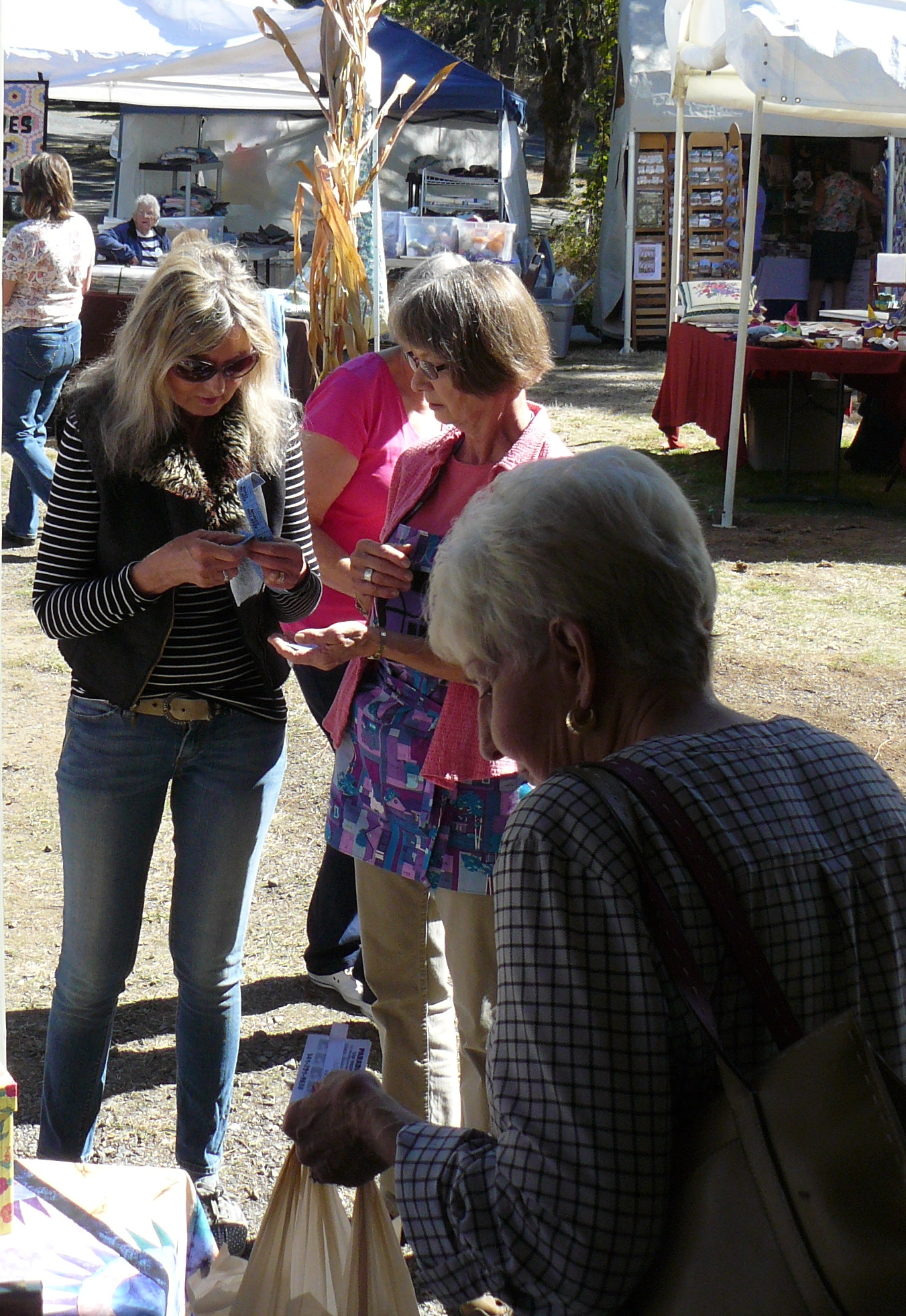
But that was before I realised that Jean and I would be popping in to our local old school house on Friday to enjoy a couple of hours admiring the quilting work on show at this year’s Hugo Ladies Club Quilt Show.
The theme of community has never been far from the pages of this blog and despite the provincial nature of this gathering I wanted to share a selection of photographs with you for today’s picture parade.
oooo
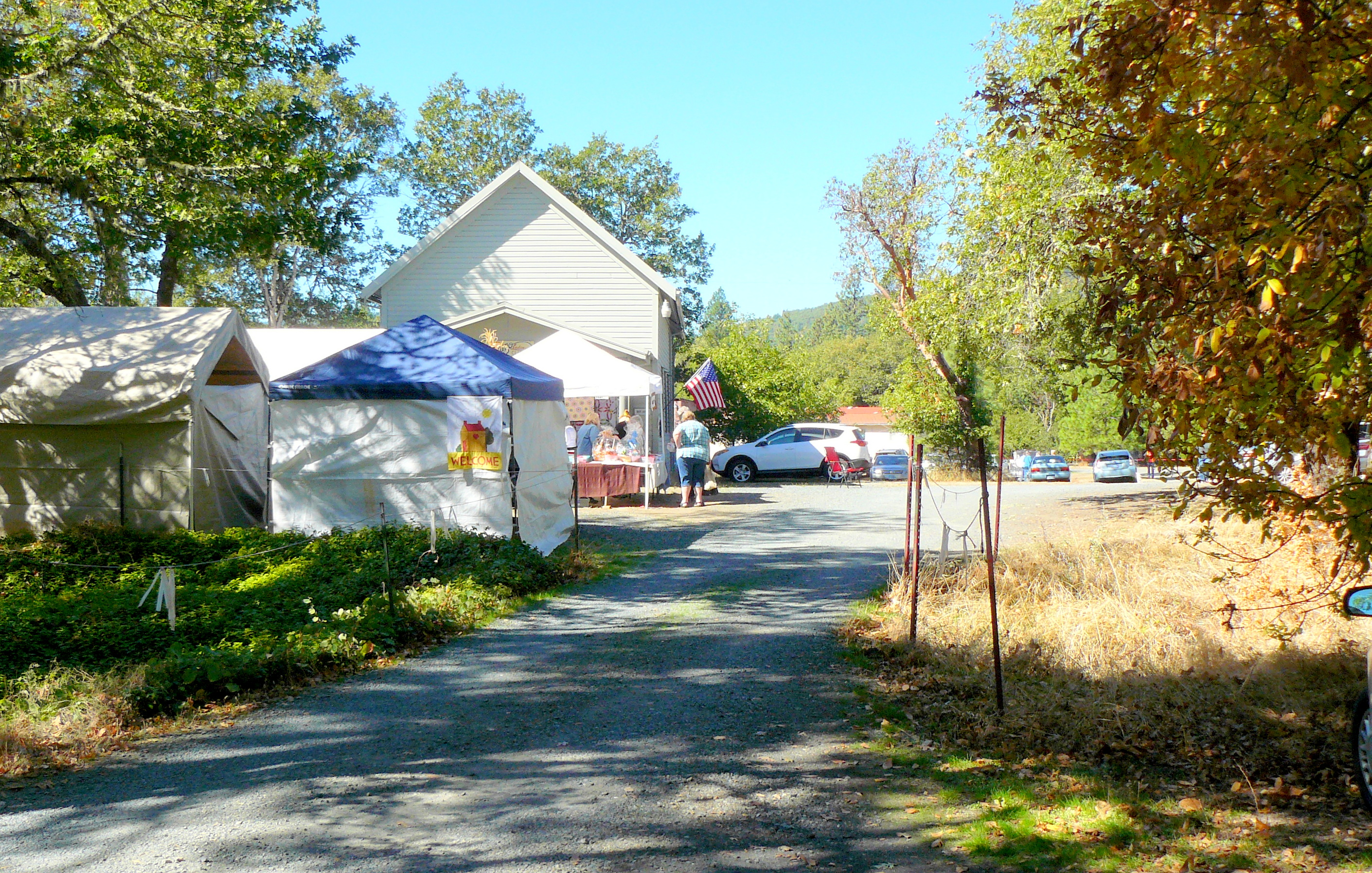
The front entrance of what was once the school in Hugo.
oooo
oooo
Now that’s what I call a school bell!
oooo
An amazing array and range of items.
oooo
oooo
Irresistible to Mrs H.!
oooo
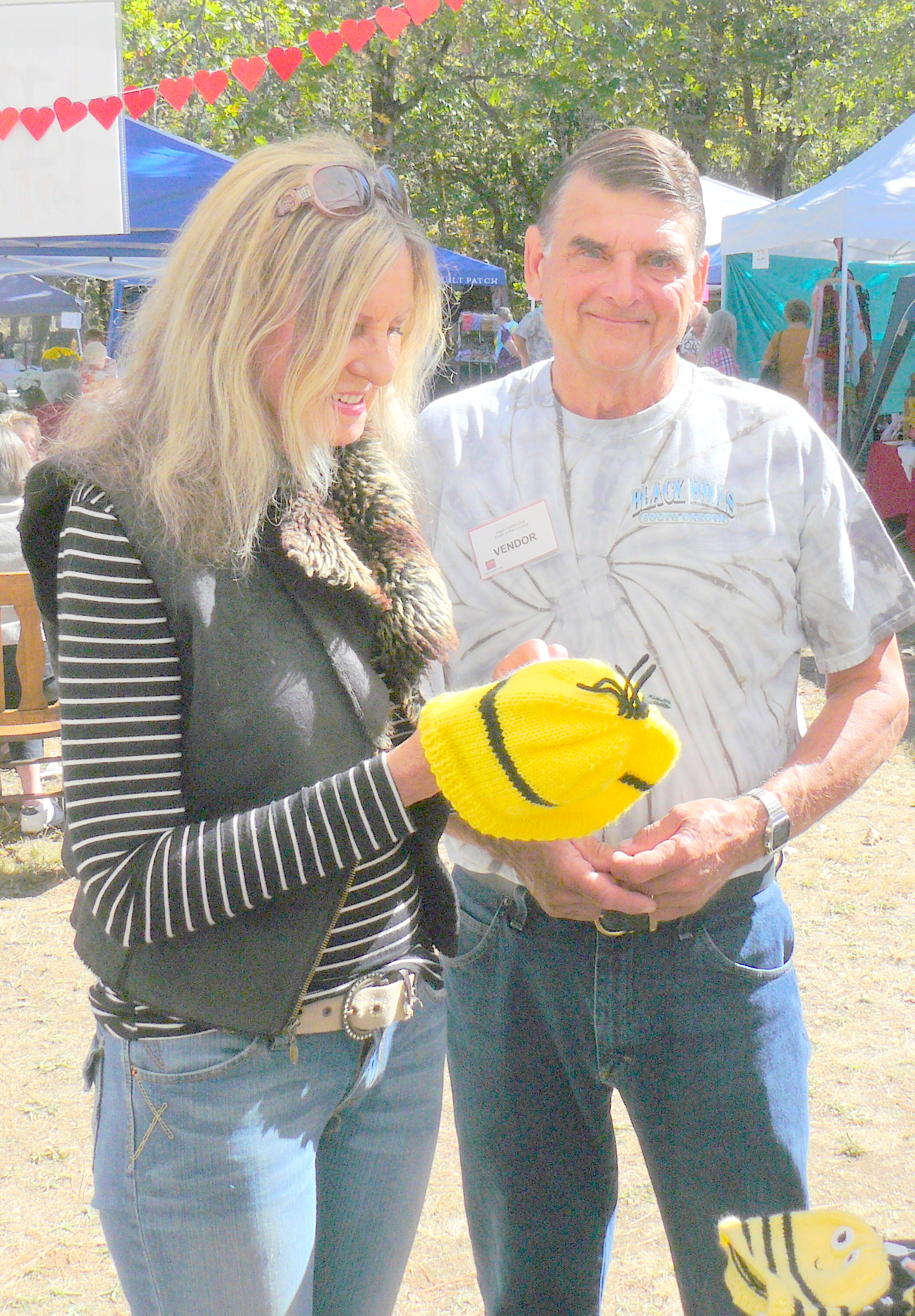
Including a rather fun woollen hat for grandson Morten back in England.
oooo
oooo
Jean chatting to neighbour Janell who is also a keen quilter; as are so many North American women.
oooo
One of Janell’s exhibits at the show.
oooo
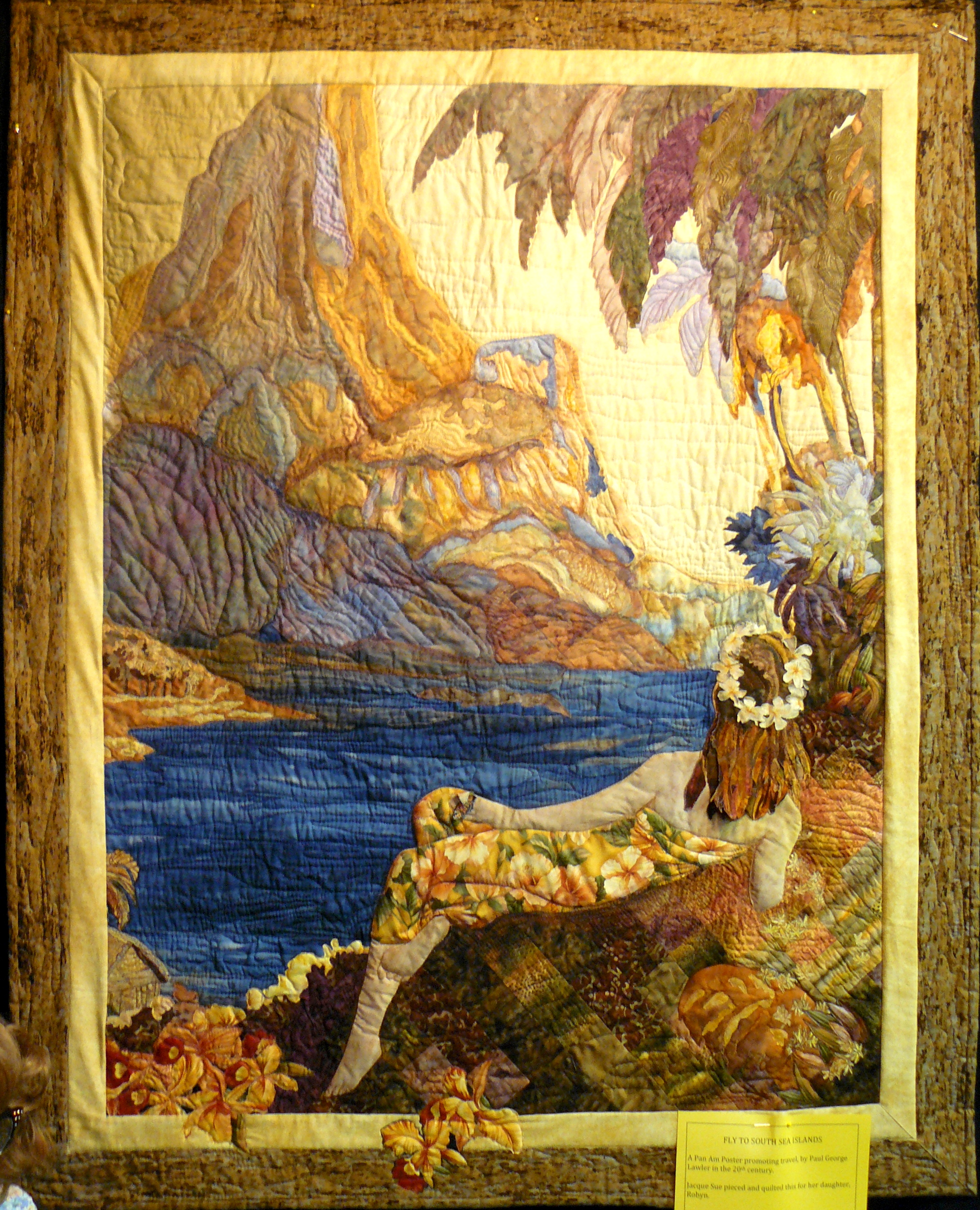
Established quilters are also featured at the show. Here’s a magnificent example from Jacque Sue Harvey.
oooo
oooo
Another quilt from Jacque.
oooo
Final example of Jacque’s work.
Puts the phrase “needle and thread” into a whole new world of meaning!
One last look as we drove away!
Maybe I’m becoming a soppy old fool but a couple of hours wandering around this event, just five minutes from where we live, made me feel, strongly so, that Jean and I and all our animals really do belong here!
I was mulling over the fact that tomorrow sees the start of October and, inevitably, pondering what sort of winter we are in for. At the same time, I was reflecting on how beautiful this last month has been. Wonderful ‘easy-on-the-body’ temperatures, an inch or more of much-needed rain, wonderful Autumn colours; all being shared for the last ten days with our guests: Reggie and Chris.
I was unsure what to write about to reflect my thoughts and was then saved by the September Digest from Transition Culture back in the old country. I started to read it and immediately wanted to share it with you; dear reader.
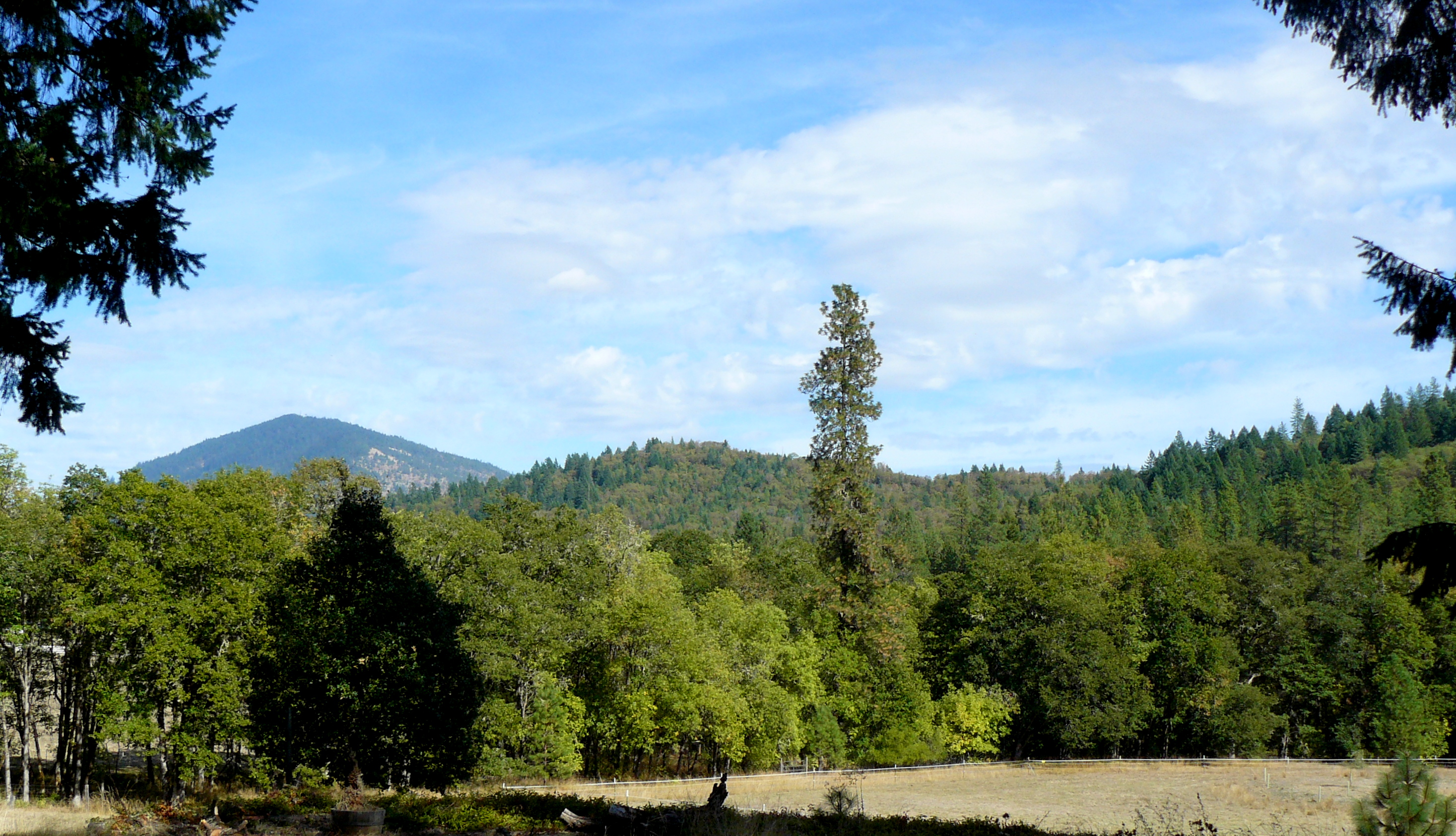
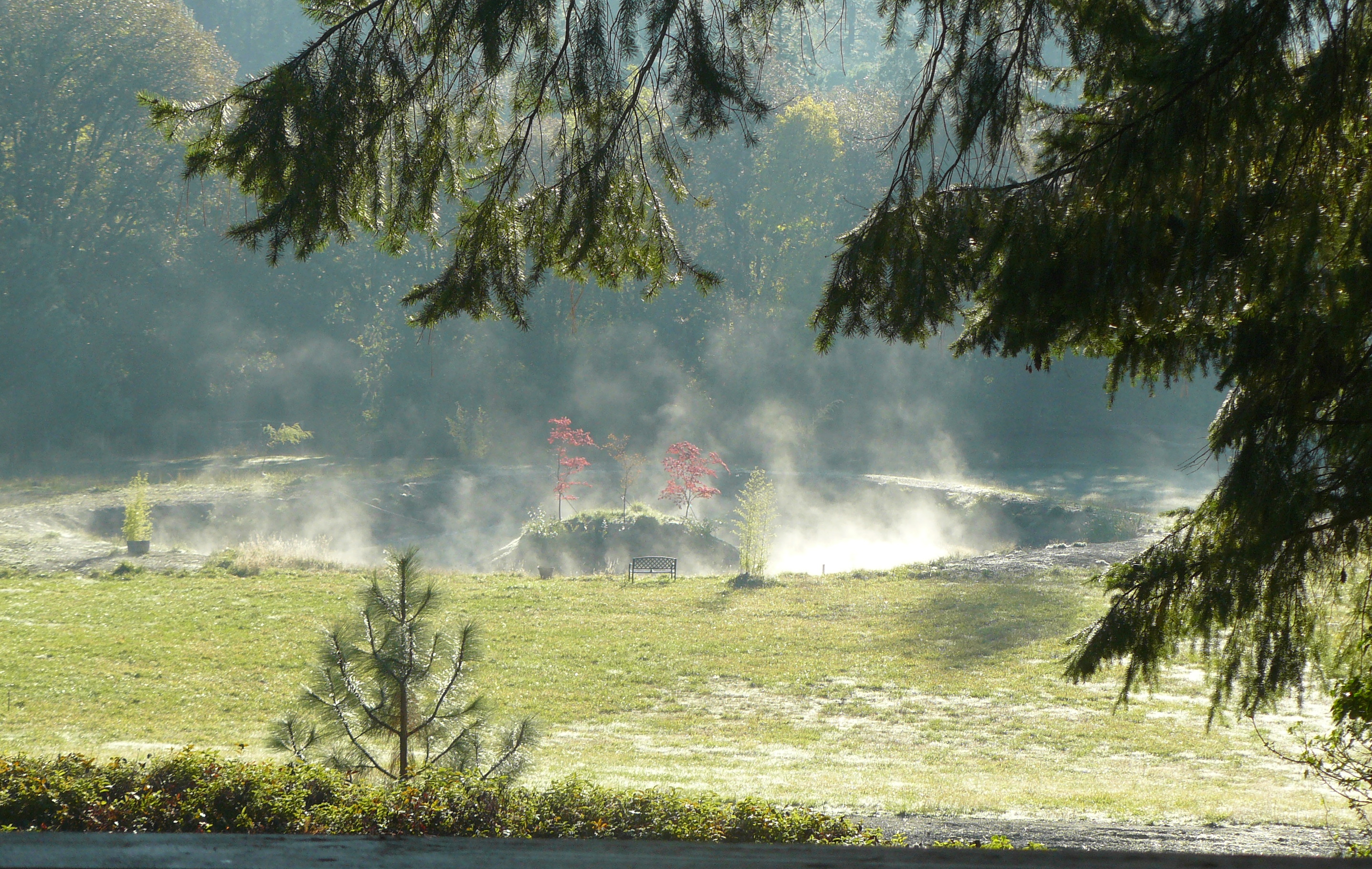
First, to set the tone, here is a photograph taken just before I sat down to write today’s post.
Space for Nature – all around us!
ooOOoo
Transitioners’ Digest (September 2014)
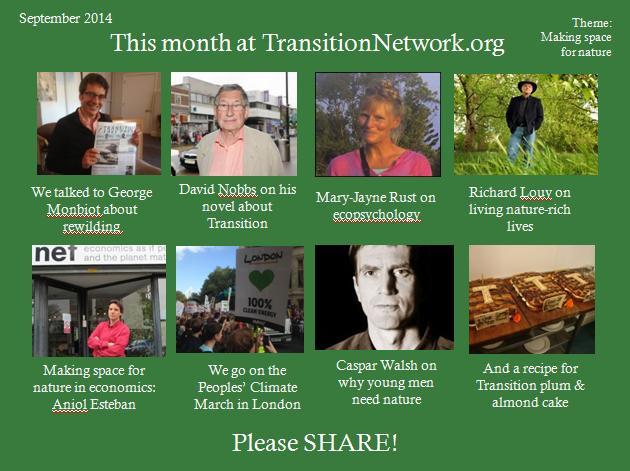
This month we have been exploring the theme of “Making Space for Nature” from a wide range of different angles. We started with an editorial piece which argued that one of the key things that nature can bring our work doing Transition is a sense of wonder. Something to do with glowworms apparently. We grabbed George Monbiot before he went on stage and talked about his book Feral and the concept of rewilding.
Writer and founder of the charity Write to Freedom, Caspar Walsh, talked about the vital role nature can play in the healing of young men. “She, it, whatever it is”, he told us, “works on them and softens them up so I don’t have to do all the work”. Ecopsychologist Mary-Jayne Rust talked about the impacts being separated from nature can have on us, and the benefits we get from making space for it. “When was the last time you heard of an activist going on a pilgrimage for eight months?” she asked.
Isabel Carlisle introduced us to Community Charters, and the potential they have for making space for nature at the community scale. Richard Louv, author of Last Child in the Woods, and of the theory of Nature Deficit Disorder, talked to us via Skype. “If we’re not careful”, he told us, “environmentalists and others who care about the future of nature will carry nature in their briefcases, not in their hearts”. Mike Jones, who builds natural play spaces for kids, talked about the need to make space for “the primodial nature of kids”.
Aniol Esteban of New Economics Foundation reflected on why we need to make space for nature in economics. He told us:
Nature contributes to our mental health. It delivers mental health benefits and physical health benefits. It delivers a wide range of societal benefits. It contributes to our education. It can help reduce levels of crime. It can help urban regeneration. There is a huge range of areas and ways in which nature contributes to our wellbeing – individual wellbeing and collective wellbeing.
David Nobbs
Hayley Spann, one of the participants in One Year in Transition, reflected on “what nature taught me”. We had a review of the first mainstream novel about Transition, The Second Life of Sally Mottram by David Nobbs (see right). We also talked to the author about where the idea came from, and what makes a good story. We had a recipe for “Transition Plum and Almond Cake”. Mark Watson reflected on the importance of ‘Making Space for Flowers’, and the many ways in which his Transition initiatives, Sustainable Bungay, create opportunities for people to encounter and benefit from nature.
Rob Hopkins reflected on how different our approach to managing water and drought would be if we took forests as the model on which we based it. He also responded to a critique of Transition by Ted Trainer and explored why the language we use to talk about this stuff really matters. He also went on the Peoples’ Climate March in London and reflected on how that was.
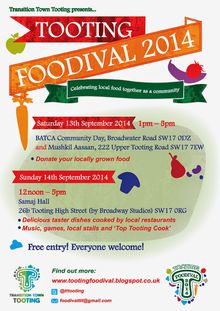
We heard from Transition initiatives about their experience of making space for nature in what they do. Hilary Jennings of Transition Town Tooting talked about the Tooting Foodival. Chris Bird wrote about the Transition Homes initiative in Totnes. Cara Naden discussed the many ways in which Transition Langport make space for nature. “I believe we all have an inherent bond with nature”, she wrote. “It makes us feel happy and healthy and makes us feel we are doing something positive and worthwhile for the benefit of wildlife, each other and ourselves”.
A very rich and thought-provoking month we hope you’ll agree. Our theme for October will be Transition and development. We hope you enjoy that too.
ooOOoo
(Note: there were many links in the original digest so do please check there as well.)
Can’t resist a couple more pictures from home to underline how we feel so strongly about having space for nature.
oooo
A misty October morning from a year ago.
oooo
This is what making space is all about!
Let’s all have a great month of October embracing the natural world around us howsoever it can be done.
I guess that it would be difficult to find a greater change in topic than going from America’s relationship with war to the secret of happiness! But that’s what’s on offer today!
I don’t want to brag, but while I was on sabbatical I discovered the secret to happiness.
The crazy thing is, it was lying right there in the open. It’s been revealed dozens, hundreds of times over the course of human history. It’s revealed every day in ordinary human affairs, if you’re paying attention.
What is it? Let’s ask George Vaillant.
Vaillant is a Harvard psychologist who has been working for over 40 years on the Grant Study, one of the longest-running longitudinal studies in scientific history. It began tracking a set of 268 (white, physically and mentally healthy) men when they were sophomores at Harvard in 1939 and has been tracking them ever since, for 75 years, with exhaustive regular physical and psychological tests. It has followed them as they’ve grown, gone to war, married, divorced, worked, been fired, gotten sick, found God, and so on. (The ups and downs of the study’s history are recounted in this classic Atlantic piece, one of my favorite magazine stories ever.)
Vaillant has spent most of his adult life analyzing the data from the study, attempting to determine which factors most reliably correlate with well-being. He’s probably studied happiness longer, and in greater depth, than any other single human being. So what is it, George Vaillant? What’s the secret to a happy life?
“That the only thing that really matters in life are your relationships to other people.”
Wow. That’s pretty straightforward. But can you boil it down just a little more?
“Happiness is love. Full stop.”
All right then! There you have it. The secret to happiness, revealed. It’s love.
If you want to break it down a little more, there’s plenty of social science research on it. We live longer, healthier, happier lives when we are at the center of overlapping social networks, when we have a devoted life partner, close family and friends (and pets), extensive “weak ties” with acquaintances and colleagues, peer and professional networks that value our skills, and a sense of autonomy balanced with a sense of involvement in something larger than ourselves. We are happiest when we have a place in the world, when we love and are loved, when we make the most of our gifts.
This is all obvious, of course, and has been said a million times. But that’s the point. People want there to be a what of happiness, a secret, an epiphany that once you learn it changes you forever. But the what of happiness is banal. It’s been confirmed by research. It’s in a kajillion self-help books. It’s cliché.
The what of happiness is not the hard part. The how is the hard part. As a million deathbed testimonials have taught us, when we look back on our lives, we won’t wish we’d worked harder, maintained Inbox Zero, finished those reports on deadline, gotten more promotions, owned a nicer car. We’ll wish we’d spent more time appreciating the ones we love and who love us, that we’d done more meaningful work, that we’d traveled more and had more memorable experiences.
We all know this. But it is no easy matter to translate that knowledge into action. Why? Vaillant is insightful about that, too, as The Atlantic explains:
Vaillant [says] positive emotions make us more vulnerable than negative ones. One reason is that they’re future-oriented. Fear and sadness have immediate payoffs—protecting us from attack or attracting resources at times of distress. Gratitude and joy, over time, will yield better health and deeper connections—but in the short term actually put us at risk. That’s because, while negative emotions tend to be insulating, positive emotions expose us to the common elements of rejection and heartbreak.
Gratitude and joy are emotions we can muster when we don’t feel threatened, when our lizard brain calms and our prefrontal cortex takes over. But it’s very difficult when our egos feel under siege. Relationships are more meaningful the more we open and extend ourselves (and are reciprocated), but our degree of openness is also our degree of vulnerability. Often we close off, deciding, consciously or not, that it’s not worth the risk of getting hurt; our lizard-brain fear overpowers us.
We cannot control this dynamic entirely. As the Atlantic piece explains, researchers believe that about 50 percent of our happiness is determined by our internal “set point,” which is shaped by genetics and early childhood and mostly fixed in place. About 10 percent is determined by circumstances. But that other 40 percent comes from how we react to circumstances, and over that we do have some control.
We can learn to detach from fear and anger, to let them go, to take deep breaths, return our focus to the present, and choose positive emotions. That, as I wrote yesterday, is what mindfulness is all about. It’s what the entire discipline of positive psychology (which counts Vaillant as a founding father) is about: strengthening the prefrontal cortex so that it’s more able to override instinctual fear and anger. The more inclement the circumstances we face, the more we need it. That’s why mindfulness training is catching on in low-income communities, the military, and elderly care.
So when people ask, as they have many times in the last week, “What did you learn over your break?” … the honest answer is, nothing. I already knew the what of happiness, just as you already know it. The break was about more consciously practicing the how, and on that score I’m afraid I have no grand epiphanies, only a few baby steps down a road I’ll be walking all my life.
ooOOoo
The original Grist article was headed with a picture of a group of happy dogs and it seemed almost an automatic response from me to close today’s post with a picture of happy dogs here in Oregon. But rather obvious, don’t you think!
Instead, I’m going to use a photograph of me being ‘loved’ by Ben so soon after he came to us in April; Ben being one of the two horses (Ben and Ranger) to come here that were rescued by Darla Clark, as explained here.
Now going to offer my own reflection on happiness.
Animals that are comfortable being around us readily display unconditional affection to humans. All that these dogs, cats, horses, and others, require is trust in us. The knowledge that we are there to care for them, to comfort them, to cuddle them, to love them for the majority of the interactions between the person and the creature. That doesn’t rule out chastisement, far from it, just that it comes from a heartfelt desire to care for the animal.
I now have a life surrounded by loving animals. It has been that way since I started living with Jean back in 2008. Yes, I had had Pharaoh in my life since 2003. Still have him; the precious animal. But the one-on-one bond that existed between Pharaoh and me hadn’t previously opened my heart in the way that all 14 dogs and 5 cats did that were living with Jean when I joined her.
The unconditional love shown by those animals in my life for the last six years has profoundly affected me. We are now ‘down’ to 9 dogs and 4 cats plus we have the 4 horses (2 rescue quarter-horses and 2 miniature horses). Still there are very few moments in the whole of my day, either day or night, where I am not in the company of, or in contact with, an animal that offers me unconditional love.
Recall earlier in the David Roberts article: “We are happiest when we have a place in the world, when we love and are loved, when we make the most of our gifts.“
Of course, I have ‘off’ days!
But down to my core, I know that being loved by Jean and all the animals and returning that love provides me with a deep happiness unimaginable prior to 2008.
“It is better to have a heart that makes love than a mind that makes sense.” Robert Keck










 Learning from Dogs