Dear friend of this place, Margaret K. from Tasmania (MargfromTassie), recently sent me an email with a link to a story that had appeared on the BBC website.
I thought the photographs would make a fabulous Picture Parade.
But first sufficient of the news story for the photographs to be seen in proper context.
Meet Scotland’s ‘most well-travelled dog’
By Ewan Murrie,BBC Scotland news website, 3rd June 2017
After photographs of her West Highland Terrier received more “likes” on social media than even the most stunning Glencoe landscapes she could capture, Sam Grant conceded that “the wee white dug” should star in her Scottish travel blog.
“Casper is my unique selling point,” says Sam Grant, an Edinburgh-based VisitScotland ambassador who spends her spare time travelling the country with her pet.
She adds: “There are lots of travel bloggers out there who are very good writers, but they don’t have the wee white dug.”
Here are almost all of those photographs that the BBC presented.
You will love them.
Please note that all of the photographs were taken by Sam Grant who, I am sure, retains copyright ownership of them. Sam’s blogsite is Scotland With The Wee White Dug and well worth a visit.
The village of Crianlarich is located in Glen Strathfillan to the north of the Trossachs, around eight miles north of the head of Loch Lomond
oooo
The village of Carrbridge, in the Scottish Highlands is famous for its 18th Century packhorse bridge.
oooo
Whiting Bay, Isle of Arran, offers views across to Holy Isle.
oooo
Culzean Castle is perched on the Ayrshire cliffs.
oooo
Culloden Moor in the Highlands is where the Battle of Culloden took place in 1746.
oooo
Iona, Inner Hebrides, is often described as a “tiny island paradise”.
oooo
The Tomb of the Eagles, Orkney, is thought to be more than 5,000 years old.
oooo
North Berwick, East Lothian, boasts many great beaches and coastal scenery.
oooo
“Dolphin Spirit” is a boat to take tourists onto the waters of the inner Moray Firth to see the dolphin pods.
oooo
Bow Fiddle Rock is a natural sea arch near Portknockie on the north-eastern coast of Scotland.
oooo
Kilchurn Castle is a ruined castle on a rocky peninsula at the northeastern end of Loch Awe, Argyll and Bute.
oooo
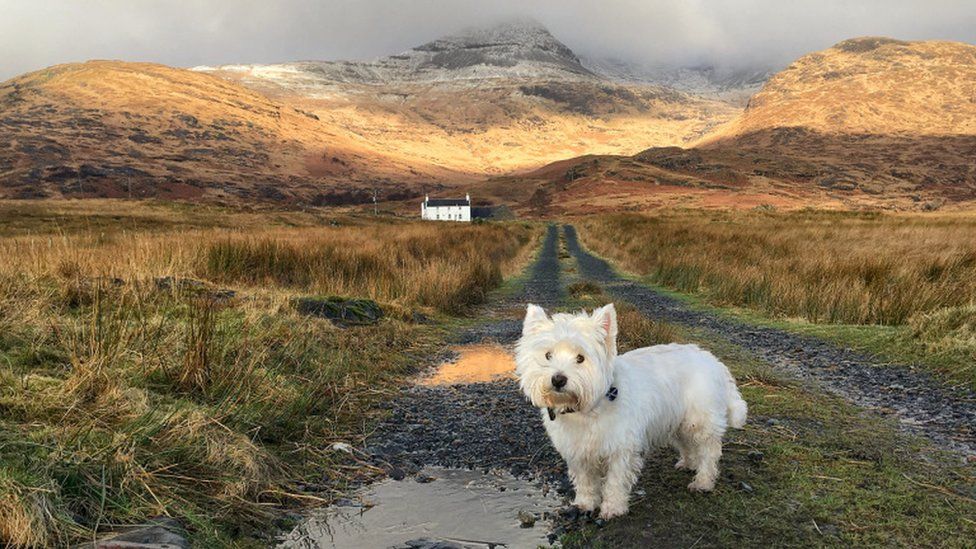
Snow capped Ben More in Glen More, Isle of Mull, Western Isles.
oooo
Balnakeil Bay is near Durness, Scottish Highlands.
I can’t resist including the rest of the text that the BBC published for the photographs are strengthened enormously by Sam’s words.
Her eccentric website details places of interest in areas including Orkney, Loch Lomond and the Scottish Borders.
It was launched in 2015 after an Instagram account written from Casper’s perspective proved popular with followers.
The social media profile has nearly 4,000 followers, who Sam says “can’t get enough” of the wee white dug’s quirky anecdotes about his travels.
Sam says travelling with Casper has given her lots of insight into Scotland’s best pet-friendly tourist attractions and holiday accommodation.
She says: “There are loads of good places that you can visit nowadays where you can bring along your four-legged friends.”
Sam hopes the blog could encourage more Scots to look around their own country, as well as attracting other visitors.
She says: “If you visit the beaches in the Outer Hebrides, you’ll see there’s really no need to go to the Caribbean – unless you’re a sun worshipper.
“Scotland’s a country with a rich history and heritage. A country full of stories just waiting to be told.”
Sam says most traffic to her website comes from the UK and US but she has had visitors from more than 100 countries – including China.
“When I see that I’ve had visitors from far-flung countries, I imagine them on the other side of the world reading about Scotland and the wee white dug,” the writer adds.
Asked if she thinks some people could say her pictures are a bit twee, Sam replied: “I did worry about that at first, so I try to make a joke of it.
“But if people like my pictures and they bring a bit of happiness to someone’s day, then why not?”
I guarantee that all of you dear people who view these photographs will have much happiness brought to you. As was brought to Jeannie and me.
A comprehensive guide to the body language of our beautiful dogs.
Back in August 2016 I shared a post with you all from Vetstreet.com about interpreting the growls of a dog. It seemed to be liked by many of you.
Now fast forward to eleven days ago and an email that came in from Emma.
Dear Learning from Dogs Team,
My name’s Emma, a blogger at Hello Cute Pup.
I have been reading your blog for some time, and I absolutely love what you have been doing! Your content inspires me on a daily basis, and I’m really in love with your website.
I’ve been thinking about how I could help add value to you and your blog and I would love to contribute a guest post on your site.
I was inspired to write this article after reading your great piece “Why Dogs Are Friendly”.
I promise that I will provide HIGH-quality content that you won’t find anywhere else.
As a pet parent myself, I’ve had tons of amazing experience that I could bring to your audience.
Here are some links to other pieces that I have written to give you an idea of the quality that I am bringing to the table.
Let me know if you are interested. I already know your blogging style, plus I understand what your readers love as I am one.
Looking forward to hearing from you.
Cheers and have a good day!
Emma
Well you all know me sufficiently well to know that I couldn’t resist. Especially after seeing how nicely Emma had presented those pieces she linked to above.
Here is Emma’s article.
ooOOoo
A Comprehensive Guide to Basic Dog Body Language
Understanding your loved ones’ body language is always important. If you understand how your partner, sister, mother, or father acts when they feel a certain way, you can more accurately meet their emotional needs. This is the same as it is with the canine members of your family.
Understanding how your dog behaves when he or she feels certain things will help you bond, and help build trust, as well as make both you and your dog happier.
How do you decode dog behavior? There are a few ways, and a few certain body signals that your dog will give you that you should understand. Here are a few of them.
Play Bow
You may have noticed that when a dog is feeling frisky and energetic, he or she will bow their front end to the ground and push their rear end into the air. Typically, this means that the dog wants to play.
Tail Wagging
It’s a common belief that tail wagging means that a dog is happy. While this can be true, tail wagging can also mean a few other things.
A tail that wags low can mean your dog is scared or unsure.
A high and stiff tail wag can mean that your dog feels irritated, scared, or unsure. This kind of tail wagging can often lead to a dog becoming aggressive if pushed.
Freezing
Dogs often “freeze” when they are scared or guarding something like food, water, a toy, or their owner. This means that the dog will stop what he or she is doing and stand in one position without moving. When a dog is frozen, he or she is more likely to bite.
Rolling
When a dog rolls over, it usually means that he or she is submissive- but it’s important to pay attention to the dog’s whole body. If your dog’s tail and mouth are hanging loose, it can mean that he or she wants a belly rub or some attention. If the tail is tucked in or his or her mouth is stiff, it can mean that your dog is scared or nervous. Before you touch a dog who is rolled over, look for the signs of comfort. Perked Ears
Chances are, if you own a dog, you’ve seen him or her with his ears perked up. This means that your dog is alert and attentive. Tail Between Legs
When a dog tucks his or her tail between his legs, this is a classic sign of fear. Dogs who are scared, as a general rule of thumb, are prone to becoming aggressive in an attempt to protect themselves- so be careful when getting too close to a dog who is acting fearful. Signs of stress
Like humans, dogs can become stressed. Stress in dogs can make them act in certain ways and exhibit specific body language. Some of the signs that mean that a dog is stressed are:
Yawning in new situations
Panting when it isn’t hot
Licking their front paws as someone new approaches
Licking of the lips despite not recently having eaten or drank
Scratching
Avoiding eye contact
Shaking himself off after someone new touches him
Highly audible exhales that can be accompanied by whining or avoiding eye contact
Lying down and refusing to participate
Signs of fear
Dogs exhibit easy-to-read signs of fear. Some of these signs are:
Drooling
Pacing
Tucking his tail while moving away from something
Whining
His or her feet start to sweat
Growling and moving away
Curling his or her lips and showing teeth
Trying to hide
Running away
Signs of Happiness
Along with taking up the play bow position, dogs offer us other physical signs that they are happy. These include:
Energetic tail wagging
Tail thumping on the floor or ground
Lying in a relaxed, one paw tucked under, position
Bumping or pressing against you
Initiating physical contact
Jumping up
Smiling (yes, sometimes it really does look as if your dog smiles)
Playful barking to get your attention
Although the above behaviors are common in most dogs, it’s important to remember that dogs have individual personalities – what one dog does in a situation, isn’t necessarily what another does in that same situation. For example, if your dog reacts well with some dog shampoo, another dog might hate it. This shampoo might make him panic and he could fear baths forever.
To truly understand what your dog’s body is trying to tell you, pay attention to how he or she acts. He may react in the ways that are listed above, or he may have his own unique way of expressing to you how he feels.
Context is also a key point to focus on when you’re trying to determine how your dog feels based on his body language. For example, if your dog is being cornered by another, bigger and more intimidating dog and he wags his tail, chances are that he isn’t happy. In this situation, he more than likely is gearing up for a fight or is feeling scared.
ooOOoo
My hopes are that Emma will be writing many more guest posts for this place.
Oh, want to know a little more about Emma?
Emma is the founder of HelloCutePup. As the owner of 3 dogs, Emma has had the pleasure of learning the ins and outs to becoming a pet owner. With years of experience working on training, at-home dog health care, and aesthetic maintenance, she has the real-world experience that every pet owner is looking for. She is an avid blogger who enjoys giving realistic tips and tricks to help dog owners understand their pet’s personalities and to help pets easily become a part of the family.
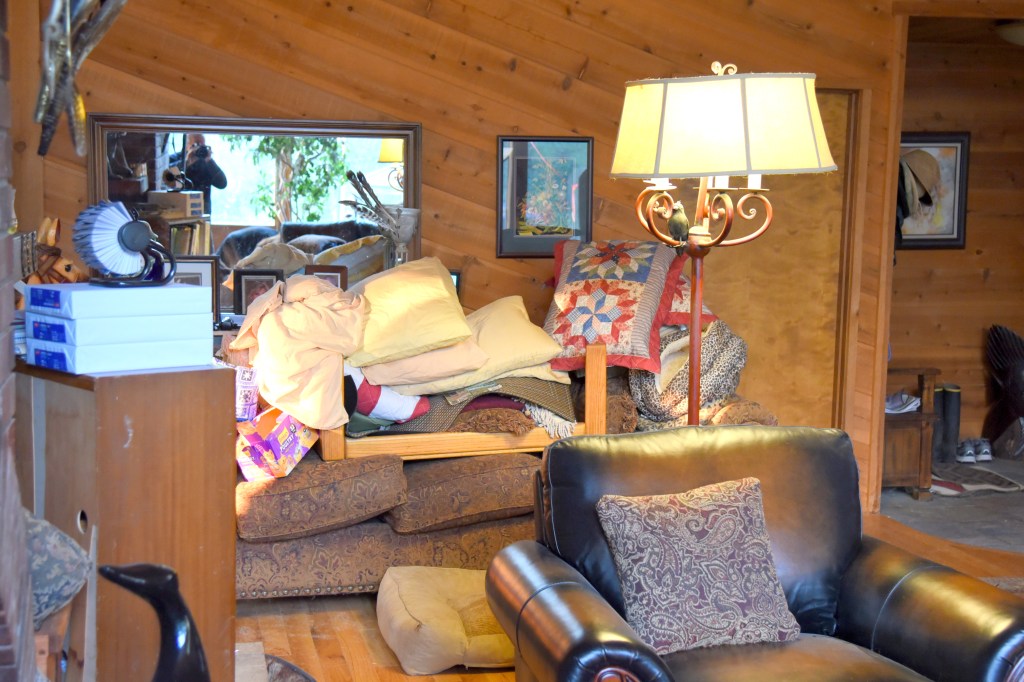
….. but I only managed to get my office back to some form of functionality late yesterday afternoon.
So some peeks into the last few days..
The installers arrived bright and early on Saturday morning.
But I guess one advantage of us starting to get used to the house being upside down, it having been like this since the 11th, was that the dogs were pretty relaxed about the whole affair.
Not quite sure that Jeannie and me were so cool about the chaos that had surrounded us for so many days now.
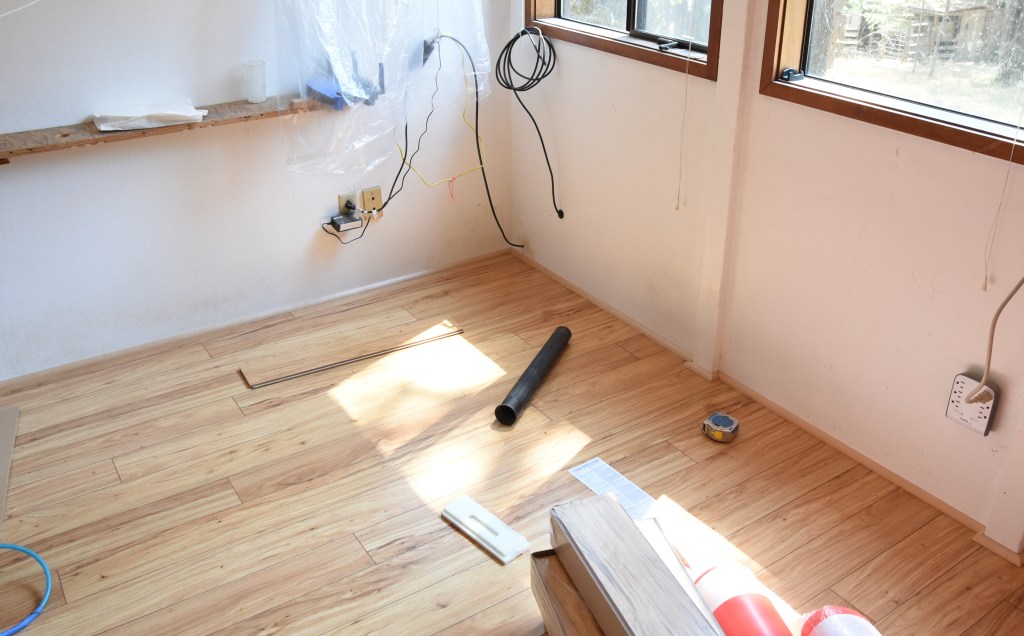
Then the picture below was the state of my office Sunday afternoon.
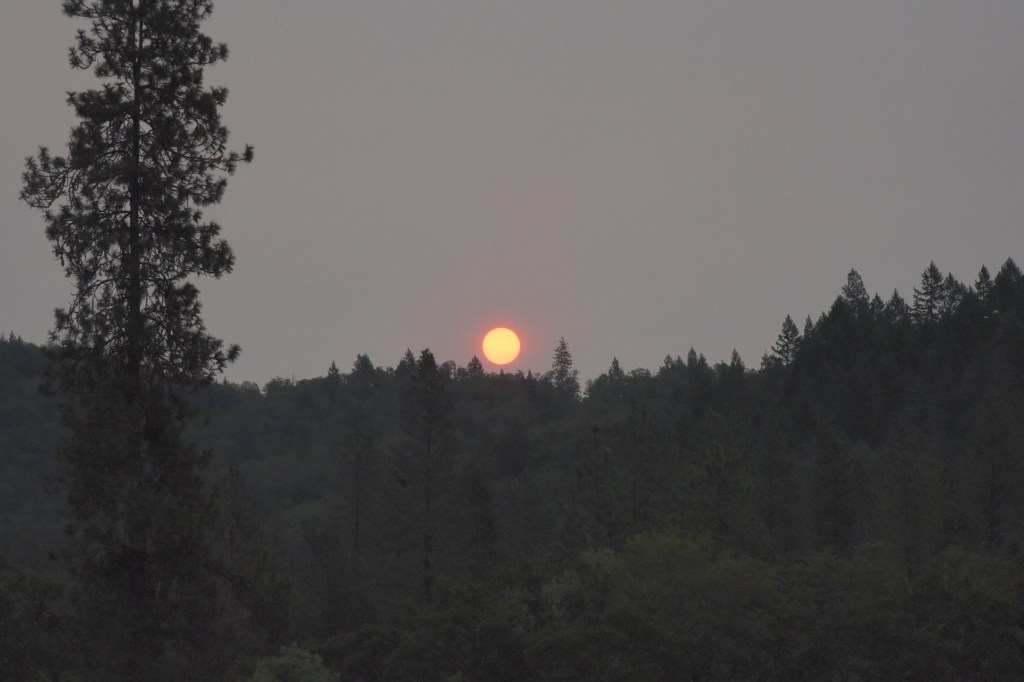
But the one great bonus was that the smoke in the air from nearby forest fires meant that yesterday’s sunrise was a very beautiful sight.
Hopefully, good people, back to more normal times tomorrow. (And the new floor does look great!)
Lisa Mae DeMasi offers you all a beautiful guest post.
Not going to allow my words to delay you reading this wonderful essay from Lisa.
ooOOoo
How this Handler and Service Dog Nurture One Another
by Lisa Mae DeMasi
At two years old, Lady’s ribs protruded from her coat and her belly was swollen with milk.
Like the thirteen other Labs that had arrived at a rest stop in Union, CT on the straight 12½-hour drive from Muncie, IN, she was presented to us on a crisp autumn day amid the chaos of respective adopters.
My husband Dennis had never experienced the warmth and companionship of having a dog and well, I surprised him with Lady, who we quickly renamed to Sabrina. The very afternoon we picked her up, we raced to the park, wanting her to feel the joy of freedom and play. My husband’s face lit up and while I was thrilled at the opportunity to befriend and care for Sabrina; it meant closing the 20-year gap since our beloved German Shepard from my childhood passed away.
Until laying my eyes on Sabrina’s profile, my heart couldn’t entertain loving another dog.
And what canine isn’t after the same love?
In Sabrina’s case, she couldn’t know of the family members that awaited to embrace her presence. Within days of the initial hair-raising excitement, the cat sought out occasions to groom her ears. Our pet rat was free to waddle the kitchen floor un-bothered, and the pair of bonded bunnies in want of company stretched out beside her on the living room floor.
Dog, cat, rat, rabbit?
You bet.
And Dennis and me?
Like kids again.
Sabrina settled into the folds of our lives, well-nourished and exercised in Boston’s epic snowfall in the winter of 2009-2010, taking careful watch over all of us. The fear expressed in her eyes pre-adoption disappeared. Eight years later, she watches over me in particular. Thirty years ago, I was struck and thrown from the passenger side of a car until my abdomen collided with the steering wheel—blunt force that called for iterative repair to my digestive system and caused permanent damage to the nerves that signal my bladder is full.
Today when I’m busy working away, Sabrina will alert me to get up every couple of hours to make a trip to the restroom by gently placing her head in my lap.
When I suffer acute intestinal cramping, Crohns-like symptoms, she’ll sit at my side and lean her body against mine. Her calm and steady source of nurturing, helps me to relax and mitigates the cramps.
In 2008, the Department of Justice amended the Americans with Disabilities Act (ADA). This was amended to include digestive, bowel and bladder impairments that limit major life activities as the disabled, calling for employers to make reasonable accommodations and if the individual elects, to allow task-oriented service animals [dog or miniature horse] to accompany them on the job.
Sabrina, serving in the capacity of a sensory/medical assist – alerting me to get up and take care of myself – qualifies.
The HR Director, Debra Susler of Reputation Institute in Cambridge, MA this past April would not allow Sabrina to accompany me on-the-job. I sent her an elaborate email explaining my condition and Sabrina’s certification. She did not reply to me but to my supervisor.
She said “no”.
My response?
I walked out of the place
Sabrina: rescue dog to devoted helper dog.
Respectively, Sabrina’s competencies and understanding of language cease to astound us and her behavior on-the-job at Dell EMC is so well-mannered, coworkers never run out of compliments.
And bystanders in public? The grocery store, pharmacy, gym, dentist, doctor?
Gazes from cell phones are broken, conversations fall short.
Then, come the smiles. A question. Praises. The feel-good moment.
Sabrina brings people together.
I recently read a distressing post from a woman who said every time she looks into a service dog’s eyes, she sees sadness. Even Ingrid Newkirk, CEO and Co-Founder of PETA, has told me, “the life of a typical service dog is a terrible one.”
It’s true. Any canine enslaved to servitude is doomed a dog’s life unlived.
Service animals are working animals, not pets.
The ADA confirms it.
But that’s not the relationship Sabrina and I share [and I understand it can’t be the same with other handlers and service dogs]. In addition to being my devoted helper, Sabrina teaches me to exist in the moment — just like she does. To enjoy the sight of the sun shimmering through the trees, the call of the birds, the fragrance of wildflowers, the feel of the soft soil I tread a few yards behind her when we’re on our hikes.
What more could a dog do for a girl?
ooOOoo
There is something rather special about Lisa’s guest post; special in an introspective way!
That will be better appreciated if you go across to Lisa’s blog site at Nurture Is My Nature.
In particular when you read, via her ‘About’ link, what Lisa offers about herself. Republished here in full.
ooOOoo
As time goes by and you’re getting older and stuff like that—getting older sucks. You know, I hear all this crap about, ‘Oh, you can age with dignity.’ Really? —Mickey Rourke
Lisa’s creative work has recently placed second in Fiftiness’s 2017 Writing Contest (Why I Love Bike Commuting in Boston) and been featured in the anthologies, Unmasked, Women Write About Sex & Intimacy After Fifty (9/17, print) and The Best of Vine Leaves Literary Journal (11/17, print). Her essays have been published in the lit journals and several other media outlets. She considers Massachusetts her home, but has lived in Connecticut, Vermont, New York State and two other planets called Wyoming and Arizona. She earned a B.A. from Regis College and an MBA from Babson College, and holds a Master certificate in Reiki.
Lisa is seeking a development editor [that gets her] to work on her collection of essays and her memoir.
Reflections on a very interesting meeting of our local Freethinkers group.
Last Saturday was the regular monthly meeting of our local Rogue Valley Freethinkers and Humanists. Many know that Jean and I are secular humanists and go as often as we can to these meetings in Grants Pass, Oregon.
Saturday’s meeting was all about Buddhism or more accurately as Jerry Reed, the group’s administrator, put it in a recent email:
For Saturday, Aug 5: Brenda will be our presenter/discussion leader. She will introduce us to Secular Buddhism, including comments on basic principles of Buddhism, and how traditional and secular Buddhism compare with each other, as well as on overlapping philosophical views of Buddhism and Humanism.
This video link provides a discussion between a humanist, Scott Lohman, and a secular Buddhist, Ted Meissner, which may help to familiarize you with Brenda’s topic prior to our meeting. It is about 29 minutes long, all interesting, but if you are cramped for time, especially the segment from about 10:30 to 16:30 which discusses basic Buddhist principles that might also relate to humanism, and another segment from about 19:30 to 27:00 on advice to a beginner who might want to try meditation, and how Star Trek borrowed from Buddhism, and also about the similarity of ethical focus of Buddhism and Humanism.
What I would hope is that if any of you are interested in this subject, then do watch the interview with Ted Meisser conducted by Scott Lohman .
My very great pleasure to publish today’s guest post.
Regulars of this place know that I am always open to any one of you sending in a guest post. Indeed, any involvement that comes to mind is welcome.
A couple of days ago in came an email from Kristin. She blogs about her shared life with very large dogs. Kristin’s email was an offer of a guest post for you dear readers. Of course, I said ‘yes’.
In reply to me asking for some background information, Kristin responded with the following:
I don’t really have a preference about what to say about me. Basically, as my kids get older and more independent I keep bringing in another dog!
Newfoundlands are my breed of choice, I love their sweet dispositions, the way they look, the bonds they form and the way they love to work. I’ve learned a lot about rescue as well as ethical breeding practices since I adopted Annie and my greatest wish is to see all puppy mills shut down. I started writing Annie’s story, which led to the blog, and at some point would love to work with someone to make it better and figure out how to make it a fundraising tool for rescue organizations.
I’m not a trained writer, I just write from the heart. I write about anything that happens to be going on with me and the dogs which covers a lot of subjects. I just try to keep the focus on the dogs and my relationship with them.
Forget about Kristin not being “a trained writer” and just immerse yourself in this beautiful guest post.
ooOOoo
Oh happy day!
August 1, 2017
Annie and I had a big day today. A day that changes everything! It was time for her rabies shot so our big date was a trip to the vet. Annie and I have made many of these trips over the last year-and-a-half, but this time was very different.
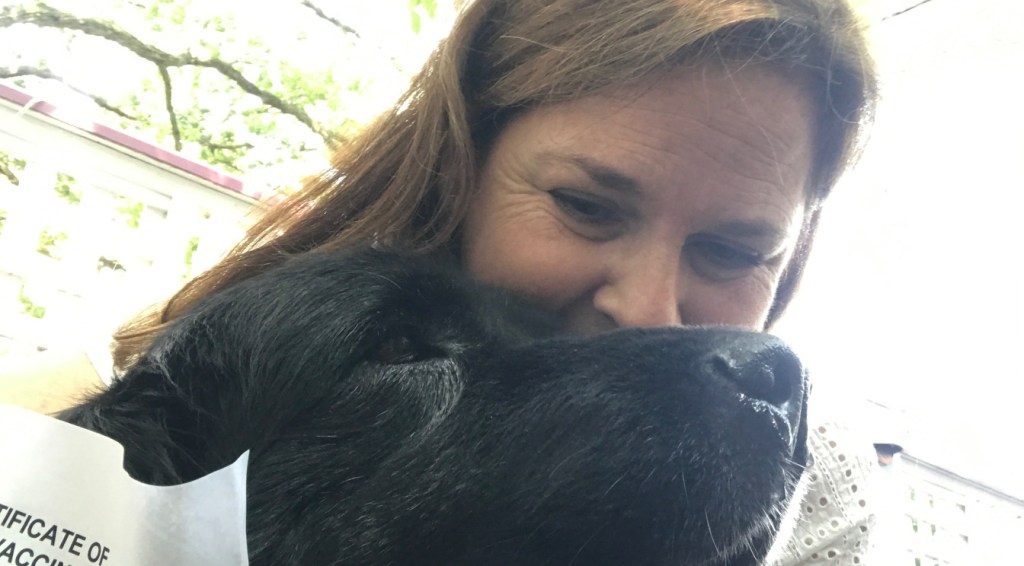
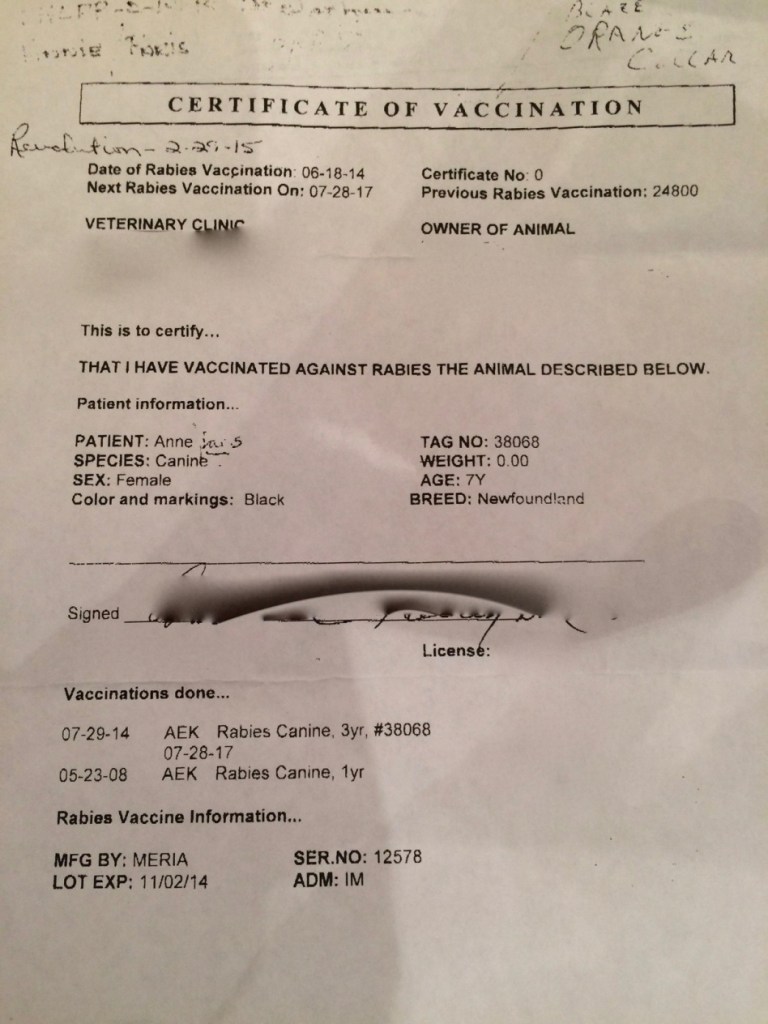
When Annie was surrendered to rescue, the only document that came with her was her 2014 rabies certificate. By the time she came home with us a year later, the rabies tag was long gone and the certificate we received was in pretty rough shape but the story it told was clear to me.
It’s a copy of a fax and is crooked and faded. On multiple occasions I’ve had to pull it out of her file when asked to show proof of vaccination. Each time I pull it out, the anger bubbles up because it is a reminder in black and white of her life before us.
The owner’s name and address belongs to the man that operated the kennel/puppy mill. It’s easy for me to say that even though I’ve never met him, I hate him. Her name is listed as Anne, but “Paris” is written next to it. Why does she have two names? I don’t know. Her age is listed as 7, although she had just had a birthday and was actually 8. Her weight is listed as 00. Record keeping was obviously not a priority with these dogs. There are other notes that are hard to read, but are the vaccinations that she received after she was rescued. At the top are the words Annie Paris, blaze and orange collar. The final glaring bit of information is the list of vaccinations done which only includes 2 things, the one she received that day and another rabies shot she received May 23, 2008!
(Names and addresses have been edited)
These are all broad strokes that paint a picture of neglect. After 6 years, what compelled him to seek out a vet to administer a 3 year rabies vaccination? Who knows, but what really bothers me concerns the veterinarian. There is no way he could have examined her and thought that she or any of the other dogs from that kennel were receiving proper care. The conditions they were forced to live in were unsanitary and disgusting. Knowing Annie as I do, they would have had to drag her to him, with her trembling and cowering.
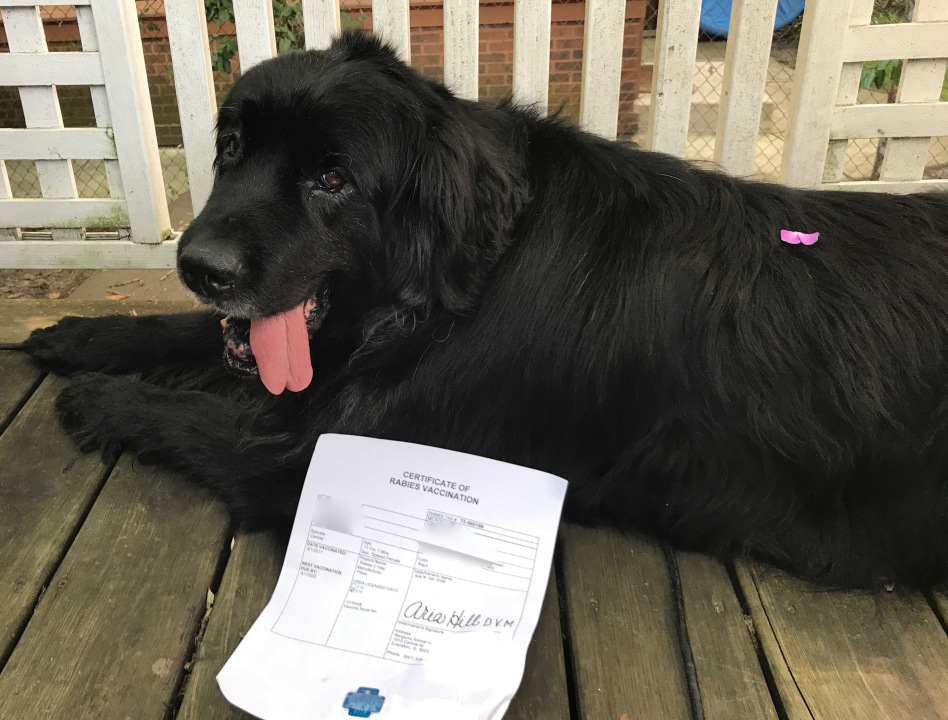
So now, here’s the good news. Annie came to us with a broken spirit on the mend thanks to her rescuers and now she is a completely different dog. She’s happy and loving, she has a spring in her step and a twinkle in her eye. She regularly approaches me and nudges my hand for a scratch behind the ear. She walks on leash beautifully and loves our neighborhood patrols. She comes running when she hears the scoop in the dog food or the word “treat”. She doesn’t hide in her crate anymore but instead sprawls out all over the house, moving around, finding a comfy spot on the cool tile or under my feet or on the rug in the next room. She’s quick to come when I’m having training time with Winn and she will do her two tricks, sit and down, with precision so she can also get treats. She joins me in the kitchen when I’m cooking, confident that she will get a nibble now and then. At the end of every day, we climb the stairs together, I give her her eye drops and then she collapses on her Big Barker bed and lets out a sigh of contentment.
So this time going to the vet was different. Yes, she trembled as we were waiting, it took a lot of gentle coaxing to get her into the room and she wasn’t overly enthused about the attention she was getting but we both eagerly left with a treasure in my hands. I now have a proper certificate with both of our names in print. It is signed by a Dr. who lovingly cares for her and is genuinely invested in her well-being. The final reminder of her previous life can go in the trash. We belong to each other, and we have no reason to ever look back again!
ooOOoo
I’m not going to take anything away from Kristin’s most beautiful story. All I will do is to repeat her last sentence: “We belong to each other, and we have no reason to ever look back again!”
In a number of the rooms here at home we still have down on the floor the carpeting that was in the house when we moved in 5 years ago. As you might imagine that carpet, being slept on daily by cats and dogs, is also home to a range of uninvited ‘guests’. That song title comes to mind: “The hills are alive ….”.
A while ago we replaced the carpet in our main living-room with oak flooring and now we are replacing just about all the rest of the carpet in our house with laminate boarding that is a very good match with the oak flooring.
One of the rooms that is affected is my office and although the installers will only be working for the three days of the 16th to the 18th August, the rooms will need to be emptied out of all furniture a few days before the 16th.
Ergo, I expect to be ‘off air’ for about a week. Probably from Sunday, 13th August through to Sunday, 20th August.
During those days I won’t be able to respond to your replies to posts. But I will put up posts for each of those days well ahead of the 13th.
What I will post is something that Suzann emailed Jean the other day. It’s the wonderful story of a Belgian Shepherd dog befriending an owl. This is what was included in Suzann’s email:
ooOOoo
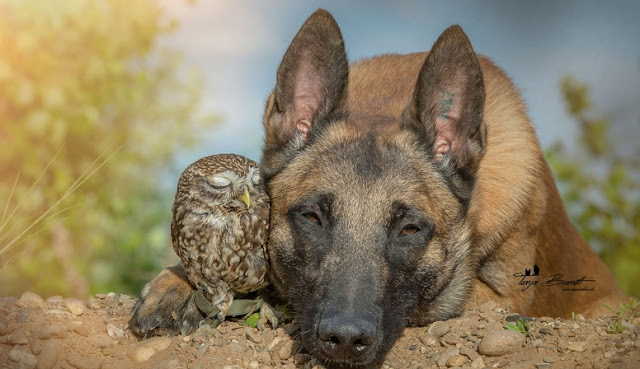
For years, photographer Tanja Brandt has made it her mission to capture magnificent photos of animals and wildlife. Recently, the German artist found a new challenge when she photographed the unique bond between two unlikely friends: Ingo, a Belgian shepherd, and Poldi (Napoleon), a one-year-old owlet.
The owlet and canine have a special “protector-protected” relationship and that their affection towards each other couldn’t be any more evident. Ingo lovingly guards Poldi, who apparently “doesn’t know how to live free.”
The owlet, hatched two days after his six brothers and sisters, therefore, has always been very vulnerable due to his small size. Comparatively, Ingo was raised by a family of strong, and oftentimes ruthless, police dogs.
“They respect each other and they can read each other,” says the photographer.
ooOOoo
There are many photographs of Ingo and Poldi and they will make up the posts for you all for that week of the 14th August.
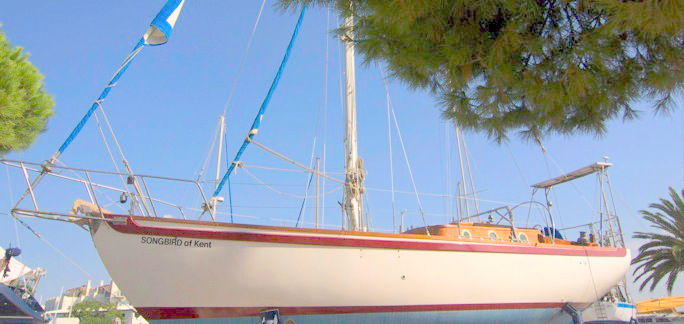
Long-term readers of this place will possibly recall that between April, 1989 and June, 1994 I lived on a Tradewind 33 sailing yacht Songbird of Kent. I have written before about those days.
Songbird of Kent. My home for five years.
When sailing at night when the sky is clear it is impossible not to feel deeply connected to the stars above one’s head.
My logbook for Songbird of Kent reports that at noon on Wednesday, 1st June, 1994, I departed the yacht harbour at Horta in The Azores bound for Plymouth, South-West England. Plymouth was 1,257 nautical miles (2,329km/1,447 statute miles) from Horta.
Horta on Faial Island of the Azores
The logbook has an entry for the 6th June.
0400 Lat. 43 deg 25 minutes North, Long 22 deg 3 minutes West. Engine Off. Still no wind but must sleep after 19 hours of helming. 840 miles to run. Wind 2 knots from SW. Baro 1027 mb, Viz Good.
The visibility was wonderful and seeing the stars up in the night sky all around me, as in all 360 degrees about me, practically down to the horizon on this moonless night is an image still etched in my mind.
A new study – based on supercomputer simulations – reveals that each one of us may be made in part from matter that passes from one galaxy to another.
This image shows M81 (bottom right) and M82 (upper left), a pair of nearby galaxies where intergalactic transfer – transfer of materials between galaxies – might be happening. Image via Fred Herrmann.
Sagan famously said that we are made of star stuff. He meant the carbon, nitrogen and oxygen atoms in our bodies, as well as atoms of all other heavy elements, were created inside stars. Yet Sagan’s expression of this idea, which quickly became a cornerstone of popular culture, might not take the concept far enough. According to astrophysicists at Northwestern University, our origins are much less local than previously thought. In fact, according to their analysis – which they say is the first of its kind – we’re not just star stuff. We’re galaxy stuff.
This study is being published on July 26, 2017 (July 27 in the U.K.) by the peer-reviewed journal Monthly Notices of the Royal Astronomical Society.
The Northwestern researchers found that up to half of the matter in our Milky Way galaxy may come from distant galaxies. As a result, each one of us may be made in part from extragalactic matter. That is, atoms of carbon, nitrogen, oxygen and so on in our bodies may be created not just by stars in our own Milky Way galaxy, but by stars in far-flung galaxies.
They arrived at this conclusion using supercomputer simulations. The study required the equivalent of several million hours of continuous computing.
The simulations show that supernova explosions eject great quantities of gas from galaxies, which causes the atoms made inside stars to be transported from one galaxy to another via powerful galactic winds. According to their statement, intergalactic transfer is a newly identified phenomenon, which, they say, requires supercomputer simulations in order to be understood. According to these astrophysicists, this understanding is critical for knowing how galaxies evolve … and hence for knowing our own place in the universe.
Animation of gas flows around a Milky Way-like galaxy, as seen by the team’s computer simulations.
Daniel Anglés-Alcázar is a postdoctoral fellow in Northwestern’s Center for Interdisciplinary Exploration and Research in Astrophysics (CIERA). He led the study, and he said:
It is likely that much of the Milky Way’s matter was in other galaxies before it was kicked out by a powerful wind, traveled across intergalactic space and eventually found its new home in the Milky Way.
Given how much of the matter out of which we formed may have come from other galaxies, we could consider ourselves space travelers or extragalactic immigrants.
Space is vast. Galaxies are located at almost inconceivable distances from each other. So, Alcázar and his team said, even though galactic winds propagate at several hundred kilometers per CIERA second, the process of intergalactic transfer occurs over billions of years.
As always, this new research built on earlier studies. Northwestern’s Claude-André Faucher-Giguère and his research group, along with a unique collaboration called Feedback In Realistic Environments (FIRE), had developed numerical simulations that produced realistic 3-D models of galaxies. These simulations followed a galaxy’s formation from just after the Big Bang to the present day.
Anglés-Alcázar then developed state-of-the-art algorithms to mine this wealth of data. In this way, he and his team were able to quantify how galaxies acquire matter from the universe.
The scientists say the prediction of intergalactic transfer can now be tested. The Northwestern team plans to collaborate with observational astronomers who are working with the Hubble Space Telescope and ground-based observatories to test the simulation predictions.
Simulated examples of intergalactic winds, shown as green string, in action around galaxies, shown as clusters of yellow dots. The galaxy at the center is ejecting the winds, blowing them toward potential the other galaxies.
Bottom line: Supercomputer simulations suggest that each one of us may be made in part from extragalactic matter. Hence, we are galaxy stuff.
Brookings is a city in Curry County, Oregon, United States. It was named after John E. Brookings, president of the Brookings Lumber and Box Company, which founded the city in 1908. As of the 2010 census the population was 6,336.
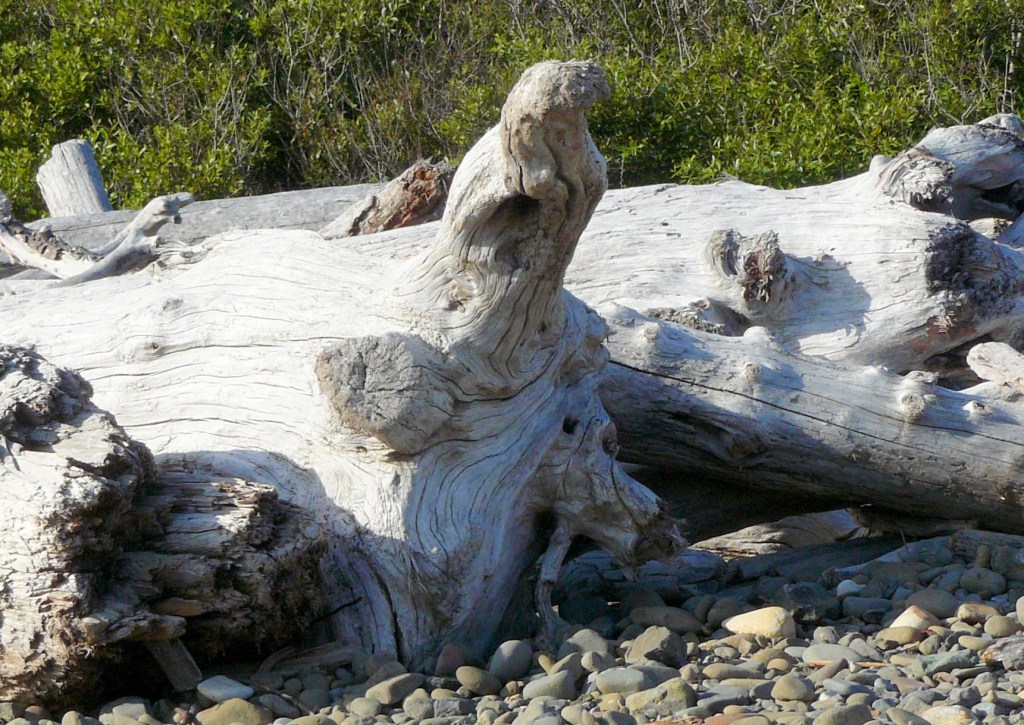
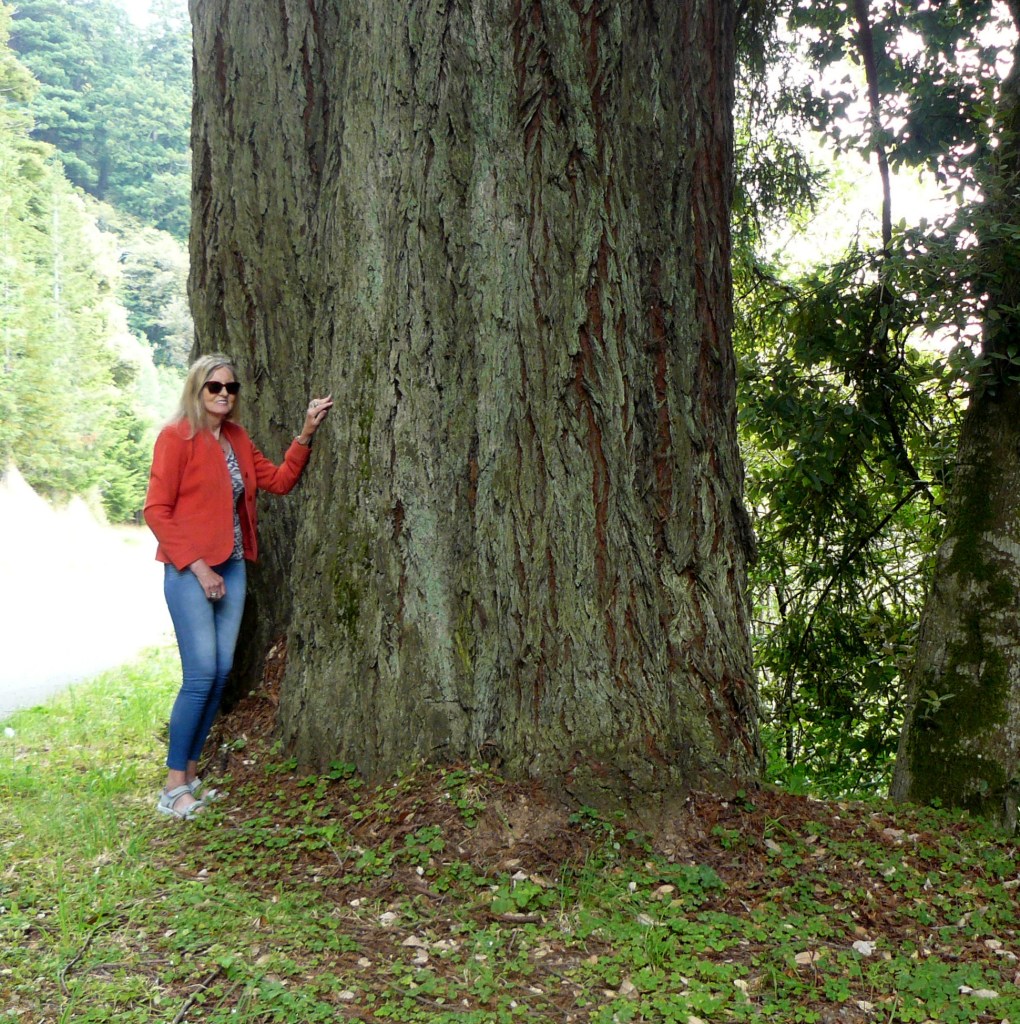
Anyway, a few pictures taken at Meyers Creek Beach that evening and a couple of shots of the Redwood trees seen on the way home on the Wednesday.



 You may have noticed that when a dog is feeling frisky and energetic, he or she will bow their front end to the ground and push their rear end into the air. Typically, this means that the dog wants to play.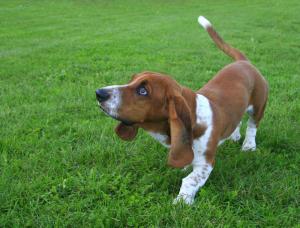

 When a dog rolls over, it usually means that he or she is submissive- but it’s important to pay attention to the dog’s whole body. If your dog’s tail and mouth are hanging loose, it can mean that he or she wants a belly rub or some attention. If the tail is tucked in or his or her mouth is stiff, it can mean that your dog is scared or nervous. Before you touch a dog who is rolled over, look for the signs of comfort.
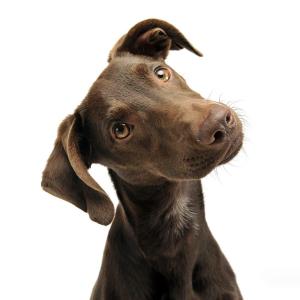 Chances are, if you own a dog, you’ve seen him or her with his ears perked up. This means that your dog is alert and attentive.
 When a dog tucks his or her tail between his legs, this is a classic sign of fear. Dogs who are scared, as a general rule of thumb, are prone to becoming aggressive in an attempt to protect themselves- so be careful when getting too close to a dog who is acting fearful.
 Like humans, dogs can become stressed. Stress in dogs can make them act in certain ways and exhibit specific body language. Some of the signs that mean that a dog is stressed are:
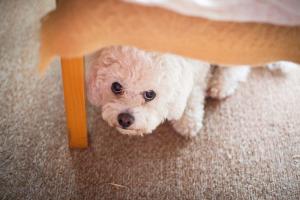 Dogs exhibit easy-to-read signs of fear. Some of these signs are:
 Emma is the founder of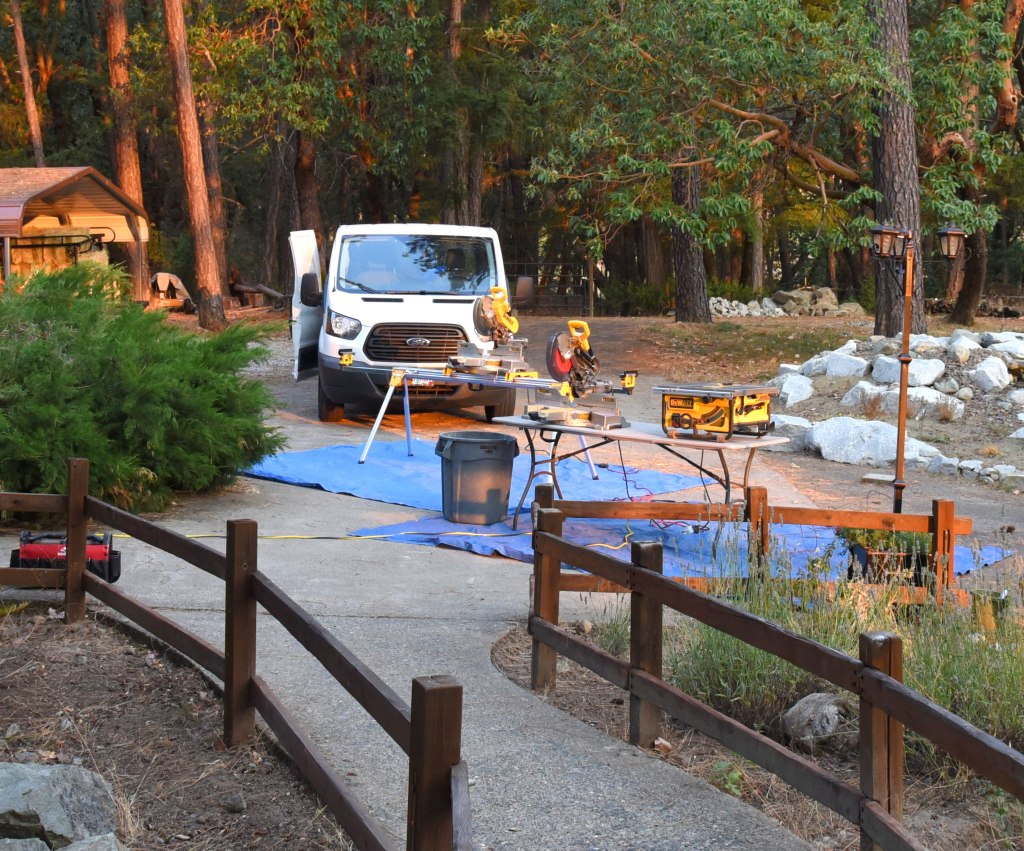

 At two years old, Lady’s ribs protruded from her coat and her belly was swollen with milk.
 In Sabrina’s case, she couldn’t know of the family members that awaited to embrace her presence. Within days of the initial hair-raising excitement, the cat sought out occasions to groom her ears. Our pet rat was free to waddle the kitchen floor un-bothered, and the pair of bonded bunnies in want of company stretched out beside her on the living room floor.
 Eight years later, she watches over me in particular. Thirty years ago, I was struck and thrown from the passenger side of a car until my abdomen collided with the steering wheel—blunt force that called for iterative repair to my digestive system and caused permanent damage to the nerves that signal my bladder is full.
 calling for employers to make reasonable accommodations and if the individual elects, to allow task-oriented service animals [dog or miniature horse] to accompany them on the job.
 Sabrina brings people together.

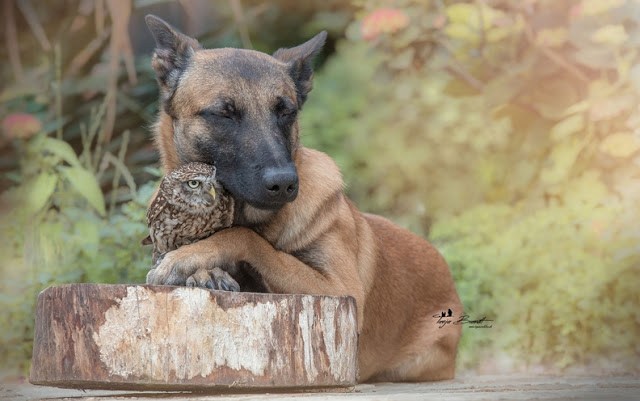 The owlet and canine have a special “protector-protected” relationship and that their affection towards each other couldn’t be any more evident. Ingo lovingly guards Poldi, who apparently “doesn’t know how to live free.”