Category: Morality

Please, always adopt a dog first!

This wonderful guest post from Zara Lewis adds real weight to the title.

There is no doubt in my mind that hundreds of you good people out there love and care for dogs that were first seen in a dog shelter or rescue centre.

But at the same time, inevitably, there are those who want to learn more about adopting a dog.

Zara Lewis has written another guest post that is a real help to those who are uncertain as to how to care for a newly-adopted dog.

ooOOoo

Five Tips on Making Your Adopted Dog Feel at Home

by Zara Lewis, May 24th, 2018

Adopting a dog is one of the noblest and most rewarding decisions you can make. With dog shelters filled to the brim with pooches in need of a loving home, there is really no reason to support the inhumane ways of the puppy mill industry; instead, welcoming a shelter dog into your family will save not one, but two lives.

However, sometimes welcoming an adopted dog into your home can seem like a daunting task. How do you banish their fears of abandonment, their anxiety, and the instilled behavioral patterns that define them yet are unsuited for domesticated life? How do you truly make them feel at home, loved, and most importantly, safe? Here to answer these questions are the five tips that will make this transition as pleasant and rewarding as possible.

Set the stage for the pooch

First things first, there’s a lot to be done before your pooch actually arrives at what will be their new, loving home. You want to make sure you have covered all the basics, from deciding where the dog will sleep and eat, all the way to buying a sizable crate and all of the necessities your new furry friend might need.

This includes getting in touch with a trusted veterinarian and making an appointment for the following day. You can never be too careful, no matter how trustworthy the shelter staff are. For the time being, you will want to roll up all of your carpets so that the dog gets used to walking around the house (they tend to stick to carpets when confronted by sleek surfaces), and don’t forget to buy a leash, plenty of toys, and most importantly, dog treats for those long training sessions ahead.

Let them explore the place one day at a time
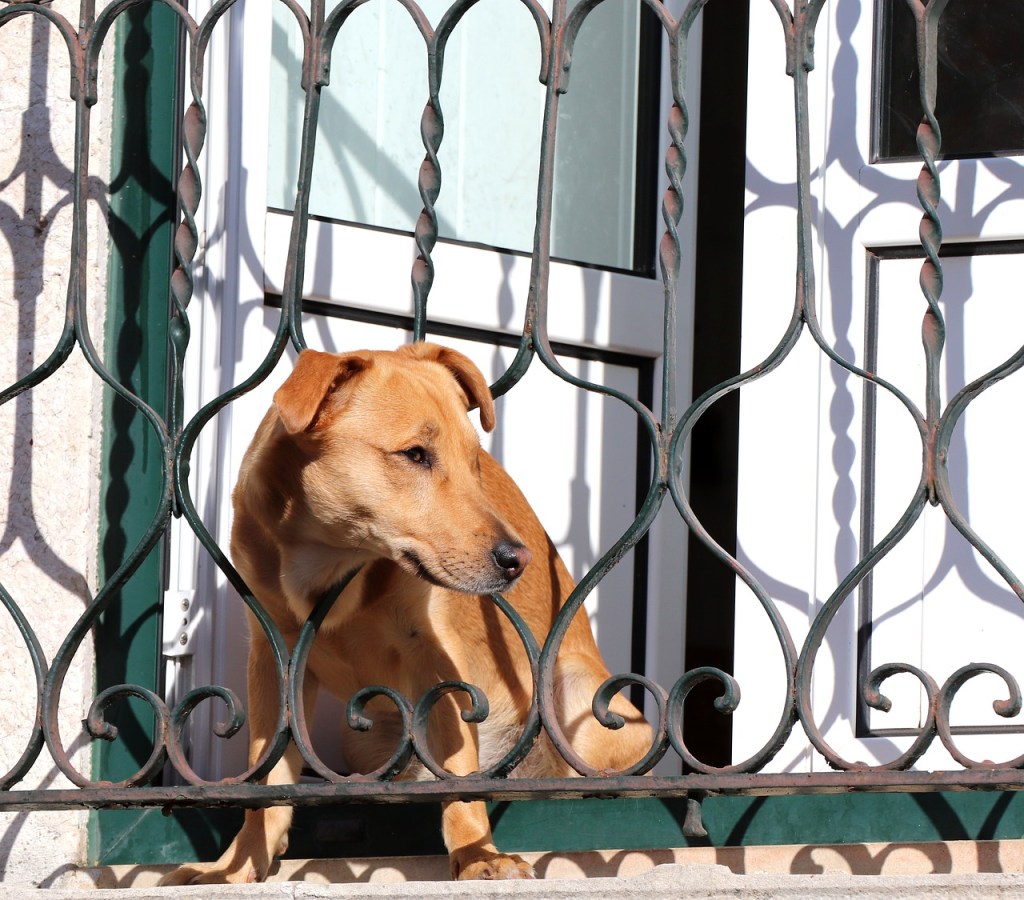
One of the biggest mistakes new dog owners inadvertently make is letting their new companion explore the new surroundings freely the minute they bring them home. Although completely understandable and very nice of you to want to make your new dog feel welcome, this is a common mistake that will result in plenty of pee stains on the floor you’ll have to scrub out.

Moreover, you might even frighten the pooch, so you want to let them familiarize themselves with the surroundings gradually. It’s always an excellent idea to buy a crate so that they can have their “safe space”, and explore the household one day at a time.

Banish anxiety and set some ground rules

Being adopted is a thrilling, wonderful, joyous experience for a dog, but it’s also a traumatic one. More often than not, your new pooch will come with some emotional baggage you will want to eliminate as soon as possible to avoid behavioral issues induced by anxiety, stress, and fear. It’s also never a bad idea to let a professional lend a helping hand. In Australia, for instance, dog training is sort of a must among homeowners.

In the Land Down Under, adopting a dog is a serious matter involving thorough preparation and planning, and professional dog training in Sydney and across the country is readily available to all homeowners looking to instill positive habits in their new dog, and banish their fears. Remember, dogs ,above all, require firm but loving guidance in order to find their place in the pack, and feel like a part of the family.

Let them have their personal space
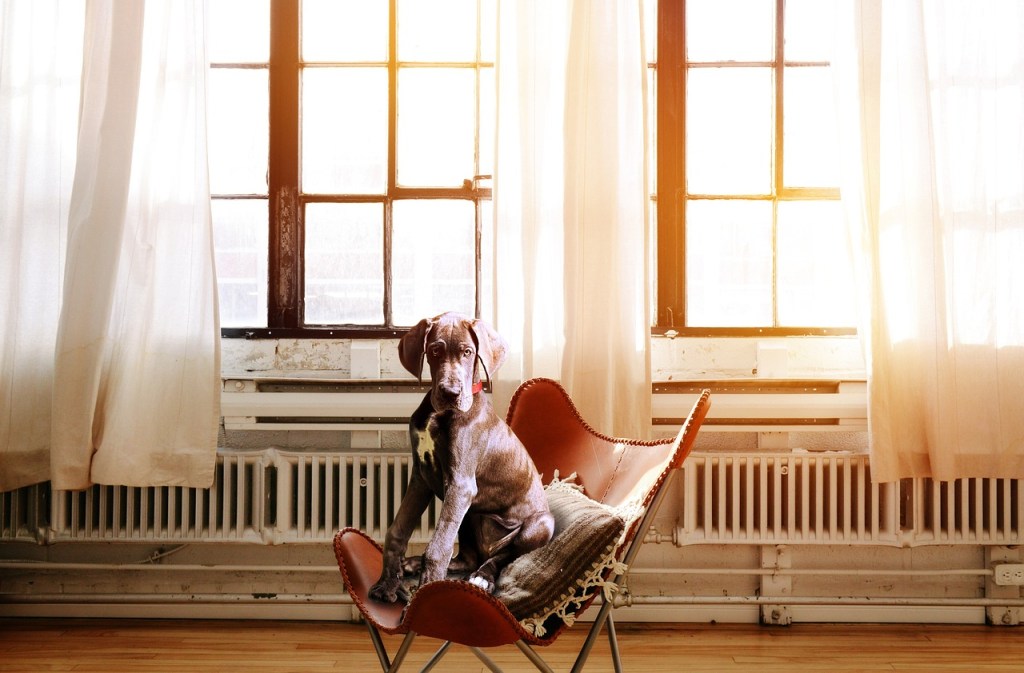
It often seems as if dogs haven’t the faintest idea what personal space is, as attested to by thousands of pet videos circling the web; but in fact, they do. And they cherish their personal space very much. Your new furry compadre needs time to heal, to reflect on their past experiences, and take in this new scenario they’re in. Needless to say, this is a stressful time for them and although they require plenty of time and attention, it’s important to recognize the moments when peace and quiet are all they need.

Make your dog feel loved and safe

Finally, this is not the time to be going through other important chapters in your life. This is the time you want to devote solely to the upbringing of your new pooch, so if you’re having personal issues you need to resolve, do it before you get a dog. Remember that they need your undivided attention and lots of it.

You will be spending plenty of time quietly stroking their back to make them feel safe, playing with them to develop a trusting bond, and plenty of time teaching them to behave. This requires patience and positivity, so make sure you’re ready and willing to take on this beautiful responsibility.

There is an ideal dog out there for you. And while a purebred dog would make an amazing lifelong companion as well, there is not quite a feeling as magnificent and rewarding as adopting a shelter dog. With these essential tips, you will have no problem making your new best friend feel right at home.

Zara Lewis

Zara is a contributing editor at Ripped.me and a contributor at TheWellnessInsider

ooOOoo

What a fabulous post. Thank you, Zara. (And let me close by saying that out of our six dogs, five have been rescued in one form or another!)

 

The continuing fallout from Chernobyl

Will you, please, consider taking one of these puppies!

I closed last Saturday’s post with this plea: “If only there wasn’t a single dog in need of adoption in the world!

That plea is being used to introduce today’s post. An article that was recently read on the Smart News section from The Smithsonian magazine website.

I have republished it, hopefully without infringing copyrights, because it’s a story that needs to be circulated as far and wide as possible.

ooOOoo

Chernobyl Puppies Going Up for Adoption in the U.S.

Now in quarantine, the pups are expected to come to the U.S. this summer in search of their forever homes.

Please for to adopt us, Comrade. (Chernobyl Exclusion Zone Authority)
By Jason Daley smithsonian.com , May 16, 2018

In 1986, the Chernobyl nuclear power plant melted down, sending nearby residents fleeing the disaster zone. And sadly, most pets got left behind. Over the last 32 years, the surviving pups have multiplied, creating a community of hundreds that live in the Chernobyl Exclusion Zone and another 250 that live on the grounds of the former power plant itself.

Now, a dozen of those homeless puppies will head to the United States for adoption, reports Matt Novak at Gizmodo.

According to the Russian website Meduza, Ukrainian authorities have captured 200 of the stray Chernobyl puppies. They are currently keeping them in a 45-day quarantine in the city of Slavutych, and then a dozen will be shipped to the United States.

“We have rescued the first puppies, they are now in our adoption shelter going through the quarantine and decontamination process,” Lucas Hixson, co-founder of the U.S.-based Clean Futures Fund, a non-profit created to take care of Chernobyl clean-up workers, their families and the dogs tells Novak. “The goal is 200 dogs but will likely be more in the long run. My hope is to get 200 dogs rescued and adopted in the next 18 months and then go from there.”

The pups have a heartbreaking story, as The Guardian’s Julie McDowell detailed earlier this year. During the evacuation, more than 120,000 people were herded onto buses to escape the meltdown of the Unit 4 reactor, leaving most of their valuables and their pets behind. Many dogs tried to follow their owners onto the buses but were kicked off. People left notes on their doors asking authorities not to kill their animals, but Soviet Army squads were dispatched to put down as many contaminated animals as they could find.

Some of the dogs survived the army and the radiation, rebuilding their community as a pack. The Clean Futures Fund reports that the 250 dogs living on the grounds of the former power plant were likely driven out of the surrounding forests by wolves and a lack of food. Another 225 dogs roam Chernobyl City and hundreds of others live and scrounge at security checkpoints and throughout the woods and abandoned communities in the Exclusion Zone. Most of the dogs around the plant are under the age of 4 or 5, and clean-up workers at the site sometimes feed and tend to sick animals.

But last year, after becoming aware of the animals, The Clean Futures Fund decided the pups needed a more permanent solution. That’s why they’ve implemented a three-year program in the Exclusion Zone to spay and neuter 1,000 animals and vaccinate them against rabies. At their first clinic last August, the Fund spayed and neutered 350 dogs and cats in the area. Each animal was tested for radiation, given antibiotics, vaccinated for rabies and microchipped. Each dog’s vital data was also recorded.

For the next clinic scheduled for June, the Fund has also partnered with researchers from the University of South Carolina. The team will study the dogs for signs of radiation poisoning as well as genetic damage and disruptions to the dogs’ microbiomes, reports Mary Katherine Wildeman at The Post and Courier. The team will sedate the dogs and look for tumors and cataracts, which can signal radiation poisoning.

Understanding the impacts of radiation exposure is becoming increasingly important, says Timothy Mousseau, a researcher who has studied radiation in the birds, insects and small animals of Chernobyl and will lead the project. Exposure rates in daily life from medical treatments and other sources are on the rise, with the average yearly dose Americans receive doubling in the last 20 years alone.

There is no word when or where the dozen Chernobyl pups will go up for adoption. But even if you’re not lucky enough to have one of the reminders of Soviet-era nuclear power at the foot of your bed, it’s still possible to see the place for yourself and hand out treats to some of the remaining pups. There’s a booming tourism industry in the area to visit the eerie ghost towns and surprisingly quiet and beautiful green space that has overtaken the Zone.

ooOOoo

I am going to contact The Clean Futures Fund to see how one can register a potential interest in taking one of these puppies.

In the meantime, is there any reader who would be interested in having a puppy? Send me an email if so.

Dogs and Humans!

Great to be back to blogging again!

Jean and I flew back into Portland last Thursday evening and after a motel stay near to the airport arrived back home last Friday a little before mid-day.

It was an incredible trip covering family in both England and France and I will start writing up the details of where we went and who we stayed with over the coming days; sing out if this is not want you want to read!!

But as good as the vacation was it was fabulous to be home and I wanted to share with you a few sights of home taken over the last couple of days.

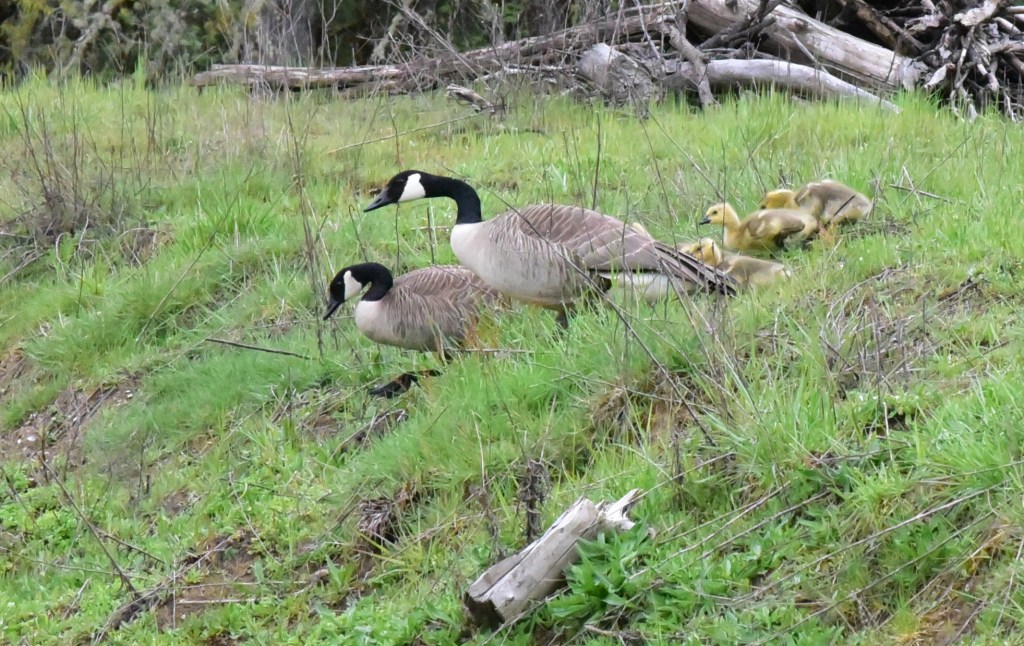
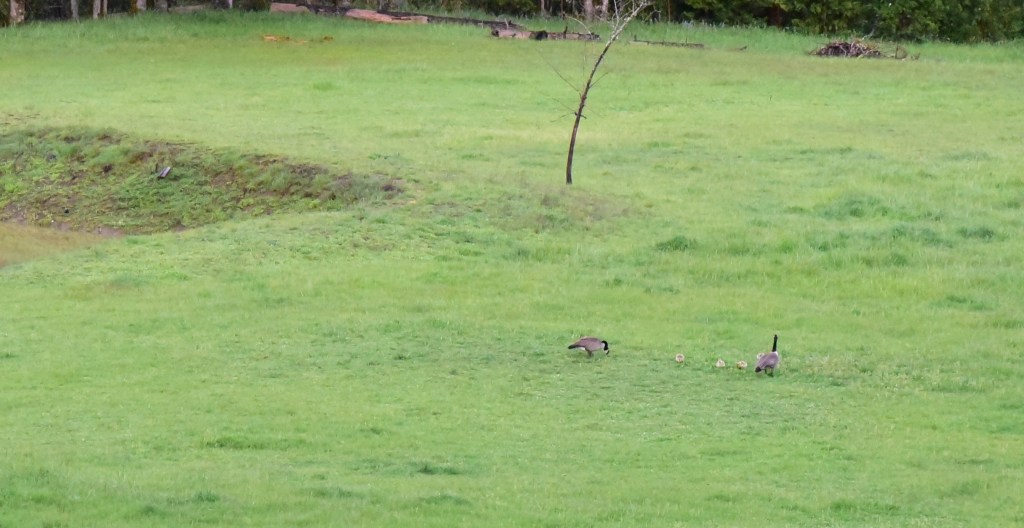
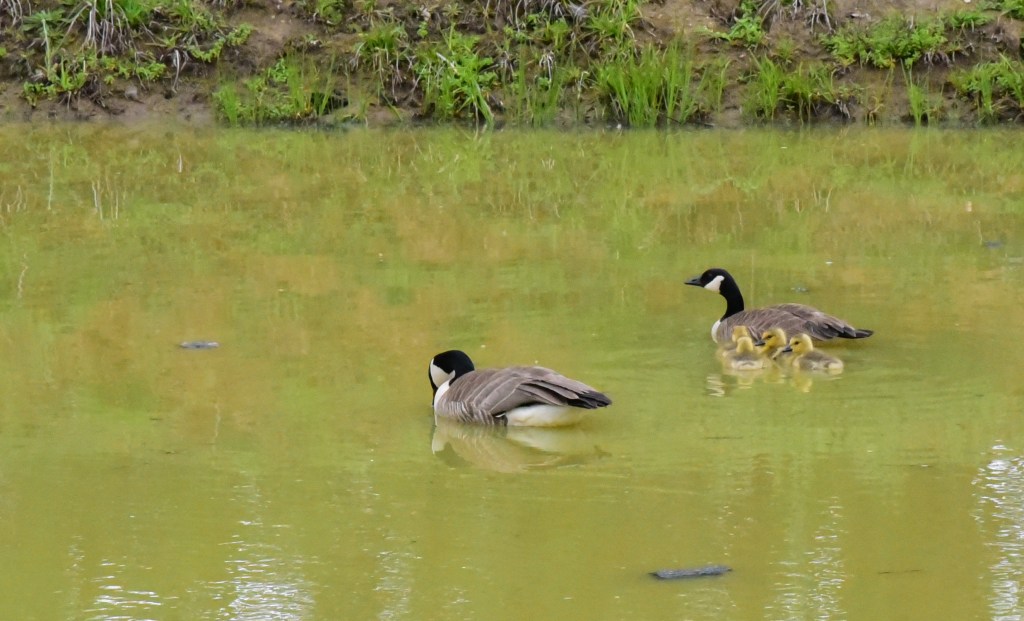
Mother Goose now has her goslings!

oooo

oooo

oooo

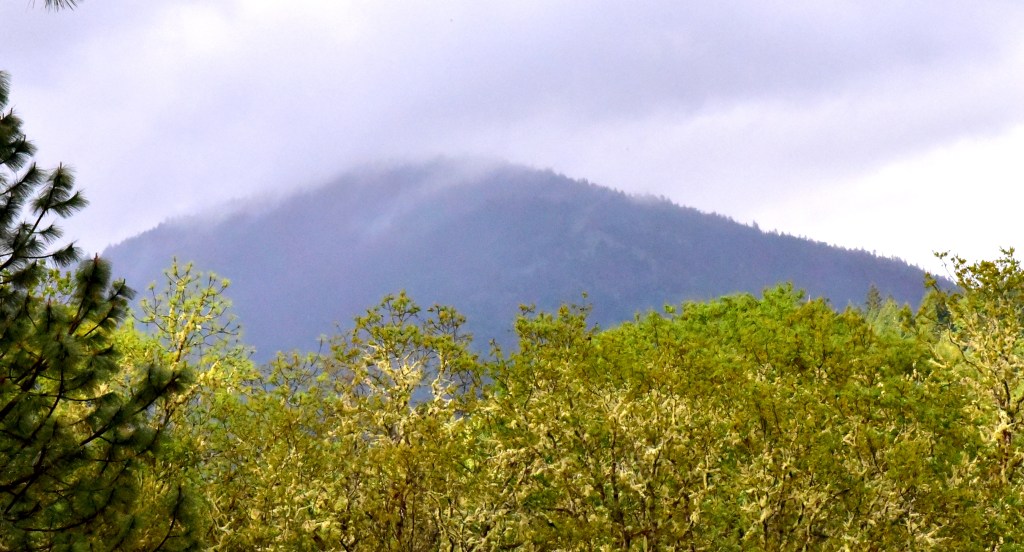
I will never tire of looking at Mount Sexton!

oooo

Nor of the beauty of where we live!

OK!

I can think of no better way of re-starting my blog posts than to republish an item that Dan shared with me back in early April.

ooOOoo

“Dogs Welcome”

A man wrote in a letter to a small hotel in a Midwest town he planned to visit on his vacation:

“I would very much like to bring my dog with me. He is well-groomed and very well behaved. Would you be willing to permit me to keep him in my room with me at night?”

An immediate reply came from the hotel owner, who wrote:

“SIR: I’ve been operating this hotel for many years. In all that time, I’ve never had a dog steal towels, bedclothes, silverware or steal pictures off the walls or use them as a coloring book.

I’ve never had to evict a dog in the middle of the night for being drunk and disorderly. And I’ve never had a dog run out on a hotel bill. Yes, indeed, your dog is welcome at my hotel. And, if your dog will vouch for you, you’re welcome to stay here, too.”

ooOOoo

Dan also shared some really gorgeous photographs that can be seen on the next two Sundays.

Real Learning from Dogs – for our Children!

Another wonderful guest post from Zara Lewis.

Back on March 13th, Zara published her first guest post in this place. It was called Dogs and allergies and was very well received by many if not most of you.

So what a pleasure it was to receive a further email and material from Zara last Friday.

Here it is for all you good people!

ooOOoo

How Your Family Pooch Can Teach Your Youngsters Responsibility

by Zara Lewis, March 30th 2018

It’s easy to confuse pure obedience with true responsibility, simply because the former serves as the stepping stone, while the latter is a mindset that takes years to build. We as parents make choices every day that affect how well this mindset develops in our kids, but one of the best, most seamless ways for them to succeed is by nurturing their relationship with your family doggo.

With a four-legged friend by their side, kids tend to assume the role of a leader, a friend, and a caregiver with greater ease. Although it comes with its own set of parenting challenges, teaching your kids responsibility with your little fuzzy buddy is a rewarding experience that will enrich your kids’ childhood and help you be a better parent, as well!

Building healthy habits

From regular vet check-ups, vaccines, feeding on a schedule, and taking them for walks every day, your kids will quickly realize that only a healthy dog will be a happy dog. I know that some kids will be eager to split their chocolate cake with their furry pal, but when you explain to them that such a diet can be very harmful, they will be much more careful when choosing the right dog food.
When they’re young, they won’t perceive those walks and frisbee throws as exercise, but if they start embracing this lifestyle so early, they will be much more likely to stay active throughout their adulthood, too.

Learning about boundaries
No matter how in love your youngsters may be with their pet, they often don’t understand that dogs have moods, too. That means they won’t always be in the mood to be hugged, or that dogs won’t put up with having their tail pulled all the time.

The sooner they understand to respect the needs and wants of their pets, your kids will appreciate the meaning of personal preferences even in life. They will learn how to recognize certain body language signals that they are about to cross a line and transfer that knowledge to their hooman friends as well.


Mastering discipline

Just like that birthday cake is almost too irresistible not to be shared with your pooch, it’s no surprise that many kids want to take their dogs everywhere and share absolutely everything with them. My own little boy wanted to share his bed with our dog, Joey, and even though this is perfectly fine from time to time, making it into a habit wasn’t the best option for either of them.

So, we got a Snooza bed for Joey and placed it in our son’s bedroom and explained that it’s best for each of them to have their own space, since they both grow very fast. Plus, once I told my son that the cleaning of his room will be much more difficult if his bed was filled with dog hair, he immediately changed his mind!


Handling suitable tasks

Overburdening your kids with too many difficult chores is as bad as not giving them enough opportunities to be responsible. It’s best to discern how much your youngsters can handle depending on their age. For example, toddlers can tell you if their water bowl is empty or if they caught the little rascal in the potty act.

Older kids can share the entire feeding, grooming, and walking routine with you, depending on their school responsibilities and other chores. In fact, older kids can even help you train the dog by teaching them various tricks, and playing sessions are beneficial both for your kids and the dog, as they’ll help them grow stronger, and build their bond over time.

Fostering independence

Sometimes the homework will pile up and perhaps the flu season will kick in, so you’ll feel the need to spare your kids the trouble of caring for your pet. Even though it’s perfectly fine to help them manage their chores and take over a portion until they are well enough, they shouldn’t suddenly let you take over for good.
Moreover, encourage your kids to pitch in, no matter how little, with their birthday savings or their pocket money when buying dog food, or getting new chew toys. This is yet another way of sharing and learning to become more autonomous even financially with their pets.

The cycle of learning and teaching
While we’re on the subject of sharing, some kids perceive their pooch as another toy at first, or even as a chore you’ve added to their “unwanted” list. This is especially common among very young kids, and it becomes essential for parents to help them cope with these responsibilities by gradually introducing new ones.
Talk to them, see if they would actually like to take charge of a particular activity such as feeding or walking, while you share other responsibilities with them. Explain why these actions are important for keeping your pooch happy and healthy, and they will be much more likely to take on more responsibilities over time.

Finally, don’t forget to be a true role model while your kids are still in the learning stages of caring for your family pet. They will make mistakes, but they should look up to you for better behavioral patterns, and it’s your duty to be the caregiver you’d want your kids to become for your pooch.

ooOOoo

You do know if Zara carries on like this I shall hang up my keyboard and just savour Zara’s writings!!

Shit Happens!

A very inspirational essay from George Monbiot.

It is said that there are only two certainties in life: Death and Taxes.

I think that is one short: The Unexpected. As in Death, Taxes and The Unexpected!

As evidence of The Unexpected, one could put falling off one’s bike or being diagnosed with Parkinson’s Disease. Or the many other ‘hiccups’ that are an attribute of the real world that we humans live in. Put in the words of the street: Shit Happens!

Now read this very inspirational essay from George Monbiot. Republished here with Mr. Monbiot’s very kind permission.

ooOOoo

Unprostrated

16th March 2018

I have prostate cancer, but I’m happy. Here’s how.

By George Monbiot, published in the Guardian 14th March 2018

It came, as these things often do, like a gunshot on a quiet street: shocking and disorienting. In early December, my urine turned brown. The following day I felt feverish and found it hard to pee. I soon realised I had a urinary tract infection. It was unpleasant, but seemed to be no big deal. Now I know that it might have saved my life.

The doctor told me this infection was unusual in a man of my age, and hinted at an underlying condition. So I had a blood test, which revealed that my prostate specific antigen (PSA) levels were off the scale. An MRI scan and a mortifying biopsy confirmed my suspicions. Prostate cancer: all the smart young men have it this season.

On Monday, I go into surgery. The prostate gland is buried deep in the body, so removing it is a major operation: there are six entry points and it takes four hours. The procedure will hack at the roots of my manhood. Because of the damage that will be caused to the surrounding nerves, there’s a high risk of permanent erectile dysfunction. Because the urethra needs to be cut and reattached to the bladder, I will almost certainly suffer urinary incontinence for a few months, and possibly permanently. Because the removal of part of the urethra retracts the penis, it appears to shrink, at least until it can be stretched back into shape.

I was offered a choice: radical surgery or brachytherapy. This means implanting radioactive seeds in the parts of the prostrate affected by cancer. Brachytherapy has fewer side effects, and recovery is much faster. But there’s a catch. If it fails to eliminate the cancer, there’s nothing more that can be done. This treatment sticks the prostate gland to the bowel and bladder, making surgery extremely difficult. Once you’ve had one dose of radiation, they won’t give you another. I was told that the chances of brachytherapy working in my case were between 70 and 80%. The odds were worse, in other words, than playing Russian roulette (which, with one bullet in a six-chambered revolver, gives you 83%). Though I have a tendency to embrace risk, this was not an attractive option.

It would be easy to curse my luck and start to ask “why me?”. I have never smoked and hardly drink; I have a ridiculously healthy diet and follow a severe fitness regime. I’m 20 or 30 years younger than most of the men I see in the waiting rooms. In other words, I would have had a lower risk of prostate cancer only if I had been female. And yet … I am happy. In fact, I’m happier than I was before my diagnosis. How can this be?

The reason is that I’ve sought to apply the three principles which, I believe, sit at the heart of a good life. The first is the most important: imagine how much worse it could be, rather than how much better.

When you are diagnosed with prostate cancer, your condition is ranked on the Gleason Score, which measures its level of aggression. Mine is graded at 7 out of 10. But this doesn’t tell me where I stand in general. I needed another index to assess the severity of my condition, so I invented one: the Shitstorm Scale. How does my situation compare to those of people I know, who contend with other medical problems or family tragedies? How does it compare to what might have been, had the cancer had not been caught while it is still – apparently – confined to the prostate gland? How does it compare to innumerable other disasters that could have befallen me?

When I completed the exercise, I realised that this bad luck, far from being a cause of woe, is a reminder of how lucky I am. I have the love of my family and friends. I have the support of those with whom I work. I have the NHS. My Shitstorm Score is a mere 2 out of 10.

The tragedy of our times is that, rather than apply the most useful of English proverbs – “cheer up, it could be worse” – we are constantly induced to imagine how much better things could be. The rich lists and power lists with which the newspapers are filled, our wall-to-wall celebrity culture, the invidious billions spent on marketing and advertising, create an infrastructure of comparison that ensures we see ourselves as deprived of what others possess. It is a formula for misery.

The second principle is this: change what you can change, accept what you can’t. This is not a formula for passivity. I’ve spent my working life trying to alter outcomes that might have seemed immovable to other people. The theme of my latest book is that political failure is, at heart, a failure of imagination. But sometimes we simply have to accept an obstacle as insuperable. Fatalism in these circumstances is protective. I accept that my lap is in the lap of the gods.

So I will not rage against the morbidity this surgery might cause. I won’t find myself following Groucho Marx who, at the age of 81, magnificently lamented, “I’m going to Iowa to collect an award. Then I’m appearing at Carnegie Hall, it’s sold out. Then I’m sailing to France to pick up an honour from the French government. I’d give it all up for one erection.” And today there’s viagra.

The third principle is this: do not let fear rule your life. Fear hems us in, stops us from thinking clearly and prevents us from either challenging oppression or engaging calmly with the impersonal fates. When I was told that this operation has an 80% chance of success, my first thought was “that’s roughly the same as one of my kayaking trips. And about twice as good as the chance of emerging from those investigations in West Papua and the Amazon”.

There are, I believe, three steps to overcoming fear: name it, normalise it, socialise it. For too long, cancer has been locked in the drawer labelled Things We Don’t Talk About. When we call it the Big C, it becomes, as the term suggests, not smaller, but larger in our minds. He Who Must Not Be Named is diminished by being identified, and diminished further when he becomes a topic of daily conversation.

The super-volunteer Jeanne Chattoe, whom I interviewed recently for another column, reminded me that, just 25 years ago, breast cancer was a taboo subject. Thanks to the amazing advocacy of its victims, this is almost impossible to imagine today. Now we need to do the same for other cancers. Let there be no more terrible secrets.

So I have sought to discuss my prostate cancer as I would discuss any other issue. I make no apologies for subjecting you to the grisly details: the more familiar they become, the less horrifying. In doing so, I socialise my condition. Last month, I discussed the remarkable evidence suggesting that a caring community enhances recovery and reduces mortality. In talking about my cancer with family and friends, I feel the love that I know will get me through this. The old strategy of suffering in silence could not have been more misguided.

I had intended to use this column to urge men to get themselves tested. But since my diagnosis, we’ve discovered two things. The first is that prostate cancer has overtaken breast cancer to become the third biggest cancer killer in the UK. The second is that the standard assessment (the PSA blood test) is of limited use. As prostate cancer in its early stages is likely to produce no symptoms, it’s hard to see what men can do to protect themselves. That urinary tract infection was a remarkably lucky break.

Instead, I urge you to support the efforts led by Prostate Cancer UK to develop a better test. Breast cancer has attracted twice as much money and research as prostate cancer, not because (as the Daily Mail suggests) men are the victims of injustice, but because women’s advocacy has been so effective. Campaigns such as Men United and the Movember Foundation have sought to bridge this gap, but there’s a long way to go. Prostate cancer is discriminatory: for reasons unknown, black men are twice as likely to suffer it as white men. Finding better tests and treatments is a matter of both urgency and equity.

I will ride this out. I will own this disease but I won’t be defined by it: I will not be prostrated by my prostate. I will be gone for a few weeks but when I return, I do solemnly swear I will still be the argumentative old git with whom you are familiar.

http://www.monbiot.com

ooOOoo

It appears to be a unique aspect of the human mind. I am referring to our ability to worry about the future, to struggle to break away from ‘habitual’ responses to unanticipated crap coming along, to see the glass as half full as opposed to half empty, and so on, and so on.

Oh, to be like our dear, sweet, wise dogs.

Just let the world roll by!

Saving lives!

Saving the lives of our dogs and their owner/carers!

The Smithsonian website recently featured a dog rescue centre in Costa Rica that has the odd dog or one thousand being cared for!

I kid you not!

This Costa Rican Paradise Shelters Over 1,000 Stray Dogs

A photographer documents scenes from Territorio De Zaguates, a converted farm in the Santa Bárbara mountains that’s giving abandoned dogs a second chance
By Jennifer Billock, smithsonian.com, March 6, 2018

The article also includes a range of incredible photographs. I have ‘borrowed’ a couple to share with you.

oooo

What rescuing a dog means to thousands of gentle-hearted people is no better spoken about than in the words of a poem that Colin published over on his blog A Dog’s Life.

It is republished here with Colin’s very kind permission.

ooOOoo

“A Stray they named Ray”

The following is one of the poems in my book “Just Thinking”, which is available direct from Friesen Press, Amazon, and other on-line book retailers.

https://books.friesenpress.com/store/title/119734000032944229/Colin-Chappell-Just-Thinking

This is such a sweet collection of beautiful thoughts and sentiments and reflections. The people and stories and memories are so real and tangible, easy to connect with, easy to read. For each poem I have read so far, it’s like he is talking about someone I know… or someone I would want to know 🙂 This books explores so many things, takes you on so many journeys.. the good and the bad and the beauty in between. This book was given as a gift, and it’s one I will treasure!” (Amazon review)

 “A Stray they named Ray”

They were found on a farm

Not too far away,

But… where was their home?

Two dogs, frightened, hungry,

So very tired and,

Surviving somehow on their own.

***

The rescue van arrived,

And the crew discussed

How best to capture this pair.

Traps were determined

To be the most humane,

But… so many questions were there.

***

Why were these two dogs

Having to scavenge for food?

Why were they out on their own?

The treats in the traps,

Put an end to all that,

And they were captured, scared… and alone.

***

They had no collars; no tags;

No microchips were found.

They were just two dogs without names.

Their faces were expressionless,

And their fur in poor condition.

Were they siblings? Perhaps their mother was the same?

***

Once back at the shelter

They were caged together,

But then a fight ensued.

Trainers intervened,

And gave them separate cages,

But then had to decide what to do.

***

One (they later named Ray) was not unfriendly,

Although cautious and rather aloof.

He seemed to know he was no longer alone.

He was given a bath and a bowl of food

And, with some loving care (they thought),

He could possibly adapt to a home.

***

He was a sorry sight,

And no doubt a once proud dog.

Clearly a German Shepherd cross,

Just managing to survive,

By eating scraps to stay alive.

To explain him, they were quite at a loss.

***

They tried to find his owners.

They checked the Missing Pets files,

But there only seemed one option.

He now belonged to the shelter

And… as he was neither reported lost, nor stolen,

He would be trained for adoption.

***

Four months later he was ready.

His adoption photo was published,

And all were looking for a sign.

He needed a family,

To love… and be loved by.

This will, hopefully, be his time.

***

Eventually a couple arrived

Who clearly were drawn to him,

And regular walks were arranged.

It was soon to be seen

That his life, as it had been,

Was quickly going to change.

***

His day of adoption came.

The staff all said their farewells.

Smiles, and tears, were all around,

For the life of a stray;

Of a dog they named Ray;

A life almost lost… had been found.

*

ooOOoo

I am finishing today’s post with another photograph from the Costa Rican Paradise Shelter.

Then my final words are those in that Smithsonian article:

Now, more than 1,000 dogs roam the countryside of the Costa Rican estate. They go on daily walks in the mountains and eat roughly 858 pounds of food per day. They’re bathed and treated on-site for illness or injury (though more intense cases go to a specialist vet in San Jose). And most importantly, they’re given a better quality of life than they’d experience on the streets.

“There is a major problem with stray and abandoned dogs in Costa Rica,” Dan Giannopoulos, a photographer who recently visited the shelter, told Smithsonian.com. “The government line on [the] treatment of strays is to destroy them. This is the only shelter of its kind in Costa Rica. It offers a new lease [on] life to the dogs, many of whom have lived terrible lives and have terminal illnesses.”

Read more: https://www.smithsonianmag.com/travel/these-photos-transport-you-dogs-central-american-paradise-180968018/#v9xZpKmRadL5JHeA.99
Give the gift of Smithsonian magazine for only $12! http://bit.ly/1cGUiGv
Follow us: @SmithsonianMag on Twitter

Picture Parade Two Hundred and Twenty-Seven

Guess what!

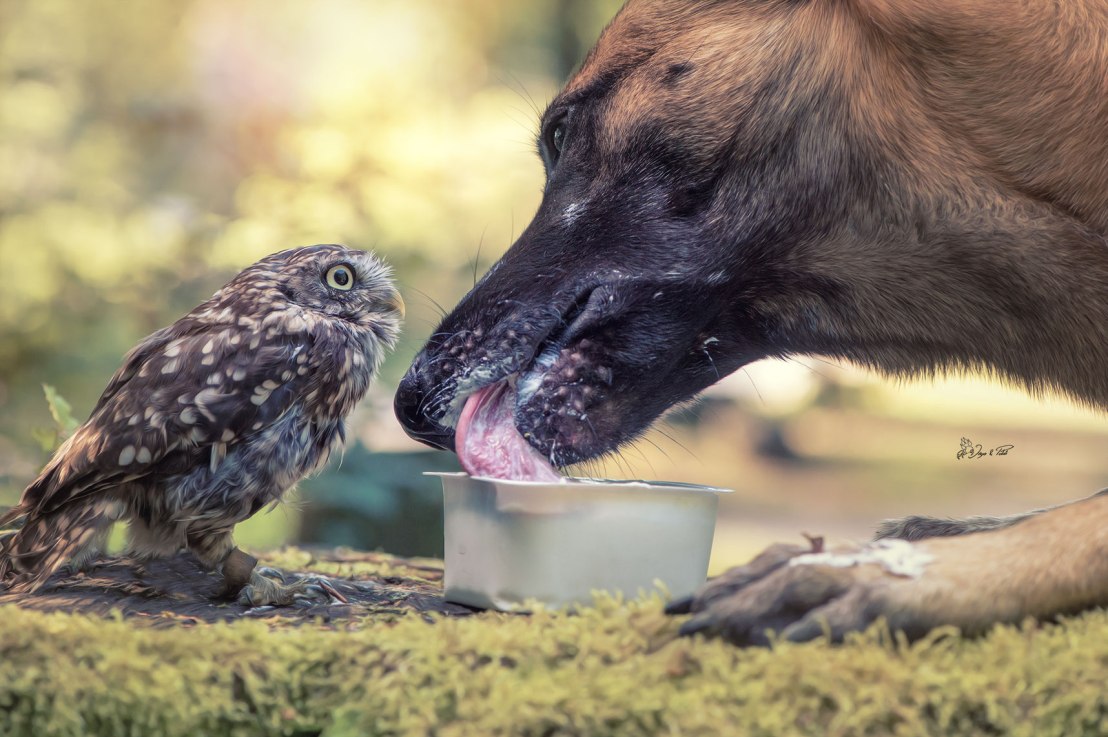
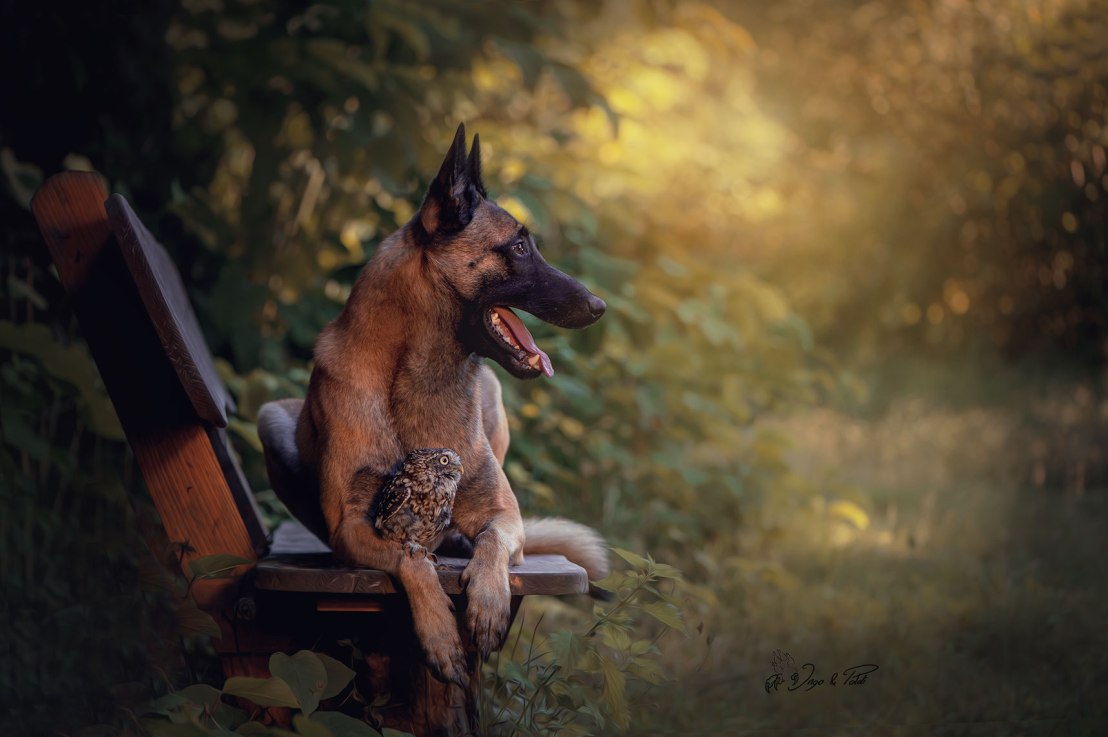
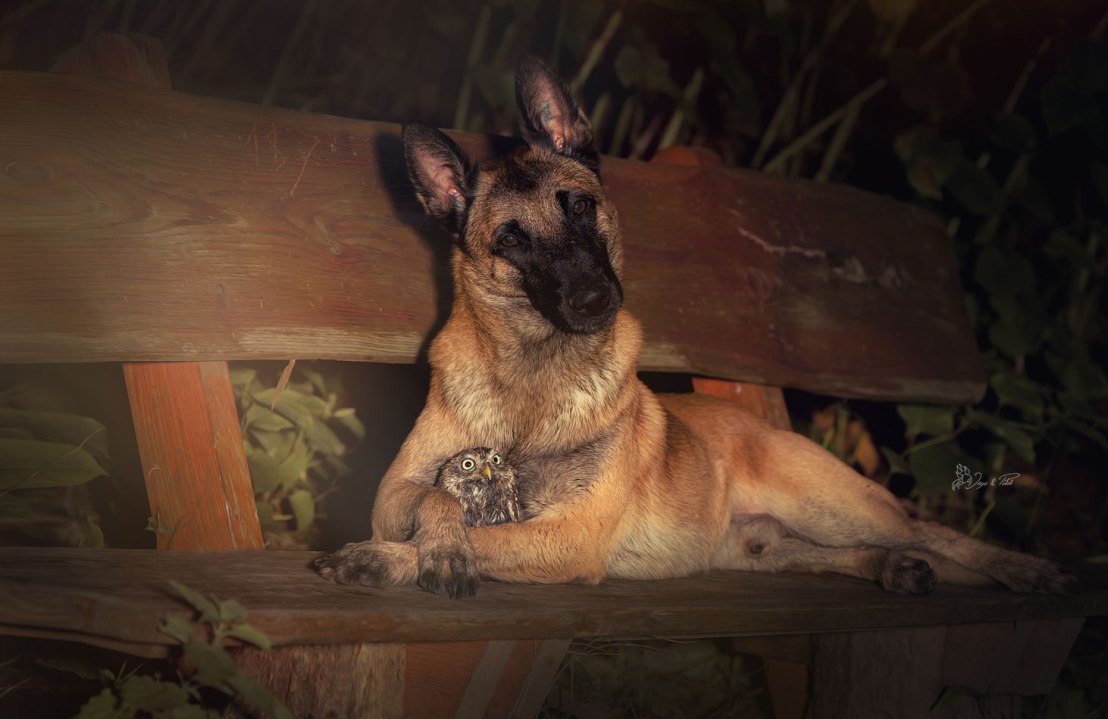
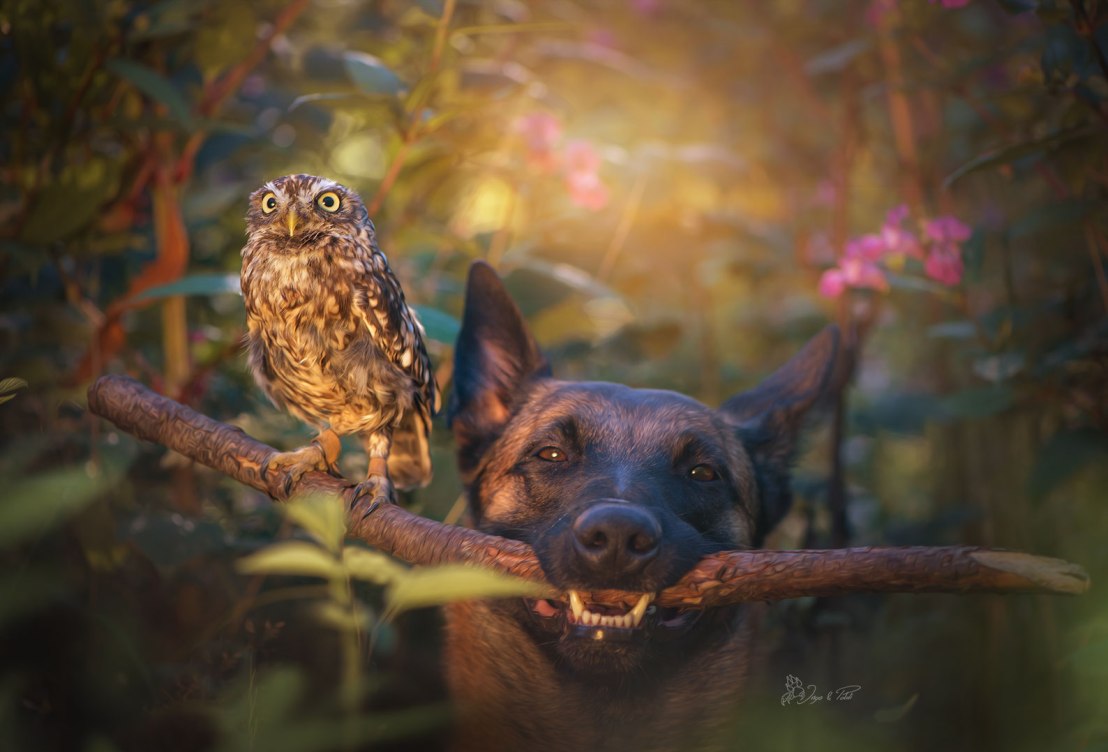
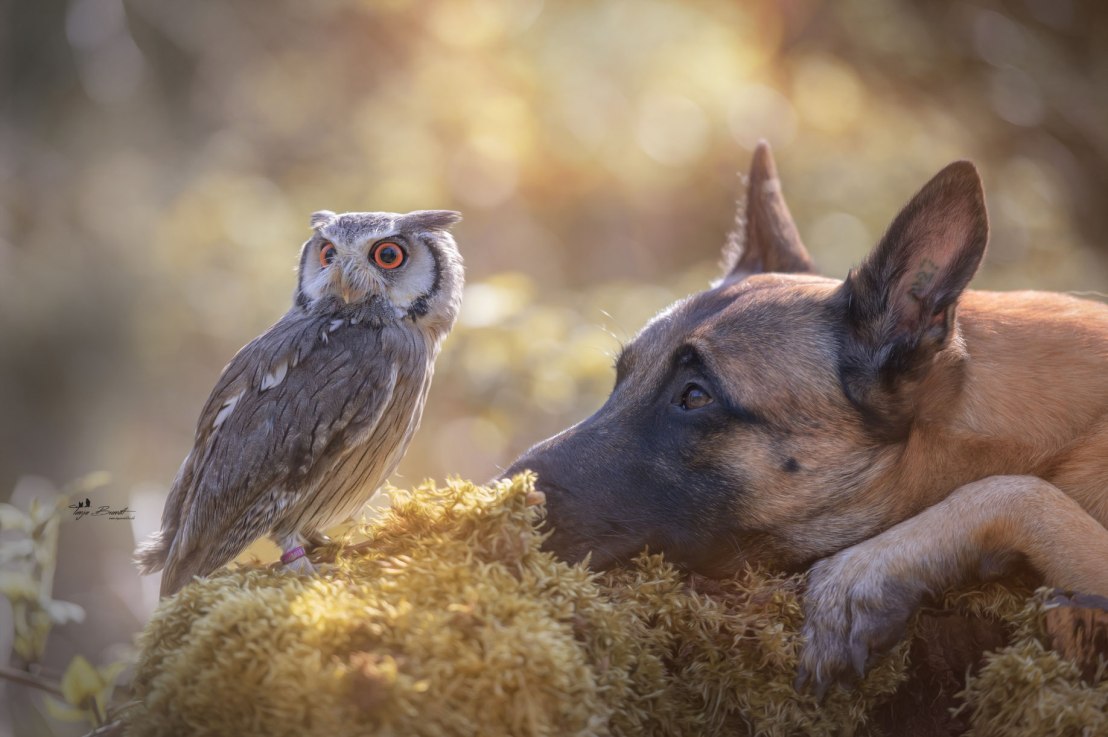
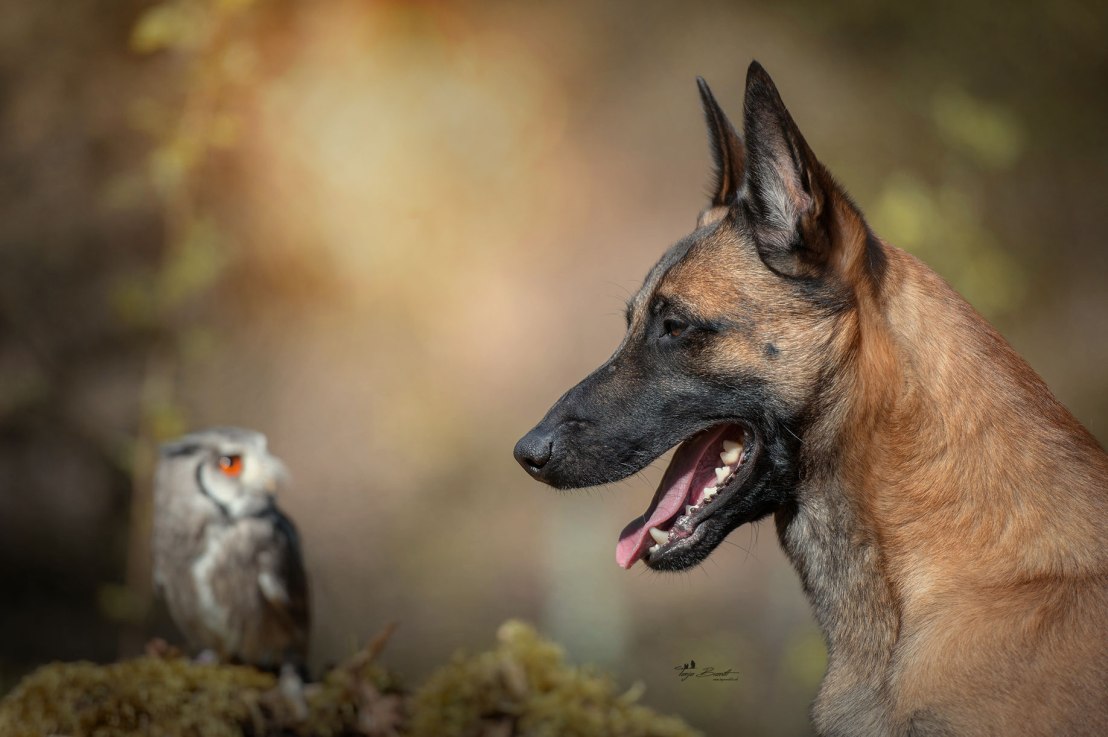
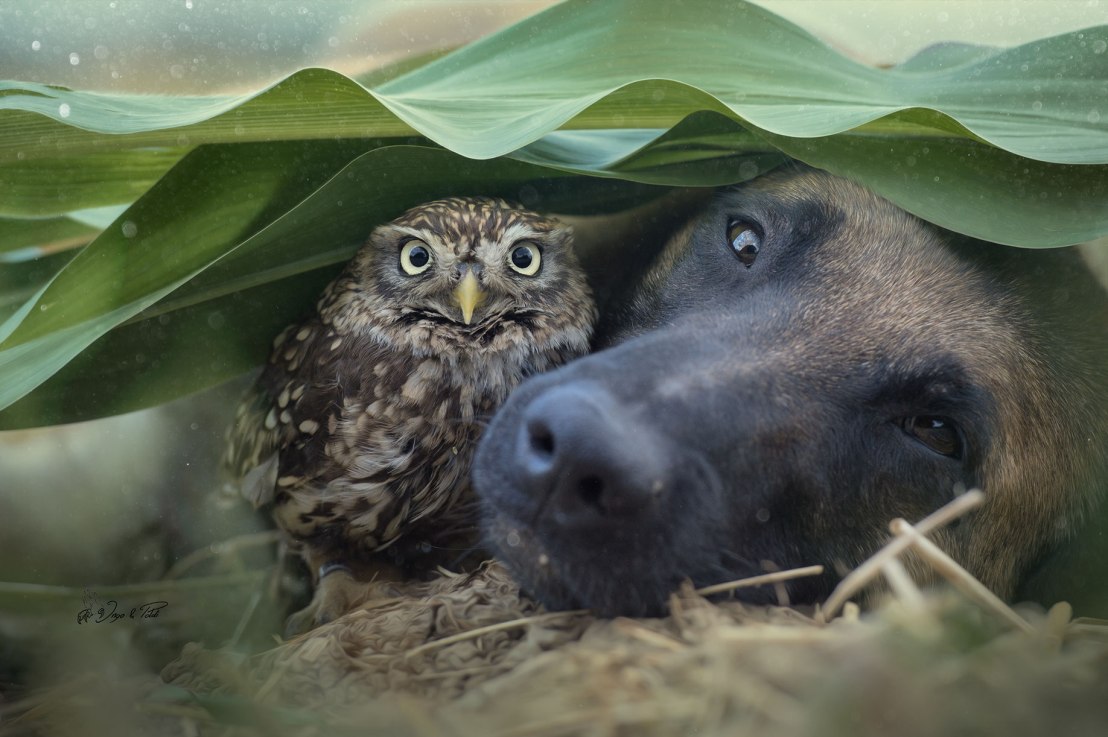
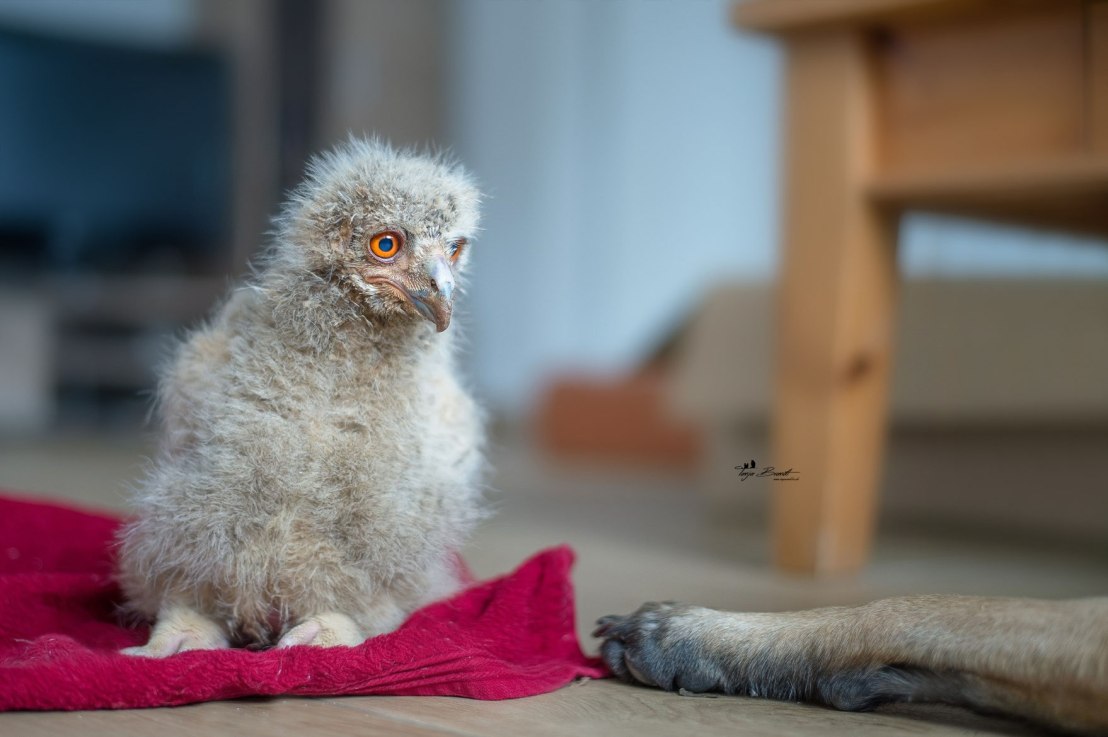
More taken from here. Spoiling us all for today there are nine of Tanja’s incredible photographs!

oooo

oooo

oooo

oooo

oooo

oooo

oooo

oooo

You do realise good people that at some point I will come to the end of Tanja’s fabulous photographs! But worry about that when it happens!

Picture Parade Two Hundred and Twenty-Six

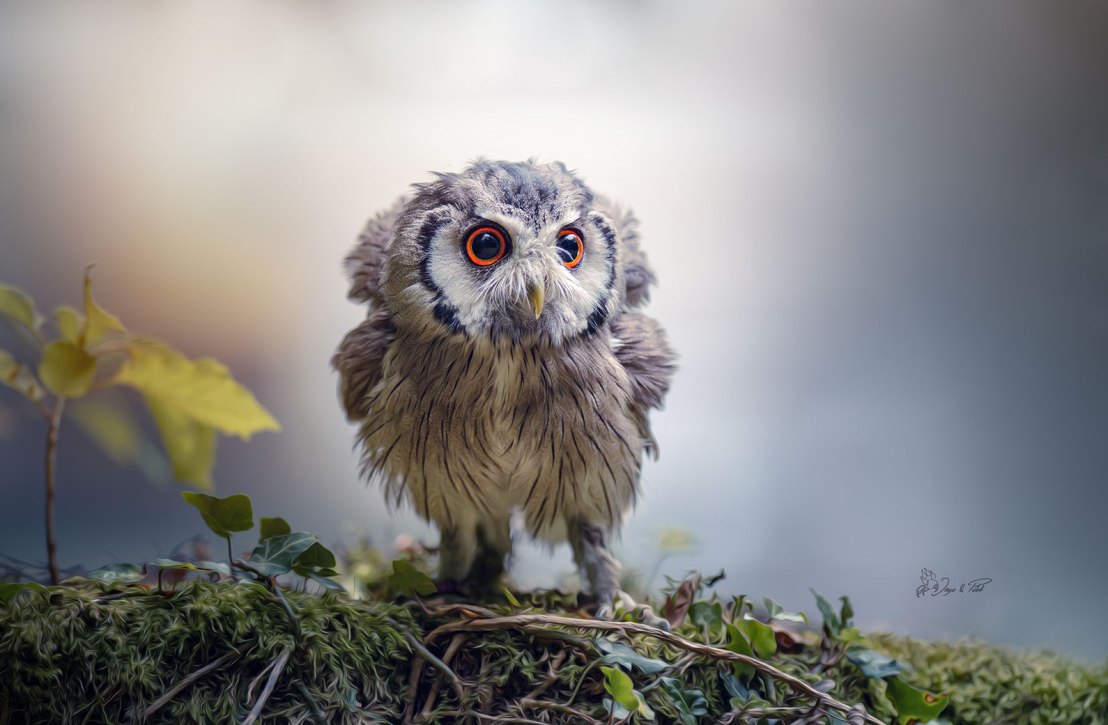
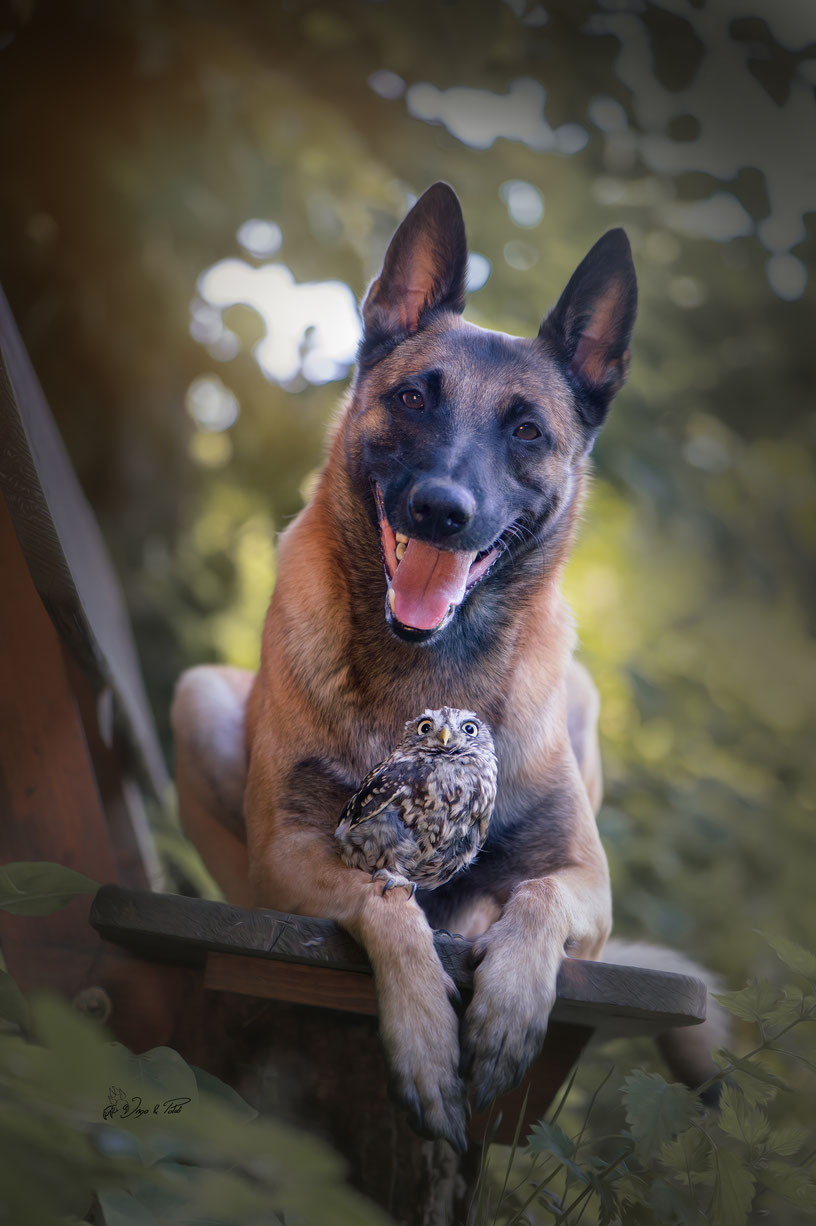
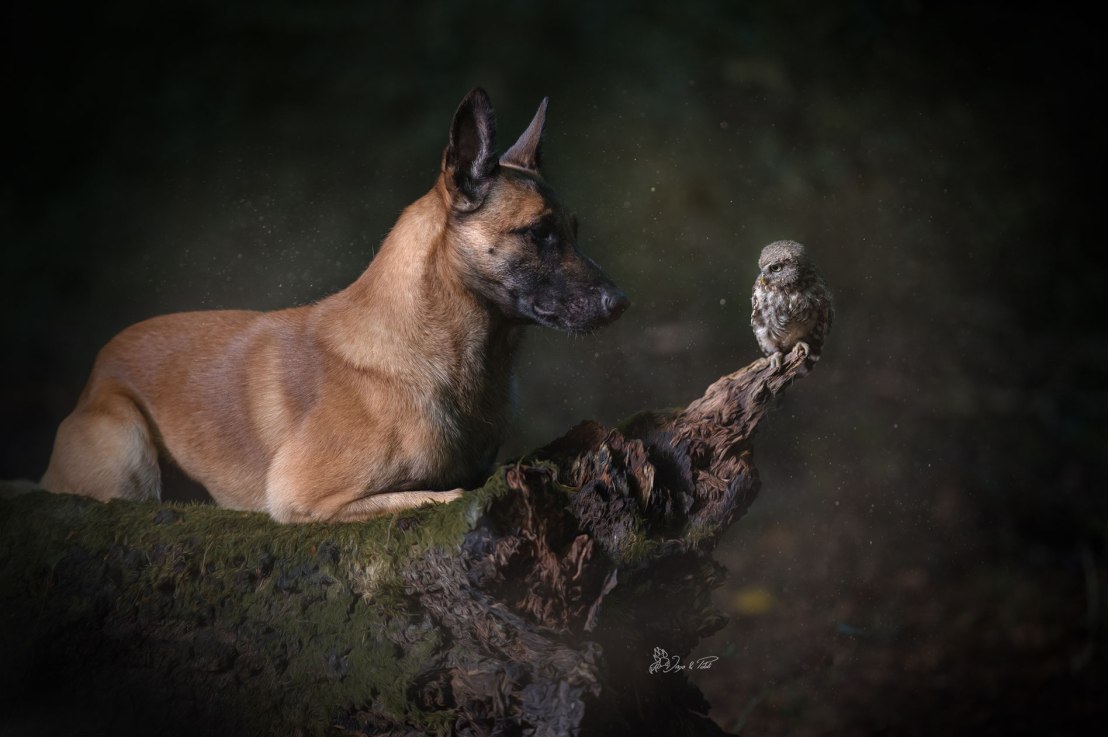
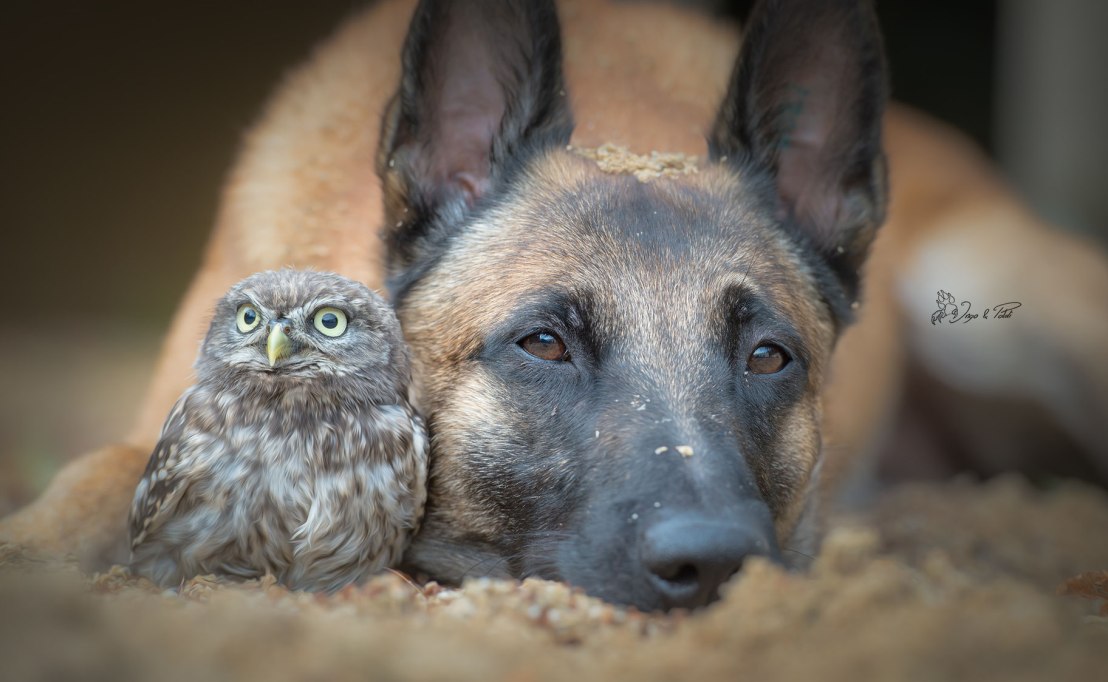
Thought it was about time we dipped into Tanja Brandt’s fabulous photographs again.

Once again, taken from here.

oooo

oooo

oooo

oooo

oooo

oooo

Bearing in mind yesterday’s post about Mercy For Animals these photographs are about as good an antidote as it gets!

Mercy For Animals

Sent to me by John Zande!

John, he of the blog site The Superstitious Naked Ape, recently sent me this appeal. I am very pleased to republish it here.

ooOOoo


Hello,
When I started Mercy For Animals nearly 20 years ago, I was a kid from the Midwest with a big dream and an unwavering determination to help animals. Building MFA was not easy. Our first meeting had three attendees. We had no money. But as we grew, I surrounded myself with incredible supporters like you, passionate volunteers, and committed colleagues.

MFA is the most meaningful endeavor of my life so far. My journey has been moving and inspiring. Working alongside such brilliant colleagues and implementing our shared vision of a kinder world for farmed animals has been an honor. Together, we have built MFA into the powerful organization it is today—one that achieves groundbreaking successes as the result of teamwork.

As MFA has grown in the past few years, I’ve found the personal and creative space to think about how I can best continue to shape our movement—and help more animals. This space led me to launch Circle V, the first vegan animal rights music festival, and to conceptualize and co-found The Good Food Institute, an organization that supports innovation in food and science to produce alternatives that are superior to animal products.

I’ve determined that I can be most effective right now by helping launch exciting new companies and initiatives. This means remaining in this creative, big-picture space and handing over much of the day-to-day operations at MFA to other skilled and respected leaders within the organization.
I’m proud to announce that our executive vice president, Matt Rice, has been promoted to president of MFA. I will continue to serve MFA as chair of the board of directors and will remain intimately involved in strategic decisions as the organization’s founder.

For more than 15 years, Matt Rice has been a central leader in the animal protection movement. He shares my vision for MFA and has implemented it with determination, tireless dedication, and compassion for animals and people.
Matt began in MFA’s New York office carrying out grassroots outreach before being promoted to director of operations. He later moved to Los Angeles to take over as director of investigations, working closely with our brave undercover investigators. Matt has overseen many of MFA’s biggest cases, most successful campaigns, and other victories. As executive vice president, he has overseen all departments.

Click below to watch a video about Matt and MFA’s priorities for 2018.


Matt is steadfast in his commitment to MFA. He is an ideal team player with sound judgment—a true powerhouse for animals. I trust him completely.

Matt is already working with other senior MFA leaders to implement new systems and structures, and we will launch compelling new campaigns this year. Matt is supported by a team of some of the best activists I’ve ever met.

I know that MFA will continue to break barriers and exceed expectations worldwide. Much remains to be done for animals, but we’ve proved time and again that for a movement built on love and persistence, no company is too powerful, no factory farm too big, and no government too mighty.

I’ve never been more optimistic about the future of MFA and our movement. Our greatest victories are still ahead.

Nathan Runkle
Founder

ooOOoo

Let me add that there is much information about the charity on WikiPedia, from which I quote a little:

Mercy For Animals (MFA) is an international non-profit organization dedicated to preventing cruelty to farmed animals and promoting compassionate food choices and policies, founded in October 1999. Nathan Runkle is the group’s executive director and founder.[1] Focusing primarily on advocacy on behalf of farmed animals, MFA runs a number of campaigns that aim to educate the public on animal protection issues and to encourage them to adopt a vegan diet.[2] It has engaged in several undercover investigations, primarily of egg farms, and has produced television commercials showing the treatment of animals in slaughterhouses and factory farms.[3] MFA is headquartered in Los Angeles.

Plus the charity’s website is here Mercy For Animals.

If you didn’t watch the video then, please, do it now.

Finally, please do what you can to support them.

Thank you, John, for sharing this with me.


Picture Parade Two Hundred and Twenty-Five

Yet more of the wonderful Tanja Brandt.

Again, taken from here.

oooo

oooo

oooo

oooo

oooo

oooo

Beyond beautiful!