Category: History

Standing for our trees

Can we stop this madness?

The name Richard Williams is not an uncommon one. But that doesn’t devalue what one Richard Williams has put his name to. I am referring to the Mr. Richard Williams who will be better known to many by his stage name Prince Ea; an American rapper and activist.

Mr. Richard Williams aka Prince Ea.

Here’s a little from Wikipedia:

Early life

Prince Ea was born as Richard Williams on September 16, 1988 in St. Louis, Missouri, the youngest of three children, and has resided there his whole life. The alias Prince Ea is derived from Sumerian mythology (“The prince of the Earth”). He has also graduated from the University of Missouri-St. Louis with an Anthropology degree and Latin honors.

So this particular Richard Williams is no slouch when it comes to what’s between his ears. Plus, he is of an age (27 this coming September) where the effects of what my generation has done, and is still doing, to Mother Earth will be unmissable.

Now watch this video.

Published on Apr 20, 2015
Activist and Artist Prince Ea Releases New Video on Earth Day supporting Stand for Trees campaign

Celebrity activist and spoken word artist Prince Ea launched his newest online video entitled “Dear Future Generations: Sorry” to motivate individuals to take immediate action to stop climate change by Standing for Trees.

Prince Ea was inspired to produce the video by the Stand for Trees campaign, an innovative new way for individuals to take real and effective action to protect threatened forests and help mitigate global climate change, all with the press of a button on their smart phones.

I sense so much angst inside me that it’s difficult to calm myself down and think rationally and calmly about what me and hundreds of thousands of others of my era must do.

But one thing is very clear: doing nothing is not an option!

Those who have watched the video will be aware that it serves as a promotion for an organisation Stand for Trees and for making donations in the form of Trees Certificates. The website’s How it works section explains:

Purchasing Stand For Trees Certificates is one of the most effective actions an individual can take to halt deforestation and combat climate change. Here’s how it works:

How-It-Works-Step-1-v03

You buy a Stand For Trees Certificate — a unique, high-quality, verified carbon credit that protects a specific endangered forest and offsets a tonne of CO2 from entering the earth’s atmosphere. Because of your purchase, forests are left standing to do what they do best — store carbon, produce oxygen, provide habitat, and support local communities.

I strongly recommend you read everything that is available on that website including a helpful FAQs section.

It also needs to be said that neither Jean nor I have any connection with the organisation and, like many others, are considering how effective this is.  But we are minded to purchase a number of Trees Certificates in addition to a number of things that we are already doing here at home.  I was also comforted by coming across support for Stand For Trees Certificates from Richard Branson’s Virgin Group. Their web page includes this:

How does this work?

The second largest source of climate-changing CO2 emissions is the destructive clearing of the worlds’ forests. When you purchase a Stand For Trees Certificate, you prevent one tonne of CO2 from entering the atmosphere by supporting local and indigenous communities who are protecting that forest in a developing country. This creates new opportunities for communities that do not wish to choose between alleviating poverty or protecting their forests.

Each of these Certificates is verified to rigorous third-party standards for their climate, community, and biodiversity benefits. Independent auditors verify with satellite and ground data that each Certificate has indeed prevented one tonne of CO2 from reaching our atmosphere and that your money is reaching communities on the ground.

That second paragraph offers key information to my way of thinking.

Because if we don’t halt this destruction of our forests in the foreseeable future then it’s not just humans that will pay the price.

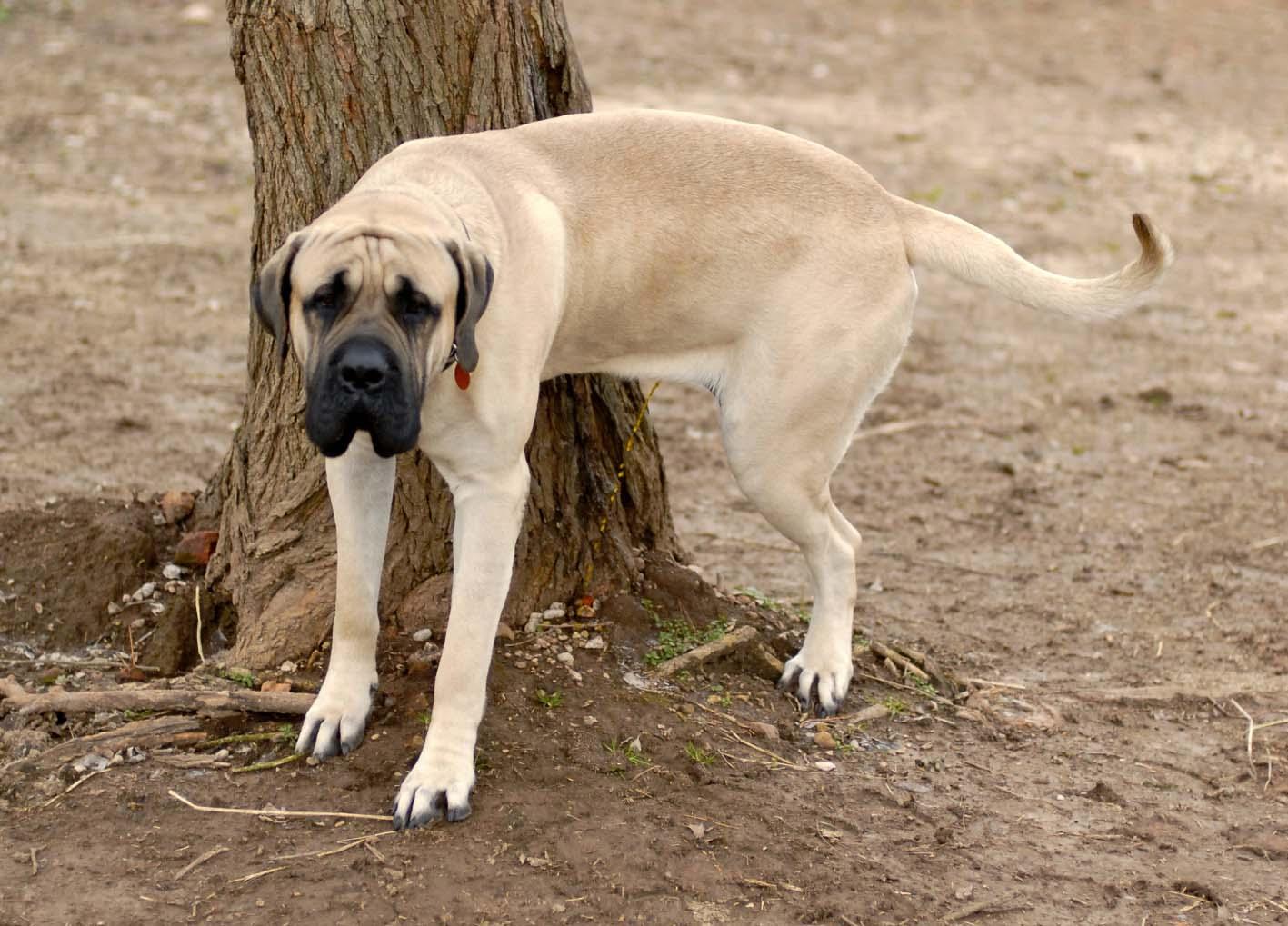
11134461_dog20pee

Back to trees

This week is starting to develop into a theme!

On Monday I published a post Hope Has A Place. It was based upon the hauntingly beautiful track of the same name from Enya. Then yesterday, serendipitously, came The watering hole. Both of those posts, although miles apart in terms of content, nonetheless seemed to subscribe to a common theme. That being that the more that everyday people, good common folk from all around the world, share their feelings, the more likely that those self-same people will make a difference. A positive difference!

Now don’t get me wrong! By presenting these recent posts I am not setting myself up to be anything other than just another everyday person and dog lover who just happens to enjoy sharing stuff via this blog.

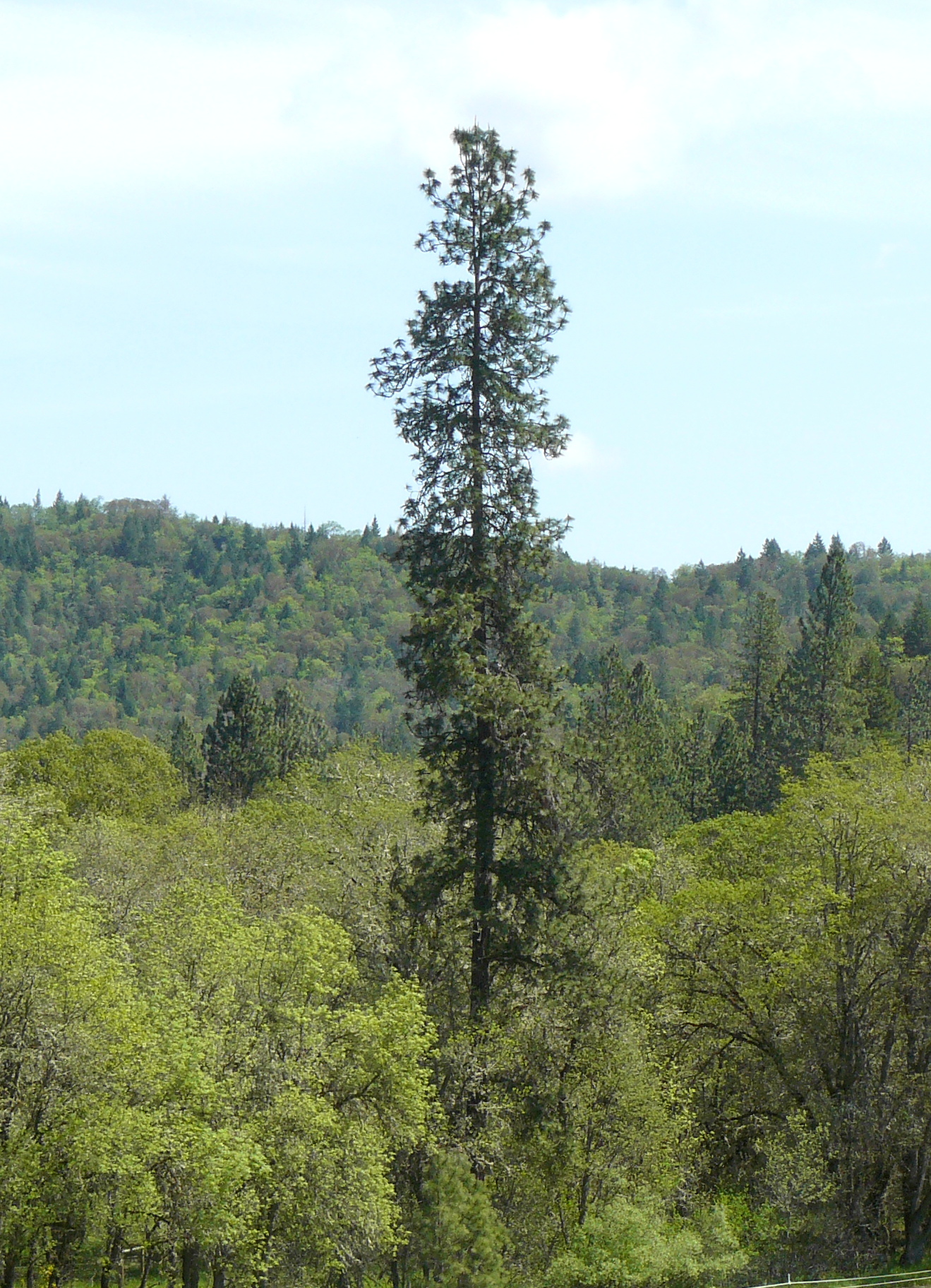
Regular readers of this place will recall that a week ago I celebrated Earth Day with a post called Our beautiful, life-giving trees. It included this picture:

We must sing for our trees.

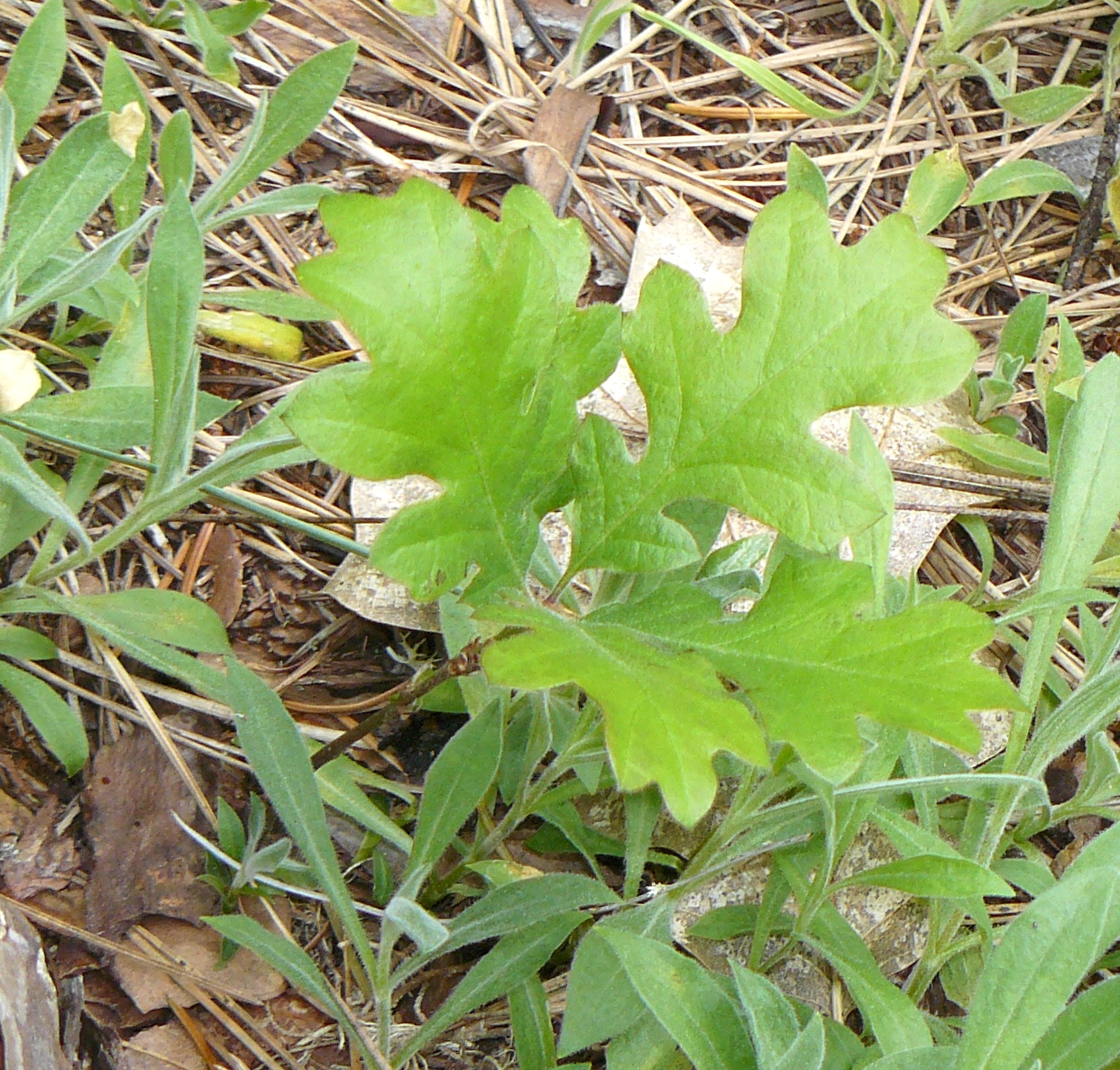
Then on the following day in a post called Now life-giving geese (by the way, the five baby goslings are doing really well!) I included this photograph:

A baby oak.
And sing for them at all ages!

Yesterday morning I received the latest post from Sue Dreamwalker. It was an impassioned plea to do something and to stop the madness. Sue, in turn, had republished the post that had appeared on Endless Light and Love.

The theme that seems to be developing this week, unplanned I should hasten to add, is that it is all too easy to be overwhelmed by the scale of change that has to take place, must take place, if this generation (I’m a 1944 baby) can die knowing that it will be alright in the end. Because it is my generation that has been responsible, has created the circumstances, for the end of life as we have all known it if nothing is done, and done in the next decade or two.

So to trees.

Our trees are both a symbol for and an indicator of the overall health of our planet.

To close off this part of my two-day post, please watch this short video.

Uploaded on Apr 1, 2015
Trees give us beauty, shade, food, clean water, oxegen, medicine, housing, fresh air, habitat and happiness. For the cost of a craft beer, or a couple of cups of coffee you can protect a specific threatened forest. Each Stand for Trees certificate offsets 1 ton of carbon from the atmosphere while providing income to local forest communities. Income that supports education, healthcare, clean water and sustainable livelihoods. Trees stand for us, isn’t it time we stand for trees?

Tomorrow, I will return to hope. Perhaps better written, return with hope.

Giving in to Nature.

The power of Nature might surprise you!

The last two posts have offered two aspects of our bountiful Nature. First we had Earth Day and the celebration of our trees. Then yesterday we had the celebration of the birth of five Canada Geese goslings.

So it seemed appropriate to continue the theme for another day.

Earlier this month there was an article over on MNN that I saved for later use simply because the message it offered was counter-intuitive. Here’s how that article opened:

Deforestation vs. nature: The winner might surprise you

Large-scale tree-planting projects, abandoned farmland help balance out rain forest destruction.

By: Michael Graham Richard
Wed, Apr 08, 2015 at 10:11 AM

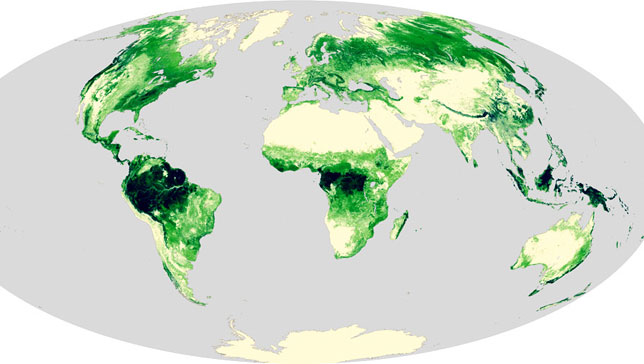
Forest canopy heights are highest near the equator and generally decrease the closer forests are to the poles. (Photo: NASA)

For decades, we’ve been hearing about how the world’s forests are under attack, how the equivalent of “36 football fields of the world’s forests are being cut every minute.” With all this pressure on nature, could the Earth possibly be getting greener? Not a chance, right? Surprisingly, that’s what a team of scientists discovered when they looked at two decades’ worth of data from satellites that use a technique called “passive microwave remote sensing,” which allows researchers to measure how much biomass, or living matter, is present on the surface of the planet.

The researchers found that despite ongoing deforestation in the rain forests of South America and Southeast Asia — a huge problem, regardless of what happens elsewhere — other regions outside the tropics, such as Africa and Australia, have been improving enough to offset the losses. Some of the more unexpected sources of this extra biomass are farmland abandoned after the fall of communism where forests have spontaneously regrown in the former Soviet republics, as well as in areas of China where large-scale tree planting projects took place.

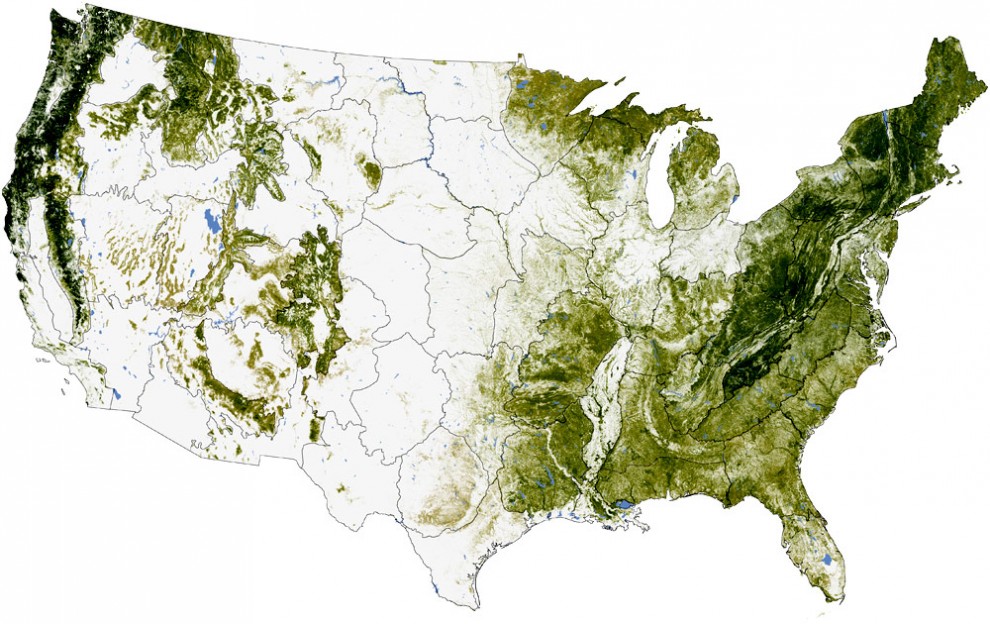
What really caught my eye was another photo from NASA that showed the biomass stored in trees in the USA.

The concentration of biomass stored in trees in the U.S. The darkest greens reveal the areas with the densest, tallest, and most robust forest growth. (Photo: NASA)

But as the article reminded readers:

We’re only talking about biomass quantities being offset, though; the loss of rain forests also mean the loss of many species of animals and plants, as well as unique habitats that can’t be replaced by other regions elsewhere, such as the savannah of Africa or the Australian Outback. So while this is good news, we can’t declare victory over deforestation just yet!

Nonetheless, I am sure that I am not the only one to welcome this reminder of the power of Nature. Or in the closing words of that MNN article:

In the period between 2003-2012, the total amount of vegetation above the ground has increased by about 4 billion tonnes of carbon. Any way you slice in, 4 billion tonnes is significant!

This is particularly important because around 25 percent of the CO2 that we release into the atmosphere by burning formerly buried hydrocarbons is absorbed by plants, so having more of them can help slow down (but not stop) climate change, and there’s a limit to plants’ rate of absorption. Still, it’s nice to get good news for a change …

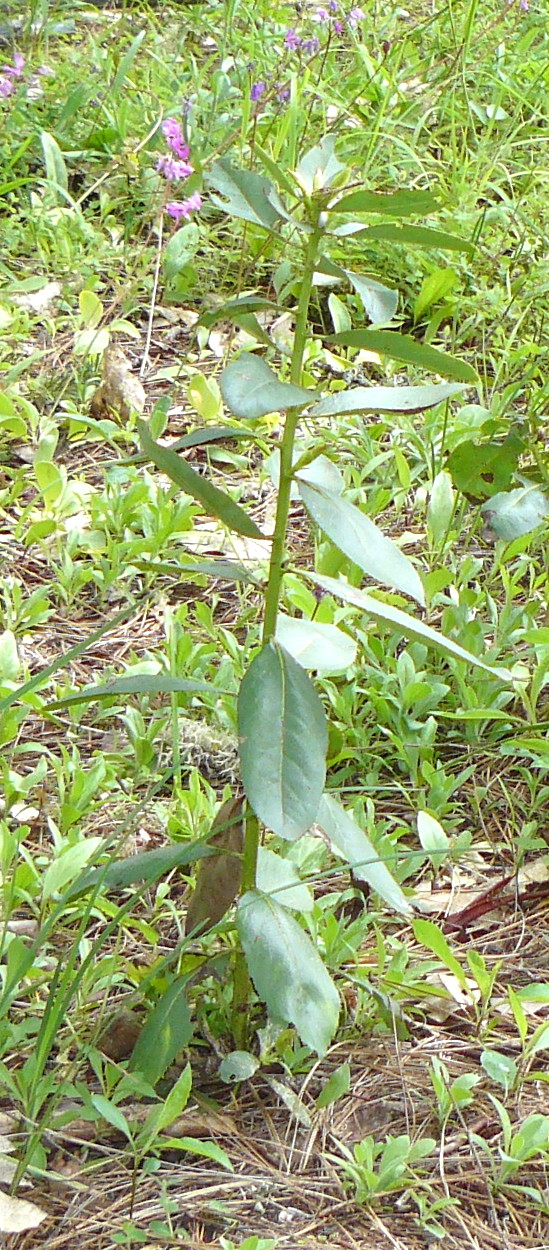
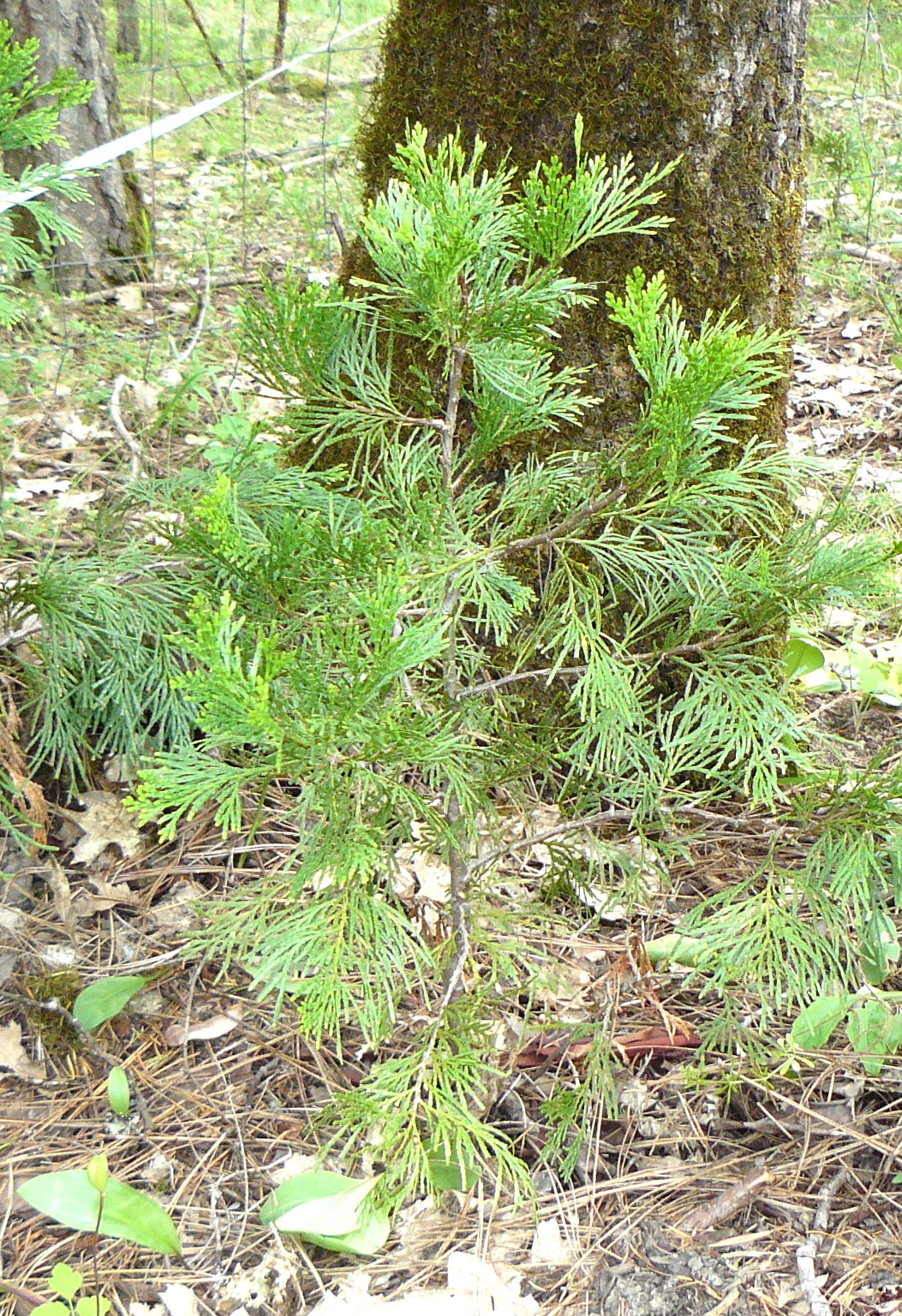
While it may be a long way yet from them being tonnes of carbon, let me close with three pictures of ‘increasing tree biomass‘ right here on Hugo Road in Merlin, Oregon.

The oak.
The oak.

oooo

The madrone.
The madrone.

oooo

The cedar.
The cedar.

Nature really does have all the answers to man’s long-term survival.

Writing 101 Day Nine

It all depends on one’s point of view!

Day Nine: Point of View

Today’s Prompt: A man and a woman walk through the park together, holding hands. They pass an old woman sitting on a bench. The old woman is knitting a small, red sweater. The man begins to cry. Write this scene.

We encourage you to give fiction a try, even if that is not what you normally do — it can be a fun way to stretch. If fiction feels like a bridge too far, take some element from the scene that speaks to you, and write a non-fiction piece about that. Perhaps you are drawn to the old woman, and will write a piece about your grandmother, or the crying man will inspire a story about the last time you cried joyful tears.

Today’s twist: write the scene from three different points of view: from the perspective of the man, then the woman, and finally the old woman.

If point of view was an object, it would be William Carlos Williams’ infamous red wheelbarrow; everything depends on it.

Consider a car/pedestrian accident: the story differs depending on whether you’re the driver, the pedestrian, or the woman across the street who witnessed the horror. Everyone will tell a different story if asked to recount the event.

Shifting point of view can be your best friend if you’ve got writers’ block. If you’re stuck or you feel your writing is boring and lifeless, Craig Nova, author of All the Dead Yale Men, suggests shifting the point of view from which your story is told:

Take point of view, for example. Let’s say you are writing a scene in which a man and a woman are breaking up. They are doing this while they are having breakfast in their apartment. But the scene doesn’t work. It is dull and flat.

Applying the [notion] mentioned above, the solution would be to change point of view. That is, if it is told from the man’s point of view, change it to the woman’s, and if that doesn’t work, tell it from the point of view of the neighborhood, who is listening through the wall in the apartment next door, and if that doesn’t work have this neighbor tell the story of the break up, as he hears it, to his girlfriend. And if that doesn’t work tell it from the point of view of a burglar who is in the apartment, and who hid in a closet in the kitchen when the man and woman who are breaking up came in and started arguing.

Now my reaction upon first reading today’s theme was that this was both fun and inspiring.  Then I realised that before I could commit words to the post I would need to let the fictional circumstances brew for a while amongst the aged brain cells and, if possible, it would be wonderful to include a dog in the story. 🙂

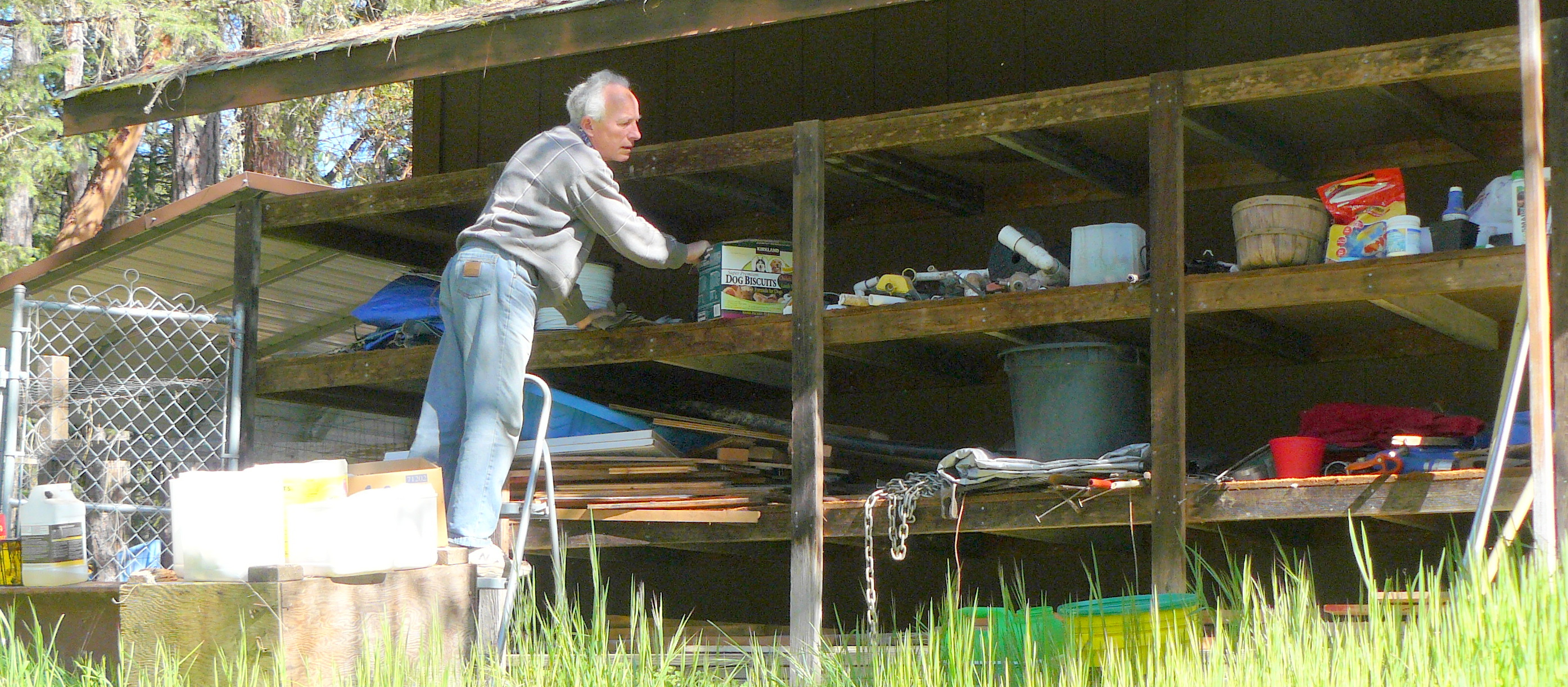
So for the next hour (I’m writing this at 10:30am) I shall use the wonderful weather we have today to continue my project of sorting out the grand mess around the back of the garage and see what creative thoughts come to mind!

Yet another point of view!

oooo

Echoes

“Jim, what’s the matter? You’ve seen this dear old lady sitting on the bench almost every time we’ve come walking. What’s brought on the tears today?”

Sandra thought that she knew her husband inside out, possibly better than he knew himself. Yet this quiet, sudden release of deep inner feelings from Jim had her perplexed.

Jim let go of Sandra’s fingers and fished around in his trouser pocket for a tissue. He blew his nose and wiped his eyes on his sleeve.

“Oh, it’s OK sweetheart, just some stirring of a place from too many years ago.”

Sandra re-engaged her fingers with Jim’s and they carried on walking through the park. Cleo bounded across the soft, green parkland grass, as ever looking so happy. She reflected that Cleo had always shown such happiness for being alive. Ever since they had cradled the young German Shepherd puppy in their arms. Gracious, Sandra reflected, nearly five years ago now.

What was it that had been stirred in Jim’s memories?

OK, it was the first time they had seen the old woman knitting but, otherwise, the woman was a familiar sight always sitting quietly on the park bench. Sandra struggled to recall exactly what the woman had been knitting; seemed like a tiny sweater, possibly for a very young grandchild. Why had that reduced Jim to tears? He was such an open man. That was what had attracted her to Jim all those many years ago when they had first met by chance. Jim’s previous wife, Diana, had been killed a few years before in a tragic car accident, her own husband had died of a coronary a couple of years before she met Jim.

Jim sensed that his sudden weeping would have raised some deep questions for Sandra. He struggled to rise above the pain of his recollection and decide what to do about that memory. That memory of his and Diana’s first child, a son, born with such hope yet with such tragedy written into his potentially short future. How the hospital staff had broken the news. Little Philip had been born with a massive brain aneurism and, at best, had a life expectancy of a few months. Philip never came out of hospital and died sixty days after he was born. Jim quietly ran the numbers through his mind; nearly eighteen years ago now.

He had never mentioned it to Sandra. A connection to the past that really should have died that same day as Philip died. First Philip and then Diana. After Diana died in that terrible road accident he thought that was the end of everything. Thought there was nothing that could ever happen in his future that would return a smile to his face, return the feelings of love to his heart. That’s when he started volunteering at the local dog shelter. There was something about helping those unfortunate dogs, dogs of all ages and circumstances, that, over time, spoke to him and made him discover reasons for living again. If these dogs, many of whom had had such terrible experiences, could so easily put their past behind them and enjoy living for each new moment then so could he.

That’s how he and Sandra had met. She had come in to the dog shelter carrying a small, lively little mongrel mix that she had found in the forest when out on a walk.

Their walk today, as usual, had brought them almost full circle and they were approaching the black, wooden park bench; the old lady still knitting away.

Doris had seen this couple on many previous occasions when the weather made it pleasant for her to sit on the bench here in the park. They seemed such a happy couple, unusually so in these complicated times. Every time she saw them it reminded her of the many happy years that she and Larry had had together. Still couldn’t accept that it was over five years ago now since he had died. That’s why, whenever the weather made it possible, she would come and sit on this park bench and remember the times when she and Larry would sit quietly here and just watch the world go by.

Today, for reasons only known to Cleo, as Jim and Sandra approached the park bench, Cleo went bouncing over to the old woman and next thing was sitting next to her on the seat.

Doris put out an arm to Cleo and ruffled the soft warm hair between Cleo’s gorgeous Shepherd ears. She watched as the man came over to her. “I’m so sorry but Cleo, for whatever reason, has taken a shine to sitting next to you today. Funny why today Cleo sensed the need to be with you on the bench. For we have seen you sitting out here in the park dozens of times before”

The man’s wife joined him and they both stood in front of the wooden bench. “My name’s Jim and this is my wife Sandra. I know we have seen each other frequently over the months.”

“Hi Jim and Sandra, my name is Doris and, yes, I have also seen you both out walking frequently. It looks as though your dog, Cleo is that her name, has instinctively sensed my good news.”

Jim and Sandra looked quizzically at Doris.

“Yes, I heard last weekend that my daughter and her husband successfully had the birth of their first child; a son. My grandson that is. I’m knitting him a sweater, as you can see.”

“Oh, that’s wonderful, Doris”, said Jim. “Wish we could stay a little longer and chat but we need to be home within the hour. When we next see you can we come across and here the good news in detail?”

“Of course you can! Go on, off you both go and take your gorgeous dog with you otherwise I will steal her away from you!” There was a soft laugh in the back of her throat.

“Come on, Cleo”, called Sandra and off they went.

Later when Jim and Sandra were back home and enjoying a hot tea after their walk, Jim apologised for his tears and quietly explained what had brought them on.

Sandra put down her cup of tea, came up to Jim and kissed him very slowly and tenderly on the lips.

“That was nice, sweetheart, what did I do to deserve that?”

“Jim, I didn’t want to mention it until I was certain. I have not had my period this month. I’m pretty sure that I’m pregnant. I’m going to town tomorrow to take a pregnancy test.”

For the second time that day Jim uncontrollably burst into tears.

oooo

I’m not sure how well I really captured each person’s point of view but it was fun writing it nonetheless!

Back on Monday with Writing 101 Ten.

Writing 101 Day Two

A room with a view.

Here’s what WordPress sent out:

Today’s Prompt: If you could zoom through space in the speed of light, what place would you go to right now?

The spaces we inhabit have an influence on our mood, our behavior, and even the way we move and interact with others. Enter a busy train station, and you immediately quicken your step. Step into a majestic cathedral, and you lower your voice and automatically look up. Return to your own room, and your body relaxes.

A place belongs forever to whoever claims it hardest, remembers it most obsessively, wrenches it from itself, shapes it, renders it, loves it so radically that he remakes it in his own image. – Joan Didion

Today, choose a place to which you’d like to be transported if you could — and tell us the backstory. How does this specific location affect you? Is it somewhere you’ve been, luring you with the power of nostalgia, or a place you’re aching to explore for the first time?

Today’s twist: organize your post around the description of a setting.

Giving your readers a clear sense of the space where your story unfolds will help them plunge deeper into your writing. Whether it’s a room, a house, a town, or something entirely different (a cave? a spaceship?), provide concrete details to set this place apart — and to create a more immersive reading experience.

You can go the hyperrealist route (think the opening four paragraphs of Gustave Flaubert’s A Simple Soul, a masterclass of telling detail). Or focus on how a specific space makes the people in it feel and behave, like blogger Julie Riso did in this visceral recounting of her hike through an Estonian bog.

So here we go!

 The lonely sea and the sky.

The title of my story is taken from that famous poem Sea Fever by John Masefield. Here’s that first stanza of Masefield’s poem:

I must go down to the seas again, to the lonely sea and the sky,
And all I ask is a tall ship and a star to steer her by;
And the wheel’s kick and the wind’s song and the white sail’s shaking,
And a grey mist on the sea’s face, and a grey dawn breaking.

There is a place in my mind to which I can so easily travel that resonates perfectly with my chosen title. A memory of a dark night out in the Atlantic ocean one time in the Autumn of 1969.

First let me set the scene of this place in my mind, a scene almost fifty years ago, written from that time.

The call of the open ocean

Those first few hours were utterly absorbing as I went through the whole business of clearing the yacht harbour at Gibraltar and heading out to the South-West hugging this unfamiliar coastline of Southern Spain. It was tempting to move out to deeper waters but the almost constant flow of large ships through the Straights of Gibraltar soon quashed that idea. Thankfully, the coastal winds were favourable for me and my single-masted sailing yacht.

After such a long time sailing in the relatively confined waters of the Mediterranean, it was difficult for me to imagine that in a few hours time the southern-most point of Spain would pass me by and the vastness of the Atlantic ocean would be my home for the next few weeks.

Soon the city of Tarifa was past my starboard beam and the Spanish coastline was rapidly disappearing away to the North-West. The horizon ahead of me was already approaching 180 degrees of raw, open ocean.  There was just a flicker of a thought that whispered across my mind: Oh Paul, what have you gone and done!

Where this crazy adventure had been born.

In 1986 I had the opportunity to take a few years off. Off from a working life, that is. I had started my own company in 1978 after eight years of being a salesman for the Office Products Division of IBM UK. In 1986, the successful sale of my company meant that for a while I could go and play. By chance, that summer I went on a vacation to Larnaca on the Island of Cyprus; Larnaca being on the Greek side of what was a divided island (and still is!) between Greece and Turkey.

Larnaca struck me as a lovely place on a lovely island in the Eastern part of the Mediterranean Sea. Again, quite by chance, one day during my vacation, when strolling around Larnaca Marina, I noticed a yacht with a For Sale notice on the yacht’s pulpit. The yacht, named Songbird of Kent, was a Tradewind 33, a type that I had heard about previously from reading yachting magazines. I vaguely recalled that the type had been designed in the UK by John Rock, himself an experienced deep-water yachtsman, for the purpose of serious ocean sailing and that many Tradewinds had completed vast ocean crossings.

I was still looking at the yacht, lost in some dream about sailing the seas, when a call brought me back to ground, so to speak. It was a call from a man who had just come on deck from the cabin and had spotted me looking at Songbird.

“Hi, my name is Ken and I’m the owner of Songbird. Did you want to come onboard and have a look around?” I couldn’t resist!

It transpired that Ken, and Betty his wife, an English couple, had been living on Songbird for some years, cruising the Mediterranean each Summer, and now wanted to return to England.

It was obvious that the yacht, a single-masted vessel with double head-sails known in the trade as a cutter rig, had been cared for in every possible way and that the yacht was offered for sale in a manner that meant she could become my permanent new home with little or no effort on my behalf. Thus so it was that three hours later Ken and Betty and yours truly had agreed terms for the sale of Songbird of Kent. One of those spur of the moment things that we do in our lives that, so often, make being alive such a reward.

I should explain that as a younger man (I was 42 when I agreed to buy Songbird) I had devoured the books written by such round-the-world solo sailors as Francis Chichester and Joshua Slocum and many others and harboured this silly, naive dream of one day doing a solo transatlantic crossing. Later on in life, when living in Wivenhoe in Essex, I bought my first yacht but never achieved anything more than local coastal sailing and a couple of overnight sailings to Holland; all with others I should hasten to add, never solo! However, I knew for sure that if there was one yacht that was perfect for open ocean sailing it was the Tradewind.

So it wasn’t long before my home in Great Horkesley, near Colchester, had been sold and I was adjusting to a new life as a ‘live aboard yachtie’ out in Cyprus.

I loved living in Larnaca for a whole bundle of reasons that I won’t go into here. Except one! That was that in my years of living and working near Colchester, which was where my business had been based, I had been introduced to gliding and eventually had ended up becoming a gliding instructor. So imagine my delight at finding that there was an active gliding club on a British ex-military airfield thirty minutes away from Larnaca. It was not long before I was fully back to gliding.

One day, I was doing gliding experience flights for some visitors. Early in the afternoon, up came a quietly spoken Englishman who wanted to get an idea of what it was like to fly in a glider. Les, for that was his name, settled himself in. I checked his straps were secure, pointed out the canopy release and jumped into the seat behind him, and within moments we were airborne.

Later on, when back on the ground and sitting to one side of the old runway, Les and I started chatting about our backgrounds and what had brought each of us to Larnaca. I learned that Les was not only Les Powles, the famous solo sailor, but that he was living on board his yacht, Solitaire, right here in Larnaca Marina.

Over the following days, often with a beer or two in hand, I heard Les’ tales about him having been in his 50s when he built Solitaire, with little prior knowledge of boatbuilding. That he had just eight hours of sailing experience when he decided to sail solo around the world. That remarkably, he had made it across the Atlantic, albeit discovering that his navigation skills didn’t quite match up to his boatbuilding abilities. This translating to his first landfall being the coast of Brazil, a 100 miles south of, and a different hemisphere, to the Barbados he had been aiming for!

I listened for hours, in utter rapture of what Les had achieved. This quiet, unpretentious man that had achieved so much. Including how after solo circumnavigation number one, Les ended up completing a further three solo circumnavigations, all of them full of incidents. Particularly, the last one, with Les being given up for dead when he hadn’t been heard of for over four months. When eventually he sailed up the Lymington River in Hampshire, in a skeletal state, his arrival caused a media frenzy. Lymington Marina subsequently gave him a free berth for life. Les’ boat had been damaged in a storm, he had lost all communications and had virtually run out of food by the time he made it back to England. Oh, and Les was 70 at the time!

At one point in me listening to Les he asked me about my own sailing ambitions. I remarked that I had this tired old idea of a solo sailing across the Atlantic.

“Have you done any solo sailing before?”, Les asked me.

I replied, “At the start of most Summers, I sail alone from Larnaca across to the Turkish coast to meet up with family and friends who want to cruise along with me.”

Continuing, “Generally I head for Alanya or a little further along the Turkish coast; to Antalya. It takes me two or three days to get there non-stop, most often with me going west-about Cyprus, and then straight up to Turkey. But I am embarrassed to admit that I hate both that trip, and the return solo trip at the end of the Summer. Detest would be a better word than hate.”

Pausing before adding a moment later, “If I can’t stomach solo sailing for three days then there’s no chance, no chance at all, that I could sail solo across the Atlantic ocean.”

It was then that Les said something both profound and deeply inspiring.

“Paul, guess what! The first three days of being alone at sea are just as terrible for me, too. Indeed, I have never met a solo sailor who doesn’t say the same. Those early days of adjusting to your new world, your new world of being alone out on the ocean, are the worst. But never lose hope that from some point around the third or fourth day, you will have worked through that transition and found an unbelievable state of mind; a freedom of mind that has no equal.”

Back to reality.

So here I was, Les’ words still ringing in my ears, as slowly but persistently the coastlines of Spain to the North and of Africa to the South became more and more distant and fuzzy.  It was at 15:30 that I made an entry in my yacht’s log: “No land in sight in any direction!”

Now was the time to make sure that my bunk was made up, flashlights to hand, and my alarm clock ready and set. Alarm clock? Set to go off every twenty minutes; day and night! For this was the only way to protect me and my yacht from being hit by one of those gigantic container ships that seemed to be everywhere. It took at least twenty minutes from the moment a ship’s steaming lights appearing above the horizon to crossing one’s path!

It was in the early hours of my first morning alone at sea, when once again the alarm clock had woken me and I was looking around an ocean without a single ship’s light to be seen that more of Les’ words came to me. I remembered asking Les: “What’s the ­appeal of sailing?” Les replied without a moment’s hesitation: “It’s the solitude. When you’re out at sea on your own, there’s no government or bankers to worry about. You’re not ­responsible to anyone but yourself.”

Yes, I could sense the solitude that was all around me but it was an intellectual sense not an emotional one. That would come later. Inside I was still afraid of what I had let myself in for.

Remarkably quickly however, the pattern of solo life aboard a thirty-three-foot yacht became my world. Frankly, it staggered me as to how busy were my days. Feeding myself, navigating, trying to forecast the winds, staying in touch with other yachties via the short-wave radio, keeping the boat tidy and a zillion other tasks meant the first few days and nights just slipped by.

But it was a sight on my fourth night at sea that created the memory that would turn out to remain with me for all my life. The memory that I can go to anytime in my mind.

That fourth night I was already well into the routine of waking to the alarm clock, clipping on my harness as I climbed up the three steps that took me from my cabin into the cockpit, scanning the horizon with my eyes, checking that the self-steering had the boat at the correct angle to the wind and then, if no ships’ lights had been seen slipping back down into my bunk and sleeping for another twenty minutes. Remarkably, I was not suffering from any long-term tiredness during the day.

It was a little after 3am that fourth night when the alarm clock had me back up in the cockpit once again. Then it struck me.

Songbird was sailing beautifully. There was a steady wind of around ten knots from the south-east, almost a swell-free ocean, and everything set perfectly.  Not a sign of any ship in any direction.

Then I lifted my eyes upwards. There was not a cloud in the night sky, not a single wisp of mist to dim a single one of the million or more stars that were above my head. For on this dark, moonless night, so far removed from any shore-based light pollution, the vastness, yet closeness of the heavens above was simply breath-taking. I was transfixed. Utterly unable to make any rational sense of this night splendour that glittered in every direction in which I gazed. This dome that represented a vastness beyond any meaning other than a reminder of the magic of the universe.

This magic of the heavens above me that came down to touch the horizon in all directions. Such a rare sight to see the twinkling of stars almost touching the starkness of the ocean’s horizon at night. A total marriage of this one planet with the vastness of outer space.

I heard the alarm clock go off again and again next to my bunk down below. But I remained transfixed until there was a very soft lightening of the skyline to the east that announced that another dawn was on its way.

I would never again look up at the stars in a night sky without being transported back to that wonderful night and the memory of a lonely sea and sky.

ooOOoo

As dear Les said, “… a freedom of mind that has no equal.”

That place in my mind, that dark, stupendous night out in the Atlantic, still has the power to remind me of that freedom!

I know it will be one of my last thoughts when my time is up.

Seeing the bigger picture.

Look beyond appearance and prejudice.

I had in mind to republish a recent George Monbiot essay but then saw this post from Alex Jones’ blog The Liberated Way.  It seemed a perfect follow-on to yesterday’s Picture parade ninety.  It is republished with Alex’s kind permission.

ooOOoo

Look beyond appearance and prejudice

Everything in nature is good says the philosopher Heraclitus. Humans love to divide everything into good and bad, thus missing the beauty of what nature offers in the blindness of their prejudices.

A few years ago, I intervened to save a baby crow from traffic and school children, taking it to a veterinarian surgery, who had the contacts of people who could look after it. The receptionist annoyed me on seeing the bird describing it as “evil.”

In fact, if people can look beyond the superstitious nonsense surrounding these black feathered birds, there is an intelligent empathy lurking inside these beautiful corvids. If humans, dolphins and octopuses are in the top division of “intelligent” animals, the corvids, including magpies, jackdaws, ravens, crows, choughs and rooks, are in the same division. The corvids use tools, play, can problem-solve, express empathy and have a rudimentary sense of self based on experiments showing they recognise themselves in a mirror. The BBC recently reported how a child had developed a close relationship with crows she was feeding in the garden, birds that were leaving her gifts. A flood of feedback by readers revealed that gift-giving by corvids to those showing kindness to them was common around the world.

The symbol of my town port is the raven. My business carries the logo of the raven, a symbol for me of its intelligence. The stories of various archetypes such as Apollo, the Celtic Mercury and Odin had ravens as their messenger birds, who symbolised memory, thought, wisdom, intelligence, and the gathering or delivery of knowledge.

The sad situation is that most people blind themselves to the beauty of a living thing like a crow or raven, based on appearance and prejudice, so that they will do it harm, even though it might manifest the very qualities of intelligence and empathy that humans admire but often appear to lack.

ooOOoo

There was a recent TED Talk that fits very nicely with today’s theme. It’s just fifteen minutes long. Enjoy.

What do you call a veterinarian that can only take care of one species? A physician. In this short and fascinating talk, Barbara Natterson-Horowitz shares how a species-spanning approach to health can improve medical care of the human animal — particularly when it comes to mental health.

Tomorrow things on Learning from Dogs are going to change for a spell. More details in twenty-four hours!

Call of the wild.

A Monday morning reminder of our beautiful planet.

American Wilderness: The John Moulton Barn on Mormon Row at the base of the Tetons. Photo: Jon Sullivan

Just a random picture found by doing a web search. (Actually found on what looks like a great blog: I am Wilderness.)

This morning’s post was prompted by listening to one of my favourite music groups: The Alan Parsons Band. Listening to this particular track: Call of the Wild. From his third solo album The Time Machine released in September, 1999.

Lyrics written by Ian Bairnson

Well I’ve talked to the wind and I’ve listened to rain,
I have climbed to the clouds and I’ve cried out with pain,
This life is for living so come to my side,
And open your heart to the call of the wild.

We are all of one nation, all of one creed,
We are all out of nature, all of one seed,
We are in this together, man, woman and child,
So open your heart to the call of the wild.

We talk the same language in different tongues,
We’re somebody’s daughters and somebody’s sons,
But those who believe we are head of the chain,
May wake up to find we are all that remain.

There is no need to fear what we don’t understand,
For we breathe the same air and we walk the same land,
The strong and the anxious, the meek and the mild,
All dance to the drum that’s the call of the wild.

Impossible to listen to this beautiful track and not reflect on how badly we are treating Mother Earth.

We all have a story to tell.

Featuring David Isay and StoryCorps.

Jean and I were late back home on Wednesday evening and after our evening meal only had half-an-hour or so before it was time for bed.

We browsed some of the talks on TED (we don’t have TV) and noticed one that sparked our interest: Everyone around you has a story the world needs to hear.  This is how the talk was introduced on TED.

Dave Isay opened the first StoryCorps booth in New York’s Grand Central Terminal in 2003 with the intention of creating a quiet place where a person could honor someone who mattered to them by listening to their story. Since then, StoryCorps has evolved into the single largest collection of human voices ever recorded. His TED Prize wish: to grow this digital archive of the collective wisdom of humanity. Hear his vision to take StoryCorps global — and how you can be a part of it by interviewing someone with the StoryCorps app.

It was a remarkable and fascinating talk and, thanks to YouTube, I’m able to share it with you.

I have no doubt that after watching Dave Isay’s talk you will want to go to the StoryCorps website.

Will return to this another day.

The continuing story of dogs and humans.

Staying with the theme of the relationship with humanity’s oldest friend.

Yesterday, I offered the first of two articles forwarded to me by local friend Jim, a vet, about the domestication of the wolf.

Here is the second.

Study narrows origin of dogs

By Krishna Ramanujan/ January 16th, 2014

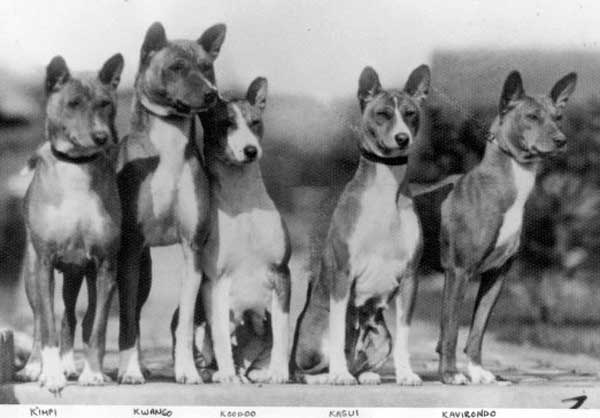
Genomic sequencing of genetically divergent dogs, such as this basenji from the Congo, together with wolves and other wild canids, provides rich information about the history of domestic dogs.

The paper did not include a picture of Baa dogs but a web search found the one above. Source:https://www.basenji.org/BasenjiU/Owner/103History/103History.html
The paper did not include a picture of Basenji dogs but a web search found the one above. Source: https://www.basenji.org/BasenjiU/Owner/103History/103History.html

Dogs were domesticated between 9,000 and 34,000 years ago, suggesting the earliest dogs most likely arose when humans were still hunting and gathering – before the advent of agriculture around 10,000 years ago, according to an analysis of individual genomes of modern dogs and gray wolves.

An international team of researchers, who published their report in PLoS Genetics Jan. 16, studied genomes of three gray wolves, one each from China, Croatia and Israel – all areas thought to be possible geographic centers of dog domestication. They also studied dog genomes from an African basenji and an Australian dingo; both breeds come from places with no history of wolves, where recent mixing with wolves could not have occurred.

Their findings revealed the three wolves were more closely related to each other than to any of the dogs. Likewise, the two dog genomes and a third boxer genome resembled each other more closely than the wolves. This suggests that modern dogs and gray wolves represent sister branches on an evolutionary tree descending from an older, common ancestor. The results contrast with previous theories that speculated dogs evolved from one of the sampled populations of gray wolves.

“This is an incredibly rich new dataset, and it has allowed us to carry out the most detailed analysis yet of the genetic history of dogs and wolves,” said Adam Siepel, associate professor of biological statistics and computational biology at Cornell and a co-author of the paper. “There are still many open questions, but this study moves the ball forward,” Siepel added.

Computer methods for analyzing complete genome sequences developed by Ilan Gronau, the paper’s second author and a postdoctoral associate in Siepel’s lab, played a key role in the collaboration. Gronau’s computer program, called G-PhoCS (Generalized Phylogenetic Coalescent Sampler), was previously applied with success in a 2011 Nature Genetics study of early human history and demographics.

In this case, G-PhoCS provided a detailed picture of the demographic changes that occurred during the divergence of dogs from wolves. The analysis revealed there was a sizable pruning in population of early dogs and wolves around the time of domestication. Dogs suffered a sixteenfold cut in population size as they diverged from an early wolf ancestor. Gray wolves also experienced sharp drops in population, suggesting that the genetic diversity among both species’ common ancestors was larger than represented by dogs and modern wolves. In addition, there was considerable gene flow between dogs and wolves after domestication. Accounting for gene flow was a major challenge in the analysis, and Gronau’s research on this topic proved valuable in obtaining an accurate model of canid demography.

The picture emerging from this study will allow researchers to better interpret genetic differences observed between dogs and wolves and to identify differences driven by natural selection. “This paper sets the stage for the next step in the study of dog domestication that tries to determine the genetic changes that enabled this amazing transformation,” said Gronau.

The study’s senior authors included geneticists John Novembre at the University of Chicago and Robert Wayne at the University of California, Los Angeles (UCLA). Adam Freeman, a postdoctoral fellow at UCLA, was the paper’s first author. Adam Boyko, a Cornell assistant professor of biomedical sciences, also co-authored the paper.

The study was funded by various sources, including the National Science Foundation, National Institutes of Health and Life Technologies.

Staying with the theme of our early companions, back on the 28th February, 2015 there was an article in the UK’s Guardian newspaper about the way wolves helped early modern man.  Now I don’t have permission to republish the full article but here’s a taste:

How hunting with wolves helped humans outsmart the Neanderthals

Forty thousand years ago in Europe our ancestors formed a crucial and lasting alliance that enabled us to finish off our evolutionary cousins, the Neanderthals.

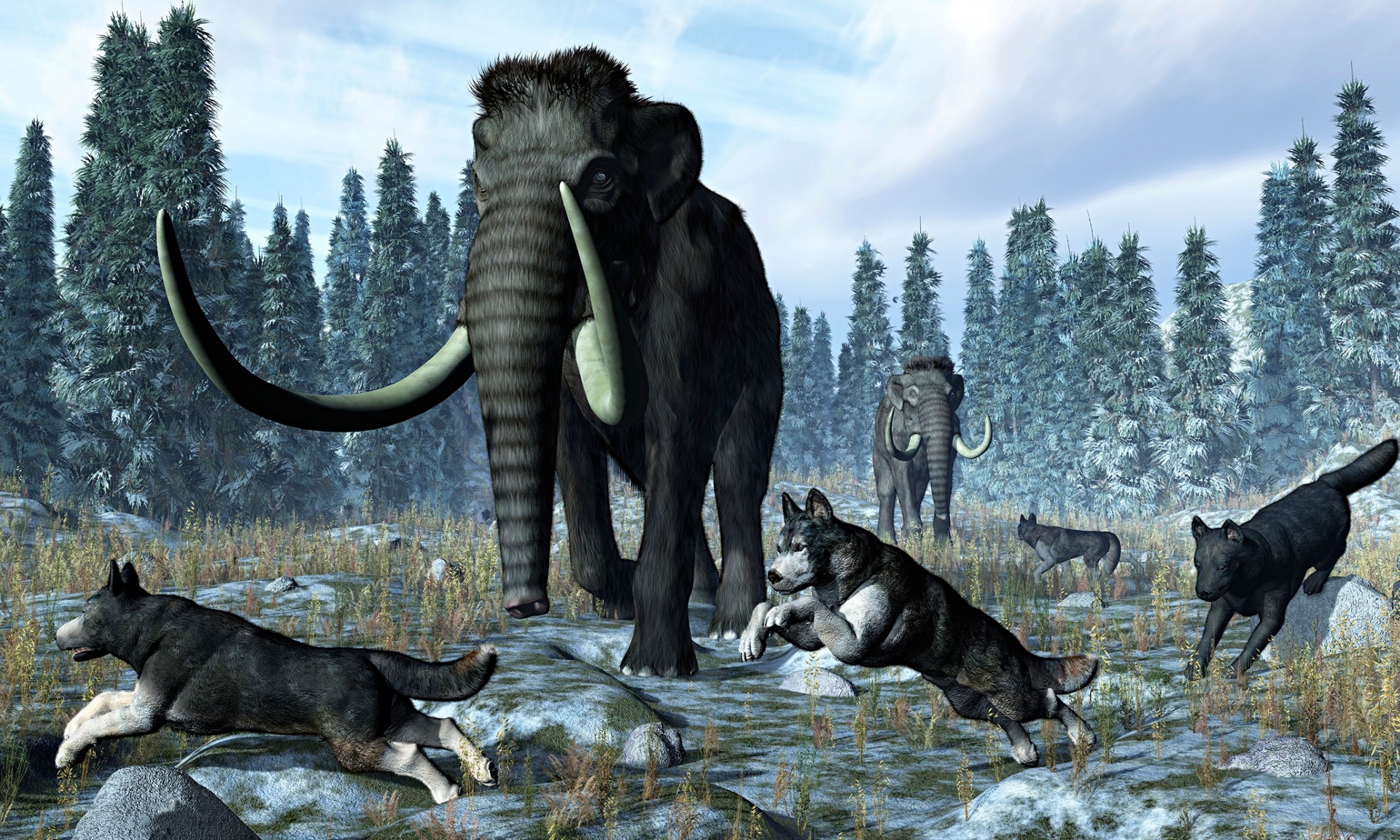
 A pack of dire wolves crosses paths with two mammoths during the Upper Pleistocene Epoch. Photograph: Alamy
A pack of dire wolves crosses paths with two mammoths during the Upper Pleistocene Epoch. Photograph: Alamy

Dogs are humanity’s oldest friends, renowned for their loyalty and abilities to guard, hunt and chase. But modern humans may owe even more to them than we previously realised. We may have to thank them for helping us eradicate our caveman rivals, the Neanderthals.

According to a leading US anthropologist, early dogs, bred from wolves, played a critical role in the modern human’s takeover of Europe 40,000 years ago when we vanquished the Neanderthal locals.

The Guardian article finishes, thus:

Thus we began to change the wolf’s appearance and over the millennia turned them into all the breeds of dog we have today, from corgis to great Danes. Intriguingly, they may have changed our appearances as well, says [Professor Pat] Shipman, whose book, The Invaders: How Humans and Their Dogs Drove Neanderthals to Extinction, will be published this month. Consider the whites of our eyes, she states. The wolf possesses white sclera as does Homo sapiens though, crucially, it is the only primate that has them.

“The main advantage of having white sclera is that it is very easy to work out what another person is gazing at,” added Shipman. “It provides a very useful form of non-verbal communication and would have been of immense help to early hunters. They would been able to communicate silently but very effectively.”

Thus the mutation conferring white sclera could have become increasingly common among modern humans 40,000 years ago and would have conferred an advantage on those who were hunting with dogs.

By contrast, there is no evidence of any kind that Neanderthals had any relationship with dogs and instead they appear to have continued to hunt mammoths and elks on their own, a punishing method for acquiring food. Already stressed by the arrival of modern humans in Europe, our alliance with wolves would have been the final straw for Neanderthals.

Nor does the story stop in Europe, added Shipman. “I would see this as the beginning of the humans’ long invasion of the world. We took dogs with us wherever we went after our alliance formed in the palaeolithic. We took them to America and to the Pacific Islands. They made hunting easy and helped guard our food. It has been a very powerful alliance.”

RISE AND FALL OF NEANDERTHALS

250,000 years ago The first Neanderthals appear in Europe.

200,000 years The first modern humans appear in Africa.

70,000 years The first modern humans leave Africa.

50-60,000 years Modern humans and Neanderthals share territory in Middle East.

45,000 years Modern humans enter Europe.

40,000 years Neanderthals disappear.

I don’t know about you but I find the history of our, as in man’s, relationship with wolves and thence with dogs to be not just romantic but spiritually significant. To know, as I hug one of our many huggable dogs here at home, that I am bonding my mind and emotions with an animal that has been my partner for tens of thousands of years is beautiful beyond words.

(I took a break of a couple of minutes at this point to grab my camera and take a photograph of Hazel sleeping next to my chair, as she so often does when I am writing. Then one of her when she looked up at me. Here they are:)

P1150507

oooo

P1150508

That second photograph reminds me that somewhere I read that dogs are the only animal that can look to where a human is directing a gaze or pointing a finger.

What an incredible relationship!

Humans and dogs go back a very long way!

The revised understanding of humanity’s oldest friend.

I mentioned in yesterday’s post how on Sunday afternoon, Jean and I, together with little Sweeny, went for a forest walk with friends, Janet and Jim and their dog Louie, who all live a few hundred yards from us along Hugo Road.

As Jim, a vet, and I were walking and chatting the subject, inevitably, turned to dogs! Or more precisely the history of the domestication of dogs. Jim then promised to send me a couple of papers highlighting a new study that has turned the clock back, so to speak, on when domestic dogs evolved from European wolves.

Here’s the first of those reports.

Origin of Domestic Dogs

New analysis suggests that domestic dogs evolved from European wolves that interacted with human hunter-gatherers.

By Ed Yong | November 14, 2013

Domestic dogs evolved from a group of wolves that came into contact with European hunter-gatherers between 18,800 and 32,100 years ago and may have since died out.

This origin story comes from a new study that compares DNA from dozens of dogs and wolves, including 18 ancient fossils. The results, published today (November 14) in Science, provide the clearest picture yet of where, when, and how wild predators came to be man’s best friend.

“It really is a sea change from the little bits of fragmentary DNA that have been reported in the past,” said Gregor Larson from Durham University in the U.K., who was not involved in the study. “It includes really old material from a wide range of sites.”

The new paper follows two earlier studies that looked at the genetic signatures of domestication in dogs, and came to differing conclusions about canine origins. One group suggested that dogs were domesticated around 10,000 years ago during the Agricultural Revolution, when wolves started scavenging human scrap heaps. Another concluded that wolves and dogs split 32,000 years ago, somewhere in East Asia.

Both studies compared the genes of a wide variety of living dogs and wolves, but modern samples can be deceptive. Dogs and wolves diverged so recently that many of their genes have not had time to separate into distinct lineages. They have also repeatedly hybridized with each other, further confusing their genealogies.

To deal with these problems, a team led by Olaf Thalmann from the University of Turku in Finland analyzed mitochondrial DNA from 18 fossil canids. They compared these ancient sequences to those from 49 modern wolves and 77 modern dogs, and built a family tree that charts their relationships.

The tree conclusively pinpointed Europe as the major nexus of dog domestication. It identified four clades of modern dogs, which are all most closely related to ancient European canids rather than wolves from China or the Middle East. “We didn’t expect the ancestry to be so clearly defined,” Thalmann told The Scientist.

“This suggests that the population of wolves in Europe that gave rise to modern dogs may have gone extinct, which is plausible given how humans have wiped out wolves over the centuries,” he added.

According to this new tree, the largest clade of domestic dogs last shared a common ancestor 18,800 years ago, and collectively, they last shared a common ancestor with a wolf around 32,100 years ago. They must have been domesticated at some point during this window.

These molecular dates fit with fossil evidence. The oldest dog fossils come from Western Europe and Siberia, and are thought to be at least 15,000 years old. By contrast, those from the Middle East and East Asia are believed to be 13,000 years old, at most. “The archaeologists would be happy,” said Larson.

The dates also make it unlikely that dogs were domesticated during the Agricultural Revolution, which took place millennia later. Instead, they must have first associated with European hunter-gatherers. They may have assisted humans in bringing down large prey, or could simply have scavenged leftover carcasses. Either way, their association with humans grew stronger and stronger, until they eventually evolved into domestic dogs.

However, Thalmann acknowledged that his team’s analysis does not include any ancient DNA from the Middle East or China, nor nuclear DNA from any of the fossils. In other ancient DNA studies, nuclear DNA sequences have revised the evolutionary stories told by mitochondrial ones.

“Who knows what we would find if we had ancient canid samples from East Asia or elsewhere, or were successful in amplifying nuclear DNA from ancient canids,” said Adam Boyko from Cornell University, who was not involved in the study, via email. “But that shouldn’t detract from the great work they were able to do here,” he added.

Larson cautioned that the paper is not the final word on canine origins. “It would be a mistake to jump and say that dogs were domesticated in Europe and not anywhere else,” he said. “We know pigs were domesticated independently in China and Turkey, so there’s no thinking that dog domestication had to happen in just one place.”

Indeed, Thalmann’s team showed that the famous Goyet dog—a 36,000 year old Belgian skull, supposedly belonging to the oldest known dog — is not directly ancestral to modern dogs. Instead, it represents an ancient sister lineage that died out. The same is true for other old specimens from Belgium and Russia’s Altai Mountains. “Maybe they were trial domestications that were not successful,” said Thalmann.

O. Thalmann et al., “Complete mitochondrial genomes of ancient canids suggest a European origin of domestic dogs,” Science, doi:10.1126/science.1243650, 2013.

Clearly, a blog that is entitled Learning from Dogs needs to take notice of this new evidence!

So I will return tomorrow with the second of the reports.

Remains for the older prehistoric dog, which were excavated at Goyet Cave in Belgium, suggest to the researchers that the Aurignacian people of Europe from the Upper Paleolithic period first domesticated dogs.