Category: Health

Yet more dog food recalls

These are taking priority over the text for yesterday’s Picture Parade.

And there are two of them.

Nutrisca Dog Food Recall | November 2018

November 3, 2018 — Nutrisca, of Saint Louis, MO, is voluntarily recalling one formula of Nutrisca dry dog food because it contains elevated levels of vitamin D.

Nutrisca did not include an image with its FDA news release. So, the following image has been copied from the company’s website and provided in good faith by The Dog Food Advisor.

What’s Recalled?

  • Nutrisca Chicken and Chickpea Dry Dog Food
    Package Size: 4 pounds
    Bag UPC: 8-84244-12495-7
    Best By Dates: February 25, 2020 thru September 13, 2020
  • Nutrisca Chicken and Chickpea Dry Dog Food
    Package Size: 15 pounds
    Bag UPC: 8-84244-12795-8
    Best By Dates: February 25, 2020 thru September 13, 2020
  • Nutrisca Chicken and Chickpea Dry Dog Food
    Package Size: 28 pounds
    Bag UPC: 8-84244-12895-5
    Best By Dates: February 25, 2020 thru September 13, 2020

Bags affected have a Best By Date code of February 25, 2020 through September 13, 2020. The Best By Date code can be found on the back or bottom of each bag.

The products were distributed to retail stores nationwide.

What Caused the Recall?

Nutrisca became aware of the elevated levels of vitamin D after receiving complaints from three pet owners of vitamin D toxicity after consuming the product.

An investigation revealed a formulation error led to the elevated vitamin D in the product.

About Elevated Vitamin D

Dogs ingesting elevated levels of Vitamin D may exhibit symptoms such as vomiting, loss of appetite, increased thirst, increased urination, excessive drooling, and weight loss.

Vitamin D when consumed at very high levels can lead to serious health issues in dogs including renal dysfunction.

Consumers with dogs who have consumed any of the products listed above and are exhibiting these symptoms, should contact their veterinarian.

What to Do?

Consumers should stop feeding the products listed above.

Consumers who have purchased any of the products affected by this recall should dispose of it or return it to the place of purchase for a full refund.

Consumers with questions may contact Nutrisca at 888-279-9420 from 8 AM to 5 PM Central Standard time, Monday through Friday, or by email at consumerservices@nutrisca.com for more information.

No other Nutrisca products, including Nutrisca Chicken & Chickpea wet dog foods are impacted.

All other Nutrisca dog and cat food products are safe to feed to pets.

According to the company…

“This is a voluntary recall and is being conducted in cooperation with the U.S. Food and Drug Administration.

“We genuinely regret that this has occurred as we place the highest priority on the health of pets.”

U.S. citizens can report complaints about FDA-regulated pet food products by calling the consumer complaint coordinator in your area.

Or go to http://www.fda.gov/petfoodcomplaints.

Canadians can report any health or safety incidents related to the use of this product by filling out the Consumer Product Incident Report Form.

oooo

Natural Life Pet Products Dog Food Recall

November 3, 2018 — Natural Life Pet Products of Saint Louis, MO, is voluntarily recalling its Chicken and Potato dry dog food due to it containing elevated levels of Vitamin D.

What’s Recalled?

No product image was included with the official news release.

  • Natural Life Chicken and Potato Dry Dog Food
    Package Size: 17.5 pounds
    Bag UPC: 0-12344-08175-1

Bags affected have a Best By Date code of May 29, 2020 through August 10, 2020. The Best By Date code can be found on the back or bottom of each bag.

The products were distributed to retail stores in:

  • Alabama
  • California
  • Florida
  • Georgia
  • North Carolina
  • South Carolina
  • Tennessee
  • Virginia

What Caused the Recall?

Natural Life Pet Products became aware of the elevated levels of vitamin D after receiving complaints from three pet owners of vitamin D toxicity after consuming the product.

An investigation revealed a formulation error led to the elevated vitamin D in the product.

About Elevated Vitamin D Levels

Consumers should stop feeding the product listed above.

Dogs ingesting elevated levels of Vitamin D may exhibit symptoms such as vomiting, loss of appetite, increased thirst, increased urination, excessive drooling, and weight loss.

Vitamin D when consumed at very high levels can lead to serious health issues in dogs including renal dysfunction.

Consumers with dogs who have consumed the product listed above and are exhibiting these symptoms, should contact their veterinarian.

What to Do?

Consumers who have purchased the product affected by this recall should dispose of it or return it to the place of purchase for a full refund.

Consumers with questions may contact Natural Life Pet Products at 888-279-9420 from 8 AM to 5 PM Central Standard time, Monday through Friday, or by email at consumerservices@nutrisca.com for more information.

This is a voluntary recall and is being conducted in cooperation with the U.S. Food and Drug Administration.

U.S. citizens can report complaints about FDA-regulated pet food products by calling the consumer complaint coordinator in your area.

Or go to http://www.fda.gov/petfoodcomplaints.

oooo

Please, please good people, you take care of your dogs.

What a way to spend a Sunday!

Poor little Sweeny!

Last Sunday, Sweeny not having eaten for 3 days, it was felt that we could not leave it any longer and decided to take Sweeny to Southern Oregon Veterinary Specialty Center.  They are an emergency 24-hour a day service.  It turned out to be a longer day that we had anticipated.

For we arrived at 9:15 am and didn’t leave until 5:15 pm.

Even then we were still left with some uncertainty.

For the long rigmarole of tests didn’t come to a firm conclusion.

A part of the SOVMC invoice.

Luckily we could leave taking dear Sweeny back with us but the results from the Fine needle aspirate won’t be through until Tuesday or Wednesday. (P.S. Just heard by phone that the results should be through in the next hour. Ergo: Monday evening.)

If it is Tuesday that will be better than Wednesday.

For on Wednesday we leave for a short holiday in Mexico.

In fairness, the house is being looked after by Jana Stewart but it will still be better to know before we leave.

That leads me to say that for the next ten days the regularity of blogging is going to be variable; to say the least.

A mild infection.

A further note re my medical situation.

Last Wednesday week, the 3rd October, I had a really strange morning.

As per usual for a Wednesday I went for a group bike ride. I didn’t notice anything unusual except perhaps that I was rather more remote than the others on this particular occasion. When I got home I didn’t mention anything. But later that morning Jeannie rang Dordie, one of the cycling group, and found out that I had basically being speaking gibberish.

Jeannie and I discussed the situation and we decided that it was best to volunteer ourselves for a visit to the local Three Rivers hospital. There is a walk-in facility there that is open 24 hours a day.

Asante Three Rivers Hospital, Grants Pass.

I was seen pretty promptly but nothing was found.

Also later that day I noticed my typing skills had disappeared.

At the same time I also noticed that my left-hand side of my face had a ‘edge’ to it. Whereas normally I couldn’t feel it in this instance I could.

Jeannie started to worry about me, big time, and I wasn’t sure about anything anymore. I resisted seeing any more specialists although Jeannie thought that I should.

I hung on to the fact that I was seeing my regular doctor, Dr. Angela Mount, on the 12th.

So yesterday I saw Dr. Mount.

She was of no doubt that what I had experienced was a ‘magnification’ of the old wound resulting from my trip to the Regional Trauma Centre in Eugene on December 24th, 2017.

Now, today, that had been brought about by me incurring a low-level infection; probably a cold-like infection but without the streaming nose normally associated with such diseases.

What had happened was that the extra load on the body brought about by the infection had caused the damage to my left-hand side of my body and skull to re-appear.

Thus no need to worry, it was OK and that fairly rapidly I should regain my old composure.

Phew!

P.S. Only wrote this just in case it matched any experiences out there.

Not only beautiful …….

……. but also intelligent.

There is something about a Huskie that takes one’s breath away. Not only because of the grace and wit with which they conduct their lives but also because the majority of them are working dogs.

So it was with interest that I read recently about the Huskies and wanted to share it with you all.

Here it is.

ooOOoo

Why do huskies have blue eyes?

New genetic study finally solves the mystery.

BRYAN NELSON,   October 4, 2018.

A happy husky with its characteristic blue eyes. (Photo: Nancy Wong/Wiki Commons)

A dog DNA startup company called Embark, based out of Boston, Massachusetts, and Ithaca, New York, appears to have finally solved the mystery as to why huskies sport their beautiful blue eyes. The study is the first consumer genomics study ever conducted in a non-human model, as well as the largest canine genome-wide association study to date, reports Phys.org.

The key, it turns out, lies in the dogs’ 18th chromosome. A duplication on chromosome 18, near the ALX4 gene, was found to be strongly associated with blue eye color. The ALX4 gene plays an important role in mammalian eye development, so this association is not entirely out of left field. And interestingly, the study also found this same genetic quirk in non-merle Australian shepherds, which also tend to have blue eyes.

This flies in the face of how eye color is usually thought to be determined in dogs. For instance, two genetic variants are known to underlie blue eye color in many dogs, but scientists have long known that these variants do not explain the blue eyes of huskies, thus the mystery.

In fact, even though we’re seemingly in a genomic scientific age, the genetic underpinnings of many traits in non-human animals are still largely unknown, even for humans’ best friends. Embark aims to change that.

For the study, which was performed in partnership with Cornell University College of Veterinary Medicine, researchers used a diverse panel of 6,070 genetically tested dogs, with owners who contributed phenotype data — physical traits of the dogs — via web-based surveys and photo uploads. A comprehensive, consumer-driven survey of this size is largely unprecedented.

“Using genetic data from the pets of our customers, combined with eye colors reported by customers for those same animals, we have discovered a genetic duplication that is strongly associated with blue eye color. This study demonstrates the power of the approach that Embark is taking towards improving canine health,” explained Aaron J. Sams of Embark. “In a single year, we collected enough data to conduct the largest canine study of its kind. Embark is currently pursuing similar research projects in a range of morphological and health-related traits and we hope to continue to use our platform to move canine genetics and health forward in a very real way.”

It’s all in the name of improved health care options for our canine companions, as well as helping curious human owners better understand the origins of their pets. Answering why huskies have blue eyes is just the first such mystery they hope to solve.

ooOOoo

What can one say! They are such beautiful dogs!

Picture Parade Two Hundred and Fifty-Nine

Taken from the world’s most smartest dogs.

From this site,

Herding dogs are often considered some of the smartest breeds.

oooo

The Border Collie

oooo

The Poodle combines brain and brawn.

oooo

The gorgeous German Shepherd Dog

oooo

My heart goes out to a Golden Retriever

oooo

The keenest eyes in this Doberman Pinscher.

oooo

Have you seen such a face in this Shetland Sheepdog Sheltie.

oooo

Three Labrador Retrievers

oooo

The enchanting face of the Papillion.

Onward and upwards to another set.

Support the Orcas

If you can, please support this PDX event coming up on the 5th.

In my post that was my letter to Mr. Neptune, Colette left a reply that was a ‘heads up’ to an event being held in Portland, Oregon on October 5th. Ergo, this coming Friday.

Now the odds are that very few of you dear readers will be within reach of that event.

But that doesn’t stop me from promoting the event so that the details may be shared as far and wide as possible.

ooOOoo

PDX ACTIVIST

activism and resistance events in Portland

Save Our Orcas

Holladay Park Portland, OR

NE 11th Street & Hollady Street

Description

Join us October 5th for a peaceful Demonstration to help endangered Southern Resident Killer Whales. There are only 74 left after the loss of 2 baby Orcas this Summer. You may have seen the dead newborn Orca carried “Save our Orcas”. Meet promptly at Holladay Park at 3:00pm.

ooOOoo

Here’s a news item taken from CBS News.

Then for those that would like more background on the Orca whale, let me republish the opening paragraphs of an item from Wikipedia.

The killer whale or orca (Orcinus orca) is a toothed whale belonging to the oceanic dolphin family, of which it is the largest member. Killer whales have a diverse diet, although individual populations often specialize in particular types of prey. Some feed exclusively on fish, while others hunt marine mammals such as seals and dolphins. They have been known to attack baleen whale calves, and even adult whales. Killer whales are apex predators, as no animal preys on them. A cosmopolitan species, they can be found in each of the world’s oceans in a variety of marine environments, from Arctic and Antarctic regions to tropical seas, absent only from the Baltic and Black seas, and some areas of the Arctic Ocean.

Killer whales are highly social; some populations are composed of matrilineal family groups (pods) which are the most stable of any animal species. Their sophisticated hunting techniques and vocal behaviours, which are often specific to a particular group and passed across generations, have been described as manifestations of animal culture.

The International Union for Conservation of Nature assesses the orca’s conservation status as data deficient because of the likelihood that two or more killer whale types are separate species. Some local populations are considered threatened or endangered due to prey depletion, habitat loss, pollution (by PCBs), capture for marine mammal parks, and conflicts with human fisheries. In late 2005, the southern resident killer whales, which swim in British Columbia and Washington statewaters, were placed on the U.S. Endangered Species list.

Wild killer whales are not considered a threat to humans,[6] but there have been cases of captive orcas killing or injuring their handlers at marine theme parks. Killer whales feature strongly in the mythologies of indigenous cultures, with their reputation ranging from being the souls of humans to merciless killers.

Orcas leaping. Picture from the Whale and Dolphin Conservation (WDC) website.

The Fall

And I am not speaking of the Autumn!

To be honest, dear friends, I really agonised over whether or not to republish an item that I saw on The Conversation blogsite last Friday. For it has nothing to do with dogs, nothing to do with learning from dogs, and everything to do with being the ‘wrong’ side of 65 years old.

But then one day last week I was out watching some tree cutting being undertaken by Jimmy Gonzales and his crew and heard the phoning ringing in the house.

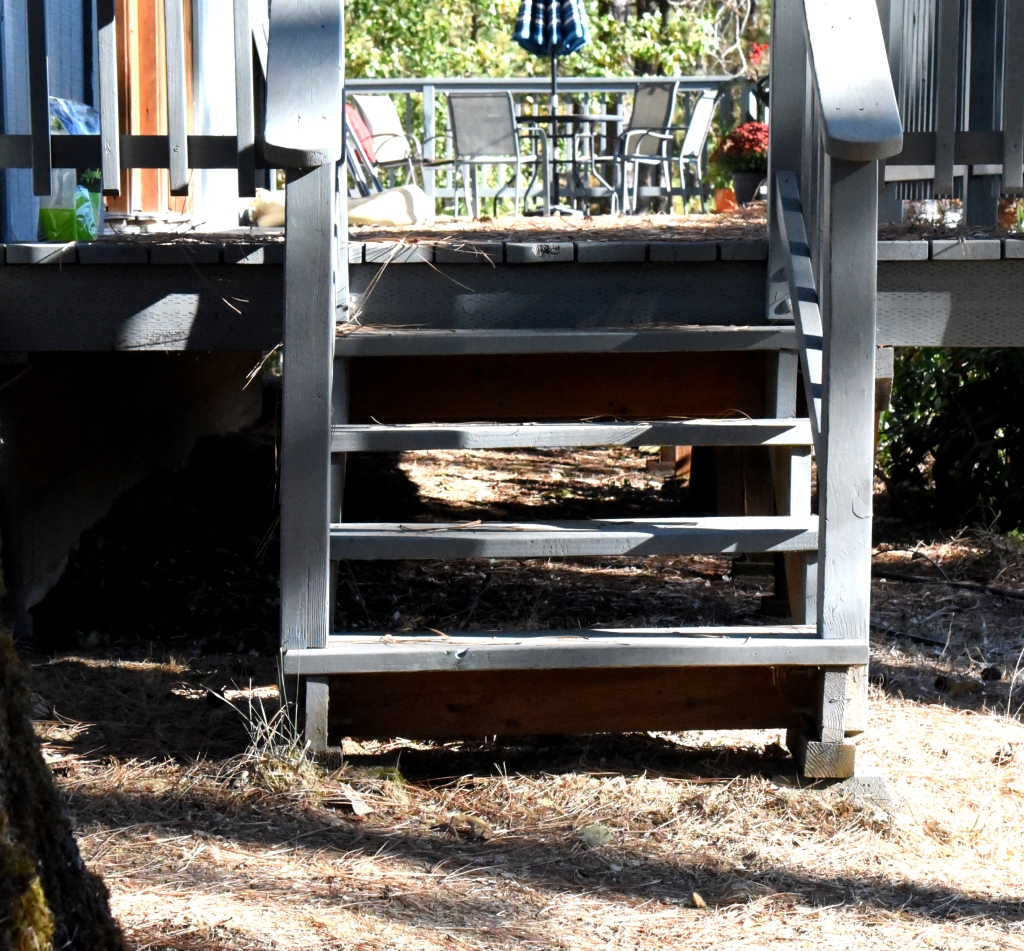
I ran for the steps leading up to the deck and missed the bottom step.

I fell but luckily managed to grab the handrails seconds before I could have smacked my head into the steps. However, it did scare me especially when I reflected that it wasn’t even 9 months since my medical emergency following my fall from my bicycle.

It confirmed the sense in republishing the item. Republished within the terms of The Conversation site.

ooOOoo

Before the fall: How oldsters can avoid one of old age’s most dangerous events

September 21, 2018

By four authors:

 Co-Director of Texas A&M Center for Population Health and Aging, Texas A&M University

  Research Scientist, University of North Carolina at Chapel Hill

  Regents and Distinguished Professor, Associate Vice President for Strategic Partnerships and Initiatives, Texas A&M University

  Adjunct Assistant Professor, Public Health, University of North Carolina at Chapel Hill

Baby boomers, who once viewed themselves as the coolest generation in history, are now turning their thoughts away from such things as partying and touring alongside rock bands to how to they can stay healthy as they age. And, one of the most important parts of healthy aging is avoiding a fall, the number one cause of accidental death among people 65 and older.

The issue is growing more pressing each day. More adults than ever – 46 million – are 65 and older, and their numbers are increasing rapidly.

The Centers for Disease Control and Prevention estimates that one in four older adults will fall each year. Falls are the leading cause of injury and injury deaths among older adults. And, they are costly. Falls are responsible for an estimated US$31 billion in annual Medicare costs. This estimate does not account for non-direct medical or societal costs.

People who fall can lose their physical mobility for life, go into a hospital never to be discharged, require skilled nursing or other caregiver support, or become so fearful about falling again that they dramatically limit their daily activities.

The good news is that most falls are preventable, research has identified many modifiable risk factors for falls, and older adults can empower themselves to reduce their falls risks. This means there are opportunities to intervene in clinical and community settings to promote protective behaviors and improve safety.

A life-changing event

Falls can cause fractures, traumatic brain injuries and other conditions that require an emergency room visit or hospitalization. An older adult dies from a fall every 19 minutes, and every 11 seconds an older adult is treated in an emergency room for a fall-related injury. About one in four falls results in needed medical attention, and falls are responsible for about 95 percent of all hip fractures. In addition to the physical and mental trauma associated with the fall itself, falls often result in fear of falling, reduced quality of life, loss of independence and social isolation.

shutterstock. Astrid Gast/Shutterstock.com

There is no single cause for falling. Falls can result from issues related to biological aging, such as balance problems, loss of muscle strength, changes in vision, arthritis or diabetes. Taking a combination of several prescription drugs can also contribute to falls. Lifestyle behaviors such as physical inactivity, poor nutrition and poor sleep quality can also increase the risk for falling. Environmental hazards inside the home, such as poor lighting and throw rugs, and outside, such as bad weather, standing water and uneven sidewalks, can create situations where falls are more likely to occur.

It takes a careful village

Because falls can be caused by many things, the solutions must also include a diverse set of systems, organizations and professionals. Toward that end, 42 active or developing state fall prevention coalitions, which coordinate initiatives and serve as advocates for policy development and community action, are in place. Their activities foster collaboration across the aging services network, public health and health care system. They do such things as host health fairs and fall risk screening events, fall prevention programs, and awareness-raising events to inform decision-makers and legislators about ways to make communities safer for older adults.

Here are some of the key objectives that the coalitions are working on to reduce hazards from falling:

  • Enhance clinical-community collaboration for programming.

There are many fall prevention programs offered in communities to promote healthful behaviors and to reinforce positive mental perspectives about falls being preventable.

People concerned about falling should contact their local Area Agency on Aging to find out where these programs are offered and which can be most beneficial. Also, seniors should ask their doctors about fall-related risk factors and what they can do to reduce risk. Communicate your concerns about falls with your health care team and social network, tell them about what you learn during your fall prevention programs, and report back about how they are making a difference in your life.

  • Manage chronic conditions.

About 70 percent of older adults have one or more chronic conditions, many of which can increase the risk for falling. For example, people with diabetes may have vision problems and problems with sensation in their feet. Also, the medications used to treat these conditions can increase fall risk. And, taking five or more medications has been identified with increased frailty and higher risk for falling.

Being physically active can help seniors have better balance and reduce the risk of falls. wavebreakmedia/Shutterstock.com

While health care access and utilization are important for chronic disease diagnosis and management, 90 percent of health care happens outside the health care setting. Therefore, older adults need to manage their diseases better. To do this, however, they often need help. For starters, they should discuss the side effects of all medications with their doctors and also how best to adhere to prescribed treatment regimens, such as when to take medications, whether to take with food and whether there are possible interactions of one medication with another. Seniors also can consider enrolling in evidence-based disease self-management programs to improve their knowledge and confidence to manage their conditions as well as enhance lasting skills for goal setting and action planning, such as being physically active for 30 minutes a day for five days a week.

  • Alter the physical environment.

About 44 percent of falls occur inside the home. In-home risk factors for falls can include dim lighting, clutter on floors, throw rugs and ottomans, missing railings, uncovered wires and extension cords, children and pets underfoot and unsafe bathrooms. A unsafe bathroom is one with an inappropriate toilet height, high shower or bathtub walls and no grab rails.

To identify possible risks in the home, the CDC created a user-friendly safety checklist that can safeguard older adults by eliminating environmental hazards.

  • Maintain healthful behaviors.

Daily lifestyle behaviors such as physical activity, nutrition and sleep quality can influence fall risk, and these are never too late to change. Interventions can be successful for people of all ages. Among the most important is physical activity, namely safely performing lower-body exercises to increase strength, balance and flexibility. Additionally, seniors should work with their health care team to have medications reviewed and eyes checked regularly. Also, they should ask about their vitamin D levels and possible nutritional supplementation.

ooOOoo

Yes, when it comes to being more careful on our feet once again our dear dogs offer us a much better way: Have four of them!!

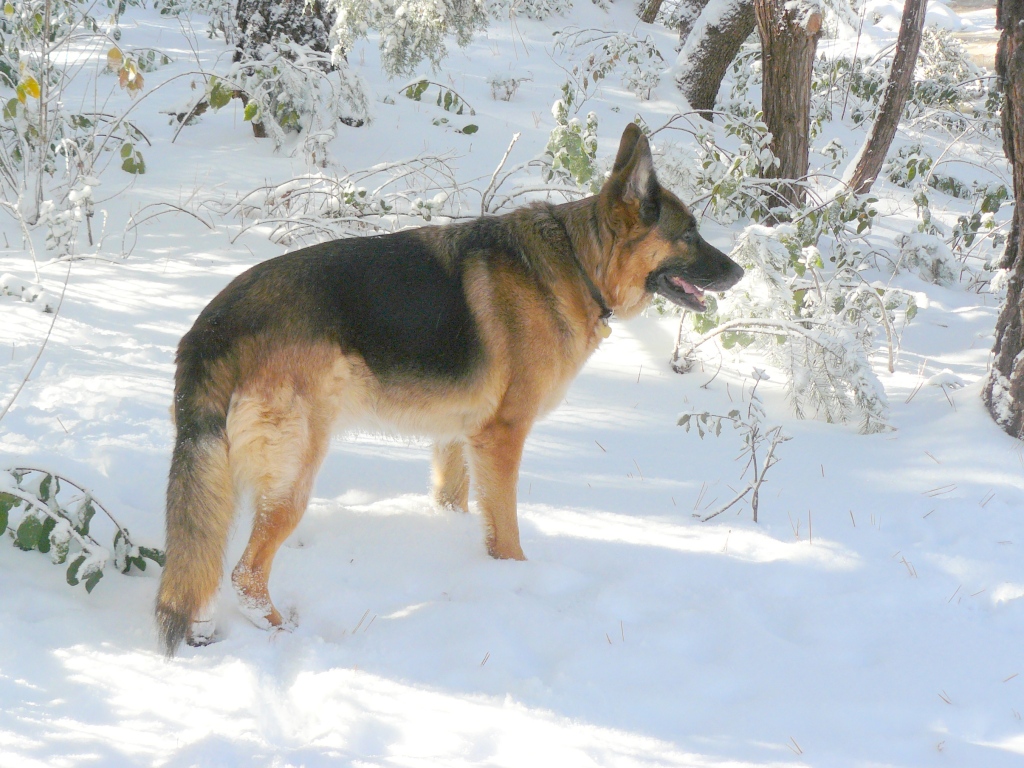
Just look at the ease of our dear Brandy scampering through the woods yesterday morning!

Our dear, sorely-missed Pharaoh demonstrating the advantages of four feet!

So my good people – you be careful out there!

Saturday Smile

Changing the world – one wolf at a time.

I read this wonderful story yesterday morning and wanted to share it with you all. It is a story carried by The Madras Pioneer.

ooOOoo

Wolf pups born on Warm Springs Reservation

Holly M. Gill, Thursday, September 06, 2018

A male and a female wolf have been photographed with their two pups on the northern part of the reservation.

PHOTO COURTESY OF THE CONFEDERATED TRIBES OF WARM SPRINGS – Two wolf pups with the adult male of the pack are caught on a remote trail camera on the Warm Springs Reservation. The wolf pups are believed to be the first born on the reservation since the 1940s.

For at least the past four years, a large male wolf has been observed roaming parts of the Warm Springs Reservation. Now, the wolf, his mate and two pups have also been seen on trail cameras.

On Aug. 27, the Confederated Tribes of Warm Springs Branch of Natural Resources confirmed that the single male first observed in 2014, and his mate, first seen in 2016, have produced two pups.

“In early September 2014, biologists suspected that a large male wolf of unknown origin, more than likely from Northeast Oregon, had a mate on the Warm Springs Reservation and Mount Hood National Forest, when remote cameras captured several images of two or more wolves in the area,” said wildlife biologist Austin Smith Jr., of the tribes’ Natural Resources Branch.

PHOTO COURTESY OF THE CONFEDERATED TRIBES OF WARM SPRINGS – A female gray wolf from the Warm Springs/White River pack seems to be caught on a remote trail camera teaching her pup, on the right, how to howl. In August, the Confederated Tribes of Warm Springs’ Branch of Natural Resources caught the photos of the two adult wolves and two pups, which are estimated to be 3 to 4 months old.

“Initially, last year, we had been getting multiple reports from technicians and contractors working in the area, that there was a group of wolves in the area,” said Smith. “We were trying to verify that, but we couldn’t confirm that there was a pup.”

In August, Smith thought there might be new pups, so he and a high school intern walked to the “rendezvous site,” where the wolves had been seen last year. “We managed to track them to an area and we saw a pup, about the size of a dog. We saw it take off, and ended up setting up a camera.”

After they saw the pup, Smith notified the U.S. Fish and Wildlife Service, which keeps track of wolf activity. At the end of 2017, Oregon had at least 124 gray wolves, including two known as the White River pair.

“They are in the southern portion of Wasco County, the northern part of the reservation, and the White River wildlife management area,” said Smith. “ODFW named the pack off of what area they’re covered in. We call them the Warm Springs pack.”

With assistance from USFW Biologist John Stephenson, the tribes set up remote trail cameras, which have been yielding numerous images of the wolves, including the pups.

“I was pretty surprised,” said Smith, noting that the pups are the first verified instance of wolves reproducing on the reservation since the mid-1940s. “It was the first time we had officially seen wolf pups.”

Gray wolves, which had historically been common in Oregon, were eradicated in the late 1940s. In 1974, wolves were listed as endangered by the federal Endangered Species Act. The state enacted its own Endangered Species Act in 1987, requiring the Oregon Department of Fish and Wildlife to conserve wolves.

According to ODFW, the wolves in Oregon are part of the Northern Rocky Mountain wolf population, which was reintroduced in Idaho and Yellowstone National Park in the mid-1990s. The first wolf made its way to Oregon in the late 1990s.

Over the past decade, the documented population of wolves in Oregon has increased from about three in 2008, to 14 at the end of 2009, to 124 at the end of 2017. Most packs are located in Northeast Oregon.

Wolves have been wandering through Oregon for years, but the new group seems to have established itself on the reservation, said Smith. “Once they’re a breeding pair, they officially become a pack.”

Smith said that the wolves are an important resource on the reservation. “They’re a culturally significant and sensitive species,” he said. “They usually pick an area where they have enough food source. The numbers of deer and elk have increased on the reservation.”

The wolf pups are probably 3 to 4 months old, and weigh 75 to 100 pounds, he estimated.

“Typically, when they’re in the denning period, it runs from spring until early summer,” said Smith. “During that time, the female will stay in the den, while the male and siblings are out hunting. They will bring back food for the female.”

“Typically, they’re out of the den after a couple months, and pretty mobile by then,” he said. “These pups were probably born in June.”

The tribes’ Branch of Natural Resources will continue to monitor the pack and its movements to ensure an accurate population count.

ooOOoo

I must repeat what was quoted as being said by Austin Smith Jr. because it so perfectly explains what we see in our dogs. (My emphasis.)

Smith said that the wolves are an important resource on the reservation. “They’re a culturally significant and sensitive species,” he said.

Well done Oregon and in particular well done the good folk of the Warm Springs Reservation.

Here are a couple of photographs I found online to share with you.

oooo

Mount Jefferson, Oregon.

Thinking of culturally significant and sensitive  animals, I must go and hug a dog or six!

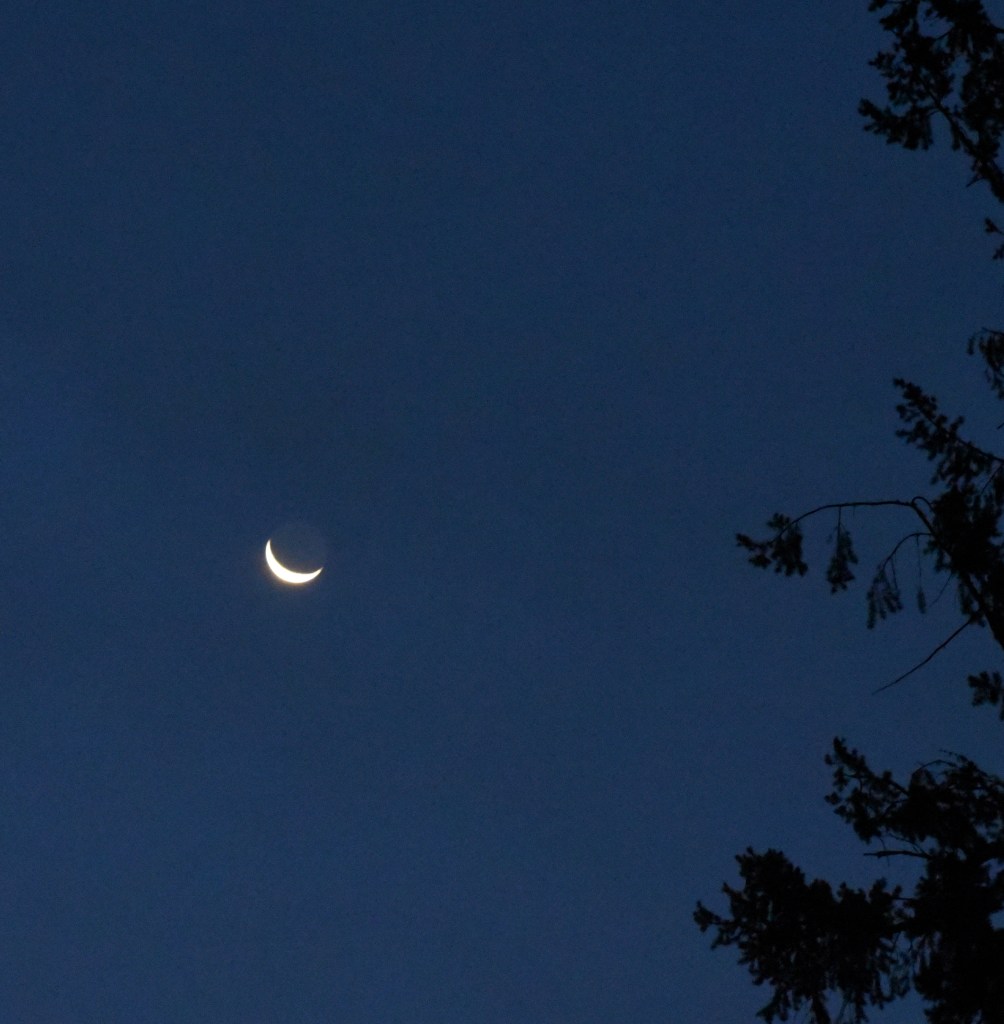
A Letter to the Moon

We live on such a fragile planet!

The idea of writing a letter to the moon is not a new one and it came to me when listening to an item yesterday morning, Pacific Time, broadcast by the BBC on Radio 4. The item was the news that Elon Musk has announced that:

Elon Musk’s company SpaceX has unveiled the first private passenger it plans to fly around the Moon.

Japanese billionaire and online fashion tycoon Yusaku Maezawa, 42, announced: “I choose to go to the Moon.”

The mission is planned for 2023, and would be the first lunar journey by humans since 1972.

So here is that letter!

ooOOoo

Dear Mr Moon,

I cannot believe how quickly the years roll by!

Who would have thought that yesterday, the 18th of September, 2018, was the anniversary of the day in September, 1977 when:

On September 18, 1977, as it headed toward the outer solar system, Voyager 1 looked back and acquired a stunning image of our Earth and moon.

You will surely remember that first image taken of the Planet Earth and your good self in the same frame.

Here is the 1st-ever photo of the Earth and moon in a single frame. Voyager 1 took the photo on September 18, 1977, when it was 7.25 million miles (11.66 million km) from Earth. Image Number: PIA00013 via NASA/JPL.

Now here we are some 41 years later and, my, how things have changed.

But something, dear Mr. Moon, has never changed for you. That is the sight of our most beautiful planet. Plus, I would go so far as to venture that what makes our planet such a beautiful sight, one that has captivated us humans when we have gone into space and looked back at home, is the magic of our atmosphere.

It is so thin!

Picture taken by a NASA satellite orbiting the earth some 200 miles above the planet’s surface.

So, so thin …. and so, so fragile.

It is akin to the thinness of the skin of an onion.

In fact, Mr. Moon, that layer that we earthlings call the troposphere, the layer closest to Earth’s surface varies from just 4 miles to 12 miles (7 to 20 km) thick. It contains half of our planet’s atmosphere!

Everything that sustains the life of air-breathing creatures, human and otherwise, depends on the health of this narrow layer of atmosphere above our heads. Now the thickness of that layer varies depending on the season and the temperature of the air. But let’s use an average thickness of 8 miles (say, 13 km) because I want to explore in my letter to you some comparisons.

In your infinite gaze down upon your mother planet you will have seen the arrival  of H. sapiens, out of ancestral H. erectus, that took place roughly 315,000 years ago.

You will also have seen from your lofty vantage point the growth of both CO2 levels in the planet’s atmosphere and the average land-ocean temperature. Forgive me quoting something at you, but:

OBSERVABLE CHANGES IN THE EARTH

SINCE THE INDUSTRIAL REVOLUTION

While politicians have been busy debating the merits of climate science, the physical symptoms of climate change have become increasingly apparent: since the industrial revolution, sea level has grown by 0.9 inches, the atmospheric concentration of carbon dioxide has risen to unprecedented levels, average global temperatures have increased by about 1.0 degree Celsius and, to top it off, the global population has jumped by nearly 600 percent; 15 of the 16 hottest years on record occurred in the 21st century, and 2016 is likely to be the warmest year ever recorded.

Now the Industrial Revolution was all but over back in 1840 and the last 178 years have seen an explosion in the way we use energy, in all its forms. Plus we have to accept that back then the global population was around 1 billion persons. It is now over 7 billion.

Between 1900 and 2000, the increase in world population was three times greater than during the entire previous history of humanity—an increase from 1.5 to 6.1 billion in just 100 years.

So on to my comparisons.

The radius of our beautiful planet is about 3,959 miles (6,371 km). The average thickness of the troposphere is 8 miles (13 km).

Thus the ratio of thickness of our liveable atmosphere to the radius of the planet is 8 divided by 3,959. That is a figure of 0.002! Our atmosphere is 1/1000th of the size of the radius of our planet.

Hang on that figure for a moment.

In the last 178 years humanity has transformed our consumption of energy and especially carbon-based fuels. H. sapiens has been around for 315,000 years.

Thus the ratio of these present ‘modern’ times (the last 178 years) to the arrival of us back then (315,000 years ago) is 178 divided by 315,000. That is a (rounded) figure of 0.0006. Our modern times are just 1/10,000th of the time that so-called modern man has been on this planet.

So, dear Mr. Moon, you must despair that in so short a number of years, proportionally ten times smaller than the ratio of the troposphere to the radius of our planet, we funny creatures have done so much damage to what we all depend on to stay alive – clean air!

Or maybe, my dear companion of the night sky, because you are celebrating your 4.1 billionth year of existence, what we humans are doing is all a bit of a yawn.

Sincerely,

This old Brit living in Oregon.

ooOOoo

My dear friends (and I’m now speaking to you dear reader, not the moon!) when you reflect on the fragility of our atmosphere, well the layer we depend on for life, you realise without doubt that each and every one of us must make this pledge.

“I promise to do everything possible to reduce my own personal CO2 output and to ensure that both to my near friends and my political representatives I make it clear that we must turn back – and turn back now!”

Or, as George Monbiot writes in closing a recent essay (that I am republishing tomorrow): “Defending the planet means changing the world.”

Dog and Cat food recall

Steve’s Real Food Recalls Dog and Cat Foods

This came in yesterday and is shared with you as per normal.

Steve’s Real Food Recalls Dog and Cat Foods

September 7, 2018 — Steve’s Real Food of Salt Lake City, Utah is voluntarily recalling limited quantities of its raw frozen dog and cat foods due to possible contamination with Salmonella and Listeria bacteria.

What’s Recalled?

The affected products were nationally distributed and are identified with the following UPC codes and “Best by” dates located on the front of the bag.

  • Steve’s Real Food Turducken Recipe
    Package size: 5-pounds
    Lot number: J155
    Best By Date: 6/4/19
    UPC: 6-91730-15304-5
  • Quest Emu Diet
    Package size: 2-pounds
    Lot number: B138
    Best By Date: 5/18/19
    UPC: 6-91730-17103-2
  • Quest Beef Diet
    Package size: 2-pounds
    Lot number: A138
    Best By Date: 5/18/19
    UPC: 6-91730-17101-8

About Salmonella and Listeria

Salmonella and L. mono can affect animals eating the products and there is risk to humans from handling contaminated pet products.

Symptoms of infection in people include nausea, vomiting, diarrhea or bloody diarrhea, abdominal cramping and fever.

Consumers exhibiting these signs after having contact with this product should contact their healthcare providers.

Pets with Salmonella and/or L. mono infections may be lethargic and have diarrhea or bloody diarrhea, fever, and vomiting.

Some pets will have only decreased appetite, fever and abdominal pain.

Infected, but otherwise healthy pets can be carriers and infect other animals or humans.

If your pet has consumed the recalled product and has these symptoms, please contact your veterinarian.

What Caused the Recall?

This recall is being initiated after the firm was notified by the Washington Department of Agriculture when sample was collected and tested positive for Salmonella and/or Listeria.

The firm did conduct its own test which produced a negative result for both Salmonella and Listeria monocytogenes.

However, because of the company’s commitment to overall safety and quality, Steve’s Real Food is conducting a voluntary recall of these products.

Consumers should also follow the safe handling tips published on the Steve’s Real Food packaging, when disposing of the affected product.

No pet or human illnesses from this product have been reported to date.

This recall is being made with the knowledge of the U.S. Food and Drug Administration.

What to Do?

Consumers are encouraged to check the lot code and best buy date of the affected pet foods.

Any product with the noted lot code and best buy dates should be returned to the specialty retailer where product was purchased for a full refund.

Consumers with questions may contact Steve’s Real Food at 888-526-1900, Monday through Friday, 9 am to 4 pm MT.

U.S. citizens can report complaints about FDA-regulated pet food products by calling the consumer complaint coordinator in your area.

Or go to http://www.fda.gov/petfoodcomplaints.

Canadians can report any health or safety incidents related to the use of this product by filling out the Consumer Product Incident Report Form.

Get Dog Food Recall Alerts by Email

Get free dog food recall alerts sent to you by email. Subscribe to The Dog Food Advisor’s emergency recall notification system.

Again, as I usually say, do share this with all the dog and cat lovers you know/

Thanks.