Back on Monday I spoke of Rik and his company Ahead4Heights.
Rik then sent me another piece of news about a film that he produced at short notice for Brixham Council.
Recent projects being a the Front page of the local rag, a roof inspection in Teignmouth for one of the largest local roofing contractors who is now on board and promising more work.
More interesting was a commission from Brixham Council for a short film showing the natural beauty of an area near Brixham in order to oppose a planning application for 400 houses. I received a call on that Friday telling me they needed the film for the public inquiry the following Tuesday! With only that Sunday looking good for flying I managed to fly, edit and upload the film later that evening so they had it for Monday morning, it was played at the hearing and has become a pivotal part of the evidence and was watched over 600 times over the following few days.
The land in question is dog walkers heaven and used by all the local residents.
Here is that front page of the Herald Express.
I regret that it is probably far too small a file to show the details. Never mind!
Mission Duration: At least one Mars year (about 687 Earth days)
Main Job: The Perseverance rover will seek signs of ancient life and collect rock and soil samples for possible return to Earth.
As someone who watched the television non-stop in 1969 to see man’s remarkable achievement, NASA has been an organisation of considerable interest all my life.
At 10:56 p.m. EDT Armstrong is ready to plant the first human foot on another world. With more than half a billion people watching on television, he climbs down the ladder and proclaims: “That’s one small step for a man, one giant leap for mankind.“
But on the 15th February Tony came up with a brilliant idea; read it for yourself:
ooOOoo
Dogs’ highly evolved noses can rapidly detect the SARS-CoV-2 virus
For some 15,000 years, dogs have been our hunting partners, workmates, helpers and companions. Could they also be our next allies in the fight against COVID-19? As a dog owner with a small poodle who could sniff out a chicken bone in the middle of a football field I was not surprised to learn this.
According to UC Santa Barbara professor emeritus Tommy Dickey and his collaborator, BioScent researcher Heather Junqueira, they can. And with a review paper published in the Journal of Osteopathic Medicine they have added to a small but growing consensus that trained medical scent dogs can effectively be used for screening individuals who may be infected with the COVID-19 virus.
I would volunteer my 15-year-old poodle, Gabi, for this study.
This follows a comprehensive survey of research devoted to the use of trained scent dogs for detecting COVID. “The most striking result is that studies have already demonstrated that dogs can identify people who are COVID-19 positive,” Dickey said of their findings. “Not only that,” he added, “they can do it non-intrusively, more rapidly and with comparable or possibly better accuracy than our conventional detection tests.”
Not surprisingly, the magic lies in canine sense of smell, which gives dogs the ability to detect molecules in tiny concentrations — “one part in a quadrillion compared with one part in one billion for humans,” according to the paper. Add to that other optimizations for smell, such as a large nasal area and the structure of their noses, which allows inflow through the nostrils and outflow through nasal folds. Further, with 125-300 million olfactory cells and a third of their brains devoted to interpreting odors, dogs are well equipped with the ability to sniff out the volatile organic compounds that indicate the presence of COVID.
ooOOoo
I must gently disagree with Tony’s opening statement. Dogs evolved from the grey wolf something like 23,000 years ago.
But what a great article and will we see the authorities take him up on the idea? I certainly hope so.
This time via Facebook from Sally McCarthy in England.
ooOOoo
Greenland Chocolate Labradors
February 7th, 2021
We wanted to share this sad and scary experience one of our puppy owners had after collecting their puppy. Picture for reference, not puppy in question. Sharing to hopefully help others.
I had quite an unsettling experience yesterday on my way home with our puppy yesterday. I stopped at a service station to give her a cuddle and a break out of her crate and while I was standing at the back of my car with the boot open with the puppy in my arms a van with Polish numberplates pulled up really close behind me. The man leaned out of his window and said in a tone of voice that came across as really threatening “what a nice little doggy” then “can I ask some advice?”
At that point I thought I heard the passenger door of the van open (I couldn’t see the passenger side because of how he had parked). I put puppy back in her travelling crate, slammed my boot and locked my car as fast as I could, and walked to the driver’s side. At that point I realised I couldn’t get into the car, where my phone was, without unlocking the car so had a standoff with the man obviously waiting for me to unlock the car, which I was not willing to do in case he opened my boot.
After what felt like forever, especially as I was parked at the back of the car park away from any other cars, he gave up and sped off through the car park towards the exit with his phone in his hand. I didn’t want to wait around to see if he had called anyone to come so got in my car to drive off only to find him waiting for me at the exit and he started following me.
Fortunately within about 10 minutes the weather was awful so with the reduced visibility on my side I managed to lose him although my heartbeat and breathing didn’t return to normal for quite a while afterwards! As he hadn’t actually managed to take the puppy I wasn’t sure whether to report it to the police however I did submit an online report this morning as I am in no doubt that was his intention and that had I allowed him to distract me it would have given his accomplice enough time to corner me.
I just wanted to share as I have heard the stories of dog nappings and a friend of mine had a dog stolen 2 years ago during a walk but I am really shocked that anyone would consider attempting it in a public place that was hopefully covered with CCTV.
I have had dogs all of my life and have never worried about dog nappers before but now I have come face to face with them I just wanted to let you know that it does appear to be as bad as the media are saying so please keep your little ones close when they are allowed out for walks. I am going to buy a rape alarm to carry with me on dog walks from now on and my sons, who quite often walk our older dog alone, have been told the dog walks have to be done in pairs now and will be carrying an alarm too.x
ooOOoo
What a frightening experience for Sally.
But at least she had the sense in writing this up and I am republishing the event so as to inform the maximum of people.
Deadly Dog and Cat Food Recall Expands: More Brands, Over 1000 Lots
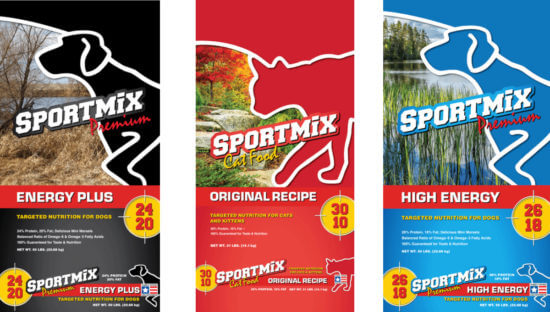
Image Credit – Food Safety News.
Important: Illustrations not complete. Additional images will be added if or when they become available. Original report published January 11, 2021 and updatedJanuary 26, 2021
January 26, 2021 — The FDA is alerting consumers that Midwestern Pet Foods, Inc. is expanding its recent recall to include over 1000 lots of Sportmix and 2 other brands of dog and cat food because they contain potentially fatal levels of aflatoxin.
As of January 21, 2021, FDA is aware of more than 110 deaths and 210 illnesses in pets that have eaten the affected products.
This is an ongoing investigation. This count is approximate and may not reflect the total number of pets affected.
Sportmix Energy Plus, 50 lb. bag
Exp 03/02/22/05/L2
Exp 03/02/22/05/L3
Exp 03/03/22/05/L2
Sportmix Energy Plus, 44 lb. bag
Exp 03/02/22/05/L3
Sportmix Premium High Energy, 50 lb. bag
Exp 03/03/22/05/L3
Sportmix Premium High Energy, 44 lb. bag
Exp 03/03/22/05/L3
Sportmix Original Cat, 31 lb. bag
Exp 03/03/22/05/L3
Sportmix Original Cat, 15 lb. bag
Exp 03/03/22/05/L2
Exp 03/03/22/05/L3
On January 11, 2021, the company expanded its recall to include all pet food products containing corn that were made in the firm’s Oklahoma plant and that expire on or before July 9, 2022.
More than 1000 lot codes are affected, so they are not listed individually.
Lots of the following pet food products have been recalled if the date/lot code includes an expiration date on or before “07/09/22” and includes “05” in the date/lot code, which identifies products made in the Oklahoma plant:
Pro Pac Adult Mini Chunk, 40 lb. bag
Pro Pac Performance Puppy, 40 lb. bag
Splash Fat Cat 32%, 50 lb. bag
Nunn Better Maintenance, 50 lb. bag
Sportmix Original Cat, 15 lb. bag
Sportmix Original Cat, 31 lb. bag
Sportmix Maintenance, 44 lb. bag
Sportmix Maintenance, 50 lb. bag
Sportmix High Protein, 50 lb. bag
Sportmix Energy Plus, 44 lb. bag
Sportmix Energy Plus, 50 lb. bag
Sportmix Stamina, 44 lb. bag
Sportmix Stamina, 50 lb. bag
Sportmix Bite Size, 40 lb. bag
Sportmix Bite Size, 44 lb. bag
Sportmix High Energy, 44 lb. bag
Sportmix High Energy, 50 lb. bag
Sportmix Premium Puppy, 16.5 lb. bag
Sportmix Premium Puppy, 33 lb. bag
Lot code information may be found on the back of bag and will appear in a three-line code, with the top line in format “EXP 03/03/22/05/L#/B###/HH:MM”
Where Were the Products Distributed?
The affected products were distributed to online retailers and stores nationwide within the United States.
Midwestern Pet Foods, Inc. may have exported the recalled product to one consignee, respectively, in each of the following countries: Bahrain, Barbados, Chile, Costa Rica, Curacao, Cyprus, Czech Republic, Ecuador, El Salvador, French Polynesia, Ghana, Guatemala, Honduras, Hong Kong, Iceland, Indonesia, Ireland, Israel, Korea, Kuwait, Lebanon, Lithuania, Malaysia, Mexico, New Zealand, Nicaragua, Panama, Peru, Singapore, Taiwan, Trinidad, Ukraine, UAE, Uruguay, and Vietnam.
About Aflatoxin
Aflatoxin is a toxin produced by the mold Aspergillus flavus and at high levels it can cause illness and death in pets.
The toxin can be present even if there is no visible mold.
Pets are highly susceptible to aflatoxin poisoning because, unlike people, who eat a varied diet, pets generally eat the same food continuously over extended periods of time.
If a pet’s food contains aflatoxin, the toxin could accumulate in the pet’s system as they continue to eat the same food.
Pets with aflatoxin poisoning may experience symptoms such as sluggishness, loss of appetite, vomiting, jaundice (yellowish tint to the eyes, gums or skin due to liver damage), and/or diarrhea.
In some cases, this toxicity can cause long-term liver issues and/or death.
Some pets suffer liver damage without showing any symptoms.
Pet owners whose pets have been eating the recalled products should contact their veterinarians, especially if they are showing signs of illness.
There is no evidence to suggest that pet owners who handle products containing aflatoxin are at risk of aflatoxin poisoning.
However, pet owners should always wash their hands after handling pet food.
What to Do?
Affected products may still be on store shelves, online, or in pet owners’ homes.
Pet owners should stop feeding their pets the recalled products listed above and consult their veterinarian, especially if the pet is showing signs of illness.
The pet owner should remove the food and make sure no other animals have access to the recalled product.
Contact Midwestern Pet Foods Consumer Affairs at 800-474-4163, ext. 455 from 7 am to 4 pm CT, Monday through Friday, or by email at info@midwesternpetfoods.com for additional information.
Further information regarding this recall can be found in the related FDA Bulletin.
U.S. citizens can report complaints about FDA-regulated pet food products by calling the consumer complaint coordinator in your area.
This is still a very serious issue and, please, make sure that all your friends and neighbours who have dogs and cats and who don’t read this blog are made aware of the situation.
It will be of no surprise that dogs have been regular pets of Presidents over the years. Apart from the fact that they provide companionship and love the dogs are also never left alone unlike many adults in normal life who often have difficult decisions to make.
So here’s an article in The Conversation that I am republishing.
ooOOoo
How Biden’s dogs could make the Oval Office a workplace with less stress and better decision-making
Presidential pup Major Biden stretches his legs on the White House lawn. The Official White House photo/Adam Schultz via Twitter, CC BY
On Jan. 24 the White House welcomed two new residents: Champ and Major, the newly minted first dogs of the United States. The first dogs are poised to offer special benefits to workers in the White House.
The first ‘Indoguration’ hosted by the Delaware Humane Association. Delaware Humane Association
President Barack Obama takes a break outside the Oval Office with Bo in 2012. AP Photo/Pablo Martinez Monsivais
The Oval Office, the site of momentous decisions, enormous stress and complex social dynamics, may benefit from dogs even more than typical workplaces. After all, stress can compromise decision-making and problem-solving abilities. Pets can alleviate stress, however, dampening these effects and leading to improved performance on difficult tasks.
Given dogs’ skill at providing these supports and boosting mood, it may not surprise you to learn they work their magic not only one on one, but also in group settings. In the presence of a dog, people in groups have better social interactions, engage in more conversations and are more likely to form long-term friendships with one another.
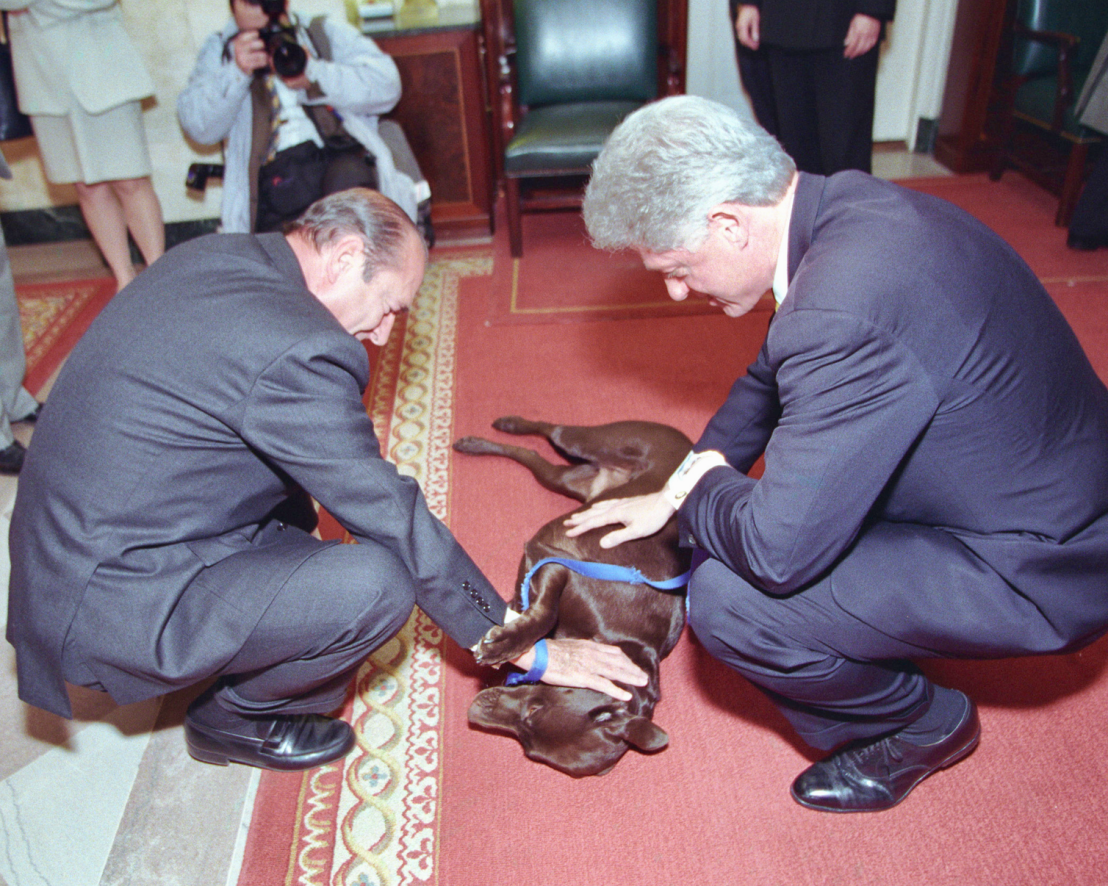
President Clinton and President Chirac of France showing Buddy some love in 1999. National Archives and Records Administration
The effects of dogs as social lubricants can go further: Dogs even foster development of social support networks among their humans, leading to a sense of community, and more social interactions between people in their vicinity. These engagements offer opportunities for even more social support in high-stress environments. And perhaps most importantly, people are more likely to offer help when a dog is present.
Having Champ and Major in the White House may help President Biden and his staff navigate the stresses and tensions of the current political landscape. Beyond “indogurations,” tweets and cute photo ops, Champ and Major will offer physical, psychological and social benefits in the Oval Office.
In short, pets (yes, cats too!) improve the quality of life in almost every context – including presidential ones. Perhaps they can, even in a small way, play a role in uniting a divided country. After all, personal politics aside, isn’t it comforting to know there will be paws pattering around the White House again?
ooOOoo
As was said in the article: “In the presence of a dog, people in groups have better social interactions, engage in more conversations and are more likely to form long-term friendships with one another.”
Dogs are miracle creatures and if you think of the benefits that dogs provide in crucial groupings and discussions that go on the White House then, frankly, they should be a non-negotiable addition to any White House incumbent!
I make no apologies for republishing this further article about the health of one’s gut. Apart from the relevance at this time in terms of defeating Covid-19 the health of one’s digestive system is key and, essentially, the digestive system is the gut.
Read it and if you need to adjust your diet, DO IT!
ooOOoo
A healthy microbiome builds a strong immune system that could help defeat COVID-19
By Ana Maldonado-Contreras
Assistant Professor of Microbiology and Physiological Systems, University of Massachusetts Medical School
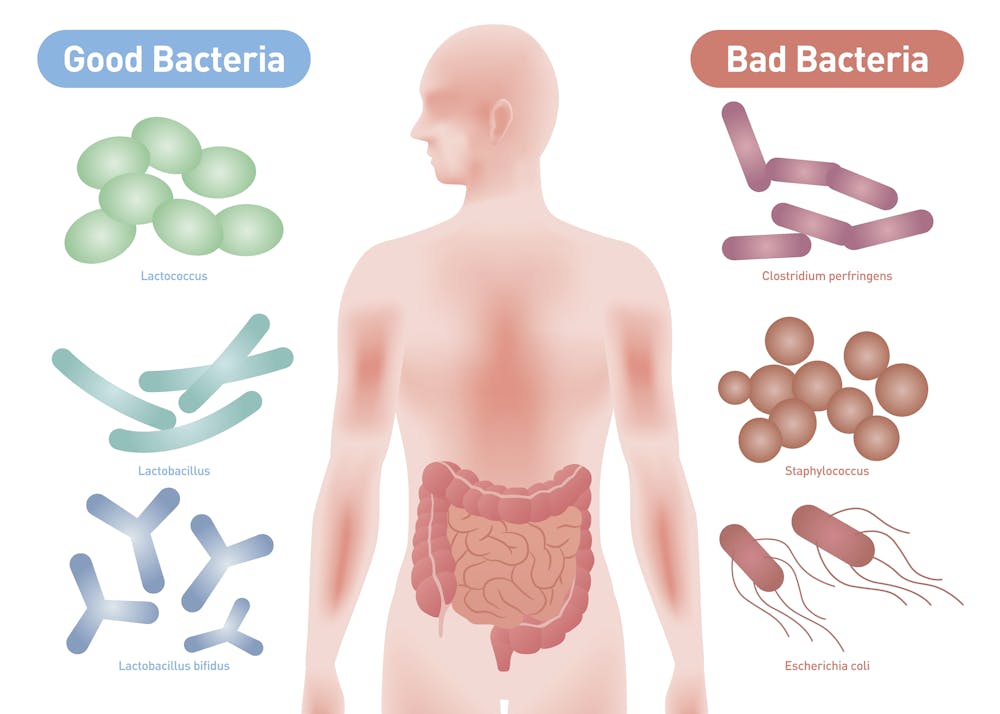
The microbes living in the gut are key to good health. Dr_Microbe/iStock/Getty Images Plus Ana Maldonado-Contreras, University of Massachusetts Medical School
Takeaways
Your gut is home to trillions of bacteria that are vital for keeping you healthy.
Some of these microbes help to regulate the immune system.
New research, which has not yet been peer-reviewed, shows the presence of certain bacteria in the gut may reveal which people are more vulnerable to a more severe case of COVID-19.
You may not know it, but you have an army of microbes living inside of you that are essential for fighting off threats, including the virus that causes COVID-19.
In the past two decades scientists have learned our bodies are home to more bacterial cells than human ones. This community of bacteria that lives in and on us – called the microbiome – resembles a company, with each microbe species performing specialized jobs but all working to keep us healthy. In the gut, the bacteria balance the immune response against pathogens. These bacteria ensure the immune response is effective but not so violent that it causes collateral damage to the host.
Bacteria in our guts can elicit an effective immune response against viruses that not only infect the gut, such as norovirusand rotavirus, but also those infecting the lungs, such as the flu virus. The beneficial gut microbes do this by ordering specialized immune cells to produce potent antiviral proteins that ultimately eliminate viral infections. And the body of a person lacking these beneficial gut bacteria won’t have as strong an immune response to invading viruses. As a result, infections might go unchecked, taking a toll on health.
I am a microbiologist fascinated by the ways bacteria shape human health. An important focus of my research is figuring out how the beneficial bacteria populating our guts combat disease and infection. My most recent work focuses on the link between a particular microbe and the severity of COVID-19 in patients. My ultimate goal is to figure out out how to enhance the gut microbiome with diet to evoke a strong immune response – for not just SARS-CoV-2 but all pathogens.
Good bacteria help the immune system ward off harmful microbes. chombosan/iStock/Getty Images Plus
How do resident bacteria keep you healthy?
Our immune defense is part of a complex biological response against harmful pathogens, such as viruses or bacteria. However, because our bodies are inhabited by trillions of mostly beneficial bacteria, virus and fungi, activation of our immune response is tightly regulated to distinguish between harmful and helpful microbes.
Our bacteria are spectacular companions diligently helping prime our immune system defenses to combat infections. A seminal study found that mice treated with antibiotics that eliminate bacteria in the gut exhibited an impaired immune response. These animals had low counts of virus-fighting white blood cells, weak antibody responses and poor production of a protein that is vital for combating viral infection and modulating the immune response.
In another study, mice were fed Lactobacillus bacteria, commonly used as probiotic in fermented food. These microbes reduced the severity of influenza infection. The Lactobacillus-treated mice did not lose weight and had only mild lung damage compared with untreated mice. Similarly, others have found that treatment of mice with Lactobacillus protects against different subtypes ofinfluenzavirus and human respiratory syncytial virus – the major cause of viral bronchiolitis and pneumonia in children.
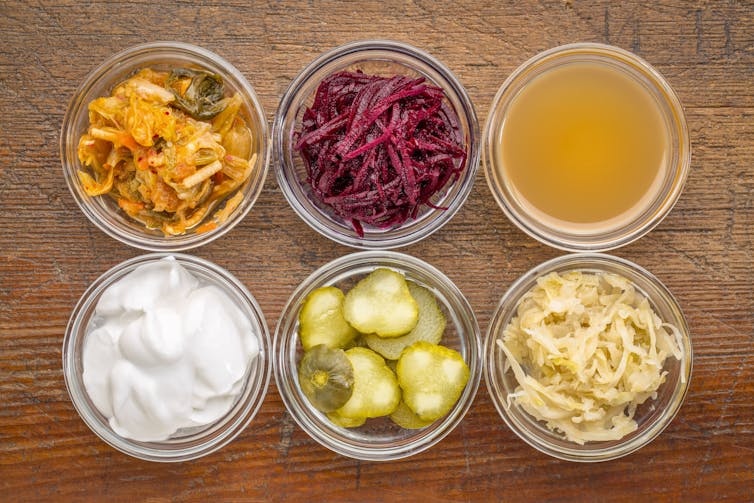
Fermented foods like kimchi, red beets, apple cider vinegar, coconut milk yogurt, cucumber pickles and sauerkraut can help provide beneficial bacteria. marekuliasz/iStock/Getty Images PlusChronic disease and microbes
Patients with chronic illnesses including Type 2 diabetes, obesity and cardiovascular disease exhibit a hyperactive immune system that fails to recognize a harmless stimulus and is linked to an altered gut microbiome.
In these chronic diseases, the gut microbiome lacks bacteria that activate immune cells that block the response against harmless bacteria in our guts. Such alteration of the gut microbiome is also observed in babies delivered by cesarean section, individuals consuming a poor diet and the elderly.
Research in my laboratory focuses on identifying gut bacteria that are critical for creating a balanced immune system, which fights life-threatening bacterial and viral infections, while tolerating the beneficial bacteria in and on us.
Given that diet affects the diversity of bacteria in the gut, my lab studies show how diet can be used as a therapy for chronic diseases. Using different foods, people can shift their gut microbiome to one that boosts a healthy immune response.
A fraction of patients infected with SARS-CoV-2, the virus that causes COVID-19 disease, develop severe complications that require hospitalization in intensive care units. What do many of those patients have in common? Old age and chronic diet-related diseases like obesity, Type 2 diabetes and cardiovascular disease.
Minority communities continue to bear the brunt of the pandemic. Blake Nissen for The Boston Globe via Getty Images
Discovering microbes that predict COVID-19 severity
The COVID-19 pandemic has inspired me to shift my research and explore the role of the gut microbiome in the overly aggressive immune response against SARS-CoV-2 infection.
My colleagues and I have hypothesized that critically ill SARS-CoV-2 patients with conditions like obesity, Type 2 diabetes and cardiovascular disease exhibit an altered gut microbiome that aggravates acute respiratory distress syndrome.
Several studies described in one recent review have identified an altered gut microbiome in patients with COVID-19. However, identification of specific bacteria within the microbiome that could predict COVID-19 severity is lacking.
To address this question, my colleagues and I recruited COVID-19 hospitalized patients with severe and moderate symptoms. We collected stool and saliva samples to determine whether bacteria within the gut and oral microbiome could predict COVID-19 severity. The identification of microbiome markers that can predict the clinical outcomes of COVID-19 disease is key to help prioritize patients needing urgent treatment.
We demonstrated, in a paper which has not yet been peer reviewed, that the composition of the gut microbiome is the strongest predictor of COVID-19 severity compared to patient’s clinical characteristics commonly used to do so. Specifically, we identified that the presence of a bacterium in the stool – called Enterococcus faecalis– was a robust predictor of COVID-19 severity. Not surprisingly, Enterococcus faecalis has been associated with chronicinflammation.
Enterococcus faecalis collected from feces can be grown outside of the body in clinical laboratories. Thus, an E. faecalis test might be a cost-effective, rapid and relatively easy way to identify patients who are likely to require more supportive care and therapeutic interventions to improve their chances of survival.
Bacteria from the gut microbiome are responsible for the proper activationof those T-regulatorycells. Thus, researchers like me need to take repeated patient stool, saliva and blood samples over a longer time frame to learn how the altered microbiome observed in COVID-19 patients can modulate COVID-19 disease severity, perhaps by altering the development of the T-regulatory cells.
As a Latina scientist investigating interactions between diet, microbiome and immunity, I must stress the importance of better policies to improve access to healthy foods, which lead to a healthier microbiome. It is also important to design culturally sensitive dietary interventions for Black and Latinx communities. While a good-quality diet might not prevent SARS-CoV-2 infection, it can treat the underlying conditions related to its severity.
Please note that obesity is regarded as a chronic illness.
Let me reprint a paragraph from the article:
In the U.S., 117 million individuals – about half the adult population – suffer from Type 2 diabetes, obesity, cardiovascular disease or a combination of them. That suggests that half of American adults carry a faulty microbiome army.
This is not funny. Good eating, typically the Mediterranean diet, is not difficult.
The FDA has announced that Midwestern Pet Food is expanding its recent recall to include more brands and over 1000 lots of its dog and cat foods because they contain potentially deadly levels of aflatoxin.
FDA is aware of at least 70 deaths and 80 illnesses in dogs who ate the affected products.
So informed me at the start of an email received in the early hours of this morning (yesterday).
Deadly Dog and Cat Food Recall Expands: More Brands, Over 1000 Lots
Important:Illustrations not complete. Additional images will be added if or when they become available.
January 11, 2021 — The FDA is alerting consumers that Midwestern Pet Foods, Inc. is expanding its recent recall to include over 1000 lots of Sportmix and 2 other brands of dog and cat food because they contain potentially fatal levels of aflatoxin.
As of this date, FDA is aware of more than 70 deaths and 80 illnesses in pets that have eaten the affected products.
This is an ongoing investigation. This count is approximate and may not reflect the total number of pets affected.
Sportmix Energy Plus, 50 lb. bag
Exp 03/02/22/05/L2
Exp 03/02/22/05/L3
Exp 03/03/22/05/L2
Sportmix Energy Plus, 44 lb. bag
Exp 03/02/22/05/L3
Sportmix Premium High Energy, 50 lb. bag
Exp 03/03/22/05/L3
Sportmix Premium High Energy, 44 lb. bag
Exp 03/03/22/05/L3
Sportmix Original Cat, 31 lb. bag
Exp 03/03/22/05/L3
Sportmix Original Cat, 15 lb. bag
Exp 03/03/22/05/L2
Exp 03/03/22/05/L3
On January 11, 2021, the company expanded its recall to include all pet food products containing corn that were made in the firm’s Oklahoma plant and that expire on or before July 9, 2022.
More than 1000 lot codes are affected, so they are not listed individually.
Lots of the following pet food products have been recalled if the date/lot code includes an expiration date on or before “07/09/22” and includes “05” in the date/lot code, which identifies products made in the Oklahoma plant:
Pro Pac Adult Mini Chunk, 40 lb. bag
Pro Pac Performance Puppy, 40 lb. bag
Splash Fat Cat 32%, 50 lb. bag
Nunn Better Maintenance, 50 lb. bag
Sportmix Original Cat, 15 lb. bag
Sportmix Original Cat, 31 lb. bag
Sportmix Maintenance, 44 lb. bag
Sportmix Maintenance, 50 lb. bag
Sportmix High Protein, 50 lb. bag
Sportmix Energy Plus, 44 lb. bag
Sportmix Energy Plus, 50 lb. bag
Sportmix Stamina, 44 lb. bag
Sportmix Stamina, 50 lb. bag
Sportmix Bite Size, 40 lb. bag
Sportmix Bite Size, 44 lb. bag
Sportmix High Energy, 44 lb. bag
Sportmix High Energy, 50 lb. bag
Sportmix Premium Puppy, 16.5 lb. bag
Sportmix Premium Puppy, 33 lb. bag
Lot code information may be found on the back of bag and will appear in a three-line code, with the top line in format “EXP 03/03/22/05/L#/B###/HH:MM”
About Aflatoxin
Aflatoxin is a toxin produced by the mold Aspergillus flavus and at high levels it can cause illness and death in pets.
The toxin can be present even if there is no visible mold.
Pets are highly susceptible to aflatoxin poisoning because, unlike people, who eat a varied diet, pets generally eat the same food continuously over extended periods of time.
If a pet’s food contains aflatoxin, the toxin could accumulate in the pet’s system as they continue to eat the same food.
Pets with aflatoxin poisoning may experience symptoms such as sluggishness, loss of appetite, vomiting, jaundice (yellowish tint to the eyes, gums or skin due to liver damage), and/or diarrhea.
In some cases, this toxicity can cause long-term liver issues and/or death.
Some pets suffer liver damage without showing any symptoms.
Pet owners whose pets have been eating the recalled products should contact their veterinarians, especially if they are showing signs of illness.
There is no evidence to suggest that pet owners who handle products containing aflatoxin are at risk of aflatoxin poisoning.
However, pet owners should always wash their hands after handling pet food.
What to Do?
Affected products may still be on store shelves, online, or in pet owners’ homes.
Pet owners should stop feeding their pets the recalled products listed above and consult their veterinarian, especially if the pet is showing signs of illness.
The pet owner should remove the food and make sure no other animals have access to the recalled product.
Contact Midwestern Pet Foods Consumer Affairs at 800-474-4163, ext. 455 from 7 am to 4 pm CT, Monday through Friday, or by email at info@midwesternpetfoods.com for additional information.
Further information regarding this recall can be found in the related FDA Bulletin.
U.S. citizens can report complaints about FDA-regulated pet food products by calling the consumer complaint coordinator in your area.
I wasn’t going to post anything today but then in response to Val Boyco’s comment: “Good stuff Paul. Thank you! Please do more research and share here 💛 My gut will thank you!” I did do some more research and quickly came upon another article that was published recently and is worth of a read!
ooOOoo
How to prepare and protect your gut health over Christmas and the silly season
Disclosure statement
Claus T. Christophersen receives funding from NHMRC and WA Department of Health. He is a co-author of The Gut Feeling Cookbook linked in this article – all proceeds from sales of this cookbook go directly back into supporting our research, no personal financial interest.It’s that time of year again, with Christmas parties, end-of-year get-togethers and holiday catch-ups on the horizon for many of us — all COVID-safe, of course. All that party food and takeaway, however, can have consequences for your gut health.
Gut health matters. Your gut is a crucial part your immune system. In fact, 70% of your entire immune system sits around your gut, and an important part of that is what’s known as the gut-associated lymphoid tissue (GALT), which houses a host of immune cells in your gut.
Good gut health means looking after your gut microbiome — the bacteria, fungi, viruses and tiny organisms that live inside you and help break down your food — but also the cells and function of your gastrointestinal system.
We know gut health can affect mood, thanks to what’s known as the gut-brain axis. But there’s also a gut-lung axis and a gut-liver axis, meaning what happens in your gut can affect your respiratory system or liver, too.
Here’s what you can do to bolster your gut microbiome in the coming weeks and months.
How do silly season indulgences affect our gut health?
You can change your gut microbiome within a couple of days by changing your diet. And over a longer period of time, such as the Christmas-New Year season, your diet pattern can change significantly, often without you really noticing.
That means we may be changing the organisms that make up our microbiome during this time. Whatever you put in will favour certain bacteria in your microbiome over others.
We know fatty, sugary foods promote bacteria that are not as beneficial for gut health. And if you indulge over days or weeks, you are pushing your microbiome towards an imbalance.
For many of us, Christmas is a time of indulgence. Shutterstock
Is there anything I can do to prepare my gut health for the coming onslaught?
Yes! If your gut is healthy to begin with, it will take more to knock it out of whack. Prepare yourself now by making choices that feed the beneficial organisms in your gut microbiome and enhance gut health.
That means:
eating prebiotic foods such as jerusalem artichokes, garlic, onions and a variety of grains and inulin-enhanced yoghurts (inulin is a prebiotic carbohydrate shown to have broad benefits to gut health)
eating resistant starches, which are starches that pass undigested through the small intestine and feed the bacteria in the large intestine. That includes grainy wholemeal bread, legumes such as beans and lentils, firm bananas, starchy vegetables like potatoes and some pasta and rice. The trick to increasing resistant starches in potato, pasta and rice is to cook them but eat them cold. So consider serving a cold potato or pasta salad over Christmas
choosing fresh, unprocessed fruits and vegetables
steering clear of added sugar where possible. Excessive amounts of added sugar (or fruit sugar from high consumption of fruit) flows quickly to the large intestine, where it gets gobbled up by bacteria. That can cause higher gas production, diarrhoea and potentially upset the balance of the microbiome
remembering that if you increase the amount of fibre in your diet (or via a supplement), you’ll need to drink more water — or you can get constipated.
For inspiration on how to increase resistant starch in your diet for improved gut health, you might consider checking out a cookbook I coauthored (all proceeds fund research and I have no personal interest).
Good gut health is hard won and easily lost. Shutterstock
What can I do to limit the damage?
If Christmas and New Year means a higher intake of red meat or processed meat for you, remember some studies have shown that diets higher in red meat can introduce DNA damage in the colon, which makes you more susceptible to colorectal cancer.
The good news is other research suggests if you include a certain amount of resistant starch in a higher red meat diet, you can reduce or even eliminate that damage. So consider a helping of cold potato salad along with a steak or sausage from the barbie.
Don’t forget to exercise over your Christmas break. Even going for a brisk walk can get things moving and keep your bowel movements regular, which helps improve your gut health.
Have a look at the Australian Guide to Healthy Eating and remember what foods are in the “sometimes” category. Try to keep track of whether you really are only having these foods “sometimes” or if you have slipped into a habit of having them much more frequently.
The best and easiest way to check your gut health is to use the Bristol stool chart. If you’re hitting around a 4, you should be good.
If you’re hitting around a 4, you should be good. Shutterstock
Remember, there are no quick fixes. Your gut health is like a garden or an ecosystem. If you want the good plants to grow, you need to tend to them — otherwise, the weeds can take over.
I know you’re probably sick of hearing the basics — eat fruits and vegetables, exercise and don’t make the treats too frequent — but the fact is good gut health is hard won and easily lost. It’s worth putting in the effort.
A preventative mindset helps. If you do the right thing most of the time and indulge just now and then, your gut health will be OK in the end.
ooOOoo
That book that Claus refers to, the one on the gut Gut feeling: Mindful menus for the microbiomeis here. It looks a very good book.
Well Val (and many others), did you find this interesting? It was a rhetorical question because I know that you did.
I will continue to republish these posts and, especially, the one on exercise. Because as I have often said: Diet and exercise are key!
Jean and I had the radio on, BBC Radio 4, yesterday morning and were listening to You and Yours. They had an item on puppies and the fact that at this time of the year, and especially this year, the number of puppies being brought in was very high.
There’s been a surge in puppies coming into the UK from oversees and animal welfare charities are worried about it. The Eurotunnel has put limits on the amount of dogs that can come through in one vehicle. We look at how puppies are advertised on social media and bred in countries like Russia and the Ukraine.
The former boss of Skybet, Richard Flint, reacts to the government announcement of a review of gambling laws. What can online betting companies do to make gambling fairer and safer?
We’ve been hearing how students have been struggling with their courses and accomodation in the pandemic – we hear from a father worried about his daughter in her first year, and she joins us too.
And, the number of house sales falling through because mortgage companies have downgraded valuations is rising. Are buyers just offering too much in the housing market boom?
The rules for bringing your dog into the United States depend on where you are coming from. Written or oral statements and any documents must be in English or have an English translation.
Different types of rabies exist in many mammals, but CDC focuses on importing dog rabies into the United States from certain high-risk countries. CDC experts collect and analyze rabies information around the world to determine a country’s risk for rabies.
Dog rabies was eliminated in the United States in 2007 and is under control in some other countries. However, many others do not have it controlled, and dogs coming from these countries can import this disease into the United States.
Dogs coming from a high-risk country will need a rabies vaccine certificate. High-risk countries have the greatest chance of importing dog rabies into the United States.
Photo credit: Audilis Sánchez, CDC
Example: Your adult dog lived in the United States (no-known–risk country) and visited Ghana (high-risk country) for any period of time. Before returning to the United States, your dog must have a valid rabies vaccine certificate. Be sure to get your dog vaccinated before you travel and take the papers with you.
Example: You are purchasing a puppy from Russia (high-risk country) on the Internet. Before entering the United States, your puppy must have a valid rabies vaccine certificate.
Dogs coming from a low-risk or no-known rabies risk (free of dog rabies) are NOT required to have a rabies vaccination certificate to enter the United States. However, when you enter the United States, you must provide written or oral statements that the dogs lived in a country with low or no risk for at least 6 months or since birth.
Photo credit: Michelle Decenteceo, CDC
Example: Your adult dog lived in the United States (no-known–risk country) and visited Mexico (low-risk country). This dog does NOT require a rabies certificate, because Mexico is low risk for dog rabies.
Example: Your puppy has lived in Germany since birth and is coming to the United States. This dog does NOT require a rabies certificate, because Germany has no-known risk for dog rabies.
Going back to that item on BBC Radio there was reference to a YouTube video of an illegal import from Russia.
Here it is:
Last week Love Island’s Molly Mae and Tommy Fury posted photos of their new pomeranian puppy from Russia, Mr Chai. But just a few days later they announced the devastating news that Mr Chai had died following health complications and it’s an all too common problem, when dogs from puppy farms are sold to unsuspecting families. Vet Dr Scott Miller joins us to make sure you know how to spot the signs of a reputable breeder if you’re thinking of getting a pet, alongside Sadee Slater – the victim of an irresponsible breeder.
Staying safe is more than luck; it requires research and care, and a whole lot more!




 Ellen Furlong



 Ana Maldonado-Contreras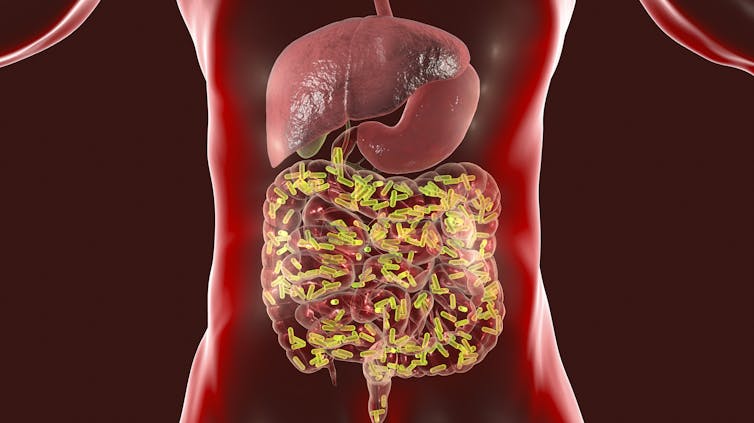






 Learning from Dogs