I wasn’t going to publish a post for today because I had to go to the dentist yesterday for an 11 am appointment. In the afternoon the aesthetic was still making my jaw a little ‘sleepy’. But then I saw this article about a particular dog loving blueberries and figured is was too good to overlook. The article was published in The Dodo.
You will undoubtedly agree with me!
ooOOoo
Dog Has Cared For Every Blueberry Her Mom Has Ever Given Her
Ava is an incredibly sweet and caring dog, and one of her favorite things in life has always been toys.
“Any time anything happens, her answer is to bring over a toy,” Talia Henze, Ava’s mom, told The Dodo. “And I mean any time. If anyone laughs, if she sees anyone sad, she gets up and brings over a toy.”
TALIA HENZE
One day, Ava was watching her mom snack on some blueberries. She looked so curious that Henze decided to give her one. She thought Ava would enjoy having a little treat, but instead, for some reason, she decided to treat the blueberry exactly like one of her toys.
“She’s been trained to only eat her treats and long-lasting chew stuff on her elevated bed or in her crate, so she naturally just brings new toys, treats, etc. to those places,” Henze said. “So it didn’t surprise me that she brought the berry to it. But she just never ate it.”
Instead, Ava gently carried the blueberry around, caring for it tenderly. She showed absolutely no interest in having it as a snack. Her mom thought maybe she just didn’t understand what it was and tried to show her, but it was no use. The blueberry had become Ava’s friend, and that was that.
“She kind of just carried it around to her different places for a while and snuggled it,” Henze said. “When she eventually got bored and left it in her crate, I tried showing her [how] to eat it by breaking it open … She wanted nothing to do with it when it was broken.”
TALIA HENZE
Now, every time Henze gives Ava a blueberry, the same exact thing happens. They’ve become one of her favorite toys, and it’s the cutest quirky habit ever.
“So I know she doesn’t really like eating them, but every time I eat blueberries she seems to want one,” Henze said. “So I just give her one every time … She tried to eat one once when I really encouraged it, but she just spat it out.”
TALIA HENZE
To Ava, blueberries are friends, not food. They’re her little buddies, and that’s never going to change.
No one has any idea why Ava loves playing with blueberries so much, or why she’s so opposed to actually eating them. Her mom doesn’t question it anymore, though. It’s just a part of who Ava is, and that’s perfectly OK with her.
ooOOoo
Dogs are as much a mystery at times as they are pure companions. This is an example of a dog, Ava, who has set her mind on something and that is it! All of us dog carers know this about the animal. I guess there’s a logic to the way that a dog thinks even though that logic is beyond reach to us humans.
But that is one of the many characteristics that makes the dog so precious and so adorable.
The Dog and Cat Food update was announced two days ago.
In the covering email they said:
Dear Fellow Dog Lover,
You’re getting this email because you signed up on our website and asked to be notified. If you no longer wish to receive these emails, please click the “unsubscribe” link at the bottom of this message.
Bravo Packing of Carney’s Point, NJ, is expanding its recall to now include multiple dog and cat food products due to possible contamination with Salmonella and Listeria bacteria.
Please be sure to share this news with other dog and cat owners.
Mike Sagman, Editor
The Dog Food Advisor
Saving Good Dogs From Bad Dog Food
Now onto the Bravo Packing recall.
ooOOoo
Bravo Packing Expands Dog and Cat Food Recall
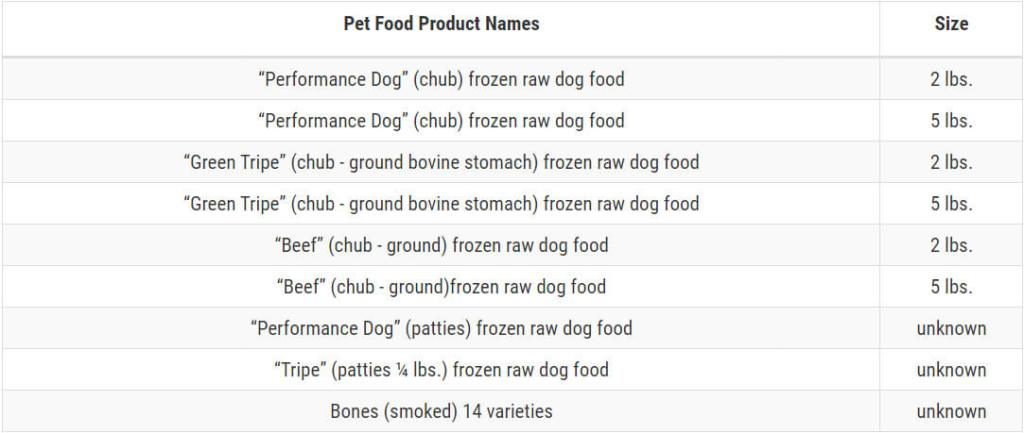
March 16, 2021 — Bravo Packing, Inc., of Carneys Point, New Jersey, is expandingits previously announced voluntary recall of two pet food products to now include all pet food and bones in all package sizes… because they may be contaminated with disease-causing bacteria.
During an FDA inspection, samples collected tested positive for Salmonella and Listeria monocytogenes and resulted in a recall due to the potential health risks to humans and pets.
Bravo Packing, Inc. is expanding the recall due to potential cross contamination of the following dog and cat food products.
Label Images of Recalled Products
The following label images are included in the FDA bulletin. No other photographs were provided by the company.
About Salmonella
Salmonella can cause illness in pets eating the products, as well as people who handle contaminated pet food products, especially if they have not thoroughly washed their hands after having contact with the products, infected pets, or any surfaces exposed to these products.
People infected with Salmonella should monitor themselves for some or all of the following symptoms: nausea, vomiting, diarrhea or bloody diarrhea, abdominal cramping, and fever.
Rarely, Salmonella can result in more serious ailments, including arterial infections, endocarditis (an infection of the heart muscle), arthritis, muscle pain, eye irritation, and urinary tract symptoms.
People who have these symptoms after having contact with the products identified in this recall or with a pet that has eaten these products should contact their healthcare providers.
A pet with a Salmonella infection may be lethargic and have diarrhea or bloody diarrhea, fever, and vomiting.
Some pets will have decreased appetite, fever, and abdominal pain.
If your pet has consumed the recalled products and has these symptoms, please contact your veterinarian.
Pets exposed to contaminated food can be infected without showing symptoms.
Infected pets, including those without symptoms, can also shed Salmonella through their feces and saliva, spreading pathogens into the home environment and to humans and other animals nearby.
Listeria monocytogenes is an organism which can cause serious and sometimes fatal infections in young children, frail or elderly people, and others with weakened immune systems.
Although healthy individuals may suffer only short-term symptoms such as high fever, severe headache, stiffness, nausea, abdominal pain, and diarrhea, Listeria monocytogenes infection can cause miscarriages and stillbirths among pregnant women.
No human or animal illnesses related to the identified products have been reported to date.
Where Were the Products Sold?
Bravo Packing Inc. generally works with distributors that fill orders to retail storesand to consumers directly nationwide.
What to Do?
Consumers with any of the affected products should handle them with caution, discard products in a secure container, and wash hands and surfaces properly.
Consumers with questions should contact Bravo Packing, Inc. at 856-299-1044 (Monday through Friday, 9:00 am to 2:00 pm, ET).
U.S. citizens can report complaints about FDA-regulated pet food products by calling the consumer complaint coordinator in your area.
A man in California who took up wildlife photography a decade ago had never seen anything quite like what he saw this fall — and he was lucky he had his camera with him.
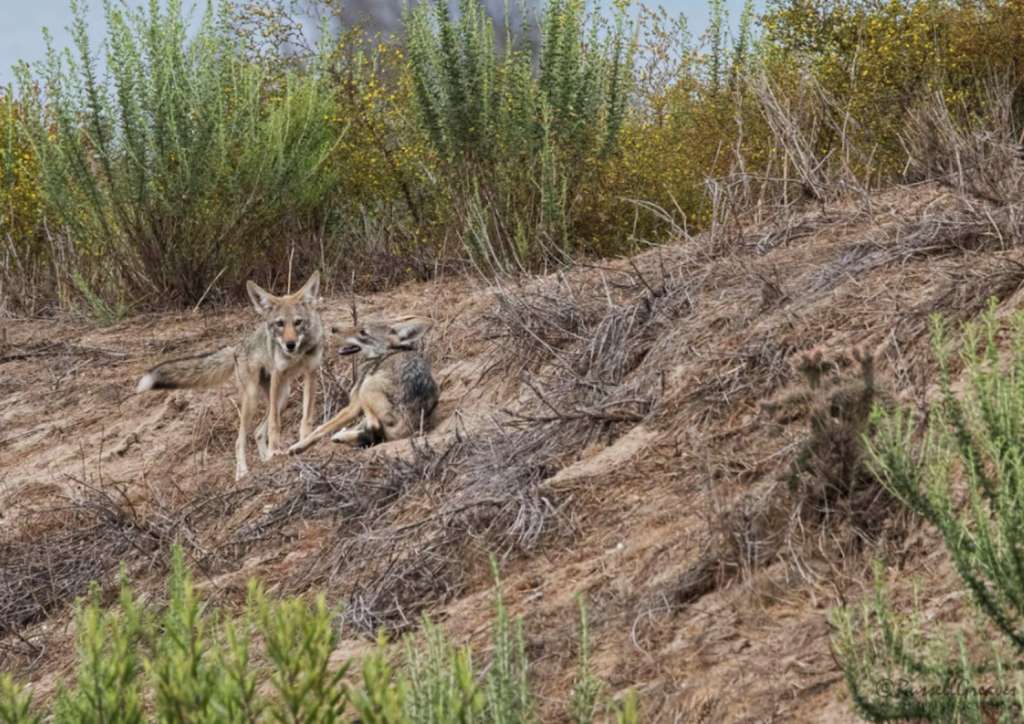
Every morning, Russell Greaves, of Huntington Beach, California, goes out to the Bolsa Chica Ecological Reserve behind his house to immerse himself in that slice of the natural world. He often sees coyotes, enough that he’s begun to recognize individuals in the area.
“A lot of people here just love the coyotes,” Greaves told The Dodo over the phone, during his morning walk on Tuesday.
Russell Greaves
One morning in October, he saw a familiar wild coyote. It was a mom who had given birth to a litter of pups six months before.
“She had had four pups,” Greaves said. “The pups would come out and play around, while dad went out to hunt. But they’re out on their own now.”
Russell Greaves
It was nice to see the mom again — but there was something different about her. And as she got closer, Greaves couldn’t help but laugh.
Russell Greaves
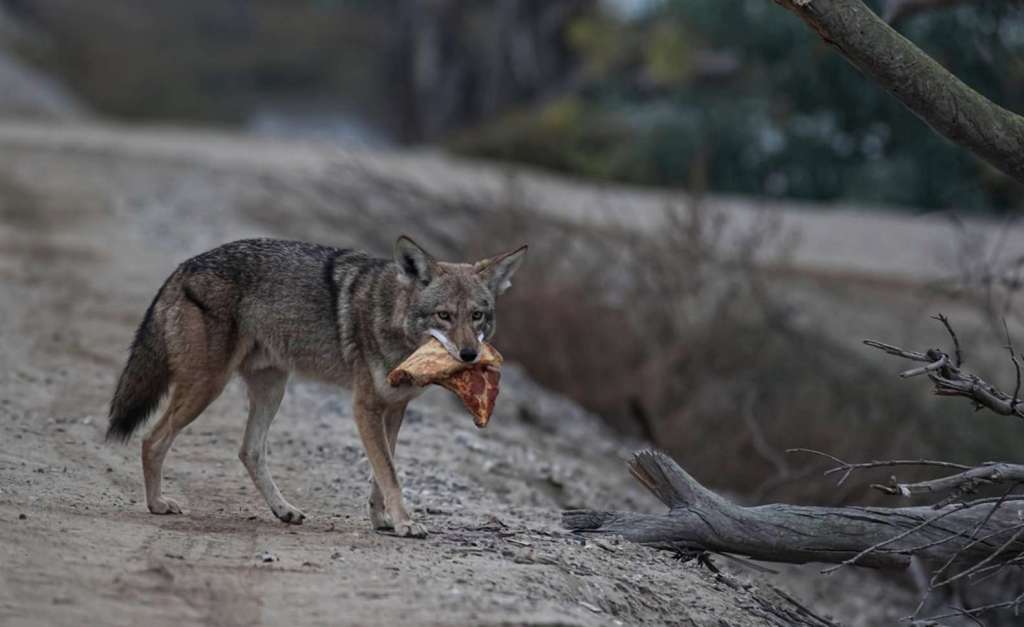
Somehow, the mother coyote had found a pizza — and she decided to go ahead and take it with her.
“It was nearly half a pizza,” Greaves said. It’s not certain where the coyote managed to find this enormous meal. Greaves said that there are some homeless people who camp out in the woods and perhaps she swiped it from them.
Since her pups had already gone out on their own, she probably wasn’t planning on sharing, Greaves speculated. “I thought, ‘This has got to be for herself.’”
Russell Greaves
More important than this meme-worthy sight is the balance the residents of the area have struck with the natural world — something sorely lacking in other communities across the country, where coyotes are often brutally hunted in killing contests.
Admittedly, not everyone loves the coyotes quite as much as Greaves does, but many people are fascinated by the wild family living nearby, and people take precautions to ensure a peaceful coexistence. “We tell people to not feed the coyotes. They’re not here to eat human food,” Greaves said. “We tell people who are walking their little dogs to be careful because the coyotes are around.”
Russell Greaves
“The coyotes come back to the same habitat because they like it here,” Greaves added.
And the coyotes are lucky to have people like Greaves, who love having them there.
Another international story of love and caring for our dogs.
This time about homeless or stray dogs and in Peru. Again it was written by Stephen Messenger and was shared on The Dodo website. Again it is about the fundamental goodness that is in a great many humans spanning continents.
ooOOoo
Nice Restaurant Owner Prepares A Free Meal For Every Stray Dog Who Visits
“They pay us with their happiness and wagging tails” ❤️
By Stephen Messenger
Published on the 26th February, 2021
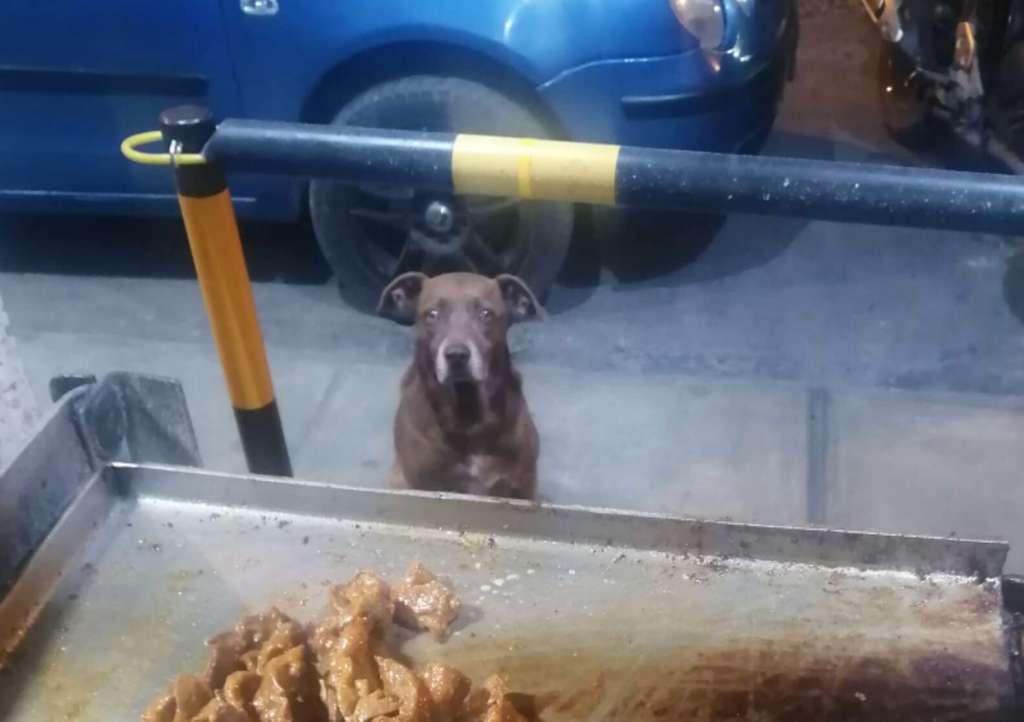
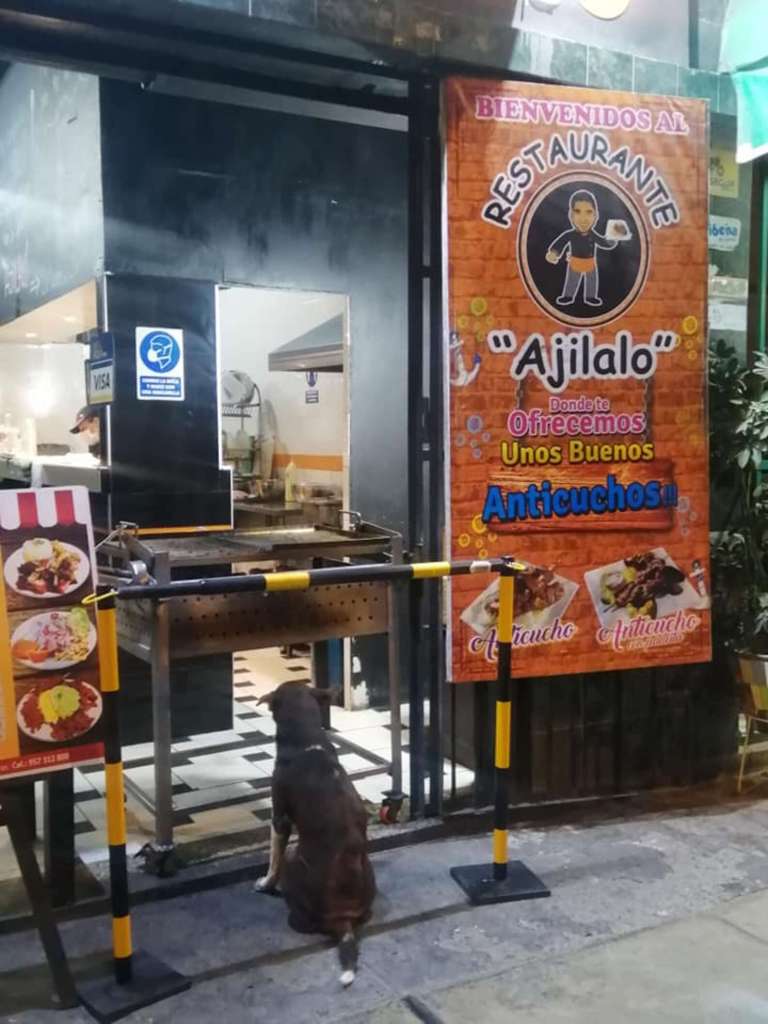
One evening five years ago, an unexpected customer dropped by Gerardo Ortiz’s restaurant, Ajilalo, in Peru. It was a stray dog, a look of hunger in her eyes.
Ortiz could have easily turned the dog away. But he didn’t.
Restaurante – Ajilalo
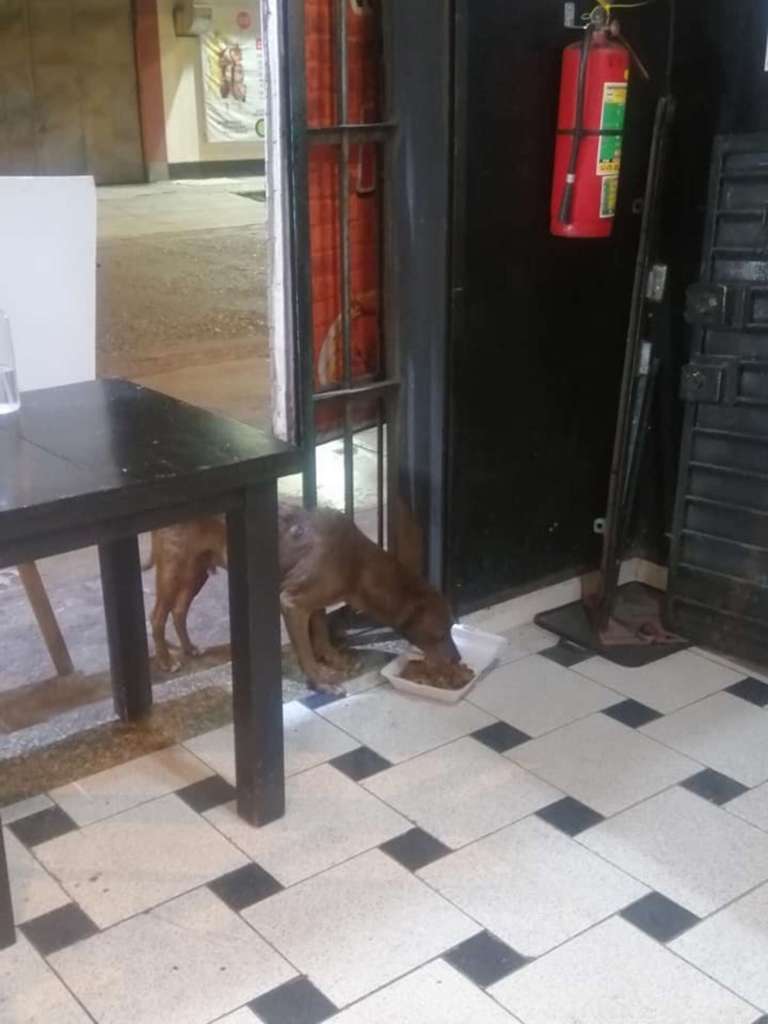
That evening, Ortiz offered the dog a free meal, made just for her.
And thus began an adorable tradition that continues to this day.
Restaurante – Ajilalo
Each evening, from then on, the hungry dog came and received a free meal from Ortiz’s restaurant.
But it didn’t take long for word of Ortiz’s kindness and generosity to spread among the community of local stray pups.
More dogs began to arrive with that first visitor— and Ortiz welcomed them all with a meal.
Restaurante – Ajilalo
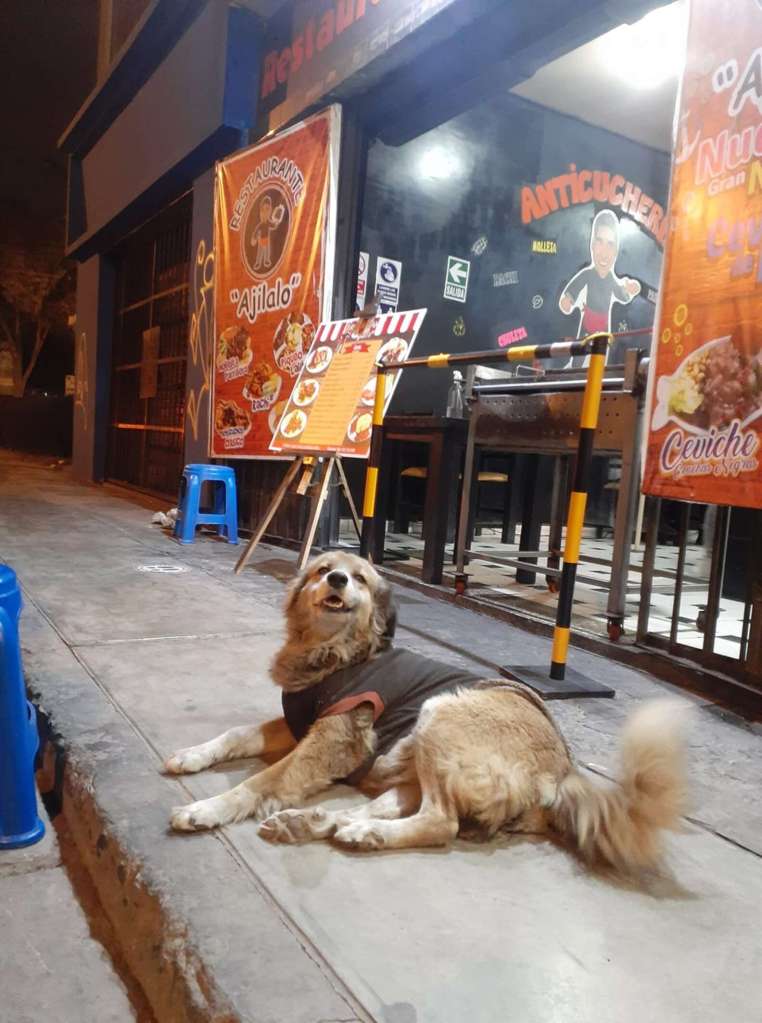
Nowadays, numerous stray dogs arrive to the doors of Ortiz’s restaurant each night. Many are regular “customers,” while others are first-timers — all hoping to fill their bellies thanks to Ortiz’s kindness.
Restaurante – Ajilalo
Often, as Ortiz is working, he’ll look up and see a new dog’s face at the front — waiting politely to see if the rumor that free food can found there is true.
It always is.
Restaurante – Ajilalo
“For me, they are the best customers,” Ortiz told The Dodo.
And his human customers hardly take that as a slight. Inspired by Ortiz, they often bring food for the visiting dogs as well.
Restaurante – Ajilalo
“Thankfully, our clients have reacted well to the dogs,” Ortiz said. “They are affectionate toward them.”
Restaurante – Ajilalo
Ultimately, Ortiz’s sweet routine of feeding all the stray dogs who visit does more than keep them from being hungry. It lets them know that their lives matter — a truth that Ortiz is happy to prove to them each and every day.
Restaurante – Ajilalo
“They do not pay us with money, but they pay us with their happiness and wagging tails,” Ortiz said. “They are very grateful, and we enjoy giving more than receiving. Since I was a child, I have loved animals. My mother always taught us to help others, both people and animals. She’s my inspiration.”
ooOOoo
This is such a wonderful share. Snr Ortiz confirms what we know absolutely. That people who care for animals care for so much more. As Gerardo says: “It lets them know that their lives matter.”
I am minded to remember when I first met Jean in December, 2007. Jean was living in San Carlos, Northern Mexico, and had been for many years. Her husband, Ben, had died in 2005.
Jean was rescuing street dogs off the streets of San Carlos and surrounding areas, caring for them, neutering or spaying them, and then finding homes for them mainly in Arizona, USA. Many, many dogs owed their lives to Jean’s love for those dogs. In 2010, after I had gone out to San Carlos with my Pharaoh to live with Jean and her dogs in 2008, we came North to Arizona to find a U.S. home and be married. We came through the Mexican-US border with 16 dogs, all of them with their paperwork in order. I will always recall the American border agent, after I had approached him with all the paperwork, leaning out of his booth and calling to the agent in the next booth: “Hey Jake, there’s a guy here with sixteen dogs!”
Jean and I were married in Payson, AZ on the 20th November, 2010.
Mr and Mrs Handover
Very sweet memories and the start of a loving era in our lives.
Those of you that read yesterday’s post will know that I was having malware problems.
I have McAfee Total Protection and yesterday first thing I started a full scan using McAfee. After many hours it still had not removed the malware.
I again called Apple and they recommended me using the Malwarebytes software. I installed that software and it worked! So I very happily struck up a paying relationship with Malwarebytes!
Now to today’s dog food recall!
ooOOoo
Bravo Packing Recalls Performance Dog Pet Food
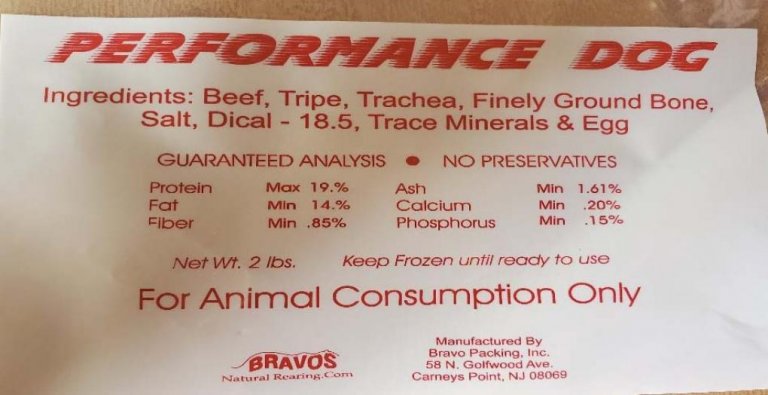
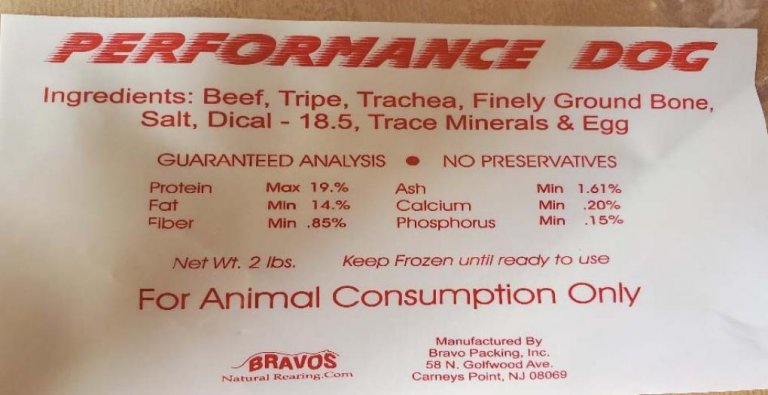
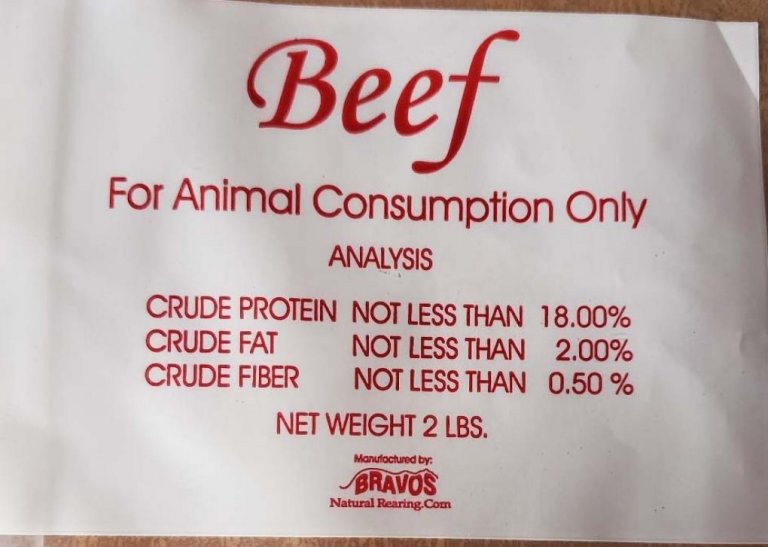
March 3, 2021 — Bravo Packing, Inc. of Carneys Point, NJ, is recalling all Ground Beef and Performance Dog, a frozen raw pet food because it has the potential to be contaminated with Salmonella and Listeria monocytogenes bacteria.
What’s Recalled?
Performance Dog and Ground Beef both come frozen in 2-pound and 5-pound plastic sleeves with the following labels (provided by the company).
About Salmonella and Listeria
Salmonella can cause illness in animals eating the products, as well as people who handle contaminated pet products… especially if they have not thoroughly washed their hands after having contact with the products, infected animals or any surfaces exposed to these products.
Listeria monocytogenes is an organism which can cause serious and sometimes fatal infections in young children, frail or elderly people, and others with weakened immune systems.
Although healthy individuals may suffer only short-term symptoms such as high fever, server headache, stiffness, nausea, abdominal pain and diarrhea, Listeria monocytogenes infection can cause miscarriages and stillbirths among pregnant women.
Healthy people infected with Salmonella should monitor themselves for some or all of the following symptoms: nausea, vomiting, diarrhea or bloody diarrhea, abdominal cramping and fever.
Rarely, Salmonella can result in more serious ailments, including arterial infections, endocarditis (an infection of the heart muscle), arthritis, muscle pain, eye irritation and urinary tract symptoms.
People who have these symptoms after having contact with this product or an animal that has eaten this product should contact their healthcare providers.
Pets with Salmonella infections may be lethargic and have diarrhea or bloody diarrhea, fever, and vomiting.
Some pets will have decreased appetite, fever and abdominal pain.
Pets exposed to contaminated food can be infected without showing symptoms.
If your pet has consumed the recalled product and has these symptoms, please contact your veterinarian.
Infected animals including those without symptoms, can also shed Salmonella through their feces and saliva, spreading pathogens into the home environment and to humans and other animals in the household.
No human or animal illnesses have been reported to date.
About This Recall
Bravo Packing, Inc. is voluntarily recalling the products after samples of Performance Dog and a sample of Ground Beef were collected during an FDA inspection, tested positive for Salmonella and Listeria monocytogenes.
Where Were the Products Sold?
Performance Dog generally works with the distributor located in Brooklyn, New York, that fills orders to brick-and-mortar retail stores or to consumers directly nationwide.
What to Do?
If you have an Ground Beef or Performance Dog, please throw it away. (My emphasis. PH)
Consumers with questions should contact Bravo Packing, Inc. at 856-299-1044 (Monday – Friday, 9:00AM-2:00PM, EST).
U.S. citizens can report complaints about FDA-regulated pet food products by calling the consumer complaint coordinator in your area.
I subscribe to Ugly Hedgehog, a forum about all things photographic.
It is a mine of information, people share incredible photographs, and much more.
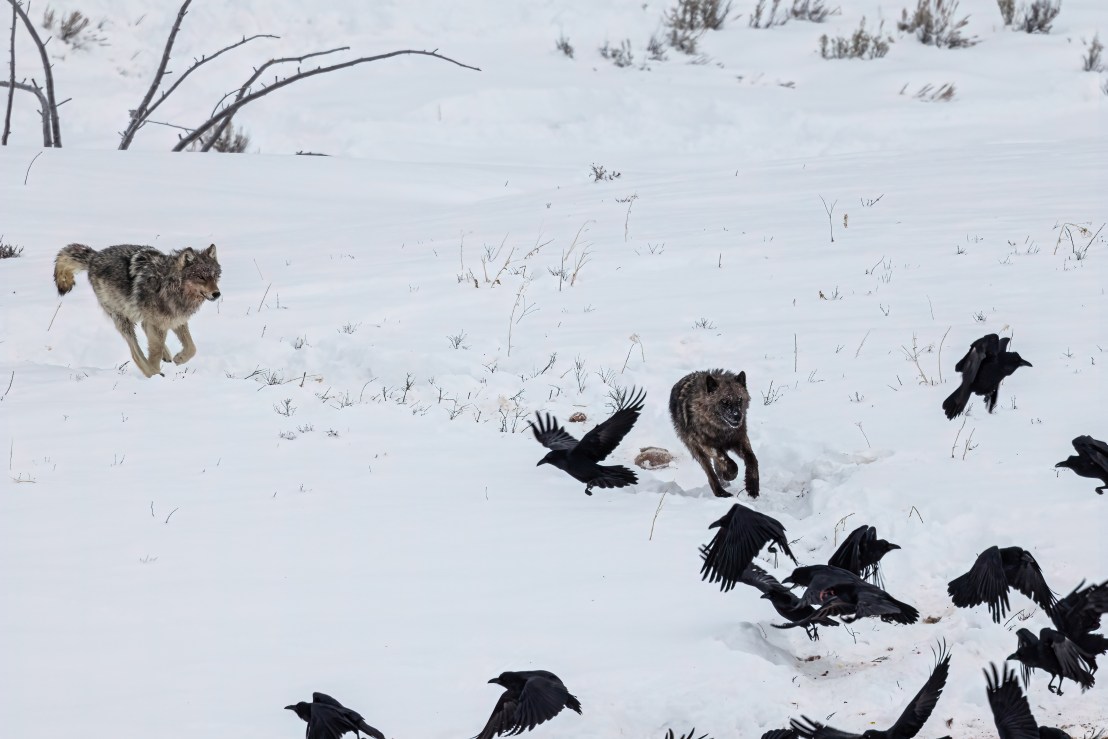
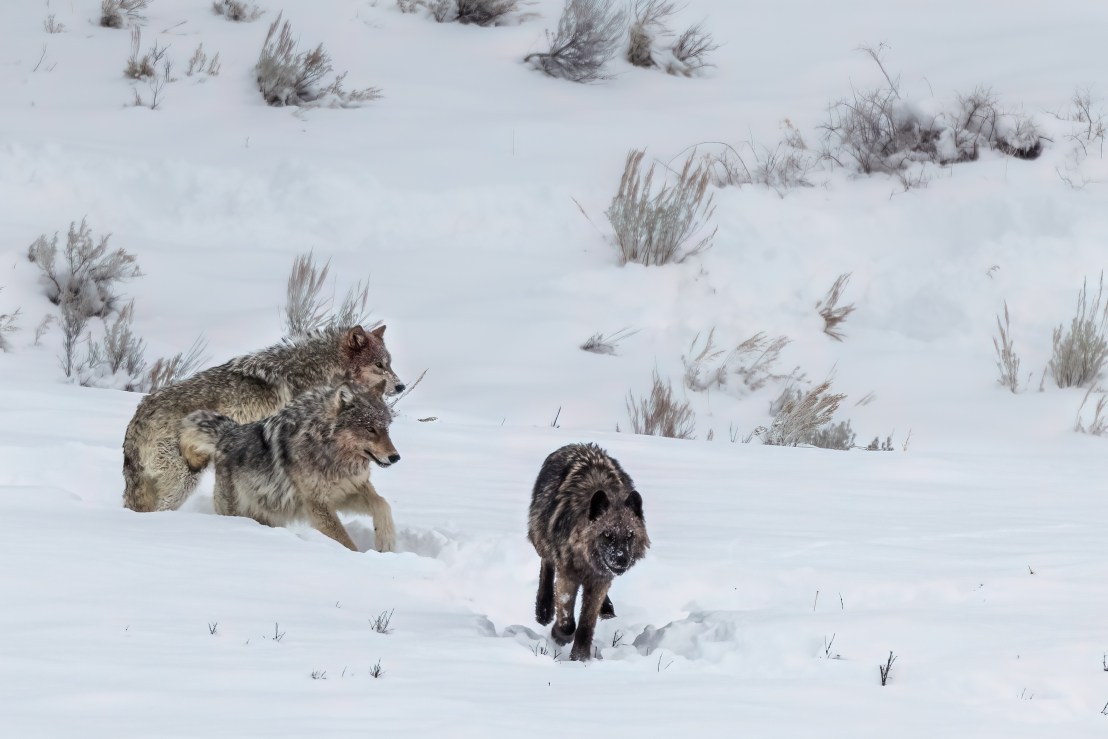
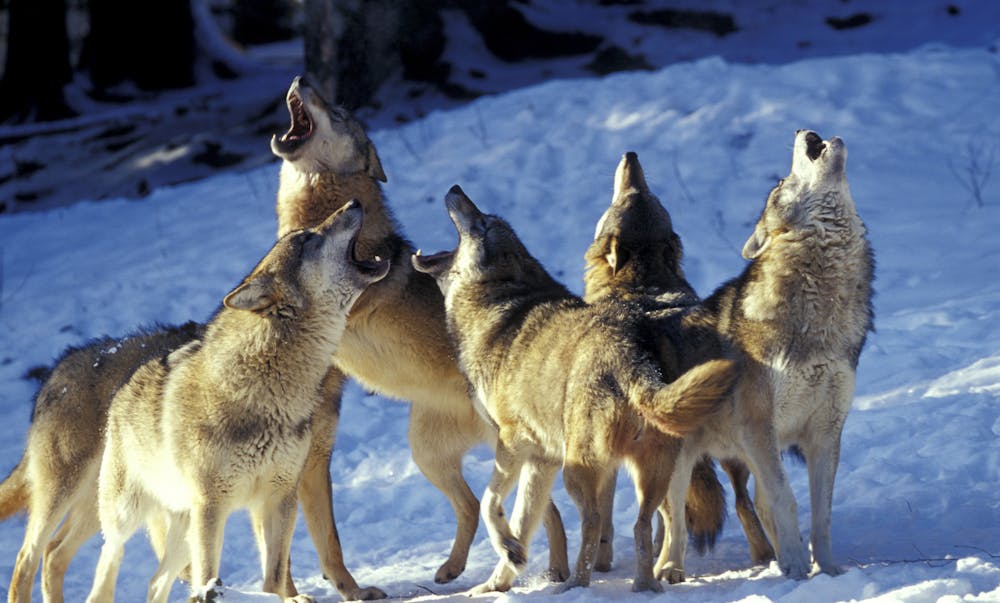
On February 17th this year Photolady2014 published a set of photographs of wolves that were just gorgeous.
This is how she introduced the pictures:
So I am still on cloud 9 seeing wolfs rather close. They were about 150 feet away. Not the quality that the pros were getting who were there. I have seen their photos and well I still have a lot to learn. But, for someone who just started wildlife a couple of years ago, I will take these! If you do the download you will see they are not all bad. I have had to do some sharpening and noise reduction. The pros were all using the 600mm F4 with 2x extenders.
Me: Canon R5, 100-500 & 1.4 extender. All are at 700mm.
I asked if I could share them on Learning from Dogs and said Photolady2014 of South West Colorado said ‘Yes’.
Here they are:
oooo
oooo
oooo
oooo
oooo
oooo
Photolady went on to report:
This is the Wapiti pack in Yellowstone.
We sat in below 0 weather for about 4 hours watching them and the coyotes who were patiently waiting their turn to eat!
Fabulous pictures and one can’t help thinking that some 23,000 years ago there started the long journey of domestication, and the bonding between humans and wolves brought about the dog.
But to be honest the answer is just as interesting for those a tad older than a kid!
ooOOoo
When dogs bark, are they using words to communicate?
By Clive Wynne
Professor of Psychology, Arizona State University
February 8th, 2021
When dogs bark, do they have words? – Sarah W., age 9, Clinton, New York
Does your dog bark a lot? Or is he one of those quiet pooches who barks only when things get really exciting? Most dogs bark at least a little.
Dog barks are not words. But although your dog will never tell you about his parents or the weather or the amazing bone he had yesterday, his barks still communicate important information.
Dog barks are much closer to the noises people make when they accidentally hit their thumb with a hammer – “Ow!” – or open a fantastic present – “Wow!” These sounds convey how someone feels, but not why they feel that way. When other people hear these kinds of sounds, they often come over to see what has happened: How did you hurt yourself? What is this wonderful gift you received?
Dog barking also brings groups together – but it’s not a beautiful sound. It is a much more urgent noise, just like the sounds you make when you are hurt or very pleased. Many smaller animals, like scrub jays, meerkats and California ground squirrels, make such noisy sounds. They do this when they feel frightened by something. In dogs, barking can bring a group together to defend against a danger that can’t be coped with alone.
Wolves don’t need to make sounds like this because they are big and fearsome and don’t often feel threatened. Dogs, on the other hand, are much smaller and weaker than their wolf ancestors – and often need to call the group together.
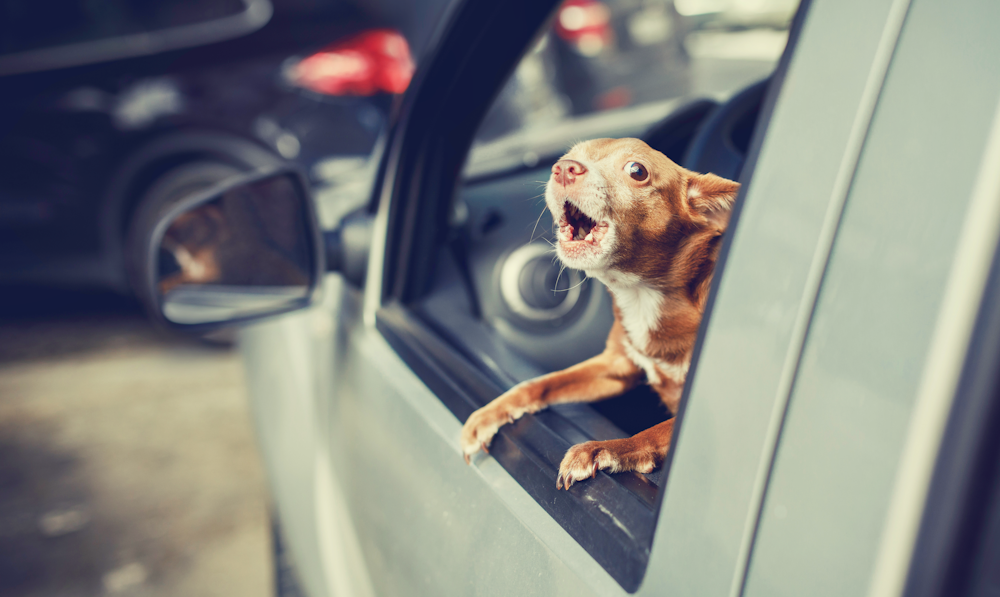
A call for assistance. Seregraff/iStock/Getty Images Plus
This is why dogs bark. They are calling their group to get help with something they are not confident they can handle on their own. This doesn’t mean a barking dog is always frightened. He may just be very excited. He badly needs the family to know that there is a stranger coming to the door, or another dog coming close to the house.
Your dog’s barks may not be words, but he probably barks a little differently depending on what kind of thing has got him excited. If you listen closely, you may find you can tell the difference between a bark directed at a package deliverer and one directed toward a friend at the door. The bark to a passing dog may be different than the bark at a passing car.
Your dog doesn’t understand much of what you say, but he listens hard to try to make sense of human language. If you return the compliment and listen hard to his sounds, you may find you can also understand him better, and the two of you will have a richer life together.
ooOOoo
This touches on something that I saw elsewhere; the business of dogs having emotions (which they really do!).
I will try and find the article and see if I have permission to republish it.
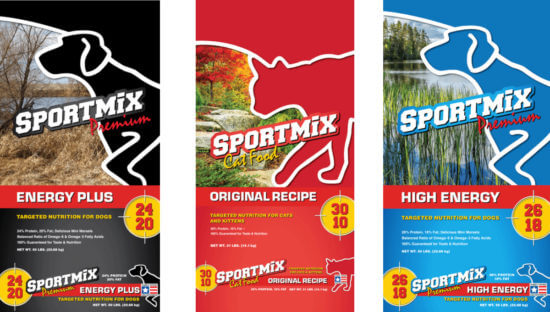
Deadly Dog and Cat Food Recall Expands: More Brands, Over 1000 Lots
Image Credit – Food Safety News.
Important: Illustrations not complete. Additional images will be added if or when they become available. Original report published January 11, 2021 and updatedJanuary 26, 2021
January 26, 2021 — The FDA is alerting consumers that Midwestern Pet Foods, Inc. is expanding its recent recall to include over 1000 lots of Sportmix and 2 other brands of dog and cat food because they contain potentially fatal levels of aflatoxin.
As of January 21, 2021, FDA is aware of more than 110 deaths and 210 illnesses in pets that have eaten the affected products.
This is an ongoing investigation. This count is approximate and may not reflect the total number of pets affected.
Sportmix Energy Plus, 50 lb. bag
Exp 03/02/22/05/L2
Exp 03/02/22/05/L3
Exp 03/03/22/05/L2
Sportmix Energy Plus, 44 lb. bag
Exp 03/02/22/05/L3
Sportmix Premium High Energy, 50 lb. bag
Exp 03/03/22/05/L3
Sportmix Premium High Energy, 44 lb. bag
Exp 03/03/22/05/L3
Sportmix Original Cat, 31 lb. bag
Exp 03/03/22/05/L3
Sportmix Original Cat, 15 lb. bag
Exp 03/03/22/05/L2
Exp 03/03/22/05/L3
On January 11, 2021, the company expanded its recall to include all pet food products containing corn that were made in the firm’s Oklahoma plant and that expire on or before July 9, 2022.
More than 1000 lot codes are affected, so they are not listed individually.
Lots of the following pet food products have been recalled if the date/lot code includes an expiration date on or before “07/09/22” and includes “05” in the date/lot code, which identifies products made in the Oklahoma plant:
Pro Pac Adult Mini Chunk, 40 lb. bag
Pro Pac Performance Puppy, 40 lb. bag
Splash Fat Cat 32%, 50 lb. bag
Nunn Better Maintenance, 50 lb. bag
Sportmix Original Cat, 15 lb. bag
Sportmix Original Cat, 31 lb. bag
Sportmix Maintenance, 44 lb. bag
Sportmix Maintenance, 50 lb. bag
Sportmix High Protein, 50 lb. bag
Sportmix Energy Plus, 44 lb. bag
Sportmix Energy Plus, 50 lb. bag
Sportmix Stamina, 44 lb. bag
Sportmix Stamina, 50 lb. bag
Sportmix Bite Size, 40 lb. bag
Sportmix Bite Size, 44 lb. bag
Sportmix High Energy, 44 lb. bag
Sportmix High Energy, 50 lb. bag
Sportmix Premium Puppy, 16.5 lb. bag
Sportmix Premium Puppy, 33 lb. bag
Lot code information may be found on the back of bag and will appear in a three-line code, with the top line in format “EXP 03/03/22/05/L#/B###/HH:MM”
Where Were the Products Distributed?
The affected products were distributed to online retailers and stores nationwide within the United States.
Midwestern Pet Foods, Inc. may have exported the recalled product to one consignee, respectively, in each of the following countries: Bahrain, Barbados, Chile, Costa Rica, Curacao, Cyprus, Czech Republic, Ecuador, El Salvador, French Polynesia, Ghana, Guatemala, Honduras, Hong Kong, Iceland, Indonesia, Ireland, Israel, Korea, Kuwait, Lebanon, Lithuania, Malaysia, Mexico, New Zealand, Nicaragua, Panama, Peru, Singapore, Taiwan, Trinidad, Ukraine, UAE, Uruguay, and Vietnam.
About Aflatoxin
Aflatoxin is a toxin produced by the mold Aspergillus flavus and at high levels it can cause illness and death in pets.
The toxin can be present even if there is no visible mold.
Pets are highly susceptible to aflatoxin poisoning because, unlike people, who eat a varied diet, pets generally eat the same food continuously over extended periods of time.
If a pet’s food contains aflatoxin, the toxin could accumulate in the pet’s system as they continue to eat the same food.
Pets with aflatoxin poisoning may experience symptoms such as sluggishness, loss of appetite, vomiting, jaundice (yellowish tint to the eyes, gums or skin due to liver damage), and/or diarrhea.
In some cases, this toxicity can cause long-term liver issues and/or death.
Some pets suffer liver damage without showing any symptoms.
Pet owners whose pets have been eating the recalled products should contact their veterinarians, especially if they are showing signs of illness.
There is no evidence to suggest that pet owners who handle products containing aflatoxin are at risk of aflatoxin poisoning.
However, pet owners should always wash their hands after handling pet food.
What to Do?
Affected products may still be on store shelves, online, or in pet owners’ homes.
Pet owners should stop feeding their pets the recalled products listed above and consult their veterinarian, especially if the pet is showing signs of illness.
The pet owner should remove the food and make sure no other animals have access to the recalled product.
Contact Midwestern Pet Foods Consumer Affairs at 800-474-4163, ext. 455 from 7 am to 4 pm CT, Monday through Friday, or by email at info@midwesternpetfoods.com for additional information.
Further information regarding this recall can be found in the related FDA Bulletin.
U.S. citizens can report complaints about FDA-regulated pet food products by calling the consumer complaint coordinator in your area.
This is still a very serious issue and, please, make sure that all your friends and neighbours who have dogs and cats and who don’t read this blog are made aware of the situation.
I make no apologies for republishing this further article about the health of one’s gut. Apart from the relevance at this time in terms of defeating Covid-19 the health of one’s digestive system is key and, essentially, the digestive system is the gut.
Read it and if you need to adjust your diet, DO IT!
ooOOoo
A healthy microbiome builds a strong immune system that could help defeat COVID-19
By Ana Maldonado-Contreras
Assistant Professor of Microbiology and Physiological Systems, University of Massachusetts Medical School
The microbes living in the gut are key to good health. Dr_Microbe/iStock/Getty Images Plus Ana Maldonado-Contreras, University of Massachusetts Medical School
Takeaways
Your gut is home to trillions of bacteria that are vital for keeping you healthy.
Some of these microbes help to regulate the immune system.
New research, which has not yet been peer-reviewed, shows the presence of certain bacteria in the gut may reveal which people are more vulnerable to a more severe case of COVID-19.
You may not know it, but you have an army of microbes living inside of you that are essential for fighting off threats, including the virus that causes COVID-19.
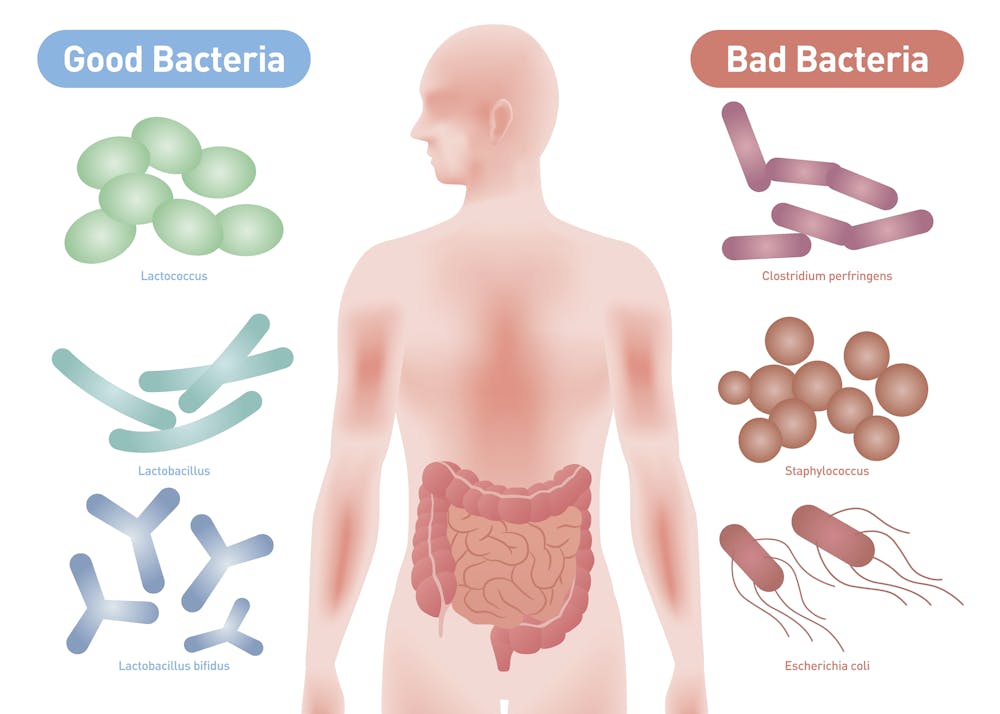
In the past two decades scientists have learned our bodies are home to more bacterial cells than human ones. This community of bacteria that lives in and on us – called the microbiome – resembles a company, with each microbe species performing specialized jobs but all working to keep us healthy. In the gut, the bacteria balance the immune response against pathogens. These bacteria ensure the immune response is effective but not so violent that it causes collateral damage to the host.
Bacteria in our guts can elicit an effective immune response against viruses that not only infect the gut, such as norovirusand rotavirus, but also those infecting the lungs, such as the flu virus. The beneficial gut microbes do this by ordering specialized immune cells to produce potent antiviral proteins that ultimately eliminate viral infections. And the body of a person lacking these beneficial gut bacteria won’t have as strong an immune response to invading viruses. As a result, infections might go unchecked, taking a toll on health.
I am a microbiologist fascinated by the ways bacteria shape human health. An important focus of my research is figuring out how the beneficial bacteria populating our guts combat disease and infection. My most recent work focuses on the link between a particular microbe and the severity of COVID-19 in patients. My ultimate goal is to figure out out how to enhance the gut microbiome with diet to evoke a strong immune response – for not just SARS-CoV-2 but all pathogens.
Good bacteria help the immune system ward off harmful microbes. chombosan/iStock/Getty Images Plus
How do resident bacteria keep you healthy?
Our immune defense is part of a complex biological response against harmful pathogens, such as viruses or bacteria. However, because our bodies are inhabited by trillions of mostly beneficial bacteria, virus and fungi, activation of our immune response is tightly regulated to distinguish between harmful and helpful microbes.
Our bacteria are spectacular companions diligently helping prime our immune system defenses to combat infections. A seminal study found that mice treated with antibiotics that eliminate bacteria in the gut exhibited an impaired immune response. These animals had low counts of virus-fighting white blood cells, weak antibody responses and poor production of a protein that is vital for combating viral infection and modulating the immune response.
In another study, mice were fed Lactobacillus bacteria, commonly used as probiotic in fermented food. These microbes reduced the severity of influenza infection. The Lactobacillus-treated mice did not lose weight and had only mild lung damage compared with untreated mice. Similarly, others have found that treatment of mice with Lactobacillus protects against different subtypes ofinfluenzavirus and human respiratory syncytial virus – the major cause of viral bronchiolitis and pneumonia in children.
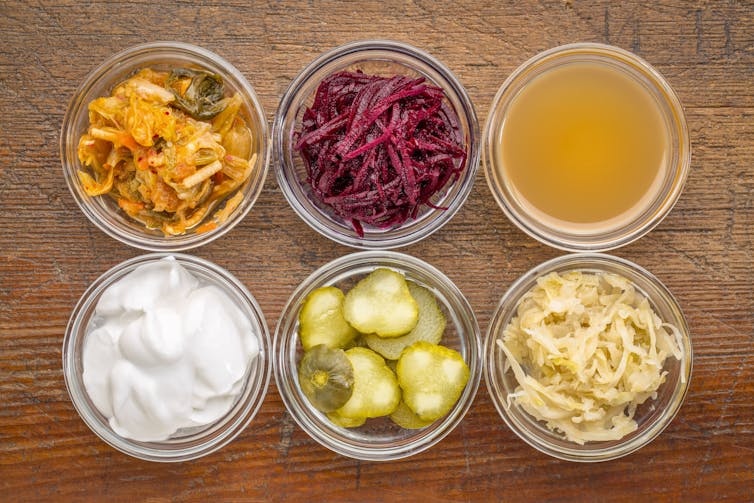
Fermented foods like kimchi, red beets, apple cider vinegar, coconut milk yogurt, cucumber pickles and sauerkraut can help provide beneficial bacteria. marekuliasz/iStock/Getty Images PlusChronic disease and microbes
Patients with chronic illnesses including Type 2 diabetes, obesity and cardiovascular disease exhibit a hyperactive immune system that fails to recognize a harmless stimulus and is linked to an altered gut microbiome.
In these chronic diseases, the gut microbiome lacks bacteria that activate immune cells that block the response against harmless bacteria in our guts. Such alteration of the gut microbiome is also observed in babies delivered by cesarean section, individuals consuming a poor diet and the elderly.
Research in my laboratory focuses on identifying gut bacteria that are critical for creating a balanced immune system, which fights life-threatening bacterial and viral infections, while tolerating the beneficial bacteria in and on us.
Given that diet affects the diversity of bacteria in the gut, my lab studies show how diet can be used as a therapy for chronic diseases. Using different foods, people can shift their gut microbiome to one that boosts a healthy immune response.
A fraction of patients infected with SARS-CoV-2, the virus that causes COVID-19 disease, develop severe complications that require hospitalization in intensive care units. What do many of those patients have in common? Old age and chronic diet-related diseases like obesity, Type 2 diabetes and cardiovascular disease.
Minority communities continue to bear the brunt of the pandemic. Blake Nissen for The Boston Globe via Getty Images
Discovering microbes that predict COVID-19 severity
The COVID-19 pandemic has inspired me to shift my research and explore the role of the gut microbiome in the overly aggressive immune response against SARS-CoV-2 infection.
My colleagues and I have hypothesized that critically ill SARS-CoV-2 patients with conditions like obesity, Type 2 diabetes and cardiovascular disease exhibit an altered gut microbiome that aggravates acute respiratory distress syndrome.
Several studies described in one recent review have identified an altered gut microbiome in patients with COVID-19. However, identification of specific bacteria within the microbiome that could predict COVID-19 severity is lacking.
To address this question, my colleagues and I recruited COVID-19 hospitalized patients with severe and moderate symptoms. We collected stool and saliva samples to determine whether bacteria within the gut and oral microbiome could predict COVID-19 severity. The identification of microbiome markers that can predict the clinical outcomes of COVID-19 disease is key to help prioritize patients needing urgent treatment.
We demonstrated, in a paper which has not yet been peer reviewed, that the composition of the gut microbiome is the strongest predictor of COVID-19 severity compared to patient’s clinical characteristics commonly used to do so. Specifically, we identified that the presence of a bacterium in the stool – called Enterococcus faecalis– was a robust predictor of COVID-19 severity. Not surprisingly, Enterococcus faecalis has been associated with chronicinflammation.
Enterococcus faecalis collected from feces can be grown outside of the body in clinical laboratories. Thus, an E. faecalis test might be a cost-effective, rapid and relatively easy way to identify patients who are likely to require more supportive care and therapeutic interventions to improve their chances of survival.
Bacteria from the gut microbiome are responsible for the proper activationof those T-regulatorycells. Thus, researchers like me need to take repeated patient stool, saliva and blood samples over a longer time frame to learn how the altered microbiome observed in COVID-19 patients can modulate COVID-19 disease severity, perhaps by altering the development of the T-regulatory cells.
As a Latina scientist investigating interactions between diet, microbiome and immunity, I must stress the importance of better policies to improve access to healthy foods, which lead to a healthier microbiome. It is also important to design culturally sensitive dietary interventions for Black and Latinx communities. While a good-quality diet might not prevent SARS-CoV-2 infection, it can treat the underlying conditions related to its severity.
Please note that obesity is regarded as a chronic illness.
Let me reprint a paragraph from the article:
In the U.S., 117 million individuals – about half the adult population – suffer from Type 2 diabetes, obesity, cardiovascular disease or a combination of them. That suggests that half of American adults carry a faulty microbiome army.
This is not funny. Good eating, typically the Mediterranean diet, is not difficult.
The FDA has announced that Midwestern Pet Food is expanding its recent recall to include more brands and over 1000 lots of its dog and cat foods because they contain potentially deadly levels of aflatoxin.
FDA is aware of at least 70 deaths and 80 illnesses in dogs who ate the affected products.
So informed me at the start of an email received in the early hours of this morning (yesterday).
Deadly Dog and Cat Food Recall Expands: More Brands, Over 1000 Lots
Important:Illustrations not complete. Additional images will be added if or when they become available.
January 11, 2021 — The FDA is alerting consumers that Midwestern Pet Foods, Inc. is expanding its recent recall to include over 1000 lots of Sportmix and 2 other brands of dog and cat food because they contain potentially fatal levels of aflatoxin.
As of this date, FDA is aware of more than 70 deaths and 80 illnesses in pets that have eaten the affected products.
This is an ongoing investigation. This count is approximate and may not reflect the total number of pets affected.
Sportmix Energy Plus, 50 lb. bag
Exp 03/02/22/05/L2
Exp 03/02/22/05/L3
Exp 03/03/22/05/L2
Sportmix Energy Plus, 44 lb. bag
Exp 03/02/22/05/L3
Sportmix Premium High Energy, 50 lb. bag
Exp 03/03/22/05/L3
Sportmix Premium High Energy, 44 lb. bag
Exp 03/03/22/05/L3
Sportmix Original Cat, 31 lb. bag
Exp 03/03/22/05/L3
Sportmix Original Cat, 15 lb. bag
Exp 03/03/22/05/L2
Exp 03/03/22/05/L3
On January 11, 2021, the company expanded its recall to include all pet food products containing corn that were made in the firm’s Oklahoma plant and that expire on or before July 9, 2022.
More than 1000 lot codes are affected, so they are not listed individually.
Lots of the following pet food products have been recalled if the date/lot code includes an expiration date on or before “07/09/22” and includes “05” in the date/lot code, which identifies products made in the Oklahoma plant:
Pro Pac Adult Mini Chunk, 40 lb. bag
Pro Pac Performance Puppy, 40 lb. bag
Splash Fat Cat 32%, 50 lb. bag
Nunn Better Maintenance, 50 lb. bag
Sportmix Original Cat, 15 lb. bag
Sportmix Original Cat, 31 lb. bag
Sportmix Maintenance, 44 lb. bag
Sportmix Maintenance, 50 lb. bag
Sportmix High Protein, 50 lb. bag
Sportmix Energy Plus, 44 lb. bag
Sportmix Energy Plus, 50 lb. bag
Sportmix Stamina, 44 lb. bag
Sportmix Stamina, 50 lb. bag
Sportmix Bite Size, 40 lb. bag
Sportmix Bite Size, 44 lb. bag
Sportmix High Energy, 44 lb. bag
Sportmix High Energy, 50 lb. bag
Sportmix Premium Puppy, 16.5 lb. bag
Sportmix Premium Puppy, 33 lb. bag
Lot code information may be found on the back of bag and will appear in a three-line code, with the top line in format “EXP 03/03/22/05/L#/B###/HH:MM”
About Aflatoxin
Aflatoxin is a toxin produced by the mold Aspergillus flavus and at high levels it can cause illness and death in pets.
The toxin can be present even if there is no visible mold.
Pets are highly susceptible to aflatoxin poisoning because, unlike people, who eat a varied diet, pets generally eat the same food continuously over extended periods of time.
If a pet’s food contains aflatoxin, the toxin could accumulate in the pet’s system as they continue to eat the same food.
Pets with aflatoxin poisoning may experience symptoms such as sluggishness, loss of appetite, vomiting, jaundice (yellowish tint to the eyes, gums or skin due to liver damage), and/or diarrhea.
In some cases, this toxicity can cause long-term liver issues and/or death.
Some pets suffer liver damage without showing any symptoms.
Pet owners whose pets have been eating the recalled products should contact their veterinarians, especially if they are showing signs of illness.
There is no evidence to suggest that pet owners who handle products containing aflatoxin are at risk of aflatoxin poisoning.
However, pet owners should always wash their hands after handling pet food.
What to Do?
Affected products may still be on store shelves, online, or in pet owners’ homes.
Pet owners should stop feeding their pets the recalled products listed above and consult their veterinarian, especially if the pet is showing signs of illness.
The pet owner should remove the food and make sure no other animals have access to the recalled product.
Contact Midwestern Pet Foods Consumer Affairs at 800-474-4163, ext. 455 from 7 am to 4 pm CT, Monday through Friday, or by email at info@midwesternpetfoods.com for additional information.
Further information regarding this recall can be found in the related FDA Bulletin.
U.S. citizens can report complaints about FDA-regulated pet food products by calling the consumer complaint coordinator in your area.

















 Ana Maldonado-Contreras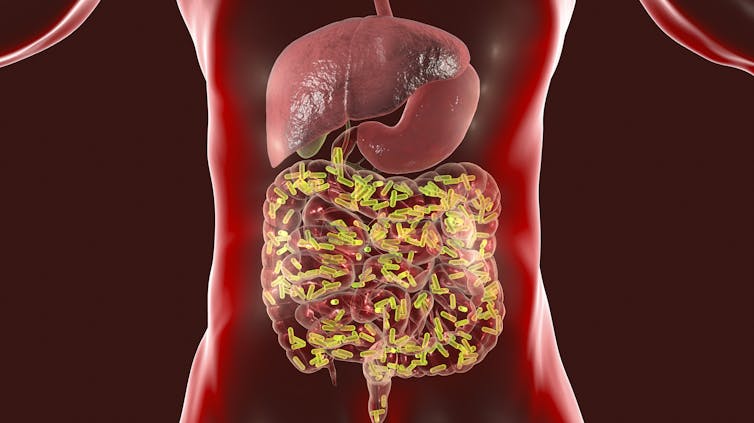



 Learning from Dogs