Category: Food

Picture Parade Two Hundred and Twenty-Two

Of dogs, and birds, and darlings!

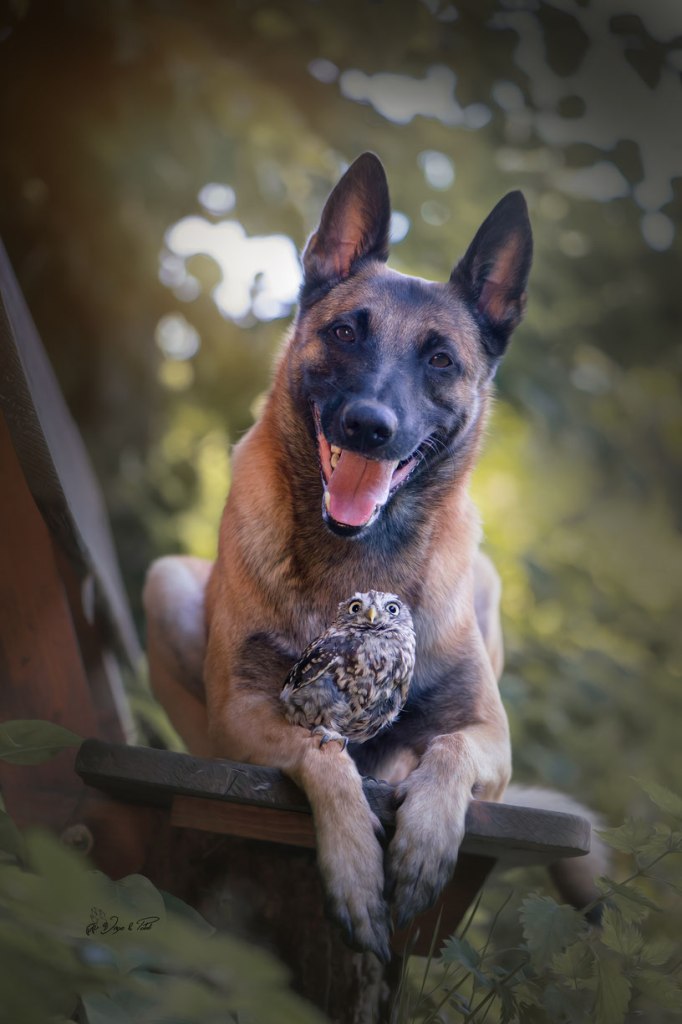
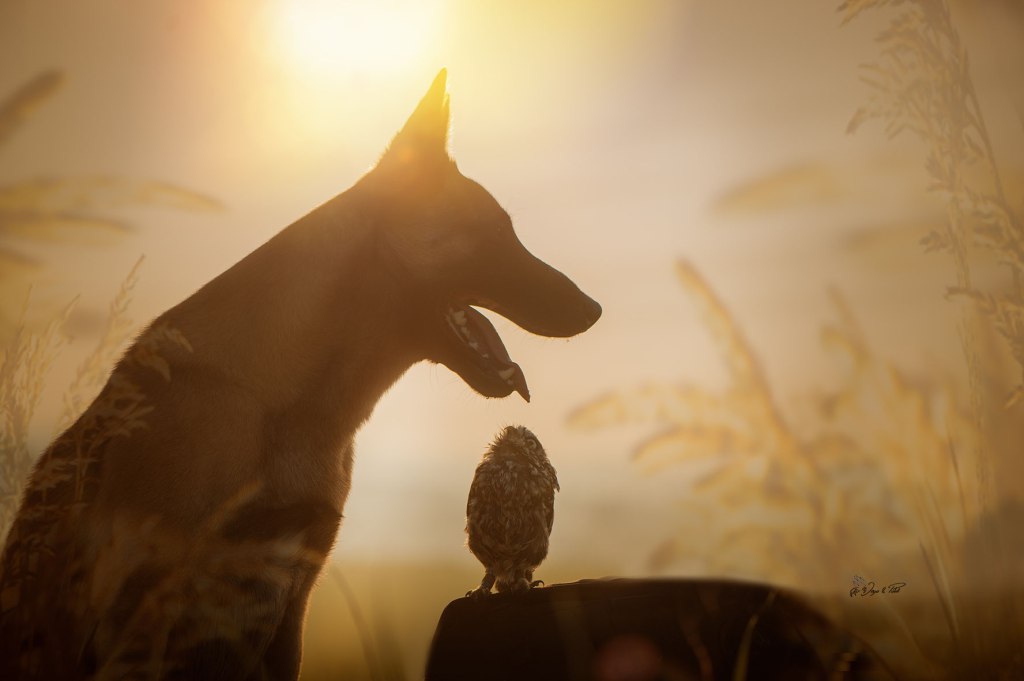
More of Ingo and Friends 3 plus two pics from our anniversary dinner.

oooo

oooo

oooo

oooo

oooo

oooo

oooo

oooo

And that last photograph seems so perfect a lead-in to my final two for today. Both taken at The Schoolhaus Brewhaus restaurant in Jacksonville, Oregon where we had our anniversary dinner on the 20th.

oooo

A beautiful lady looking down on very beautiful wife!

Eating for health

This time nothing to do with our dogs!

In a reply to Colette following my post of last week Caring for animals, I wrote:

Jean is on a diet that is predominantly fruit and vegetables as part of slowing down the progression of her Parkinson’s disease. The diet is essentially a no-dairy, no-grain, no-meat diet to eliminate the risk of any gut inflammation. She is advised by a professional nutritionist here in Grants Pass, OR. I follow along with Jean motivated to slow down my own cognitive decline.

Colette then responded to my reply with quite extensive details of her own diet. Her reply opening:

I have some food sensitivities that started my dietary changes a number of years ago. I found I was allergic to eggs after struggling with severe joint pain that doctors couldn’t explain. Then I began to find that a few other things were problematic including gluten, also prompting dietary change. The animal protein side came into sharper focus during a moment of epiphany at an elephant sanctuary and I started a vegetarian diet. However, I soon switched to a completely (almost except for some contamination in the odd thing now and again) vegan diet.

I am healthier, my cholesterol dropped from a total of 212 mg/dlto 135mg/dl and I have more stamina, fewer infections, colds and illness. (Nothing terrible to put me to bed since I became Vegan).

I do try to get a balance of a variety of fresh fruit and veg, protein and fats in my diet.

… that was then followed by her describing what a typical day looked like in terms of what she eat.

I offered to describe what Jean and I eat.

Fundamentally, Jean was advised to have a diet that reduced the chance of her having any gut inflammation but, if she did, a diet that would bring that inflammation to a close. All to do with Leaky Gut Syndrome and how the brain can be negatively affected.

So …

Breakfast

  • Two tablespoons of milled flax,
  • One tablespoon of hemp hearts,
  • A sprinkling of chia seed,
  • Prunes, banana, dried apricots, walnuts, berries when available,
  • Coconut milk or almond milk

Lunch

  • Mainly salad greens, raw vegetables, tomatoes, avocado, some canned herring,
  • Mixed fruits, as in oranges, apples,
  • ‘Naked Green’ smoothie

Dinner

  • Mixed vegetables,
  • Baked chicken breast,
  • Green salad with tomatoes and avocado,
  • Almonds or other nuts

Drinks during the day

  • Herb teas, ‘V8’ juice, green tea, ‘Naked Green’ smoothies, almond milk.

We are also taking a course of Juice-Plus tablets; a recommendation from our local nutritionist.

Anyway, that’s enough from me for today.

If there’s good interest in me sharing some of the many links to this whole area of diet, the gut and how it can affect the brain, then do sing out! (But I have no professional knowledge; will just report our findings!)

oooo

Wow! What an incredibly useful link thanks to Colette. I am referring to the NutritionFacts website.

Then how easy it was on that site to find a video specifically about diet and PD.

Jean and I are removing chicken and fish from our diet immediately; in other words going vegan.

THANK YOU!

Four-legged gardening.

Another great guest post from Emily Ridgewell.

Last October 4th, just three weeks ago tomorrow, I introduced Emily Ridgewell to you. She had written a guest post for us Return to the Movies. It was well-received.

For many, the next few weeks are an important time of the year to do a spot of gardening. A time when dog-owners allow their loved ones to ‘help’, especially in the digging department. But are our gardens as safe for dogs as many of us might like to believe? Emily’s second guest post addresses that question.

ooOOoo

How to Create a Dog-Friendly Garden

by Emily Ridgewell, October 18th, 2017

Being a pet owner is not only a great pleasure but also a huge responsibility. While most of the people think that taking care of dog only included feeding and walking it three times a day, the truth is that being a good dog owner means much more than that. There are plenty of unobvious things that might pose potential threats to the health and wellbeing of dogs, and plants from home garden is a telling example of such threats.

Turns out, not all home plants are equal and your favorite flowers might be a poison for your dog if ingested. The consequences might be serious, which is why it’s important for you as a responsible dog owner to ensure your home garden is dog-friendly and learn what to do if your dog ingested a poisonous plant. The goal of this article is to help you on this matter.

Basic Rules to Follow

Before listing all home plants and flowers that might pose threat to your dog, it makes sense to say a bit about general rules of creating a dog-friendly garden. After all, it is not about the right or wrong plants only.

  • If possible, choose robust plants

Young plants or plants with especially delicate stems might not survive if your dog will run through them every now and then. That’s why you are strongly advised to plant large and robust plants like astilbe, hardy geranium, or lavender.

  • Remember to protect your garden

If you don’t want your home garden to be ruined by a happy running dog, make sure your garden has clearly defined boundaries and borders. Low-growing box hedge serves perfectly for this matter.

  • Be careful using chemicals

The importance of this point is paramount. Plenty of gardeners use non-organic slug pellets and other chemicals when taking care of a garden. If you own a dog, the only option for you is to learn how to deal with snails and slugs organically and avoid any chemicals altogether.

  • Choose gentle materials

If you want garden decorations, avoid sharp stones and kinds of materials that might become extremely hot under the sun or too slippery when wet.

Which home plants and flowers are not dog-friendly?

By now you know the most common rules you should follow when creating a dog-friendly garden. Now it is time to learn which particular plants and flowers might be dangerous for dogs and should be avoided at all cost.

All poisonous plants range from slightly toxic (those that might cause vomiting, but nothing more serious) to extremely toxic (those that might cause serious health problems, including death). The list of plants that are dangerous to dogs is long, so it makes sense to divide all plants into subcategories.

In the case with perennial flowers, you should avoid Foxglove, Mums, Lenten Rose, Bleeding Hearts, Hosta, Lily-of-the-valley, Monkshood, Yarrow, and Iris. Speaking of vines, your home garden should not have Morning Glory, English Ivy, Clematis, Bittersweets, Boston Ivy, and Wisteria. As for annuals, you’d better stay away from Lantana and Begonia. The list of poisonous shrubs includes Rose of Sharon, Hydrangea, Yew Bushes, Burning Bush, Azalea Genus, Boxwood, Daphne, and Andromeda. You should also be careful with certain trees, including American Holly, Golden Chain, Oak Trees, Yellow Bird of Paradise, and Oleander.

Armed with this information, you should not have any problems creating a beautiful and dog-friendly home garden. Just make sure to double-check all plants that you decide to plant and refer to common sense when choosing home garden decorations.

ooOOoo

 I thought this was valuable information and a very helpful article from Emily.

Then wanted to close this post by sharing with you an example of how our dogs help with the gardening around here.

But all I could find was this photograph of Cleo ‘thinking’ of doing the front lawn.

Win some: Lose some!

Life-giving water!

Funny how the world goes around!

Why do I write that?

Well during the last week I was referred by my local doctor to see a urologist in connection with a query regarding my ‘back end’. Dr. N, the urologist pointed out that the human body, especially the brain, places such demands on ensuring that water is readily available (non-scientific description!) that it will ‘steal’ water from the bowel. Ergo, when I do my bike rides in the morning I was told to drink the water that I carry with me but previously have not been consuming. For even my hour’s ride three times a week will cause sufficient perspiration that other parts of my body will remove water from my bowel.

All of which seems more than sufficient introduction to today’s post that I first read on the Care 2 site.

ooOOoo

Is Your Dog Drinking Enough Water?

By: Abigail Geer October 14, 2017

About Abigail

Editor’s note: This Care2 favorite was originally posted on June 14, 2015. Enjoy!
Water makes up around 80 percent of a dog’s body. It’s essential for optimum health — for both humans and pets — but how much is enough for our pets? And is there such thing as too much water?

Looking after an animal is a major responsibility, since they depend on humans for their needs. We tend to assume that as long as we provide our dogs with a water bowl, they will drink the necessary amount, but unfortunately this is not always true.

Some dogs are under-hydrated, while others may drink too much. Here’s what every pet owner should know about hydration.

Water’s Vital Role in the Body

Water is the basis of life, as it hydrates, nourishes and cleanses the body. While your dog can survive for a long time without food, insufficient water consumption can seriously damage the body. In a relatively short period of time, just a 10 percent drop in hydration can be fatal.

From mental alertness and ease of breathing, to optimum digestion and bowel movements, every metabolic process in a dog’s body will be affected by its level of hydration.

Blood flow pumps oxygen through the body and removes toxins, but poor hydration can lead to a buildup of toxins in the muscles and organs, causing a huge array of health issues. Dogs regulate their heat by panting, and this heavy breath causes a lot of moisture to leave the body — especially on hot days or while exercising.

Lack of water can result in dehydration, organ failure and kidney stones or other urinary tract problems, but apart from these direct health issues, insufficient water intake can be an indicator of existing problems.

Water Consumption Can Be a Health Indicator

Dogs who are not drinking enough water or who have an insatiable thirst could be displaying signs of more serious health problems — and that’s why it’s essential to keep a close eye on their drinking habits.

Dogs with illnesses such as parvovirus, pancreatitis and leptospirois — as well as many others — do not tend to drink much water, so if you notice that your dog is barely drinking anything, it may be worth taking them for a check-up. On the flip side, dogs with bladder infections, diabetes and Cushing’s disease — among others — are often extremely thirsty and can be observed drinking excessive amounts of water.

While it’s important to monitor how much your dog is drinking, remember to keep things in perspective with their other behaviors, temperature conditions and so on, so that you don’t become overly concerned every time your dog has a big drink of water!

So How Much Water Does Your Dog Need?

A dog’s water needs vary from breed to breed, and they also depend on size, age, diet, activity level and environmental conditions.

The recommended water intake for a dog is approximately one ounce of water per pound of bodyweight, per day.

Your dog’s diet will play a big role in the amount of water that it needs to consume. For instance, dogs who solely eat dry biscuits or kibble will get significantly less hydration from their food than those on moisture-rich diets.

During the hot weather, if your dog is very thirsty after a long walk or play session, it’s a good idea to let him or her rehydrate over an extended period of time, rather than letting the dog guzzle down too much water at once.

If your dog finishes all the water in its bowl, wait for half an hour before refilling it, so that your pup has time to rest and digest. You can also help keep dogs hydrated during exercise by giving them access to water — little and often is best.

To test whether your dog may be dehydrated, you can lift the skin on the back of the neck and watch to see how quickly it returns to its normal position. If it forms a sort of tent, and doesn’t fall back into place immediately, then your dog may be dehydrated.

Nobody knows your dog better than you, and by keeping a close eye on your dog’s behavior you can tell if he or she is happy and healthy — or showing signs of dehydration or illness. Regularly monitoring water intake should become a habit, as it can tell you a lot about your dog’s health and wellness.

Photo Credit: ThePatronSaint

ooOOoo

Thus picking up on that recommended water intake, a 20lb dog should be drinking 20 oz of water a day. And for your reference:

USA system: 16 USA ounces to the USA pint
Imperial system (old British system): 20 imperial fluid ounces to the imperial pint

So Brandy, who weighs in at 140 lbs, should be drinking 8.75 US pints or more than 1 gallon of water a day!

Our Brandy!

Back to what you and I should be drinking? Sound advice in this Mayo Clinic article (that includes this):

So how much fluid does the average, healthy adult living in a temperate climate need? The National Academies of Sciences, Engineering, and Medicine determined that an adequate daily fluid intake is:

  • About 15.5 cups (3.7 liters) of fluids for men
  • About 11.5 cups (2.7 liters) of fluids a day for women

These recommendations cover fluids from water, other beverages and food. About 20 percent of daily fluid intake usually comes from food and the rest from drinks.

Cheers!

Returning to diet!

Another fabulous guest post.

Just a few days ago I was contacted by June Frazier who offered me (and all of you!) a couple of topics for a guest post to be written by June. The two topics were 5 Common Winter Illnesses in Dogs (And How To Treat Them) and Why Now Is The Right Time To Change Your Dog’s Diet.
Of course I said ‘Yes’ and chose the second one thinking it was a tad too early for a post about Winter illnesses.

Here it is.

ooOOoo

Why Now Is The Right Time To Change Your Dog’s Diet.

3 Critical Signs That You Need To Change

by June Frazier.

Today, 96% of all dog owners in the world feed their dog’s commercial pet food. A good number of this population believes that the dried pet food is all their dog needs to stay healthy. Hence, the dogs are fed one type of food all the time.

In fact, they never consider introducing their dog to the many homemade dog food recipes available. Many dog owners are unaware of the fact that as a dog’s body changes, it requires different diets to stay healthy. If you are one of these dog owners, it is time to change your dog’s diet.

Three major reasons why now is the right time to change your dog’s diet:

1. The Age of the dog

As your dog ages, he needs extra diet considerations to stay nimble. At the age of 5, your dog is considered to be middle aged. You need to change their diet at this point as they need fewer calories and more fiber. This is because middle aged dogs are less active and their new lifestyle does not require the same diet they were on when they were younger. In addition, high calorie foods may do them more harm than good. Also, avoid giving your dog too much protein since it can damage his liver and kidneys.

Feed your dog with the right food that will benefit his joints to stay stronger, or foods that have plenty of antioxidants. Your middle aged dog may also need supplements to keep his joints and organs working optimally.

2. Obesity

Most dog parents do not realize that even in moderation, some food types contribute more to their pet’s weight than others. When your dog starts to put on a few extra pounds in their midsection, this is a clear indication that you need to change his diet.

The additional weight can easily slow down your dog. Obesity in dogs also opens them up to a variety of potential health problems. Change his diet to foods that can give them all the essential nutrients, vitamins and minerals without adding some extra kilos.

There are special diets for dogs that are specially designated for weight loss. These diets take advantage of the latest research in pet weight management, to ensure your dog leads a healthy, happier life. If your pet dog is extremely overweight, you are advised to consult with your veterinarian for a detailed and therapeutic nutritional solution.

3. Allergies and Skin conditions

On average, an itchy dog is an allergic dog. Most times, the reason behind their allergy and skin condition is their food or environment. You need to switch your dog’s diet to something a little simpler or less processed food.

In a case of an allergy, vets prescribe non-allergen diets or foods that do not trigger your dog’s allergic reaction. Homemade dog food recipes are ideal as you can mix the ingredients on your own as well as do an easy control experiment to figure out which foods cause his allergy. Also, make sure to alter one food ingredient per time until you get the culprit.

Although the transition may take a long time before you figure out what your dog is allergic to, the diet you end up with will be far healthier and nutritional to help him lead a better life. You can also take your dog to the vet to find out more about their allergy and skin condition.

Sometimes, the reason behind your dog’s skin condition may be due to a deficient diet. If your dog has a dull, matted coat, make sure you feed your dog foods rich in Omega-3 fatty acids to help improve their coat quality and gastric health.

Choosing the right food for your pet is essential for your dog’s long-term health. However, it is not a substitute for medical care.

Make sure you visit a veterinarian on a regular basis to ensure your pet is healthy and happy. Along with your new diet, make sure your dog has plenty of fresh, clean water available at all times.

It is also advisable that you change your dog’s diet gradually and systematically. Substitute a little of the new diet with the old food. Swap out a little more of the old with the new until your dog is comfortable with the new diet.

ooOOoo

No question in my mind that this was a useful and informative article. I did ask June to offer a little about herself and this is what she wrote me:

June is the founder of the blog Toby’s Bone where she shares her passion for writing and love for dogs. She wants to help you deal with your dog’s behavior issues, grooming and health needs, and proper training. Through her blog, you can find informative and reliable posts, tips and tricks, and a lot of interesting reads that will help you maintain a close bond with your furry companion.

Well this gets my vote and I sincerely hope this isn’t the last time we hear from June.

Enhancing the life of our dogs!

We truly do want our dogs to live to a grand old age.

In recent posts I have included photographs of Cleo and Brandy. (As I will now do again!)

Cleo, the listening dog par excellence!

oooo

Brandy – as pure as it gets!

However, one of the sad aspects of our bigger dogs is that their lifespan is usually shorter than our smaller dogs.

Wouldn’t it be wonderful if they could live longer lives.

That is the reason that I didn’t hesitate for a moment in wanting to share an essay that was recently published on the Care2 site.

ooOOoo

Want Your Dog to Live to 30? Add This to Their Bowl

a Care2 favorite by Lisa Spector

About Lisa Follow Lisa at @throughadogsear

As I watched pet nutrition blogger Rodney Habib’s TedX video below, I found it simultaneously jaw-dropping and not surprising. After his dog, Sammie, was diagnosed with cancer, Habib went on a mission to find out why canine cancer is a growing epidemic. Currently, one out of every two dogs will be diagnosed with cancer at sometime in their life, mostly between age 6 and 12.

I have a 13-year-old Labrador. Admittedly, I’m obsessed with my awareness that he’s approaching the end of his life. But, what if he weren’t? What if he could live until he’s 30 like Maggie, the Kelpie, from Australia. Maggie was possibly the world’s oldest dog.

During Habib’s trek around the world, he spoke with researchers and scientists. He learned that dogs have a higher rate of cancer than any other mammal. In the ’70s, dogs lived to age 17; today the average life span is 11. Why?

Diabetes is up 900 percent in dogs in the last five years. Obesity is up 60 percent. While 10 percent of all cancer cases are genetic, 90 percent are the results of lifestyle and environmental influences, including stress, obesity, infection, sedentary lifestyle, toxins, pollution and most importantly diet.

Habib spoke with Norwegian scientist, Thomas Sandberg, who is conducting a 30-year-old study (the longest observational study to date). Sandberg is hoping to prove that poor quality food may cause cancer to develop in dogs and cats, mainly due to a compromised immune system.

Natural and dry dog's food

Here’s the part of Rodney’s TedX Talk that was jaw-dropping for me: Research shows that dogs on a diet of dry commercial pet food fed leafy green vegetables at least three times a week were 90 percent less likely to develop cancer than dogs that weren’t. And dogs fed yellow/orange vegetables at least three times a week were 70 percent less likely to develop cancer.

I feed Sanchez and Gina organic kale, spinach, green beans and carrots, along with many fruits. Personally, I wasn’t surprised by the benefits, but by the research showing that just a little bit of produce added to kibble could have such a profound effect on canine health.

Thomas Sandberg has Great Danes, who typically live only six to eight years. In a 6-year study of 80 dogs fed a completely raw diet with low amounts of carbs, only one dog developed cancer.

Another study at Purdue University showed a 90 percent decrease risk of cancer when they added green leafy vegetables to a bowl of processed food three times a week.

Remember Maggie, the world’s oldest dog? In addition to a diet that included raw fed grass milk, she also self fasted some days. She lived on a dairy farm and exercised all day long, often getting in 9 kilometers (5 1/2 miles ). Obesity is also now known to be a contributing factor to canine cancer, which is why exercising with your pet is so important.

We have dogs because we love them. We bring them into our human world and expect them to adjust. They do, because they want to please us. We expect them to follow our house rules, listen to the music we choose,  build their life around our schedules, and accept the food we choose for them. But, what if we knew more and chose differently for them? How long would they live?

Do your pets eat green leafy veggies?

ooOOoo

Now if you have read down to this point but not yet watched Rodney Habib’s talk then …. STOP!

Go back and watch that talk!

Then you can truly appreciate the value of looking at the diets of our beautiful dogs!

Love to hear your thoughts on this!

Oh, and both Brandy and little Pedy are great vegetable eaters. But we will be following the recommendations of Rodney Habib and will share our findings with you all later on.


Visiting the Vet – Jefferson’s heart!

Welcome to August!

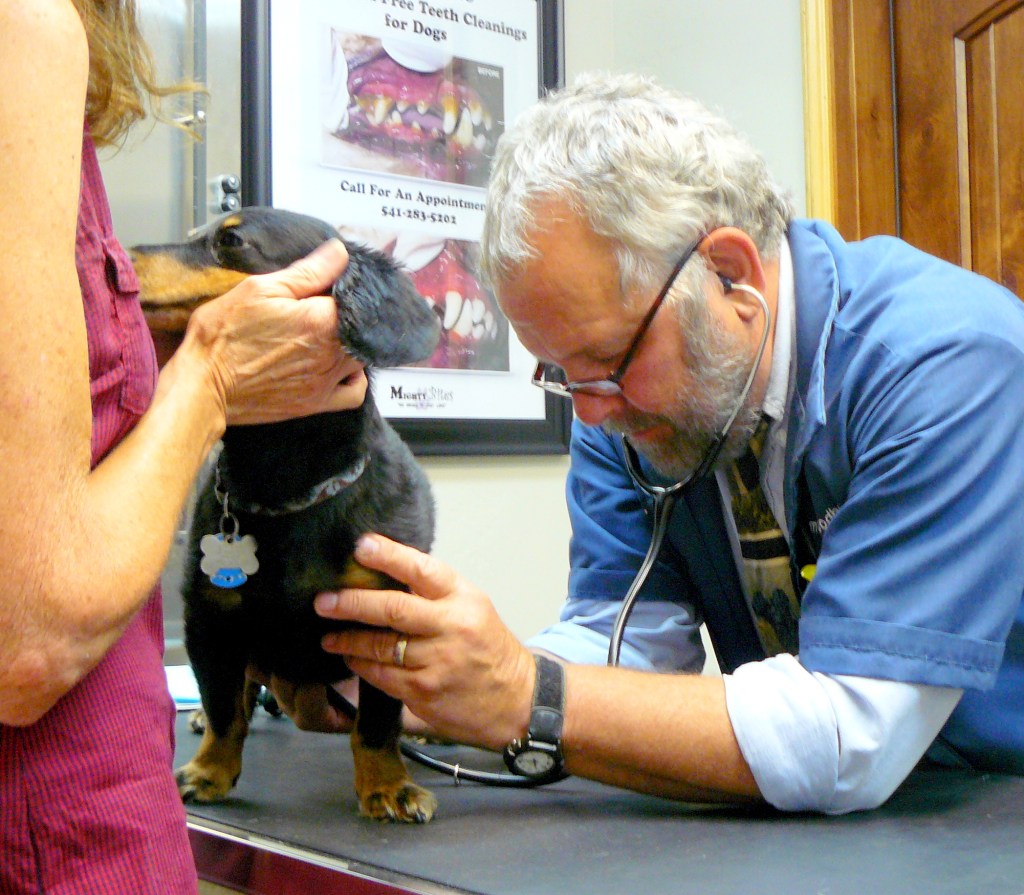
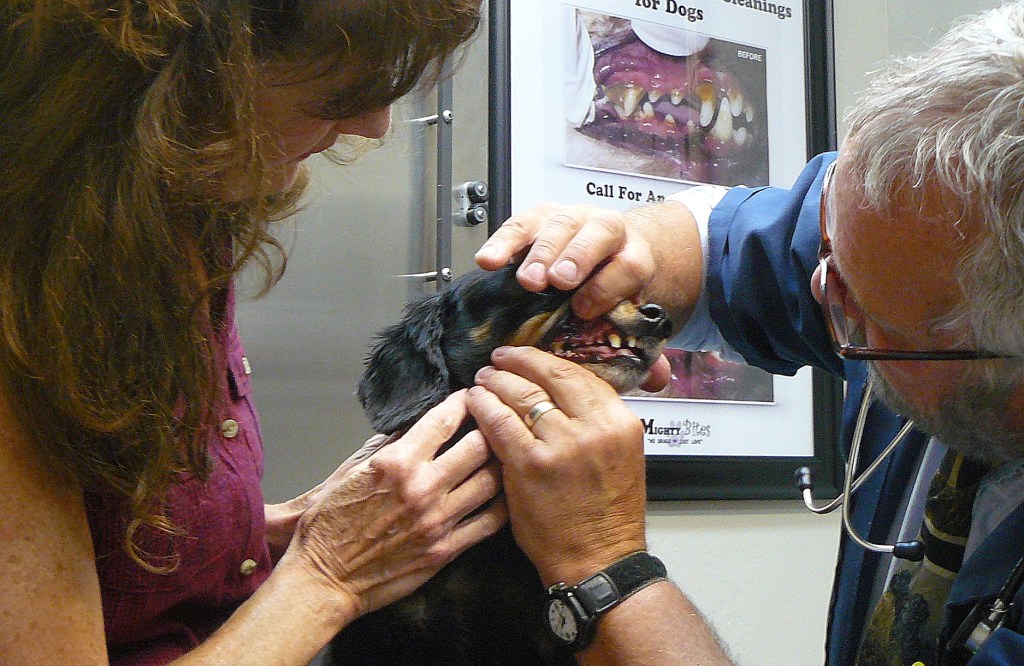
July 13th. 11:00 The second case that I sat in on was Linda bringing in Jefferson.

Jefferson is an eight-year-old long-haired male Dachshund. Linda had decided to bring her dog into Lincoln Road because recently Jefferson had started coughing but only when he was pulling on his leash.

Linda added that Jefferson seemed to be chewing on a number of pine cones just now.

Jim examined Jefferson. First examining the dog’s lymph node and then listening to either side of the dog’s chest.

While everything sounded fine on Jefferson’s right side, Jim detected a very small heart murmur when listening to Jefferson’s left side.

Jim also noted that the lymph node was prominent but not enlarged. Dogs can get lymphoma.

Nothing arose to give cause for concern but in view of the chewing of pine cones, Jim thought that giving Jefferson an injection of ‘Lepto’ would be no bad thing.

11:20 All done!

I subsequently did a web search on ‘Lepto’ and came across this on the Vetstreet website: (in part)

It’s scary to think that a fun stroll through the woods or swim in a favorite watering hole can lead to a terrible illness, but it can –– for you as well as your dog. Leptospirosis is caused by a bacteria spread through soil, water, and the urine of infected animals, and if not caught early it can be deadly. There is a vaccine available for the most common subtypes of the bacteria that infect dogs, but it’s not always a recommended part of the routine vaccination protocol. Ask your veterinarian if the leptospirosis vaccine is right for your dog.

Overview

Leptospirosis is a potentially serious disease caused by the bacterium Leptospira interrogans. It affects dogs but can also infect a wide variety of domestic and wild animals as well as humans.

The organism is usually spread through infected urine, but contaminated water or soil, reproductive secretions, and even consumption of infected tissues can also transmit the infection. Introduction of the organism through skin wounds can also occur. Common carriers of the organism include raccoons, opossums, rodents, skunks, and dogs.

To be continued:

(Please note: These observations are mine alone and because of the busy environment it must be assumed that my interpretation of what was taking place might not be totally accurate. Nothing in this blog post should be used by a reader to make any medical judgment about an animal. If you have any concern about an animal do make an appointment to see a properly qualified veterinarian doctor.)

Visiting the Vet – Hyperthyroidism

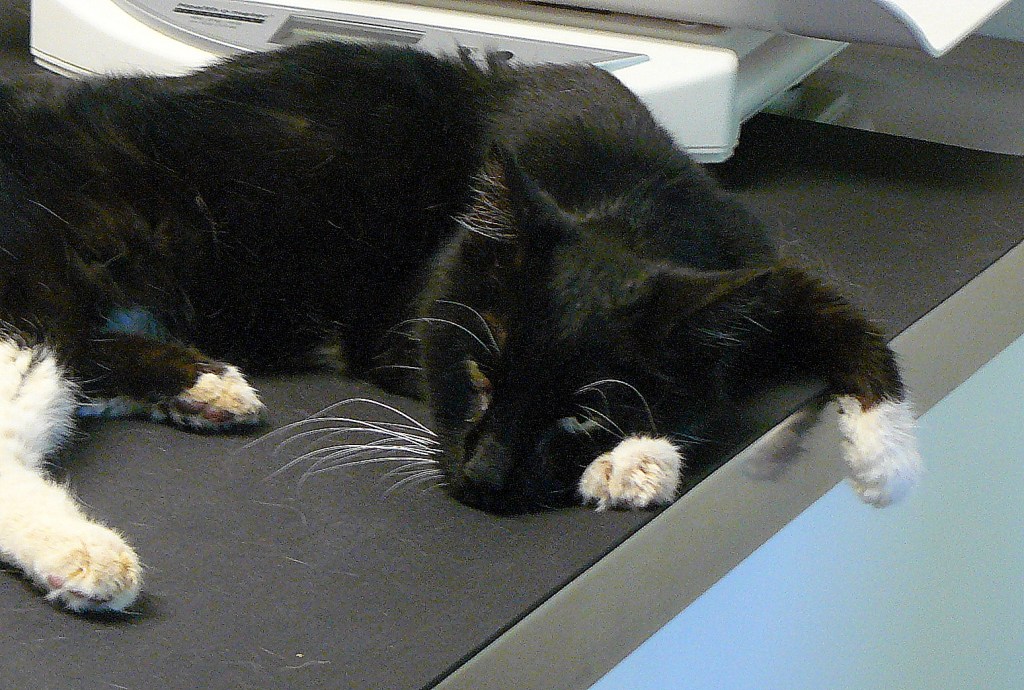
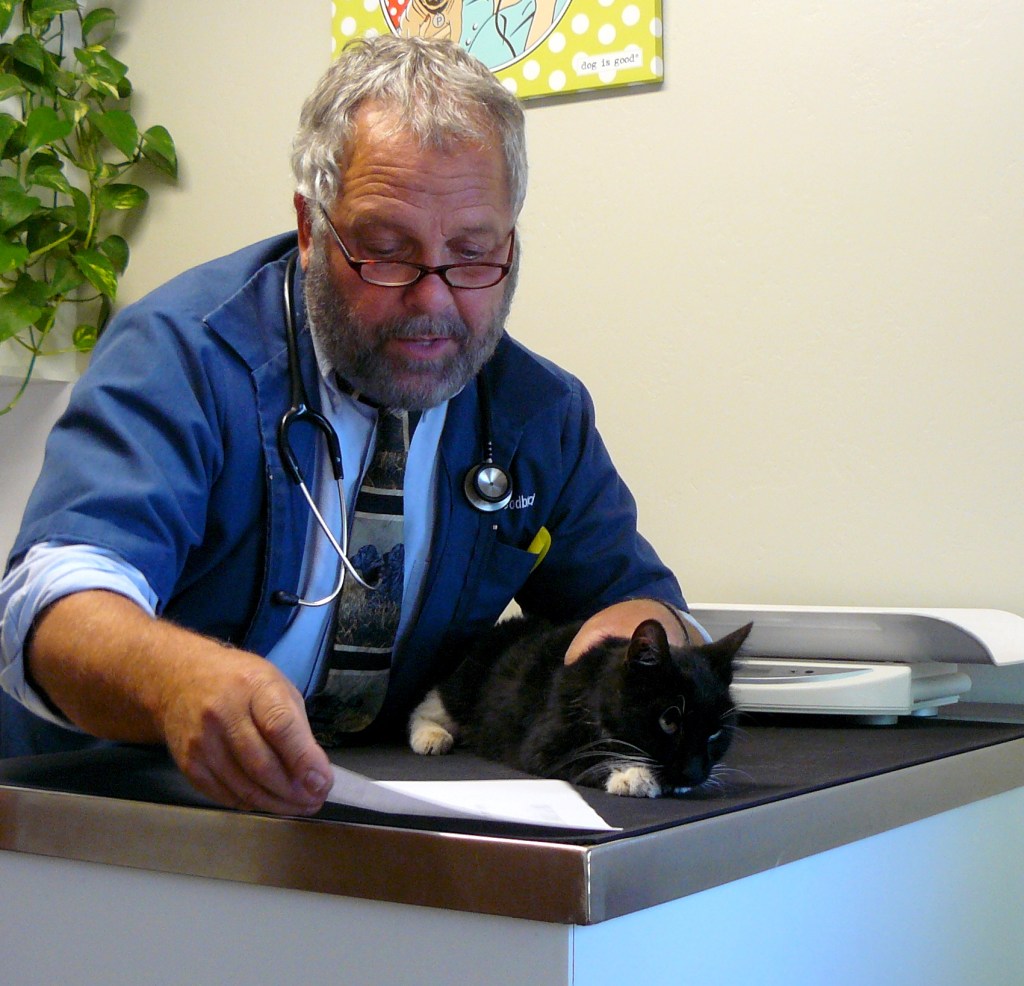
Lady Jessica isn’t feeling too well.

09:50 July 13th, 2017.

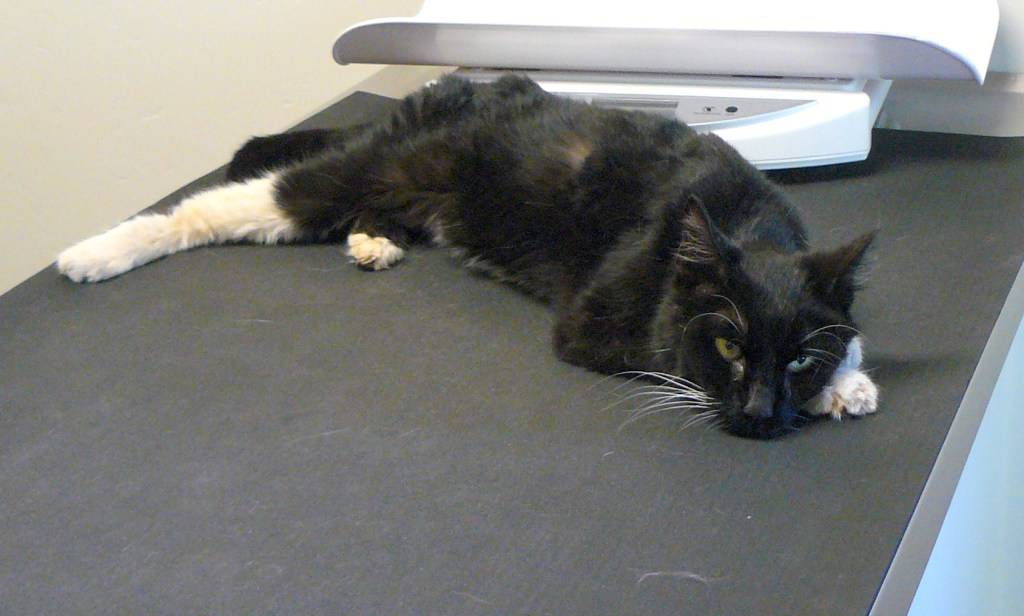
Jessica Louise is a 14-year-old cat that normally lives happily outside. But in recent times ‘Jessie’ has become very thin despite constantly eating and has now preferred to be inside the home even accounting for the fact of there being dogs in the house.

Jim’s pretty certain that he is looking at a cat with a hyperthyroid thyroid gland. No question that a blood test is needed and the blood sample is taken without delay.

The results are soon back and confirm that Jessie’s T4 readings of >8.00 mg/dL are very high, indeed beyond the upper limit of their testing equipment. Jim explains that the normal range for T4 is between 0.80 – 4.70 mg/dL.

The puzzled look on my face is seen by Jim and he takes a few minutes out to explain what a blood test accomplishes.

There are three parts to the blood test:

  1. The Complete Blood Count (CBC), that is the cellular part of the test.
  2. The chemistry of the blood, measuring the condition of the kidneys, liver, electrolytes, diabetic status as in blood glucose level, and more.
  3. The optional Part, a test for T4 Total Thyroxine level.

A very quick web search found this from which one reads:

Your dog or cat’s T4 (Total T4) is a useful screening test to detect an under-active thyroid gland (hypothyroidism) in dogs or an over-active one (hyperthyroidism) in cats. But total T4 levels are a considerably more accurate way to diagnose an overly active thyroid gland in your cat than an under-active thyroid gland in your dog.

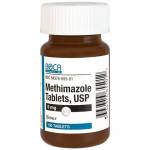
Jim prescribes Methimazole. Once again, back at my desk a quick web search for Methimazole For Cats finds:

What is Methimazole?

Methimazole is used to treat hyperthyroidism in cats. It has largely replaced propylthiouracil in this treatment process since it has a lower incidence of adverse side effects. Methimazole requires a prescription from your veterinarian, and is sold per tablet.

(This is only one of many products found online!)

Jim weighs Jessie and finds that she is 4lbs 12 oz. Her weight should be in excess of 8 lbs.

The clinic protocol is that Jessie should not be seen until at least 45 days has elapsed. But Dr. Jim underlines that Jessie should be brought back in to the clinic before then if there is no weight gain soon or, especially, if Jessie continues to lose weight.

10:05 All done.

To be continued:

(Please note: These observations are mine alone and because of the busy environment it must be assumed that my interpretation of what was taking place might not be totally accurate. Nothing in this blog post should be used by a reader to make any medical judgment about an animal. If you have any concern about an animal do make an appointment to see a properly qualified veterinarian doctor.)

ooooo

Good people, may I ask for your assistance.

Best explained by sharing part of a recent email sent to Yvonne D. who has offered her help with my book project. In past times, Yvonne was a Veterinary Technician.

Dear Yvonne,

My Visiting the Vet theme on Learning from Dogs has awakened within me the interest and passion to write my second book. Or, to put it more accurately, to switch away from the present theme that I have been struggling to get stuck into for months.

I spoke with Russel Codd at the clinic and he is really keen to support me.

The overall idea that is forming in my mind is to write a book that alternates, chapter by chapter, between observing the medical and clinical goings-on at a number of vet clinics in town, including specialist processes, surgery, cardiac, etc., and chapters that look deeply into the many different relationships that individuals have with their pets; primarily with dogs and cats.

I want to get into the ‘mindset’ of people who have pets in their lives across the whole range of feelings of those said people. From those who love their pets practically without any limit, to the homeless people (almost 100% men) whom one sees with a dog or two in tow alongside the highway. But also exploring those who seem so hateful. E.g. our pet sitter knows a man who threw his elderly dog away in some local woods. What causes someone to be like this? I want to find out!!

The book will be called: Of Pets, and Of People.

With very kind wishes,

Paul

Copyright (c) 2017 Paul Handover

Any feedback at all would be fabulous! What would you like to see in such a book? What would you most definitely not want to read?

A nose for doing good work!

A dog’s nose, of course!

We all know how good are the noses of our dogs. Yet, I suspect, many do not know how truly good is that nose. The Science ABC site has a detailed account of Why Do Dogs Have Such A Great Sense of Smell?
Here’s part of that article:

Dog Nose vs. Human Nose

When we try to smell something, we inhale air with our nose and we use the same passage in our nose to exhale that air. Therefore, all the smell that we get when we are inhaling is lost when we exhale that air. However, a dog has two different air passages, one for breathing and another for smelling. This means that dogs are able to store the smell in their nose even while breathing out the air!

When dogs exhale, they send air out through the slits of their nose, but the manner in which this air is exhaled through their nose helps the dogs to draw in new odor molecules. This also helps dogs capture more smells when sniffing.

You must have noticed that dogs’ noses are always wet, but have you ever wondered why? The mucus on the dog’s nose helps it smell by capturing scent particles. A dog also has the ability to smell independently from each nostril, this helps the dog to understand from which direction the smell is coming.

The passage through which dogs smell the air contains highly specialized olfactory receptor cells, which are responsible for receiving smells. A dog contains about 225-300 million smell receptors, as compared to just 5 million of these receptors being present in a human nose.

Dog Brain vs. Human Brain

By now, we clearly know that dogs have a nose that can smell about 1,000-10,000 times better than a human, but how are dogs able to remember all the different smells that they have sensed throughout their life?

The answer lies in the difference between the brains of dogs and humans. A human brain has a larger visual cortex than dogs, whereas a dog’s brain has a much larger olfactory cortex than humans. The visual cortex is responsible for processing visual information, whereas the olfactory cortex is responsible for processing the sense of smell. A dog’s olfactory cortex is about 40 times larger than that of a human.

Read the full science article here.

All of which makes a slightly longer introduction than normal to a fascinating article over on Mother Nature Network published two days ago.

ooOOoo

5 ways dogs are used for species conservation

May 16, 2017 Jaymi Heimbuch

Photo: Jaymi Heimbuch

Working dogs are an amazing asset not only for people, but for wildlife, endangered species and even threatened habitats. Expanding on the skills dogs have for tracking down scents and guarding something important, we humans have enlisted their help in many ways for conservation.

Here are five ways dogs are contributing to environmental protection efforts.

Smell for scat

It’s amazing the amount of information that can be sussed out of an animal’s poop. We can determine diet, health, genetics — even whether or not an animal is pregnant. Scat is really important to biologists studying elusive, sensitive or endangered species. Putting dogs on the track is an ideal solution.

Take cheetahs, for example. Scientists in Africa are using dogs and their unparalleled sniffing power to find cheetah poop, all in an effort to get an accurate count on the endangered big cats. (Only 7,000 cheetahs are left in the African wild, according to estimates.) And it’s working. Two trained dogs found 27 scats in an area of 2,400 square kilometers in western Zambia, according to a study published in the Journal of Zoology. Humans, looking for cheetah tracks over the same area, found none.

Groups like Conservation Canines (a handler and dog from the program pictured above), Working Dogs for Conservation and Green Dogs Conservation specialize in this area. Conservation Canines rescues highly energetic, “last chance” dogs from shelters and trains them to track down the scat of dozens of species, from wolves to moose to owl. Even things that are nearly impossible for humans to find — the minuscule scat of endangered pocket mice or orca scat floating on the ocean surface — dogs can track down. They are able to make huge contributions to scientific studies, all without ever bothering the wildlife being studied.

Sniff out problems for wildlife

Whether it’s sniffing out invasive species like giant snails in the Galapagos or detecting disease in beehives, dogs’ noses can be put to work in searching out what shouldn’t be there so that humans can act.

Dogs are able to sniff out particular plant species, pointing ecologists to tiny patches of invasive mustard so that the plants can be removed before they take over an area.

Conversely, dogs can sniff out rare or endangered native plants so that the species can be protected. Rogue is one such dog. The Nature Conservancy writes, “The 4-year-old Belgian sheepdog is part of a Nature Conservancy collaborative project to test the efficacy of using dogs to sniff out the threatened Kincaid’s lupine. The plant is host to the endangered Fender’s blue butterfly, found only in Oregon’s Willamette Valley.”

Surveying for the plant species is difficult work for people. It can only be done when the plant is in bloom so people can visually identify it. However, dogs like Rogue can sniff out the plant even when not in bloom, which can potentially double the length of the field season.

“More refined regional mapping of Kincaid’s lupine could promote the butterfly’s recovery and delisting — and contribute to larger habitat goals and wildlife impacts.”

Track down poachers

The trade in rare or endangered wildlife is a lot tougher for traffickers thanks to wildlife detector dogs. Trained to smell anything from tiger parts to ivory to South American rosewood, dogs are used in shipping ports, airports, border crossings and other locations to sniff out smuggled products.

It doesn’t stop there. Trained dogs can lead rangers to armed poachers in the wild, tracking down the culprits over long hours through heat and rain. They can catch poachers in the act, rather than just the products.

“Canine sleuths aren’t limited to the plains of East Africa, either,” reports National Geographic. “In the Democratic Republic of the Congo, bloodhounds are assisting in the fight against poaching in forested Virunga National Park, where the world’s last remaining mountain gorillas live. In South Africa, Weimaraner and Malinois dogs are helping to find wounded animals and track poachers on foot through the reserves around Kruger National Park.”

Guard endangered species

Dogs are also useful in putting their protective nature to use for endangered species.

Livestock protection dogs are trained to keep predators like cheetahs, lions and leopards safe, which then reduces conflict between ranchers and big cats and minimizes the instances of snaring or retaliatory killing of big cats. Cheetah Conservation Fund has a successful livestock protection dog program, which places Anatolian shepherd and Kangal dogs with ranchers. That not only has significantly reduced the number of livestock killed by predators but is also improving the attitude of local people toward cheetahs.

Sometimes the dogs are put to work guarding the endangered species themselves. One such successful program uses Maremma shepherd dogs to protect colonies of little penguins from foxes.

Keep bears wild

Karelian bear dogs are trained to keep bears from becoming too comfortable around people. A program by Wind River Bear Institute named Partners-in-Life uses a technique called bear shepherding. This specialized breed of hunting dog is used to scare bears away, and are an important part of the “adverse conditioning” work that keeps bears from becoming habituated. The ultimate goal is to protect bears from becoming habituated, a problem that leads to their being relocated or euthanized.

“Our Wind River Bear Institute mission, with the effective training and use of Karelian Bear Dogs, is to reduce human-caused bear mortality and conflicts worldwide to ensure the continued survival of all species of bears for future generations,” states the program.

This list is only a handful of ways that dogs help us with environmental conservation every day. More and more, we are figuring out new ways to put their skills to work, and more and more the dogs are proving they’re ready for the task!

Editor’s note: This story was originally published in July 2016 and has been updated with more recent information.

ooOOoo

Closing words from that Science ABC piece:

A dog does not care how you look or dress, but if he gets good vibes from your smell, then a dog will love you. The world is truly a better place because of these wonderful creatures that we are lucky enough to welcome into our lives.

Why not make the world smell a bit more beautiful for them?

Belay that!

Closing picture taken from the OregonLive website. A stunning picture of the “Fender’s blue butterfly, found only in Oregon’s Willamette Valley.”