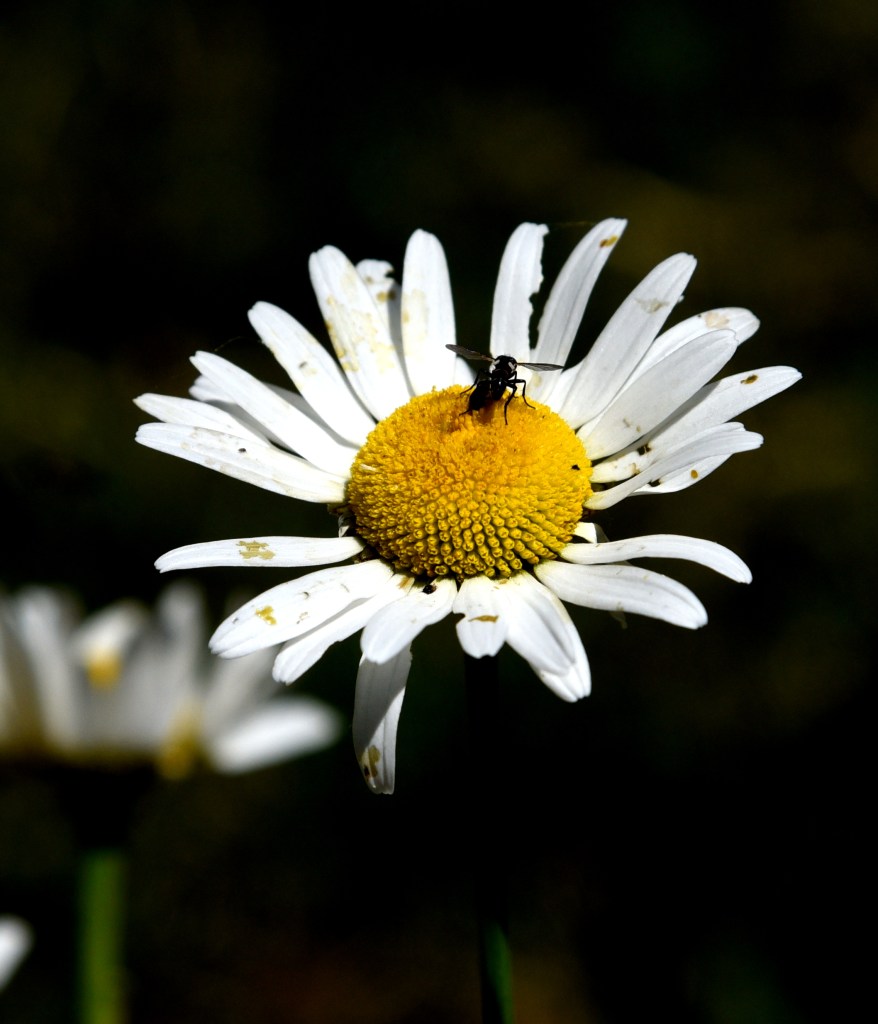
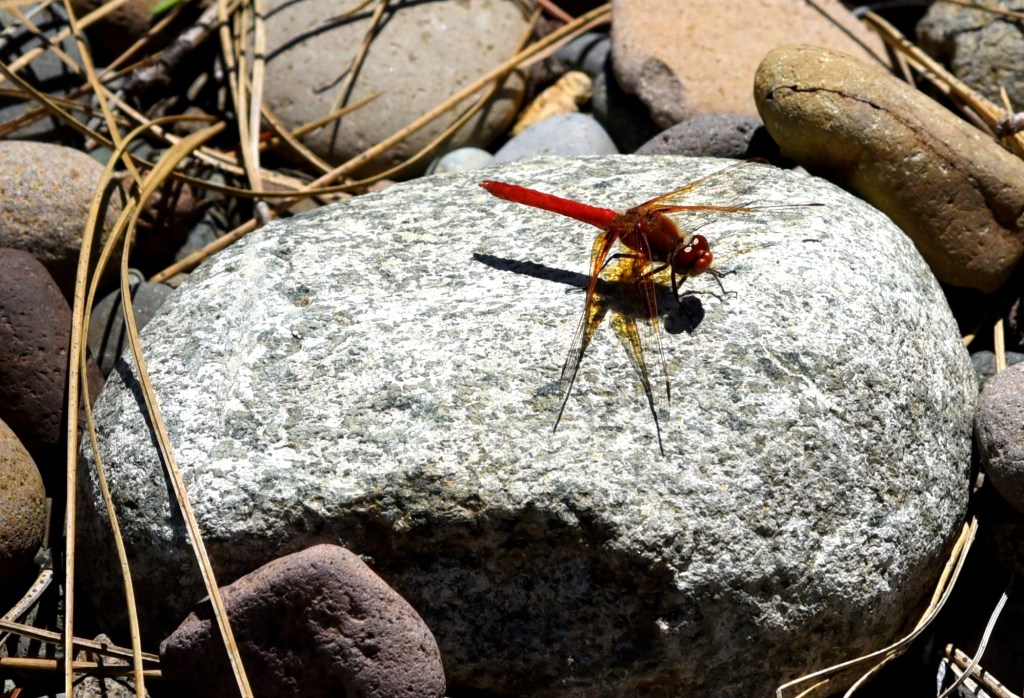
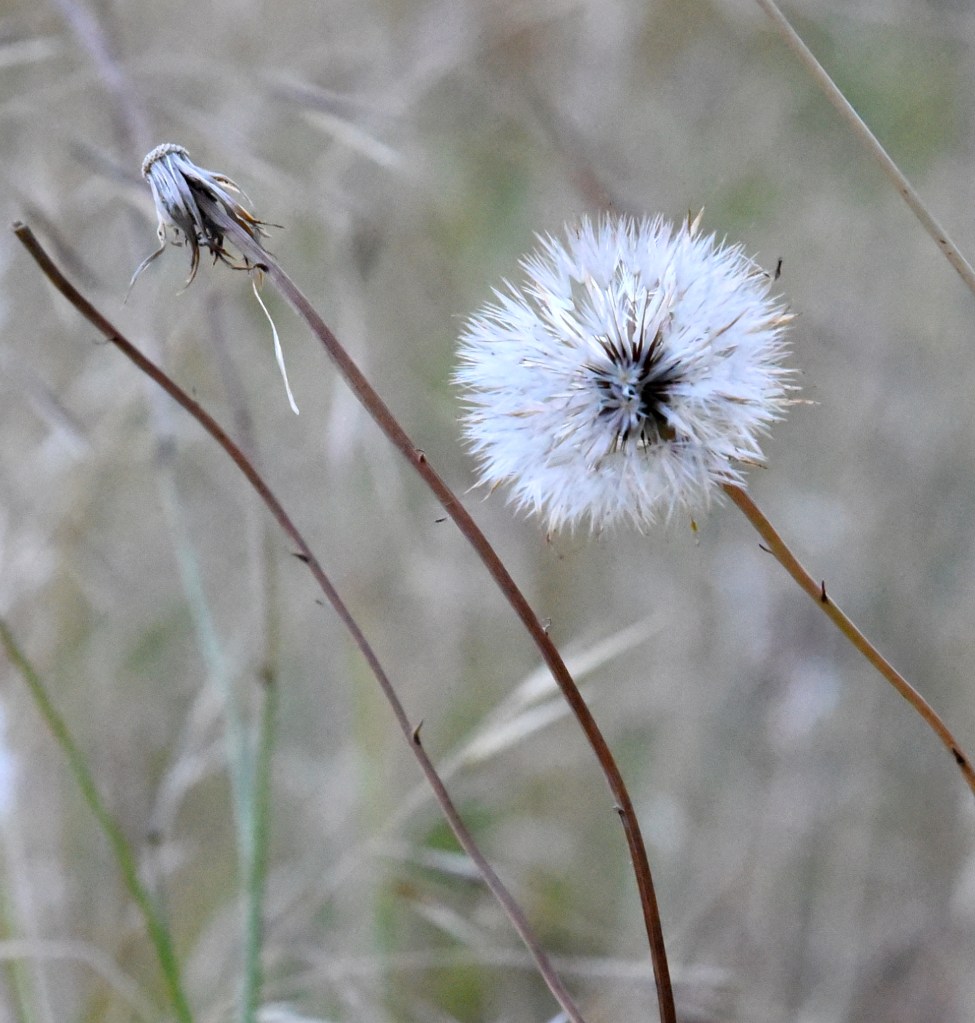
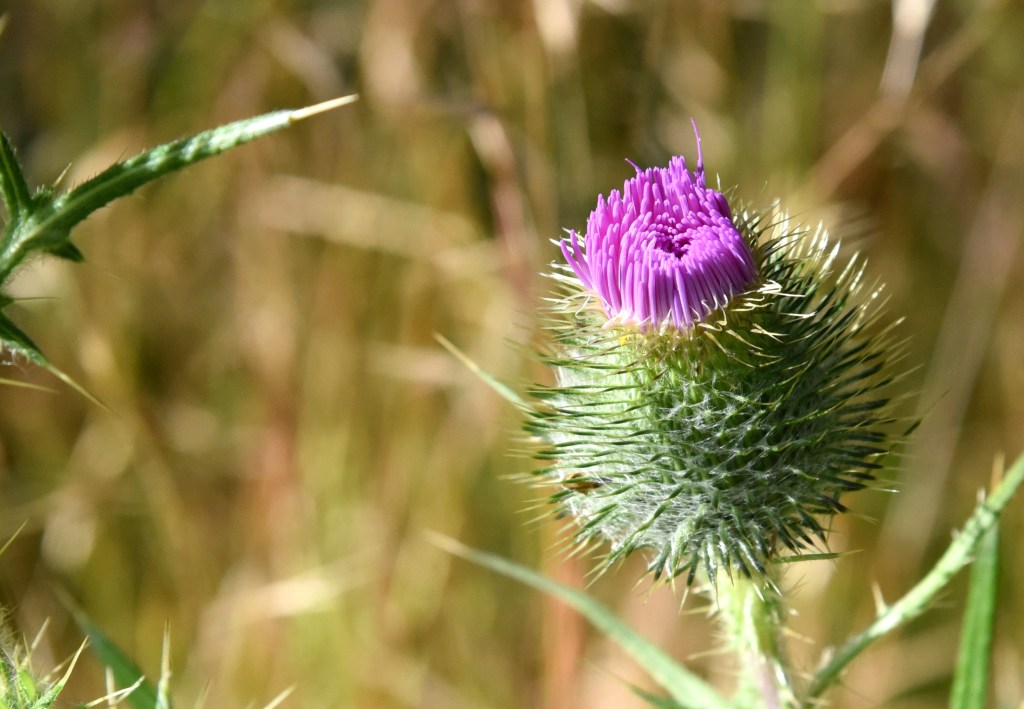
Another set sent to me by good friend Dan G.

oooo

oooo

oooo

oooo

oooo

oooo

This last one is just priceless!
As I’m sure you will all agree.
Dogs are animals of integrity. We have much to learn from them.
Category: Environment
Another set sent to me by good friend Dan G.

oooo

oooo

oooo

oooo

oooo

oooo

This last one is just priceless!
As I’m sure you will all agree.
More photographs from Neil Kelly.
(plus a few of my own!)
Couldn’t wait for a future picture parade to share these with you.
They are all of Dartmouth, Devon.

oooo

oooo

oooo

oooo

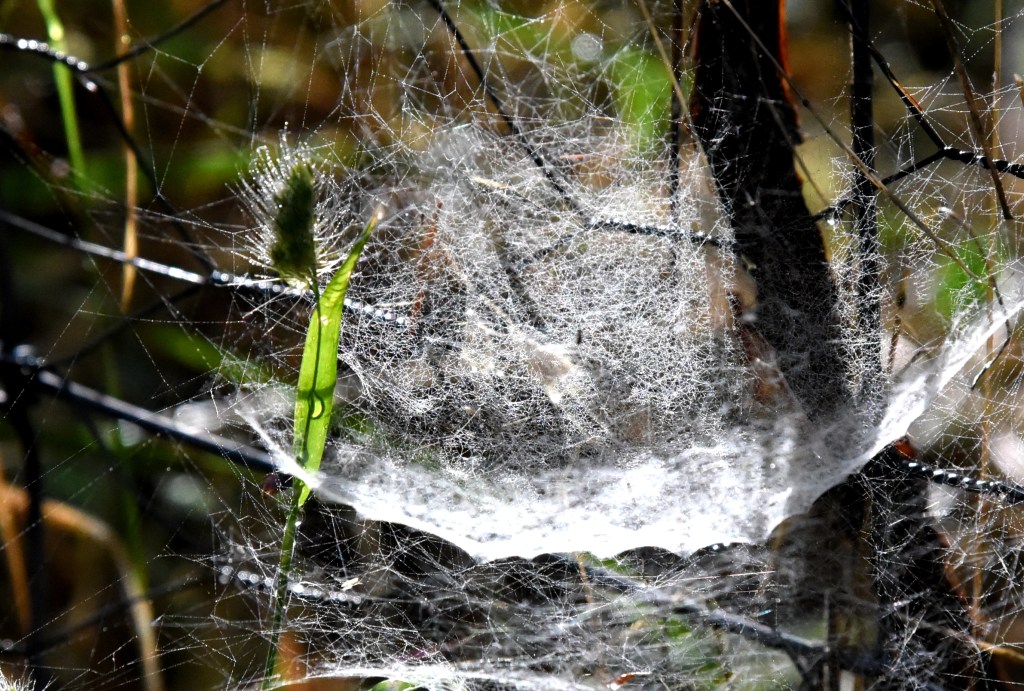
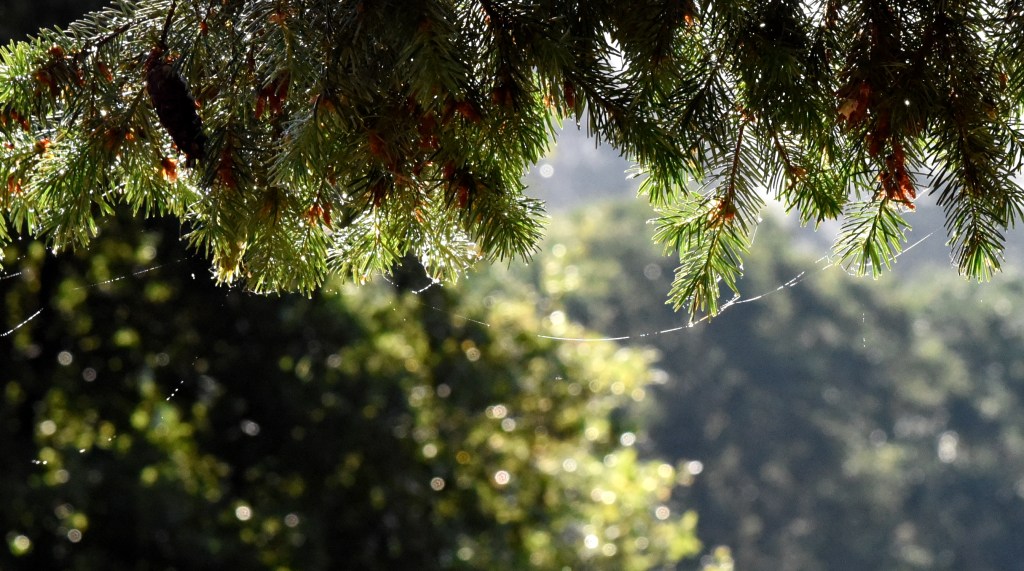
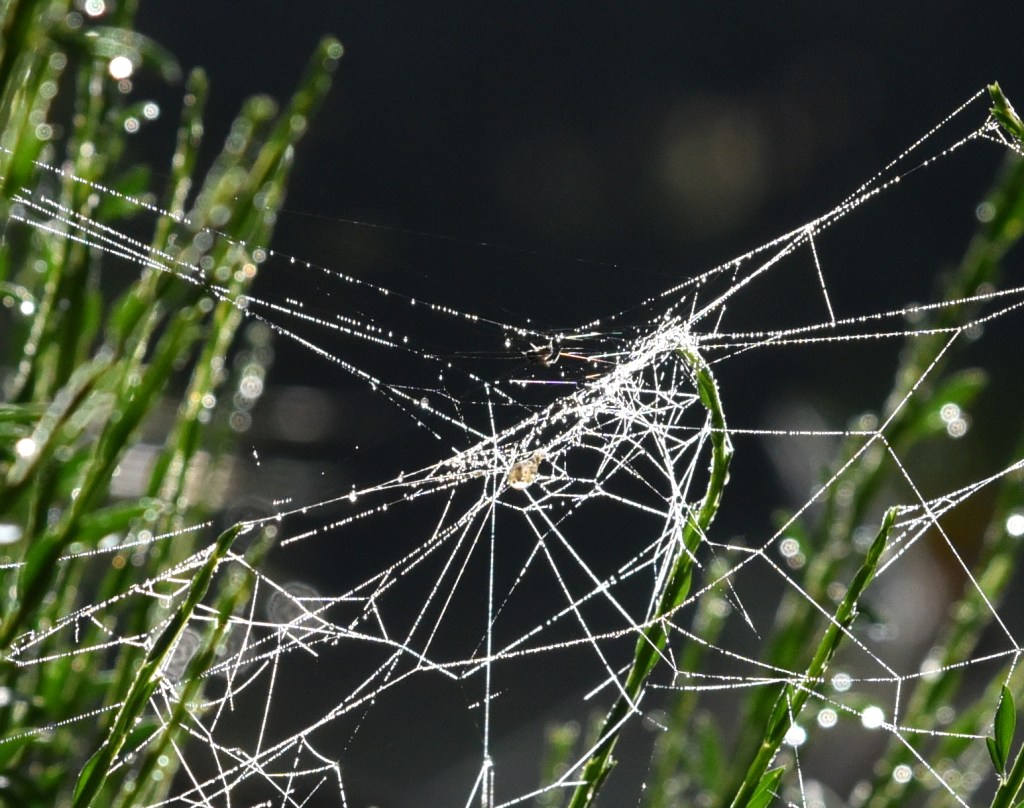
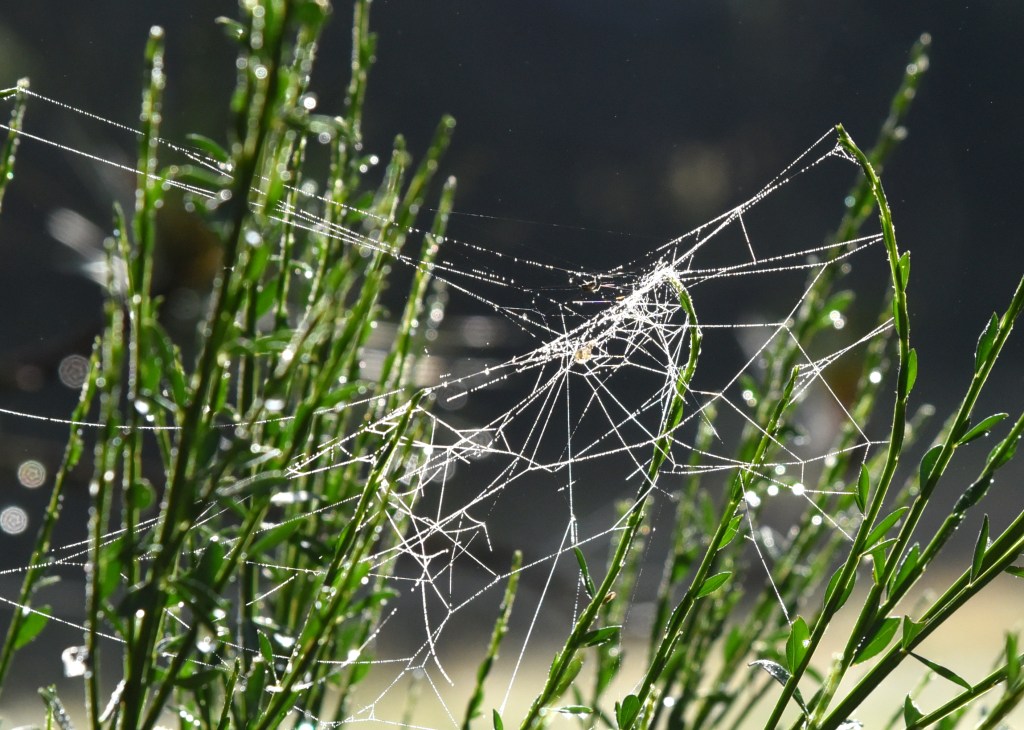
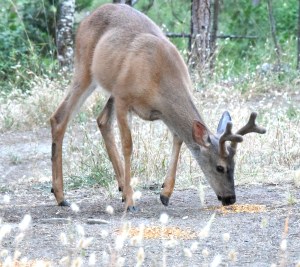
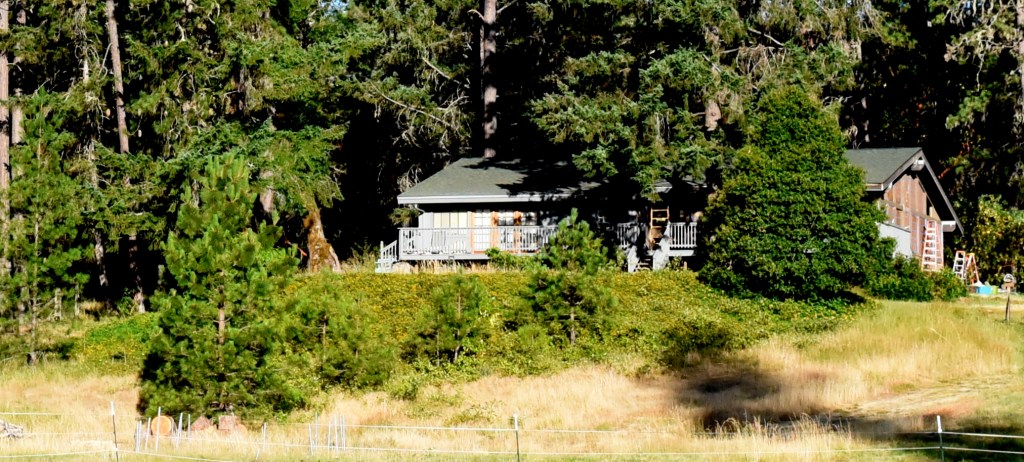
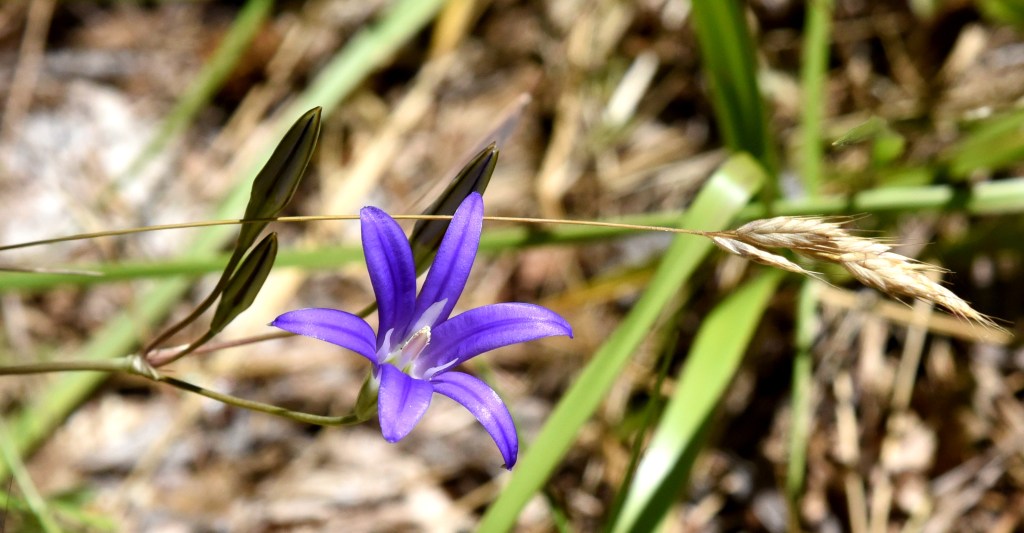
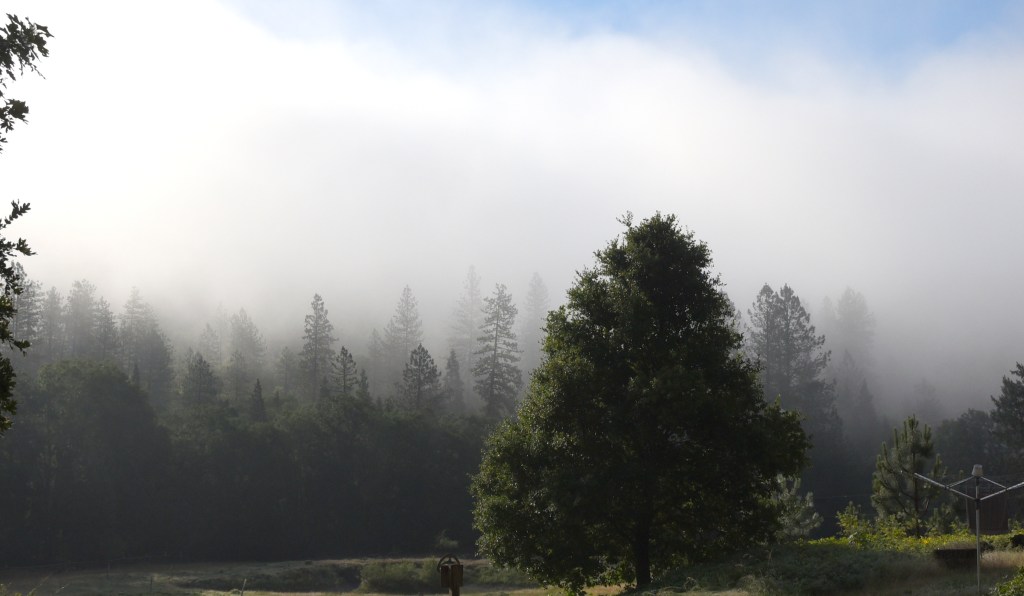
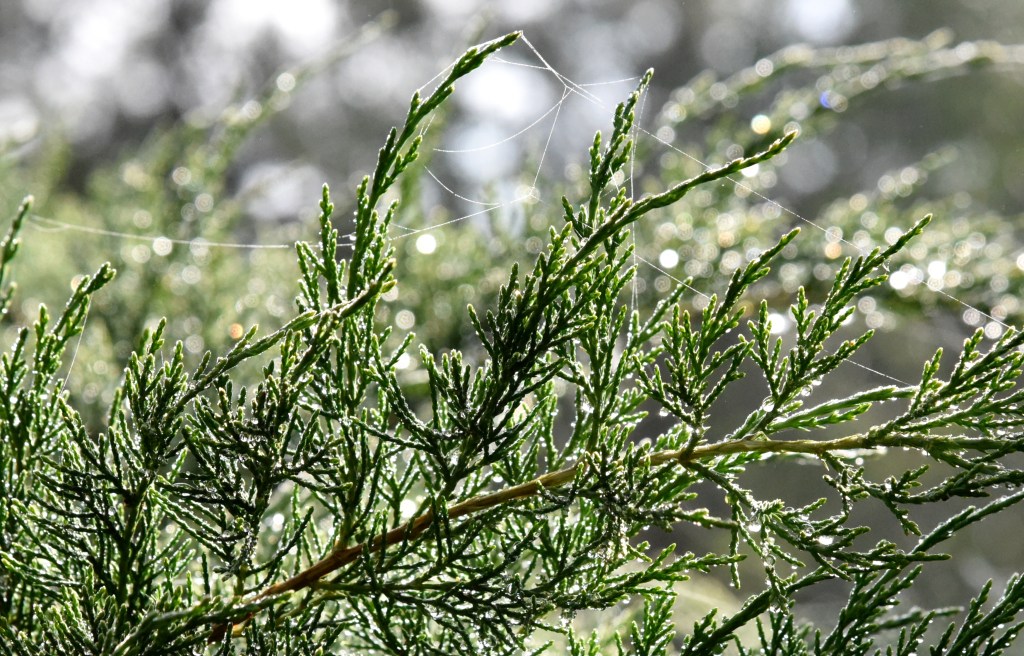
Now here’s a few taken around the home yesterday morning.

oooo

oooo

0000

oooo

Before we know it, it will be summer and all of this will be forgotten!
Here’s that article I wanted to share with you.
But then I got sucked back to memories of sailing!!
Oregon’s lighthouses as recently published over on Mother Nature Network!
ooOOoo
Yet there is more to Yaquina Head Lighthouse in Newport than these ghostly stories.

JAYMI HEIMBUCH February 16, 2018

On a scenic basalt rock headland that juts almost a mile into the Pacific Ocean stands a beautiful white lighthouse. At 93 feet tall, the Yaquina Head Lighthouse, located in Newport, Oregon, is the state’s tallest lighthouse. It’s been guiding ships for 145 years.
First lit on August 20, 1873, the lighthouse has gained quite the storied history. And that includes two ghost stories.

One tale tells of a construction worker helping to build the tower who fell to his death. His body lodged between the double walls, never to be retrieved. He — and his ghost — have been sealed in ever since.
The second story is that in the 1920s, Keeper Smith went into town and left Keeper Higgins in charge. But Higgins fell sick and asked Keeper Story to take over. When Smith saw from Newport that the lighthouse beacon wasn’t lit, he rushed back to find Higgins dead and Story drunk. Story, overtaken with guilt, feared the ghost of Higgins and from then on would take his bulldog up the tower with him.

As with most ghost stories, the authenticity of these is highly doubted. The first story is unauthenticated, and the second story is impossible. As Lighthouse Friends clarifies:
A great tale, but unfortunately not supported by the facts that Story and Higgins didn’t serve at the same time at Yaquina Head and Higgins didn’t meet his demise in the tower. Rather, Higgins left the Lighthouse Service before 1920 and returned to live with his mother in Portland. Second Assistant Keeper did die of a heart attack in the watchroom atop the tower in March 1921, but he too served before the arrival of Frank Story.

Fortunately, much more than ghosts can be seen at Yaquina Head Lighthouse. The lighthouse stands on what is now the Yaquina Head Outstanding Natural Area, one of the most spectacular
spots on the coast for viewing ocean wildlife such as sea birds and harbor seals at close range, as well as traipsing through tide pools at low tide. An interpretive center highlights information about these wild inhabitants and features exhibits on the historical details of the lighthouse.

The original oil-powered light has given way to an automated first-order Fresnel lens and a 1,000-watt globe. It flashes with its own specific pattern: two seconds on, two off, two on, and 14 off. The pattern is repeated around the clock.

While a little illumination causes the ghost stories to fade, visitors can still see a lot with a visit to Yaquina Head. Whether it’s grey whales at close range during their migration, or the sun setting over the ocean and silhouetting the tall structure, visitors are always happy they stopped to take in both the scene and the history of this special place.
ooOOoo
I really hope that despite the advance of digital GPS navigation systems it will still be a very long time before these magnificent lighthouses are turned off!
The last set of photographs that were sent to me by Graham.

oooo

oooo

oooo

oooo

oooo

oooo

These wonderful photographs are going to be a very hard act to follow. Thank goodness for Tanja Brandt!
Those inner voices inside our heads!
The photograph below is the yacht that I lived on for 5 years, from 1987 though to 1992. My base was Larnaca Marina in the Greek ‘sector’ of the Island of Cyprus although I cruised over much of the Mediterranean during the warm summer months. (Long-term readers, you poor souls, will realise that this isn’t the first time I have spoken of sailing and Tradewinds…)

As I explain over on my ‘author’s’ blog:
During this period Paul became much more aware of the importance of marketing strategy, becoming a Chartered Member of the British Institute of Marketing, and the raft of competencies that deliver entrepreneurial success. In 1986, Paul accepted an offer to sell the Dataview group of companies. (Regrettably, this period also saw the failure of Paul’s marriage to Britta and their subsequent divorce.)
Again, chance intervened in that an Autumn vacation in 1986 to Larnaca in Cyprus resulted in Paul meeting a couple who wanted to sell their yacht, a Tradewind 33, and return to England. Thus very early in 1987, Paul left Essex and became a full-time ‘yachtie’ living on that Tradewind Songbird of Kent in Larnaca marina. Paul was then exposed to the life of an ocean-going sailor returning to Plymouth, Devon via The Azores onboard Songbird of Kent in 1992.
I purchased this Tradewind 33, designed by Englishman John Rock by the way, because somewhere in my soul was a dream to do some solo ocean sailing. Probably inspired by reading too many books written by famous British solo yacht-persons. Such as Robin Knox-Johnston, Chay Blyth, Naomi James, Ellen MacArthur, Pete Goss and the king of them all: Sir Francis Chichester who was the first person ever to sail around the world single-handed.
But it remained a dream for almost all those 5 years. Reason? Because at the start of the summer cruising period each year I slipped out of Larnaca and sailed along the southern coast of Cyprus, up the Western coast and then the open sea crossing to a nearby Turkish harbour, such as Anamur or Alanya. At the end of the summer I would repeat the solo trip in reverse. But I still haven’t said what the core reason was for not being braver and planning a solo ocean voyage.
Because that sailing voyage twice a year, that took me about four days to accomplish, and was undertaken alone, really scared me. I mean scared with a capital ‘S’! For it was impossible to accomplish without many hours of solo sailing at night!
Fast forward a number of years and one day, when I was living on Songbird at Larnaca Marina into the vacant berth next to me came a new visitor to Cyprus. His name was Les Powells and he very quickly explained that he was on his way back to England on his third solo circumnavigation of the world!
Inevitably Les and I got chatting over a couple of beers during our evenings together and Les asked me about my sailing ambitions noting that I lived on a yacht that most people purchased for ocean sailing purposes.
I explained my miserable experiences each year going to and fro between Cyprus and Turkey.
Les heard me out and then threw his head back and roared with laughter.
“Paul, what you are experiencing is the adjustment from a land-based life, as in living here in Larnaca, to a water-based life.
I suffer just the same adjustment stress as you have detailed.”
My face conveyed both my amazement and my yearning to learn more.
“Yes, Paul, every time I go to sea solo the first three or four days are hell! I hate them! I only stick with it because there is always a point, (Les really emphasised the word always) usually under a glorious night sky, when I truly become attuned to the life of a solo yachtsman far out from the nearest land and wouldn’t swap it for anything”
“You have to trust this and set out on a solo voyage of more than, preferably much more than, four days sailing.”
Thus in time that’s what happened.
In the Autumn of 1972 I returned to Plymouth in England, via the Azores, sailing solo on Songbird of Kent. Indeed, I was going to republish an article about lighthouses in Oregon but I’m changing tack in mid-stream; so to speak!
I am going to close today’s post by republishing an experience of being alone on the Atlantic Ocean that first graced these blog pages in October 2015. Lighthouses will have to wait.
ooOOoo
There is a place in my mind to which I can so easily travel; a memory of a dark night out in the Atlantic. But first let me set the scene from almost fifty years ago.
The call of the open ocean
Those first few hours were utterly absorbing as I went through the whole business of clearing the yacht harbour at Gibraltar and heading out to the South-West hugging this unfamiliar coastline of Southern Spain. It was tempting to move out to deeper waters but the almost constant flow of large ships through the Straights of Gibraltar soon quashed that idea. Thankfully, the coastal winds were favourable for me and my single-masted sailing yacht.
After such a long time sailing in the relatively confined waters of the Mediterranean, it was difficult for me to imagine that in a few hours time the southern-most point of Spain would pass me by and the vastness of the Atlantic ocean would be my home for the next few weeks.
Soon the city of Tarifa was past my starboard beam and the Spanish coastline was rapidly disappearing away to the North-West. The horizon ahead of me was already approaching 180 degrees of raw, open ocean. There was just a flicker of a thought that whispered across my mind: “Oh Paul, what have you gone and done” as slowly but persistently the coastlines of Spain to the North and of Africa to the South became more and more distant and fuzzy. It was at 15:30 that I made an entry in my yacht’s log: “No land in sight in any direction!”
Now was the time to make sure that my bunk was made up, flashlights to hand, and my alarm clock ready and set. Alarm clock? Set to go off every twenty minutes during the night! For this was the only way to protect me and my yacht from being hit by one of those gigantic container ships that seemed to be everywhere. It took at least twenty minutes from the moment a ship’s steaming lights appeared above the horizon to crossing one’s path!
It was in the early hours of my first morning alone at sea, when once again the alarm clock had woken me and I was looking around an ocean without a single ship’s light to be seen that more of Les’ words came to me. I remembered asking Les: “What’s the appeal of sailing?” Les replied without a moment’s hesitation: “It’s the solitude. When you’re out at sea on your own, there’s no government or bankers to worry about. You’re not responsible to anyone but yourself.”
Yes, I could sense the solitude that was all around me but it was an intellectual sense not an emotional one. That would come later. Inside, I was still afraid of what I had let myself in for.
Remarkably quickly however, the pattern of solo life aboard a thirty-three-foot yacht became my world. Frankly, it staggered me as to how busy were my days. Feeding myself, navigating, trying to forecast the winds, staying in touch with other yachties via the short-wave radio, keeping the boat tidy and a zillion other tasks meant the first few days and nights just slipped by.
But it was a sight on my fourth night at sea that created the memory that would turn out to remain with me for all my life. The memory that I can go to anytime in my mind.
That fourth night I was already well into the routine of waking to the alarm clock, clipping on my harness as I climbed up the three steps that took me from my cabin into the cockpit, scanning the horizon with my eyes, checking that the self-steering had the boat at the correct angle to the wind and then, if no ships’ lights had been seen, slipping back down into my bunk and sleeping for another twenty minutes. Remarkably, I was not suffering from any long-term tiredness during the day.
It was a little after 3am that fourth night when the alarm clock had me back up in the cockpit once again. Then it struck me.
Songbird was sailing beautifully. There was a steady wind of around ten knots from the south-east, almost a swell-free ocean, and everything set perfectly. Not a sign of any ship in any direction.
Then I lifted my eyes upwards. There was not a cloud in the night sky, not a single wisp of mist to dim a single one of the million or more stars that were above my head. For on this dark, moonless night, so far removed from any shore-based light pollution, the vastness, yet closeness of the heavens above was simply breath-taking. I was transfixed. Utterly unable to make any rational sense of this night splendour that glittered in every direction in which I gazed. This dome that represented a vastness beyond any meaning other than a reminder of the magic of the universe.
This magic of the heavens above me that came down to touch the horizon in all directions. Such a rare sight to see the twinkling of stars almost touching the starkness of the ocean’s horizon at night. A total marriage of this one planet with the vastness of outer space.
I heard the alarm clock go off again and again next to my bunk down below. But I remained transfixed until there was a very soft lightening of the skyline to the east that announced that another dawn was on its way.
I would never again look up at the stars in a night sky without being transported back to that wonderful night and the memory of a lonely sea and sky.
ooOOoo
Dear, dear Les is still alive and still living on his yacht Solitaire in an English marina. A very close mutual friend, Bob Derham, arranges to visit Les on a very regular basis and take him out for shopping trips and a leisurely pub lunch.
Bob follows this blog and I hope will have the chance to read out today’s post to Les. For my closing sentence is directed to Les, and Les alone: “Dear Les, thank you from the bottom of my heart for the gift you gave me. For it is a rare night when here in rural Oregon when I go outside at the end of the evening and above my head is a clear, black night sky, full of stars, that I am not transported back to that night alone in the Atlantic ocean. I am still rendered speechless in awe of such night skies.”
The deep, dark, wonderful mists of the mind!
The penultimate set of photos that came via Graham.

oooo

oooo

oooo

oooo

oooo

The last set of these breath-taking images in a week’s time.
You all take care of yourselves out there!
Wherever you are in the world, are you able to participate in this?
As first seen on the EarthSky site.
ooOOoo
By Deanna Conners in EARTH | HUMAN WORLD February 9, 2018
Scientists need your help counting birds for the 21st annual Great Backyard Bird Count. It is free and easy to participate. Find out how here.

The annual Great Backyard Bird Count, now in its 21st year, is set to take place February 16 to 19, 2018. During this popular citizen science event, people from all over the world head outdoors to count birds and the data are used by scientists to track the health of bird populations.
Gary Langham, Chief Scientist at the National Audubon Society, commented on the Great Backyard Bird Count on Audubon’s website. He said:
This count is so fun because anyone can take part—we all learn and watch birds together—whether you are an expert, novice, or feeder watcher. I like to invite new birders to join me and share the experience. Get involved, invite your friends, and see how your favorite spot stacks up.
The 2017 count was a huge success. Over 200,000 people participated from around the world, and they submitted a record number of checklists. A total of 6,259 bird species were spotted during the event, which was the highest number ever recorded over the 20-year history of the count. This number represents more than half of all known bird species on Earth!

Participating in the 2018 Great Backyard Bird Count involves three easy steps.
First, register with your name on the event’s website at the link here. Registration is free. This website has a ton of useful information about birds and the upcoming bird count.
Second, spend some time counting birds on the weekend of the event at the location of your choice, such as your backyard or a local park. The minimum amount of time required is 15 minutes, but you can count for longer if you wish. During your count, simply record the start and end time, location, and number and types of birds that you see. You can perform counts in multiple locations too. Just be sure to submit separate checklists for each location.
Not to worry if you can’t identify the birds you see at first. Just take good notes about their prominent features, for example, size, shape, color, and unusual markings, or you can try to snap a close-up picture. Then, you can use a bird guide to look them up later. All About Birds and What Bird are two good online bird identification guides that are free and easy to use. Additionally, the free Merlin Bird ID App can be downloaded to your smartphone and used offline. Merlin will ask you five simple questions about the bird you are trying to identify and suggest matches for you—you can even upload a picture to Merlin and let the app try to identify it.
The third and last step involves uploading your data to the event’s website. This step usually only takes a few minutes to complete. While you’re visiting the website, check out the live map that displays dots in the various locations where people have uploaded a checklist. It’s fun to watch the data pour in from all over the world.
As an added bonus, there is a photo contest for those who want to submit pictures of the birds that they see during the event. You can even submit photos of yourself watching the birds. Hence, don’t forget your binoculars. If you do shoot some good photos, please share them with EarthSky too. We love birding photos!

Use the hashtag #GBBC to follow Great Backyard Bird Count conversations on Twitter and Facebook.
The first annual Great Backyard Bird Count was held in 1998, and the event has continued to grow year after year. Hopefully, 2018 will be another record breaker.
The Great Backyard Bird Count is a collaborative project of the Cornell Lab of Ornithology, National Audubon Society, and Bird Studies Canada.
Bottom line: The annual Great Backyard Bird Count runs from February 16 to 19, 2018. This popular citizen science project helps scientists keep track of the health of bird populations. Participating is free and easy, so why not give it a try?
ooOOoo
So, once again, the Bird Count starts on this coming Friday, the 16th, and runs through to the end of next Monday, the 19th.
Do please join Jean and me and many thousands of others in this very important survey.
Still staying with Graham.
Simply because so many of you just loved the photographs.

oooo

oooo

oooo

oooo

oooo

oooo

There are sufficient of those incredible photographs that came via Graham to last another two Sundays!
Yet more incredible photographs.
Will simply repeat what I wrote last Sunday:
But these are not from Tanja but from Graham; an online friend back in England. When I queried about republishing them here Graham simply said that they came to him when he was just “doing the rounds”. So, hopefully, publishing them in this place is not trampling on the photographer’s copyrights. If this does represent a copyright infringement then the particular photograph will be removed immediately – just let me know!

oooo

oooo

oooo

oooo

oooo

oooo

oooo

You all have a very good week!
Once again, thank you Graham for sending these to me.
More incredible photographs.
But these are not from Tanja but from Graham; an online friend back in England. When I queried about republishing them here Graham simply said that they came to him when he was just “doing the rounds”. So, hopefully, publishing them in this place is not trampling on the photographer’s copyrights. If this does represent a copyright infringement then the particular photograph will be removed immediately – just let me know!

oooo

oooo

oooo

oooo

oooo

oooo

oooo

Stunning! Hopefully more of these photographs in a week’s time. Thanks Graham!