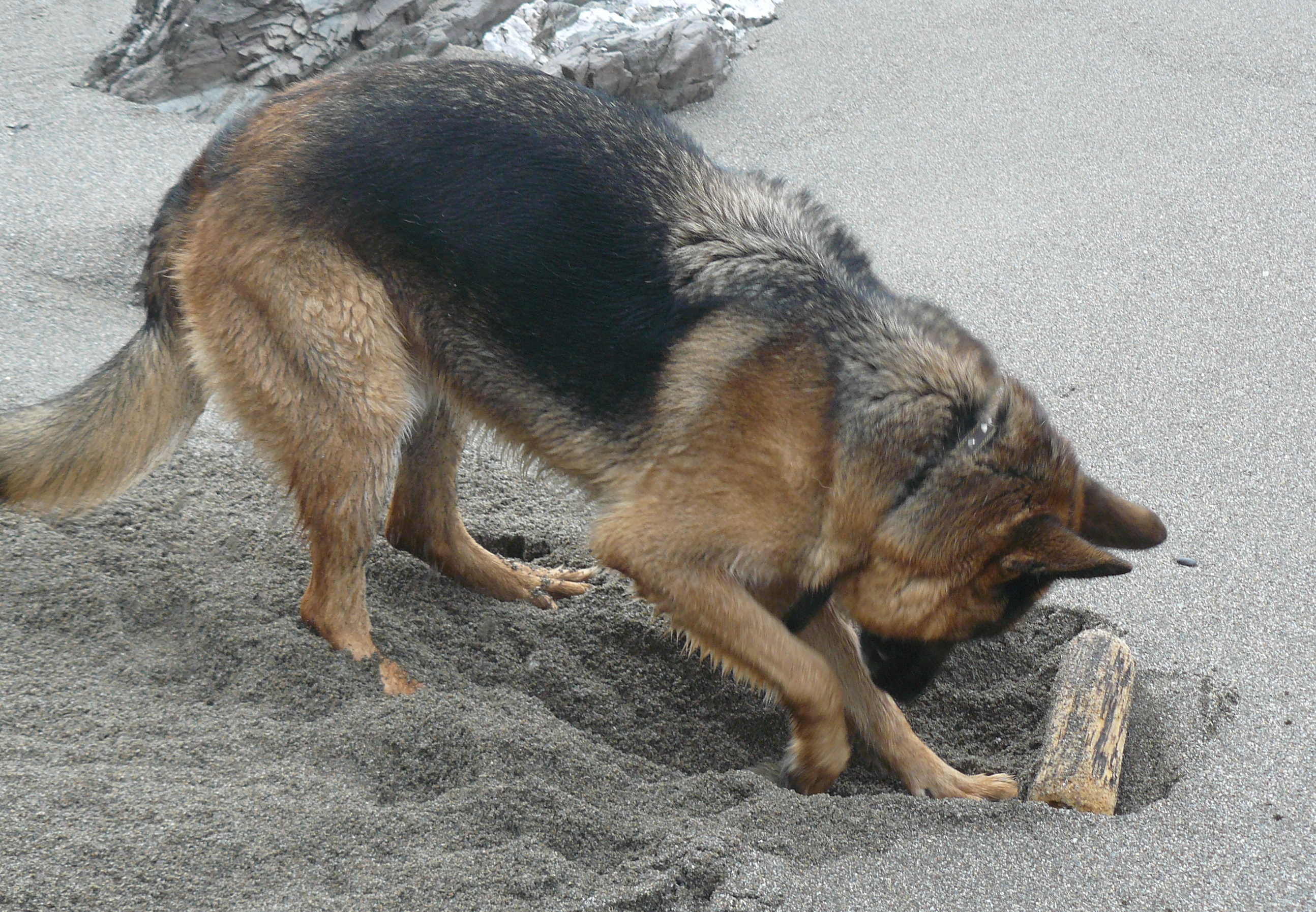
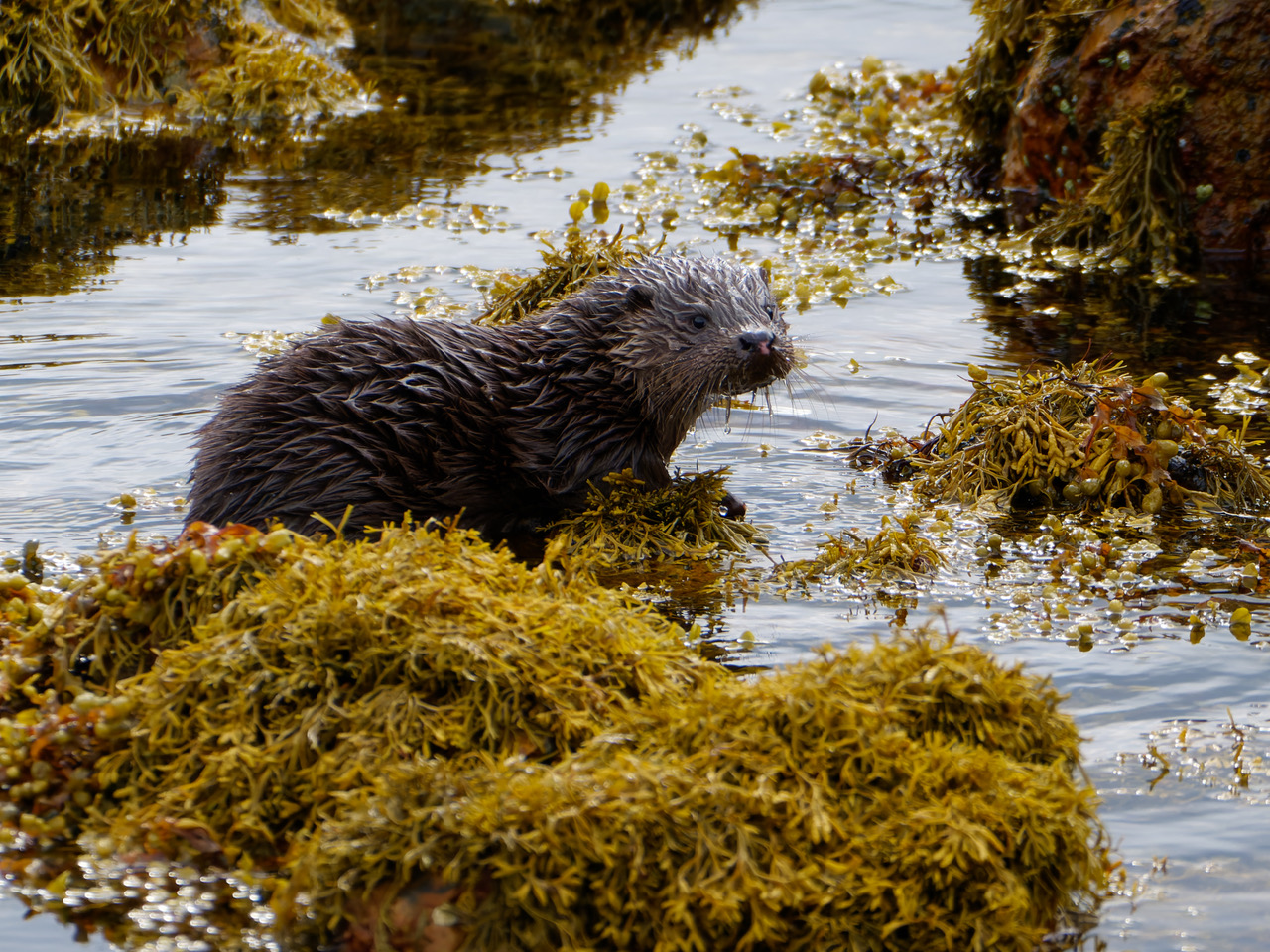
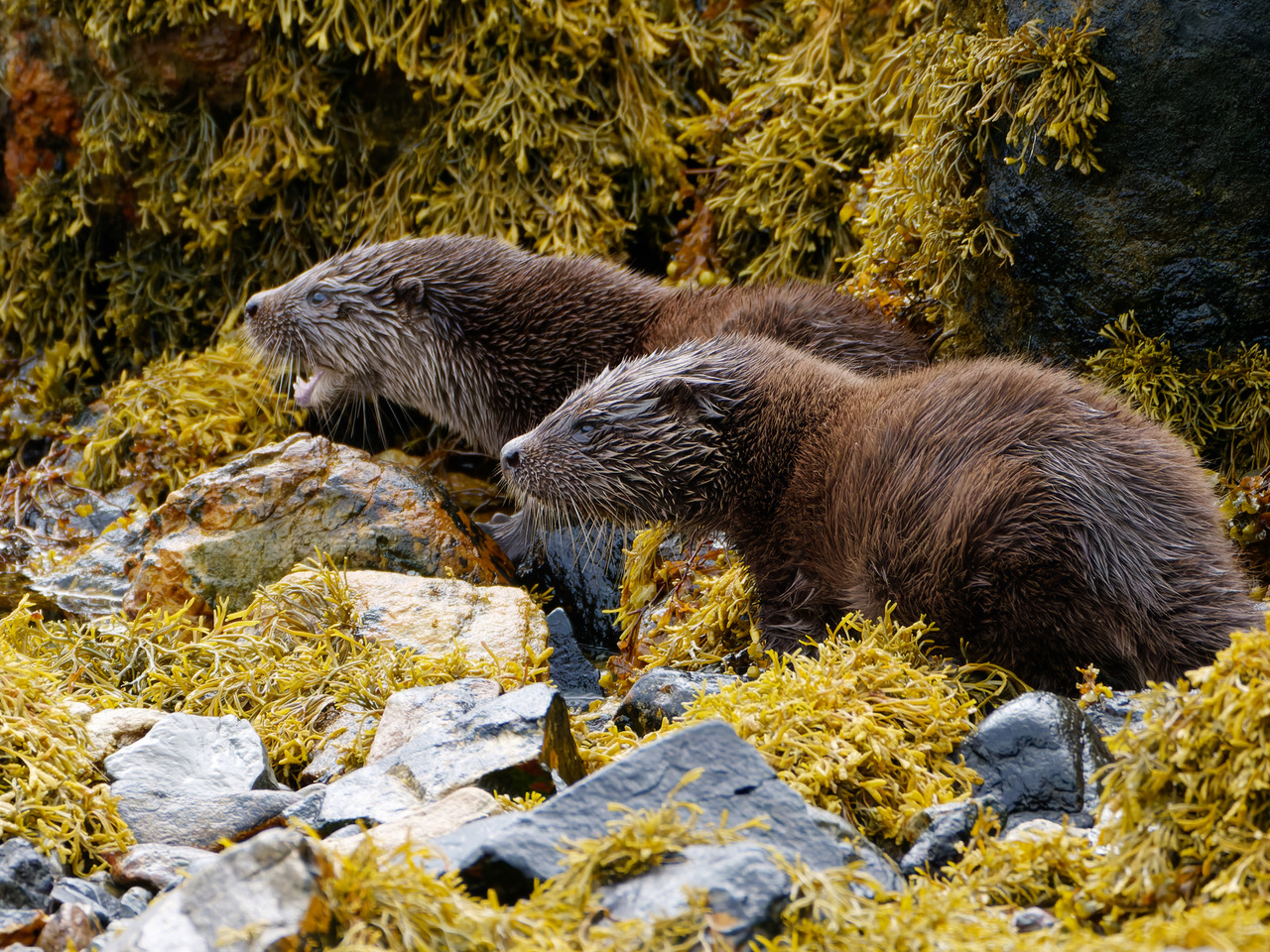
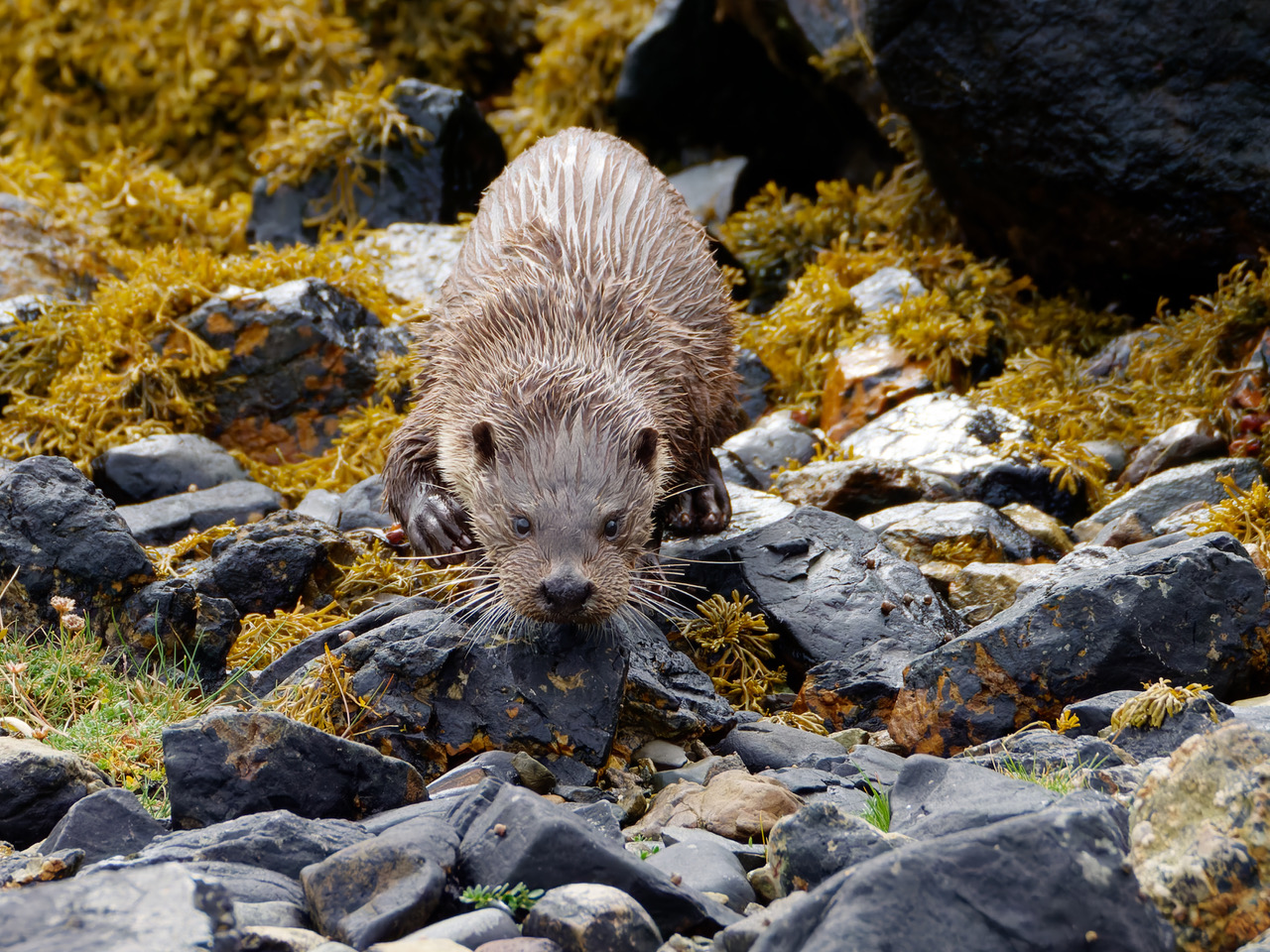
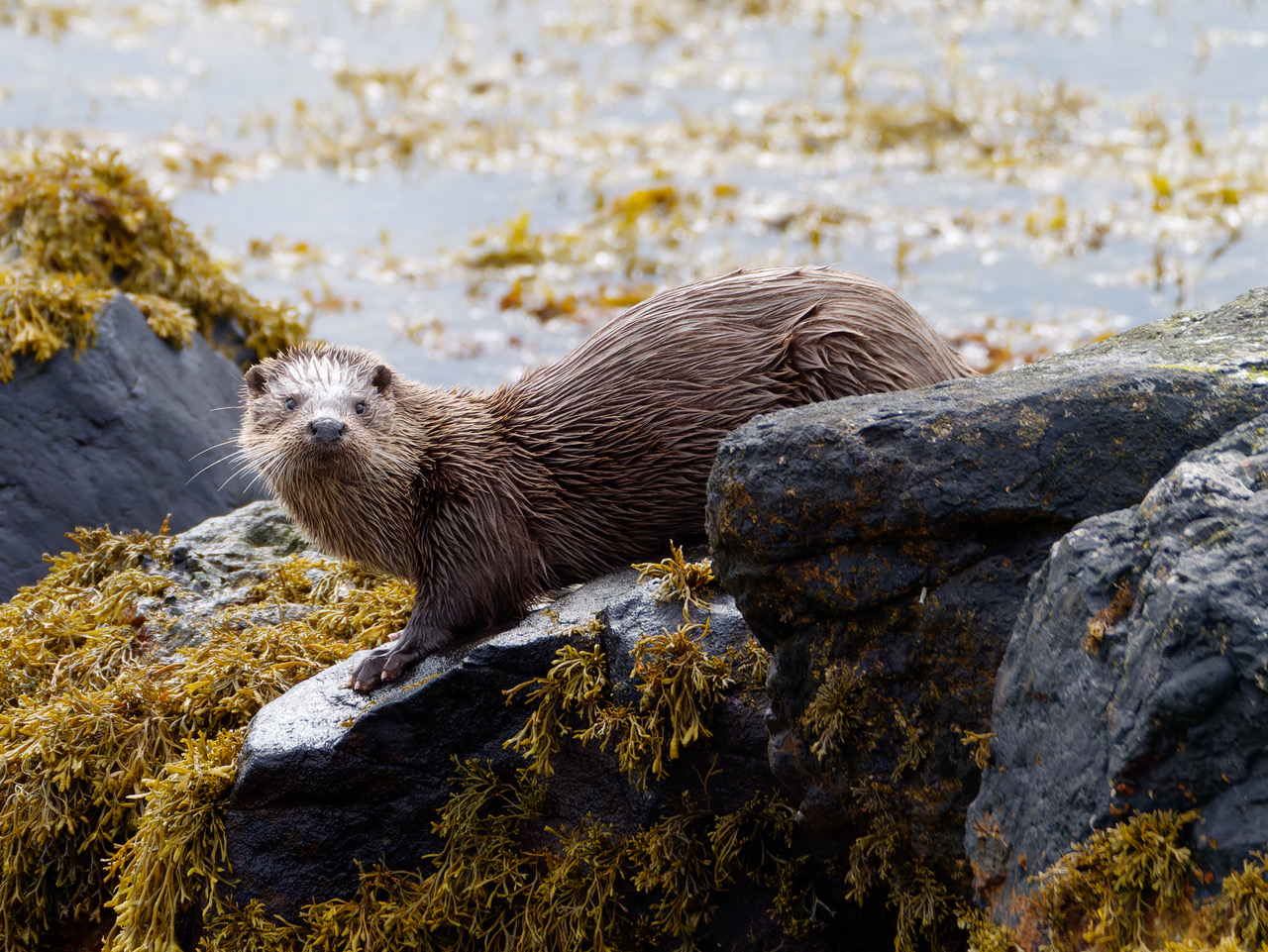
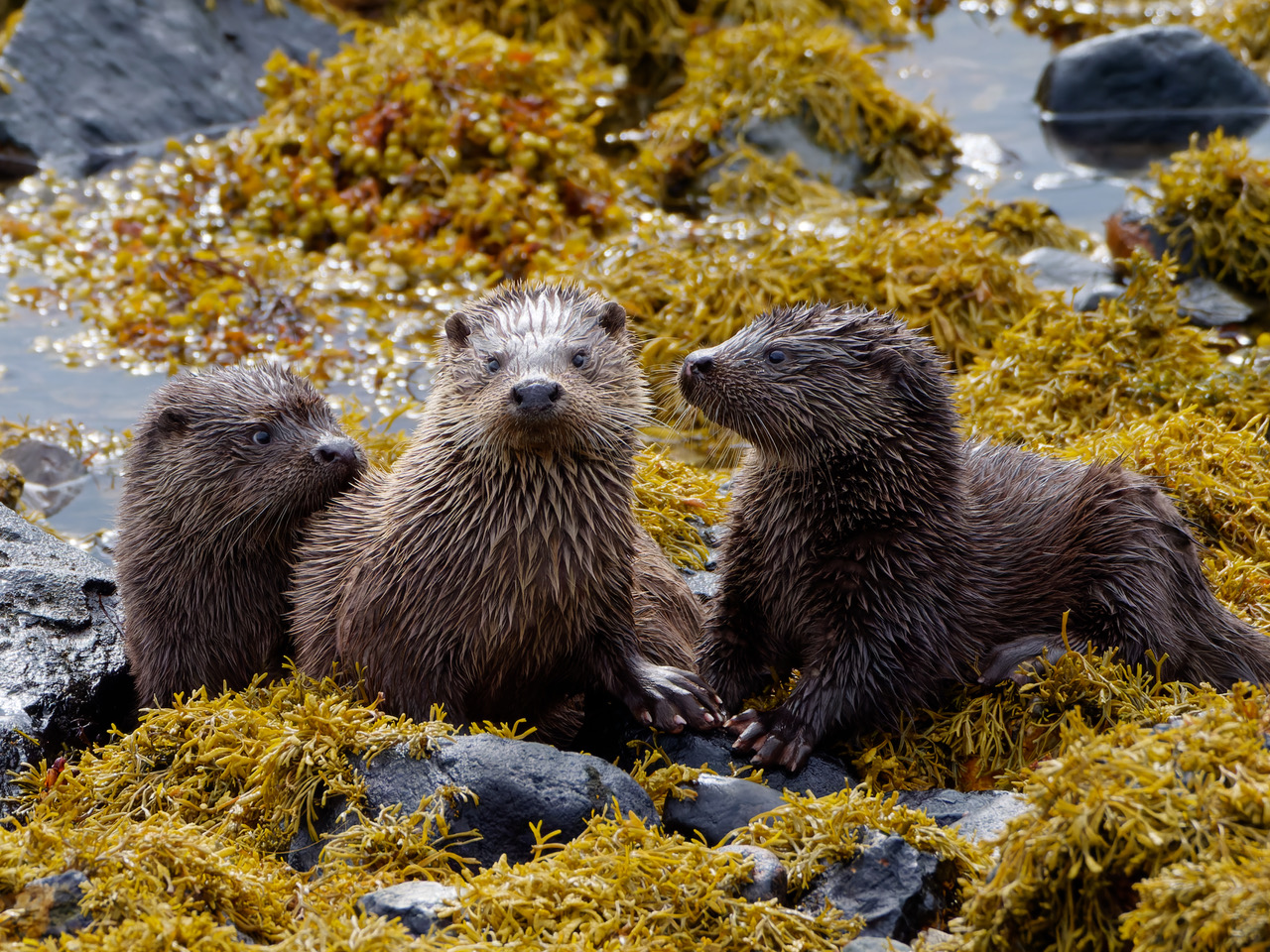
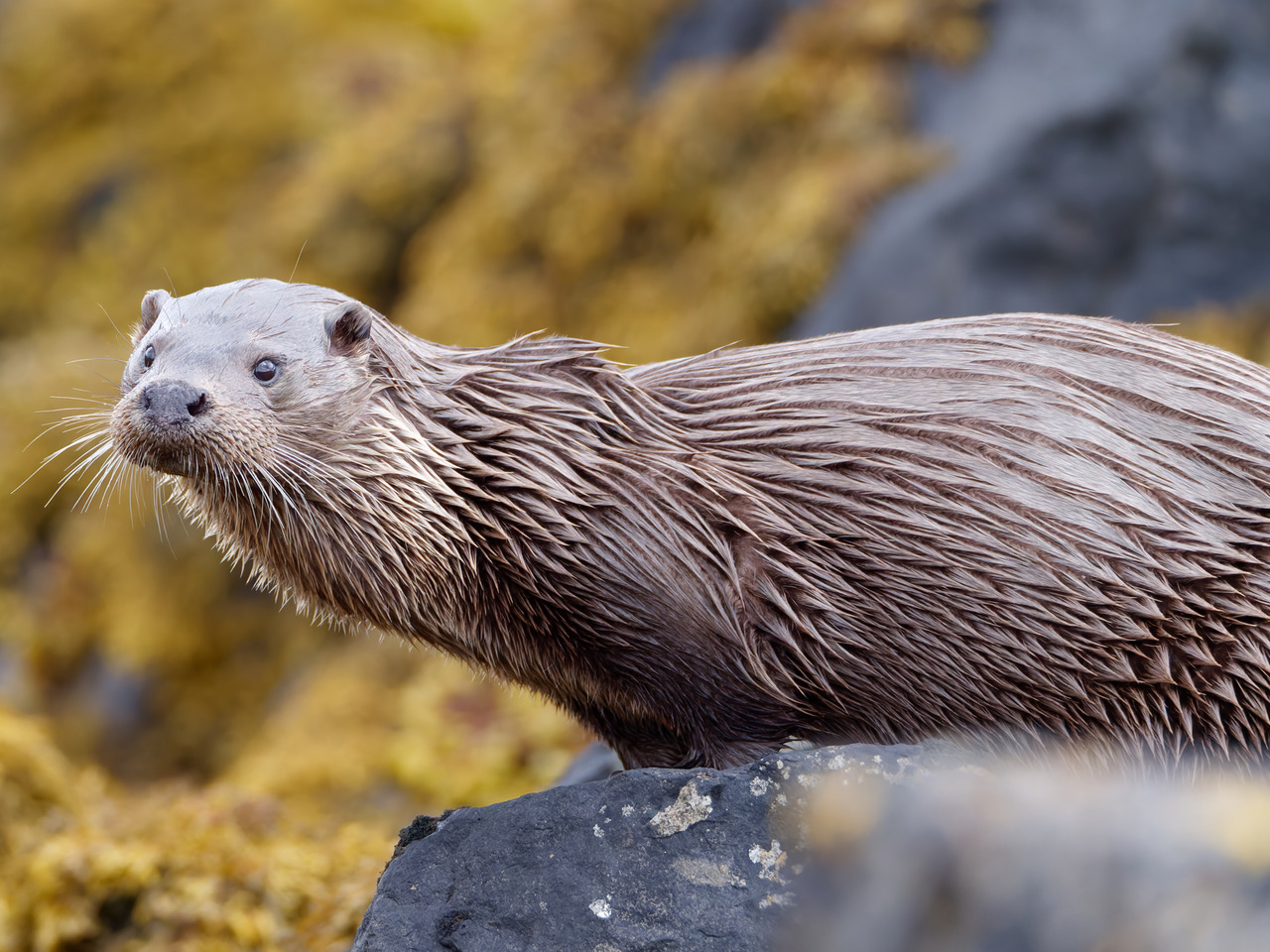
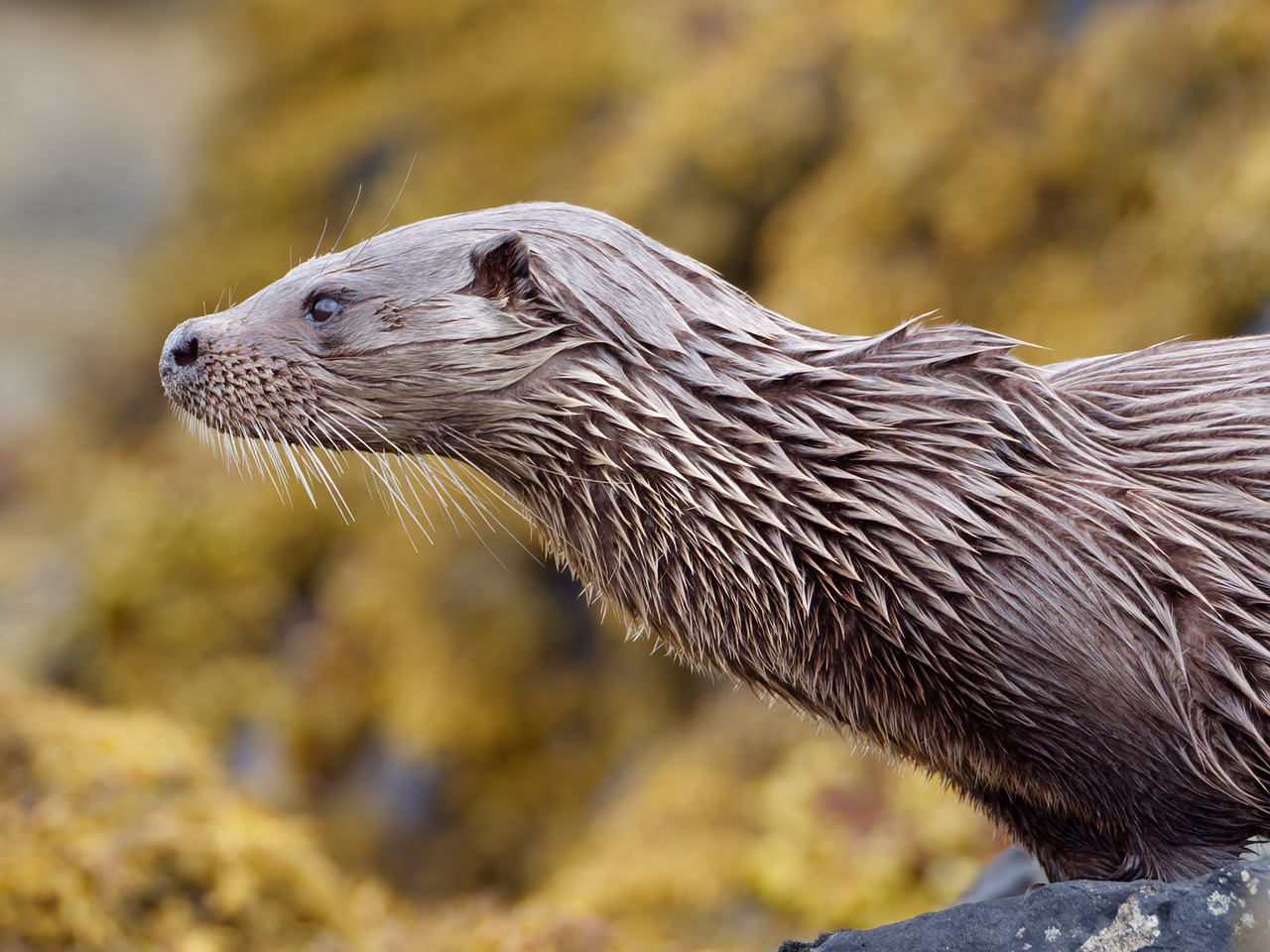
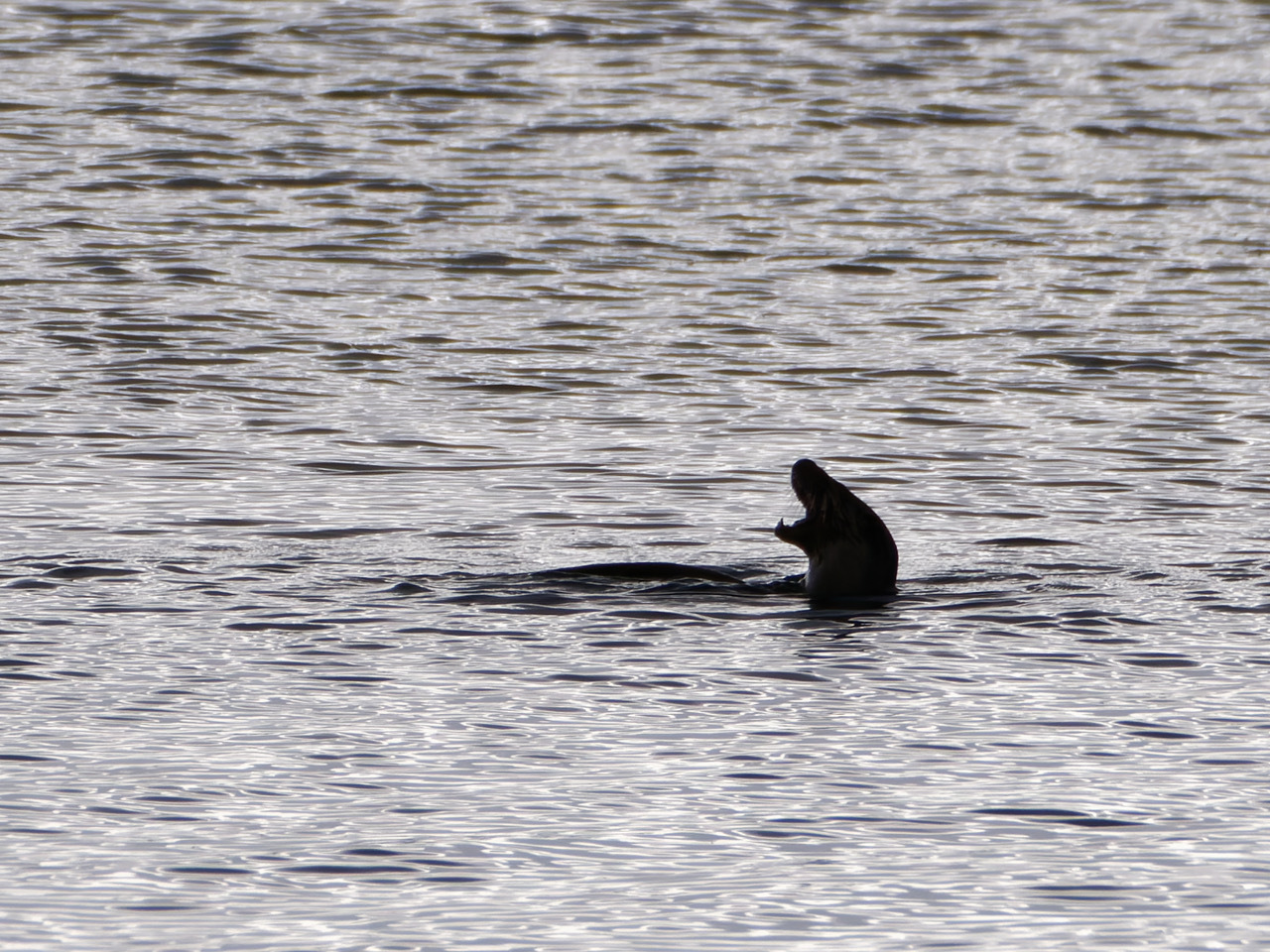
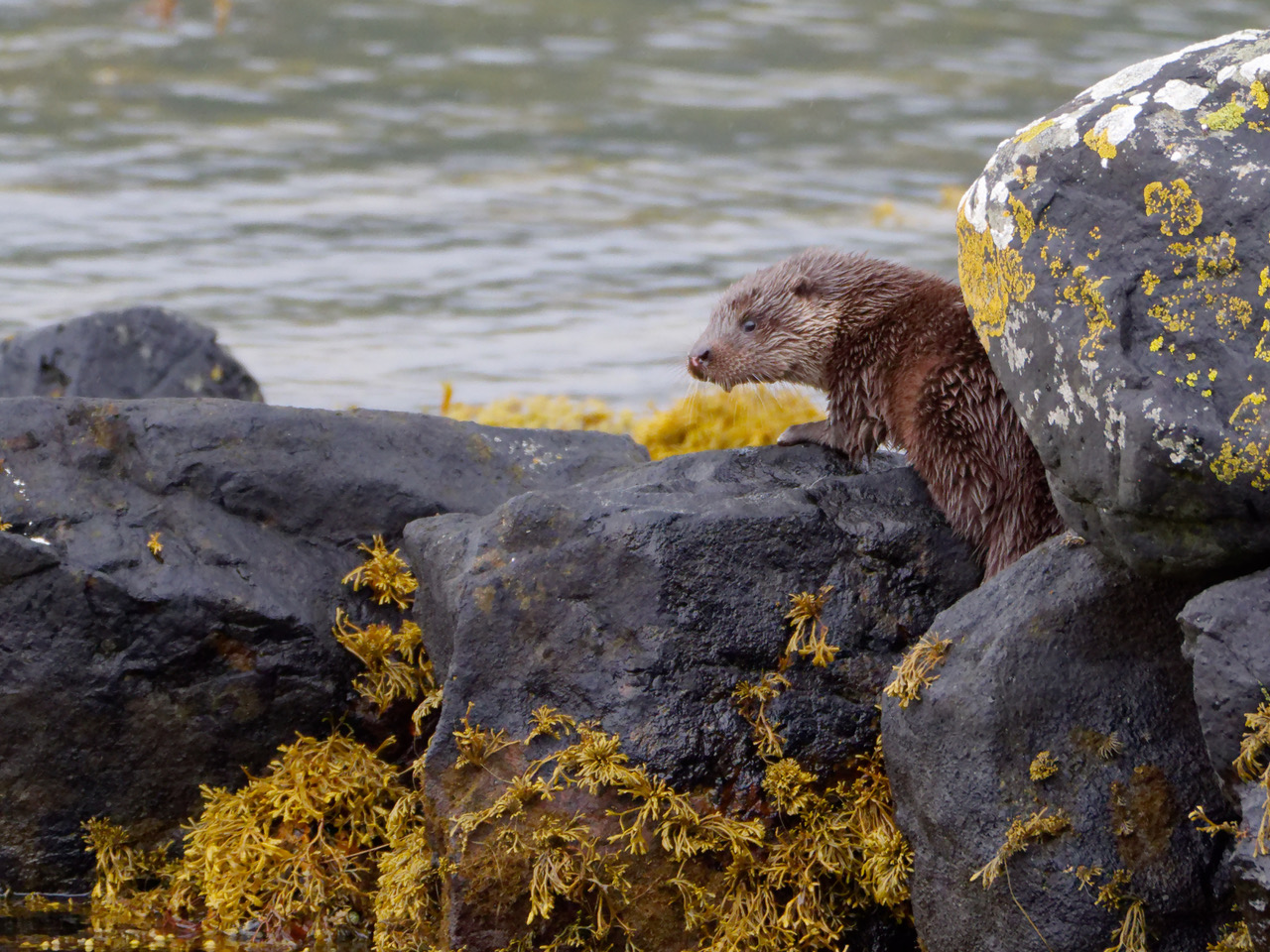
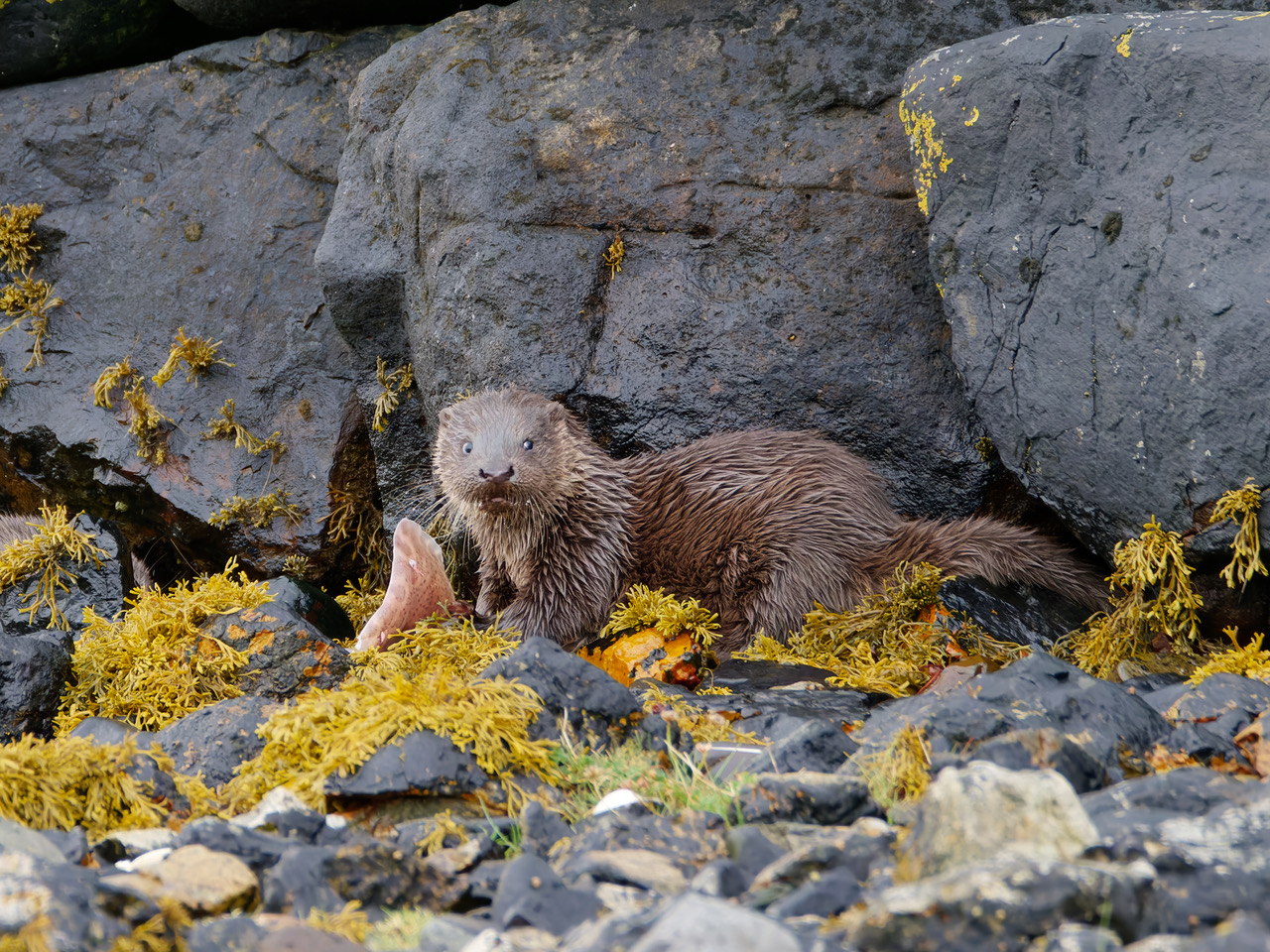
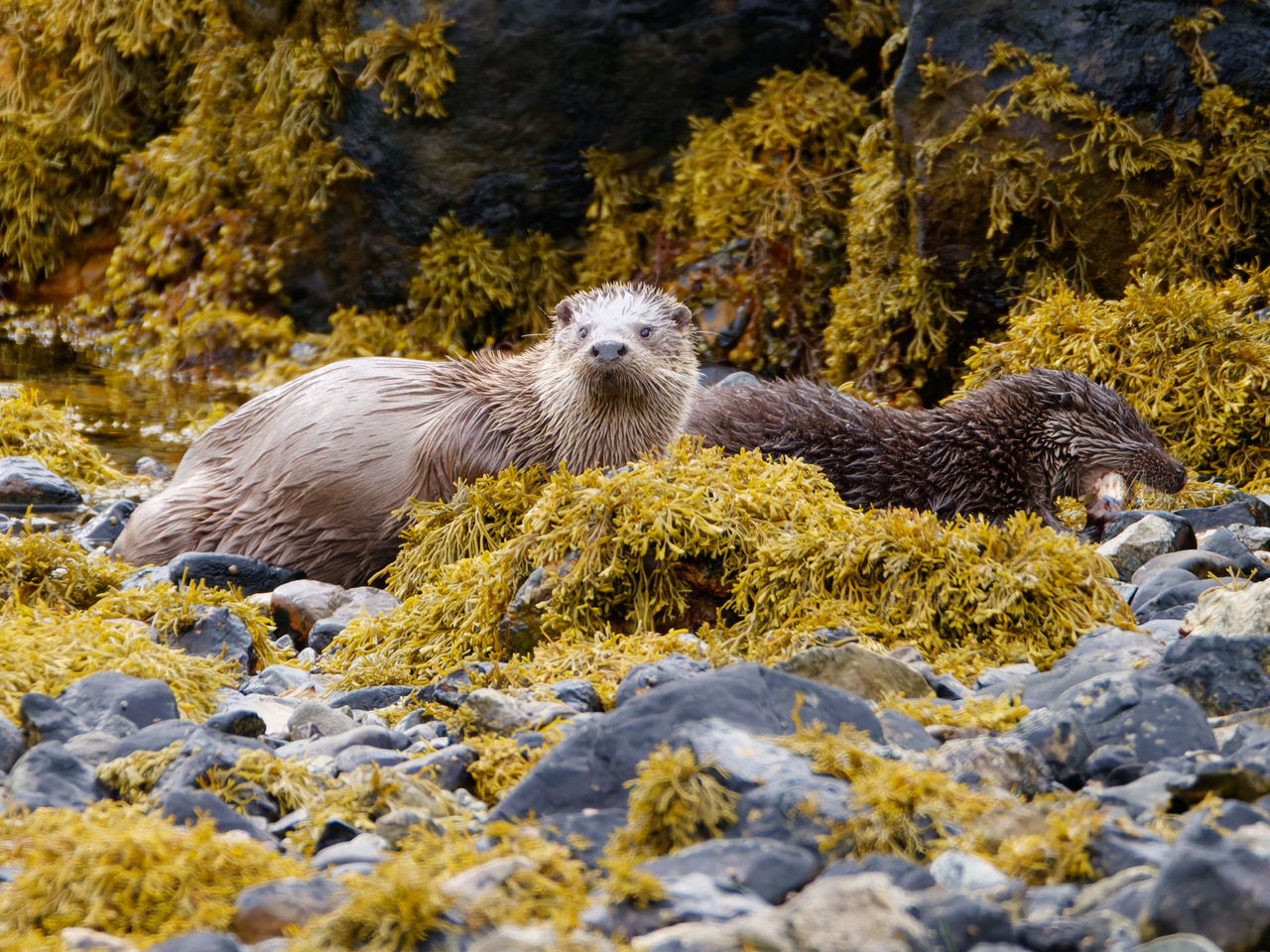
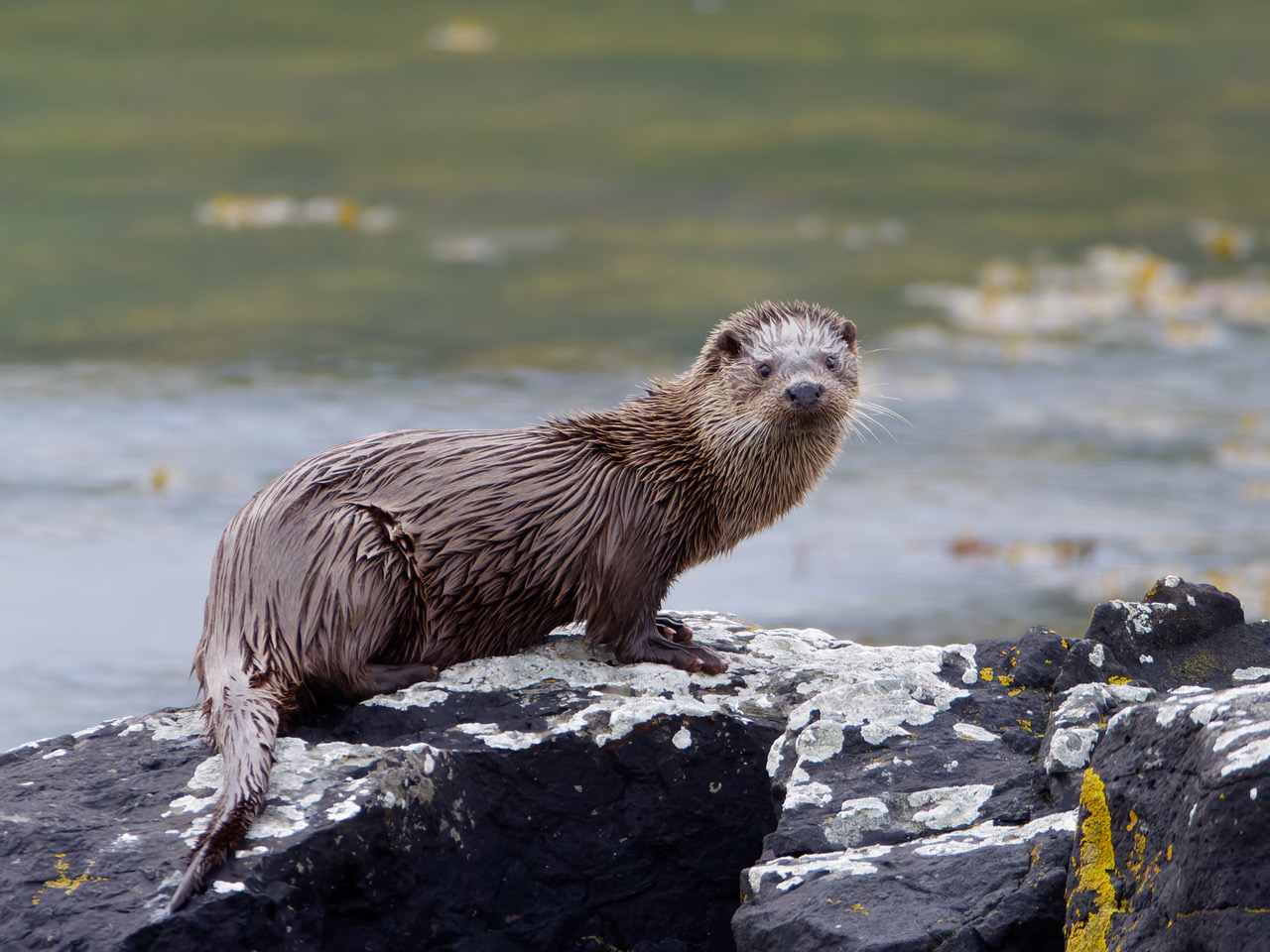
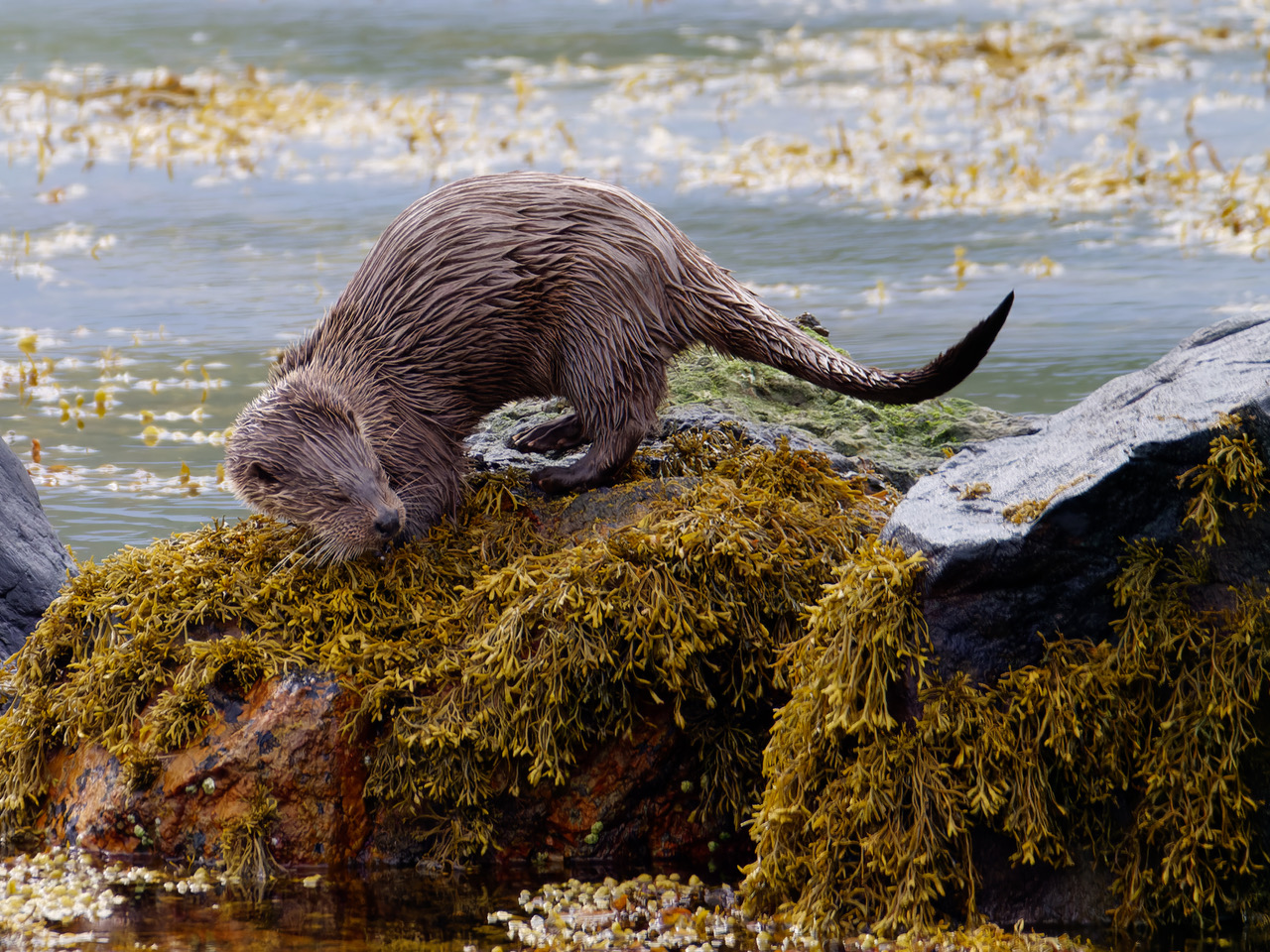
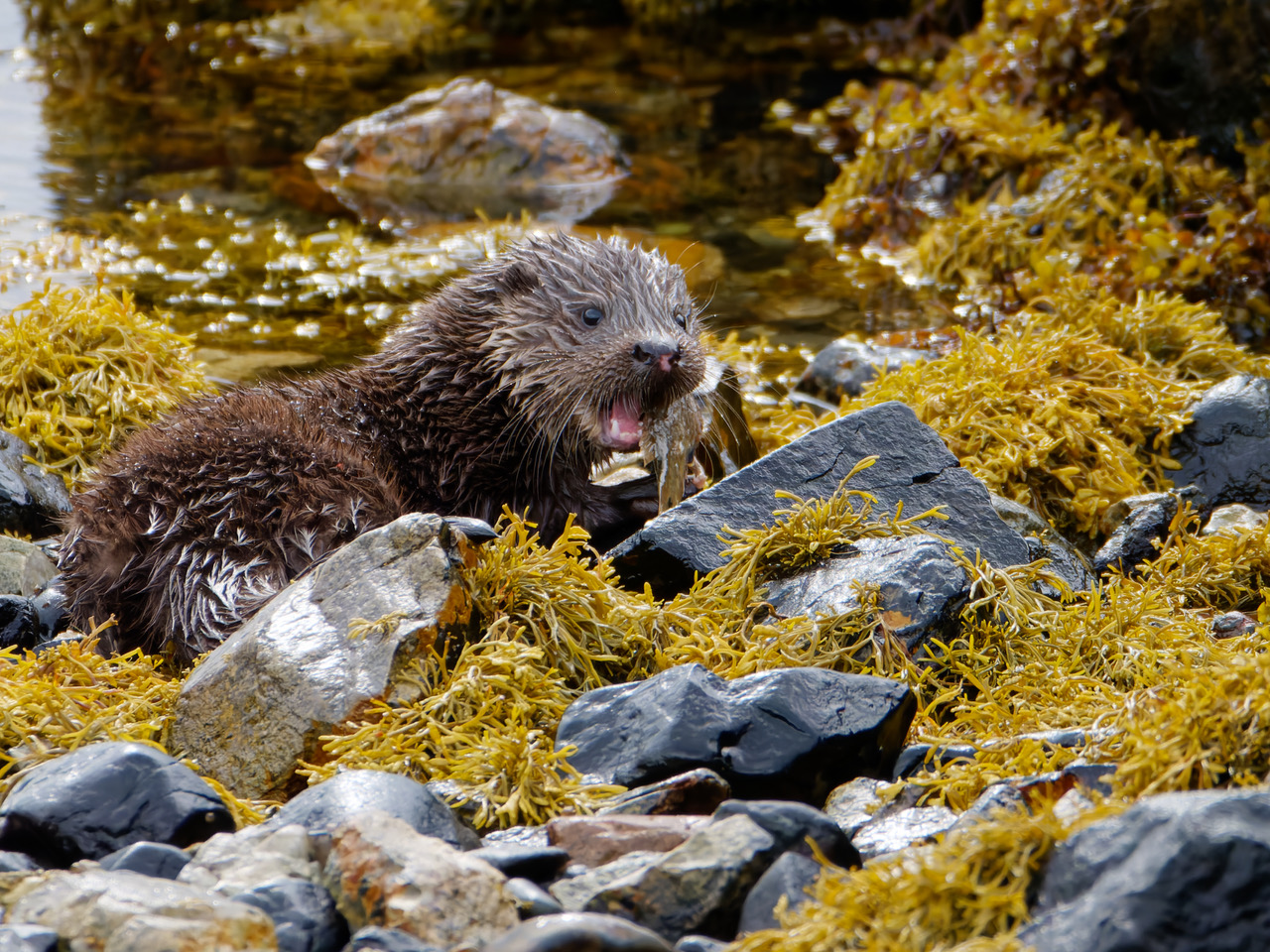
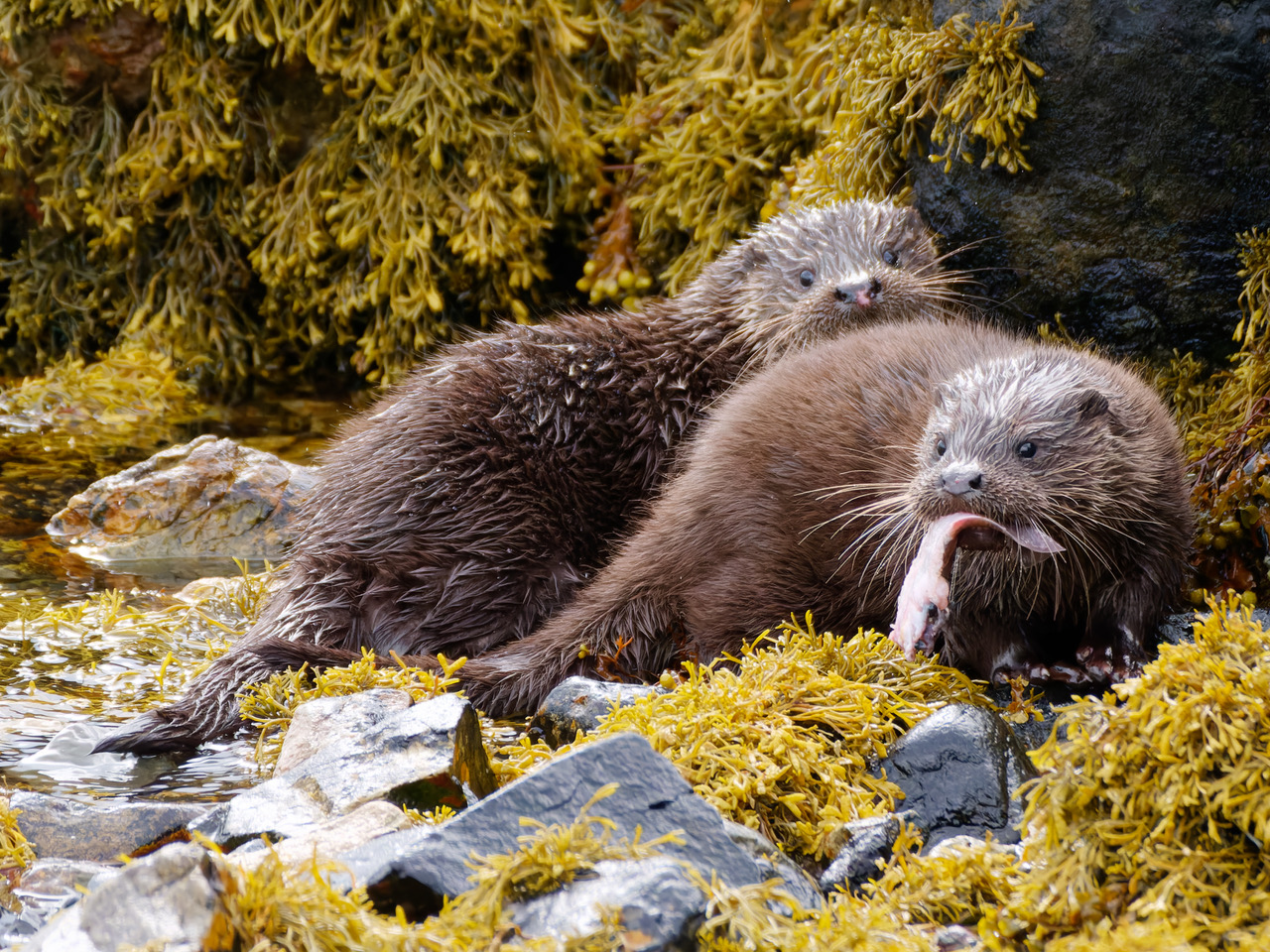
Well I for one just loved all these photographs from today and last Sunday. They were taken on the Isle of Mull.
A very special treat! And for those that either haven’t seen the first set of photographs or want to be reminded of what Alex said, here are his words again.
Was very lucky to spot this Otter Family whilst on a guiding trip with Brian Boyes and Lisa Williams on the Isle of Mull, the Mum fed the young pups three fish, we watched from the road and then later using Brian’s advice, quietly settled into the rocks and watched the Mum come right past us, a fantastic encounter and these are only a few of the photos I got.
Another very useful guest post from Penny Martin who is becoming a very regular contributor to this place. This time Penny writes about being on a budget, aren’t we all, but still keeping your dog safe and happy.
Six Ways to Make Your Home and Yard Dog-Friendly on a Budget
By Penny Martin.
Dogs add many wonderful things to their owners’ lives; however, owning a dog can be a drain on your bank account. According to statistics, the average American dog owner spends $1,480 per year on dog expenses. These tips can help you make your home and yard more dog-friendly without breaking the bank.
1. Add a Fence
Dogs need exercise, a place to go to the bathroom and a chance to sniff around and be a dog. However, if you don’t have a yard with a secure fence, it isn’t safe to allow your dog outside without a leash. Even a well-trained dog may run off to chase a squirrel, greet a strange dog or go exploring. This puts your dog at risk of being hit by a car, getting in a fight with another dog or animal or becoming lost. Adding a fence to your yard allows you to enjoy time with your pet off leash without risking your pet’s safety.
2. Add a Backyard Pool
Not every dog loves to swim, but many do. You can give your dog a place to cool off and have some fun without spending a lot of money by purchasing a wading pool or a small stock tank. If you think your dog would enjoy more than splashing around, search for a dog-friendly place in your area where you can inexpensively take your dog to swim. However, don’t just toss your pup into the deep end. Not all dogs are natural swimmers. Many facilities that have pools for dogs offer swimming lessons.
3. Create Shady Spots
Dogs love to run and play and on hot days they can easily overheat. Help your dogs stay cool by making sure they have plenty of shady spots to hang out. One inexpensive way to do this is to purchase a portable awning. You can set the awning up anywhere in your yard and put it away when you no longer need it. Trees are also a good source of shade, but it is important to keep your trees maintained.
4. Remove Dead Trees and Branches
Dead trees create a safety hazard and provide a home for pests. Have a professional local tree service remove any dead trees and branches in your yard before they cause an injury or accident. Do not try to remove the tree yourself. Professionals have the right gear, tools and safety training to remove the tree safely and without damaging your property. Read online reviews before you reach out to contractors. Get at least three estimates and make sure to ask whether stump grinding and disposal are included in the price.
5. Buy Trash Cans With Lids
Trash cans are smelly, full of tasty food and plenty of stuff to shred. It is no wonder that most dogs love to root through them. However, spoiled food, sharp objects or toxic materials can injure or sicken your dog. Avoid this problem by purchasing trash cans with lids that lock.
6. Remove Dangerous Plants
Many plants can be harmful to dogs who ingest them. Research the plants in your yard and remove any that could cause a problem.
Owning dogs is not a cheap endeavor. However, you can make your home safe and comfortable for them without spending all your savings by adding a fence and pool, creating shady spots, removing dead trees, purchasing garbage cans with lockable lids, and getting rid of poisonous plants.
ooOOoo
Here at home, because we live in a rural location, dead trees and branches are an ever-present problem. Luckily our dogs don’t seem to be drawn to them but the issue of pests is a different matter. We have thirteen acres of which half is forest and it is all too much for a contractor. Correction: It is all too expensive for us!
For the wider audience of readers this, I am sure, offers very good advice and is another great post from Penny.
A complete change of photos but I guarantee you will love these!
My son, Alex, and his partner, Lisa, recently returned from a vacation on the Isle of Mull. This is a Scottish island lying off the west coast of the mainland. (Home for Alex and Lisa is just outside Bristol in the south-west of England.) Between them they took many photographs.
For the next two Sundays I want to share the photos that Alex took of the otters, eight today and seven next Sunday.
Here is the introduction that Alex wrote on Facebook.
Was very lucky to spot this Otter Family whilst on a guiding trip with Brian Boyes and Lisa Williams on the Isle of Mull, the Mum fed the young pups three fish, we watched from the road and then later using Brian’s advice, quietly settled into the rocks and watched the Mum come right past us, a fantastic encounter and these are only a few of the photos I got.
oooo
oooo
oooo
oooo
oooo
oooo
oooo
These are absolutely gorgeous and that’s an understatement!
We watched recently a documentary on Netflix about the special attributes of our pets. It was very good but one thing that we learnt was that dogs have on the tips of their snouts an area that can pick up warmth. Because when dogs are tiny puppies and still blind they find their mothers’ teats by homing in on the warmth of the mother’s body.
Many people are aware of the scenting ability of the dog. To quote: “While humans have about five million olfactory receptors in their noses, dogs are said to have around 300 million.”
(Read that article that I linked above for it is very good.)
ooOOoo
Senior Dog Patiently Waits For Boops In The Same Place Day After Day
One of Hime’s favorite pastimes is a simple one: sit near a nature path and patiently wait for nose boops. The 13-year-old Siberian husky figured out long ago that, eventually, she’ll get what she came for.
“She likes that spot so she can watch the world go by,” David Nagadhana, Hime’s dad, told The Dodo. “But she has other strategies.”
Hime, who was adopted as a puppy, hitches a ride in Nagadhana’s bike trailer to get to the best petting spots.
“I cycle her because of her arthritis,” Nagadhana said. “Gentle in her old age, [Hime] looks for affection anywhere she can find it.”
The husky’s place of choice is by the Thames in Richmond, England, but Nagadhana takes her wherever she seems happiest.
“She loves finding new and interesting and exciting locations so that she may proceed to nap in them,” Nagadhana said. “She finds it relaxing enough to nod off on occasion.”
Nagadhana and Hime do everything together, and it won’t stop anytime soon.
“She was there for me when life ground to a halt during the pandemic,” Nagadhana said. “I’ll be there for her until the end. Raising dogs is like a rainbow. Puppies are the joy at one end, old dogs are the treasure at the other.”
Needless to say, Hime gets endless boops from her favorite person: Dad.
(All photographs by DAVID NAGADHANA.)
ooOOoo
One turns to the American Kennel Club for information about the breed, as in the Siberian Husky, and this is what is found:
Siberian Husky, a thickly coated, compact sled dog of medium size and great endurance, was developed to work in packs, pulling light loads at moderate speeds over vast frozen expanses. Sibes are friendly, fastidious, and dignified. The graceful, medium-sized Siberian Husky’s almond-shaped eyes can be either brown or blue ‘and sometimes one of each’, and convey a keen but amiable and even mischievous expression. Quick and nimble-footed, Siberians are known for their powerful but seemingly effortless gait. Tipping the scales at no more than 60 pounds, they are noticeably smaller and lighter than their burly cousin, the Alaskan Malamute. As born pack dogs, they enjoy family life and get on well with other dogs. The Sibe’s innate friendliness render them indifferent watchdogs. These are energetic dogs who can’t resist chasing small animals, so secure running room is a must. An attractive feature of the breed: Sibes are naturally clean, with little doggy odor.
Indiana sends me a ‘doc’ file with his guest post and I convert it to ‘Mac OS’ by using the software Pages. This time I missed the last section as it was on another page.
Three Simple Ways to Prioritize Your Dog’s Mental Health
Dogs provide unconditional love, companionship, and so much more. They can even improve your physical and mental well-being with their presence alone. For many people, dogs are more than just pets – they’re members of the family.
There’s actually more truth to that thought than you may realize. According to contemporary science, dogs go through similar chemical and hormonal changes as humans when they’re experiencing emotions. Simply put, dogs have feelings just like we do.
Dogs can experience stress, anxiety, depression, grief, and more. Because they depend on us for care, it’s important to make sure you’re prioritizing their mental well-being as well as their physical health. Your dog can’t ask you for help when they’re feeling stressed or depressed. It’s up to you to recognize some of the common signs and understand what you can do to help.
So, how can you prioritize your dog’s mental well-being? Let’s cover a few tips that can make a difference for your four-legged friend.
1. Recognize Signs of Distress
If someone in your family is feeling anxious or depressed, they can talk to you about it. They can reach out for help when it’s needed. You might even have an easier time picking up on some of the common signs, including a sense of hopelessness or social isolation.
While your dog can’t ask for help when they’re feeling stressed or depressed, there are still signs you should look out for. According to the American Kennel Club, some of the most common symptoms of depression in dogs include
Clingy behavior
Loss of interest in things they typically love
Withdrawing from people
You know your dog better than anyone. If it seems like their demeanor has changed and they look sadder or seem lethargic, don’t ignore it. Depression can be brought on by everything from grief to chronic pain. Rule out any medical issues that could be causing those changes by working with your dog’s vet. If they’re otherwise healthy, it’s fairly safe to assume their mental health is suffering and they need help.
2. Keep Them Active
Like humans, dogs need regular exercise. It benefits their physical health, but it also promotes mental wellness. Different breeds need different amounts of physical activity. However, a good rule of thumb is anywhere from 30-45 minutes each day.
A sedentary lifestyle isn’t just harmful to your dog’s physical health. It can fuel symptoms of depression. How would you feel if you had to lay around all day with no mental or physical stimulation? It might be fine for a while, but it would be easy to fall into a “funk” without something to look forward to.
Taking your dog for a walk each day, going to the local park to let them run around, or even hiking with your four-legged friend can improve their mental health as well as yours. Exercising together will also strengthen your bond and provide your dog with the mental stimulation they need to reduce stress and feel calmer.
You’ve probably heard the saying that a tired dog is a well-behaved dog. However, a dog that’s tired from an hour or so of exercise is also likely to be a happier dog!
3. Learn What They Love
Dogs often get stereotyped as being happy or excited all the time. While there’s no better feeling than seeing your furry friend wag their tail when you get home each day, it’s important to understand that they can have interests and hobbies they enjoy more than others.
Finding out what your dog loves to do can make it easier to improve their mental well-being.
You’ll boost your own social connections (and mental health) in pet-friendly environments by meeting like-minded people and getting more support. You can also quickly learn more about your dog’s interests, simply through exploration. Maybe they prefer long nature hikes as opposed to walking in the city. Maybe they get really excited when they’re around other dogs, so you can spend more time at local parks or pet-friendly restaurants.
Don’t be afraid to try new things with your canine companion. Even bringing them to work with you can help to improve your bond and keep them from feeling lonely all day.
The most important thing you can do for your dog’s mental health is to pay attention. Look for any changes in their behavior, and get to the bottom of it as soon as possible. Your dog depends on you for everything, and it’s not fair to assume that their mental health can’t change and fluctuate as much as anyone else’s.
ooOOoo
(That’s better this time)
Right on! Dogs sleep a great deal more than we humans but they still need their exercise. Just as we humans need it, exercise is key. Key to their physical fitness but also key to their mental fitness as well. This is a great post from Indiana and I shall conclude with this video:
Three Simple Ways to Prioritize Your Dog’s Mental Health
Dogs provide unconditional love, companionship, and so much more. They can even improve your physical and mental well-being with their presence alone. For many people, dogs are more than just pets – they’re members of the family.
There’s actually more truth to that thought than you may realize. According to contemporary science, dogs go through similar chemical and hormonal changes as humans when they’re experiencing emotions. Simply put, dogs have feelings just like we do.
Dogs can experience stress, anxiety, depression, grief, and more. Because they depend on us for care, it’s important to make sure you’re prioritizing their mental well-being as well as their physical health. Your dog can’t ask you for help when they’re feeling stressed or depressed. It’s up to you to recognize some of the common signs and understand what you can do to help.
So, how can you prioritize your dog’s mental well-being? Let’s cover a few tips that can make a difference for your four-legged friend.
1. Recognize Signs of Distress
If someone in your family is feeling anxious or depressed, they can talk to you about it. They can reach out for help when it’s needed. You might even have an easier time picking up on some of the common signs, including a sense of hopelessness or social isolation.
While your dog can’t ask for help when they’re feeling stressed or depressed, there are still signs you should look out for. According to the American Kennel Club, some of the most common symptoms of depression in dogs include
Clingy behavior
Loss of interest in things they typically love
Withdrawing from people
You know your dog better than anyone. If it seems like their demeanor has changed and they look sadder or seem lethargic, don’t ignore it. Depression can be brought on by everything from grief to chronic pain. Rule out any medical issues that could be causing those changes by working with your dog’s vet. If they’re otherwise healthy, it’s fairly safe to assume their mental health is suffering and they need help.
2. Keep Them Active
Like humans, dogs need regular exercise. It benefits their physical health, but it also promotes mental wellness. Different breeds need different amounts of physical activity. However, a good rule of thumb is anywhere from 30-45 minutes each day.
A sedentary lifestyle isn’t just harmful to your dog’s physical health. It can fuel symptoms of depression. How would you feel if you had to lay around all day with no mental or physical stimulation? It might be fine for a while, but it would be easy to fall into a “funk” without something to look forward to.
Taking your dog for a walk each day, going to the local park to let them run around, or even hiking with your four-legged friend can improve their mental health as well as yours. Exercising together will also strengthen your bond and provide your dog with the mental stimulation they need to reduce stress and feel calmer.
You’ve probably heard the saying that a tired dog is a well-behaved dog. However, a dog that’s tired from an hour or so of exercise is also likely to be a happier dog!
ooOOoo
Right on! Dogs sleep a great deal more than we humans but they still need their exercise. Just as we humans need it, exercise is key. Key to their physical fitness but also key to their mental fitness as well. This is a great post from Indiana and I shall conclude with this video:
Not only do dogs come in a myriad of sizes and shapes, witness our own Brandy and Pedi, but they are also conscious creatures, as in they remember and grieve; albeit in a dog fashion.
The Dodo presented this story back on the 4th March about just a dog. Read it and be swept away in the world of dogs.
ooOOoo
Woman At The Beach Meets A Dog Who Won’t Stop Staring Out To Sea
The other day, Jolie Mejía and her family decided to visit Punta Negra, a small seaside community near their home in Peru.
It was there, along a rocky shore overlooking the sea, that they came to learn a story of love in its purest form.
After Mejía and her family settled down along the shore, they were approached by a random dog who appeared to be all by himself.
“He didn’t seem abandoned. He wore a ribbon around his neck and his fur was clean,” Mejía told The Dodo. “I pet him, waiting for his owner, but minutes passed and no one came.”
The dog enjoyed Mejía’s pets, but all the while his gaze remained fixed upon the ocean.
And Mejía soon came to learn the touching reason why.
Mejía and her family considered adopting the dog themselves, assuming he had indeed been abandoned. So, when a man local to the area walked by, Mejía asked him if he knew the dog’s status.
“He explained that practically everyone in the area knows the dog and is very fond of him,” Mejía said. “He told us that the dog’s owner was a fisherman who passed away some time ago, and that the dog comes to the beach every day and stares out to sea.”
The dog, it seems, has been holding vigil — awaiting the return of his friend who will never come home.
“We were very moved,” said Mejía.
Mejía believes the dog’s owner died at sea about a year ago, and that the dog has been watching out for him daily ever since.
But though the dog’s owner may never return, the dog isn’t without friends who care for him.
The dog’s sad story is evidently well-known by people in the community, who feed him, shelter him and provide him with health care when he needs it.
A local veterinarian in Punta Negra confirmed to The Dodo that the dog’s name is Vaguito, and that he’s currently in the care of a woman who lives nearby.
By day’s end, Mejía and her family eventually parted ways with Vaguito, his eyes still cast out to sea. But his bittersweet story — one of loyalty to a love he lost, and the loyalty and love he found in the community — is one she won’t soon forget.
“I have a dog at home,” Mejía said. “I love dogs in general. His story really touched my heart.”
(Photos by Jolie Mejía)
ooOOoo
This is the perfect story. But it is more! It is the perfect story of how special a dog is. For this particular dog, Vaguito, clearly was loved by his fisherman and even after a year Vaguito still holds a vigil for him. It is a very lovely article, but that is the unconditional love shown by dogs to humans who care and love them back.