Category: Dogs

Taking Your Dog to Work!

A guest post from Indiana Lee.

On a regular number of occasions, say one or two times a month, I receive an email from someone wanting to write a guest post. Ninety-five percent of them are hoping I won’t check and will agree because they are really trying to promote some business or other.

Indiana was different.

A month ago I received this:

Hello, 

My name is Indiana, and I would love to become a regular contributor to the Learning From Dogs articles. In my past few years as a freelancer, I’ve crafted articles about what herbal tea can do for your pets, and I think my take on how animals can teach us how to live life to the fullest would be a great addition to the voices on your blog.

Are you accepting pitches and/or articles from new contributors?

Looking forward to hearing from you!
Indiana

I gladly accepted and on Tuesday was sent the following guest post.

ooOOoo
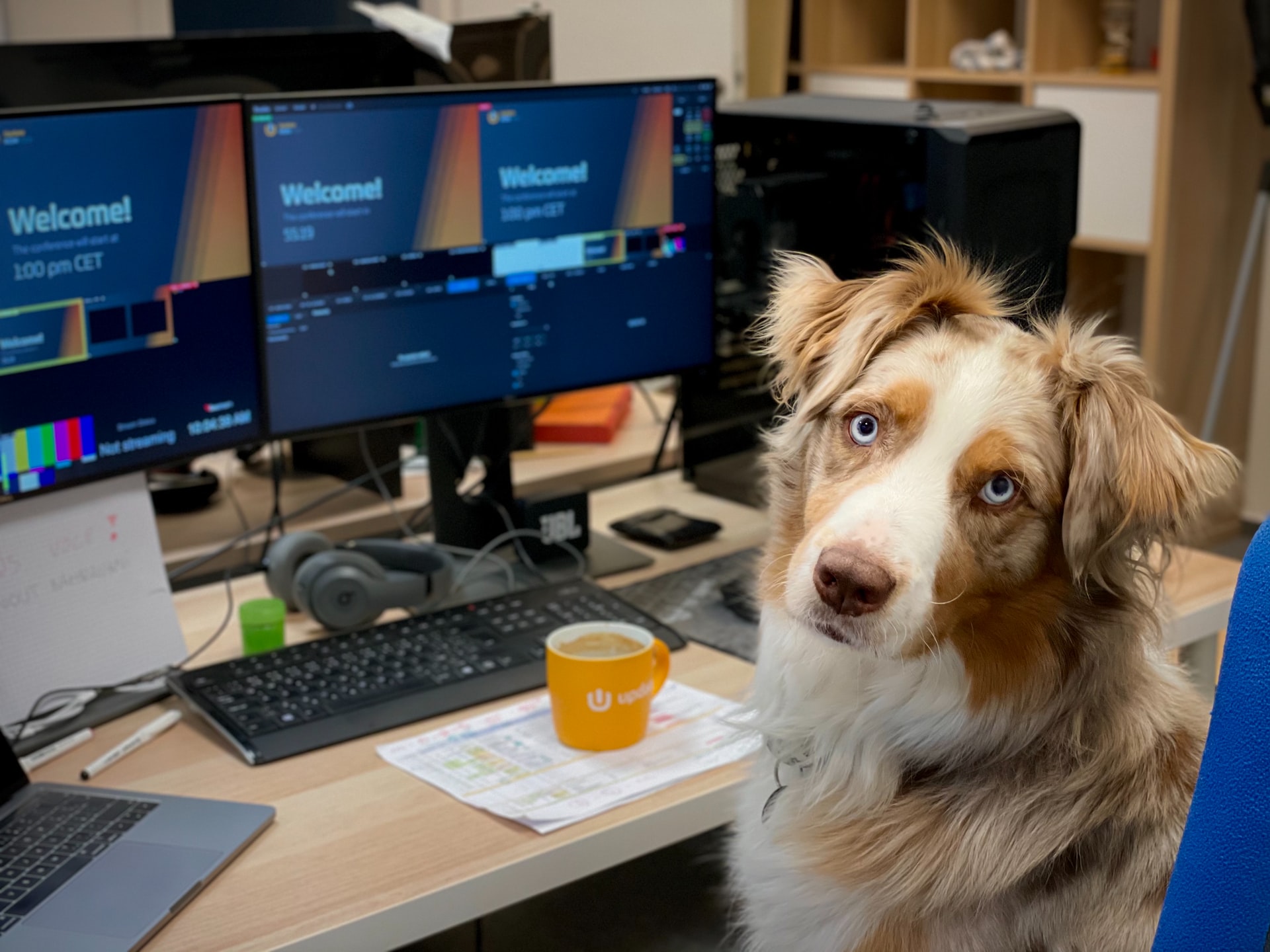
Psychological Benefits of Bringing Your Dog to Work

There’s no denying the mental health benefits of owning a dog. They reduce stress, boost your mood, and can even help to manage your anxiety. Even just petting a dog has rewarding mental health benefits. 

Another perk of pet ownership is the lack of loneliness. Dogs are called “man’s best friend” for a reason. Their presence can make a big difference in your life, especially if you’re otherwise fairly isolated. 

The psychological benefits of owning a dog can go far beyond your home life. Bringing your four-legged friend to work can ease your mind, boost your productivity, and encourage a positive, calm environment in your office.  

Need more of a reason to get them excited about a car ride to work? Let’s cover some of the psychological benefits.

The Positivity of a Pet in a Post-Pandemic World

Your dog may have had your attention all day over the last year or so as more people worked from home. You probably got used to feeling more relaxed with them around. Thankfully, you’re not the only one. As a result, it’s expected that more offices across the country will be more pet-friendly as people return to an in-person work environment. Not only do employers want to keep their workers happy, but more people are starting to recognize the benefits of dogs in the office, including:  

Having dogs around can also help people who might be struggling with social anxiety, especially because of the pandemic. A pet-friendly environment will encourage people to open up and work together. Team-building and collaborative efforts will increase, which can boost business while improving overall communication in the workplace. 

Let’s face it, you’ll feel more comfortable and confident with your four-legged friend by your side. While their presence can already help with loneliness, they can also give you the courage and confidence to approach and work with others. 

Considerations for Dogs in the Workplace

If your employer allows pets at work, you might be tempted to pack Fido’s favorite squeaky toy and bring them in tomorrow. But, there are a few tips to keep in mind to make the experience beneficial for all involved. 

First, make sure your dog maintains good hygiene. Your dog should be clean, groomed, and free from ticks, fleas, or other potential contagions that could affect people or other pets. It’s also a good idea to make sure their vaccinations are all up-to-date, and they have a clean bill of health. An employer that encourages a pet-friendly environment might also be willing to provide pet insurance. Doing so will cover common dog conditions like: 

  • Parvo
  • Bite wounds
  • Fracture
  • Lacerations
  • Poisoning

Consider talking to your employer about the possibility of pet insurance. It can be used as a strong incentive to attract new employees and increase worker loyalty. If you’re an employer reading this, it’s worth looking into for those who treat their dogs like furry family members. 

Finally, if your dog is healthy and well-behaved, introduce them to both people and other pets slowly. Even the most well-behaved dogs can have an “off” day or be triggered by something unexpected.  The more comfortable and familiar they become in their surroundings at work, the less stressed you’ll both be. 

Eventually, going to work together can become a part of your daily routine. 

If you’ve gotten used to being around your dog every day while you work, that doesn’t necessarily have to change. Inquire whether your office is jumping on the beneficial trend of becoming pet-friendly. If they are, go at your own pace with your pet, and bring them in when you’re ready to experience the benefits they can provide every day.

ooOOoo

Of course I imagine that there are many other insurance companies that offer pet insurance as well as MetLife that the link took you to.

But for those that are working and want to stay close to their dog then this has many good points.

Thank you, Indiana!
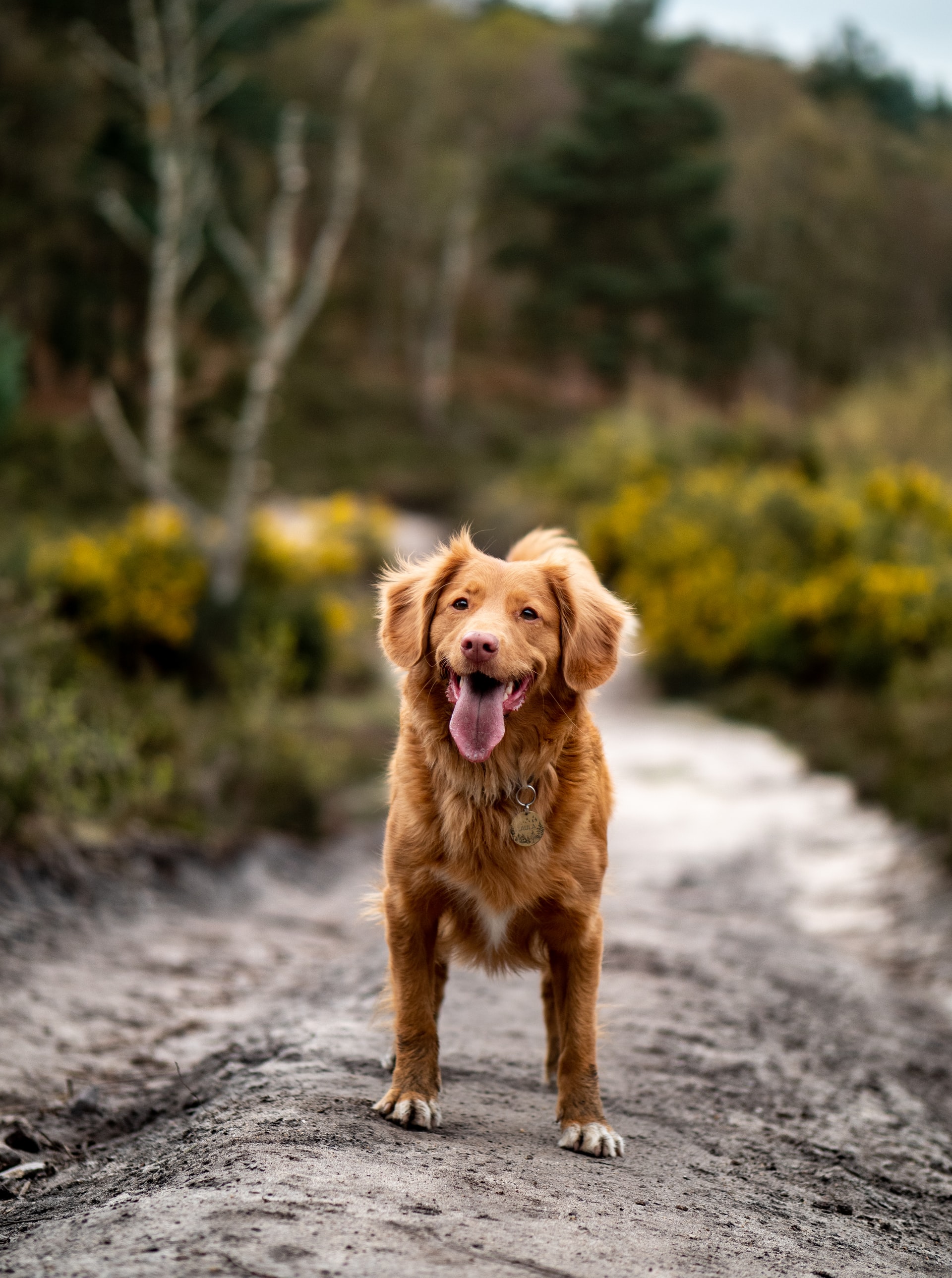
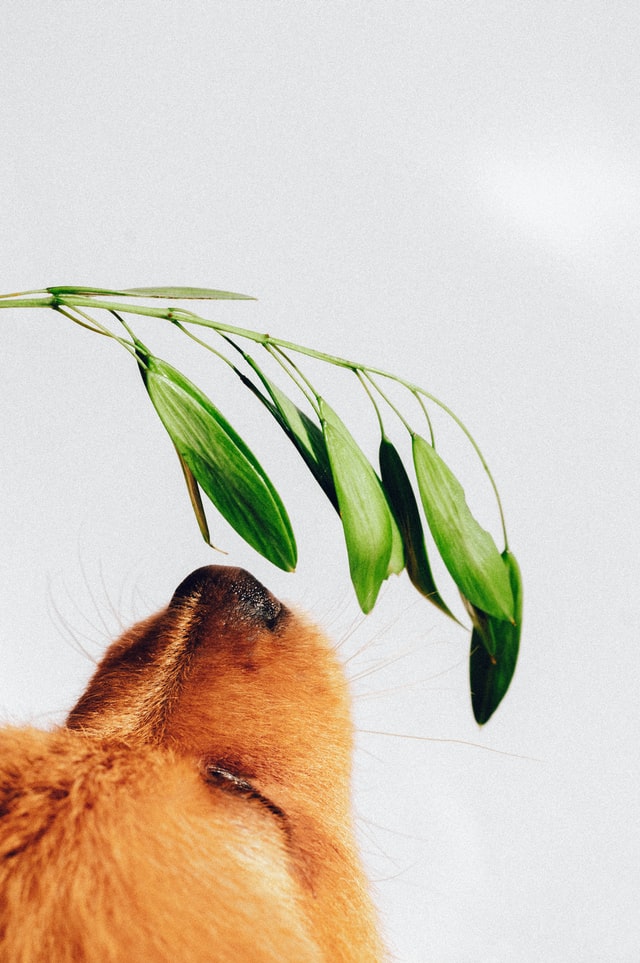
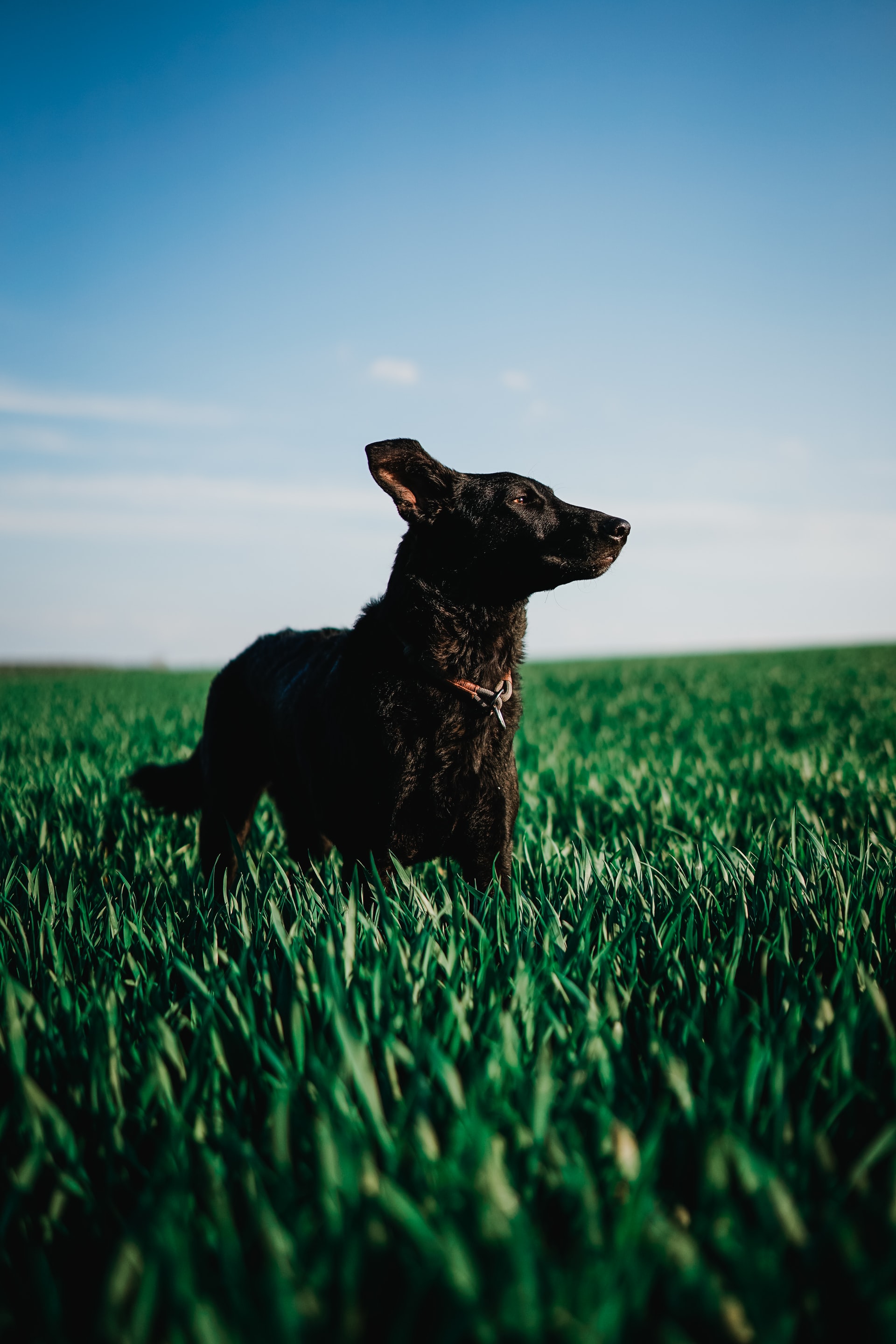
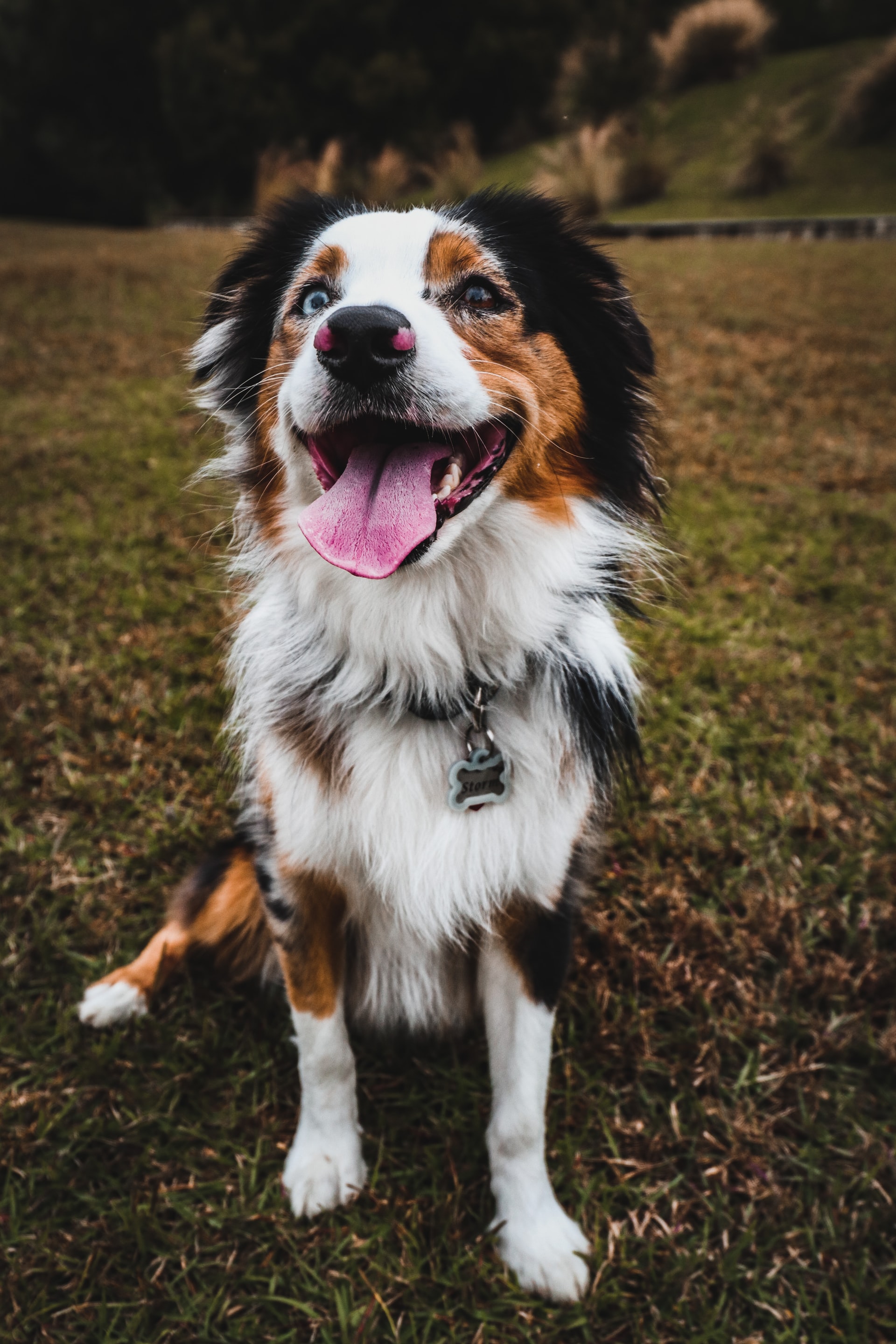
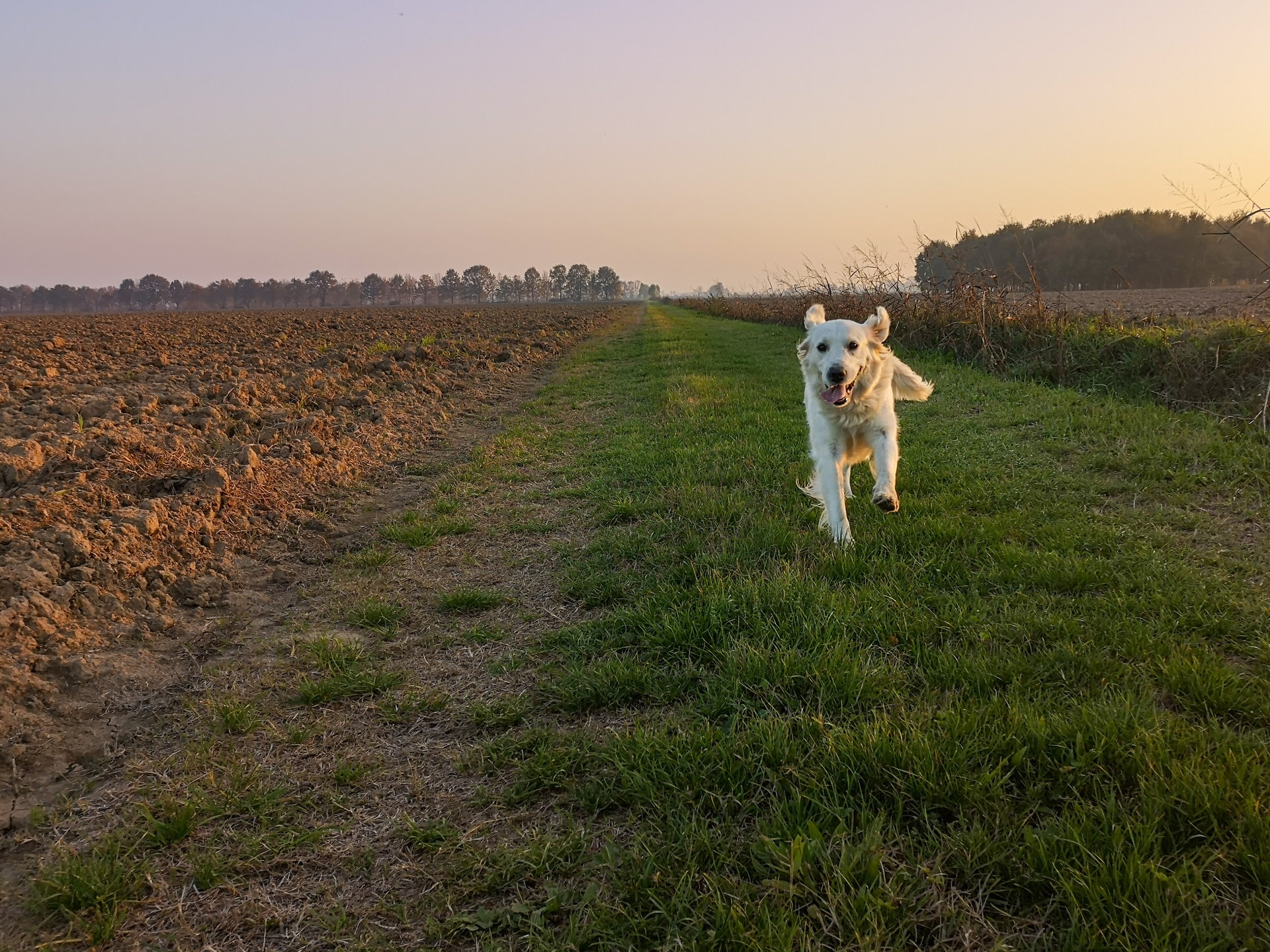
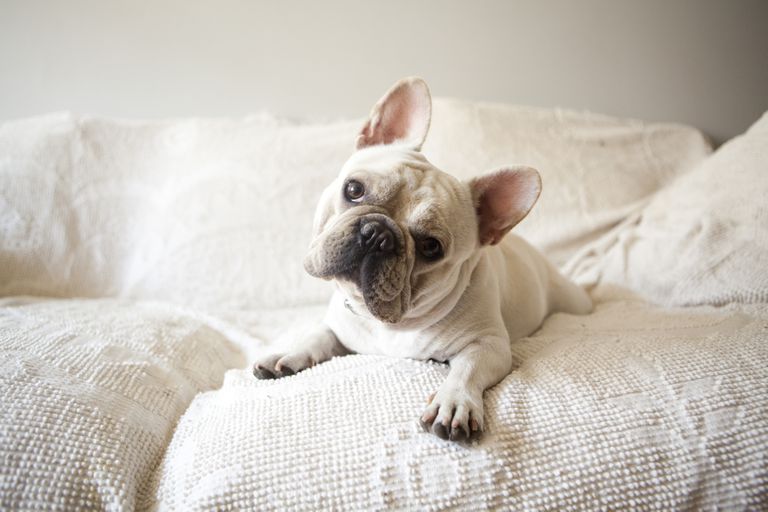
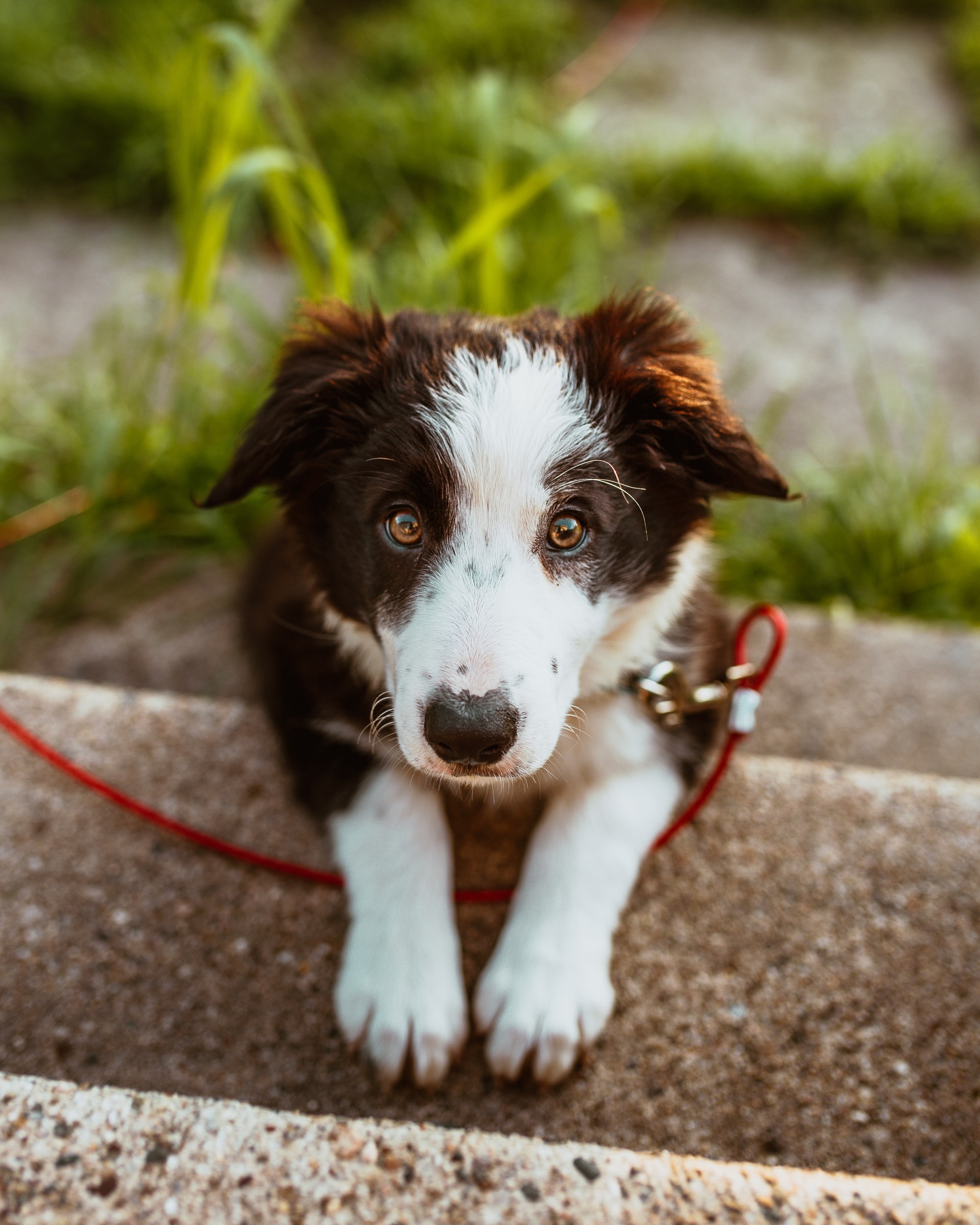
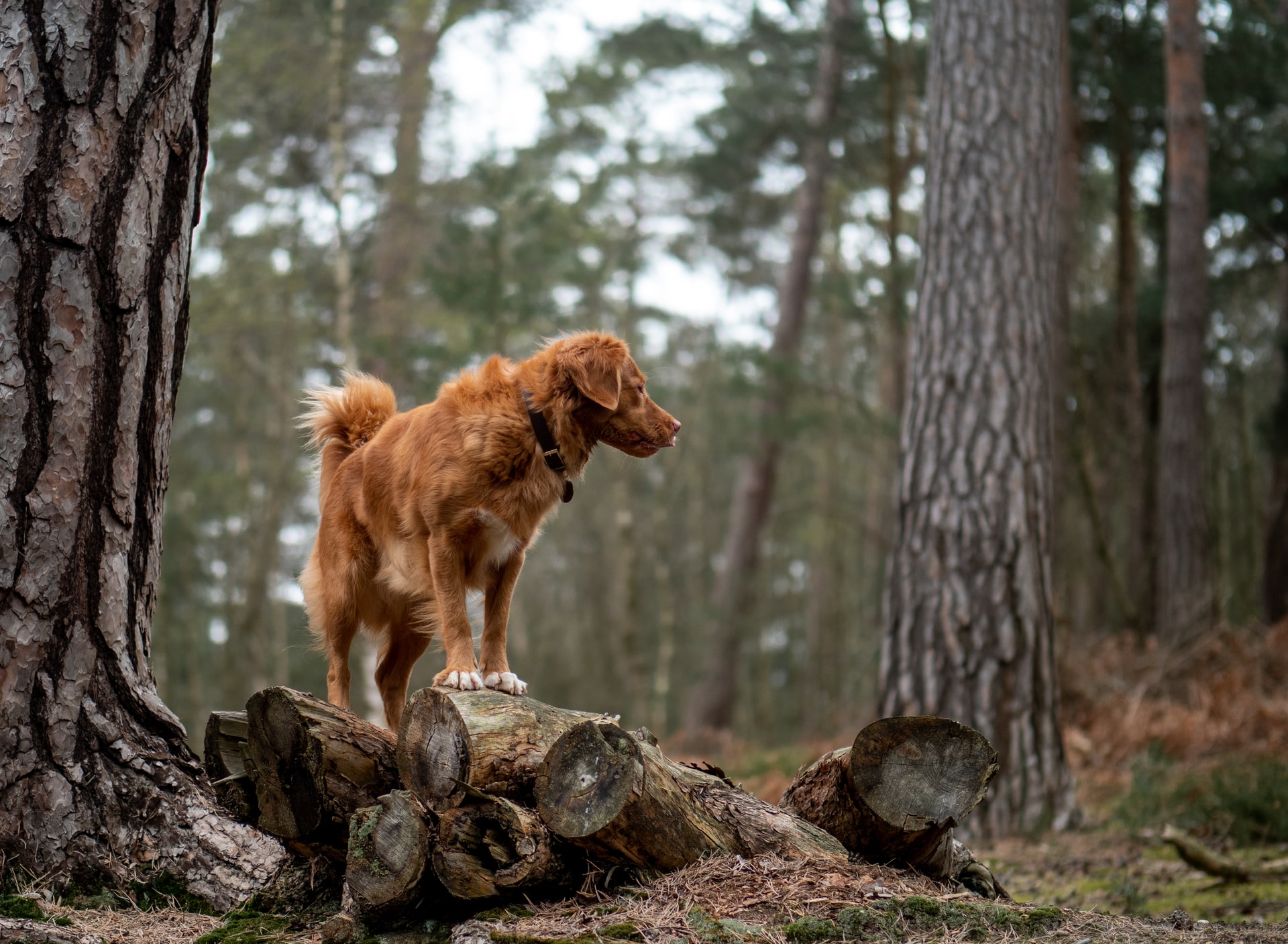
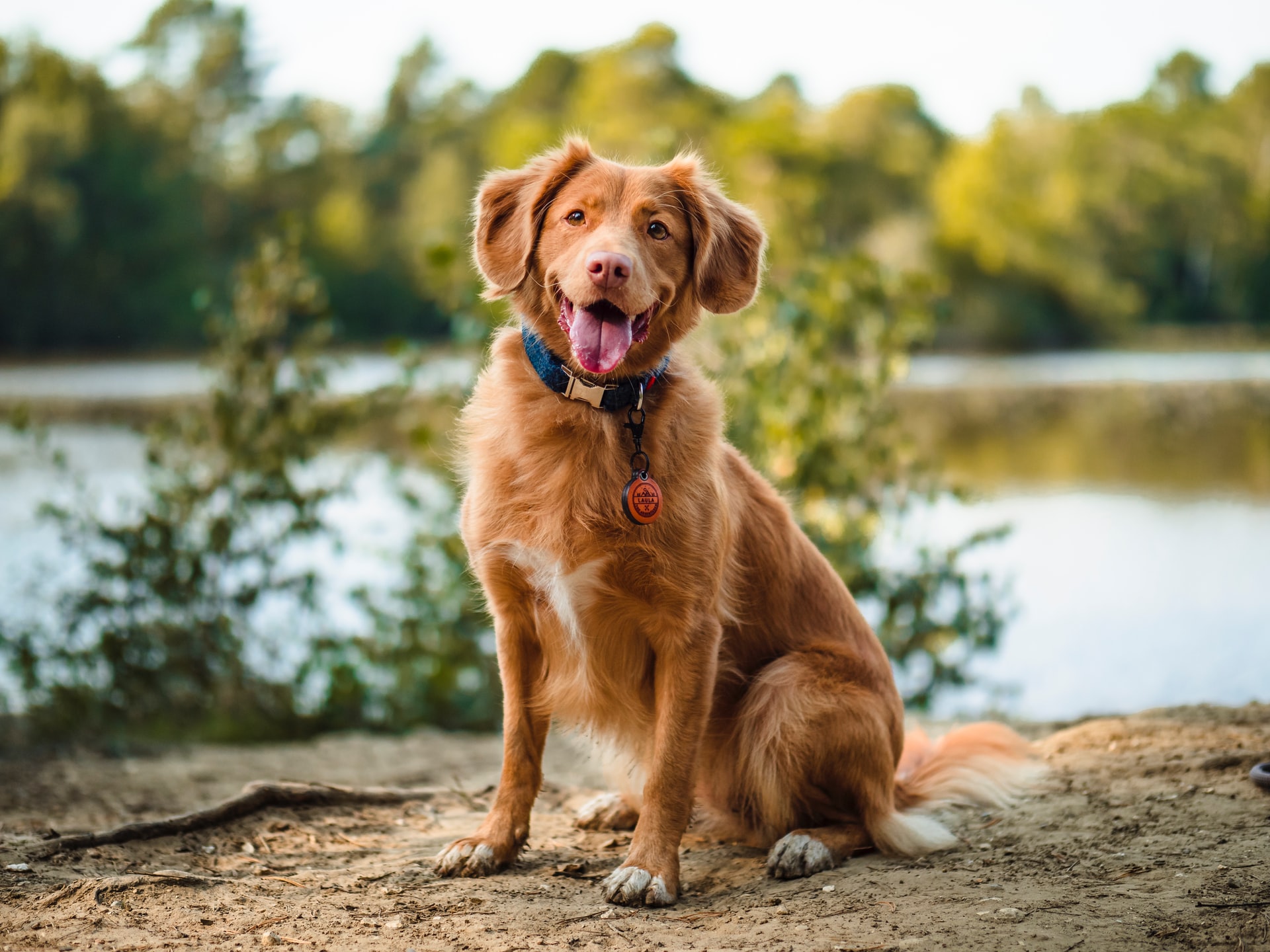
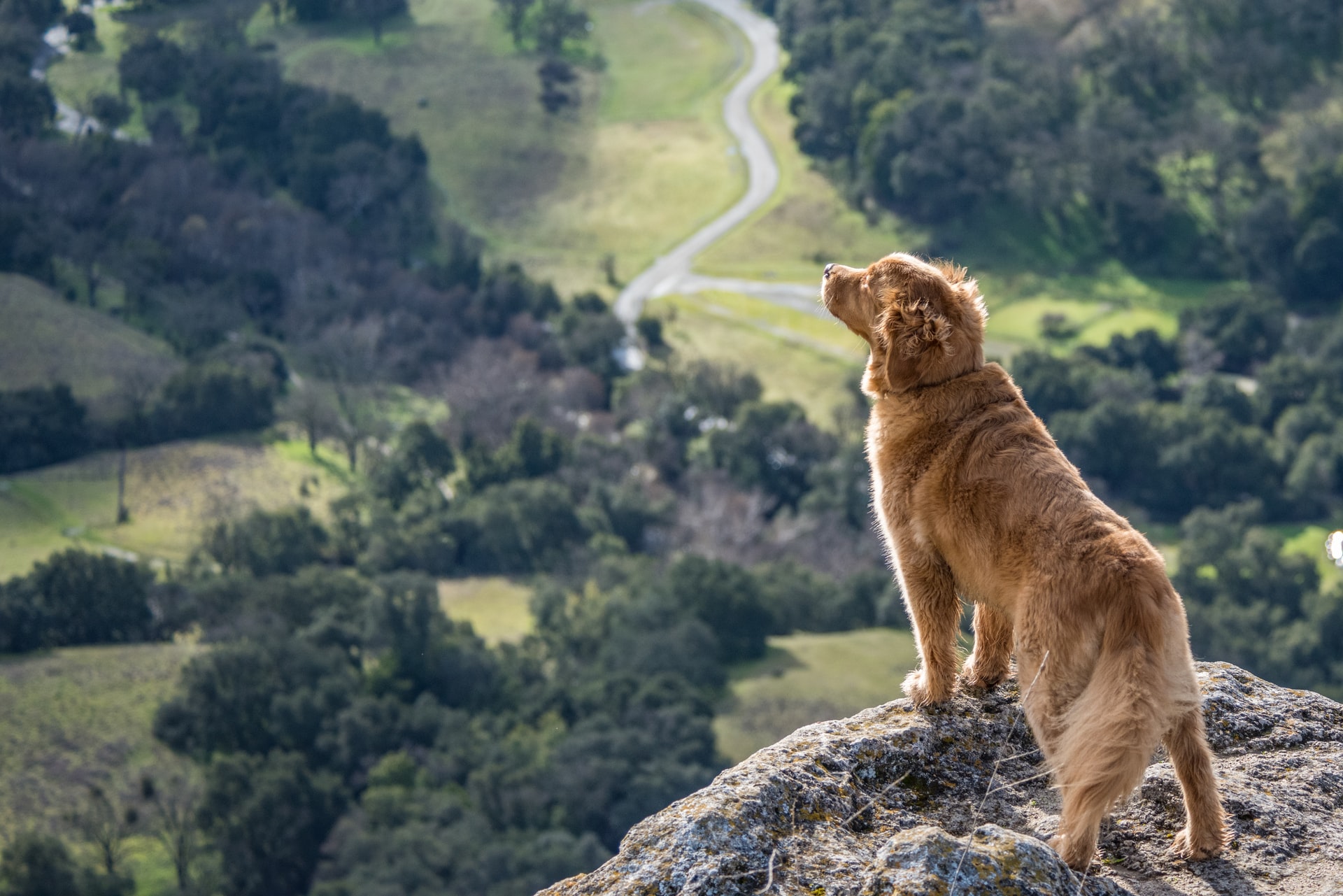
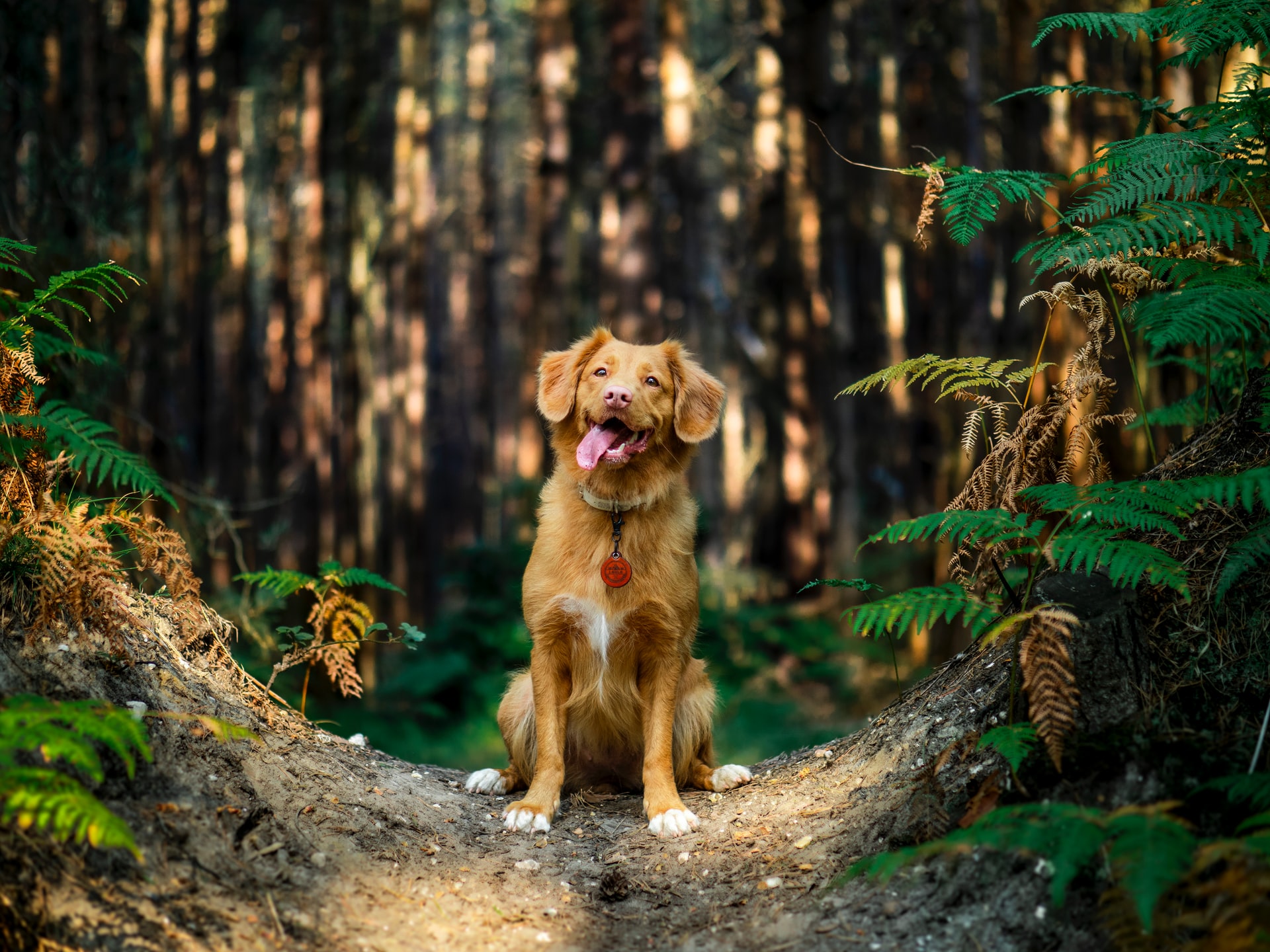
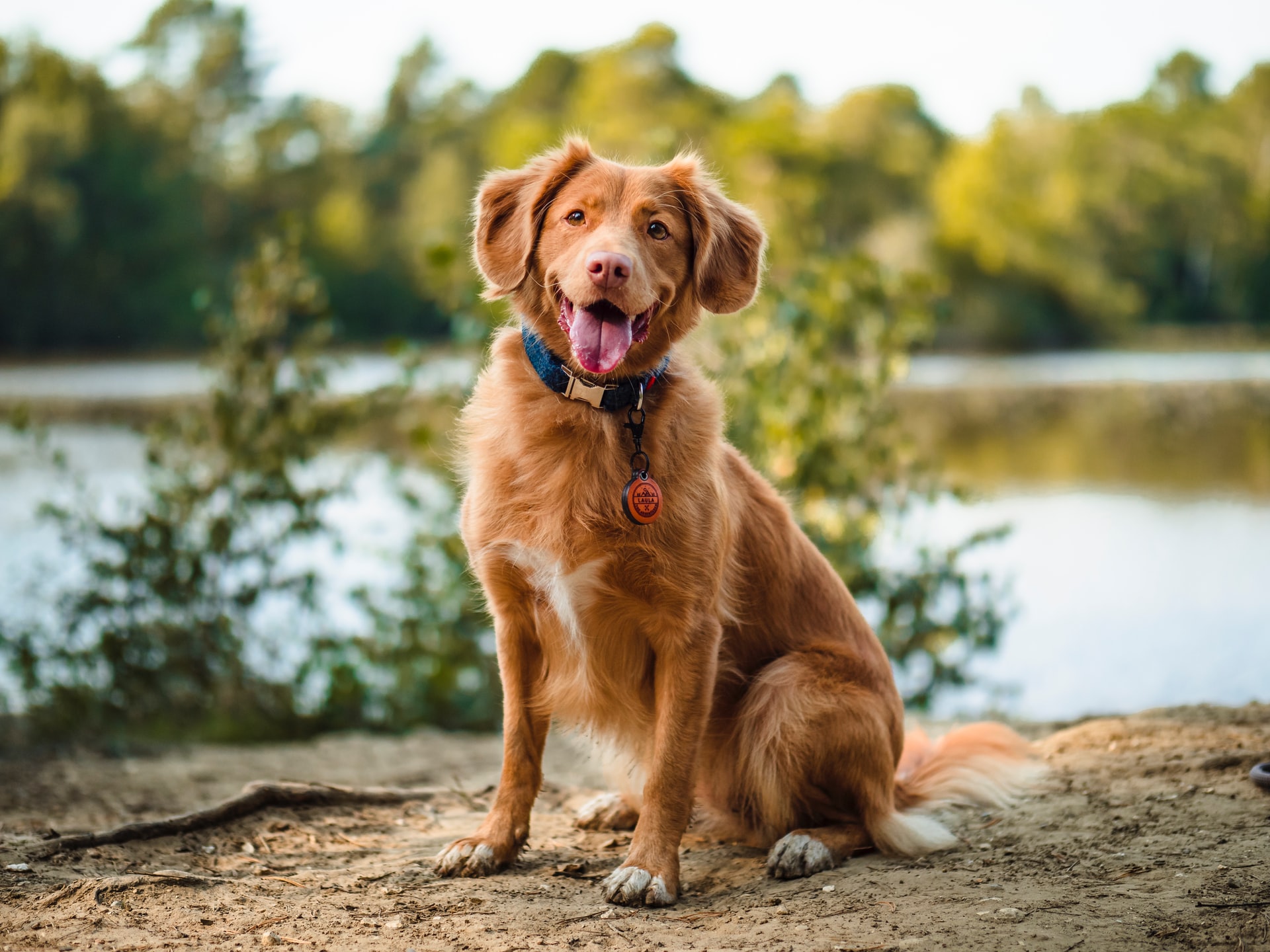
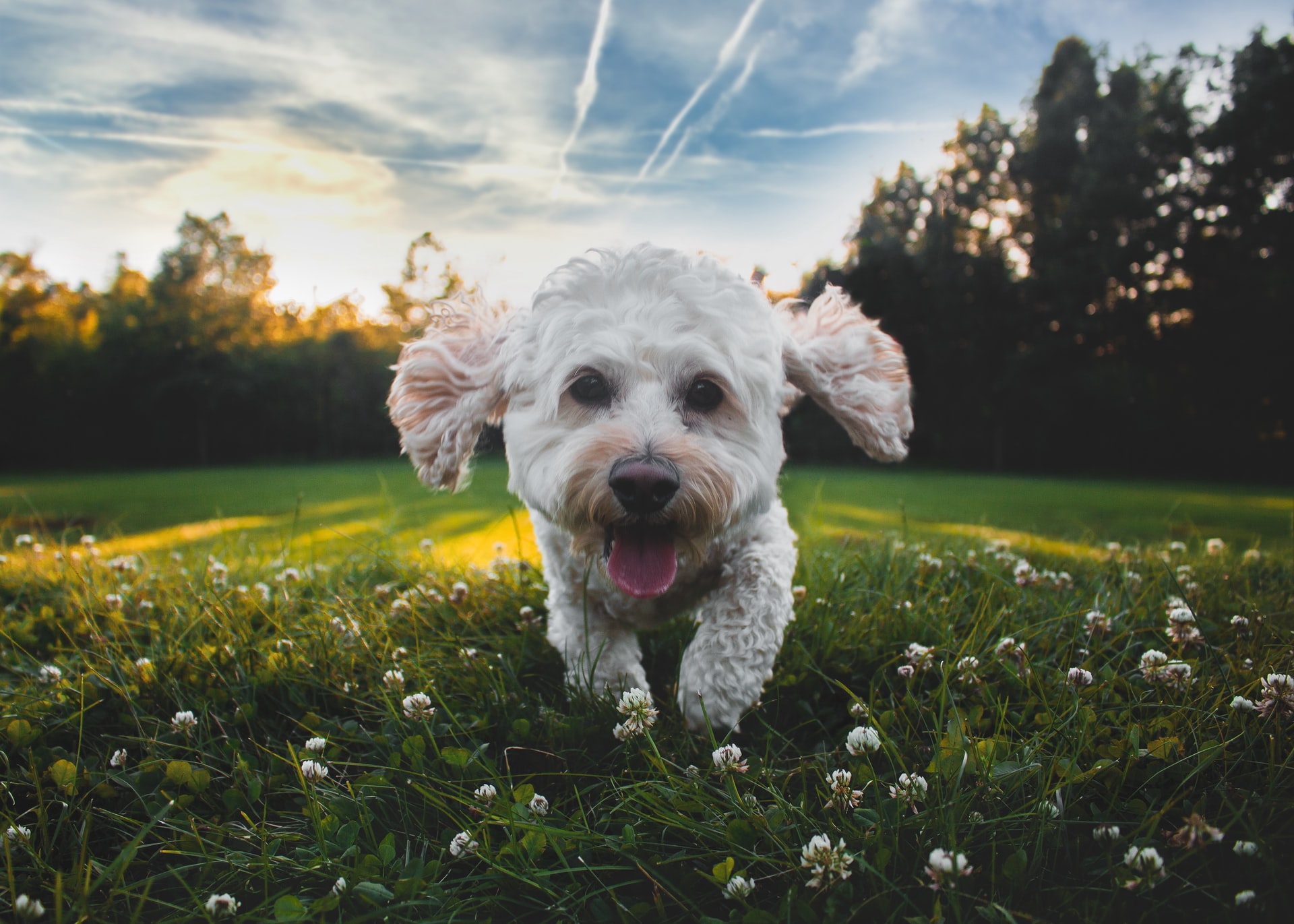
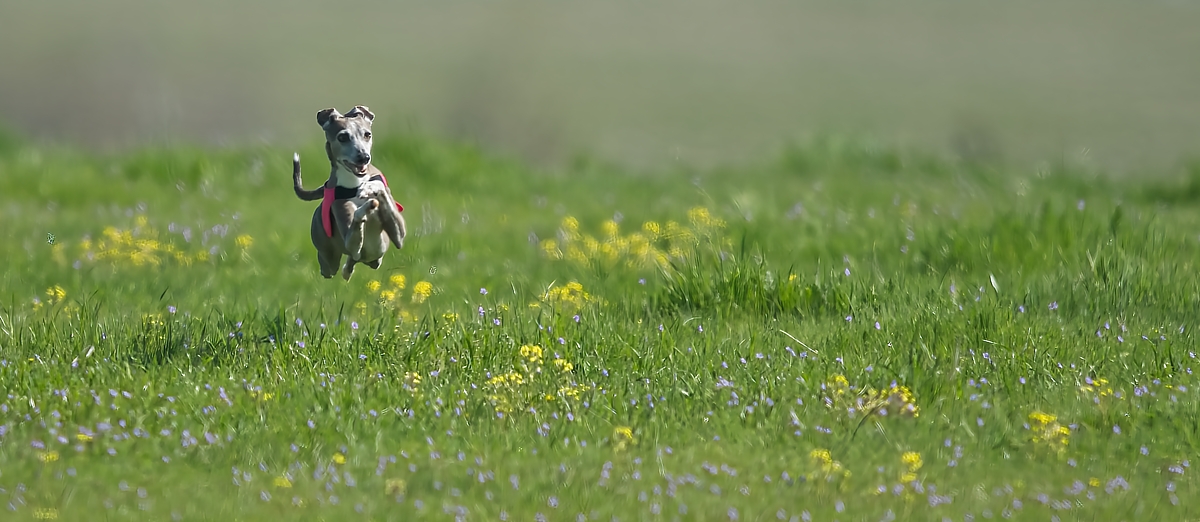
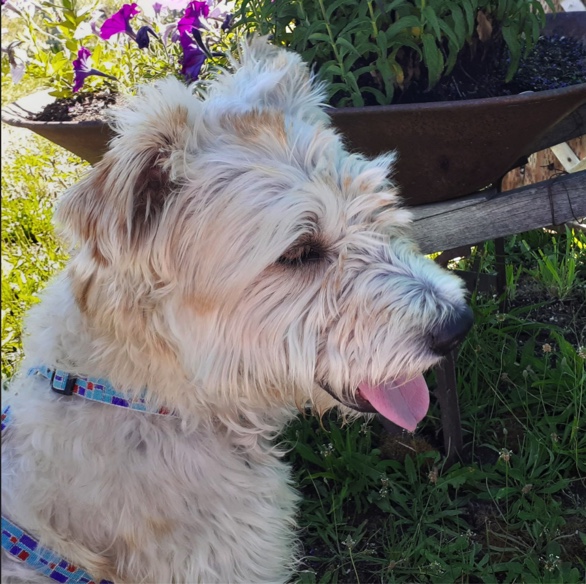
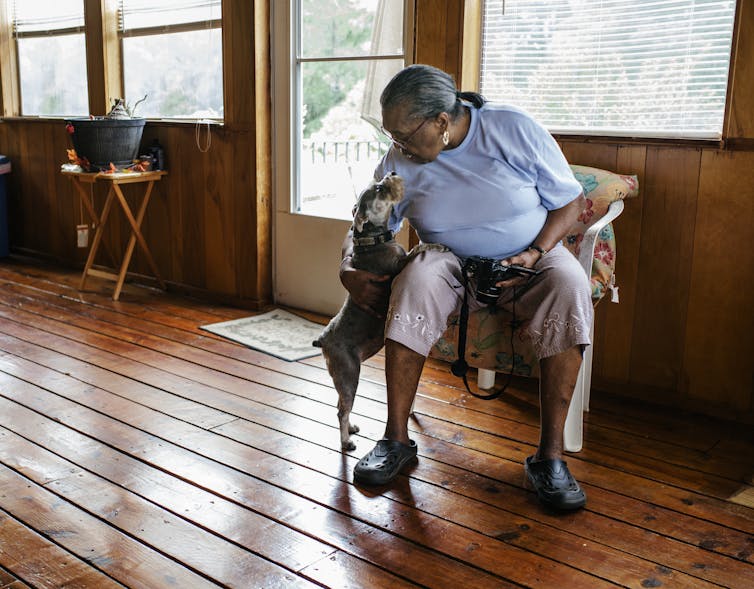
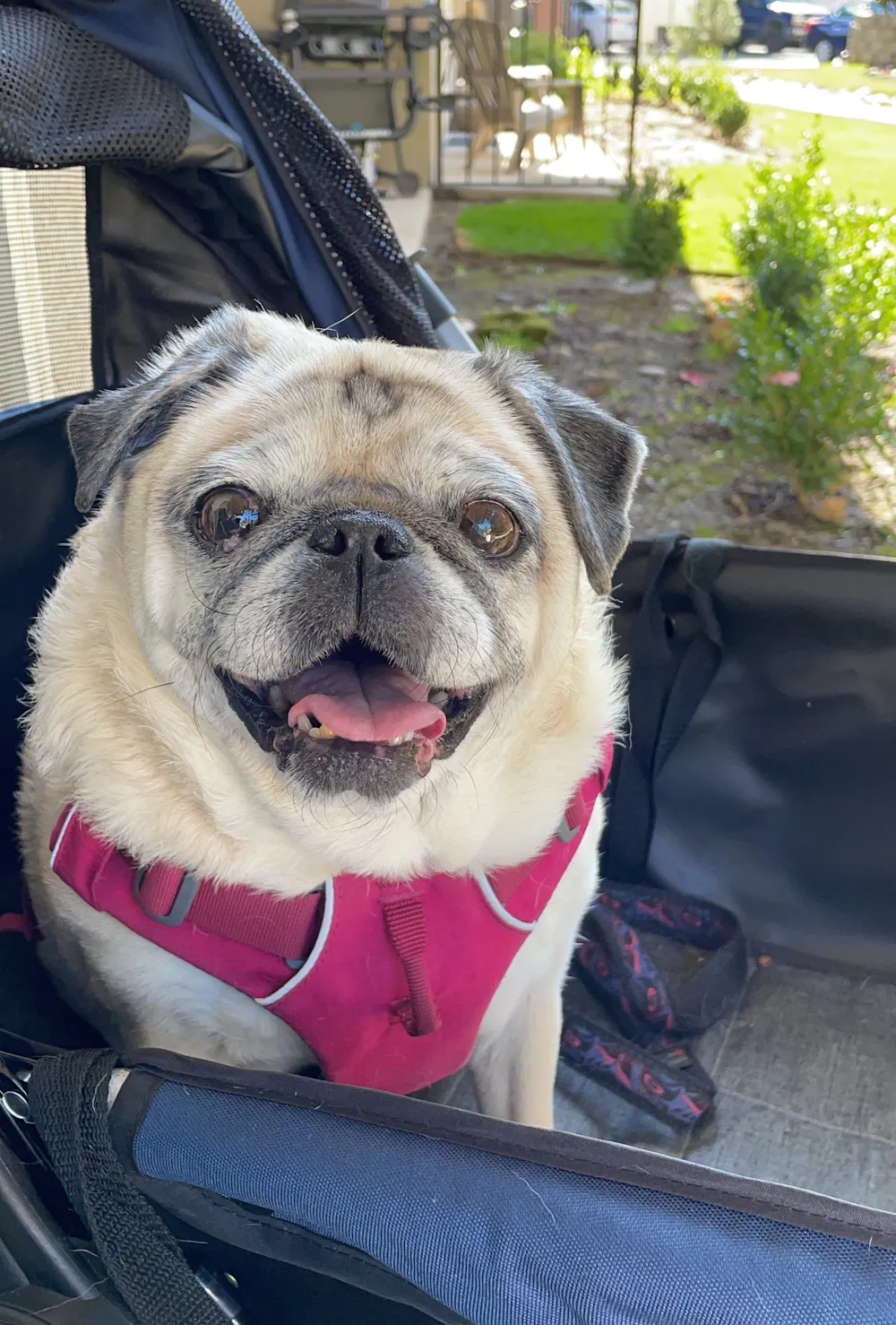
Picture Parade Four Hundred and Fourteen

You have guessed it! More fabulous dogs.

Again, taken from Unsplash.

oooo

oooo

oooo

oooo

More next week.

You all stay well and safe!

Every dog should have a child!

A really delightful video.

Jess and Cheryl Anderson have a blog that I subscribe to. Two days ago I received this:

This made both of us smile…BIGTIME!  I’ve had a dog almost all of my life.  They’ve been my best friends!  Maybe some of this will explain!   JESS

Just feast your eyes (and your heart)!

We have said it many times before but we say it again; dogs are the most perfect of animals. To watch this video is to show that dogs read us humans, especially at a young age, with love and compassion, and fun!

(7am on the 25th) And I should have added Happy Thanksgiving to all Americans!

Picture Parade Four Hundred and Thirteen

Yet more gorgeous dogs!

As usual, taken from the Unsplash website.

oooo

oooo

oooo

oooo

oooo

oooo

Perfect, perfect photographs of beautiful dogs. No less!

A Tilt of the Head

Head-tilting in dogs.

There have been two recent articles on head-tilting in dogs. One was published by Springer Link and was a scientific report; the Abstract as follows:

Little is known about head-tilts in dogs. Based on previous investigations on the head turning and the lateralised brain pattern of human speech processing in dogs, we hypothesised that head-tilts may be related to increased attention and could be explained by lateralised mental functions. We observed 40 dogs during object-label knowledge tests and analysed head-tilts occurring while listening to humans requesting verbally to fetch a familiar toy. Our results indicate that only dogs that had learned the name of the objects tilted their heads frequently. Besides, the side of the tilt was stable across several months and tests. Thus, we suggest a relationship between head-tilting and processing relevant, meaningful stimuli.

The other report was a more easy read, so to speak, and is from Treehugger and that is the one that I shall share with you.

ooOOoo

Why Brilliant Dogs Tilt Their Heads.

They’re processing relevant information.

By Mary Jo DiLonardo

Mary Jo DiLonardo

Published November 12, 2021

Tetra Images – Jessica Peterson / Getty Images

Ask your dog a question, and there’s a good chance he’ll tilt his head as he ponders his response.

The head tilt is a cute canine maneuver that gives the impression your pup is paying attention to you. But there’s been little scientific research analyzing the behavior.

In a new study of “gifted” dogs, researchers found that dogs that can easily learn the names of their toys tilt their heads when their owners ask them to fetch a specific toy. And they typically tilt their heads consistently to the same side.1

Data was collected during the Genius Dog Challenge, a series of experiments that were broadcast on social media, showing dogs retrieving their toys by name. The information was also collected during an earlier study that researched how some dogs are able to learn the names of many of their toys.2

These dogs were dubbed “gifted word learners” by researchers.

“We started studying this phenomenon after we realised that all of us observed this behaviour very often when we were testing the gifted word learner (GWL) dogs,” lead researcher Andrea Sommese, from the Family Dog Project at the Eötvös Loránd University in Budapest, tells Treehugger. 

“It’s such a cute, common behaviour but we didn’t know why our dogs were doing it and most of all, why so often!”

Gifted Learners 

For their work, researchers searched globally for two years, looking for dogs that had the ability to quickly memorize the names of their toys. They also created the Genius Dog Challenge, a research project and social media campaign, to find even more brilliant pups.3

They found six border collies that live in different countries, who all learned toy names just while playing with their owners. For the challenge, these gifted word learners had a week to learn the names of six toys. During the second stage, they had a week to try to learn the names of a dozen toys.4

“In all our experiments we found that the GWL dogs were tilting the head very often. It wasn’t just during the challenge but also when we were testing them every month,” Sommese says.

“We believe that there is a relationship between head tilting and processing relevant, and meaningful stimuli as our GWL dogs only showed this behaviour during the test when their owners were saying the name of a toy.”

In one experiment, researchers observed 40 dogs for three months as they attempted to learn the names of two new toys. The dogs sat or stood in front of their owners when they were asked to fetch one of the toys by pronouncing its name. (For example, “bring rope!”) The dogs would then go to another room and attempt to retrieve the correct toy.1

The researchers found that the gifted word learner dogs tilted their heads 43% of the time versus the typical dogs that only tilted in 2% of trials.1

The results were published in the journal Animal Cognition.

Choosing Sides

Dogs, horses, and other animals—including humans—show asymmetry in the way they perceive the world around them. They prefer one ear, eye, hand (or paw) over the other when interacting with the environment.5

“A typical way to show asymmetry, especially in humans, is handedness. Most of us are right-handed but there are still left-handed people around. The same can happen to animals,” Sommese says.

“Of course, it doesn’t always have to be a ‘hand’ or a paw in their case, it can be an eye or an ear. For instance, in dogs, even the inclination their tails have when they’re wagging is a sign of asymmetrical behaviour.”

In the study, researchers found that the dogs also showed asymmetry, nearly always tilting their heads to the same side.1

What About Typical Dogs?

Researchers say the findings suggest there’s a connection between head tilting and processing relevant and meaningful stimuli.5

But their results are limited because they only studied these brilliant pups who have learned toy names.

“Even if typical dogs are not able to learn the names of many toys as we showed with our previous study, typical dogs still tilt their head,” Sommese says. “It seems that even in them this might be in response to meaningful stimuli—but we don’t know what meaningful means for a typical dog just yet.”

Article Sources

  1. Sommese, Andrea, et al. “An Exploratory Analysis of Head-Tilting in Dogs.” Animal Cognition, 2021, doi:10.1007/s10071-021-01571-8
  2. “Talk-To-Tilt: Head Tilting In Dogs.” ELTE Institute of Biology, 2021.
  3. Shany Dror, from the Family Dog Project, Eötvös Loránd University in Budapest
  4. “The Challenge.” Genius Dog Challenge.
  5. lead researcher Andrea Sommese, from the Family Dog Project at the Eötvös Loránd University in Budapest

ooOOoo

Now I see The Smithsonian magazine has jumped on the bandwagon. Here is a small piece from their article:

“The next step is asking more questions to get at what the head tilt really means,” says Monique Udell, a human-animal interaction researcher at Oregon State University who wasn’t involved in the work, to Rachel Fritts of Science. “Can we use head tilting to predict word-learning aptitude, or attention, or memory?”

But The Smithsonian has to be thanked for mentioning Monique Udell because one can quickly find her details:

Monique Udell

Dr. Udell is the Director of the Human-Animal Interaction Laboratory and teaches courses on Animal Behavior & Cognition, Applied Animal Behavior, Animal Learning, Behavior Modification and Enrichment within the Department of Animal & Rangeland Sciences at OSU.

Her research interests include:

  • Human-animal interactions & bonding, including animal training and animal assisted intervention programs aimed at improving the lives of humans and animals through mutually beneficial interactions.
  • Lifetime and evolutionary factors influencing the social development and wellbeing of canines (dogs and wolves), domestic cats, and other captive and domesticated species.
  • Evaluating and improving the welfare of animals living as companion, working, or production animals.

More details can be found at the Human-Animal Interaction lab website: TheHumanAnimalBond.com

If anyone wants to contact her then her email address is: monique.udell@oregonstate.edu

I think I will simply because I would like to know more about her work!

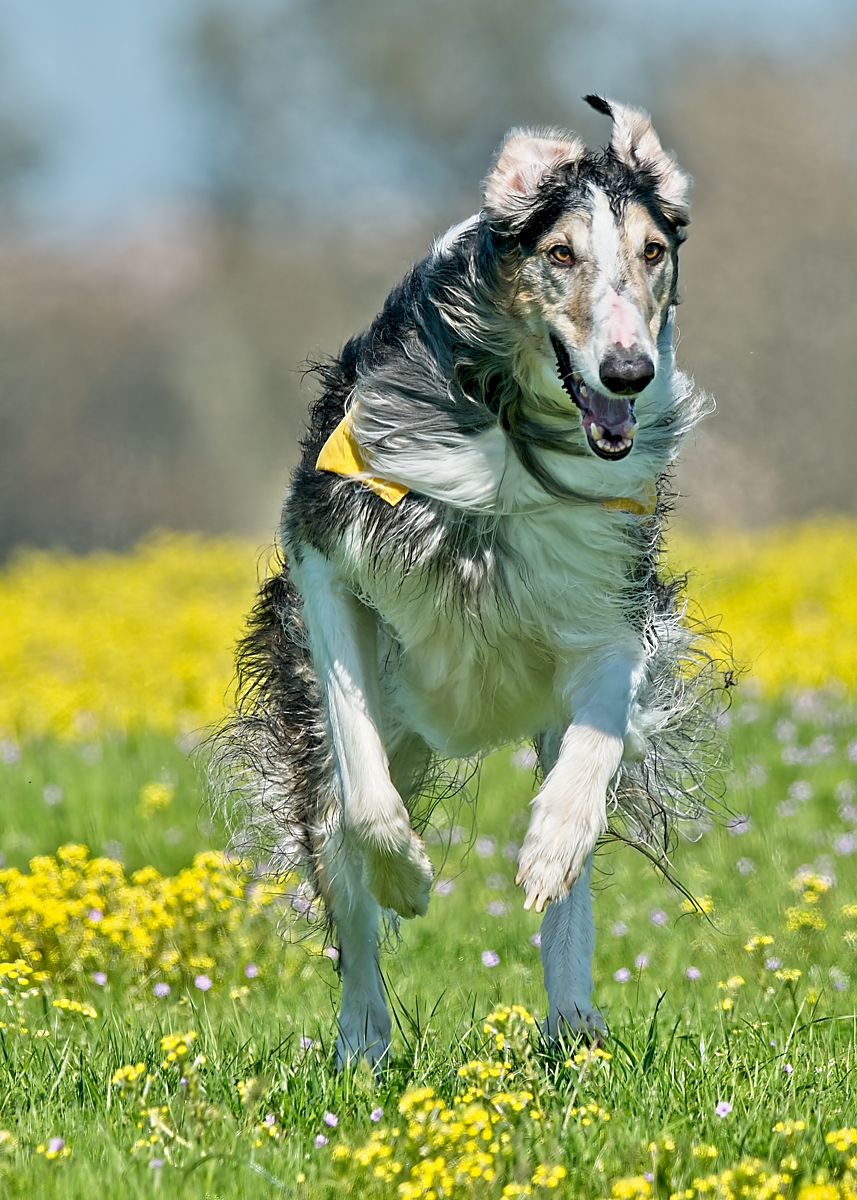
Picture Parade Four Hundred and Twelve.

Back to Unsplash!

Taken from here!

oooo

oooo

oooo

oooo

oooo

oooo

I know I have duplicated one but so what.

And that photography of the Golden Retriever looking over the cliff edge really speaks to me!

More in a week’s time!

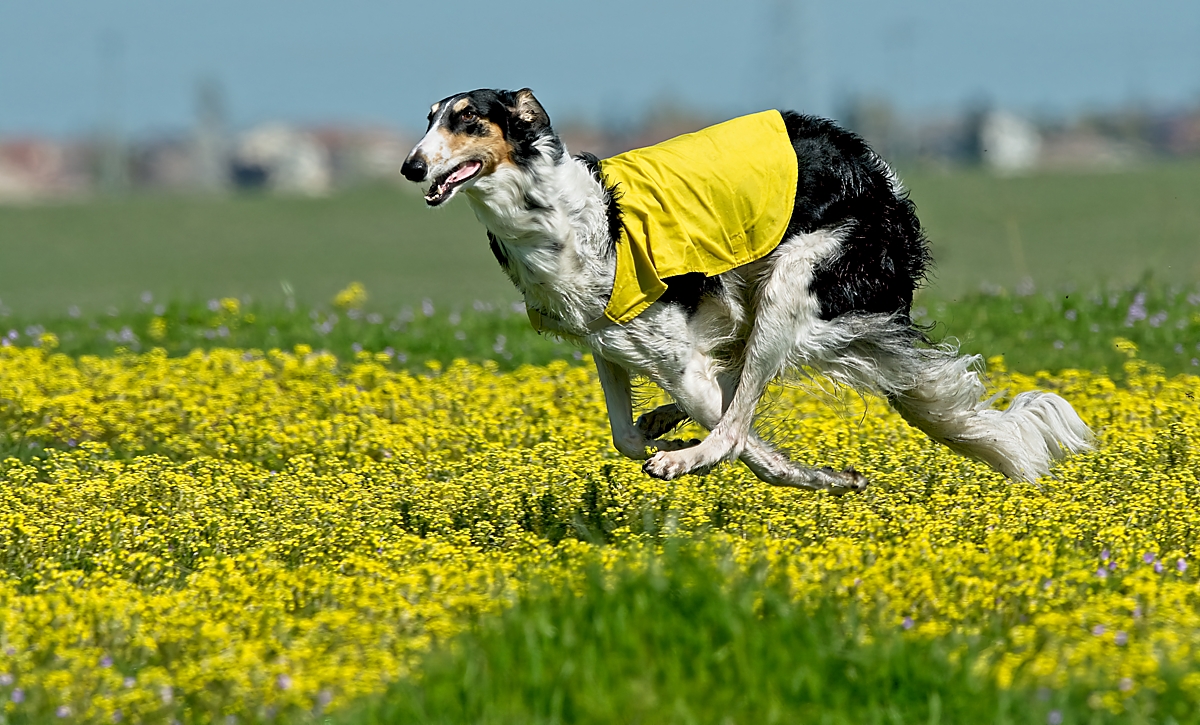
Picture Parade Four Hundred and Eleven

The last of the dog photographs from David Bozsik.

oooo

oooo

oooo

oooo

oooo

That is it, I am afraid. They have been a beautiful set of photographs and we have to thank David Bozsik for them.

I near forgot to mention that, again, these fabulous photographs are Copyright David L Bozsic. I have been given permission by David to republish them.

Manny, a rescue terrier.

A recent new item in the Daily Courier caught our eye.

Like many who live in this corner of the world we read the Grants Pass Daily Courier. On Wednesday, November 3rd at the bottom of the front page was an article entitled: “A shelter dog for 22 months now, Manny continues on comeback trail“

It was a story of a wheaten terrier found in January 2020 abandoned, suffering from wounds both old and new, and the Rogue Valley Humane Society (RVHS) took him in.

Margaret Varner, executive director of RVHS, who helped Manny said that he: “He came in with so many wounds”.

Manny eventually went to an animal trainer near Eugene, Roman Gottfried.

I have chosen to republish an article that appeared on the RVHS website about Roman Gottfried and Manny. Here it is.

ooOOoo

Training Sessions Can Make A Big Difference

Roman Gottfried, our trainer from Holistic Dog Traning, recently hosted another training session with Manny and Noodles. Manny is about 4 years old, loves people, likes to keep busy and is crazy about water! He has had an incredibly difficult past but that hasn’t stopped his zest for life. He’s been moving forward throughout his healing process both physically and emotionally. Our team works daily to provide the stimulation he needs and love he craves.

Manny is still waiting for his forever family

Noodle has since been adopted, but during his stay we learned he had some separation anxiety. His owner named him Noodle because of how he just melts when he is shown affection. When Roman worked with him he helped us determine that Noodle was able to get along well with young children, other dogs and farm animals. Noodle hadn’t had interactions with cats so we couldn’t say how he felt about them, but during his work with Roman we saw he had a lot of energy and absolutely loved his people. Noodle’s previous owners wanted to make sure we knew his perfect home would be with someone who could be with him most of the day, and that is the kind of forever family he found. Soon after getting adopted he began enjoying hikes with his new family and loving it.

Noodles has found his forever family!

During his Q and A that same afternoon, Roman answered common questions from dog owners such as what to do if your dog has separation anxiety, resource guarding or excessive barking issues. Owners wrote in their dog’s behaviors in the live session comments and Roman was able to respond with helpful advice.

ooOOoo

Back to the Courier.

The last two paragraphs of the story are as follows:

And watching him last week, one could see that “calm” is now part of Manny’s behavioural menu. This is an exceptional dog,” Gottfried said, “I’ve worked with a lot of weirdos. This one is a keeper.”

Please can someone soon be Manny’s forever family home. Anyone interested in having Manny please call RVHS on 541-479-5154.

Rogue Valley Humane Society

429 NW Scenic Drive
Grants Pass, OR 97526

Business Hours:
Monday – Saturday
12 pm – 4 pm

Science on the business of loving our dogs (and cats).

A fascinating article!

I have long subscribed to The Conversation and shared quite a few stories with you good people. But this recent one was a terrific report.

Read it yourself and I am sure you will agree with me.

ooOOoo

New research suggests cat and dog ‘moms’ and ‘dads’ really are parenting their pets – here’s the evolutionary explanation why.

Pet parenting can provide love and companionship to both human and animal. Willie B. Thomas/DigitalVision via Getty Images

Shelly Volsche, Boise State University

old pug dog in a stroller and harness
A pup out for a stroll, without paws touching the ground. Shelly Volsche, CC BY-ND

Have you noticed more cats riding in strollers lately? Or bumper stickers that read, “I love my granddogs”? You’re not imagining it. More people are investing serious time, money and attention in their pets.

It looks an awful lot like parenting, but of pets, not people.

Can this kind of caregiving toward animals really be considered parenting? Or is something else going on here?

I’m an anthropologist who studies human-animal interactions, a field known as anthrozoology. I want to better understand the behavior of pet parenting by people from the perspective of evolutionary science. After all, cultural norms and evolutionary biology both suggest people should focus on raising their own children, not animals of a completely different species.

More child-free people, more pet parents

The current moment is unique in human history. Many societies, including the U.S., are experiencing major changes in how people live, work and socialize. Fertility rates are low, and people have more flexibility in how they choose to live their lives. These factors can lead people to further their education and value defining oneself as an individual over family obligations. With basics taken care of, people can focus on higher order psychological needs like feelings of achievement and a sense of purpose.

The scene is set for people to actively choose to focus on pets instead of children.

In earlier research, I interviewed 28 self-identified child-free pet owners to better understand how they relate to their animals. These individuals pointedly shared that they had actively chosen cats and dogs instead of children. In many cases, their use of parent-child relational terms – calling themselves a pet’s “mom” for instance – was simply shorthand.

They emphasized fulfilling the species-specific needs of their dogs and cats. For example, they might fulfill the animal’s need to forage by feeding meals using a food puzzle, while most children are fed at the table. These pet owners acknowledged differences in the nutrition, socialization and learning needs of animals versus children. They were not unthinkingly replacing human children with “fur babies” by treating them like small, furry humans.

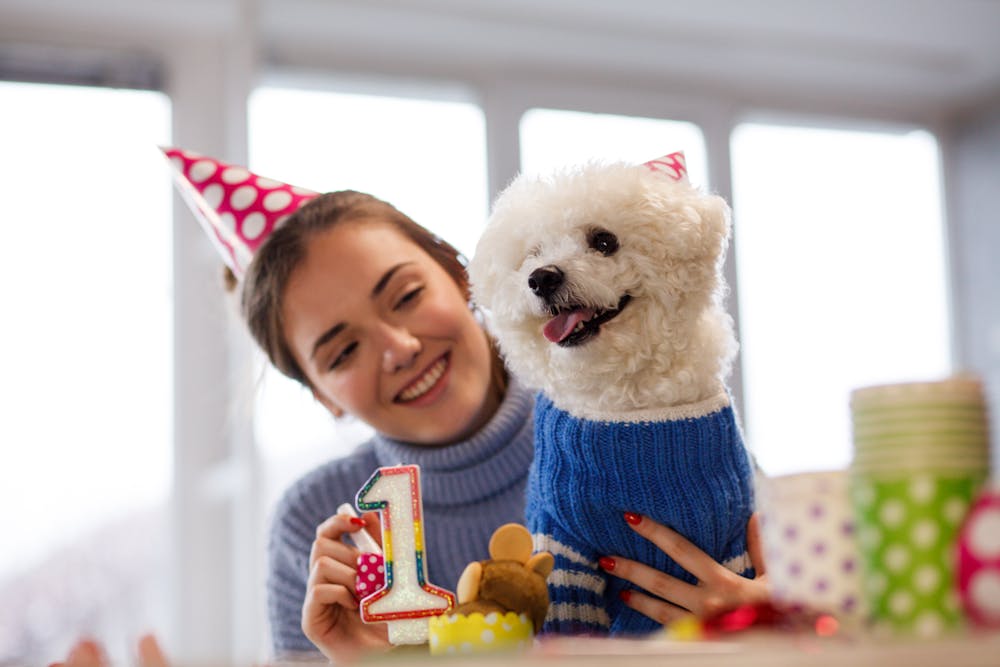
woman with party hat with dog
Pet parents might celebrate their dog’s big day – but with a doggy treat and not chocolate cake. fotostorm/E+ via Getty Images

Other researchers find similar connections, showing that child-free pet owners perceive their companions as emotional, thinking individuals. This way of understanding the mind of the animal helps lead to the development of a parent identity toward companion animals. In other cases, uncertain individuals find their need to nurture sufficiently fulfilled by caring for pets, cementing their fertility decisions to remain child-free.

Nurturing others is part of being human

Yet, these findings still do not answer this question: Are people who choose pets over children truly parenting their pets? To answer, I turned to the evolution of parenting and caregiving.

Evolutionary anthropologist Sarah Hardy wrote in 2009 that humans are cooperative breeders. This means it is literally in our DNA and our ancestral history to help care for offspring who are not our own. Anthropologists and biologists call this trait alloparenting. It is an evolutionary adaptation that helped human beings who cooperatively raised children survive. For early humans, this ancient environment was likely made up of small, foraging societies in which some people exchanged child care for food and other resources.

I propose that it is this evolutionary history that explains pet parenting. If people evolved to alloparent, and our environment is now making caring for children more difficult or less appealing to some, it makes sense for people to alloparent other species entering their homes. Alloparenting companion animals can offer a way to fulfill the evolved need to nurture while reducing the investment of time, money and emotional energy compared to raising children.

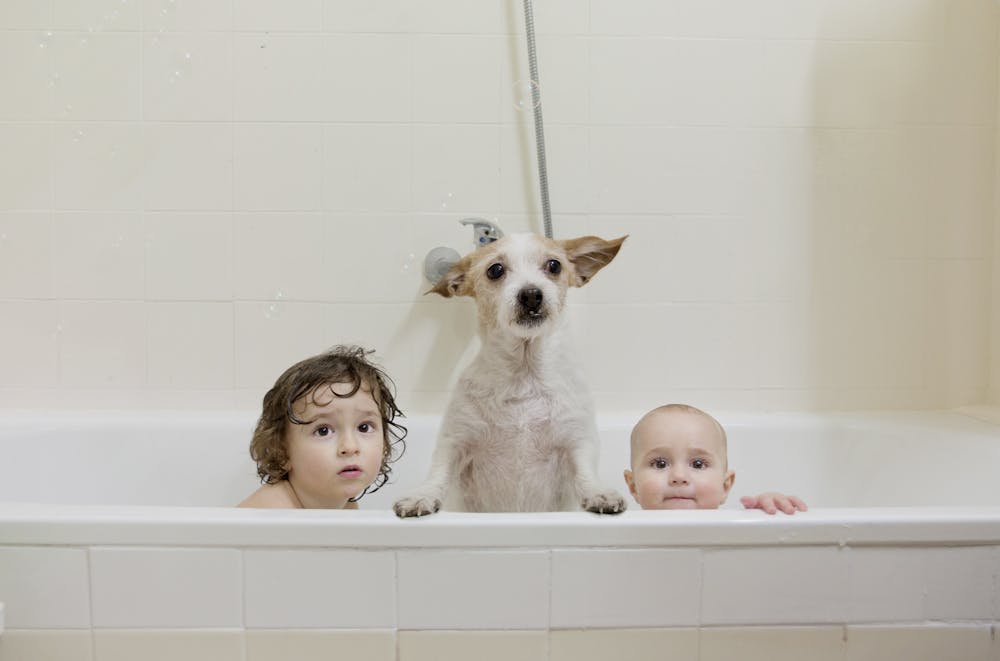
two kids and dog bathing in tub
Do people relate to animals differently in families with children? Mayte Torres/Moment via Getty Images

Untangling differences in caring for pets

To further understand this phenomenon of child-free adults parenting pets, I launched an online survey via social media, seeking responses from U.S.-based dog and cat owners over the age of 18. The survey included questions about attachment and caregiving behaviors using the Lexington Attachment to Pets Scale. It also asked a series of questions I developed to probe specific human caretaking behaviors oriented toward pets – things like feeding, bathing and training – as well as how much autonomy companion animals had in the home.

The final sample of 917 respondents included 620 parents, 254 nonparents and 43 people who were undecided or did not answer. Most of the respondents were also married or in a domestic partnership for over one year (57%), between the ages of 25 and 60 (72%) and had at least a bachelor’s degree (77%). They were also mostly women (85%) and heterosexual (85%), a common situation in human-animal interactions research.

Both parents and nonparents reported high amounts of training and play with their pets. This finding makes sense given that all pet owners need to help their dogs and cats learn how to navigate a human world. Survey respondents reported socializing, training and enrichment, including play, for their animals.

Nonparents were more likely to be the one providing general care for the animal. This finding also makes sense since parents often adopt or purchase companion animals as a way to help their children learn responsibility and to care for others. Child-free animal owners invest time, money and emotional energy directly in their pets.

Nonparents reported higher rates of general attachment to their animals. They more frequently viewed their pets as individuals. Nonparents were also more likely to use family terms such as “parent,” “child,” “kids” and “guardians” when referring to their relationships with their pet.

woman on couch petting cat
Caring for another being can be fulfilling and rewarding. Delmaine Donson/E+ via Getty Images

It is this difference, combined with the evidence from my earlier research that these individuals address the species-specific needs of the dogs and cats in their care, that suggests pet parenting is, truly, parenting pets. Though the details may look quite different – attending training classes instead of school functions, or providing smell walks for dogs instead of coloring books for children – both practices fulfill the same evolved function. Whether child or pet, people are meeting the same evolved need to care for, teach and love a sentient other.

My colleagues and I continue to collect data from all over the world about how people live with animals. For now, this study provides evidence that, perhaps rather than being evolved to parent, humans are evolved to nurture. And as a result, who and when we parent is much more flexible than you might initially believe.

[Get our best science, health and technology stories. Sign up for The Conversation’s science newsletter.]

Shelly Volsche, Clinical Assistant Professor of Anthropology, Boise State University

This article is republished from The Conversation under a Creative Commons license. Read the original article.

ooOOoo

Shelly does a fabulous job of looking more closely at the science and it is a science that has a very wide appeal. For in the UK, according to the RSPCA, “In the UK, it’s estimated that 12 million (44 percent of) households have pets with around 51 million pets owned.“

Here in America The Washington Post reported that: “Google the U.S. pet population, and you’re quickly confronted with two oft-cited, and contradictory, sources. The American Pet Products Association (APPA) found that 68 percent of U.S. households owned some sort of pet in 2016 — “equal to the highest level ever reported,” it gushed in the executive summary. Among those pets were about 90 million dogs and 94 million cats, the group said.“

That is just two countries. The worldwide population of dogs and cats must be gigantic.

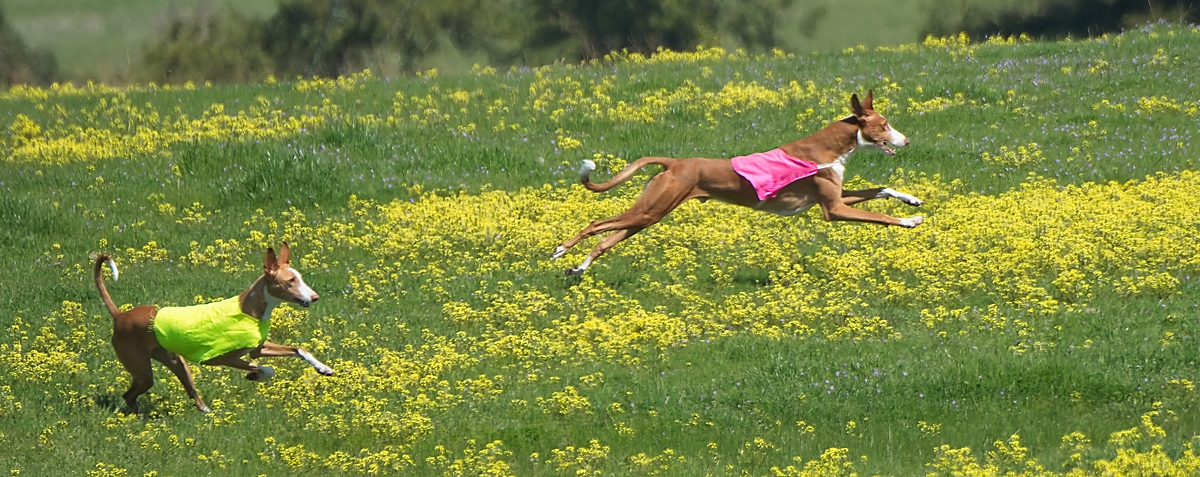
Picture Parade Four Hundred and Ten

Another set of beautiful dog photographs from David Bozsik.

Again, please preserve the copyright on these photographs. I have been given permission to republish them.

oooo

oooo
oooo
oooo
oooo

There are some more to share with you in a week’s time.

Stay safe out there!