Back to Unsplash!
Taken from here!
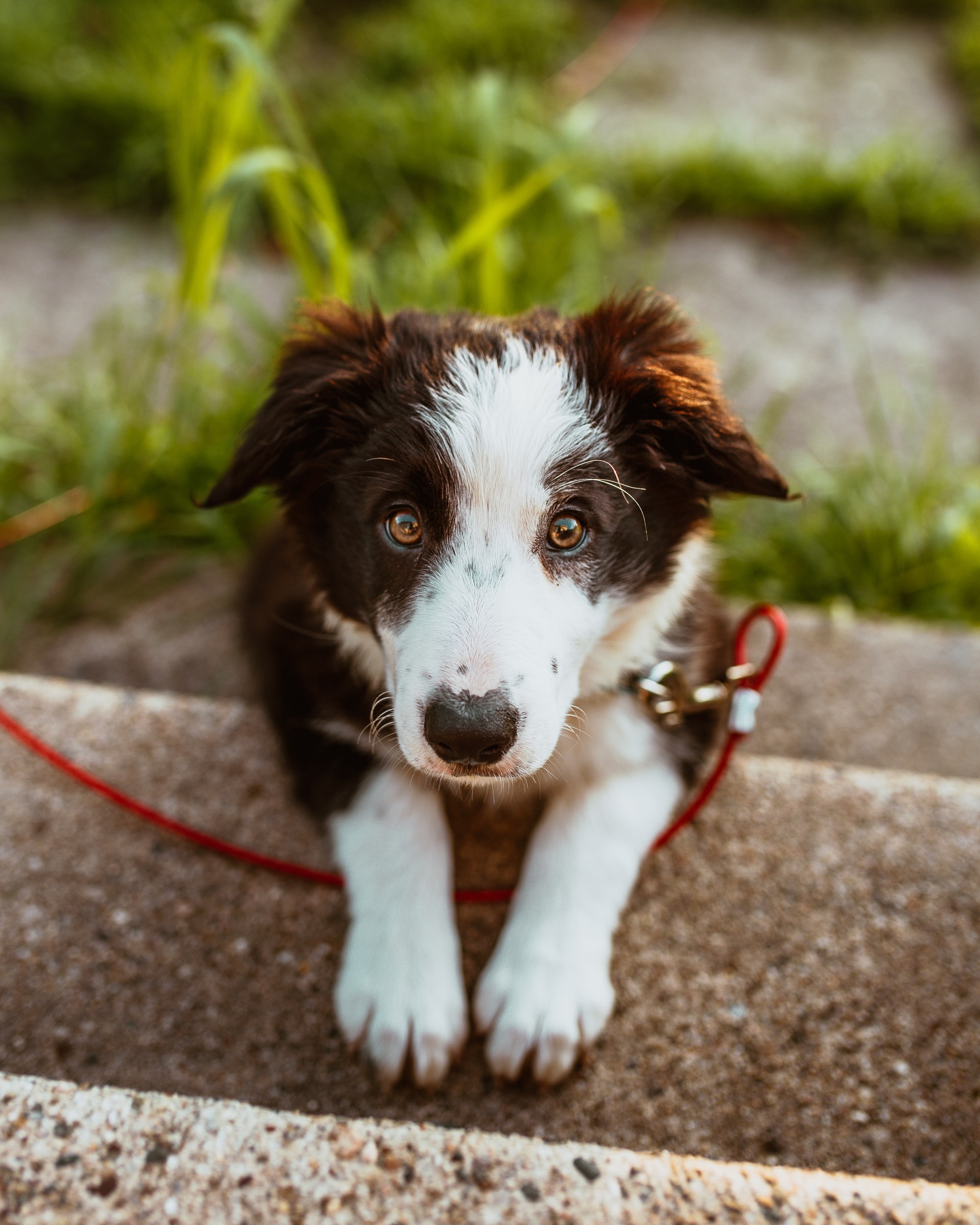
oooo
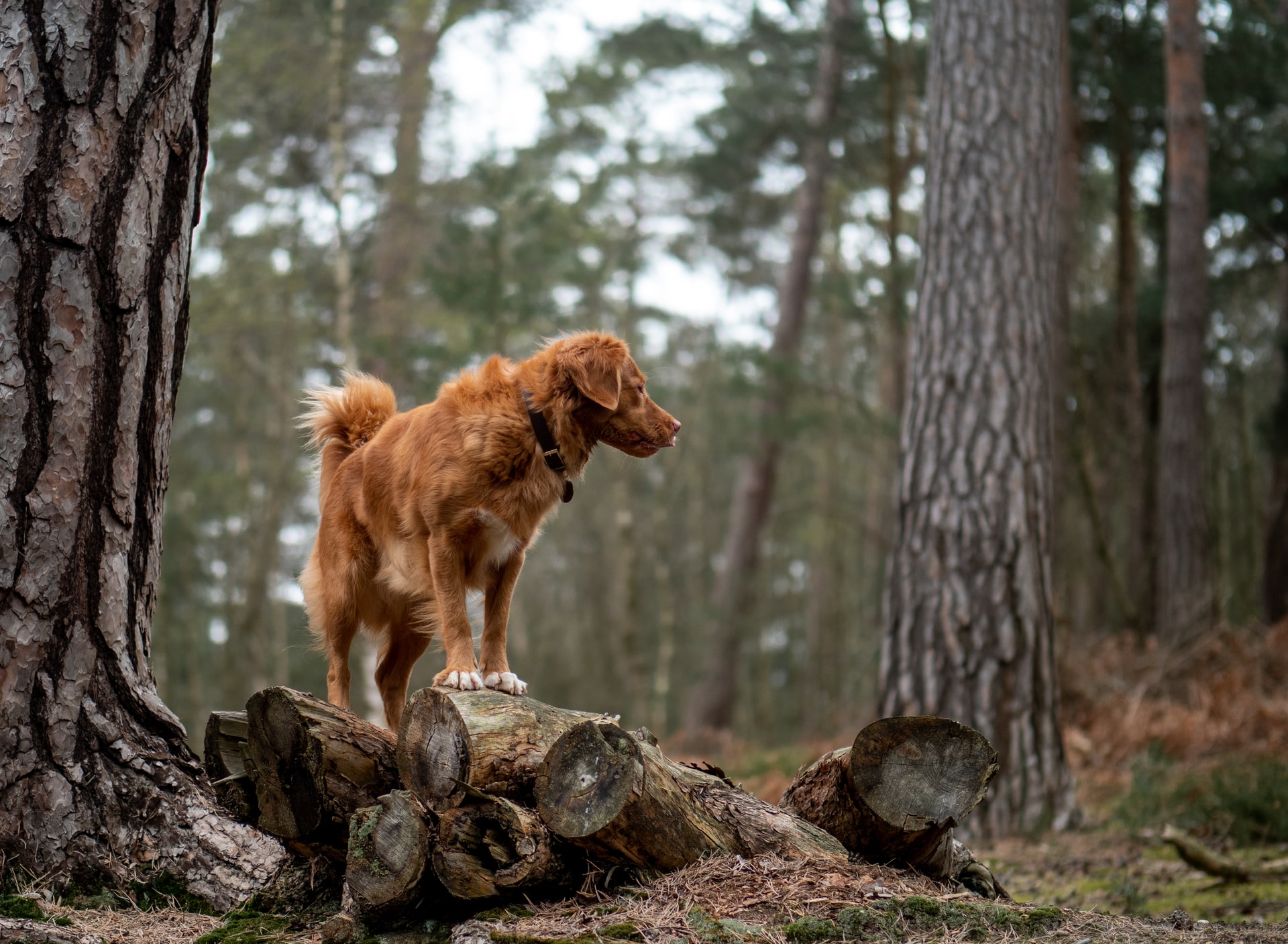
oooo
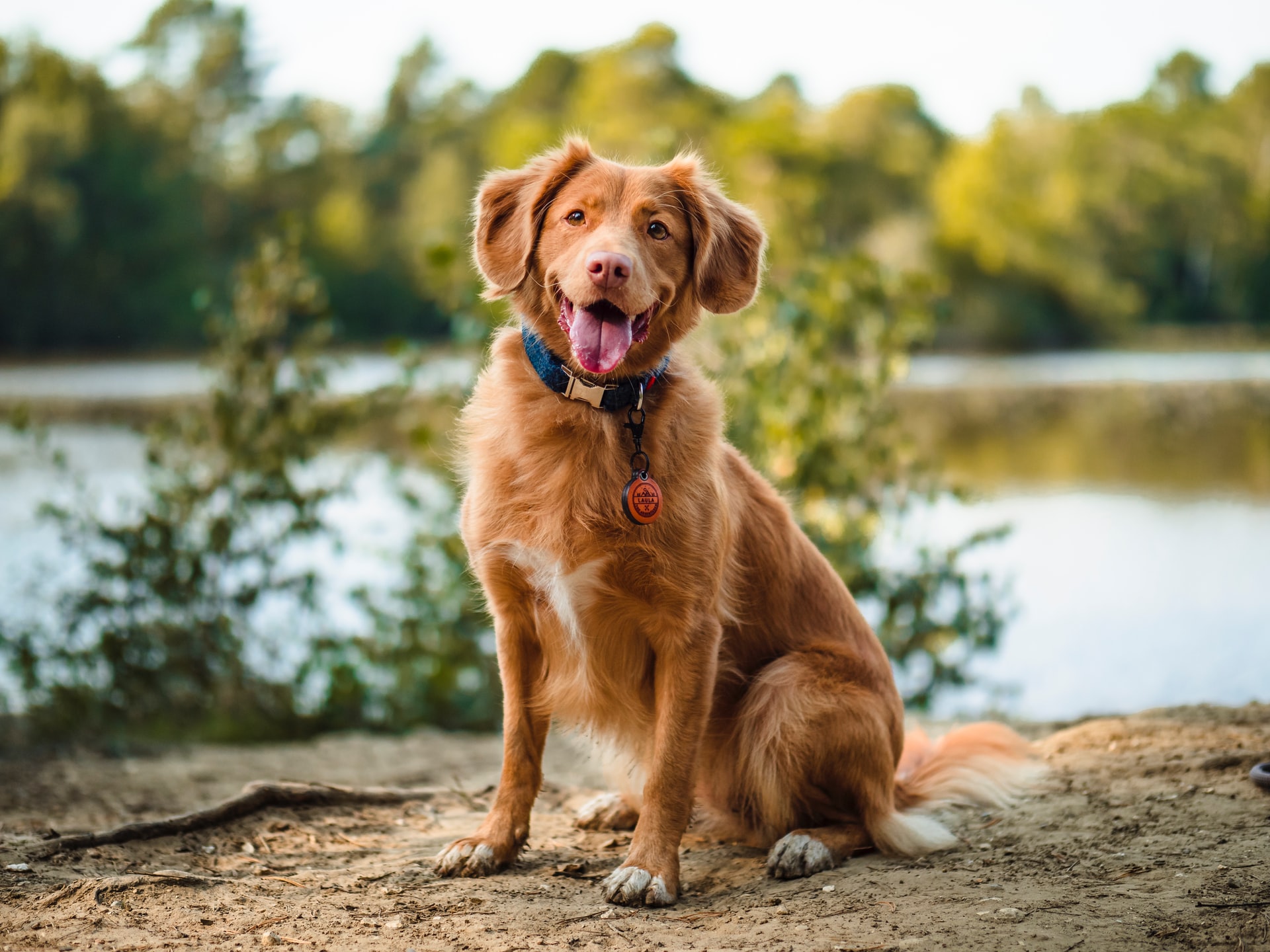
oooo
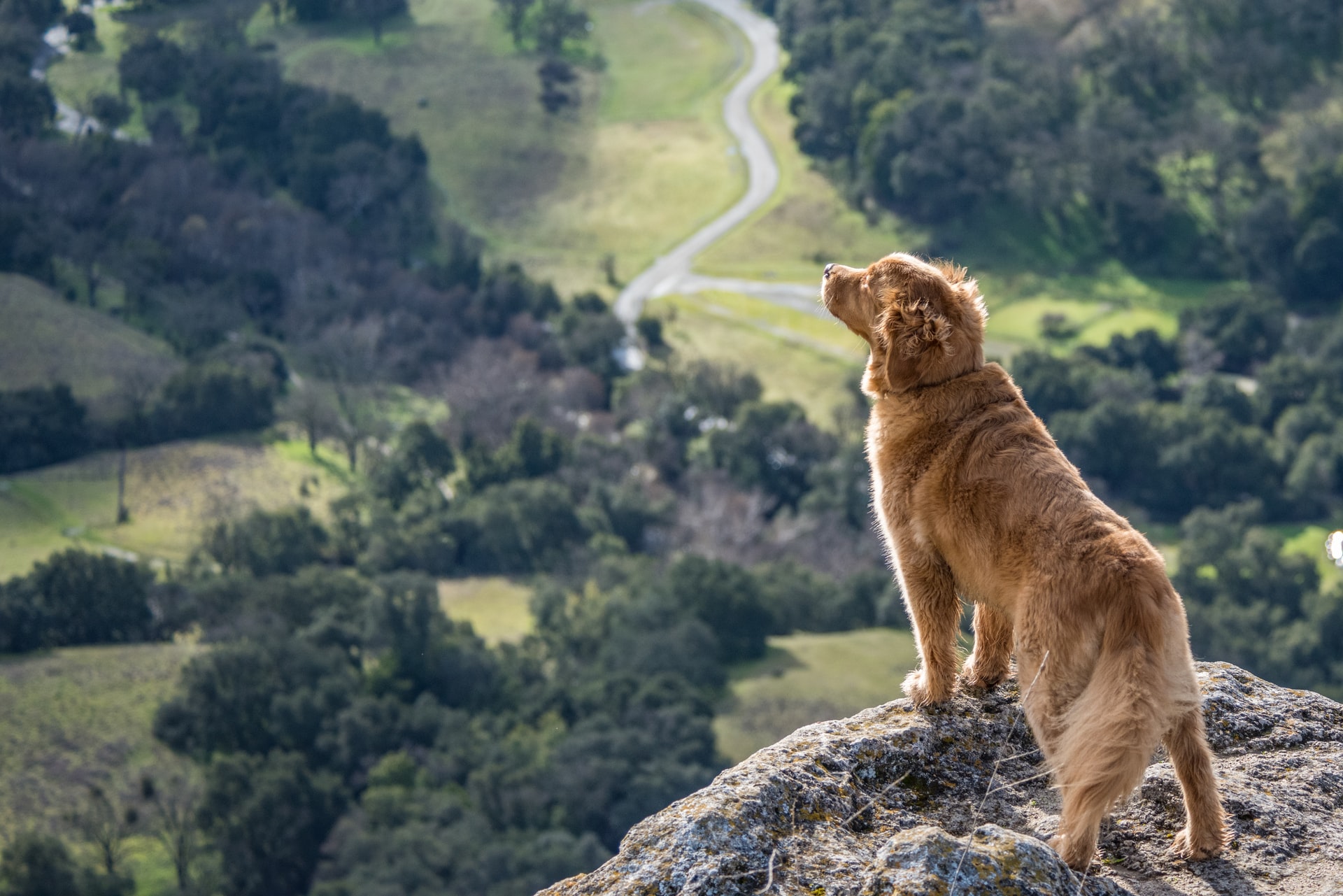
oooo
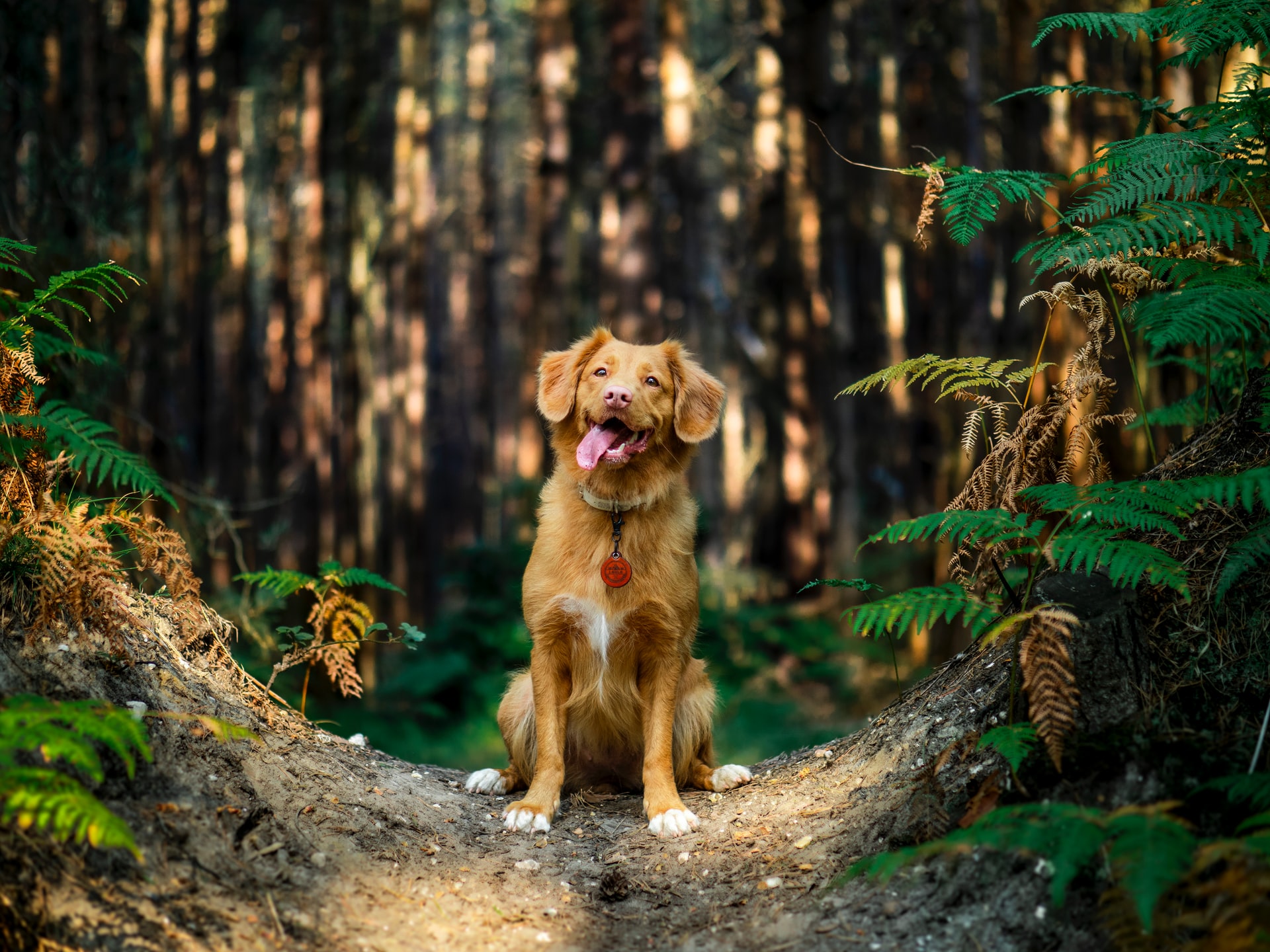
oooo
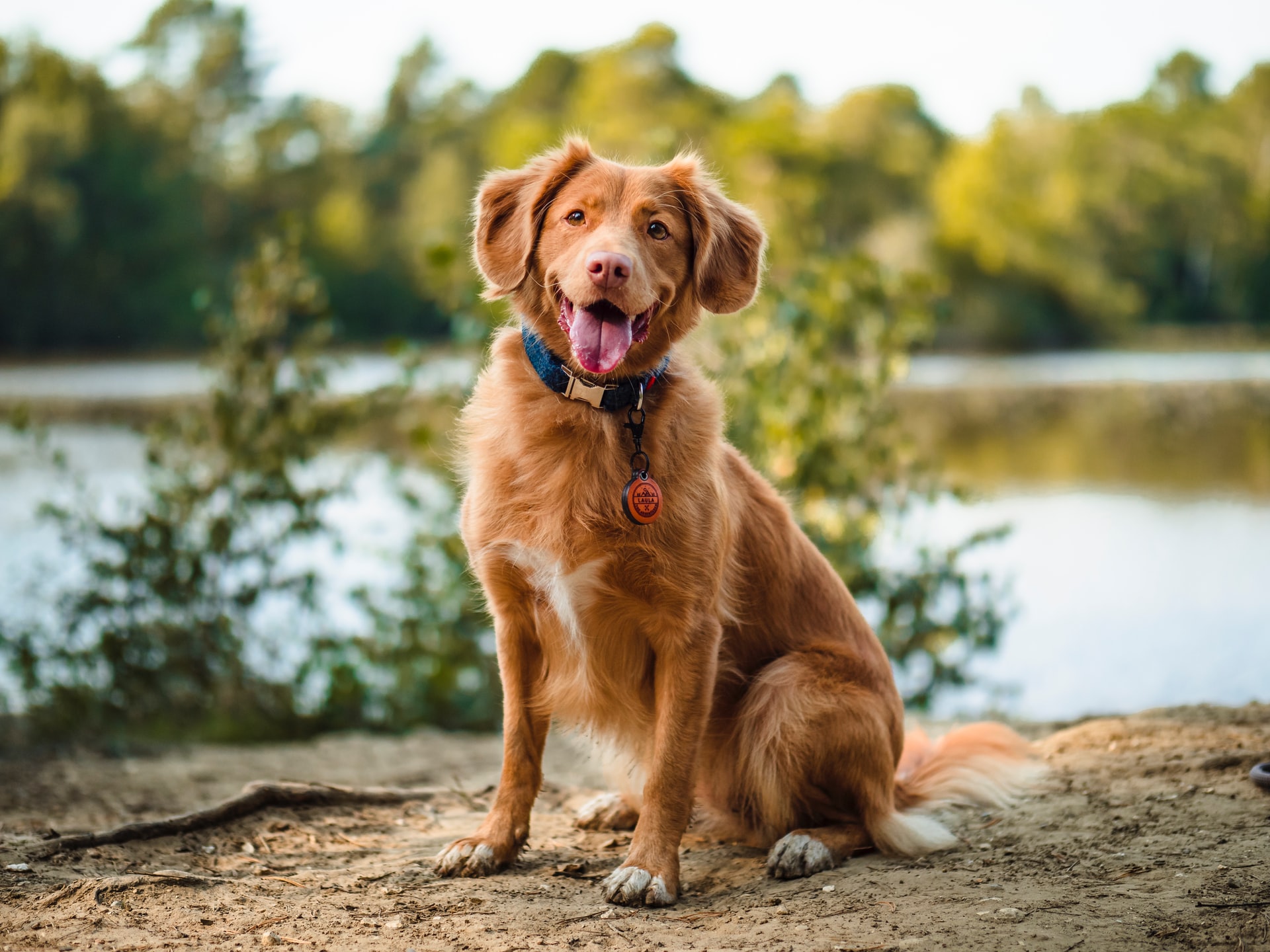
oooo
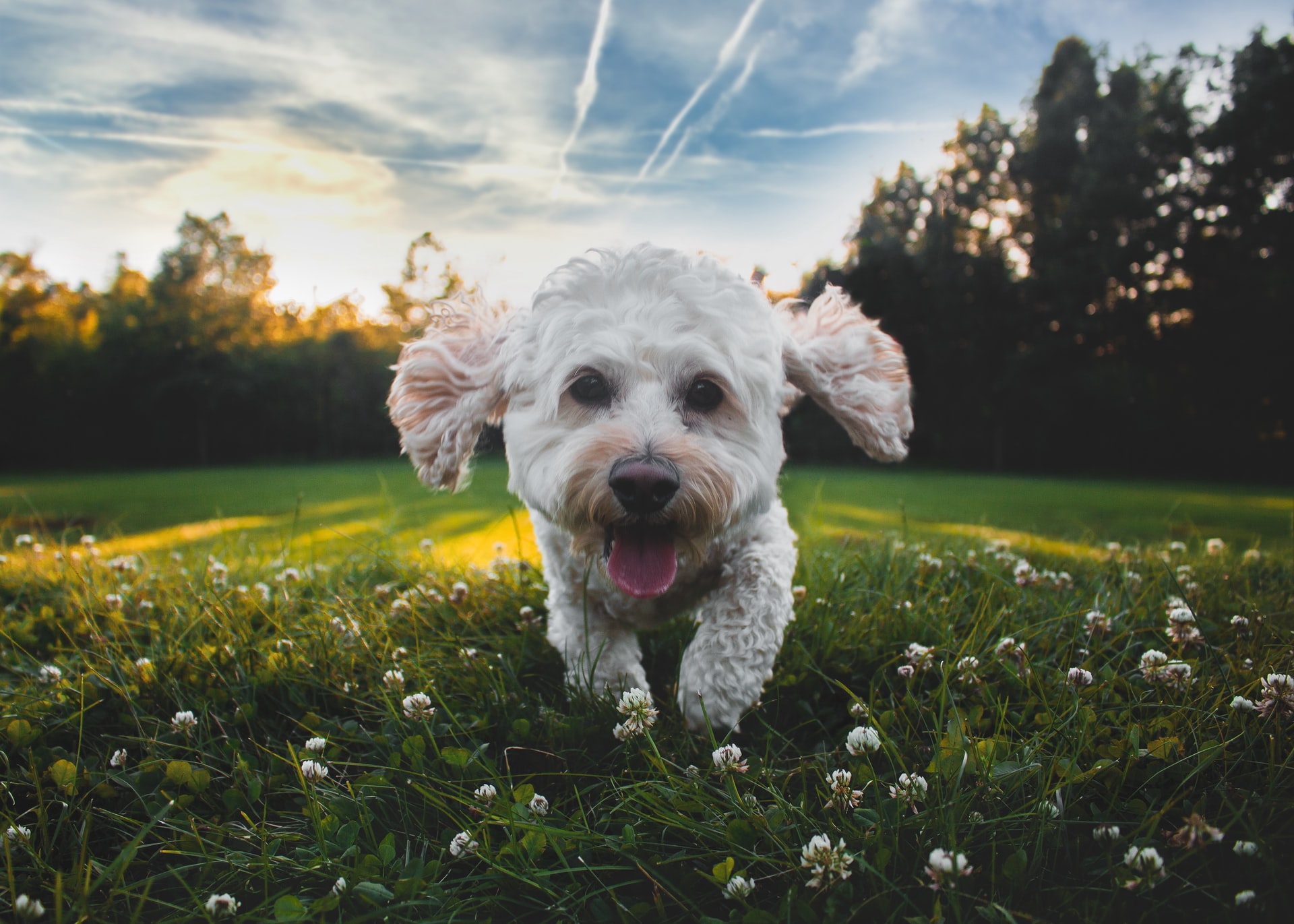
I know I have duplicated one but so what.
And that photography of the Golden Retriever looking over the cliff edge really speaks to me!
More in a week’s time!
Dogs are animals of integrity. We have much to learn from them.
Category: Dogs
Back to Unsplash!
Taken from here!
oooo
oooo
oooo
oooo
oooo
oooo
I know I have duplicated one but so what.
And that photography of the Golden Retriever looking over the cliff edge really speaks to me!
More in a week’s time!
The last of the dog photographs from David Bozsik.

oooo

oooo
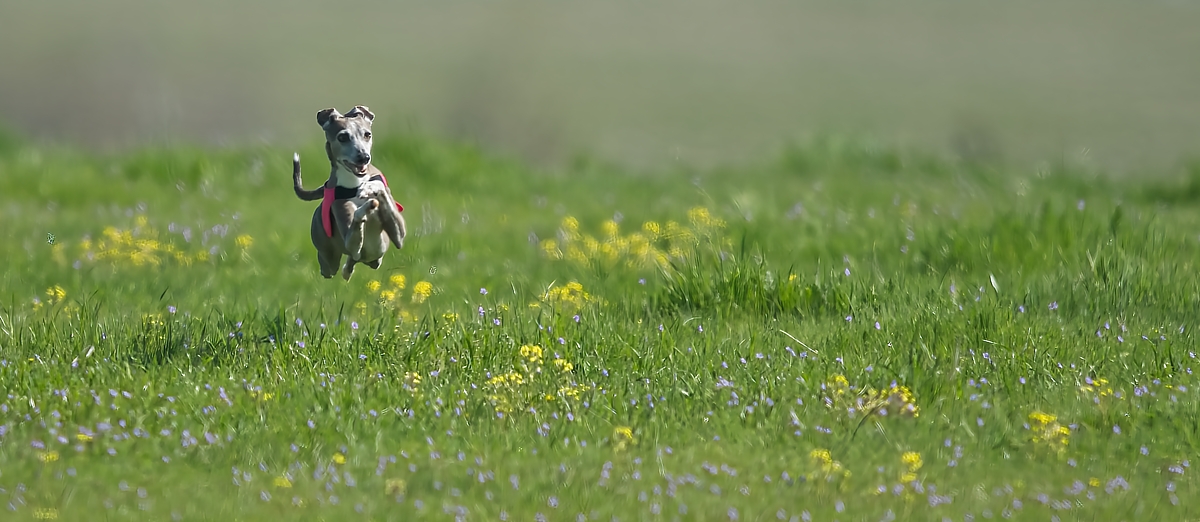
oooo

oooo

oooo

That is it, I am afraid. They have been a beautiful set of photographs and we have to thank David Bozsik for them.
I near forgot to mention that, again, these fabulous photographs are Copyright David L Bozsic. I have been given permission by David to republish them.
A recent new item in the Daily Courier caught our eye.
Like many who live in this corner of the world we read the Grants Pass Daily Courier. On Wednesday, November 3rd at the bottom of the front page was an article entitled: “A shelter dog for 22 months now, Manny continues on comeback trail“
It was a story of a wheaten terrier found in January 2020 abandoned, suffering from wounds both old and new, and the Rogue Valley Humane Society (RVHS) took him in.
Margaret Varner, executive director of RVHS, who helped Manny said that he: “He came in with so many wounds”.
Manny eventually went to an animal trainer near Eugene, Roman Gottfried.
I have chosen to republish an article that appeared on the RVHS website about Roman Gottfried and Manny. Here it is.
ooOOoo

Roman Gottfried, our trainer from Holistic Dog Traning, recently hosted another training session with Manny and Noodles. Manny is about 4 years old, loves people, likes to keep busy and is crazy about water! He has had an incredibly difficult past but that hasn’t stopped his zest for life. He’s been moving forward throughout his healing process both physically and emotionally. Our team works daily to provide the stimulation he needs and love he craves.
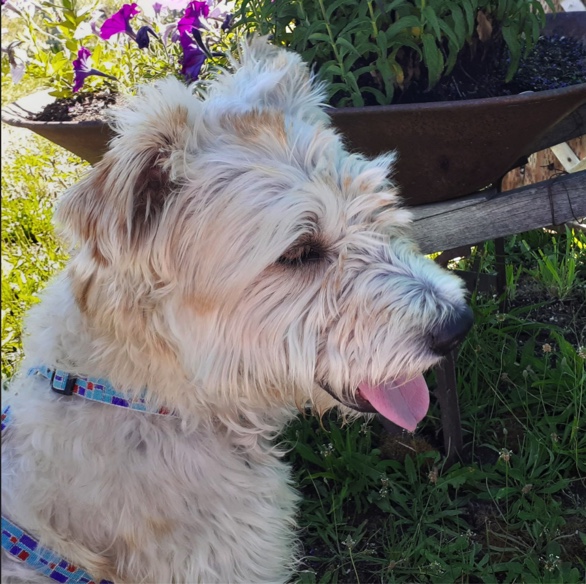
Noodle has since been adopted, but during his stay we learned he had some separation anxiety. His owner named him Noodle because of how he just melts when he is shown affection. When Roman worked with him he helped us determine that Noodle was able to get along well with young children, other dogs and farm animals. Noodle hadn’t had interactions with cats so we couldn’t say how he felt about them, but during his work with Roman we saw he had a lot of energy and absolutely loved his people. Noodle’s previous owners wanted to make sure we knew his perfect home would be with someone who could be with him most of the day, and that is the kind of forever family he found. Soon after getting adopted he began enjoying hikes with his new family and loving it.

During his Q and A that same afternoon, Roman answered common questions from dog owners such as what to do if your dog has separation anxiety, resource guarding or excessive barking issues. Owners wrote in their dog’s behaviors in the live session comments and Roman was able to respond with helpful advice.
ooOOoo
Back to the Courier.
The last two paragraphs of the story are as follows:
And watching him last week, one could see that “calm” is now part of Manny’s behavioural menu. This is an exceptional dog,” Gottfried said, “I’ve worked with a lot of weirdos. This one is a keeper.”
Please can someone soon be Manny’s forever family home. Anyone interested in having Manny please call RVHS on 541-479-5154.
Rogue Valley Humane Society
429 NW Scenic Drive
Grants Pass, OR 97526
Business Hours:
Monday – Saturday
12 pm – 4 pm
A fascinating article!
I have long subscribed to The Conversation and shared quite a few stories with you good people. But this recent one was a terrific report.
Read it yourself and I am sure you will agree with me.
ooOOoo
New research suggests cat and dog ‘moms’ and ‘dads’ really are parenting their pets – here’s the evolutionary explanation why.
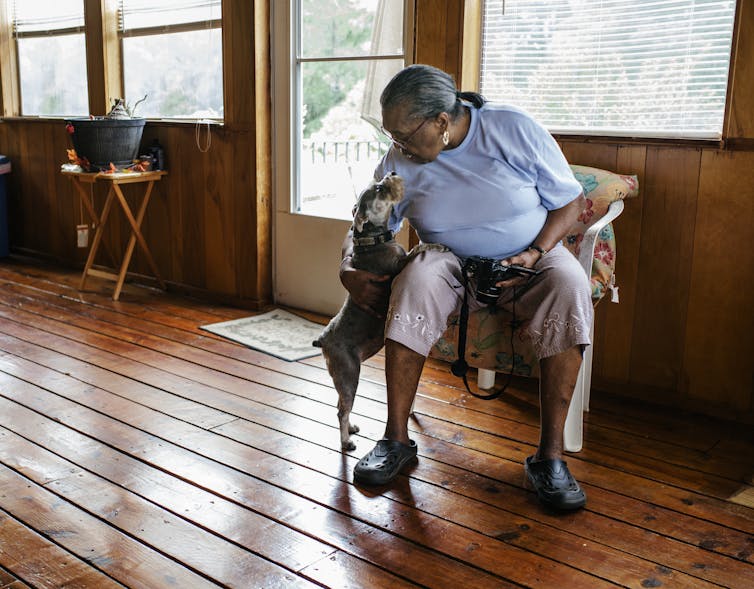
Shelly Volsche, Boise State University
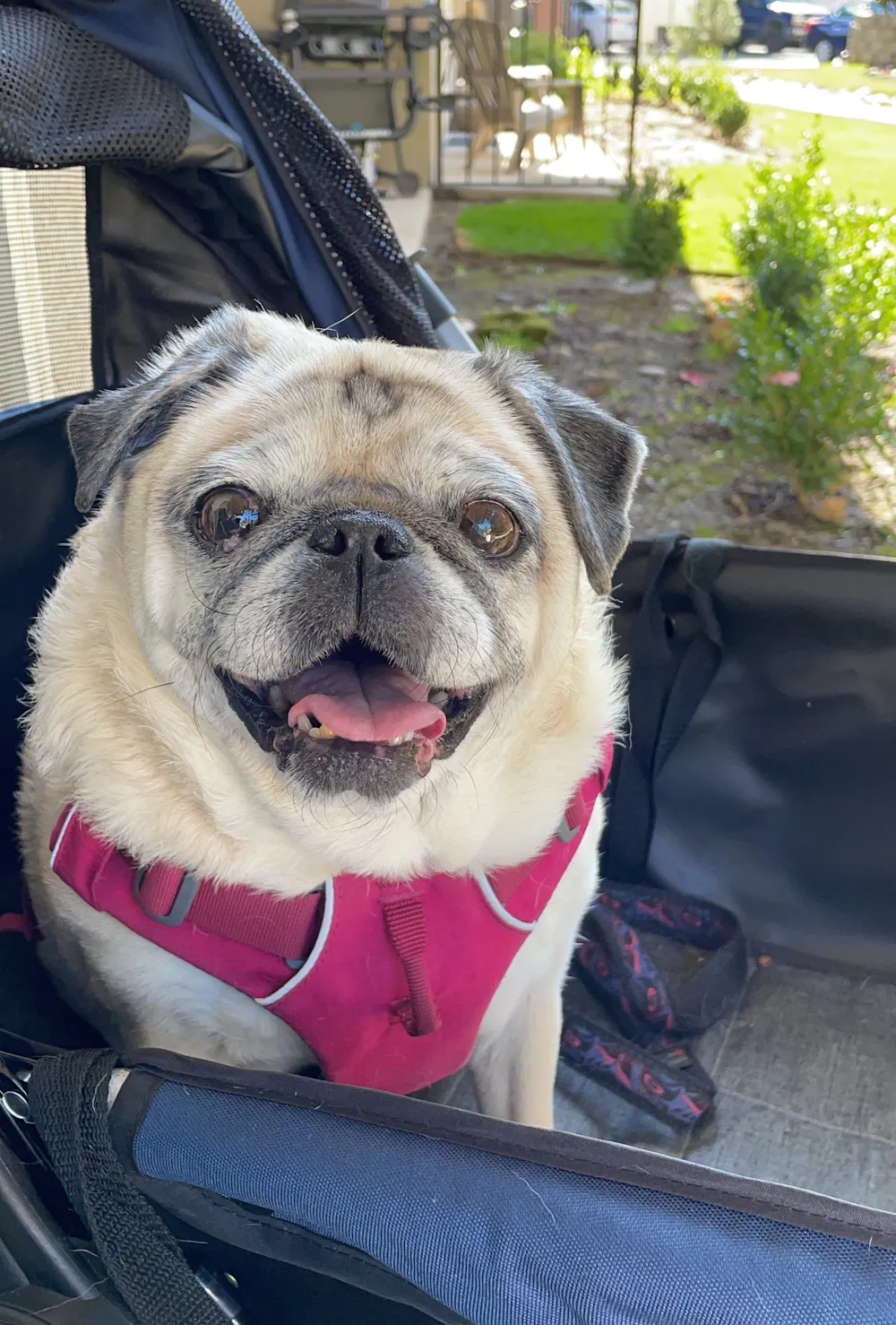
Have you noticed more cats riding in strollers lately? Or bumper stickers that read, “I love my granddogs”? You’re not imagining it. More people are investing serious time, money and attention in their pets.
It looks an awful lot like parenting, but of pets, not people.
Can this kind of caregiving toward animals really be considered parenting? Or is something else going on here?
I’m an anthropologist who studies human-animal interactions, a field known as anthrozoology. I want to better understand the behavior of pet parenting by people from the perspective of evolutionary science. After all, cultural norms and evolutionary biology both suggest people should focus on raising their own children, not animals of a completely different species.
The current moment is unique in human history. Many societies, including the U.S., are experiencing major changes in how people live, work and socialize. Fertility rates are low, and people have more flexibility in how they choose to live their lives. These factors can lead people to further their education and value defining oneself as an individual over family obligations. With basics taken care of, people can focus on higher order psychological needs like feelings of achievement and a sense of purpose.
The scene is set for people to actively choose to focus on pets instead of children.
In earlier research, I interviewed 28 self-identified child-free pet owners to better understand how they relate to their animals. These individuals pointedly shared that they had actively chosen cats and dogs instead of children. In many cases, their use of parent-child relational terms – calling themselves a pet’s “mom” for instance – was simply shorthand.
They emphasized fulfilling the species-specific needs of their dogs and cats. For example, they might fulfill the animal’s need to forage by feeding meals using a food puzzle, while most children are fed at the table. These pet owners acknowledged differences in the nutrition, socialization and learning needs of animals versus children. They were not unthinkingly replacing human children with “fur babies” by treating them like small, furry humans.
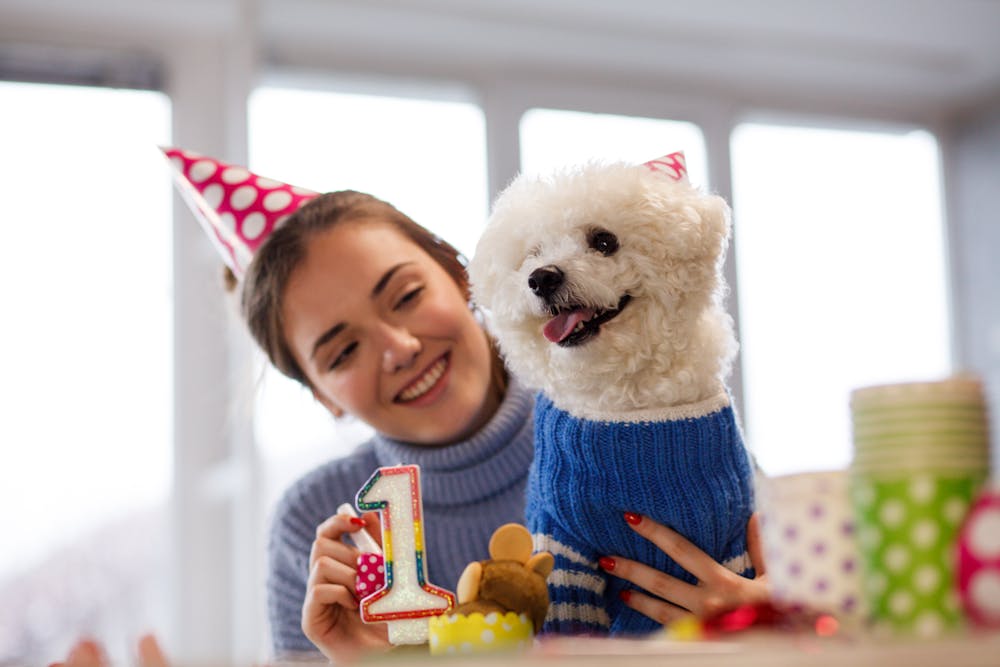
Other researchers find similar connections, showing that child-free pet owners perceive their companions as emotional, thinking individuals. This way of understanding the mind of the animal helps lead to the development of a parent identity toward companion animals. In other cases, uncertain individuals find their need to nurture sufficiently fulfilled by caring for pets, cementing their fertility decisions to remain child-free.
Yet, these findings still do not answer this question: Are people who choose pets over children truly parenting their pets? To answer, I turned to the evolution of parenting and caregiving.
Evolutionary anthropologist Sarah Hardy wrote in 2009 that humans are cooperative breeders. This means it is literally in our DNA and our ancestral history to help care for offspring who are not our own. Anthropologists and biologists call this trait alloparenting. It is an evolutionary adaptation that helped human beings who cooperatively raised children survive. For early humans, this ancient environment was likely made up of small, foraging societies in which some people exchanged child care for food and other resources.
I propose that it is this evolutionary history that explains pet parenting. If people evolved to alloparent, and our environment is now making caring for children more difficult or less appealing to some, it makes sense for people to alloparent other species entering their homes. Alloparenting companion animals can offer a way to fulfill the evolved need to nurture while reducing the investment of time, money and emotional energy compared to raising children.
To further understand this phenomenon of child-free adults parenting pets, I launched an online survey via social media, seeking responses from U.S.-based dog and cat owners over the age of 18. The survey included questions about attachment and caregiving behaviors using the Lexington Attachment to Pets Scale. It also asked a series of questions I developed to probe specific human caretaking behaviors oriented toward pets – things like feeding, bathing and training – as well as how much autonomy companion animals had in the home.
The final sample of 917 respondents included 620 parents, 254 nonparents and 43 people who were undecided or did not answer. Most of the respondents were also married or in a domestic partnership for over one year (57%), between the ages of 25 and 60 (72%) and had at least a bachelor’s degree (77%). They were also mostly women (85%) and heterosexual (85%), a common situation in human-animal interactions research.
Both parents and nonparents reported high amounts of training and play with their pets. This finding makes sense given that all pet owners need to help their dogs and cats learn how to navigate a human world. Survey respondents reported socializing, training and enrichment, including play, for their animals.
Nonparents were more likely to be the one providing general care for the animal. This finding also makes sense since parents often adopt or purchase companion animals as a way to help their children learn responsibility and to care for others. Child-free animal owners invest time, money and emotional energy directly in their pets.
Nonparents reported higher rates of general attachment to their animals. They more frequently viewed their pets as individuals. Nonparents were also more likely to use family terms such as “parent,” “child,” “kids” and “guardians” when referring to their relationships with their pet.

It is this difference, combined with the evidence from my earlier research that these individuals address the species-specific needs of the dogs and cats in their care, that suggests pet parenting is, truly, parenting pets. Though the details may look quite different – attending training classes instead of school functions, or providing smell walks for dogs instead of coloring books for children – both practices fulfill the same evolved function. Whether child or pet, people are meeting the same evolved need to care for, teach and love a sentient other.
My colleagues and I continue to collect data from all over the world about how people live with animals. For now, this study provides evidence that, perhaps rather than being evolved to parent, humans are evolved to nurture. And as a result, who and when we parent is much more flexible than you might initially believe.
[Get our best science, health and technology stories. Sign up for The Conversation’s science newsletter.]
Shelly Volsche, Clinical Assistant Professor of Anthropology, Boise State University
This article is republished from The Conversation under a Creative Commons license. Read the original article.
ooOOoo
Shelly does a fabulous job of looking more closely at the science and it is a science that has a very wide appeal. For in the UK, according to the RSPCA, “In the UK, it’s estimated that 12 million (44 percent of) households have pets with around 51 million pets owned.“
Here in America The Washington Post reported that: “Google the U.S. pet population, and you’re quickly confronted with two oft-cited, and contradictory, sources. The American Pet Products Association (APPA) found that 68 percent of U.S. households owned some sort of pet in 2016 — “equal to the highest level ever reported,” it gushed in the executive summary. Among those pets were about 90 million dogs and 94 million cats, the group said.“
That is just two countries. The worldwide population of dogs and cats must be gigantic.
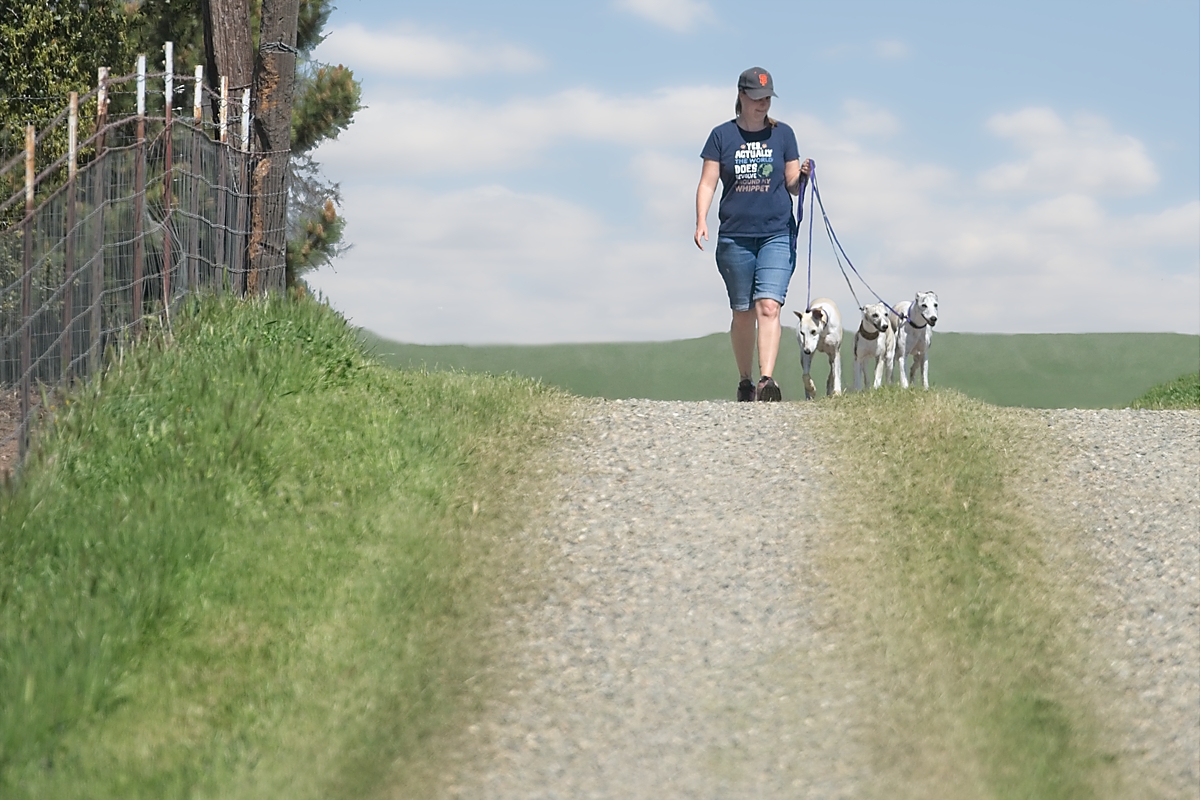
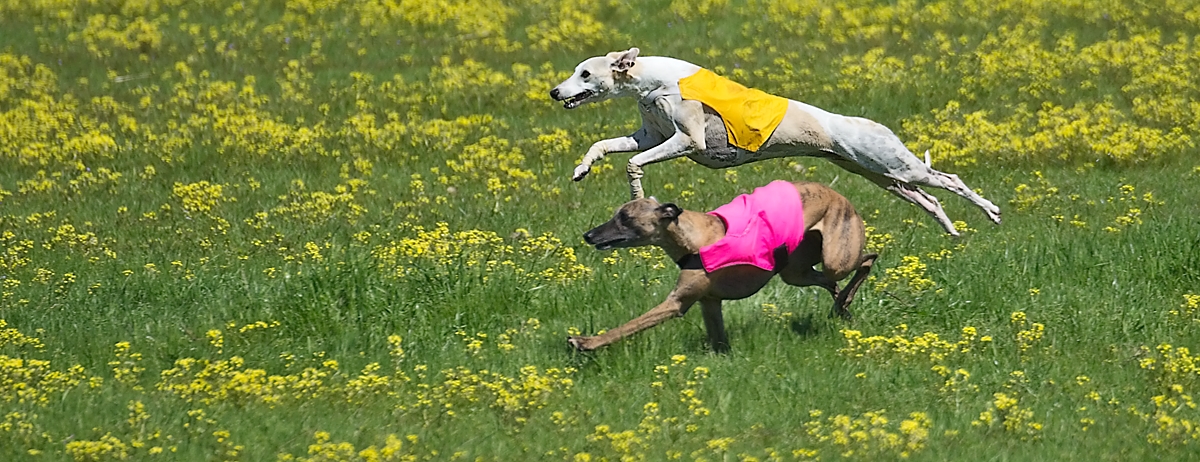
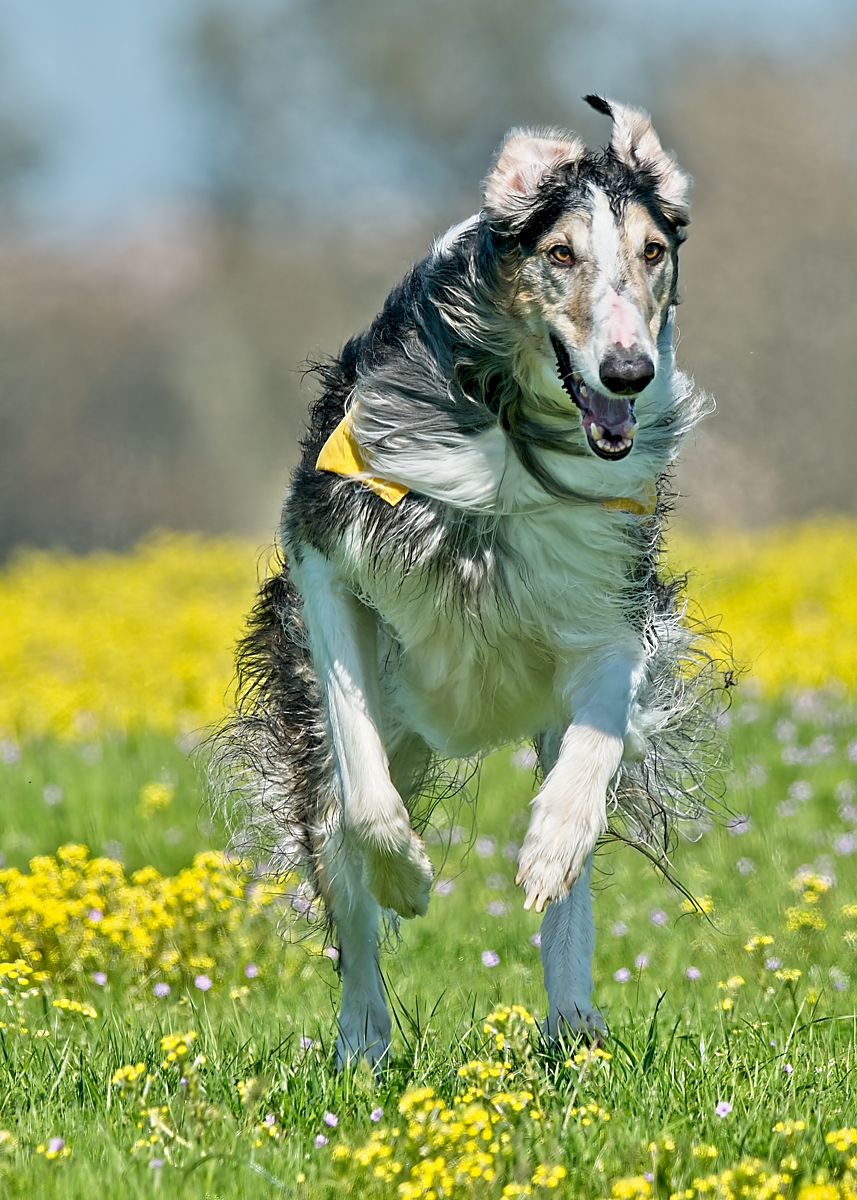
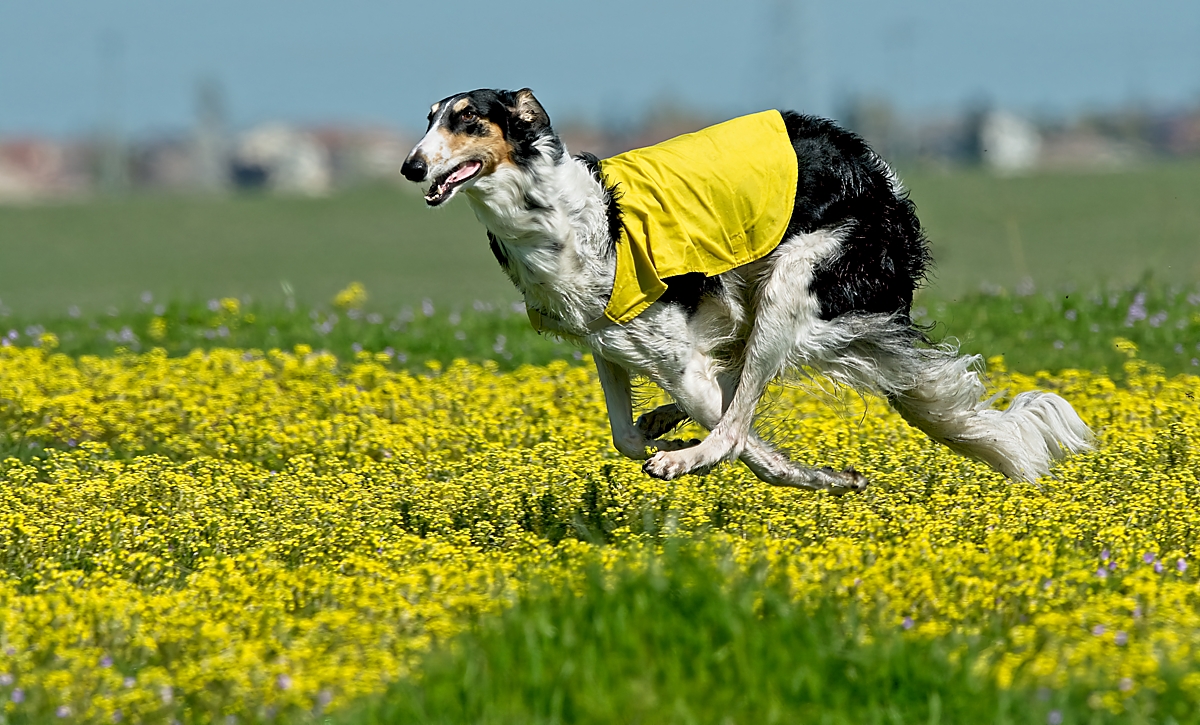
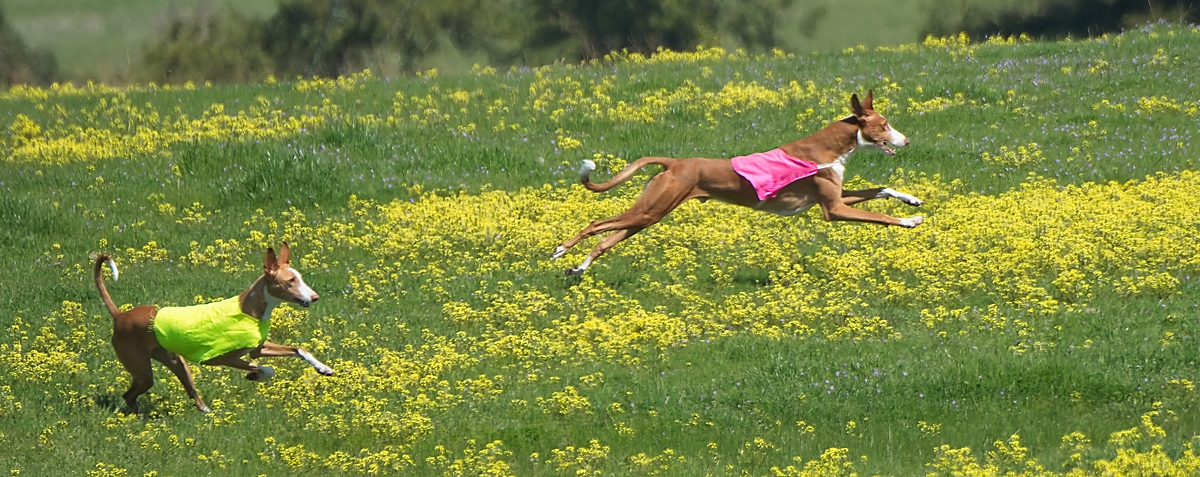
Another set of beautiful dog photographs from David Bozsik.
Again, please preserve the copyright on these photographs. I have been given permission to republish them.
oooo

There are some more to share with you in a week’s time.
Stay safe out there!
An article as to whether dogs dream.
James Dean was an American actor. He was killed in a highway accident on September 30, 1955. But he left a quote:
Dream as if you’ll live forever. Live as if you’ll die today.
My article today is yet another one from The Dodo. It was published in early August this year and I am surprised that I have not shared it before. It is whether dogs dream or not.
ooOOoo
Do Dogs Dream?
Those little foot twitches 🥺
By Sam Howell, published on the 2nd August, 2021.

There’s nothing cuter than when your dog’s little paws are twitching in her sleep.
But it’s probably made you wonder: Is your dog actually dreaming?
The Dodo spoke with Dr. Megan Dundas, veterinarian and practice owner at Lincolndale Veterinary Center in New York, to find out just what’s going on in your sleepyhead’s sleepy head.
For a long time, no one actually knew if dogs could even have dreams.
Since your pup can’t just wake up from a nap and tell you all about the weird dream she just had, scientists had to figure it out by discovering similarities between dogs’ sleep stages and ours (since we know for sure that people dream).
“It is thought that dogs do dream because studies have shown that dogs have sleep stages, including the REM stage, which is when most dream activity occurs in people,” Dr. Dundas told The Dodo.
But just because dogs go through a REM stage, does that mean they actually dream?
Well, scientists studied rats and found that they do, in fact, dream. So, researchers concluded that dogs must dream, too!
In order to know how your dog’s dreams work, you’ve got to know about how her sleep cycles work.
“Dogs typically sleep anywhere from 9 to 14 hours in 45-minute sleep periods, with the phases of sleep divided into a wakefulness state, drowsiness, non-REM sleep and REM sleep,” Dr. Dundas explained.
REM stands for rapid eye movement, and it means exactly what it sounds like: Your dog is asleep, but her eyes are moving rapidly and her brain is almost acting like she’s awake (even though she’s asleep).
That’s when she’s going to be dreaming.
“During REM sleep, the neurons of the brain are still active,” Dr. Dundas said. “However, there is a ‘switch’ of sorts that disconnects the motor neurons in the spinal cord from the neuronal activity of the brain.”
Basically, your dog’s brain is still going during REM sleep, but that “switch” keeps her legs from moving.
“During REM sleep, most muscles are immobile with the exception of some facial muscles, the larynx, paws, tail, diaphragm and muscles of the ribs,” Dr. Dundas explained.
That means that when your dog’s neurons are firing — signaling her to chase that car she’s dreaming about — only her paws, tail or nose will twitch, since those muscles aren’t immobile like her legs are.
It’s also the reason why you can hear your pup whimpering in her sleep.
“What seems like whining could be attributed to the movement of the muscles of the diaphragm pushing air through the larynx or voice box,” Dr. Dundas said.
And sometimes, that neuron switch that’s supposed to keep your dog’s legs from moving doesn’t actually shut off her motor functions, which is why you might feel like you can see your dog dreaming super intensely.
“The brain’s activity is then allowed to become motor activity, and the dog’s movements can become vigorous or even violent,” Dr. Dundas explained. “The behaviors seen in these situations are thought to be similar to humans acting out dreams.”
“I think it’s fair to say that it is similar to sleepwalking in humans,” Dr. Dundas said. “We can’t know what dogs are dreaming about, and we are making the assumption that they are dreaming in the first place. So we’re assuming that if they are running in their dreams that the coordinated foot movements seen when sleeping, or growling/gnashing behavior, is a sign that the dog is acting out a dream.”
Honestly, nothing.
“As the old saying goes, it is usually best to let sleeping dogs lie,” Dr. Dundas said.
Even if you think your dog is having a nightmare, you’re going to want to let her ride it out.
“If you suspect your dog is having a bad dream, wait until the outward signs of the dream have ended and you can then wake your dog to give some comfort,” Dr. Dundas explained.
That’s because it could be super startling for your pup if she’s suddenly woken up out of nowhere — just like how you feel really weird when you abruptly snap awake in the middle of a nightmare.
“The combination of the excited state of a bad dream and being woken up from a deep sleep could lead to an inadvertent bite,” Dr. Dundas explained.
So if your dog is dreaming, just let her dream! Besides, it’s super cute to watch those teeny toes twitching away.
ooOOoo
Cleo, our female German Shepherd is a great one for moving her legs when she is asleep. So, too, is our Brandy. There are times when Brandy is sleeping on his side against one of our walls and his leg movements can be incredibly loud as his paws hammer against the wood wall.
But in one way or another all our dogs can move their limbs when in a deep sleep.
It is a shame they cannot report to us humans what they were dreaming about!
Keep them coming I say.
We had a break from the rain yesterday and I went for a bike ride in the morning and then in the afternoon it was a case of going to the recycling depot. All pretty humdrum stuff but nevertheless what our life, in the main, is made up of plus the many other things that we have to do, indeed enjoy doing, with our six dogs, two horses and thirteen acres in rural Southern Oregon.
So I got to my iMac pretty late on in the day and found a delightful article about a dog who has a fascination with a commercial laundromat.
Read it for yourself.
ooOOoo
Dog Who Works At Laundromat Can’t Stop Taking Naps On All The Machines
By Lily Feinn, Published on the 11th October, 2021
If you walk into Larkin Street Laundry around closing time, you might get an extra-special greeting.
Every night, an 8-year-old golden retriever named Cody helps his dad close up the laundromat. Cody takes his job very seriously: While his dad cleans and puts everything away, Cody takes a nap on top of the washing machines.
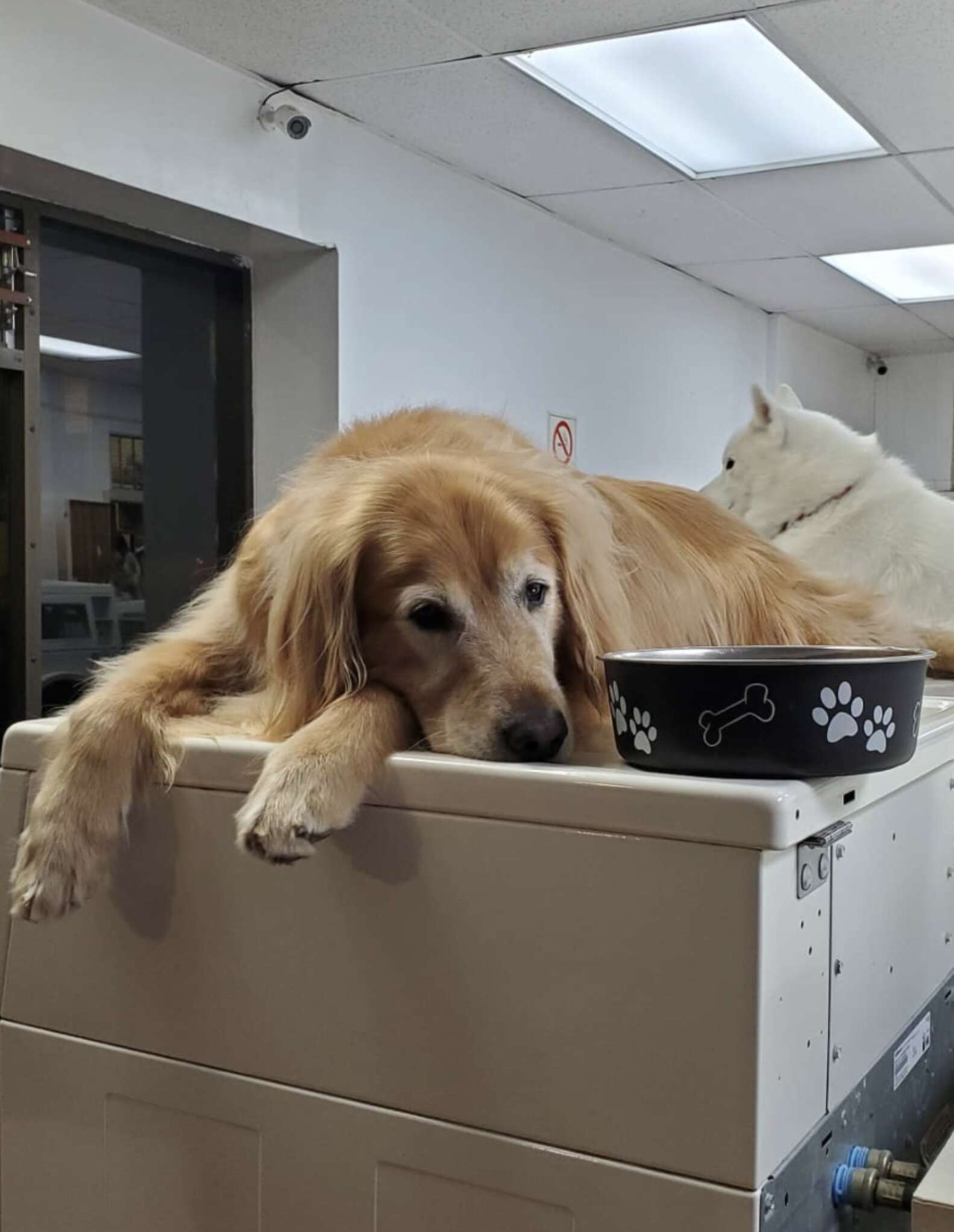
Luckily, his dad doesn’t mind that Cody isn’t the best worker.
“My dad owns the laundromat and has always taken our dogs there with him when he closes up at the end of the day,” Stephanie, Cody’s sister who asked that her last name not be used, told The Dodo. “Our old dog loved to sit in the chairs to watch customers and people pass by, but Cody is more nimble than him.”
“After we tried to get him to just sit on the chairs, he figured out a way to climb from the chair to the smaller washers and then to the bigger ones,” she added. “He’s a little lazier than our old dog, so he’d rather lay down and wait for pets and treats.”

Cody has become the main attraction at the laundromat, providing the perfect distraction for customers waiting for their clothes to finish drying.
This arrangement works out for the independent Cody, who loves attention but prefers people come to him. “His motto has always been: ‘I do what I want,’” Stephanie said.
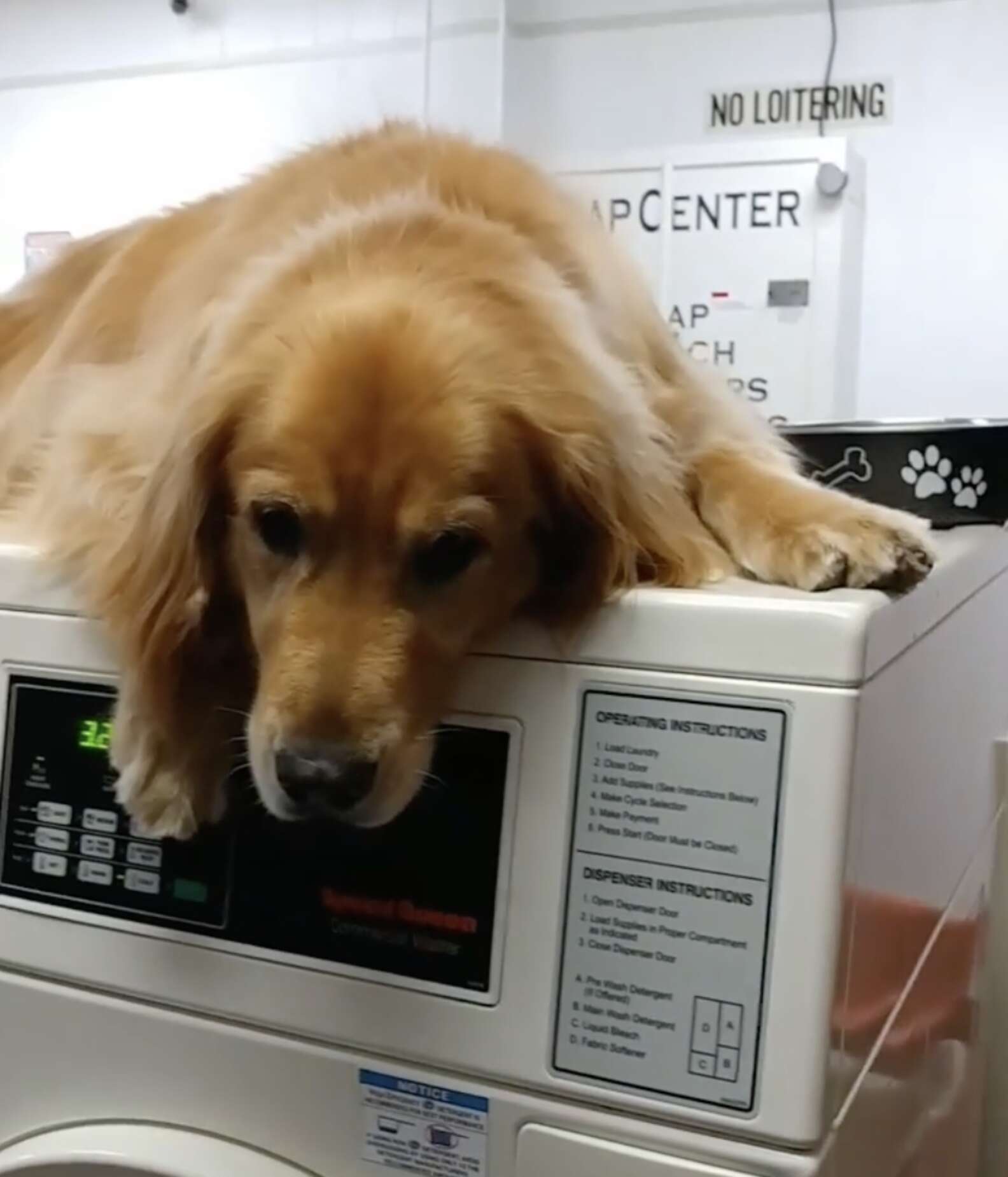
And from his high-up vantage point, Cody can keep watch on everything going on at the laundromat.
“I think he likes how he can see everyone at eye level when he’s on top of the washers,” Stephanie said. “He’s also kinda snobby for a dog, so I have a theory he likes to feel like a king up there.”

After years of laundromat service, Cody has become a local celebrity — and even the subject of a few memes. But the good boy doesn’t let fame distract him. After all, he has a job to do, and those washers aren’t going to sit on themselves.
ooOOoo
That Larkin Street Laundromat is at Nob Hill in San Francisco. I looked it up by clicking on the link in the text.
It is just fascinating what dogs will do. They have a will of their own and yet they seem to be happiest when in the company of people.
Wonderful creatures!
A wonderful video from YouTube
Now this is a video that is three-quarters of an hour long.
But it is marvellous and I suggest that you settle yourself down and watch it without interruption!
Do let me know how you found it!
Something very different for today!
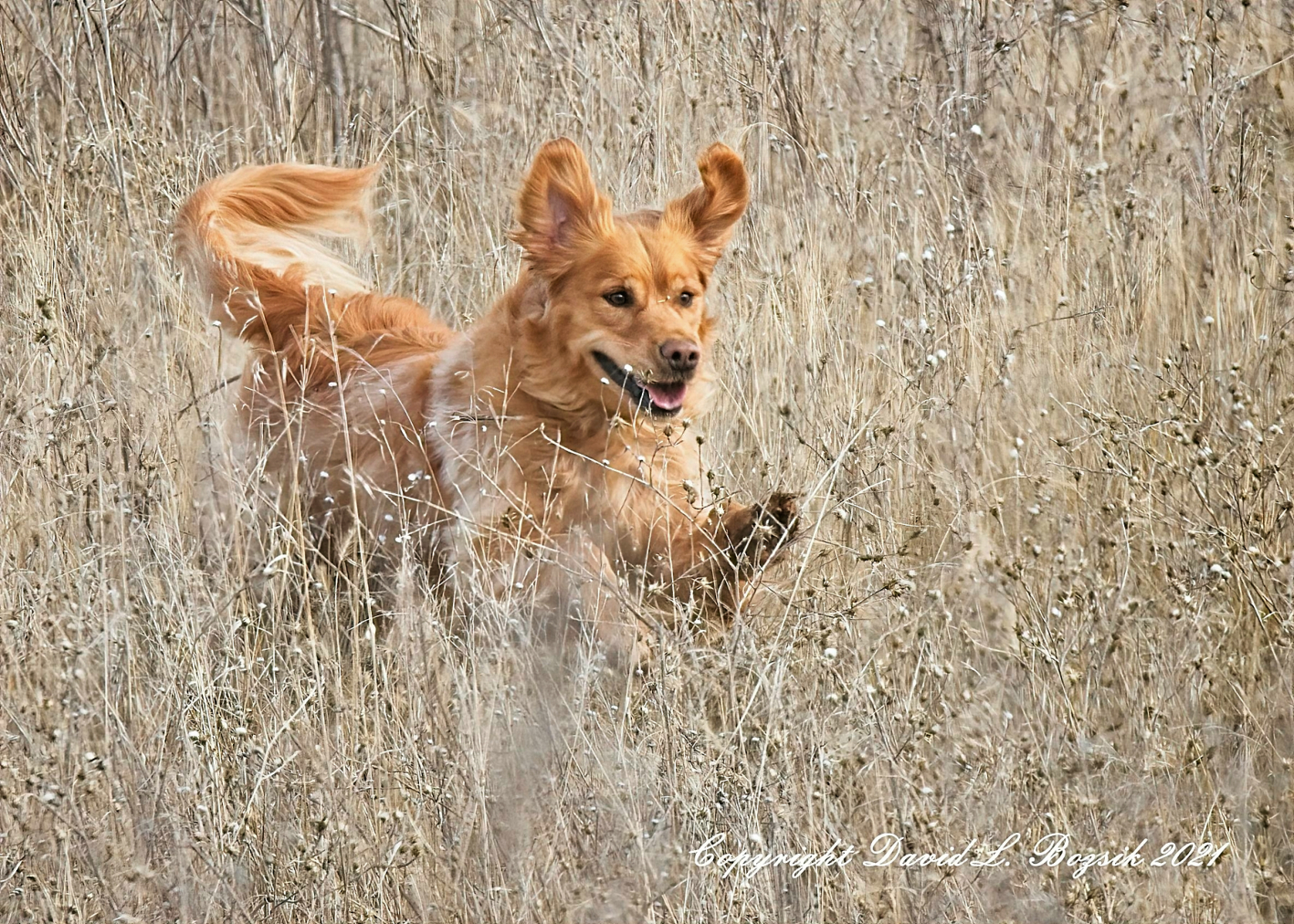
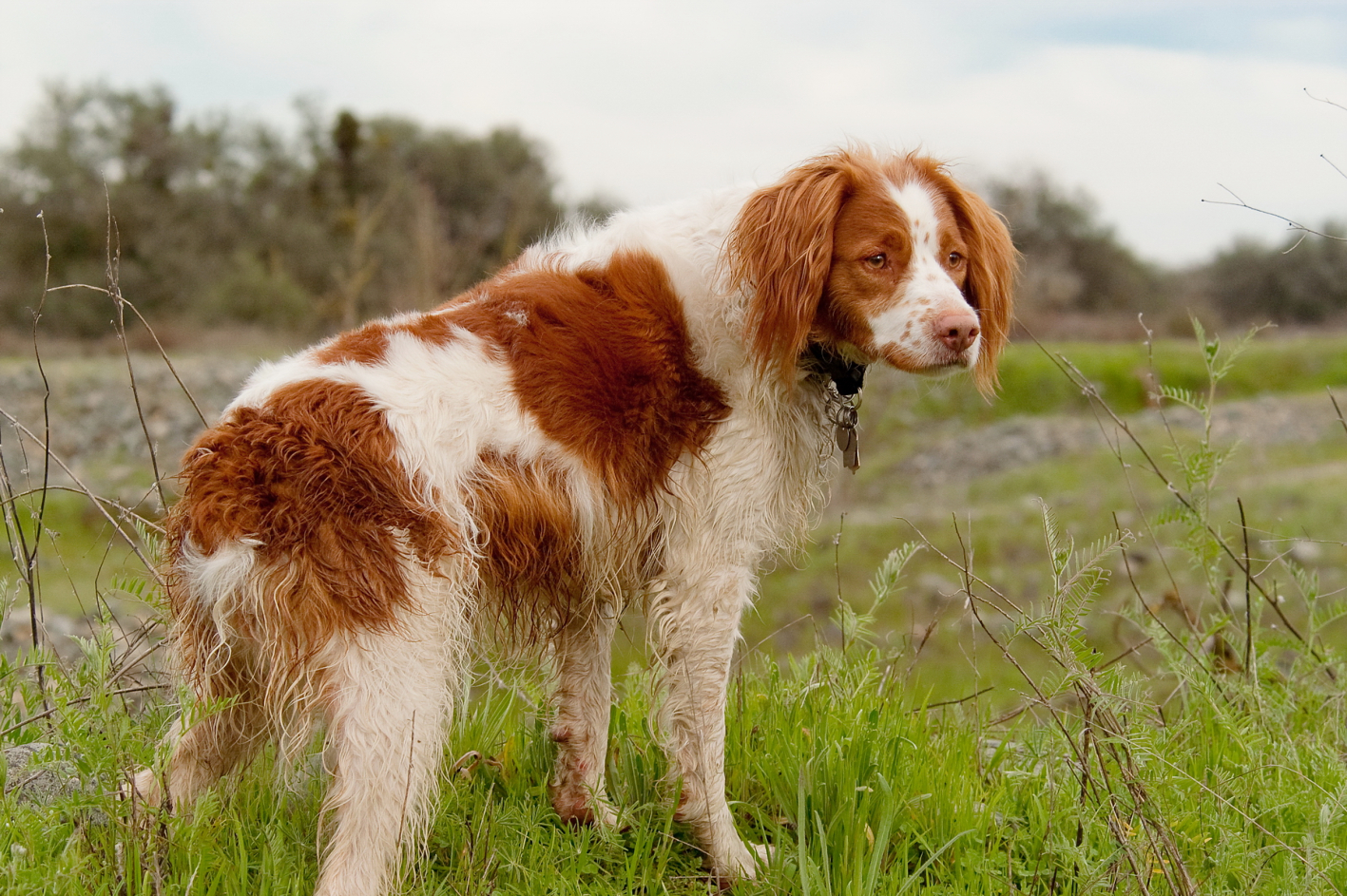
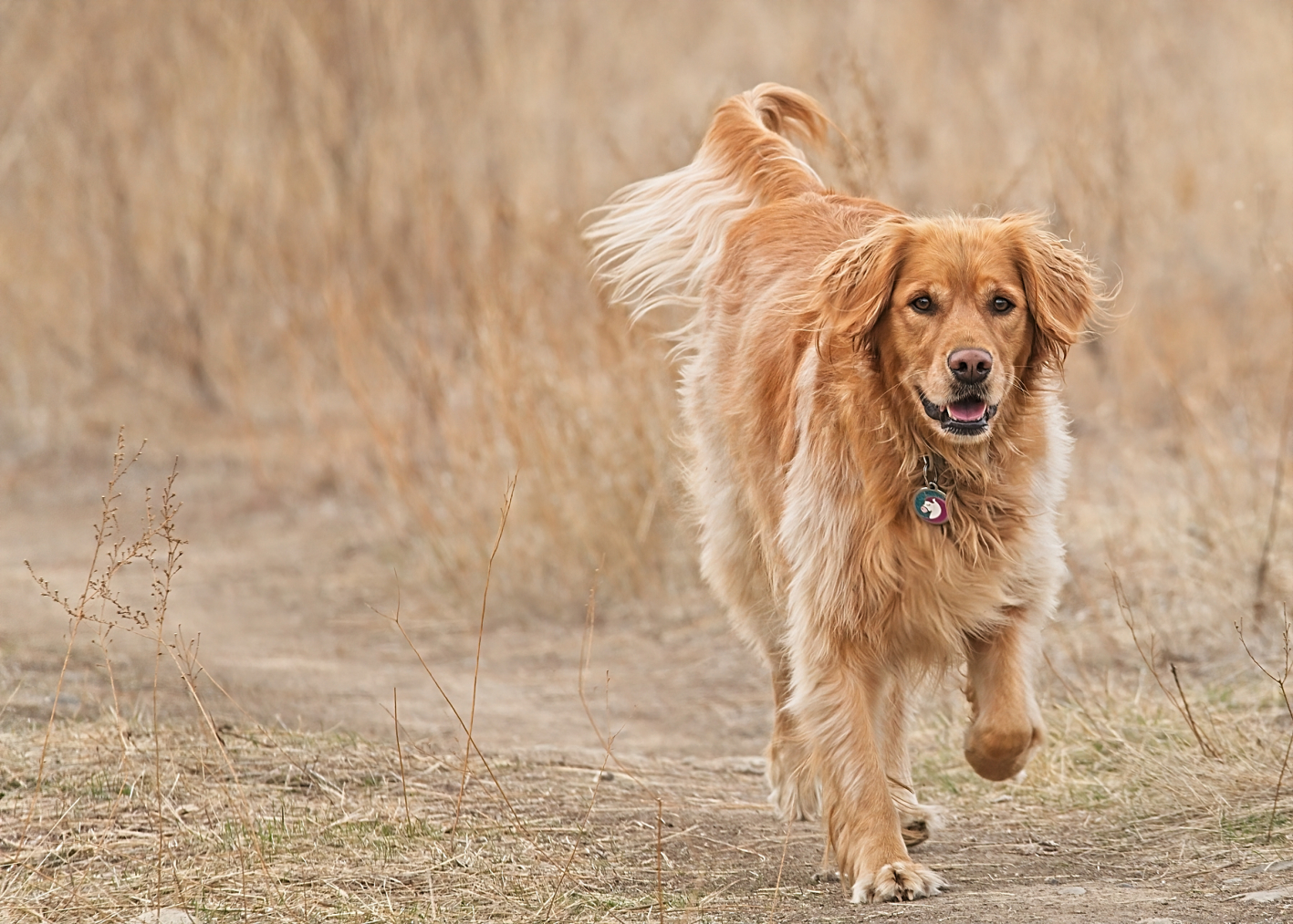
I usually browse the photographic website Ugly Hedgehog a few times each week and recently I was admiring the photography of a David Bozsik. He is a professional photographer and a great deal of his fabulous work may be seen on Nature Photography.
Anyway, David was kindly helping me with a question regarding photographic tripods and he expressed interest in Learning from Dogs. That resulted in David sending me some wonderful images of dogs. They are presented today.
Please note that all the photographs are Copyright David L. Bozsik. Please do not copy them. David has given me written permission to republish them.
But please do enjoy these fabulous photos.
oooo

oooo
oooo

oooo

oooo
oooo

They are gorgeous! But they are also fabulous photographs from all points of view!
I feel very honoured to share them with you all.
Finally, one of my own photos.

A Turkish dog travels frequently by train!
Time and time again dogs do things which cause me to wonder about the way that dogs think and behave. One would think that with so many dogs here at home my days of wondering would be over but the truth is that the more I stay engaged with dog blogs, such as The Dodo, the more I realise that I am only skimming the surface of dogs.
That is my introduction to this post about a Turkish dog.
ooOOoo
Stray Dog Takes The Train All By Himself Every Day
“He knows where to go and has a purpose.”
By Lily Feinn, Published on the 8th October, 2021.
Meet Boji — a stray dog who’s bringing joy to commuters every day.
A few months ago, Istanbul’s public transportation department noticed a large, brown dog riding the buses, trams, subways and ferries. The dog, whom they dubbed Boji, seems to know exactly where he’s going any time he steps on or off the train.

“Two months ago, we noticed a dog trying to use our trams, metros and our trains and he knows where to go and he knows where to get out,” Aylin Erol, head of customer relations at Metro Istanbul, told CNN. “It was quite interesting and we have started to follow him. And it was really an interesting pattern. It’s something like that he knows where to go and has a purpose.”
In mid-August, public transit officials picked Boji up and brought him to a vet for a health check. Boji also received a microchip which is connected to a mobile application, allowing the Metro Istanbul customer relations department to keep tabs on his whereabouts and wellbeing.
Boji’s frequent travels have made him a celebrity on public transit. When he’s not napping on a tram seat, rushing to catch a train, or enjoying the breeze on the ferry, he’s always happy to pose for selfies with commuters and receive lots of pets and treats.

The good boy has proven himself to be the most polite passenger you’ll ever encounter.
“Boji knows all the rules of travel, gives way to the disembarking passengers, waits, enters the train, and calmly finds a place for himself,” wrote Cumhuriyet. “When he misses the subway, he runs after the subway.”

Boji visits at least 29 stations and travels approximately 18 miles a day around the city, saying hi to his adoring fans along the way. While most commuters can’t wait to get off the subway or bus, for Boji, it’s where he’s most comfortable.
“I think it’s very beautiful,” passenger Abdulkadir Yalçın told Cumhuriyet. “It adds joy to the subway. It makes us smile. It’s the first time I’ve encountered such a thing.”

Luckily, the good boy doesn’t have to pay a fare to hop on his preferred bus or train. For Boji, it’s just home.
ooOOoo
Isn’t that amazing! I wonder, however, how he stays fit and healthy? But whatever, it is a delightful story.
 Learning from Dogs