Category: Dogs

Remembering the Queen and her Corgis

It seems fitting to share this!

Until Her Majesty is laid to rest next Monday it is impossible just to come up with a topic that has nothing to do with her. That’s my feeling (and I am sticking to it)! 😉

Voice of America is a website that I recently came across and they appear to allow the republication of their stories. On September 12th, they published an article about the the Queen and her Corgis and it is shared with you all.

ooOOoo

A Queen and Her Corgis: Elizabeth Loved Breed Since Childhood

Britain’s Queen Elizabeth II, left, looks at a Corgi dog as British television presenter Paul O’Grady, second right, looks on during a visit to Battersea Dogs and Cats Home in London on March 17, 2015.

LONDON — 

For many people around the world, the word corgi is forever linked to Queen Elizabeth II. 

Princess Diana once called them a “moving carpet” always by her mother-in-law’s side. Stubby, fluffy little dogs with a high-pitched bark, corgis were the late queen’s constant companions since she was a child. She owned nearly 30 throughout her life, and they enjoyed a life of privilege fit for a royal pet. 

Elizabeth’s death last week has raised public concerns over who will care for her beloved dogs. But Sky News reported Sunday, according to a palace spokesman, the corgis will live with Prince Andrew and his ex-wife Sarah Ferguson. 

“One of the intriguing things people are wondering about at the funeral is whether a corgi is going to be present,” said Robert Lacey, royal historian and author of “Majesty: Elizabeth II and the House of Windsor.” “The queen’s best friends were corgis, these short-legged, ill-tempered beasts with a yap that doesn’t appeal to many people in Britain but was absolutely crucial to the Queen.” 

Puppy love

Elizabeth’s love for corgis began in 1933 when her father, King George VI, brought home a Pembroke Welsh corgi they named Dookie. Images of a young Elizabeth walking the dog outside their lavish London home would be the first among many to come over the decades. 

When she was 18 she was given another and named it Susan, the first in a long line of corgis to come. Later there were dorgis — a dachshund and corgi crossbreed — owned by the queen. Eventually they came to accompany her in public appearances and became part of her persona. 

Throughout Elizabeth’s 70 years on the throne, the corgis were by her side, accompanying her on official tours, reportedly sleeping in their own room at Buckingham Palace with daily sheet changes, and occasionally nipping the ankles of the odd visitor or royal family member. 

Three of them even appeared alongside the queen as she climbed into James Bond’s waiting helicopter in the spoof video that opened the 2012 Summer Olympics in London. 

Royal treatment

British author Penny Junor documented the dogs’ feisty lives in a 2018 biography “All the Queen’s Corgis.” 

She writes that Elizabeth walked and fed the dogs, chose their names, and when they died, buried them with individual plaques. Care for the corgis had fallen largely on the queen’s trusted dressmaker and assistant Angela Kelly and her page Paul Whybrew. 

The corgis were also present when the queen welcomed visitors at the palace, including distinguished statesmen and officials. When the conversation lulled, Elizabeth would often turn her attention to her dogs to fill the silence. 

“She was also concerned about what would happen to her dogs when she is no longer around,” Junor wrote, noting that some royal family members did not share her fondness for the corgis. 

After the death of her corgi Willow in 2018, it was reported that the queen would not be getting any more dogs. 

But that changed during the illness of her late husband, Prince Philip, who died in 2021 at age 99. She turned once again to her beloved corgis for comfort. On what would have been Philip’s 100th birthday last year, the queen was given another dog. 

In addition to her human family, Elizabeth is survived by two corgis, a dorgi, and a cocker spaniel.

ooOOo

It is clear from all the news and tributes presented following Her Majesty’s death on September 8th that she had a very special affection for her Corgis. As does Jean for all our dogs!

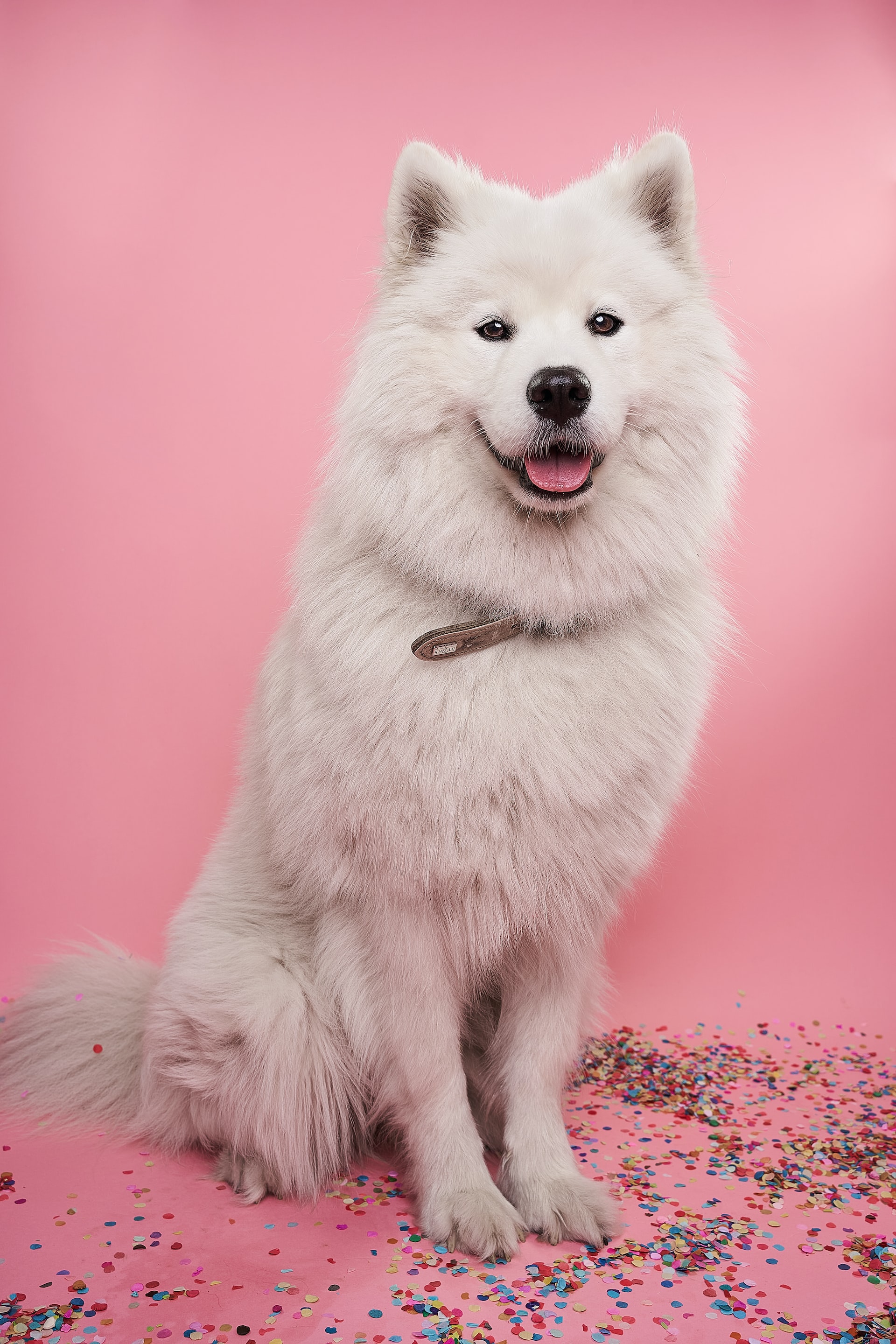
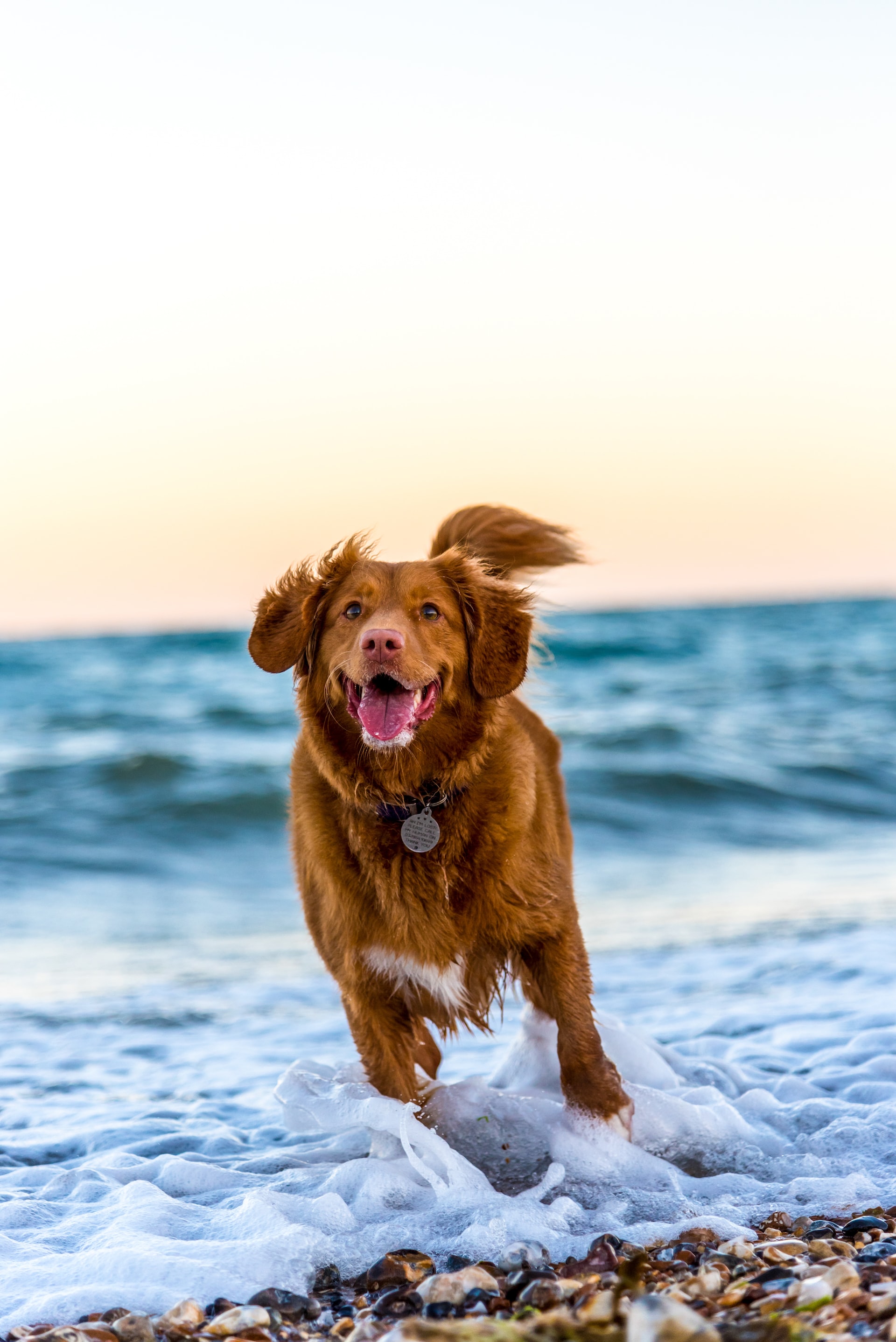
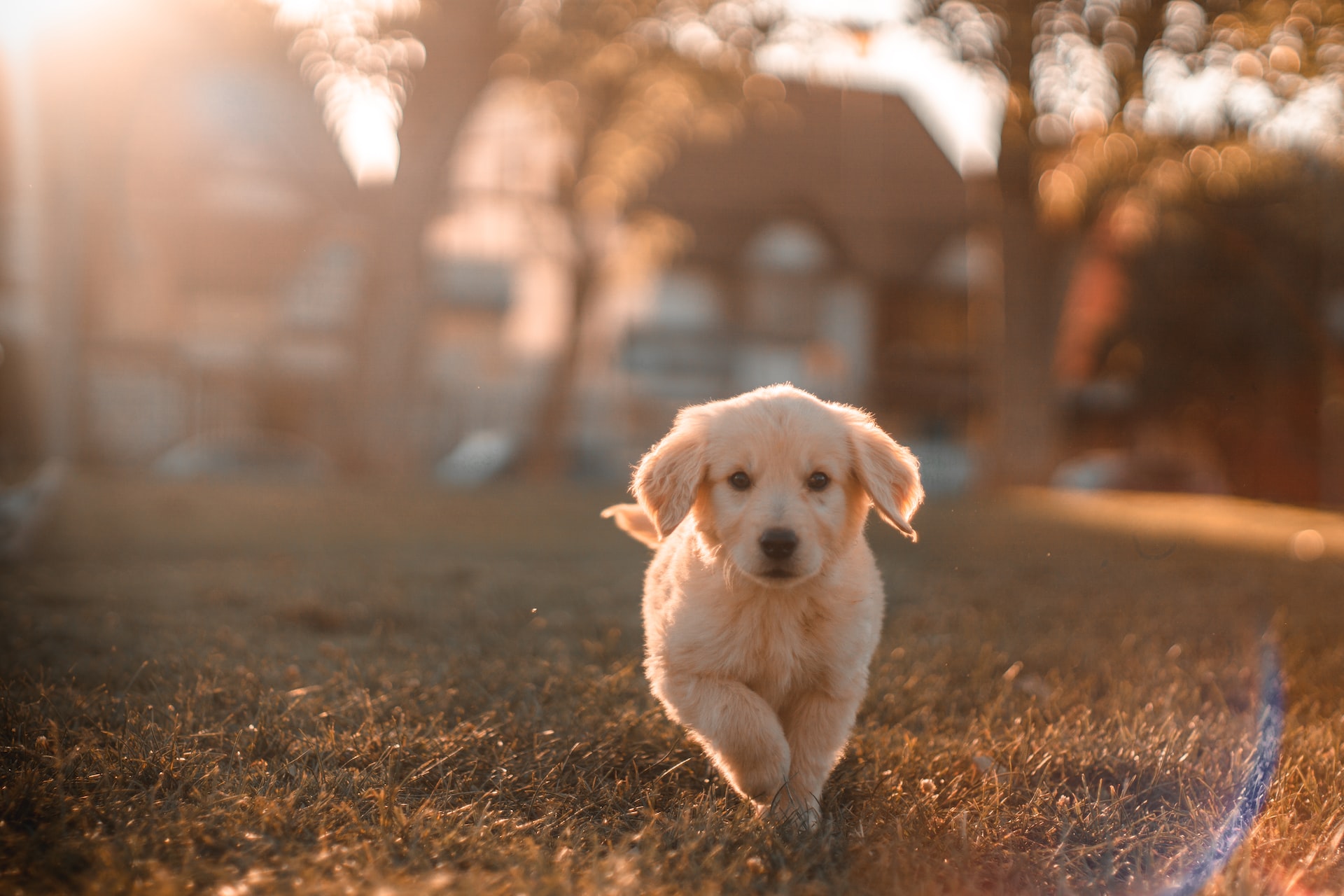
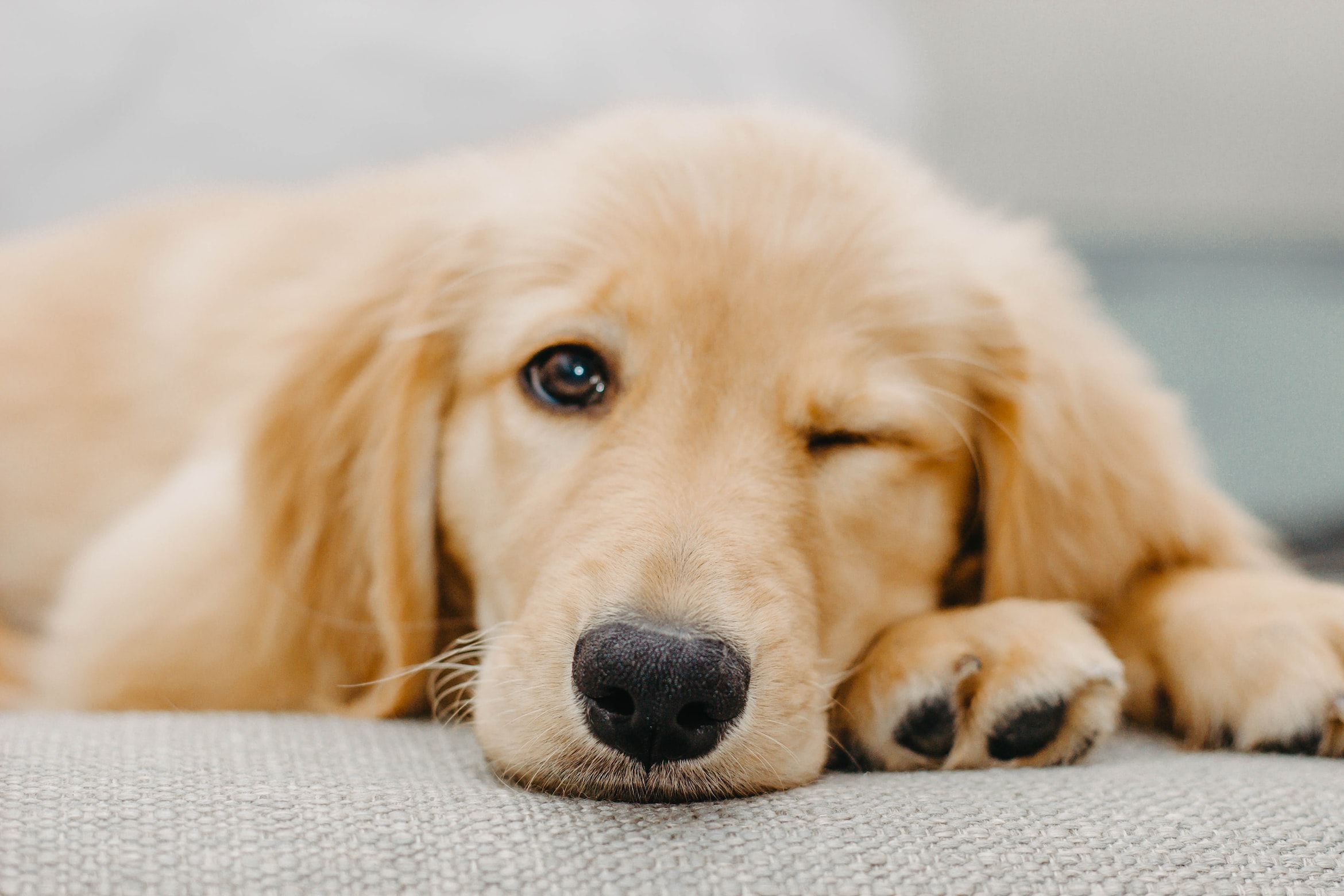
Picture Parade Four Hundred and Forty-Nine

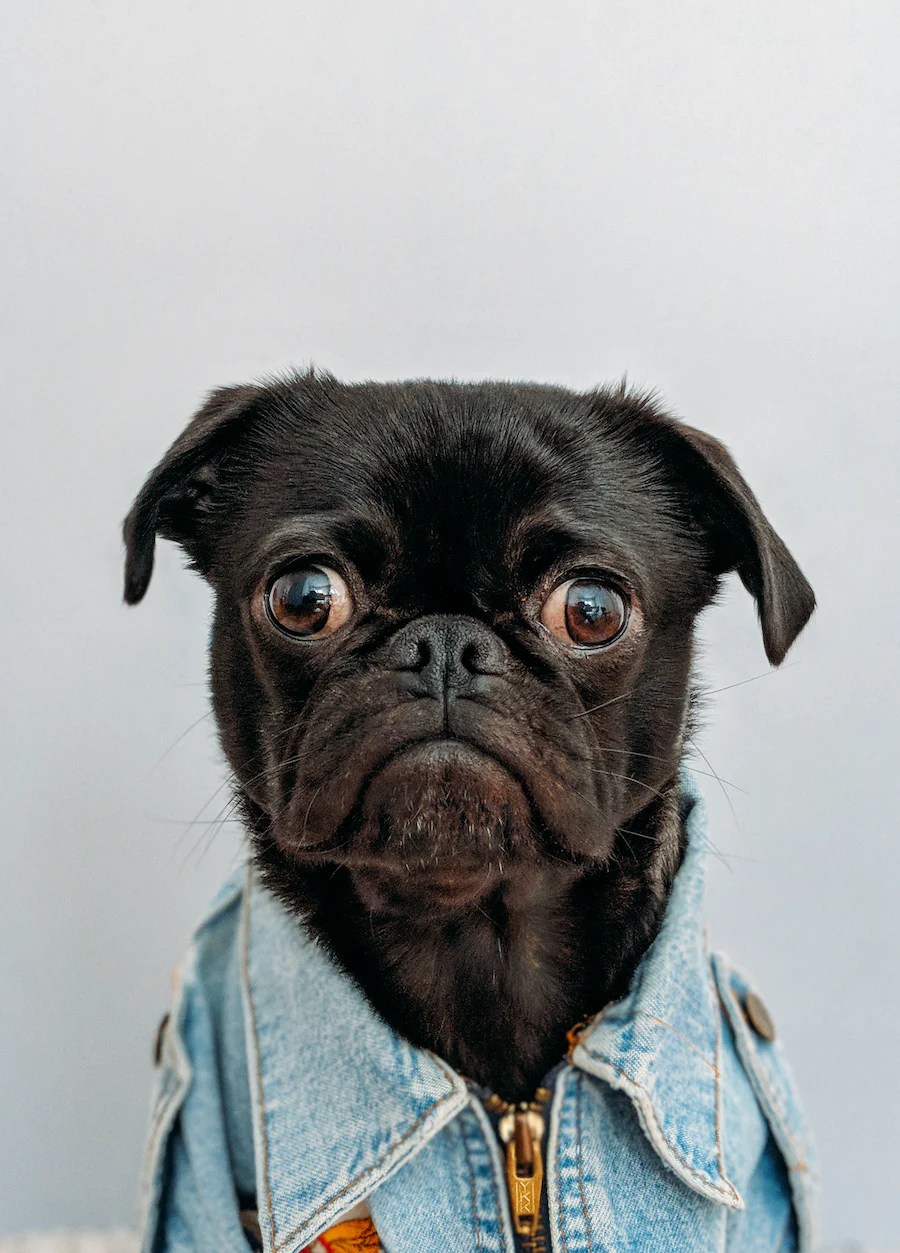
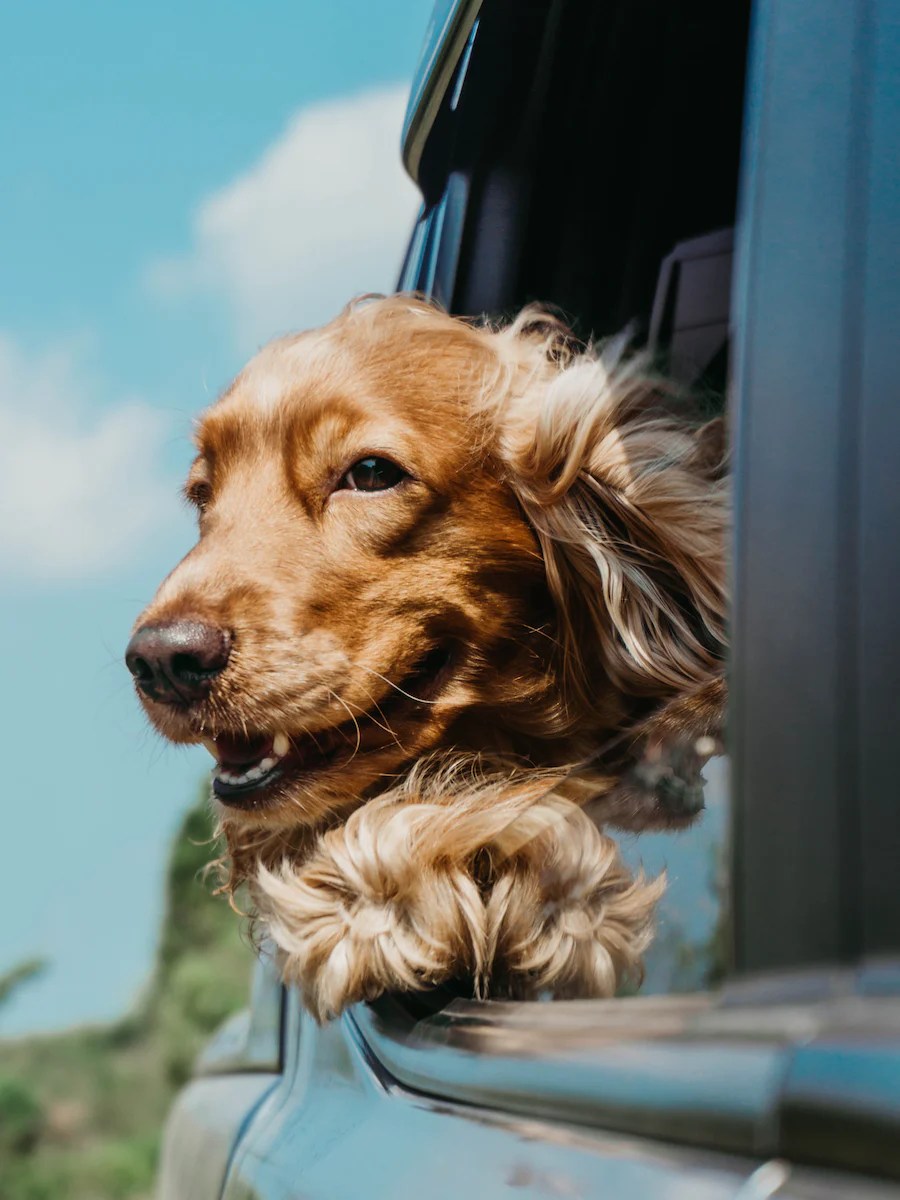
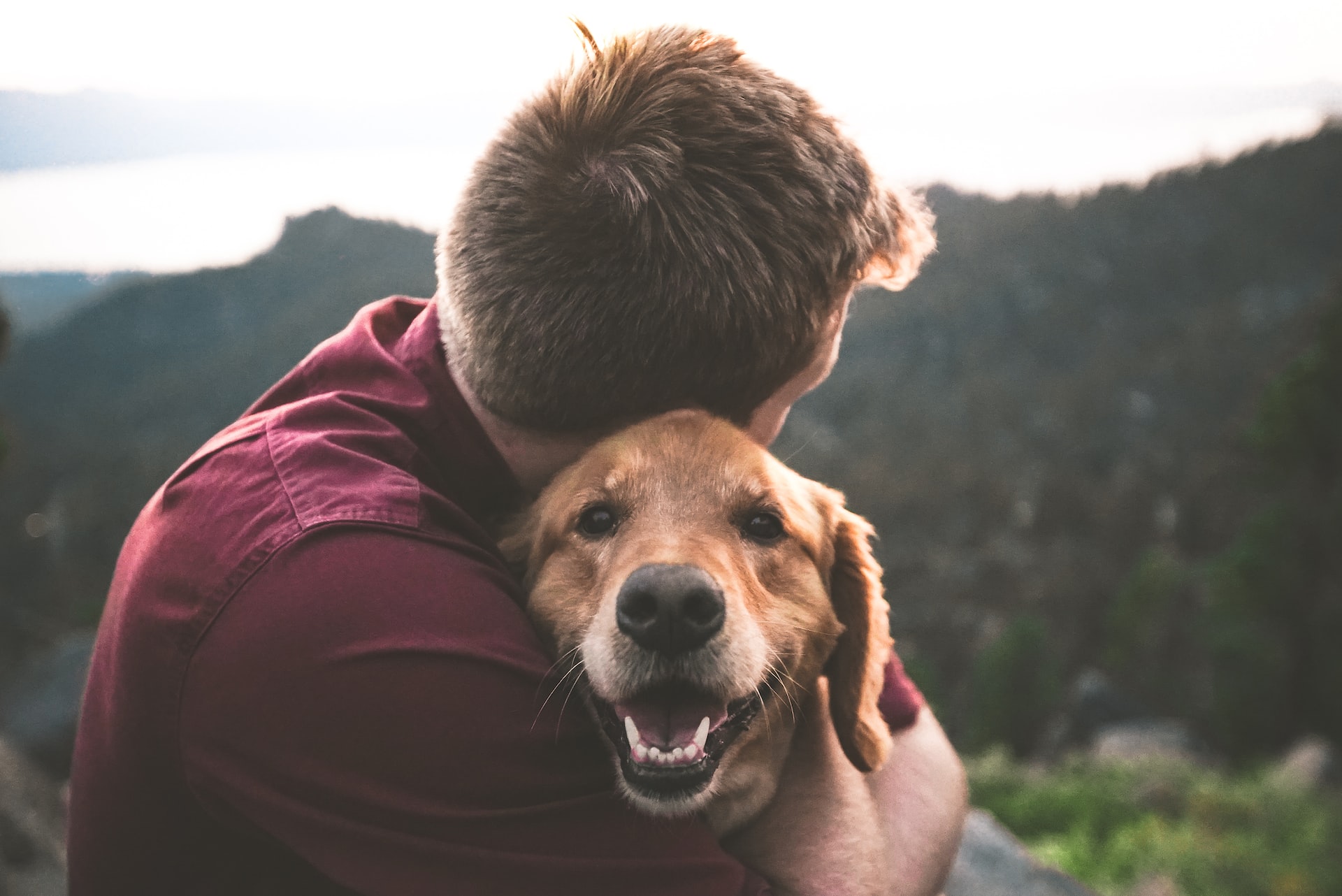
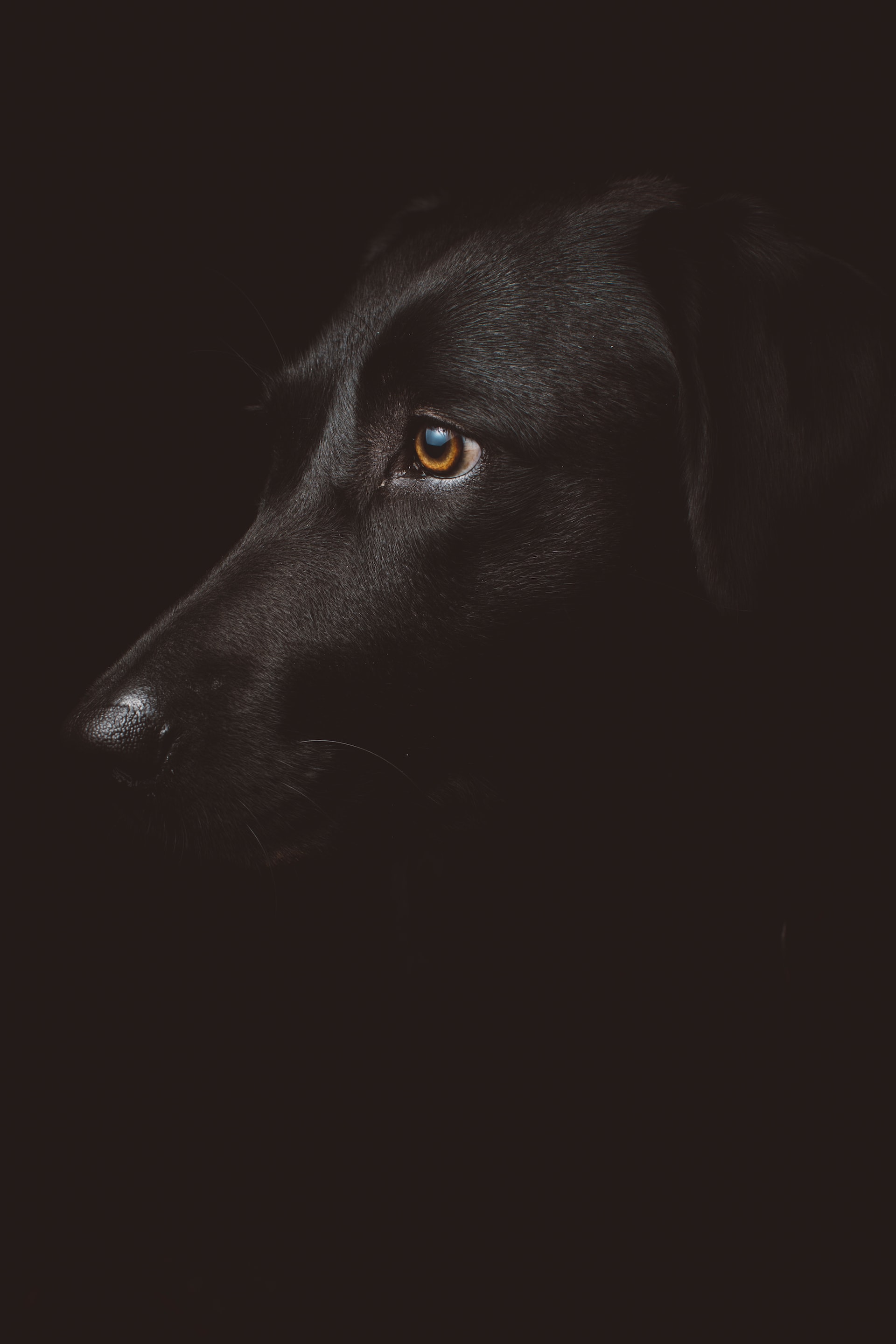
You have guessed it! More Unsplash!

oooo

oooo

oooo

oooo

oooo

oooo

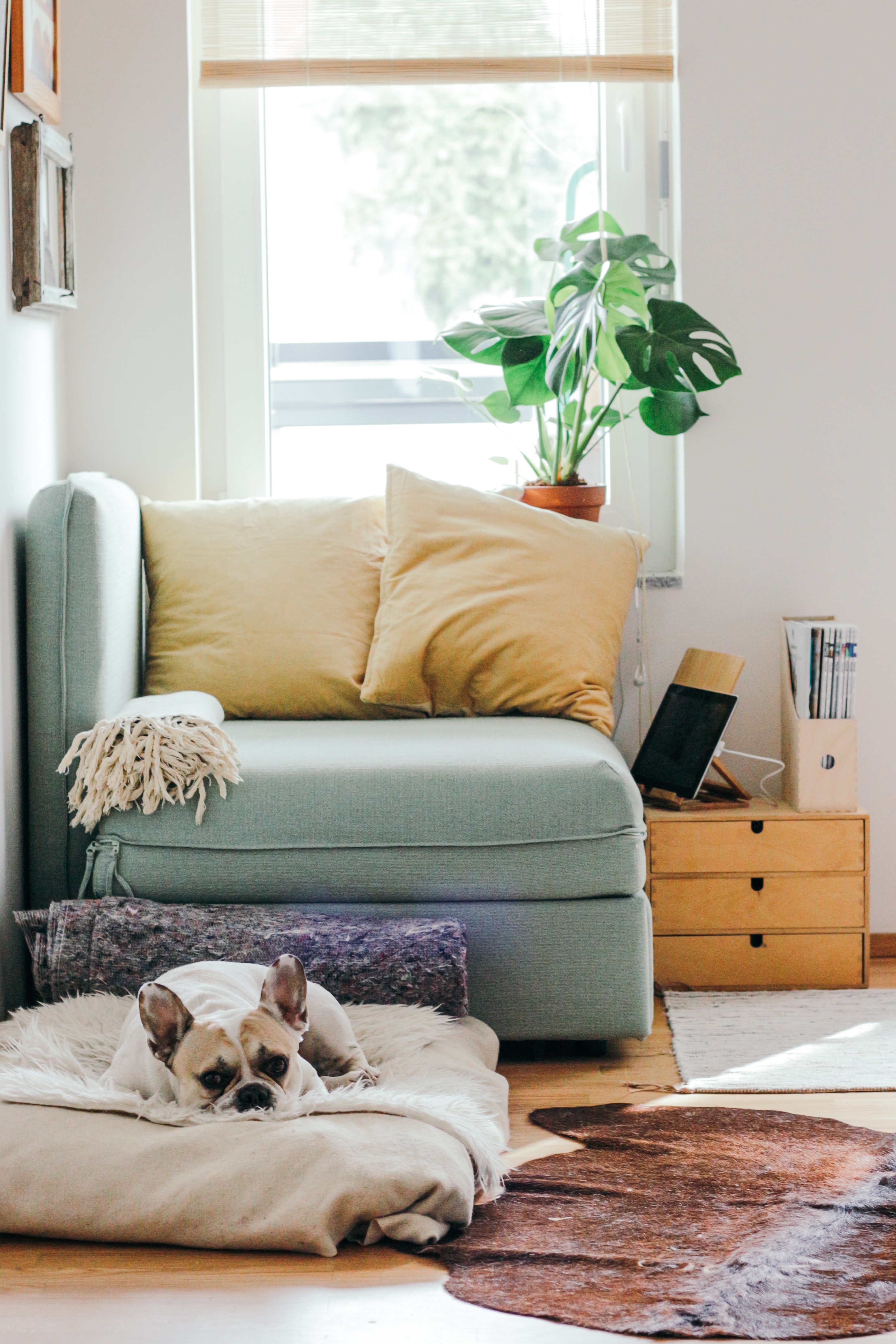
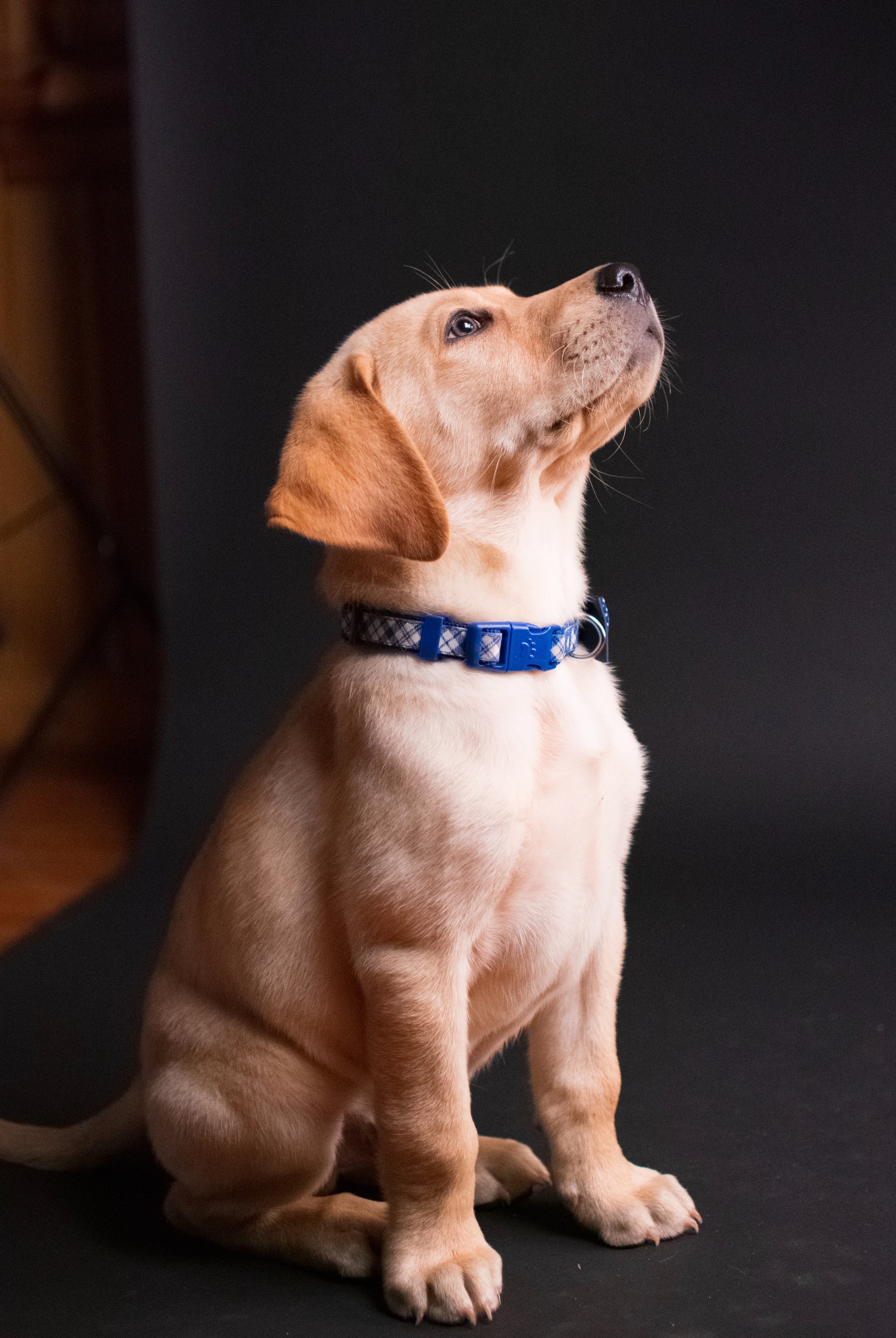
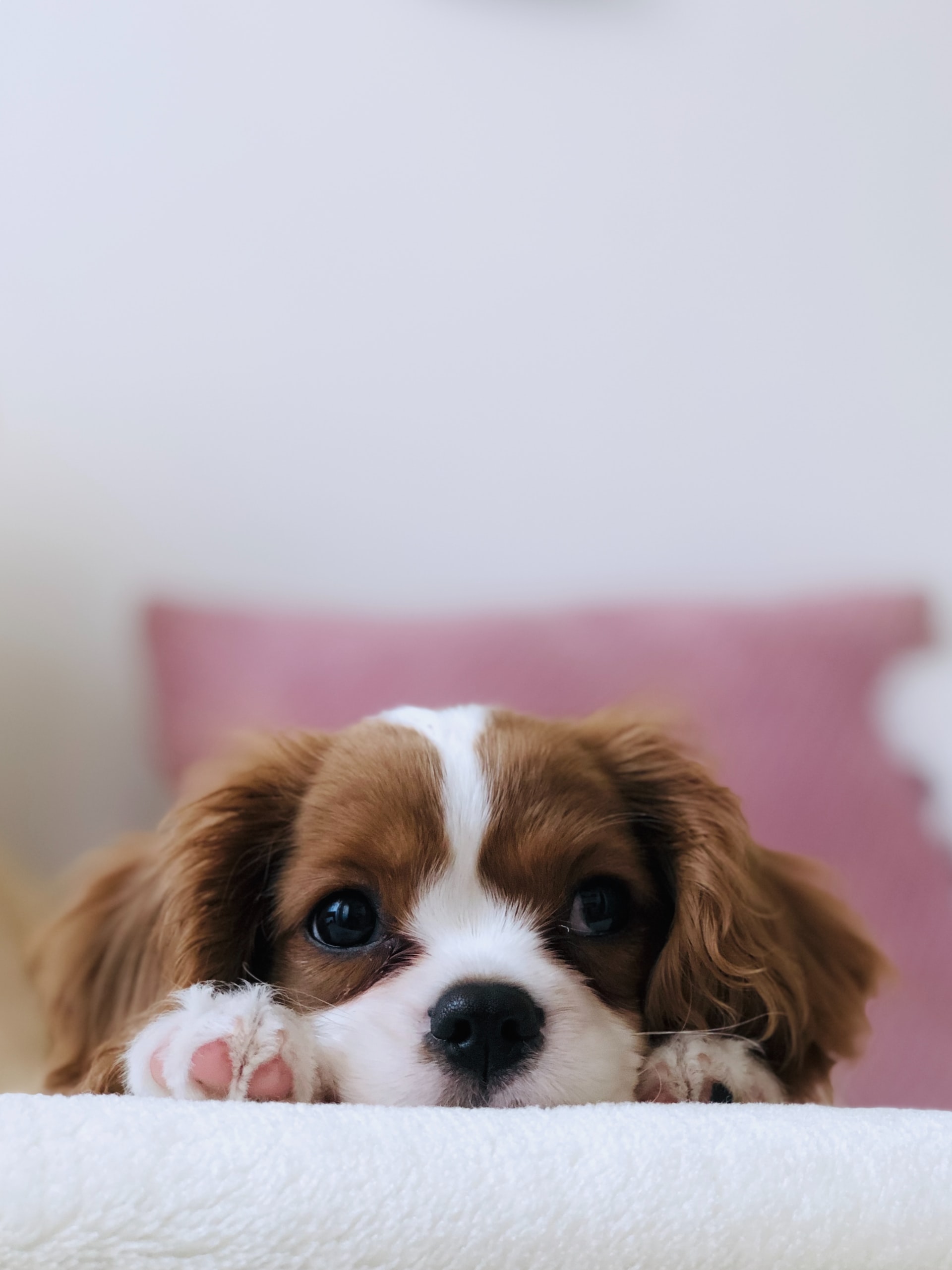
They are all wonderful and the photographers are all located at the Unsplash website.

From Jess

This is so very cute!

Jess, a longtime follower of this blog sent me recently the following email: Paul, I thought you’d really enjoy this one.  I hope you are having a great day.  JESS

It is called Military Dog and is offered for your pleasure.

(We watched it yesterday evening and it is incredible!)

Aren’t our dogs more than wonderful! They are better than precious!

Thank you, Jess, from the bottom of our hearts!

Picture Parade Four Hundred and Forty-Eight

Yet more from Unsplash!

The link above is to the home page of Unsplash for there are so many excellent photographs on there.

We had a lightning storm over the house on Thursday evening with, luckily, a small amount of rain. Indeed, Saturday afternoon the firefighters, including air tankers, were attempting to bring three fires to the North-East of us to a halt.

So the first photograph is of a similar storm just to give you an idea of what we watched on Thursday.

It was not a lot different to the above.

Now to dogs and humans.

oooo

oooo

oooo

oooo

oooo

oooo

oooo

All very beautiful!

The Dog Ageing Project.

Yes, you heard that correctly!

I was just idly browsing dog websites a couple of days ago and came across the Dog Aging Project. As their About page reports:

The goal of the Dog Aging Project is to understand how genes, lifestyle, and environment influence aging. We want to use that information to help pets and people increase healthspan, the period of life spent free from disease.

I have taken the liberty of sharing one of their blog posts with you (I can’t see that isn’t allowed!)

ooOOoo

Longer, healthier lives. Together.

Dog and Human Genetics: Similarity and Difference

July 26th, 2022

Your pup may be your “fur baby,” but how similar are you genetically? You may be surprised!

Did you know that dogs and people share over 17,000 special genes called orthologs? Each pair of orthologs is derived from the same common ancestor via vertical descent (speciation) and they tend to have similar functions. They are one of the main reasons why your pup is such an invaluable comparative animal model for studying human health. In fact, humans and dogs have numerous similarities even in those parts of the genome that aren’t genes (the noncoding part of the genome). When it comes to better understanding human health, your pup is our best friend!

Sometimes, the effects of a gene are identical between dogs and people. For example, the same version of EPAS1, a gene triggered by low-oxygen conditions, is shared by people living in the Tibetan Plateau and the dog lineages that developed there. Genetic changes in this gene have taken place to help kickstart the body’s responses to hypoxia, or low oxygen levels, at high altitudes.

In other cases, the effects of a gene may be similar but not identical. For instance, the gene SCN3A is important to brain function and affects the development of speech. In children, mutations in SCN3A have been reported to cause disorders like epilepsy. But in dogs, genetic changes near the canine ortholog of SCN3A are associated with the frequency of howling in dogs.[1] The functions of this gene seem distinct (speech versus howling) but related!

For other health conditions shared by dogs and people, the same genes may not be responsible, but that doesn’t mean that research on those conditions in dogs isn’t helpful for humans! By learning more about how a dog’s genes are connected with a shared health condition, we can investigate the biological mechanisms involved and potentially make links to human health.

For example, people long suggested that narcolepsy might be a disease of the immune system: an autoimmune attack that causes daytime drowsiness and sudden sleep. In human studies, it was difficult to confirm the immune system link. It wasn’t until 1999[2] that this connection was discovered in a lineage of Doberman pinscher dogs. The researchers discovered a gene that is involved in the interface between the nervous system and immune system.

Finally, you and your pup share more than just genetics. Your environments are also very similar! You sleep in the same house—maybe even the same bed!—go on walks together, and breathe the same air. Interactions between these environmental variables and your genetics (called gene by environment interactions) can have an important impact on health. For example, smoking is well known to increase risk of bladder cancer in humans[3], but it is still unknown how secondhand smoke affects risk of bladder cancer in dogs.[4]

Data from the Dog Aging Project should help us answer important questions like these!

1. Kathleen Morrill et al. 2022. Ancestry-inclusive dog genomics challenges popular breed stereotypes. Science 376: https://www.science.org/doi/10.1126/science.abk0639

2. Ling Lin et al. 1999. The Sleep Disorder Canine Narcolepsy Is Caused by a Mutation in the Hypocretin (Orexin) Receptor 2 Gene. Cell 98 (3): 365-376. https://doi.org/10.1016/S0092-8674(00)81965-0

3. JD Figueroa et al. 2014. Genome-wide interaction study of smoking and bladder cancer risk. Carcinogenesis 35 (8):1737-44. https://pubmed.ncbi.nlm.nih.gov/24662972/

4. Deborah Knapp. Canine Bladder Cancer. https://www.vet.purdue.edu/pcop/files/docs/CanineUrinaryBladderCancer.pdf (PDF)

ooOOoo

This is, in my opinion, an important project.

Many may want to nominate their own dog and there is a page where a number of FAQ’s are addressed. If you wish to proceed then go to this page.

As was said, this seems like an important project.

Picture Parade Four Hundred and Forty-Seven

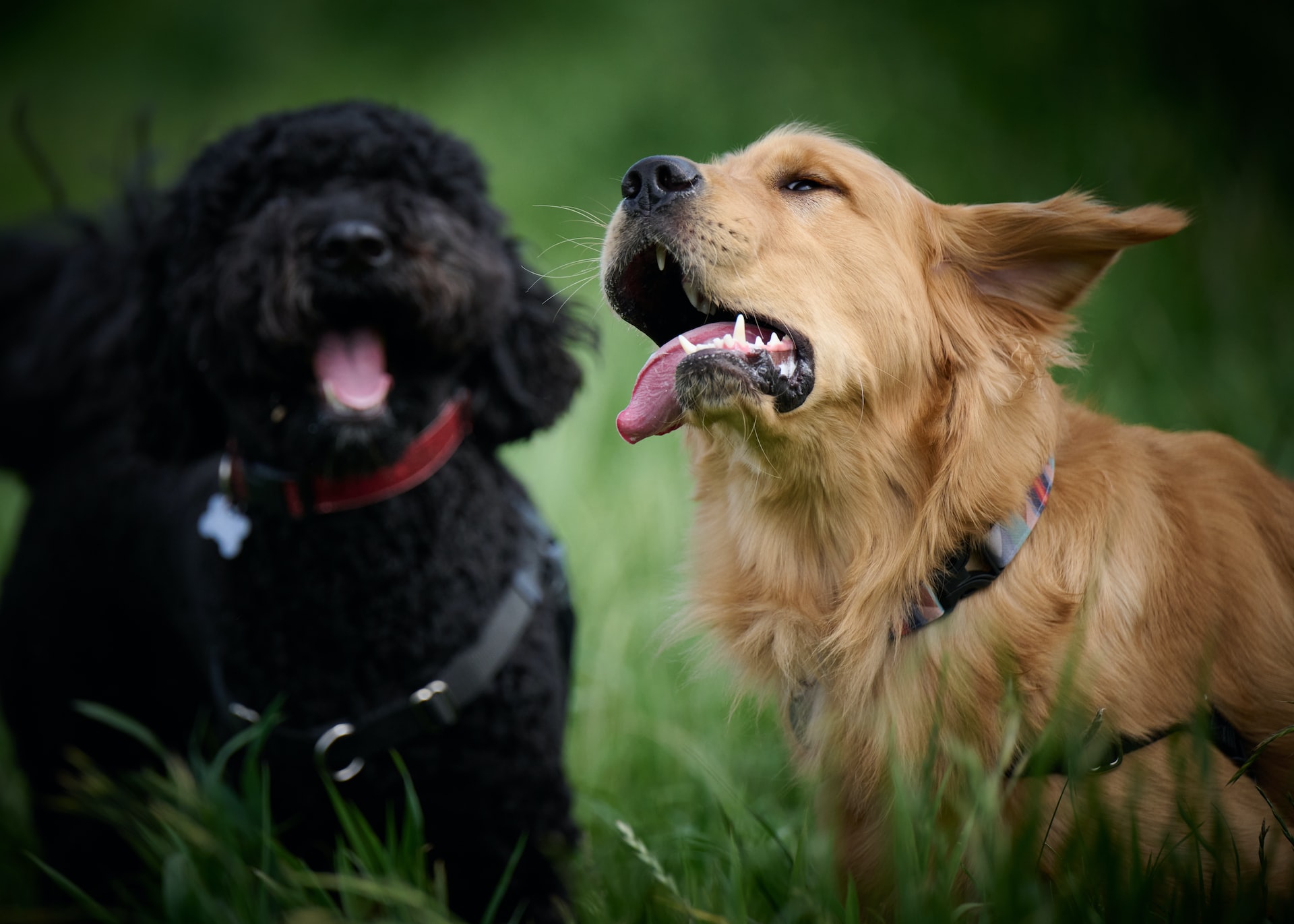
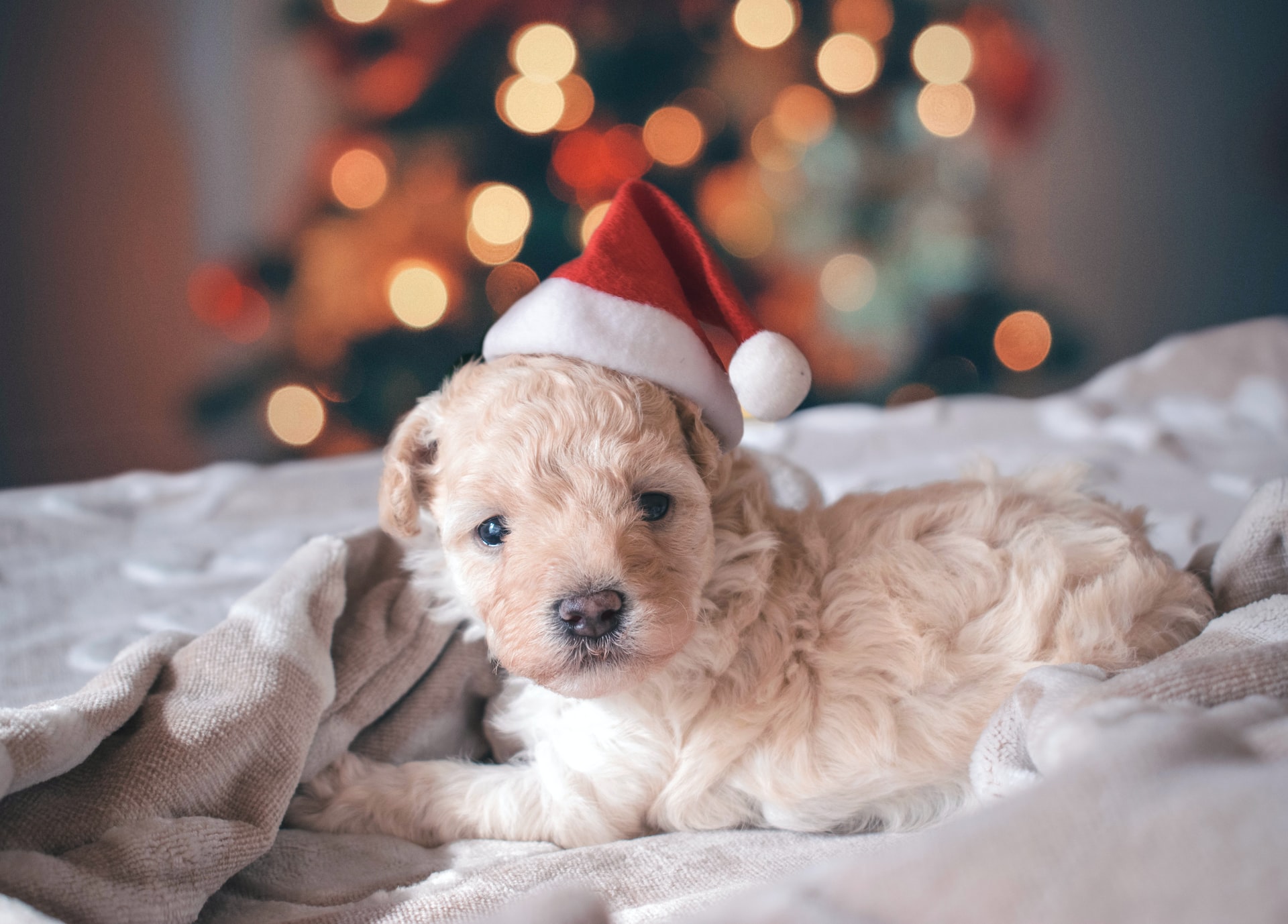
Plenty more dog photographs courtesy of Unsplash.

oooo

oooo

oooo

oooo

oooo

oooo

My, this last photo does look like Pharaoh.

See what I mean!

Volunteering at animal shelters.

Another great post from Penny Martin.

Once again I am delighted to publish another post from Penny. This is a relatively short post but nevertheless of supreme importance.

With no more ado from me, here it is:

ooOOoo

Protecting Our Pets: Resources for Volunteering at Animal Shelters

By Penny Martin

August 10th, 2022

If animal welfare is close to your heart, you might want to consider helping out at a pet shelter for abandoned or unwanted animals. There are always a number of charities in the USA and beyond looking for eager volunteers. 

Before You Apply

Animal welfare work can be challenging for an individual, even if you’re just volunteering. It’s important to take precautions before you commit to your decision.

  • Read about the experience of working at a shelter to better understand the challenges and obstacles you might encounter.
  • Often, volunteers need to undergo training, orientation, and background checks before they’re allowed to contribute.
  • Connect with your local shelters on social media to see the kind of work they do and whether there are opportunities to volunteer.

Organizations

Shelters for abandoned and neglected pets are frequently found throughout the country. If you want to do your part, the logical first step is to locate one close to you.

  • Institutions like Guide Star have been established to hold animal rescue services accountable and ensure they are being maintained properly.
  • Take some time to learn about the listed charities in your area.
  • If you find an abandoned pet and you’re not aware of shelters in your area, try reaching out to American Humane.

Ways to Help

If you’re unable to volunteer in person, there are still plenty of ways to get involved and do your part.

  • There’s good work to be done online via social media and you can help out by engaging in discussion and sharing posts about missing or unwanted pets.
  • If you have any spare supplies that you’re willing to donate, these can make a profound impact on the lives of animals. 
  • If you’re purchasing supplies to donate, read expert reviews to choose the highest-quality products.
  • If the existing organizations don’t meet your concerns, you could try forming your own nonprofit.
  • You can create Facebook ads for free to secure donations and get the word out about your nonprofit. 

Unfortunately, across the USA and beyond, there are a great many pets in need of our help but even small acts of kindness can take us a significant way towards eradicating the problem altogether. Reach out to your local shelter and see how you can help.

Read the Learning from Dogs book for a reminder of the unconditional love dogs give us every day. 

Image by Pexels

ooOOoo

Once again, a big thank you to Penny and also my thanks for the link to Learning from Dogs.

For those of you that are considering helping out then Penny’s post might offer the advice you require.

Musings from a 77 year old!

Where did it all go? That is: Life! Or more accurately my life.

I was born in Acton, London before the end of WWII. I am in my 77th year. Life these days seems to be more or less a paradox.

There are so many challenges at the moment. Not just in the USA nor in the UK but globally. We love where we live here in rural Merlin but we are already in the third year of below normal rainfall.

A view of the sunrise from taken from our property.

The contradictions in terms of our life locally and the global scene are huge. This is all leading to me quoting extracts from a recent George Monbiot article. The article starts by saying: “On both sides of the Atlantic, powerful interests seem determined to trigger the collapse of life on Earth. Why?

Sexton Mountain last winter. Again photo taken from our property.

A little later on in Geo. Monbiot’s article, he writes: “When I began work as an environmental journalist in 1985, I knew I would struggle against people with a financial interest in destructive practices. But I never imagined that we would one day confront what appears to be an ideological commitment to destroying life on Earth. The UK government and the US supreme court look as if they are willing the destruction of our life support systems.

Because it does seem as though the political leaders are not taking the future of the planet seriously. As Patrice Ayme concluded recently in a remark to that post: “Biden ought to declare a climate emergency.” But it won’t happen!

(Well I may stand corrected. Yesterday it was widely reported, and I chose Renewable Energy: “The clean energy industry celebrated a moment on August 7 that would have seemed impossible just a few weeks earlier: The Senate passed a budget measure that includes the largest investments in clean energy and climate change in U.S. history.“)

Every morning when I go down to feed our two ex-rescue horses I also feed the wild deer. I have been doing it for many years. Long enough that a young buck has turned into an adult and comes within a few feet of me.

It never ceases to delight.

The contradiction between me going every morning down to the stable area and feeding the horses and the wild deer, and the outcome for the planet is beyond words. In a very real way it is incomprehensible.

Again, Geo. Monbiot writes: “All this might seem incomprehensible. Why would anyone want to trash the living world? Surely even billionaires want a habitable and beautiful planet? Don’t they like snorkelling on coral reefs, salmon fishing in pristine rivers, skiing on snowy mountains? We suffer from a deep incomprehension of why such people act as they do. We fail to distinguish preferences from interests, and interests from power. It is hard for those of us who have no desire for power over others to understand people who do. So we are baffled by the decisions they make, and attribute them to other, improbable causes. Because we do not understand them, we are the more easily manipulated.”

Under our apple tree!

It really is a paradox! And who knows the outcome. All I can say is that, despite me being the age I am, I would not want to be any younger and aware that soon one would be facing the global changes full on.

Stacked cumulus clouds to the North-East.

More words from Geo. Monbiot: “Since 1985, I’ve been told we don’t have time to change the system: we should concentrate only on single issues. But we’ve never had time not to change the system. In fact, because of the way in which social attitudes can suddenly tip, system change can happen much faster than incrementalism. Until we change our political systems, making it impossible for the rich to buy the decisions they want, we will lose not only individual cases. We will lose everything.”

I have no idea of the global changes that are afoot and how they will affect us in Merlin. Indeed, I have no idea how long I have to live.

Jean and I met in December, 2007. We met in Mexico but Jean was also born in London, just a few years after me. How’s that for chance!

Jean’s American husband had died in 2005. She was rescuing dogs off the streets, sorting them out, and finding homes for them, mainly in Arizona.

Jean and me in San Carlos, Mexico.

I went out to Mexico with Pharaoh in 2008. With a one-way ticket!

Pharaoh digging in the sand in Mexico.

However of one thing I am sure. Since that meeting in December, 2007 life has been as good as it comes. I have never been happier.

What a contradiction!

Picture Parade Four Hundred and Forty-Six

More dog photos from Unsplash!

oooo

oooo

oooo

oooo

oooo

oooo

oooo

I sincerely hope I am not duplicating any of these fabulous photographs. Apologies if you notice one!

This is one quick-thinking man!

He saves the life of a dog.

This is a story from Peru. But world-wide our fondness and love for dogs is beyond measure.

ooOOoo

Quick-Thinking Man Saves Life Of Dog Falling From Building

“She didn’t stop wagging her tail out of happiness.”

By Stephen Messenger

Published on the 7th July, 2022

The other day, after a two-week-long stint working in the field, John Alexander Palomino Bendives was looking forward to finally relaxing in the apartment he shares with his mother and four dogs in Peru.

But, before he could even get inside the building, Bendives was called into action once more — to save the life of his beloved dog Mina.

When Bendives, along with his girlfriend, got to the front of his apartment building, their arrival didn’t go unnoticed. High above, in his family’s fourth-story rooftop apartment, Mina and the other pups were peering down over the railing, excited to see him home.

Bendives would be up to greet them in a few seconds. But that was apparently just a bit too long to wait for Mina.

Having either lost her balance and slipped or misjudged the distance and leapt, Mina began falling to the street below. Thankfully, quick-thinking Bendives took notice — and was able to catch her in his arms.

Bendives was able to save Mina from what may have been certain death — to his great relief. And to hers.

“She was OK, unharmed,” Bendives told The Dodo. “Mina was happy and grateful. She didn’t stop wagging her tail out of happiness.”

All his pups were thrilled that Bendives was finally home. Mina, clearly, just a bit too much so.

Bendives said this scary incident has the family planning to make some changes: “We are looking at putting up a mesh [barrier] on the roof so that they can continue to sit up there, but without the risk of falling again.”

Now that the unthinkable happened — and disaster narrowly avoided — it’s the least they could do.

“I love my pets very much,” Bendives said. “They always receive me with a lot of love and emotion. The time I spend at home, I try to spend as much time as possible with them.”

ooOOoo

(Both photographs by John Bendives.)

Another wonderful story of a life-saving act on behalf of Bendives and his saving of his dog, Mina. Four stories high is no laughing matter and Snr. Bendives certainly saved Mina from serious injury and probably death.

Literally hundreds of times every day, with the vast majority of the stories unreported, we humans save the lives of dogs!

Just wonderful!