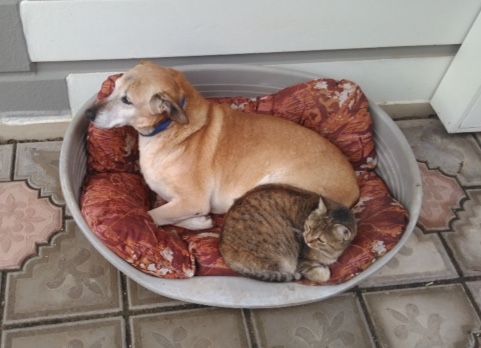
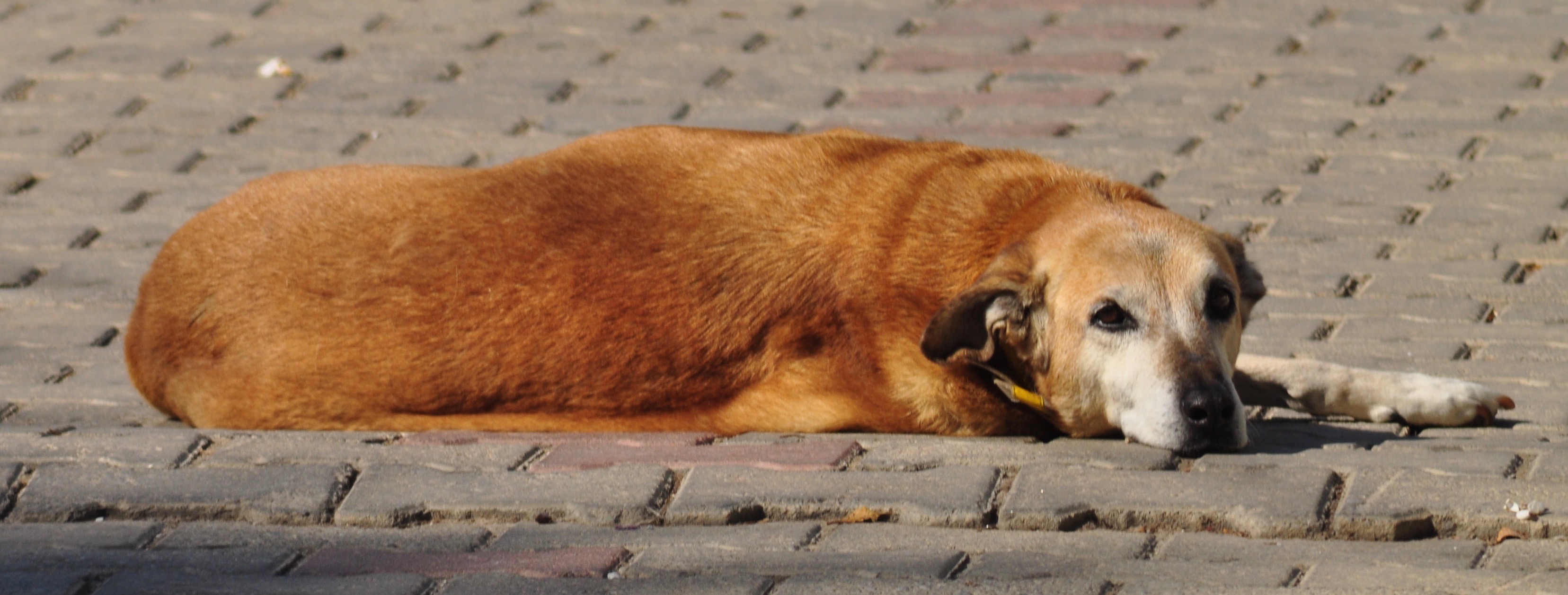
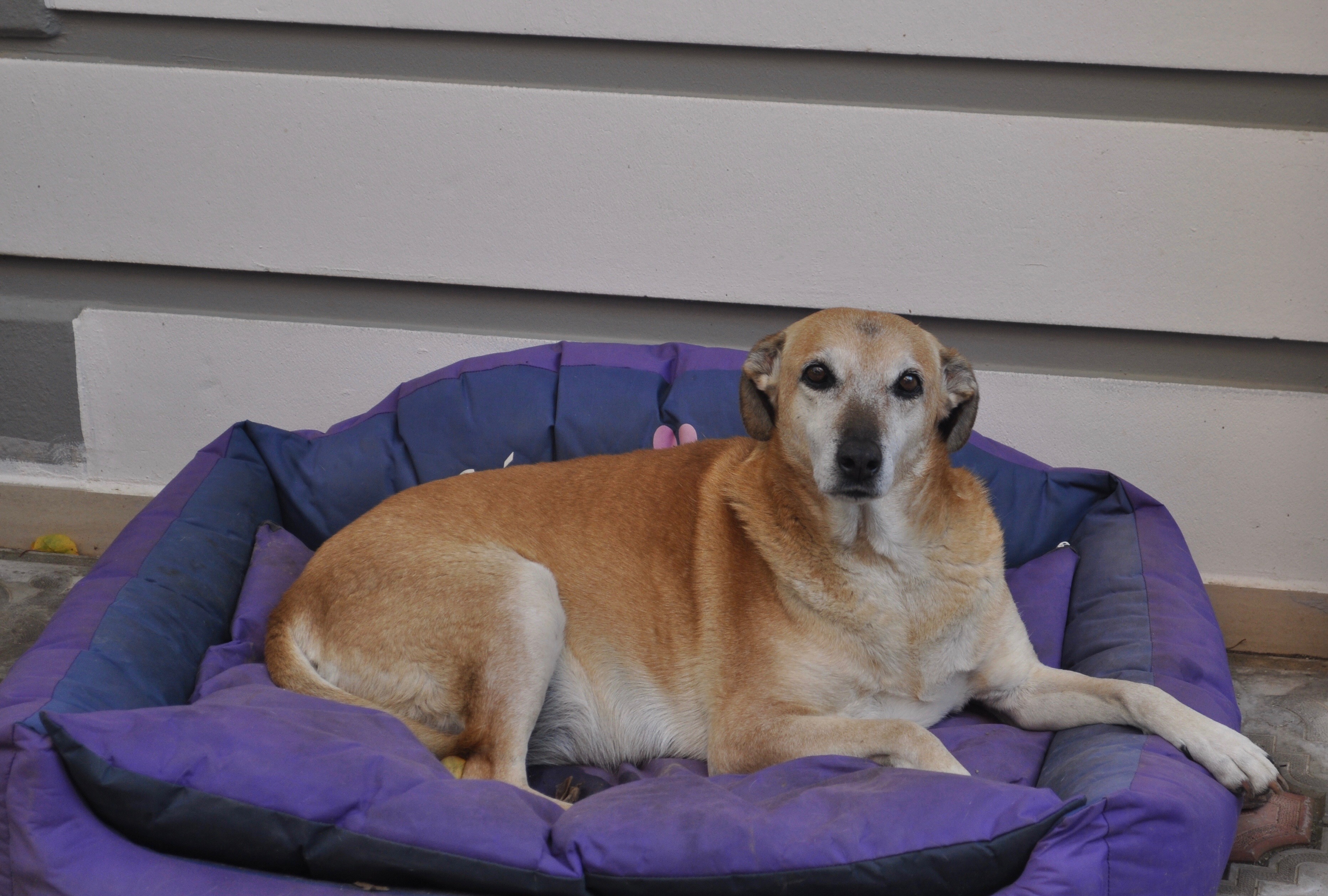
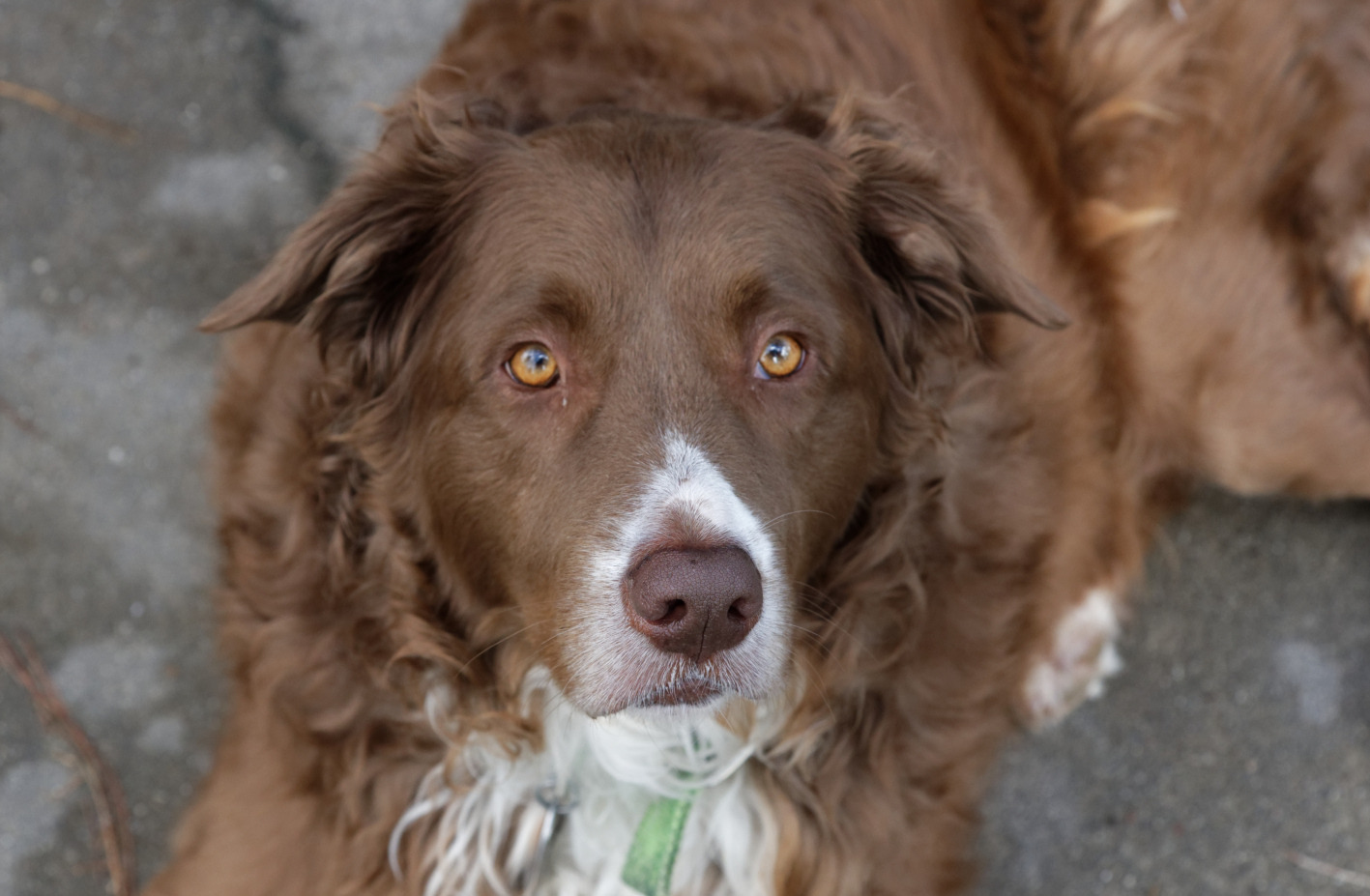
I can’t put it better than the email that I received recently from Chris. Here it is:
Hi Paul
Happy Thanksgiving. Hopefully you had a far better one than the last time I celebrated with American friends when I lived in Indonesia. We ended up having to evacuate the house (including the deputy US ambassador) as the kitchen caught fire!
It’s been a bit of a journey writing the post as so many adventures with the dogs came back to me. In the end I focussed on the first one Princess and the latest Tinker. I hope it’s OK. Let me know if not, as I can always rewrite it. There are so many other dogs I could have mentioned which is the scary thing! Still, the copy is attached and I’m sending photos using WeTransfer.com. They’ll send you an email with a link to download the pics. It’s totally safe and free (It’s been a godsend for designing book covers as it stops emails getting clogged up). I’ve put far too many pics in there so please feel free to use the ones you like and discard others.
Thank you so much for letting me do this post. It’s been quite emotional, but put a huge smile on my face all week.
Countless numbers of people have dreamt that they can communicate with animals and I would imagine an enormous percentage of those would have dreamt that they can communicate with dogs.
Certainly of the three dogs we have alive still here at home (we had in the past some fifteen dogs) Oliver below appears to understand much of what is said to him by me and Jean
If one goes to the YouTube website then one is introduced to Anna Breytenbach who has made it her life’s passion to better communicate with animals. Here’s a small piece from the extensive WikiPedia entry:
In her twenties she decided to pursue her passion for wildlife (big cats in particular) by becoming a cheetah handler at a conservation education project. On moving to America, she explored wolf and other predator conservation. She has also served on committees for wolf, snow leopard, cheetah and mountain lion conservation.
Anna Breytenbach and friend
So now we come to this video of Anna and Diablo, more properly called Spirit, (and the video will make that clear).
Arjan Postma explains the background to the film:
I just want to share this message as much as possible without any commercial intent, personal benefit or whatsoever. All used materials and therefore copyrights do not belong to me. I hope you enjoy discovering and watching this story and skill as much as I did: What if you could talk to animals and have them talk back to you? Anna Breytenbach has dedicated her life to what she calls interspecies communication. She sends detailed messages to animals through pictures and thoughts. She then receives messages of remarkable clarity back from the animals. In this section, Anna transforms a deadly snarling leopard into a relaxed content cat. The amazing story of how leopard Diabolo became Spirit… I found the source of this amazing documentary here: http://www.cultureunplugged.com/docum… This is the first full length documentary film on the art of animal communication. Nominated for Best Long Documentary, Best Director of “Jade Kunlun” Awards of 2012 World Mountain Documentary Festival of Qinghai China. Director: Craig Foster | Producer: Vyv Simson | Narrator: Swati Thiyagarajan Genre: Documentary | Produced In: 2012.
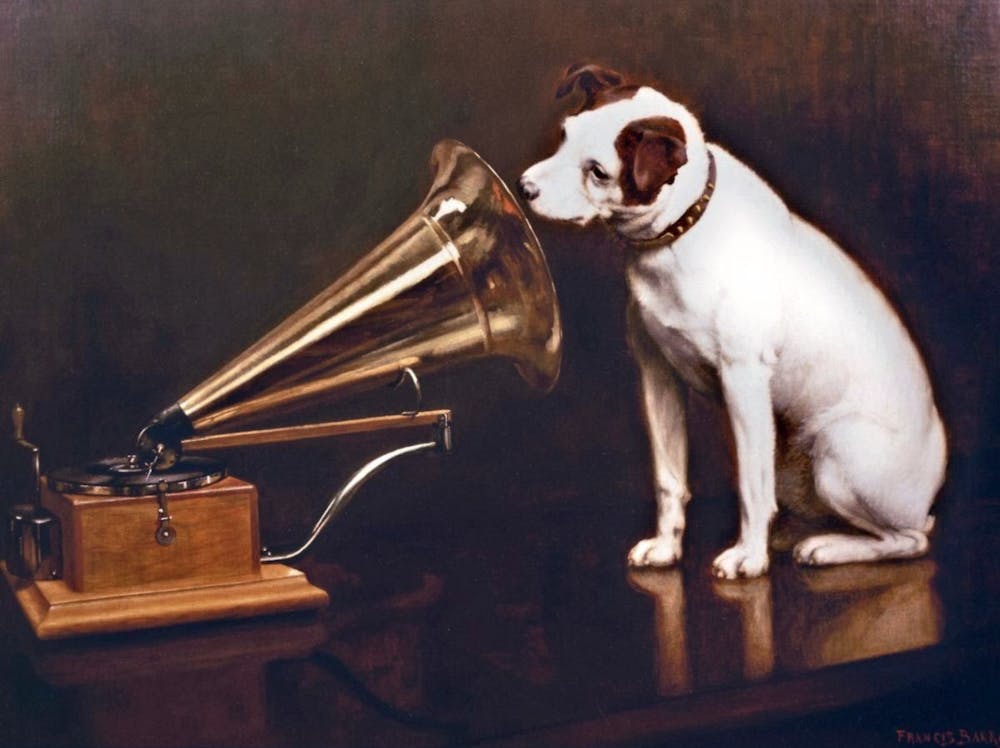
As recently as 50 years ago, the pit bull was America’s favorite dog. Pit bulls were everywhere. They were popular in advertising and used to promote the joys of pet-and-human friendship. Nipper on the RCA Victor label, Pete the Pup in the “Our Gang” comedy short films, and the flag-wrapped dog on a classic World War I poster all were pit bulls.
With National Pit Bull Awareness Day celebrated on Oct. 26, it’s a fitting time to ask how these dogs came to be seen as a dangerous threat.
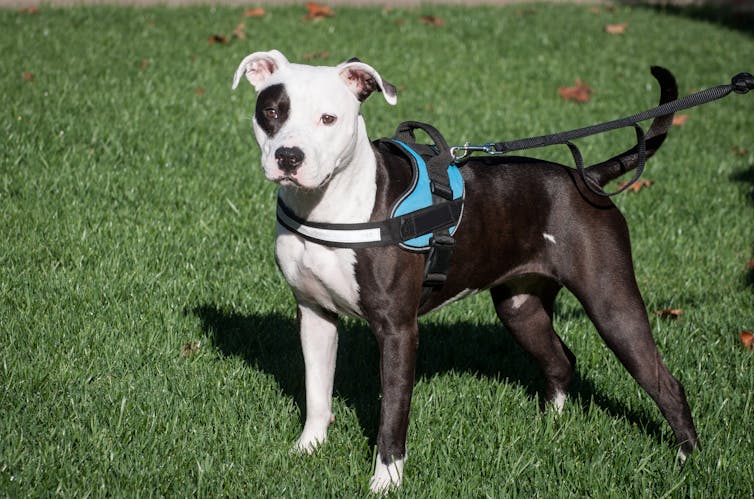
Stella, a pit bull owned by author Colin Dayan. Colin Dayan, CC BY-ND
Starting around 1990, multiple features of American life converged to inspire widespread bans that made pit bulls outlaws, called “four-legged guns” or “lethal weapons.” The drivers included some dog attacks, excessive parental caution, fearful insurance companies and a tie to the sport of dog fighting.
As a professor of humanities and law, I have studied the legal history of slaves, vagrants, criminals, terror suspects and others deemed threats to civilized society. For my books “The Law is a White Dog” and “With Dogs at the Edge of Life,” I explored human-dog relationships and how laws and regulations can deny equal protection to entire classes of beings.
In my experience with these dogs – including nearly 12 years living with Stella, the daughter of champion fighting dogs – I have learned that pit bulls are not inherently dangerous. Like other dogs, they can become dangerous in certain situations, and at the hands of certain owners. But in my view, there is no defensible rationale for condemning not only all pit bulls, but any dog with a single pit bull gene, as some laws do.
I see such action as canine profiling, which recalls another legal fiction: the taint or stain of blood that ordained human degradation and race hatred in the United States.
English artist Francis Barraud (1856-1924) painted his brother’s dog Nipper listening to the horn of an early phonograph in 1898. Victor Talking Machine Co. began using the symbol in its trademark, His Master’s Voice, in 1900. Wikipedia
Bred to fight
The pit bull is strong. Its jaw grip is almost impossible to break. Bred over centuries to bite and hold large animals like bears and bulls around the face and head, it’s known as a “game dog.” Its bravery and strength won’t allow it to give up, no matter how long the struggle. It loves with the same strength; its loyalty remains the stuff of legend.
For decades pit bulls’ tenacity encouraged the sport of dogfighting, with the dogs “pitted” against each other. Fights often went to the death, and winning animals earned huge sums for those who bet on them.
But betting on dogs is not a high-class sport. Dogs are not horses; they cost little to acquire and maintain. Pit bulls easily and quickly became associated with the poor, and especially with Black men, in a narrative that connected pit bulls with gang violence and crime.
In 1987 Sports Illustrated put a pit bull, teeth bared, on its cover, with the headline “Beware of this Dog,” which it characterized as born with “a will to kill.” Time magazine published “Time Bombs on Legs” featuring this “vicious hound of the Baskervilles” that “seized small children like rag dolls and mauled them to death in a frenzy of bloodletting.”
Presumed vicious
If a dog has “vicious propensities,” the owner is assumed to share in this projected violence, both legally and generally in public perception. And once deemed “contraband,” both property and people are at risk.
This 2010 report describes the successful rehabilitation of dogs rescued from Michael Vick’s Bad Newz dogfighting operation.
Debating breed bans
Pit bulls still suffer more than any other dogs from the fact that they are a type of dog, not a distinct breed. Once recognized by the American Kennel Club as an American Staffordshire terrier, popularly known as an Amstaff, and registered with the United Kennel Club and the American Dog Breeders Association as an American pit bull terrier, now any dog characterized as a “pit bull type” can be considered an outlaw in many communities.
For example, in its 2012 Tracey v. Solesky ruling, the Maryland Court of Appeals modified the state’s common law in cases involving dog injuries. Any dog containing pit bull genes was “inherently dangerous” as a matter of law.
This subjected owners and landlords to what the courts call “strict liability.” As the court declared: “When an attack involves pit bulls, it is no longer necessary to prove that the particular pit bull or pit bulls are dangerous.”
Dissenting from the ruling, Judge Clayton Greene recognized the absurdity of the majority opinion’s “unworkable rule”: “How much ‘pit bull,’” he asked, “must there be in a dog to bring it within the strict liability edict?”
It’s equally unanswerable how to tell when a dog is a pit bull mix. From the shape of its head? Its stance? The way it looks at you?
Conundrums like these call into question statistics that show pit bulls to be more dangerous than other breeds. These figures vary a great deal depending on their sources.
Any statistics about pit bull attacks depend on the definition of a pit bull – yet it’s really hard to get good dog bite data that accurately IDs the breed
Prince George’s County, Md., is negotiating with advocates suing to revoke the county’s pit bull ban.
Pit bulls demand a great deal more from humans than some dogs, but alongside their bracing way of being in the world, we humans learn another way of thinking and loving. Compared with many other breeds, they offer a more demanding but always affecting communion.
That is a very interesting account of the breed and shows the complexities of owning Pit Bulls in certain States, or rather local communities enacting breed-specific bans.
However, in our experience, we have found them to be smart, loving animals, and we know we are not alone in having those thoughts.
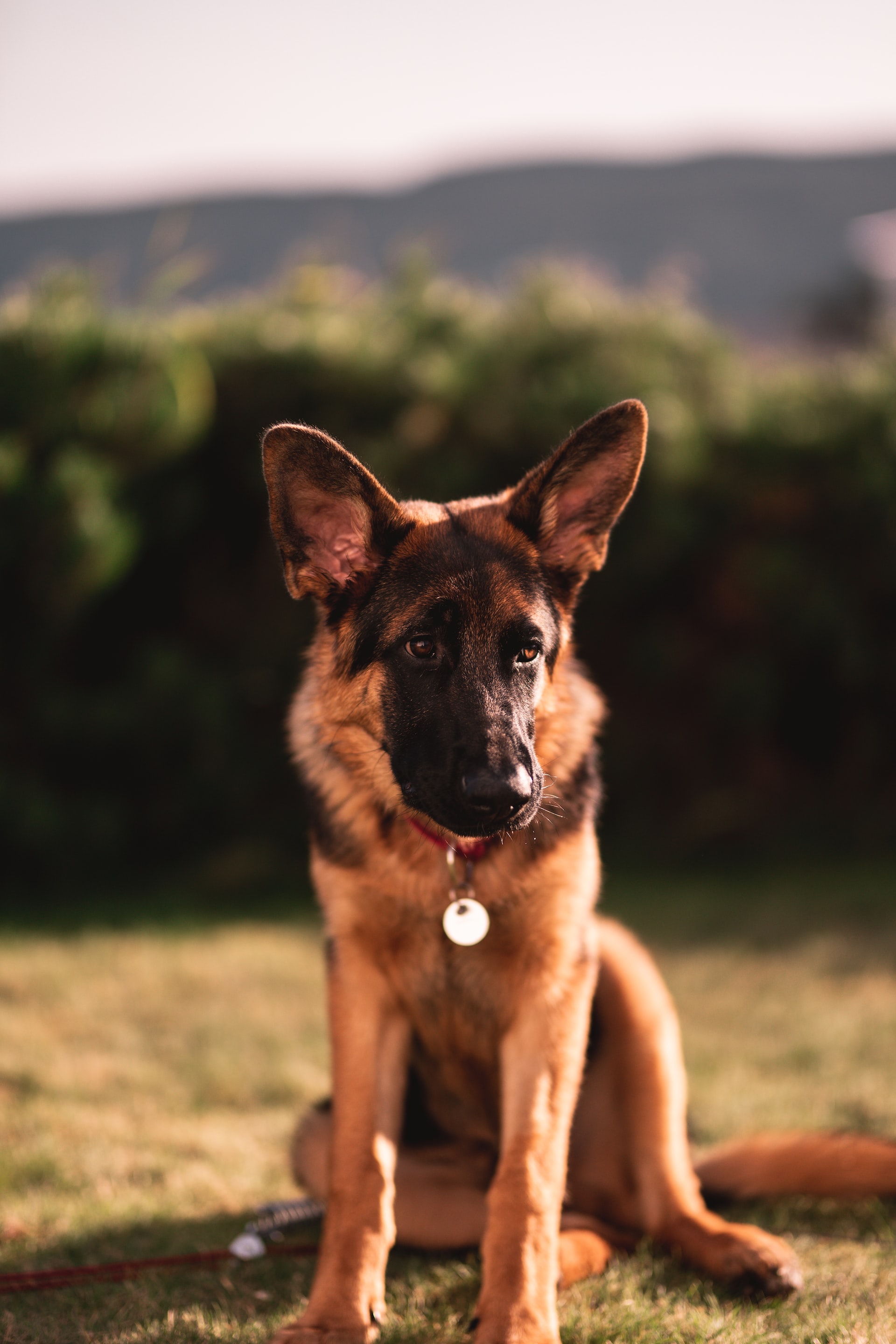
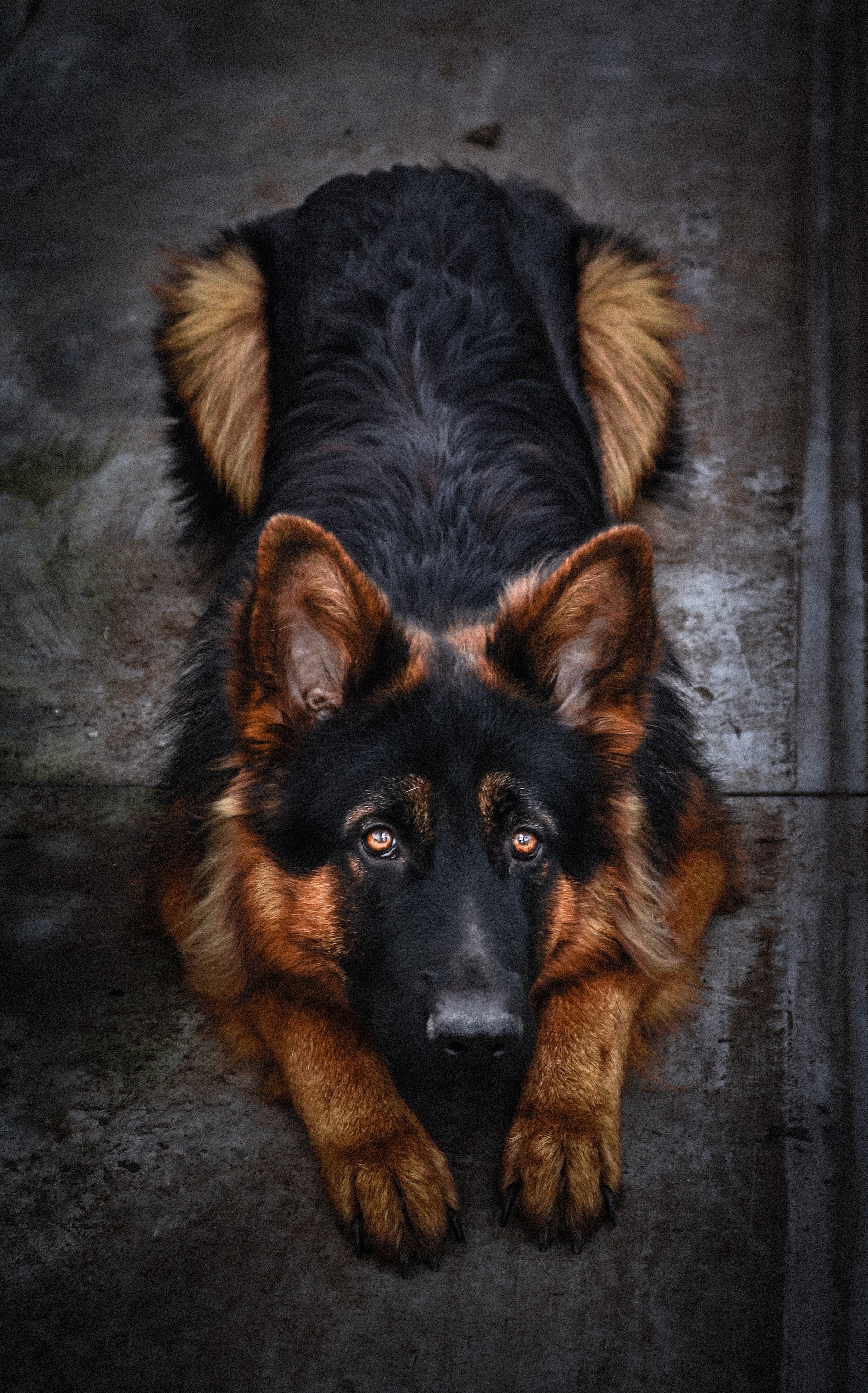
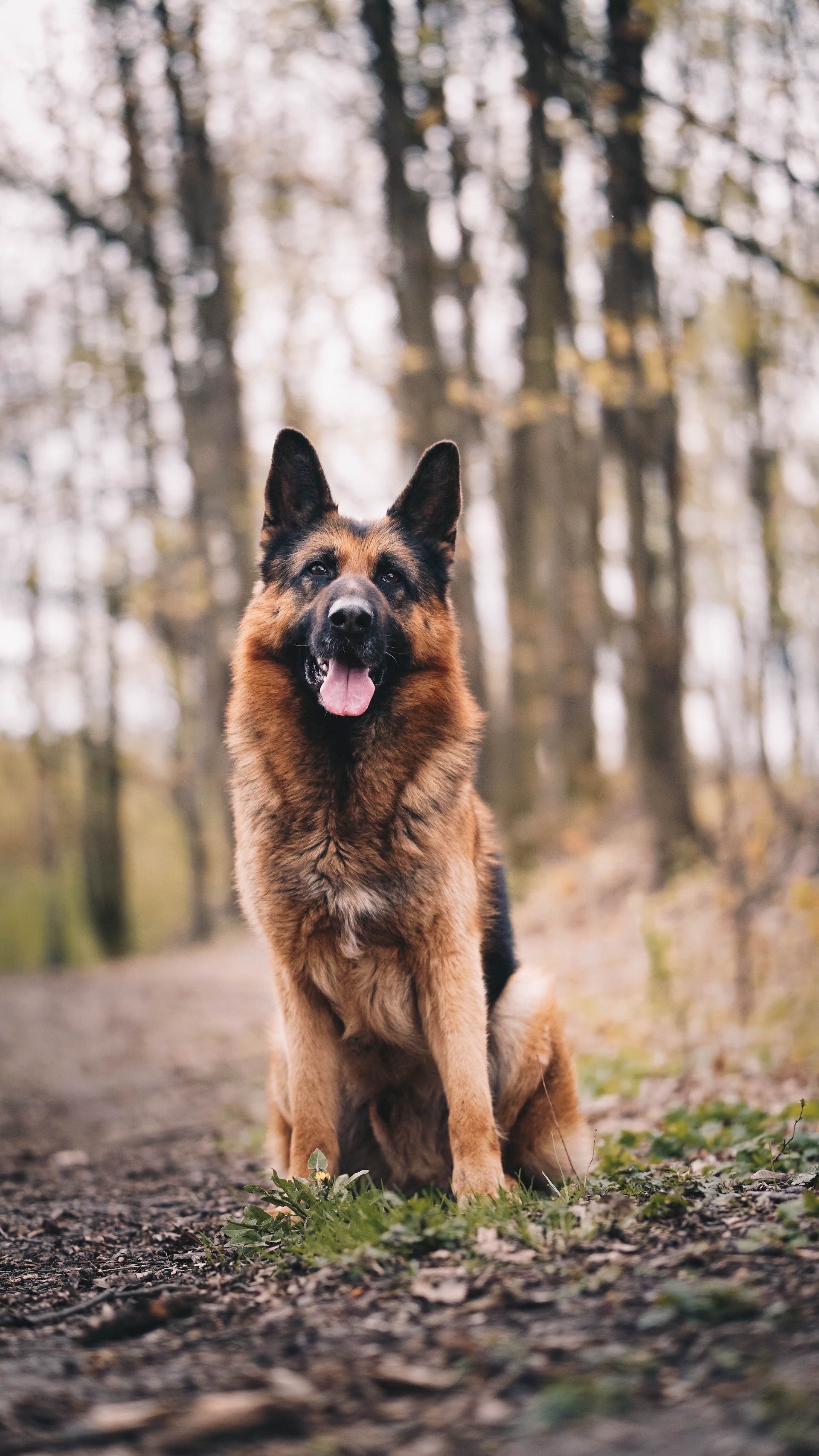
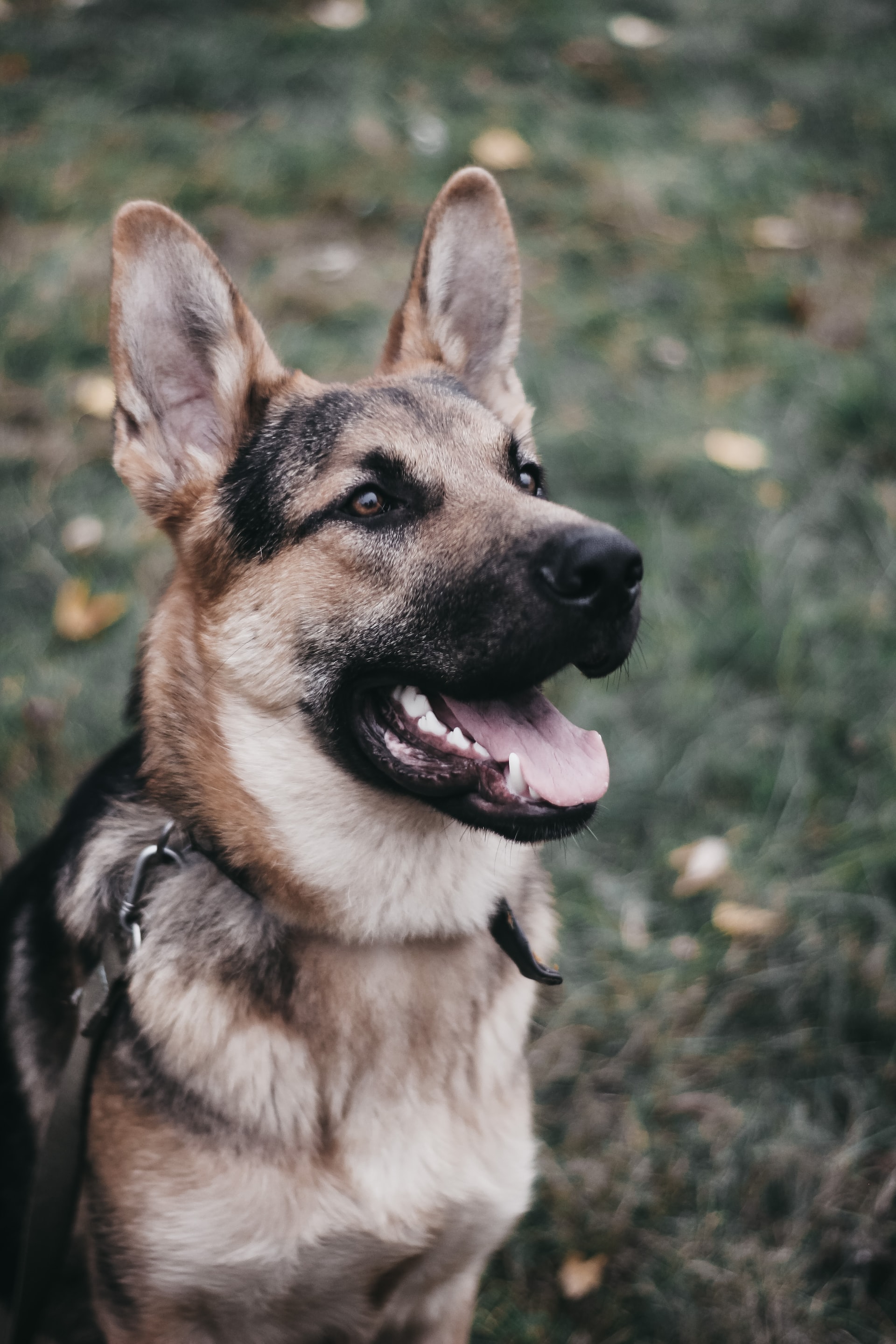
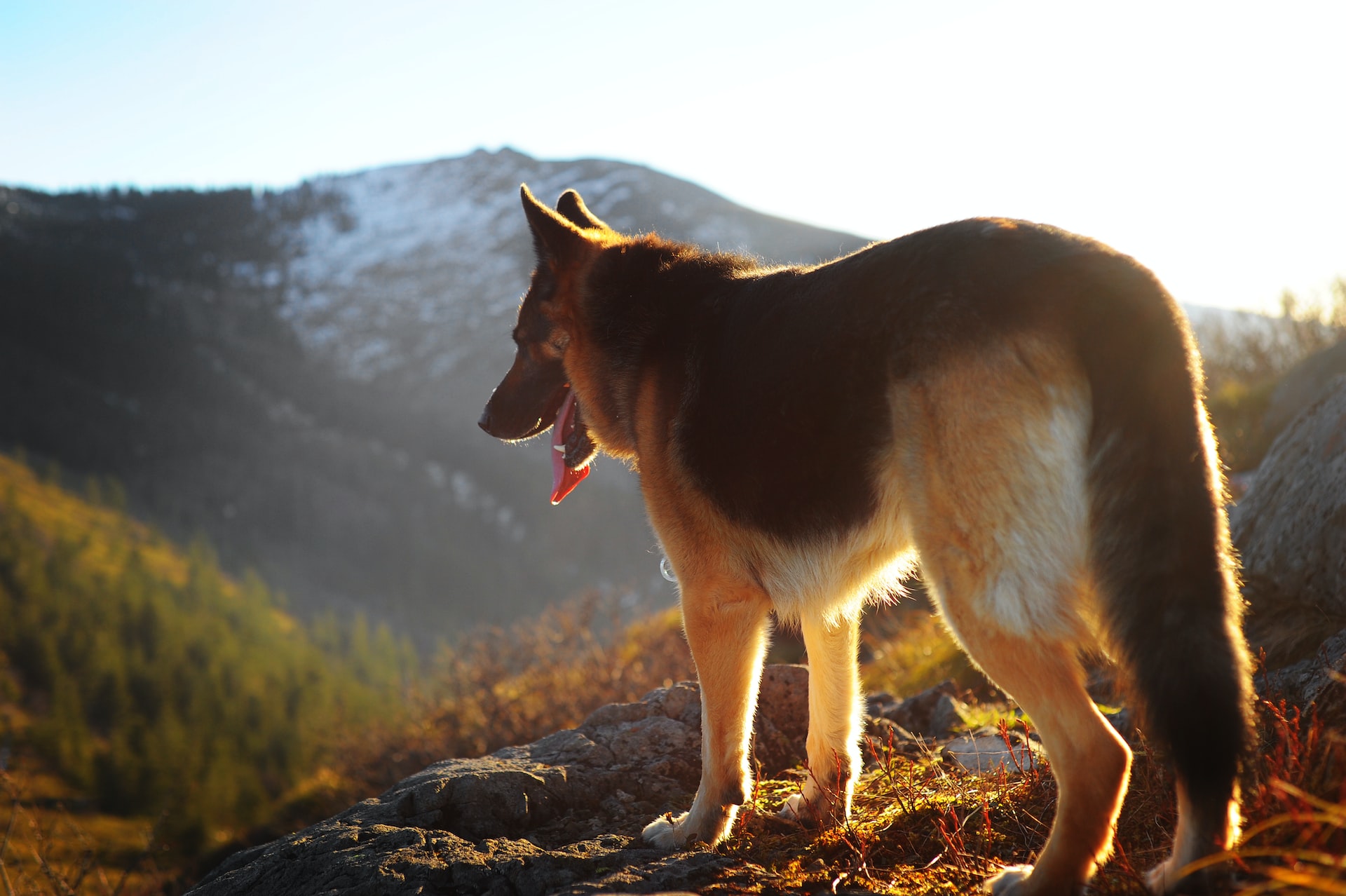
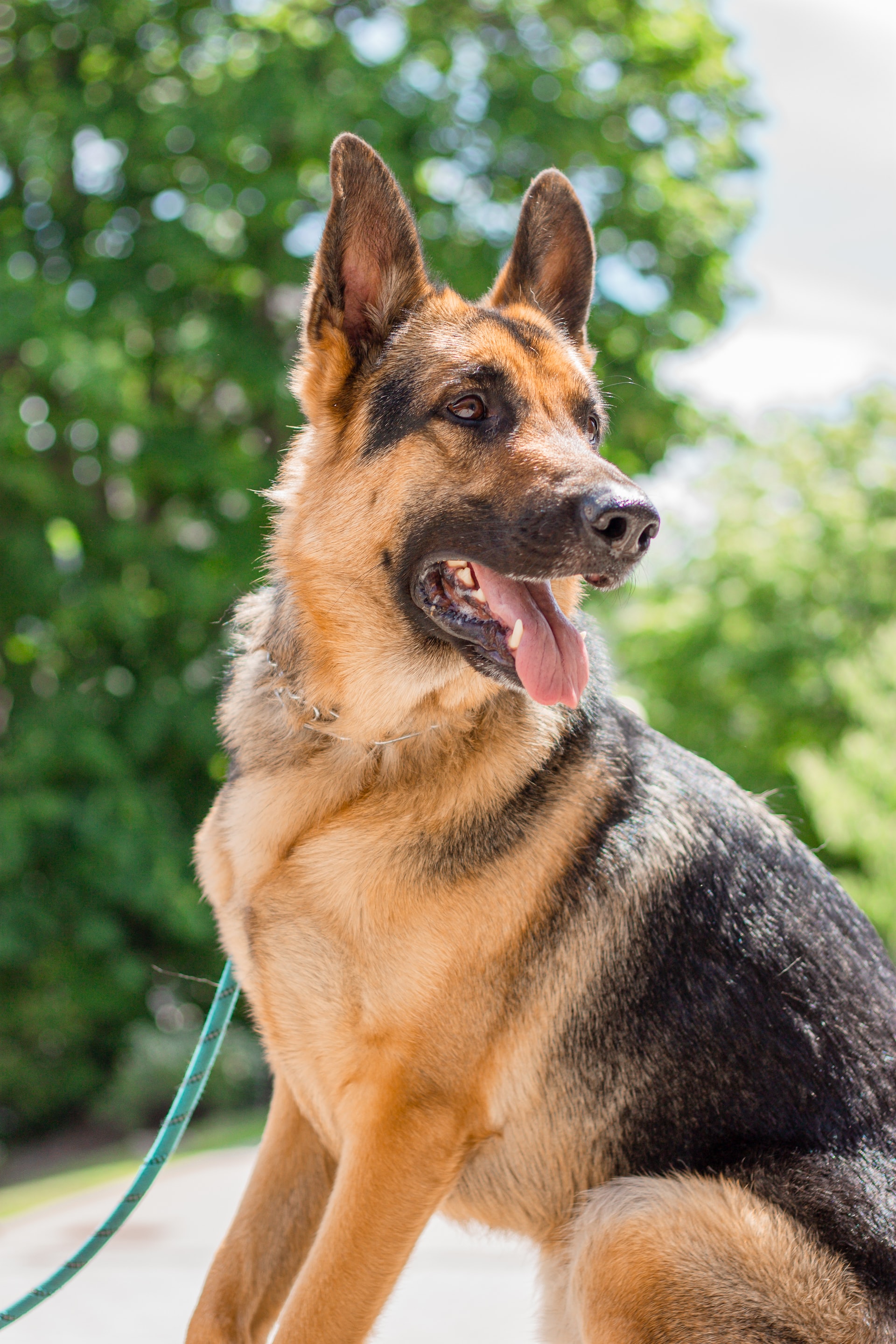
Today we focus exclusively on German Shepherds, again courtesy of a section on Unsplash.
oooo
oooo
oooo
oooo
oooo
oooo
This last one looks so much like Pharaoh, the GSD that came with me in 2008 from Devon to Mexico when Jeannie and I wanted to be together. So my last photo is of Pharaoh.
My beloved Pharaoh. Born the 3rd June, 2003 – died 19th June, 2017.
Now here’s a truism. One cannot feel bad about the world, at whatever scale, when one pets a dog. I have observed my wife, Jean, kissing and cuddling anyone of our three dogs and she is in a beautiful mental place. Same for me
I love all our three dogs but Oliver, below, is so in tune with me that I swear he practically understands what I say!
So when recently I read a post about the positive effects on mental health that owning a dog provides I just had to share it with you. It was first published in The Dodo.
ooOOoo
Petting A Dog Is Good For Your Brain
As if we needed another reason to love them more ❤️
Dog parents already know that petting a dog is one of the best things ever.
And as it turns out, science agrees. While some studies have shown that petting a dog can both lower your stress and release the “feel good” hormone, oxytocin, new research suggests that petting a dog is good for your brain in other ways, too.
Scientists in Switzerland claim in a new study that when you pet a dog, you can get a boost of brain activity in the frontal cortex — a crucial part of the brain that controls attention, working memory, problem-solving, thinking and emotional reactions.
During the study, participants hung around a pup while fitted with a scanner. They started out just watching the dog from across the room, gradually getting closer until they could pet him. Then they did the same thing with a stuffed animal.
And when comparing both scenarios, researchers discovered there was a stronger boost of brain activity when the real dog was nearby and available for a few pets.
This study just goes to show how great therapy animals truly are, since they can boost the cognitive and emotional activity in the brain of their human in ways a stuffed animal can’t.
“If patients with deficits in motivation, attention and socioemotional functioning show higher emotional involvement in activities connected to a dog, then such activities could increase the chance of learning and of achieving therapeutic aims,” study lead author, Rahel Marti, told CNN.
While pet parents already know just how awesome petting a dog is, it’s good to know the positives of bonding with a pup are endless — just like their love for us.
ooOOoo
I am at the age where I am very anxious to do all that is good for my brain. This “... frontal cortex — a crucial part of the brain that controls attention, working memory, problem-solving, thinking and emotional reactions.” hits the target.
This is a great article as I said at the head of this piece.
Dogs are the perfect companions for us humans; body and mind!
First, let me will quote from the text that comes with the YouTube video.
This is the remarkable story of Zeus, who was effectively paralyzed at the time he was rescued from a high-kill animal shelter in Oklahoma by the wonderful people at St. Francis CARE in Murphysboro, Illinois.
Video edited and produced by Jason Greene
Next, this unmissable video confirms what so many now already: Dogs are stars in their own world.
There you go! A short, little post for today but one that highlights the power of dogs! They are incredible!
And, apologies, if I have shown them before. There are so many and I have been through quite a large number of them. But in the round of things, so what if they have been repeated!
The photographs, as usual, from many people all shared with you courtesy of Unsplash.
I have said it many times before and, knowing me, will undoubtedly say it many times again. That is that this blog wouldn’t still have in excess of 4,000 followers if all these good people had only me to read.
I know you will enjoy Jackie’s post and it is a most important post looking at the history of the dog. Jackie and her husband look at the dog back in Roman times. You will love this!
ooOOoo
Pup Pompeii – Discovering the Dogs of Ancient Rome
Research has now proven that dogs have been companions to humans for 40,000 years. DNA analysis of a 35,000-year-old bone fragment from an ancient wolf, discovered on the Taimyr peninsula in Siberia, presented evidence that dogs diverged from the wolf species much earlier than previously thought. The findings, published in the journal Current Biology, state that Siberian Huskies and Greenland Sled Dogs share many genes with the Taimyr Wolf.
As such, it is no surprise to learn that, a mere two thousand years ago, the ancient Romans kept dogs. However, on a recent road trip to the ruined city of Pompeii with The Fab Four, our four Cavapoos, my husband Mark and I discovered some fascinating facts about the relationship between ancient Romans and Man’s Best Friend.
Pompeii in southern Italy is the most extraordinary time capsule. It grants the onlooker a fascinating and sometimes painfully intimate window into an ancient civilisation. Snuffed out almost instantly by the eruption of Mount Vesuvius, metres of volcanic ash preserved the entire city for two millennia, exactly how it was on those two fateful days in 79 AD.
My husband, Mark, and I visited in April this year with The Fab Four, our four Cavapoos (Cavalier/Poodle cross.) Within thirty minutes of leaving our campsite, I had bought my first Pompeii souvenir – a coaster portraying the striking black-and-white mosaic of a dog wearing a spiked collar crouched and ready to pounce, along with the words Cave Canem – Beware of the Dog.
Cave has nothing to do with underground chasms. It comes from the same Latin root as caveat, as in caveat emptor – buyer beware. The original mosaic is in the entrance to the House of the Tragic Poet. Since we were investigating Pup Pompeii, we had to find the real thing and when we got there, The Fab Four thrilled me by lining up in front of it, unasked!
If you think about it, Rome’s canine connections go right back to the beginning. According to the legend, a she-wolf suckled the twins, Romulus and Remus. Although Remus was killed, Romulus went on to found Rome.
Many objects and artefacts confirm Romans kept dogs. It is no surprise to find pooches employed as guardians, hunters, soldiers, and entertainers; both on the racetrack and as gladiators in the arena. Sculptures, paintings, and mosaics often depict these large and muscular dogs wearing spiked collars to make them look fierce, or protect them from the dangerous predators that were their prey, such as wolves, bears, and boar.
They also protected against the supernatural. Trivia, the Roman goddess of sorcery and witchcraft, held sway over places of transition, such as graveyards and crossroads. Also known as ‘The Queen of Ghosts’, she wandered during the night and, like her Greek counterpart, Hecate, was silent and invisible. Yet, the Romans believed dogs could see and hear her, so a dog seemingly barking at nothing was warning its owner that Trivia or her ghosts were approaching.
I was touched to discover a softer side of dog ownership, too. Romans also kept dogs as companions, status symbols, used them as hot water bottles, and revered them as an emblem of loyalty and devotion. Infrared analysis of a dog’s collar discovered in Pompeii carries praise for it saving its master’s life in a wolf attack. The archetypal mutt’s name, ‘Fido’, is the Latin word for ‘trust’ or ‘fidelity’, which explains why dogs were popular gifts between lovers.
There was no Kennel Club in ancient Rome, so dog breeds, as we know them today, did not exist. Ever practical, the Romans classified dogs according to their function, or place of origin.
In 2020, archaeologists in Pompeii discovered the skeleton of a tiny adult dog, about 10 inches (25 cm) at the shoulder – the size of a Yorkshire Terrier or Maltese. Malta is just 60 miles south of Sicily, and the “Roman Ladies’ Dog”, Canis Melitae or Melitan, was an expensive status symbol, affordable only to the upper classes. Besides providing companionship and warmth, the Romans believed they drew fleas away from their owners.
The Cave Canem mosaic of a black-and-white dog wearing a spiked collar possibly depicts a Molossian, forbear of the Roman Canis Pugnaces. In modern English, pugnacious means ‘ready to fight’, so there are no prizes for guessing the purpose of CanisPugnaces!
The legions imported Molossians from Epirus, a mountainous region in the southern part of modern-day Albania. The name Molossian derives from the ruling dynasty of Epirus at the time. Alexander the Great’s ‘terrible mother’, Olympias, was a Molossian princess. Historian Plutarch suggested she slept with snakes in her bed!
Molossians may also have found their way to Britain with the Phoenicians, where they founded the Pugnaces Britanniae, which the Romans not only faced in battle, but subsequently captured, imported, and selectively bred with their own Pugnaces, because the British version was “inflamed with the spirit of Mars, the god of war.”
Roman classical poet Virgil praised the Molossian’s abilities as a guard dog. “Never, with them on guard, need you fear for your stalls a midnight thief, or onslaught of wolves, or Iberian brigands at your back.”
The Molossian and Pugnaces Britanniae are the ancestors ofthe Neapolitan Mastiff and the lighter Cane Corso. The Romans used both types in war, notably as piriferi (fire bearers).Greek writer Polybius notes thesefearless canine warriors charging towards enemy lines with containers of flaming oil strapped to their backs.
In 300 AD, the Greco-Syrian poet, Oppiano, described the Molossian as,
“A dog of large size, snub nosed, truculent with its frowning brows, not speedy but impetuous, a fighter of great courage and incredible strength, to be employed against bulls and wild boar, undaunted even when confronted with a lion.”
Alexander the Great’s favourite dog, Peritas, is believed to have been a Molossian. It reputedly changed the course of history by saving Alexander’s life twice; protecting him from a war elephant at the Battle of Gaugamela, and holding off Malian troops until reinforcements arrived, even though it was mortally wounded. The legend says it died with its head in Alexander’s lap.
Among the fabulous mosaics that adorn the floors of the house of Paquius Proculus in Pompeii, a rather regal lurcher-type dog guards the door – perhaps a Vertragus – ancestor of the modern Greyhound. The Romans prized this sighthound as a hunter as well as guarding, and, like the smaller lapdogs, also cuddled them for warmth.
Poet, Grattius, who lived from 63 BC to 14 AD, during the time of Emperor Augustus, praised the Vertragus for its speed and refined features, noting rather splendidly that it runs “swifter than thought or a winged bird.”
The Celtic people originated in the upper Danube basin and expanded their culture across great swathes of continental Europe, including France, Spain, Belgium, the Netherlands, the Balkans, as well as in the east in places such as Asia Minor and Anatolia (part of Turkey) – and took their dogs with them.
Curiously, despite its Celtic connections, studies in the 1970s and 2000 confirm that prior to Roman occupation, Greyhound-type dogs did not exist in Britain. The wooden Vindolanda tablets, the oldest handwritten account of life in the north of Roman Britain, do mention that Imperial troops either knew of the Vertragus, or had them with them.
Julius Caesar allegedly castigated Roman citizens for caring more for their dogs than their children. As is so often the case, funerary goods shed light on ancient civilisations. Many inscriptions on Roman tombs highlight the high regard in which the Romans held their dogs. They also suggest that in the past, dogs may have lived longer than in modern times, perhaps because of the interbreeding required to create pedigree strains.
These heartrending inscriptions will strike a chord with any modern dog owner. The first two could easily refer to Canis Melitae:
“Behold the tomb of Aeolis, the cheerful little dog, whose loss to fleeting fate pained me beyond measure.”
“Bedewed with tears I have carried you, our little dog, as in happier circumstances, I did fifteen years ago. So now, Patrice, you will no longer give me a thousand kisses nor will you be able to lie affectionately ’round my neck. You were a good dog and, in sorrow, I have placed you in a marble tomb and I have united you forever to myself when I die. You readily matched a human with your clever ways; alas, what a pet we have lost! You, sweet Patrice, were in the habit of joining us at table and fawningly asking for food in our lap, you were accustomed to lick with your greedy tongue the cup which my hands often held for you and regularly to welcome your tired master with wagging tail.”
Yet it wasn’t just lap dogs who earned tributes from their owners. Here is a truly beautiful and touching dedication on a Roman marble tablet from the first century AD in the British Museum, contemporary with Pompeii. It is written in verse, from the point of view of a prized hunting dog, Margarita (Pearl), from Gaul, who died giving birth. With allusions to the poetry of Virgil, who stated “Mantua gave birth to me”, the care taken over this memorial proves Margarita was clearly a very beloved family member.
“Gaul gave me my birth and the pearl-oyster from the seas full of treasure my name, an honour fitting to my beauty.
I was trained to run boldly through strange forests and to hunt out furry wild beasts in the hills, never accustomed to be held by heavy chains nor endure cruel beatings on my snow-white body.
I used to lie on the soft lap of my master and mistress and knew to go to bed when tired on my spread mattress and I did not speak more than allowed as a dog, given a silent mouth
No-one was scared by my barking but now I have been overcome by death from an ill-fated birth and earth has covered me beneath this small piece of marble.
Margarita (‘Pearl’)”
In the Monty Python film, The Life of Brian, an anti-Roman revolutionary famously asks, “What have the Romans ever done for us?”
Yet, besides roads, aqueducts, plumbing, sanitation, and fast food, they have clearly passed on a deep love and appreciation of dogs!
Attributions:
Photo of Romulus and Remus with the she-wolf courtesy of Benutzer:Wolpertinger on WP de, Public domain, via Wikimedia Commons
FREE Tickets – these are available for visits on the first Sunday of every month. They must be downloaded online and the gates close once a mere 15,000 have been admitted
Self-Guided Walking Tour App – there are few interpretive signs on the site. ‘These two expert-designed self-guided walking tours to explore Pompei, Italy on foot at your own pace. You can also create your own self-guided walk to visit the city attractions which interest you the most.’
Author Bio:
Jacqueline Lambert is an award-winning author and blogger, who gave up work in 2016 to tour Europe full-time with her husband and four dogs. “Laugh out loud funny and a great travel guide.” is just one of many five-star reviews of Jackie’s ‘Adventure Caravanning with Dogs’ series of light-hearted road trip memoirs.
Follow her blog www.WorldWideWalkies.com to keep up to date with their latest expedition, get travel tips and advice, or find out how they live their dream without a lottery win.
ooOOoo
The photograph below is from a collection of photos on the tombstones of ancient Roman dogs. More images may be seen here!
It just goes to show how long these incredible animals have been associated with humans.