We found Kalu lying in a hole at a construction site in Udaipur on October 7, 2015. His face looked like a bomb had exploded between his forehead. The horrific gaping hole was infested with maggots that were literally eating him alive. As soon as our rescuers Ganpat and Kalu Singh brought him back to Animal Aid we decided that euthanizing him would be the best decision. But as Kalu stood there on the examining table, something in his spirit stopped us in our tracks and we knew we had to give him a chance.
So we began treatment on the most heartbreaking wound we had ever before seen.
We put a powder into the wound that kills the maggots and gave him IV fluids while we waited for the powder to do it’s job.
A few hours later we put Kalu under sedation and began to remove the dead maggots, debride and clean the wound.
Over the course of the next 3 months, Kalu astounded us with him strength of will, his incredible healing and all the love he had to give.
Click here to sponsor Kalu’s life-long sanctuary at Animal Aid.
If you would like to make a donation then the charity’s home page is here.
Animal Aid is a vital rescue center, hospital and sanctuary for injured and ill street animals in Udaipur, Rajasthan, India. We rescue thousands of hurt and sick animals each year and provide sanctuary to those who need life-long care.
According to YouTube that video has already been watched over 6.6 million times.
When we let the dogs out last thing on Tuesday evening there was a local pack of coyotes not far from our fence line. Cleo started barking and some of the coyotes responded with their spine-chillingly beautiful howls. The sound really does transport one back thousands of years in a mystical sense.
I started doing some research as to whether we, as in us humans, had studied what the song of the coyote means. I came across The Natural History of the Urban Coyote website and therein was an article called Translating the Song Dog. It’s a fabulously interesting article and I do hope it’s OK to share with you.
ooOOoo
The scientific name for the coyote is Canis latrans, which translates to “barking dog,” a perfect name for this species which has been called the most vocal of North America’s mammals.
Less formally, the coyote is known as the song dog, and one listen to a group howl by a pack of coyotes makes it clear why. Rather than the simple but soul-haunting sound of a wolf’s howl, the coyote’s howl can be made up of high-pitched howls, barks, and yips that make it clear the coyote has a whole lot of lyrics in a single song. But what exactly do those lyrics say?
The coyote has a range of vocalizations depending on social context and message. In 1978, Philip N. Lehner published his research of coyote communication and what the various vocalizations mean, which has been included in Coyotes: Biology, Behavior, and Management.
“The vocal repertoire of the adult coyote contains eleven vocalizations, several of which are also given by pups. These vocalizations grade into one another such that their separation into eleven types is somewhat arbitrary based on their different sounds, behavior context, and physical characteristics.”
In other words, the coyote language is complex and depends on the social situation, the coyote’s body language in addition to the sounds, the intensity of the vocalization, and other factors. This makes sense considering that when one digs a little into hunting forums, some coyote hunters are convinced they know more than eleven calls for coyotes. Indeed, there are likely more vocalizations when one looks at subtleties.
If you have paid close attention the vocalizations of domestic dogs, especially those more talkative breeds, you’ll likely find it easy to decode coyote sounds. There is a lot of overlap in the sounds dogs, coyotes and other canid species make – from a startled huff to a whine of greeting, from an antagonistic growl to a bark of alarm. But coyotes take the language of canids to another level with their extensive list of sounds, especially the yips, howls, and of course their choral group howls.
Though Lehner notes that it’s a bit arbitrary to categorize coyote sounds, we can at least begin to understand them by breaking them down into the types of sounds they make along with their purpose. So he created the following 11 categories, which can also be considered sign-posts on a gradient of meaning and intensity.
Types of Coyote Vocalizations
1. Growl – This vocalization holds no mystery. A growl is used as a threat, specifically for something within close range.
2. Huff – This is the expulsion of air through the nose and mouth, and is also used as a high-intensity threat in close proximity. Huffs are used, for instance, when there’s bickering over carrion.
3. Woof – This vocalization is made as both a low-intensity threat and as an alarm. It’s a sound made when a coyote is startled and unsure of exactly what is happening, but knows it is not comfortable with whatever it is.
4. Bark – The bark is a long-distance threat or alert of low to medium intensity.
5. Bark-Howl – This is when the coyote gets serious about a threat. The bark-howl is used as a long-distance high-intensity threat or alarm. It starts with a bark and blends into a howl.
What is interesting about the bark and the bark-howl is that research suggests that the varying intensity and frequency of barks could contain different information. More recent research by Brian R. Mitchell has shown that coyotes likely identify individuals by their barks and bark-howls.
“By analyzing spectrograms of howls and barks,” writes Mitchell, “I was able to determine that both of these vocalizations do indeed contain individually specific information. Because of the tremendous advantage of being able to determine individual identities, I presume that coyotes use the information in barks to identify individuals they are familiar with.”
“Another interesting aspect of coyote barks and howls,” he continues, “is that howls stably convey information for distances of at least one kilometer. Barks, on the other hand, rapidly attenuated and did not appear suitable for transmitting information. Barks likely serve other purposes, such as attracting information and providing information that listeners could use to estimate distance to the barking animal.”
Barks and bark-howls, then, can serve in saying, “I’m here, and here’s how I’m feeling” and allow listening coyotes to recognize if those individuals are family or strangers. Mitchell underscores that a coyote recognizing an individual by their howl isn’t about the howling coyote shouting his own name again and again; rather it is akin to how we can recognize a family member or friend by the sound of their voice no matter what they’re saying, because of their unique pitch, timbre, cadence and even accent.
6. Whine – This sound is used to express submission and is usually given by a subordinate coyote to a more dominant coyote.
7. Yelp – The yelp takes the whine up a notch and represents high-intensity submission. However, it can also be a response to being startled. As is the case with several other of these vocalizations, this categorization shows that coyote communication is more of a gradient. Lehner writes, “A yi-e-e-e often precedes or follows the yelp portion and resembles a high-frequency bark [and] appears on a sonogram like a short howl chopped into segments.”
8. Woo-oo-wow – This is the “greeting song” of coyotes, and is used during high-intensity greeting displays. The vocalization modulates in frequency and amplitude as a coyote’s motivation shifts, Lehner notes, and so can fluctuate from a whine to a growl.
9. Lone Howl – The lone howl is just what you probably already know it to be: a howl by a single coyote, which is often started with a series of barks that reseracher R. M. Mengel called “herald barks.” As mentioned above, coyotes can distinguish individuals based on their unique howl, and the purpose of the howl is to announce one’s location to others in their social group. Often, the lone howl gets an answer, and the coyotes can find each other to meet up.
10. Group Howl – A group howl is sent up when two or more coyotes come together after being apart, or it could be given as a response to the howls of distant coyotes. It is, according to Lehner, essentially two or more coyotes giving their own lone howls either successively or simultaneously, as a way of giving out location information to any listeners.
11. Group Yip-Howl – This is what coyotes are really known for. The group yip-howl is sent up when coyotes reunite, or just before they separate to go off hunting individually. As more coyotes join in, the more intense the vocalizations become, increasing in frequency and amplitude. Lehner notes that the group yip-howl includes sounds that researcher H. McCarley called screams, gargles and laughs. In other words, the many variations of coyote vocalizations show up in this chorus.
According to Lehner, the group yip-howl probably strengthens social bonds, may help to synchronize mood, and may also reaffirm social status within the pack. He also notes that the group yip-howl “may be most important in announcing territorial occupancy and preventing visual contact between groups of coyotes.”
The chorus tells any nearby coyote packs about whose turf this is, and thus keeps other coyotes away. It also reveals (or hides) how many coyotes are in the area and may help regulate coyote density through reproductive rate. Research has shown that female coyotes will produce larger litters when there is little competition, and smaller litters when there is a high density of coyotes in the habitat. This is one of the secrets to the coyote’s success at spreading across the continent in the last century.
[Note: This is also why indiscriminate killing of coyotes to decrease their density doesn’t work as a management strategy. Coyotes repopulate an area quickly and easily when competition is eliminated, with the population rebounding or even expanding in a very short time. Perhaps a more effective, cost-cutting and non-lethal strategy for reducing the number of coyotes in an area would be playing recorded group yip-howls to make resident coyotes think there is more competition for resources. This is something several researchers have expressed interest in exploring, specifically in order to reduce conflicts with ranchers. If we can discover more about what specific messages are embedded in certain howls or barks, ranchers could play specific recordings to keep coyotes away from livestock as well as minimize the number of coyotes living in an area.]
Mitchell writes, “Group yip-howls are produced by a mated and territorial pair of ‘alpha’ coyotes, with the male howling while the female intersperses her yips, barks, and short howls. ‘Beta’ coyotes (the children of the alpha pair from previous years) and current year pups may join in if they are nearby, or respond with howls of their own. And once one group of coyotes starts howling, chances are that any other alpha pairs nearby will respond in kind, with chorus after chorus of group yip-howls rippling across the miles.”
In Talking to Coyotes with the Song Dog, a pamphlet about using a coyote caller, Major L. Boddicker, Ph.D. brings up a personal experience with such a chain reaction. After sending up what he calls a “Joy of Life Call” which is a group yip-howl, “It sounded like every coyote in the USA responded in the musical see-saw coyote chant which went on and on for 3-5 minutes. I later called a friend in Steamboat Springs, Colorado (150 miles away) to check for the time when the coyotes started to sing there. Given the time it took sound to travel and coyotes to react, I very likely started the chorus.” Whether or not the chorus traveled that far, it is indeed possible to start a chain of coyotes sending up group yip-howls.
Boddicker discusses Lehner’s list of vocalizations in his pamphlet, and brings in two more vocalizations that he or experienced coyote callers have heard. He notes that these my fall into the umbrella categories identified by Lehner, but are distinct enough to point out anyway. They are:
Whoop – This sound is used as part of more complex sounds such as the group howl or group yip-howls.
Yodel – This is when a howl tapers up and ends abruptly, rather than tapering down in a typical howl, which gives the howl a sound like the coyote is asking a question. Boddicker notes that this happens when coyotes howl for an unusual reason such as for a lost family member.
How Many Coyotes Are Howling?
“When people hear coyote howls, they often mistakenly assume that they’re hearing a large pack of animals, all raising their voices at once,” writes Mitchell. “But this is an auditory illusion called the ‘beau geste’ effect.”
Coyotes howl both to reunite and to keep trespassers at bay. It may be in their favor that if they howl, they sound like a bigger pack than they really are. They accomplish complicated and confusing howls by a smart strategy of using wavering howls and changing their pitch rapidly. This, combined with the howls bouncing off objects in the environment such as rocks, trees, or the far side of a valley may make it hard for a listener to know if they are hearing one coyote or several howling simultaneously.
When two or three coyotes howl together, they can sound like a pack of six or ten or more, which perhaps makes them seem much more formidable to any nearby competitors or predators.
Coyotes May Have Local Accents
We know that coyotes vary in size and build depending on their location, as the difference between western and eastern coyotes clearly demonstrates. Does their location also mean they have accents? We know that other species with complex communication such as whales have different accents, so it makes sense that coyotes may also have regional accents. And does that affect how they might interpret or respond to strangers?
Sara Waller, associate professor of philosophy at Montana State University in Bozeman, told the Bozman Gazette, “We know that dogs have ‘accents’ just as people do — we can reliably tell the difference between British dog barks and American dog barks. When we have enough recordings to really compare Eastern and Western coyotes, we may find that like dogs, and people, they have regionally based differences in the way they communicate with each other. This would show that coyote vocalizations are impacted by social and environmental factors just as human speech is.”
What Can Coyotes Teach Us About Language?
There is still so much to learn about what coyotes are saying through their complex and varied vocalizations. The more we learn about the way coyotes communicate as social predators, the more we can learn about not just their species, but our own as well.
Coyotes can sense things we humans can’t, and Waller questions, “How does that impact the way they think? They are social, communicative predators, and so are very like humans in many ways. If we could figure out what some of these vocalizations mean, it would give us insight into how our own language works, and how human minds differ from those of other social predators.”
Examples of Coyote Vocalizations
In the video below, two coyotes give barks and bark-howls as an alarm against the person recording the video:
The person who uploaded this video notes that the coyotes had been hanging around a lot and ventured a guess that is because her dog was in heat. However, the date on the video is in late May, which is about the time when coyote pups are emerging from the den and becoming active around the den site. So it is possible that these are the parents and/or helper coyote keeping a watch on the person taking a video and giving alarm, warning them away from a nearby den.
In the video below, coyotes send up a group yip-howl. Note that the howls do not begin with a bark, like the previous video. As Lehner notes, the group yip-howl starts usually with the dominant individual of the pack. That seems to happen here as the coyote in the video joins in after another coyote begins the howl:
The video below is a coyote group yip-howl, likely started with reunion of group members, and includes yips, whines and other vocalizations on the coyote-sounds spectrum as the members interact. There is so much great behavior and body language captured in this video, showing the group dynamics of submissive members with more dominant members of the pack:
And that beautiful photograph of the howling coyote at the start of today’s post? That came from this website that also included the following that I will use to close this post.
“when the end comes there will be coyotes and coach roaches left in the world and the coyote will eat the coach roach and that will be that!” Some say that “Cher” will still be on tour though.
Whether you’re on board with celebrating a “traditional” Valentine’s Day this year—chocolates, cards, romance—or not, this year should be the year we also show some extra love to the animals in our lives. Whether we focus on our own companion animals or forgotten creatures out there in the world who also need compassion, this Valentine’s Day could be the start of a new tradition. Here are a few ideas to really bring the love to our furry and feathered friends this year:
1. Plan a trip to an animal sanctuary
Animal sanctuaries are wonderful places to visit solo, with your partner or with the kids. Most, if not all, states have at least one farmed animal sanctuary where pigs, cows, goats, chickens, geese, horses and many others have found a permanent home after being rescued on the way to slaughter or from their terrifying lives in the animal industries. There are few ways to connect with an animal and appreciate all they have been through in their lives that shine brighter than spending time petting a goat or cuddling a pig.
There are also other types of sanctuaries open to the public with different types of animals to behold, such as bats, tortoises, exotic birds, wolves and wild cats. The difference between reputable and respectable animal sanctuaries and zoos is, in many cases, the dedication to the animals’ needs. Some zoos may have great conservation programs, yet any profit-driven establishment who puts animals on display in unnatural living environments and social groupings does not have the animals’ true interests at heart. Sanctuaries strive toward giving the animals the best lives they can have—public observation is not at the heart of the matter. By supporting reputable animal sanctuaries, you are showing immense love and compassion to animals.
2. Dine on a meatless meal
To have a truly animal-friendly Valentine’s Day, don’t serve any of them on your plate! By choosing to dine on a plant-based meal full of fresh vegetables, hearty legumes, sweet fruits, wholesome grains and satisfying nuts and seeds, you are showing the animals the utmost respect. Try these Valentine’s recipe ideas, ethical wine suggestions and delicious vegan chocolate truffles for the big day! And, if you are interested in reducing the amount of animal products you consume beyond V-Day, visit the Meatless Monday website to learn how to tip the scales gradually toward regular vegan meals.
3. Reach out to an animal in need
Do you have a friend who could use a dogsitter for an upcoming trip? Does your local animal shelter or adoption agency need an extra hand with walking the dogs, cleaning cages and spending time with furry friends? Have you spoiled your own companion critter lately with a new toy, extra play time or some homemade treats? Valentine’s Day is the perfect time to extend our love to our own companion animals and to those around us who also need a little extra love. The rewards from reaching out to a pet in need are tenfold what we expend putting forth the effort. Use this February as an excuse to spend more time with some critters!
This dog is serious about keeping the title of ‘man’s best friend.’ (Photo: Best Friends Animal Society)
Dogs have lived alongside us for thousands of years, earning the reputation as “man’s best friend” for good reason. But while some people may be quick to dismiss a dog’s devotion as simply a relationship based on need, experts say that’s just not true.
“Dogs have developed the strongest ability of all animals on Earth to form affectionate bonds with humans,” says Dr. Frank McMillan D.V.M., director of well-being studies at Best Friends Animal Society, an organization helping adopters find loving companions. “Dogs don’t just love us — they need us, but not just for food and physical care. They need us emotionally. This is why the attachment bond a dog feels for his human is one of deep devotion and is, as has been often stated, unconditional.”
But how exactly does a dog say, “I love you”? Read on to find out.
Your dog wants to be close to you.
If your dog is always in your lap, leaning against you or following you room to room, it’s clear your pooch is attached to you.
“A dog’s affection is most evident in their desire to be physically close to you. This can sometimes appear to be a clinginess, and it isn’t always easy to distinguish healthy positive clinginess from insecurity, but in both cases your dog is deeply attached to you,” McMillan says.
Your dog gazes into your eyes.
When you and your pup share a long look, your dog is “hugging you with his eyes,” according to Brian Hare, a professor at Duke University who studies canine cognition, and research shows that this “hug” has a profound effect on both man and animal.
When scientists at Japan’s Azabu University took urine samples from dogs and their owners before and after 30 minutes of interacting, they found that the pairs that spent the most time gazing into each others’ eyes showed significantly higher levels of the hormone oxytocin, the same hormonal response that bonds us to human infants. “It’s an incredible finding that suggests that dogs have hijacked the human bonding system,” Hare told Science.
Loving glances like this can say a lot. (Photo: Best Friends Animal Society)
Your dog excitedly greets you.
Does your pup jump up, wag his tail and barely seem able to contain his excitement when you arrive home? If so, that’s a sure sign of affection.
“This becomes even more obvious when your dog learns, like Pavlov’s dogs, that some sound signals your upcoming arrival, like the garage opener or sound of your car, and they show excitement upon hearing that sound,” McMillan says.
Your dog sleeps with you.
Dogs are pack animals that often huddle together at night for warmth and protection, so when your dog snuggles up with you, it means he considers you to be part of the family. And these canine cuddles may even help you get a better night’s sleep.
You are your dog’s safe haven.
“Much affection in animals and humans is based on how much you can be relied on as a source of comfort and support in scary situations,” McMillan says. “If your dog seeks your comfort during thunderstorms, car rides, vet visits or other frightening occurrences, then you are seeing another aspect of her attachment bond to you.”
Your dog ‘reads’ you and reacts accordingly.
A close bond with your dog may enable him to sense your mood and respond with affection. “Many dogs who sense that you are upset or not feeling well will demonstrate their affection by spending even more time by your side. They might give you licks or rest their head or paws on some part of your body,” McMillan says.
A cuddly canine can make the day a little better. (Photo: Brian Goodman/Shutterstock)
Your dog yawns when you yawn.
If you’ve ever yawned after witnessing another person’s yawn, you’re aware how contagious the act can be. This contagious yawning is unique to only a few species, and man’s best friend is one of them.
Researchers have even found that not only are dogs more likely to yawn after watching familiar people yawn, but also that dogs will yawn when hearing only the sound of a loved one’s yawn. So if your canine companion yawns in response to your yawns, odds are good that his affection for you enables him to empathize with you.
Your dog focuses on you.
It’s not unusual for dogs to delight in positive attention from virtually anyone, but just because your pooch loves on everyone, doesn’t mean he doesn’t love you most. Pay attention to how your dog acts when in a room full of people. If he stays focused on you or ignores others while awaiting your return, you know you hold a special place in your dog’s heart.
Your dog forgives you.
“Part of the affectionate feelings your dog has for you shows up in their willingness to forgive you for things you do that make them feel bad, such as raising your voice, or misplacing your frustration on your dog by ignoring them,” McMillan says. “Forgiveness is your dog’s attempt to maintain the loving bond they share with you.”
However, even if your canine best friend doesn’t show affection in these ways, it certainly doesn’t mean your pooch doesn’t love you. Just as some people can care deeply without expressing their feelings, so can your pup.
“Be sure not to go through the list above and think that because your dog shows very few or even none of these things, he or she doesn’t love you. Odds are, love is very much there. After all, we’re talking about a dog here,” McMillan says.
And how can you show your dog some love? Engage in playtime, take a long walk, bake some yummy dog treats, or give your pup a homemade toy. Above all, McMillan says the best thing you can do is simply give your dog more of you because that’s what man’s best friend wants most of all.
ooOOoo
Finally, enjoy this fabulous video. (Thanks Sue Dreamwalker)
Published on Oct 20, 2014
As humans animals can be also friends. If animals live together they became often friends. Friendship between different species can be cold as unlikely animals friendship. In this you can see friendship between dogs and cats, Lion tiger and bear friends, Baby Chick and Chihuahua best friends, cat and own friendship etc.
So many loving relationships! So many lessons for us to learn from our dogs!
One Common Thing That is More Toxic Than Chocolate for Dogs!
Note: This is a repeat of the Xylitol warning that appeared in a LfD post on the 4th. January. It is being repeated to ensure the maximum awareness of all my readers and followers.
Deborah Taylor-French is an author and also has the blog Dog Leader Mysteries. It was on her blog that I saw a reference to the acute dangers on Xylitol for dogs, and for cats. So please read and share the following.
ooOOoo
One Common Thing That is More Toxic Than Chocolate for Dogs!
Actually, I didn’t know the answer until I did the research. The startling fact that thousands of
Dog ill or sleeping?
products contain this substance stymied me. There are no warning labels for pet owners. Because these products are made for people, hundreds of dogs and cats suffer when adults or children leave these foods and productswhere pets can ingest them.
This substance naturally develops in grapes and onions. Is also an ingredient often added to gum, candy, mouthwash, toothpaste, and ear medications for children, plus it is added to many prepared foods.
Gum, candy, peanut butter all harmless, right?
WRONG! What is okay for people to eat, proves toxic for pets. Chocolate and nuts are two examples of what people can eat, yet can be lethal for pets. Xylitol damages dogs’ livers. In both people and canines liver failure often means the end of life.
A Tiny Bit Could Kill Your Dog…
In an article in The Wall Street Journal, Mark Maremont reported that,“Besides gum, xylitol is used by manufacturers in products including mints, gummy vitamins, toothpaste, specialty peanut butter and melatonin sleep aids—in part because it has about two-thirds the calories of sugar and is safer than sugar for diabetics. Some gum makers cite studies showing dental-health benefits.”
“A type of sugar alcohol extracted from plants, xylitol is well-tolerated by humans, but in dogs causes a sudden release of insulin, resulting in low blood sugar and potentially leading to seizures and brain damage. It also can cause liver failure.” Xylitol has been added to literally thousands of products. It is safe in these many products for people, but it kills dogs and cats.”
Toxin Levels for Pets in Xylitol Products
Hershey’s Ice Breakers contain 10 times the pet toxic Xylitol level per piece
“Xylitol makes up more than half the weight in certain Ice Breakers flavors, about 1.2 grams of xylitol per piece, according to Hershey’s consumer helpline. That’s about 8 to 10 times the amount of xylitol in some other popular gums. A pack of the brand, introduced in 2006, contains 40 pieces.”
Hard candies, breath mints, toothpaste, tooth whiteners, mouthwash, some jams and jellies all contain xylitol. The U.S.A. Federal Drug Administration does not require warning labels on any of these sweet treats.
As reported in the Wall Street Journal article, “A toxic dose of xylitol—enough to potentially cause low blood sugar or other symptoms—is 0.1 grams per kilogram of the dog’s weight.”
one piece of Xylitol could be toxic for a 26-pound dog
one piece is 12 times as toxic as a piece of dark chocolate the same weight
“Xylitol is extracted from plant material and is available as an ingredient (additiive) in more and more foods, but the amount naturally occurring in foods is very small. In addition to gum, xylitol can now be found in some hard candies, chocolate, table syrup, jams, and jellies.”WebMD.com/ supplements/xylitol
What other health risks does xylitol pose for pets?
“…some animal studies have shown tumor growth resulting from high doses of xylitol over long periods.…” – WebMD Warning for Dog Owners
“If you are a dog owner, be aware that xylitol can be toxic to dogs, even in small amounts”
chewable vitamins
Nicorette Gum
IceBreakers
Peanut Butter (some brands)
chocolate
tooth paste
Xlear Nasal Spray
Note: This list is far from complete.
Please read the labels on anything you put on pet level in your car and home. Dogs love sweets.
Keep these foods containing xylitol away from pets:
onions
garlic
onion like shallots, green onions, etc.
peanut butter
grapes
raisins
chocolate
anything baked with xylitol
Xylitol Poisoning Affects Canine and Feline Livers
Xylitol may kill pets that ingest it. If you suspect your dog of eating any items made with this toxin, immediately rush you pet to a veterinarian.
Symptoms of Poisoning
loss of balance
difficulty breathing
difficulty walking
refusal to drink
refusal to eat
unconsciousness
Please help dog lovers and cat lovers by sharing.
Here’s hoping all dog lovers will receive benefit from my second guest post on 4Knines’ blog. Ready to save pets’ lives? Please share this with dog and cat lovers everywhere. Spread the word about this naturally substance, artificially introduced to our homes in dozens of products. Please share and discuss the threat to pets’ health and lives from ingesting even a small amount of xylitol.
ooOOoo
As I mentioned in my introduction, do share this vital information.
And stay safe! (That applies to you and your wonderful animals!)
For the last two days there has been a post running explaining the desparate need for donations to be sent to MaxMello, the Brazilian charity run by Sandra Guilarducci and her husband, Francisco, in Ibiuna, Brazil.
Earlier yesterday, John Zande in Brazil sent me an email:
Morning Paul. Sandra wrote to G this morning. Portuguese and English translation below.
ah querida Dionete…ando tão cansada, tão cansada… na segunda de carnaval lá estava eu num laboratório em Cotia com a minha cachorra Nicole, fazendo eletrocardiograma e hemograma. Não paramos nunca aqui. Tem tantos cães soltos no sítio em Piedade por falta de canis e isso gera um estresse que vc nem imagina, além de brigas. Dentro da minha casa, aqui em Ibiúna, vivem 62 cães, que não podem ficar lá fora porque senão os outros matam, aqui em IBiúna o espaço é super pequeno. Enfim…, sempre correndo com eles, sempre tem um ou outro com problemas de saúde, ainda tenho vários pra castrar e…não tem fim. Mas a sua ajuda tem sido importantíssima pra gente. Que Deus te abençõe sempre e sempre. Ficamos emocionados demais com essas publicações no exterior (graças a vc, claro !) e esperamos cheios de esperanças mesmo, que isso gere frutos em pról de toda essa galerinha que abrigamos. Que vc e seus amigos envolvidos nessa nossa luta sejam cobertos de prosperidade, saúde e bênçãos. Quando puder, vamos marcar de vir aqui, será um prazer imenso poder te abraçar e agradecer pessoalmente. Forte abraço, cheio de gratidão.
Ah dear Dionete …I am soooo tired… on Monday I had to take my dog Nicole to a clinic in Cotia for an ECG and blood test. We never stop around here. There are too many dogs in the property in Piedade – we don’t have kennels for all of them – and the amount of stress it generates is almost too much to bear. And the fights! Here in Ibiúna I have to keep 62 dogs inside my house; they can’t go outside otherwise they will be killed by the others. And they don’t have much room. Anyway… always running up and down for them, there’s always one or another who gets sick or needs treatment, many to still be neutered… it’s an endless task. But your help has been very important for us. May God bless you always and forever. We are thrilled to see these publications abroad (thanks to you, of course!) and do hope it generates the help these little creatures desperately need. May you and your friends involved in our struggle be covered with prosperity, health and blessings. Let’s try to set up a visit. It will be an immense pleasure to hug you and thank you personally. Big hugs full of gratitude
So all of you who have cared for Sandra and Francisco know that it counts.
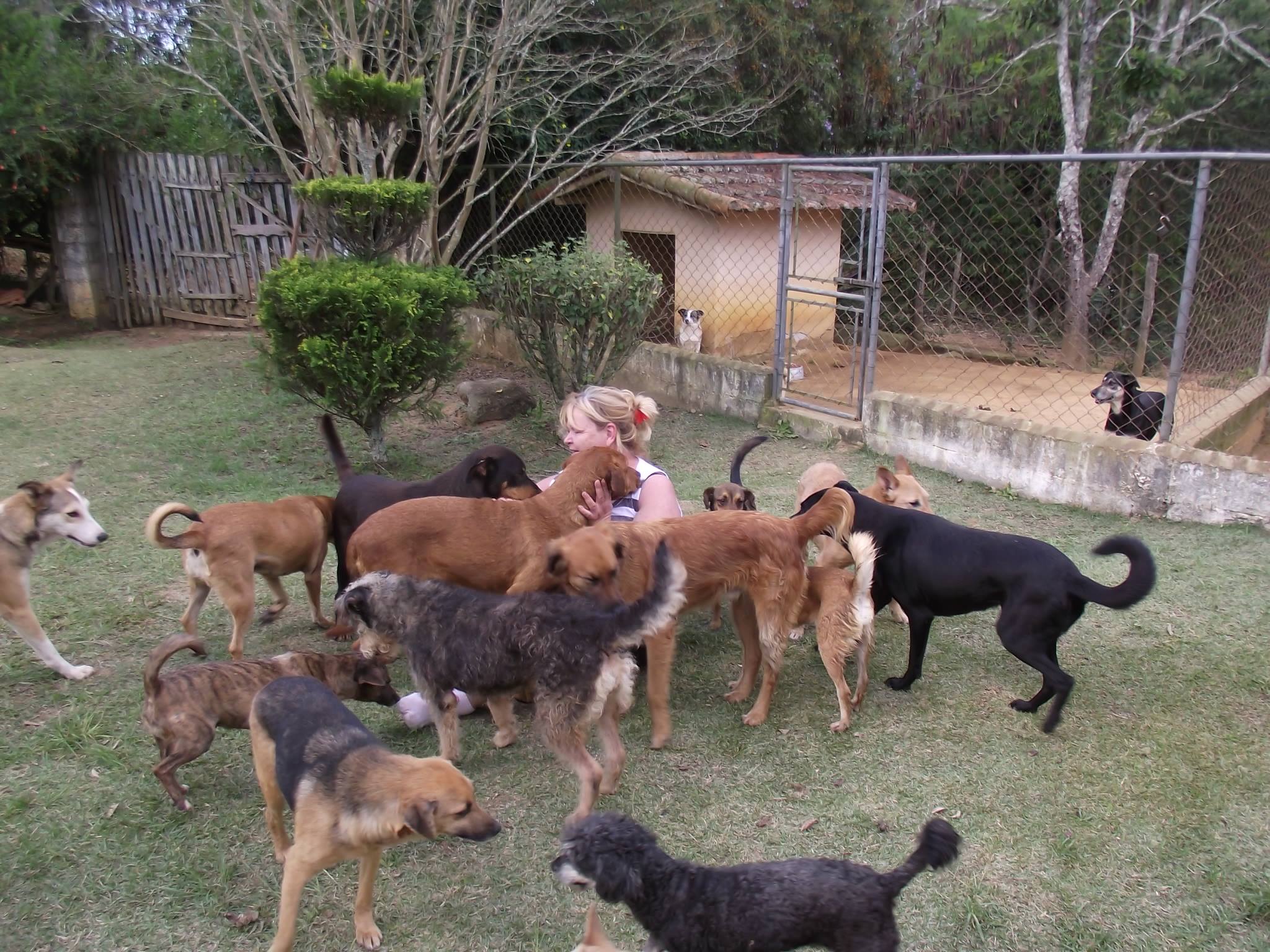
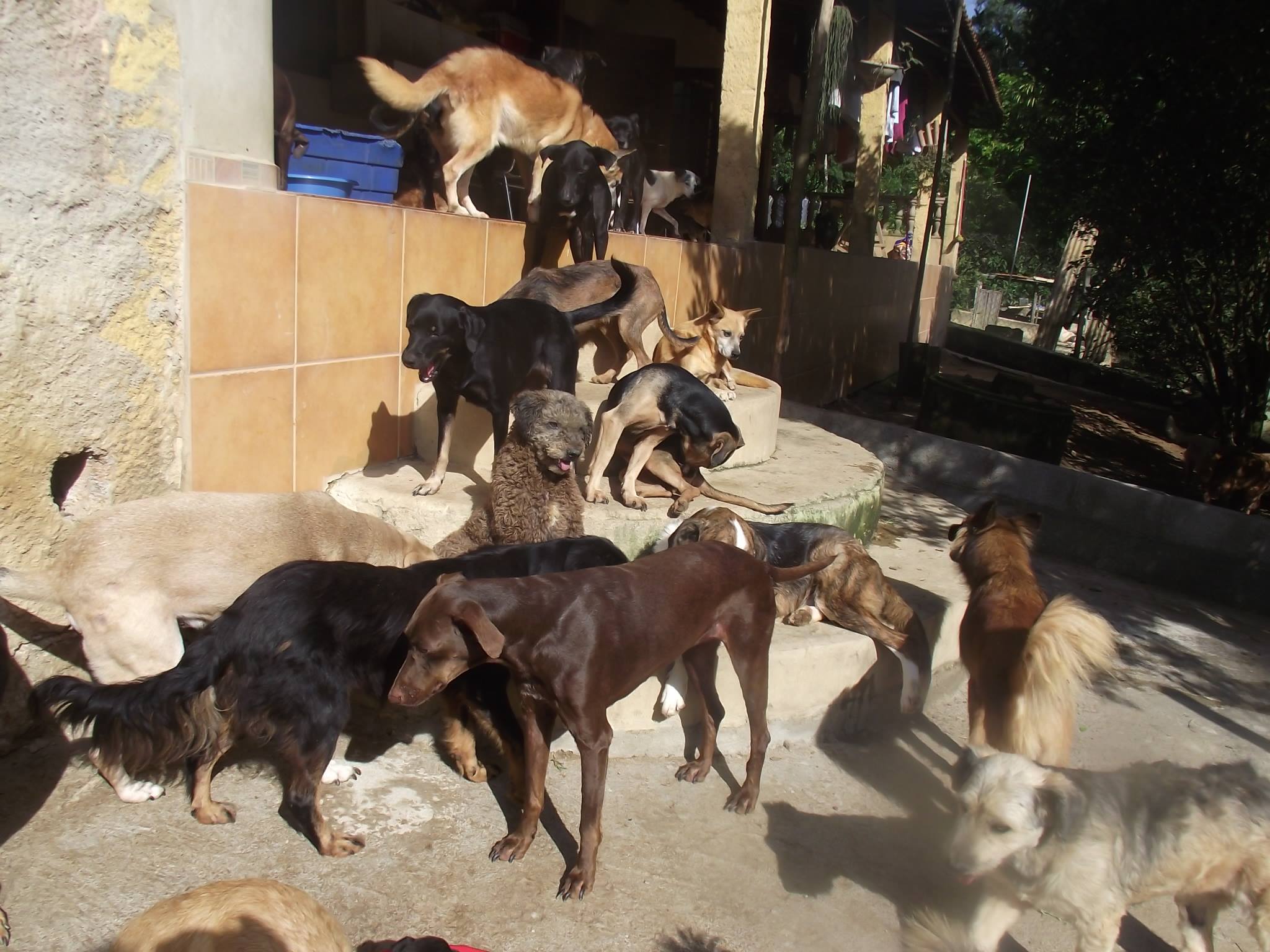
Do drop across to their Facebook page here, from where the following photographs have been taken.
oooo
oooo
oooo
oooo
oooo
oooo
So, once again, if you can see your way to help, by sharing this information or by making even the tiniest donation, then please do. The MaxMello PayPal account is: associacaomaxmello@gmail.com
Big hugs to every one of you out there!
Update: This is a translation of a recent comment left by Sandra on MaxMello’s Facebook page.
Friends, thanks to the generosity of you guys have raised almost 9 thousand Real. Our survival challenge continues, but we know that we are not alone in this fight. Our total debt is 36,450 Real and we need help to stamp her out. Any amount makes a big difference. As we have received many requests for the bank details, follow the possibilities:
Bradesco
Agência:1937-2
Current account: 16505-0
Social Security Number: 766.545.758-49
Sandra Maria Guilarducci
Caixa econômica federal
Agency: 0800
Arr. Operational: 003
Current account: 692-4
A Social Security Number: 16.729.925/0001-08
To those who are outside of Brazil, the transfer can be made via Paypal to the email associacaomaxmello@gmail.com
Very, very thank you all for the affection and solidarity.
This is a very simple message – please help MaxMello.
(Please note: To ensure the widest readership of this post I am running it for two days. I.e. the next post will be on Thursday, 11th.)
Yesterday I republished a post from John Zande. It explained how Sandra Guilarducci and her husband, Francisco, in Ibiuna, Brazil were caring for over 350 dogs and 32 cats. If you haven’t read that post then go no further in today’s post until you have read about the desparate need for funds.
Here’s a section from yesterday’s post (but please do read it in full):
Today, MaxMello burns through 5 tonnes of food every month, and a small army of vets help with reduced fees. But it all adds up. It has added up, and over this past weekend, Sandra was forced to admit that she and Francisco (weighed down with over 30,000 reis debt, about $10,000 US, to vets and pet food suppliers) had reached the point beyond which they simply could no longer afford to keep the shelter open. Sandra put out an urgent call to other NGO’s, saying she will keep the sick, the crippled, and the old (the one’s that stand little to no chance of adoption) but new shelter-homes would have to be found for the hundreds of other rescues under their care. With every NGO we know of here in Sao Paulo being already full, this is, in all honesty, an impossible situation. These are good people, and they (and their keep) are in genuine need of a hand.
Please, help keep MaxMello open and donate to the MaxMello PayPal account: associacaomaxmello@gmail.com.
But just as important as making whatever donation you can is letting Sandra and Francisco know you care.
Yesterday, Jean and I sent a letter to John for John’s wife to translate from English into Portugese as Sandra and Francisco do not speak English. We wanted them to read our letter in this post.
So this is the letter in Portugese:
Sandra e Francisco,
Aqui no sul do Oregon, hoje temos 9 cachorros e 4 gatos; há três anos, quando viemos para cá, eram 14 cães e 7 gatos. Eu simplesmente não consigo imaginar o que deve ser cuidar de 350 cachorros e 32 gatos, ainda mais divididos entre duas propriedades diferentes, separadas por 200 km!
Entretanto, Jean sabe bem o tamanho do amor e da dedicação que movem sua paixão por esses animais maravilhosos – porque ela vivia em San Carlos, no México (na Península Baja) e dedicava a vida a recolher os cachorros de rua de lá, tratando de sua saúde, dando-lhes amor e conseguindo adotantes para eles nos EUA. Ao longo de vários anos, Jean acredita ter resgatado mais de 200 cães. A alimentação e tratamento de todos esses animais foram custeados por ela e o marido, Ben, que morreu em 2005.
Foi meio por acaso que a conheci, em San Carlos, no Natal de 2007, e me via com os olhos cheios de lágrimas ao ver a afeição que os cachorros dela demonstravam ao me ver, toda vez que ia visitá-la em sua casa. E essa afeição deve ter causado um efeito profundo em mim, pois, quando voltei para a Inglaterra, em janeiro de 2008, Jean e eu percebemos que queríamos ficar juntos para o resto da vida. Mais tarde, nesse mesmo ano, ao lado do meu pastor alemão, Pharaoh, voltei para San Carlos. Não demorou muito, com 14 cachorros e 7 gatos, fomos para o Arizona, onde nos casamos, e por fim, no segundo semestre de 2012, viemos para o Oregon, onde estamos até hoje.
Pouco antes de sairmos de San Carlos, em 2010, uma cachorra foi deixada na porta de nossa casa. Era uma mestiça de rottweiler e devia ter acabado de dar cria porque ainda estava cheia de leite. Nós a batizamos de Hazel e quase de cara ela mostrou sua natureza amorosa para Jean, para mim e os outros animais. Hazel é uma inspiração para a humanidade graças ao perdão e ao amor incondicional que oferece ao mundo.
Por isso, aceite essas poucas palavras minhas e de Jean, endereçadas aos dois, como uma pequena amostra de amor e gratidão que sentimos por vocês e que certamente também serão sentidos pelos leitores e seguidores do Learning from Dogs
And here is the letter in English:
Sandra and Francisco,
Here in Southern Oregon we have 9 dogs and 4 cats, down from the 14 dogs and 7 cats when we moved here some 3 years ago. I cannot simply imagine what it must entail to care for 350 dogs and 32 cats let alone care for them in two locations seperated by 200 kms!
However Jean can imagine the level of love and commitment that fuels your passion for looking after these wonderful animals. For Jean, when she lived in San Carlos, Mexico (on the Baja Peninsula) devoted her life to rescuing Mexican street dogs, loving them back to health and then finding homes for them in the USA. Over the many years Jean believes she found homes for well over 200 dogs. The feeding and caring of these animals was funded personally by Jean and her late husband, Ben, who died in 2005.
Quite by chance, I met Jean in San Carlos the Christmas of 2007 and was moved to tears on numerous occasions by the loving affection shown by her dogs to this visitor to Jean’s home. That affection must have rubbed off on me for by the time I returned to England in January, 2008 Jean and I wanted to be together for the rest of our lives. Later in 2008, together with my German Shepherd, Pharaoh, I travelled out to San Carlos. Subsequently, with 14 dogs and 7 cats, we moved to Arizona to be married and then, in the Autumn of 2012, came up here to our home in Oregon.
Shortly before we left San Carlos in 2010 to go to Arizona, a female dog was dumped outside the house. She was a Rottweiler crossbreed and must have just given birth to puppies for she was still in milk. We named her Hazel and she very quickly showed her most beautiful and loving nature to Jean and me and to the other animals. Hazel is an inspiration to humankind of what flows from offering forgiveness and unconditional love to the world.
So please take these few words from Jean and me, sent to you both, as a small measure of the love and gratitude that we feel for you, and I know will be felt by many of the readers and followers of Learning from Dogs.
I also want to republish a comment from yesterday’s post, left by Mr. Merveilleux, because it speaks such perfect common-sense:
As Zande’s explained, the current exchange rate means donations go a very long way. Keep in mind the minimum wage in Brazil is only around £130 p/month. By skipping one little luxury this month, like going out for a meal today, and sending what one would have spent on that to the shelter, we can all make make a substantial difference to the lives of these animals.
My suggestion is for people not to just reach for the change they’ve got in the car ashtray, but consider a little, insignificant sacrifice that will do one no harm, but will have a disproportionately positive effect.
Skip one bottle of champagne, or a bottle of wine, or don’t buy flowers this week… skip any little thing that one doesn’t really *need*, and put that money to good use.
Let me move on a tad.
As is obvious to any visitors to this place in the last 6 weeks, I have just published my first book. It is called Learning from Dogs, the same name as this blog. I am also donating 50% of the net proceeds from all sales of my book to our local Rogue Valley Humane Society.
However, for the whole of the month of February I shall be donating the other 50% of net proceeds to MaxMello.
So, please, buy the book and help two fabulous charities. The book is available as a paperback, priced $15.95, or either of two eBook formats, MOBI and EPUB, priced at $5:39. Full details here: Buy the Book.
Of course, you may also buy the book from Amazon or you can order it from most booksellers.
If you prefer to purchase it direct from me but do not wish to pay online, then mail me (as in Paul Handover) a cheque for $18.67 ($15.95 + P&P of $2.72) and I will send it to any part of the USA. (For overseas paperback purchasers who do not wish to pay online then email me your address details and I will respond within 48 hours.) My email address is learningfromdogs (at) gmail (dot) com
All of this is part of never forgetting how important it is to care for our dogs – they are man’s oldest companion and have devoted themselves to caring for us for possibly 40,000 years. Is it asking too much to help these dogs in Brazil in return!
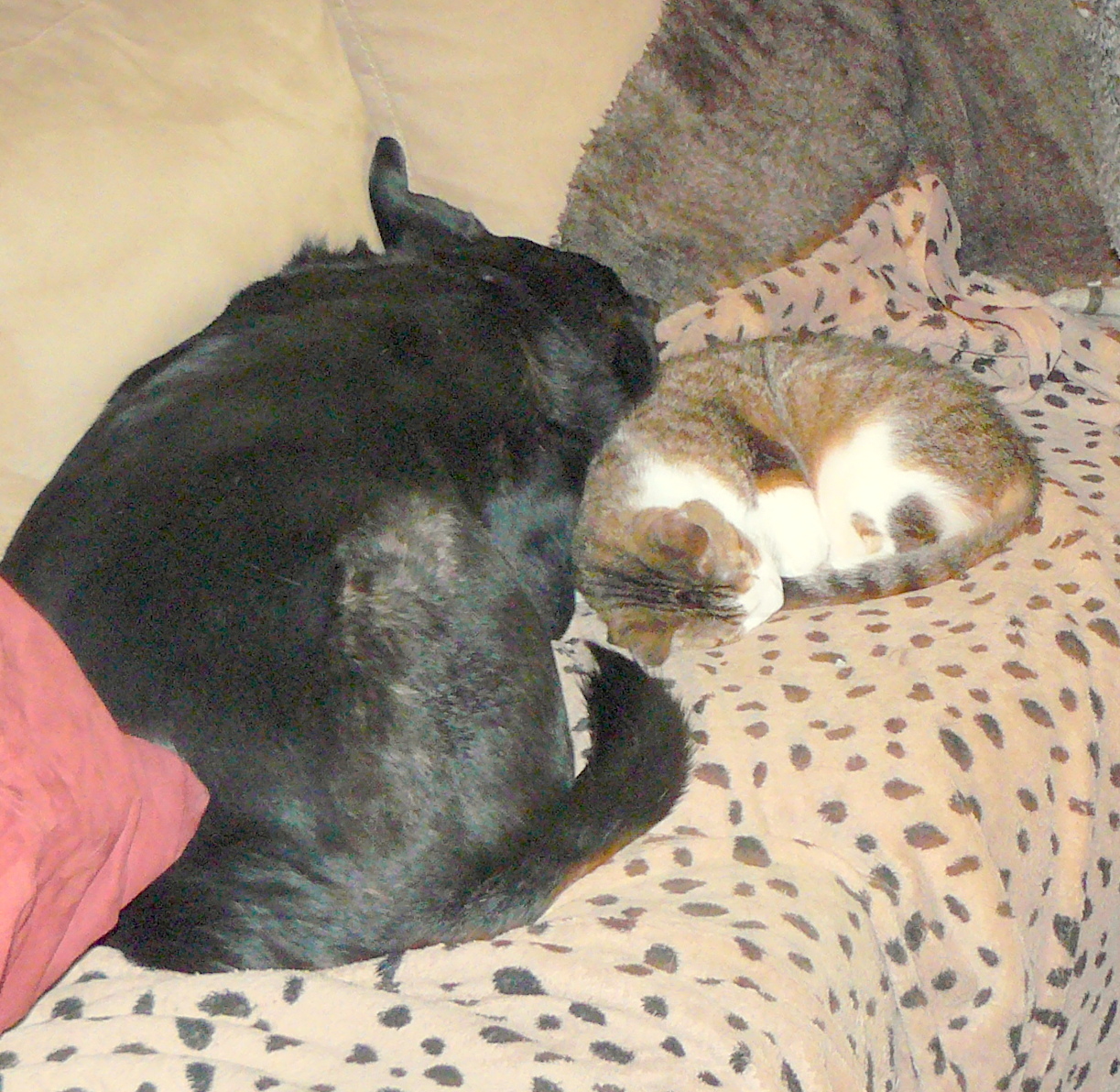
Hazel showing her love and caring for our cat, George. Both animals are ex rescues from Mexico. Picture taken last Sunday evening.
A wonderful story of the love for dogs and cats shown by two people in Brazil.
As is the way in this world of blogging, a few months ago I connected with John Zande. He is an Australian living in Brazil and blogs under the name of The Superstitious Naked Ape. John is also the author of the book The Owner of All Infernal Names, which I reviewed last October (and greatly enjoyed!).
All the proceeds from the sale of John’s book go towards animal rescue and shelter in Brazil and that offers a strong clue to the purpose of today’s post.
So with that in mind, please read the following post published by John on February 3rd and republished here with John’s permission. (And please make a note to return tomorrow and read the sequel that will explain how you and I can make a positive difference.)
ooOOoo
The MaxMello Association for the Support of Animal Life needs an urgent hand
“You can judge a man’s true character by the way he treats his fellow animals.”
― Paul McCartney
Twelve years ago, Sandra Guilarducci and her husband, Francisco, started the NGO Associação MaxMello de Amparo à Vida Animal (MaxMello Association for the Support of Animal Life) in Ibiuna (a small city in Sao Paulo state, Brazil), to rescue, treat, house, and place stray and abandoned dogs in loving homes. Animal dumping is a tremendous problem in Brazil, and MaxMello today is home to over 350 dogs and 32 cats sheltered in two properties’s separated by 200 kilometres; a drive Sandra undertakes every single day. Sandra and Francisco never once imagined taking care of so many, but over the years their shelter has become a convenient dumping ground with boxes of puppies simply left on the road, together with the old, the sick, and the unwanted. These are not people who can say, “No,” so every four-legged case left on the road, or rescued by Sandra and Francisco in and around Ibiuna, gets a home and all medical assistance they require.
Today, MaxMello burns through 5 tonnes of food every month, and a small army of vets help with reduced fees. But it all adds up. It has added up, and over this past weekend, Sandra was forced to admit that she and Francisco (weighed down with over 30,000 reis debt, about $10,000 US, to vets and pet food suppliers) had reached the point beyond which they simply could no longer afford to keep the shelter open. Sandra put out an urgent call to other NGO’s, saying she will keep the sick, the crippled, and the old (the one’s that stand little to no chance of adoption) but new shelter-homes would have to be found for the hundreds of other rescues under their care. With every NGO we know of here in Sao Paulo being already full, this is, in all honesty, an impossible situation. These are good people, and they (and their keep) are in genuine need of a hand.
Please, help keep MaxMello open and donate to the MaxMello PayPal account: associacaomaxmello@gmail.com. This urgent and immediate appeal has so far raised R$4,500 since the weekend, which is truly fantastic, but we are still a long, long way from giving Sandra and Francisco the breathing room they need to keep this shelter open.
Below is a MaxMello video (in English), with other videos on their You Tube page, including news reports produced by the TV stations, Record and SBT. This link, Associação MaxMello de Amparo à Vida Animal, will take you to their Facebook page, and for anyone interested, you can review their current debts there. Please take 30 minutes to scroll through the Facebook photos and watch the videos, and you will see the selfless work Sandra and Francisco do. Any help anyone can provide would be enormously, enormously, appreciated.
Donations, again, can be made via PayPal, at: associacaomaxmello@gmail.com
ooOOoo
As I wrote in my introduction, please come back and read the sequel post tomorrow.
(Big thanks to neighbour Dordie who sent these to me.)
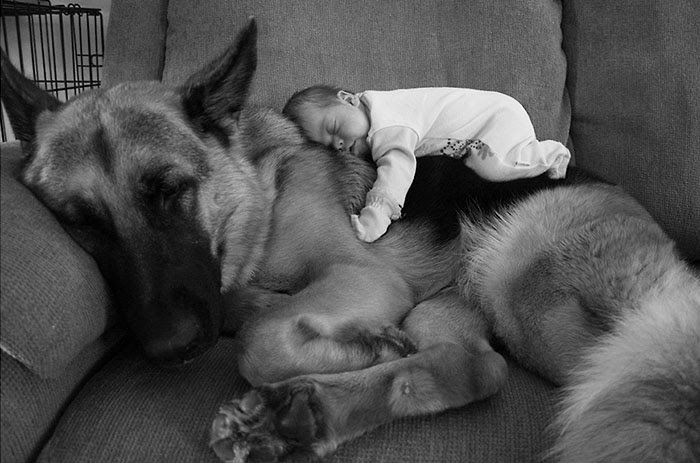
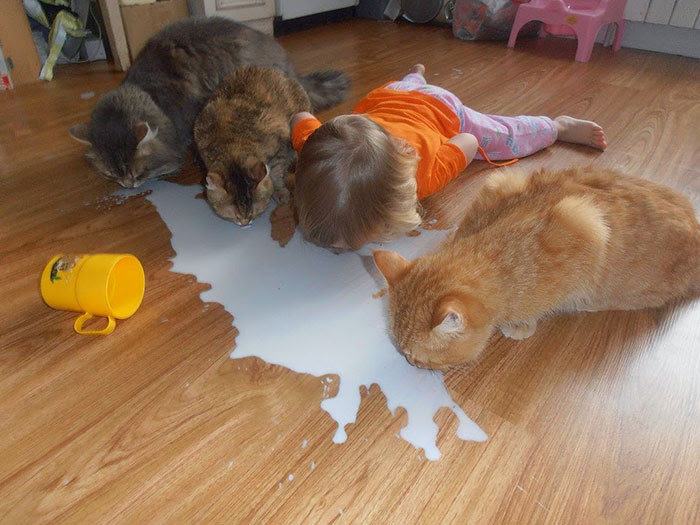
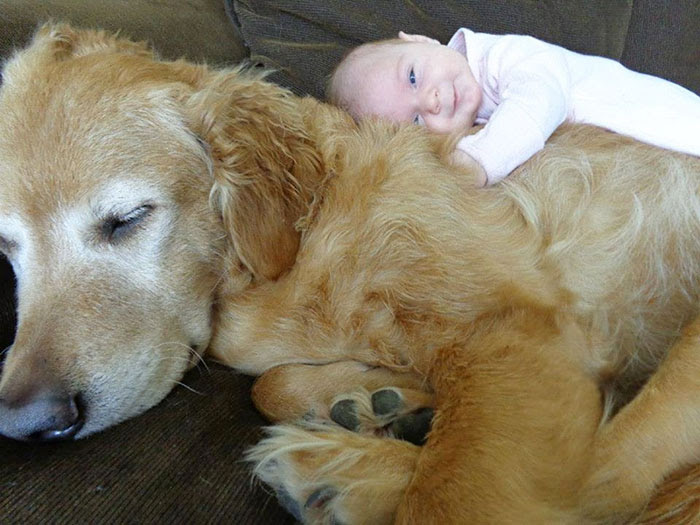
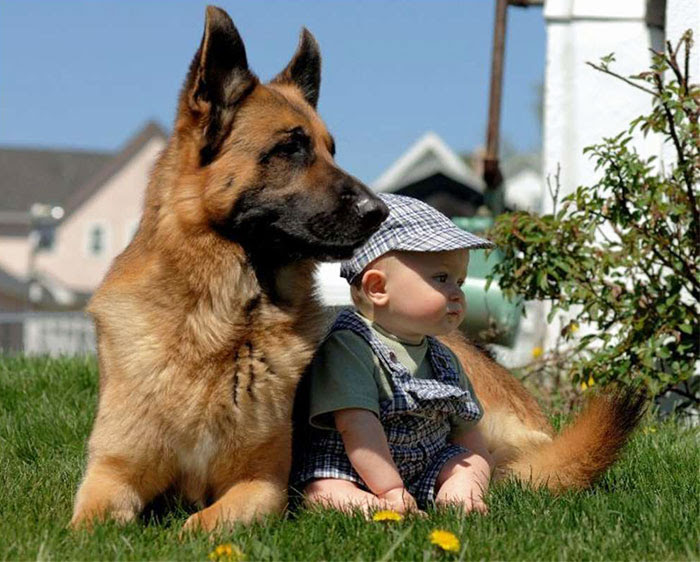
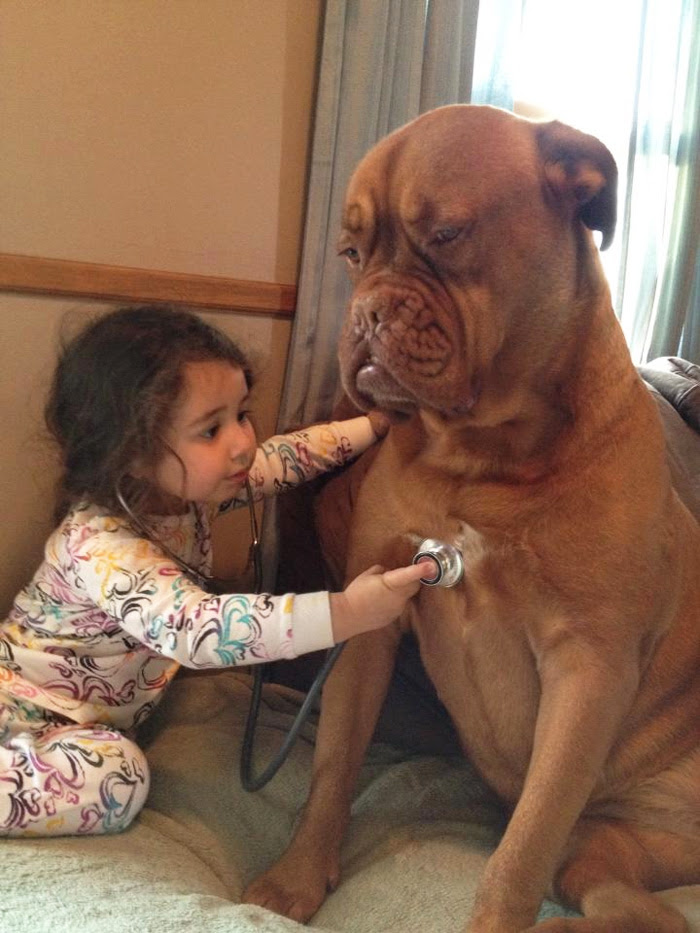
Few friendships can compare to the bond between a child and their pet. Pets provide companionship, they help kids learn, they encourage nurturing, they keep them healthy and help build beautiful family bonds. Let’s take a look at some of the cutest kid-and-pet pictures around.
oooo
oooo
oooo
oooo
oooo
oooo
The second set will not be next Sunday owing to that day being Valentine’s Day and I have plans for that day! 😉 So part two of this wonderful three-part series of photographs will be Sunday, 21st February.










 Learning from Dogs