Category: Dogs

The power of caring!

Sandra and Francisco send their blessings.

For the last two days there has been a post running explaining the desparate need for donations to be sent to MaxMello, the Brazilian charity run by Sandra Guilarducci and her husband, Francisco, in Ibiuna, Brazil.

Earlier yesterday, John Zande in Brazil sent me an email:

Morning Paul. Sandra wrote to G this morning. Portuguese and English translation below.

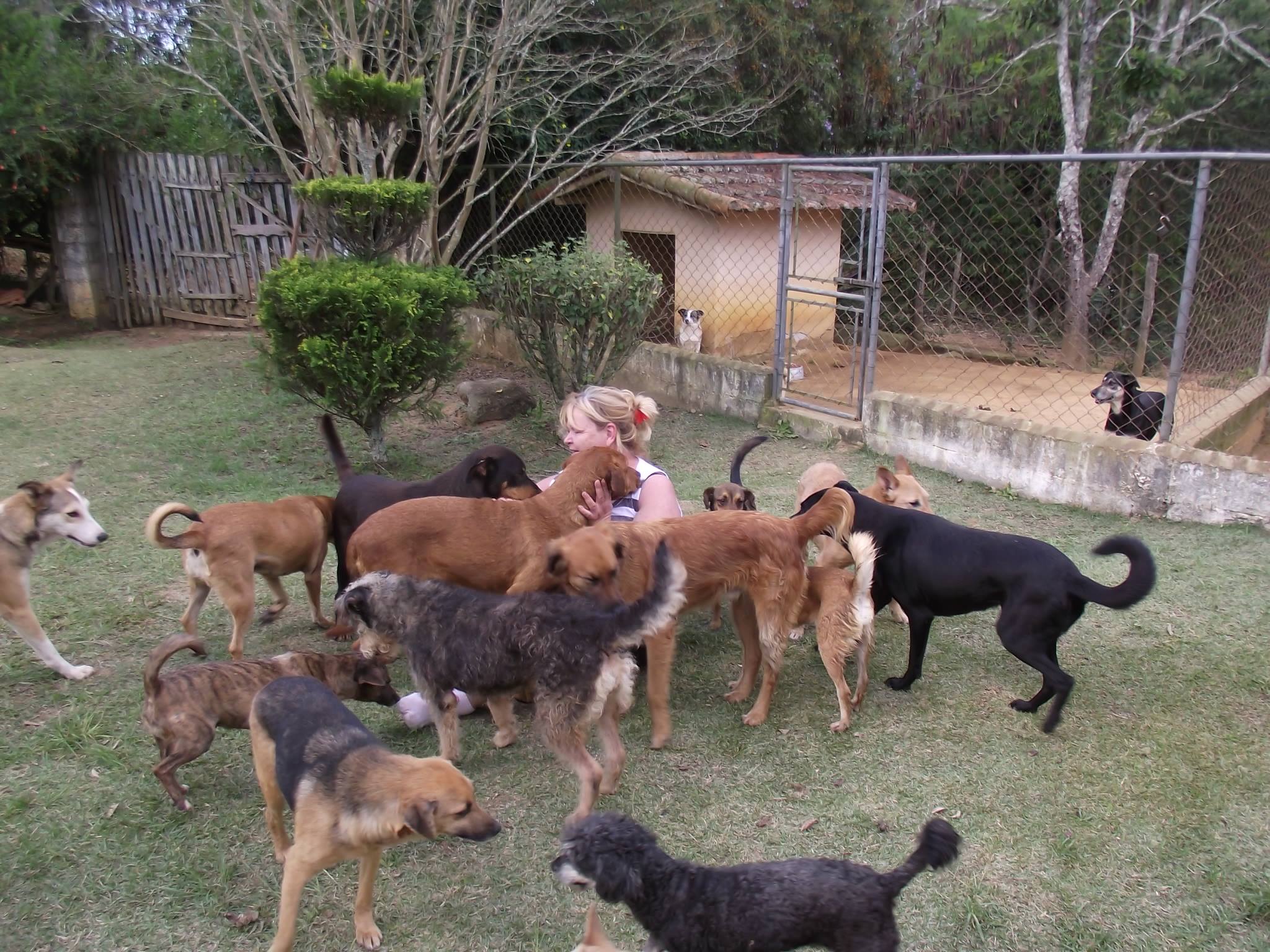
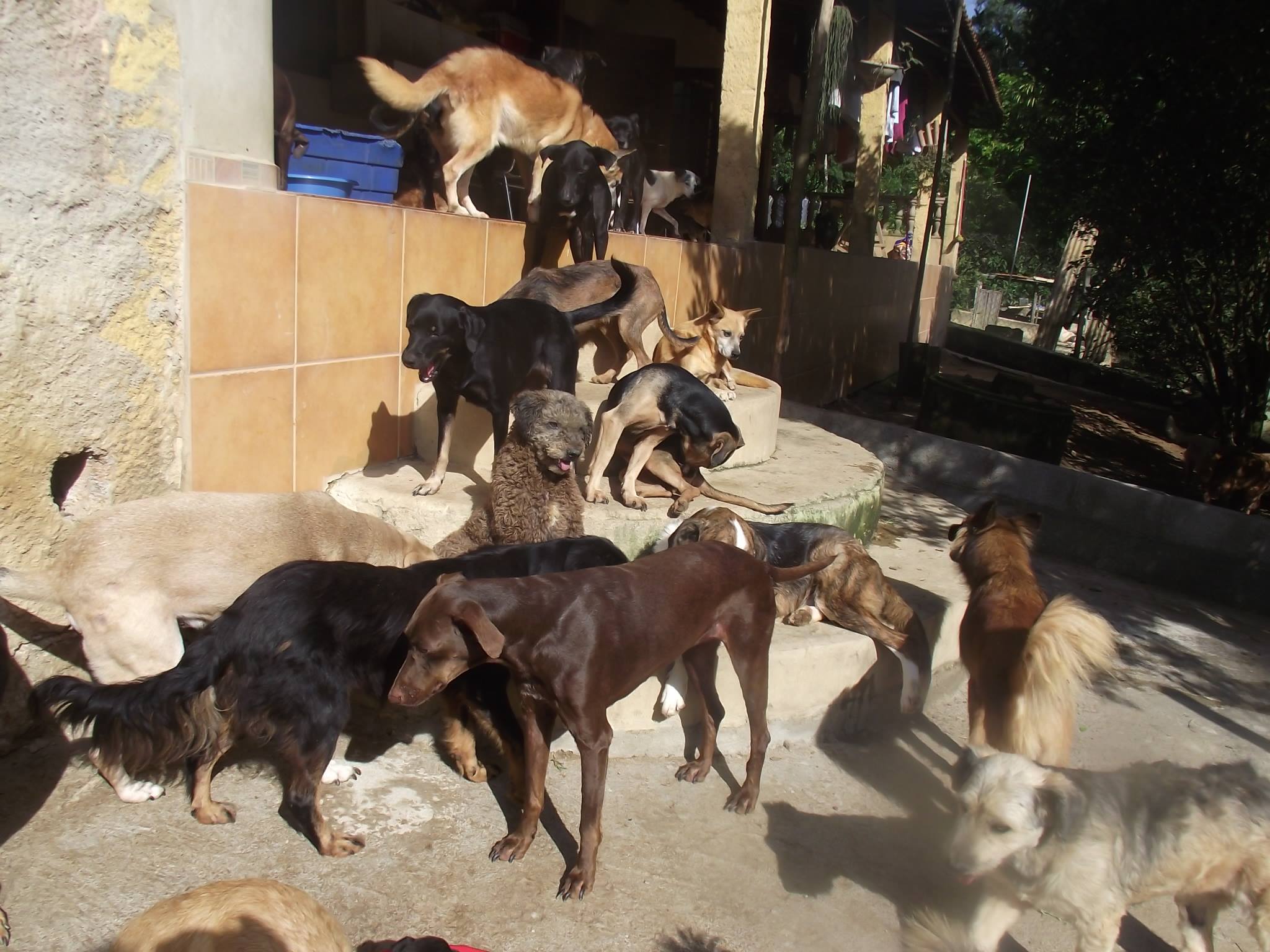
ah querida Dionete…ando tão cansada, tão cansada… na segunda de carnaval lá estava eu num laboratório em Cotia com a minha cachorra Nicole, fazendo eletrocardiograma e hemograma. Não paramos nunca aqui. Tem tantos cães soltos no sítio em Piedade por falta de canis e isso gera um estresse que vc nem imagina, além de brigas. Dentro da minha casa, aqui em Ibiúna, vivem 62 cães, que não podem ficar lá fora porque senão os outros matam, aqui em IBiúna o espaço é super pequeno. Enfim…, sempre correndo com eles, sempre tem um ou outro com problemas de saúde, ainda tenho vários pra castrar e…não tem fim. Mas a sua ajuda tem sido importantíssima pra gente. Que Deus te abençõe sempre e sempre. Ficamos emocionados demais com essas publicações no exterior (graças a vc, claro !) e esperamos cheios de esperanças mesmo, que isso gere frutos em pról de toda essa galerinha que abrigamos. Que vc e seus amigos envolvidos nessa nossa luta sejam cobertos de prosperidade, saúde e bênçãos. Quando puder, vamos marcar de vir aqui, será um prazer imenso poder te abraçar e agradecer pessoalmente. Forte abraço, cheio de gratidão.


Ah dear Dionete …I am soooo tired… on Monday I had to take my dog ​​Nicole to a clinic in Cotia for an ECG and blood test. We never stop around here. There are too many dogs in the property in Piedade – we don’t have kennels for all of them – and the amount of stress it generates is almost too much to bear. And the fights! Here in Ibiúna I have to keep 62 dogs inside my house; they can’t go outside otherwise they will be killed by the others. And they don’t have much room. Anyway… always running up and down for them, there’s always one or another who gets sick or needs treatment, many to still be neutered… it’s an endless task. But your help has been very important for us. May God bless you always and forever. We are thrilled to see these publications abroad (thanks to you, of course!) and do hope it generates the help these little creatures desperately need. May you and your friends involved in our struggle be covered with prosperity, health and blessings. Let’s try to set up a visit. It will be an immense pleasure to hug you and thank you personally. Big hugs full of gratitude

So all of you who have cared for Sandra and Francisco know that it counts.

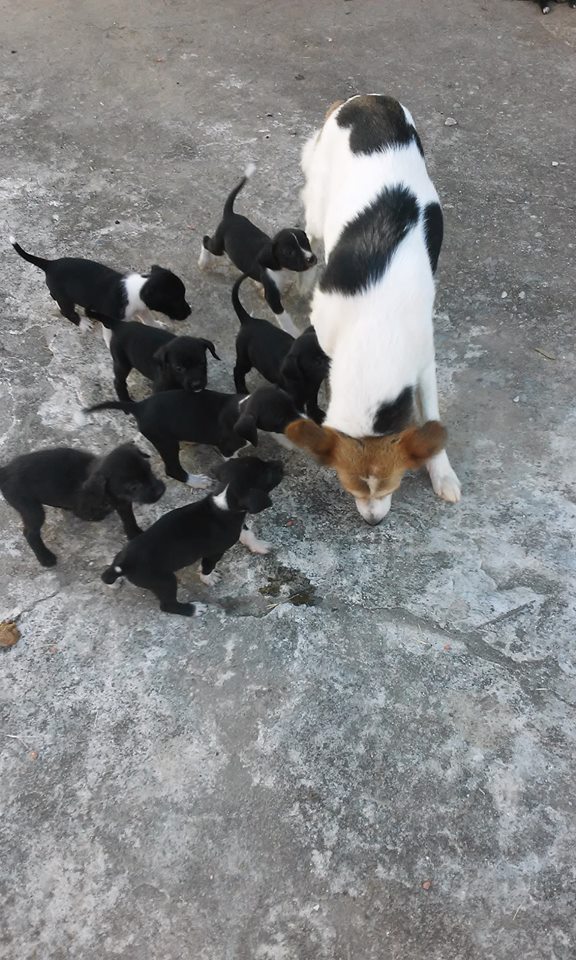
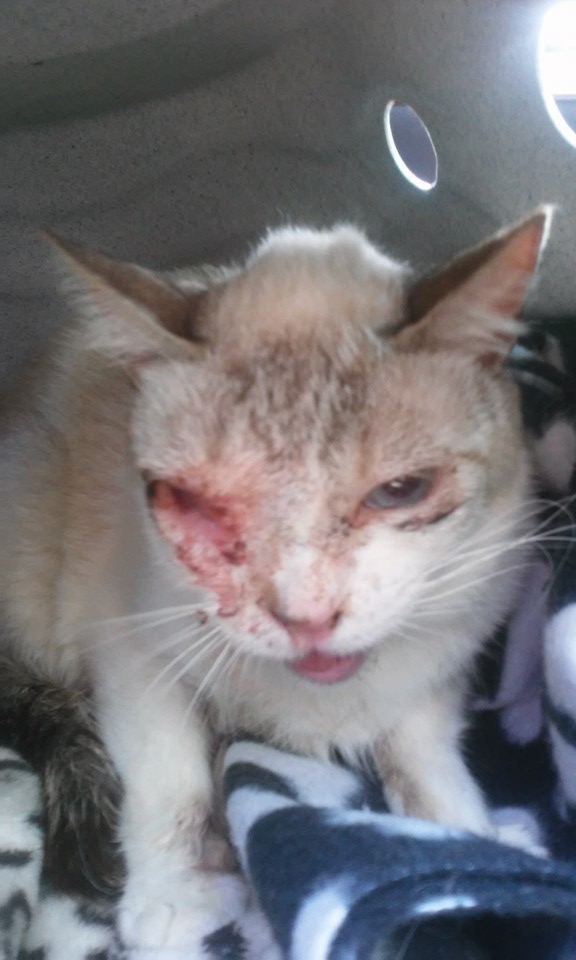
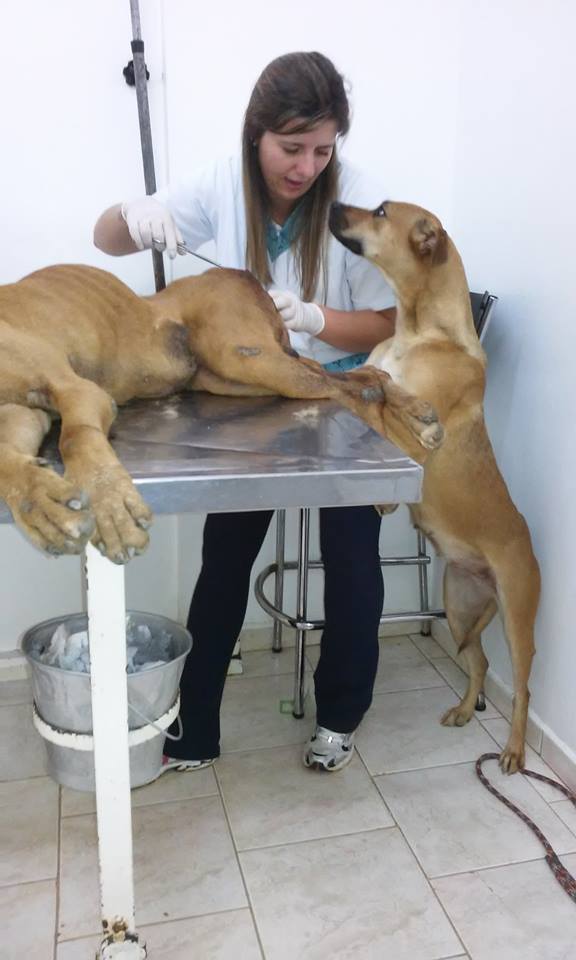
Do drop across to their Facebook page here, from where the following photographs have been taken.

12661938_745930475542510_5091027821470656796_noooo

12651257_744030742399150_8059991037127794727_noooo

12657804_743519195783638_4907819882854948071_ooooo

12698495_743517825783775_8117881471369857165_ooooo

12657309_743517135783844_4620837696465933042_ooooo

12647160_743514762450748_8548235142741434775_noooo

So, once again, if you can see your way to help, by sharing this information or by making even the tiniest donation, then please do. The MaxMello PayPal account is: associacaomaxmello@gmail.com

Big hugs to every one of you out there!

Update: This is a translation of a recent comment left by Sandra on MaxMello’s Facebook page.

Friends, thanks to the generosity of you guys have raised almost 9 thousand Real. Our survival challenge continues, but we know that we are not alone in this fight. Our total debt is 36,450 Real and we need help to stamp her out. Any amount makes a big difference. As we have received many requests for the bank details, follow the possibilities:
Bradesco
Agência:1937-2
Current account: 16505-0
Social Security Number: 766.545.758-49
Sandra Maria Guilarducci
Caixa econômica federal
Agency: 0800
Arr. Operational: 003
Current account: 692-4
A Social Security Number: 16.729.925/0001-08
To those who are outside of Brazil, the transfer can be made via Paypal to the email associacaomaxmello@gmail.com
Very, very thank you all for the affection and solidarity.

MaxMello – We Can All Help

This is a very simple message – please help MaxMello.

(Please note: To ensure the widest readership of this post I am running it for two days. I.e. the next post will be on Thursday, 11th.)

Yesterday I republished a post from John Zande. It explained how Sandra Guilarducci and her husband, Francisco, in Ibiuna, Brazil were caring for over 350 dogs and 32 cats. If you haven’t read that post then go no further in today’s post until you have read about the desparate need for funds.

Here’s a section from yesterday’s post (but please do read it in full):

food-e1454493203915Today, MaxMello burns through 5 tonnes of food every month, and a small army of vets help with reduced fees. But it all adds up. It has added up, and over this past weekend, Sandra was forced to admit that she and Francisco (weighed down with over 30,000 reis debt, about $10,000 US, to vets and pet food suppliers) had reached the point beyond which they simply could no longer afford to keep the shelter open. Sandra put out an urgent call to other NGO’s, saying she will keep the sick, the crippled, and the old (the one’s that stand little to no chance of adoption) but new shelter-homes would have to be found for the hundreds of other rescues under their care. With every NGO we know of here in Sao Paulo being already full, this is, in all honesty, an impossible situation. These are good people, and they (and their keep) are in genuine need of a hand.

Please, help keep MaxMello open and donate to the MaxMello PayPal account: associacaomaxmello@gmail.com.

But just as important as making whatever donation you can is letting Sandra and Francisco know you care.

Yesterday, Jean and I sent a letter to John for John’s wife to translate from English into Portugese as Sandra and Francisco do not speak English. We wanted them to read our letter in this post.

So this is the letter in Portugese:

Sandra e Francisco,

Aqui no sul do Oregon, hoje temos 9 cachorros e 4 gatos; há três anos, quando viemos para cá, eram 14 cães e 7 gatos. Eu simplesmente não consigo imaginar o que deve ser cuidar de 350 cachorros e 32 gatos, ainda mais divididos entre duas propriedades diferentes, separadas por 200 km!

Entretanto, Jean sabe bem o tamanho do amor e da dedicação que movem sua paixão por esses animais maravilhosos – porque ela vivia em San Carlos, no México (na Península Baja) e dedicava a vida a recolher os cachorros de rua de lá, tratando de sua saúde, dando-lhes amor e conseguindo adotantes para eles nos EUA. Ao longo de vários anos, Jean acredita ter resgatado mais de 200 cães. A alimentação e tratamento de todos esses animais foram custeados por ela e o marido, Ben, que morreu em 2005.

Foi meio por acaso que a conheci, em San Carlos, no Natal de 2007, e me via com os olhos cheios de lágrimas ao ver a afeição que os cachorros dela demonstravam ao me ver, toda vez que ia visitá-la em sua casa. E essa afeição deve ter causado um efeito profundo em mim, pois, quando voltei para a Inglaterra, em janeiro de 2008, Jean e eu percebemos que queríamos ficar juntos para o resto da vida. Mais tarde, nesse mesmo ano, ao lado do meu pastor alemão, Pharaoh, voltei para San Carlos. Não demorou muito, com 14 cachorros e 7 gatos, fomos para o Arizona, onde nos casamos, e por fim, no segundo semestre de 2012, viemos para o Oregon, onde estamos até hoje.

Pouco antes de sairmos de San Carlos, em 2010, uma cachorra foi deixada na porta de nossa casa. Era uma mestiça de rottweiler e devia ter acabado de dar cria porque ainda estava cheia de leite. Nós a batizamos de Hazel e quase de cara ela mostrou sua natureza amorosa para Jean, para mim e os outros animais. Hazel é uma inspiração para a humanidade graças ao perdão e ao amor incondicional que oferece ao mundo.

Por isso, aceite essas poucas palavras minhas e de Jean, endereçadas aos dois, como uma pequena amostra de amor e gratidão que sentimos por vocês e que certamente também serão sentidos pelos leitores e seguidores do Learning from Dogs

And here is the letter in English:

Sandra and Francisco,

Here in Southern Oregon we have 9 dogs and 4 cats, down from the 14 dogs and 7 cats when we moved here some 3 years ago. I cannot simply imagine what it must entail to care for 350 dogs and 32 cats let alone care for them in two locations seperated by 200 kms!


However Jean can imagine the level of love and commitment that fuels your passion for looking after these wonderful animals. For Jean, when she lived in San Carlos, Mexico (on the Baja Peninsula) devoted her life to rescuing Mexican street dogs, loving them back to health and then finding homes for them in the USA. Over the many years Jean believes she found homes for well over 200 dogs. The feeding and caring of these animals was funded personally by Jean and her late husband, Ben, who died in 2005.


Quite by chance, I met Jean in San Carlos the Christmas of 2007 and was moved to tears on numerous occasions by the loving affection shown by her dogs to this visitor to Jean’s home. That affection must have rubbed off on me for by the time I returned to England in January, 2008 Jean and I wanted to be together for the rest of our lives. Later in 2008, together with my German Shepherd, Pharaoh, I travelled out to San Carlos. Subsequently, with 14 dogs and 7 cats, we moved to Arizona to be married and then, in the Autumn of 2012, came up here to our home in Oregon.


Shortly before we left San Carlos in 2010 to go to Arizona, a female dog was dumped outside the house. She was a Rottweiler crossbreed and must have just given birth to puppies for she was still in milk. We named her Hazel and she very quickly showed her most beautiful and loving nature to Jean and me and to the other animals. Hazel is an inspiration to humankind of what flows from offering forgiveness and unconditional love to the world.


So please take these few words from Jean and me, sent to you both, as a small measure of the love and gratitude that we feel for you, and I know will be felt by many of the readers and followers of Learning from Dogs.

I also want to republish a comment from yesterday’s post, left by Mr. Merveilleux, because it speaks such perfect common-sense:

As Zande’s explained, the current exchange rate means donations go a very long way. Keep in mind the minimum wage in Brazil is only around £130 p/month. By skipping one little luxury this month, like going out for a meal today, and sending what one would have spent on that to the shelter, we can all make make a substantial difference to the lives of these animals.
My suggestion is for people not to just reach for the change they’ve got in the car ashtray, but consider a little, insignificant sacrifice that will do one no harm, but will have a disproportionately positive effect.
Skip one bottle of champagne, or a bottle of wine, or don’t buy flowers this week… skip any little thing that one doesn’t really *need*, and put that money to good use.

Let me move on a tad.

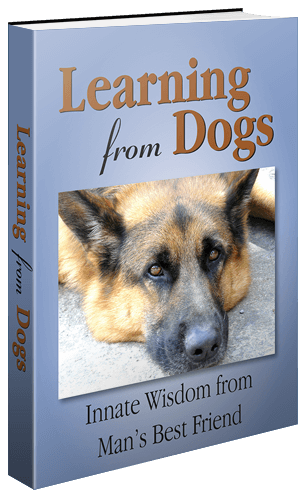
As is obvious to any visitors to this place in the last 6 weeks, I have just published my first book. It learningfromdogs_3dbook_500xis called Learning from Dogs, the same name as this blog. I am also donating 50% of the net proceeds from all sales of my book to our local Rogue Valley Humane Society.

However, for the whole of the month of February I shall be donating the other 50% of net proceeds to MaxMello.

So, please, buy the book and help two fabulous charities. The book is available as a paperback, priced $15.95, or either of two eBook formats, MOBI and EPUB, priced at $5:39. Full details here: Buy the Book.

Of course, you may also buy the book from Amazon or you can order it from most booksellers.

If you prefer to purchase it direct from me but do not wish to pay online, then mail me (as in Paul Handover) a cheque for $18.67 ($15.95 + P&P of $2.72) and I will send it to any part of the USA. (For overseas paperback purchasers who do not wish to pay online then email me your address details and I will respond within 48 hours.) My email address is learningfromdogs (at) gmail (dot) com

All of this is part of never forgetting how important it is to care for our dogs – they are man’s oldest companion and have devoted themselves to caring for us for possibly 40,000 years. Is it asking too much to help these dogs in Brazil in return!

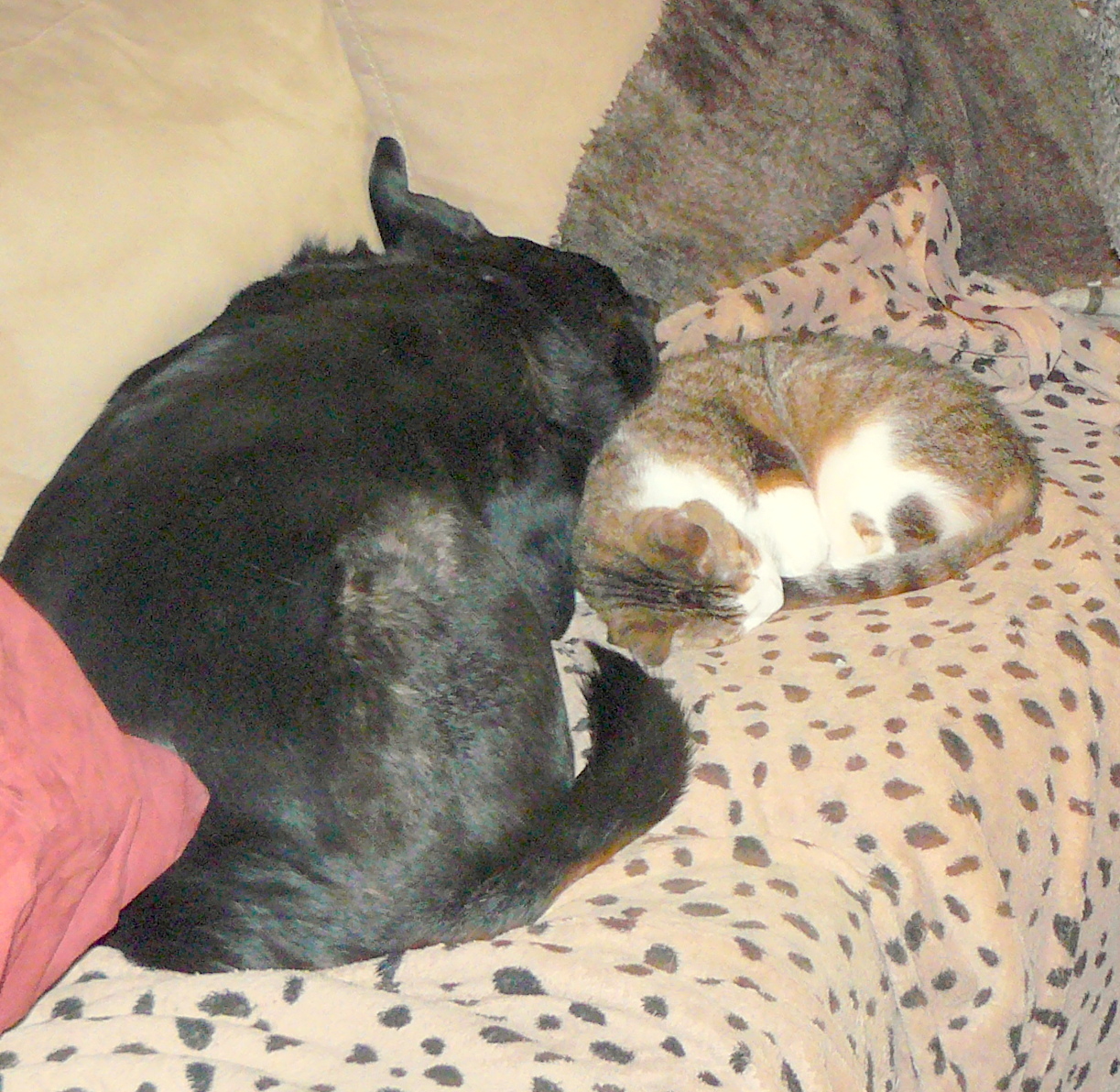
P1150895
Hazel showing her love and caring for our cat, George. Both animals are ex rescues from Mexico. Picture taken last Sunday evening.


A bottomless font of love.

A wonderful story of the love for dogs and cats shown by two people in Brazil.

As is the way in this world of blogging, a few months ago I connected with John Zande. He is an Australian living in Brazil and blogs under the name of The Superstitious Naked Ape. John is also the author of the book The Owner of All Infernal Names, which I reviewed last October (and greatly enjoyed!).

John Zande cover_zpsz7wuq9ccAll the proceeds from the sale of John’s book go towards animal rescue and shelter in Brazil and that offers a strong clue to the purpose of today’s post.

So with that in mind, please read the following post published by John on February 3rd and republished here with John’s permission. (And please make a note to return tomorrow and read the sequel that will explain how you and I can make a positive difference.)

ooOOoo

The MaxMello Association for the Support of Animal Life needs an urgent hand

Picture parade one hundred and thirty-four.

You are going to adore these!

(Big thanks to neighbour Dordie who sent these to me.)

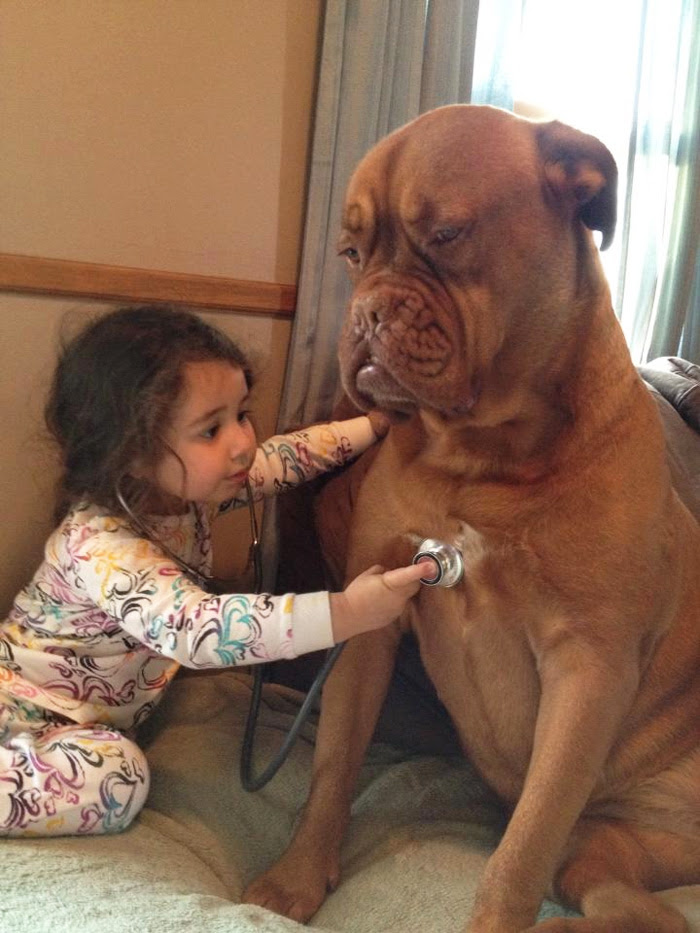
Few friendships can compare to the bond between a child and their pet. Pets provide companionship, they help kids learn, they encourage nurturing, they keep them healthy and help build beautiful family bonds. Let’s take a look at some of the cutest kid-and-pet pictures around.


dl1oooo

dl2oooo

dl3oooo

dl4oooo

dl5oooo

dl6oooo

The second set will not be next Sunday owing to that day being Valentine’s Day and I have plans for that day! 😉 So part two of this wonderful three-part series of photographs will be Sunday, 21st February.

Loving, caring dogs!

A lovely reminder of our fabulous dogs.

Before moving on to the story, can I just say that the link to this report was emailed to me by a follower of Learning from Dogs. It underlines something that I had no idea about when I first started up this blog in July 2009. The wonderful sense of community that develops between a blogger and his or her readers and followers.

So many of you that interact with this place feel like long-established friends, and are treasured.

Marg, thank you for sending me the link to the following. It’s a wonderful item that appeared on the Australian outlet of The Huffington Post.

ooOOoo

Dog Escapes Cage To Comfort Rescue Puppies During Their First Night In Kennel

“We’ve never really seen it before, where a dog sneaks out to some puppies and is so excited to see them.”

02/03/2016
Kimberly Yam, Associate Good News Editor, The Huffington Post

This concerned dog just wanted to make sure some young pups would be OK in a new place.

Maggie the dog was staying at the Barker’s Pet Motel and Grooming in Alberta, Canada, when she was caught on a surveillance camera sitting outside a kennel that held two 9-week-old rescue puppies named Hannah and Kari last week.

Barkers Pet Motel and Grooming last Saturday
Barkers Pet Motel and Grooming
last Saturday

The canine sneaked out of her own kennel to comfort them on their first night there, and after pet motel owner Sandy Aldred let Maggie into the pups’ cage, the older dog spent the entire night cuddling with the two new guys on the block, according to ABC News.

“We’ve never really seen it before, where a dog sneaks out to some puppies and is so excited to see them.” Aldred’s son, Alex, who also works at the pet motel, told ABC News.

Anna Cain, office manager at the pet motel, told The Huffington Post that Maggie, who is a former shelter dog herself, had been staying there while her owners were on vacation. The puppies were dropped off at the facility after they were rescued by Alberta Animal Rescue Crew Society.

Barkers Pet Motel and Grooming last Saturday
Barkers Pet Motel and Grooming
last Saturday

The thoughtful dog, who recently had puppies of her own that were adopted out by a humane society, likely heard Hannah and Kari crying, according to a Facebook post from the motel. So Maggie squeezed her way out of her kennel after pushing aside a water bowl built into her door. She then went right to the pups’ cage.

“She paid them a lot of attention and you could see her little tail wagging. And she’d do the little bow down to them and poke them through the chainlink gate of their room,” Aldred told CBC News. “She just decided that was where she was going to stay until we came to get her.”

When Aldred returned to the kennels and let Maggie into the puppies’ cage, she supervised to see if all the dogs would get along. And of course they did.

“They were just all so happy to be together,” Aldred told CBC. “She was nuzzling them really gently and nudging them, and then she laid down and let them cuddle with her.”

The trio stayed together and were even found snuggling the next morning, ABC News reported. While Maggie’s actions are sweet, it’s not uncommon for dogs who have had puppies, to act compassionately like she did.

“It’s innate in a lot of female dogs, especially if they’ve had a litter in the past. It’s just in their nature,” Deanna Thompson of AARCS told ABC News. “We’ve seen it in a lot of dogs even with male dogs, when they hear other puppies crying they want to console them and make sure they’re feeling safe.”

Maggie and the pups have parted ways unfortunately as her owners have returned from their trip. There are pending adoption applications for both puppies, but for the time being, the pair are in the motel, Cain said.

ooOOoo

Other readers who know and love dogs will endorse my claim that it is not just crying puppies that are consoled by adult dogs; we humans as well experience a fair degree of compassion from our dogs!
Lovely story!

The love of a German Shepherd.

Towards a baby elephant!

The following beautiful example of the unconditional love of a dog was seen by my on the Care2 Petitions and Causes site.  It just had to be shared with you, dear reader, because it is such a powerful reminder of what love and caring for others delivers.  It was originally seen here and is republished within the terms of Care2.

ooOOoo

Baby Elephant, Rejected By His Herd, Finds Hope Again With German Shepherd

3166406.largeBy: Judy M. January 31, 2016

In Zululand, South Africa, an unlikely pair has become best friends: a baby elephant and a German Shepherd.

Ellie the baby elephant was shunned and rejected by his herd, and he also had big health problems. For most young elephants, all of this would mean an early death. Luckily for him, he was discovered by the Thula Thula Rhino Orphanage in South Africa, and he made a new best friend: Duma, the German Shepherd puppy.

When Ellie arrived at the rhino orphanage he was critically ill with an umbilical hernia and had little chance of survival.

The game reserve usually rehabilitates baby rhinos, victims of South Africa’s poaching crisis, but is also home to other African wildlife like elephants, buffalo, leopards, giraffes, zebras, hyenas, and crocodiles.

 So why is Ellie here? He was brought to the orphanage after he was rejected by his herd, in spite of numerous attempts to reunite him with his family.

When Ellie the elephant first arrived, his rescuers didn’t think he would make it, but they nursed him day and night.

Photo Credit: Screenshot from Youtube video

As Maren Trendler, a rehabilitation and crisis response expert at the orphanage, explains, “He also had a huge umbilical hernia and abscess. … In about 99 percent of these cases an umbilical abscess of that nature is fatal. … Against all odds, this little elephant is still with us.” 

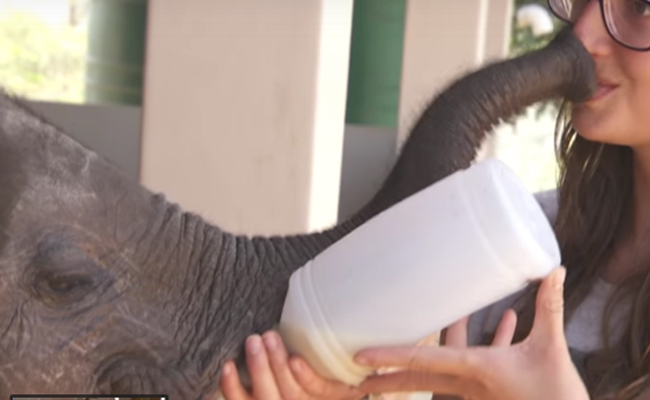
Ellie had an intolerance to milk and nothing seemed to work. So the orphanage decided to make him a special milk formula, and he slowly started to stabilize.

Eventually Ellie’s physical health improved, but his mental health did not, because elephants are social animals and known to be hard to raise away from a herd. He was depressed and lethargic until Duma, the German shepherd hero, swooped in.

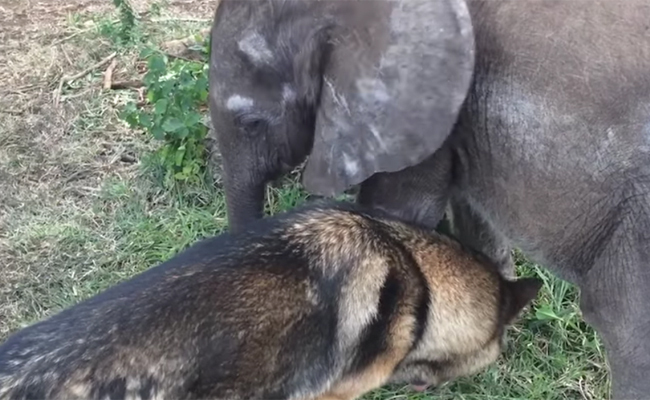
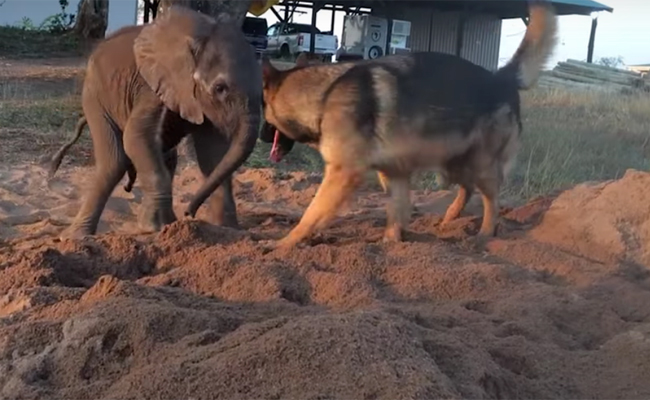
With the arrival of Duma, a former service and sniffer dog, things seemed to turn around for Ellie. The young elephant had been lethargic, not interested in anything, until the orphanage introduced the two at a sand pile. Immediately Ellie started being interested in life again. Duma and Ellie became friends, bonding in spite of their many differences.

Photo Credit: Screenshot from Youtube video

For the past few weeks, their relationship has been growing so much that the carers have a “hard time keeping Duma away from the elephant,” Trendler explains.

Ellie’s future is still uncertain, since elephants generally need to be part of a herd to develop and grow. But right now, Ellie and Duma are happy together.

Published on Jan 14, 2016

Everyone loves a canine companion, and this baby elephant is no exception! The tiny pachyderm arrived at the Thula Thula Rhino Orphanage in South Africa after being rejected by his herd. Critically ill, the youngster had very little chance of survival. But thanks to round-the-clock care from sanctuary staff, and a bit of help from a special canine companion, the baby elephant is on the road to a full recovery.
http://www.earthorganization.org/proj…
https://www.facebook.com/rhinoorphanage

ooOOoo

Time and time again, the world of dogs reminds us humans of what we need to learn, and to learn reasonably quickly, if we are to leave a sustainable, fair and equitable world for our grandchildren.

Talk about fiddling while Rome burns!

romeburns

K9 Influenza Postscript.

More information for dog owners.

Jim and Janet are good friends here in Merlin and live just a short distance away. Jim is also a Doctor of Veterinary Medicine (DVM) and he emailed me following my post on Saturday about being more aware of dog flu. This is what Jim said:

Hey Paul …..
I saw on your blog that you had already posted info regarding canine influenza.  I don’t know if you needed any more material, but, if you are interested, attached is a client information sheet and a couple maps indicating the spread of the DZ as of 11/15.

That client information sheet explained these important details.

ooOOoo

Canine Influenza H3N2

Authored by: Dr. Mark Rishniw, ACVIM 
VP Client Information Sheets

What is canine influenza?
Influenza in dogs is caused by canine influenza viruses (CIVs). The two main CIVs in circulation internationally are H3N8 and H3N2. Dogs are occasionally infected with human influenza viruses. These viruses are extremely contagious. 

When did the current U.S. outbreak of H3N2 start?
The outbreak began in the Chicago area in March, 2015.

Where have cases been reported?
Geographic locations expanded in the months after the initial outbreak. To see the latest news on where it has been seen, see regularly updated information from Cornell University College of Veterinary Medicine.

What strain of influenza caused this outbreak?
The 2004 outbreak, which was caused by the H3N8 strain, has remained circulating in the U.S. dog population, causing sporadic disease since that time. However, the current outbreak has been identified as a H3N2 strain of influenza A virus. This strain is closely related to an Asian strain that is circulating in China and South Korea.

Will the influenza vaccines against the H3N8 (old) strain protect against the H3N2 strain involved in the current outbreak?
Probably not. The current commercially available vaccines are not likely cross-protective against the H3N2 strain involved in the current outbreak.

What about the new H3N2 vaccines?
These should reduce the clinical signs if a dog becomes infected. They will also decrease the time that a dog remains “infective” to other dogs. They will not protect against the old (H3N8) strain.

Should I vaccinate my dog with the new vaccine?
That’s a decision for you and your veterinarian. Any place where dogs unknown to you congregate in large numbers confers an increased risk to your dog, such as boarding kennels, shows, traveling, going to dog parks, training classes, and performance competitions. Dogs that have diseases or treatments that suppress the immune system (e.g. corticosteroids, cancer etc.) are at higher risk. The virus does not survive well in the environment, so there is little risk of infection if a dog is mostly at home.

Prevention
For dog owners living in the affected areas, the best prevention is to minimize contact with other dogs. Consider avoiding places such as dog parks, dog day care, grooming facilities, boarding, training classes, and group gatherings. Walking your dog should be fine, but avoid socializing with other dogs.

If your dog in the affected areas has respiratory signs, such as coughing, hacking, gagging or difficulty breathing, call your veterinarian before your appointment to let them know your dog has respiratory signs so that they can take appropriate precautions to minimize the possibility of contaminating the facility. When you get to the clinic, leave your dog in the car and have the veterinary team meet you at the car so they can figure out how to best handle the dog.

What are signs of infection?
Clinical signs range from subclinical infection, or mild fever and malaise to severe, life-threatening pneumonia; however, most clinically affected dogs have signs that are typical of kennel cough. Of approximately 1000 dogs recognized to be infected in the Chicago area, about five have died from the infection. Clinically, influenza infection is not distinguishable from kennel cough caused by other pathogens, such as Bordetella bronchiseptica.

How is canine influenza diagnosed?
Tests that broadly detect influenza A virus (e.g., broadly targeted influenza A real time RT-PCR) should effectively detect both H3N8 and H3N2. However, tests targeted directly at H3N8 are unlikely to identify H3N2 infection because of limited cross-reaction between H3N8 and H3N2 antibodies.

Can other animals or people become infected with this strain?
Currently, there is no evidence that people can contract this virus. However, studies in Asia have shown limited transmission to cats. Whether this can happen with the strain currently involved in the U.S. outbreak is unknown. In Asia, the H3N2 strain that infected cats (and caused disease) was considered to be of avian origin. Current information about the U.S. H3N2 strain suggests that it might be of porcine origin.

How are the dogs treated?
The mild form requires minimal supportive treatment, as is the case with ANY mild upper-respiratory infection (kennel cough). Cough suppresants may be provided. Antibiotic therapy is restricted to high-risk patients. With the severe form, treatment is largely supportive. A rapid onset of disease (4-6 hours) is matched by an equally rapid improvement in clinical signs if treatment is instigated. Fluid support and broad-spectrum antimicrobials that cover both gram-positive and gram-negative bacteria are generally required.


Copyright 2015 – 2016 by the Veterinary Information Network, Inc. All rights reserved.

ooOOoo

Jim also included in his email these following maps in pdf format that I was unable to include in this post. Luckily I also found them as images originally published on the Dog Influenza website.

MAH_CIV-Map_2015_Overall_H3N2oooo

MAH_CIV-Map_2015_Overall_H3N8

Please treat this post as general information. If you have any doubt or queries about the health of your pet animals please see a vet without delay.

Being more aware of dog flu!

This article was recently seen on Mother Nature Network and is shared with you all.

ooOOoo

What you need to know about dog flu

Jenn Savedge

January 29, 2016
Most dogs in the U.S. don't have the immunity to fight off the Asian-based dog flu. (Photo: Lindsay Helms/Shutterstock)
Most dogs in the U.S. don’t have the immunity to fight off the Asian-based dog flu. (Photo: Lindsay Helms/Shutterstock)

As animal experts around the country amplify their warnings about dog flu outbreaks, pet owners are scrambling to understand the illness and learn how they can protect their pets. Here’s what you need to know about this potentially deadly disease.

What is the dog flu?

Dog flu — or canine influenza — is an infection caused by one of two virus strains: H3N2 and H3N8. Of the two, H3N2 is more commonly seen in pets in the U.S. It is thought that the strain came from Asia, possibly originating as an avian flu that was transferred to a dog.

Dog flu symptoms

Like the flu that affects humans, the symptoms of the dog flu hit the respiratory system causing coughing, a runny nose, watery eyes and a sore throat. It’s also usually accompanied by a high fever and loss of appetite. But unlike with humans, your dog won’t be able to tell you how bad she is feeling, and you may not notice the symptoms right away. Animal experts say to watch your dog for changes in behavior. If your normally hyper dog seems lethargic or if your pup who is usually enthusiastic about eating starts skipping meals, it’s time to take a closer look.

Dogs who spend a lot of time around other dogs are more likely to be exposed to the virus. (Photo: Dalibor Sosna/Shutterstock)

How does the dog flu spread?

The dog flu virus spreads just like the human flu virus does — through bodily fluids that are released into the air via a sneeze or cough or by touching objects or surfaces that have been contaminated. The dog flu virus can live in the environment for two days.

Dogs that spend a lot of time around other dogs — in dog parks, kennels, shelters, groomers or veterinary clinics — are the most likely to contract the illness.

What to do if your dog gets the flu

Older dogs, younger dogs and dogs that are already sick are the most vulnerable when it comes to the dog flu, not because of the virus itself, but because these dogs are the most likely to develop complications, like pneumonia, that could be fatal. If you think your dog may have the flu, it’s important to check in with your vet to make sure he isn’t getting any worse.

At home, you can keep track of your dog’s temperature by placing a thermometer under her armpit, or for a more accurate reading, in her backside. According to the American Kennel Club the normal range for a dog’s temperature should be between 101 and 102.5 degrees Fahrenheit (38.3 to 39.2 degrees Celsius.)

Keep the fluids going as much as possible and try to entice your pooch to keep eating. Check with your vet about foods that may prompt him to eat without giving him a stomachache.

More than anything, give your pet plenty of time for R&R. Give her a week or so off from running, walking and other forms of exercise and just let her rest and sleep as much as she needs. Just make sure that she is still drinking, eating a little, and relieving herself.

How you can keep your dog from getting the flu?

The best way to minimize your dog’s risk of getting the flu is to keep her away from other dogs. If you spend time with other dogs, be sure to wash your hands and even change your clothes before interacting with your own dog. While humans can’t contract canine influenza, we can carry the virus on our hands and clothing for up to 24-hours after handling an infected dog.

You could also talk to your vet about a dog flu vaccine, although there is some question about its effectiveness as the vaccine for H3N8 may not offer protection from H3N2 and vice versa.

ooOOoo

If any readers have anything to add to this article, I would love to hear from you.

Let’s please keep all our dogs safe!

Back to dogs and kittens.

As seen on the Care2 website.

Jack the dog somehow tolerates Julia the kitten’s limitless desire to play with him…even when that includes some kitty paws to the face! Impressed?

(Must admit the background music to this video seemed rather out of character!)

Role model extraordinare!

In salute of Sir David Attenborough.

Yesterday, a wonderful number of readers ‘Liked’ my set of photographs on the theme of being a wildlife photographer. Thus it was providential, when deliberating on what to write for today’s post, to see that George Monbiot had published an article covering his recent interview with Sir David.

Before republishing that interview, let’s take a look at the man; Sir David that is!

Wikipedia has a comprehensive and fulsome description of him, that opens, thus:

Sir David Frederick Attenborough/ˈætənbʌrə/OMCHCVOCBEFRSFLSFZSFSAKt (born 8 May 1926)[2][3] is an English broadcaster and naturalist.

He is best known for writing and presenting the nine Life series, in conjunction with the BBC Natural History Unit, which collectively form a comprehensive survey of animal and plant life on the planet. He is also a former senior manager at the BBC, having served as controller of BBC Two and director of programming for BBC Television in the 1960s and 1970s. He is the only person to have won BAFTAs for programmes in each of black and white, colour, HD, and 3D.

Attenborough is widely considered a national treasure in Britain, although he himself does not like the term.[4][5][6] In 2002 he was named among the 100 Greatest Britons following a UK-wide vote.[7] He is the younger brother of director, producer and actor Richard Attenborough.[8]

Then I want you to view this short video:

Published on May 2, 2014

From across YouTube, Twitter and Facebook, we’ve taken your comments during #AttenboroughWeek and made this video as a thank you to everyone who got involved. Click on the annotations to see each of the clips in full.

Now on to the George Monbiot interview, republished here with Mr. Monbiot’s kind and generous permission.

ooOOoo

Rare Specimen

If you need a reminder of how beautiful our planet is (and I’m sure the majority of LfD readers don’t require that reminder) then go back and watch David Attenborough’s video and voice-over to the song  What a Wonderful World. This short but very compelling video shows why the planet is so worth protecting. Enjoy!

So make a diary note to celebrate Sir David’s 90th birthday on May 8th.