Category: Dogs

Picture Parade One Hundred and Fifty-Six

Incredible, prize-winning, images of dogs.

The following was read over on Mother Nature News on June 30th. The item, and especially the photographs, just had to be shared with you.

However, to ensure the integrity of republication and the identity of the photographers, I’m going to include the photographs and the words of the original MNN piece, and split it across today and next Sunday.

Trust me you will adore these photographs.

ooOOoo

These prize-winning images of dogs will steal your heart.

10th annual Dog Photographer of the Year competition drew entries from photographers in 90 countries.

Jaymi Heimbuch June 30, 2016.

Winner of the Man’s Best Friend category (Photo: Fiona Sami/Dog Photographer of the Year Competition)

The love of a dog is a universal joy, as the latest photography competition from The Kennel Club illustrates. The 10th annual competition drew over 13,000 entries from photographers in 90 countries. The photographs show the beauty, loyalty, companionship, dignity and, of course, the adorableness of dogs around the world.

The competition features eight categories, including Puppies, Oldies, Dogs at Work, Dogs at Play, Man’s Best Friend (winner pictured above), Assistance Dogs and Dog Charities, Dog Portraits and I Love Dogs Because.

Winner of the Dogs At Work category as well as overall winner of the competition (Photo: Anastasia Vetkovskaya/Dog Photographer of the Year Competition)

This image of Sheldon the English springer spaniel enjoying a mist-shrouded pond early one morning is the work of Anastasia Vetkovskaya from Russia. Not only did it win for the Dogs At Work category, but it also placed as the overall winner of the competition.

Vetkovskaya states, “I have loved animals from an early age, which is why I went to Moscow Veterinary Academy and became a veterinary surgeon in 2007. Around this period of time, my husband gave me my first SLR camera, and since then I have devoted all of my free time to photography. My specialty is pets, and I am inspired most by horses and dogs.”

Winner of the Dogs at Play category (Photo: Tom Lowe/Dog Photographer of the Year Competition)

Baxter the Westie inspired his photography-loving human, Tom Lowe, to snap this image of Baxter playing in the water of Loch Lomond in Scotland.

Winner of the Assistance Dogs and Dog Charities category (Photo: Michael Higginson/Dog Photographer of the Year Competition
Winner of the Assistance Dogs and Dog Charities category (Photo: Michael Higginson/Dog Photographer of the Year Competition)

This poignant image was taken by Michael Higginson, and features his brother Dale with Esta the dog. The win not only benefits the photographer but also a charity of his choice. The Kennel Club is making a donation to Higginson’s favorite charity, Dogs for Good.

Higginson states, “Winning the Assistance Dog category has made it even more special. It’s an honor to be able to show the world what a difference a dog can make to someone else’s life.”

ooOOoo

Aren’t they breath-takingly beautiful!

The rest of these fabulous photographs in a week’s time.

Strangely normal!

Reading the behaviours of our dogs.

Apologies, going straight into this republication of an article that appeared on the Care2 blogsite back in June. Didn’t get to sit down in front of my computer until 4pm.

ooOOoo

7 Totally Normal (But Kind of Weird) Dog Behaviors

1384665.largeBy: Katie Waldeck June 19, 2016

About Katie

It’s not surprising that our beloved canine companions’ behavior is sometimes confusing to us. After all, it’s not like they can tell us why they do certain things! But is your pooch’s behavior normal, or a sign of something more troubling?

And, for that matter, are common dog behaviors totally fine, or something we should be working to stop? Oftentimes, the answer is the former. Read on to discover some of the strangest dog behaviors that are actually totally normal.

1. Barking at Mirrors

If you show a human baby a mirror, they don’t always recognize themselves— young infants lack the self-awareness needed to do that — and dog babies are no exception. Most of the time, dogs grow out of it as they age, losing interest in their own reflections. Dogs are much less affected by visual events than humans, relying far more on their sense of smell to gather information. Since the dog in the mirror doesn’t have its own smell, most dogs tend to lose interest pretty quickly.

2. Being Scared of Thunderstorms

Dogs have far more sensitive hearing than humans, so it’s understandable that the loud noises accompanying storms don’t exactly delight our canine companions. But there may actually be more behind this fear — some scientists believe that dogs can actually detect changes in barometric pressure leading up to a storm. Thunderstorms can send even the best-behaved dogs into anxious fits, and unfortunately, it can be difficult to break even the healthiest dog of this habit. There are strategies to cope, however, such as providing a safe place for dogs to go during storms or dressing them in snug-fitting shirts that function similarly to swaddling a baby.

3. Eating Poop

Though it’s certainly not appetizing to us humans, many dogs eat poop. Eating feces is actually a fairly typical behavior for canine mothers, because it cleans the area where they are caring for their puppies. Some evidence also suggests that dogs eat feces when they’re lacking in certain nutrients. Eating poop can even be a way to get your attention and alleviate anxiety. This is not exactly a GOOD behavior for dogs, however, and solutions for it are mostly simple. Supervision and simple commands like “Leave it” and “Come” are often enough to curb most dogs’ fecal fascination, and vitamin and enzyme supplementation can work for dogs whose diets are missing nutrients.

4. Spinning Around in Circles

Plenty of dogs spin around and around for what seems like forever. Some breeds, including bull terriers in particular, are especially susceptible to this behavior. While this is often normal dog behavior, it can also be a sign of stress or anxiety. Whatever the reason your pooch spins in circles, this behavior should be nipped in the bud. The best way to do that? Well, get them moving and thinking. Take them on walks. Give them toys that stimulate their mind. If that still doesn’t work, you might need a dog behavior expert to intervene.

5. Separation Anxiety.

Many dogs experience separation anxiety — they just love you THAT much! Often, this is a result of changes in routines, moving, household membership changes or after moving in with a new family. It’s totally normal, but, unsurprisingly, it isn’t the best behavior for your pet’s mental health. The key to breaking your pooch of this behavior is to identify how big of a problem it is before you go about fixing it. Click here for detailed ways to help break this habit.

6. Hating Other Dogs.

Dogs who weren’t socialized at an early age around fellow canines will understandably have some aggression towards unknown dogs. Conversely, some dogs that have been socialized around other dogs seem to pick and choose which dogs they like. Why is that? Well, dogs aren’t all that different than humans in that regard — sometimes we just don’t like certain people. Dogs perceive a massive amount of information through scent, and two dogs may find something off-putting about each other’s smells. Dogs may also be overprotective of their owners or have something in their history that makes them especially distrustful of certain other kinds of dogs. Avoiding another dog at the park isn’t much cause for concern, but if your dog is consistently aggressive, it’s time to consult a veterinary behaviorist.

7. Having Sensitive Spots.

Some dogs have areas where they just don’t like to be touched. There can be several reasons for this — everything from a recent injury to poor socialization as a puppy — but, often, this is simply because, well, dogs just don’t like to be touched in certain spots. Think about it this way: plenty of humans don’t want to be patted on the butt by people they don’t know. In fact, most don’t! This can be perfectly innocuous — or it can be a sign of trouble. Dogs that demonstrate overly aggressive behavior regardless of where they’re touched may be in need of a behavior expert. You can read more about this here.

ooOOoo

Any thoughts dear people?

Feeding one’s inner wolves.

The wisdom of ancient minds.

The following was published by Val Boyco recently over on her blog Find Your Middle Ground.

It is republished here with Val’s very kind permission.

ooOOoo

* How to Feed your White Wolf

Life-saving dogs.

The great relationship that can exist between dogs and cheetahs.

Before you read on let me raise my hand in connection with this blog. Or to be clearer, next Monday Jean and I have the very great pleasure in welcoming my daughter, Maija (she of Sonic Journeys from SOUND UK), her husband, Marius, and my grandson Morten. They are staying with us until the 24th July.

Inevitably, and for all the right reasons, I will not be putting in anything like the normal time I usually spend on Learning from Dogs. It did cross my mind to stop blogging for those seven days but that seemed like a step too far.

However, what is certain is that the period from now right through to the last week in July is going to see me lowering the priority of this blog and being more random in nature in terms of if or how I respond to your comments and replies.  You will also read a succession of repeats of posts from previous years. I’m hoping that because so many of you will not have been reading this place during my early years that the number of times you see something that you have previously read is kept to a minimum.

So why this note to you all today? Because the rest of this week is going to be pretty busy as we get the house all tidied up and fully prepared for our visitors.

Having got that off my chest do read the following that appeared recently over on Care2.com.

ooOOoo

How Dogs Are Saving Cheetahs From Extinction

3183088.largeBy: Laura Goldman July 10, 2016

About Laura Follow Laura at @lauragoldman

Cheetahs, the fastest land animals on Earth, have been disappearing almost as fast as they can run.

But in the African country of Namibia, the cheetah population has grown from 2,500 to 4,000 since 1994. And dogs are helping to keep those numbers rising.

Instead of trapping or shooting cheetahs that wander onto their property and kill livestock, some farmers are relying on Anatolian Shepherds and their fierce barking to scare away the predators.

“You may see in history that this dog can be responsible for saving the cheetah from extinction,” Jack Hanna, director emeritus of the Columbus Zoo, told CBS News. “That is one heck of a story right there.”

The dogs are provided to farmers and ranchers by the Cheetah Conservation Fund (CCF), the world’s leading organization dedicated to saving the lives of cheetahs in the wild.

 The majority of cheetahs in the wild – over 90 percent of them, according to the CCF — live outside protected areas, surrounded by farming communities. And many of those farmers, especially poor ones, are more concerned about protecting their livelihood than an endangered species. About 10,000 cheetahs were killed during the 1980s, before CCF launched the Livestock Guarding Dog program in 1994.

Since then, the program has placed more than 500 dogs, helping to reduce the loss of livestock from 80 to almost 100 percent. The program is extremely popular — there’s a two-year wait to get in. It not only provides free Anatolian Shepherd puppies, but also training advice and free veterinary care.

“CCF research shows that the people’s attitudes towards predators are changing as a result of this and other CCF programs,” the organization said on its website.

Dogs and Cheetahs Aren’t Enemies in U.S. Zoos

As a way to promote “the life-saving role dogs play for cheetahs in the wild,” according to CBS News, some zoos in the United States are raising puppies with cheetah cubs.

“The number one question up here, this $40 million exhibit: ‘Are the dogs coming out?’” Suzi Rapp, director of the Columbus Zoo’s animal programs, told CBS News. “And I say the Columbus Zoo built the world’s most expensive Labrador retriever exhibit in the world… the biggest dog run.”

Dogs and cheetahs can also be found together at the Cincinnati Zoo. It was there, as you probably remember, where Harambe the gorilla was shot to death when a boy fell into his exhibit. His killing sparked international outrage and concern over keeping wild animals captive in zoos.

What are domesticated animals doing in these zoos? Like the Anatolian Shepherds in Africa, the zoos say, the dogs are helping to prevent cheetahs from becoming extinct. But instead of scaring cheetahs away from livestock, the zoo dogs are best buddies with the cheetahs. Their friendship, which begins when they’re about 3 months old, helps put the skittish cheetahs at ease so they can more easily be bred.

The San Diego Zoo, which has been raising dogs with cheetahs for over 30 years, gets many of its puppies from animal shelters. So in a way, the rescued dogs are paying it forward by helping save the lives of another species.

ooOOoo

That Care2 article by Laura Goldman included a short video from CBS News. However, despite me having a link to that video I couldn’t get it to play.

No problem because YouTube came up with a very good alternative.

Published on Apr 29, 2013

CCF Operations Manager Brian Badger explains how our Livestock Guarding Dog program works as part of the whole of CCF’s operations to help save the cheetah in the wild.

In fact, there was more than one interesting video and I couldn’t make up my mind which was best.

So you got two!

Published on Sep 25, 2013

In Gobabis, Namibia, these Kangal dogs guard the goats against predators, including the worlds largest population of wild cheetahs. This stops the farmers from targeting the cheetahs. Since the big dogs were introduced to Namibia, the cheetah population has reached a 30-year high ! Hurray!

Picture Parade One Hundred and Fifty-Five.

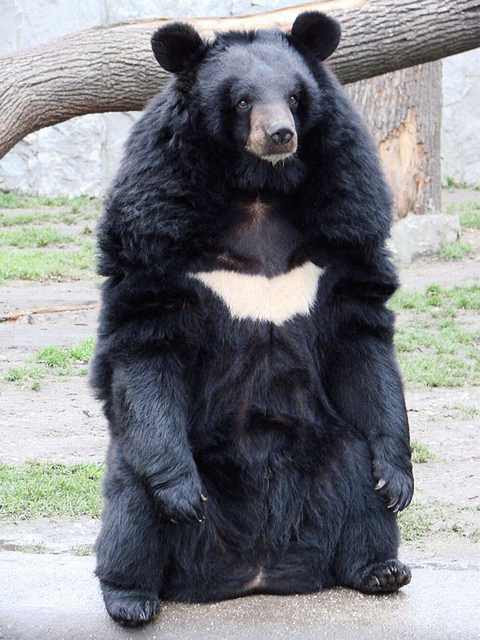
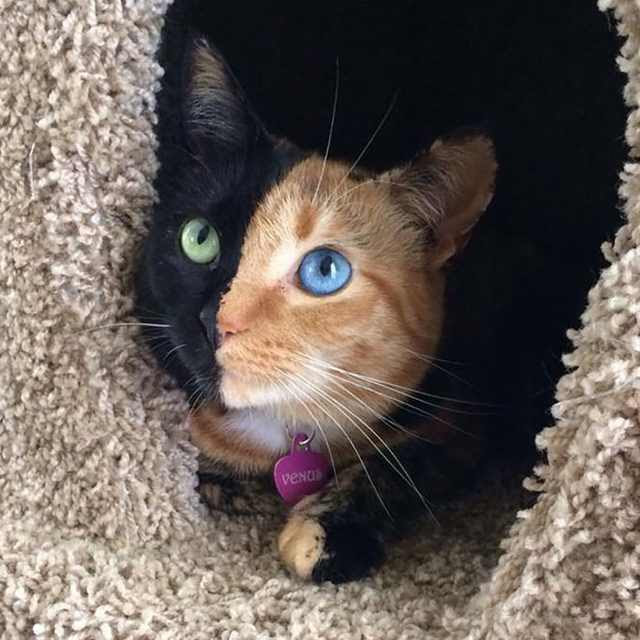
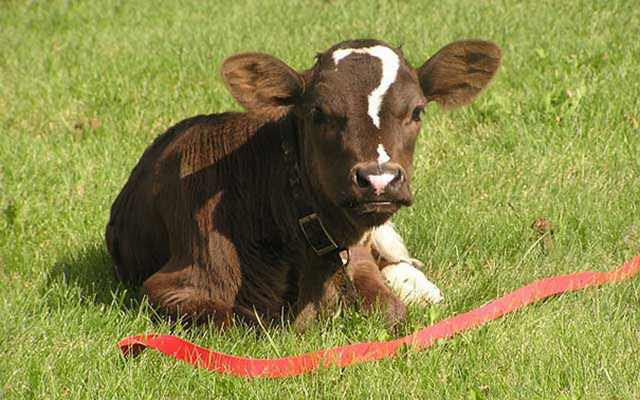
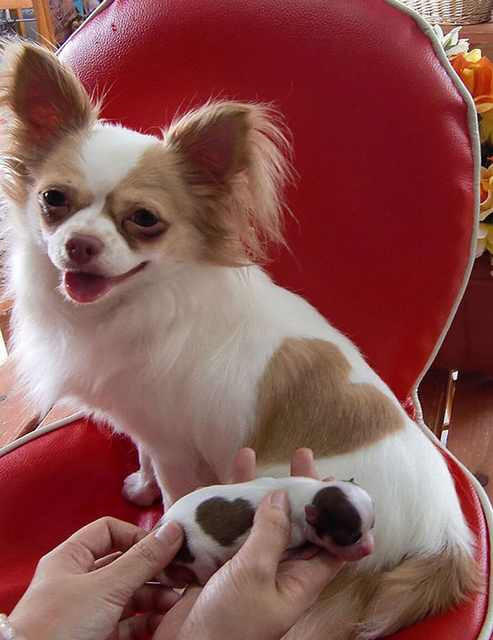
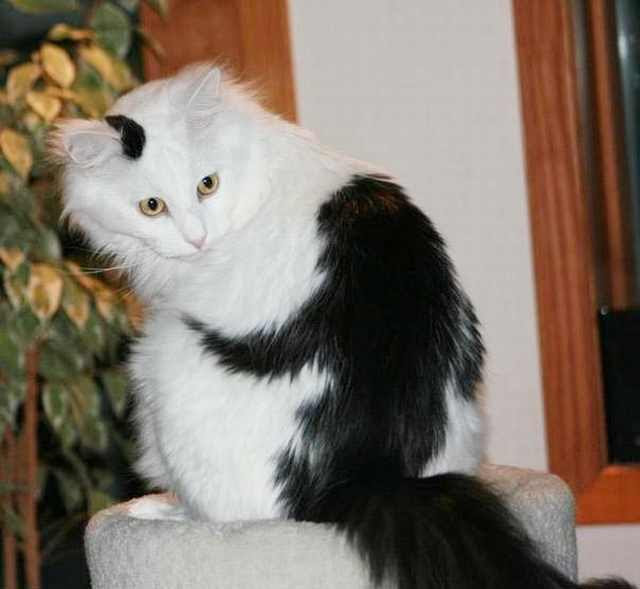
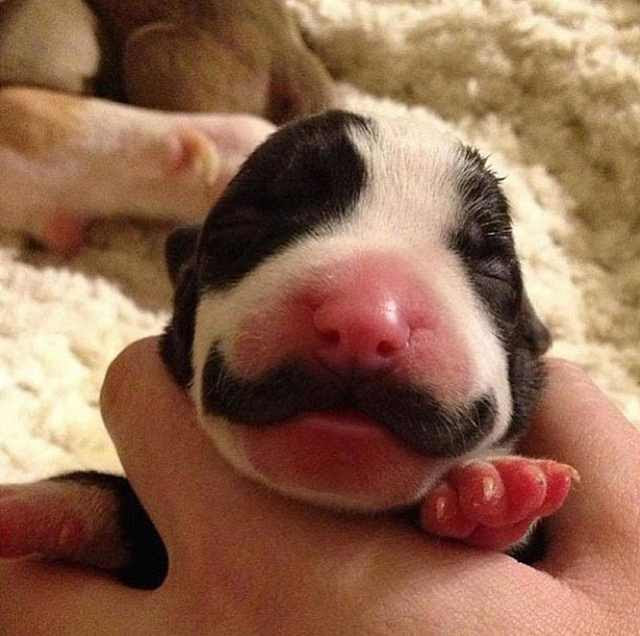
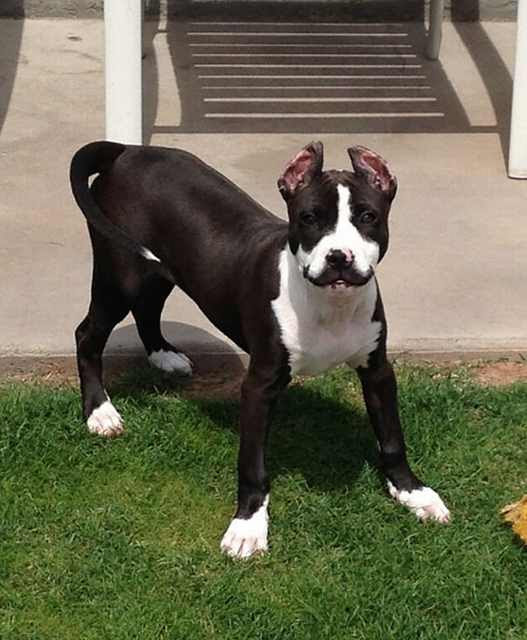
The final set of Mother Nature’s sense of humour.

mark16oooo

mark17oooo

mark18oooo

mark19oooo

mark20oooo

mark21oooo

mark22oooo

mark23If you want to go back and look at the preceding sets then set one is here and set two is here.

Not forgetting once again to say ‘thank you’ to neighbour Dordie who sent these glorious pictures on to me.

See what I can find for you good people for next week’s Picture Parade.

Lilo and Rosie

Another beautiful short video.

Examples like this, of the love and compassion seen in our animals, seem to be doubly valuable in these crazy times.

Published on Apr 30, 2015

Lilo the Siberian husky is a wonderful surrogate to our new foster, little Rosie❤️ Rosie was really lethargic and unresponsive after the first night. So we decided to let her cuddle extensively with Lilo (the husky). Lilo has always had an innate motherly instinct, but she really surprised us when she went full surrogate mode! Even letting Rosie suckle on her and stimulating her to eliminate! Lilo has never had puppies of her own, and never will. But motherhood may just be her calling 🙂 Like what you see? 🙂 LOOK BELOW!

It would mean the world if you would hit the SUBSCRIBE button to our channel! http://www.youtube.com/c/lilothehusky

Want to see more??

FOLLOW US on our social media networks!

http://www.instagram.com/lilothehusky

http://www.twitter.com/lilothehusky

Thank you so much for your support!! 😀

  • Category

  • License

    • Standard YouTube License
  • Music

    • “You’ll Be In My Heart (Phil Version)” by Phil Collins

Have a wonderful weekend.

Words are superfluous.

Stop whatever you are doing, be peaceful, and just watch this!

(Background and details coming along in tomorrow’s post.)

Past times

Blogging for many years goes so well with poor recall!

When I was browsing through posts over the last seven years, looking for articles about cats in support of yesterday’s post, I was amazed at reading so many items that had completely slipped my mind! One in particular, going back to October, 2010, was so wonderful that it just had to be shared with you again. It was sent to me by long-term friend Chris Snuggs. It will put a smile on your face!

ooOOoo

Cats and Dogs!

As a follow-up to Paul’s post on cats, I found this on the internet, but there was no reference to the author. Whoever it was does, however, deserve the credit rather than me, who am merely a transferer on to a wider public of such gems as I stumble across during my surfing.

If anyone knows who wrote this I would be more than delighted to acknowledge his or her genius.

Peek into a dog’s diary …

8:00 am – Dog food! My favorite thing
9:30 am – A car ride! My favorite thing!
9:40 am – A walk in the park! My favorite thing!
10:30 am – Got rubbed and petted! My favorite thing!
12:00 pm- Lunch! My favorite thing!
1:00 pm – Played in the yard! My favorite thing!
3:00 pm – Wagged my tail! My favorite thing!
5:00 pm – Milkbones! My favorite thing!
7:00 pm – Got to play ball! My favorite thing!
8:00 pm – Wow! Watched TV with the people! My favorite thing!
11:00 pm – Sleeping on the bed! My favorite thing!

Peek into a cat’s diary …

Day 983 of my captivity. My captors continue to taunt me with bizarre little dangling objects. They dine lavishly on fresh meat, while the other inmates and I are fed hash or some sort of dry nuggets. All though I make my contempt for the rations perfectly clear, I nevertheless must eat something in order to keep up my strength. The only thing that keeps me going is my dream of escape. In an attempt to disgust them, I once again vomit on the carpet.

Today I decapitated a mouse and dropped its headless body at their feet. I had hoped this would strike fear into their hearts, since it clearly demonstrates what I am capable of. However, they merely made condescending comments about what a “good little hunter” I am. Bastards.

There was some sort of assembly of their accomplices tonight. I was placed in solitary confinement for the duration of the event. However, I could hear the noises and smell the food. I overheard that my confinement was due to the power of “allergies.” I must learn what this means, and how to use it to my advantage.

Today I was almost successful in an attempt to assassinate one of my tormentors by weaving around his feet as he was walking. I must try this again tomorrow — but at the top of the stairs.

I am convinced that the other prisoners here are flunkies and snitches. The dog receives special privileges. He is regularly released – and seems to be more than willing to return. He is obviously retarded. The bird has got to be an informant. I observe him communicate with the guards regularly. I am certain that he reports my every move. My captors have arranged protective custody for him in an elevated cell, so he is safe, for now……….

Just chilling out …

Cats in Physics

1 – Law of Cat Inertia: A cat at rest will tend to remain at rest, unless acted upon by some outside force – such as the opening of cat food, or a nearby scurrying mouse.

2 – Law of Cat Motion: A cat will move in a straight line, unless there is a really good reason to change direction.

3 – Law of Cat Magnetism: All blue blazers and black sweaters attract cat hair in direct proportion to the darkness of the fabric.

4 – Law of Cat Thermodynamics: Heat flows from a warmer to a cooler body, except in the case of a cat, in which case all heat flows to the cat.

5 – Law of Cat Stretching: A cat will stretch to a distance proportional to the length of the nap just taken.

6 – Law of Cat Sleeping: All cats must sleep with people whenever possible, in a position as uncomfortable for the people involved as is possible for the cat.

7 – Law of Cat Elongation: A cat can make her body long enough to reach just about any counter top that has anything remotely interesting on it.

8 – Law of Cat Acceleration: A cat will accelerate at a constant rate, until he gets good and ready to stop.

9 – Law of Dinner Table Attendance: Cats must attend all meals when anything good is served.

10 – Law of Rug Configuration: No rug may remain in its naturally flat state for very long.

11 – Law of Obedience Resistance: A cat’s resistance varies in proportion to a human’s desire for her to do something.

12 – First Law of Energy Conservation: Cats know that energy can neither be created nor destroyed and will, therefore, use as little energy as possible.

13 – Second Law of Energy Conservation: Cats also know that energy can only be stored by a lot of napping.

14 – Law of Refrigerator Observation: If a cat watches a refrigerator long enough, someone will come along and take out something good to eat.

15 – Law of Electric Blanket Attraction: Turn on an electric blanket and a cat will jump into bed at the speed of light.

16 – Law of Random Comfort Seeking: A cat will always seek, and usually take over, the most comfortable spot in any given room.

17 – Law of Bag / Box Occupancy: All bags and boxes in a given room must contain a cat within the earliest possible nanosecond.

18 – Law of Cat Embarrassment: A cat’s irritation rises in direct proportion to her embarrassment times the amount of human laughter.

19 – Law of Milk Consumption: A cat will drink his weight in milk, squared, just to show you he can.

20 – Law of Furniture Replacement: A cat’s desire to scratch furniture is directly proportional to the cost of the furniture.

21 – Law of Cat Landing: A cat will always land in the softest place possible.

22 – Law of Fluid Displacement: A cat immersed in milk will displace her own volume, minus the amount of milk consumed.

23 – Law of Cat Disinterest: A cat’s interest level will vary in inverse proportion to the amount of effort a human expends in trying to interest him.

24 – Law of Pill Rejection: Any pill given to a cat has the potential energy to reach escape velocity.

25 – Law of Cat Composition: A cat is composed of Matter + Anti-Matter + It Doesn’t Matter.

26 – Law of cat reading: Cats pretend to be really short sighted and evince the need to read a newspaper by lying on it while you are attempting to read it.

27 – Law of cat antipathy: Any cat will immediately sense a person who doesn’t like cats and go and sit on their lap.

28 – Law of cat confinement: A cat will always have its kittens in the warmest possible place, usually in your bed while you are sleeping.

29 – Law of Sleeping: A cat sleeps every day for 24 hours minus the time it takes to wheedle food out of you and eat it ..

By Chris Snuggs

ooOOoo

Isn’t that just gorgeous!

Unchain every single dog out there!

Independence Day should also apply to our beloved dogs!

So today is July 4th. One of the key days of the year in the American calendar, if not the key day.

Freedom and independence are the corner stones of a healthy nation. That ‘nation’ should include our dogs. Ergo, I have no hesitation in republishing the following that first was seen on the Care2 site.

ooOOoo

How to Help Chained Dogs in Your Community

3182140.largeBy: Natalia Lima June 28, 2016

About Natalia Follow Natalia at @TheNatiLima

The sight is heartbreaking: a sad animal, exposed to the heat or the cold, often without shelter, chained in a backyard. Sometimes all it takes to secure them is a thin rope tied around their collar on one end and a dog house on the other, in others it’s a thick metal chain that keeps the dog from moving away from a tree. Whatever the case, it’s enough to inspire any animal lover to change that dog’s life, but how? The answer is simpler than one would imagine: build a fence.

“Building a fence really changes the relationship between dogs and owners,” explains Michele Coppola, President of Fences for Fido, a nonprofit organization that builds fences in houses that have chained dogs so the dogs can run freely in the backyard. “Many times dogs who were outside 24/7 go on to become a family member, spending time in the house and outside because they’re no longer a location.”

Since 2009, Fences for Fido has been helping dogs in the Southwest Oregon and Washington state areas. People can anonymously nominate a house with a chained dog on their website or people can nominate themselves if they don’t have the means to build their own fence. According to the Coalition to Unchain Dogs, who helped Fences for Fido get started and has been building fences since 2006 in North Carolina, that lack of resources is the most common reason why people keep dogs chained.

“When we first started we thought we would we would build this fence and solve a problem but we quickly saw the problem is not chained dogs, it’s poverty,” explains Lori Hensley, Director of Operations at Coalition to Unchain Dogs. “No one wants to chain a dog. They just don’t have the means to build a fence.”

Other common reasons are not understanding that dogs are social animals that need to run around, an owner not knowing how to address behavioral problems and trying to keep the dog from running away, says the Humane Society of the United States.

“People chain their dogs for a variety of reasons so we always approach them without judgement because most times we’re not seeing the whole story,” says Coppola adding that those issues are addressed when building a fence for someone to make sure they’re educated on why chaining their dogs shouldn’t be a solution. “Maybe they didn’t have a fence to start with and someone, maybe a family member, dumped a dog with them and they’re keeping it out of the goodness of their hearts but they don’t have a fence. You don’t know.”

Between the two organizations, over 3,400 dogs have been freed from chains but since they only operate locally, they have created resources for people in other parts of the country who want to help. Unchained Planet, a Facebook group of volunteer fence builders, offers advice and tips to anyone looking to start their own fence building organization and a DIY tutorial is also available for free download.

From materials needed to step by step instructions, anyone can start building a fence to help chained dogs in their communities, though to complete novices, the guidance of a seasoned builder or a professional is encouraged.

“If you’re starting out for the very first time, it might be a good idea to pair up with a fence company who may be willing to help and even donate the materials,” suggests Coppola. “Or you want to find somebody who’s done a fence before and can kind of show you how to go about it.”

Photo Credit: ThinkStock

ooOOoo

Fences for Fido is an Oregon-based organisation and I’m going to contact them and ask for more information to share with you all.

I am also going to contact local charity The Toby Fund of Wolf Creek (Oregon) who do great work in unchaining dogs and seek an article from them for you.

Picture Parade One Hundred and Fifty-Four.

Continuing Mother Nature’s sense of humour!

(The first set was published a week ago.)

mark9oooo

mark10oooo

mark11oooo

mark12oooo

mark13oooo

mark14oooo

mark15The final set of these lovely photographs in a week’s time.

Meantime, you all take care out there!