Within today’s world, we are seeing many truths now being exposed, as those whom we are supposed to look up to, are now finding their own Lies, echoing back to find them out.
We all of us at times join in the gossip train, that travels out, gaining momentum and speed, stopping at various destinations, it gathers on board more passengers, who add their own little flourish to the journey.
I caught myself on this journey only the other week, which led me to stop my inner chatter, for our thoughts, like our words, are also powerful, and travel out, to create their vibration.. Which is why I wrote
Are you listening to your Inner Chatter?
What you are focused upon really matters
The power of your thoughts is what we create
Take a moment, to Pause, and Meditate.
I hope you pause, and take a moment to see what thoughts are being sent out.. For believe me.. They Echo right back to the source of their creation, it may not be straight away.. As the train timetables vary.. So Listen to the Echoes of your Heart.. I hope we have all made a start… Hold your vision for the World..
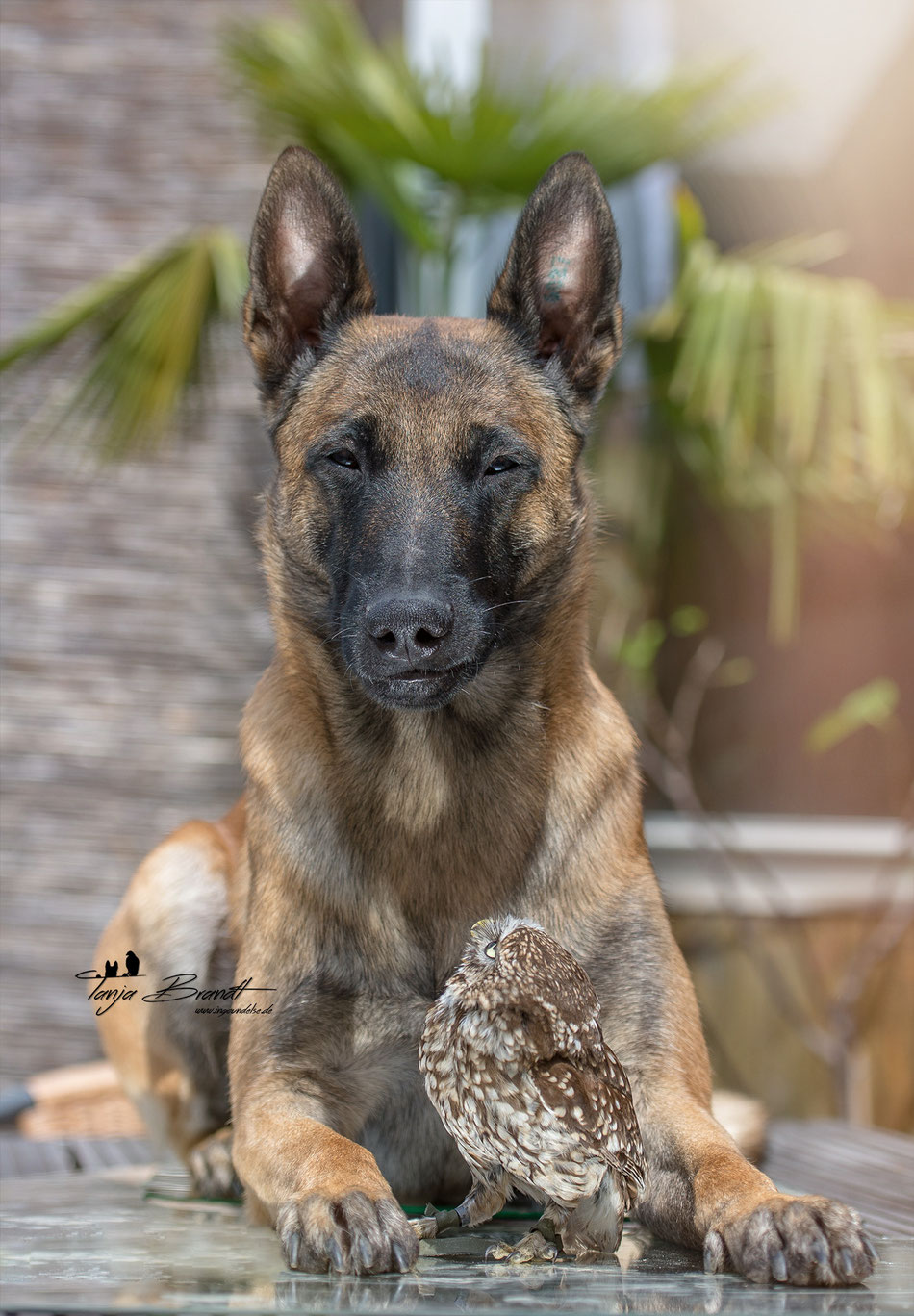
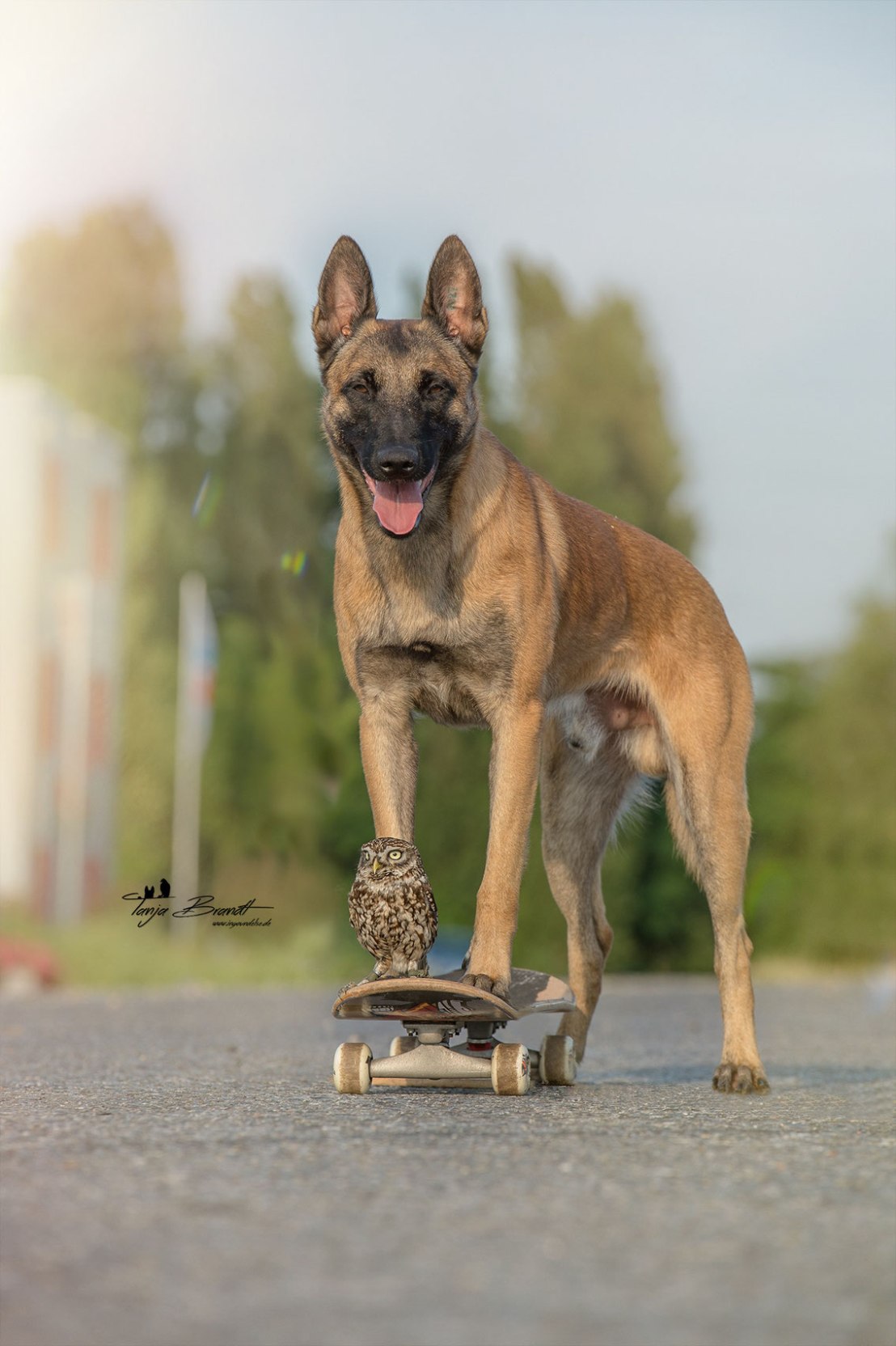
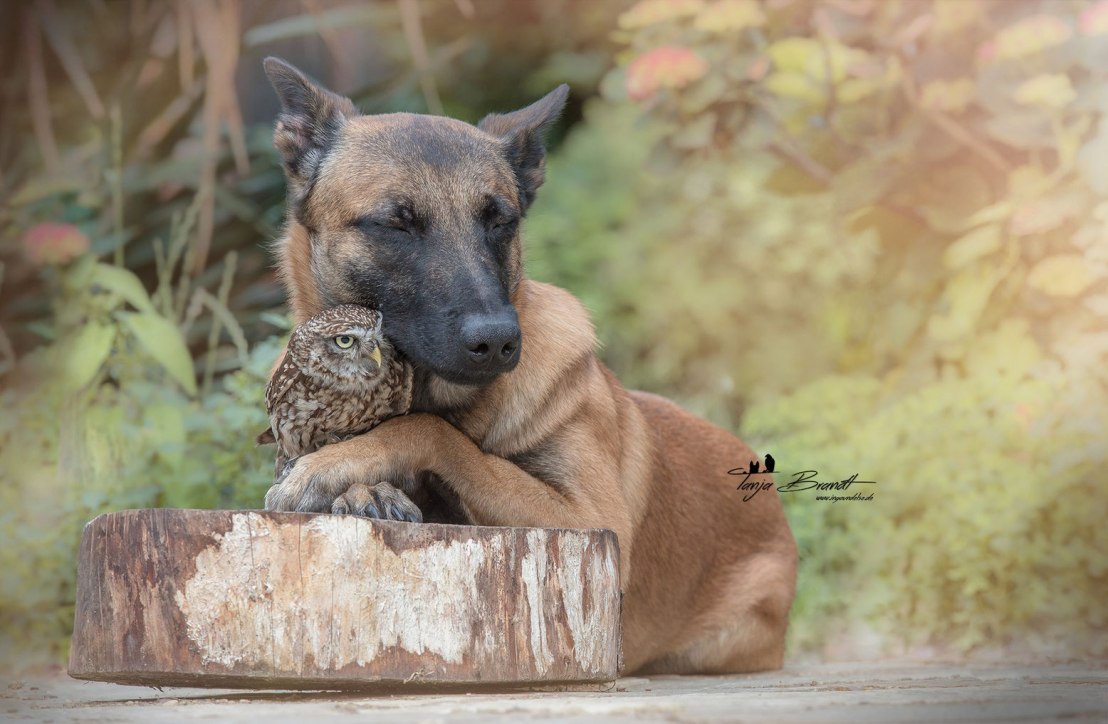
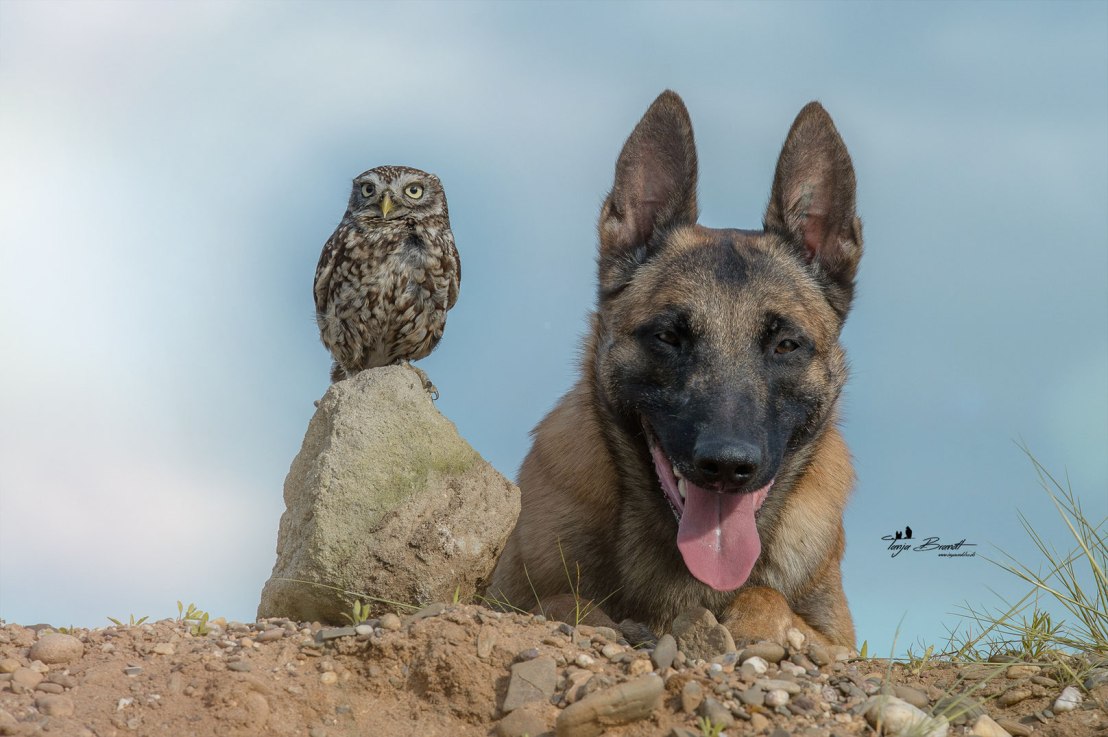
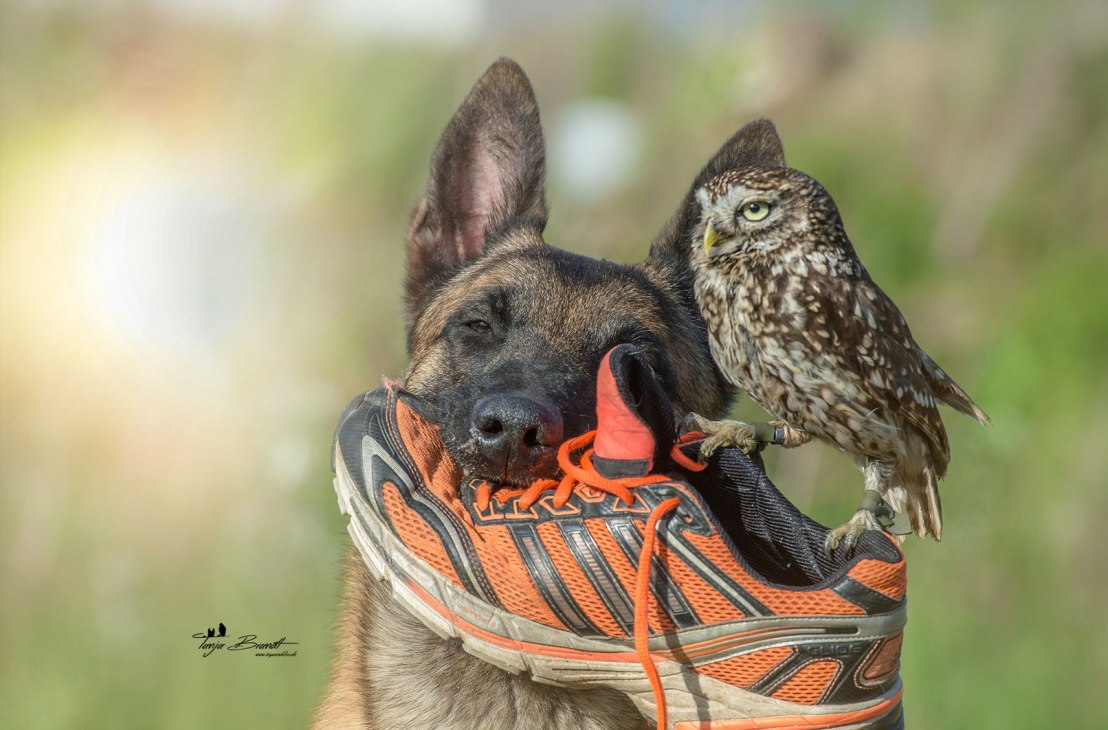
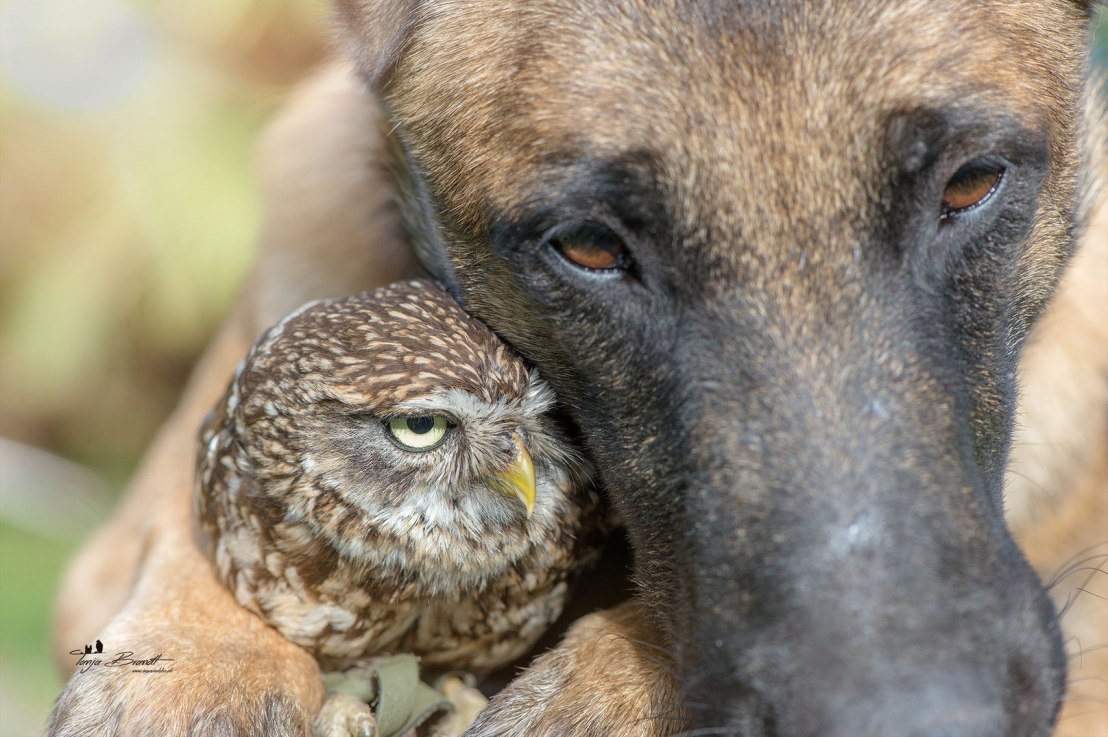
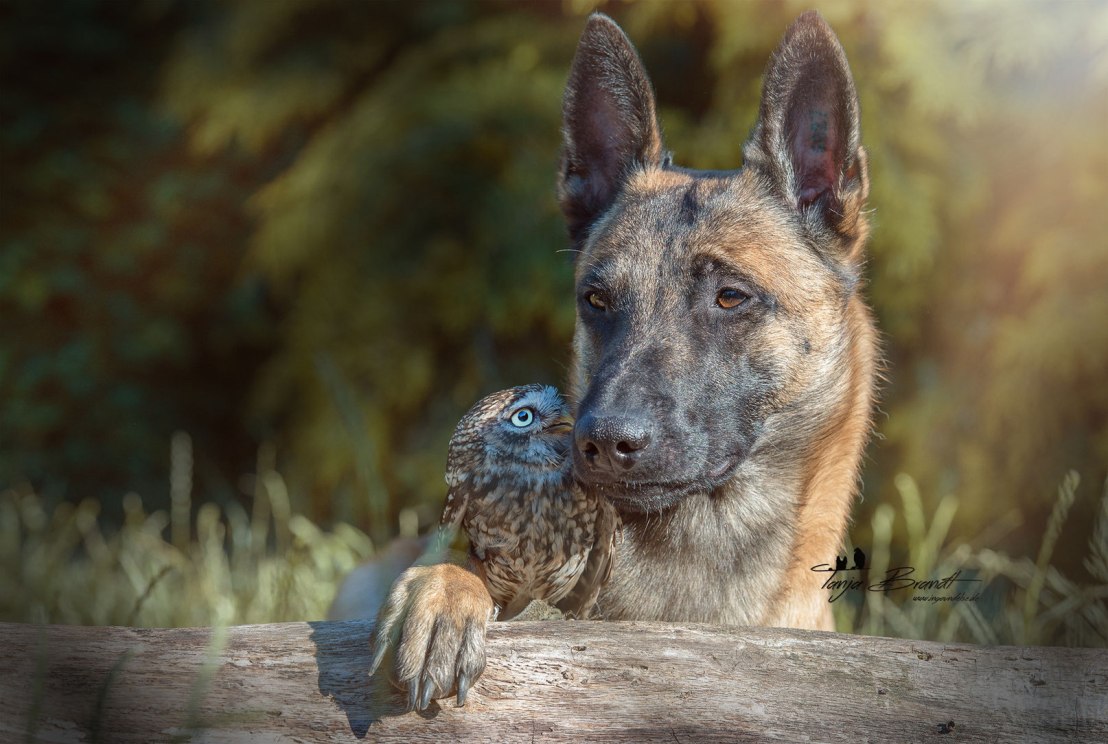
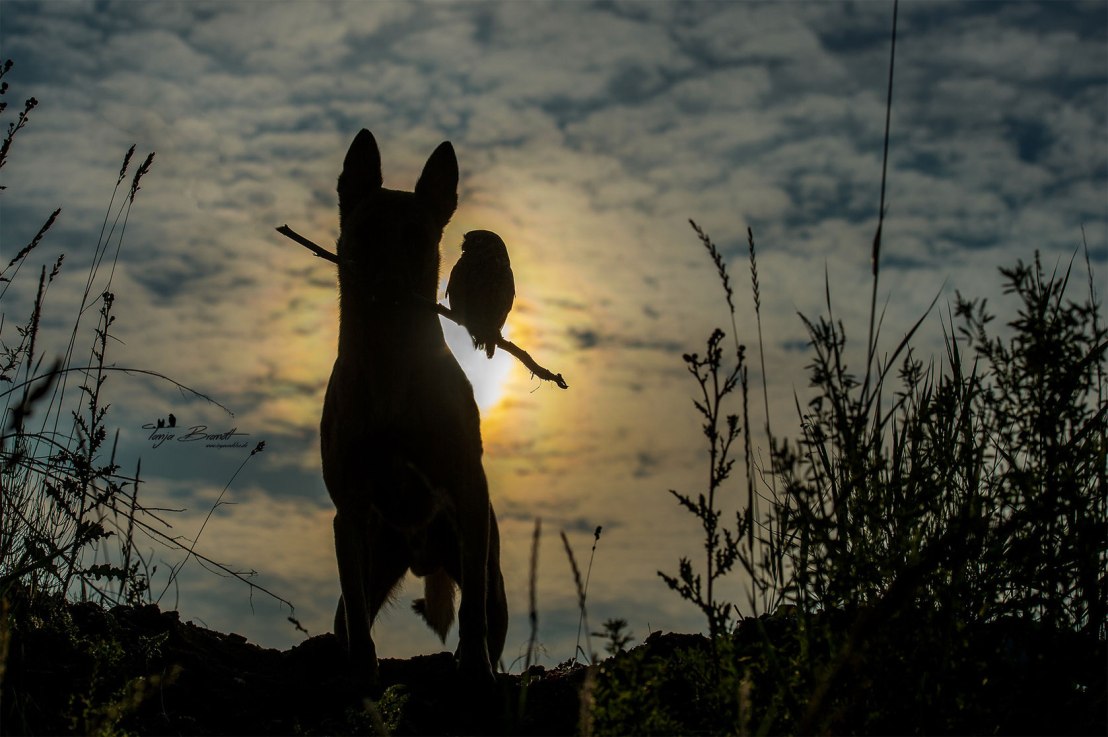
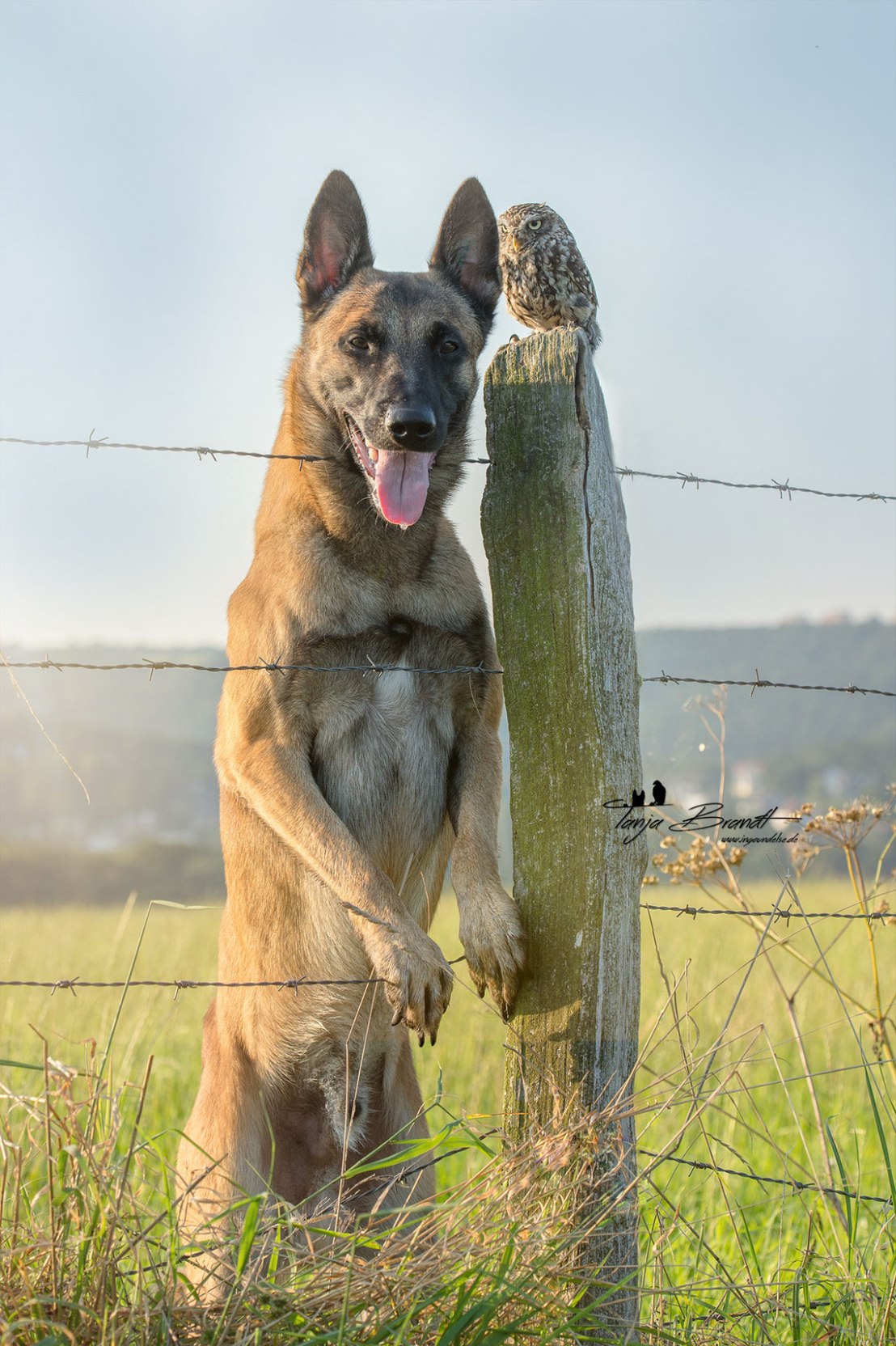
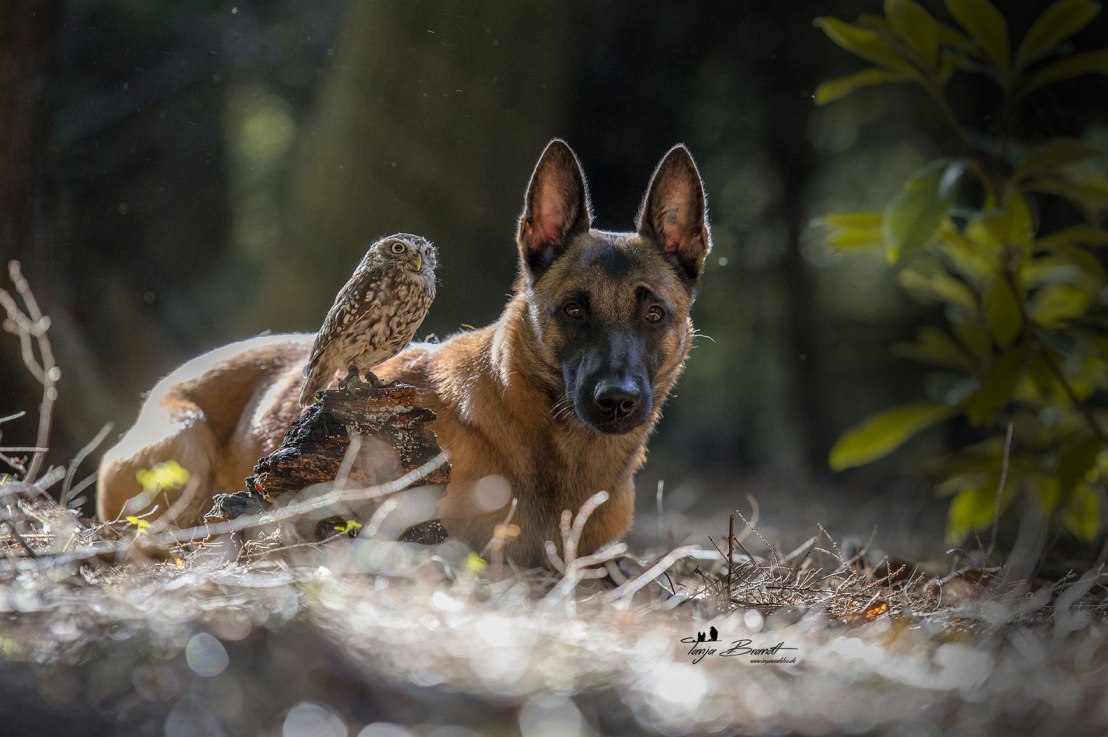
I was going to offer more of Tanja Brandt’s photos for you today but during the week Belinda, who lives here on Hugo Road, sent me some pictures that I couldn’t wait to share with you.
oooo
oooo
oooo
oooo
oooo
oooo
oooo
Aren’t we so very lucky to have these wonderful creatures in our lives!
15 Research Backed Health Benefits Of Having A Dog
In so many walks of life there are so many competing claims as to this or that and trying to get to the truth is so frequently hard work. No more so than understanding the essence of what to do to stay fit and healthy. Yes, I had in mind you and me when I wrote that last sentence but it applies equally as well to our beloved dogs.
So of course I welcomed this email that came to me not that long ago.
Hi Paul,
I’m Mat Coulton (the owner of Wileypup.com).
I won’t waste your time and get straight to the point, we recently released a kickarse blog post: ’15 Research Backed Health Benefits Of Having A Dog’ AND I was checking out your site and noticed you are linking to an article from wikipedia.org on the same topic in your article Pets – Learning from Dogs: https://learningfromdogs.com/tag/pets/
Our guide goes into much more detail. It’s up to date and quotes more trustable sources. It’s littered with cool custom graphics and images. It would be a great addition to your page, and add value to your readers.
Now, of course, Wileypup is a commercial business about which I have no knowledge or experience but that’s no reason not to share Mat’s article. I asked Mat to pen a few words about himself:
Mat Coulton has worked with dogs for just under a decade and is the founder of WileyPup, a doggy lover’s website that provides great tips and advice for paw parents everywhere.
Here is that article.
ooOOoo
15 Research Backed Health Benefits Of Having A Dog
Is this fur ball that follows me around like a shadow, constantly looking at me with those puppy dog eyes no matter what age they are, really that healthy for me? Routine situations like leaving them at home is an everyday mini heartbreak.
Don’t even start us on holidays where we try and think of any possible way to bring them with us and instead feel guilty as hell when they give us that aforementioned puppy eyes when we slowly close the door behind us, hearts breaking ever so slightly again.
BUT!!! We all know that’s just because we love them so much! Read on…
[Ed: You will have to go here to go through each of those benefits. Please do for the benefits are comprehensive and well researched.]
It is a popularly held belief that dogs make our lives better, especially if you ask a dog owner! We wanted to take some time to look into this concept a little deeper to see if there is scientific research to support the idea that there are actual health benefits from canine companionship.
What we found was surprising, even to us! We found 15 ways in which research has shown positive health effects from time spent with dogs!
Although much of the research on how pups effect our health has been done in clinical settings with therapy and companion dogs, there is plenty of reason to believe that dog ownership can have positive effects on our health as well (1, 2, 3).
With rising healthcare costs, the positive effects of dogs on our overall health and their role in assisting in the work of healthcare professionals continue to be avid areas of scientific study (4, 5, 6). In this article, we will be breaking down some of that research for you.
We will start by looking at the physical health benefits of dog ownership and companionship followed by a look at their contribution to better mental and emotional health outcomes. Then we will look at the special contribution dogs are making in the quality of life for a variety of special needs populations. Finally, we will look at the larger social impact of canine companions in our lives.
ooOOoo
I must say that many, many of you who have dogs in their lives will not be surprised by the findings spelled out by Mat.
Thus, good people, I shall be distracted for much of the month because despite the fact that book number two is a non-fiction book, as was my first, I am still using National Novel Writing Month (NaNoWriMo) as my motivational tool to achieve 50,000 words before the 1st December. Ergo, November’s focus is on writing an average of 1,666 words a day, not blogging.
Last time, with my book Learning from Dogs, I did share much of what I was writing each day both in 2014 and 2015. This time I will not.
However, I would like to share the draft Introduction to this second book that I wrote yesterday.
ooOOoo
Introduction
It was a beautiful late-October evening. Not a breath of wind stirred the branches of the tall pines that soared up into the night sky around our house. Even a half-moon high in that sky out to the South didn’t diminish the mystery and magic of the stars that seemed to go on forever. It never ceased to fascinate me how wonderful it was to lose one’s mind in a dark night sky and ponder on the fact that in that instant, in that moment of my life, I was seeing the light from a star that had been travelling for hundreds or thousands of years.
Thus it was this evening around 9:30pm when I had gone outside with all our dogs for their nightly leg-stretch before bedtime. Our six most beautiful dogs: Ruby; Cleo; Sweeny; Pedy; Oliver; and Brandy. There I was utterly oblivious to the sniffing and rustling in the piles of newly fallen Autumn leaves that were everywhere because so quickly once outside the house I had looked up above my head to that night sky and become lost.
But to be returned to this very sweet present moment when ever so gently I felt Brandy’s soft shoulder touch my lower left thigh and then lean into me in what was so characteristic of him.
I lent forward and placed the side of my face alongside Brandy’s warm, furry face and became as lost as I was in that starry sky. Now, however, it was as real and tangible a loss, if one could describe it as such, as that night sky above was as unreal and mysterious. For it was me being lost in the love that Brandy was sending me, in his breathing, in his posture, in his closeness to me, in his whole demeanour and in my own deep emotional loving reply to Brandy.
Then it clicked. A philosophical click that was as bright and clear as that fabulous half-moon.
This is how I would introduce my book. The book that I had committed to write in the month of November. The book that I was going to start writing the next day but hitherto hadn’t a clue as to how I was going to set the scene.
For my next book was an exploration into the relationships that dogs and humans form with each other.
Brandy’s story since he had been part of my life, and the life of my sweet, dear Jean, was a story of just how incredible, glorious and special the love between a human and a dog can be. How the weeks and months since that fateful day on the 9th April, 2016 when we first met Brandy had given me the inspiration to go as far as I could in describing and understanding what having a dog in one’s life truly meant.
Welcome to The Dog And I.
ooOOoo
So hope all you good people will understand if my blogging activity is varied and replies to responses likewise a bit ‘up and down’. It is likely I will be re-posting quite frequently items that have previously been shown on Learning from Dogs.
My posts of the last few days have been in the ‘cuddly, cosy’ vein of life and, as many would say, a long way from the reality of this 21st century.
The reality is tough and scary and many, including me, favour running away from scary places. I’m sure that the urge to flee and hide is a survival behaviour from long time ago. BUT!! But the only hope for us humans is to face the facts full on.
Take, for example, the Ganges River. We have all heard of this famous river (my emphasis below):
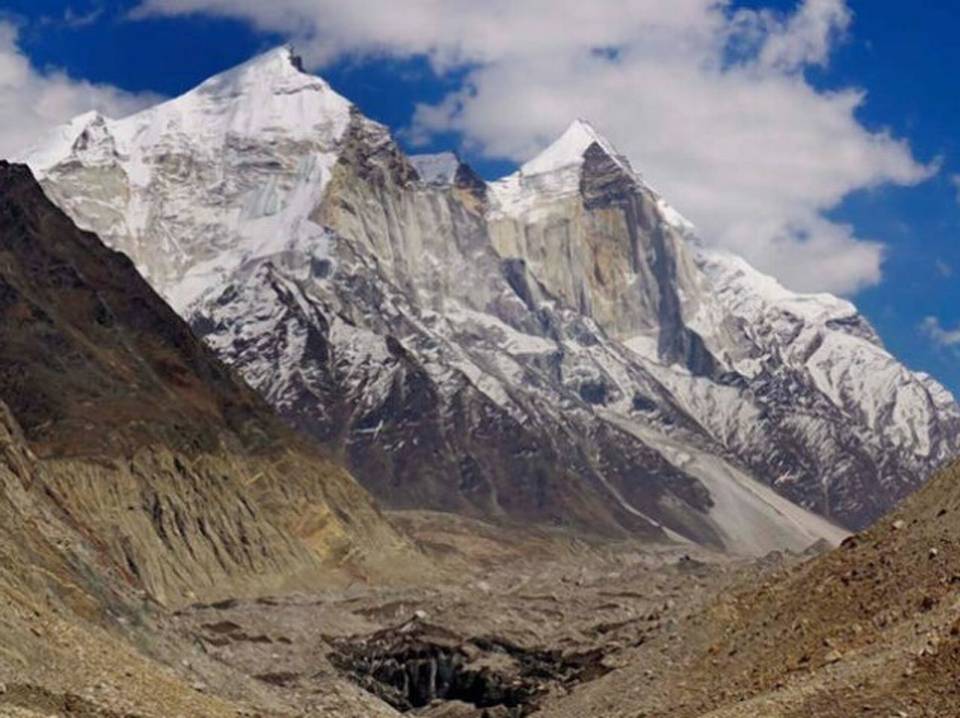
The source of the Ganges is the Gangotri glacier. Here it is:
Gaumukh, snout of the Gangotri glacier,surrounded by the Bhagirathi peaks of Garhwal Himalayas, at an altitude of over 4,000 metres. Photo: Vidya Venkat.
Scientists say dwindling snowfall affects volume of water fed to the Bhagirathi, the main source of the Ganga
After a four-hour-long trek from Bhojwasa, the final camping spot in Gangotri, when a brown, fractured pile of rocks finally came into view it was hard to believe that this was the mouth of the glacier from which the ‘holy’ Ganga emerged.
Gaumukh, the snout of the Gangotri glacier, named after its shape like the mouth of a cow, has retreated by over 3 kilometres since 1817, says glaciologist Milap Chand Sharma of Jawaharlal Nehru University.
It was nearly two centuries ago that the retreat of the glacier was first documented by John Hodgson, a Survey of India geologist.
With 10 Indian States reeling under drought and the country facing a severe water crisis after two weak monsoons, the story of retreating freshwater sources such as the Himalayan glaciers is worrying. And though a three-kilometre retreat over a period of two centuries might seem insignificant at first glance, data shows that the rate of retreat has increased sharply since 1971. The rate of retreat is 22 metres per year.
Twenty-two metres or seventy-two feet a year!
Wringing our hands is no good. All of us who care for our Living Planet have to shout out just what is going on. As George Monbiot continues to do. Take his latest essay, for example, that is republished here in full with GM’s very kind permission.
ooOOoo
Insectageddon
The scale and speed of environmental collapse is beyond imagination.
By George Monbiot, published in the Guardian 20th October 2017
Which of these would you name as the world’s most pressing environmental issue? Climate breakdown, air pollution, water loss, plastic waste or urban expansion? My answer is none of the above. Almost incredibly, I believe that climate breakdown takes third place, behind two issues that receive only a fraction of the attention.
This is not to downgrade the danger presented by global heating – on the contrary, it presents an existential threat. It is simply that I have come to realise that two other issues have such huge and immediate impacts that they push even this great predicament into third place.
One is industrial fishing, which, all over the blue planet, is now causing systemic ecological collapse. The other is the erasure of non-human life from the land by farming.
And perhaps not only non-human life. According to the UN Food and Agriculture Organisation, at current rates of soil loss, driven largely by poor farming practice, we have just 60 years of harvests left. And this is before the Global Land Outlook report, published in September, found that productivity is already declining on 20% of the world’s cropland.
The impact on wildlife of changes in farming practice (and the expansion of the farmed area) is so rapid and severe that it is hard to get your head round the scale of what is happening. A study published this week in the journal Plos One reveals that flying insects surveyed on nature reserves in Germany have declined by 76% in 27 years. The most likely cause of this Insectageddon is that the land surrounding those reserves has become hostile to them: the volume of pesticides and the destruction of habitat have turned farmland into a wildlife desert.
It is remarkable that we need to rely on a study in Germany to see what is likely to have been happening worldwide: long-term surveys of this kind simply do not exist elsewhere. This failure reflects distorted priorities in the funding of science. There is no end of grants for research on how to kill insects, but hardly any money for discovering what the impacts of this killing might be. Instead, the work has been left – as in the German case – to recordings by amateur naturalists.
But anyone of my generation (ie in the second bloom of youth) can see and feel the change. We remember the “moth snowstorm” that filled the headlight beams of our parents’ cars on summer nights (memorialised in Michael McCarthy’s lovely book of that name). Every year I collected dozens of species of caterpillars and watched them grow and pupate and hatch. This year I tried to find some caterpillars for my children to raise. I spent the whole summer looking and, aside from the cabbage whites on our broccoli plants, found nothing in the wild but one garden tiger larva. Yes, one caterpillar in one year. I could scarcely believe what I was seeing – or rather, not seeing.
Insects, of course, are critical to the survival of the rest of the living world. Knowing what we now know, there is nothing surprising about the calamitous decline of insect-eating birds. Those flying insects – not just bees and hoverflies but species of many different families – are the pollinators without which a vast tract of the plant kingdom, both wild and cultivated, cannot survive. The wonders of the living planet are vanishing before our eyes.
Well, I hear you say, we have to feed the world. Yes, but not this way. As a UN report published in March explained, the notion that pesticide use is essential for feeding a growing population is a myth. A recent study in Nature Plants reveals that most farms would increase production if they cut their use of pesticides. A study in the journal Arthropod-Plant Interactions shows that the more neonicotinoid pesticides were used to treat rapeseed crops, the more their yield declines. Why? Because the pesticides harm or kill the pollinators on which the crop depends.
Farmers and governments have been comprehensively conned by the global pesticide industry. It has ensured its products should not be properly regulated or even, in real-world conditions, properly assessed. A massive media onslaught by this industry has bamboozled us all about its utility and its impacts on the health of both human beings and the natural world.
The profits of these companies depend on ecocide. Do we allow them to hold the world to ransom, or do we acknowledge that the survival of the living world is more important than returns to their shareholders? At the moment, shareholder value comes first. And it will count for nothing when we have lost the living systems on which our survival depends.
To save ourselves and the rest of the living world, here’s what we need to do:
We need a global treaty to regulate pesticides, and put the manufacturers back in their box.
We need environmental impact assessments for the farming and fishing industries. It is amazing that, while these sectors present the greatest threats to the living world, they are, uniquely in many nations, not subject to such oversight.
We need firm rules based on the outcomes of these assessments, obliging those who use the land to protect and restore the ecosystems on which we all depend.
We need to reduce the amount of land used by farming, while sustaining the production of food. The most obvious way is greatly to reduce our use of livestock: many of the crops we grow and all of the grazing land we use are deployed to feed them. One study in Britain suggests that, if we stopped using animal products, everyone in Britain could be fed on just 3m of our 18.5m hectares of current farmland (or on 7m hectares if all our farming were organic). This would allow us to create huge wildlife and soil refuges: an investment against a terrifying future.
We should stop using land that should be growing food for people to grow maize for biogas and fuel for cars.
Then, at least, nature and people would have some respite from the global onslaught. And, I hope, a chance of getting through the century.
I am far from certain but I have this notion in my head that ‘Common Land’ is an English thing. Here’s a Wikipedia extract:
Common land is land owned collectively by a number of persons, or by one person, but over which other people have certain traditional rights, such as to allow their livestock to graze upon it, to collect firewood, or to cut turf for fuel.[1]
A person who has a right in, or over, common land jointly with another or others is called a commoner.[2]
This article deals mainly with common land in England, Wales and Scotland. Although the extent is much reduced due to enclosure of common land from the millions of acres that existed until the 17th century, a considerable amount of common land still exists, particularly in upland areas, and there are over 7,000 registered commons in England alone.[3][4]
Despite the idea of common land having an English ‘ring’ to it common land is also found in the USA. Back to that Wikipedia reference:
Common land, an English development, was used in many former British colonies, for example in Ireland and the United States. The North American colonies adopted the English laws in establishing their own commons. A famous example is the New Haven Green in New Haven, Connecticut.
When I was living in Devon it was not unusual to take a walk with Pharaoh on some very famous open access land: Dartmoor.
Dartmoor: English countryside at its best.
So where the devil am I going with today’s post?
Last Thursday week, the 12th, I published my review of George Monbiot’s valuable book Out Of The Wreckage.
This book struck me as the most important book I have ever read in my lifetime. Why? Because it gets to the heart of what is happening today. But it offers even more than that. For instead of a shrug of the shoulders or eyes turned skywards from a friend when one mutters about the fact that we are living in ‘interesting times’, George Monbiot offers hope and guidance.
The day after I published my review George Monbiot published an article in The Guardian newspaper that threw more light on the commons philosophy and why, as in his book, he “offers hope and guidance”.
It is republished here with Mr. Monbiot’s generous permission. Yes, the focus is on British politics but GM’s core message applies equally to the USA and other countries.
ooOOoo
Labouratory
13th October 2017
We should use the political space being opened by the Labour resurgence to develop a new, participatory economy
By George Monbiot, published in the Guardian 11th October 2017
We are still living in the long 20th Century. We are stuck with its redundant technologies: the internal combustion engine; thermal power plants; factory farms. We are stuck with its redundant politics: unfair electoral systems; their capture by funders and lobbyists; the failure to temper representation with real participation.
And we are stuck with its redundant economics: neoliberalism, and the Keynesianism still proposed by its opponents. While the latter system worked very well for 30 years or more, it is hard to see how it can take us through this century, not least because the growth it seeks to sustain smacks headlong into the environmental crisis.
Sustained economic growth on a planet that is not growing means crashing through environmental limits: this is what we are witnessing, worldwide, today. A recent paper in Nature puts our current chances of keeping global heating to less than 1.5°C of at just 1%, and less than 2° at only 5%. Why? Because while the carbon intensity of economic activity is expected to decline by 1.9% a year, global per capita GDP is expected to grow by 1.8%. Almost all investment in renewables and efficiency is cancelled out. GDP, the index that was supposed to measure our prosperity, instead measures our progress towards ruin.
But the great rupture that began in 2008 offers a chance to change all this. The challenge now is to ensure that the new political movements threatening established power in Britain and elsewhere create the space not for old ideas (such as 20th Century Keynesianism) but for a new politics, built on new economic and social foundations.
There may be a case for one last hurrah for the old model: a technological shift that resembles the Second World War’s military Keynesianism. In 1941, the US turned the entire civilian economy around on a dime: within months, car manufacturers were producing planes, tanks and ammunition. A determined government could do something similar in response to climate breakdown: a sudden transformation, replacing our fossil economy. But having effected such a conversion, it should, I believe, then begin the switch to a different economic model.
The new approach could start with the idea of private sufficiency and public luxury. There is not enough physical or environmental space for everyone to enjoy private luxury: if everyone in London acquired a tennis court, a swimming pool, a garden and a private art collection, the city would cover England. Private luxury shuts down space, creating deprivation. But magnificent public amenities – wonderful parks and playgrounds, public sports centres and swimming pools, galleries, allotments and public transport networks – create more space for everyone, at a fraction of the cost.
Wherever possible, I believe such assets should be owned and managed by neither state nor market, but by communities, in the form of commons. A commons in its true form is a non-capitalist system, in which a resource is controlled in perpetuity by a community, for the shared and equal benefit of its members. A possible model is the commons transition plan commissioned by the Flemish city of Ghent.
Land value taxation also has transformative potential. It can keep the income currently siphoned out of our pockets in the form of rent – then out of the country and into tax havens – within our hands. It can reduce land values, bringing down house prices. While local and national government should use some of the money to fund public services, the residue can be returned to communities.
Couple this with a community right to buy, enabling communities to use this money to acquire their own land, with local commons trusts that possess powers to assemble building sites, and with a new right for prospective buyers and tenants to plan their own estates, and exciting things begin to happen. This could be a formula for meeting housing need, delivering public luxury and greatly enhancing the sense of community, self-reliance and taking back control. It helps to create what I call the Politics of Belonging.
But it doesn’t stop there. The rents accruing to commons trusts could be used to create a local version of the citizens’ wealth funds (modelled on the sovereign wealth funds in Alaska and Norway) proposed by Angela Cummine and Stewart Lansley. The gain from such funds could be distributed in the form of a local basic income.
And the money the government still invests? To the greatest extent possible, I believe it should be controlled by participatory budgeting. In the Brazilian city of Porto Allegre, the infrastructure budget is allocated by the people: around 50,000 citizens typically participate. The results – better water, sanitation, health, schools and nurseries – have been so spectacular that large numbers of people now lobby the city council to raise their taxes. When you control the budget, you can see the point of public investment.
In countries like the UK, we could not only adopt this model, but extend it beyond the local infrastructure budget to other forms of local and even national spending. The principle of subsidiarity – devolving powers to the smallest political unit that can reasonably discharge them – makes such wider democratic control more feasible.
All this would be framed within a system such as Kate Raworth’s doughnut economics which, instead of seeking to maximise growth, sets a lower bound of wellbeing below which no one should fall, and an upper bound of environmental limits, that economic life should not transgress. A participatory economics could be accompanied by participatory politics, involving radical devolution and a fine-grained democratic control over the decisions affecting our lives – but I will leave that for another column.
Who could lead this global shift? It could be the UK Labour Party. It is actively seeking new ideas. It knows that the bigger the change it offers, the greater the commitment of the volunteers on which its insurgency relies: the Big Organising model that transformed Labour’s fortunes at the last election requires a big political offer. (This is why Ed Miliband’s attempts to create a grassroots uprising failed).
Could Labour be the party that brings the long 20th Century to an end? I believe, despite its Keynesian heritage, it could. Now, more than at any other time in the past few decades, it has a chance to change the world.
But sometime during that panicked retreat from the house on Wikiup Bridge Way, the family dog, Izzy, bolted away.
Trying to find her amid the chaos of fire proved too dangerous.
And so this family, like countless others in California’s wine country, left more than just their home behind. When they drove through sheer walls of flame and across an uncertain wooden bridge to get to safety — they left their hearts back on Wikiup Bridge Way.
It turned out, it was the one thing they couldn’t leave behind.
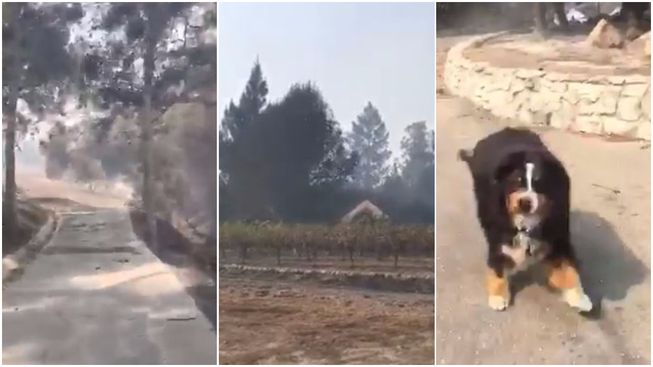
A day and a half later, while the area was still smoldering and roads were still closed, Jack Weaver and Patrick Widen made the nearly-three-mile trek back to the house.
“It was incredibly important,” Weaver, who grew up in that house, tells MNN. “My mother was a wreck for having gone through that. Nobody wanted us to go back because they were worried we would get injured.”
‘I can see …’
In a video of their return, posted on Facebook and shared below, you can hear the men laboring to catch their breath amid blackened trees and still-crackling ruins.
“Izzy!” Weaver is heard calling into the smoky veil. Over and over again.
They push farther and farther ahead. “Izzy!”
“Almost to the house,” Weaver says in the video. “I can see … the gate. The gate’s still standing.”
The Weaver family home was gone. (Photo: Jack Weaver)
A moment later, he adds, “I don’t see the house at all. F$#k.”
It had burned to the ground.
But someone was still standing.
“Izzy’s here!” Weaver calls, his voice choked with emotion. “Izzy!”
“Oh my God! Come here, baby!”
The giant dog bounces into view, her tail whirring like a helicopter.
Izzy had stood faithfully by the burnt-down family home. (Photo: Jack Weaver)
“When she same running around — you can probably hear it in my voice — we were shocked and ecstatic,” Weaver says later. “I wish I could have filmed longer, the happy reunion, but I was so happy I dropped my phone.”
Since the family posted the video, it’s been shared more than 4,000 times. Maybe it’s a testament to the need for all of us to find a happy ending amid heartache.
In any case, Izzy is where she belongs now — in the arms of her family — a testament to faith under fire.
“She didn’t have a burn on her,” Weaver says. “It definitely lifted my family’s spirits.”
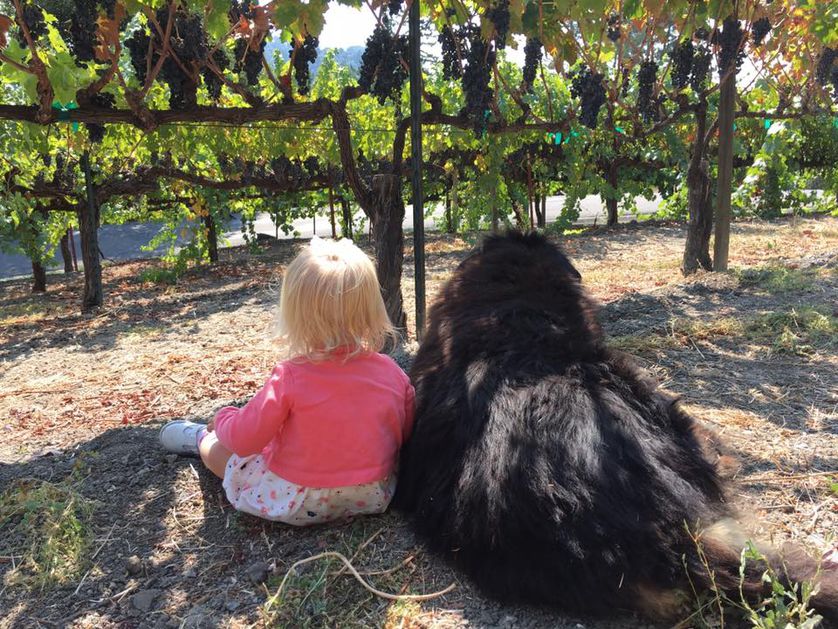
Izzy is back where she belongs. (Photo: Beckyjean Widen)
ooOOoo
YouTube also carried a video:
Well done, Izzy, and Jean and I send you fondest hugs!











 Learning from Dogs