It just seemed too soon to continue another Picture Parade!
So I chose this video. It is short but conveys the essence of the late Queen Elizabeth II.
Dogs are animals of integrity. We have much to learn from them.
Category: Culture
It just seemed too soon to continue another Picture Parade!
So I chose this video. It is short but conveys the essence of the late Queen Elizabeth II.
Queen Elizabeth’s death was announced early this evening, UK time.

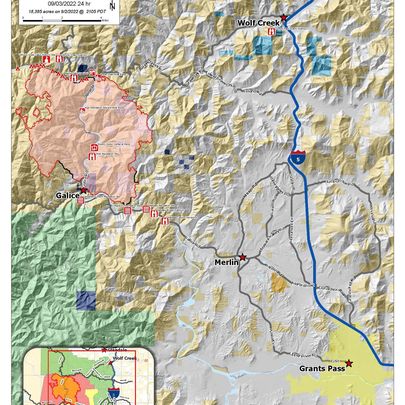
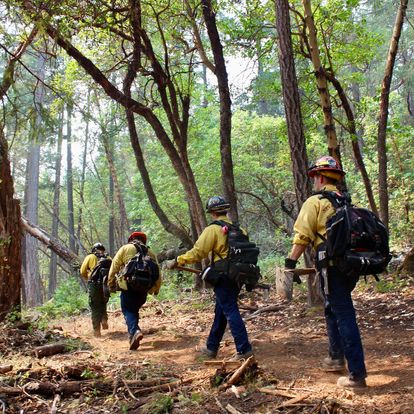
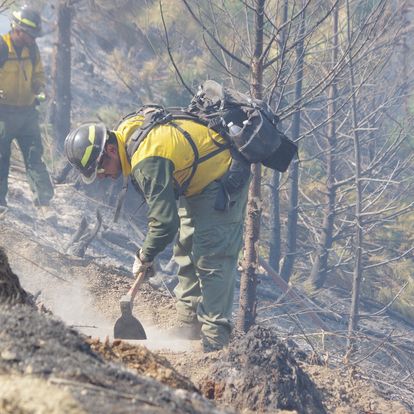
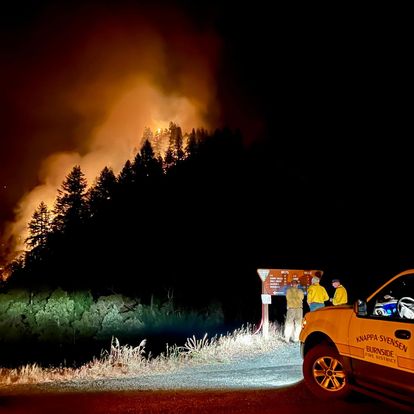
Photos of Rum Creek Fire!
Not all that are available by any means! These were copied from the Facebook page.
oooo
oooo

oooo

oooo

oooo
oooo
oooo

oooo
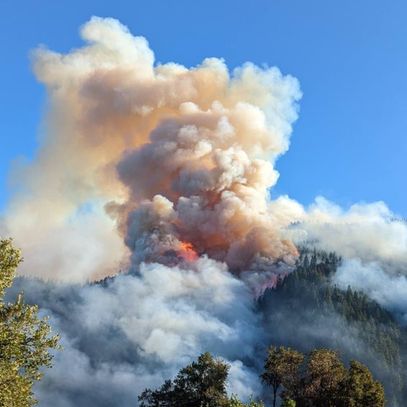
Well done all those actively involved. We will see what the next week brings.
This is so very cute!
Jess, a longtime follower of this blog sent me recently the following email: Paul, I thought you’d really enjoy this one. I hope you are having a great day. JESS
It is called Military Dog and is offered for your pleasure.
(We watched it yesterday evening and it is incredible!)
Aren’t our dogs more than wonderful! They are better than precious!
Thank you, Jess, from the bottom of our hearts!
Yes, you heard that correctly!
I was just idly browsing dog websites a couple of days ago and came across the Dog Aging Project. As their About page reports:
The goal of the Dog Aging Project is to understand how genes, lifestyle, and environment influence aging. We want to use that information to help pets and people increase healthspan, the period of life spent free from disease.
I have taken the liberty of sharing one of their blog posts with you (I can’t see that isn’t allowed!)
ooOOoo
Longer, healthier lives. Together.
Dog and Human Genetics: Similarity and Difference
July 26th, 2022
Your pup may be your “fur baby,” but how similar are you genetically? You may be surprised!
Did you know that dogs and people share over 17,000 special genes called orthologs? Each pair of orthologs is derived from the same common ancestor via vertical descent (speciation) and they tend to have similar functions. They are one of the main reasons why your pup is such an invaluable comparative animal model for studying human health. In fact, humans and dogs have numerous similarities even in those parts of the genome that aren’t genes (the noncoding part of the genome). When it comes to better understanding human health, your pup is our best friend!
Sometimes, the effects of a gene are identical between dogs and people. For example, the same version of EPAS1, a gene triggered by low-oxygen conditions, is shared by people living in the Tibetan Plateau and the dog lineages that developed there. Genetic changes in this gene have taken place to help kickstart the body’s responses to hypoxia, or low oxygen levels, at high altitudes.
In other cases, the effects of a gene may be similar but not identical. For instance, the gene SCN3A is important to brain function and affects the development of speech. In children, mutations in SCN3A have been reported to cause disorders like epilepsy. But in dogs, genetic changes near the canine ortholog of SCN3A are associated with the frequency of howling in dogs.[1] The functions of this gene seem distinct (speech versus howling) but related!
For other health conditions shared by dogs and people, the same genes may not be responsible, but that doesn’t mean that research on those conditions in dogs isn’t helpful for humans! By learning more about how a dog’s genes are connected with a shared health condition, we can investigate the biological mechanisms involved and potentially make links to human health.
For example, people long suggested that narcolepsy might be a disease of the immune system: an autoimmune attack that causes daytime drowsiness and sudden sleep. In human studies, it was difficult to confirm the immune system link. It wasn’t until 1999[2] that this connection was discovered in a lineage of Doberman pinscher dogs. The researchers discovered a gene that is involved in the interface between the nervous system and immune system.
Finally, you and your pup share more than just genetics. Your environments are also very similar! You sleep in the same house—maybe even the same bed!—go on walks together, and breathe the same air. Interactions between these environmental variables and your genetics (called gene by environment interactions) can have an important impact on health. For example, smoking is well known to increase risk of bladder cancer in humans[3], but it is still unknown how secondhand smoke affects risk of bladder cancer in dogs.[4]
Data from the Dog Aging Project should help us answer important questions like these!

1. Kathleen Morrill et al. 2022. Ancestry-inclusive dog genomics challenges popular breed stereotypes. Science 376: https://www.science.org/doi/10.1126/science.abk0639
2. Ling Lin et al. 1999. The Sleep Disorder Canine Narcolepsy Is Caused by a Mutation in the Hypocretin (Orexin) Receptor 2 Gene. Cell 98 (3): 365-376. https://doi.org/10.1016/S0092-8674(00)81965-0
3. JD Figueroa et al. 2014. Genome-wide interaction study of smoking and bladder cancer risk. Carcinogenesis 35 (8):1737-44. https://pubmed.ncbi.nlm.nih.gov/24662972/
4. Deborah Knapp. Canine Bladder Cancer. https://www.vet.purdue.edu/pcop/files/docs/CanineUrinaryBladderCancer.pdf (PDF)
ooOOoo
This is, in my opinion, an important project.
Many may want to nominate their own dog and there is a page where a number of FAQ’s are addressed. If you wish to proceed then go to this page.
It all makes sense now.

“Do what you can, with what you have, where you are.” “Believe you can and you’re halfway there.” “It is hard to fail, but it is worse never to have tried to succeed.”
“It is not the critic who counts; not the man who points out how the strong man stumbles, or where the doer of deeds could have done them better.”
This famous quotation by Teddy Roosevelt (1858-1919), the 26th President of the USA, seems apt for today’s post.
Exactly one week ago I published a post called Musings from a 77 year old! I wrote that the future was uncertain. Summed up at one point by me writing: “I have no idea of the global changes that are afoot and how they will affect us in Merlin. Indeed, I have no idea how long I have to live.“
Margaret (from Tasmania) was one of the many people who responded. She included a video interview of Meg Wheatley by Michael Shaw. It is an hour long. Last Friday afternoon Jean and I watched it in full and it was incredibly interesting. Thank you very much, dear Margaret.
But before I present Meg’s video again I want to show you another video. It is a talk by Richard Grannon about the collapse of our civilisation. Now Richard Grannon is an author, YouTuber and life coach so one needs to remain impartial to his views, certainly before one does further research. But in the 46-minute talk I think there is much sense in what he says. See for yourself:
Moving on! The interview of Meg Wheatley is very good indeed. It’s a broad look at the issues and problems governing society but done in such a way that the people who watch her will also take away a number of tools for avoiding depression and anxiety. Meg places great store on the Hopi Native American Indians: “The Hopi maintain a complex religious and mythological tradition stretching back over centuries.“
Meg quotes one of the more famous Hopi prophecies, that is reproduced below:
This could be a good time! There is a river flowing now very fast. It is so great and swift that there are those who will be afraid. They will try to hold on to the shore. They will feel they are being torn apart and will suffer greatly. Know the river has its destination. The elders say we must let go of the shore, push off into the middle of the river, keep our eyes open, and our heads above the water.
And I say, see who is in there with you and celebrate. At this time in history, we are to take nothing personally, least of all ourselves. For the moment that we do, our spiritual growth and journey come to a halt.
The time of the lone wolf is over. Gather yourselves! Banish the word ’struggle’ from your attitude and your vocabulary. All that we do now must be done in a sacred manner and in celebration.
We are the ones we’ve been waiting for.

Here is that Meg Wheatley interview. (It is an hour long but very interesting; please watch it!)
I want to pick up the topic that was at the end of her interview; that of societal collapse. How would one define it? I chose Wikipedia for a reference.
Societal collapse (also known as civilizational collapse) is the fall of a complex human society characterized by the loss of cultural identity and of socioeconomic complexity, the downfall of government, and the rise of violence.[1]Possible causes of a societal collapse include natural catastrophe, war, pestilence, famine, economic collapse, population decline, and mass migration. A collapsed society may revert to a more primitive state, be absorbed into a stronger society, or completely disappear.
Virtually all civilizations have suffered such a fate, regardless of their size or complexity, but some of them later revived and transformed, such as China, India, and Egypt. However, others never recovered, such as the Western and Eastern Roman Empires, the Maya civilization, and the Easter Island civilization.[1] Societal collapse is generally quick[1] but rarely abrupt.[2] However, some cases involve not a collapse but only a gradual fading away, such as the British Empire since 1918.[3]
Anthropologists, (quantitative) historians, and sociologists have proposed a variety of explanations for the collapse of civilizations involving causative factors such as environmental change, depletion of resources, unsustainable complexity, invasion, disease, decay of social cohesion, rising inequality, secular decline of cognitive abilities, loss of creativity, and misfortune.[1][4] However, complete extinction of a culture is not inevitable, and in some cases, the new societies that arise from the ashes of the old one are evidently its offspring, despite a dramatic reduction in sophistication.[4] Moreover, the influence of a collapsed society, such as the Western Roman Empire, may linger on long after its death.[5]
The study of societal collapse, collapsology, is a topic for specialists of history, anthropology, sociology, and political science. More recently, they are joined by experts in cliodynamics and study of complex systems.[6][4]
The article is much more extensive than I have quoted above and for anyone deeply interested then I do recommend you going to the article and reading it extensively.
Now Meg is of the opinion that it is too late to turn back but next Tuesday I want to talk to you about Sir David Attenborough’s film A Life on our Planet. That he believes there is a chance to undo the harm we are causing to the planet; through rewilding.
Until then!
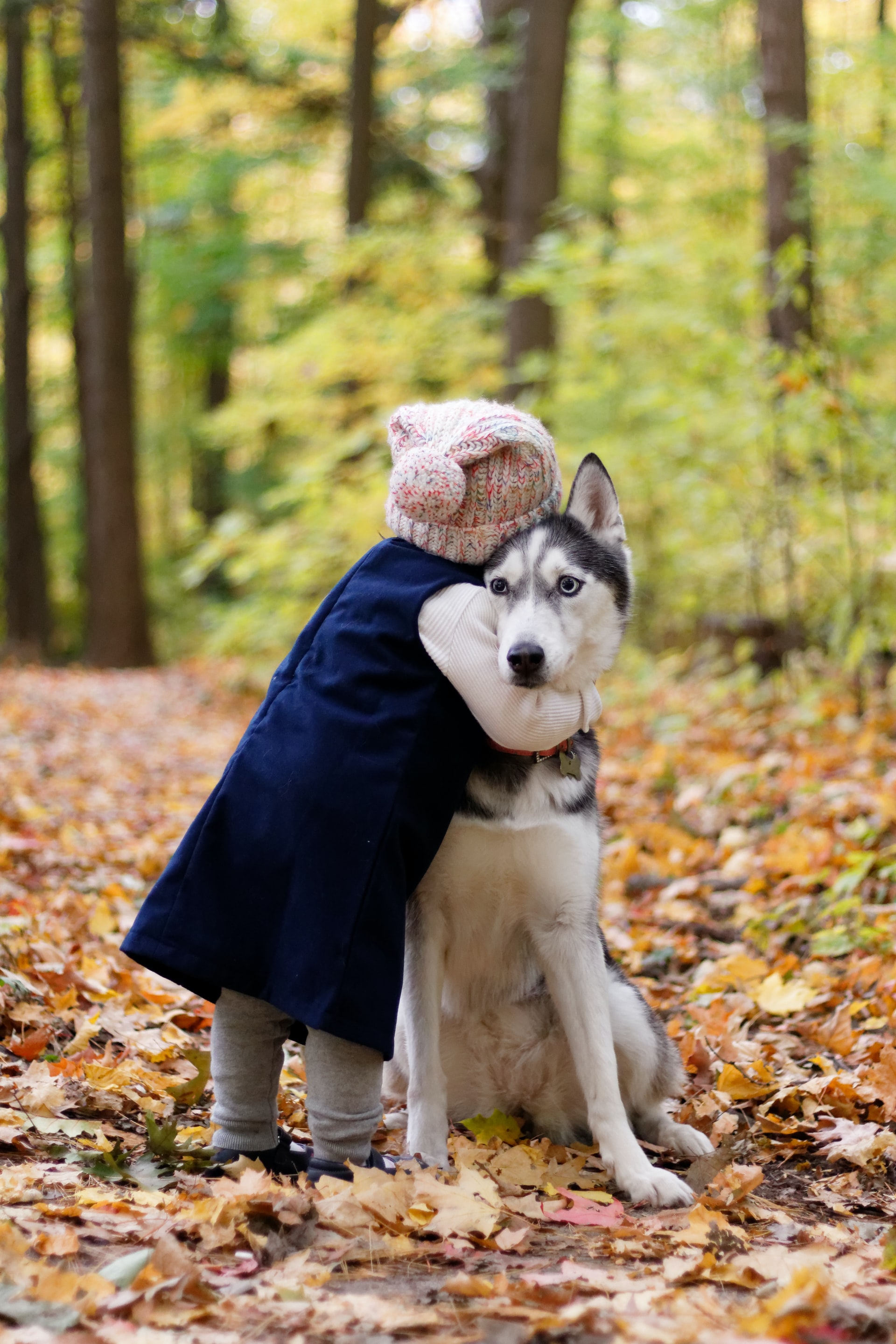
Plenty more dog photographs courtesy of Unsplash.
oooo

oooo

oooo

oooo

oooo

oooo

My, this last photo does look like Pharaoh.
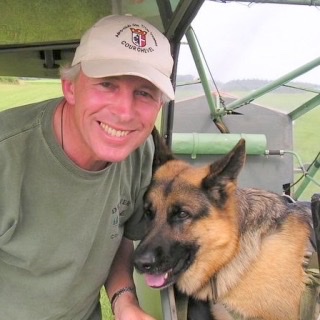
See what I mean!
Where did it all go? That is: Life! Or more accurately my life.
I was born in Acton, London before the end of WWII. I am in my 77th year. Life these days seems to be more or less a paradox.
There are so many challenges at the moment. Not just in the USA nor in the UK but globally. We love where we live here in rural Merlin but we are already in the third year of below normal rainfall.
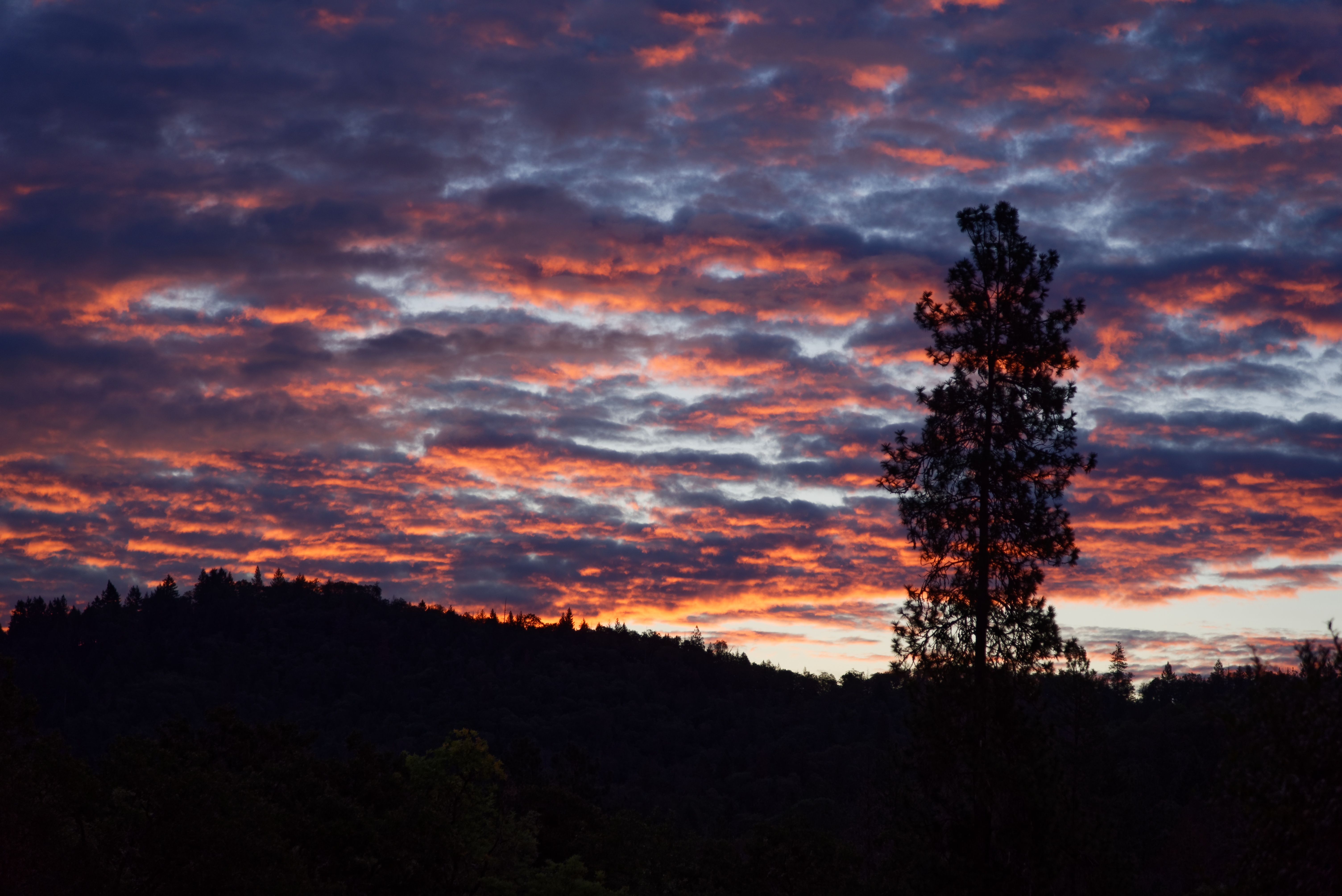
The contradictions in terms of our life locally and the global scene are huge. This is all leading to me quoting extracts from a recent George Monbiot article. The article starts by saying: “On both sides of the Atlantic, powerful interests seem determined to trigger the collapse of life on Earth. Why?“

A little later on in Geo. Monbiot’s article, he writes: “When I began work as an environmental journalist in 1985, I knew I would struggle against people with a financial interest in destructive practices. But I never imagined that we would one day confront what appears to be an ideological commitment to destroying life on Earth. The UK government and the US supreme court look as if they are willing the destruction of our life support systems.“
Because it does seem as though the political leaders are not taking the future of the planet seriously. As Patrice Ayme concluded recently in a remark to that post: “Biden ought to declare a climate emergency.” But it won’t happen!
(Well I may stand corrected. Yesterday it was widely reported, and I chose Renewable Energy: “The clean energy industry celebrated a moment on August 7 that would have seemed impossible just a few weeks earlier: The Senate passed a budget measure that includes the largest investments in clean energy and climate change in U.S. history.“)
Every morning when I go down to feed our two ex-rescue horses I also feed the wild deer. I have been doing it for many years. Long enough that a young buck has turned into an adult and comes within a few feet of me.
It never ceases to delight.
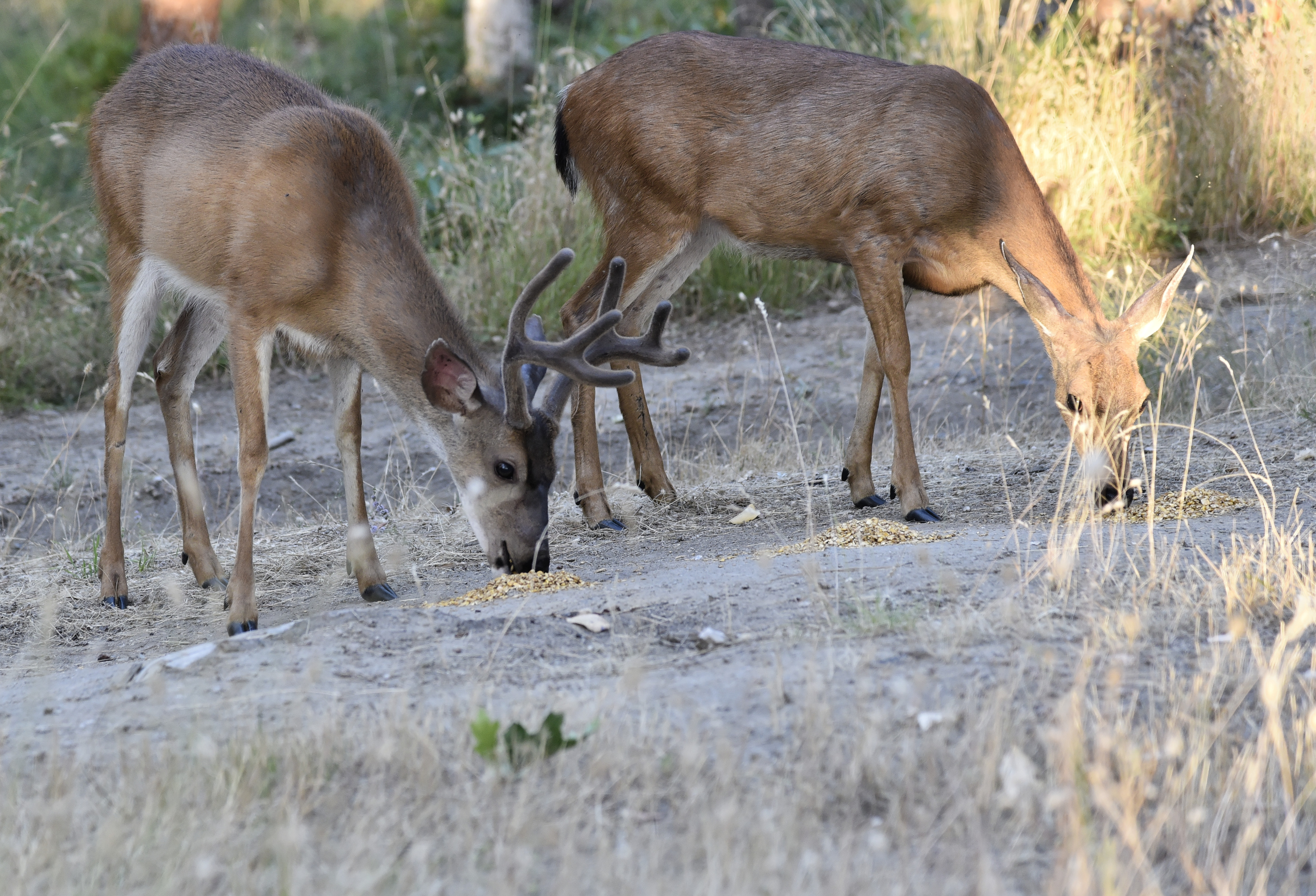
The contradiction between me going every morning down to the stable area and feeding the horses and the wild deer, and the outcome for the planet is beyond words. In a very real way it is incomprehensible.
Again, Geo. Monbiot writes: “All this might seem incomprehensible. Why would anyone want to trash the living world? Surely even billionaires want a habitable and beautiful planet? Don’t they like snorkelling on coral reefs, salmon fishing in pristine rivers, skiing on snowy mountains? We suffer from a deep incomprehension of why such people act as they do. We fail to distinguish preferences from interests, and interests from power. It is hard for those of us who have no desire for power over others to understand people who do. So we are baffled by the decisions they make, and attribute them to other, improbable causes. Because we do not understand them, we are the more easily manipulated.”
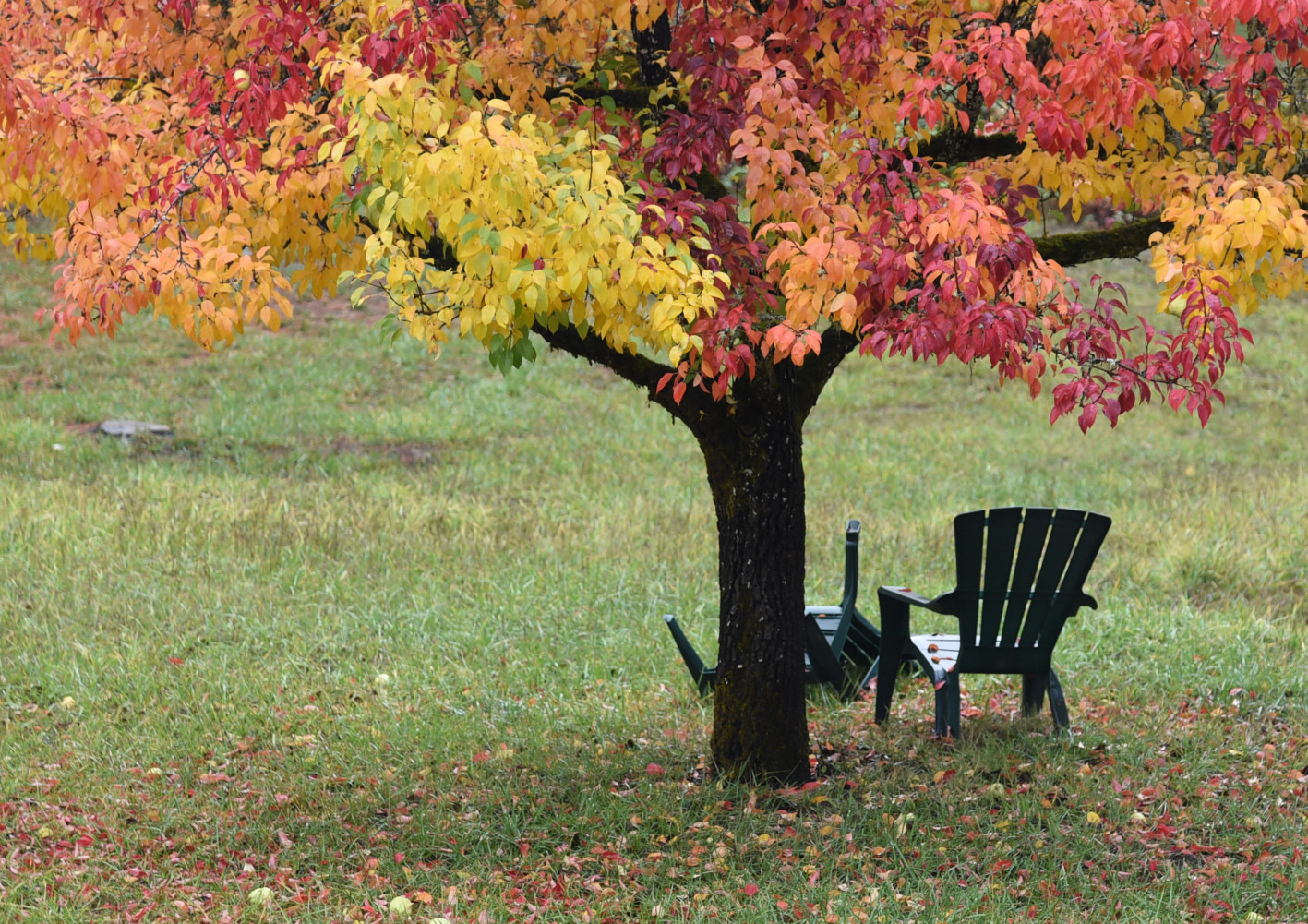
It really is a paradox! And who knows the outcome. All I can say is that, despite me being the age I am, I would not want to be any younger and aware that soon one would be facing the global changes full on.
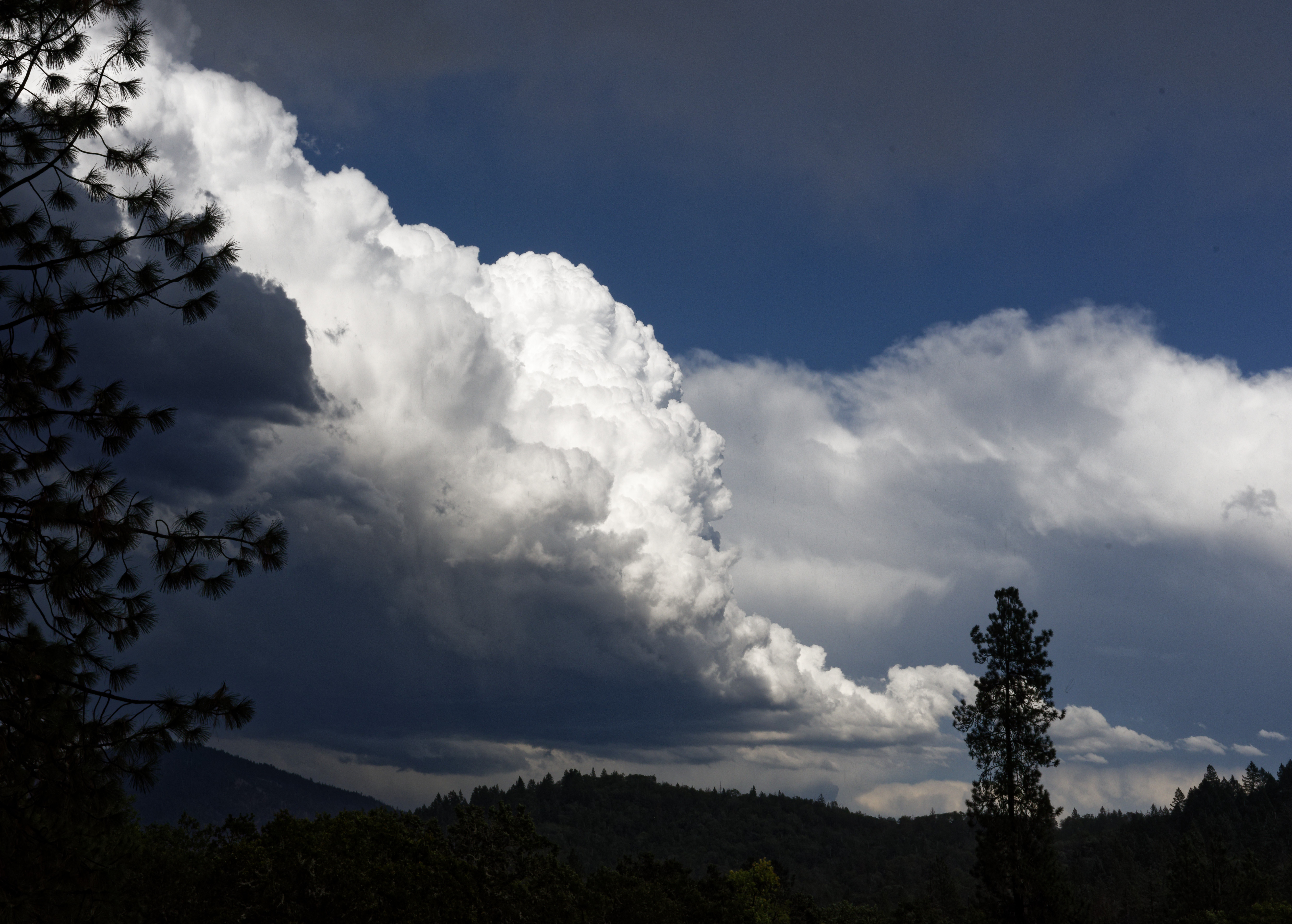
More words from Geo. Monbiot: “Since 1985, I’ve been told we don’t have time to change the system: we should concentrate only on single issues. But we’ve never had time not to change the system. In fact, because of the way in which social attitudes can suddenly tip, system change can happen much faster than incrementalism. Until we change our political systems, making it impossible for the rich to buy the decisions they want, we will lose not only individual cases. We will lose everything.”
I have no idea of the global changes that are afoot and how they will affect us in Merlin. Indeed, I have no idea how long I have to live.
Jean and I met in December, 2007. We met in Mexico but Jean was also born in London, just a few years after me. How’s that for chance!
Jean’s American husband had died in 2005. She was rescuing dogs off the streets, sorting them out, and finding homes for them, mainly in Arizona.

I went out to Mexico with Pharaoh in 2008. With a one-way ticket!
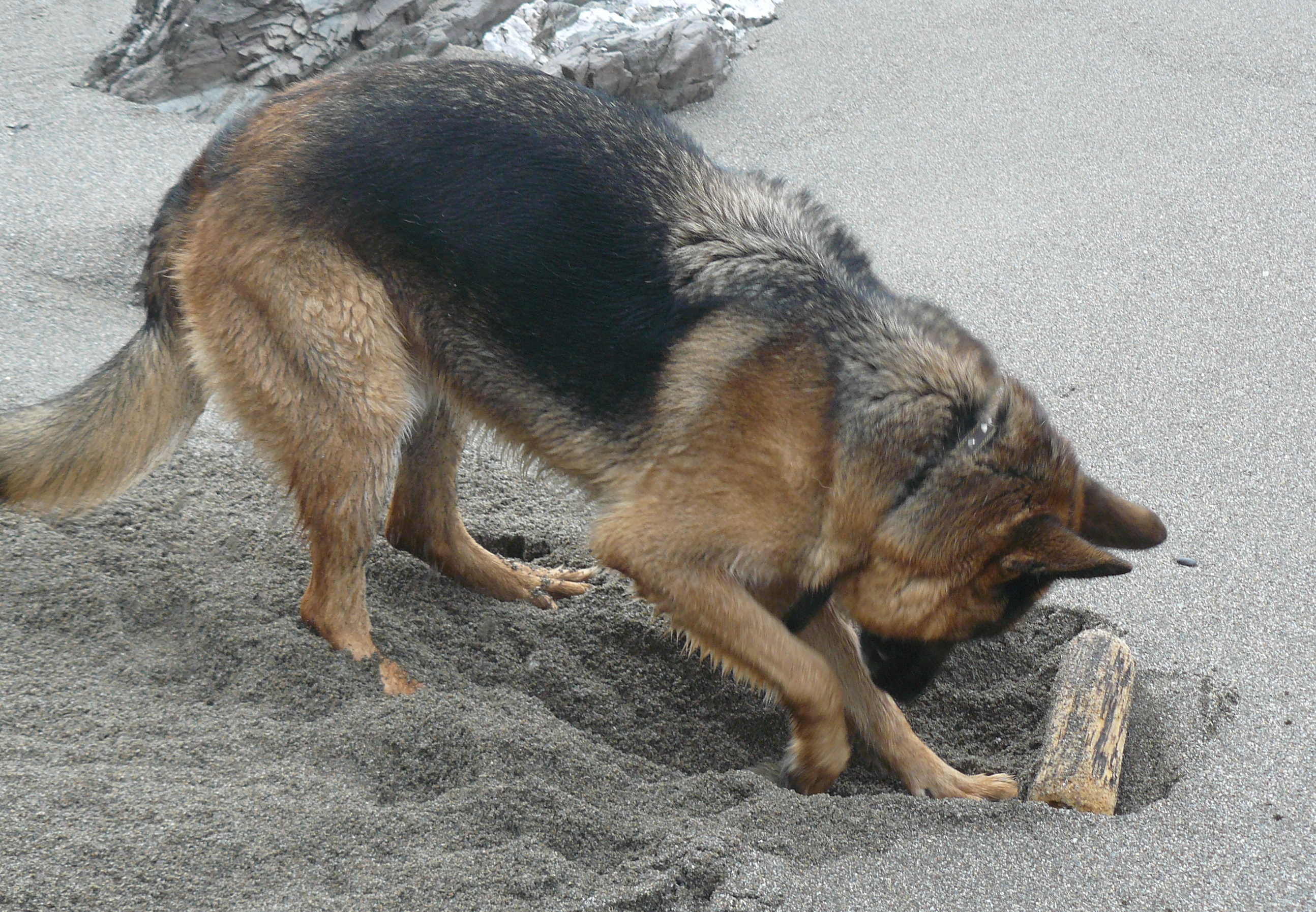
However of one thing I am sure. Since that meeting in December, 2007 life has been as good as it comes. I have never been happier.
What a contradiction!
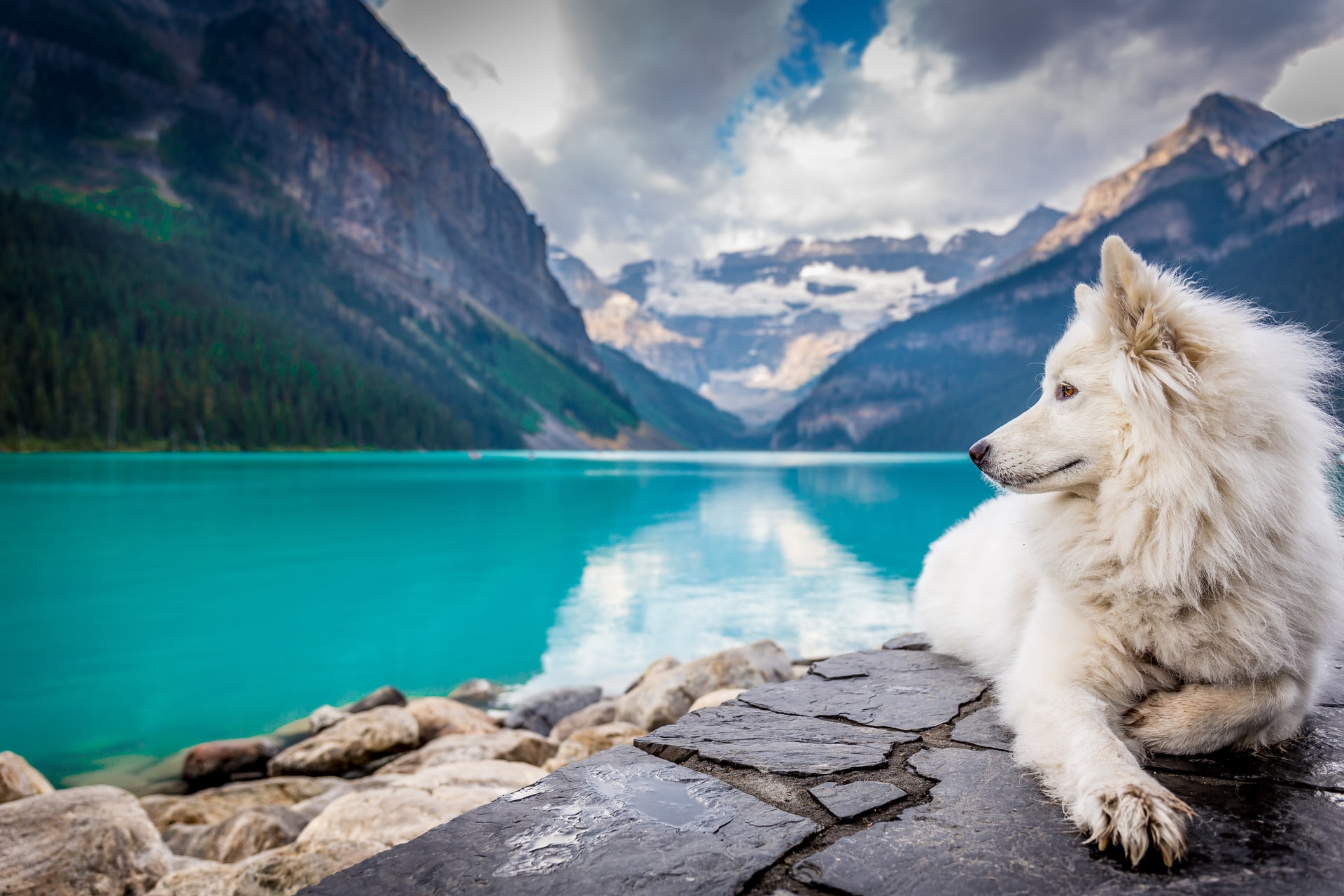
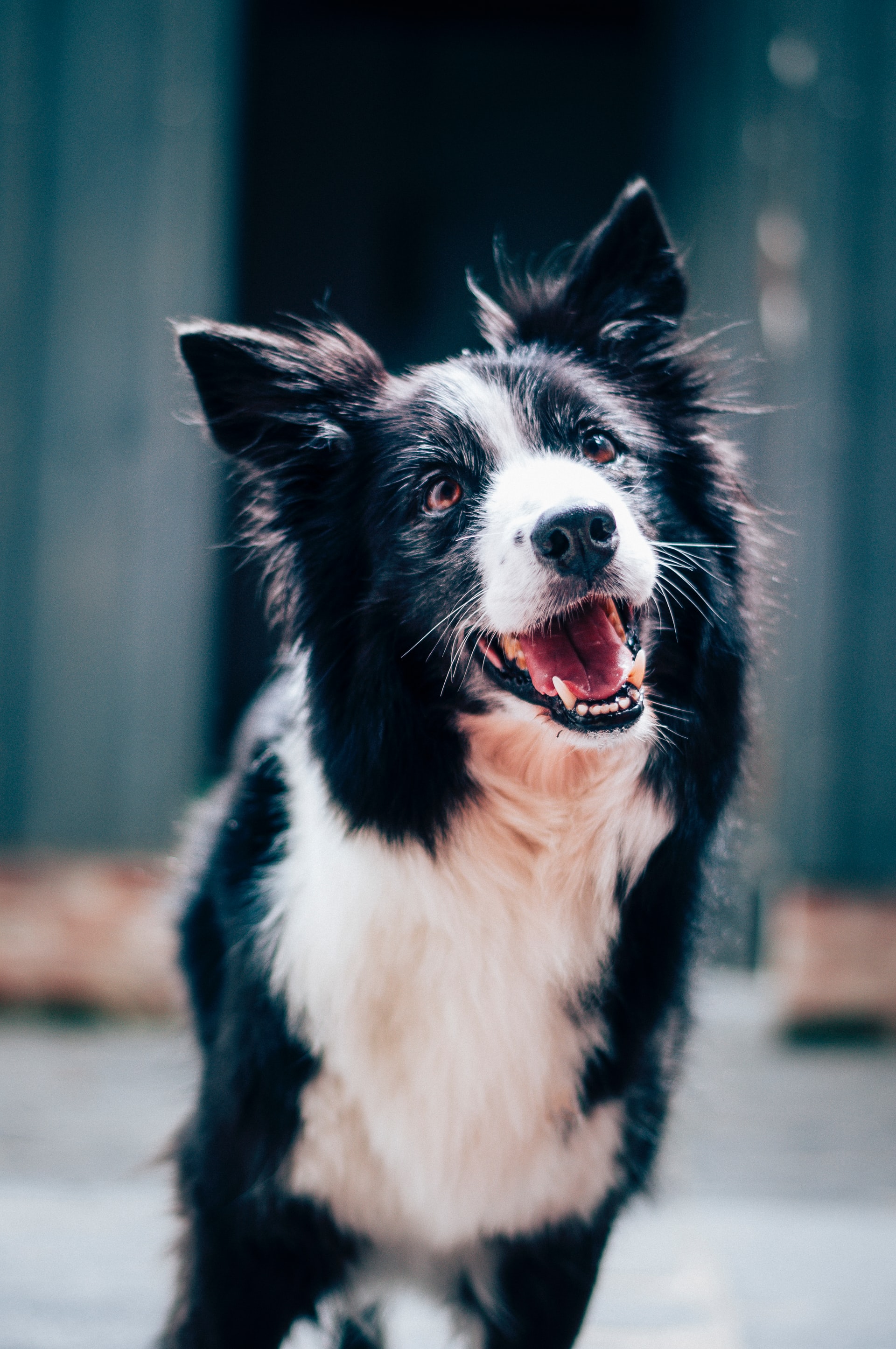
More dog photos from Unsplash!
oooo

oooo

oooo

oooo

oooo
oooo

oooo
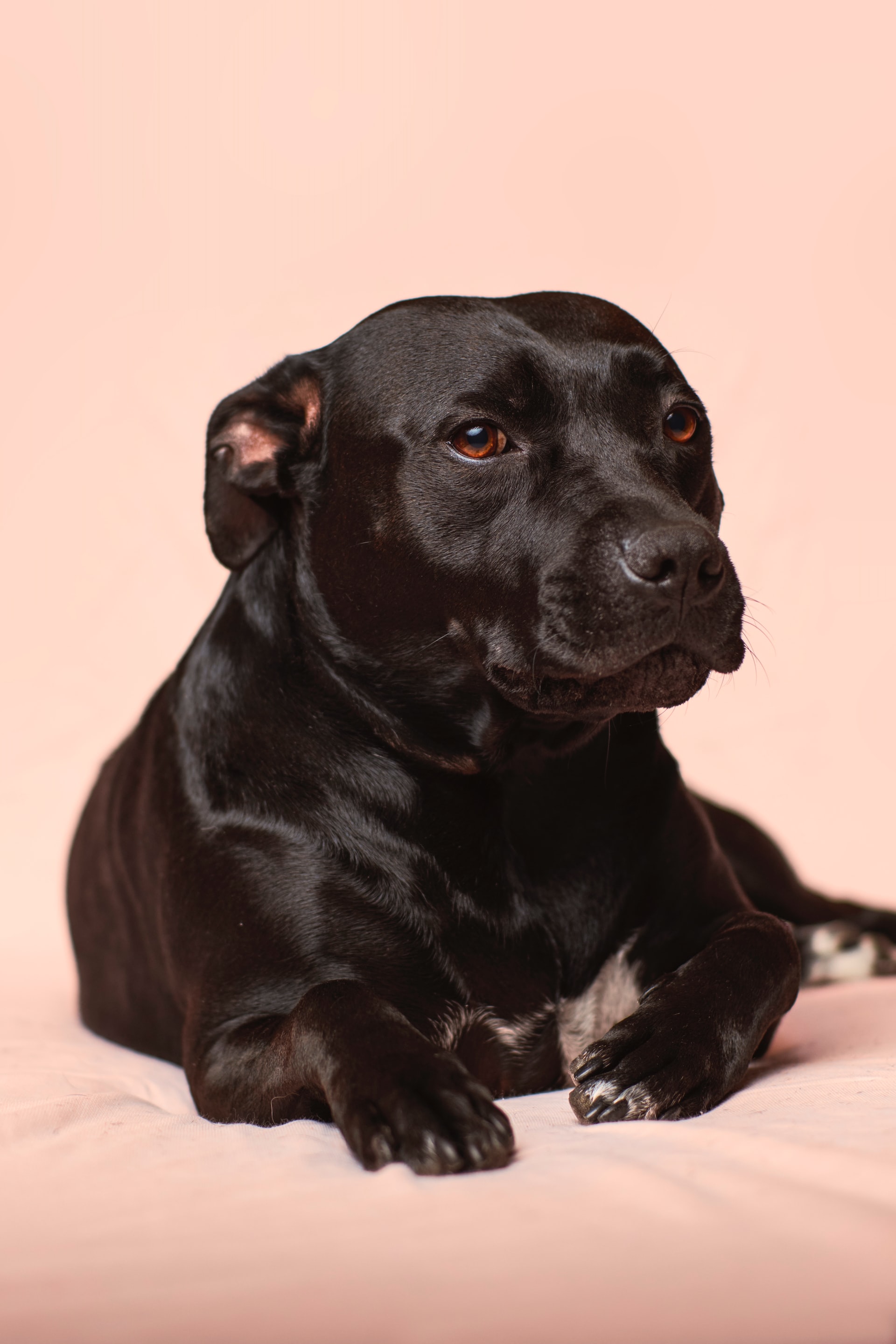
I sincerely hope I am not duplicating any of these fabulous photographs. Apologies if you notice one!
Donald gave me permission to share his photo with you all!
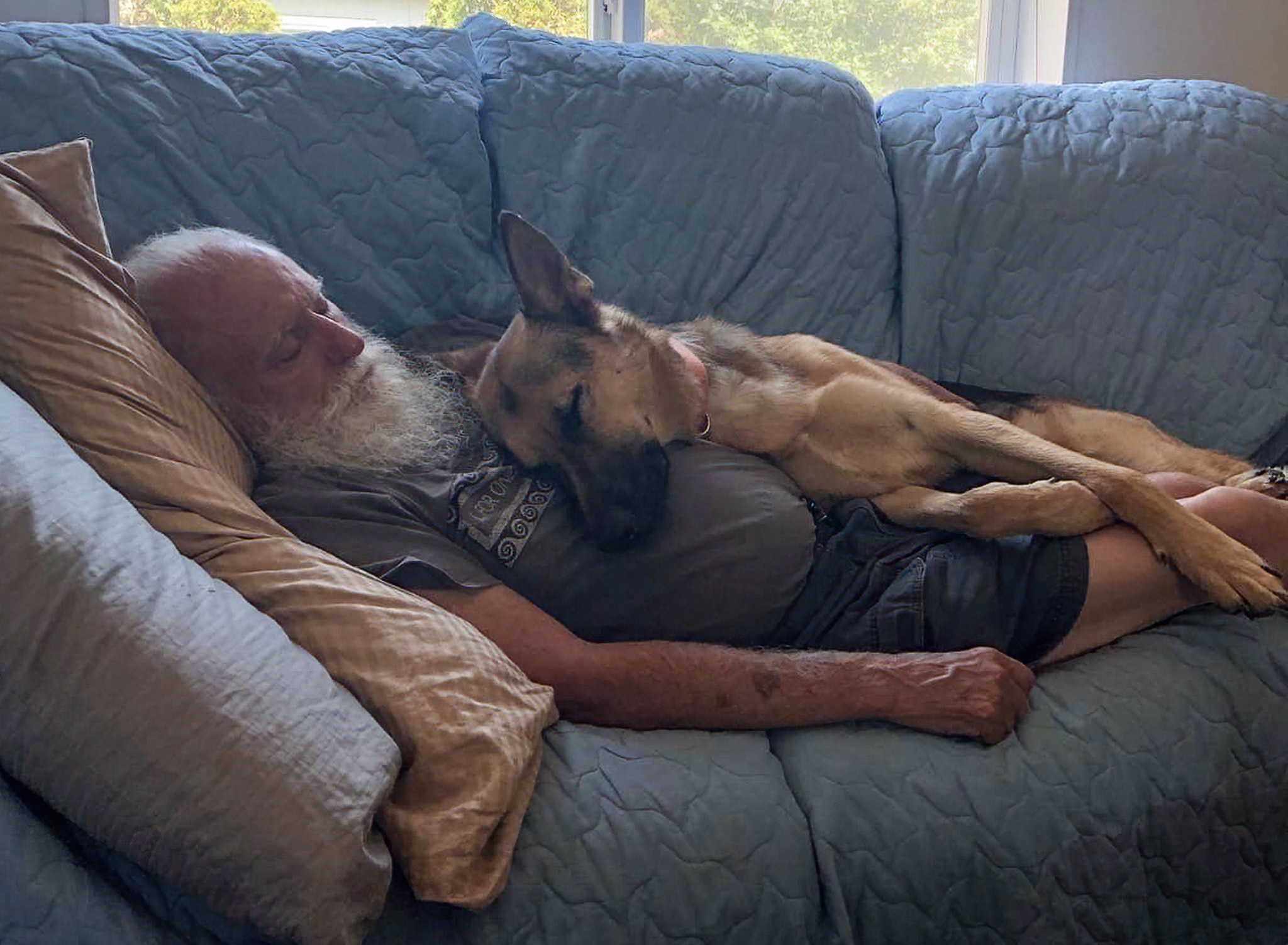
Perfect!

