Category: Core thought

Dogs and allergies

Again and again I feel so privileged to be writing this blog!

For so many reasons! But the top reasons are that I feel part of an enormous family of dog lovers and that so frequently I am approached by a person who has valuable information to share with me and you.

Such as it was when back last September in came an email from Zara Lewis.

Hi Paul,
As you probably already know, all the pet stories you are sharing are super interesting and, most importantly, super useful to the entire community of us, pet parents.
Professionally, I am a regular contributor at highstylife.com magazine, while personally I am very interested in pet topics, as I am a proud mom of two + one. I say “+one” because I can hardly separate my foster dog from my children 😀

I have no book to publish, but I was wondering if you are willing to add guest content to your blog. Here you can check my style and previous posts:

https://caninecupcakes.com/the-essential-guide-to-going-green-with-your-dogs-diet-this-spring/
http://tinpaw.com/everything-need-know-preventing-heartworm-cat/

Here are some topic suggestions that I believe can be useful for your community:

-Teaching your child responsibility with animals
-The Latest Trends in Pet Care
Looking forward to your response.
Regards from me & furry Joey,

Zara

You will not be surprised to hear me say that I replied to Zara saying that I would be delighted to receive an essay from her.

The weeks slipped by, as they do, but on the 6th March Zara sent the following.

It’s a wonderful essay!

ooOOoo

Dog Allergies 101: What Are the Most Common Ones & What to Do About Them

by Zara Lewis, March 6th, 2018.

Allergies are a very common ailment, so it’s not unusual for your dog to have one. Even though people have the ability to describe the symptoms to the last detail, dogs tend to show different ones, so it’s very important for us to know and recognize them. Unless you have some kind of a super dog breed, your four-legged friend might start developing certain allergies. This mostly happens because their bodies mistakenly believe a certain type of food is bad for them, or they use it too much or too often, so their immune system responds by releasing antibodies that can cause serious problems. Take a look at the most common symptoms and allergens:

What could the symptoms be?

So before starting with the most common allergens, it’s very important to know what the most common symptoms of food allergies in dogs are. So, if you happen to notice that your dog is experiencing one of the following, make sure to get them checked by a vet as it’s very probable they have a certain food allergy:

  • Itching
  • Poor fur quality
  • Nausea
  • Obsessive Licking
  • Vomiting
  • Chronic diarrhoea
  • Chronic gas
  • Chronic ear inflammation

What are the most common allergens?

Eggs
It’s a well-known fact that eggs (more specifically egg yolks) are very rich in protein, so your dog can easily become allergic to them. On the positive side, avoiding eggs is not difficult; just make sure to check dog food labels to see if there’s any danger for your four-legged friend. Even though one of the most common symptoms of this type of allergy in your dog is the appearance of bald spots, egg allergy can manifest in other ways as well.

Beef, chicken and lamb
Beef is also known to have high amounts of protein, which means that your dog can become intolerant to this kind of meat as well. This usually happens if you’ve been feeding your dog a certain type of food for a very long time, so your dog becomes intolerant or allergic to that specific food. Due to this reason, beef allergies are very common, as most dog foods contain this type of meat. The same rule applies to chicken as well. Dog foods are most commonly made of beef and chicken, so it would be best to feed your dog with all possible meats – beef, pork, chicken and lamb, and rotate them as much as you can. On the other hand, lamb is very often regarded as a ‘safe haven’ for dogs with meat allergies. However, if you don’t pay attention to rotating your dog’s diet, your dog can also become allergic to lamb.

Grain
Another thing that most types of dog food contain is grains, which means that this is also one of the most common allergens. If you happen to notice itchy and dry skin or hair loss, make sure to check if your dog is allergic to grain. Mind that finding completely grain-free food can be quite tricky, so there might be a chance you have to cook everything by yourself. Luckily, for all those who don’t have the time to do this daily, there are certain products that can help with that, such as the grain-free line of Ivory Coat dog food. Always check your dog – if they’re allergic to grain, the sooner you discover it, the better.

Dairy products

It’s not only people who can be lactose intolerant – dogs can be as well. This means they are not allowed to eat or drink any dairy products, such as cheese or milk. Otherwise, they’ll end up with gas problems, diarrhoea and vomiting. As far as dairy products are concerned, there is one tricky thing you need to pay attention to – a dog can actually develop an allergy towards them, so it’s crucial for you to be able to tell the allergy apart from the intolerance. If you notice itchiness or redness on your dog, make sure to have it checked by the vet as soon as possible. If it’s only diarrhoea or vomiting, it’s probably only intolerance, but a check-up won’t hurt.
Soy
There’s an ongoing debate whether soy is good for your dog or not, but it’s definitely true that soy food is very common. Soy can cause many health problems that can be more serious than simple allergies, including reproductive and growth problems, and diseases of the liver. Furthermore, soy is the second most genetically modified crop that is grown, so it would be the most advisable to avoid this product.

It’s not for nothing that they say dogs are people’s best friends. And we treat our best friends nicely, don’t we? This is why we should all (especially if we’re the owners) make sure to treat them the best we can. The first step is making sure our little furry friends are not allergic to anything, and discovering this quickly won’t make only our lives easier, but those of our dogs as well.

ooOOoo

Great email from Zara! Great guest essay with great pictures and loads and loads of valuable advice, and great links to other websites.

You see why I like running this blog!!

Travelling with your dog!

So welcome to the first day of March!! Holidays in the offing? Here is some useful advice!

Inevitably, with so many followers (big hugs to you all) I receive emails from people who have a commercial interest in the readership of this blog.

As I did earlier in January.

Hi,

Hope you had a great weekend!

My name is Emma from BestCarSeatHub.com. I’m wondering if we can contribute a fresh and original post about pets (traveling with pets or safety of dogs) to your site Learning from Dogs. It’ll be 100% neutral and written based on your site’s tone.

In return, we’ll be sharing that post to all our networks… helping you gain new and more readers.

Let me know if you’re interested. I’m also willing to discuss any other options you have. Thanks a lot.


Sincerely yours, Emma Lachey.

My reply was:

Emma,
Thanks for writing me.

In principle, I am happy to receive your guest post so long as you are happy for me to introduce your company as a firm of which I have no personal knowledge.

Does that work for you?

Paul H.

Emma then sent me the following guest post. It’s very useful advice in my opinion.

ooOOoo

Traveling With Your Dog – A How To Guide

Are you planning to travel with your dog in the future? While it is a great experience and you will certainly have many memories, it will also add a few new levels to your traveling experience. You will have to plan a lot more, make sure your dog is allowed everywhere you go, and make concessions on what you can do.

For most people, boarding their dogs turns out to be the better option – but it doesn’t have to be if you take these tips into consideration. For now, we will focus on traveling with your dog in the car.

Plan Ahead

The first thing you want to do is really plan ahead for your travels. Think about where you may need to take a break for your dog to go to the bathroom – and he will need to go much more frequently than he will just at home. Make sure to have some time set aside so that he can get out and walk around – a dog that wares off some energy will be much easier to deal with in the car.

Finally, make sure that you have places you can go so that your dog doesn’t have to be stuck inside the car when you go to eat. There are plenty of places that either offer outdoor seating or will be happy to pack your food up for you so that you can eat it somewhere where your dog can as well – of course, weather will dictate much of this.

Consider Medication

If your dog has severe anxiety when he or she is in the car, you might want to consider getting medication for your dog. This is something you should only use sparingly, but it is something you want to consider.

Bring Toys and Familiar Items

Does your dog have a favorite toy? How about a familiar bed or blanket? If he does, you want to bring some of those with you, just to make him more comfortable. With toys, you want to get something that he will sit and play with for a long time while you are travelling – this can take away much of the stress.

Use a Dog Car Seat

Dogs get pretty excited about going in the car, especially if they aren’t the type of dogs that get to go for a ride all that often. There are plenty of dog car seats on the market today, from simple tethers or harnesses to high-tech dog booster seats that have all you can ever imagine.

Some other items you want to have?

  1. Leash
  2. Water bowl and water
  3. Treats
  4. Busy Toys
  5. Doggie Bags
  6. Medication
  7. All your dog’s tags
  8. The name and number of a local vet

The car seat won’t only keep your dog safe, which of course is important, but it will keep you safe as well. Dogs running around the car can really distract you from your surroundings and can put everyone in danger.

Be Prepared for Emergencies

Emergencies will happen, and while you hope that you won’t encounter one, you do have to be prepared for anything. Planning in advance will ensure that you can tackle anything that might happen. Before you go on a trip, talk to your vet about anyone that he or she may know near where you are staying. It should be a priority to take your dog to the vet before you leave for your trip anyway. You also want to have the phone number of your vet so that you can call in a pinch. Always make sure that your phone has a full battery so you can look up vets in the car.

If your dog is acting quiet and a little “off,” it could be nothing – your dog could just be adjusting to life this way. However, you want to ensure that your dog has enough time out of the car and has enough water. Once your dog shows sudden signs of illness, then you want to get to work.

If you are driving, you want to map out any vets on the pathway, set an alarm for medications, bring only the highest quality dog food, give your dog adequate bathroom time, and bring all medical records with you.

Make Sure ID Is Always on Your Dog

Make sure that your dog always has a collar on when you are traveling. Make sure the collar has your phone number and your name on it as well. If your dog does get away when you are traveling, this is the best way to ensure that your dog will get back to you.

You might want to consider a microchip as well. You’ll want to have a recent photo of your dog on your phone so that, if the worst does happen, you will have a way to make flyers.

Traveling with your dog doesn’t have to be a terrible experience. Instead, you want to make the most of it by being prepared, taking many photos of your pup, and having the times of your lives.

ooOOoo

Now all that Jean and I need to work out is how to take our six dogs with us when next month we travel to Europe for a couple of weeks!!

Any ideas, Emma?

Beating depression without pills!

The value of a loving dog is not to be over estimated!

Returning to the theme of how dogs can help us humans fight off depression.

A delightful guest post from Taylor who recently asked if she could share a post from her own blog. I was delighted to have been asked.

oooooh

Dogs Can Help Decrease Symptoms of Anxiety and Depression.

by Taylor G. February 23rd. 2018.

I have always been a huge animal person. But mostly, a dog person/mom. I have two pups, and I am a dog walker in my neighboring towns. But I also suffer from depression and anxiety. Doctors always rush to prescribe medicine, but I have found that dogs can help as well. This post will be describing how dogs can help people suffering with depression and anxiety.

  1. Exercise- For all you dog owners out there, you know how much exercise your furry friends require. Since becoming a dog walker, I am forced to exercise and walk everyday. While it hasn’t cured my mental illnesses, it has decreased some of my symptoms. I am forced to get out of bed and do something. In recent studies, they have found that dog owners are a lot more likely to meet daily exercise requirements then none dog owners!
  2. Sense of Purpose- When you know that there is another living being that relies solely on you,
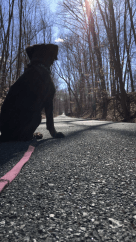
    Koda and I on a walk.

    you get a sense of worthiness. I know I struggle with feeling needed, but as soon as I schedule a dog walk, I know that that dog needs me. That the dog is waiting for me to walk it. It makes me feel needed in this world. It has increased my self worth and makes me feel like I have a purpose.

  3. Structure/Daily Routine- Many people who suffer with depression and anxiety know the struggle of having a routine. All we want is structure in our lives in a world where everything is hectic and last minute. Having a dog/being a dog walker, gives you a routine. Most dogs get up to do their business at the same time every morning and they know when its walk/feeding time. Trust me 🙂 It has given me a set schedule and has helped me feel more structured and less crazy!
  4. Forever Companion- Dogs will steal your heart, but you will also steal theirs. They are one of the most loving and caring animals out there. They sense your emotions and will be there for you through your good and bad days. I know that when I have a bad day, I always have my happy little furry babies to come home to. They are my friends when my depression tells me I have none.
  5. Petting Reduces Stress- It is proven, that the ‘motion’ and the ’emotion’ the goes into petting,
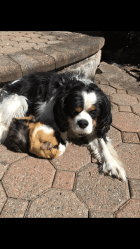
    Chloe with my Guinea Pig Daisy

    actually releases oxytocin (hormone related to anxiety relief), which can help reduce blood pressure!

  6. Mindfullness- For people who are trying to practice mindfulness (anxiety/depression technique that keeps you in the current moment), having a dog will help you do that! They keep you distracted from the bad things that are going on, and make you concentrate on their cute shenanigans.
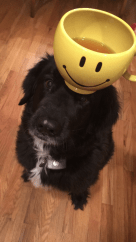
  7. Koda with a cup on his head.

    Help with Isolation- For those days when your depression gets the best of you, they help you feel less lonely and less isolated. They will be there for you when no one else is, and knowing that always makes me feel better.

  8. They allow me to smile- Last year, when my depression and anxiety were at its peak, I forgot how to smile. The only time I smiled was when I was in the presence of my dogs. They taught me how to smile again, and I am so grateful to them.

My dogs have helped give me my life back. While I am still fighting my

Koda smiling.

depression and anxiety, I am definitely proof that dogs can help in this fight against mental illness. While they also may be a huge responsibility, they are also a huge help in the war with mental illness.

ooOOoo

I will close by stating the obvious.

That is that everyone who has a dog or two in their life and has times of feeling depressed knows without question what it means to hug a dog.

Those who do not have a dog in their life and have experienced depression should find their own dog to hug – pronto!

Inward thoughts.

Reflections on being gentle to yourself.

There are three reasons why I wrote this post. A post that runs across today and tomorrow.

Firstly, this post is inspired by love! The supreme love that I receive from my darling Jeannie and the love that I sense practically twenty-four hours a day that flows from the beautiful dogs that we have here. But also from the wonders of the rural world in which I live. From sights like the one below to being visited by wild deer every single morning when I go out to feed the horses.

The view from our bedroom window any cloudless morning. (This photo taken October 18th, 2015.)

The second reason for writing this post is a direct result of the love that flows in from so, so many of you precious readers. You are like one big online family that I live in. And, as one hopes to do within a family, from time to time you want to open up your inner feelings.

The third and final reason for this post is wanting to explore how one might find some peace from the chaos that seems to be spread so far and wide across this planet that we all call home.

It’s a very personal journey and I suggest that if this is not your ‘cup of tea’ that you call back another day!

OK! Now that’s off my chest, here we go!

Life’s beauty is inseparable from it’s fragility.

Pause awhile and just let those words float around your mind.

It is a quotation taken from a TED Talk that Jean and I watched a few days ago.

The speaker is Susan David and is described on that TED Talk page as follows:

Psychologist Susan David shares how the way we deal with our emotions shapes everything that matters: our actions, careers, relationships, health and happiness. In this deeply moving, humorous and potentially life-changing talk, she challenges a culture that prizes positivity over emotional truth and discusses the powerful strategies of emotional agility. A talk to share.
This talk was presented at an official TED conference, and was featured by our editors on the home page.

If you want to watch the talk it is a little over 16 minutes long and may be viewed on the TED Talk site here.

Let me return to that quotation. For there is no question that life, at whatever scale, from the personal to the global, is fragile. Fragile with a capital “F“!

Whether it’s the madness of our politics and governments, or nature presenting us with extreme hurricanes, volcanoes, earthquakes and floods, or the frustrations of life itself, especially when one is the wrong side of 65, or numerous other aspects of being human it’s terribly easy to become frustrated, or worse, with oneself.  I speak from a very personal perspective as my short-term recall is now pathetic!

STOP! (You see, I wrote the word “pathetic” without thinking. Demonstrating how  quickly I come down on myself. Without automatically and unconsciously being gentle on myself and being very grateful that this old Brit, born in 1944, is still able to string a few words together!)

One of the great, possibly the greatest, things that we can learn from our dogs is to be gentle on ourselves. So very often our dogs take time out to relax, to be happy and to spread their joy around the home. Look at the following photograph!

Oliver demonstrating the art of being very gentle on himself and on Pedi. (Picture taken November, 2015.)

Being gentle on yourself!

But for us humans that seems a great deal more easier to say than to practice!

Yet the argument for being gentle to yourself is compelling. And the first step in that personal journey towards being kinder to yourself is to be better aware of oneself when it comes to our emotions.

I shall be continuing this inward journey tomorrow but today, holding on to that idea of how we manage our emotions, I want to close with another TED Talk. Just 18 minutes long but invaluable to watch.

The talk is given by Professor Lisa Feldman Barrett, PhD who is Distinguished Professor of Psychology at Northeastern University,and has positions in psychiatry and radiology at Massachusetts General Hospital and Harvard Medical School.

As I was reading the draft of this post it did cross my mind that you do know I write from a purely personal perspective. I hold no qualifications whatsoever in the fields of psychiatry, psychology or any related disciplines. If you have found yourself to be affected to the point where you think you need proper counselling then, please, do seek help.

Part Two coming along tomorrow!

The Great Backyard Bird Count

Wherever you are in the world, are you able to participate in this?

As first seen on the EarthSky site.

ooOOoo

Great Backyard Bird Count February 16–19

By Deanna Conners in EARTH | HUMAN WORLD February 9, 2018

Scientists need your help counting birds for the 21st annual Great Backyard Bird Count. It is free and easy to participate. Find out how here.

Bird watching in the Santa Monica Mountains National Recreation Area. Image via National Park Service.

The annual Great Backyard Bird Count, now in its 21st year, is set to take place February 16 to 19, 2018. During this popular citizen science event, people from all over the world head outdoors to count birds and the data are used by scientists to track the health of bird populations.

Gary Langham, Chief Scientist at the National Audubon Society, commented on the Great Backyard Bird Count on Audubon’s website. He said:

This count is so fun because anyone can take part—we all learn and watch birds together—whether you are an expert, novice, or feeder watcher. I like to invite new birders to join me and share the experience. Get involved, invite your friends, and see how your favorite spot stacks up.

The 2017 count was a huge success. Over 200,000 people participated from around the world, and they submitted a record number of checklists. A total of 6,259 bird species were spotted during the event, which was the highest number ever recorded over the 20-year history of the count. This number represents more than half of all known bird species on Earth!

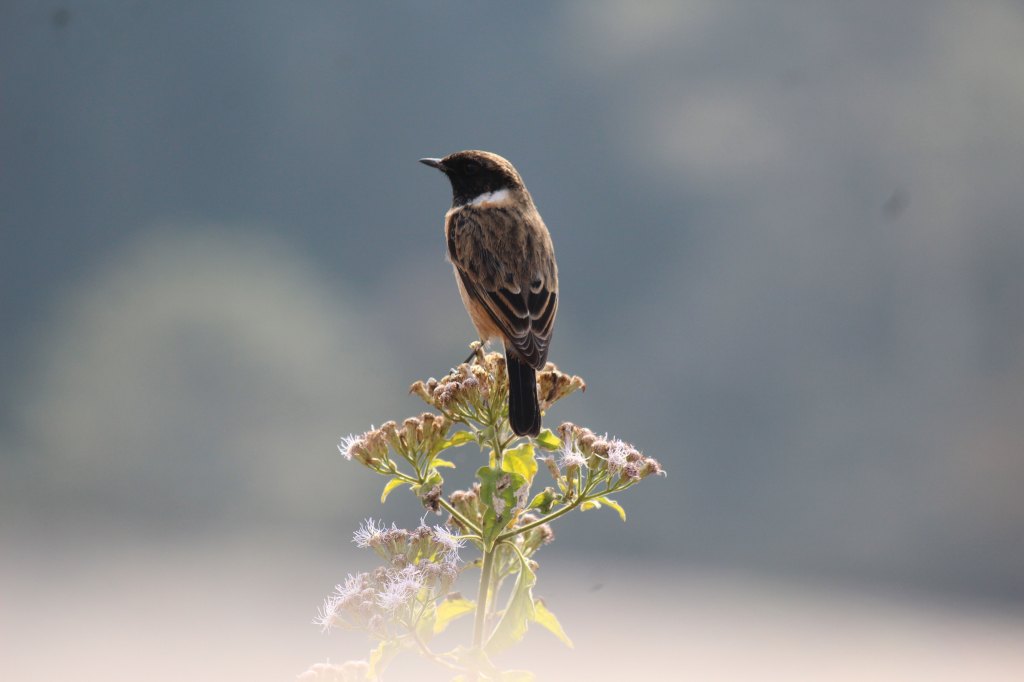
Siberian stonechat photographed in Zhemgang, Bhutan, during the 2017 Great Backyard Bird Count. Image via Sancha Rai.

Participating in the 2018 Great Backyard Bird Count involves three easy steps.

First, register with your name on the event’s website at the link here. Registration is free. This website has a ton of useful information about birds and the upcoming bird count.

Second, spend some time counting birds on the weekend of the event at the location of your choice, such as your backyard or a local park. The minimum amount of time required is 15 minutes, but you can count for longer if you wish. During your count, simply record the start and end time, location, and number and types of birds that you see. You can perform counts in multiple locations too. Just be sure to submit separate checklists for each location.

Not to worry if you can’t identify the birds you see at first. Just take good notes about their prominent features, for example, size, shape, color, and unusual markings, or you can try to snap a close-up picture. Then, you can use a bird guide to look them up later. All About Birds and What Bird are two good online bird identification guides that are free and easy to use. Additionally, the free Merlin Bird ID App can be downloaded to your smartphone and used offline. Merlin will ask you five simple questions about the bird you are trying to identify and suggest matches for you—you can even upload a picture to Merlin and let the app try to identify it.

The third and last step involves uploading your data to the event’s website. This step usually only takes a few minutes to complete. While you’re visiting the website, check out the live map that displays dots in the various locations where people have uploaded a checklist. It’s fun to watch the data pour in from all over the world.

As an added bonus, there is a photo contest for those who want to submit pictures of the birds that they see during the event. You can even submit photos of yourself watching the birds. Hence, don’t forget your binoculars. If you do shoot some good photos, please share them with EarthSky too. We love birding photos!

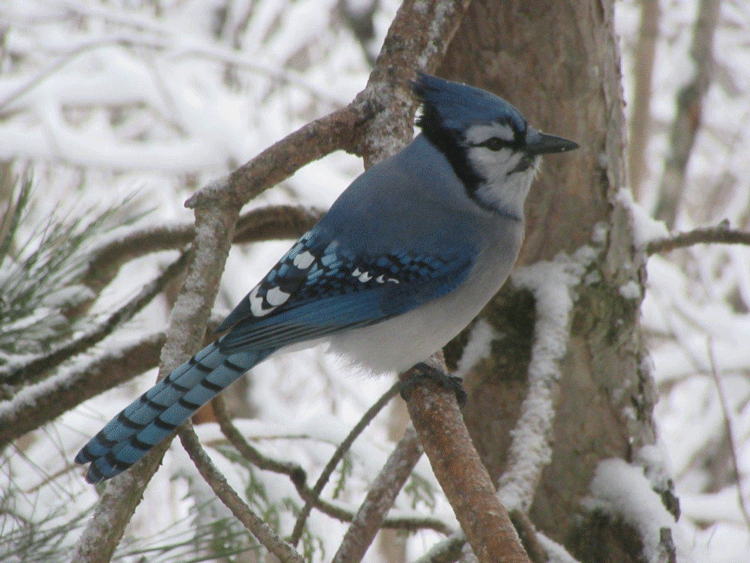
Bluejay photographed in Sioux Lookout, Ontario, Canada, during the 2017 Great Backyard Bird Count. Image via Rose Pogoda.

Use the hashtag #GBBC to follow Great Backyard Bird Count conversations on Twitter and Facebook.
The first annual Great Backyard Bird Count was held in 1998, and the event has continued to grow year after year. Hopefully, 2018 will be another record breaker.
The Great Backyard Bird Count is a collaborative project of the Cornell Lab of Ornithology, National Audubon Society, and Bird Studies Canada.
Bottom line: The annual Great Backyard Bird Count runs from February 16 to 19, 2018. This popular citizen science project helps scientists keep track of the health of bird populations. Participating is free and easy, so why not give it a try?

ooOOoo

So, once again, the Bird Count starts on this coming Friday, the 16th, and runs through to the end of next Monday, the 19th.

Do please join Jean and me and many thousands of others in this very important survey.

One paw in front of the other

A just delightful guest post!

Came from an online exchange.

ooOOoo

So today was the day for me. And I done it with the help of my wonderful dog.

I had been dreaming all night of running and depression and failing miserably.
I was woken at 6:30am by the sound of my dad coming back in after he had been for his normal morning walk around the village with our dog Riley. I was also disturbed by my boyfriend coughing and spluttering up god knows what, and I laid and tossed and turned as I thought oh my god today I’m going to go for a run, followed by don’t be so stupid of course your not you can’t even run down the stairs.

As the early morning light started to come in through the sides of my blinds, I pulled out my eye patches and fell back to a disturbed sleep until…. midday. I couldn’t believe it.

You lazy shit I thought, so much for your run, what a joke you are. Jumping out of bed at the thought of what my mother might say, I went downstairs and put the kettle on, I turned to my dog who had followed me down and said: “I’m going to take you out don’t worry.”

I couldn’t have put it off for any longer if I tried! I hoovered, steam cleaned, made tea, ate beans on toast, tidied my bedroom, anything but get ready to go for a run. Truth is I was terrified!

After not physically being able to tidy much more, I got ready, and put on my new Nike running shoes I had bought in the New Years sales. Riley stretched his tail wagging as he sensed that it was time.

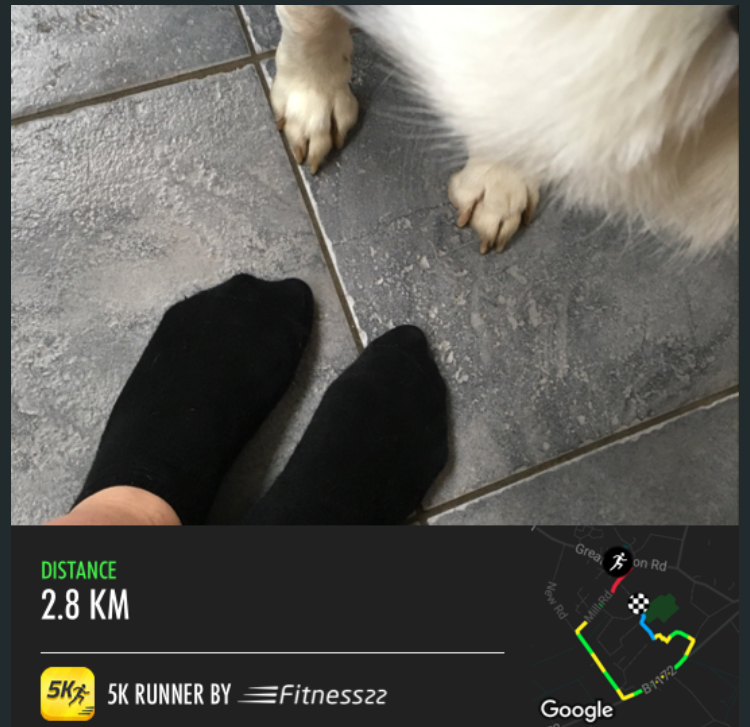
The next twenty or so minutes were the most emotional, and longest, twenty minutes of my life I have ever experienced. I put my new running band on with my phone and beats headphones, and a Spotify playlist that played the most god awful dubstep but I didn’t care. I downloaded the couch to 5k app as I have not really ran in years and pressed start and off me and Riley headed around the village.

The walking was fine, then the lady popped up in her American accent start to run, and so I did.  I started to develop a stitch in my stomach, pain in my chest and the most overwhelming urge to cry. I battled constant thoughts in my head that I could do it … blah! blah! blah!, but Riley was with me. We done it together.

Slow down and start to walk” the voice spoke. I was glad someone knew what I was doing as I didn’t have a clue. I suddenly became awfully aware of the cars going past and thoughts of people looking at me and what they might think: she doesn’t look great; she looks like she is struggling; she must be mad. So with my fave down unable to break a smile or lift my frown I carried on with lead in hand and my faithful dog by my side. I spoke to him, praised him at how well he was doing but I can’t bring to praise myself not yet.

The dubstep tracks blasting in my ears the lyrics started on this train with no destination. And I thought this is how depression and anxiety have made me feel, I have been on a slow and steady train down to rock bottom and I can’t seem to get back up, but I feel today was a start. A little positive I suppose that I can add to my negative.

As it started to snow I thought wow I really am mad, I can’t even run these twenty mins , let a lone a 5k, 10k or yet alone this bloody great north run.

Freezing cold and following my dog in front I made it home and put the kettle straight on and slumped down waiting to make my cup of tea.
For the first time in a long time, I think I see a little light, a little tiny speck of light at the end of my long dark tunnel!

ooOOoo

I asked Catherine for permission to republish this because I was very moved when I read it over at her place. It seemed to say to me that this very honest and open account of what Catherine was experiencing might resonate somewhere out there with you dear readers.

Thank you, Catherine!

More importantly, thank you, Riley. Dogs do so much for us. Even saving our souls!

Our internet safety!

Completely overwhelmed by all you wonderful followers.

Yesterday, around mid-morning time, the number of good persons who are following this blog reached 3,000!

That is both wonderful and hugely generous of each and every one of you that ‘subscribes’ to this place.

I was going to publish another guest post but will delay that for twenty-four hours.

For as a mark of respect for all of you online people who have signed up to follow Learning from Dogs I want to republish a recent item that appeared on The Conversation site.

Here it is. Republished within the terms of The Conversation.

ooOOoo

Improve your internet safety: 4 essential reads

by    Science + Technology Editor, The Conversation US

On Feb. 6, technology companies, educators and others mark Safer Internet Day and urge people to improve their online safety. Many scholars and academic researchers around the U.S. are studying aspects of cybersecurity and have identified ways people can help themselves stay safe online. Here are a few highlights from their work.

1. Passwords are a weakness

With all the advice to make passwords long, complex and unique – and not reused from site to site – remembering passwords becomes a problem, but there’s help, writes Elon University computer scientist Megan Squire:

“The average internet user has 19 different passwords. … Software can help! The job of password management software is to take care of generating and remembering unique, hard-to-crack passwords for each website and application.”

That’s a good start.

2. Use a physical key

To add another layer of protection, keep your most important accounts locked with an actual physical key, writes Penn State-Altoona information sciences and technology professor Jungwoo Ryoo:

“A new, even more secure method is gaining popularity, and it’s a lot like an old-fashioned metal key. It’s a computer chip in a small portable physical form that makes it easy to carry around. The chip itself contains a method of authenticating itself.”

Just don’t leave your keys on the table at home.

3. Protect your data in the cloud

Many people store documents, photos and even sensitive private information in cloud services like Google Drive, Dropbox and iCloud. That’s not always the safest practice because of where the data’s encryption keys are stored, explains computer scientist Haibin Zhang at University of Maryland, Baltimore County:

“Just like regular keys, if someone else has them, they might be stolen or misused without the data owner knowing. And some services might have flaws in their security practices that leave users’ data vulnerable.”

So check with your provider, and consider where to best store your most important data.

4. Don’t forget about the rest of the world

Sadly, in the digital age, nowhere is truly safe. Jeremy Straub from North Dakota State University explains how physical objects can be used to hijack your smartphone:

“Attackers may find it very attractive to embed malicious software in the physical world, just waiting for unsuspecting people to scan it with a smartphone or a more specialized device. Hidden in plain sight, the malicious software becomes a sort of ‘sleeper agent’ that can avoid detection until it reaches its target.”

It’s a reminder that using the internet more safely isn’t just a one-day effort.

ooOOoo

So be safe all of you! It’s a very different world to that of twenty or more years ago!

Back to clean air!

Or more specifically the cleansing power of indoor plants.

Back in 2012, I published a post called Clean, clean air. I am going to republish it tomorrow because Kelli sent me an email setting out that over on her blog site she has a much more comprehensive list of plants that purify the air.

Her blog site is Groom & Style and the long list of air-purifying plants that Kelli wrote about may be  see here: 12 Air Purifying Plants That Will Clean Your Air. Here is how Kelli’s post opens:

12 Air Purifying Plants That Will Clean Your Air

We need fresh air to live a healthy and full life, but it’s fast becoming a luxury. Residents of many major cities around the world are plagued with smog and poisonous gases from motor vehicles, fossil fuel based power plants, and factories.

The good news is there is a simple solution you can use at home to make your air much cleaner. While air purifiers might help, air purifying plants are a great and natural way to clean your home’s air supply. In this article, you’ll learn more about air pollution, its dangers, and how to choose the best air purifying plants for your home.

Anyway, if you wish to read more then go here and, as I mentioned above, my post of August, 2012 will be republished tomorrow.

Food for Thought! A Fascinating Documentary!

Looking again into diet and nutrition.

While this post doesn’t specifically look at what we feed our dogs, there’s no question in my mind that good nutrition is just as important for our dogs as it is for ourselves.

Moving on!

You will know that quite a few of my recent posts have been on the back of me being made aware of how a strict diet plus taking many vitamins and supplements had had the effect of putting Colin Potter’s Parkinson’s Disease (PD) into remission.  All of which was summarised in an post last week called Food Truly Does Matter.

But then a good friend who lives locally, and has a solid medical background, spoke to me and said what you are writing can’t possibly be correct because if diet and supplements really did put PD patients into remission then “everyone would be doing it“. It was difficult to argue that.

So I thought the best people to call would be the American Parkinson Disease Association. I was put through to the director of the North-West Chapter of the APDA, located in Seattle, WA., and she agreed that there was no magic bullet in terms of diet and PD remission.

But the director went on to say that diet and lifestyle were nonetheless incredibly important and that there was no question that the correct decisions in terms of lifestyle were vital for anyone with PD; whatever the stage of the disease .

Dr. Laurie Mischley

The director also went on to say that without a doubt we should make contact with Seattle Integrative Medicine also, as the title suggests, in Seattle.

In particular, make contact with Dr. Laurie Mischley for the director said that Dr. Mischley’s clinical speciality is Parkinson’s Disease.

Plus we were advised to watch a talk that Dr. Mischley gave in British Columbia towards the end of 2016.

The talk is 49 minutes long and should be watched by everyone!

Reason?

Because in the talk there is much evidence, as in factual evidence, that shows the link between our lifestyle choices and what helps or hinders those with PD.

But even more critical to my way of thinking is that the evidence presented in the talk offers solid reasons why all of us as we approach middle-age and beyond should be careful about what we eat.

Food for Thought: Diet & Nutrition in PD – Dr. Laurie Mischley, ND, PhD, MPH from Parkinson Society BC on Vimeo.

This is a recorded presentation from Parkinson Society British Columbia’s Victoria Regional Conference featuring Laurie Mischley. Dr. Mischley studied naturopathic medicine (ND) at Bastyr University and epidemiology (MPH) and nutritional sciences (PhD) at the University of Washington. Her work is focused on identifying the nutritional requirements unique to individuals with neurodegenerative diseases. She has published articles on coenzyme Q10, lithium and glutathione deficiency in Parkinson’s disease (PD). Dr. Mischley maintains a small clinical practice at Seattle Integrative Medicine focused on nutrition and neurological health.

So, my dear reader, here is a little plea from Paul.

Whether or not you have PD, watch the talk and have all the people you love and care for watch it as well.

Oh, and give your dog a cuddle from Jean and me!


Please understand that I do not offer advice and nothing on any website, including the blog site Learning from Dogs, email or any other communication is intended to treat, diagnose, prevent or cure any disease. It is not a substitute for consulting your doctor. You should consult a doctor for diagnosis of conditions, before beginning any diet, exercise or supplementation or if you suspect you have any healh issue. You should not stop medication without consulting your doctor.

Picture Parade Two Hundred and Twenty-Seven

Guess what!

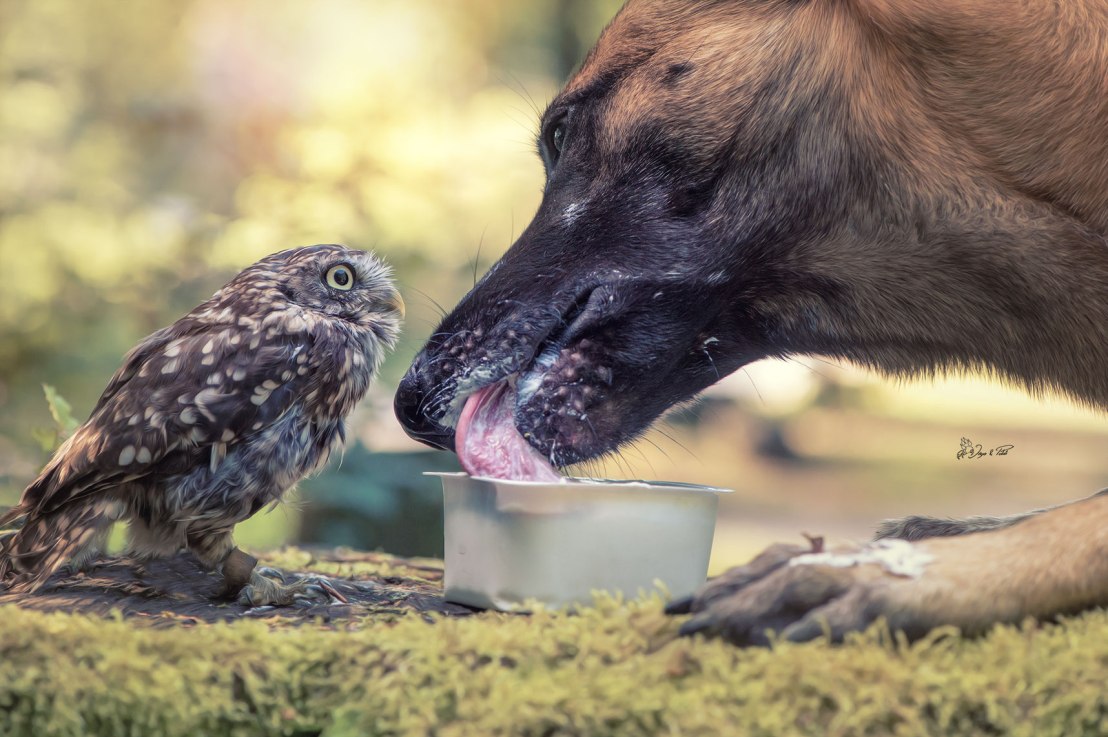
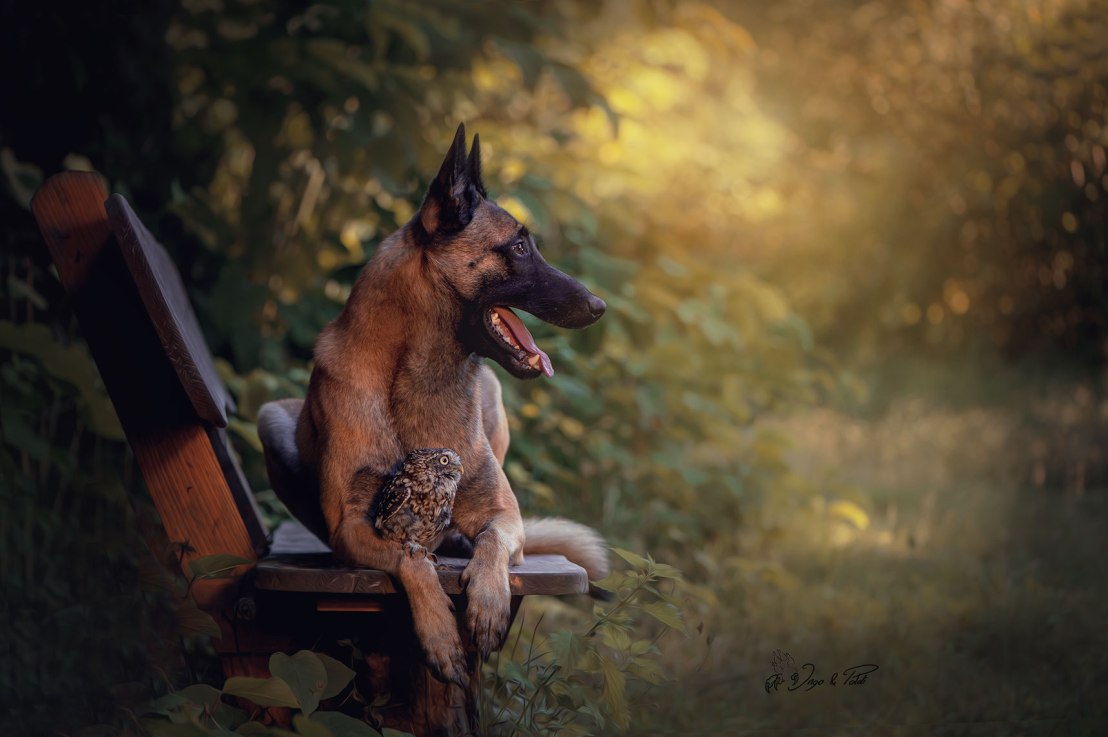
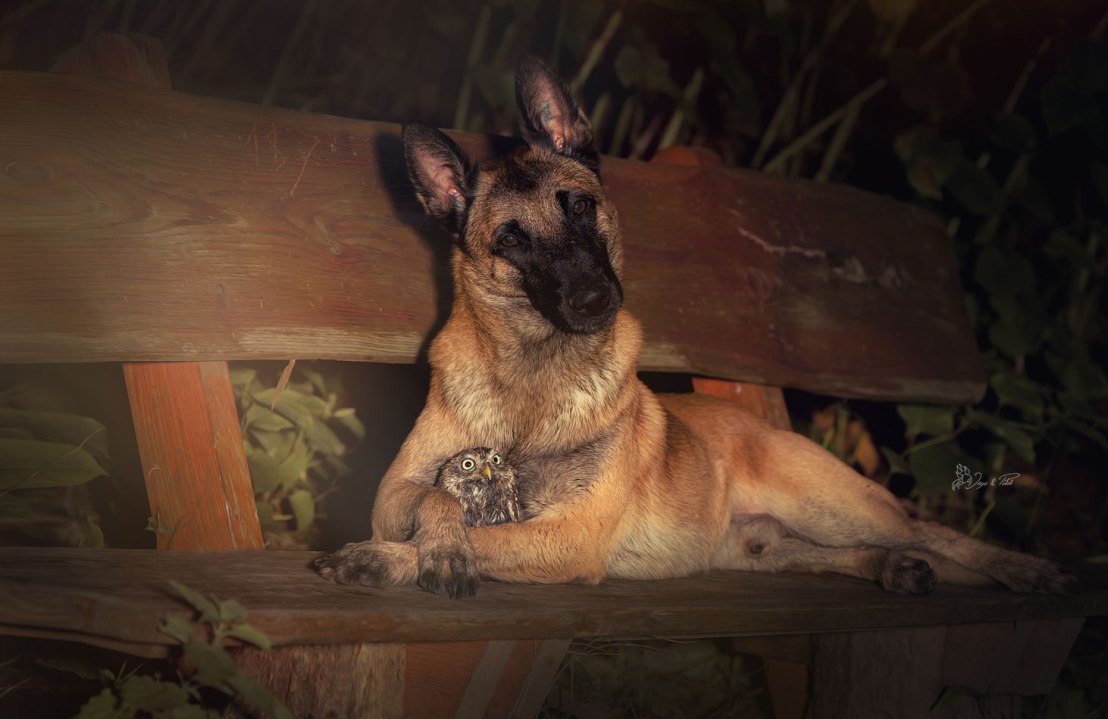
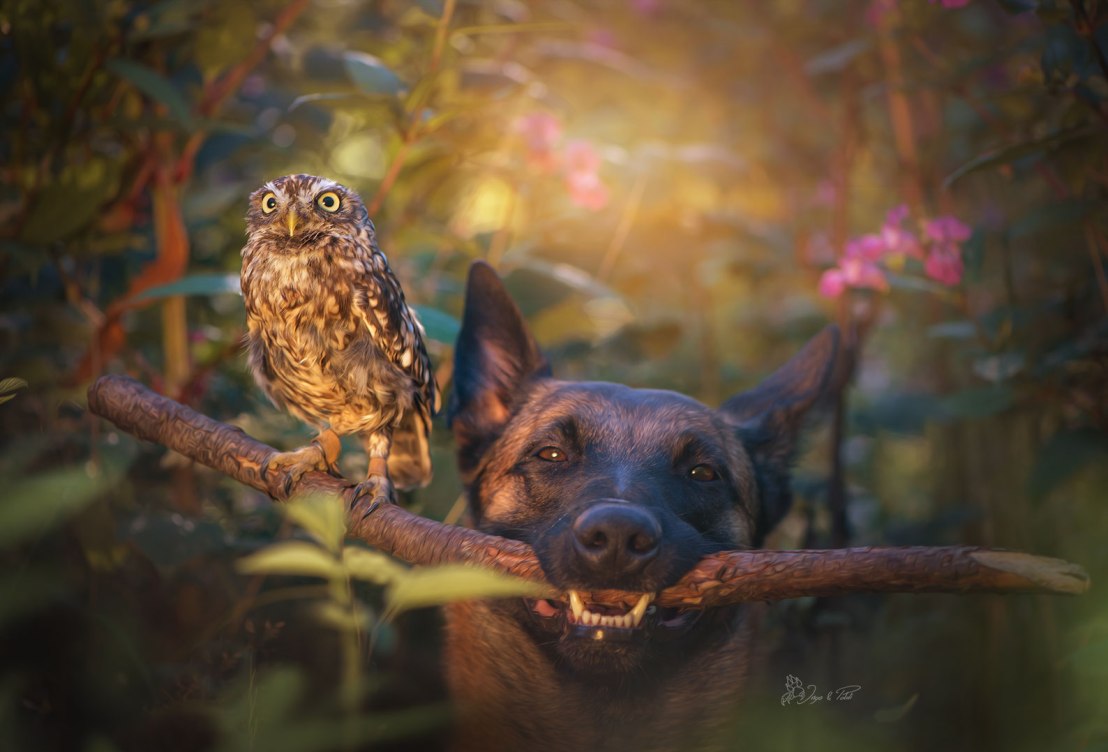
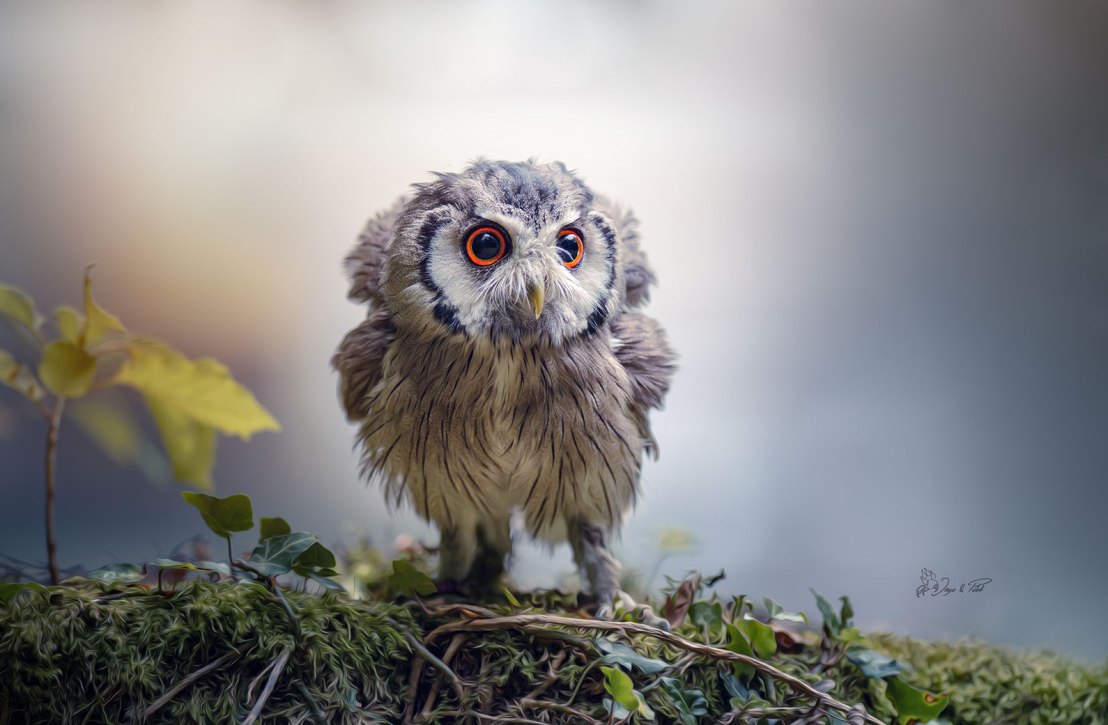
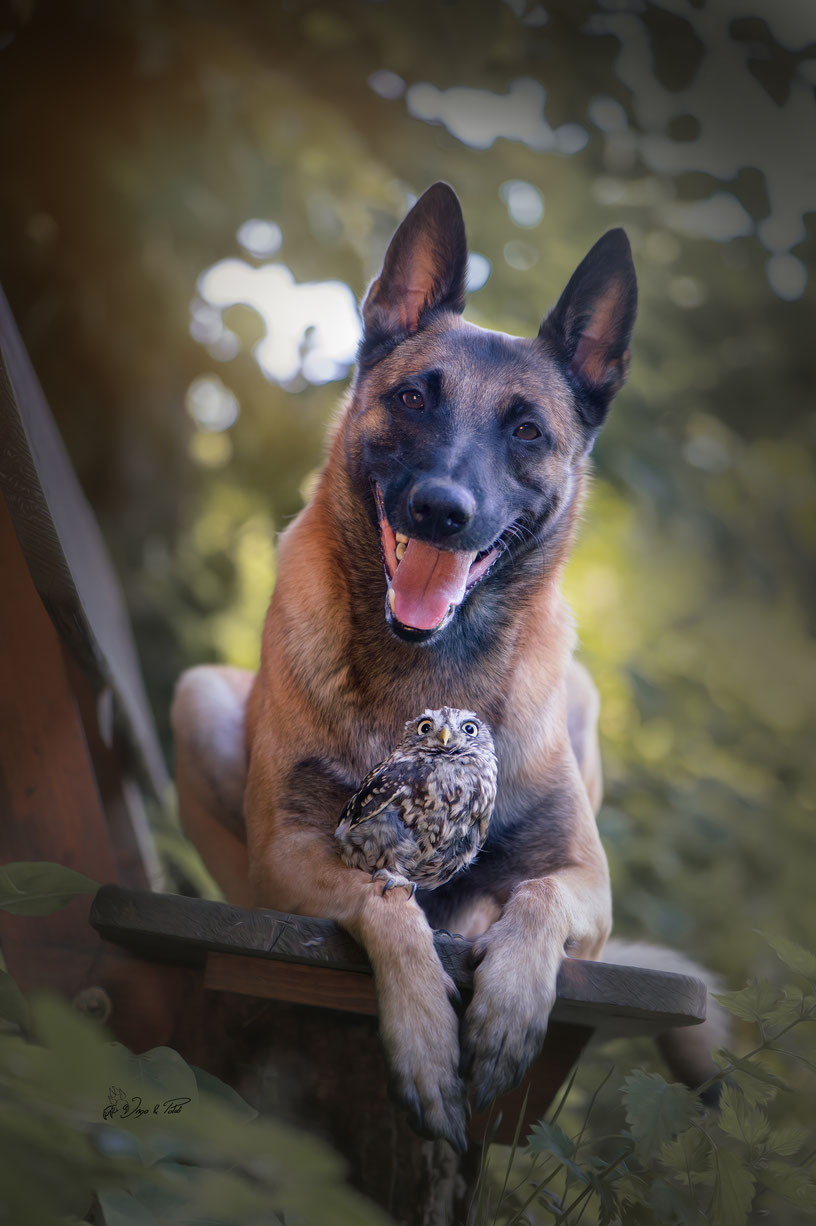
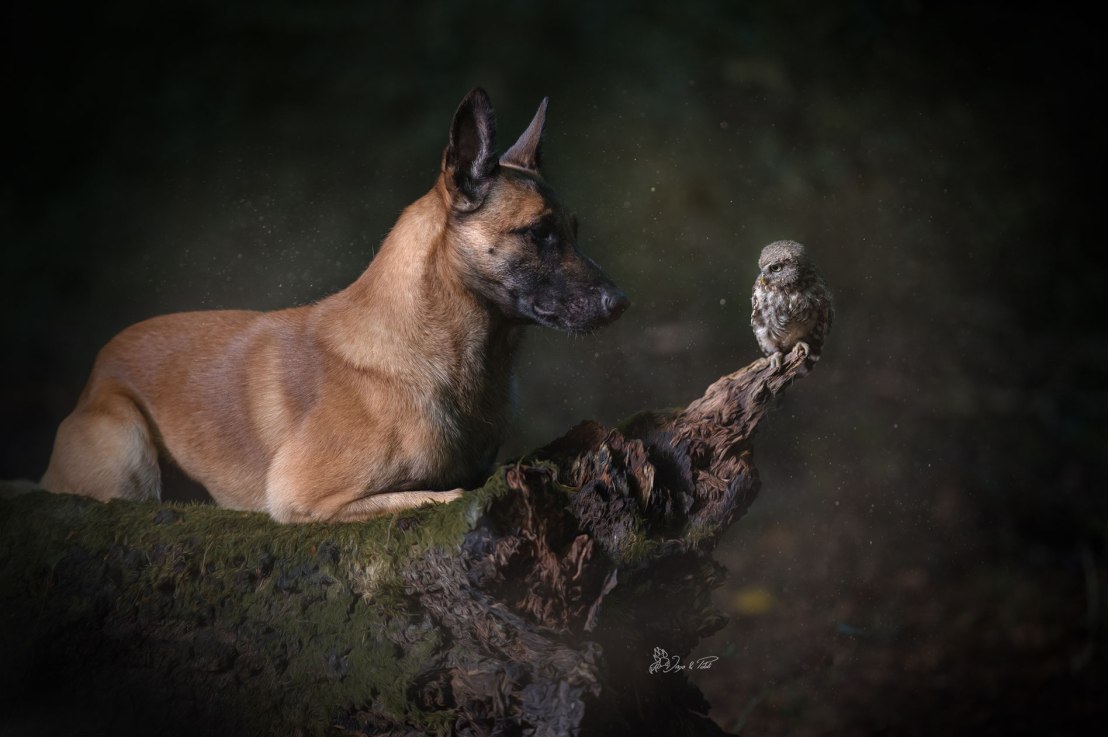
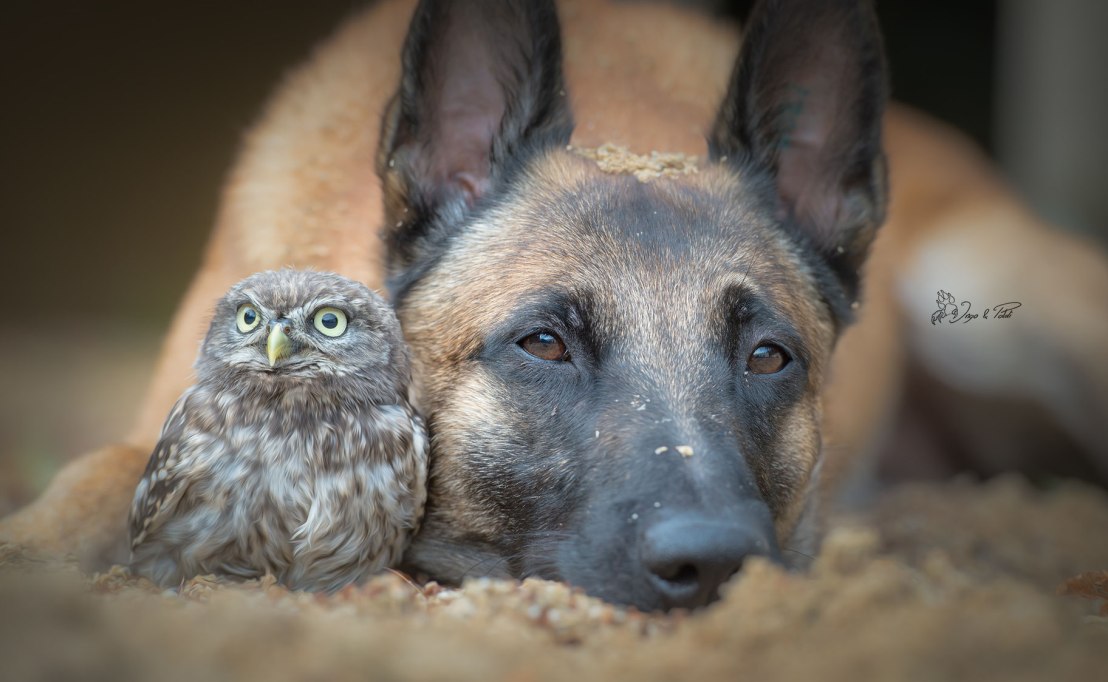
More taken from here. Spoiling us all for today there are nine of Tanja’s incredible photographs!

oooo

oooo

oooo

oooo

oooo

oooo

oooo

oooo

You do realise good people that at some point I will come to the end of Tanja’s fabulous photographs! But worry about that when it happens!