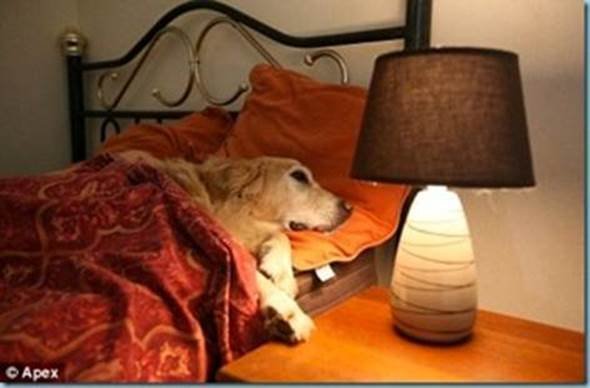
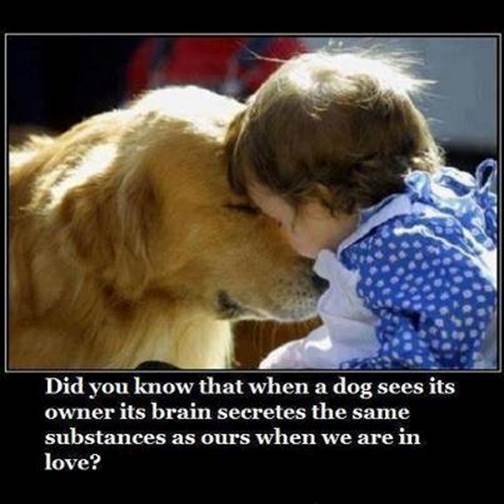
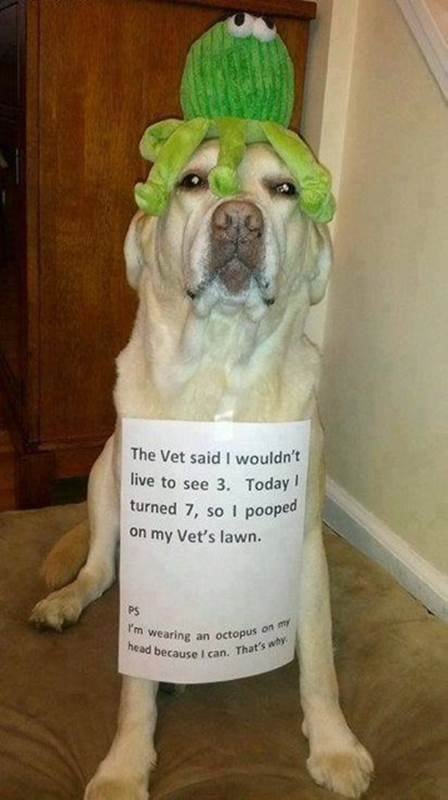
More of those pictures sent to me by Dan Gomez.
oooo

oooo
oooo
oooo
The last of these super pictures in a week’s time.
Thanks Dan!
Dogs are animals of integrity. We have much to learn from them.
Category: Core thought
More of those pictures sent to me by Dan Gomez.
oooo
oooo
oooo
oooo
The last of these super pictures in a week’s time.
Thanks Dan!
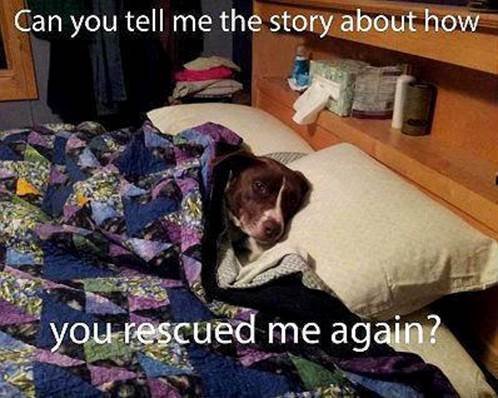
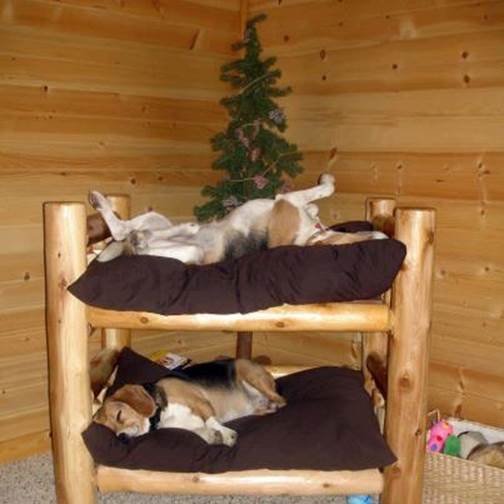
The pictures that were mentioned in Dan’s item last Tuesday.

oooo

oooo
oooo
oooo
oooo
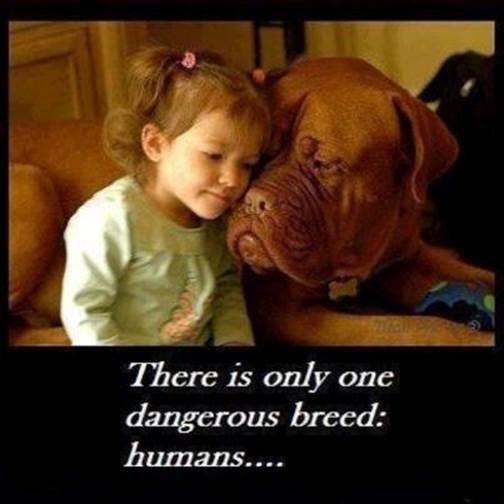
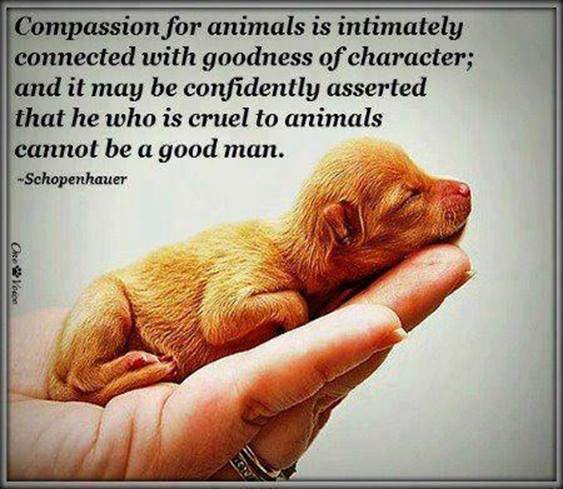
The second set of these compelling photographs in a week’s time.
You all take care out there!
Connections!
Just a few days ago, on May 1st to be precise, I published the post Dogs and Humans.
Colin Reynolds, he of the blog Wibble, left the following comment:
Good to see you back, glad to hear you had an enjoyable trip.
Those goslings are really cute 🙂
At risk of self-promotion: I was thinking of you when I wrote my latest blog post. Granted, wolves aren’t dogs, but they almost are… 🙂
I went across to Colin’s latest blog post and immediately wanted to share it with you all in this place.
It also seemed appropriate to ask Colin for his introduction. But here’s what he offered: “When Paul asked me if I would be willing to turn this post into a guest post for Learning from Dogs, I was more puzzled than anything else. The only words here that aren’t my own are those where I explain that all I did was transcribe George Monbiot’s words from the video.” I’m bound to say that the transcription was a grand job!
Anyway, here is Colin’s post.
ooOOoo
by Colin Reynolds
“When we try to pick out anything by itself, we find it hitched to everything else in the Universe.” — John Muir
When wolves were reintroduced to Yellowstone National Park in the United States after being absent for nearly 70 years, the most remarkable ‘trophic cascade‘ occurred. In this short film, George Monbiot explains what a trophic cascade is, and how wolves do actually change rivers.
I found this so remarkable that I took the time to transcribe George’s words:
One of the most exciting scientific findings of the past half century has been the discovery of widespread ‘trophic cascades’. A trophic cascade is an ecological process which starts at the top of the food chain and tumbles all the way down to the bottom, and the classic example is what happened in the Yellowstone National Park in the United States when wolves were reintroduced in 1995. Now, we all know that wolves kill various species of animals, but perhaps we’re slightly less aware that they give life to many others.
Before the wolves turned up, they’d been absent for seventy years, but the numbers of deer — because there’d been nothing to hunt them — had built up and built up in the Yellowstone Park and despite the efforts by humans to control them, they’d reduced much of the vegetation there to almost nothing; they’d just grazed it away. But as soon as the wolves arrived, even though they were few in number, they started to have the most remarkable effects.
First, of course, they killed some of the deer. But that wasn’t the major thing: much more significantly, they radically changed the behaviour of the deer. The deer started avoiding certain parts of the park: the places where they could be trapped most easily, particularly the valleys and the gorges — and immediately, those places started to regenerate. In some areas, the height of the trees quintupled in just six years; bare valley sides quickly became forests of aspen, and willow, and cottonwood.
And as soon as that happened, the birds started moving in. The number of songbirds and migratory birds started to increase greatly. The number of beavers started to increase because beavers liked to eat the trees; and beavers, like wolves, are ecosystem engineers, they create niches for other species. And the dams they built in the rivers provided habitats for otters and musk-rats and ducks and fish and reptiles and amphibians.
The wolves killed coyotes, and as a result of that, the number of rabbits and mice began to rise, which meant more hawks, more weasels, more foxes, more badgers. Ravens and bald eagles came down to feed on the carrion that the wolves had left. Bears fed on it too, and their population began to rise as well, partly also because there were more berries growing on the regenerating shrubs. And the bears reinforced the impact of the wolves by killing some of the calves of the deer.
But here’s where it gets really interesting: the wolves changed the behaviour of the rivers. They began to meander less, there was less erosion, the channels narrowed, more pools formed, more riffle sections, all of which was great for wildlife habitats. The rivers changed in response to the wolves. And the reason was that the regenerating forests stabilised the banks so that they collapsed less often, so that the rivers became more fixed in their course. Similarly, by driving the deer out of some places and the vegetation recovering on the valley sides there was less soil erosion, because the vegetation stabilised that as well.
So the wolves, small in number, transformed not just the ecosystem of the Yellowstone National Park, this huge area of land, but also its physical geography.
 Note from the video’s publisher (Sustainable Human): “There are ‘elk’ pictured in this video when the narrator is referring to ‘deer.’ This is because the narrator is British and the British word for ‘elk’ is ‘red deer’, or ‘deer’ for short. The scientific report this is based on refers to elk so we wanted to be accurate with the truth of the story.”
ooOOoo
As that quote from John Muir infers, we are all connected. No better illustrated by a very sad piece of research news that will be the topic for tomorrow’s post.
Dogs! We love them to pieces but sometimes they do smell a tad!
Zara Lewis has provided two previous guest posts for you good people and both of them were well received. Very well received!
So here is Zara’s third. My intuition is that will similarly go down well with all you good people out there!
ooOOoo

The love and affection that you give your dog and that it gives back to you makes the whole relationship truly fulfilling. But it wouldn’t be lying if we said that taking care of a pet dog and keeping a clean and tidy home at the same time does requires quite a bit of effort and energy. Here are some of the most practical tips on how to confront your four-legged companion’s gift to create a mess.
One of the most effective ways in which you can avoid finding your pooch’s hair in your soup, ears, sock drawers, or anywhere else in your home is to brush its coat on a daily basis, preferably somewhere outside. Besides keeping a neater appearance, you will prevent tons of hair piling up in the furthest, least accessible corners and areas of your rooms.
Make sure your pet also gets a good bath whenever it needs to. The frequency depends on its coat—dogs with more oily coats may need a bath as often as once a week, while for others, it is usually no more than once a month.
Whenever you and your pooch return from a walk, thoroughly wipe its paws with a damp towel or baby wipes. That way, no mud or dirt will be spread around, and maintaining the hygiene of the whole place will be even easier.
Don’t let your precious one do its business wherever and whenever it feels like doing it. It may seem like something implied and silly to even mention, but some dog owners still do disregard this advice. Train your pooch to poop or pee outside, or only at specific places in your home if it’s left alone for a longer period of time—for example, in a litter box. Even when it does happen that he or she simply can’t control it, clean the mess right away.
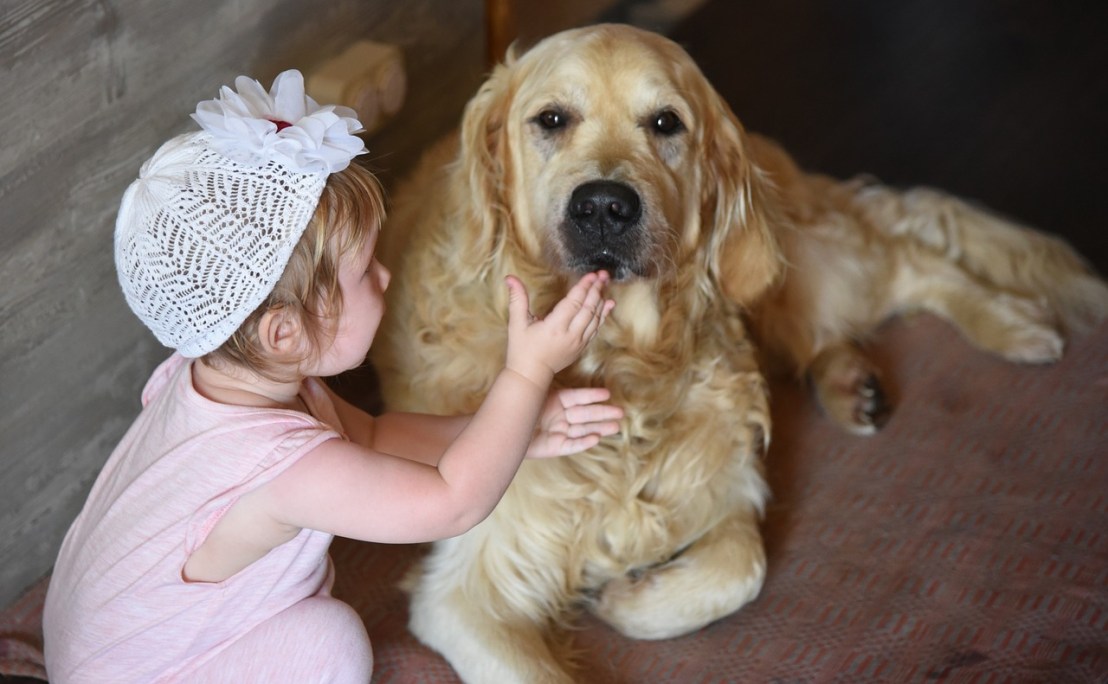
Ok, this one is somewhat obvious—keep your vacuum cleaner, duster, and mop close. No matter how much hair you manage to brush off your friend, some of it will inevitably sneak its way into your surroundings. Cleaning and dusting all the surfaces in your home will significantly reduce the amount of hair lying around, but also dander, dirt, and bacteria.
Not only can the remains from your dog’s previous meals get stuck in there and start smelling pretty bad, dirty bowls and dishes can be a breeding ground for masses of bacteria. That is why you should wash them at least once a day to prevent any minor or major consequences. After all, you do it with your plates, don’t you? Same thing.
Living with dogs, we quickly get used to their smell and stop noticing the unpleasant odor that they may occasionally leave behind. But your guests certainly notice. You can tackle this problem by airing all the rooms regularly, along with lighting scented candles or sticks, or using high-quality air fresheners.
An even more effective solution than scented candles and sticks would be to equip yourself with an air purifier. If you’re looking for a top-notch product with more long-lasting benefits, turn to a mold air purifier by Oransi. It contains a HEPA filter which, besides removing the unpleasant odor, keeps the air even fresher, and gets rid of dust, dander, mold, and allergens floating round your room. A highly recommendable option for people with pets.

If you have the luxury of living in a bigger house or apartment, set boundaries or determine the space where your pet can roam freely. For example, allow him or her to enjoy the first floor of the house, and make the second floor a ‘humans only’ area. Also, determine a specific space or object for them to sleep on, like a cushion or a cozy blanket that will always remain in the same spot.
Lint removers are a really convenient way of keeping your furniture, as well as your clothes, hair and dander-free. It only takes a minute and requires minimal effort. Moreover, you can use them on any kind of textile. So, in case you haven’t got one, you might want to consider changing that.
Remember that keeping a clean and odor-free home primarily means keeping you and your beloved pet healthy and happy.
ooOOoo
Let me repeat Zara’s opening sentence: “The love and affection that you give your dog and that it gives back to you makes the whole relationship truly fulfilling.” No question at all about that!
But I would word it in a more gutsy manner ( and this is in no way a criticism of Zara) especially as the coming-home greeting that Jean and I had from our dogs just last Friday is still fresh in my mind.
Pure unconditional love is very rare between humans as opposed to true love that, thankfully, is common. Our dogs offer us unconditional love. Pure, total, perfect unconditional love!
Great to be back to blogging again!
Jean and I flew back into Portland last Thursday evening and after a motel stay near to the airport arrived back home last Friday a little before mid-day.
It was an incredible trip covering family in both England and France and I will start writing up the details of where we went and who we stayed with over the coming days; sing out if this is not want you want to read!!
But as good as the vacation was it was fabulous to be home and I wanted to share with you a few sights of home taken over the last couple of days.
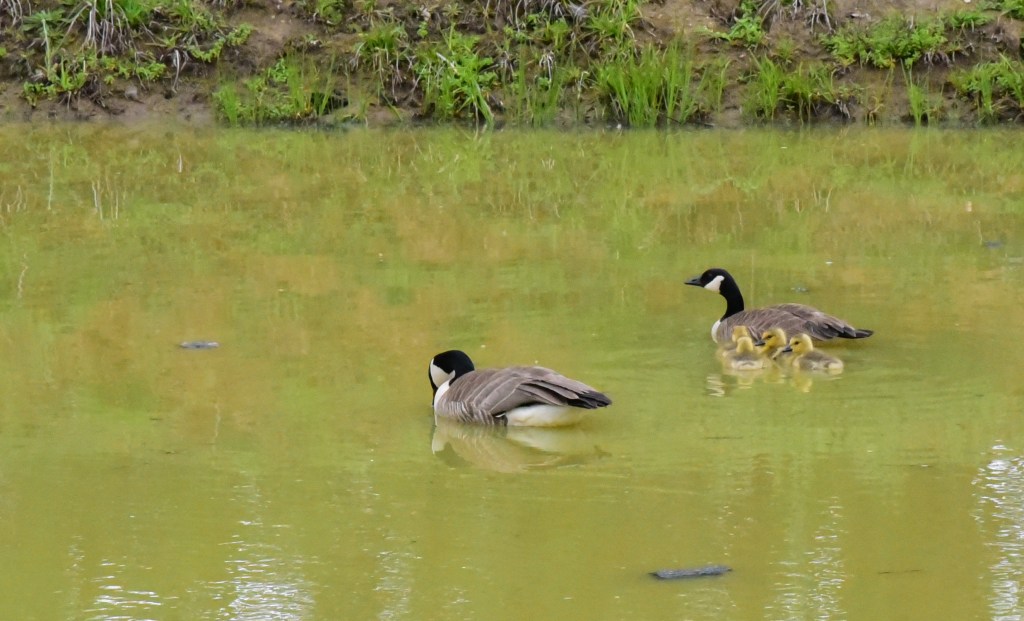
oooo
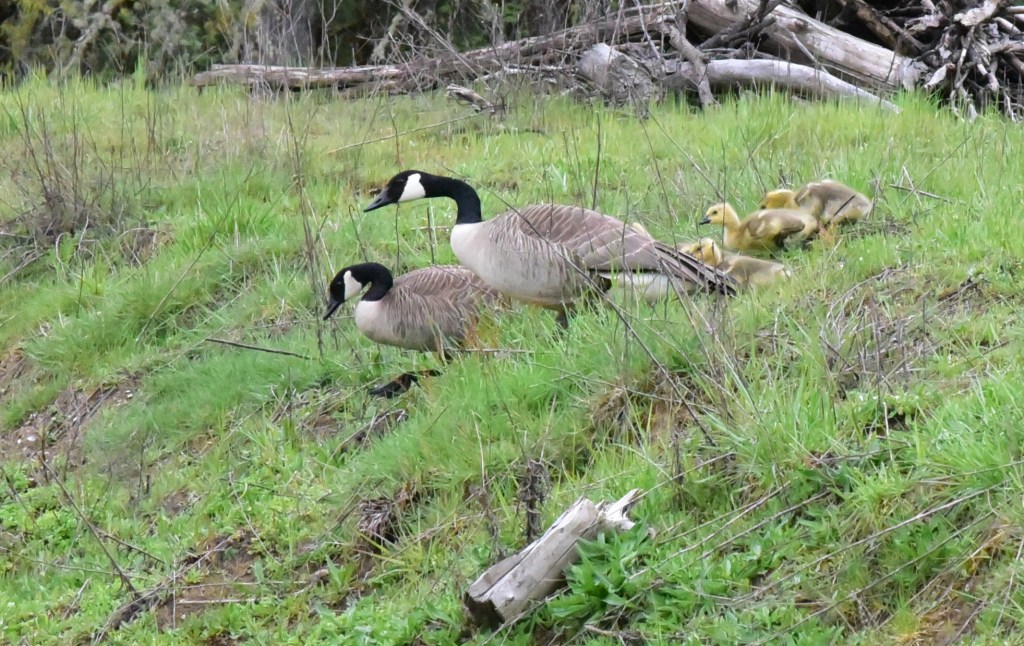
oooo
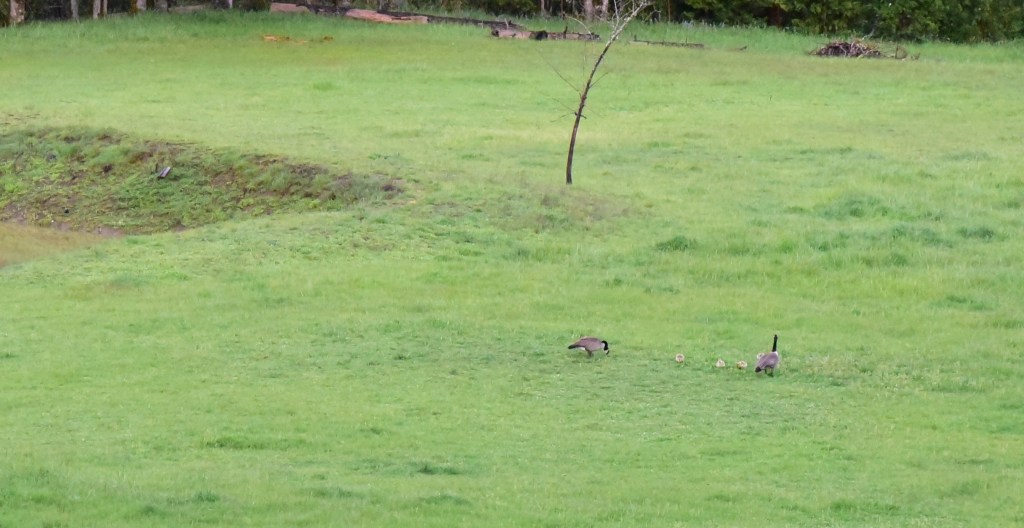
oooo
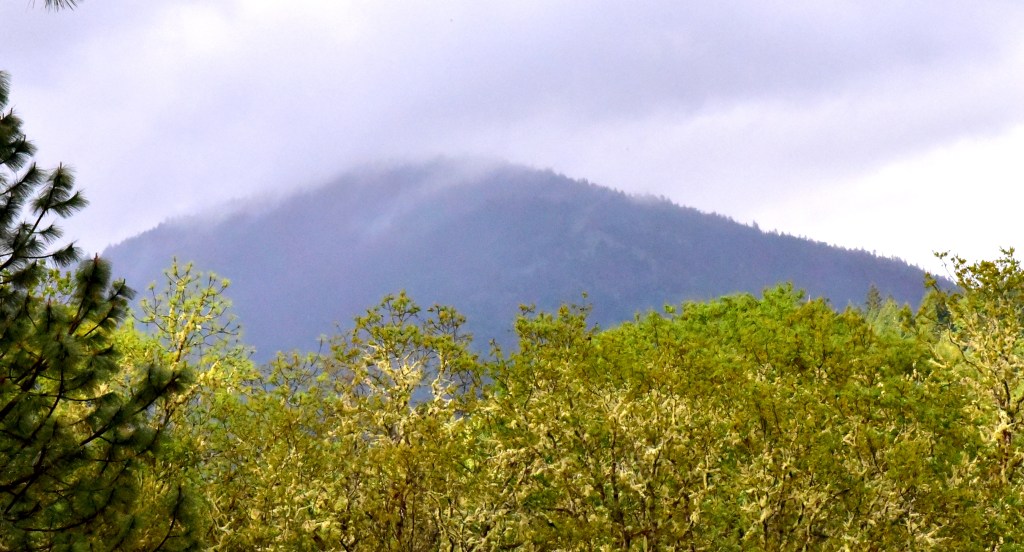
oooo

OK!
I can think of no better way of re-starting my blog posts than to republish an item that Dan shared with me back in early April.
ooOOoo
A man wrote in a letter to a small hotel in a Midwest town he planned to visit on his vacation:
“I would very much like to bring my dog with me. He is well-groomed and very well behaved. Would you be willing to permit me to keep him in my room with me at night?”
An immediate reply came from the hotel owner, who wrote:
“SIR: I’ve been operating this hotel for many years. In all that time, I’ve never had a dog steal towels, bedclothes, silverware or steal pictures off the walls or use them as a coloring book.
I’ve never had to evict a dog in the middle of the night for being drunk and disorderly. And I’ve never had a dog run out on a hotel bill. Yes, indeed, your dog is welcome at my hotel. And, if your dog will vouch for you, you’re welcome to stay here, too.”
ooOOoo
Dan also shared some really gorgeous photographs that can be seen on the next two Sundays.
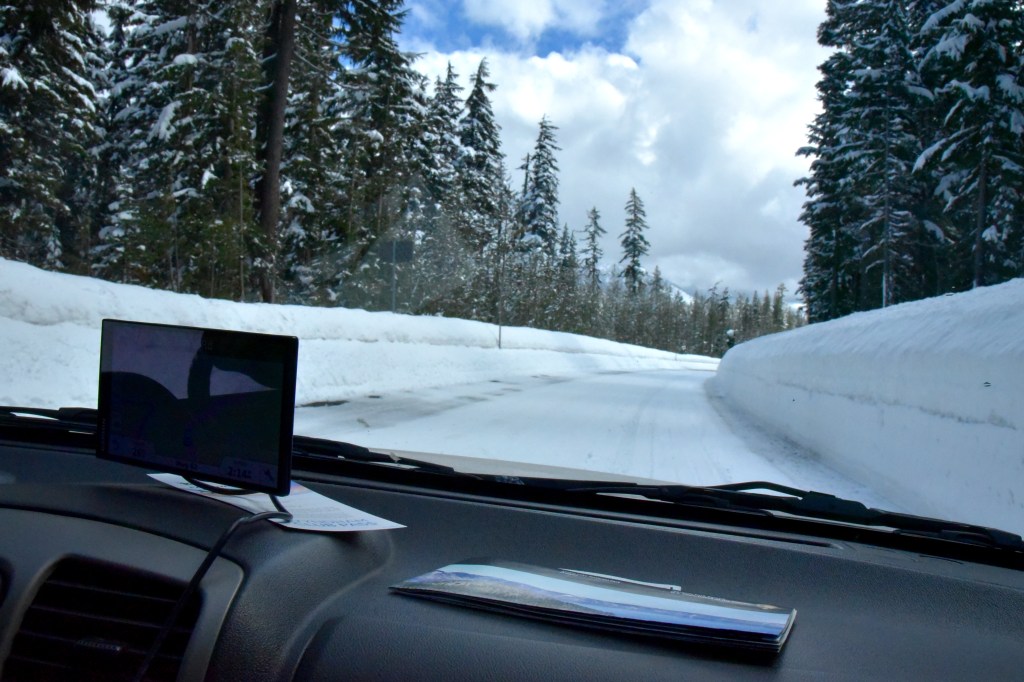
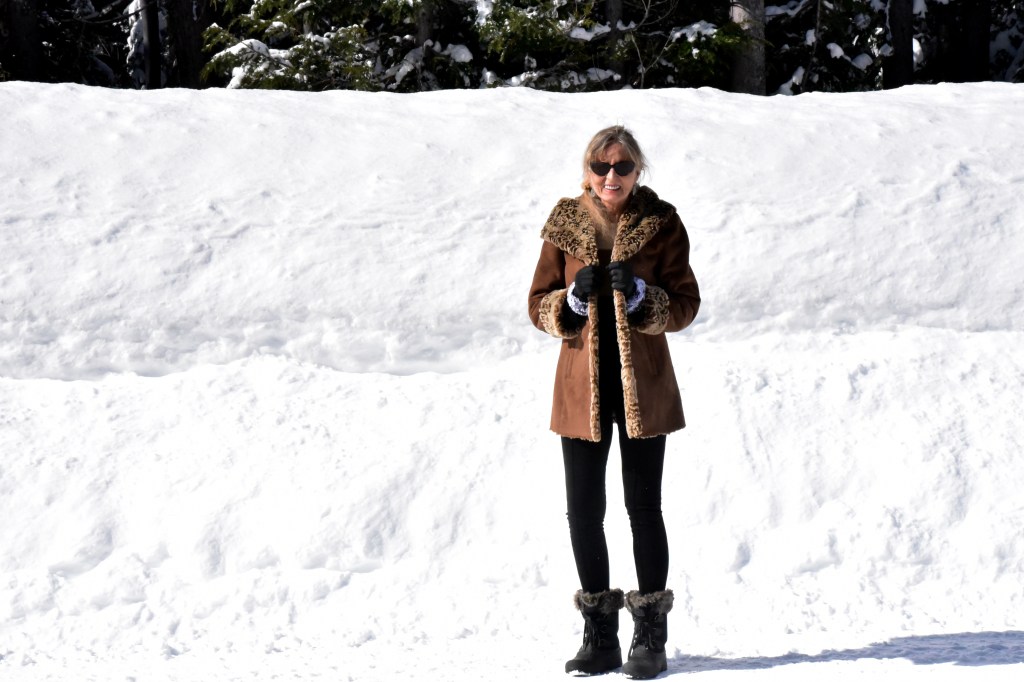
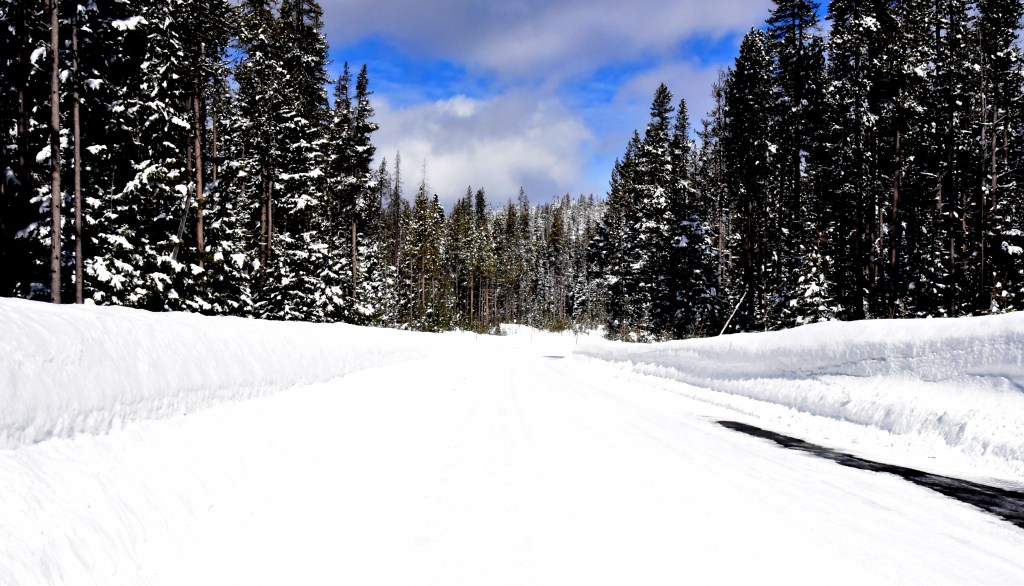
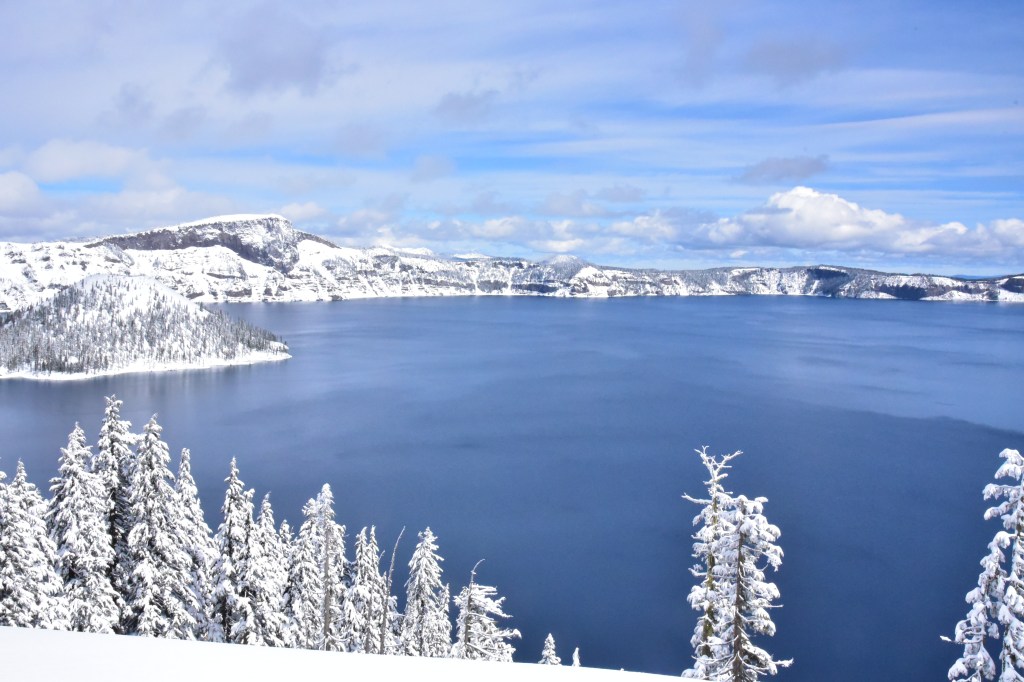
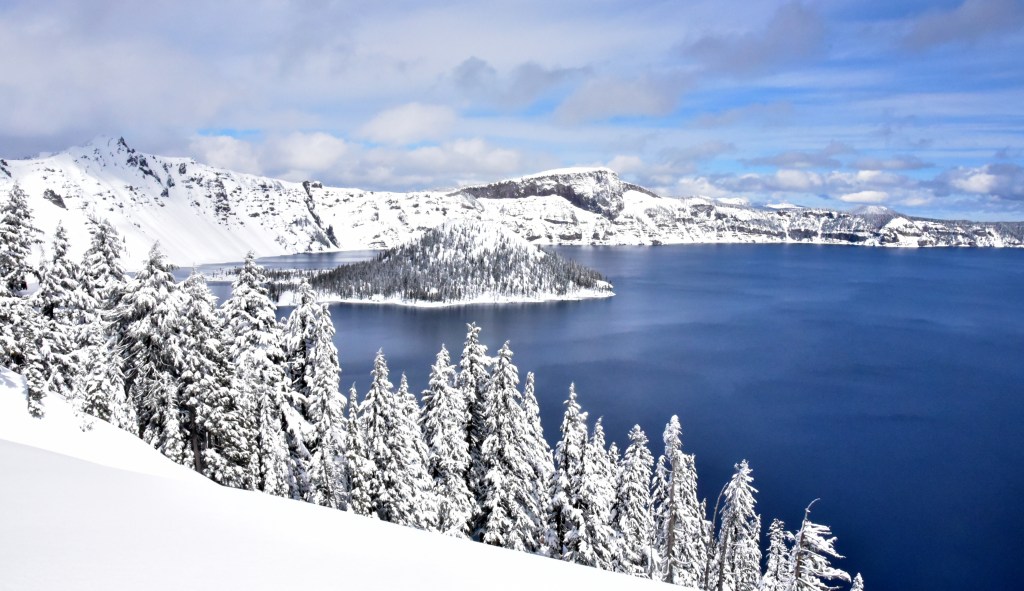
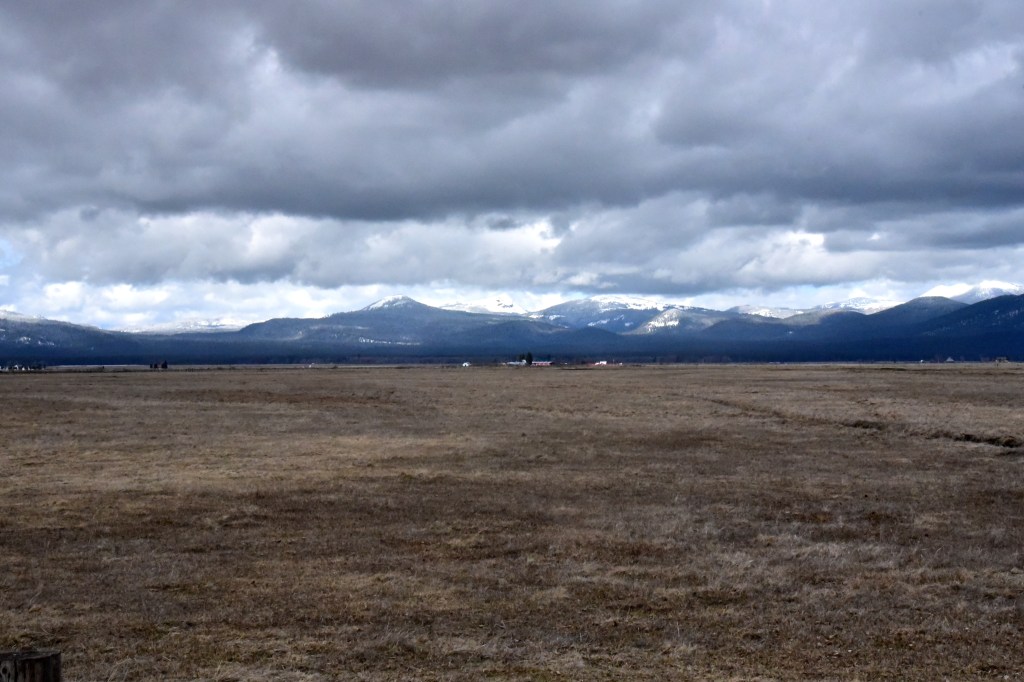
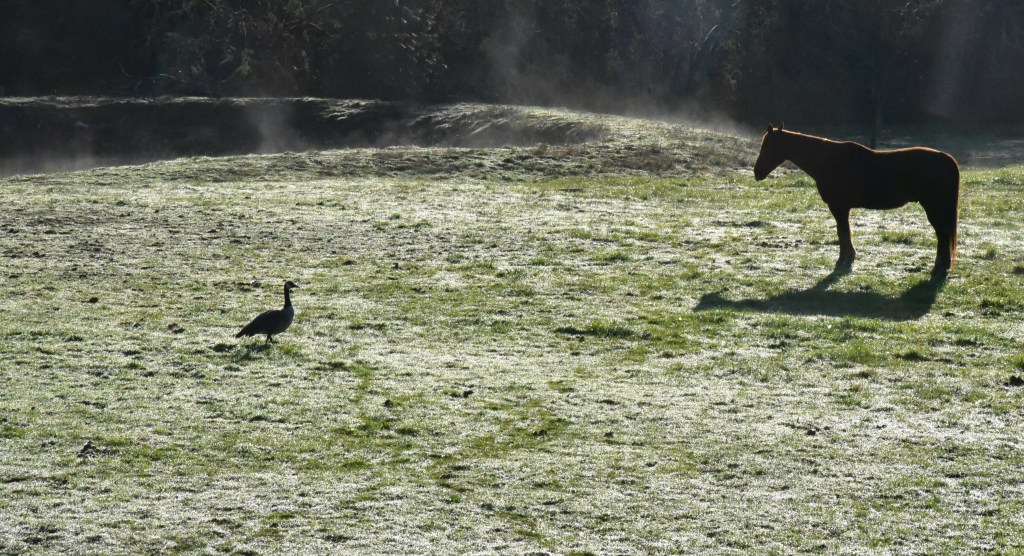
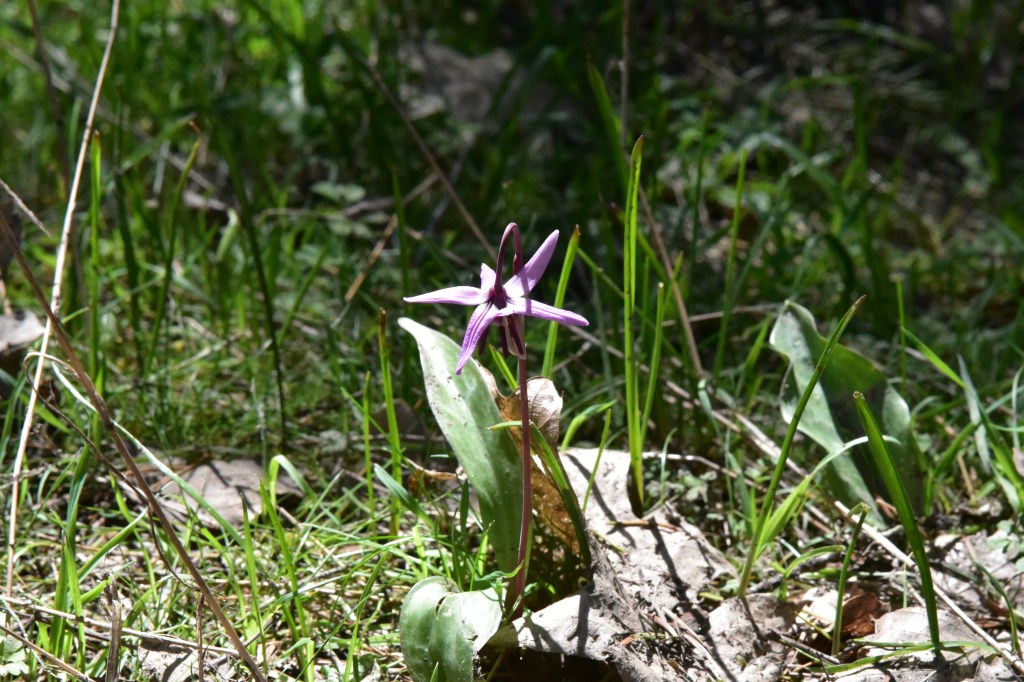
Part Two of a pictorial account of our recent trip to Klamath Falls and Crater Lake.
Covering Sunday, 18th March, when we travelled from Klamath Falls up to Crater Lake and then Monday, 19th March, when we returned back from Klamath Falls to Merlin, OR.
Part One of this pictorial account is here.
oooo
oooo
oooo
oooo

oooo
oooo
Then in the blink of an eye it was Monday and the day when we returned home!
oooo

oooo
oooo
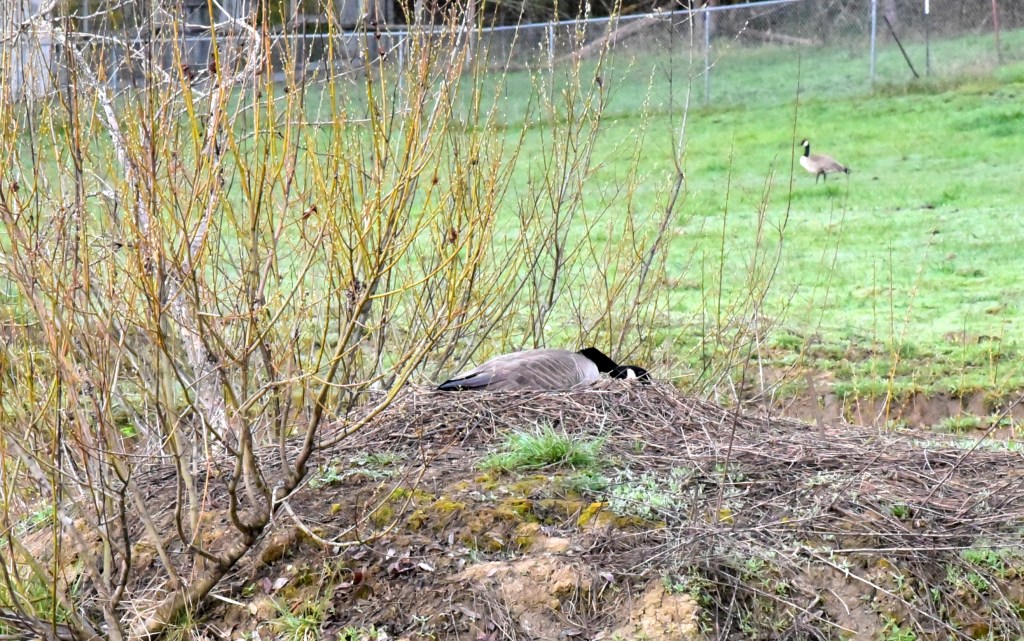
The photograph above shows a returning Canadian goose nursing her unborn chicks in their eggs with ‘Dad’ keeping an eye on things close by.
oooo
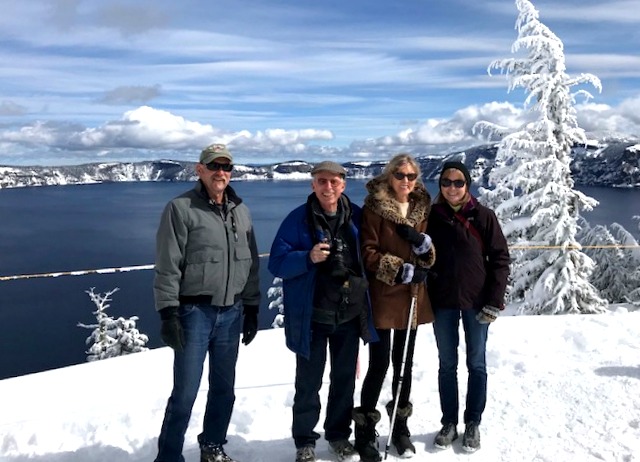
Thanks Trish and Andy for inviting us! Big hugs from Jeannie and me!
Again and again our dogs demonstrate their incredible characters!
I’m a very ‘ex’ typewriter salesman, in that for the period of 1970 to 1978 I was a salesman for IBM Office Products in the UK.
I have had two great friends for many, many years. Dan, whom I met in Boston, Mass., in 1980 at a Commodore PET Computer event, and Richard, whom I met in England a couple of years previously. Richard used to work as a salesman for Olivetti Typewriters more or less the same time that I was selling for IBM.
I speak to Dan and Richard several times each week.
A few days ago, Richard’s lovely partner, Julie, sent me an email with a link to a recent item carried by the BBC.
As follows:
It didn’t take me long to find another video. This time broadcast by Channel 5 News that had apparently led with the story. (NB: when I reviewed today’s post a little after 6am local time that FB page seemed to be missing.)
Brave, brave Finn!
When I spoke with Julie she added that earlier on in her lifetime she had been a police officer at that Hertfordshire Station.
A very inspirational essay from George Monbiot.
It is said that there are only two certainties in life: Death and Taxes.
I think that is one short: The Unexpected. As in Death, Taxes and The Unexpected!
As evidence of The Unexpected, one could put falling off one’s bike or being diagnosed with Parkinson’s Disease. Or the many other ‘hiccups’ that are an attribute of the real world that we humans live in. Put in the words of the street: Shit Happens!
Now read this very inspirational essay from George Monbiot. Republished here with Mr. Monbiot’s very kind permission.
ooOOoo
16th March 2018
I have prostate cancer, but I’m happy. Here’s how.
By George Monbiot, published in the Guardian 14th March 2018
It came, as these things often do, like a gunshot on a quiet street: shocking and disorienting. In early December, my urine turned brown. The following day I felt feverish and found it hard to pee. I soon realised I had a urinary tract infection. It was unpleasant, but seemed to be no big deal. Now I know that it might have saved my life.
The doctor told me this infection was unusual in a man of my age, and hinted at an underlying condition. So I had a blood test, which revealed that my prostate specific antigen (PSA) levels were off the scale. An MRI scan and a mortifying biopsy confirmed my suspicions. Prostate cancer: all the smart young men have it this season.
On Monday, I go into surgery. The prostate gland is buried deep in the body, so removing it is a major operation: there are six entry points and it takes four hours. The procedure will hack at the roots of my manhood. Because of the damage that will be caused to the surrounding nerves, there’s a high risk of permanent erectile dysfunction. Because the urethra needs to be cut and reattached to the bladder, I will almost certainly suffer urinary incontinence for a few months, and possibly permanently. Because the removal of part of the urethra retracts the penis, it appears to shrink, at least until it can be stretched back into shape.
I was offered a choice: radical surgery or brachytherapy. This means implanting radioactive seeds in the parts of the prostrate affected by cancer. Brachytherapy has fewer side effects, and recovery is much faster. But there’s a catch. If it fails to eliminate the cancer, there’s nothing more that can be done. This treatment sticks the prostate gland to the bowel and bladder, making surgery extremely difficult. Once you’ve had one dose of radiation, they won’t give you another. I was told that the chances of brachytherapy working in my case were between 70 and 80%. The odds were worse, in other words, than playing Russian roulette (which, with one bullet in a six-chambered revolver, gives you 83%). Though I have a tendency to embrace risk, this was not an attractive option.
It would be easy to curse my luck and start to ask “why me?”. I have never smoked and hardly drink; I have a ridiculously healthy diet and follow a severe fitness regime. I’m 20 or 30 years younger than most of the men I see in the waiting rooms. In other words, I would have had a lower risk of prostate cancer only if I had been female. And yet … I am happy. In fact, I’m happier than I was before my diagnosis. How can this be?
The reason is that I’ve sought to apply the three principles which, I believe, sit at the heart of a good life. The first is the most important: imagine how much worse it could be, rather than how much better.
When you are diagnosed with prostate cancer, your condition is ranked on the Gleason Score, which measures its level of aggression. Mine is graded at 7 out of 10. But this doesn’t tell me where I stand in general. I needed another index to assess the severity of my condition, so I invented one: the Shitstorm Scale. How does my situation compare to those of people I know, who contend with other medical problems or family tragedies? How does it compare to what might have been, had the cancer had not been caught while it is still – apparently – confined to the prostate gland? How does it compare to innumerable other disasters that could have befallen me?
When I completed the exercise, I realised that this bad luck, far from being a cause of woe, is a reminder of how lucky I am. I have the love of my family and friends. I have the support of those with whom I work. I have the NHS. My Shitstorm Score is a mere 2 out of 10.
The tragedy of our times is that, rather than apply the most useful of English proverbs – “cheer up, it could be worse” – we are constantly induced to imagine how much better things could be. The rich lists and power lists with which the newspapers are filled, our wall-to-wall celebrity culture, the invidious billions spent on marketing and advertising, create an infrastructure of comparison that ensures we see ourselves as deprived of what others possess. It is a formula for misery.
The second principle is this: change what you can change, accept what you can’t. This is not a formula for passivity. I’ve spent my working life trying to alter outcomes that might have seemed immovable to other people. The theme of my latest book is that political failure is, at heart, a failure of imagination. But sometimes we simply have to accept an obstacle as insuperable. Fatalism in these circumstances is protective. I accept that my lap is in the lap of the gods.
So I will not rage against the morbidity this surgery might cause. I won’t find myself following Groucho Marx who, at the age of 81, magnificently lamented, “I’m going to Iowa to collect an award. Then I’m appearing at Carnegie Hall, it’s sold out. Then I’m sailing to France to pick up an honour from the French government. I’d give it all up for one erection.” And today there’s viagra.
The third principle is this: do not let fear rule your life. Fear hems us in, stops us from thinking clearly and prevents us from either challenging oppression or engaging calmly with the impersonal fates. When I was told that this operation has an 80% chance of success, my first thought was “that’s roughly the same as one of my kayaking trips. And about twice as good as the chance of emerging from those investigations in West Papua and the Amazon”.
There are, I believe, three steps to overcoming fear: name it, normalise it, socialise it. For too long, cancer has been locked in the drawer labelled Things We Don’t Talk About. When we call it the Big C, it becomes, as the term suggests, not smaller, but larger in our minds. He Who Must Not Be Named is diminished by being identified, and diminished further when he becomes a topic of daily conversation.
The super-volunteer Jeanne Chattoe, whom I interviewed recently for another column, reminded me that, just 25 years ago, breast cancer was a taboo subject. Thanks to the amazing advocacy of its victims, this is almost impossible to imagine today. Now we need to do the same for other cancers. Let there be no more terrible secrets.
So I have sought to discuss my prostate cancer as I would discuss any other issue. I make no apologies for subjecting you to the grisly details: the more familiar they become, the less horrifying. In doing so, I socialise my condition. Last month, I discussed the remarkable evidence suggesting that a caring community enhances recovery and reduces mortality. In talking about my cancer with family and friends, I feel the love that I know will get me through this. The old strategy of suffering in silence could not have been more misguided.
I had intended to use this column to urge men to get themselves tested. But since my diagnosis, we’ve discovered two things. The first is that prostate cancer has overtaken breast cancer to become the third biggest cancer killer in the UK. The second is that the standard assessment (the PSA blood test) is of limited use. As prostate cancer in its early stages is likely to produce no symptoms, it’s hard to see what men can do to protect themselves. That urinary tract infection was a remarkably lucky break.
Instead, I urge you to support the efforts led by Prostate Cancer UK to develop a better test. Breast cancer has attracted twice as much money and research as prostate cancer, not because (as the Daily Mail suggests) men are the victims of injustice, but because women’s advocacy has been so effective. Campaigns such as Men United and the Movember Foundation have sought to bridge this gap, but there’s a long way to go. Prostate cancer is discriminatory: for reasons unknown, black men are twice as likely to suffer it as white men. Finding better tests and treatments is a matter of both urgency and equity.
I will ride this out. I will own this disease but I won’t be defined by it: I will not be prostrated by my prostate. I will be gone for a few weeks but when I return, I do solemnly swear I will still be the argumentative old git with whom you are familiar.
ooOOoo
It appears to be a unique aspect of the human mind. I am referring to our ability to worry about the future, to struggle to break away from ‘habitual’ responses to unanticipated crap coming along, to see the glass as half full as opposed to half empty, and so on, and so on.
Oh, to be like our dear, sweet, wise dogs.

Just let the world roll by!
I am, of course, referring to the recent death of Stephen Hawking.
There’s no way that I can add anything to the widespread reporting of the very sad death of the theoretical physicist, cosmologist and author Professor Stephen Hawking.
Except, possibly, this interesting quirk of fate.
For this great man died yesterday: March 14th.
The very same day that another very famous man, the German-born Albert Einstein, was born. As in March 14th. Albeit, Stephen Hawking’s death being 139 years after the birth of the 1921 winner of the Nobel Prize in Physics.
Did you also know that Professor Hawking was a great dog lover!
I was very pleased that The Conversation blog site released a wonderful tribute to Stephen Hawking. The item opens, thus:
ooOOoo
Acclaimed British theoretical physicist, cosmologist and author Stephen Hawking has died aged 76. Hawking is best known for his work on black holes, which revolutionised our understanding of the universe.
Hawking passed away today peacefully at his home in Cambridge, his family confirmed in a statement:
We are deeply saddened that our beloved father passed away today. He was a great scientist and an extraordinary man whose work and legacy will live on for many years.
His courage and persistence with his brilliance and humour inspired people across the world. He once said, “It would not be much of a universe if it wasn’t home to the people you love.” We will miss him forever.
Read more: A timeline of Stephen Hawking’s remarkable life
Hawking was born on January 8, 1942, in Oxford, England. In 1963 he was diagnosed with ALS, a form of Motor Neurone Disease, and later confined to a wheelchair and forced to communicate via a computerised voice. But he continued his theoretical work and was outspoken on many things over much of his life.
Tributes have been pouring in on social media for the scientist, who made complex science accessible to everyone in his 1988 bestselling book A Brief History of Time.
ooOOoo
Do read the rest of that article. I will take the tribute from Alice Gorman that closes The Conversation article to close today’s post.
ooOOoo
There are few scientists who reach as far into popular culture as Stephen Hawking did. His research tackled the biggest of big questions – the nature of time, space and the universe we live in.
Sometimes it feels like science is losing ground in the modern world, but people still look to the stars for answers about who we are and how we come to be here.
Hawking’s bestselling A Brief History of Time made cosmology accessible to people and brought black holes out of the shadows and into the public imagination.
Personally I’ll miss his appearances on The Big Bang Theory, where he could out-nerd the nerds, and also provide some often necessary common sense. It was always great to see a world-class scientist just having fun.
ooOOoo
What a very great man he was!
Saving the lives of our dogs and their owner/carers!
The Smithsonian website recently featured a dog rescue centre in Costa Rica that has the odd dog or one thousand being cared for!
I kid you not!
This Costa Rican Paradise Shelters Over 1,000 Stray Dogs
A photographer documents scenes from Territorio De Zaguates, a converted farm in the Santa Bárbara mountains that’s giving abandoned dogs a second chance
By Jennifer Billock, smithsonian.com, March 6, 2018
The article also includes a range of incredible photographs. I have ‘borrowed’ a couple to share with you.

oooo

What rescuing a dog means to thousands of gentle-hearted people is no better spoken about than in the words of a poem that Colin published over on his blog A Dog’s Life.
It is republished here with Colin’s very kind permission.
ooOOoo
The following is one of the poems in my book “Just Thinking”, which is available direct from Friesen Press, Amazon, and other on-line book retailers.
https://books.friesenpress.com/store/title/119734000032944229/Colin-Chappell-Just-Thinking
“This is such a sweet collection of beautiful thoughts and sentiments and reflections. The people and stories and memories are so real and tangible, easy to connect with, easy to read. For each poem I have read so far, it’s like he is talking about someone I know… or someone I would want to know 🙂 This books explores so many things, takes you on so many journeys.. the good and the bad and the beauty in between. This book was given as a gift, and it’s one I will treasure!” (Amazon review)
They were found on a farm
Not too far away,
But… where was their home?
Two dogs, frightened, hungry,
So very tired and,
Surviving somehow on their own.
***
The rescue van arrived,
And the crew discussed
How best to capture this pair.
Traps were determined
To be the most humane,
But… so many questions were there.
***
Why were these two dogs
Having to scavenge for food?
Why were they out on their own?
The treats in the traps,
Put an end to all that,
And they were captured, scared… and alone.
***
They had no collars; no tags;
No microchips were found.
They were just two dogs without names.
Their faces were expressionless,
And their fur in poor condition.
Were they siblings? Perhaps their mother was the same?
***
Once back at the shelter
They were caged together,
But then a fight ensued.
Trainers intervened,
And gave them separate cages,
But then had to decide what to do.
***
One (they later named Ray) was not unfriendly,
Although cautious and rather aloof.
He seemed to know he was no longer alone.
He was given a bath and a bowl of food
And, with some loving care (they thought),
He could possibly adapt to a home.
***
He was a sorry sight,
And no doubt a once proud dog.
Clearly a German Shepherd cross,
Just managing to survive,
By eating scraps to stay alive.
To explain him, they were quite at a loss.
***
They tried to find his owners.
They checked the Missing Pets files,
But there only seemed one option.
He now belonged to the shelter
And… as he was neither reported lost, nor stolen,
He would be trained for adoption.
***
Four months later he was ready.
His adoption photo was published,
And all were looking for a sign.
He needed a family,
To love… and be loved by.
This will, hopefully, be his time.
***
Eventually a couple arrived
Who clearly were drawn to him,
And regular walks were arranged.
It was soon to be seen
That his life, as it had been,
Was quickly going to change.
***
His day of adoption came.
The staff all said their farewells.
Smiles, and tears, were all around,
For the life of a stray;
Of a dog they named Ray;
A life almost lost… had been found.
*
ooOOoo
I am finishing today’s post with another photograph from the Costa Rican Paradise Shelter.

Then my final words are those in that Smithsonian article:
Now, more than 1,000 dogs roam the countryside of the Costa Rican estate. They go on daily walks in the mountains and eat roughly 858 pounds of food per day. They’re bathed and treated on-site for illness or injury (though more intense cases go to a specialist vet in San Jose). And most importantly, they’re given a better quality of life than they’d experience on the streets.
“There is a major problem with stray and abandoned dogs in Costa Rica,” Dan Giannopoulos, a photographer who recently visited the shelter, told Smithsonian.com. “The government line on [the] treatment of strays is to destroy them. This is the only shelter of its kind in Costa Rica. It offers a new lease [on] life to the dogs, many of whom have lived terrible lives and have terminal illnesses.”
Read more: https://www.smithsonianmag.com/travel/these-photos-transport-you-dogs-central-american-paradise-180968018/#v9xZpKmRadL5JHeA.99
Give the gift of Smithsonian magazine for only $12! http://bit.ly/1cGUiGv
Follow us: @SmithsonianMag on Twitter
 Learning from Dogs