Category: consciousness

The pain of letting go.

Dogs ought to live far longer!

I have spoken before of the bond that we humans make with our dogs, and vice versa, and the love that flows from such a bond.

But they don’t live long enough! And the end of their lives is a very difficult period for us.

Doug Goodman writes a blog. He is also an accomplished author.

Recently Doug wrote about the most difficult decision he had to make. Doug kindly gave me permission to republish his article.

ooOOoo

The Difficult Decision to Euthanize Ryder.

By Doug Goodman, April 20th, 2021

Unfortunately, all dogs die. There’s no easy way to do this, but it’s a fact of life as a pet owner. For me, the key decision was when is the right time to do it? I don’t want to wait too long so that Ryder suffers, but I’d feel guilty putting Ryder down too early.

We’ve talked about this many times, in fact. Often on walks or long rides in the car, my wife and I go through the bullets, like a checklist of emotional redemption. There are many “easy” decisions when owning a dog: which food? That bag of Purina over there. When do you pick up after the dog? At least twice a week in the spring and summer, sometimes every other day. Should you pet the dog? Well, it’s a German Shepherd, so if it wants to be petted, you better do it now because it may not want to be petted the rest of the day.

Deciding to euthanize is nothing so simple.

Years ago when we went through end-of-life with Mojo, a veterinarian recommended as a litmus test to pick the three things the dog enjoys most in life. When the dog can no longer do one or especially two of those things, it’s time to euthanize.

But that litmus test doesn’t apply to all dogs, and certainly not to Ryder. She’s always been a peculiar dog. She likes her backyard and playing with Koda, and she likes to eat*. She still does those things. For me, it is a pain factor based on arthritis and lack of mobility. People will talk about the dignity of life for a dog, and I think there is some truth to that. I remember laying in bed one day and Mojo walking in and telling me he was ready. A few months later, he again looked at me, and his eyes were full of truth. He wasn’t happy, he didn’t like this anymore. He was ready. Sometimes Ryder gives me that look, but I’m not sure. She’s always had a pained, scared-of-the-world emotion in her eyes.

But there is “pained” and there is “pain.” Ryder can’t put in words her suffering, so it’s up to me to observe her closely. Over the past few months, and certainly over the past year, my family and I have noticed changes to her behavior, physicality, and mental state:

-She had urination problems. She was diagnosed as a UTI and corrected. Alone, this is not a sign that she is close to dying, but I believe it may be a sign of the severity of her back arthritis. She’s not cleaning herself. This is especially troubling considering…

-She has problems holding in poop. Sometimes she’s sitting there, laying in it, and she doesn’t realize she’s pooped herself. Often, she can’t make it through the night without releasing her bowels in the house. If she isn’t able to clean herself, and she isn’t aware that she is going to the bathroom, this can lead to discomfort and additional UTIs.

-She stopped climbing the stairs. This was a subtle one because our dogs aren’t allowed upstairs. But last week we had a major thunderstorm, and as anyone who owns German Shepherds can attest, GSDs only want to be right next to you when the thunder booms and the lightning crashes. Koda busted down the dog gate and ran upstairs for solace. Ryder, who is usually the first one to bump against the bedroom door until we wake up, stayed downstairs and didn’t attempt coming to us. At least, I didn’t see her attempt it. She may have tried, failed, and gone back downstairs. That’s a first in her lifetime, and she wouldn’t have stayed down there if she didn’t absolutely have to remain on the first floor.

-She is stumbling. She often stumbles in the house, especially walking inside and out. She has fallen doing little playful jumps at my daughter. I’ve seen her fall to the floor and not be able to stand for thirty seconds or more.

-This will sound weird, but she sits a lot, and not on purpose. One of the things she does is get in the way of her people (helloooo, herding dog). She backs out when she realizes I want to get through. Now, she backs out, and her butt falls down, and she stares at me like “That wasn’t supposed to happen. What do I do now? Sorry!” until she can get back up.

-She is whining and yelping. This is the big one. My dogs don’t whine or yelp for no reason. They aren’t talkative dogs. For the past year, though Ryder will yelp when roughhousing with Koda. She wants to jump on him, but she’s incapable. Lately, she’s really reduced her roughhousing. Additionally, Koda is being a son of a bitch about this. A few days ago I noticed they were playing their favorite game of “I’ve got a thing and you don’t.” I posted about this when during one of these games, Ryder knocked the poop out of Koda. That old chestnut. But this last time when Koda wanted the random stick, he bumped her rear with his chest so that she went down. I scolded him, he didn’t understand, and eventually Ryder dropped the stick and guarded it with strong play-snaps. Koda wasn’t going to take any further action to take the prized random stick, but the fact that he knows to exploit this indicates to me that one day we could find out he’s hurt her, perhaps broken her back from bumping her, and now you have to put down Ryder immediately in your backyard. Nobody wants that. 

So we have elected to euthanize Ryder. 

Damn, there’s a lot of finality in that statement. She is a family member, and we lover her very much. I picked her up from the tiny town of Buda, Texas and drove her three or four hours back to Houston. She never liked car rides after that. We have a lot of memories with that dog, some I’m sure I will share in the coming weeks, but for now, I want to focus on the decision.

We are reaching out to companies that can euthanize at home. With all of Ryder’s fears, it seems like the best option. Of course, home euthanasias are the popular choice in the pandemic. Earlier in 2020, some of the vets we looked to wouldn’t allow owners to be present for euthanasias. So we will see if we can make the home euthanasia happen.

In the meantime, I give her half an aspirin to help with the pain, and my daughter purchased some CBD-infused peanut butter, too. We’ve had her on joint vitamins, but that only goes so far. We do as much as we can to keep Ryder comfortable, but it’s clear that she’s in near-constant pain and that her hips/back have greatly reduced function. She is an eleven and a half year old GSD, old for one. So as difficult as it is to decide to euthanize, I know that it is a necessary part of ownership. If I’m willing to own a dog, I must be willing to take care of it throughout it’s life, not just the happy puppy parts, but all of it, including her last days. 

*Ryder only eats infrequently over the past few weeks. It is one of her three joys: play, eating, and protection/perimeter walking, and I would argue that food is her highest joy, so not eating is a big clue that her time is soon.

ooOOoo

I met Jean in 2007 in Mexico. Jean was rescuing street dogs, looking after them for a while, and then finding homes for them in the USA; primarily Arizona. I was then living in Devon, England together with my German Shepherd, Pharaoh. Jean loves all dogs irrespective of size. I moved out to Mexico, with Pharaoh, permanently in 2008. Living with so many dogs around the home quickly brought an awareness of the integrity of dogs, of their ability to love unconditionally, and I started this blog in 2009.

Now Jean and I live in Southern Oregon. Indeed we have been here since 2012. We are down to six dogs: Cleo; Brandy; Sheena; Oliver; Pedi and Sweeny. That means we have had many dogs die in the past. I still miss Pharaoh who died in 2017. Or rather it should be said that the decision to euthanise him was in June, 2017.

In the end we have to make that final decision for our beloved dogs. It is, frankly, so much better than leaving dogs to die because the last few weeks or days can be very brutal.

So we know only too well what Doug is going through. Our thoughts are with Doug and Ryder.
Stranger than fiction.

And I am still talking about dogs!

I wasn’t going to publish a post for today because I had to go to the dentist yesterday for an 11 am appointment. In the afternoon the aesthetic was still making my jaw a little ‘sleepy’. But then I saw this article about a particular dog loving blueberries and figured is was too good to overlook. The article was published in The Dodo.

You will undoubtedly agree with me!

ooOOoo

Dog Has Cared For Every Blueberry Her Mom Has Ever Given Her

She even snuggles them 😂❤️️

By Caitlin Jill Anders
Published on 3/10/2021

Ava is an incredibly sweet and caring dog, and one of her favorite things in life has always been toys.

“Any time anything happens, her answer is to bring over a toy,” Talia Henze, Ava’s mom, told The Dodo. “And I mean any time. If anyone laughs, if she sees anyone sad, she gets up and brings over a toy.”

TALIA HENZE

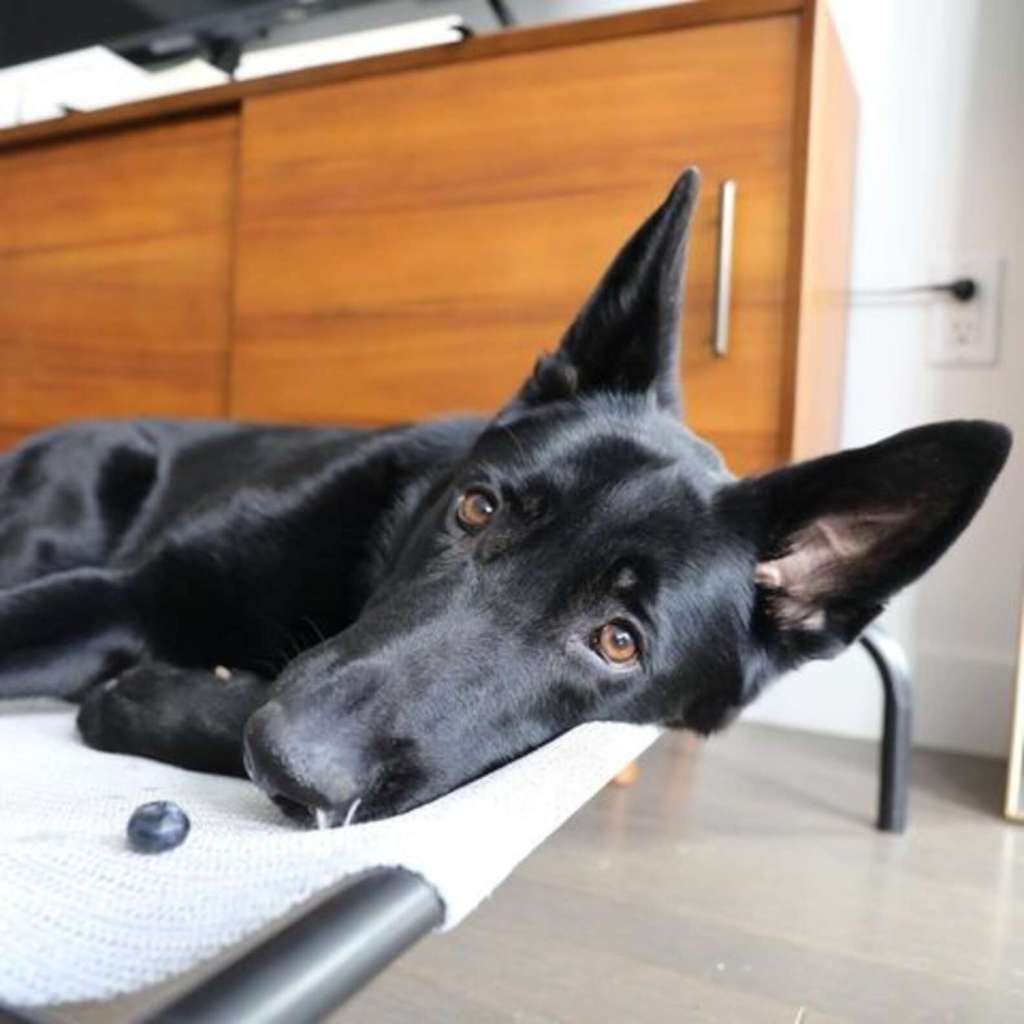
One day, Ava was watching her mom snack on some blueberries. She looked so curious that Henze decided to give her one. She thought Ava would enjoy having a little treat, but instead, for some reason, she decided to treat the blueberry exactly like one of her toys.

“She’s been trained to only eat her treats and long-lasting chew stuff on her elevated bed or in her crate, so she naturally just brings new toys, treats, etc. to those places,” Henze said. “So it didn’t surprise me that she brought the berry to it. But she just never ate it.”

Instead, Ava gently carried the blueberry around, caring for it tenderly. She showed absolutely no interest in having it as a snack. Her mom thought maybe she just didn’t understand what it was and tried to show her, but it was no use. The blueberry had become Ava’s friend, and that was that.

“She kind of just carried it around to her different places for a while and snuggled it,” Henze said. “When she eventually got bored and left it in her crate, I tried showing her [how] to eat it by breaking it open … She wanted nothing to do with it when it was broken.”

TALIA HENZE

Now, every time Henze gives Ava a blueberry, the same exact thing happens. They’ve become one of her favorite toys, and it’s the cutest quirky habit ever.
“So I know she doesn’t really like eating them, but every time I eat blueberries she seems to want one,” Henze said. “So I just give her one every time … She tried to eat one once when I really encouraged it, but she just spat it out.”

TALIA HENZE

To Ava, blueberries are friends, not food. They’re her little buddies, and that’s never going to change.

No one has any idea why Ava loves playing with blueberries so much, or why she’s so opposed to actually eating them. Her mom doesn’t question it anymore, though. It’s just a part of who Ava is, and that’s perfectly OK with her.
ooOOoo

Dogs are as much a mystery at times as they are pure companions. This is an example of a dog, Ava, who has set her mind on something and that is it! All of us dog carers know this about the animal. I guess there’s a logic to the way that a dog thinks even though that logic is beyond reach to us humans.
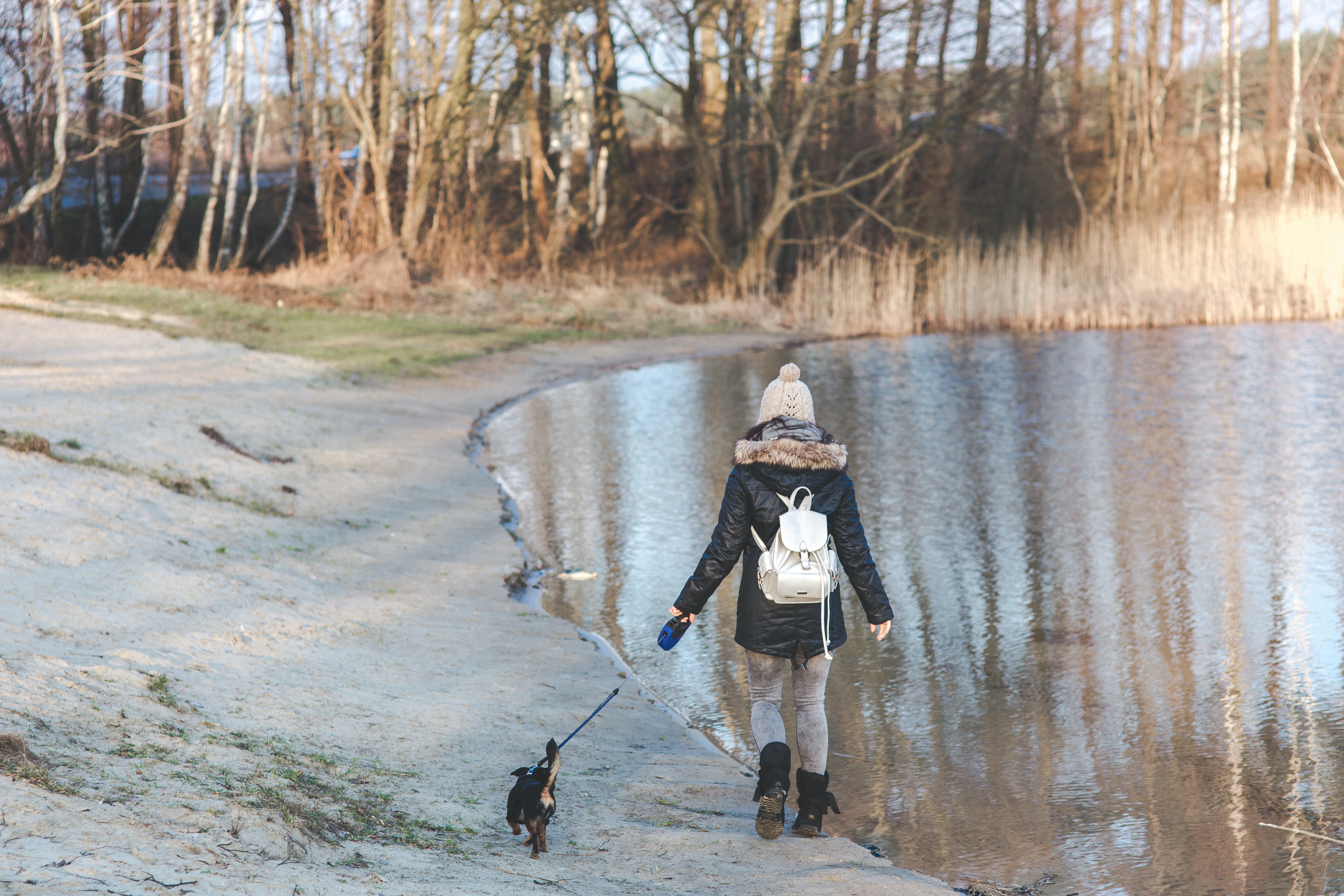
But that is one of the many characteristics that makes the dog so precious and so adorable.

Enough said!

Dan and Lexi

Just a reminder of how we treasure our dogs.

I was speaking two days ago to my friend Dan of many, many years, and also my best man when Jeannie and I were married in 2010, and we were talking of our dogs. In the conversation Dan said this:

You know that Lexi and I are always together for practically twenty-four hours a day!

Dan went on to say that Lexi followed him everywhere and that, literally, they were together for ninety-nine percent of their time.

I asked Dan to send me a photograph of the two of them. Here it is!

Beautiful beyond words.

(And call by tomorrow for some special words about close friends.)

There’s no limit to the care of dogs

For as long as I live I will never stop marvelling at dogs.

Dogs are many things. In a sense they have as many likes and dislikes as us humans. But the one thing that is unique to these beautiful animals is their unconditionality. That, especially, shows through in the way that they care and love the humans and dogs around them.

This story on The Dodo emphasised that special way they care for their fellow dogs. Read it and you will see what I mean.

ooOOoo

Camera Catches Dog Bringing His Bed To His Sick Brother So He’s Comfy

“As he’s dragging it he’s looking at Roman almost to say, ‘This is for you’”

By Caitlin Jill Anders
Published on 6/18/2020

From the moment they became brothers, Spanky has always adored and looked up to his big brother Roman. He follows Roman everywhere he goes, and is always happiest whenever they’re together.

“Roman is definitely Spanky’s security blanket,” Jackie Rogers, Roman and Spanky’s aunt, told The Dodo. “Spanky will do nothing without Roman and always makes sure he is close to him and if he’s not he gets up and goes near him.”

JACKIE ROGERS

About two weeks ago, Roman’s ear started looking a little puffy and infected, so his mom took him to the vet and discovered he has a hematoma on his ear. They scheduled a surgery to take care of it, but unfortunately, while he waited for the surgery, his ear kept getting worse and poor Roman got more and more uncomfortable.

JACKIE ROGERS

At first, Spanky didn’t notice anything was different, but as Roman’s ear got worse, everyone noticed that Spanky was much more gentle and concerned about his best friend.

“We had to take him back to the vet to confirm he could wait five more days for surgery and I brought Spanky along for the ride, but due to COVID we couldn’t go inside with Roman and for 20 minutes Spanky sat in the car crying/whining/barking until Roman got back,” Rogers said.

JACKIE ROGERS

With the surgery set, all the family could do for Roman was to let him rest. During the day while everyone is at work, the family has a Ring camera set up so they can check in on the dogs, which is especially important now so they can make sure Roman is OK. Rogers was checking the camera recently when she noticed Spanky watching his brother lying on the floor, looking very concerned — and then he did the cutest thing.

“I see Spanky pacing for a minute while looking at Roman and then the bed and then I see him dragging the bed to Roman and as he’s dragging it he’s looking at Roman almost to say, ‘This is for you,’ and then the next clip is them snuggling,” Rogers said. “I had to re-watch it multiple times, I was in disbelief that he did that!”

Spanky was worried about his brother and wanted him to be as comfortable as possible, so he brought his bed to him so he wouldn’t have to move — because that’s how much he loves his big brother.

JACKIE ROGERS

Spanky brought the bed over to Roman around 10 a.m., and when Rogers got home that evening, they were still snuggled up there together. Spanky knows his brother isn’t feeling well, and he’s determined to stay by his side until he’s feeling better — and will do anything he can to make sure he’s safe and comfortable in the meantime.

ooOOoo

There’s no real way that words can explain that. It’s beautiful, loving and caring and just goes to show how the loving bond works in practice.

Fabulous creatures!

Picture Parade Three Hundred and Sixty-Seven.

But first this amazing photograph!

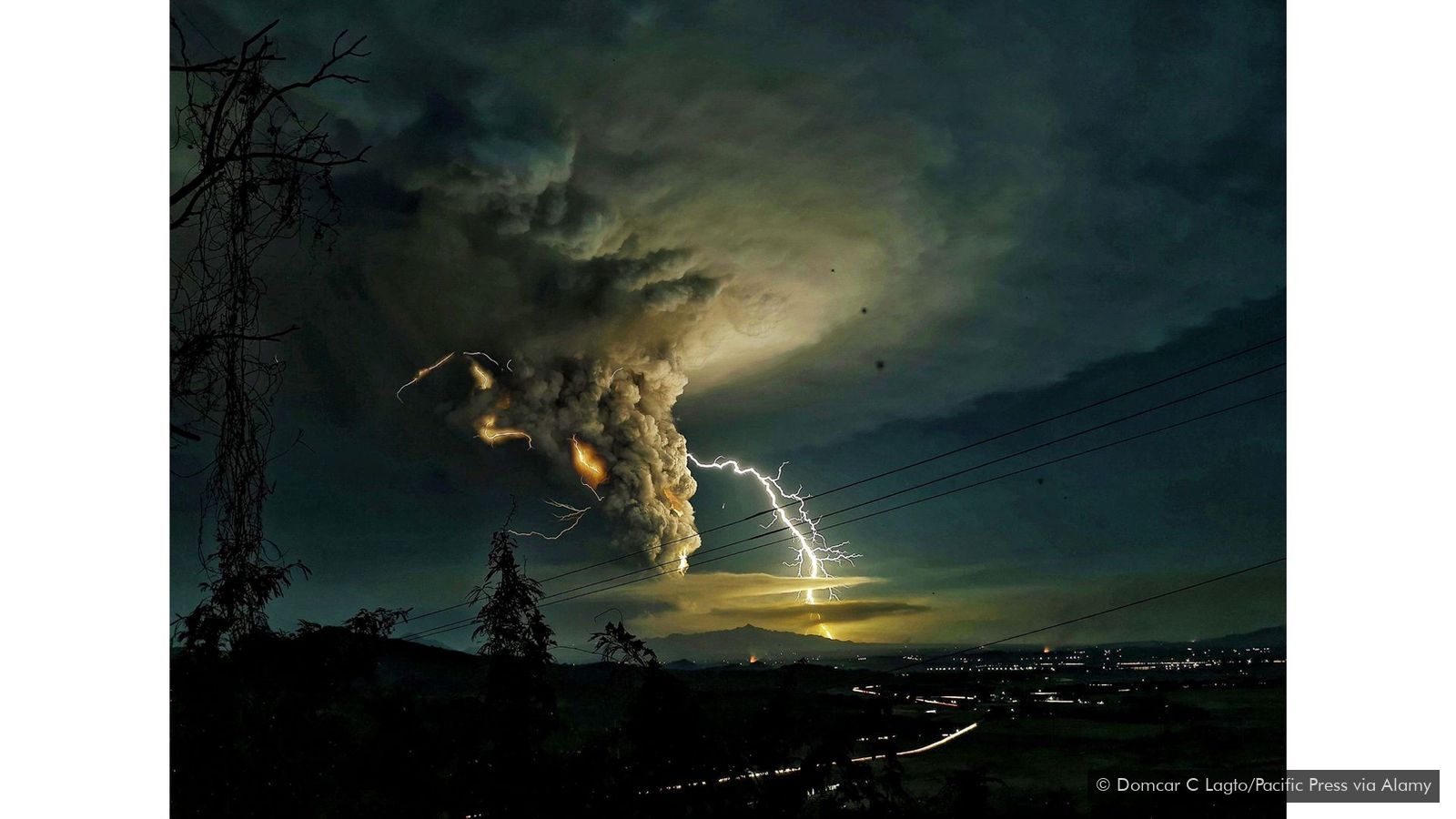
A lightning strike over the province of Batangas during the eruption of the Taal volcano in Philippines, January 2020 (Credit: Domcar C Lagto/Pacific Press via Alamy)

From the BBC:

Eruption of Taal Volcano in Philippines, January 2020

Volcanic lightning occurs when fragments of propelled ash (including glass, ice, and rock) spark against each other in the violent plume that rises above an erupting volcano. The First-Century Roman writer Pliny the Younger is credited with recording the earliest-extant account of a so-called ‘dirty thunderstorm’ after witnessing the eruption of Mount Vesuvius in 79 AD. “A dreadful black cloud,” Pliny observed in a letter to Tacitus, “was torn by gushing flames and great tongues of fire like much-magnified lightning.” Photos taken in January 2020 of a similar display near Manila, Philippines when Taal Volcano erupted captured the world’s attention. The intense gnashing of darkness and light preserved by the images recalls the cataclysmic beauty of The Destruction of Pompei and Herculaneum, the Romantic artist John Martin’s 1822 painterly recreation  of the ancient dirty thunderstorm that Pliny the Younger saw with his own eyes.

This is a copyrighted photograph and I may have to remove it pretty damn quickly.

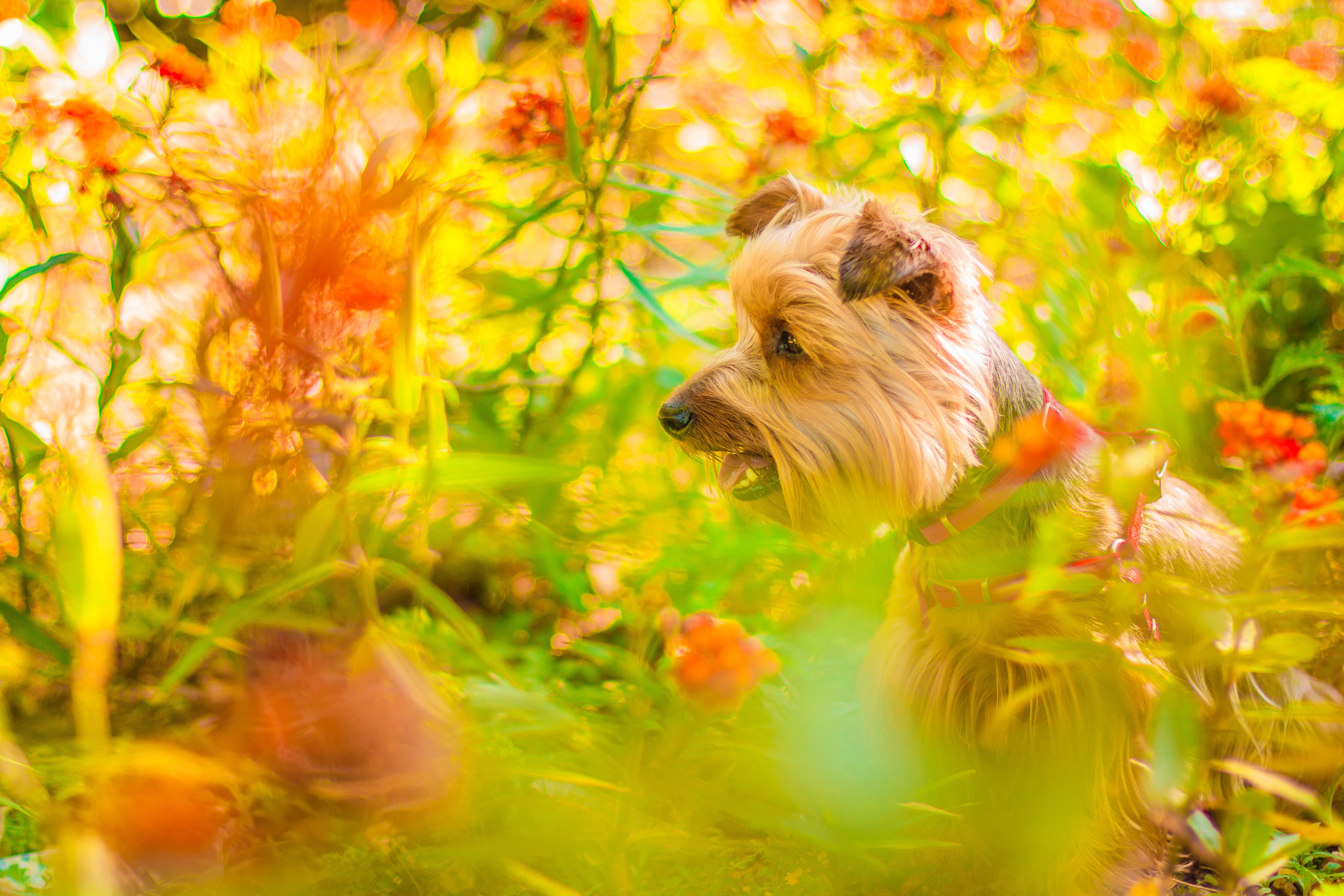
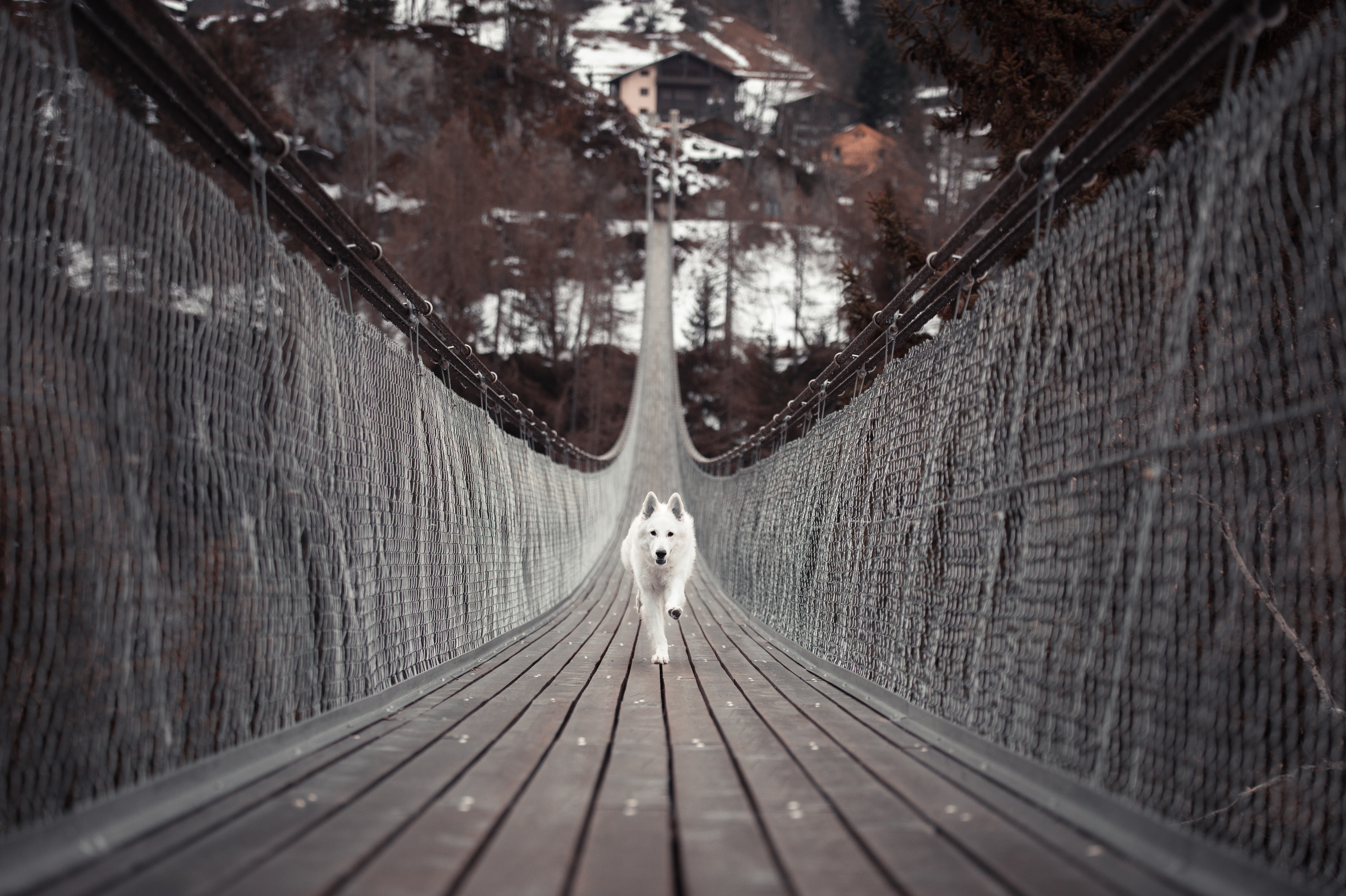
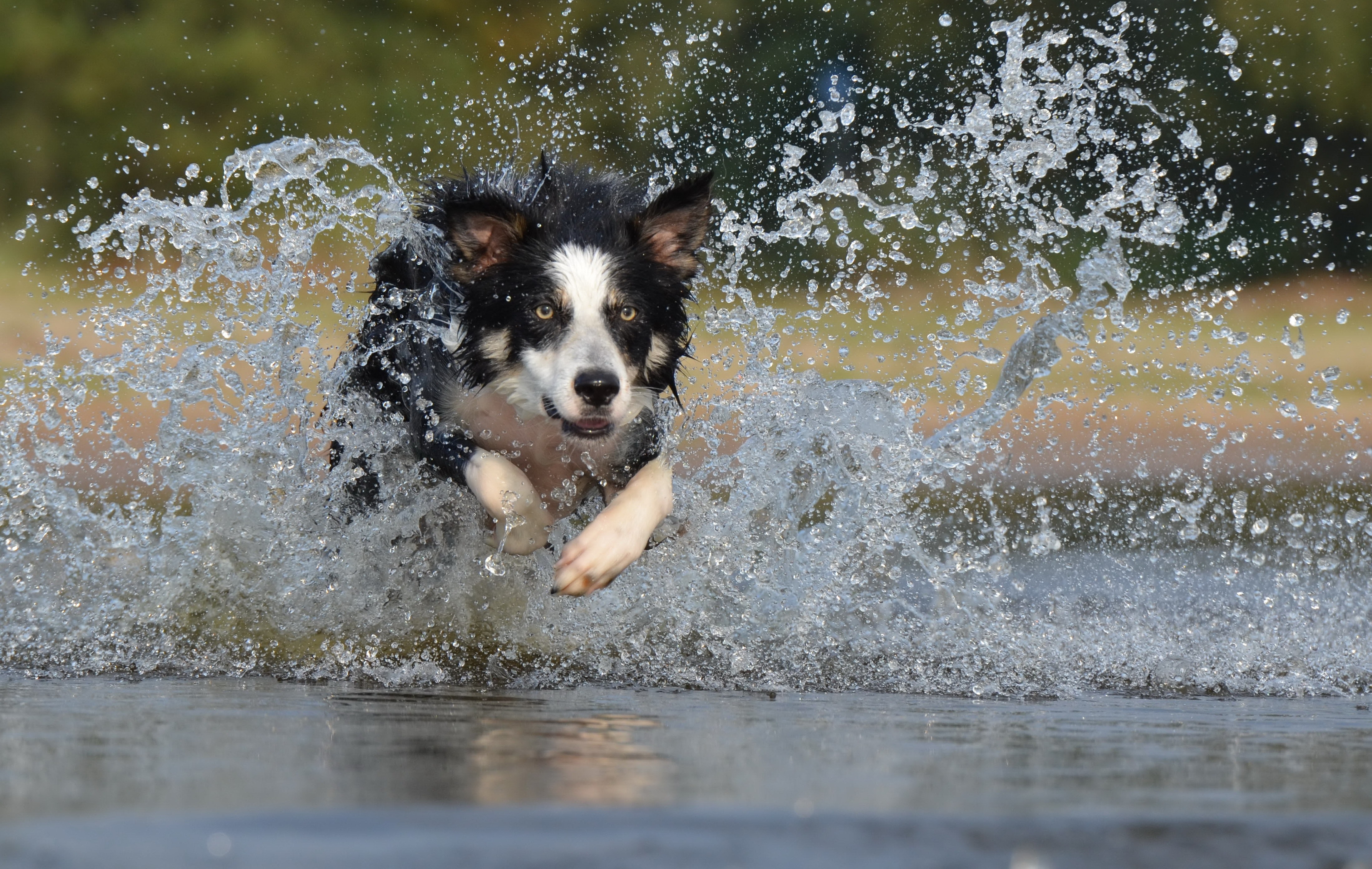
So on to dogs!

Again taken from Pexels.

oooo

oooo

oooo

oooo

oooo

oooo

That’s it, good people, for another week.

Picture Parade Three Hundred and Sixty-Six

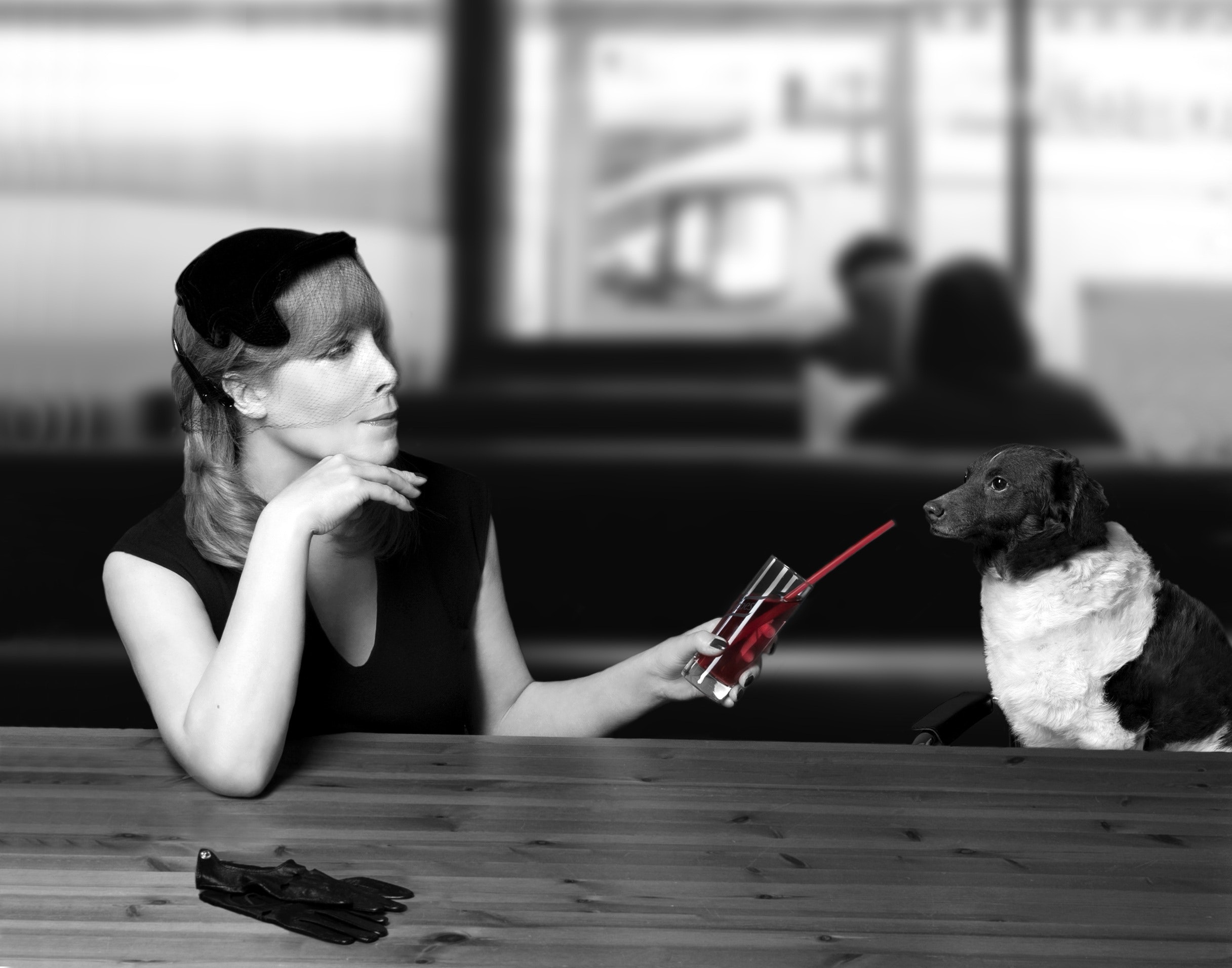
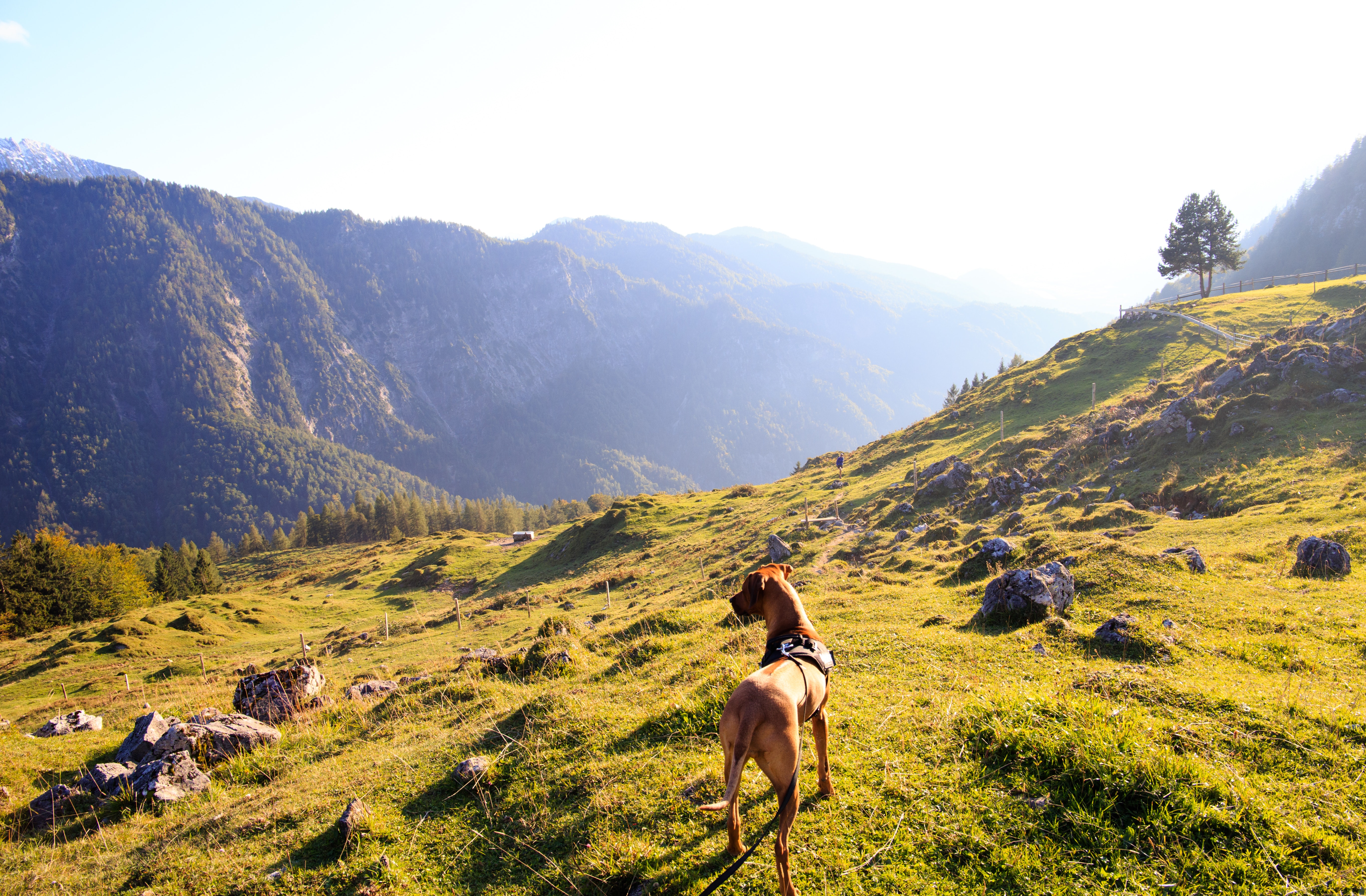
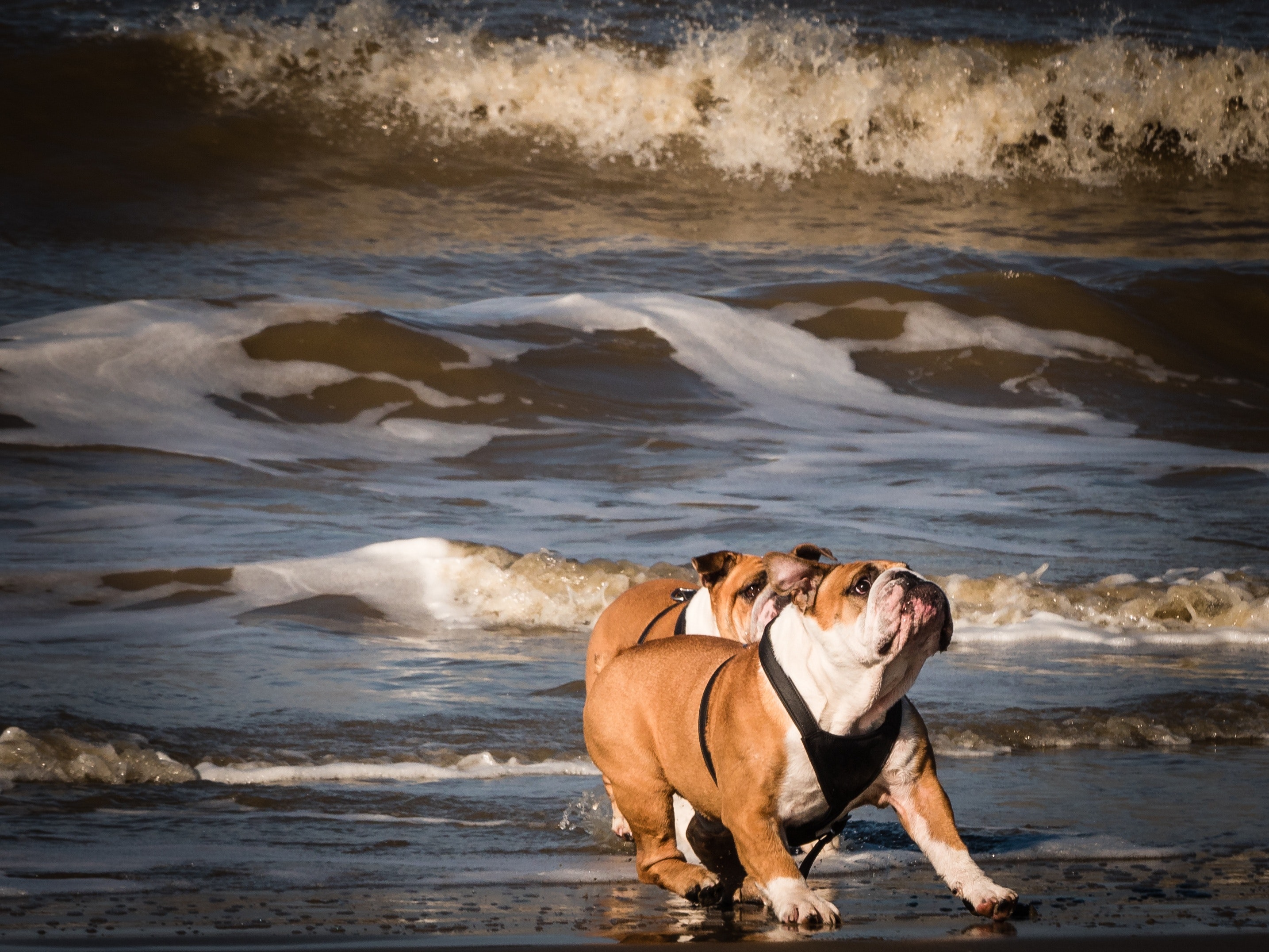
More beautiful dogs!

Once again, taken from Pexels.

oooo

oooo

oooo

oooo

oooo

oooo

Aren’t they gorgeous!

I don’t know how long I will be able to republish these photographs but until I reach that point I will keep them coming!

Picture Parade Three Hundred and Sixty-Five

Still more from Pexels!

oooo

oooo

oooo

oooo

oooo

oooo

oooo

There!

And another set of fabulous photos in a week’s time.

It’s all too much, or it could be!

This year, 2020, has been unlike any other year.

I am not saying anything new but just reiterating what has been said before: 2020 is going to go down as the year from hell! And I don’t think that is too strong a word!

Part of it are the news stories that sweep the world: Covid-19; Brexit; Climate change; up until yesterday what was President Trump going to do in his last few weeks; etc; etc.

Also part of it is the way that news and more news and, yes, more news is flashed around the globe. Most of it bad news as we all know that bad news sells!

Finally, part of it is the new world of social media especially messaging on a smartphone. President Trump isn’t the only one to communicate greatly via Twitter.

Now, speaking personally, I couldn’t have got through this year without Jeannie and our dogs.

Pure bliss!

But, nevertheless, something has changed and Mark Satta has written an article that tries to explain things.

ooOOoo

Three reasons for information exhaustion – and what to do about it

By Mark Satta, Assistant Professor of Philosophy, Wayne State University.

November 18th, 2020

An endless flow of information is coming at us constantly: It might be an article a friend shared on Facebook with a sensational headline or wrong information about the spread of the coronavirus. It could even be a call from a relative wanting to talk about a political issue.

All this information may leave many of us feeling as though we have no energy to engage.

As a philosopher who studies knowledge-sharing practices, I call this experience “epistemic exhaustion.” The term “epistemic” comes from the Greek word episteme, often translated as “knowledge.” So epistemic exhaustion is more of a knowledge-related exhaustion.

It is not knowledge itself that tires out many of us. Rather, it is the process of trying to gain or share knowledge under challenging circumstances.

Currently, there are at least three common sources that, from my perspective, are leading to such exhaustion. But there are also ways to deal with them.

1. Uncertainty

For many, this year has been full of uncertainty. In particular, the coronavirus pandemic has generated uncertainty about health, about best practices and about the future.

At the same time, Americans have faced uncertainty about the U.S. presidential election: first due to delayed results and now over questions about a peaceful transition of power.

Experiencing uncertainty can stress most of us out. People tend to prefer the planned and the predictable. Figures from 17th-century French philosopher René Descartes to 20th-century Austrian philosopher Ludwig Wittgenstein have recognized the significance of having certainty in our lives.

With information so readily available, people may be checking news sites or social media in hopes of finding answers. But often, people are instead greeted with more reminders of uncertainty.

As Trump supporters denounce the 2020 election results, feelings of uncertainty can come up for others. Karla Ann Cote/NurPhoto via Getty Images

2. Polarization

Political polarization is stressing many Americans out.

As political scientist Lilliana Mason notes in her book, “Uncivil Disagreement: How Politics Became Our Identity,” Americans have been increasingly dividing politically “into two partisan teams.”

Many writers have discussed the negative effects of polarization, such as how it can damage democracy. But discussions about the harms of polarization often overlook the toll polarization takes on our ability to gain and share knowledge.

That can happen in at least two ways.

First, as philosopher Kevin Vallier has argued, there is a “causal feedback loop” between polarization and distrust. In other words, polarization and distrust fuel one another. Such a cycle can leave people feeling unsure whom to trust or what to believe.

Second, polarization can lead to competing narratives because in a deeply polarized society, as studies show, we can lose common ground and tend to have less agreement.

For those inclined to take the views of others seriously, this can create additional cognitive work. And when the issues are heated or sensitive, this can create additional stress and emotional burdens, such as sadness over damaged friendships or anger over partisan rhetoric.

3. Misinformation

Viral misinformation is everywhere. This includes political propaganda in the United States and around the world.

People are also inundated with advertising and misleading messaging from private corporations, what philosophers Cailin O’Connor and James Owen Weatherall have called “industrial propaganda.” And in 2020, the public is also dealing with misinformation about COVID-19.

As chess grandmaster Garry Kasparov put it: “The point of modern propaganda isn’t only to misinform or push an agenda. It is to exhaust your critical thinking, to annihilate truth.”

Misinformation is often exhausting by design. For example, a video that went viral, “Plandemic,” featured a large number of false claims about COVID-19 in rapid succession. This flooding of misinformation in rapid succession, a tactic known as a Gish gallop, makes it challenging and time-consuming for fact checkers to refute the many falsehoods following one after another.

What to do?

With all this uncertainty, polarization and misinformation, feeling tired is understandable. But there are things one can do.

The American Psychological Association suggests coping with uncertainty through activities like limiting news consumption and focusing on things in one’s control. Another option is to work on becoming more comfortable with uncertainty through practices such as meditation and the cultivation of mindfulness.

To deal with polarization, consider communicating with the goal of creating empathetic understanding rather than “winning.” Philosopher Michael Hannon describes empathetic understanding as “the ability to take up another person’s perspective.”

[Deep knowledge, daily. Sign up for The Conversation’s newsletter.]

As for limiting the spread of misinformation: Share only those news stories that you’ve read and verified. And you can prioritize outlets that meet high ethical journalistic or fact-checking standards.

These solutions are limited and imperfect, but that’s all right. Part of resisting epistemic exhaustion is learning to live with the limited and imperfect. No one has time to vet all the headlines, correct all the misinformation or gain all the relevant knowledge. To deny this is to set oneself up for exhaustion.

ooOOoo

That last section, What to do?, is full of really sensible advice. In fact, the American Psychological Association has an article at the moment that appears to be freely available called Healing the political divide.

I intend to read it.

It finishes up saying:

Scientists must strive to share their research as broadly as possible. And they don’t have to do it alone. Organizations like More in Common work to conduct research and communicate findings to audiences where it can have the greatest impact.

Advocacy is essential as well. Other countries that have made strides in addressing the political divide relied heavily on government-led reconciliation efforts. The Truth and Reconciliation Commission, for example, in South Africa, has been fundamental in addressing disparities and conflict around Apartheid.

Were the United States to consider similar, government-backed efforts, psychologists must be part of the call to do so. And the behavioral expertise of the field would be central to success.

“The collective mental health of the nation is at risk,” says Moghaddam. “Just as we should rely on epidemiological science to tell us when there is a vaccine ready for mass use, we have to rely on psychological science to guide us through these mental health issues.”

And following an election that, for many, has felt like the most polarized of a lifetime, this piece seems critical. “ This is what our profession is all about,” says Moghaddam.

Good advice especially if you can take time off just losing oneself in nature.

Dawn behind nearby Mt. Sexton. Taken from our deck on the 21st August, 2019.

Enough said!

Of dogs and men.

Ancient genomes reveal the common history of human and dog.

At the end of October, 2020 Science magazine published an article about the evolutionary genetics of humans and dogs.

I am not allowed to republish the full text, despite being an AAAS member, but I am sure that selected quotes will be alright.

The article was written by Pavlos Pavlidis and Mehmet Somel.

Dogs likely evolved from a wolf population that self-domesticated, scavenging for left-overs from Palaeolithic hunter-gatherers in Eurasia. However, the exact timing and geographic location where the dog lineage started remain unknown, owing to the scarcity of Palaeolithic dogs in the archaeological record. Analyses of genetic data suggest that dog-wolf divergence took place ~25,000 to 40,000 years ago, providing an earliest possible date for dog domestication.

The last paragraph in the short article is as follows:

For example, there is evidence that pigs were domesticated in both Anatolia and China. For dogs, however, the story is different. Dogs and modern-day Eurasian grey wolves appear as monophyletic groups; that is, any dog is genetically closer to another dog than to a wolf, and vice versa, Monophyly supports a single origin of dogs from a possible extinct wolf lineage.

Absolutely fascinating!

A couple of photographs, courtesy of Pexels, to close the piece.

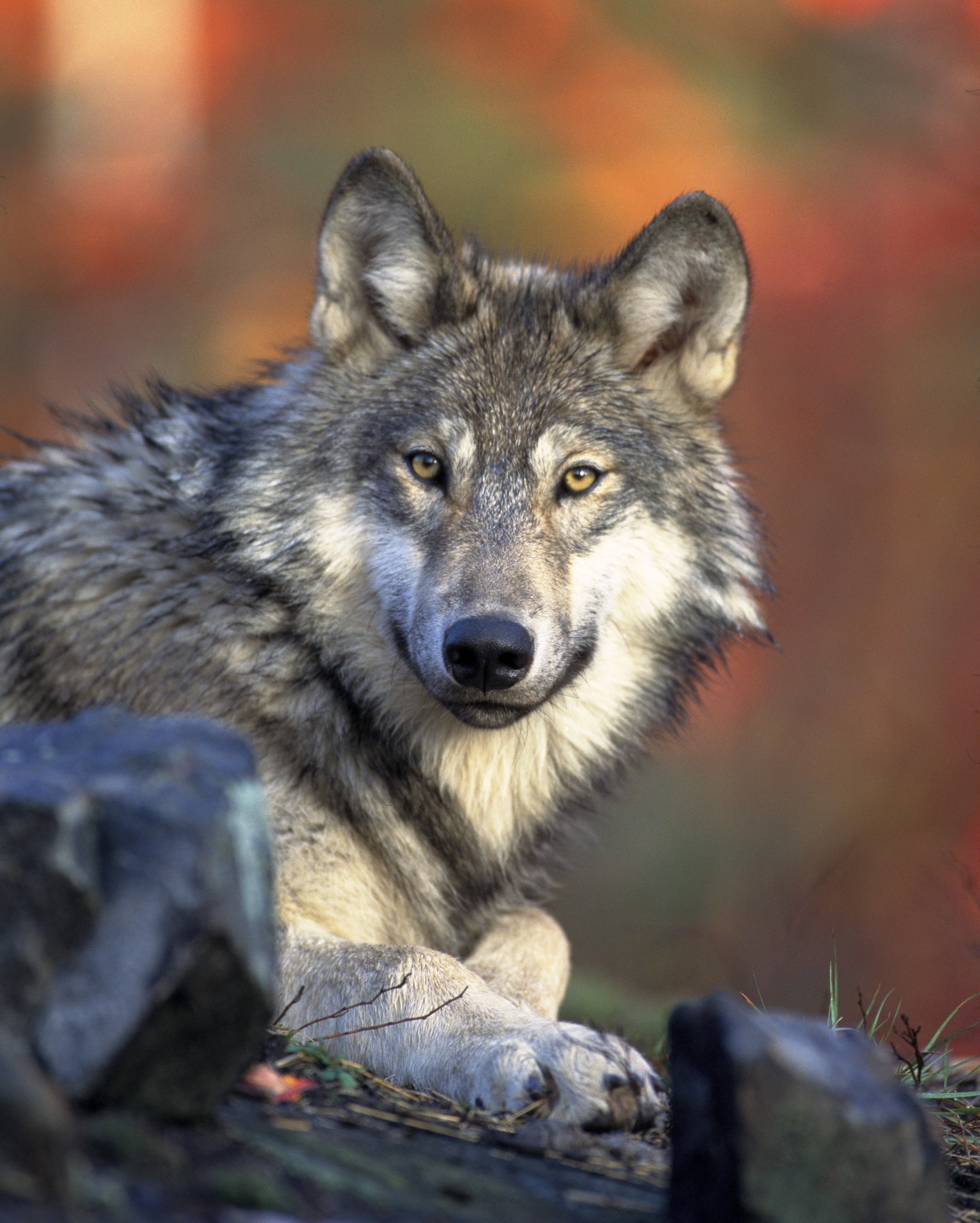
The wolf

oooo

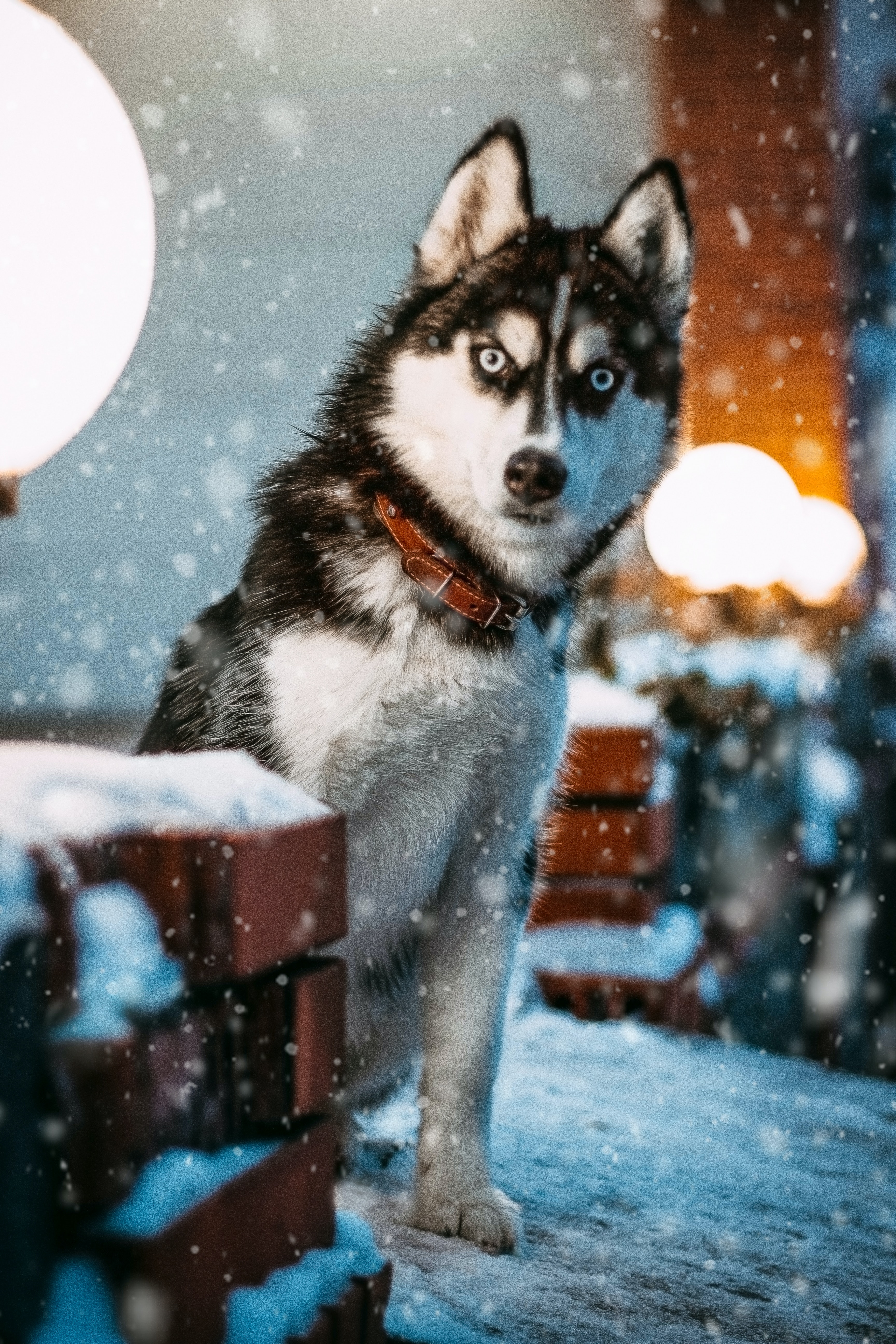
The dog.

See you tomorrow.

Picture Parade Three Hundred and Sixty-Four

There’s a theme to this week’s Picture Parade.

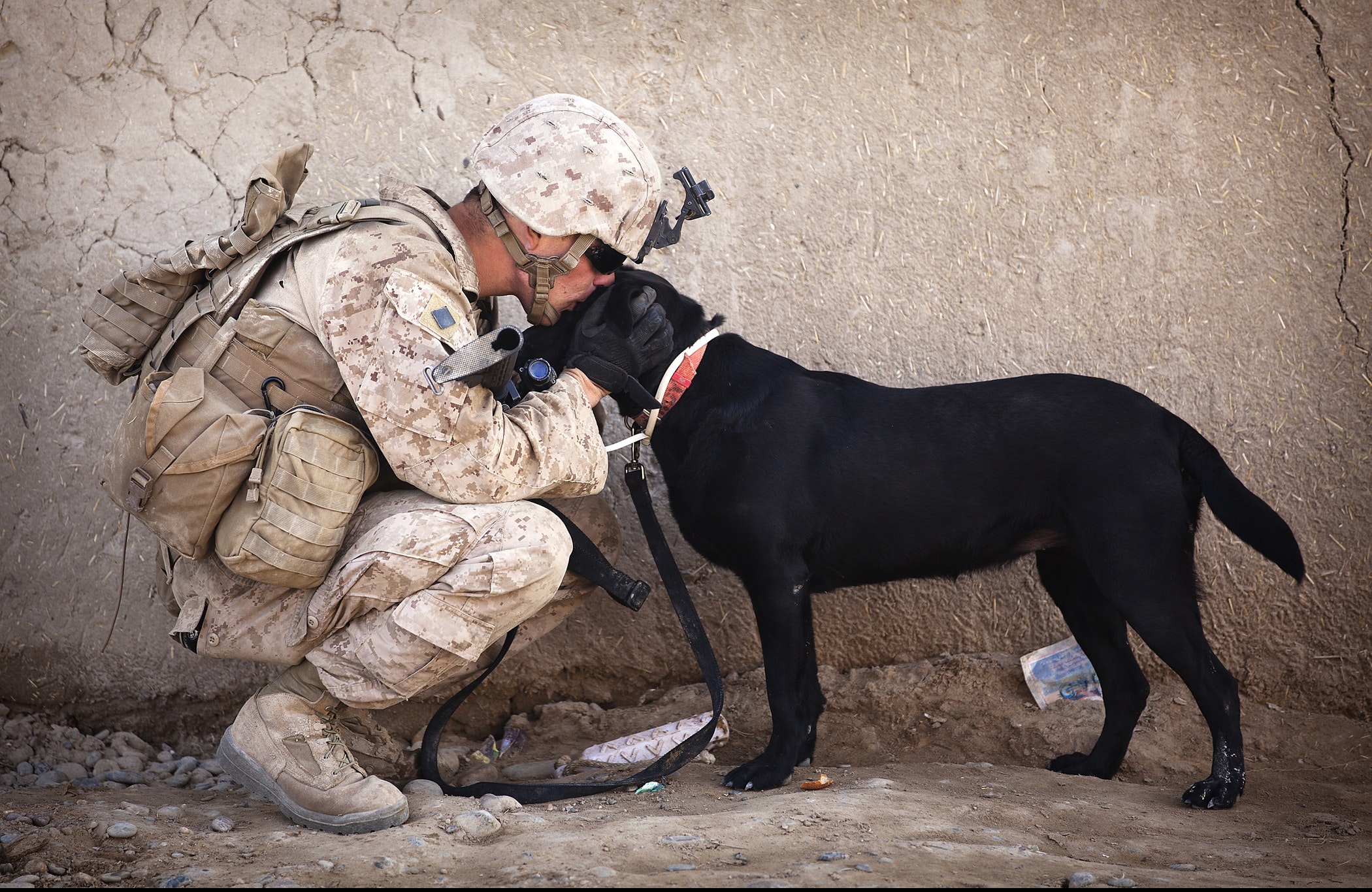
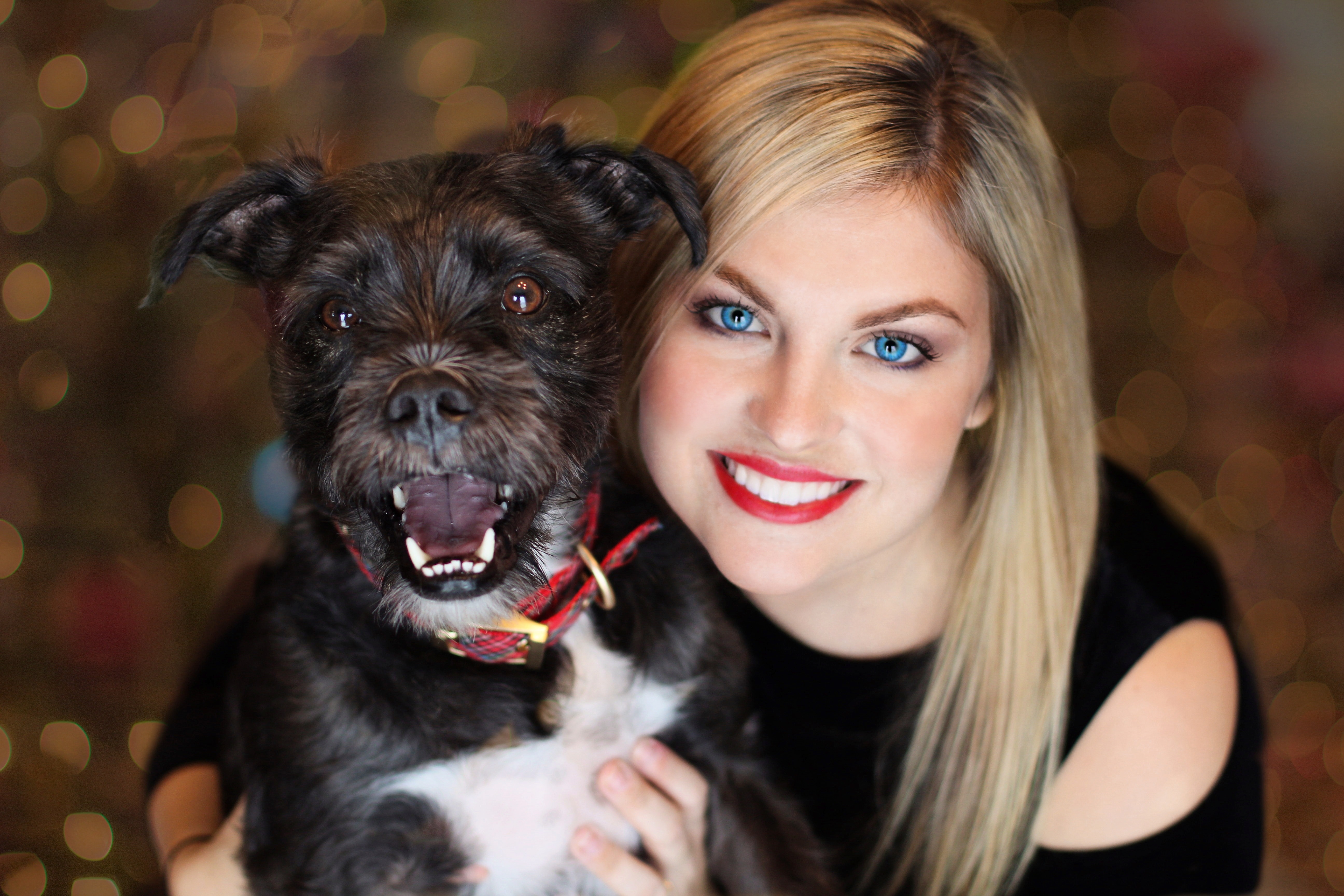
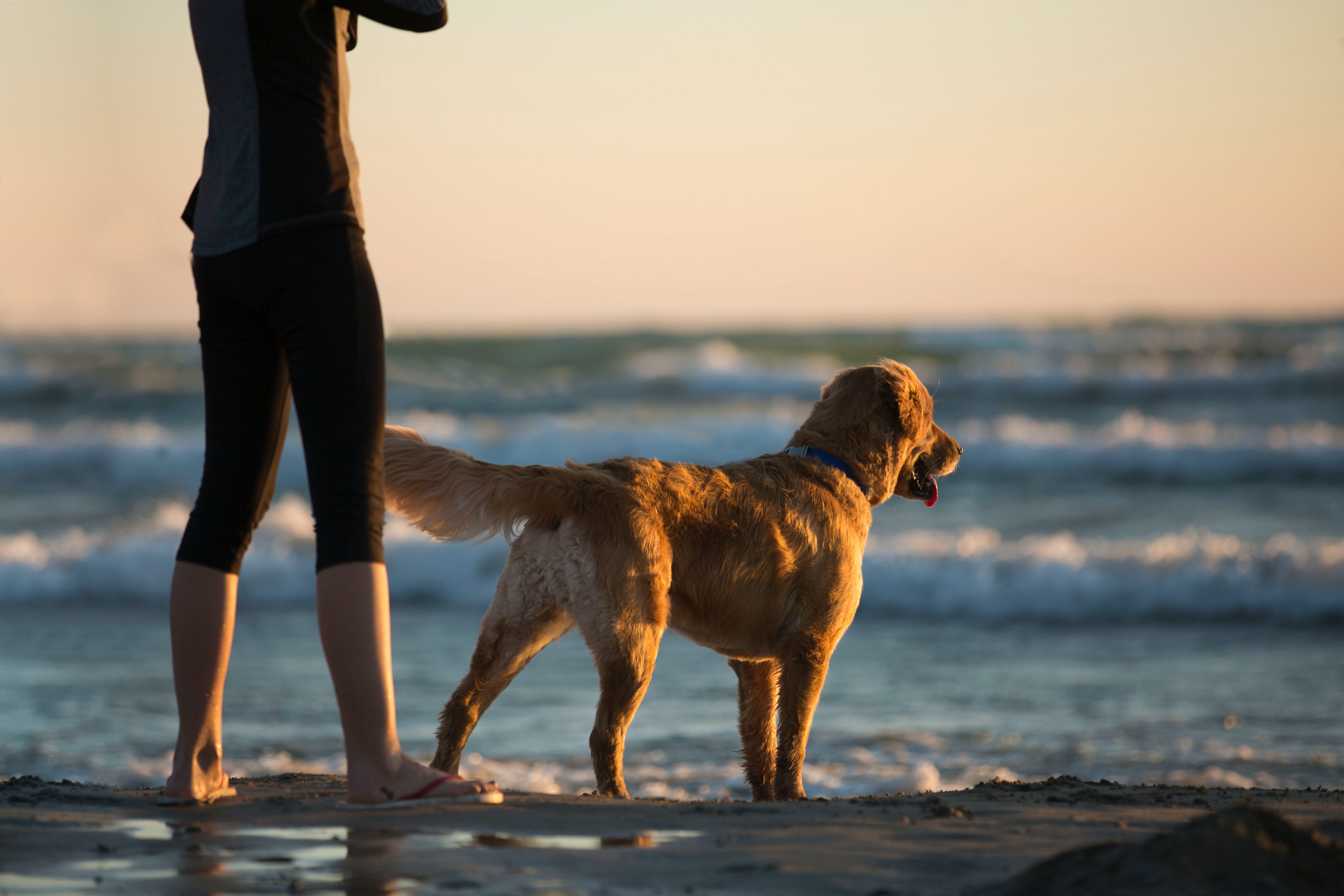
First of all I must again thank Pexels for providing these photographs. They are from a grouping called Man’s Best Friend.

This is the theme. That dogs are our closest and longest animal companions by far. Indeed, the era that humans befriended wolves is so long ago that an exact time is far from settled. Here’s a piece in the August 2020 issue of Scientific American magazine:

In the 14,000 to 40,000 years during which this domestication process occurred, wild wolves were probably doing better than dogs in terms of numbers – after all, our dogs were probably another food source for humans when times became lean. The first written record of a wolf hunt was recorded in the sixth century B.C.E., when Solon of Athens offered a bounty for every wolf killed.

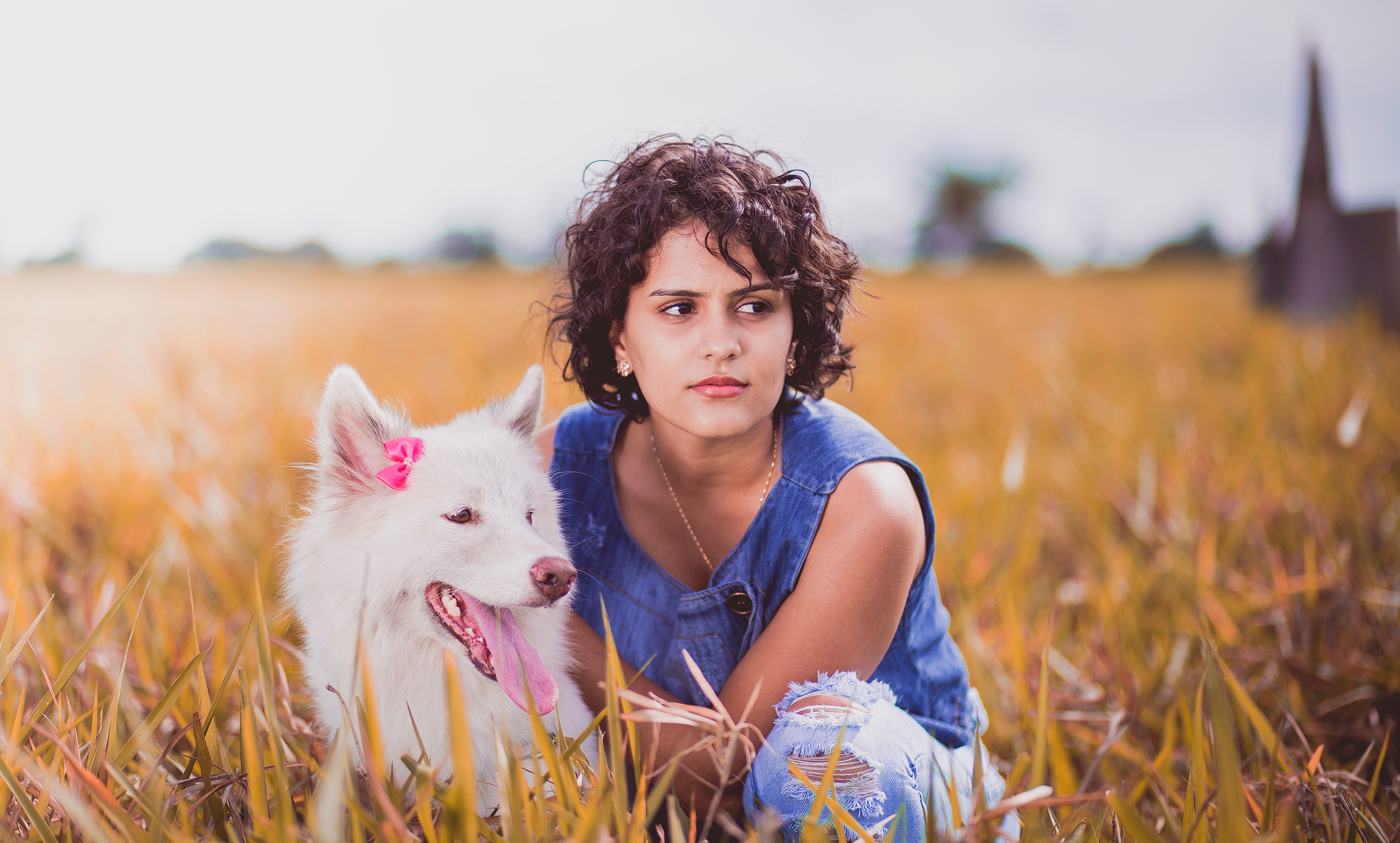
So in all these photographs today there is a human with the dog!

oooo

oooo

oooo

oooo

oooo

oooo

oooo

Fabulous even though I say it myself!