Following on from yesterday’s post.
This was a link in the post and I thought it valuable to present the information.
ooOOoo
Best Dry Dog Foods 2019
The best dry dog foods listed below have been selected by The Dog Food Advisor because of their exceptional ingredient quality, nutritious design, and the superior safety practices of their manufacturers.
In addition, the labels of these products reveal…
- Above-average meat content
- Safe fat-to-protein ratio
- Moderate carb levels
- No high-risk ingredients
- No anonymous meat
Tip: Please don’t overlook our 4-star selections. Many are made by some of the best companies in the industry. They also offer exceptional value for those on a budget.
The Best Dry Dog Foods
July 2019
Here are The Dog Food Advisor’s top 20 best dry dog foods for July 2019.

Rating: *****
Dr. Tim’s Pursuit Active Dog Formula is one of 8 recipes included in our review of Dr. Tim’s dog food.
- First 5 ingredients: Chicken meal, brown rice, chicken fat, whole oat groats, dried beet pulp
- Type: Grain-inclusive (contains grain)
- Profile: All life stages
- Best For: All adults and small/medium breed puppies
- See all 8 available recipes
Dr. Tim’s Pursuit Active Dog Formula derives the bulk of its animal protein from chicken meal. Our dry matter label analysis reveals the recipe contains 33% protein, 22% fat and 36% estimated carbs… creating a fat-to-protein ratio of about 67%.
Check Price at an Online Retailer
oooo
Rating: *****
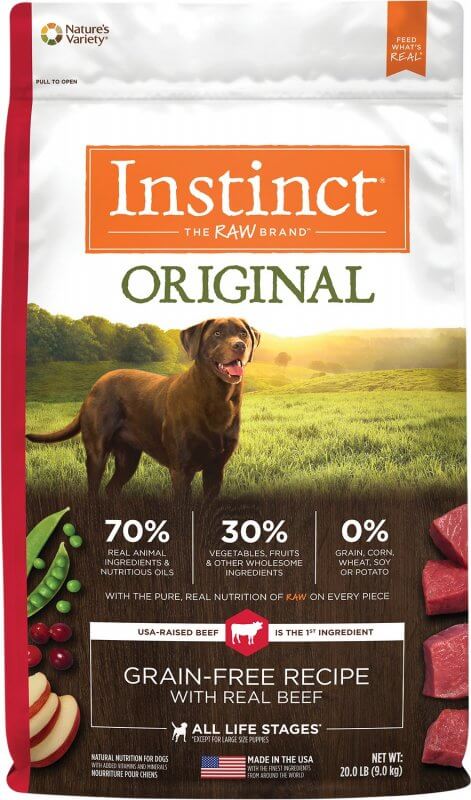
Instinct Original with Real Beef is one of 6 recipes included in our review of Instinct Original dog food.
- First 5 ingredients: Beef, chicken meal, white fish meal, peas, chicken fat
- Type: Grain-free
- Profile: All life stages
- Best For: All adults and puppies
- See all 6 available recipes
Instinct Original with Real Beef derives most of its animal protein from beef, chicken meal and fish meal. Our dry matter label analysis reveals the recipe contains 40% protein, 21% fat and 31% estimated carbs… producing a fat-to-protein ratio of about 53%.
Check Price at an Online Retailer
oooo

Rating: *****
Victor Hi-Pro Plus is one of 4 recipes included in our review of Victor Classic dog food.
- First 5 ingredients: Beef meal, grain sorghum, chicken fat, pork meal, chicken meal
- Type: Grain-inclusive (contains grain)
- Profile: All life stages
- Best For: All adults and small/medium breed puppies
- See all 4 available recipes
Victor Hi-Pro Plus derives the majority of its animal protein from beef meal. Our dry matter label analysis reveals the recipe contains 33% protein, 22% fat and 37% estimated carbs… which results in a fat-to-protein ratio of about 67%.
Check Price at an Online Retailer
oooo

Rating: *****
Annamaet Ultra is one of 7 recipes included in our review of Annamaet dog food.
- First 5 ingredients: Chicken meal, brown rice, chicken fat, whole dry eggs, herring meal,
- Type: Grain-inclusive (contains grain)
- Profile: All life stages
- Best For: All adults and puppies
- See all 7 available recipes
Annamaet Ultra derives most of its animal protein from chicken meal. Our dry matter label analysis reveals the recipe contains 36% protein, 22% fat and 34% estimated carbs… yielding a fat-to-protein ratio of about 63%.
Check Price at an Online Retailer
oooo

Rating: *****
Canidae Pure Real Salmon and Sweet Potato is one of 11 recipes included in our review of Canidae Grain-Free Pure dog food.
- First 5 ingredients: Salmon, salmon meal, menhaden fish meal, sweet potatoes, peas
- Type: Grain-free
- Profile: Maintenance
- Best For: Adults only (not for puppies)
- See all 11 available recipes
Canidae Pure Real Salmon and Sweet Potato derives the bulk of its animal protein from salmon. Our dry matter label analysis reveals the recipe contains 36% protein, 20% fat and 36% estimated carbs… resulting in a fat-to-protein ratio of about 56%.
Check Price at an Online Retailer
oooo

Rating: ****
Wellness Complete Health Adult is one of 14 recipes included in our review of Wellness Complete Health dog food.
- First 5 ingredients: Deboned chicken, chicken meal, oatmeal, ground barley, peas
- Type: Grain-inclusive (contains grain)
- Profile: Maintenance
- Best For: Adults only (not for puppies)
- See all 14 available recipes
Wellness Complete Health Adult derives most of its animal protein from chicken. Our dry matter label analysis reveals the recipe contains 27% protein, 13% fat and 52% estimated carbs… which yields a fat-to-protein ratio of about 50%.
Check Price at an Online Retailer
oooo
Rating: *****
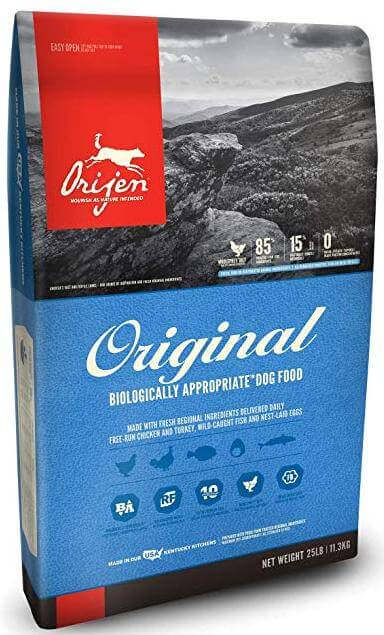
Orijen Original is one of 8 recipes included in our review of Orijen dog food.
- First 5 ingredients: Deboned chicken, deboned turkey, Atlantic flounder, cage-free eggs, whole Atlantic mackerel
- Type: Grain-free
- Profile: All life stages
- Best For: All adults and puppies
- See all 8 available recipes
Orijen Original derives the majority of its animal protein from deboned poultry and Atlantic fish. Our dry matter label analysis reveals the recipe contains 43% protein, 21% fat and 28% estimated carbs… which produces a fat-to-protein ratio of about 47%.
Check Price at an Online Retailer
oooo
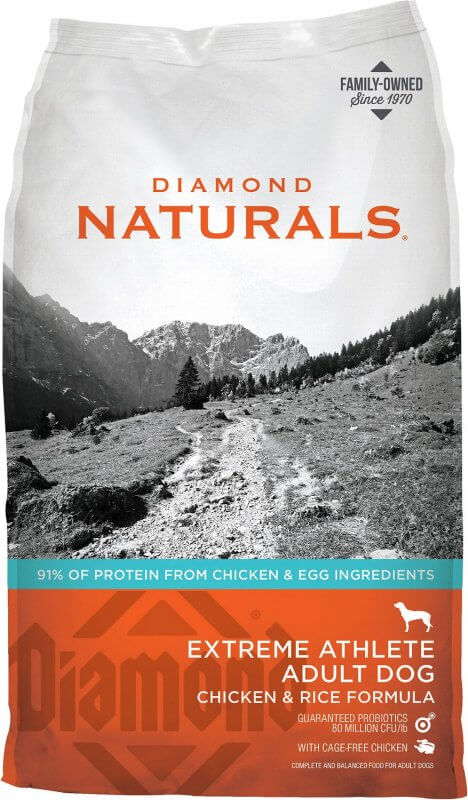
Rating: *****
Diamond Naturals Extreme Athlete is one of 12 recipes included in our review of Diamond Naturals dog food.
- First 5 ingredients: Chicken meal, chicken, ground white rice, chicken fat, cracked pearled barley
- Type: Grain-inclusive (contains grain)
- Profile: Maintenance
- Best For: Adults only (not for puppies)
- See all 12 available recipes
Diamond Naturals Extreme Athlete derives the bulk of its animal protein from chicken. Our dry matter label analysis reveals the recipe contains 36% protein, 28% fat and 29% estimated carbs… resulting in a fat-to-protein ratio of about 78%.
Check Price at an Online Retailer
oooo

Rating: *****
Nature’s Logic Canine Chicken Meal Feast is one of 9 recipes included in our review of Nature’s Logic dog food.
- First 5 ingredients: Chicken meal, millet, chicken fat, pumpkin seed, yeast culture
- Type: Grain-inclusive (contains grain)
- Profile: All life stages
- Best For: All adults and puppies
- See all 9 available recipes
Nature’s Logic Canine Chicken Meal Feast derives most of its animal protein from chicken meal. Our dry matter label analysis reveals the recipe contains 40% protein, 17% fat and 36% estimated carbs… which creates a fat-to-protein ratio of about 42%.
Check Price at an Online Retailer
oooo

Rating: *****
Nulo Freestyle Turkey and Sweet Potato is one of 8 recipes included in our review of Nulo Freestyle dog food.
- First 5 ingredients: Deboned turkey, turkey meal, salmon meal, chickpeas, chicken fat
- Type: Grain-free
- Profile: Maintenance
- Best For: Adults only (not for puppies)
- See all 8 available recipes
Nulo Freestyle Turkey and Sweet Potato derives the bulk of its animal protein from poultry meal and salmon meal. Our dry matter label analysis reveals the recipe contains 37% protein, 20% fat and 35% estimated carbs… creating a fat-to-protein ratio of about 55%.
Check Price at an Online Retailer
oooo
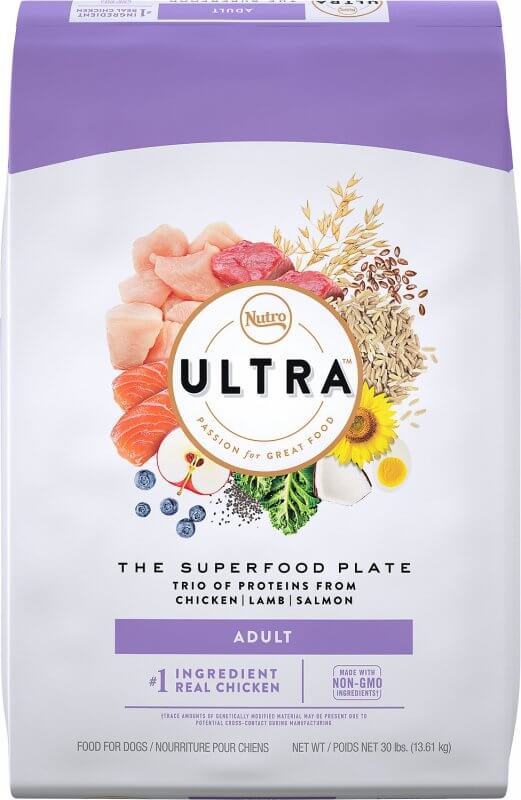
Rating: ****
Nutro Ultra Adult is one of 10 recipes included in our review of Nutro Ultra dog food.
- First 5 ingredients: Chicken, chicken meal, whole brown rice, brewers rice, rice bran
- Type: Grain-inclusive (contains grain)
- Profile: Maintenance
- Best For: Adults only (not for puppies)
- See all 10 available recipes
Nutro Ultra Adult derives most of its animal protein from chicken and chicken meal. Our dry matter label analysis reveals the recipe contains 28% protein, 16% fat and 49% estimated carbs… producing a fat-to-protein ratio of about 56%.
Check Price at an Online Retailer
oooo

Rating: ****
Go! Solutions Carnivore Chicken, Turkey and Duck is one of 5 recipes included in our review of Go! Solutions Carnivore dog food.
- First 5 ingredients: Chicken meal, turkey meal, salmon meal, de-boned chicken, de-boned turkey
- Type: Grain-free
- Profile: Maintenance
- Best For: Adults only (not for puppies)
- See all 5 available recipes
Go! Solutions Carnivore Chicken, Turkey and Duck derives the majority of its animal protein from poultry meal, salmon meal and deboned poultry. Our dry matter label analysis reveals the recipe contains 38% protein, 18% fat and 36% estimated carbs… yielding a fat-to-protein ratio of about 47%.
Check Price at an Online Retailer
oooo

Rating: *****
Eagle Pack Power Adult is one of 7 recipes included in our review of Eagle Pack dog food.
- First 5 ingredients: Chicken meal, pork meal, ground brown rice, peas, chicken fat
- Type: Grain-inclusive (contains grain)
- Profile: Maintenance
- Best For: Adults only (not for puppies)
- See all 7 available recipes
Eagle Pack Power Adult derives most of its animal protein from chicken meal and pork meal. Our dry matter label analysis reveals the recipe contains 33% protein, 21% fat and 38% estimated carbs… resulting in a fat-to-protein ratio of about 63%
Check Price at an Online Retailer
oooo
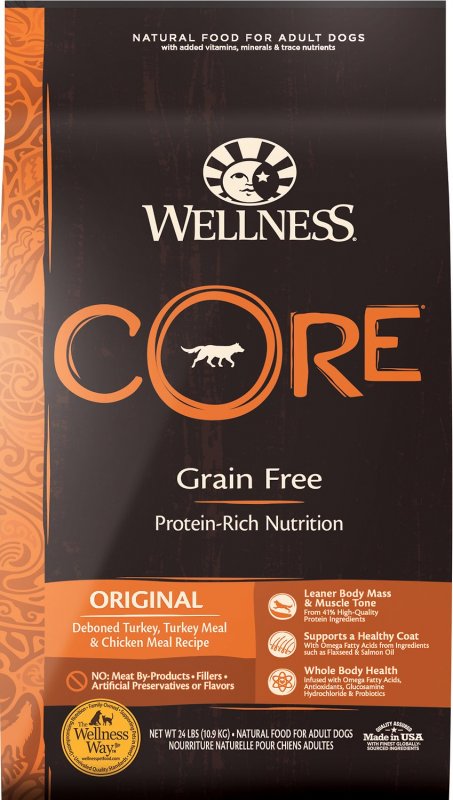
Rating:
Wellness Core Original is one of 12 recipes included in our review of Wellness Core dog food.
- First 5 ingredients: Deboned turkey, turkey meal, chicken meal, peas, potatoes
- Type: Grain-free
- Profile: Maintenance
- Best For: Adults only (not for puppies)
- See all 12 available recipes
Wellness Core Original derives the bulk of its animal protein from chicken. Our dry matter label analysis reveals the recipe contains 38% protein, 18% fat and 36% estimated carbs… which produces a fat-to-protein ratio of about 47%.
Check Price at an Online Retailer
oooo

Rating: ****
Whole Earth Farms Adult Recipe is one of 2 recipes included in our review of Whole Earth Farms dog food.
- First 5 ingredients: Chicken meal, turkey meal, brown rice, oatmeal, barley
- Type: Grain-inclusive (contains grain)
- Profile: Maintenance
- Best For: Adults only (not for puppies)
- See both available recipes
Whole Earth Farms Adult Recipe derives the majority of its animal protein from poultry meal. Our dry matter label analysis reveals the recipe contains 29% protein, 15% fat and 48% estimated carbs… resulting in a fat-to-protein ratio of about 50%.
Check Price at an Online Retailer
oooo

Rating: ****
Blue Buffalo Life Protection Chicken and Brown Rice is one of 23 recipes included in our review of Blue Buffalo Life Protection dog food.
- First 5 ingredients: Deboned chicken, chicken meal, brown rice, barley, oatmeal
- Type: Grain-inclusive (contains grain)
- Profile: Maintenance
- Best For: Adults only (not for puppies)
- See all 23 available recipes
Blue Buffalo Life Protection Chicken and Brown Rice derives the majority of its animal protein from deboned chicken and chicken meal. Our dry matter label analysis reveals the recipe contains 27% protein, 16% fat and 50% estimated carbs… which creates a fat-to-protein ratio of about 58%.
Check Price at an Online Retailer
oooo
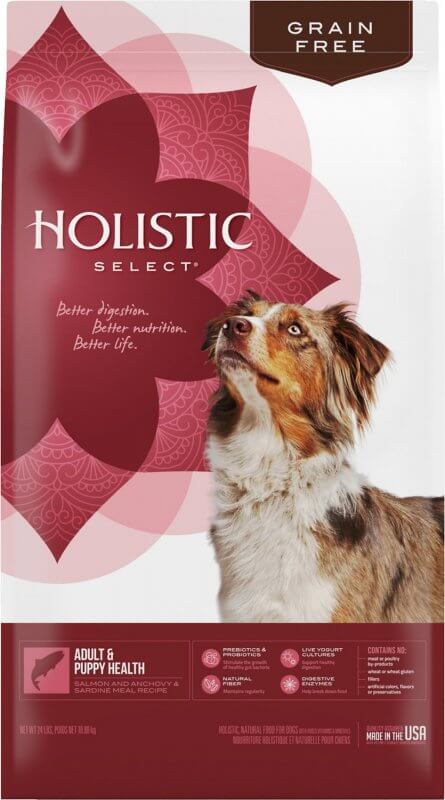
Rating: ****
Holistic Select Grain-Free Adult and Puppy Health is one of 10 recipes included in our review of Holistic Select Grain-Free dog food.
- First 5 ingredients: Salmon, anchovy and sardine meal, potatoes, peas, menhaden fish meal
- Type: Grain-free
- Profile: All life stages
- Best For: All adults and small/medium breed puppies
- See all 10 available recipes
Holistic Select Grain-Free Adult and Puppy Health derives most of its animal protein from salmon and fish meal. Our dry matter label analysis reveals the recipe contains 32% protein, 16% fat and 44% estimated carbs… producing a fat-to-protein ratio of about 48%.
Check Price at an Online Retailer
oooo

Rating: ****
Blackwood 3000 All Life Stages Everyday Diet is one of 5 recipes included in our review of Blackwood Everyday Recipes.
- First 5 ingredients: Lamb meal, brown rice, oat groats, millet, chicken meal
- Type: Grain-inclusive (contains grain)
- Profile: All life stages
- Best For: All adults and puppies
- See all 5 available recipes
Blackwood 3000 All Life Stages Everyday Diet derives the majority of its animal protein from lamb meal. Our dry matter label analysis reveals the recipe contains 27% protein, 16% fat and 50% estimated carbs… creating a fat-to-protein ratio of about 58%.
Check Price at an Online Retailer
oooo
Rating: ****
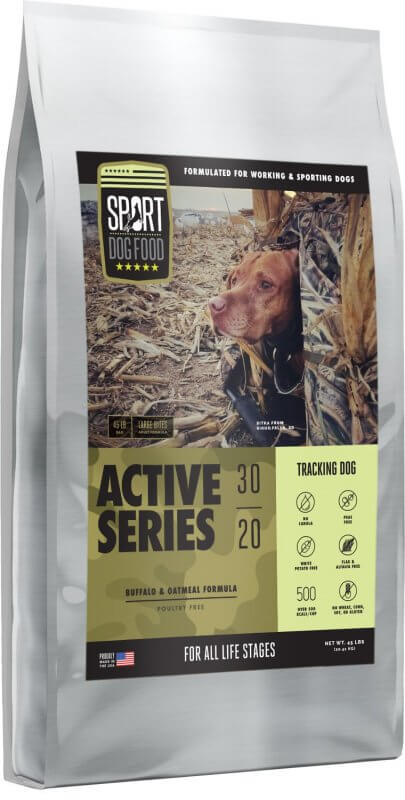
Sport Dog Food Active Series Tracking Dog is one of 5 recipes included in our review of Sport Dog Active Series dog food.
- First 5 ingredients: Buffalo meal, oatmeal, dried sweet potato, pork meal, coconut oil
- Type: Grain-inclusive (contains grain)
- Profile: Maintenance
- Best For: Adults only (not for puppies)
- See all 5 available recipes
Sport Dog Active Series Tracking Dog derives most of its animal protein from buffalo meal. Our dry matter label analysis reveals the recipe contains 33% protein, 22% fat and 37% estimated carbs… yielding a fat-to-protein ratio of about 67%.
Check Price at an Online Retailer
oooo
Rating: ****
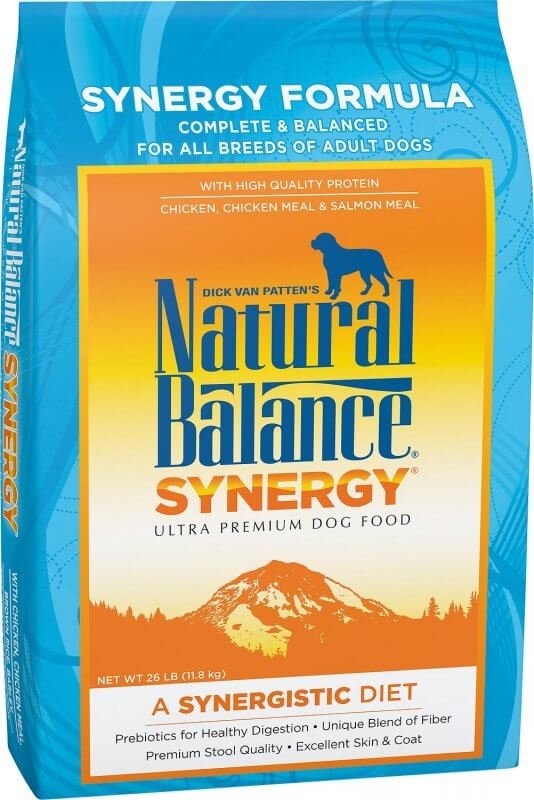
This sole recipe is included in our review of Natural Balance Synergy dog food.
- First 5 ingredients: Chicken, chicken meal, brown rice, chicken fat, dried beet pulp,
- Type: Grain-inclusive
- Profile: Maintenance
- Best For: Adults only (not for puppies)
Natural Balance Synergy derives the bulk of its animal protein from chicken and chicken meal. Our dry matter label analysis reveals the recipe contains 31% protein, 18% fat and 43% estimated carbs… which results in a fat-to-protein ratio of about 57%.
Check Price at an Online Retailer
You May Also Like
oooo
Important FDA Alert
The FDA is investigating a potential link between grain-free diets and heart disease in dogs. Click here for details.
A Final Word
The Dog Food Advisor is privately owned and is not affiliated (in any way) with pet food manufacturers. We do not accept money, gifts, samples or other incentives in exchange for special consideration in preparing our reviews.
However, we do receive an affiliate fee from certain online retailers when readers click over to their website from ours. This policy helps support the operation of our blog and keeps access to all our content free to the public.
In any case, it is always our intention to remain objective, impartial and unbiased when conducting our analysis.
For complete information, please visit our Disclaimer and Disclosure page.
ooOOoo
Now a couple of cautions.
- I couldn’t copy the ratings properly and some of the four-star ratings were actually four and a half stars.
- I couldn’t copy and paste the section at the end of each review that had key points under the title of Why We Like This Brand so please consider reading the Full Brand Review.
Nonetheless, I sincerely hope you find this useful.
UPDATE
In response the Irene’s question, that you will find in the comments section, I have now had a reply to my email. It is posted below.
Hi Paul,
Thanks for your message. I understand your concerns about grain free diets.
Please keep in mind, the FDA`s latest update regarding its investigation into the possible link between grain free dog food and DCM is still not conclusive. So, we`re just as anxious as you are to know the true causes behind these cases.
In case you haven`t already done so, please take a moment to check out our most recent update about this important topic.
Still, the FDA reminds readers in its most recent report…
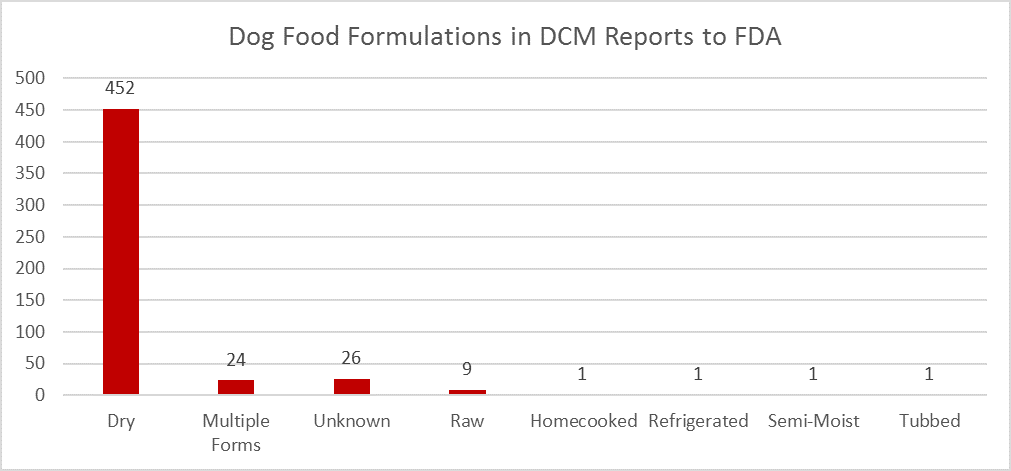
“It’s important to note that the reports include dogs that have eaten grain-free and grain containing foods and also include vegetarian or vegan formulations. They also include all forms of diets: kibble, canned, raw and home-cooked.
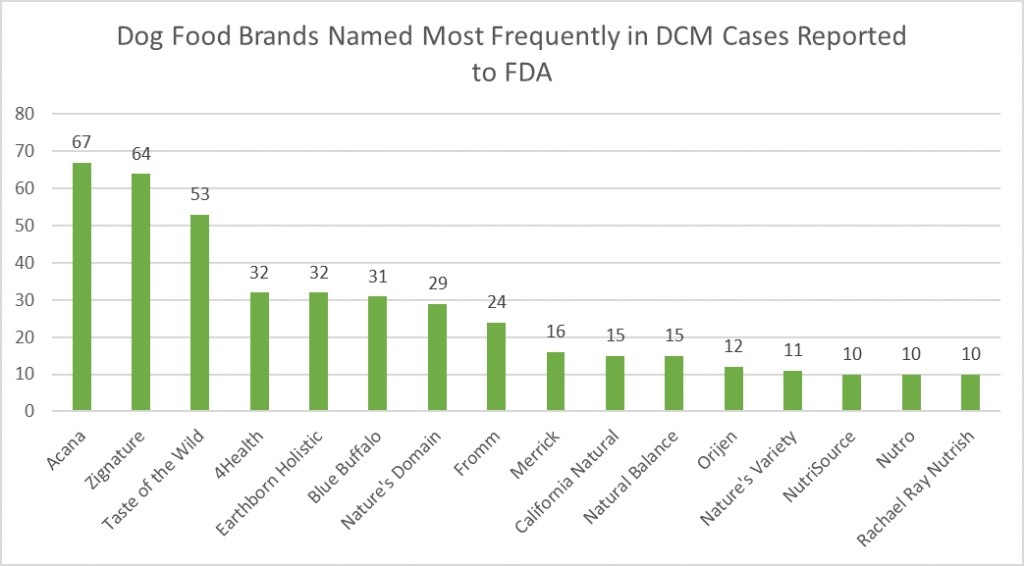
“Therefore, we do not think these cases can be explained simply by whether or not they contain grains, or by brand or manufacturer.”
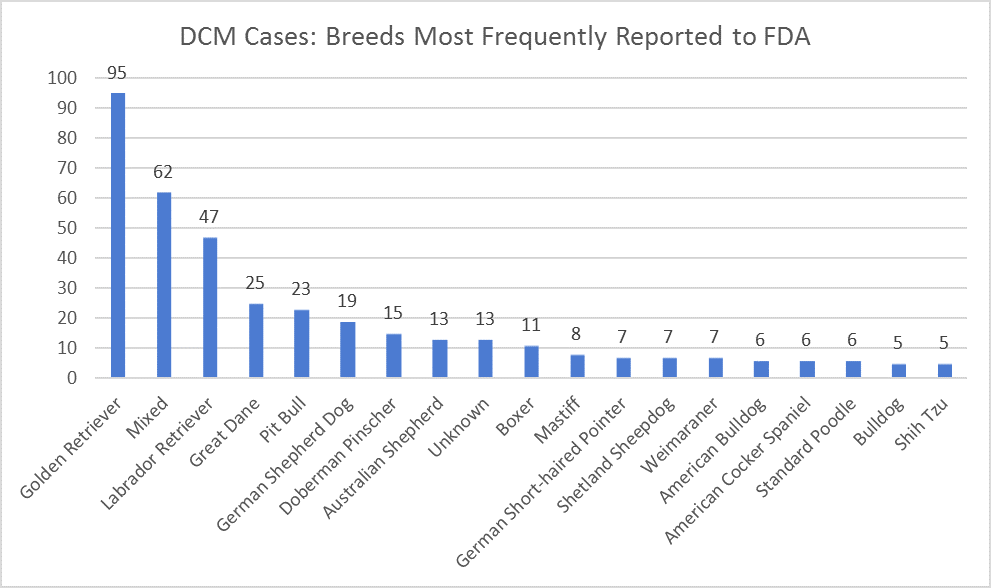
“… the FDA has received reports of about 560 dogs diagnosed with DCM suspected to be linked to diet. Tens of millions of dogs have been eating dog food without developing DCM.”
So at this time, we`re still including BOTH grain-inclusive and grain-free recipes on every “best” dog foods list.
If you`re still concerned, simply choose one of the grain-inclusive options on one of our many “Best Dog Foods” pages.
Hope this helps.
Jackie B.
Community Support
The Dog Food Advisor