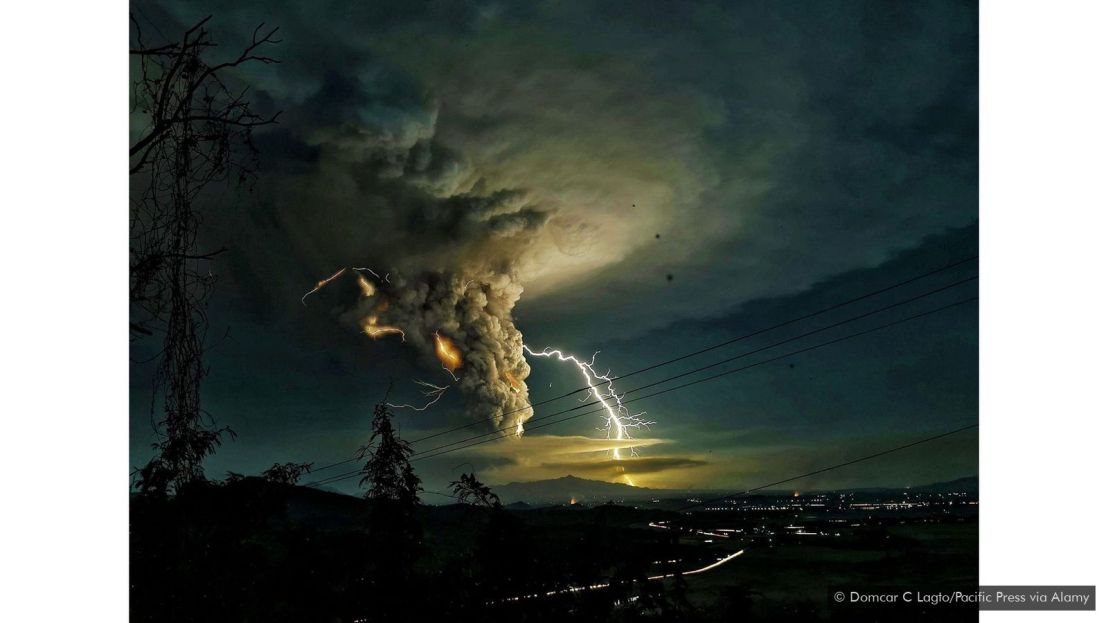
A lightning strike over the province of Batangas during the eruption of the Taal volcano in Philippines, January 2020 (Credit: Domcar C Lagto/Pacific Press via Alamy)
Eruption of Taal Volcano in Philippines, January 2020
Volcanic lightning occurs when fragments of propelled ash (including glass, ice, and rock) spark against each other in the violent plume that rises above an erupting volcano. The First-Century Roman writer Pliny the Younger is credited with recording the earliest-extant account of a so-called ‘dirty thunderstorm’ after witnessing the eruption of Mount Vesuvius in 79 AD. “A dreadful black cloud,” Pliny observed in a letter to Tacitus, “was torn by gushing flames and great tongues of fire like much-magnified lightning.” Photos taken in January 2020 of a similar display near Manila, Philippines when Taal Volcano erupted captured the world’s attention. The intense gnashing of darkness and light preserved by the images recalls the cataclysmic beauty of The Destruction of Pompei and Herculaneum, the Romantic artist John Martin’s 1822 painterly recreation of the ancient dirty thunderstorm that Pliny the Younger saw with his own eyes.
This is a copyrighted photograph and I may have to remove it pretty damn quickly.
On her first day volunteering at the Norfolk SPCA in Virginia, Casey Lewis knew she wanted to adopt a dog, but was planning to wait until the moment was right. Then the volunteer coordinator introduced her to J.J. — and the adoption was official by the end of the day.
“It was love at first sight, and he came home with me that day … the SPCA still tells our story,” Lewis told The Dodo.
CASEY LEWIS
J.J. has been with his mom for over three years now, and in that time, he’s definitely caused a lot of trouble. He has very strong opinions about everything, and loves to get into things he shouldn’t.
“Last year he destroyed six boxes of tissues, tore down the baby gate for the first time, and got into the steel, pedal-operated trash can … cleanup took over an hour … But I love him, and I wouldn’t trade him for anything,” Lewis said.
CASEY LEWIS
Recently, Lewis had to go into work but couldn’t bring J.J. to doggy day care that day. She decided he’d be fine at home alone, and secured anything she thought he might be able to get into. She went off to work with her fingers crossed — and came home again to find that her hopes had been in vain.
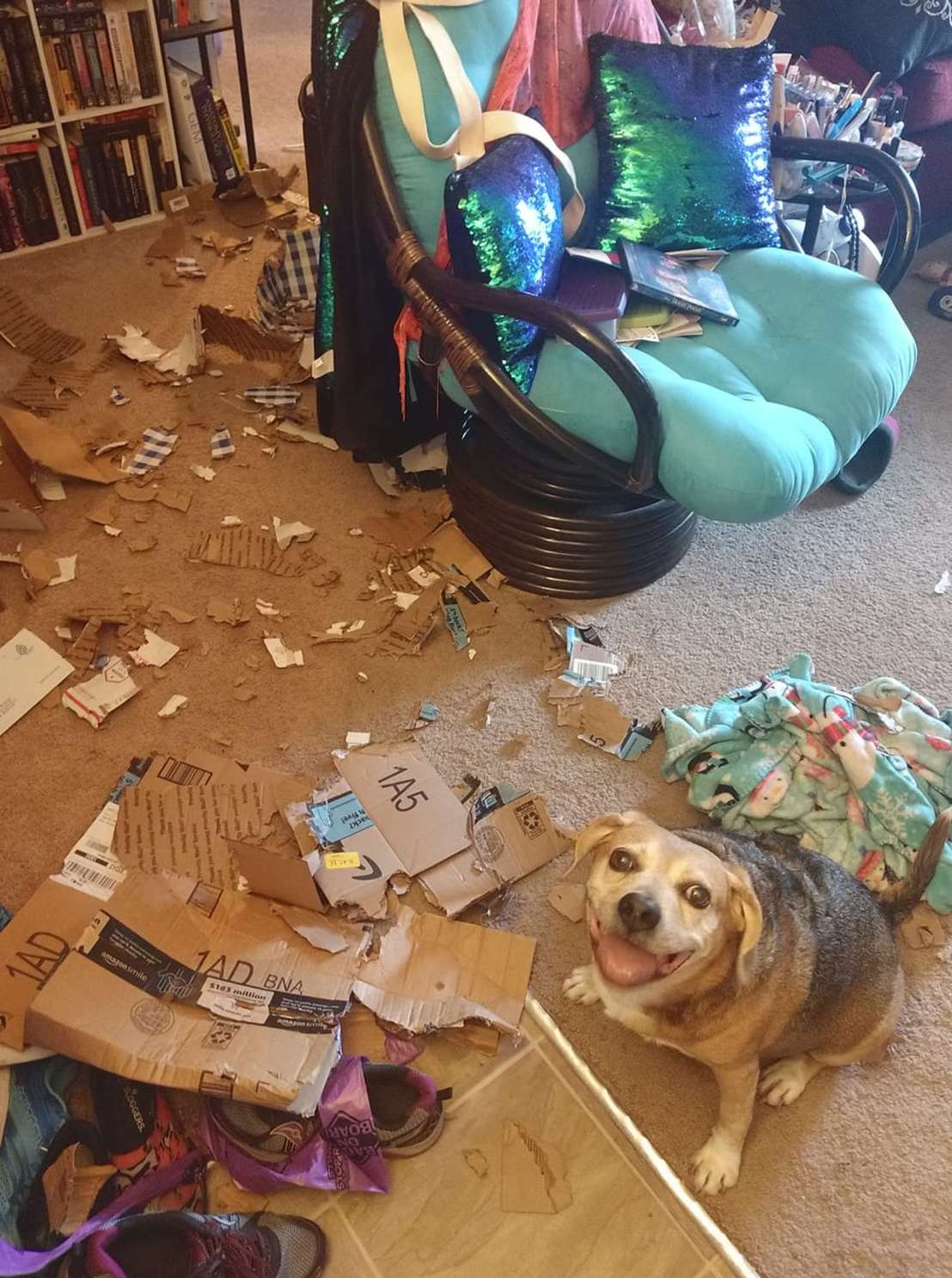
“What I found when I got home was a MESS,” Lewis said. “He’d torn six boxes into shreds of various sizes, from recognizable to fingernail-sized. He’d also pulled down the wooden baby gate in the kitchen and managed to move the storage tower that held it in place, and a large chunk had broken off an already-broken corner of the gate. I was lucky he didn’t decide to go for the trash.”
CASEY LEWIS
As Lewis observed the mess she now had to clean up, J.J. stood there proudly with the biggest smile on his face. He was clearly so excited to show his mom the art project he’d completed while she was gone, and couldn’t have been more pleased with himself.
“He’s always proud of his messes — ‘guilty beagle’ is an oxymoron,” Lewis said.
Much to J.J.’s dismay, Lewis cleaned up the mess he made that day, knowing there are bound to be many more in the future. J.J. just loves to explore and express himself, and even though it’s messy sometimes, his mom wouldn’t have him any other way.
ooOOoo
Well Casey is a real hero and clearly loves dogs beyond measure.
But, as I said at the start, J.J. is an exceptional dog. And one has to regard J.J. in his own terms. It’s no good applying human behavioural values to what J.J. is doing.
Fences have big effects on land and wildlife around the world that are rarely measured
November 30, 2020
By Alex McInturff, Postdoctoral Researcher, University of California Santa Barbara,
and
Christine Wilkinson, Ph.D. Candidate in Environmental Science, Policy and Management, University of California, Berkeley,
and
Wenjing Xu, PhD Candidate in Environmental Science, Policy and Management, University of California, Berkeley.
What is the most common form of human infrastructure in the world? It may well be the fence. Recent estimates suggest that the total length of all fencing around the globe is 10 times greater than the total length of roads. If our planet’s fences were stretched end to end, they would likely bridge the distance from Earth to the Sun multiple times.
On every continent, from cities to rural areas and from ancient to modern times, humans have built fences. But we know almost nothing about their ecological effects. Border fences are often in the news, but other fences are so ubiquitous that they disappear into the landscape, becoming scenery rather than subject.
In a recently published study, our team sought to change this situation by offering a set of findings, frameworks and questions that can form the basis of a new discipline: fence ecology. By compiling studies from ecosystems around the world, our research shows that fences produce a complex range of ecological effects.
If fences seem like an odd thing for ecologists to study, consider that until recently no one thought much about how roads affected the places around them. Then, in a burst of research in the 1990s, scientists showed that roads – which also have been part of human civilization for millennia – had narrow footprints but produced enormous environmental effects.
Our research team became interested in fences by watching animals. In California, Kenya, China and Mongolia, we had all observed animals behaving oddly around fences – gazelles taking long detours around them, for example, or predators following “highways” along fence lines.
We reviewed a large body of academic literature looking for explanations. There were many studies of individual species, but each of them told us only a little on its own. Research had not yet connected the dots between many disparate findings. By linking all these studies together, we uncovered important new discoveries about our fenced world.
Early advertisement for barbed wire fencing, 1880-1889. The advent of barbed wire dramatically changed ranching and land use in the American West by ending the open range system. Kansas Historical Society, CC BY-ND
Remaking ecosystems
Perhaps the most striking pattern we found was that fences rarely are unambiguously good or bad for an ecosystem. Instead, they have myriad ecological effects that produce winners and losers, helping to dictate the rules of the ecosystems where they occur.
Even “good” fences that are designed to protect threatened species or restore sensitive habitats can still fragment and isolate ecosystems. For example, fences constructed in Botswana to prevent disease transmission between wildlife and livestock have stopped migrating wildebeests in their tracks, producing haunting images of injured and dead animals strewn along fencelines.
One finding that we believe is critical is that for every winner, fences typically produce multiple losers. As a result, they can create ecological “no man’s lands” where only species and ecosystems with a narrow range of traits can survive and thrive.
Altering regions and continents
Examples from around the world demonstrate fences’ powerful and often unintended consequences. The U.S.-Mexico border wall – most of which fits our definition of a fence – has genetically isolated populations of large mammals such as bighorn sheep, leading to population declines and genetic isolation. It has even had surprising effects on birds, like ferruginous pygmy owls, that fly low to the ground.
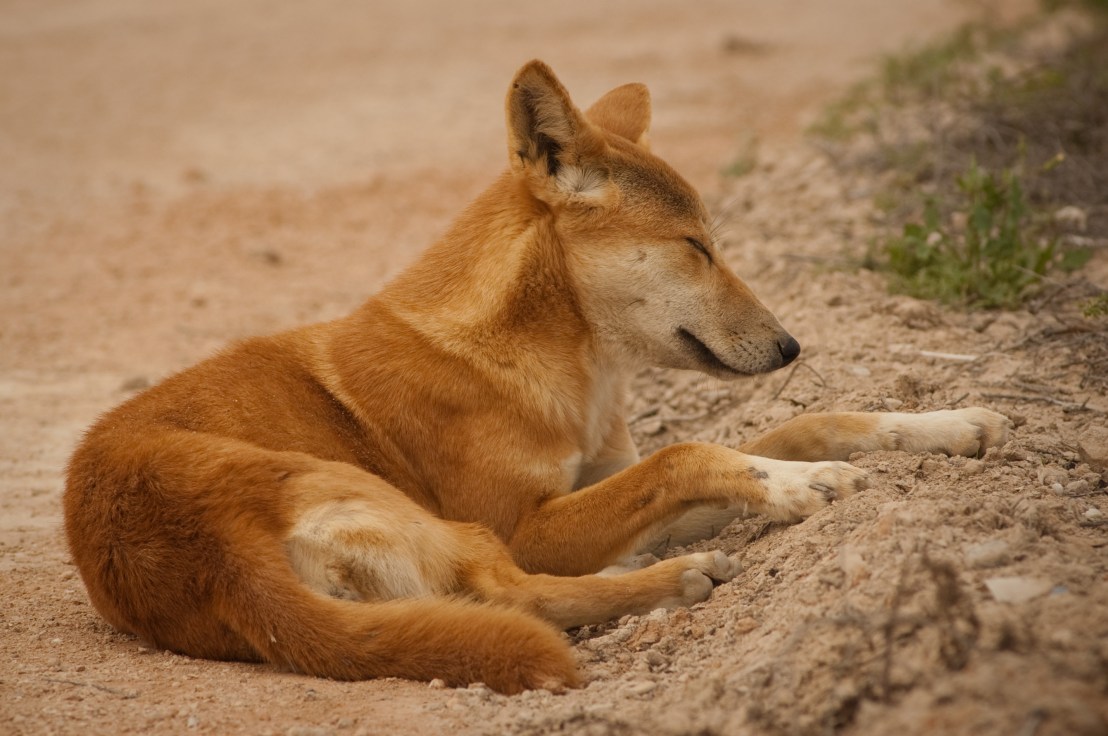
Australia’s dingo fences, built to protect livestock from the nation’s iconic canines, are among the world’s longest man-made structures, stretching thousands of kilometers each. These fences have started ecological chain reactions called trophic cascades that have affected an entire continent’s ecology.
The absence of dingoes, a top predator, from one side of the fence means that populations of prey species like kangaroos can explode, causing categorical shifts in plant composition and even depleting the soil of nutrients. On either side of the fence there now are two distinct “ecological universes.”
Our review shows that fences affect ecosystems at every scale, leading to cascades of change that may, in the worst cases, culminate in what some conservation biologists have described as total “ecological meltdown.” But this peril often is overlooked.
The authors assembled a conservative data set of potential fence lines across the U.S. West. They calculated the nearest distance to any given fence to be less than 31 miles (50 kilometers), with a mean of about 2 miles (3.1 kilometers). McInturff et al,. 2020, CC BY-ND
To demonstrate this point, we looked more closely at the western U.S., which is known for huge open spaces but also is the homeland of barbed wire fencing. Our analysis shows that vast areas viewed by researchers as relatively untrodden by the human footprint are silently entangled in dense networks of fences.
Do less harm
Fences clearly are here to stay. As fence ecology develops into a discipline, its practitioners should consider the complex roles fences play in human social, economic and political systems. Even now, however, there is enough evidence to identify actions that could reduce their harmful impacts.
There are many ways to change fence design and construction without affecting their functionality. For example, in Wyoming and Montana, federal land managers have experimented with wildlife-friendly designs that allow species like pronghorn antelope to pass through fences with fewer obstacles and injuries. This kind of modification shows great promise for wildlife and may produce broader ecological benefits.
Another option is aligning fences along natural ecological boundaries, like watercourses or topographical features. This approach can help minimize their effects on ecosystems at low cost. And land agencies or nonprofit organizations could offer incentives for land owners to remove fences that are derelict and no longer serve a purpose.
Knowing this, we believe that policymakers and landowners should be more cautious about installing fences in the first place. Instead of considering only a fence’s short-term purpose and the landscape nearby, we would like to see people view a new fence as yet another permanent link in a chain encircling the planet many times over.
ooOOoo
This is something that I hadn’t hitherto thought about. I suspect that I am not alone.
There are many aspects of the fence that warrant more careful thought. I will close by repeating what was said just a few paragraphs above:
There are many ways to change fence design and construction without affecting their functionality. For example, in Wyoming and Montana, federal land managers have experimented with wildlife-friendly designs that allow species like pronghorn antelope to pass through fences with fewer obstacles and injuries. This kind of modification shows great promise for wildlife and may produce broader ecological benefits.
Another option is aligning fences along natural ecological boundaries, like watercourses or topographical features. This approach can help minimize their effects on ecosystems at low cost. And land agencies or nonprofit organizations could offer incentives for land owners to remove fences that are derelict and no longer serve a purpose.
For some reason when one goes to “See more” it doesn’t stay that way.
So this is provided as follows:
Albert cries a lot and craves people around him. He is often found curled up in his basket but with his eyes open. If we could fix Alberts bereavement we would. Our Albert is a down hearted senior in kennels. This larger Staffy cross is nine years old and we are now working hard to find him a quiet and warm home and a very loving human. Life can be very cruel for hounds and humans and loss is a terrible thing for both. Although a painful story for a senior dog we now work towards finding a new chapter for Albert as soon as possible. We have visions of Albert curled up by an open fire this Christmas next to his new owners slippers. Happy are we that the heartbroken Albert face is gone and back is one happy staffy smile. Please support. Please share. Help us to find Albert the spark that lights his fire this Christmas. More details and applications forms are available at www.goodlifedogrescue.co.uk
I was first alerted to this by Lisa, my son’s partner.
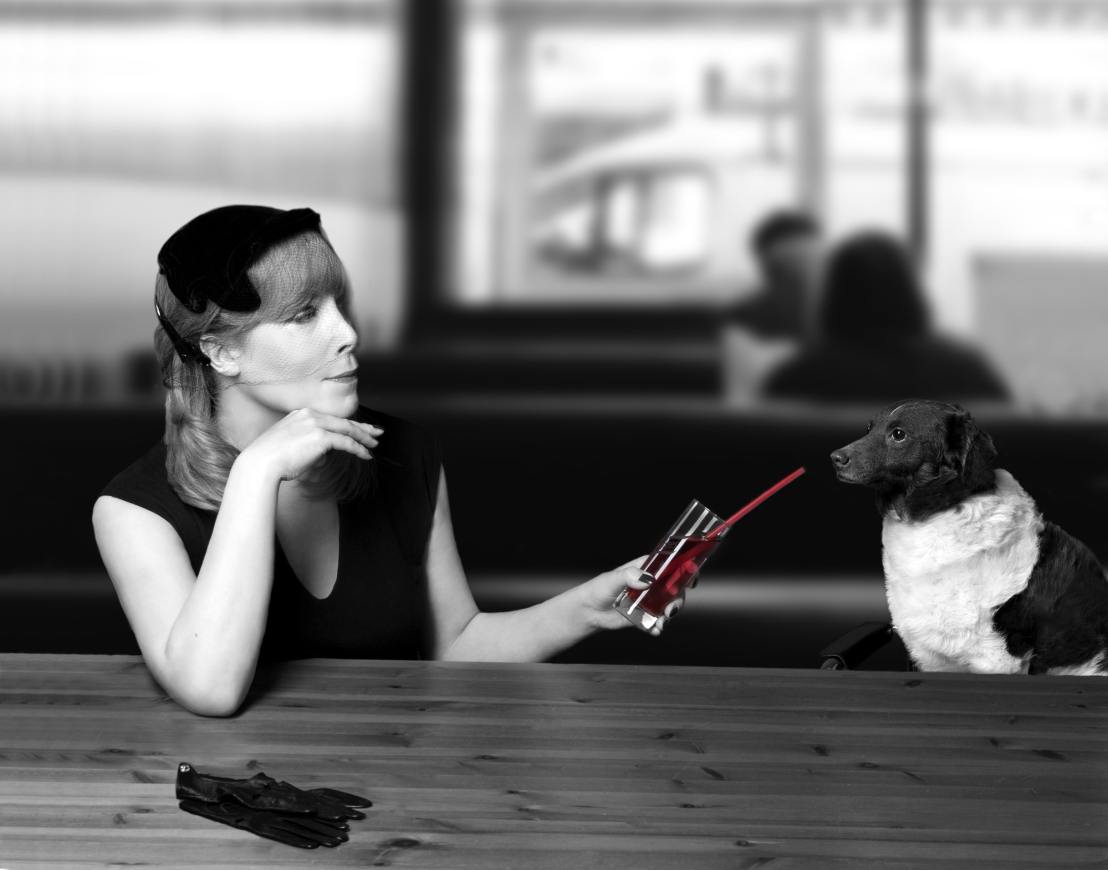
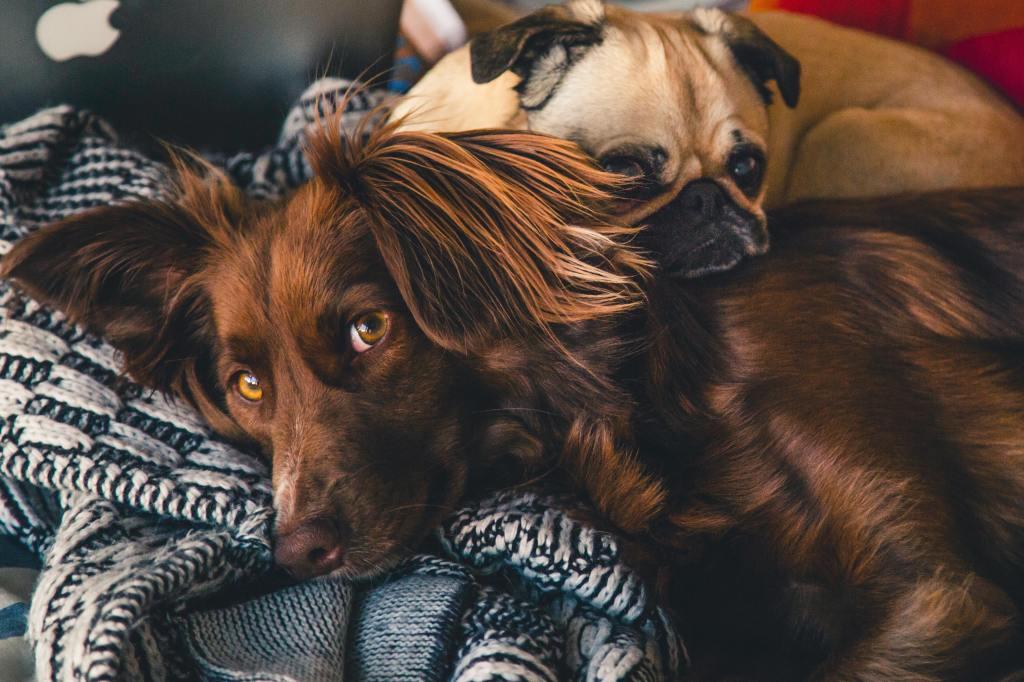
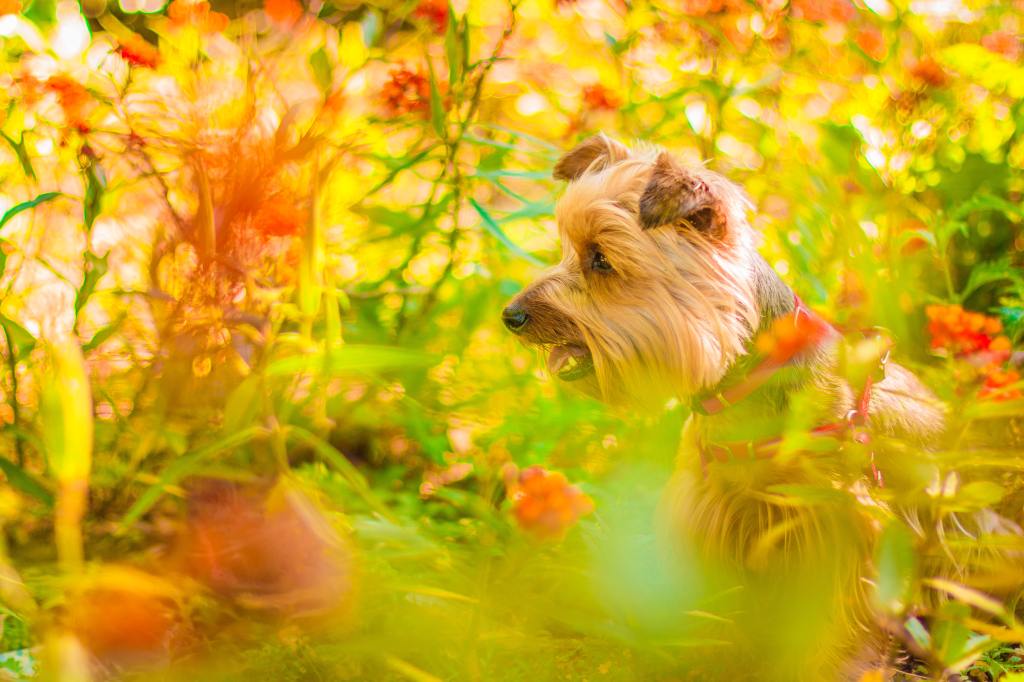
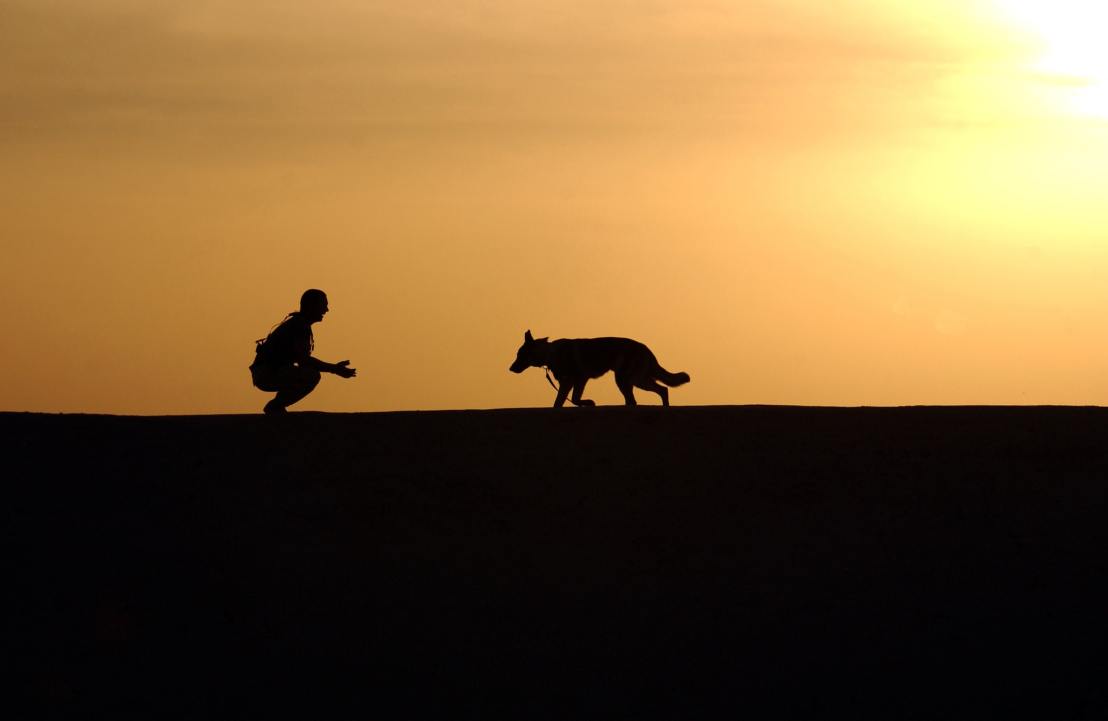
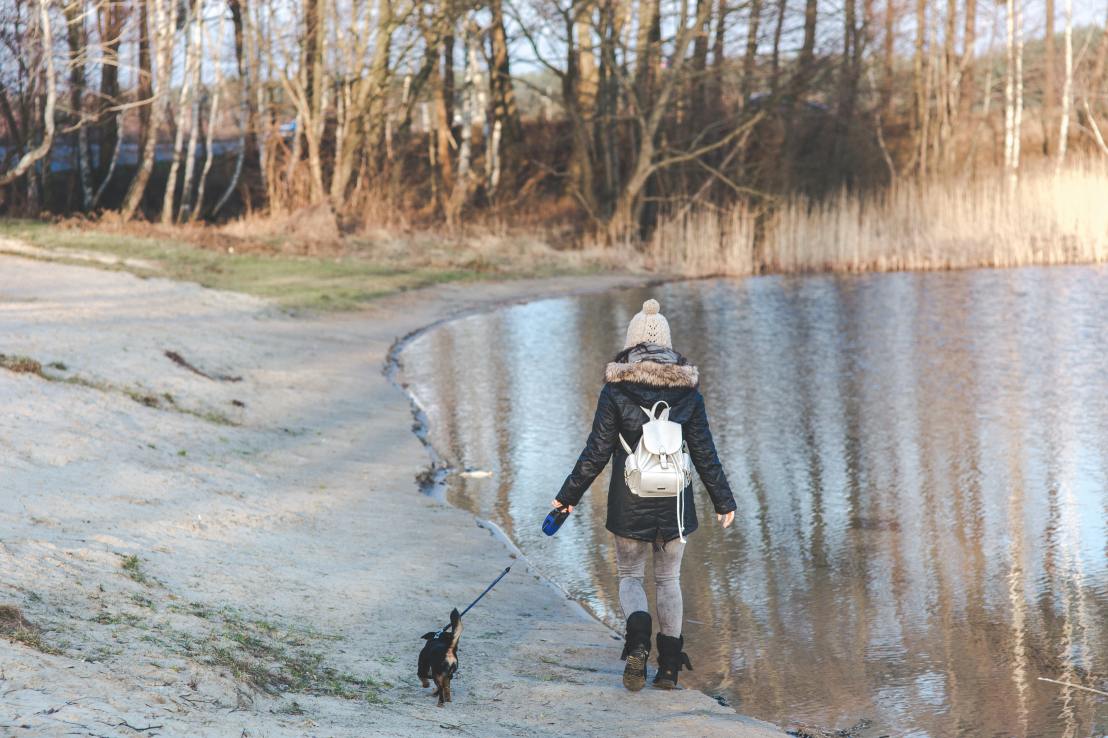
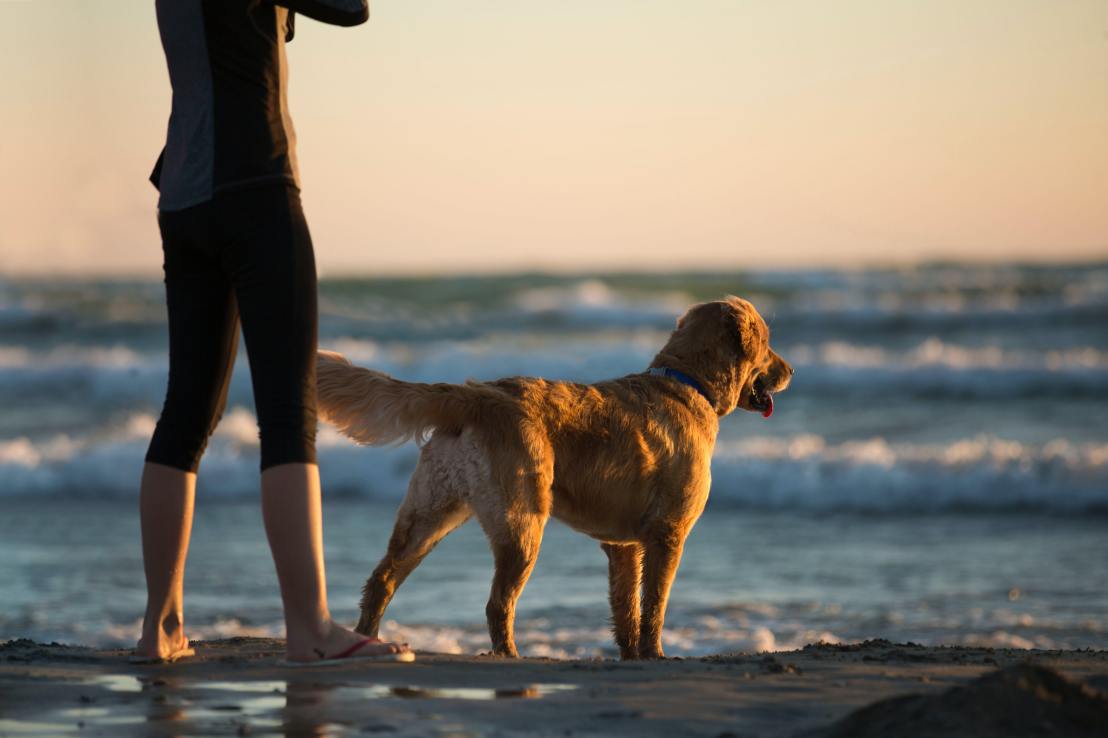
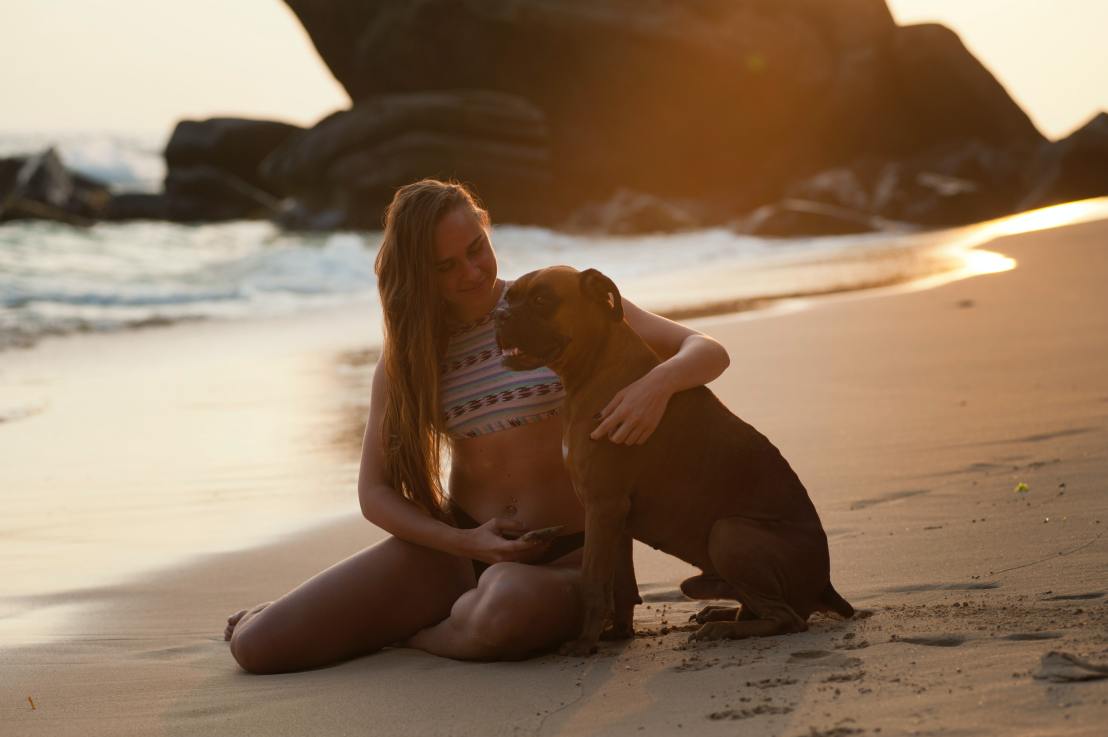
First of all I must again thank Pexels for providing these photographs. They are from a grouping called Man’s Best Friend.
This is the theme. That dogs are our closest and longest animal companions by far. Indeed, the era that humans befriended wolves is so long ago that an exact time is far from settled. Here’s a piece in the August 2020 issue of Scientific American magazine:
In the 14,000 to 40,000 years during which this domestication process occurred, wild wolves were probably doing better than dogs in terms of numbers – after all, our dogs were probably another food source for humans when times became lean. The first written record of a wolf hunt was recorded in the sixth century B.C.E., when Solon of Athens offered a bounty for every wolf killed.
So in all these photographs today there is a human with the dog!
This came in yesterday afternoon, Pacific time, and it is shared with you all.
ooOOoo
Albright’s Raw Dog Food Recall
November 13, 2020 — Albright’s Raw Dog Food of Fort Wayne, Indiana, is voluntarily recalling 67 cases of Chicken Recipe for Dogs because it has the potential to be contaminated with Salmonella bacteria.
What’s Being Recalled?
The product is labeled Albright’s Raw Dog Food Chicken Recipe for Dogs and is packaged in 2-pound chubs/rolls (see image above).
Each chub/roll is printed with:
Lot number C000185
Best By 19 May 2021
Product was sold frozen, and was distributed from the company to distributors from 7/8/20 to 8/27/20.
One animal illness has been reported. No human illnesses have been reported to date.
Where Was It Sold?
Albright’s Raw Dog Food Chicken Recipe for Dogs was distributed in CA, FL, IL, IN, NH, NJ, NV, NY, PA, and TN.
The affected product was also distributed through retail stores, mail order, and direct delivery.
What Caused the Recall?
The problem bacteria was revealed after testing conducted by the FDA.
The problem was confined to this batch and the company has ceased the distribution of the batch as FDA and the company continue their investigation as to what caused the problem.
About Salmonella in Humans
Salmonella can affect animals eating the products and there is risk to humans from handling contaminated pet products, especially if they have not thoroughly washed their hands after having contact with the products or any surfaces exposed to these products.
Healthy people infected with Salmonella should monitor themselves for some or all of the following symptoms: nausea, vomiting, diarrhea or bloody diarrhea, abdominal cramping and fever.
Rarely, Salmonella can result in more serious ailments, including arterial infections, endocarditis, arthritis, muscle pain, eye irritation, and urinary tract symptoms.
Consumers exhibiting these signs after having contact with this product should contact their healthcare providers.
About Salmonella in Pets
Pets with Salmonella infections may be lethargic and have diarrhea or bloody diarrhea, fever, and vomiting.
Some pets will have only decreased appetite, fever and abdominal pain.
Infected but otherwise healthy pets can be carriers and infect other animals or humans.
If your pet has consumed the recalled product and has these symptoms, please contact your veterinarian.
What to Do?
Due to the frozen condition of the product, it is possible that retailers and end users may still have the product in their freezers.
Consumers who have purchased Albright’s Raw Dog Food Chicken Recipe for Dogs are urged to return it to the place of purchase for a full refund.
Consumers with questions may contact the company at 260-422-9440 Monday through Friday, 8 AM to 4 PM ET.
U.S. citizens can report complaints about FDA-regulated pet food products by calling the consumer complaint coordinator in your area.























 Learning from Dogs