Category: Communication

Defiance, even when it is not easy.

Learning the skills of resistance.

Saying ‘no’ is difficult. This is an article from The Conversation that talks of our need at times to be the opposite of friendly, to stand one’s ground, and to be true to yourself.

ooOOoo

The science of defiance: A psychology researcher explains why people comply – and how to resist

Defiance need not be aggressive or loud. Sergio Mendoza Hochmann/Moment via Getty Images

Sunita Sah, Cornell University

You’re in a meeting when your boss suggests changing a number to make the quarterly report look stronger. Heads nod. The slides move on. You feel a knot in your stomach: Do you speak up and risk being branded difficult, or stay silent and become complicit?

Most people picture defiance as dramatic outbursts. In reality, it’s often these small, tense moments where conscience collides with compliance.

I first saw the power of defiance not in the workplace, but closer to home. My mother was the ultimate people-pleaser: timid, polite, eager to accommodate. Barely 4 feet, 10 inches tall, she put everyone else’s needs above her own. But one day, when I was 7, I saw a different side to her.

We were walking home from the grocery store in West Yorkshire, England, when a group of teenage boys blocked our path in a narrow alleyway. They hurled racist insults and told us to “go back home.”

My reaction was instantaneous: Stay quiet, avoid conflict and get past them as quickly as possible. I grabbed my mother’s arm, urging her to move with me. But she didn’t. My quiet, deferential, never-confrontational mother did something completely different. She stopped, turned and looked the boys directly in the eyes. Then she asked, calmly but firmly, “What do you mean?”

She wasn’t loud or aggressive. And in that moment, she showed me that defiance doesn’t always roar, and it can come from the people you least expect.

I’ve carried these lessons into my work as a physician-turned-organizational psychologist. For decades, I’ve studied why people comply, staying silent when they don’t want to, and how they can resist wisely. In my book “Defy: The Power of No in a World that Demands Yes,” I offer a framework based on behavioral science research that can help you defy in ways that are intentional, effective and true to your values.

worried woman seated with another looking at a laptop
One setting where the choice to defy or comply can arise is work. FG Trade/E+ via Getty Images

What defiance really is

When people think of defiance, they often picture teenagers slamming doors, protesters shouting in the streets or rebels breaking rules just for the thrill of it. But that’s not the kind of defiance I study or the kind that shapes our lives most often.

Defiance is not about being oppositional for its own sake. It’s about choosing to act in line with your values when there is pressure to do otherwise.

That pressure can come from anywhere: a boss urging you to fudge the numbers, a friend nudging you toward something you don’t believe in, a culture telling you to stay in your place. Defiance in those moments might be as small as saying “no,” asking for clarification or simply pausing instead of rushing along with the group. Other times, it means speaking up, challenging authority or maybe walking away.

Seen this way, defiance isn’t a fixed trait that some people are born with and others lack. It’s a practice: a skill you can strengthen over time. Some days you might comply, other days you might resist. What matters is that you have the awareness and the tools to make the choice consciously, rather than letting fear or habit decide for you.

Why people comply

If defiance is so important, why do people so often stay silent?

One reason is a psychological process I’ve uncovered in my research: insinuation anxiety. It arises when people worry that not complying with another person’s wishes may be interpreted as a signal of distrust. Turning down a boss’s request to “adjust” the numbers might feel like you’re implying they’re dishonest. To avoid that discomfort, you go along – even when it violates your values.

Behavioral science has long documented this pull toward compliance. In the 1960s, for example, psychologist Stanley Milgram showed that ordinary people would administer what they believed were dangerous electric shocks to strangers simply because an authority figure told them to.

My own research has shown surprisingly high levels of compliance with obviously bad advice, even when given by a stranger with no consequences for disagreeing. People feel immense social pressure to go along with what others suggest. That’s because if you’ve never been trained in how to say no, it feels uncomfortable and awkward.

A framework for action

If compliance is the human default, how can you build the muscle of defiance? In my research, I’ve developed a simple actionable guide that I call the Defiance Compass. Like a navigation aid, it orients you in difficult situations by asking three questions:

  1. Who am I? What are the core values that matter most to me?
  2. What type of situation is this? Is it safe to resist? Will it have a positive impact?
  3. What does a person like me do in a situation like this? How can I take responsibility and act in a way that’s consistent with my identity and values?
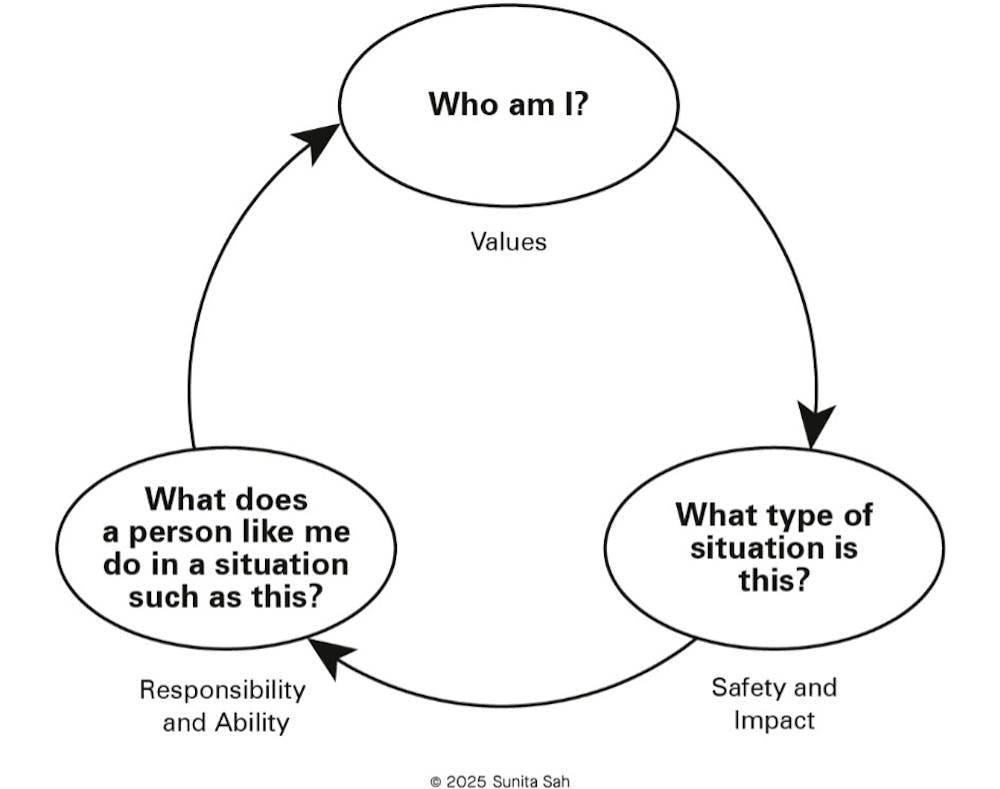
circular chart with arrows connecting the three questions of the defiance compass
Three questions can help you zero in on whether the time is right for you to defy. Sunita Sah

Asking these questions shifts defiance from a gut reaction to a conscious practice. And here’s what’s important: That third question (“What does a person like me do?”) circles back to the first (“Who am I?”), because how you act again and again becomes who you are.

Defiance doesn’t always mean open confrontation. Sometimes it means asking a clarifying question, buying time or quietly refusing. It can mean speaking up or walking away. The key is to start small, practice regularly and anchor your choices in your values. Like any skill, the more you practice, the more natural it becomes.

Why defiance matters now

Defiance may be risky, but it’s never been more relevant. At work, employees are pressured to meet targets at any cost. In politics, citizens face waves of misinformation and polarization. In everyday life, people struggle to set healthy boundaries. Across all these contexts, the temptation to comply for the sake of comfort is strong.

That’s why learning to defy strategically matters. It protects personal integrity, strengthens institutions and helps sustain democracy. And it doesn’t require being loud or confrontational.

Of course, not every act of defiance is safe or guaranteed to make a difference. Sometimes it comes at real personal cost and some people still choose to act even when the impact isn’t certain: think of Rosa Parks refusing to give up her seat, or Colin Kaepernick taking a knee. In those moments, the act itself becomes the message. Both of those individuals were deeply connected to their values and the assessment is personal: What feels worth the risk to one person might not to another.

Defiance does require practice: noticing when values are at stake, pausing before you nod along, and choosing actions that align with who you want to be. Each act of consent, compliance or defiance shapes not just your story but the stories of our societies.

If you practice defiance, and teach it and model it, you can imagine a different type of society. You can start to envision a world where, in that same alleyway from my childhood, one of the boys will step forward and tell his friends, “That’s not OK. Let them pass.”

Sunita Sah, Professor of Management and Organizations, Cornell University

This article is republished from The Conversation under a Creative Commons license. Read the original article.

ooOOoo

Across the range of society there will always be persons who choose to act with poor social values. Some are very senior, such as many politicians, some are towards the bottom of society. That is a fact of life.

Sunita Sah does us proud in writing this article, and I am delighted to republish it, with the permission of The Conversation.
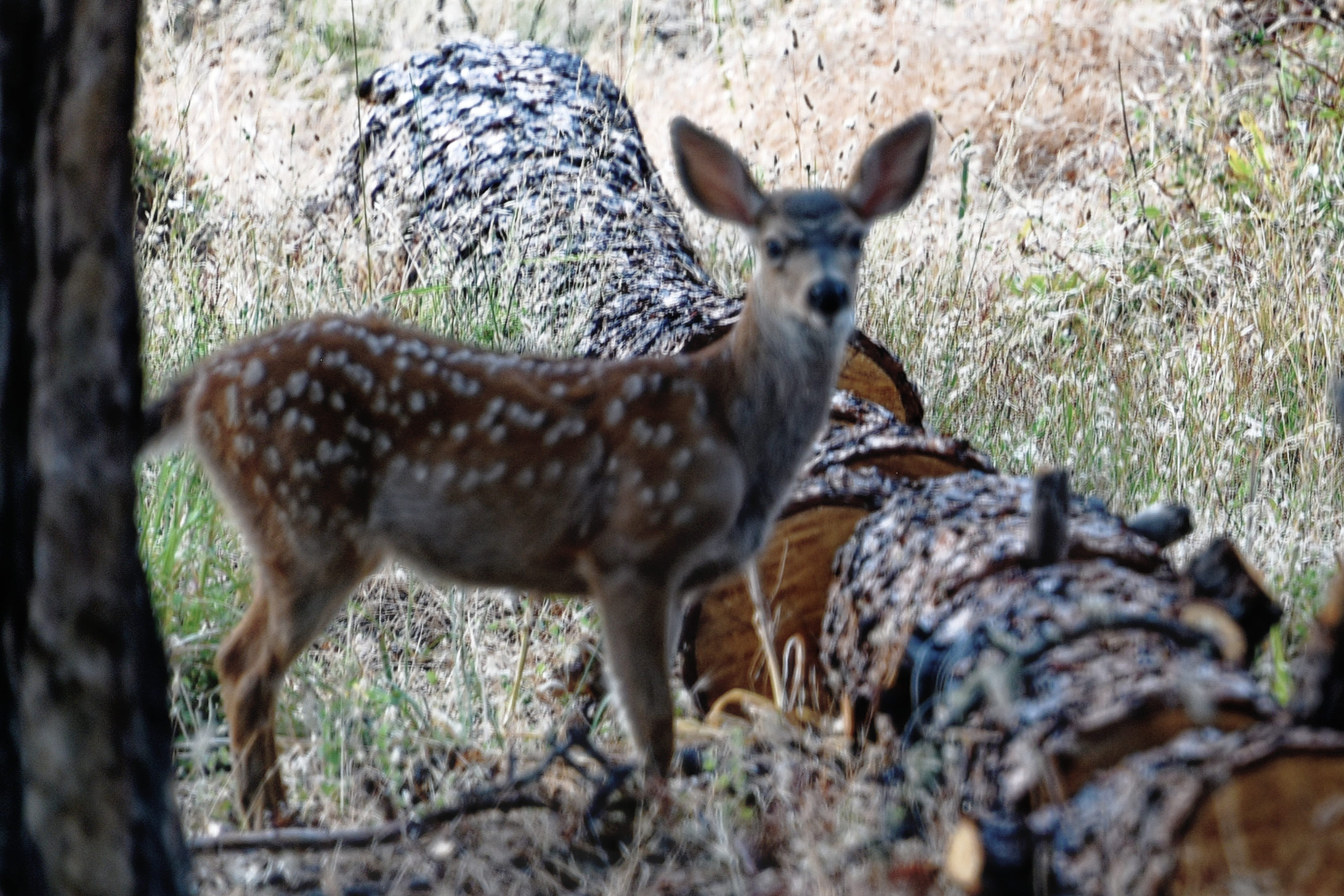
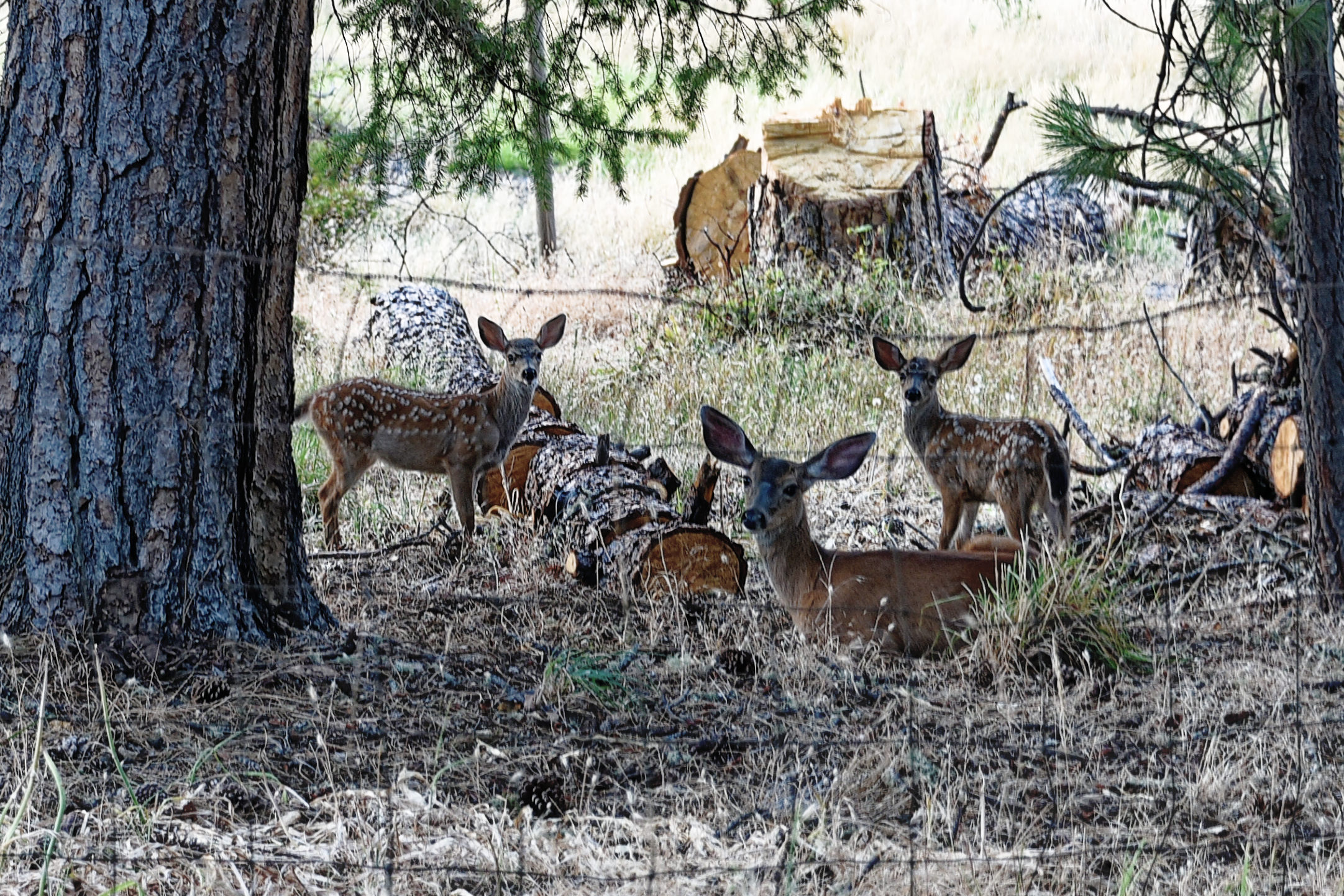
Young fawns close by

A mother and her two fawns were photographed yesterday morning.

oooo

oooo

It was a question of taking the photographs but not getting too close to the family.

Making a difference

To our pets.

Penny Martin continues to write posts for Learning from Dogs and this latest one is brilliant.

ooOOoo

How You Can Make a Real Difference for Shelter and Rescue Pets

Busy parents juggling work and school pickups, local business owners trying to stay visible, and animal lovers who can’t bring home another pet often care deeply about local animal welfare but feel stuck between compassion and capacity. Shelters and rescues don’t run on good intentions alone; they rely on community support for shelter pets to keep care consistent and outcomes hopeful. When that support is thin, animals wait longer, stress rises, and the whole community feels the strain. The encouraging part is that animal shelter volunteers, pet rescue awareness, and understanding the real rescue pet adoption benefits can turn everyday concern into steady, meaningful impact.

Understanding What “Supporting Rescue Pets” Means

Shelter and rescue support is the hands-on help that keeps animals safe, calm, and adoptable while they wait for a home. In practice, it usually means fostering for a short window, volunteering time and skills, or giving targeted donations that cover food, vet care, and transport.

This matters because small, steady support shortens an animal’s road from intake to adoption. The need is constant since 2.8 million dogs and cats entered U.S. shelters in just the first half of 2025. Foster care helps too, and studies by the ASPCA show dogs in foster spend less time waiting for permanent homes.

Think of it like a relay team: one person handles weekend fostering, another covers a Tuesday walk shift, and a third funds vaccines. Together, those pieces reduce stress, prevent crowding, and make adoption feel more doable. Clear, consistent visuals can amplify that support when you share adoptable pets and campaigns.

Make Scroll-Stopping Adoption and Fundraiser Images in Minutes

Once you understand what rescue support looks like day to day, it’s easier to see why clear, consistent visuals can be a quiet force-multiplier for everything else. AI-generated visuals can help you create compelling images for adoption campaigns, fundraising posts, and educational materials that raise awareness and spark community support for pets in need. 

One especially handy approach is using an AI image-to-image generator, which starts with a reference photo you already have and then uses your written prompts to guide the creative output into new styles or variations. That means the same pet can be shown in different looks, while still staying recognizable, so your outreach graphics feel cohesive, readable, and shareable across social platforms and print. If you’re curious how this works in practice, Adobe Firefly is one example of an image-to-image tool that demonstrates the idea.

Choose High-Impact Ways to Help—Time, Space, or Money

You don’t have to do everything to make a real difference, you just need to choose a few actions that fit your life right now. Pick one from “time,” “space,” or “money,” and you’ll quickly become the kind of supporter shelters can count on.

  1. Foster one pet for a defined window: Ask a shelter about “weekend foster,” “two-week decompression,” or “foster-to-adopt” options so you can say yes without overcommitting. Fostering gets pets out of the noisy kennel environment and into a home routine, which often improves adoptability, one analysis of the foster care model reports better outcomes compared to traditional shelter housing. To make it sustainable, clarify who provides food, meds, crates, and what to do after-hours if something feels urgent.
  2. Offer temporary pet care for crisis moments: Many shelters and rescues need short-term help for pets whose owners are hospitalized, displaced, or escaping unsafe situations. Volunteer to cover 24–72 hours, a week, or “day boarding” while paperwork and placements are arranged. This is a great option if you can’t foster long-term but you can handle a short burst of responsibility.
  3. Volunteer in a role that matches your energy, not just your heart: If you love people, help with adoption counseling, event check-in, or donation sorting. If you prefer animals, sign up for dog walking, cat socialization, enrichment prep, or transport runs to vet appointments. Ask for a consistent shift (even 2 hours every other week) so staff can schedule around you and you build real skill.
  4. Become a “quiet helper” from home: Many rescues need behind-the-scenes support like answering messages, updating pet bios, building simple spreadsheets, calling vet clinics, or writing thank-you notes to donors. This is also where those scroll-stopping graphics matter: offer to turn a pet’s best photo into a clean adoption post, a “supply drive needs” image, or a mini success-story carousel people will actually share.
  5. Donate strategically, fill the gap, not the pile: Before buying anything, check the shelter’s wish list or ask, “What do you run out of every week?” Most places consistently need consumables like kitten formula, canned food, laundry detergent, paper towels, and enrichment items, plus gift cards for emergencies. If you want your dollars to stretch, offer to sponsor one specific cost (a vaccine day, a spay/neuter deposit, a heartworm test fund) and ask them what amount is most useful.
  6. Use your space for micro-logistics: If your home can’t take a foster pet, it might be perfect for holding donated supplies, assembling adoption packets, or staging a “pop-up pantry” for families who need short-term pet food help. Even one closet or a spare corner of a garage can smooth out the chaos between donation drop-offs and distribution.
  7. Organize a small, repeatable adoption event: Partner with a rescue to host a two-hour meet-and-greet at a community spot that already has foot traffic, like a café patio, hardware store garden area, or office courtyard. Offer to handle the simple pieces: a sign-up sheet, clear “ask me about adopting” badges, water bowls, and a few consistent photo backdrops so every pet goes home with a great shareable image.
  8. Recruit one friend and make it easy for them to say yes: People are far more likely to help when the task is specific: “Can you walk dogs this Saturday 10–12?” beats “We should volunteer sometime.” If you’re trying to build a volunteer bench, it helps to know 25% of Gen Z are actively volunteering, so asking students, interns, or early-career coworkers can be surprisingly effective.
  9. Help pets stand out with better bios and adoption follow-up: Pick one animal and improve their listing: 5 clear photos, 3 personality adjectives, 3 “loves,” 1 training note, and 1 ideal-home match. Offer adopters a simple handoff sheet with routine, food, favorite toys, and how to contact the rescue for support. Better expectations reduce returns and help the adoption stick.
  10. Commit to a “one-month impact plan”: Choose one action for each week, one shift, one foster weekend, one supply run, one post-and-share sprint, then repeat what worked. Consistency is what turns good intentions into saved lives, and it also makes it easier to decide when fostering, volunteering, or donating feels like the right next step for you.

Common Questions About Helping Shelter Pets

Q: How do I start fostering if I’ve never done it before?
A: Call or email a shelter and ask what short-term options they offer and what supplies they provide. Request a clear handoff: food, meds, crate needs, and who to contact after hours. A foster coordinator can also match you with an easier pet for a first run.

Q: What are the hardest parts of volunteering, and how do I avoid burning out?
A: The biggest challenges are emotional ups and downs and schedules that shift when the shelter gets busy. Choose one role and one repeating time slot you can protect, even if it is small. If you feel overwhelmed, ask to switch to a lighter duty like laundry, enrichment prep, or admin help.

Q: How do shelter donations usually work, and what’s most helpful?
A: Many groups sort donations by immediate use, storage space, and safety rules, so unrequested items can create extra work. Cash or gift cards often help cover urgent medical needs, especially since rising cost of veterinary care can affect adoptions and drive surrenders. If you prefer shopping, ask for a current wish list and stick to it.

Q: What basic legal things should adopters expect to sign or follow?
A: Most adoptions include a contract that covers fees, return policies, and required care like licensing or vaccinations. Read it carefully, ask what support is available if issues come up, and confirm what happens if the pet is not a fit. Keep copies of your agreement and medical records in one folder.

Q: Can fostering really change outcomes, or is it just a temporary fix?
A: It can be a big driver of success because it gives pets a calmer place to reset and show their true personality. A 30% higher adoption rate has been found at shelters with a full foster program. Even one short foster can free kennel space and help a pet get noticed.

Choose One Consistent Way to Support Shelter and Rescue Pets

Wanting to help is easy; figuring out how to fit it into a busy life, and keep going when it gets emotional, is the hard part. The most reliable approach is simple: choose one doable lane and lean into long-term shelter support through steady community involvement in animal rescue. Over time, that consistency means making a positive impact for pets with fewer disruptions and more second chances. Small, steady help saves lives. Pick one next step today, sign up for an orientation, commit to a regular shift, or set a monthly donation, and stick with it. That ongoing volunteering and follow-through is what turns ordinary people into empowered pet rescue advocates and gives shelters the stability to keep showing up, too.

ooOOoo

If this inspires just one person to support their local shelter then I’m certain Penny (and me) will be honoured.

Thank you, Penny!

Better understanding of Dopamine

I had little idea about dopamine, and I suspect that I’m not the only person.

Luckily, there are a number of medical websites that describe the role of dopamine in some details.

First, a small part of an AI report based on information from HealthDirect

Dopamine is a critical neurotransmitter and hormone that acts as the brain’s chemical messenger, playing a central role in motivation, reward-motivated behavior, pleasure, and motor control.

Second, part of an explanation from Cleveland Clinic.

Dopamine is a neurotransmitter made in your brain. It plays a role as a “reward center” and in many body functions, including memory, movement, motivation, mood, attention and more. High or low dopamine levels are associated with diseases including Parkinson’s disease, restless legs syndrome and attention deficit hyperactivity disorder (ADHD).

Third, Psychology Today reports.

Dopamine is known as the feel-good neurotransmitter—a chemical that ferries information between neurons. The brain releases it when we eat food that we crave or while we have sex, contributing to feelings of pleasure and satisfaction as part of the reward system. This important neurochemical boosts mood, motivation, and attention, and helps regulate movement, learning, and emotional responses.

How does dopamine make you feel? 

Dopamine causes you to want, desire, seek out, and search. It increases your general level of arousal and your goal-directed behavior. Dopamine makes you curious about ideas and fuels your search for information. Dopamine creates reward-seeking loops in the sense that people will repeat pleasurable behavior, from checking Instagram to taking drugs.

Swedish pharmacologist and neuroscientist Arvid Carlsson won the Nobel prize in 2000 for his research on dopamine, showing its importance in brain function. He helped show that the neurotransmitter is heavily involved in the motor system. When the brain fails to produce enough dopamine, it can result in Parkinson’s disease. The primary treatment for Parkinson’s disease is a drug called L-dopa, which spurs the production of dopamine.

Dopamine has also been implicated in schizophrenia and ADHD; the brain systems underlying these conditions (as well as substance abuse disorder) are complex. The activity of the dopamine system depends on the state of one’s dopamine receptors, and in people with these conditions, the chemical interacts with other factors in ways that have yet to be explained.

How does dopamine function in the brain? 

It is no exaggeration to say that dopamine makes us human. Beginning in infant development, dopamine levels are critical, and mental disabilities can arise if dopamine is not present in sufficient quantities. Dopamine is implicated in genetic conditions like congenital hypothyroidism. Dopamine deficiency is also implicated in other conditions such as Alzheimer’s, depressive disorders, binge-eating, addiction, and gambling.

ooOOoo

My darling Jean takes Carbidopa-Levodopa four times a day and has been doing so for many years.

As one can see from the above extracts, dopamine is incredibly important for the human brain.

Dopamine makes us human!

Picture Parade Five Hundred and Thirty

Just the wonderful clouds above our home.

The eight photographs were taken on the 23rd June; four to be shown today and four in a week’s time.

oooo

oooo

oooo

The rest of these photographs on Sunday, July 5th.

Strange weather for late June.

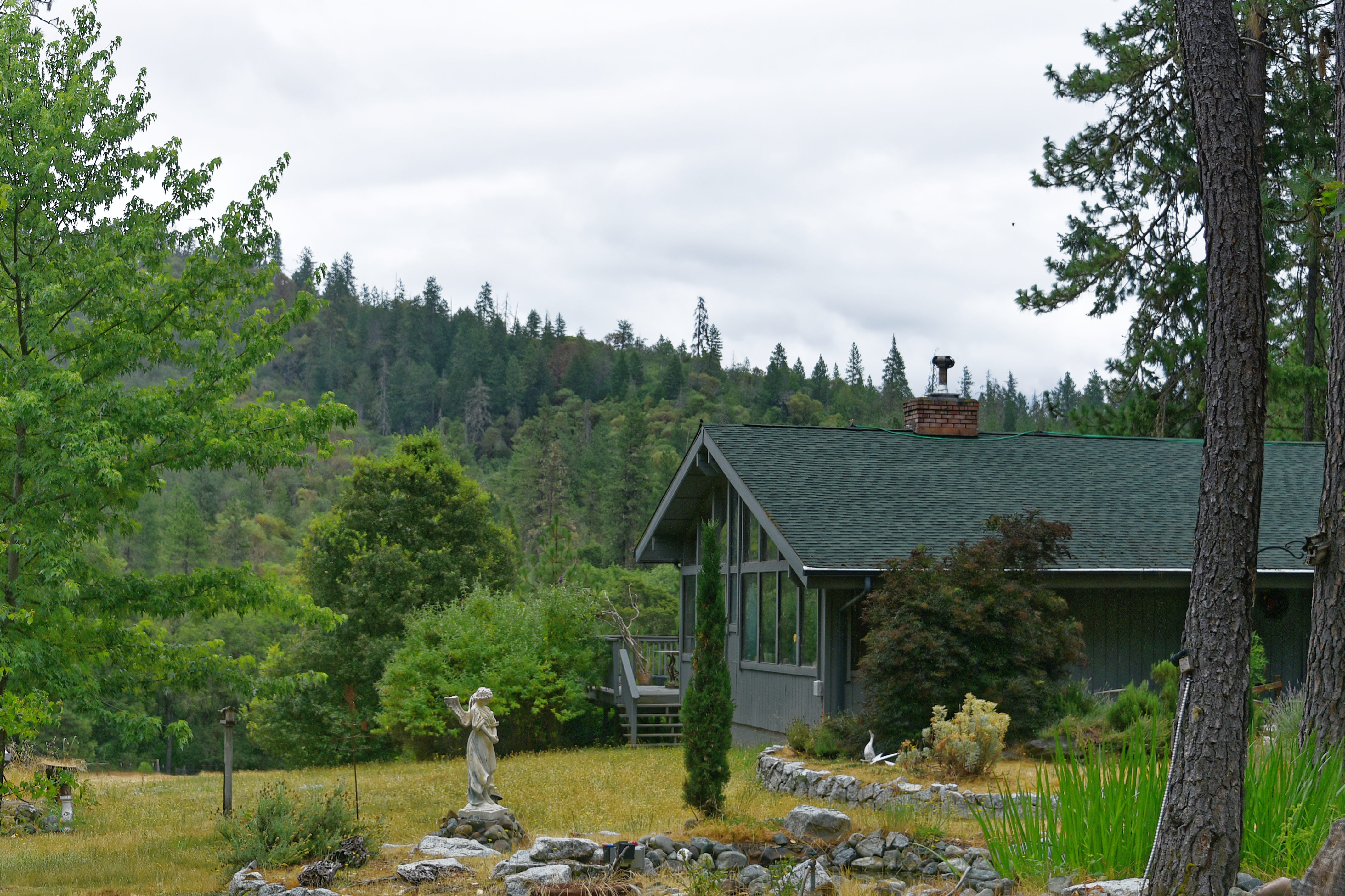
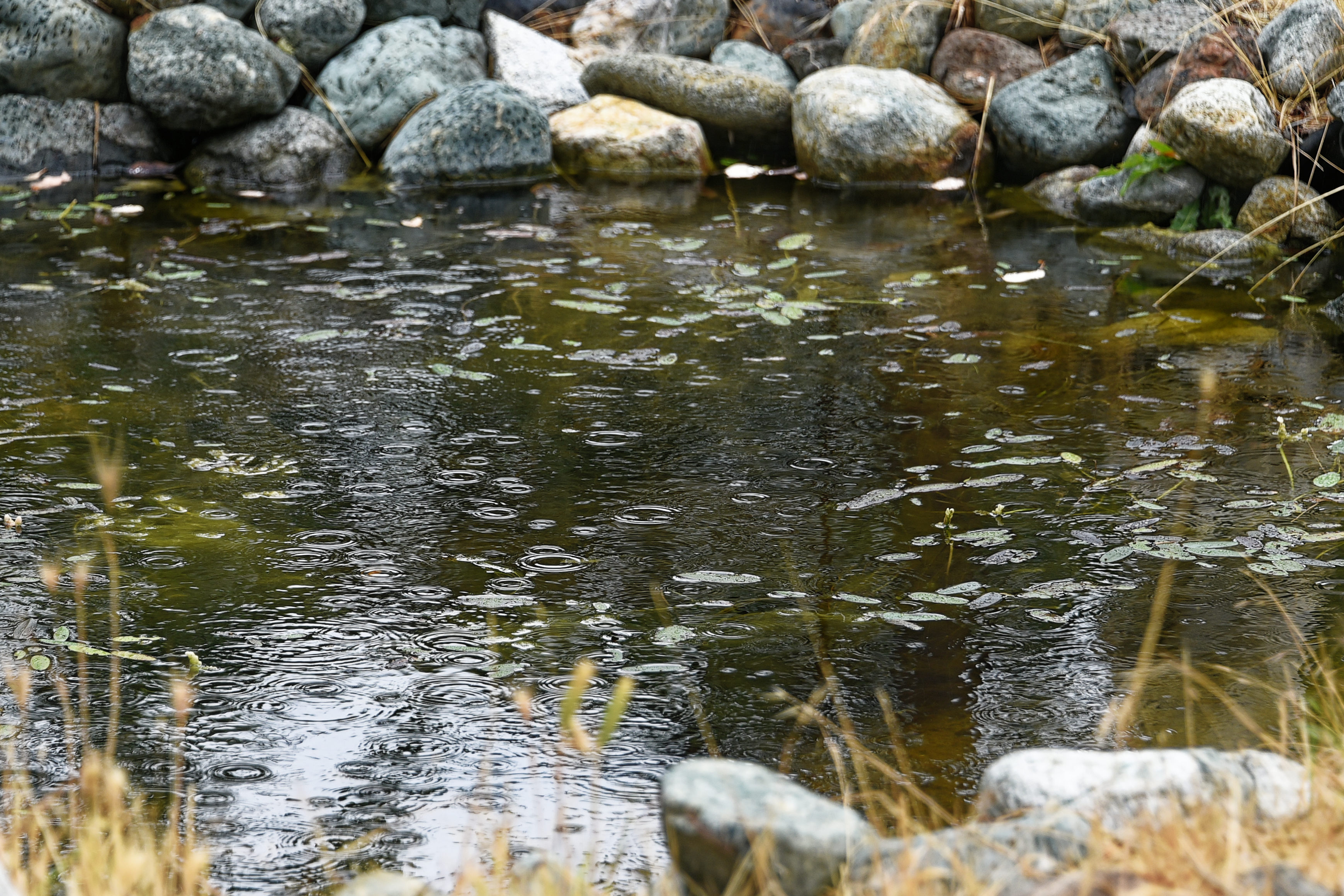
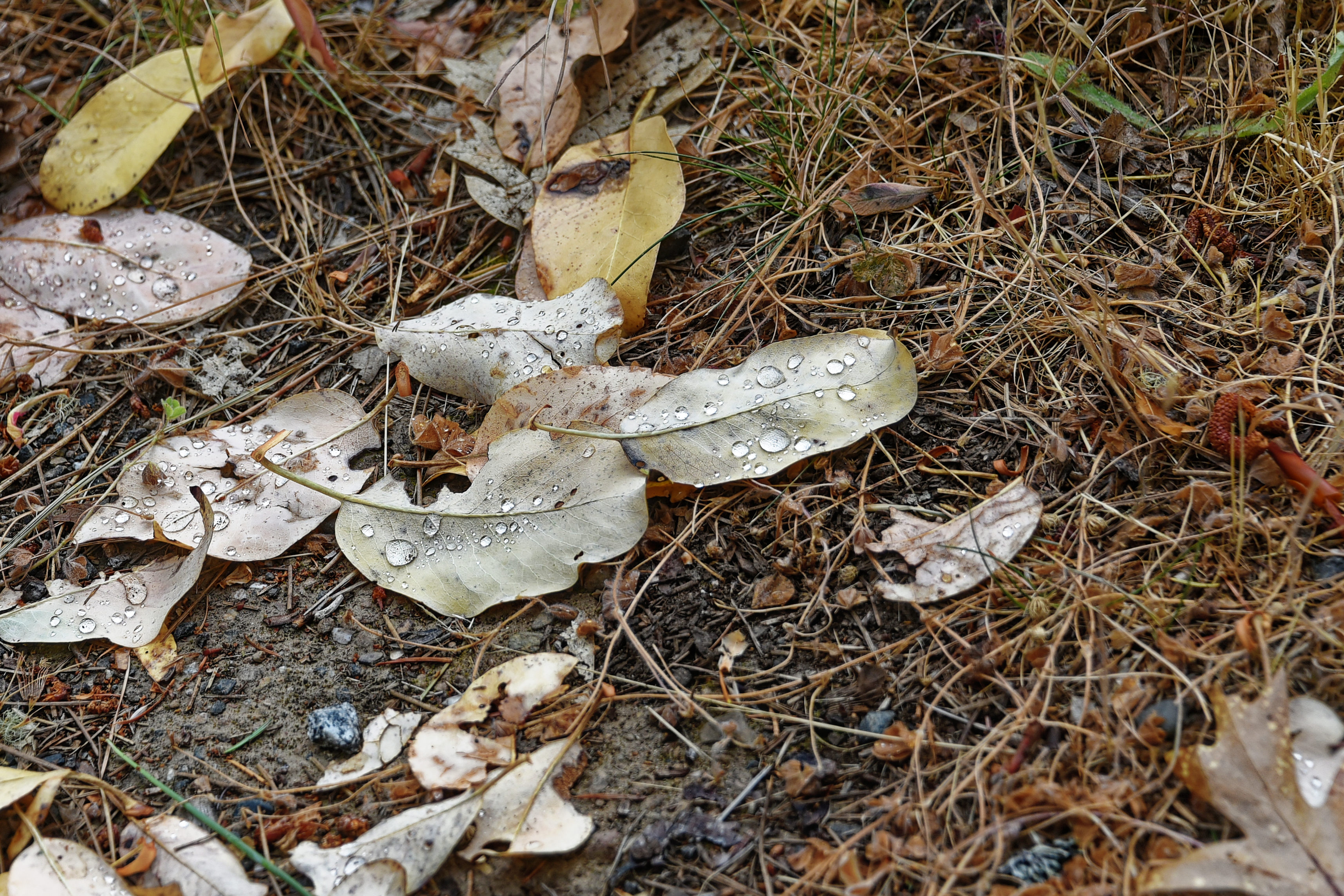
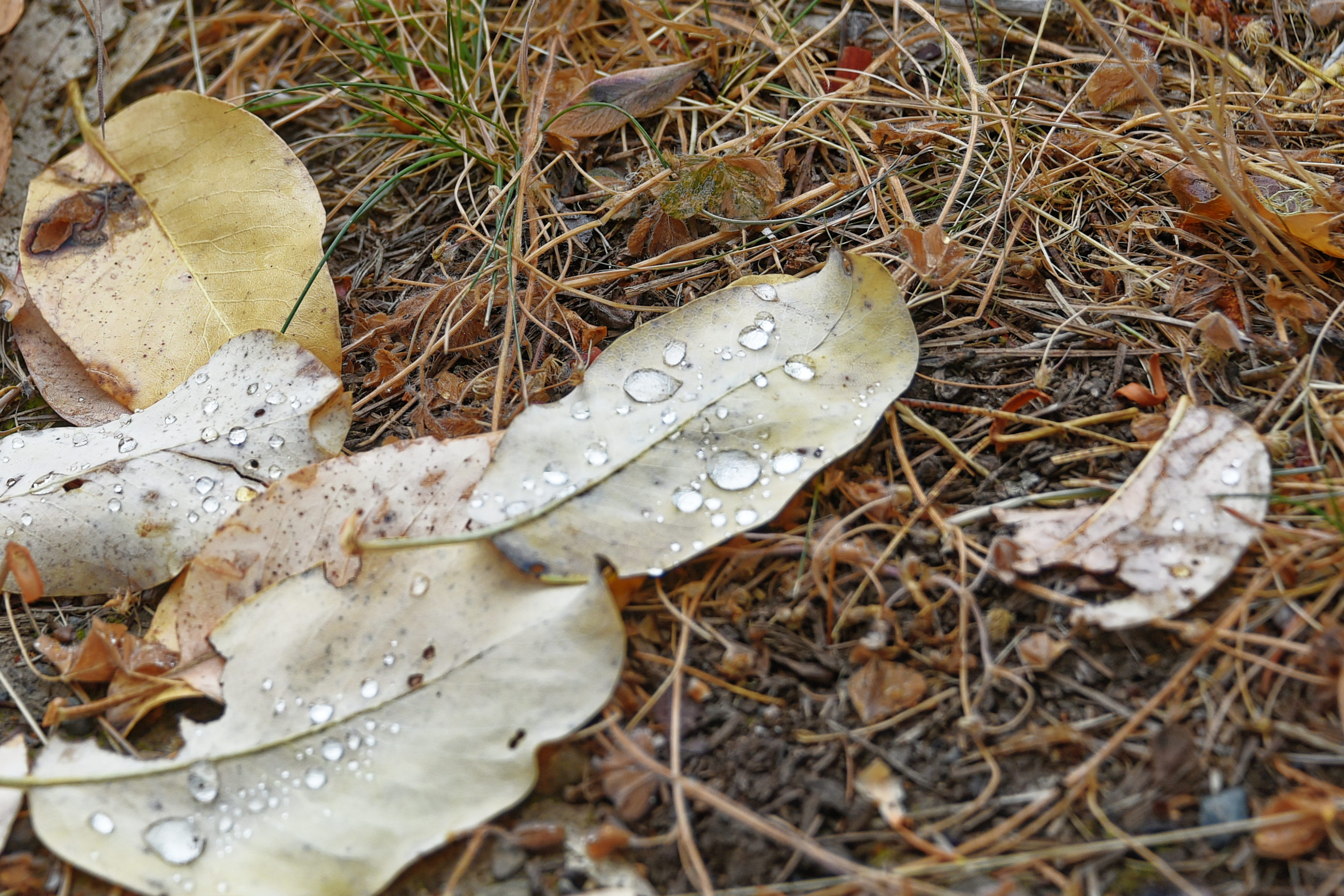
Just some photos taken yesterday around the home.

It rained over night, the 24th, and in the morning of the 25th.

oooo

oooo

oooo

Nature’s map.

Different ways of looking at the world.

Nature is king! I have longed believed that, and here is an example of nature at work.

ooOOoo

Where nature draws the map – here are 5 ways to look at the US, without state boundaries

Varied landscapes and natural contours transcend state boundaries. Smithsonian/Esri, CC BY-ND

Stewart Edie, Smithsonian Institution and Torben Rick, Smithsonian Institution

State boundaries can be iconic. Many were drawn by human hands, but some of the most recognizable contours were shaped by nature: the boot of southeastern Louisiana, carved by the Mississippi River, or the ocean waves sculpting the hook of Cape Cod in Massachusetts.

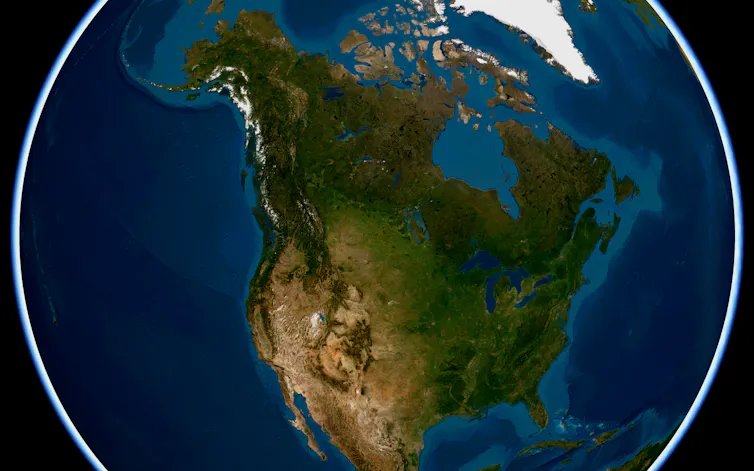
For a moment, imagine that there are no state lines. View the United States through its natural contours. As curators at the Smithsonian’s National Museum of Natural History, we often look at our nation this way, drawing different kinds of maps that trace mountains, watersheds, animal migrations, biomes, ancient seas and so much more.

These kinds of maps show us how connected we all are by nature, since it transcends state boundaries. That idea is central to our new exhibition, “From These Lands: Sharing Our Natural and Cultural Heritage,” now open at our museum to mark the 250th anniversary of the United States. We are co-curators of the show, part of a team of exhibit designers and developers who created the exhibition.

“From These Lands” uses items from the museum’s collections to explore these patterns and ideas, offering a way to see the country’s natural and cultural heritage beyond state lines.

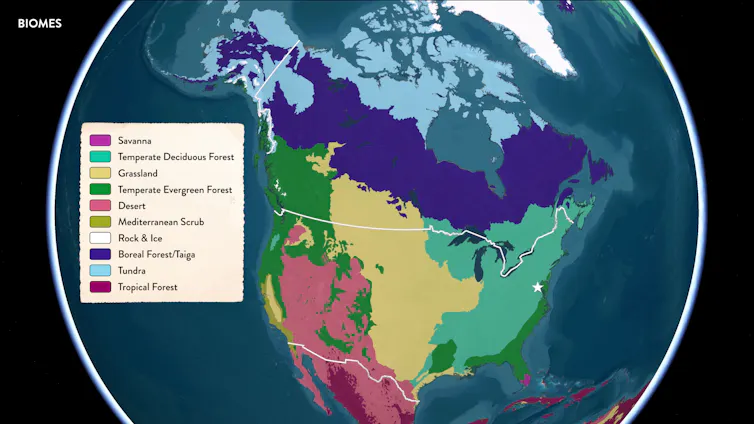
Map of North America colored by biome, showing ecological regions such as grasslands, deserts, forests and tundra.
Climate, vegetation and animal life vary across the landscapes of the United States, forming distinct biomes. Smithsonian/Esri/RESOLVE, CC BY-NC

One country, many pine cones

Pine cones can be easy to overlook.

When you’re out for a walk in the woods, you see the forest, maybe even the trees, but not always the cones at your feet. For many people, a pine cone is just a pine cone. But when you look closely, subtle differences in the styles of cones carry clues about the trees that produced them and the places where those trees live.

Several pine cones of different sizes and shapes arranged on a white background, showing variation among pine species.
Pine trees grow across many of these regions, and their cones reflect some of the different environments where pines live. James Di Loreto, Smithsonian, CC BY-NC

There are 43 pine species native to the United States, making up nearly a third of the world’s pine tree diversity. Together, they stretch across surprisingly different combinations of climate, terrain, plants and animals, the regions scientists call biomes. Something as simple as the pine cone can let you hold that concept in your hand: soils, fire, rain, birds and rodents all helped shape the tree that made it.

For example, cones from the sand pine can shield seeds for years, only to release them as the heat from low-intensity fires melts their resin and opens their scales. These scrubby and fire-shaped landscapes are one part of the larger temperate evergreen forests that spread through the southeastern U.S.

On the other side of the country, the Coulter pine produces cones that can be more than a foot-and-half long (50 centimeters) and weigh up to 8 pounds (3.5 kilograms). This large cone size helps its seeds to survive fires, allowing small birds and mammals to then disperse them into new areas in the Mediterranean Scrub of Southern California.

A pine cone comes from one tree in one place, but its form reflects a wide set of environmental conditions. Pine cones provide an interesting way to view the different biomes found in the United States and its territories.

Map of North America colored by geologic age, showing older Precambrian rocks across much of Canada and younger Paleozoic, Mesozoic and Cenozoic rocks across different parts of the United States and Mexico.
Geologic age maps can reveal ancient landscapes hidden beneath modern ones. Smithsonian/Esri/USGS/GSA, CC BY-NC

An ancient ocean in the middle of the country

The land under your feet can be millions of years old, and it has not always been dry ground.

During the late Mesozoic Era – the time interval made famous by the dinosaurs – a warm, shallow inland sea covered states from North Dakota to Texas. This Western Interior Seaway laid down many of the rocks and sediments that you can see today throughout the Great Plains and Badlands. The sea was also full of life, and the rocks it left behind are full of fossils.

Two coiled ammonite fossils preserved in rock, representing marine animals that lived in the ancient Western Interior Seaway.
These ammonite fossils from South Dakota come from an ancient, shallow sea that once covered much of the middle of North America. Phillip R. Lee, Smithsonian, CC BY-NC

There were familiar characters living on this ancient seafloor: clams, snails and sea stars. But swimming in the waters above were the now-extinct animals called ammonites.

These coiled, shelled relatives of squid and octopuses were abundant predators, hunting in the same waters as fish, turtles, sharks and extinct marine reptiles called plesiosaurs. Ammonites used the chambers in their shells to control buoyancy, much like the modern nautilus.

Ammonite fossils demonstrate that much of the central U.S. was an ancient ocean. They also remind us that the landscapes we know today are just the latest version of those reshaped over and over by the slow work of geologic time.

Map of North America overlaid with migration tracks from five bird species, showing long-distance seasonal movements.
Thousands of animals trace migration routes across the United States. Smithsonian/Esri/Movebank Data Repository, CC BY-NC

Unlikely pairing: Shorebirds and horseshoe crabs

Animals move. Some travel only short distances with the seasons, but others travel thousands of miles, crossing not only state lines, but countries, oceans and hemispheres. Animal migration routes might look chaotic on a map, but birds, whales, turtles and more forge these paths for specific reasons.

left panel: brown bird with white belly walks on bumpy ground with wave in background; right panel: horseshoe crab specimen from above and below
The ruddy turnstone shorebird times its mid-Atlantic stop with the beachside spawning of the horseshoe crab in Delaware Bay. L: G.Halpin/Pixabay. R: Phillip R. Lee, Smithsonian.

Timing is a key component of migration. Thanks to a critical refueling stop in Delaware Bay, the ruddy turnstone shorebird manages to migrate thousands of miles each year to its breeding grounds in the high Arctic. These East Coast migrants time their layover with the migration of horseshoe crabs, which come ashore to lay millions of nutrient-packed eggs on beaches. The turnstones gorge themselves on those eggs before continuing their journey north.

It is a strange and wonderful handoff between an ancient marine animal hauling itself out of the ocean and a weary shorebird bound for the Arctic. A single bay brings them together, illustrating how the many migration routes through these lands can hinge on key moments and places.

Topographic relief map of North America showing mountains, valleys, plains and other landforms.
The topography of North America ranges from broad coastal plains to rugged mountain systems. The ridges, valleys, streams and caves of the Appalachian Mountains create small pockets of habitat for many different plants and animals. Smithsonian/Esri/CEC/USGS, CC BY-NC

Salamander country

Topography is more than scenic landscapes. Everything from the flat coastal plains to the ridges, valleys and stream-cut mountainsides helps shape where animals can live and how biodiversity accumulates.

The rugged terrain of the Appalachian Mountains creates cool, wet forests, shaded hollows, caves, ponds and streams. These habitats can differ from each other in elevation, temperature, moisture and water flow – and salamanders take note. More salamander species live in the Appalachian Mountains than anywhere else in the world. It can feel as though every other rock you turn over hides yet another species.

A preserved salamander specimen with a long body, short legs and mottled brown markings.
A cave salamander from the Appalachian Mountains in Georgia. James Di Loreto, Smithsonian, CC BY-NC

The trio of Plethodon salamanders, the southern gray-cheeked, red-cheeked and red-legged salamanders, were once thought to be regional variations of the same species. But these salamanders live at varying elevations in different mountain ranges, and genetic sequencing confirmed that each was, in fact, its own species. Topography and shifting climates had broken up these populations into different habitats, allowing each to evolve into distinct species.

Map of North America divided into major drainage basins, showing how rivers and watersheds extend across state and national boundaries before draining toward different coasts.
North America’s watersheds cross state and national boundaries, linking distant rivers and landscapes through the flow of water. Smithsonian/Esri/CEC, CC BY-NC

Following the American shad

Chesapeake Bay is the largest estuary in the U.S., fed by a watershed connecting rivers and drainage basins that reach into six states and the District of Columbia. It’s home to more than 3,600 species, including oysters and blue crabs. But one fish in particular has become strongly intertwined with the lives and cultures of many people around the bay.

A preserved American shad specimen, a silvery fish that migrates between the Atlantic Ocean and freshwater rivers to spawn.
American shad move between the Atlantic Ocean and the freshwater rivers of the Chesapeake Bay watershed, a migration long tied to the Pamunkey Indian Tribe’s diet, culture and stewardship of nature. James Di Loreto & Tonda Phalen, Smithsonian, CC BY-NC

The American shad spends much of its adult life in the Atlantic Ocean but returns to the freshwater rivers in the upper reaches of the Chesapeake Bay to spawn. For more than 12,000 years, this herring’s spring migration has been part of Pamunkey Indian Tribe diet and culture.

From 1918 to 2019, to mitigate declining populations of herring, the tribe ran a hatchery to “give back to the river.” The Pamunkey Tribe’s fishing rights date back to their 1677 treaty with the British Crown. Today, only the Pamunkey and citizens of other tribes in Virginia can legally fish for shad in this region.

A single type of fish moving between salt and freshwater, tracing the paths of the watershed, has helped to shape centuries of diet, law, culture and stewardship, highlighting the many connections between nature and culture.

Different ways to map the country

Pine cones, ammonites, shorebirds, salamanders and shad tell more than individual stories about particular places. Together, they point to older and larger patterns: varied forests, vanished seas, seasonal migrations, mountain habitats and rivers that harbor a fantastic diversity of life.

State lines are one way to picture the U.S., but natural history provides another – one that shows the ancient and living connections running across the landscape.

Stewart Edie, Research Geologist and Curator of Paleobiology, Smithsonian Institution and Torben Rick, Curator of North American Archaeology, Smithsonian Institution

This article is republished from The Conversation under a Creative Commons license. Read the original article.

ooOOoo

Stewart and Torben have presented a very interesting article.

Thank goodness for the Smithsonian, and thank goodness for natural history!

A brilliant video on our eating habits

For those over the age of 60!

As was written on the YouTube page:

Are you over 60 and still eating frozen foods every day? ❄️🍽️
STOP right there — because some frozen foods could be silently damaging your health 😨⚠️

In this powerful 31-minute motivational health talk, you’ll discover the 4 WORST frozen foods seniors should NEVER touch 🚫 and the 4 BEST frozen options you SHOULD eat daily to protect your body, boost energy, and support longevity 💪🧠✨

As we age, our bodies become more sensitive to hidden toxins, preservatives, and sodium overload 🧂 — and many frozen foods are packed with exactly that. But not all frozen foods are bad! Some can actually improve your health, strengthen muscles, and support heart & brain function ❤️🧠

P.S. If you cannot see this video because of the ‘Error 153’ problem then go to the YouTube website, the URL is

https://www.youtube.com

and look up this video. The title is: Fresh or frozen food? Using SCIENCE to prove which is best with surprising results! – BBC

The reason behind the human ‘week’.

A fascinating history of our week.

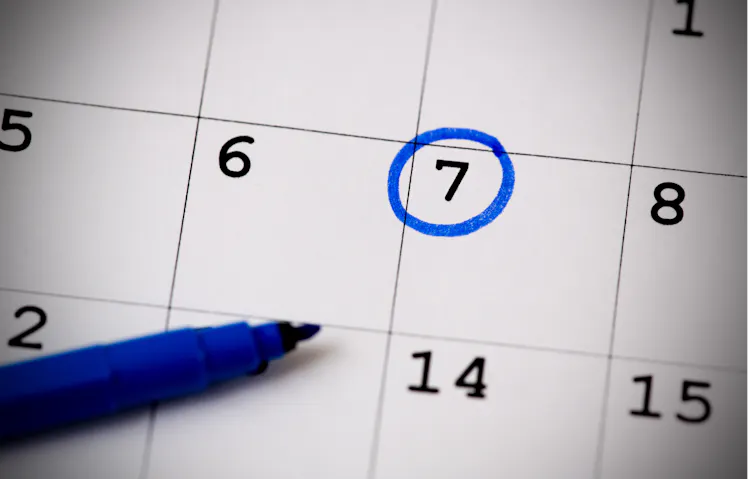
Why are there seven days in a week?

The Conversation published a post on this subject back in 2020 under their Curious Kids title. That may have been the reason I did not republish it.

But on June 5th this year, Kelly Kizer Whitt published on EarthSky an article explaining how the ‘week’ came about.

However, I am going to republish the item, as posted by The Conversation.

ooOOoo

Why are there seven days in a week?

Your calendar dates back to Babylonian times. Aleksandra Pikalova/Shutterstock.com

Kristin Heineman, Colorado State University


Why are there seven days in a week? – Henry E., age 8, Somerville, Massachusetts


Waiting for the weekend can often seem unbearable, a whole six days between Saturdays. Having seven days in a week has been the case for a very long time, and so people don’t often stop to ask why.

Most of our time reckoning is due to the movements of the planets, Moon and stars. Our day is equal to one full rotation of the Earth around its axis. Our year is a revolution of the Earth around the Sun, which takes 365 and ¼ days, which is why we add an extra day in February every four years, for a leap year.

But the week and the month are a bit trickier. The phases of the Moon do not exactly coincide with the solar calendar. The Moon cycle is 27 days and seven hours long, and there are 13 phases of the Moon in each solar year.

Some of the earliest civilizations observed the cosmos and recorded the movements of planets, the Sun and Moon. The Babylonians, who lived in modern-day Iraq, were astute observers and interpreters of the heavens, and it is largely thanks to them that our weeks are seven days long.

The reason they adopted the number seven was that they observed seven celestial bodies – the Sun, the Moon, Mercury, Venus, Mars, Jupiter and Saturn. So, that number held particular significance to them.

Other civilizations chose other numbers – like the Egyptians, whose week was 10 days long; or the Romans, whose week lasted eight.

Some of the earliest civilizations recorded the movements of planets, the Sun and Moon.
Andrey Prokhorov/Shutterstock.com

The Babylonians divided their lunar months into seven-day weeks, with the final day of the week holding particular religious significance. The 28-day month, or a complete cycle of the Moon, is a bit too large a period of time to manage effectively, and so the Babylonians divided their months into four equal parts of seven.

The number seven is not especially well-suited to coincide with the solar year, or even the months, so it did create a few inconsistencies.

However, the Babylonians were such a dominant culture in the Near East, especially in the sixth and seventh centuries B.C., that this, and many of their other notions of time – such as a 60-minute hour – persisted.

The seven-day week spread throughout the Near East. It was adopted by the Jews, who had been captives of the Babylonians at the height of that civilization’s power. Other cultures in the surrounding areas got on board with the seven-day week, including the Persian empire and the Greeks.

Centuries later, when Alexander the Great began to spread Greek culture throughout the Near East as far as India, the concept of the seven-day week spread as well. Scholars think that perhaps India later introduced the seven-day week to China.

Finally, once the Romans began to conquer the territory influenced by Alexander the Great, they too eventually shifted to the seven-day week. It was Emperor Constantine who decreed that the seven-day week was the official Roman week and made Sunday a public holiday in A.D. 321.

The weekend was not adopted until modern times in the 20th century. Although there have been some recent attempts to change the seven-day week, it has been around for so long that it seems like it is here to stay.

Kristin Heineman, Instructor in History, Colorado State University

This article is republished from The Conversation under a Creative Commons license. Read the original article.

ooOOoo

So there we are, the ancient history of the week. Including the fact that the weekend was not adopted until the 20th century. In the 1940’s to be precise.

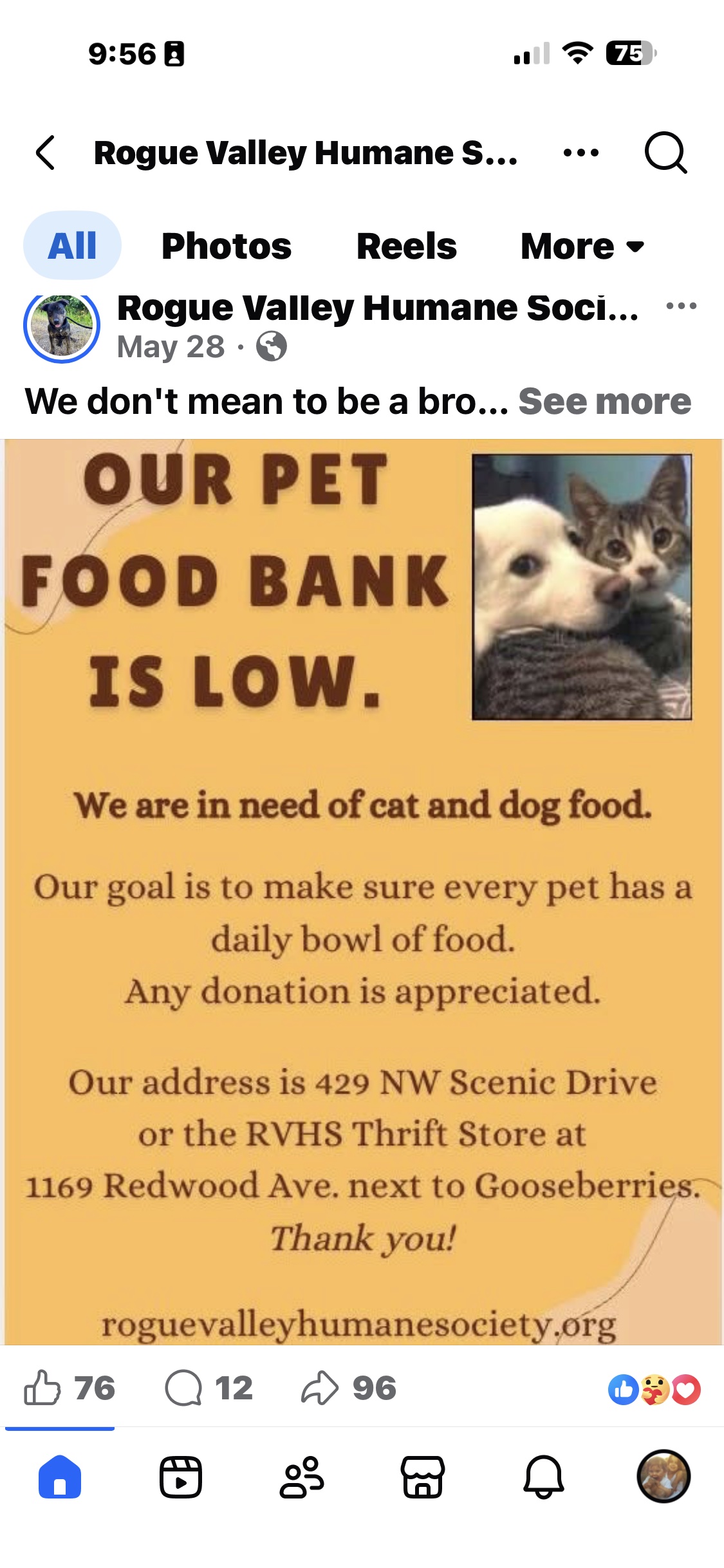
Please help the animals

Dogs and cats need help.

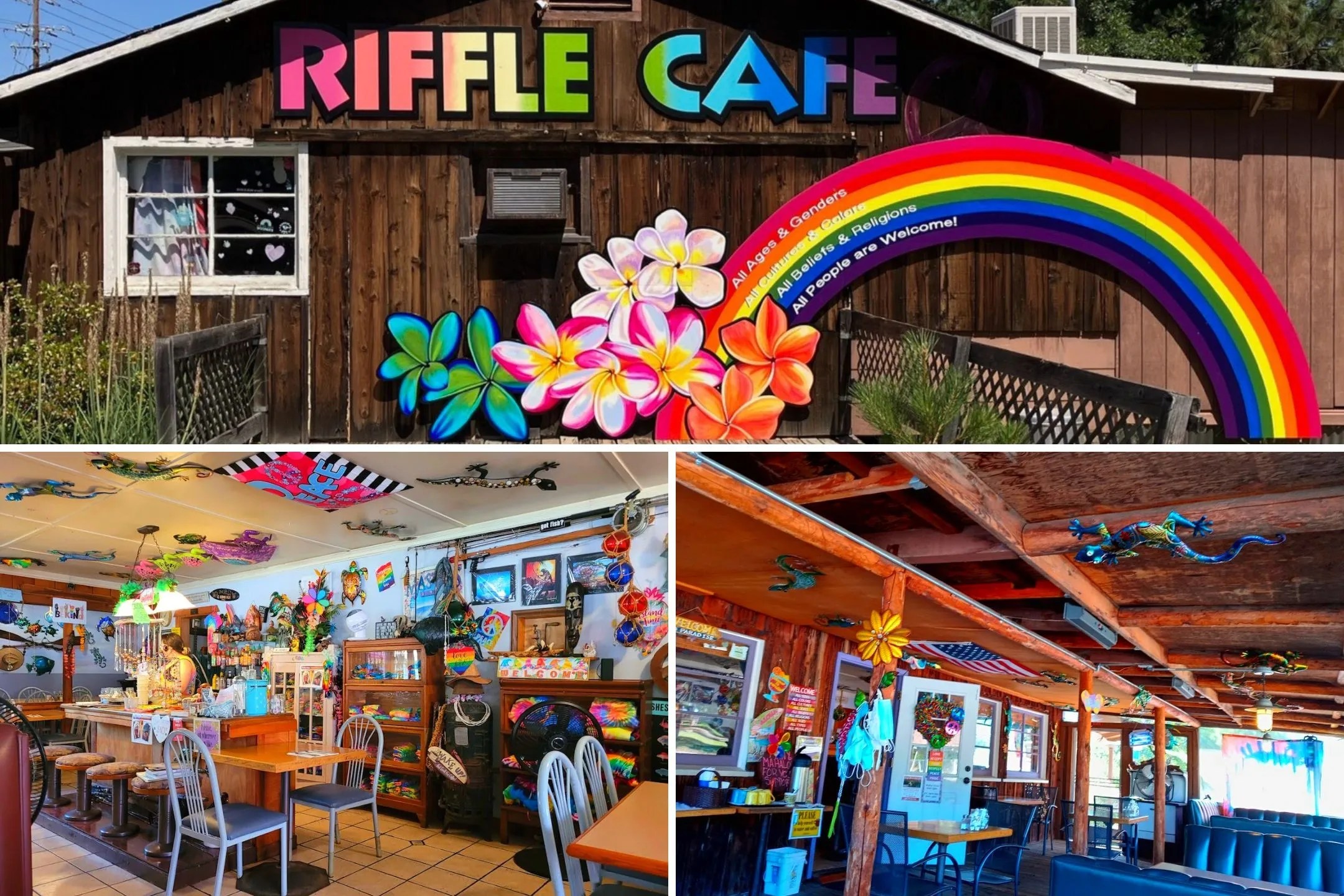
Last Sunday I went for my usual bike ride, ending up at Riffle’s Cafe, Merlin.

The conversation soon turned to helping cats and dogs, and Tami said that the local Rogue Valley Animal Shelter was in desparate need for food. They are better known as the Rogue Valley Humane Society.

Tami then offered to use the Cafe to raise funds for the Shelter. The funds could be money or food. Tami promised that anything donated to the animals would be sent to the Shelter.

Riffle Cafe

450 Merlin Road, Merlin, Oregon 97532, United States

541-471-7000

So, please, do everything you can in providing food to Riffle’s Cafe.

Next Friday, 12th June, is the day when Tami will pass on food and funds to Rogue Valley Humane Society.

Please do not wait until then as food may be placed around the back of the Cafe if Riffle’s is not open.

Thank you, on behalf of all the animals.