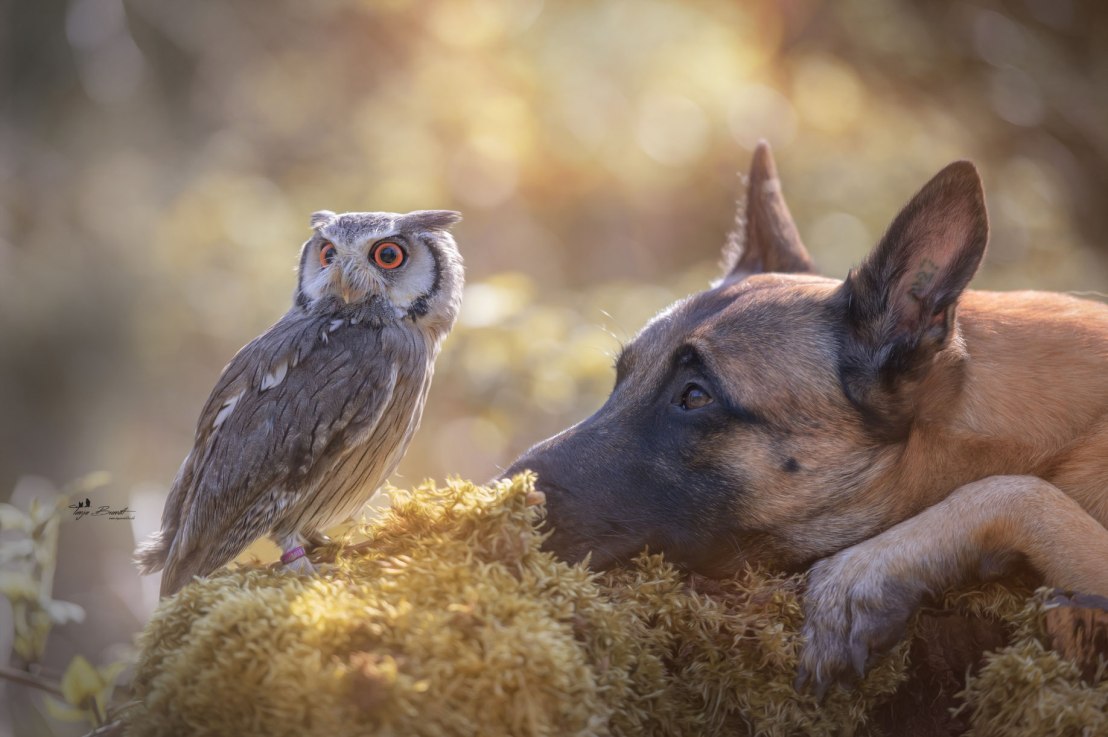
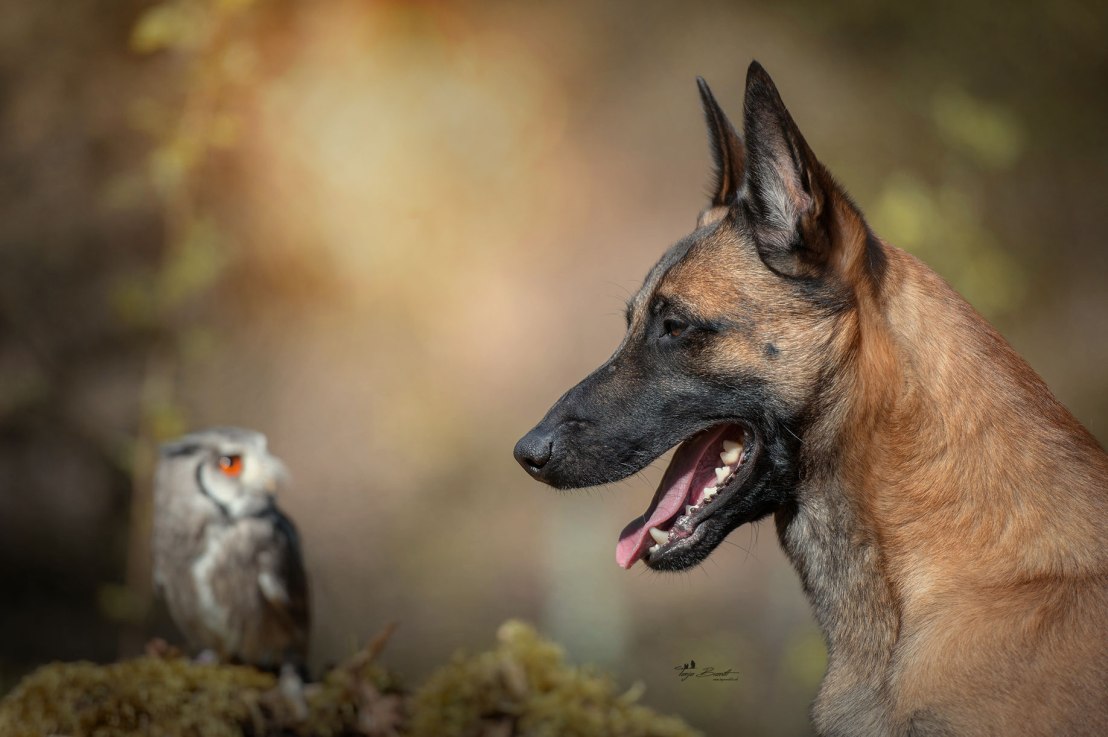
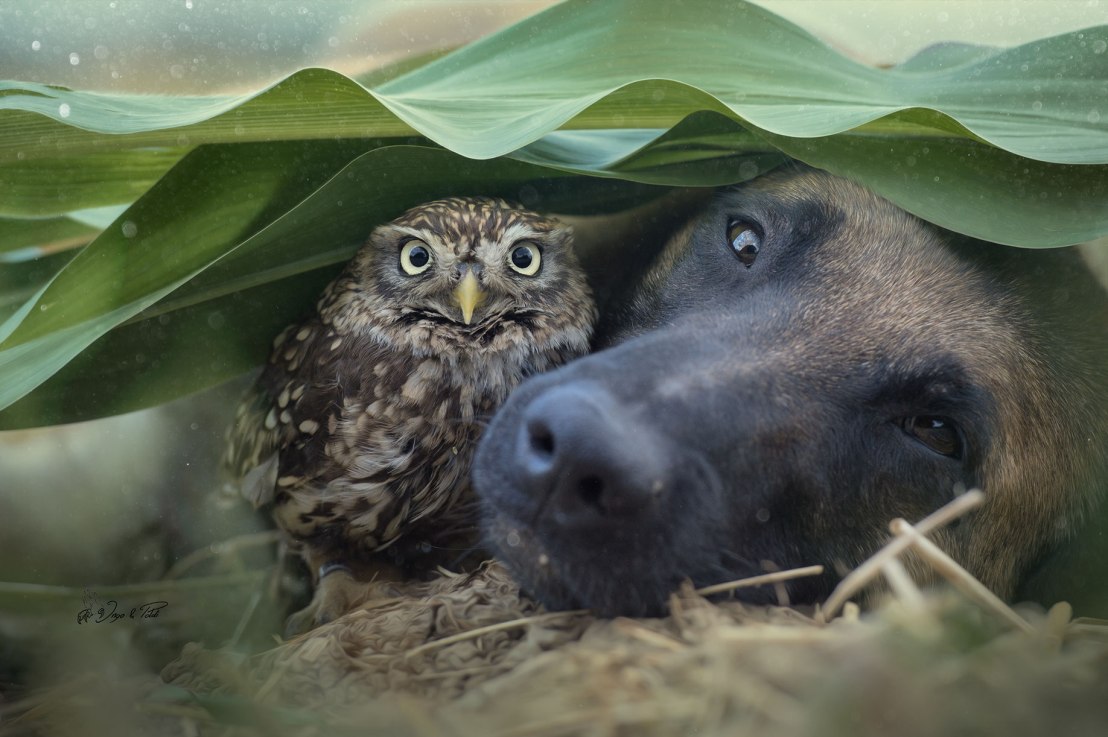
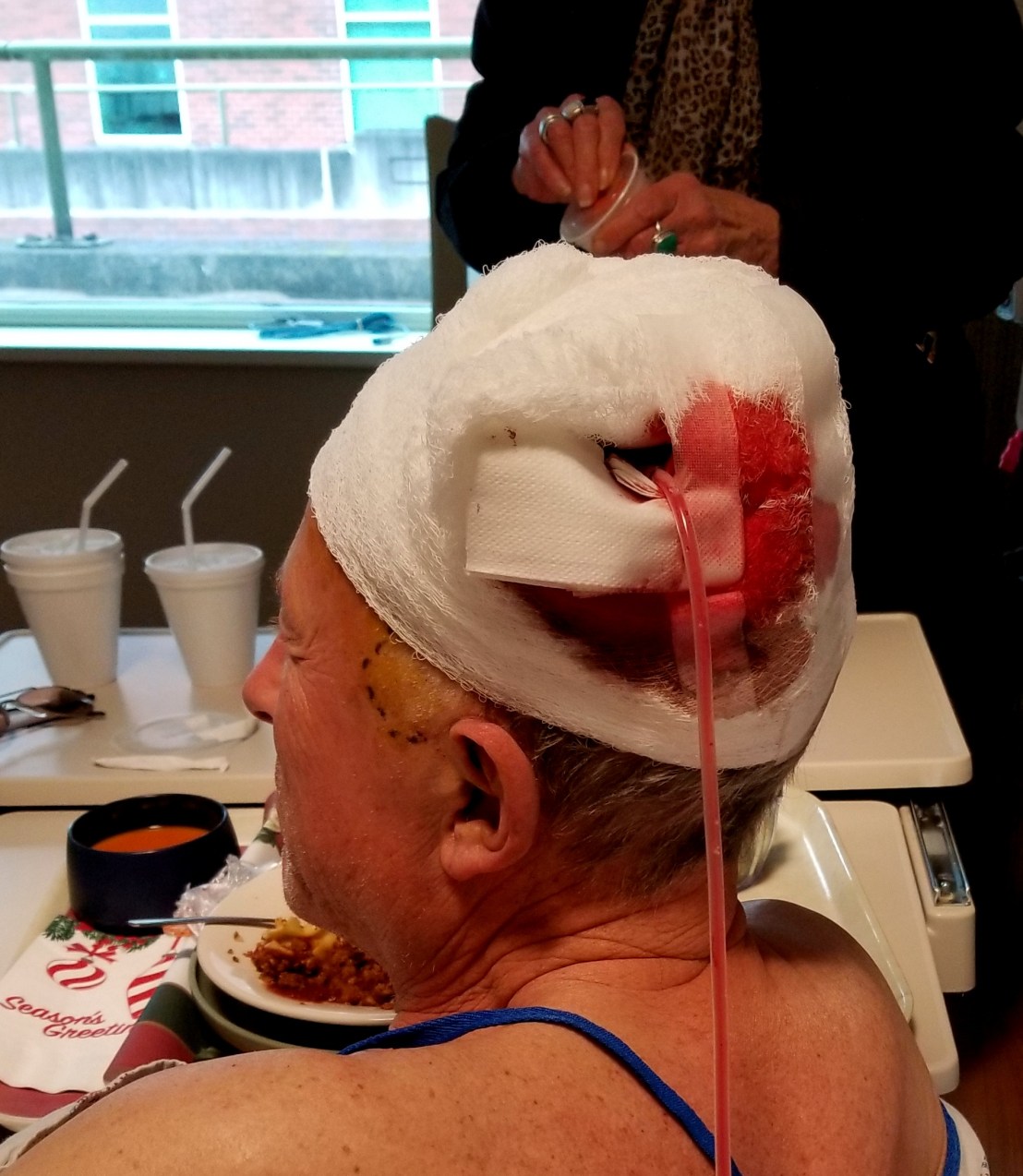
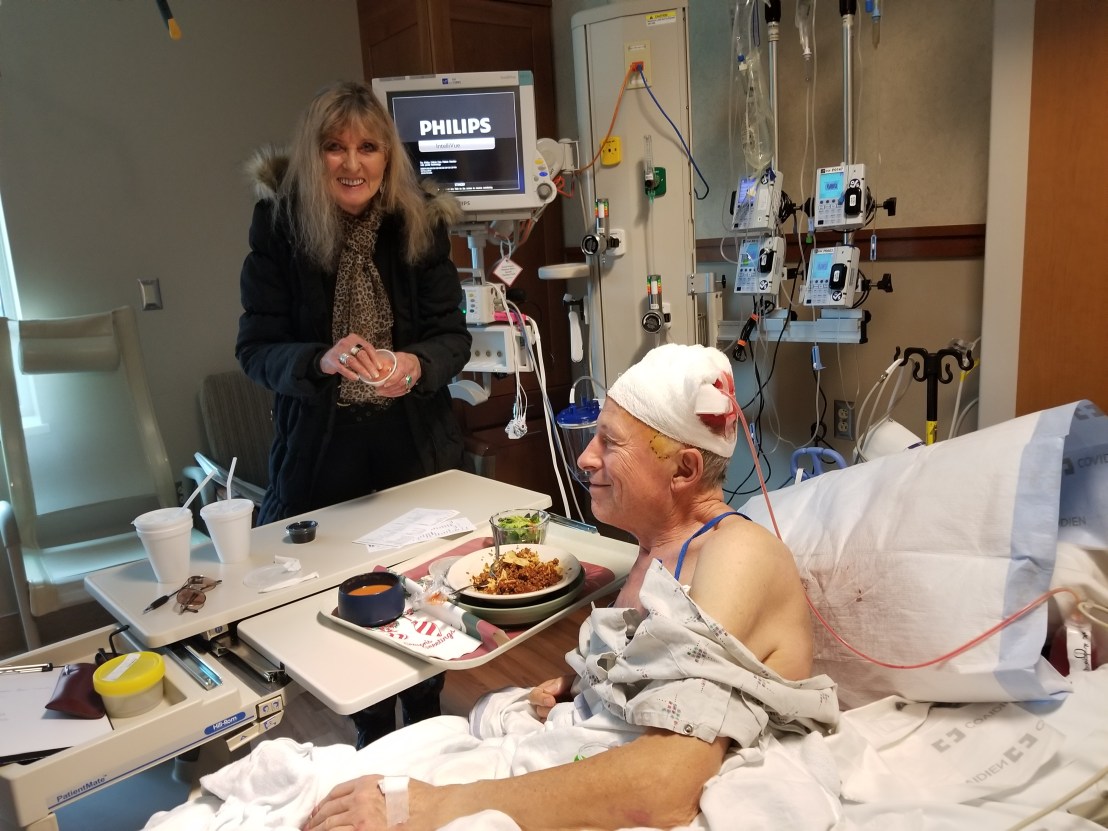
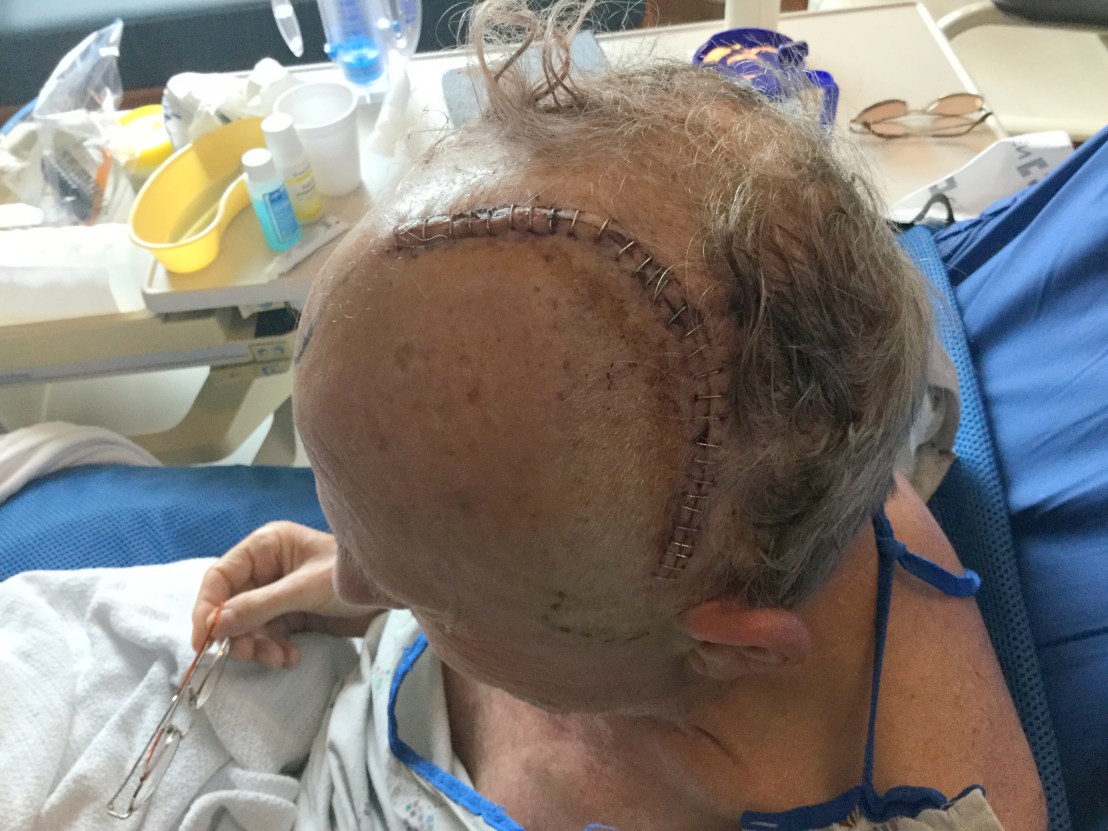
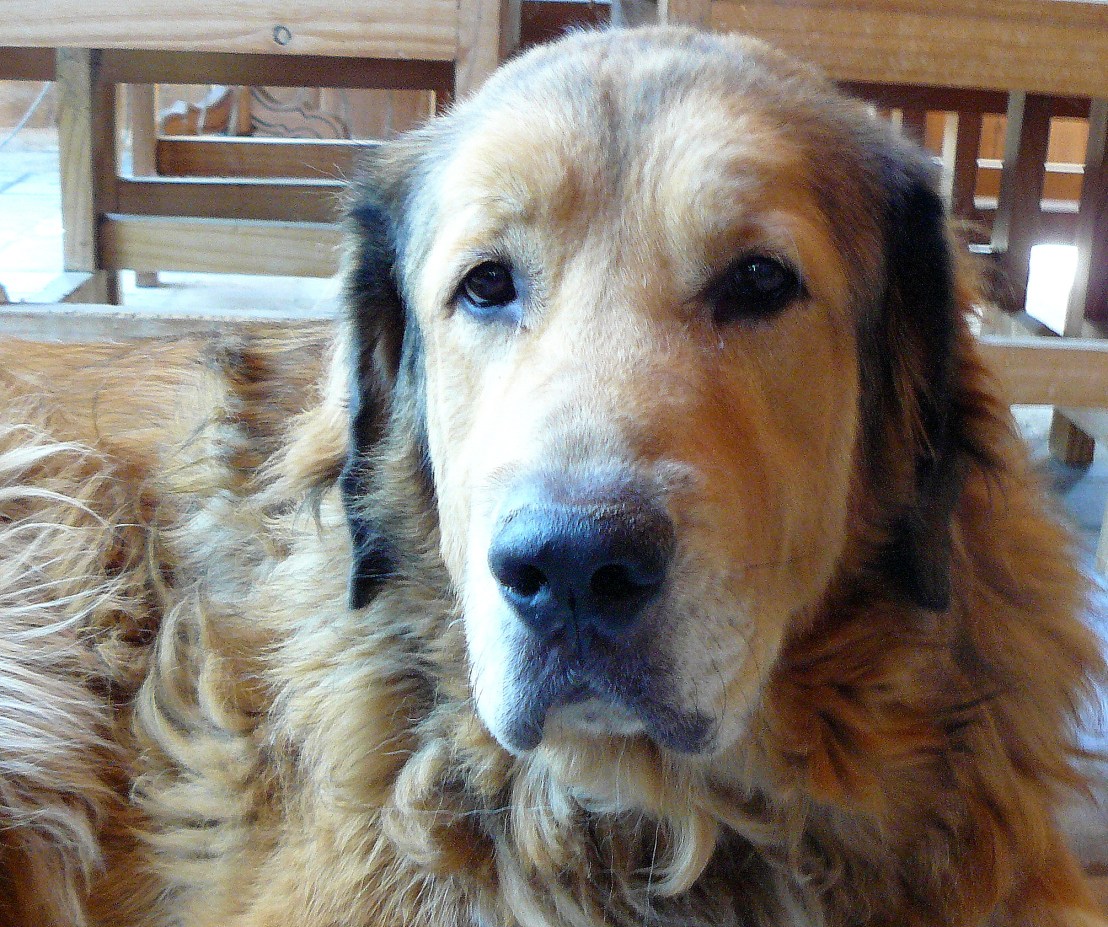
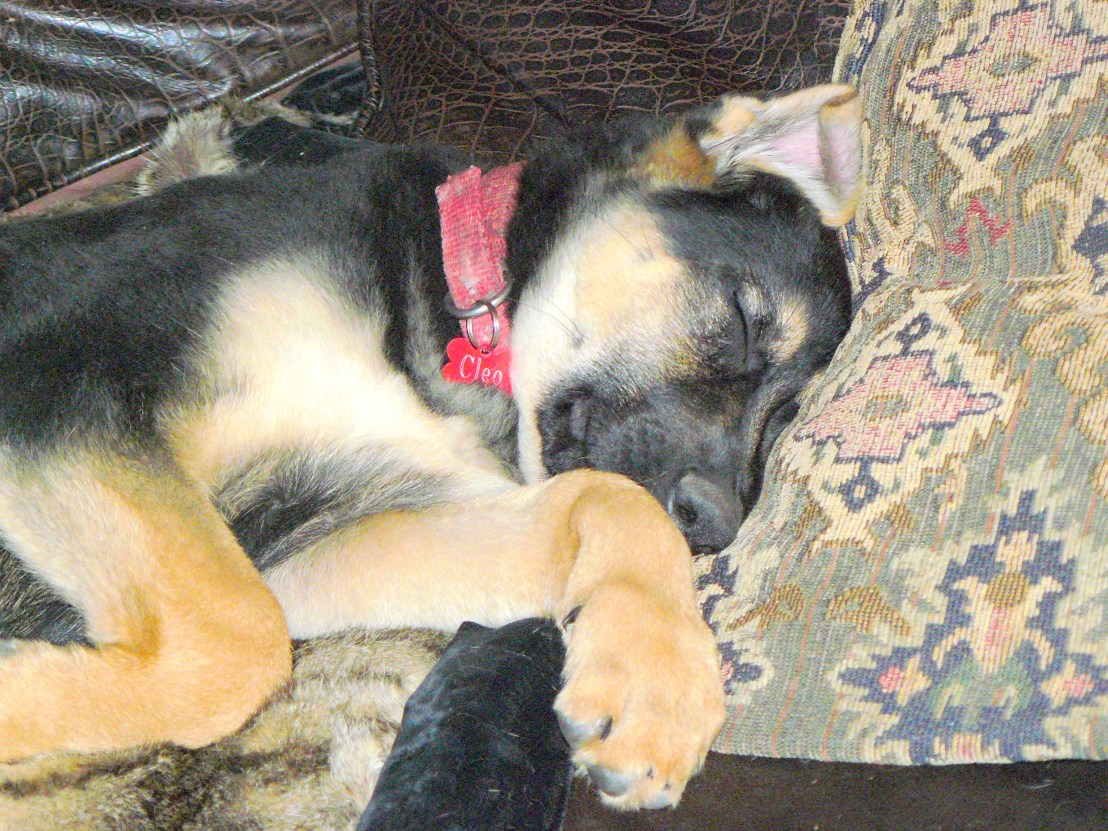
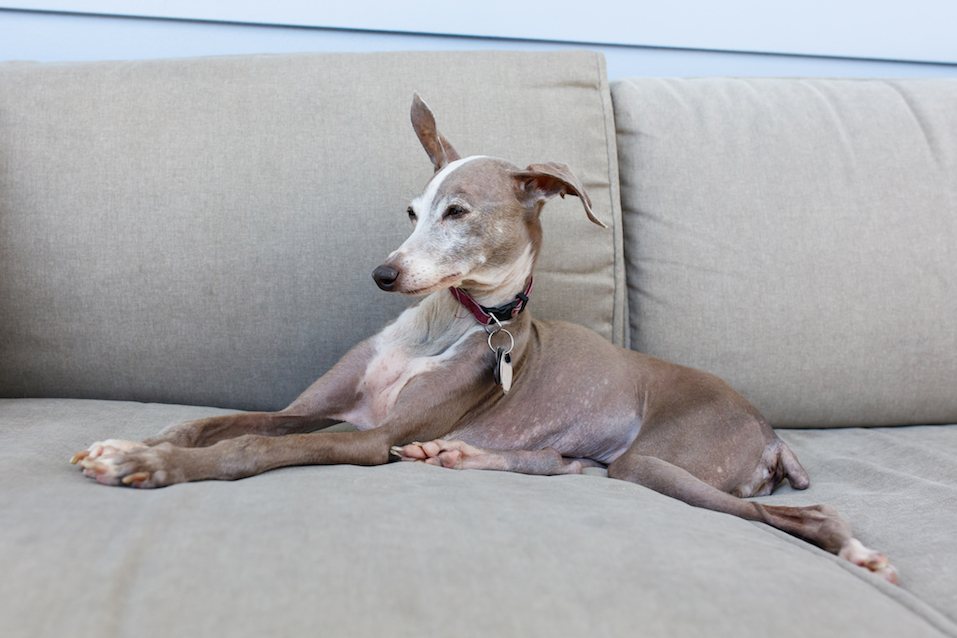
More from Tanja in a week’s time. (I presume you spotted the interloper!! Brandy having a love-in with Jean one evening a week ago just before the bedside lights were turned out.)
(I came across this when researching my posts for my second book.)
It was published on the 18th June, 2016.
ooOOoo
A Eulogy For Hazel
This dear, precious dog!
Back in March, 2014 when I was writing a series of posts about our dogs, I published a Meet the dogs – Hazel post. This eulogy consist mainly of what I wrote then, with a few minor changes to bring it up to date, and a closing thought.
Hazel
I first met Jean in Mexico; namely, in San Carlos, Sonora, Mexico to be precise. Just a few days before Christmas, 2007. At that time, Jean had 16 dogs, all of them rescues off the streets in and around San Carlos. Jean was well-known for rescuing Mexican feral dogs.
In September, 2008 I travelled out to Mexico, via London-Los Angeles, with my Pharaoh. Jean and I have been together ever since. In February, 2010, because we wanted to be married and to be married in the USA, we moved from San Carlos to Payson, in Arizona; some 80 miles North-East of Phoenix.
One morning, just a few days before we were due permanently to leave San Carlos and move our animals and belongings the 513 miles (827 km) to Payson, AZ, Jean went outside the front of the San Carlos house to find a very lost and disorientated black dog alone on the dusty street. The dog was a female who in the last few weeks had given birth to puppies that had been weaned. Obvious to Jean because the dog’s teats were still somewhat extended.
The dog had been abandoned outside in the street. A not uncommon happening because many of the local Mexicans knew of Jean’s rescues over many years and when they wanted to abandon a dog it was done outside Jean’s house. The poor people of San Carlos sometimes resorted to selling the puppies for a few Pesos and casting the mother dog adrift.
Of course the dog was taken in and we named her Hazel. Right from Day One Hazel was the most delightful, loving dog and quickly attached herself to me.
The truest of love between a man and a dog!
Of all the dogs that we have here at home, and, trust me, many are extremely loving, my relationship with Hazel was precious beyond description. She was in Pharaoh’s ‘group’ (Pharaoh, Cleo, Sweeny, Pedy and Brandy) so slept in our bedroom at night. Most nights Hazel was tucked up against me.
Plus frequently during the day Hazel would take an interest in what I was doing, as the next photograph illustrates.
Hazel taking an interest in my potterings; March 2014.
If ever one wanted an example of the unconditional love that a dog can offer a human, then Hazel was that example. Precious creature.
ooOOoo
Just stay with me for a little longer.
Recently there was a documentary on the BBC about Koko the gorilla and how many hand signs Koko had learnt. As Wikipedia explains (in part):
Hanabiko “Koko” (born July 4, 1971) is a female western lowland gorilla who is known for having learned a large number of hand signs from a modified version of American Sign Language (ASL).
Her caregiver, Francine “Penny” Patterson, reports that Koko is able to understand more than 1,000 signs of what Patterson calls “Gorilla Sign Language” (GSL). In contrast to other experiments attempting to teach sign language to non-human primates, Patterson simultaneously exposed Koko to spoken English from an early age. Reports state that Koko understands approximately 2,000 words of spoken English, in addition to the signs.
The reason why I mention this is at the end of the programme it is stated that Koko’s ability to communicate shows very clearly that she is capable of feelings and emotions. Indeed, the way that Koko hugs Penny is very moving.
The presenter of the BBC programme concludes how things have changed over all the years from the birth of Koko some 45 years ago to today. As in back in the ’70s’ the idea that animals had emotions was just not accepted whereas nowadays there is mounting evidence that many warm-blooded animals have emotions; are capable of emotional feelings.
Why do I mention this?
For there isn’t one shred of doubt in the minds of Jean and me that Hazel was full of feelings of love and affection towards her human friends.
That is the epitaph with which Hazel will be remembered! This is her legacy.
Can you help John Zande find a loving home for this recent rescue?
I can’t recall when John Zande and I first made contact but it was a while ago. John lives in Brazil and is the author of the book The Owner Of All Infernal Names. (Read by me and much recommended.)
John also writes from time to time on his blogsite: The Superstitious Naked Ape. Again, much recommended by me.
Anyway, I awoke yesterday morning to find an email from John. This is what John had written:
Morning Paul, hope everything is fine up there. I have a question. We rescued a dog the other day (part pit bull), lovely fellow, but needs a lot of nursing to get him back to health. Vet thinks he’s around 2 years old. I’d say closer to 1.5. We have him here, in the front of the house (keeping our animals inside and out the back), but he’s a barker. Not aggressive, but seems to enjoy “responding” to other dogs in the street barking… of which there are too many. Do you have any tricks for teaching a dog not to bark? I’ve tried putting him on a leash back on the house (to keep him from the front gate) as a sort of conditioning, but that hasn’t seemed to of worked. I bought a muzzle and put that on when he’s barking, but that hasn’t worked either. Any ideas?
Obviously I looked across at Jean, mentioned the email from John, and read it out to here wondering what would be her advice.
John,
A very good morning in return.
I have just shared your email with Jean and she offered the following.
Namely, that he is most likely barking for attention. If you have the time then stay with him and each time he barks say “No!” firmly and when he stops give him a treat as a reward.
Jean acknowledges that this a difficult one but let’s take it one step at a time. Let us know what you do.
Want me to make it a post on the blog? Do you have a photo of him?
Best of luck!
Paul
John is full in terms of taking on rescues just now and is looking for a caring home for this lovely-looking boy; his name is Max by the way.
Here are some photographs of Max.
oooo
oooo
oooo
What a kind, loving face!
These are some photos from last Thurs, when we got him. He’s put on some weight since. He was covered in oil, and his blood test has come back: low platelets, and ticks disease. Yeah, I’ve been out with him heaps, sitting with him and spending time. He knows its wrong, but seems to react to everything and every noise. I introduced the girl dogs to him this morning, and he was great. No problem. No aggression. Didn’t stop him barking, though 🙂 Our street has some noisy dogs (bad owners), so I guess he’s having trouble responding.
He is lovely. Would love to keep him, but we’re full, and can’t afford another. Had to get him off the street, though. He was in real trouble.
PLEASE!!! Can anyone find Max a home? If finding the money to transport Max to that new home is going to be an issue then I’m sure we can ‘pass the hat around’ to resolve that challenge.
The main thing is to find Max a home!
Finally …. my apologies to a number of you who have sent in guest posts for this place. You are not forgotten but you do understand why this plea from John had to be published today!
I was going to offer more of Tanja Brandt’s photos for you today but during the week Belinda, who lives here on Hugo Road, sent me some pictures that I couldn’t wait to share with you.
oooo
oooo
oooo
oooo
oooo
oooo
oooo
Aren’t we so very lucky to have these wonderful creatures in our lives!
15 Research Backed Health Benefits Of Having A Dog
In so many walks of life there are so many competing claims as to this or that and trying to get to the truth is so frequently hard work. No more so than understanding the essence of what to do to stay fit and healthy. Yes, I had in mind you and me when I wrote that last sentence but it applies equally as well to our beloved dogs.
So of course I welcomed this email that came to me not that long ago.
Hi Paul,
I’m Mat Coulton (the owner of Wileypup.com).
I won’t waste your time and get straight to the point, we recently released a kickarse blog post: ’15 Research Backed Health Benefits Of Having A Dog’ AND I was checking out your site and noticed you are linking to an article from wikipedia.org on the same topic in your article Pets – Learning from Dogs: https://learningfromdogs.com/tag/pets/
Our guide goes into much more detail. It’s up to date and quotes more trustable sources. It’s littered with cool custom graphics and images. It would be a great addition to your page, and add value to your readers.
Now, of course, Wileypup is a commercial business about which I have no knowledge or experience but that’s no reason not to share Mat’s article. I asked Mat to pen a few words about himself:
Mat Coulton has worked with dogs for just under a decade and is the founder of WileyPup, a doggy lover’s website that provides great tips and advice for paw parents everywhere.
Here is that article.
ooOOoo
15 Research Backed Health Benefits Of Having A Dog
Is this fur ball that follows me around like a shadow, constantly looking at me with those puppy dog eyes no matter what age they are, really that healthy for me? Routine situations like leaving them at home is an everyday mini heartbreak.
Don’t even start us on holidays where we try and think of any possible way to bring them with us and instead feel guilty as hell when they give us that aforementioned puppy eyes when we slowly close the door behind us, hearts breaking ever so slightly again.
BUT!!! We all know that’s just because we love them so much! Read on…
[Ed: You will have to go here to go through each of those benefits. Please do for the benefits are comprehensive and well researched.]
It is a popularly held belief that dogs make our lives better, especially if you ask a dog owner! We wanted to take some time to look into this concept a little deeper to see if there is scientific research to support the idea that there are actual health benefits from canine companionship.
What we found was surprising, even to us! We found 15 ways in which research has shown positive health effects from time spent with dogs!
Although much of the research on how pups effect our health has been done in clinical settings with therapy and companion dogs, there is plenty of reason to believe that dog ownership can have positive effects on our health as well (1, 2, 3).
With rising healthcare costs, the positive effects of dogs on our overall health and their role in assisting in the work of healthcare professionals continue to be avid areas of scientific study (4, 5, 6). In this article, we will be breaking down some of that research for you.
We will start by looking at the physical health benefits of dog ownership and companionship followed by a look at their contribution to better mental and emotional health outcomes. Then we will look at the special contribution dogs are making in the quality of life for a variety of special needs populations. Finally, we will look at the larger social impact of canine companions in our lives.
ooOOoo
I must say that many, many of you who have dogs in their lives will not be surprised by the findings spelled out by Mat.
Thus, good people, I shall be distracted for much of the month because despite the fact that book number two is a non-fiction book, as was my first, I am still using National Novel Writing Month (NaNoWriMo) as my motivational tool to achieve 50,000 words before the 1st December. Ergo, November’s focus is on writing an average of 1,666 words a day, not blogging.
Last time, with my book Learning from Dogs, I did share much of what I was writing each day both in 2014 and 2015. This time I will not.
However, I would like to share the draft Introduction to this second book that I wrote yesterday.
ooOOoo
Introduction
It was a beautiful late-October evening. Not a breath of wind stirred the branches of the tall pines that soared up into the night sky around our house. Even a half-moon high in that sky out to the South didn’t diminish the mystery and magic of the stars that seemed to go on forever. It never ceased to fascinate me how wonderful it was to lose one’s mind in a dark night sky and ponder on the fact that in that instant, in that moment of my life, I was seeing the light from a star that had been travelling for hundreds or thousands of years.
Thus it was this evening around 9:30pm when I had gone outside with all our dogs for their nightly leg-stretch before bedtime. Our six most beautiful dogs: Ruby; Cleo; Sweeny; Pedy; Oliver; and Brandy. There I was utterly oblivious to the sniffing and rustling in the piles of newly fallen Autumn leaves that were everywhere because so quickly once outside the house I had looked up above my head to that night sky and become lost.
But to be returned to this very sweet present moment when ever so gently I felt Brandy’s soft shoulder touch my lower left thigh and then lean into me in what was so characteristic of him.
I lent forward and placed the side of my face alongside Brandy’s warm, furry face and became as lost as I was in that starry sky. Now, however, it was as real and tangible a loss, if one could describe it as such, as that night sky above was as unreal and mysterious. For it was me being lost in the love that Brandy was sending me, in his breathing, in his posture, in his closeness to me, in his whole demeanour and in my own deep emotional loving reply to Brandy.
Then it clicked. A philosophical click that was as bright and clear as that fabulous half-moon.
This is how I would introduce my book. The book that I had committed to write in the month of November. The book that I was going to start writing the next day but hitherto hadn’t a clue as to how I was going to set the scene.
For my next book was an exploration into the relationships that dogs and humans form with each other.
Brandy’s story since he had been part of my life, and the life of my sweet, dear Jean, was a story of just how incredible, glorious and special the love between a human and a dog can be. How the weeks and months since that fateful day on the 9th April, 2016 when we first met Brandy had given me the inspiration to go as far as I could in describing and understanding what having a dog in one’s life truly meant.
Welcome to The Dog And I.
ooOOoo
So hope all you good people will understand if my blogging activity is varied and replies to responses likewise a bit ‘up and down’. It is likely I will be re-posting quite frequently items that have previously been shown on Learning from Dogs.
The other day we went to buy more hay and feed from our local supplier The Red Barn on Upper River Road in Grants Pass.
Tyler, the owner, was distraught having just returned from urgently running his dog in to see Dr. Russ at local Lincoln Road Vet Clinic. The reason being that his dog had eaten some rat poison that he had put out on one of the upper floors of the barn.
Later I was discussing this with our good friend, Jim Goodbrod, also a Doctor of Veterinary Medicine (DVM), and Jim said that so long as the dog is caught quickly and taken to a vet it is unlikely that it would leave the dog with any permanent harm.
However, Jim then went on to say that especially at this time of the year the thing that vets see far too often is dogs who have drunk antifreeze that car owners put into their radiators ahead of the winter season.
Jim stressed that dogs very rarely are unharmed after having contact with antifreeze. Even a teaspoonful was sufficient to kill a cat and cause severe kidney damage in dogs!
So it was essential to spread the word.
No better done than by offering you this video. Watch it! Especially through to the end where Dr. Barker offers clear advice as to what to do if you suspect antifreeze poisoning of your dog or cat.
http://healthypets.mercola.com/sites/… Dr. Karen Becker, a proactive and integrative wellness veterinarian, talks about antifreeze poisoning, which often occurs when an animal encounters an antifreeze leak from a car radiator.
If this prevents even a single dog or cat from being poisoned by antifreeze then that’s a win!
My posts of the last few days have been in the ‘cuddly, cosy’ vein of life and, as many would say, a long way from the reality of this 21st century.
The reality is tough and scary and many, including me, favour running away from scary places. I’m sure that the urge to flee and hide is a survival behaviour from long time ago. BUT!! But the only hope for us humans is to face the facts full on.
Take, for example, the Ganges River. We have all heard of this famous river (my emphasis below):
The source of the Ganges is the Gangotri glacier. Here it is:
Gaumukh, snout of the Gangotri glacier,surrounded by the Bhagirathi peaks of Garhwal Himalayas, at an altitude of over 4,000 metres. Photo: Vidya Venkat.
Scientists say dwindling snowfall affects volume of water fed to the Bhagirathi, the main source of the Ganga
After a four-hour-long trek from Bhojwasa, the final camping spot in Gangotri, when a brown, fractured pile of rocks finally came into view it was hard to believe that this was the mouth of the glacier from which the ‘holy’ Ganga emerged.
Gaumukh, the snout of the Gangotri glacier, named after its shape like the mouth of a cow, has retreated by over 3 kilometres since 1817, says glaciologist Milap Chand Sharma of Jawaharlal Nehru University.
It was nearly two centuries ago that the retreat of the glacier was first documented by John Hodgson, a Survey of India geologist.
With 10 Indian States reeling under drought and the country facing a severe water crisis after two weak monsoons, the story of retreating freshwater sources such as the Himalayan glaciers is worrying. And though a three-kilometre retreat over a period of two centuries might seem insignificant at first glance, data shows that the rate of retreat has increased sharply since 1971. The rate of retreat is 22 metres per year.
Twenty-two metres or seventy-two feet a year!
Wringing our hands is no good. All of us who care for our Living Planet have to shout out just what is going on. As George Monbiot continues to do. Take his latest essay, for example, that is republished here in full with GM’s very kind permission.
ooOOoo
Insectageddon
The scale and speed of environmental collapse is beyond imagination.
By George Monbiot, published in the Guardian 20th October 2017
Which of these would you name as the world’s most pressing environmental issue? Climate breakdown, air pollution, water loss, plastic waste or urban expansion? My answer is none of the above. Almost incredibly, I believe that climate breakdown takes third place, behind two issues that receive only a fraction of the attention.
This is not to downgrade the danger presented by global heating – on the contrary, it presents an existential threat. It is simply that I have come to realise that two other issues have such huge and immediate impacts that they push even this great predicament into third place.
One is industrial fishing, which, all over the blue planet, is now causing systemic ecological collapse. The other is the erasure of non-human life from the land by farming.
And perhaps not only non-human life. According to the UN Food and Agriculture Organisation, at current rates of soil loss, driven largely by poor farming practice, we have just 60 years of harvests left. And this is before the Global Land Outlook report, published in September, found that productivity is already declining on 20% of the world’s cropland.
The impact on wildlife of changes in farming practice (and the expansion of the farmed area) is so rapid and severe that it is hard to get your head round the scale of what is happening. A study published this week in the journal Plos One reveals that flying insects surveyed on nature reserves in Germany have declined by 76% in 27 years. The most likely cause of this Insectageddon is that the land surrounding those reserves has become hostile to them: the volume of pesticides and the destruction of habitat have turned farmland into a wildlife desert.
It is remarkable that we need to rely on a study in Germany to see what is likely to have been happening worldwide: long-term surveys of this kind simply do not exist elsewhere. This failure reflects distorted priorities in the funding of science. There is no end of grants for research on how to kill insects, but hardly any money for discovering what the impacts of this killing might be. Instead, the work has been left – as in the German case – to recordings by amateur naturalists.
But anyone of my generation (ie in the second bloom of youth) can see and feel the change. We remember the “moth snowstorm” that filled the headlight beams of our parents’ cars on summer nights (memorialised in Michael McCarthy’s lovely book of that name). Every year I collected dozens of species of caterpillars and watched them grow and pupate and hatch. This year I tried to find some caterpillars for my children to raise. I spent the whole summer looking and, aside from the cabbage whites on our broccoli plants, found nothing in the wild but one garden tiger larva. Yes, one caterpillar in one year. I could scarcely believe what I was seeing – or rather, not seeing.
Insects, of course, are critical to the survival of the rest of the living world. Knowing what we now know, there is nothing surprising about the calamitous decline of insect-eating birds. Those flying insects – not just bees and hoverflies but species of many different families – are the pollinators without which a vast tract of the plant kingdom, both wild and cultivated, cannot survive. The wonders of the living planet are vanishing before our eyes.
Well, I hear you say, we have to feed the world. Yes, but not this way. As a UN report published in March explained, the notion that pesticide use is essential for feeding a growing population is a myth. A recent study in Nature Plants reveals that most farms would increase production if they cut their use of pesticides. A study in the journal Arthropod-Plant Interactions shows that the more neonicotinoid pesticides were used to treat rapeseed crops, the more their yield declines. Why? Because the pesticides harm or kill the pollinators on which the crop depends.
Farmers and governments have been comprehensively conned by the global pesticide industry. It has ensured its products should not be properly regulated or even, in real-world conditions, properly assessed. A massive media onslaught by this industry has bamboozled us all about its utility and its impacts on the health of both human beings and the natural world.
The profits of these companies depend on ecocide. Do we allow them to hold the world to ransom, or do we acknowledge that the survival of the living world is more important than returns to their shareholders? At the moment, shareholder value comes first. And it will count for nothing when we have lost the living systems on which our survival depends.
To save ourselves and the rest of the living world, here’s what we need to do:
We need a global treaty to regulate pesticides, and put the manufacturers back in their box.
We need environmental impact assessments for the farming and fishing industries. It is amazing that, while these sectors present the greatest threats to the living world, they are, uniquely in many nations, not subject to such oversight.
We need firm rules based on the outcomes of these assessments, obliging those who use the land to protect and restore the ecosystems on which we all depend.
We need to reduce the amount of land used by farming, while sustaining the production of food. The most obvious way is greatly to reduce our use of livestock: many of the crops we grow and all of the grazing land we use are deployed to feed them. One study in Britain suggests that, if we stopped using animal products, everyone in Britain could be fed on just 3m of our 18.5m hectares of current farmland (or on 7m hectares if all our farming were organic). This would allow us to create huge wildlife and soil refuges: an investment against a terrifying future.
We should stop using land that should be growing food for people to grow maize for biogas and fuel for cars.
Then, at least, nature and people would have some respite from the global onslaught. And, I hope, a chance of getting through the century.