Category: Climate

Just one of those days!

There is no post for today!

Although I admit that having this come out at the usual time for a Tuesday rather flies in the face of that sub-heading!

But on Sunday evening Merlin was placed in the first zone of the evacuation instructions. This follows the rapidly expanding Rum Creek Fire that is just West of us. Depending on what defines as the actual location of the fire we are anything from 5 to 9 miles away. Our home is on Hugo Road, Merlin.

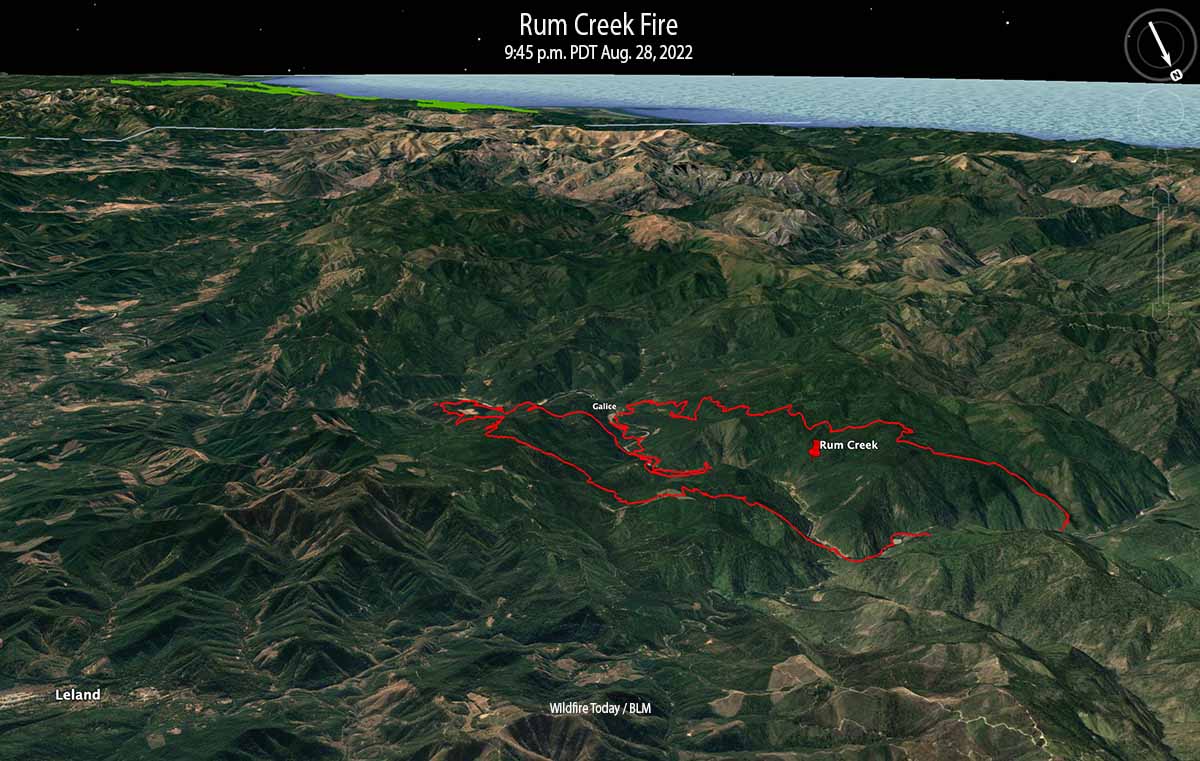
3-D map of the Rum Creek Fire, looking south-southwest at 9:45 p.m. Aug. 28, 2022.

The Rum Creek Fire 14 miles northwest of Grants Pass, Oregon has grown to 10,709 acres since it started from lightning on August 17. The fire is burning in very steep, remote, rugged terrain on both sides of the Rogue River. It has spread upriver to Galice and east to Stratton Creek. Spot fires have occurred two miles down range.

(Copied from Wildfire Today.)

So there you are!

Sir David Attenborough.

There are not many who achieve so much, but Sir David most definately has!

This is our planet. It is the only one we have (stating the obvious!).

This beautiful photograph taken from the Apollo 11 mission says it all. That Commander Neil Armstrong and lunar module pilot Buzz Aldrin landed the Apollo Lunar Module Eagle on July 20, 1969 changed everything.

But one thing that was not on anyone’s mind then; the state of the planet!

This view of Earth rising over the Moon’s horizon was taken from the Apollo 11 spacecraft. The lunar terrain pictured is in the area of Smyth’s Sea on the nearside. Coordinates of the center of the terrain are 85 degrees east longitude and 3 degrees north latitude.
While astronaut Neil A. Armstrong, commander; and Edwin E. Aldrin Jr., lunar module pilot, descended in the Lunar Module (LM) “Eagle” to explore the Sea of Tranquility region of the moon, astronaut Michael Collins remained with the Command and Service Modules (CSM) “Columbia” in lunar orbit.
Image Credit: NASA

How that has changed since 1969.

David Attenborough is a giant of a man, and I say this out of humility and respect for what he has done in his long life, he was born in May, 1926, and he is still fighting hard to get us humans to wake up to the crisis that is upon us.

Wikipedia has an entry that lists all the television shows, and more, that David Attenborough has made. As is quoted: “Attenborough’s name has become synonymous with the natural history programmes produced by the BBC Natural History Unit.”

Please take 45 minutes and watch this film. It is so important.

But before you do please read this extract taken from this site about the film:

For decades David Attenborough delighted millions of people with tales of life on Earth, exploring wild places and documenting the living world in all its variety and wonder. Now, for the first time he reflects upon both the defining moments of his lifetime as a naturalist and the devastating changes he has seen.

Honest, revealing and urgent, the film serves as a witness statement for the natural world – a first-hand account of humanity’s impact on nature, from Australia’s Great Barrier Reef to the jungles of central Africa, the North Pole and Antarctica. It also aims to provide a message of hope for future generations.

“I’ve had a most extraordinary life. It’s only now I appreciate how extraordinary,” Sir David says in the film’s trailer, in which he also promises to tell audiences how we can “work with nature rather than against it”.

The film retraces Sir David’s career, his life stages and natural history films, within the context of human population growth and the loss of wilderness areas. “I don’t think that the theoretical basis for the reason why biodiversity is important is a widely understood one,” he told the Guardian in September.

This autumn, a series of publications warned that “humanity is at a crossroads” in its relationship with nature, culminating in a UN report that the world has failed to meet a single target to stop the destruction of nature in the past decade.

Sir David has been vocal about the threat of climate change in recent years, calling on politicians to take their “last chance” to act rather than continue to “neglect long-term problems”.

We need to learn how to work with nature, rather than against it”, according to Sir David. In the film, he is going to tell us how.

Now watch the film. Please!

As you can see, in the film Sir David states that the only way out of this mess is a massive focus on rewilding.

Coincidentally, Patrice Ayme last Sunday wrote about rewilding: California Grizzly: Rewilding Is A Moral Duty. In the latter half of that essay, he wrote: “One should strive to reintroduce American megafauna, starting with the more innocuous species (and that includes the grizzly). By the way, I have run and hiked in grizzly country (Alaska), with a huge bear pepper spray cannister at the ready. I nearly used the cannister on a charging moose (with her calf which was as big as a horse). The calf slipped off, and I eluded the mom through a thicket of very closely spaced tough trees. But I had my finger on the trigger, safety off. Moose attack more humans than grizzlies and wolves combined (although a bear attack is more dangerous). In any case, in the US, stinging insects kill around 100, deer around 200 (mostly through car collisions), and lightning around three dozen people, per year.

As it is, I run and hike a lot in California wilderness, out of rescue range. I generally try to stay aware of where and when I could come across bears, lions and rattlers. My last close call with a large rattlesnake, up a mountain slope, was partly due to hubris and not realizing I was moving in dangerous terrain. Fortunately I heard the slithering just in time. Dangerous animals make us aware of nature in its full glory, and the real nature of the human condition. They keep us more honest with what is real, what humanity is all about.

And that should be the primordial sense.

I will close by offering you this photograph. May it inspire you to rewild, in small ways and also, if you can, in bigger ways. All of us must be involved. Otherwise…

Photo by Cosmic Timetraveler on Unsplash

…otherwise… (sentence left unfinished).

Picture Parade Four Hundred and Forty-Eight

Yet more from Unsplash!

The link above is to the home page of Unsplash for there are so many excellent photographs on there.

We had a lightning storm over the house on Thursday evening with, luckily, a small amount of rain. Indeed, Saturday afternoon the firefighters, including air tankers, were attempting to bring three fires to the North-East of us to a halt.

So the first photograph is of a similar storm just to give you an idea of what we watched on Thursday.

It was not a lot different to the above.

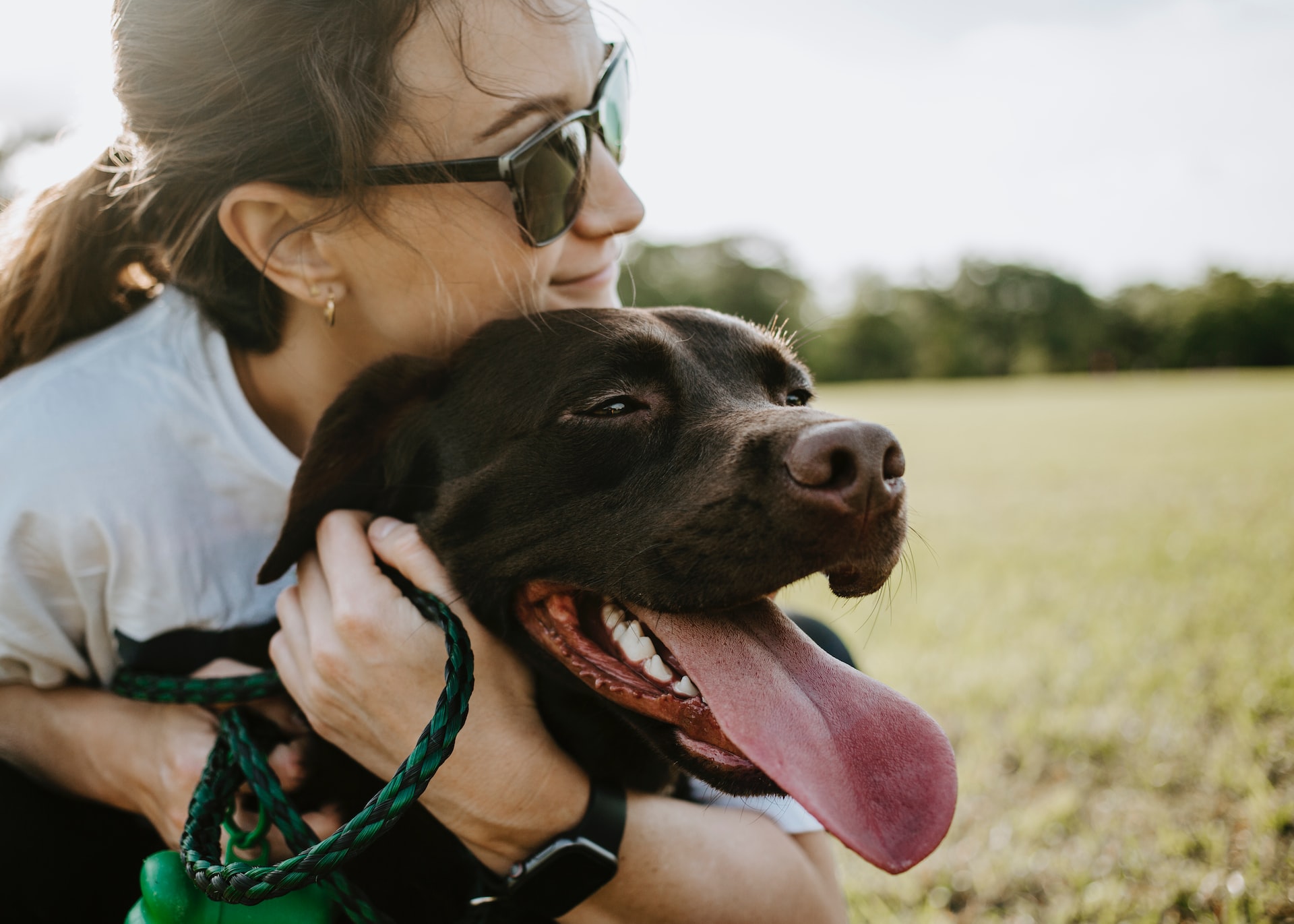
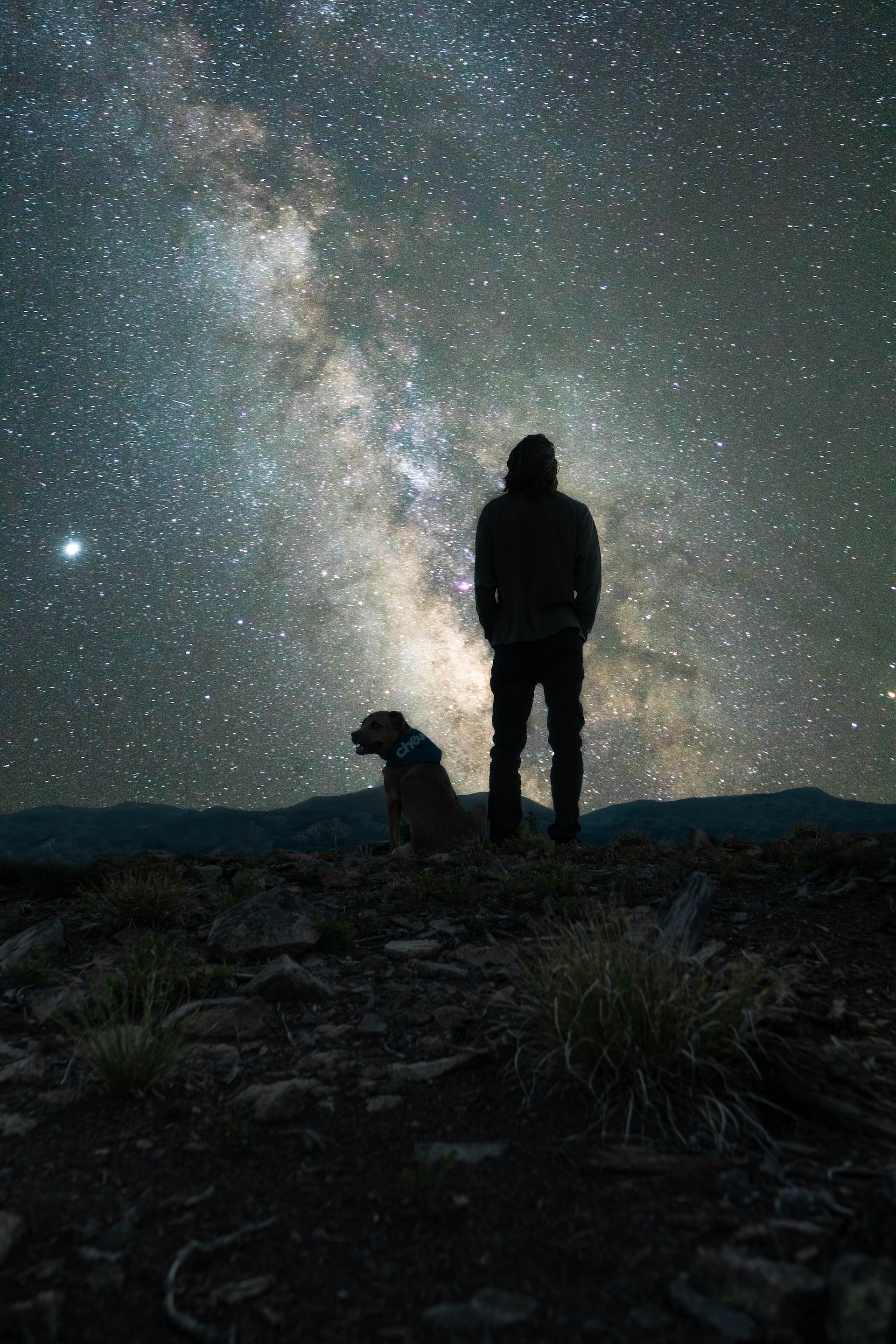
Now to dogs and humans.

oooo

oooo

oooo

oooo

oooo

oooo

oooo

All very beautiful!

What a difference a week makes!

It all makes sense now.

Photo by Salmen Bejaoui

Do what you can, with what you have, where you are.” “Believe you can and you’re halfway there. It is hard to fail, but it is worse never to have tried to succeed.

“It is not the critic who counts; not the man who points out how the strong man stumbles, or where the doer of deeds could have done them better.”

This famous quotation by Teddy Roosevelt (1858-1919), the 26th President of the USA, seems apt for today’s post.

Exactly one week ago I published a post called Musings from a 77 year old! I wrote that the future was uncertain. Summed up at one point by me writing: “I have no idea of the global changes that are afoot and how they will affect us in Merlin. Indeed, I have no idea how long I have to live.

Margaret (from Tasmania) was one of the many people who responded. She included a video interview of Meg Wheatley by Michael Shaw. It is an hour long. Last Friday afternoon Jean and I watched it in full and it was incredibly interesting. Thank you very much, dear Margaret.

But before I present Meg’s video again I want to show you another video. It is a talk by Richard Grannon about the collapse of our civilisation. Now Richard Grannon is an author, YouTuber and life coach so one needs to remain impartial to his views, certainly before one does further research. But in the 46-minute talk I think there is much sense in what he says. See for yourself:

Moving on! The interview of Meg Wheatley is very good indeed. It’s a broad look at the issues and problems governing society but done in such a way that the people who watch her will also take away a number of tools for avoiding depression and anxiety. Meg places great store on the Hopi Native American Indians: “The Hopi maintain a complex religious and mythological tradition stretching back over centuries.

Meg quotes one of the more famous Hopi prophecies, that is reproduced below:

This could be a good time! There is a river flowing now very fast. It is so great and swift that there are those who will be afraid. They will try to hold on to the shore. They will feel they are being torn apart and will suffer greatly. Know the river has its destination. The elders say we must let go of the shore, push off into the middle of the river, keep our eyes open, and our heads above the water.

And I say, see who is in there with you and celebrate. At this time in history, we are to take nothing personally, least of all ourselves. For the moment that we do, our spiritual growth and journey come to a halt.

The time of the lone wolf is over. Gather yourselves! Banish the word ’struggle’ from your attitude and your vocabulary. All that we do now must be done in a sacred manner and in celebration.

We are the ones we’ve been waiting for.

Photo by Lucas Ludwig 

Here is that Meg Wheatley interview. (It is an hour long but very interesting; please watch it!)

I want to pick up the topic that was at the end of her interview; that of societal collapse. How would one define it? I chose Wikipedia for a reference.

Societal collapse (also known as civilizational collapse) is the fall of a complex human society characterized by the loss of cultural identity and of socioeconomic complexity, the downfall of government, and the rise of violence.[1]Possible causes of a societal collapse include natural catastrophe, war, pestilence, famine,  economic collapse,  population decline, and mass migration. A collapsed society may revert to a more primitive state, be absorbed into a stronger society, or completely disappear.

Virtually all civilizations have suffered such a fate, regardless of their size or complexity, but some of them later revived and transformed, such as China, India, and Egypt. However, others never recovered, such as the Western and Eastern Roman Empires, the Maya civilization, and the Easter Island civilization.[1] Societal collapse is generally quick[1] but rarely abrupt.[2] However, some cases involve not a collapse but only a gradual fading away, such as the British Empire since 1918.[3]

Anthropologists, (quantitative) historians, and sociologists have proposed a variety of explanations for the collapse of civilizations involving causative factors such as environmental change, depletion of resources, unsustainable complexity, invasion, disease, decay of social cohesion, rising inequality, secular decline of cognitive abilities, loss of creativity, and misfortune.[1][4] However, complete extinction of a culture is not inevitable, and in some cases, the new societies that arise from the ashes of the old one are evidently its offspring, despite a dramatic reduction in sophistication.[4] Moreover, the influence of a collapsed society, such as the Western Roman Empire, may linger on long after its death.[5]

The study of societal collapse, collapsology, is a topic for specialists of historyanthropologysociology, and political science. More recently, they are joined by experts in cliodynamics and study of complex systems.[6][4]

The article is much more extensive than I have quoted above and for anyone deeply interested then I do recommend you going to the article and reading it extensively.

Now Meg is of the opinion that it is too late to turn back but next Tuesday I want to talk to you about Sir David Attenborough’s film A Life on our Planet. That he believes there is a chance to undo the harm we are causing to the planet; through rewilding.

Until then!

Musings from a 77 year old!

Where did it all go? That is: Life! Or more accurately my life.

I was born in Acton, London before the end of WWII. I am in my 77th year. Life these days seems to be more or less a paradox.

There are so many challenges at the moment. Not just in the USA nor in the UK but globally. We love where we live here in rural Merlin but we are already in the third year of below normal rainfall.

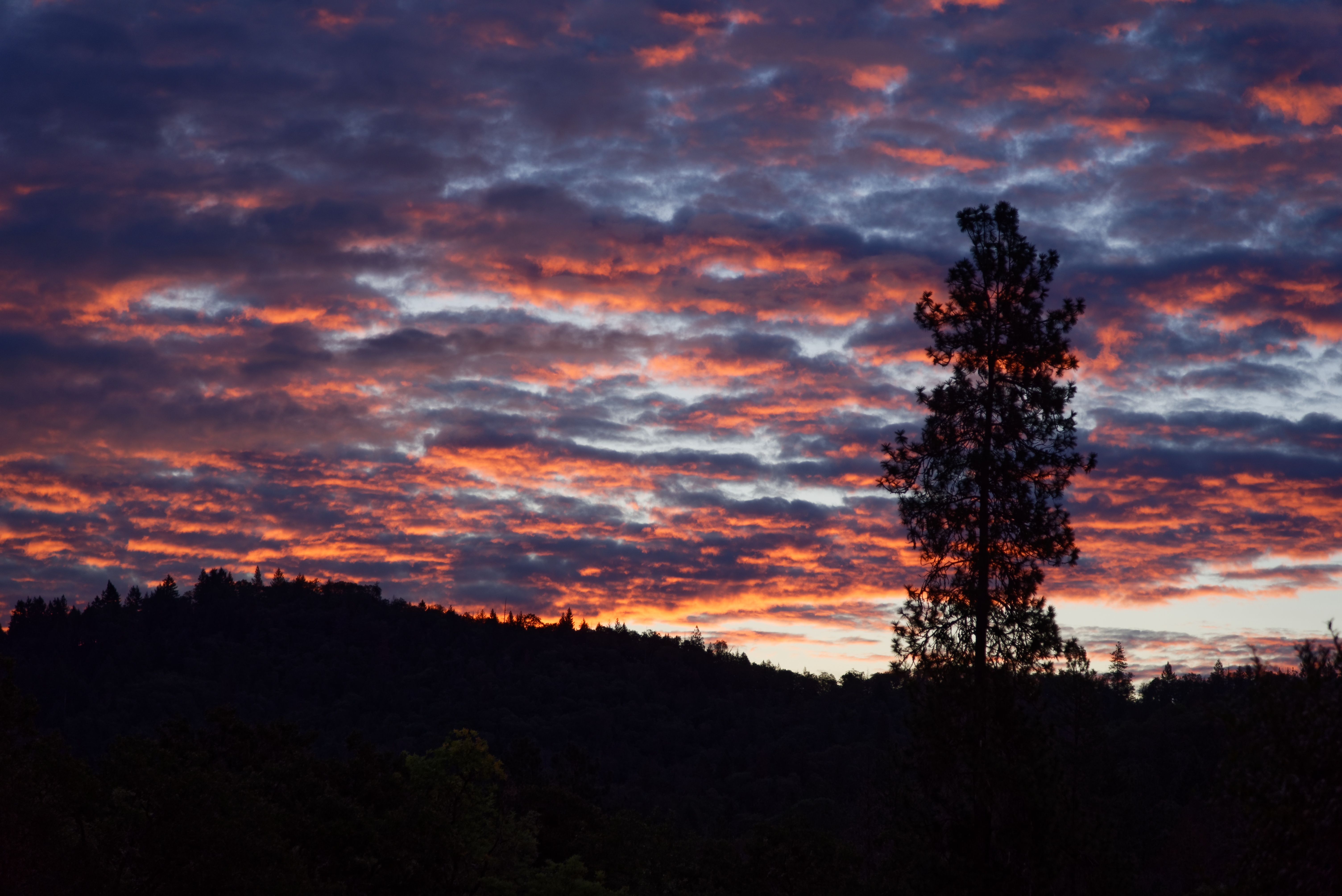
A view of the sunrise from taken from our property.

The contradictions in terms of our life locally and the global scene are huge. This is all leading to me quoting extracts from a recent George Monbiot article. The article starts by saying: “On both sides of the Atlantic, powerful interests seem determined to trigger the collapse of life on Earth. Why?

Sexton Mountain last winter. Again photo taken from our property.

A little later on in Geo. Monbiot’s article, he writes: “When I began work as an environmental journalist in 1985, I knew I would struggle against people with a financial interest in destructive practices. But I never imagined that we would one day confront what appears to be an ideological commitment to destroying life on Earth. The UK government and the US supreme court look as if they are willing the destruction of our life support systems.

Because it does seem as though the political leaders are not taking the future of the planet seriously. As Patrice Ayme concluded recently in a remark to that post: “Biden ought to declare a climate emergency.” But it won’t happen!

(Well I may stand corrected. Yesterday it was widely reported, and I chose Renewable Energy: “The clean energy industry celebrated a moment on August 7 that would have seemed impossible just a few weeks earlier: The Senate passed a budget measure that includes the largest investments in clean energy and climate change in U.S. history.“)

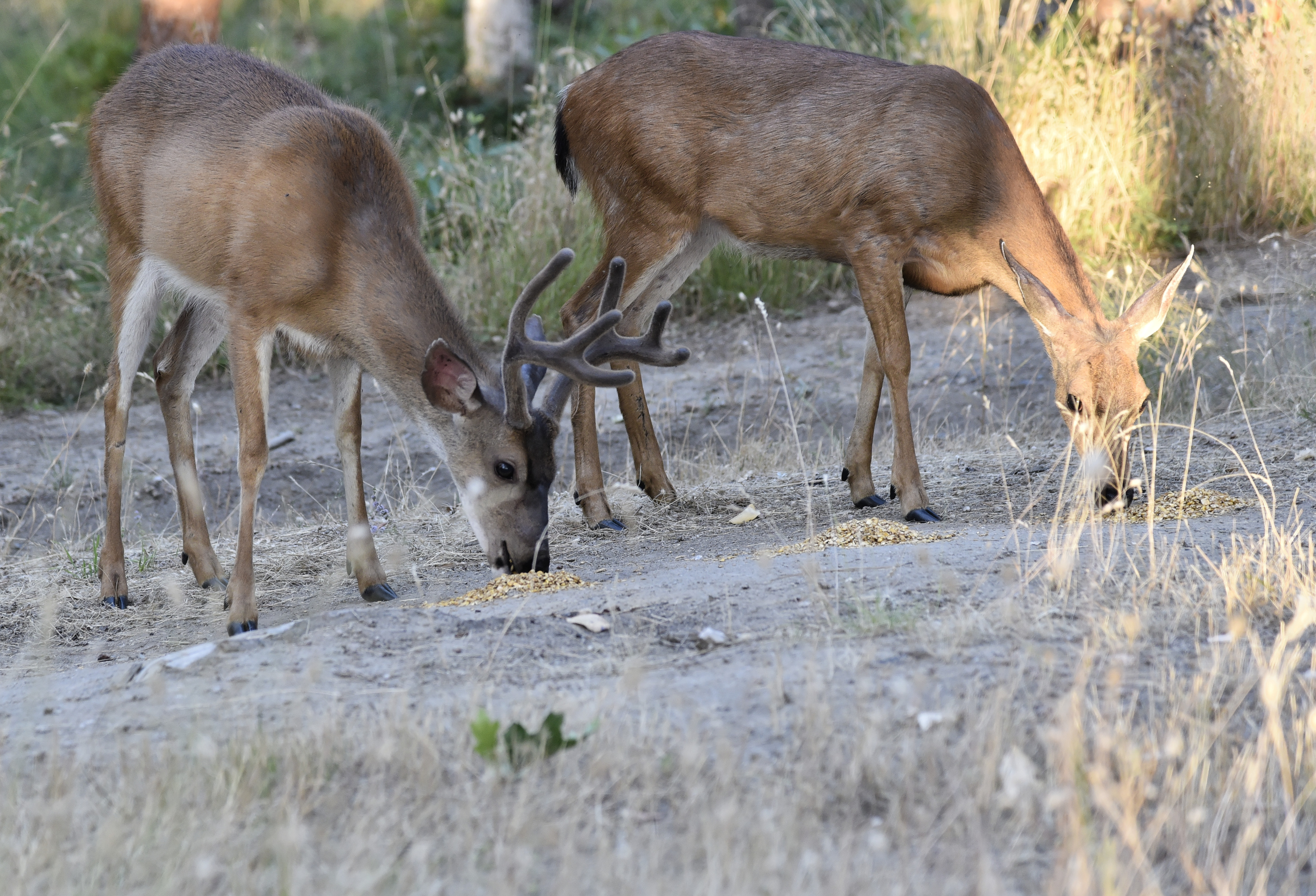
Every morning when I go down to feed our two ex-rescue horses I also feed the wild deer. I have been doing it for many years. Long enough that a young buck has turned into an adult and comes within a few feet of me.

It never ceases to delight.

The contradiction between me going every morning down to the stable area and feeding the horses and the wild deer, and the outcome for the planet is beyond words. In a very real way it is incomprehensible.

Again, Geo. Monbiot writes: “All this might seem incomprehensible. Why would anyone want to trash the living world? Surely even billionaires want a habitable and beautiful planet? Don’t they like snorkelling on coral reefs, salmon fishing in pristine rivers, skiing on snowy mountains? We suffer from a deep incomprehension of why such people act as they do. We fail to distinguish preferences from interests, and interests from power. It is hard for those of us who have no desire for power over others to understand people who do. So we are baffled by the decisions they make, and attribute them to other, improbable causes. Because we do not understand them, we are the more easily manipulated.”

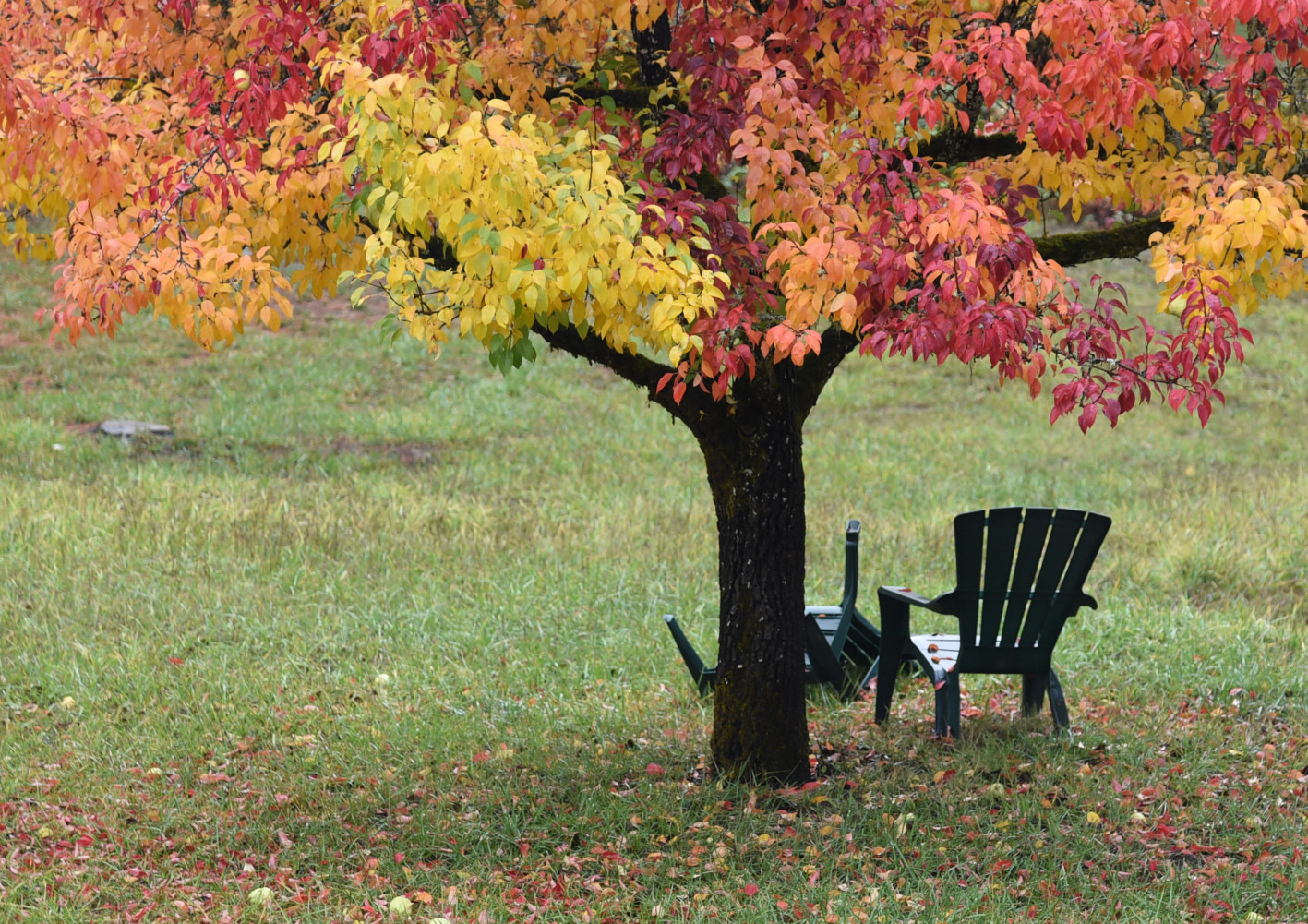
Under our apple tree!

It really is a paradox! And who knows the outcome. All I can say is that, despite me being the age I am, I would not want to be any younger and aware that soon one would be facing the global changes full on.

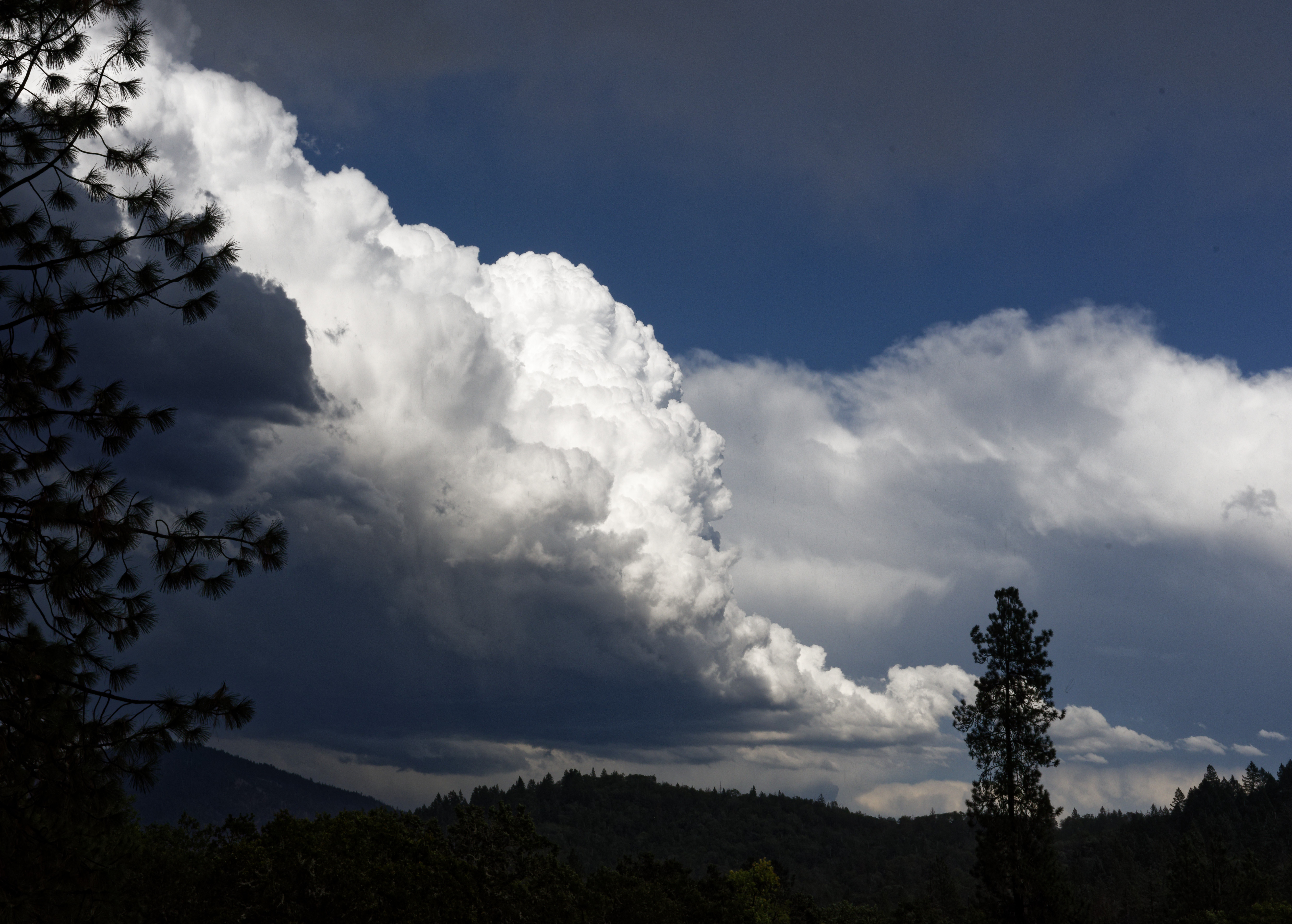
Stacked cumulus clouds to the North-East.

More words from Geo. Monbiot: “Since 1985, I’ve been told we don’t have time to change the system: we should concentrate only on single issues. But we’ve never had time not to change the system. In fact, because of the way in which social attitudes can suddenly tip, system change can happen much faster than incrementalism. Until we change our political systems, making it impossible for the rich to buy the decisions they want, we will lose not only individual cases. We will lose everything.”

I have no idea of the global changes that are afoot and how they will affect us in Merlin. Indeed, I have no idea how long I have to live.

Jean and I met in December, 2007. We met in Mexico but Jean was also born in London, just a few years after me. How’s that for chance!

Jean’s American husband had died in 2005. She was rescuing dogs off the streets, sorting them out, and finding homes for them, mainly in Arizona.

Jean and me in San Carlos, Mexico.

I went out to Mexico with Pharaoh in 2008. With a one-way ticket!

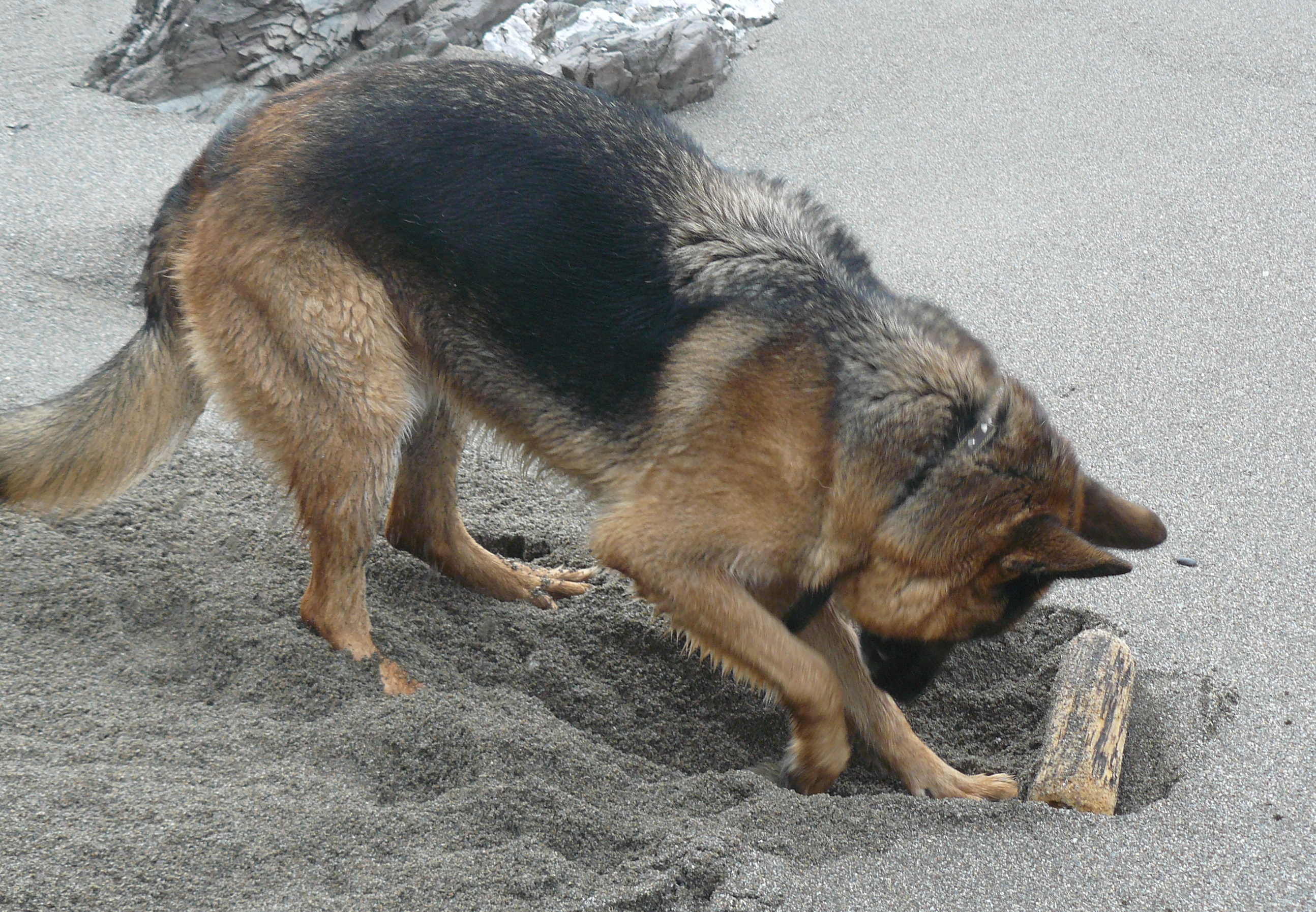
Pharaoh digging in the sand in Mexico.

However of one thing I am sure. Since that meeting in December, 2007 life has been as good as it comes. I have never been happier.

What a contradiction!

Picture Parade Four Hundred and Forty-Five

The second selection of my son’s photographs.

oooo

oooo

oooo

oooo

oooo

oooo

Well I for one just loved all these photographs from today and last Sunday. They were taken on the Isle of Mull.

A very special treat! And for those that either haven’t seen the first set of photographs or want to be reminded of what Alex said, here are his words again.

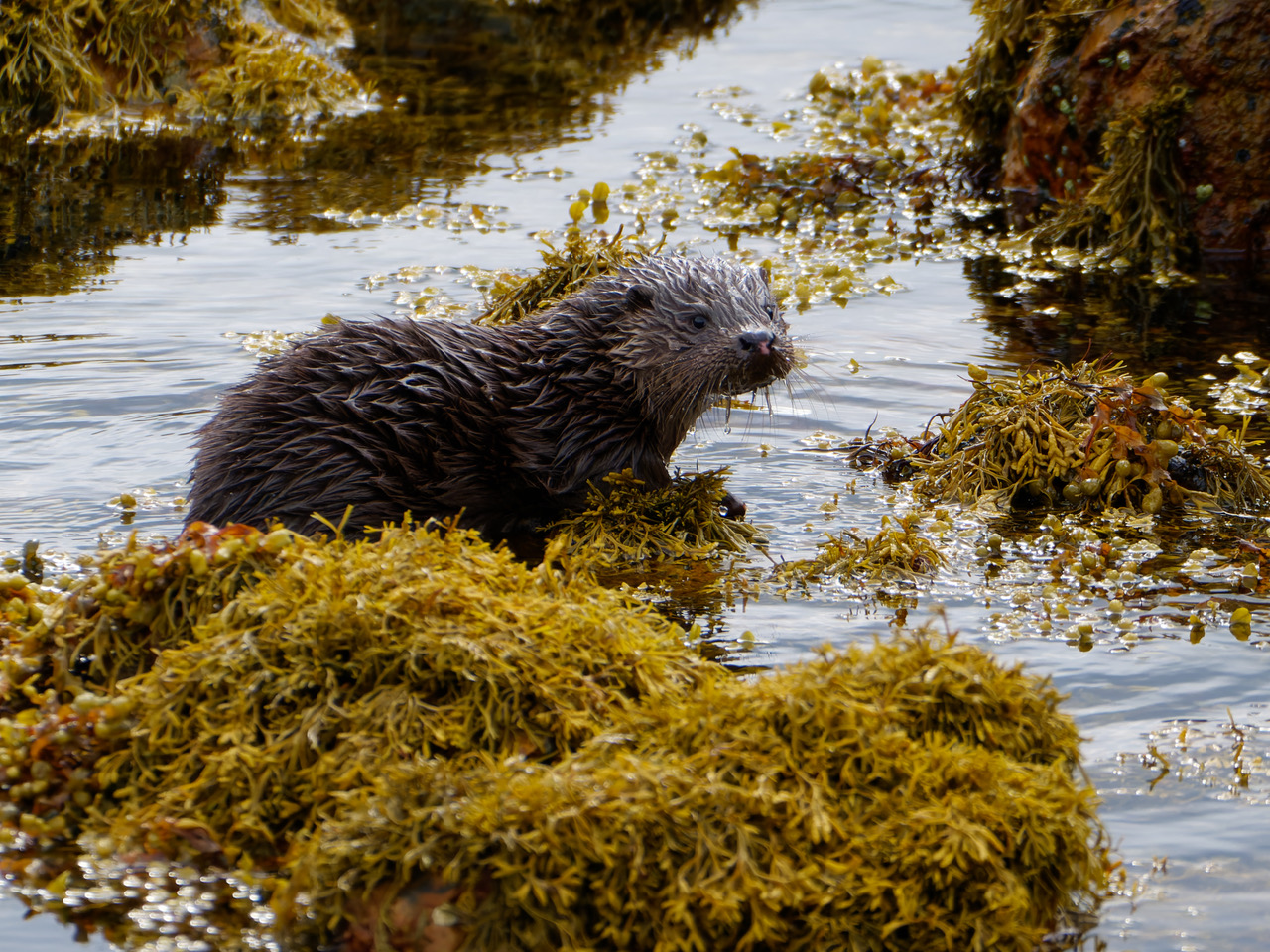
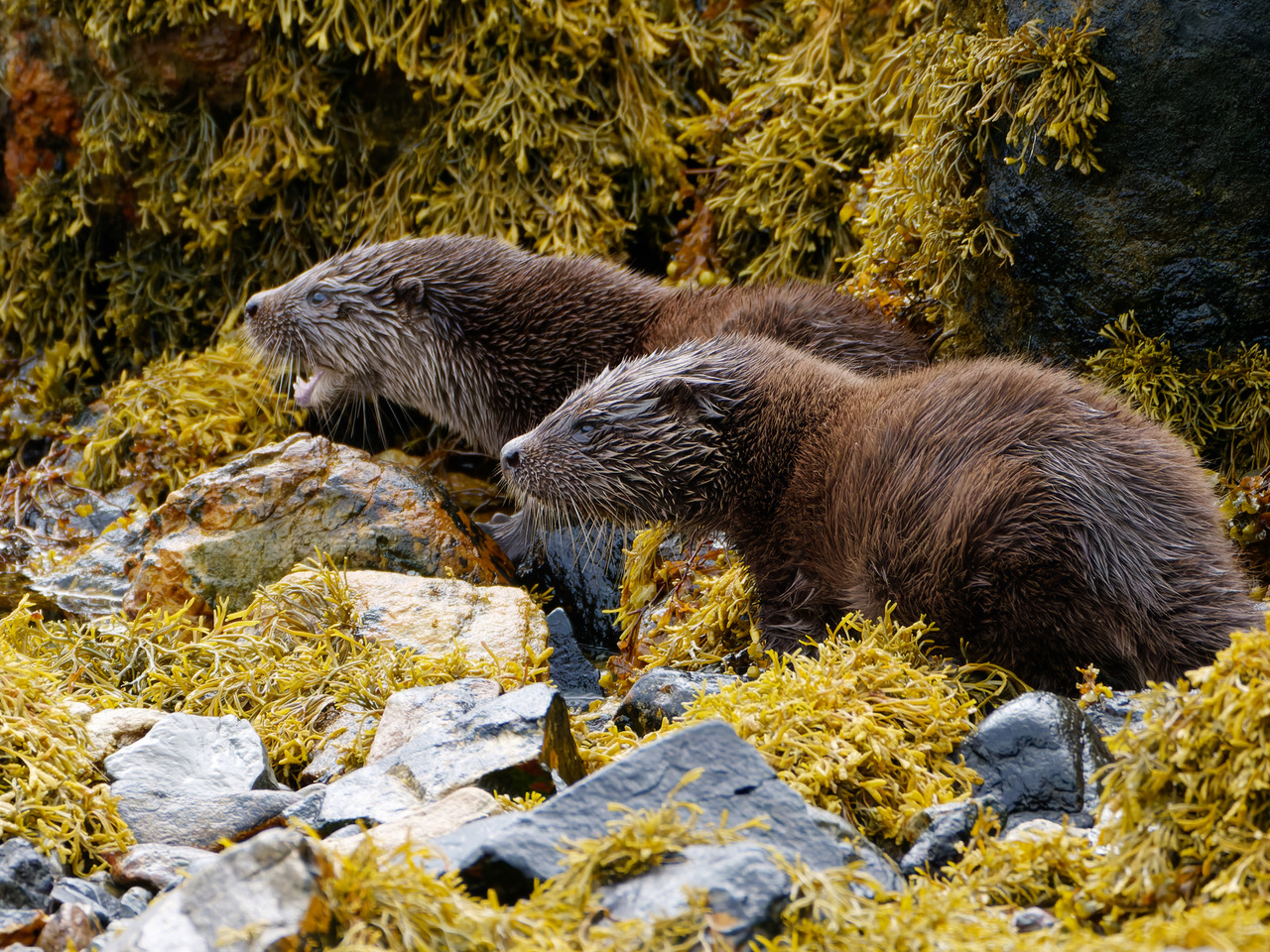
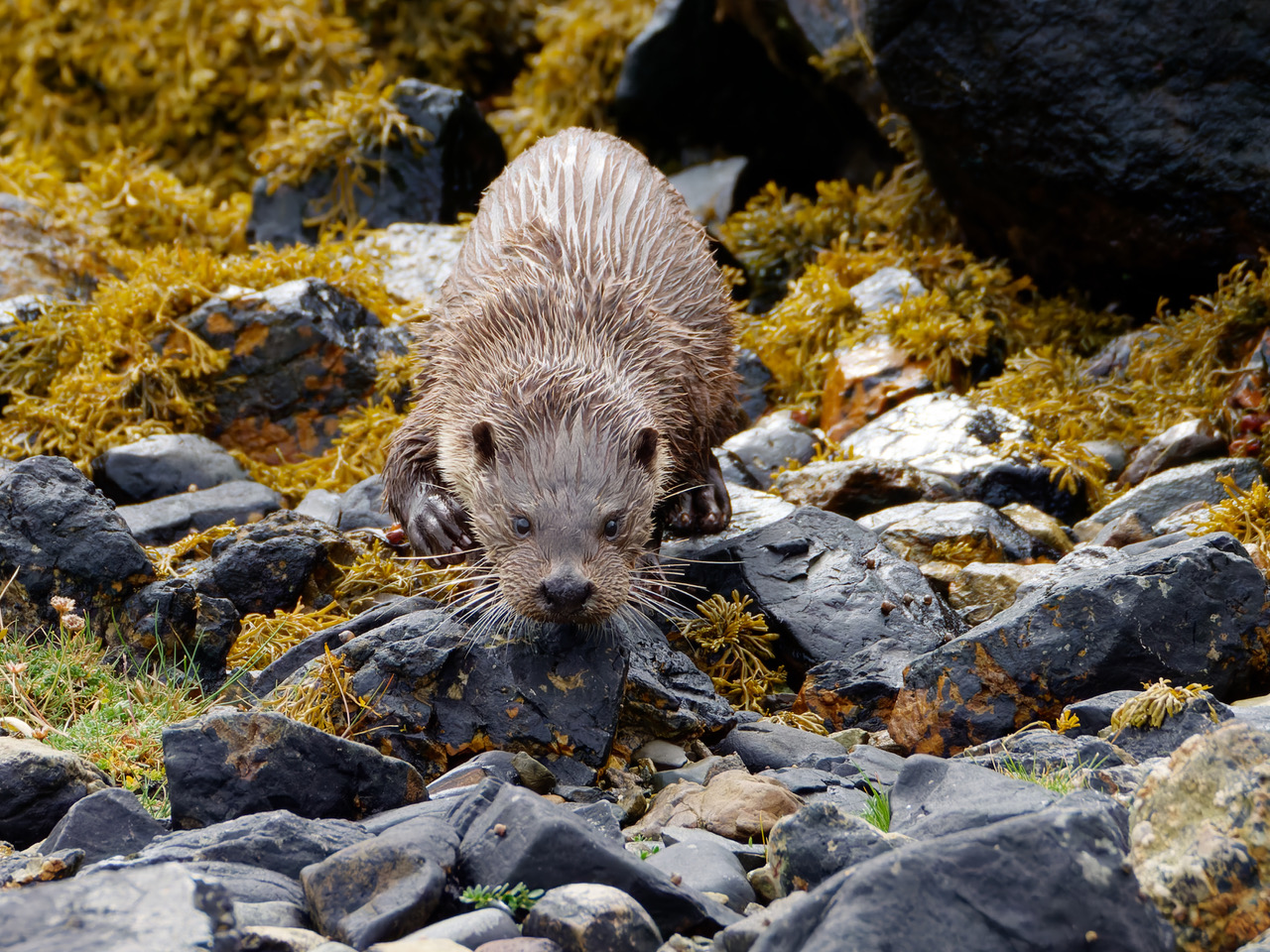
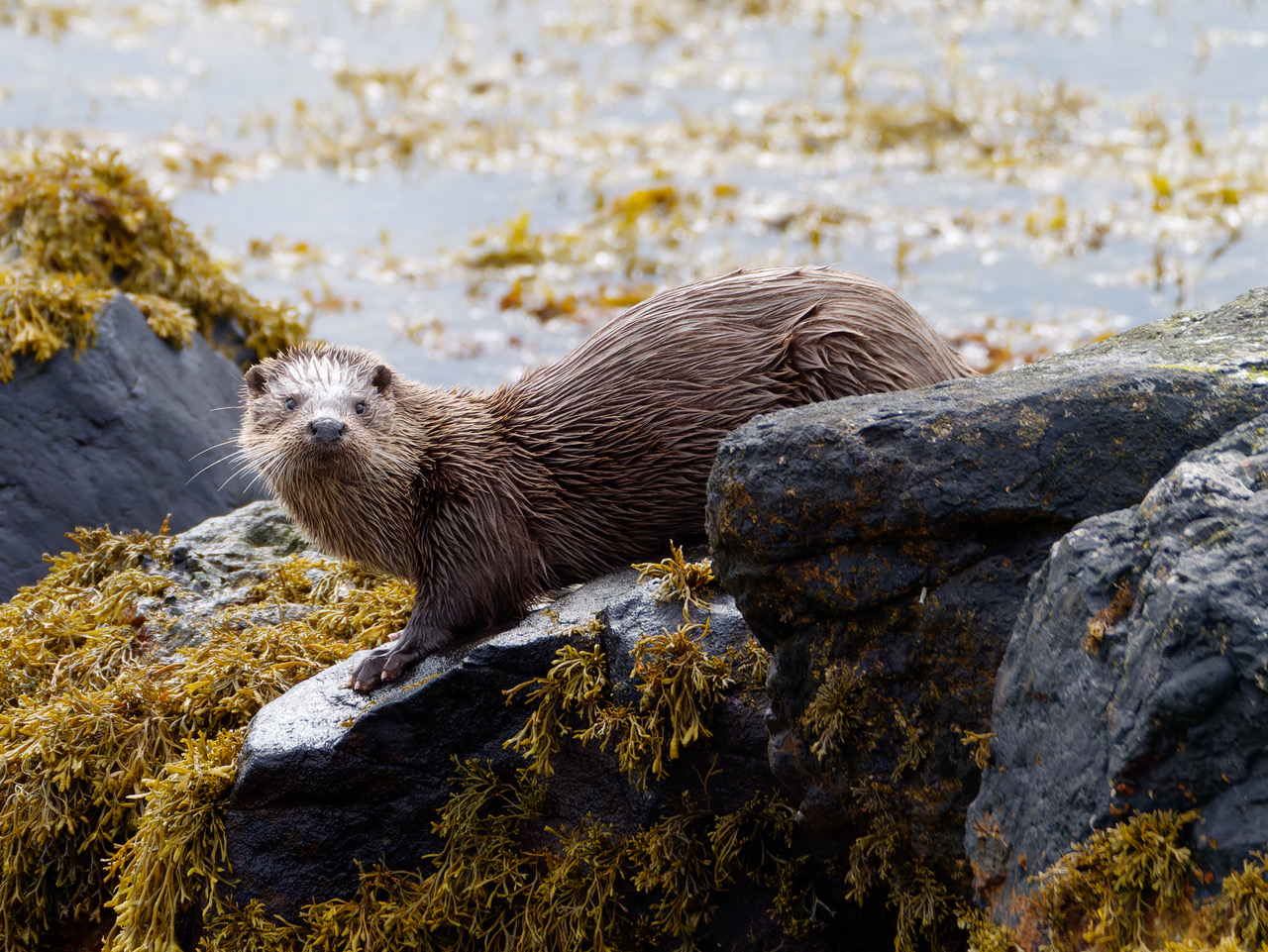
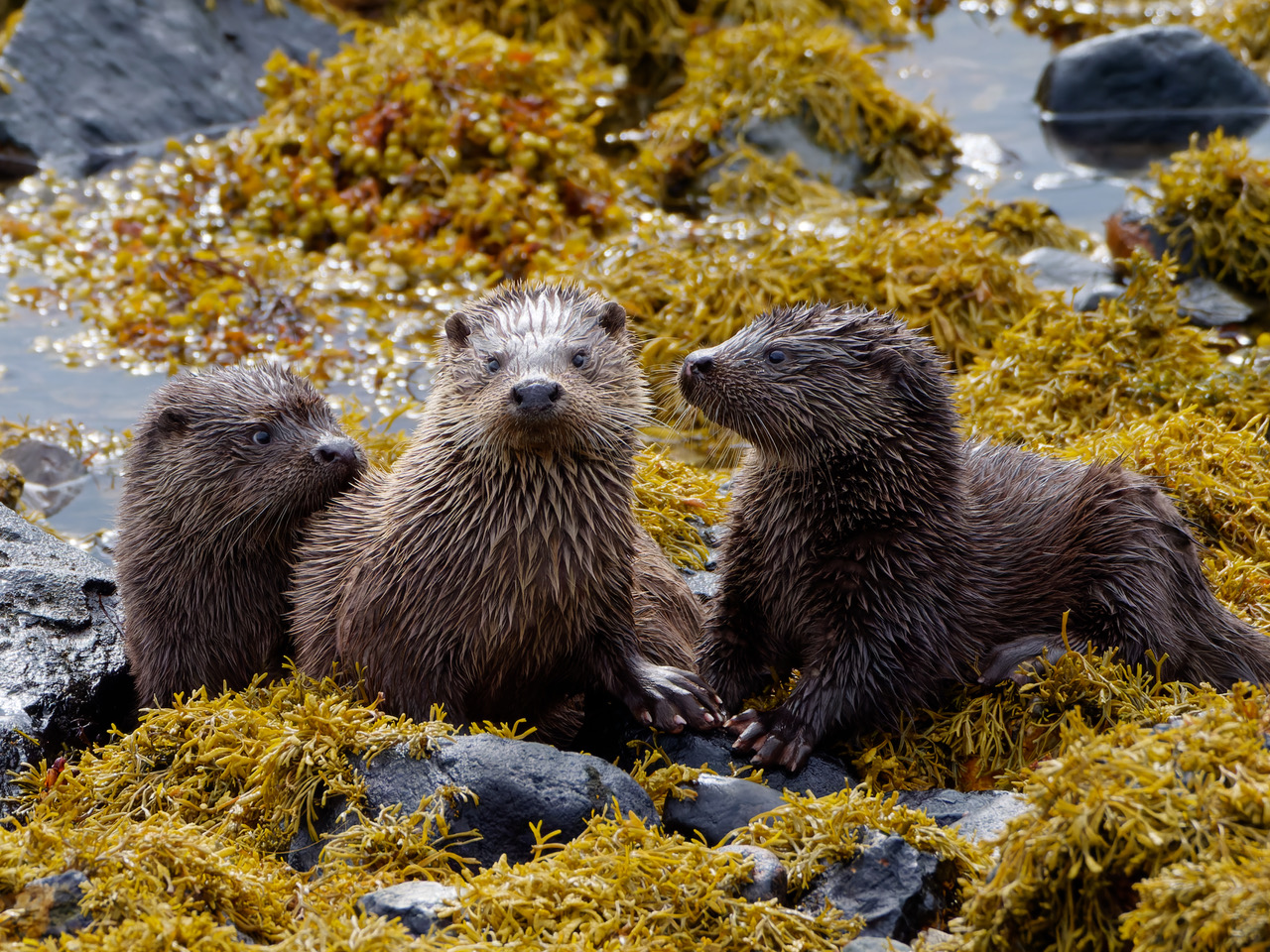
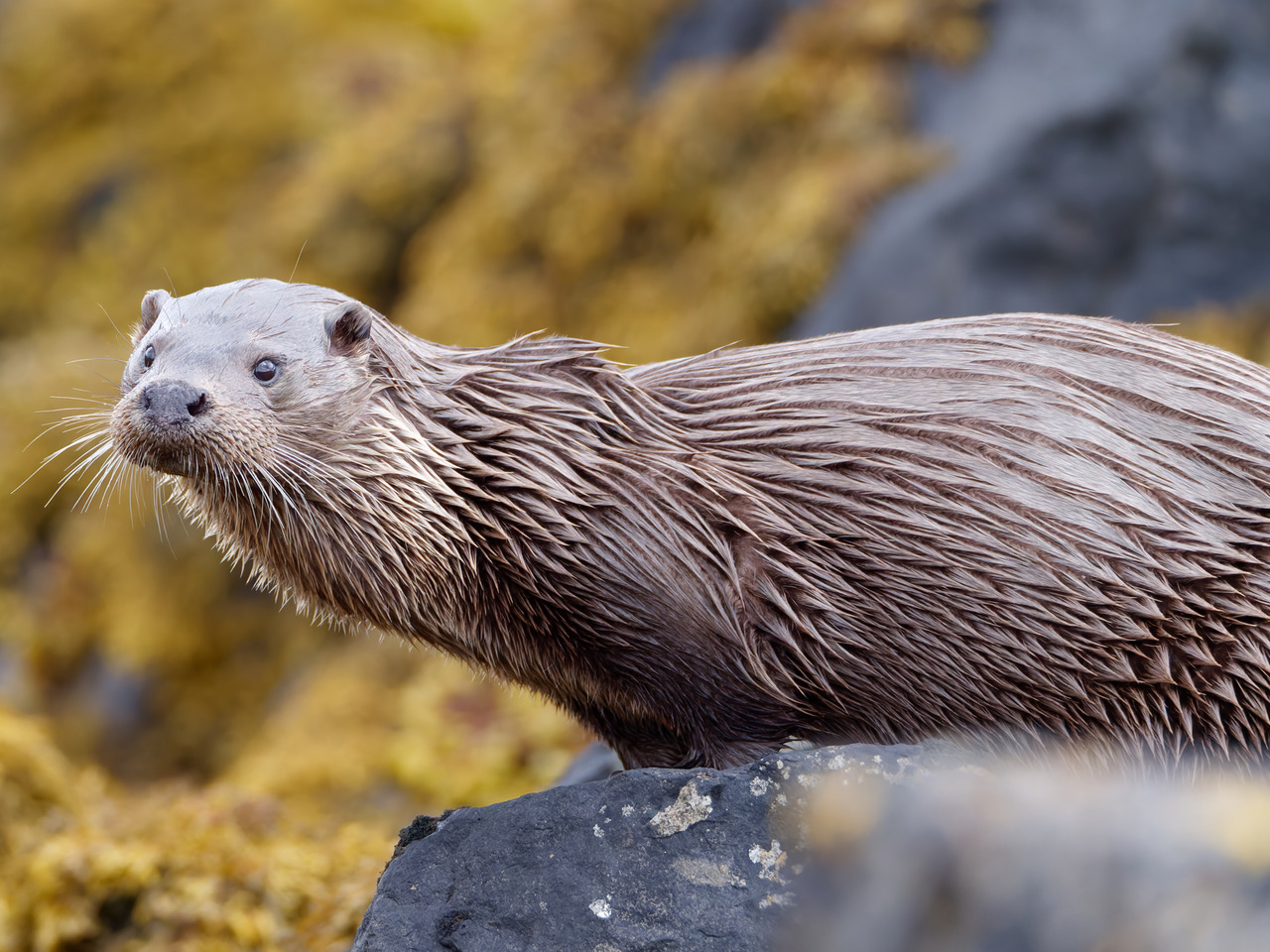
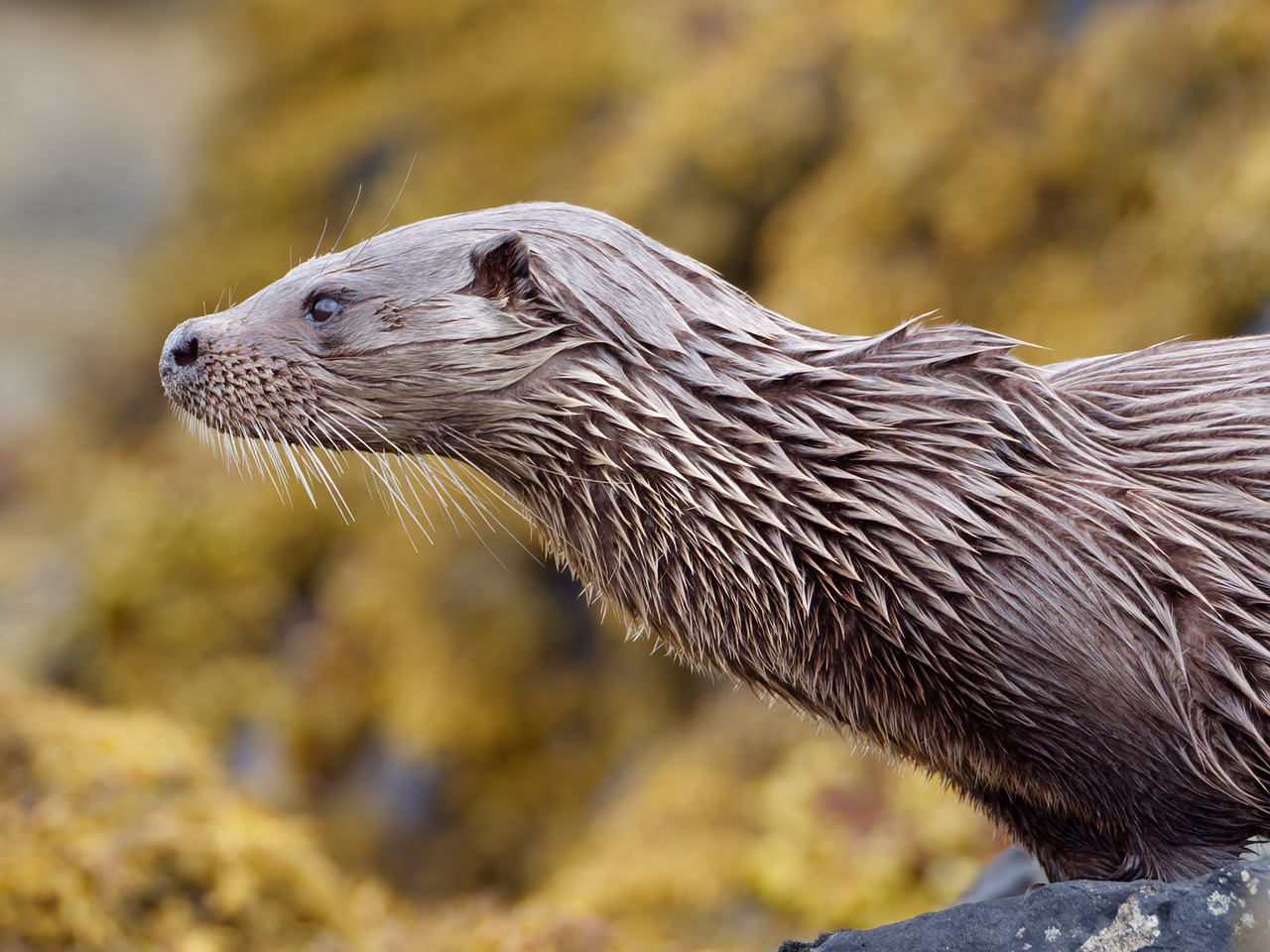
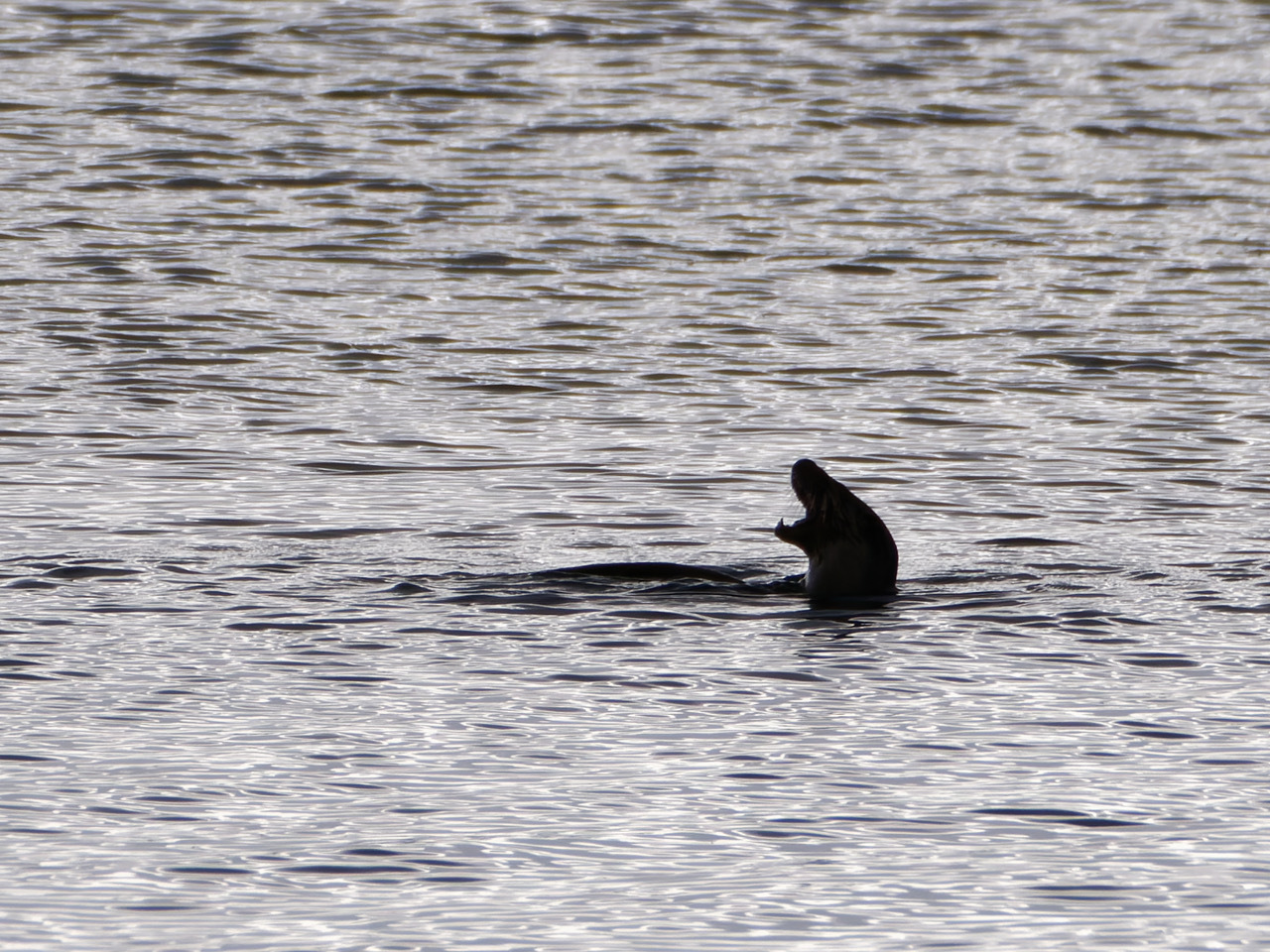
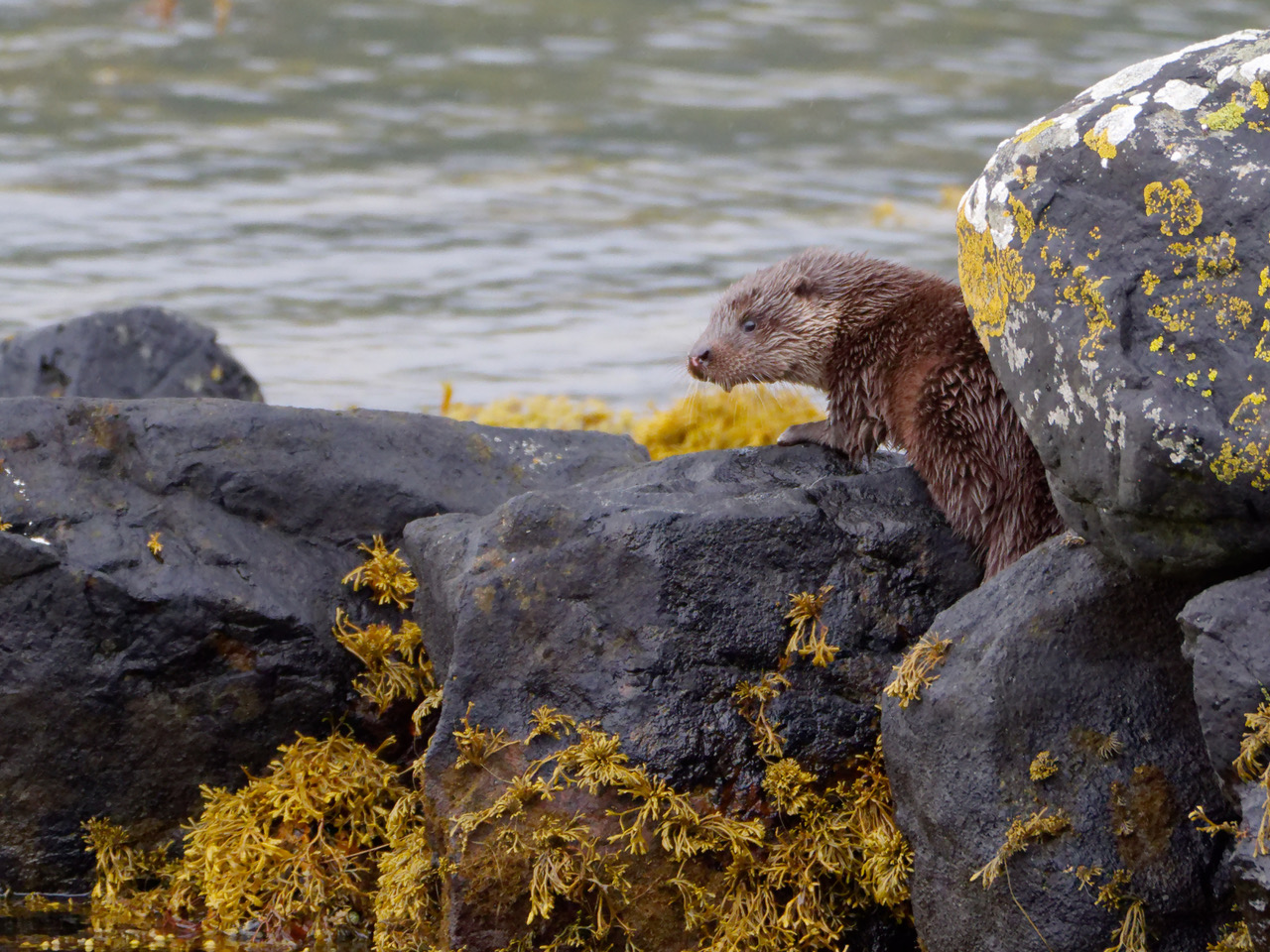
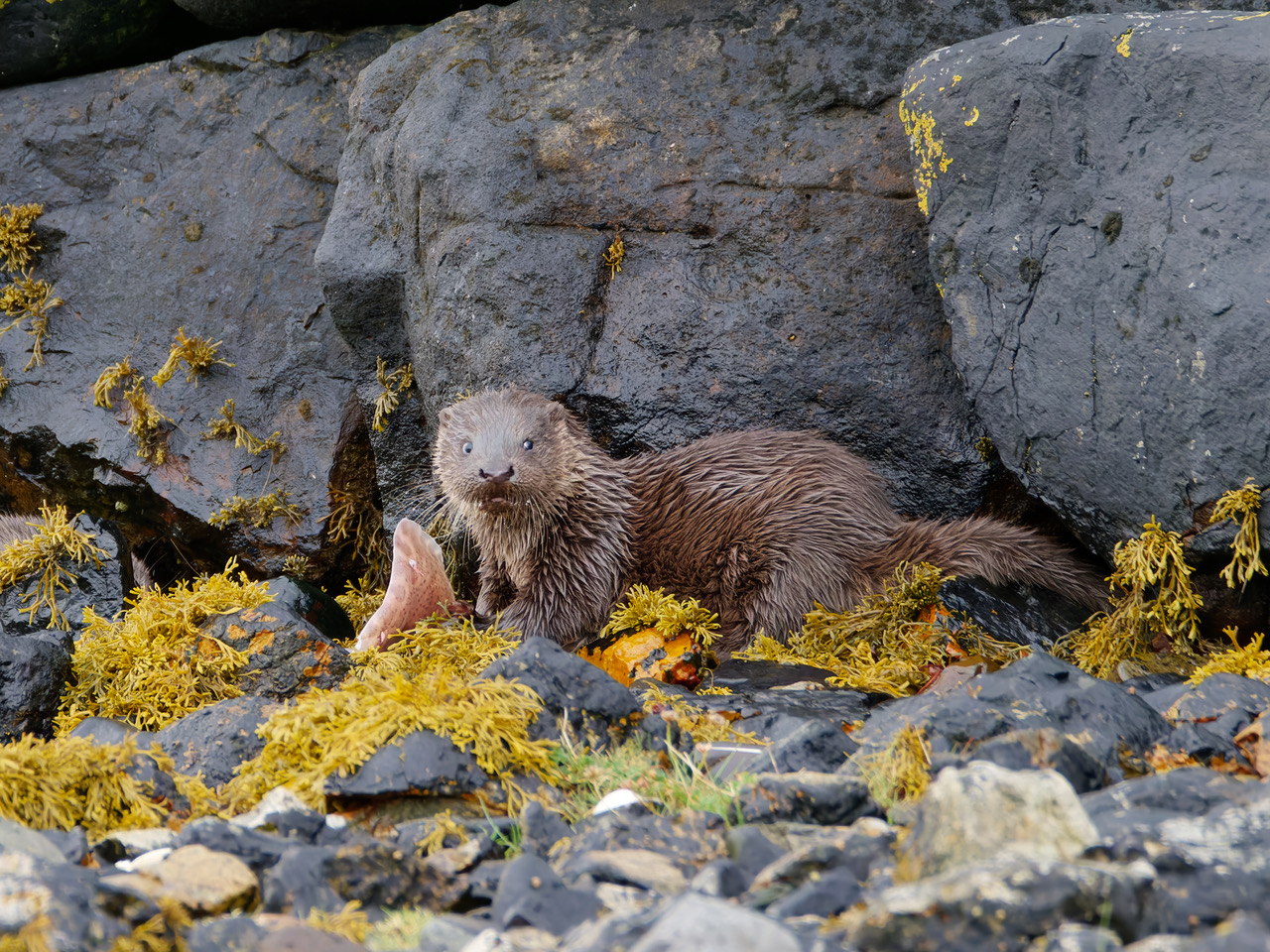
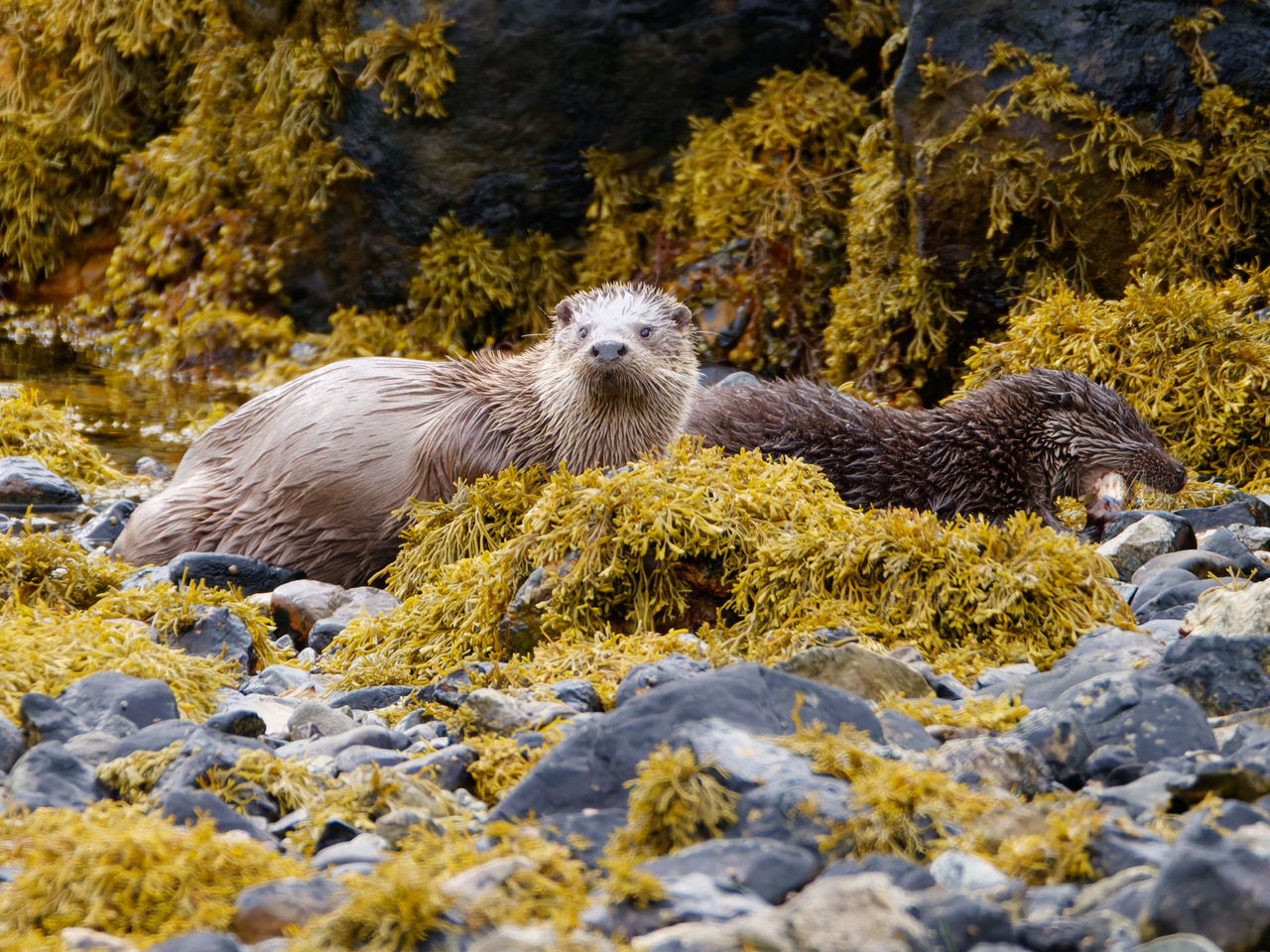
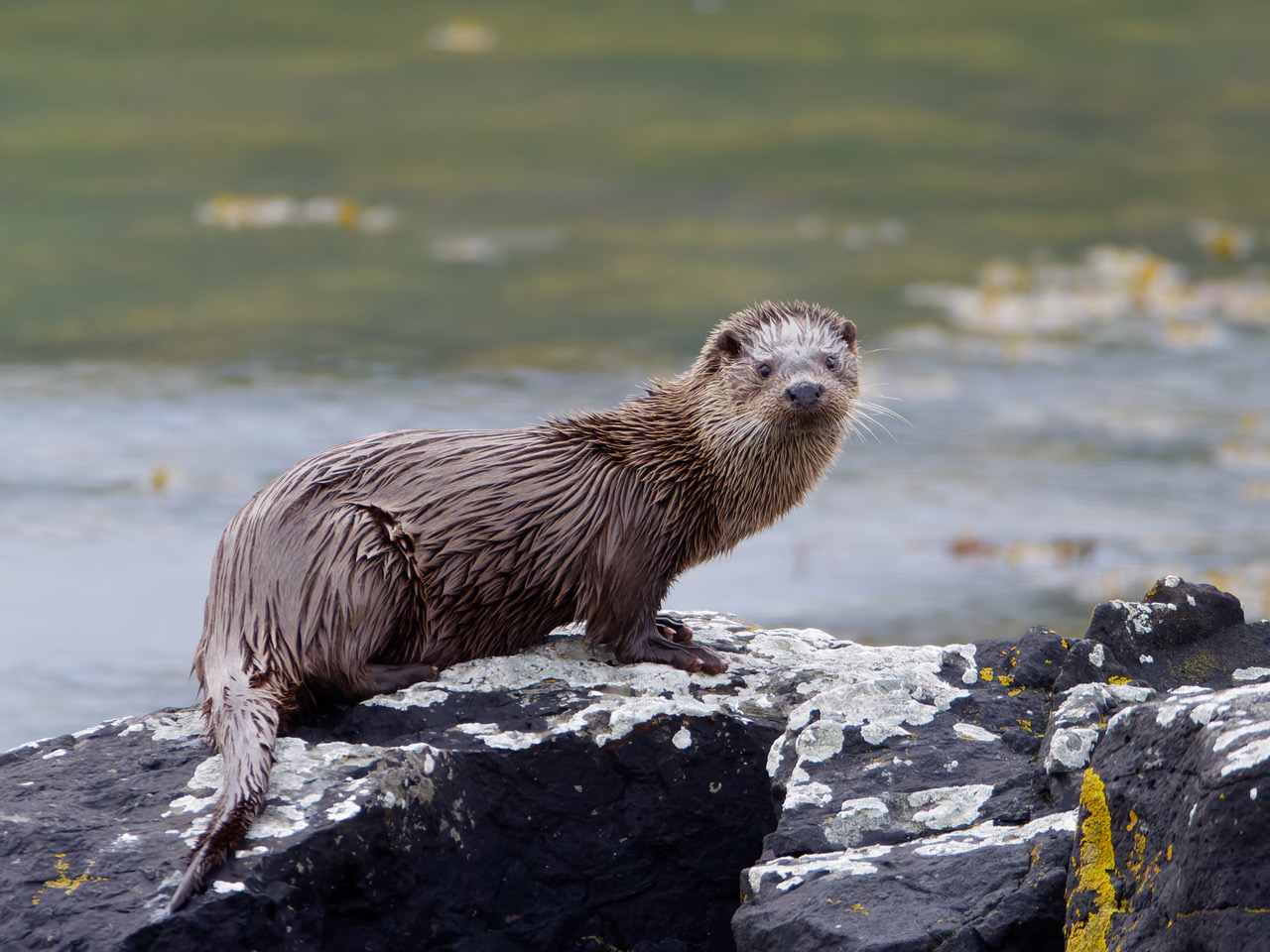
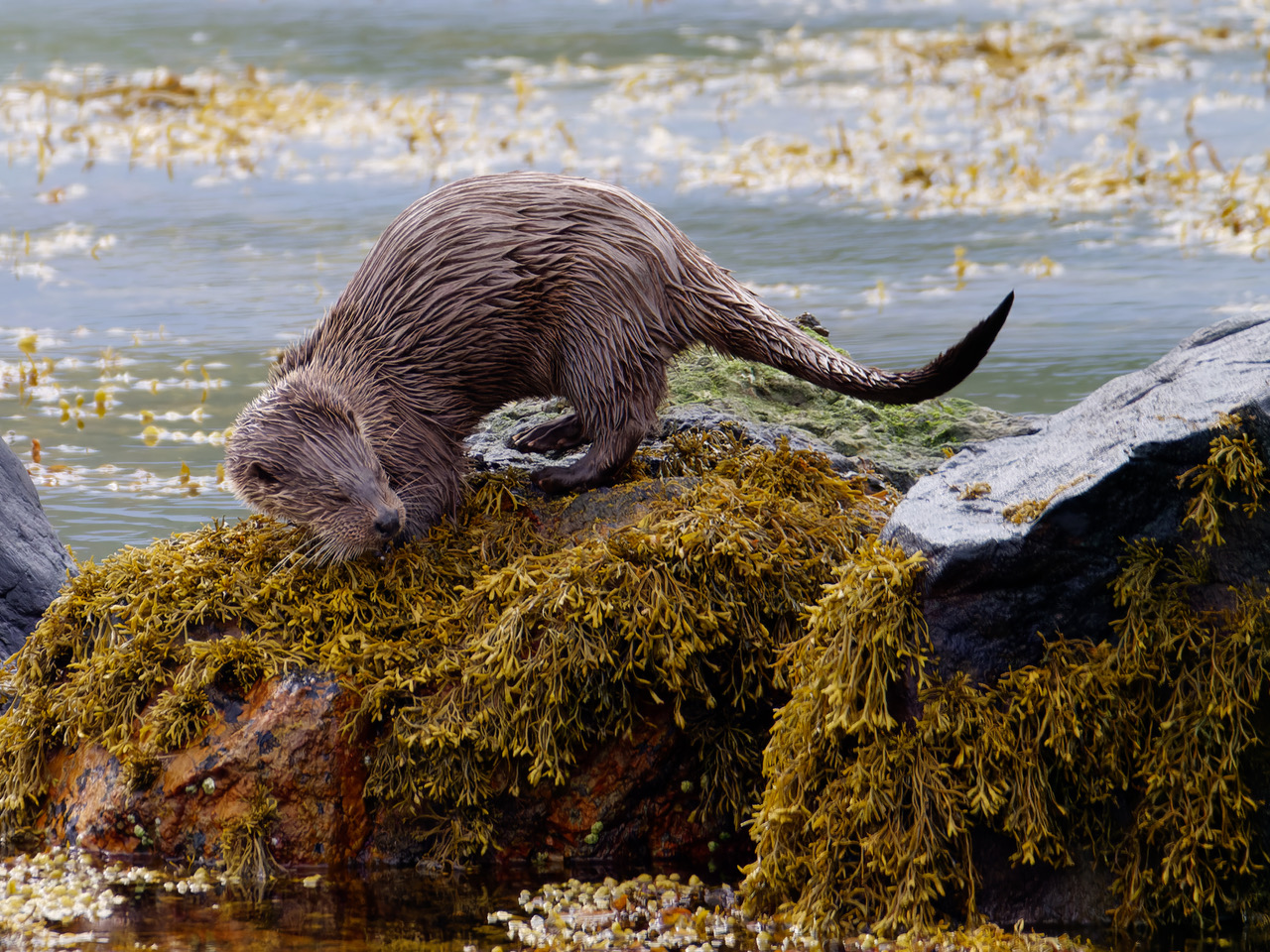
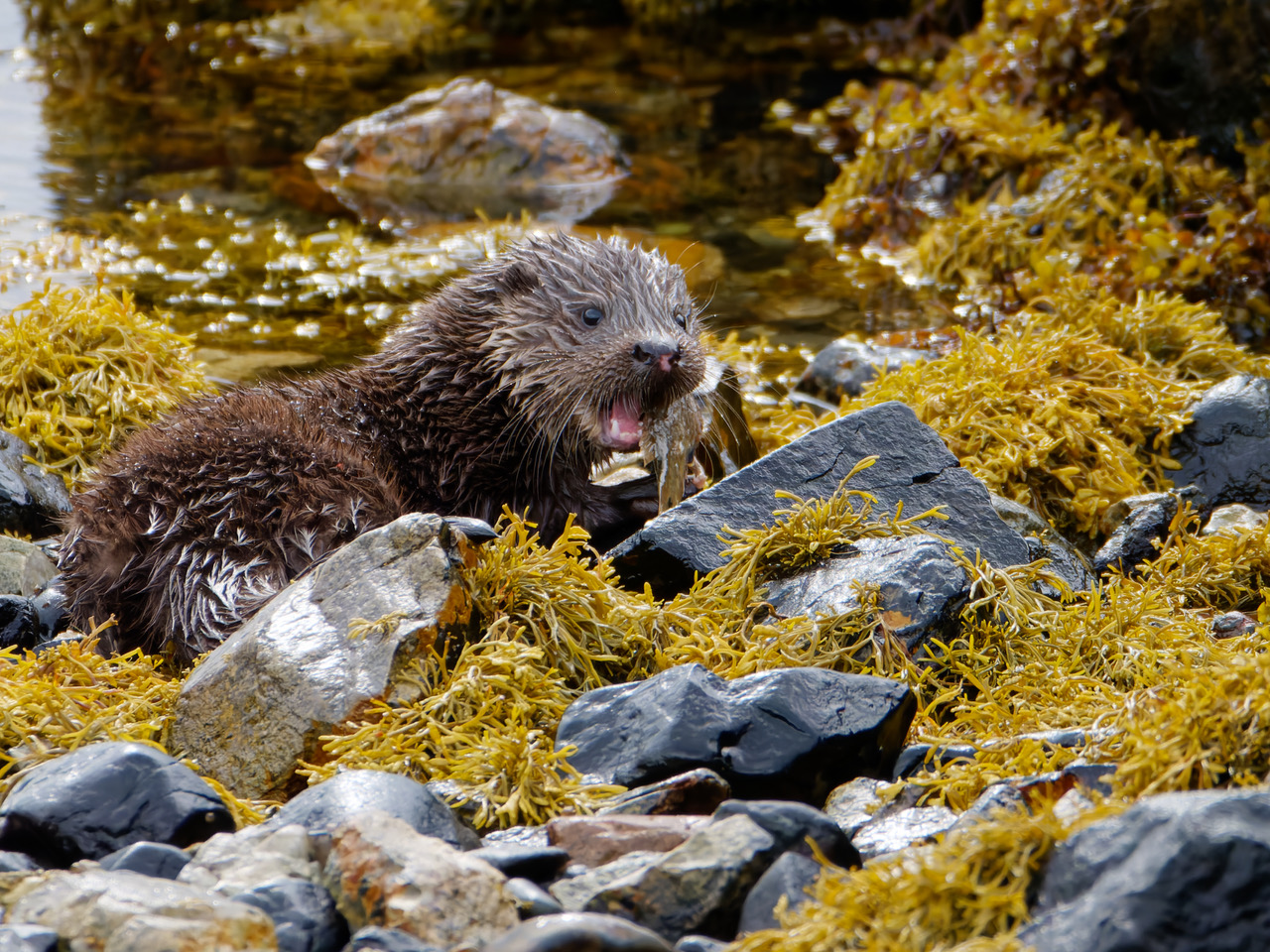
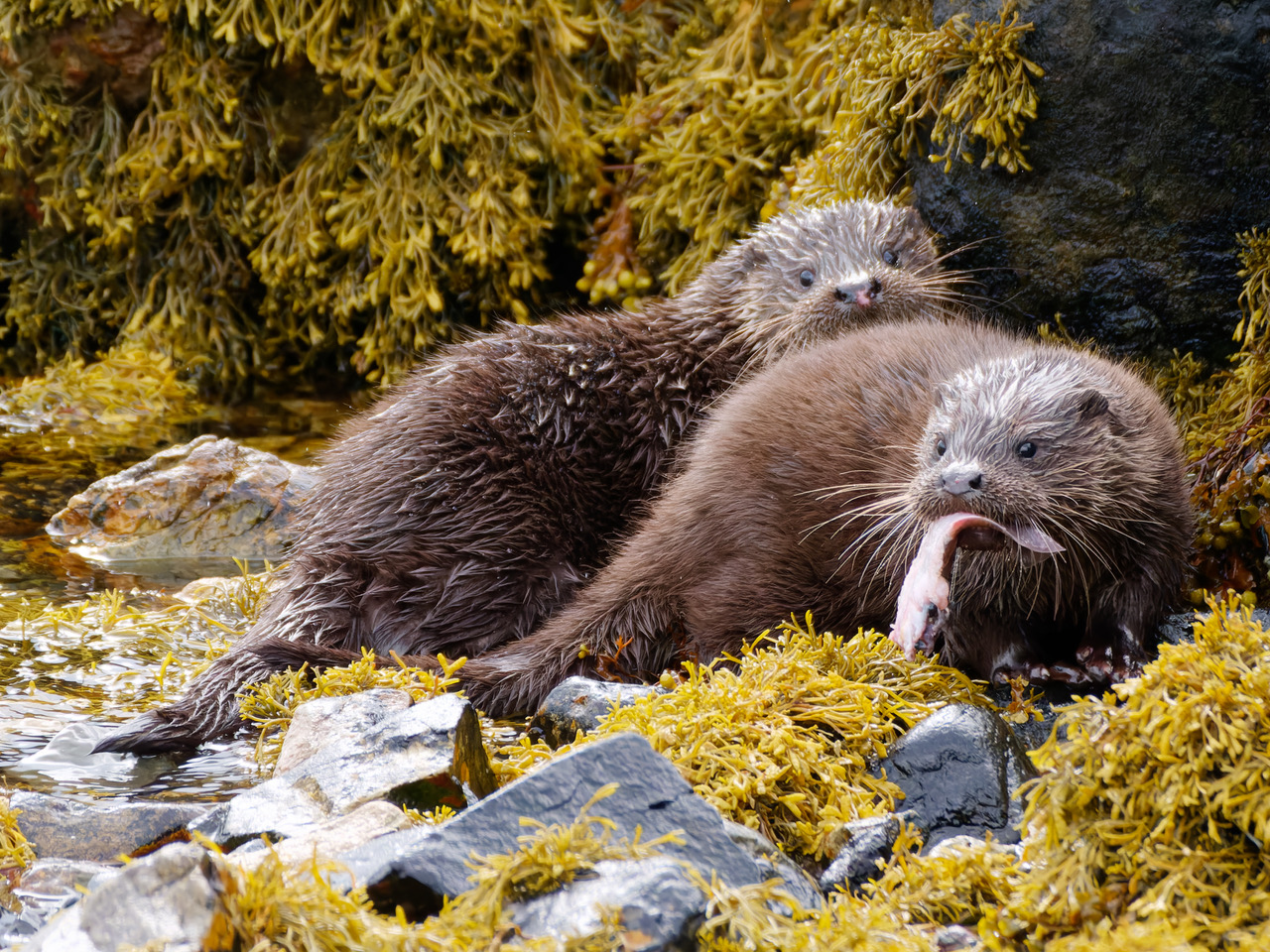
Was very lucky to spot this Otter Family whilst on a guiding trip with Brian Boyes and Lisa Williams on the Isle of Mull, the Mum fed the young pups three fish, we watched from the road and then later using Brian’s advice, quietly settled into the rocks and watched the Mum come right past us, a fantastic encounter and these are only a few of the photos I got.

Picture Parade Four Hundred and Forty-Four

A complete change of photos but I guarantee you will love these!

My son, Alex, and his partner, Lisa, recently returned from a vacation on the Isle of Mull. This is a Scottish island lying off the west coast of the mainland. (Home for Alex and Lisa is just outside Bristol in the south-west of England.) Between them they took many photographs.

For the next two Sundays I want to share the photos that Alex took of the otters, eight today and seven next Sunday.

Here is the introduction that Alex wrote on Facebook.

Was very lucky to spot this Otter Family whilst on a guiding trip with Brian Boyes and Lisa Williams on the Isle of Mull, the Mum fed the young pups three fish, we watched from the road and then later using Brian’s advice, quietly settled into the rocks and watched the Mum come right past us, a fantastic encounter and these are only a few of the photos I got.

oooo

oooo

oooo

oooo

oooo

oooo

oooo

These are absolutely gorgeous and that’s an understatement!

Transformation

A more positive view as to how the future will pan out.

I tend to be rather pessimistic about the future. Maybe it is my age, I don’t know. But a week ago I posted an article by Ophelia Benson called Cruising over the Edge.

For this week I am republishing another climate change article but one that has a positive outlook on where we are going.

Have a read and let me know your thoughts.

ooOOoo

Climate change will transform how we live, but these tech and policy experts see reason for optimism

Authors

  1. Robert Lempert Professor of Policy Analysis, Pardee RAND Graduate School
  2. Elisabeth Gilmore Associate Professor of Climate Change, Technology and Policy, Carleton University

Published April 18th, 2022

It’s easy to feel pessimistic when scientists around the world are warning that climate change has advanced so far, it’s now inevitable that societies will either transform themselves or be transformed. But as two of the authors of a recent international climate report, we also see reason for optimism.

The latest reports from the Intergovernmental Panel on Climate Change discuss changes ahead, but they also describe how existing solutions can reduce greenhouse gas emissions and help people adjust to impacts of climate change that can’t be avoided.

The problem is that these solutions aren’t being deployed fast enough. In addition to push-back from industries, people’s fear of change has helped maintain the status quo. 

To slow climate change and adapt to the damage already underway, the world will have to shift how it generates and uses energy, transports people and goods, designs buildings and grows food. That starts with embracing innovation and change.

Fear of change can lead to worsening change

From the industrial revolution to the rise of social media, societies have undergone fundamental changes in how people live and understand their place in the world.

Some transformations are widely regarded as bad, including many of those connected to climate change. For example, about half the world’s coral reef ecosystems have died because of increasing heat and acidity in the oceans. Island nations like Kiribati and coastal communities, including in Louisiana and Alaska, are losing land into rising seas.

Other transformations have had both good and bad effects. The industrial revolution vastly raised standards of living for many people, but it spawned inequality, social disruption and environmental destruction.

People often resist transformation because their fear of losing what they have is more powerful than knowing they might gain something better. Wanting to retain things as they are – known as status quo bias – explains all sorts of individual decisions, from sticking with incumbent politicians to not enrolling in retirement or health plans even when the alternatives may be rationally better. 

This effect may be even more pronounced for larger changes. In the past, delaying inevitable change has led to transformations that are unnecessarily harsh, such as the collapse of some 13th-century civilizations in what is now the U.S. Southwest. As more people experience the harms of climate change firsthand, they may begin to realize that transformation is inevitable and embrace new solutions. 

A mix of good and bad

The IPCC reports make clear that the future inevitably involves more and larger climate-related transformations. The question is what the mix of good and bad will be in those transformations.

If countries allow greenhouse gas emissions to continue at a high rate and communities adapt only incrementally to the resulting climate change, the transformations will be mostly forced and mostly bad

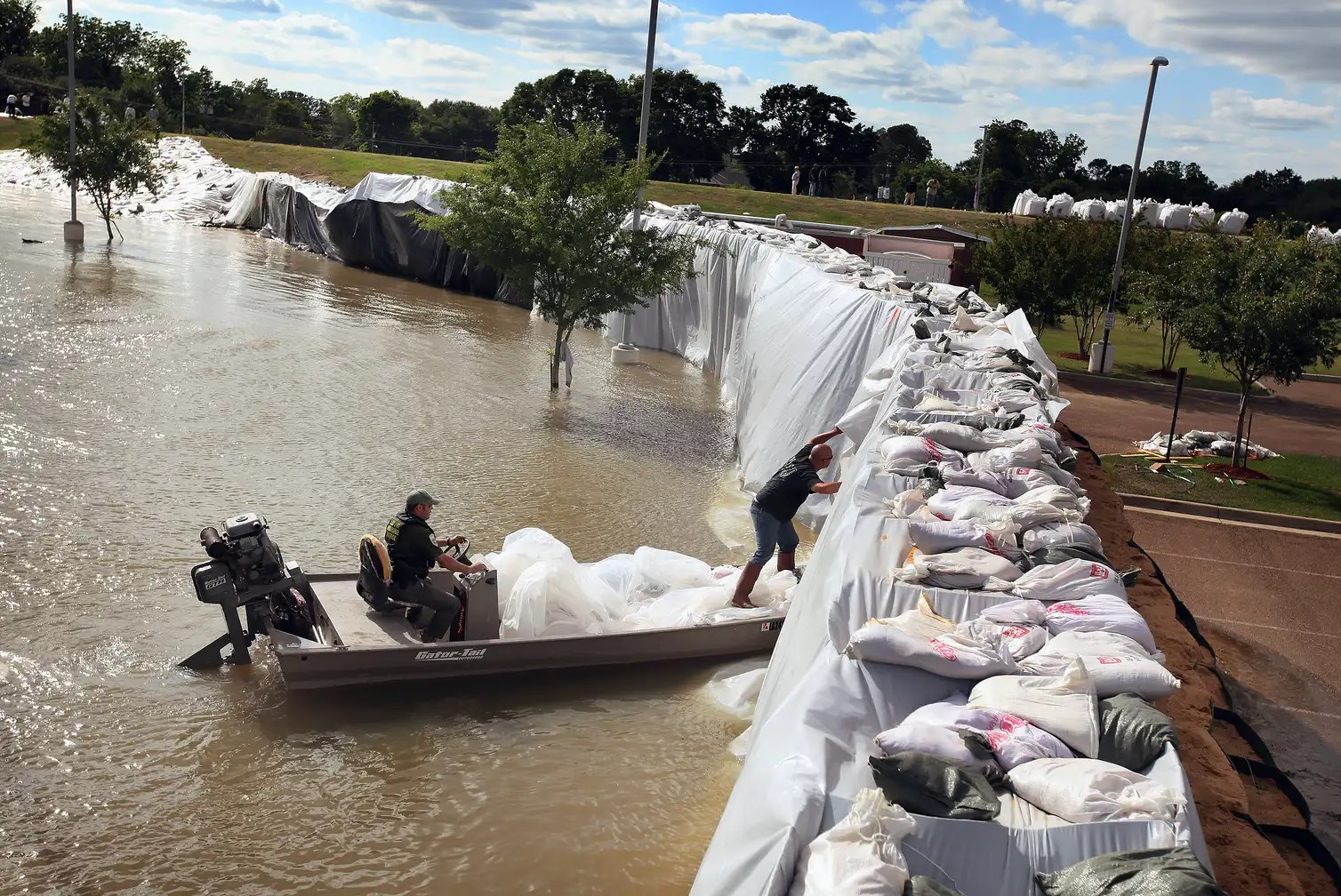
For example, a riverside town might raise its levees as spring flooding worsens. At some point, as the scale of flooding increases, such adaptation hits its limits. The levees necessary to hold back the water may become too expensive or so intrusive that they undermine any benefit of living near the river. The community may wither away.

Riverside communities often scramble to raise levees during floods, like this one in Louisiana. Scott Olson/Getty Images

The riverside community could also take a more deliberate and anticipatory approach to transformation. It might shift to higher ground, turn its riverfront into parkland while developing affordable housing for people who are displaced by the project, and collaborate with upstream communities to expand landscapes that capture floodwaters. Simultaneously, the community can shift to renewable energy and electrified transportation to help slow global warming.

Optimism resides in deliberate action

The IPCC reports include numerous examples that can help steer such positive transformation.

For example, renewable energy is now generally less expensive than fossil fuels, so a shift to clean energy can often save money. Communities can also be redesigned to better survive natural hazards through steps such as maintaining natural wildfire breaks and building homes to be less susceptible to burning.

Costs are falling for key forms of renewable energy and electric vehicle batteries. IPCC Sixth Assessment Report

Land use and the design of infrastructure, such as roads and bridges, can be based on forward-looking climate information. Insurance pricing and corporate climate risk disclosures can help the public recognize hazards in the products they buy and companies they support as investors.

No one group can enact these changes alone. Everyone must be involved, including governments that can mandate and incentivize changes, businesses that often control decisions about greenhouse gas emissions, and citizens who can turn up the pressure on both.

Transformation is inevitable

Efforts to both adapt to and mitigate climate change have advanced substantially in the last five years, but not fast enough to prevent the transformations already underway.

Doing more to disrupt the status quo with proven solutions can help smooth these transformations and create a better future in the process.

Disclosure statement

Robert Lempert receives funding from the National Science Foundation, U.S. Department of Transportation and Culver City Forward. He was coordinating lead author of the IPCC WGII Sixth Assessment Report, Chapter 1, and is affiliated with RAND Corp.; Harvard; SCoPEx (Stratospheric Controlled Perturbation Experiment) Independent Advisory Committee; National Renewable Energy Laboratory; Decision Science and Analysis Technical Advisory Committee (TAC); Council on Foreign Relations; Evolving Logic; and the City of Santa Monica Commission on Environmental, Sustainability, and Environmental Justice.

Elisabeth Gilmore receives funding from Minerva Research Initiative administered by the Office of Basic Research and the Office of Policy at the U.S. Department of Defense and the National Science Foundation. She is affiliated with Carleton University, Rutgers University, the Peace Research Institute Oslo (PRIO), and was a lead author on the IPCC WGII Sixth Assessment Report.

ooOOoo

The article makes the proposition that fear gets in the way of change. I think this is true because I tend to be a person that goes around saying ‘what can be done’ or ‘it is down to governments to set the changes required’ but not taking action personally.

So this is wakeup call for me and many others to be more positive and to support those changes that are beneficial, and to undertake them ourselves if at all possible.

Cruising over the Edge

I am very grateful to the Free Inquiry for permission to republish this article!

I am a subscriber to the print edition of Free Inquiry. Have been for quite a while. In the last issue, the April/May magazine, there was an article by Ophelia Benson that just seemed to ‘speak’ to me. I was sure that I was not alone. It was an OP-ED.

I emailed Julia Lavarnway, the Permissions Editor, to enquire what the chances were of me being granted permission to share the story. Frankly, I was not hopeful!

So imagine my surprise when Julia wrote back to say that she had contacted the author, Ophelia, and she had said ‘Yes’.

ooOOoo

Cruising over the Edge

By Ophelia Benson

The trouble with humans is that we never know when to stop. We know how to invent things, but we seem to be completely unable to figure out how to uninvent them—or even just stop using them once we’ve invented them. We can commission like crazy but we can’t decommission.

Like, for instance, cruise ships the size of condo towers. They’re feats of engineering and ship building no doubt, but as examples of sustainable tourism, a small carbon footprint, a sensible approach to global warning, not so much. How many gallons of fuel do you suppose they burn while cruising? Eighty thousand a day, for one ship.

We can’t uninvent, we can’t let go, we can’t stop. We can as individuals, but that’s useless when most people are doing the opposite. It’s useless when cruise ships keep cruising, SUVs keep getting bigger, container ships are so massive they get stuck in canals, more people move to Phoenix as the Colorado River dries up, more people build houses in the Sierras just in time for more wildfires, air travel is almost back to “normal,” and Christmas lights stay up until spring.

So heads of state go to meetings on climate change and sign agreements and pretend they’ve achieved something, but how can they have? Have any of them promised to shut down nonessential enterprises such as the cruise industry? Will they ever? The CEOs and lobbyists and legislatures would eat their lunch if they did. They can’t mess with profitable industries like that unless they’re autocrats like Putin or Xi … and of course Putin and Xi and other autocrats have zero inclination to act in the interests of the planet.

Janos Pasztor wrote in Foreign Policy after COP26, the UN climate change conference in Glasgow this past November:

Even if all Glasgow pledges are fulfilled, we are still facing a temperature overshoot of approximately 2 degrees Celsius. In the more likely scenario of not all pledges being fulfilled, warming will be more: perhaps 3 degrees Celsius. This would be catastrophic in nearly every sense for large parts of humanity, especially the poorest and most vulnerable who are suffering first and worst from escalating climate impacts.

Ironically, the technologies we can’t uninvent aren’t just the material luxuries such as huge cars, they’re also intangibles like democracy and freedom and individual rights. It may be our very best inventions along these lines that are the biggest obstacles to doing anything about the destruction we’ve wrought. We believe in democracy, and a downside of democracy is that governments that do unpopular things, no matter how necessary, are seldom governments for long. Biden and Macron and Trudeau and Johnson probably can’t do anything really serious about global warming and still stay in office to carry the work through.

Pasztor went on to ask a pressing question:

So how do we avoid temperature overshoot? The most urgent and important task is to slash emissions, including in the hard-to-abate sectors (such as air transport, agriculture, and industry), which will require substantial lifestyle changes.

Yes, those substantial lifestyle changes—the ones we show absolutely no sign of making. Maybe the biggest luxury we have, and the one we can least afford to sustain, is democracy.

Democracy at this point is thoroughly entangled with consumerism or, to put it less harshly, with standards of living. We’re used to what we’re used to, and anybody who tries to take it away from us would be stripped of power before the signature dried.

This is why beach condos in Florida aren’t the only kind of luxury we have to give up; we also have to give up the “consent” part of the “consent of the governed” idea when it comes to this issue. Not that I have the faintest idea how that would happen, but it seems all too obvious that democratic governance as we know it can’t do what needs to be done to avoid catastrophe.

We don’t usually think of democracy as a luxury alongside skiing in Gstaad or quick trips into space, but it is. It relies on enough peace and prosperity to be able to afford a few mistakes.

We take it for granted because we’ve always had it, at least notionally (some of us were excluded from it until recently), but it’s not universal in either time or place. To some it’s far more intuitive and natural to have “the best” people in charge, because they are the best. It’s a luxury of time and location to have grown up in a moment when non-aristocrats got a say.

The British experience in the Second World War is an interesting exception to the “take people’s pleasures away and lose the next election” pattern. Hitler’s blockade on shipping created a very real threat of starvation, and the Churchill government had to take almost all remaining pleasures away in pursuit of defeating the Nazis. Rationing, the blackouts, conscription, censorship, evacuation, commandeering of houses and extra bedrooms were all commonplace. Much of the dismal impoverished atmosphere of George Orwell’s 1984 is a picture not of Stalin’s Russia but of Churchill’s Britain. Life was grim and difficult, but Hitler was worse, so people drank their weak tea without sugar and planted root vegetables where the roses had been.

It’s disastrous but not surprising that it doesn’t work that way with a threat that’s unfolding swiftly but not so swiftly that everyone can see how bad it’s going to get. We can see what’s in front of us but not what’s too far down the road, especially if our contemporary pleasures depend on our failure to see. We’re default optimists until we’re forced to be otherwise, Micawbers assuring ourselves that “something will turn up”—until the wildfires or crop failures or mass migrations appear over our horizons.

ooOOoo

I do not know what the answer is? But I do know that we have to change our ways and change in the relatively near future; say, ten years maximum.

Because as Janos wrote, quoted in part above: “This would be catastrophic in nearly every sense for large parts of humanity…”

We are in a war. Not a military one but a war with the reality of where we are, all of us, heading. We have to stop ducking and weaving and come out fighting. Fighting for the very survival of our species. Do I think it will happen? I am afraid I do not. Not soon enough anyway: not without the backing of every government in the free world.

I really wonder what will become of us all!
This changed me.

Suzanne Simard’s compelling book, and compelling life.

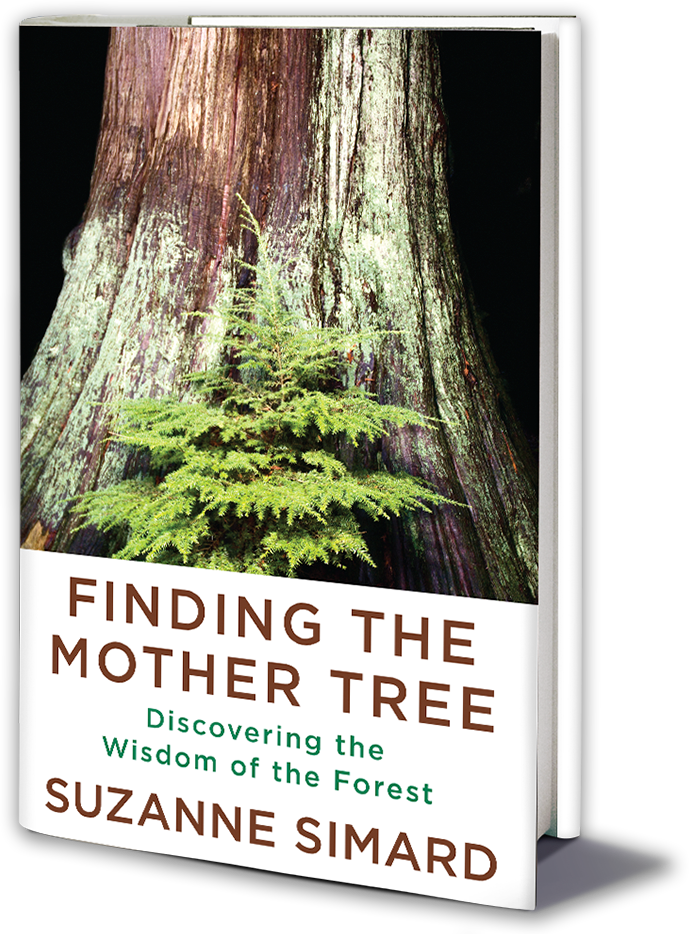
I have just finished reading Suzanne’s book. It is Finding the Mother Tree.

The subtitle might be: This is not a book about how we can save the trees. This is a book about how the trees might save us.

In her first book, Simard brings us into her world, the intimate world of the trees, in which she brilliantly illuminates the fascinating and vital truths – that trees are not simply the source of timber or pulp, but are a complex, interdependent circle of life; that forests are social, cooperative creatures connected through underground networks by which trees communicate their vitality and vulnerabilities with communal lives not that different from our own. Simard writes – in inspiring, illuminating, and accessible ways – how trees, living side by side for hundreds of years, have evolved, how they perceive one another, learn and adapt their behaviors, recognize neighbors, and remember the past; how they have agency about the future; elicit warnings and mount defenses, compete and cooperate with one another with sophistication, characteristics ascribed to human intelligence, traits that are the essence of civil societies – and at the center of it all, the Mother Trees: the mysterious, powerful forces that connect and sustain the others that surround them.

From Suzanne’s website

Luckily, you don’t have to wait for the book, you can learn about Suzanne and her precious scientific work by watching the following TED Talk.

Here are a couple of excerpts.

The first from page 277:

Our modern societies have made the assumption that trees don’t have the same capacities as humans. They don’t have nurturing instincts. They don’t cure one another, don’t administer care. But now we know Mother Trees can truly nurture their offspring. Douglas firs, it turns out, recognize their kin and distinguish them from other members of the community.

And the second from page 283:

I have come full circle to stumble onto some of the indigenous ideals: Diversity matters. And everything in the universe is connected – between the forests and the prairies, the land and the water, the sky and the soil, the spirits and the living, the people and all other creatures.

To say that I was amazed is an understatement. It is a book that will appeal to nature lovers all over the world. But more than that, the trees of the world have the ability to save humankind from accelerating climate change, if only enough people sign up to protecting trees, and soon. If you haven’t read it yet I implore you to read it now.

Finally, in Suzanne’s own words: Turning to the intelligence of nature itself is the key.

If you want to get involved then please go to The Mother Tree Project.