The final pictures from the PetSmart Pet Adoption Event.
Back on the 29th May when I published the first set of pictures from this event I wrote in that post:
I wrote about this last Tuesday under the heading of Helping Hands and warned you that today and next Sunday would be picture parades of that event.
At that time I had not cottoned on to the fact that the next Sunday, i.e. a week ago, the picture parade would be devoted to Pharaoh’s birthday.
So here we are with that next set of pictures from the PetSmart Adoption Event. Again, I wrote first about this under the heading of Helping Hands. For those that didn’t read that post here is how it opened:
The PetSmart Pet Adoption Event.
Over the days of the 13th to 15th May, in other words roughly a week-and-a-half ago, a number of pet adoption charities in Northern California and Southern Oregon came together courtesy of PetSmart in Medford, Oregon to find new homes for unadopted dogs and cats.
I came to hear about this from an email sent to me by Tammy Moore of the organisation Shelter Friends. Tammy also c.c.’d her email to Tana Mason who is Fundraising Coordinator for the charity. Tammy’s email was an invite for me, and Jean, to attend the event on the Saturday as the author of my book.
The first Picture Parade of these photographs was presented here.
Here is that final set of photographs.
oooo
oooo
oooo
oooo
oooo
oooo
… and closing the set with the evidence that new homes were found for many dogs and cats.
I wrote about this last Tuesday under the heading of Helping Hands and warned you that today and next Sunday would be picture parades of that event. For those that didn’t get to read that post here is how it opened:
The PetSmart Pet Adoption Event.
Over the days of the 13th to 15th May, in other words roughly a week-and-a-half ago, a number of pet adoption charities in Northern California and Southern Oregon came together courtesy of PetSmart in Medford, Oregon to find new homes for unadopted dogs and cats.
I came to hear about this from an email sent to me by Tammy Moore of the organisation Shelter Friends. Tammy also c.c.’d her email to Tana Mason who is Fundraising Coordinator for the charity. Tammy’s email was an invite for me, and Jean, to attend the event on the Saturday as the author of my book.
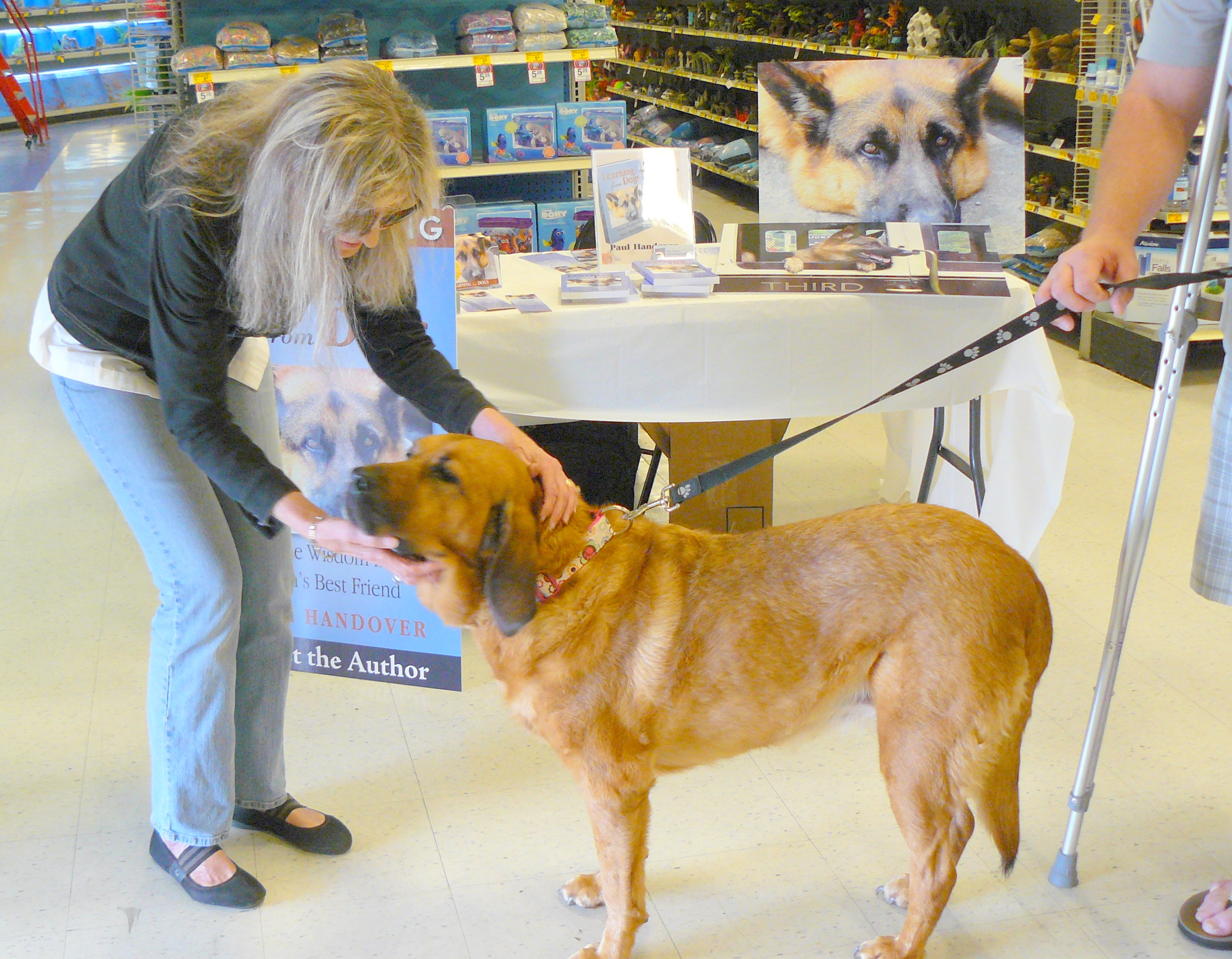
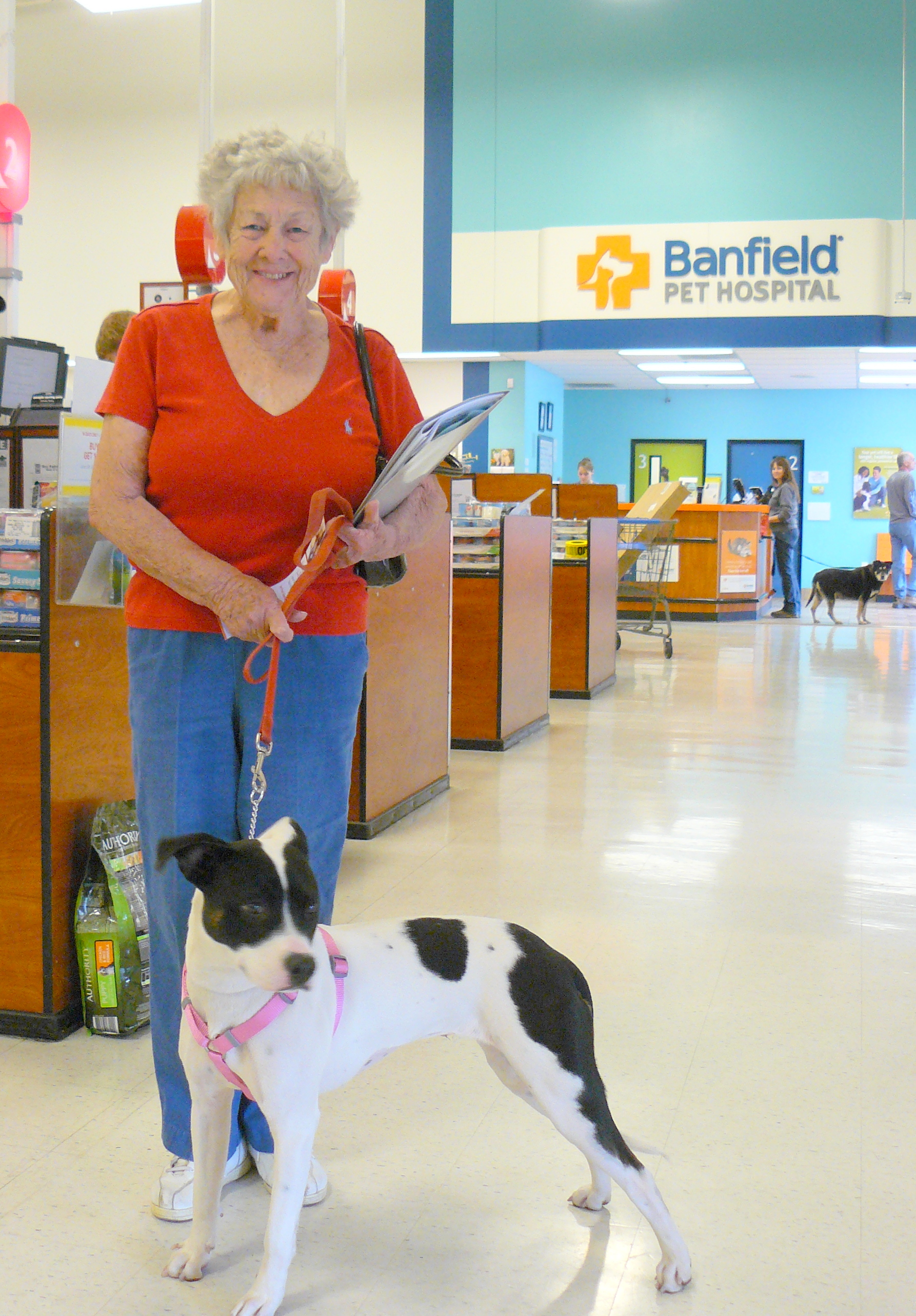
So, more pictures from the day (and my apologies for not noting names and details of each picture).
oooo
oooo
oooo
oooo
oooo
oooo
Do hope you can handle a further selection of these event photographs in a week’s time! My motivation is to give everyone concerned a bit of a special focus for they did so well.
There are some foods that are potentially very dangerous for cats.
Over two years ago I published an article that had been written by a guest. His name is Rohit Agarwal and the article that he wrote for Learning from Dogs was called Dogs and Fences. As it is likely that some readers may not have recalled Rohit’s piece and my introduction, let me repeat a part of what I said in that introduction:
I had no foreknowledge of Rohit, who described himself thus:
Author Bio: Rohit is a dog lover and pet enthusiast; he owns two adorable and wonderful dogs that include a German shepherd and a Labrador retriever. As work keeps him away from home, concerns arise about the safety and comfort of his pet friends, which made him try out various products that facilitate the same. Recently he was worried about leaving his dogs in the yard of his house and tried the underground fence for dogs, which worked great.
Rohit also made clear that he is a contributor to Petstek.com, the company behind the link in the last sentence of his bio.
Rohit’s article was well received so when he recently offered a further guest piece I had no hesitation in saying yes. Here it is.
ooOOoo
Six Foods Cats Should Never, Ever Eat!
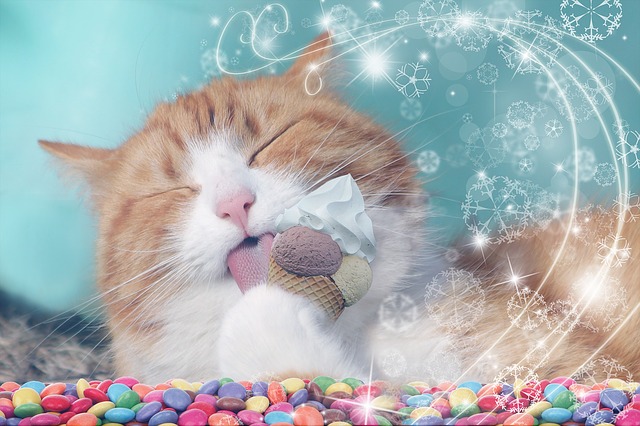
We all are guilty of sneaking our animal family members some human food. In the case of our felines, they often sneak their own tasty treats. It is all fun and most food is generally safe for cats to eat. Unfortunately, not all of our food is considered safe for cats to consume. Here are a few foods to avoid.
Raisins seem like a totally safe option for an animal, but unfortunately they are quite dangerous for felines. Scientists haven’t figured out the toxin, but consuming raisins can lead to sudden kidney failure in cats. This also means that grapes are off limits. If you notice that your cat has consumed either grapes or raisins, watch them closely for signs of toxicity. These signs include diarrhea, lack of appetite, lethargy, and abdominal pain. Usually, to cause death, large amounts have to be consumed, but even small amounts can lead to sickness.
Onions
Onions can potentially destroy a cat’s red blood cells which can cause a number of blood problems, such as anemia. This holds true for onions in any form, such as powdered, raw, and cooked. Onion powder can be in a multitude of food so be sure to read labels if you think you might give your feline friend a taste of dinner. Garlic is in the same family as onions, so therefore, all of this holds true for garlic in all forms. Garlic is less toxic.
Raw eggs
Humans are supposed to avoid eating raw eggs, so it make sense that our felines should avoid it as well. Eating a raw egg contains a risk of a bacterial infection which is called food poisoning. Your cat could potentially get salmonella or E.coli. Both of these infections could easily lead to death in such a small animal.
Alcohol
Now, this one might seem obvious, but cats are known for being sneaky and taking a lap of their owner’s drink. Consuming even small amounts of alcohol can lead to intoxication and alcohol poisoning. Because of their size, it can take as little as two teaspoons to do damage to their system or cause the cat to enter into a coma. More than two teaspoons can quickly lead to death.
Caffeine
Just like in canines, caffeine is not recommended for any breed of cats. In large quantities, caffeine is capable of being fatal. It is a diuretic that can lead to dehydration. Caffeine also overstimulates the heart and nervous system. If your cat consumes any, watch for signs of caffeine poisoning which includes restlessness, rapid breathing, heart palpitations, and tremors. Remember, caffeine isn’t just in coffee and soda; it is also found in tea, cold medicines and chocolate of all forms.
Chocolate is also lethal to cats, just as it is extremely dangerous for dogs. The agent in chocolate that leads to death is called theobromine. It can be found in all forms of chocolate, but it is especially dangerous in unsweetened baking chocolate. Eating chocolate can lead to tremors, an abnormal heart rhythm, seizures, and death.
Fat Trimmings and Bones
This one doesn’t seem so obvious; felines eat meat so one would assume fat trimmings would be safe. Consuming fat can lead to intestinal issues such as vomiting and diarrhea. It can also cause pancreatitis. Signs of pancreatitis include lethargy, dehydration, and loss of appetite. Sometimes, a cat can also run a fever. Avoiding bones does make more sense. Small bones can easily splinter which could cause lacerations in the stomach or choking.
If you believe that your cat has eaten any of these foods, you should watch them closely for any signs of illness. Contact your veterinarian if concerned. Prevention is key to keeping your feline friend safe.
Over the days of the 13th to 15th May, in other words roughly a week-and-a-half ago, a number of pet adoption charities in Northern California and Southern Oregon came together courtesy of PetSmart in Medford, Oregon to find new homes for unadopted dogs and cats.
I came to hear about this from an email sent to me by Tammy Moore of the organisation Shelter Friends. Tammy also c.c.’d her email to Tana Mason who is Fundraising Coordinator for the charity. Tammy’s email was an invite for me, and Jean, to attend the event on the Saturday as the author of my book.
(I would have written about the event before now but many of you will recall that was the weekend when my internet connection was down for a number of days.)
Anyway, that Saturday started off rather damp and grey but all the pet charities had previously been set up for the Friday.
But soon Jean and I had our own stand all ready for the opening time for the event and we were very grateful for being offered a table position just inside the main entrance door.
People soon started arriving and all were very friendly.
I shall continue with the photographs of the day over the next two picture parades.
But let me leave you with the results of all the fine people involved, both volunteers and the great staff at PetSmart.
In the words of Tana in answer to my question of how many animals were found homes:
I have the total for all three days, Friday, Saturday and Sunday: 9 puppies, 9 dogs and 14 cats!
I am not sure if this is a complete list of all the shelters that attended but certainly the following wonderful charities did:
Shelter Friends, Grants Pass, OR
Friends of Animals, Brookings, OR
Goliath Mountain Rescue, Yreka, CA
Rescue Ranch, Yreka, CA
Curry County Animal Shelter, Gold Beach, OR
I am referring to the one between human and animal.
The millions of people who love their pets probably never stop to think about how far that love would extend. As I observe Jean’s patience in coaxing Hazel to take food, time and time again each day, it never crosses my mind that there would be a limit to that devotion from her.
When I think about our animals and the special relationships we have with them all, dogs, horses and cats, never for a moment do I weigh up the pros and cons, despite there being many limitations when one stops and ponders the fact. Like the fact that Jean and I have not been away for a honeymoon or any other vacation together since we were married in 2010.
All it takes is for a dog to rub its head against my leg, or a cat to curl up on my lap, or a horse to give in to a hug around its head, something that happens many times each day, and I am content.
However, the following article that appeared on the Care2 blogsite really underlined how much people will give for their animals.
A story recently went viral about a Colombian man who risked his life to save a dog that was hanging from a balcony. The dog, who belongs to the man’s upstairs neighbors, was caught in the railing and was close to falling to the ground. The neighbor, whose name is Diego Andrés Dávila Jimenez, made a dangerous climb from his balcony up to his neighbors’ in order to save the dog.
For animal lovers, there wouldn’t be a second thought about doing the same, whether it was their own pet, someone else’s or an animal in the wild. People go great lengths for animals every day. Here are just a few inspirational examples of them.
Ric O’Barry Does Jail Time for Dolphins
In 1970, Ric O’Barry founded The Dolphin Project and since then, he has dedicated his life to saving dolphins. His life’s work hasn’t been easy, though. O’Barry – who was featured in the 2009 documentary The Cove – has been detained, fined and threatened for his dolphin activism. In January, he was detained at a Japanese airport on his way to monitor the annual dolphin hunt in Taiji. By now, being detained is nothing new to O’Barry, as it happens nearly every time he visits Japan for the hunt. In August, O’Barry was arrested in Japan for not carrying his passport. Still, he carries on with his mission to rescue dolphins.
Adam Warwick saved a black bear from drowning
When a bear is roaming around a neighborhood, sedating it is one of the only safe options. That’s what Florida wildlife officers did when they got a call about a black bear wandering around an Alligator Point neighborhood. The officers shot the bear with a tranquillizer dart, but the bear ran away and headed straight into water, where he would eventually fall asleep and drown. Biologist Adam Warwick came to the bear’s rescue and pulled the 400-pound bear back on land. The bear was then safely transported back to its home in a national forest.
Motorist fights traffic to save injured dog
A Mexican woman was driving down a busy highway when she saw a dog get hit by a car and lay injured on the side of a crash barrier. Nobody stopped or slowed down as they drove by, leaving her to try to dodge traffic to get to the dog. The timid dog tried to limp away, but she eventually gained its trust and took it to an area vet to have its injuries treated.
Man saves a stranger’s dog that was blown off a pier
An Australian woman was walking her Shih Tzu-Maltese Bibi on a pier when a strong gust of wind picked the dog up and carried him into the water. Raden Soemawinata was at the pier scattering his grandmother’s ashes when he saw the Bibi in the water and immediately jumped in to save him. Soemawinata humbly told media that “it wasn’t such a great feat.” We think otherwise.
Two Norwegian men save lamb from drowning
Three friends were out taking pictures when they noticed a lamb struggling in choppy waters. Two of the young men worked together to rescue the lamb, while the other used the camera to take incredible pictures of the rescue. They pulled the lamb to safety and reunited it with its flock.
Randy Jordan removes hooks from sharks
Most people try to avoid sharks. Randy Jordan has made a mission to help them. The diver frequently noticed fishing hooks caught in sharks’ mouths, so he made it his mission to remove the hooks from the sharks he encountered. He worked with scientists in order to find the safest way – for himself and the sharks – to have the hooks removed. Jordan has gone on to free multiple sharks from the painful hooks.
Men save baby giraffe in crocodile-infested waters
For four hours, a baby giraffe tried to keep its head above the Uaso Nyiro river’s harsh waters. The Kenyan river is not only fast moving, but is home to many crocodiles. A group of men ignored the river’s danger and waded through the water to pull the giraffe back onto land.
With so many reminders, especially in the media, of the greed and selfishness of people it really does one good to read these seven examples of how wonderful is the bond between humans and animals.
The learning and healing journey continues with Hazel.
The title to today’s post came from Dr. Jim Goodbrod, DVM. When he and I were taking a walk yesterday Jim mentioned that diagnosing exactly what an animal is suffering from is as much an art as it is a science.
Jim and Janet are close friends and neighbours who live a couple of roads away. Jim also attends the Lincoln Road Vet Clinic on a part-time basis. Off his own volition he has been speaking with Dr. Codd (Russ) about the situation with Hazel and the pair of them are showing incredible devotion to getting to the bottom of what is happening.
So, like yesterday’s post, today is being offered to you in the spirit of information. Forgive me if I repeat the caution from yesterday. (This is being written at 4pm on April 19th, 2016.)
CAUTION: The following is offered by way of information reaching out to other loving dog owners. Please do not assume I have any specialist veterinarian knowledge and please do not take the following as a replacement for seeing your own vet.
Late on Sunday afternoon Hazel was becoming so weak and lethargic that Jean and I feared that she wouldn’t make it through the night. So it was wonderful to see that she was alive and still connected to the world at 6am yesterday; Monday. Nonetheless, Hazel had not eaten since Saturday afternoon and was only drinking very small amounts of water. We made the decision to ring the Clinic as soon as they opened on Monday at 8am. They recommended that Hazel be brought in to go on to an IV drip to boost her anti-fungal intake and also to receive an anti-nausea intake to help her regain an appetite. But there was the question hanging over everyone that if this was a fungal infection, as in Coccidioidomycosis, that is not present in the Oregonian soil but is found in the drier parts of the USA and Mexico then why had it been such a long time before it brought Hazel down?
Jean also had this suspicion that Hazel might be suffering from a form of ‘Tick Fever’ that is very common in Mexico.
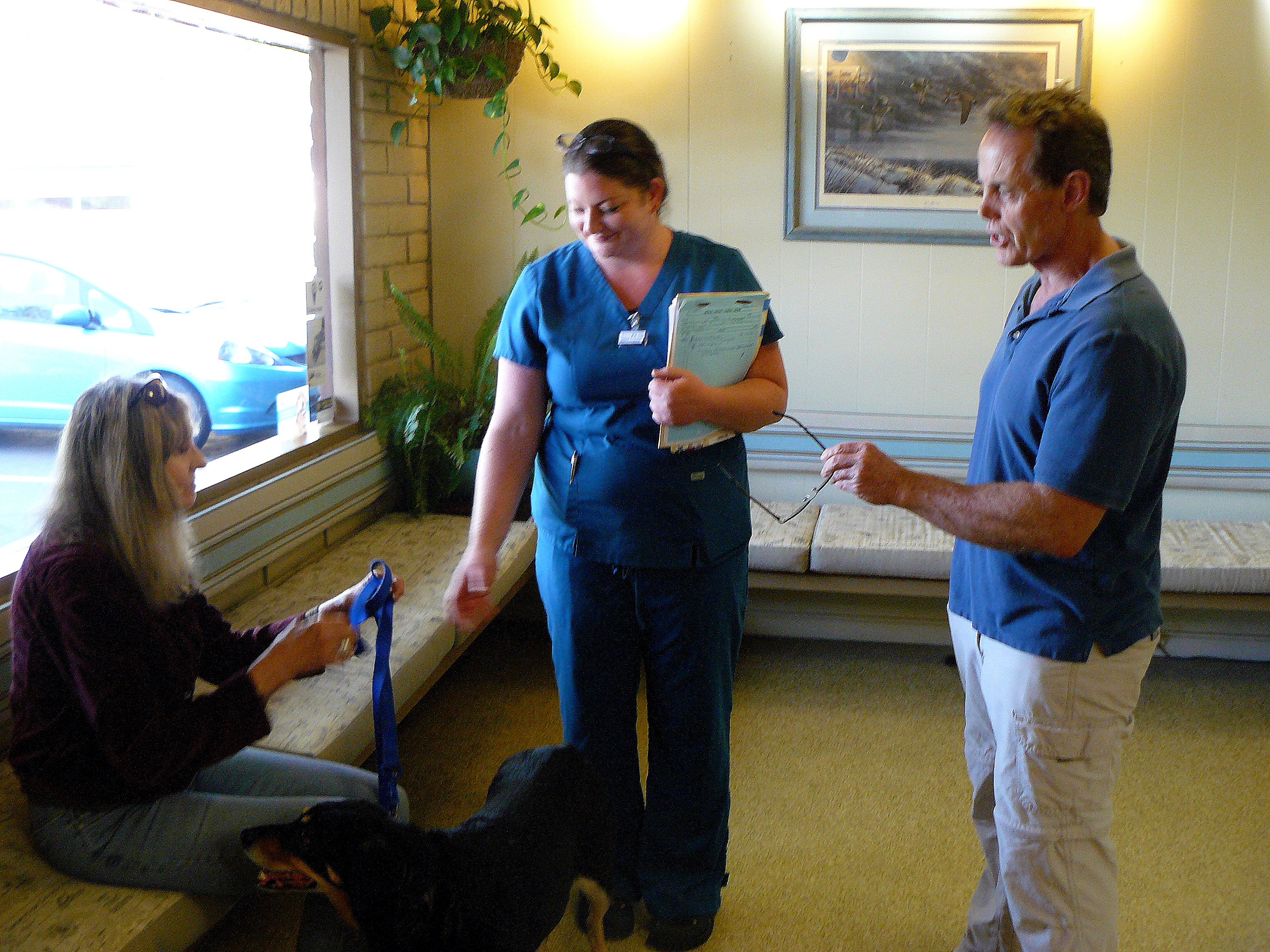
So off we went to the Clinic again. There were discussions about the whole situation.
Dr. Codd (RHS) speaking with Jean at the Clinic.
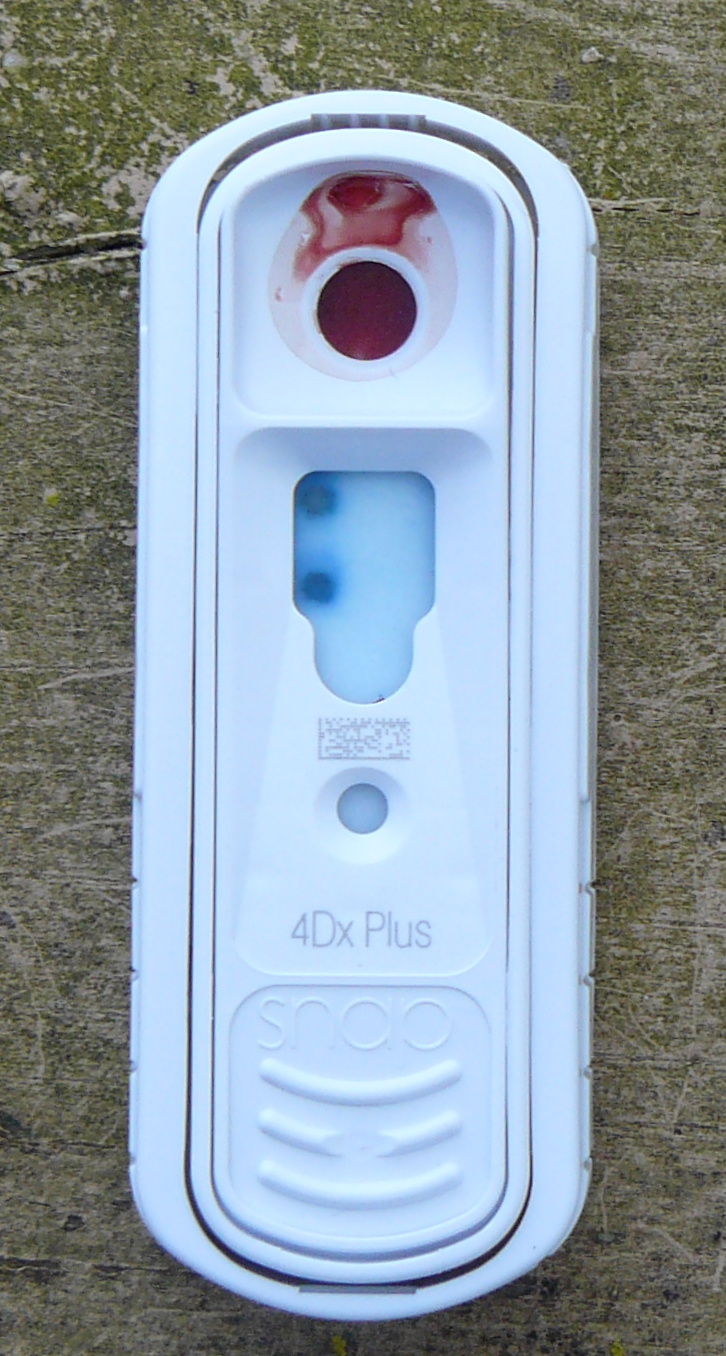
Dr. Codd took a quick blood test and, bingo, it revealed that Hazel was showing that she had, or had had in the past, an Ehrlichia Infection; a tick-borne infection.
The lower of the left-hand spots is the indicator of a past or present Ehrlichia Infection.
The cure for that was a course of Doxycycline.
So now we are looking at battling two separate diseases.
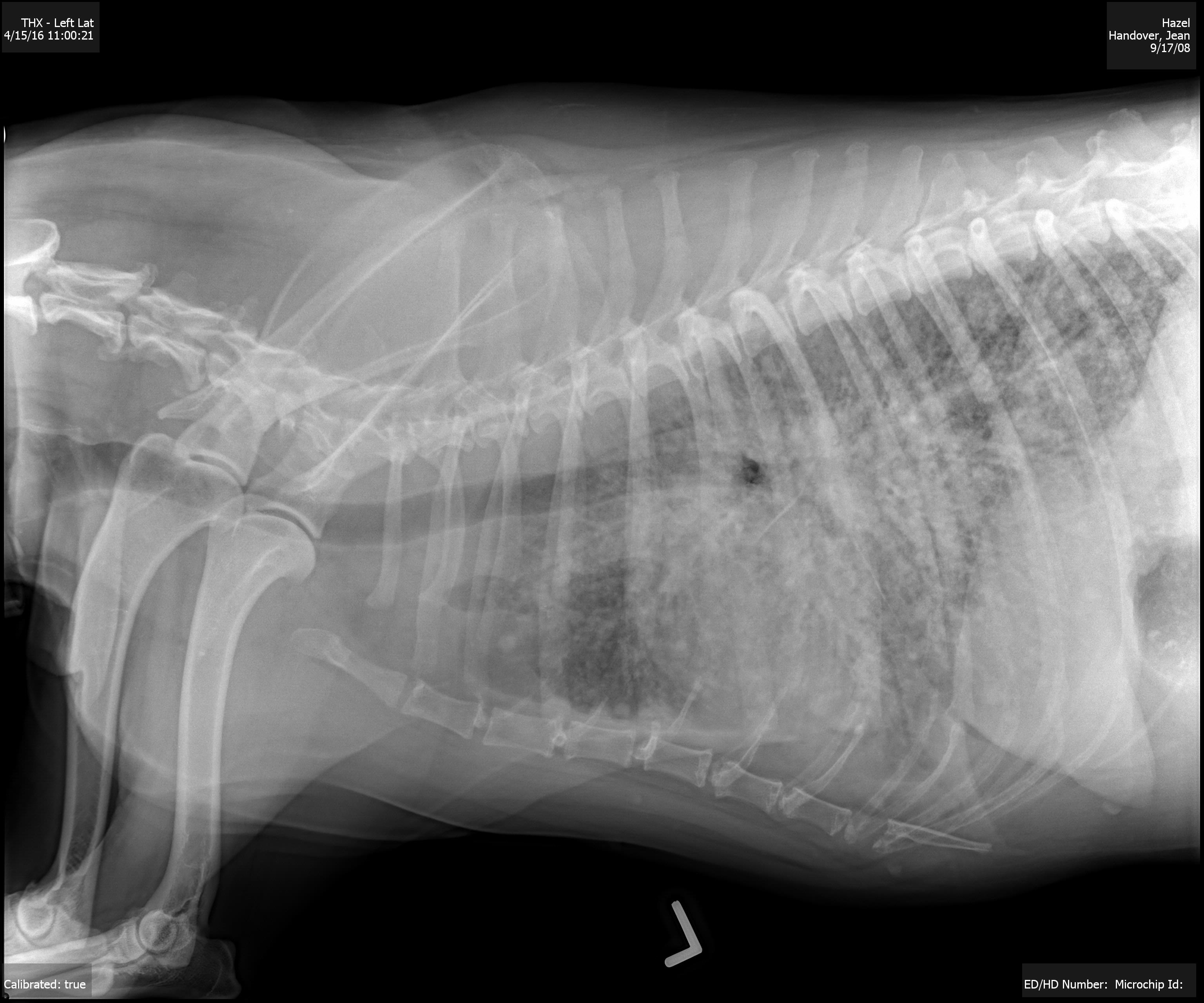
The blood that was taken from Hazel last Friday, when she also had radiographs taken of her lungs, had been sent for a ‘titre’ that would confirm one way or another if her lungs were suffering from a fungal infection. Those results will be available on Wednesday or Thursday of this week.
One of the radiographs taken of Hazel.
Back to Hazel’s lack of appetite. One of the side-effects of Fluconazole is that it depresses appetite. Getting Hazel eating again was becoming a priority. It seemed to make sense that until we had confirmation of whether or not Hazel had a lung fungal infection, for which taking Fluconazole would be an excellent course of action, we should pause in her dose until the results were in. To speed up the return of an appetite Dr. Jim prescribed a short course of Mirtazipine.
So that’s about it for the time being. Except for Jean and me to say how much we appreciate the art and the science that is being so skillfully offered by the Clinic. (As of 19:00 PDT yesterday Hazel was eating again! 🙂 )
Great team effort!
Their “Special Love of Animals” comes over in spades!
I have so much admiration for the rescuers, like Jean was in Mexico. They have the biggest hearts, and see the absolute worst of things.
Then a few moments later, a further reply from John:
And to rescue the abused ones. To find them, then live in that lag time before they are freed. I wouldn’t be able to sleep. I don’t have the disposition for it. I’d be physically ill.
Thus the minimum that I can do is to promote the incredible work done by the Rogue Valley Humane Society; just one among many.
For example, by republishing what they present on their About page.
ooOOoo
About The Rogue Valley Humane Society
Our Vision
The Rogue Valley Humane Society envisions a community where every healthy adoptable companion animal has a lifetime, loving home and all homeless animals receive the care and compassion they deserve until they are adopted by their forever family.
Our Story
Fifty years ago homeless animals in the Rogue Valley faced a death sentence if no one adopted them within a few days. In 1965 a small group of animal lovers decided to try to change that, and they started a rescue to give homeless, abused, and abandoned pets in Josephine County a safe haven without a time limit. The Rogue Valley Humane Society grew out of this grassroots effort. RVHS was incorporated in 1965 as a non-profit public benefit corporation dedicated to providing love, food, shelter, and medical attention to these animals until they can find new lifetime homes.
Thirty-five years later the current facility opened with the capacity to house 14 dogs and 80 cats plus litters of puppies and kittens. Our main building houses all of the cats plus the office, laundry and medical room. The separate kennel building has indoor/outdoor runs. The Robert E. and Jennifer Murphy Canine Care Building was built in 2013 to house newborn puppies and any dog needing a quiet place to heal.
Throughout the years we’ve had one singular goal: to improve the lives of animals. We are proud to show RVHS to visitors so they can see first-hand the standard of care we give to every homeless companion animal, from an elderly, blind dog to a day old kitten.
The Rogue Valley Humane Society is a 501(c)(3) non-profit corporation. We provide shelter, food, medical care and personal attention for hundreds of homeless dogs and cats every year. We are here for the young and cuddly, the old, sick and neglected, and everything in between.
We receive no county, state or federal funds and rely solely on individual and foundation grants to carry out our mission.
Our Mission
The Rogue Valley Humane Society provides compassionate care for stray, unwanted, displaced, and abandoned animals and works toward ending pet overpopulation so that there will be no more homeless pets. We are committed to placing every healthy, adoptable animal in a loving lifetime home, teaching responsible pet guardianship, and maintaining community spay-neuter programs.
Our Core Values
We believe that every animal’s life has value and is worthy of respect and protection.
We believe that euthanizing healthy, adoptable animals is not acceptable.
We believe that animals contribute to the health, happiness and quality of human life.
We believe that we must manage our resources to assure the long-term future of our organization.
We believe in providing quality medical and shelter care by following evidence-based animal welfare practices.
We believe that through humane education we can help foster compassion, protection and guardianship for companion animals.
We believe that we should treat everyone with dignity and respect. Community members, staff, and volunteers are partners in improving the welfare of animals and helping us fulfill our Mission.
We believe that we can end pet overpopulation by adhering to our commitment to spay/neuter all of our animals before adoption and by providing community-assistance spay-neuter programs.
We believe that we best serve our community by placing healthy companion animals in responsible, loving homes.
ooOOoo
By promoting their Facebook page (look them up).
By enjoying some of the pictures on their website of dogs looking for homes:
My name is Rudy. I WAS extremely shy and nervous in the beginning. After a little love and patience, as you can see in the video I have come out of my shell. I love to hang out with both my human and furry friends and to be kept busy. I cherish my daily walks and because I’m a thinking I have a great fondness for brain toys.
Border Collie
Spayed/Neutered
Up-to-date with routine shots
Spayed/Neutered
And …
Labrador Retriever, American Staffordshire Terrier
My name is Margo. I am sweet girl looking for a new lease on life. I promise to give you lots of love and attention, if you promise me the same thing. I’m sure we can come to an agreement and live happily ever after! Sounds good to me!
Whether you’re on board with celebrating a “traditional” Valentine’s Day this year—chocolates, cards, romance—or not, this year should be the year we also show some extra love to the animals in our lives. Whether we focus on our own companion animals or forgotten creatures out there in the world who also need compassion, this Valentine’s Day could be the start of a new tradition. Here are a few ideas to really bring the love to our furry and feathered friends this year:
1. Plan a trip to an animal sanctuary
Animal sanctuaries are wonderful places to visit solo, with your partner or with the kids. Most, if not all, states have at least one farmed animal sanctuary where pigs, cows, goats, chickens, geese, horses and many others have found a permanent home after being rescued on the way to slaughter or from their terrifying lives in the animal industries. There are few ways to connect with an animal and appreciate all they have been through in their lives that shine brighter than spending time petting a goat or cuddling a pig.
There are also other types of sanctuaries open to the public with different types of animals to behold, such as bats, tortoises, exotic birds, wolves and wild cats. The difference between reputable and respectable animal sanctuaries and zoos is, in many cases, the dedication to the animals’ needs. Some zoos may have great conservation programs, yet any profit-driven establishment who puts animals on display in unnatural living environments and social groupings does not have the animals’ true interests at heart. Sanctuaries strive toward giving the animals the best lives they can have—public observation is not at the heart of the matter. By supporting reputable animal sanctuaries, you are showing immense love and compassion to animals.
2. Dine on a meatless meal
To have a truly animal-friendly Valentine’s Day, don’t serve any of them on your plate! By choosing to dine on a plant-based meal full of fresh vegetables, hearty legumes, sweet fruits, wholesome grains and satisfying nuts and seeds, you are showing the animals the utmost respect. Try these Valentine’s recipe ideas, ethical wine suggestions and delicious vegan chocolate truffles for the big day! And, if you are interested in reducing the amount of animal products you consume beyond V-Day, visit the Meatless Monday website to learn how to tip the scales gradually toward regular vegan meals.
3. Reach out to an animal in need
Do you have a friend who could use a dogsitter for an upcoming trip? Does your local animal shelter or adoption agency need an extra hand with walking the dogs, cleaning cages and spending time with furry friends? Have you spoiled your own companion critter lately with a new toy, extra play time or some homemade treats? Valentine’s Day is the perfect time to extend our love to our own companion animals and to those around us who also need a little extra love. The rewards from reaching out to a pet in need are tenfold what we expend putting forth the effort. Use this February as an excuse to spend more time with some critters!
This dog is serious about keeping the title of ‘man’s best friend.’ (Photo: Best Friends Animal Society)
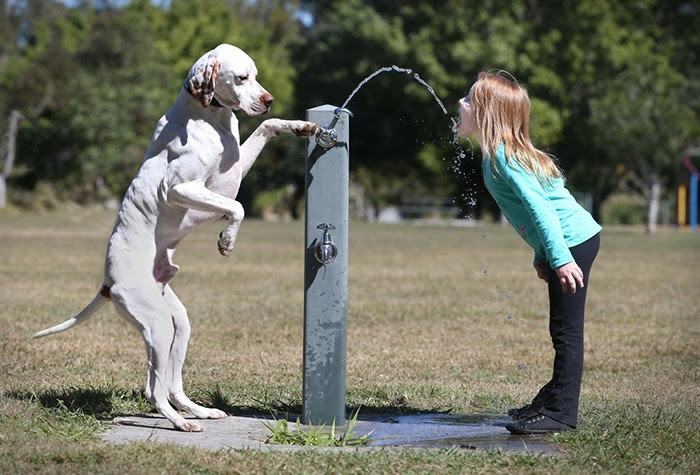
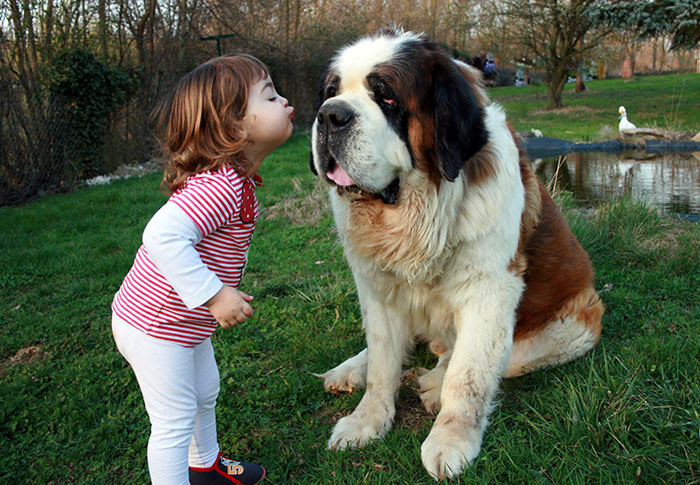
Dogs have lived alongside us for thousands of years, earning the reputation as “man’s best friend” for good reason. But while some people may be quick to dismiss a dog’s devotion as simply a relationship based on need, experts say that’s just not true.
“Dogs have developed the strongest ability of all animals on Earth to form affectionate bonds with humans,” says Dr. Frank McMillan D.V.M., director of well-being studies at Best Friends Animal Society, an organization helping adopters find loving companions. “Dogs don’t just love us — they need us, but not just for food and physical care. They need us emotionally. This is why the attachment bond a dog feels for his human is one of deep devotion and is, as has been often stated, unconditional.”
But how exactly does a dog say, “I love you”? Read on to find out.
Your dog wants to be close to you.
If your dog is always in your lap, leaning against you or following you room to room, it’s clear your pooch is attached to you.
“A dog’s affection is most evident in their desire to be physically close to you. This can sometimes appear to be a clinginess, and it isn’t always easy to distinguish healthy positive clinginess from insecurity, but in both cases your dog is deeply attached to you,” McMillan says.
Your dog gazes into your eyes.
When you and your pup share a long look, your dog is “hugging you with his eyes,” according to Brian Hare, a professor at Duke University who studies canine cognition, and research shows that this “hug” has a profound effect on both man and animal.
When scientists at Japan’s Azabu University took urine samples from dogs and their owners before and after 30 minutes of interacting, they found that the pairs that spent the most time gazing into each others’ eyes showed significantly higher levels of the hormone oxytocin, the same hormonal response that bonds us to human infants. “It’s an incredible finding that suggests that dogs have hijacked the human bonding system,” Hare told Science.
Loving glances like this can say a lot. (Photo: Best Friends Animal Society)
Your dog excitedly greets you.
Does your pup jump up, wag his tail and barely seem able to contain his excitement when you arrive home? If so, that’s a sure sign of affection.
“This becomes even more obvious when your dog learns, like Pavlov’s dogs, that some sound signals your upcoming arrival, like the garage opener or sound of your car, and they show excitement upon hearing that sound,” McMillan says.
Your dog sleeps with you.
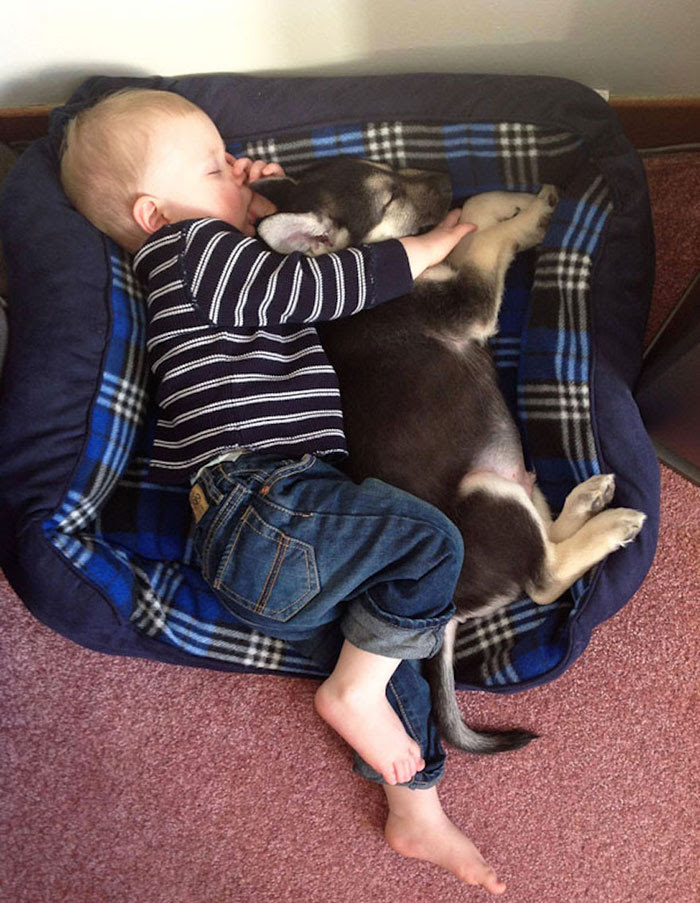
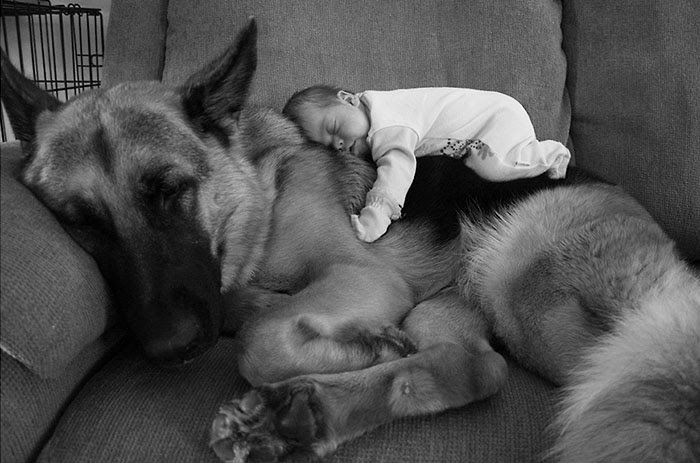
Dogs are pack animals that often huddle together at night for warmth and protection, so when your dog snuggles up with you, it means he considers you to be part of the family. And these canine cuddles may even help you get a better night’s sleep.
You are your dog’s safe haven.
“Much affection in animals and humans is based on how much you can be relied on as a source of comfort and support in scary situations,” McMillan says. “If your dog seeks your comfort during thunderstorms, car rides, vet visits or other frightening occurrences, then you are seeing another aspect of her attachment bond to you.”
Your dog ‘reads’ you and reacts accordingly.
A close bond with your dog may enable him to sense your mood and respond with affection. “Many dogs who sense that you are upset or not feeling well will demonstrate their affection by spending even more time by your side. They might give you licks or rest their head or paws on some part of your body,” McMillan says.
A cuddly canine can make the day a little better. (Photo: Brian Goodman/Shutterstock)
Your dog yawns when you yawn.
If you’ve ever yawned after witnessing another person’s yawn, you’re aware how contagious the act can be. This contagious yawning is unique to only a few species, and man’s best friend is one of them.
Researchers have even found that not only are dogs more likely to yawn after watching familiar people yawn, but also that dogs will yawn when hearing only the sound of a loved one’s yawn. So if your canine companion yawns in response to your yawns, odds are good that his affection for you enables him to empathize with you.
Your dog focuses on you.
It’s not unusual for dogs to delight in positive attention from virtually anyone, but just because your pooch loves on everyone, doesn’t mean he doesn’t love you most. Pay attention to how your dog acts when in a room full of people. If he stays focused on you or ignores others while awaiting your return, you know you hold a special place in your dog’s heart.
Your dog forgives you.
“Part of the affectionate feelings your dog has for you shows up in their willingness to forgive you for things you do that make them feel bad, such as raising your voice, or misplacing your frustration on your dog by ignoring them,” McMillan says. “Forgiveness is your dog’s attempt to maintain the loving bond they share with you.”
However, even if your canine best friend doesn’t show affection in these ways, it certainly doesn’t mean your pooch doesn’t love you. Just as some people can care deeply without expressing their feelings, so can your pup.
“Be sure not to go through the list above and think that because your dog shows very few or even none of these things, he or she doesn’t love you. Odds are, love is very much there. After all, we’re talking about a dog here,” McMillan says.
And how can you show your dog some love? Engage in playtime, take a long walk, bake some yummy dog treats, or give your pup a homemade toy. Above all, McMillan says the best thing you can do is simply give your dog more of you because that’s what man’s best friend wants most of all.
ooOOoo
Finally, enjoy this fabulous video. (Thanks Sue Dreamwalker)
Published on Oct 20, 2014
As humans animals can be also friends. If animals live together they became often friends. Friendship between different species can be cold as unlikely animals friendship. In this you can see friendship between dogs and cats, Lion tiger and bear friends, Baby Chick and Chihuahua best friends, cat and own friendship etc.
So many loving relationships! So many lessons for us to learn from our dogs!
I came to hear about this from an email sent to me by Tammy Moore of the organisation Shelter Friends. Tammy also c.c.’d her email to Tana Mason who is Fundraising Coordinator for the charity. Tammy’s email was an invite for me, and Jean, to attend the event on the Saturday as the author of my book.

 oooo
oooo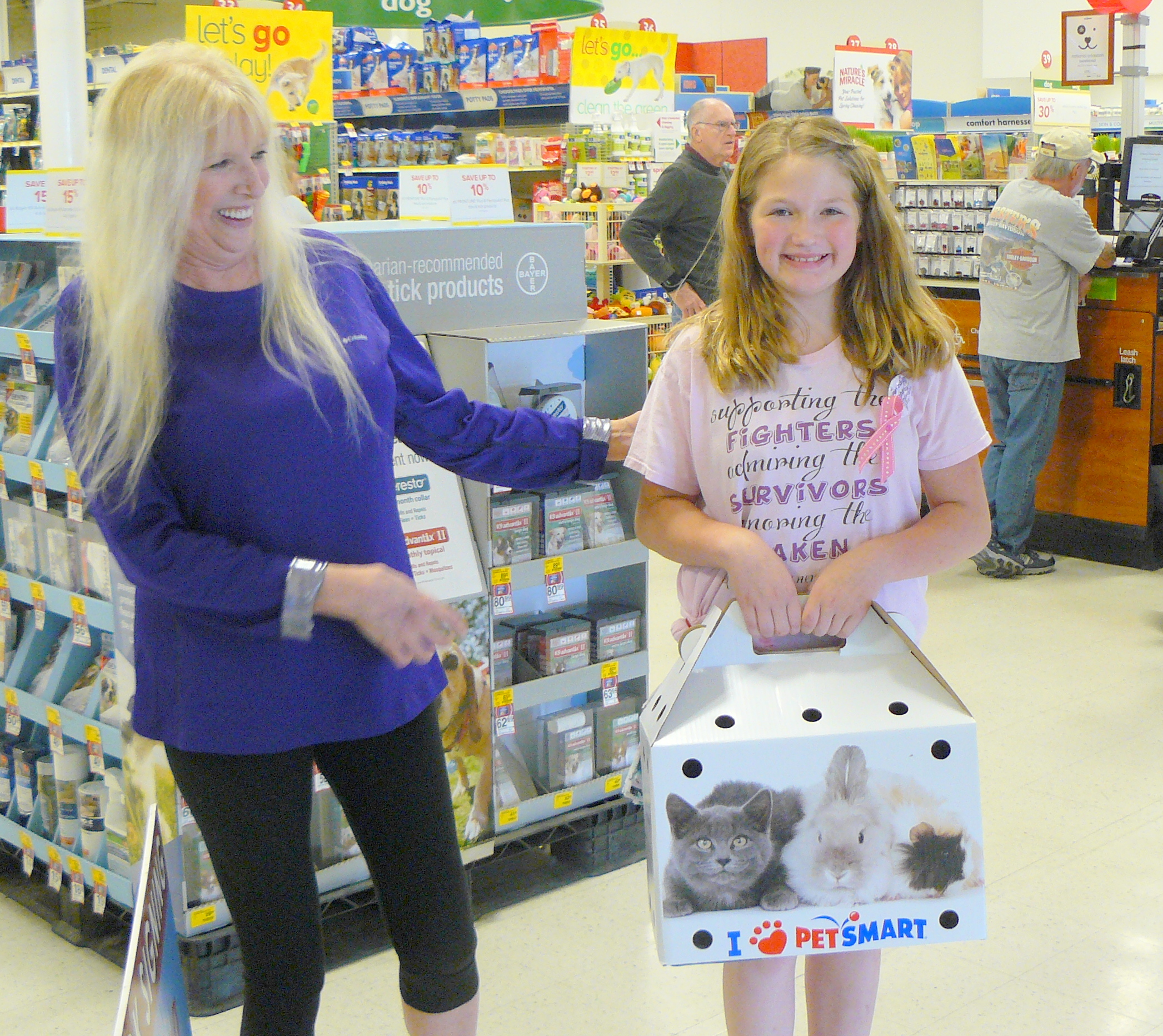 oooo
oooo oooo
oooo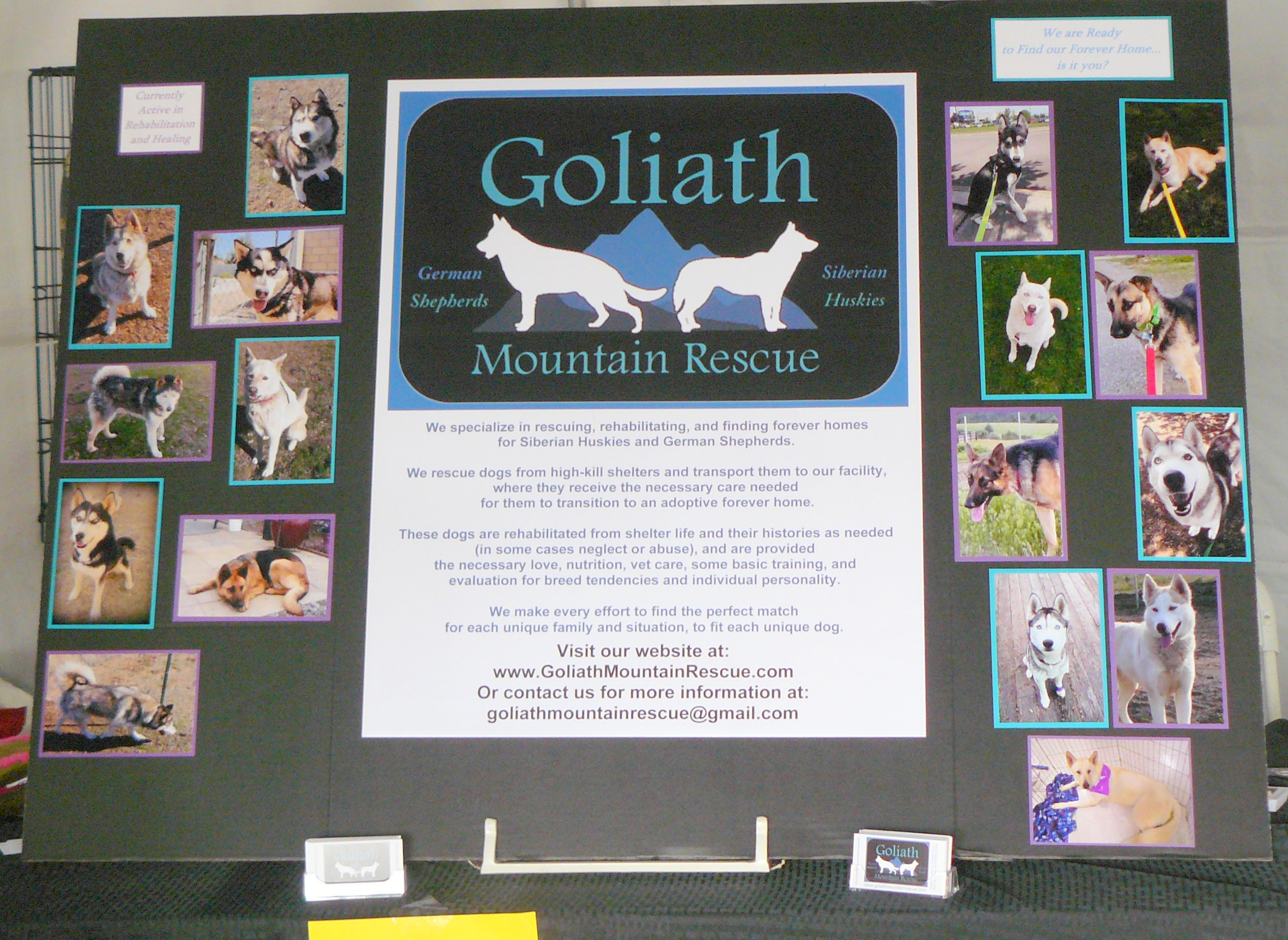 oooo
oooo oooo
oooo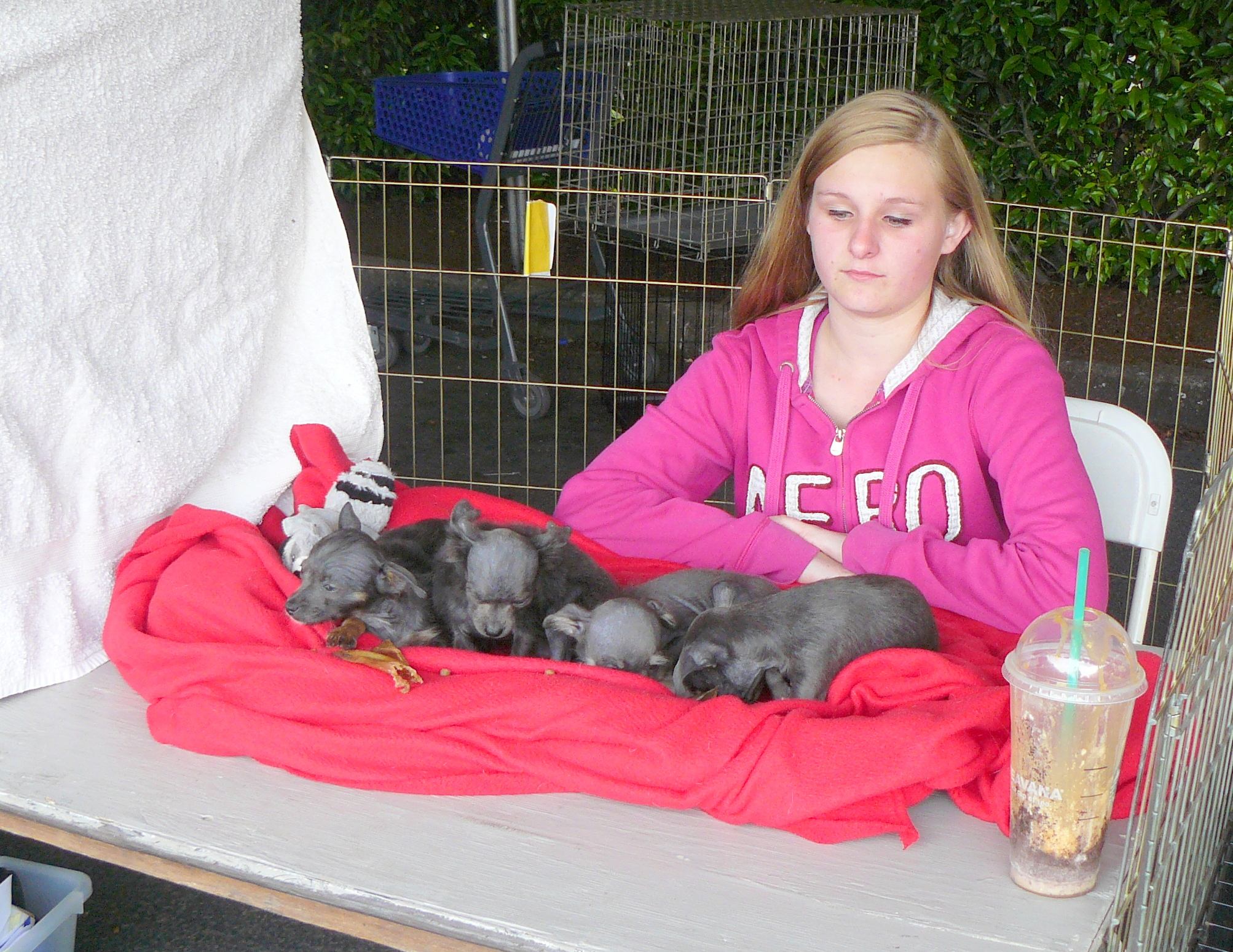 oooo
oooo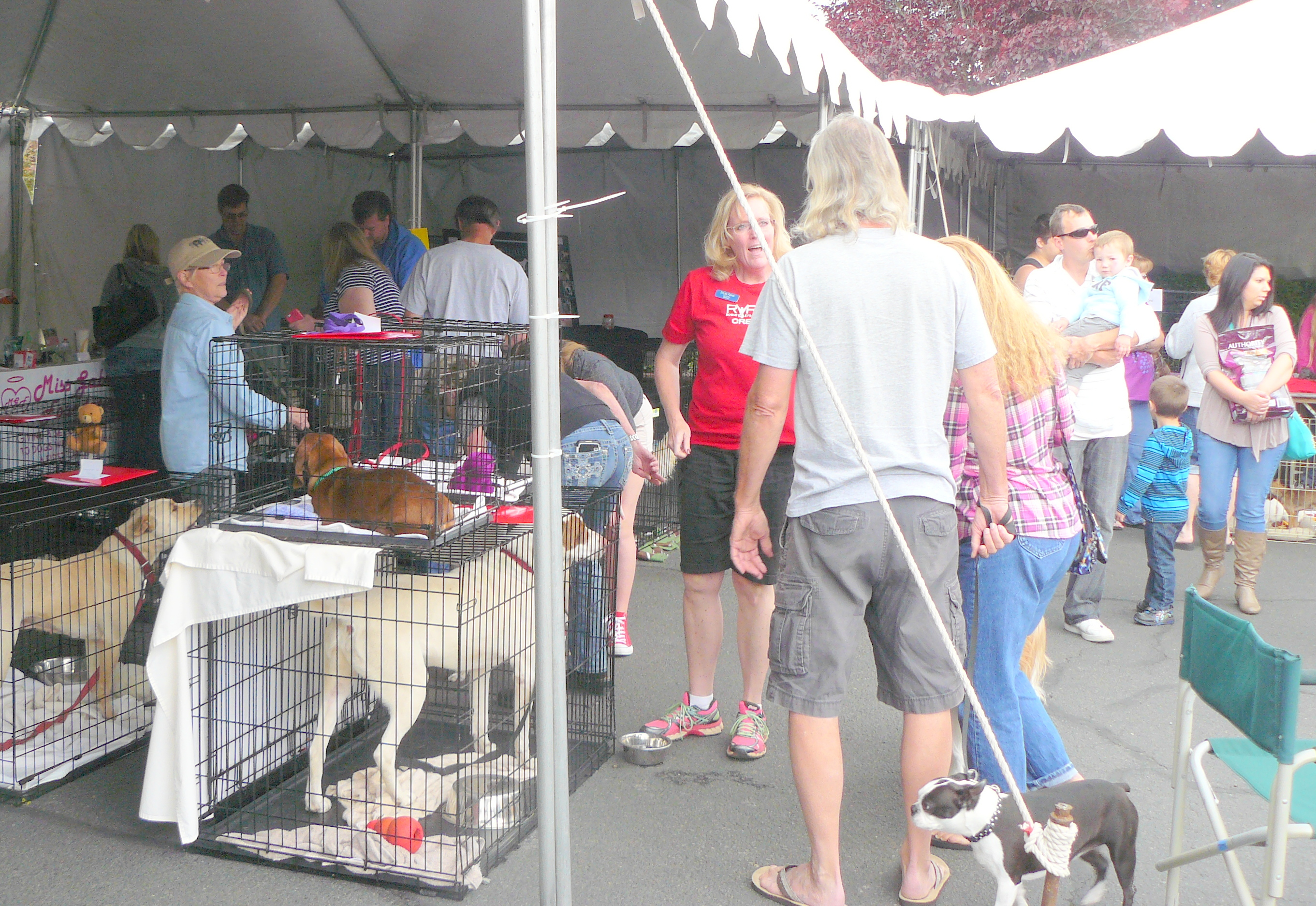 … and closing the set with the evidence that new homes were found for many dogs and cats.
 Well done to one and all!












 Learning from Dogs