Examples like this, of the love and compassion seen in our animals, seem to be doubly valuable in these crazy times.
Published on Apr 30, 2015
Lilo the Siberian husky is a wonderful surrogate to our new foster, little Rosie❤️ Rosie was really lethargic and unresponsive after the first night. So we decided to let her cuddle extensively with Lilo (the husky). Lilo has always had an innate motherly instinct, but she really surprised us when she went full surrogate mode! Even letting Rosie suckle on her and stimulating her to eliminate! Lilo has never had puppies of her own, and never will. But motherhood may just be her calling 🙂 Like what you see? 🙂 LOOK BELOW!
Blogging for many years goes so well with poor recall!
When I was browsing through posts over the last seven years, looking for articles about cats in support of yesterday’s post, I was amazed at reading so many items that had completely slipped my mind! One in particular, going back to October, 2010, was so wonderful that it just had to be shared with you again. It was sent to me by long-term friend Chris Snuggs. It will put a smile on your face!
ooOOoo
Cats and Dogs!
As a follow-up to Paul’s post on cats, I found this on the internet, but there was no reference to the author. Whoever it was does, however, deserve the credit rather than me, who am merely a transferer on to a wider public of such gems as I stumble across during my surfing.
If anyone knows who wrote this I would be more than delighted to acknowledge his or her genius.
Peek into a dog’s diary …
8:00 am – Dog food! My favorite thing
9:30 am – A car ride! My favorite thing!
9:40 am – A walk in the park! My favorite thing!
10:30 am – Got rubbed and petted! My favorite thing!
12:00 pm- Lunch! My favorite thing!
1:00 pm – Played in the yard! My favorite thing!
3:00 pm – Wagged my tail! My favorite thing!
5:00 pm – Milkbones! My favorite thing!
7:00 pm – Got to play ball! My favorite thing!
8:00 pm – Wow! Watched TV with the people! My favorite thing!
11:00 pm – Sleeping on the bed! My favorite thing!
Peek into a cat’s diary …
Day 983 of my captivity. My captors continue to taunt me with bizarre little dangling objects. They dine lavishly on fresh meat, while the other inmates and I are fed hash or some sort of dry nuggets. All though I make my contempt for the rations perfectly clear, I nevertheless must eat something in order to keep up my strength. The only thing that keeps me going is my dream of escape. In an attempt to disgust them, I once again vomit on the carpet.
Today I decapitated a mouse and dropped its headless body at their feet. I had hoped this would strike fear into their hearts, since it clearly demonstrates what I am capable of. However, they merely made condescending comments about what a “good little hunter” I am. Bastards.
There was some sort of assembly of their accomplices tonight. I was placed in solitary confinement for the duration of the event. However, I could hear the noises and smell the food. I overheard that my confinement was due to the power of “allergies.” I must learn what this means, and how to use it to my advantage.
Today I was almost successful in an attempt to assassinate one of my tormentors by weaving around his feet as he was walking. I must try this again tomorrow — but at the top of the stairs.
I am convinced that the other prisoners here are flunkies and snitches. The dog receives special privileges. He is regularly released – and seems to be more than willing to return. He is obviously retarded. The bird has got to be an informant. I observe him communicate with the guards regularly. I am certain that he reports my every move. My captors have arranged protective custody for him in an elevated cell, so he is safe, for now……….
Just chilling out …
Cats in Physics
1 – Law of Cat Inertia: A cat at rest will tend to remain at rest, unless acted upon by some outside force – such as the opening of cat food, or a nearby scurrying mouse.
2 – Law of Cat Motion: A cat will move in a straight line, unless there is a really good reason to change direction.
3 – Law of Cat Magnetism: All blue blazers and black sweaters attract cat hair in direct proportion to the darkness of the fabric.
4 – Law of Cat Thermodynamics: Heat flows from a warmer to a cooler body, except in the case of a cat, in which case all heat flows to the cat.
5 – Law of Cat Stretching: A cat will stretch to a distance proportional to the length of the nap just taken.
6 – Law of Cat Sleeping: All cats must sleep with people whenever possible, in a position as uncomfortable for the people involved as is possible for the cat.
7 – Law of Cat Elongation: A cat can make her body long enough to reach just about any counter top that has anything remotely interesting on it.
8 – Law of Cat Acceleration: A cat will accelerate at a constant rate, until he gets good and ready to stop.
9 – Law of Dinner Table Attendance: Cats must attend all meals when anything good is served.
10 – Law of Rug Configuration: No rug may remain in its naturally flat state for very long.
11 – Law of Obedience Resistance: A cat’s resistance varies in proportion to a human’s desire for her to do something.
12 – First Law of Energy Conservation: Cats know that energy can neither be created nor destroyed and will, therefore, use as little energy as possible.
13 – Second Law of Energy Conservation: Cats also know that energy can only be stored by a lot of napping.
14 – Law of Refrigerator Observation: If a cat watches a refrigerator long enough, someone will come along and take out something good to eat.
15 – Law of Electric Blanket Attraction: Turn on an electric blanket and a cat will jump into bed at the speed of light.
16 – Law of Random Comfort Seeking: A cat will always seek, and usually take over, the most comfortable spot in any given room.
17 – Law of Bag / Box Occupancy: All bags and boxes in a given room must contain a cat within the earliest possible nanosecond.
18 – Law of Cat Embarrassment: A cat’s irritation rises in direct proportion to her embarrassment times the amount of human laughter.
19 – Law of Milk Consumption: A cat will drink his weight in milk, squared, just to show you he can.
20 – Law of Furniture Replacement: A cat’s desire to scratch furniture is directly proportional to the cost of the furniture.
21 – Law of Cat Landing: A cat will always land in the softest place possible.
22 – Law of Fluid Displacement: A cat immersed in milk will displace her own volume, minus the amount of milk consumed.
23 – Law of Cat Disinterest: A cat’s interest level will vary in inverse proportion to the amount of effort a human expends in trying to interest him.
24 – Law of Pill Rejection: Any pill given to a cat has the potential energy to reach escape velocity.
25 – Law of Cat Composition: A cat is composed of Matter + Anti-Matter + It Doesn’t Matter.
26 – Law of cat reading: Cats pretend to be really short sighted and evince the need to read a newspaper by lying on it while you are attempting to read it.
27 – Law of cat antipathy: Any cat will immediately sense a person who doesn’t like cats and go and sit on their lap.
28 – Law of cat confinement: A cat will always have its kittens in the warmest possible place, usually in your bed while you are sleeping.
29 – Law of Sleeping: A cat sleeps every day for 24 hours minus the time it takes to wheedle food out of you and eat it ..
Just to demonstrate that Learning from Dogs isn’t wall-to-wall about dogs!
Over the years that I have been writing in this place it has been mentioned before that as well as us having our dogs we also have cats. When Jeannie and I moved up from Mexico to the USA in 2010 we came with six cats, all of them cats that Jean had rescued off local streets down in San Carlos, Mexico.
Four years ago, when we moved up from Arizona to this present home here in Merlin, Southern Oregon, we built a cat run that was attached to the garage. Then about a year ago we brought what was now four cats into the house. The cats are in their own rooms during the day but mingle with the ‘living room’ group of dogs in the evening. The cats are not let outside for we fear that they would be grabbed by a passing coyote or similar before they learnt to return home in the evening.
All of which is my preamble to an article that was published a month ago over on the Care2 Causes site, and is republished here within Care2’s terms.
Once every eight seconds, an unwanted cat or dog is euthanized somewhere in the United States thanks to pet overpopulation and limited shelter capacity. No one likes to think about that reality, but you can do your small part to help. In addition to supporting organizations that promote an aggressive national spay and neuter policy, facilitate no-kill shelter transitions and work with communities to address specific issues like feral cat colonies, you can adopt a shelter cat (or dog!).
If you’re thinking of adding a cat to your life (and really, why stop with one?), here are ten compelling reasons to consider a shelter cat over one from a breeder or a pet store.
10. Shelter cats come in all shapes, sizes and colors.
If you want a kitten, shelters are usually overflowing with them, especially during spring kitten season. If you’re interested in an adolescent feline or even a more mature companion, shelters have those too. In fact, many are really excited by potential adopters who want to take on an older kitty, because mature cats tend to linger in shelters longer because many people prefer kittens. If you’re looking for a cat to accompany an older adult or someone who’s not as mobile, a mellow older cat might be a great fit.
9. Shelter cats are ready to go!
They’re spayed or neutered, immunized, dewormed, microchipped and assessed for behavioral issues by the skilled staff at the shelter. They’ve also been trained to use the litterbox in most cases, so you don’t have to worry about an awkward and potentially smelly transition to living at your house. Many also come with a certificate for a free first visit to the vet, and some shelters have a take-home package with food, toys and other goodies. You’re all set up for your first year of pet ownership, and your pet will be healthy, because the shelter has a vested interest in keeping its animals happy and healthy, while pet stores and unscrupulous breeders do not.
8. Shelter staff can help you pick the perfect companion.
Adopting an animal is a big commitment, and not all cats are the same. If you come in with your family, the shelter staff can get to know you, introduce you to some prospects, and help with the matchmaking process. They’re motivated to make sure cats find their forever homes, and they won’t lead you astray when it comes to, well, rescuing a stray. Shelter staff can also provide you with information about the adjustment period if you’ve never had a cat before.
7. Turns out you can teach an old cat new tricks.
(Note that when she’s tired of it, she’s not afraid to make her opinion known!)
6. Set an example!
There are a lot of myths about cats living in animal shelters, like claims that they’re damaged, feral or broken in some way. In fact, the vast majority of unwanted animals are happy, healthy and well-adjusted, they just need loving homes to get comfortable and let their personalities come up. By adopting a shelter cat, you can encourage other people to do the same; talking about your positive experiences and introducing people to your cat will help reduce the stigma about adopting from a rescue group.
If you want to adopt a special-needs animal, you’re certainly welcome to. Shelters are particularly choosy when it comes to homing out cats with medical problems, but they are always happy to hear people are interested, committed and ready to give a cat with some extra needs a home to share.
5. Adult cats are low maintenance.
If you want a cat in your life but you don’t have a lot of time for teaching a kitten how to use the litterbox, stay away from the toilet paper roll, and stop wreaking havoc on your shoes, an adult cat is definitely for you. Adult cats already know the lay of the land and they tend to settle into routines quickly, making them great housemates. And if you travel a lot, consider adopting cats as a pair so they can keep each other company. A shelter often has a pair of cats whom they’d love to see go out together because they’re relatives or they’ve developed a close bond.
4. You’ll feel better.
Companion animals offer a number of mental health benefits. Having a pet of any species around can make people feel happier and more balanced, and the routine of caring for and interacting with a pet like a cat can improve mood and reduce the sense of isolation. Cats are especially great companion animals for people who don’t have the energy or ability to care for a dog, but still want someone around the house to keep them company.
3. Shelter cats have varied personalities.
Cats are incredibly diverse, personality-wise. They can be shy and outgoing, playful or more reserved, fascinated by sinks or horrified by water. If you haven’t had the pleasure of having a cat in your life yet, a shelter cat might totally change the way you view these delightful animals.
Check out some of the personalities on display at the Los Alamos Animal Shelter:
2. Don’t support animal cruelty.
Pet stores source their animals from a variety of places, and those cute kittens in the window might come from an abusive kitten mill where cats endure horrible conditions to produce animals for the pet trade. The sale of companion animals in general promotes the continued existence of exploitative breeders that view cats as cash drawers, not living beings. By turning away from companion animals offered for sale and choosing to adopt, you’ll be voting with your wallet. And that adoption fee? Will be a lot lower than buying an animal from a petstore or breeder.
1. You’ll save a life.
Even if your local shelter is no-kill (which is great! consider an extra donation to help them with operational costs), adopting shelter cats to get them out of the shelter system and into living homes reduces the strain on shelters and frees up space for more homeless animals. No-kill shelters often rescue from facilities that euthanize, so by adopting from them, you’re opening up another slot for a kitty who’d otherwise be on death row. If you live in an area where there is a kill shelter or where animal care and control adopts out animals, please consider looking there first for a new cat. Some organizations maintain “kill lists” published by shelters, listing animals slated for euthanasia within the next few days, and you might find your new companion on just such a list.
ooOOoo
Even if just one person who reads this makes a commitment to take on a shelter cat it will be one less cat on a ‘kill list’.
Hot, fine weather does carry a risk – for our dogs.
A week today will see us celebrating the Summer Solstice and for much of the Northern Hemisphere the heat of the summer days soon will be upon us. Both we and our dogs love taking a bit of sunshine but equally for both species the danger of heat stroke is not to be underestimated.
So it seemed highly appropriate to republish an article that was presented over on Care2 a couple of weeks ago.
ooOOoo
Five Factors That Put a Dog at Risk for Heatstroke
Summer can be an incredibly fun season for dogs and their active owners. There are walks to go on, boat rides to take and beaches to explore!
But for all the fantastic opportunities summertime offers, there are also a number of seasonal dangers. A serious one that all dog owners should keep in mind is heatstroke. While all dogs are at risk of heatstroke, there are a few factors that can make your dog more vulnerable. From the genetic predisposition of certain breeds to the dangers some outdoor dogs face, here are five heatstroke risk factors to be aware of — and avoid.
Congenital Defects or Underlying Respiratory Problems
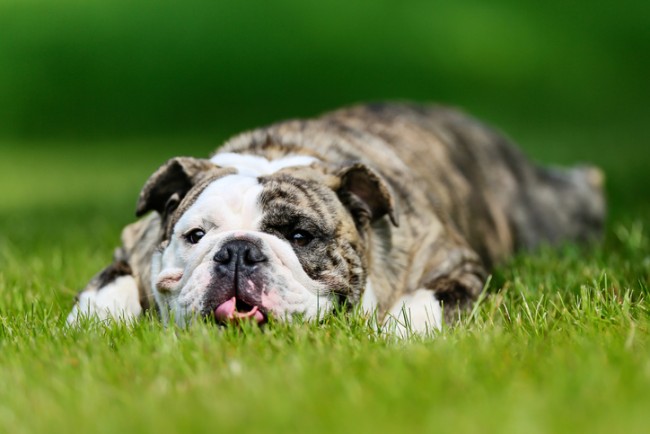
Upper-airway problems, as seen in flat-faced dogs like Pugs and Boxers, are some of the most common risk factors for heatstroke in dogs exposed to higher temperatures, according to Dr. Debbie Mandell, staff veterinarian and adjunct associate professor at the University of Pennsylvania’s Matthew J. Ryan Veterinary Hospital. As dogs get hotter, they pant to cool down, and brachycephalic breeds have a difficult time breathing so hard in hot conditions.
Brachycephalic airway syndrome isn’t the only potential issue. Large and medium breeds, like Labs and Pit Bulls, can experience laryngeal paralysis, and collapsing trachea commonly affects small dogs like Pomeranians and Yorkies. With both conditions, the dogs’ airways swell as they pant, which causes them to pant harder. That in turn increases the swelling and can create a dangerous situation quite quickly.
Not Being Acclimated to Hot Weather
That sunny weather can be so inviting that it’s nearly impossible to remain indoors, especially if you — and your dog — have been stuck inside for months. But it’s important to remember that even if you’ve been hitting the gym during the cooler months, your dog might not have built up the same tolerance for activity. And if you take him out to run or play with you, he’s not going to know when to stop, even if he reaches the brink of collapse due to heat stress, Dr. Mandell says.
So what’s a responsible dog owner to do? First of all, start with a visit to your vet, so you’re sure your dog is healthy enough for increased exercise. Second, exercise restraint when it comes to, well, exercise. Start off slowly and build up your dog’s fitness very gradually. Third, make sure you know the signs of heat stress (like excessive panting and drooling, a fast pulse and gums that have changed in color from pink to bright red) and be prepared to help your dog cool down before it becomes an emergency. If your dog vomits or has bloody diarrhea, you should call your veterinarian immediately.
Being Kept Outdoors Without Access to Shade and Water
It’s not only indoor dogs who aren’t used to the heat who can find themselves at heatstroke risk — dogs who live primarily outdoors can land in trouble come summertime, too, if they’re left without shade and water. Of course, it’s best for dogs to be kept primarily indoors, but if a dog must be mostly outdoors, always provide a cool area out of the sun and plenty of fresh water.
Being Left In the Car
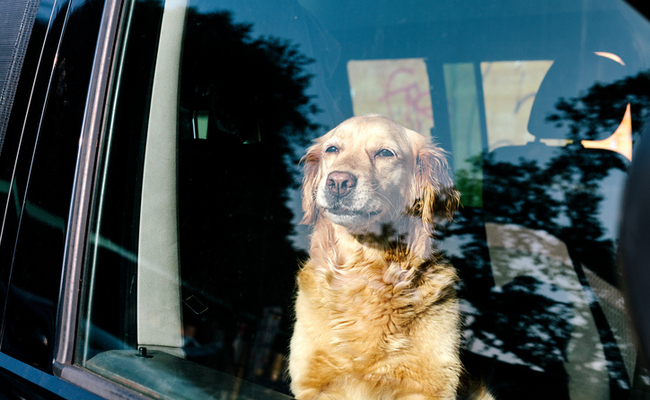
When it comes to ways to avoid heatstroke risk, never, ever leave a pet in a hot car. The temperature inside a car can reach over 120 degrees in minutes, Dr. Mandell says. And no, cracking the window doesn’t make enough of a difference to help.
Should you see an animal locked inside a hot car, there are ways to safely rescue it. The Humane Society of the United States and the ASPCA recommend that you write down the car’s make, model and license plate; attempt to locate the owner; and call animal control or your local police department for help.
Obesity and Thick Fur
Obesity can make dogs more susceptible to a whole host of health issues, including heatstroke. That’s because not all heat escapes dogs through the respiratory system; in fact, some heat loss occurs through the skin. But the layer of fat in obese pets can limit their ability to cool themselves that way.
That layer of fat under the skin serves as insulation and can prevent some of that heat from getting to the skin to be released. Thick fur can create the same problem, so furry dog breeds, like Newfoundlands and Great Pyrenees are at similar risk.
By Kristen Seymour | Vetstreet.com
ooOOoo
If any reader has further advice and tips to help others then please don’t hesitate to leave a comment.
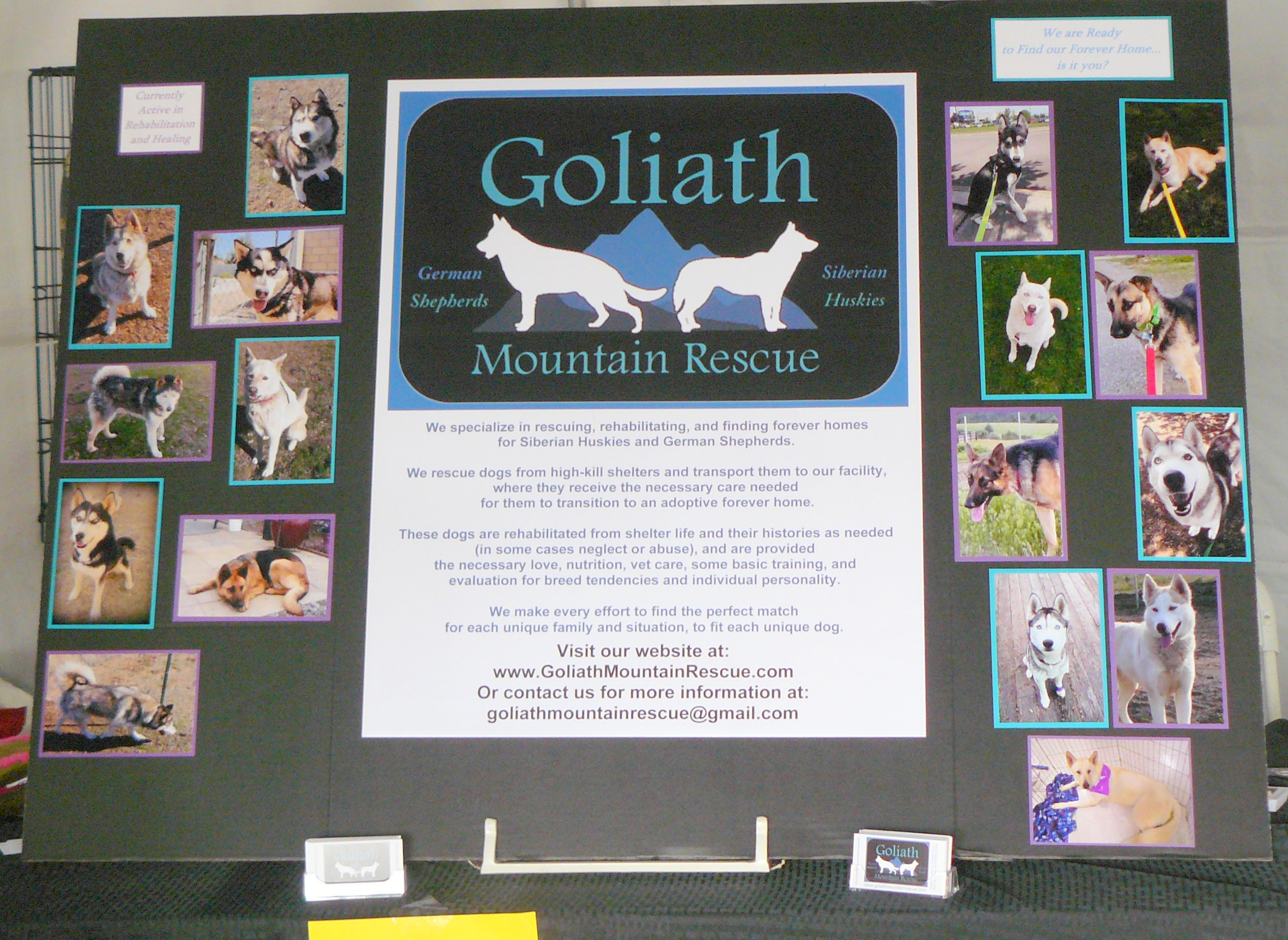
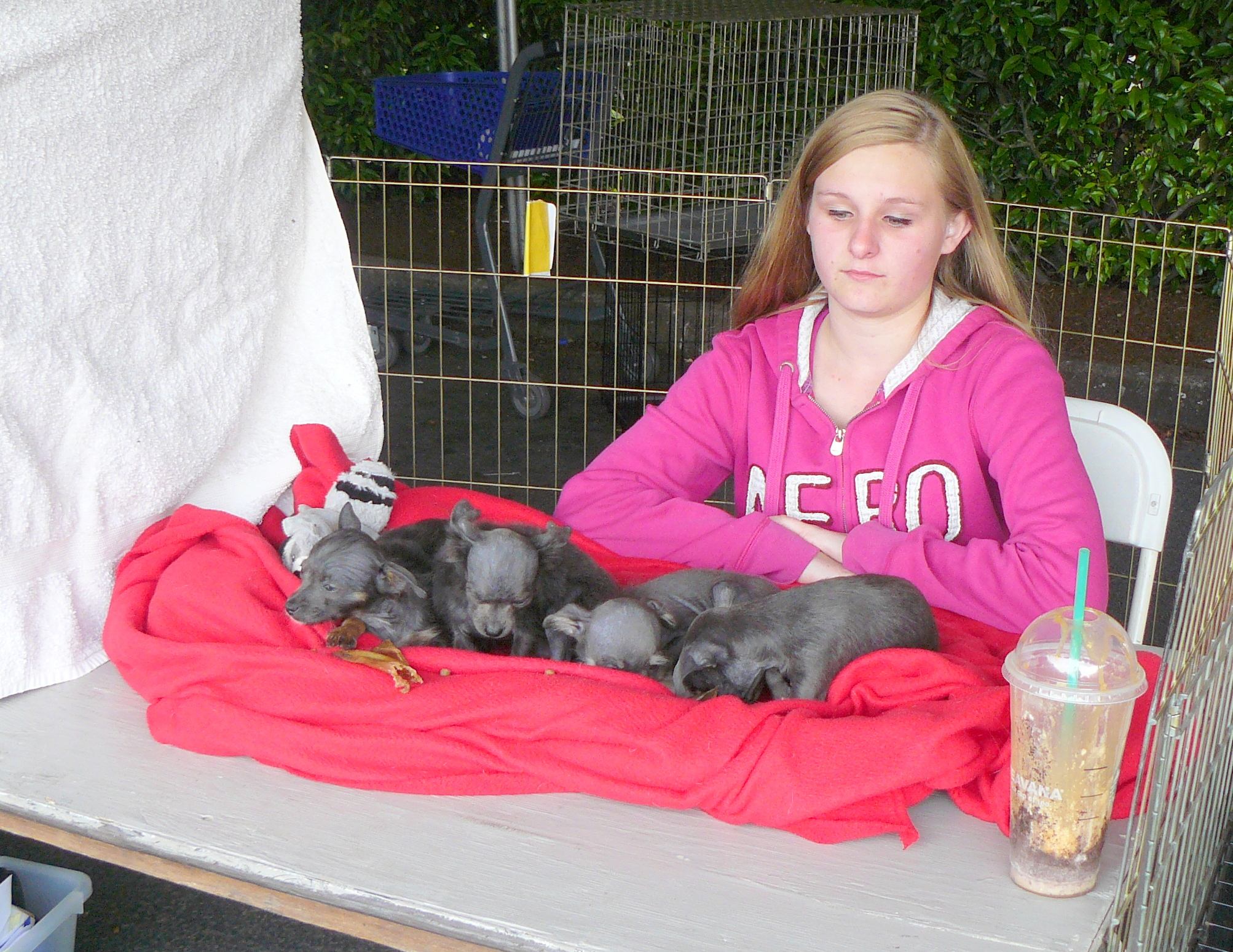
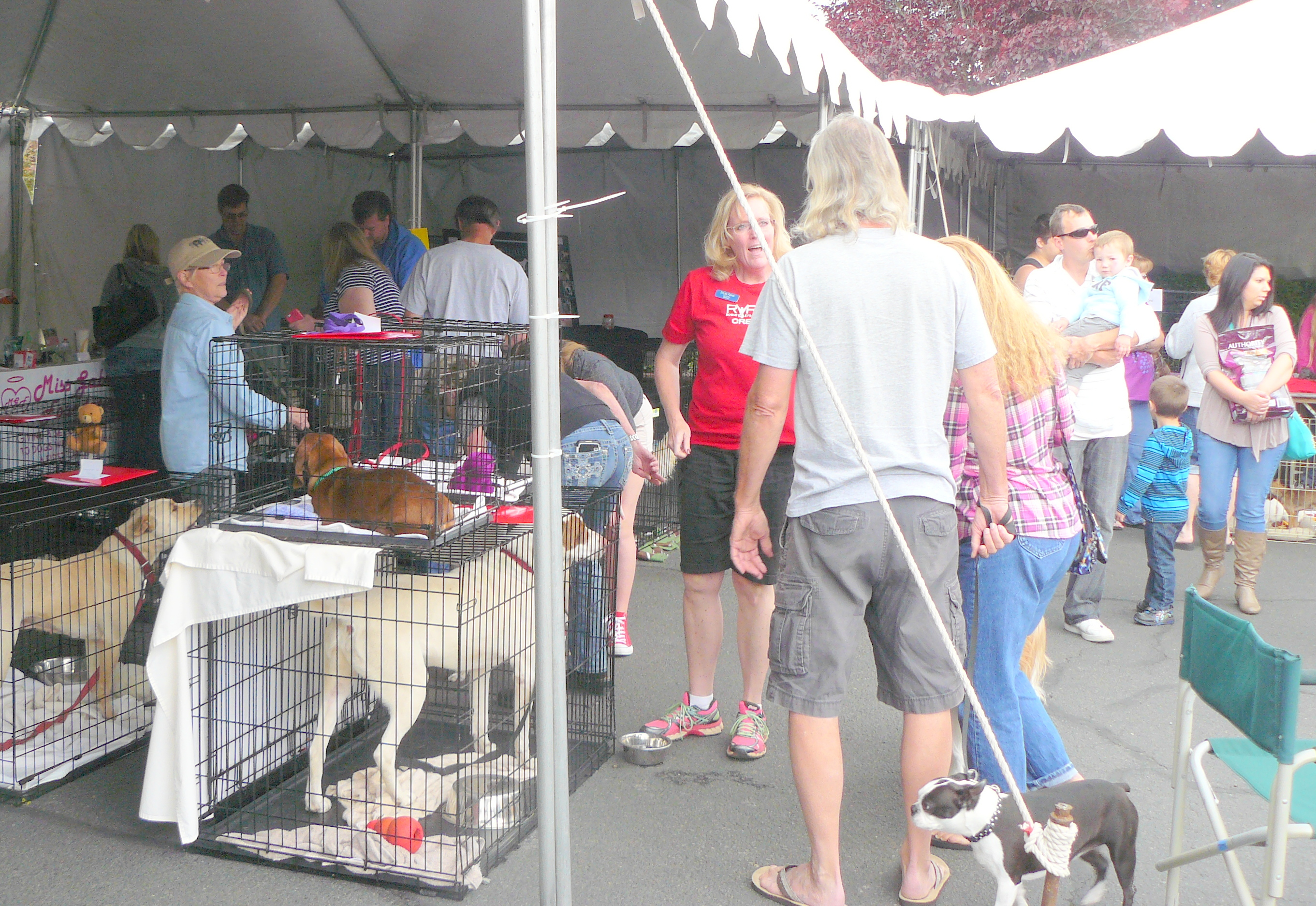
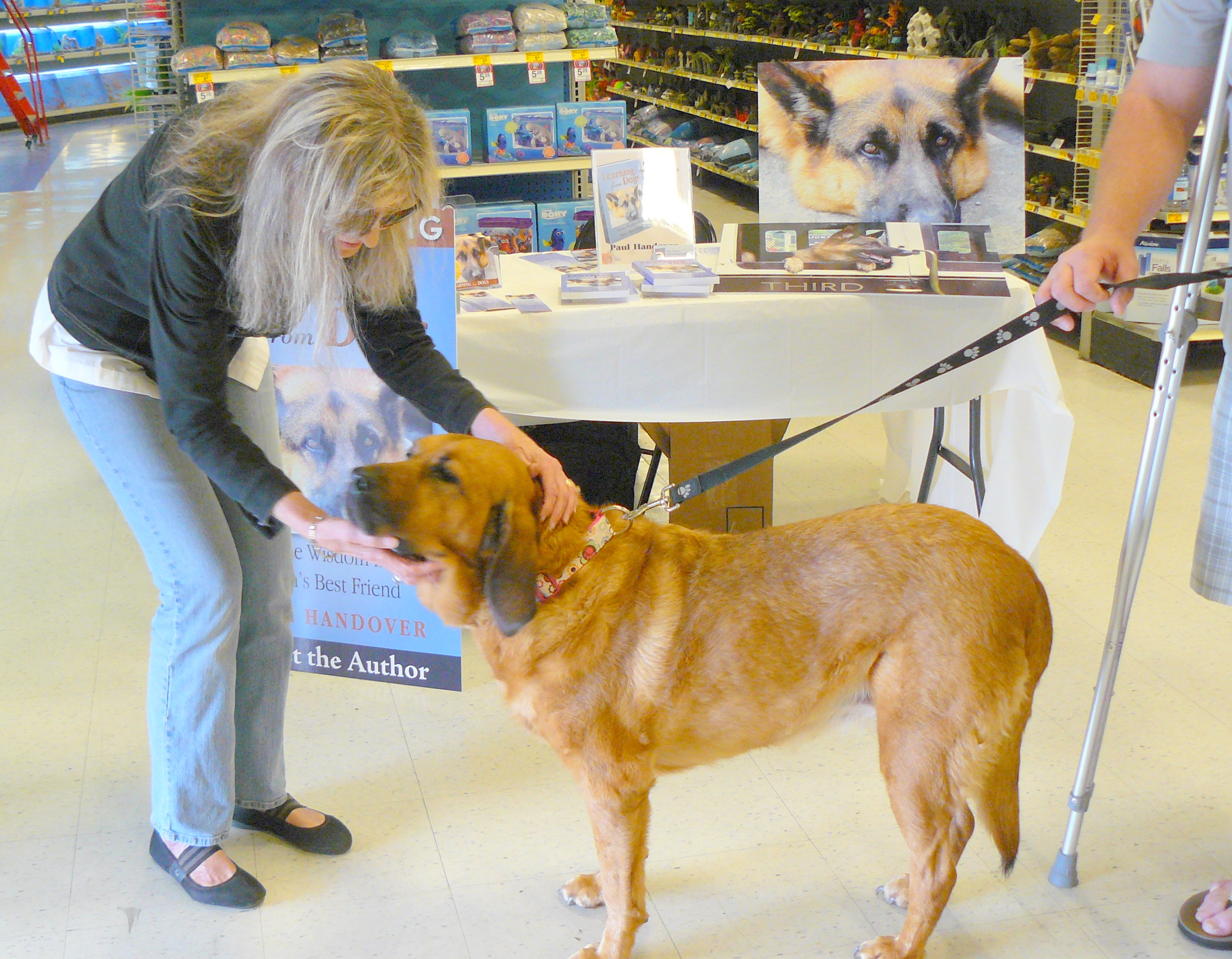
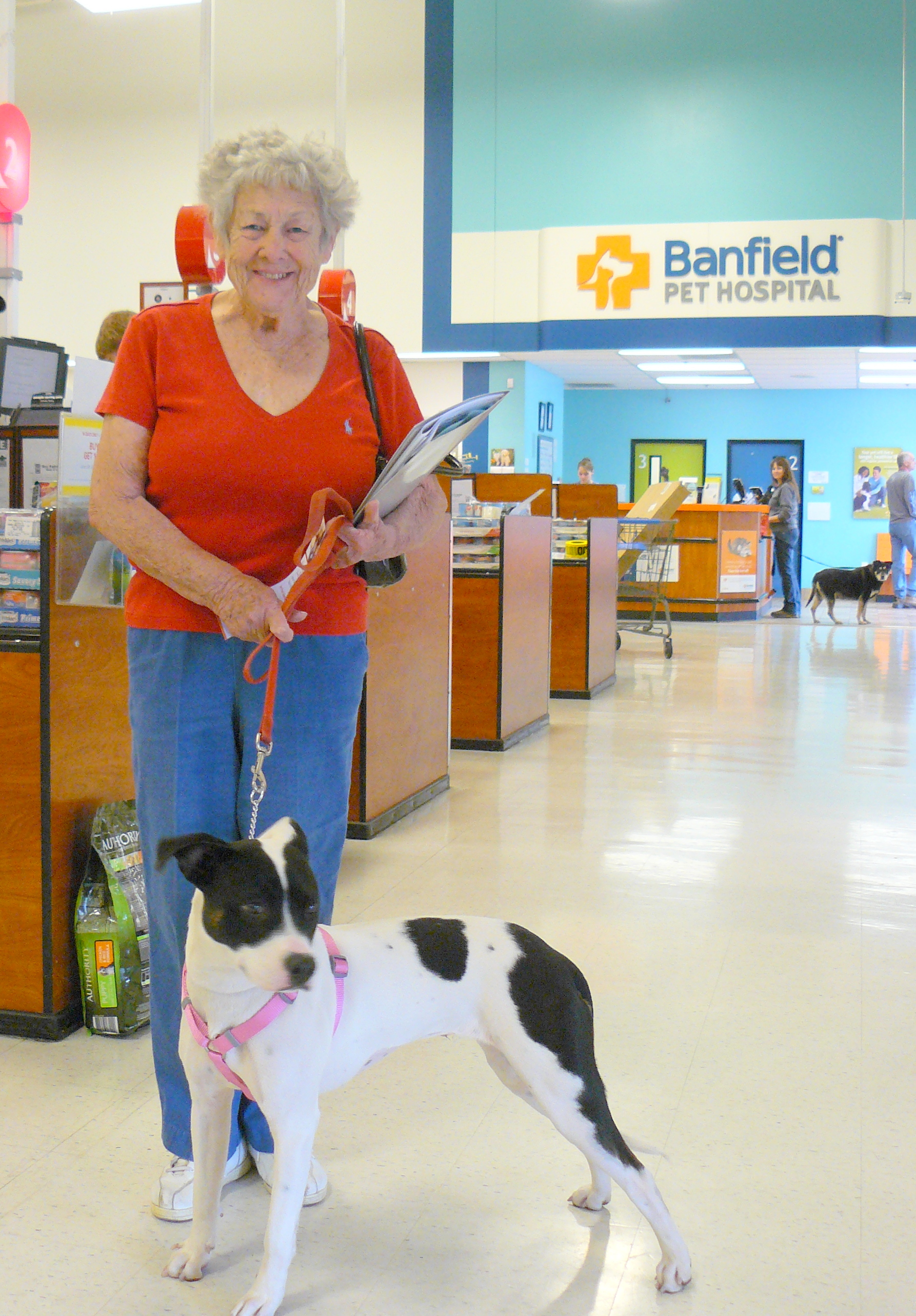
The final pictures from the PetSmart Pet Adoption Event.
Back on the 29th May when I published the first set of pictures from this event I wrote in that post:
I wrote about this last Tuesday under the heading of Helping Hands and warned you that today and next Sunday would be picture parades of that event.
At that time I had not cottoned on to the fact that the next Sunday, i.e. a week ago, the picture parade would be devoted to Pharaoh’s birthday.
So here we are with that next set of pictures from the PetSmart Adoption Event. Again, I wrote first about this under the heading of Helping Hands. For those that didn’t read that post here is how it opened:
The PetSmart Pet Adoption Event.
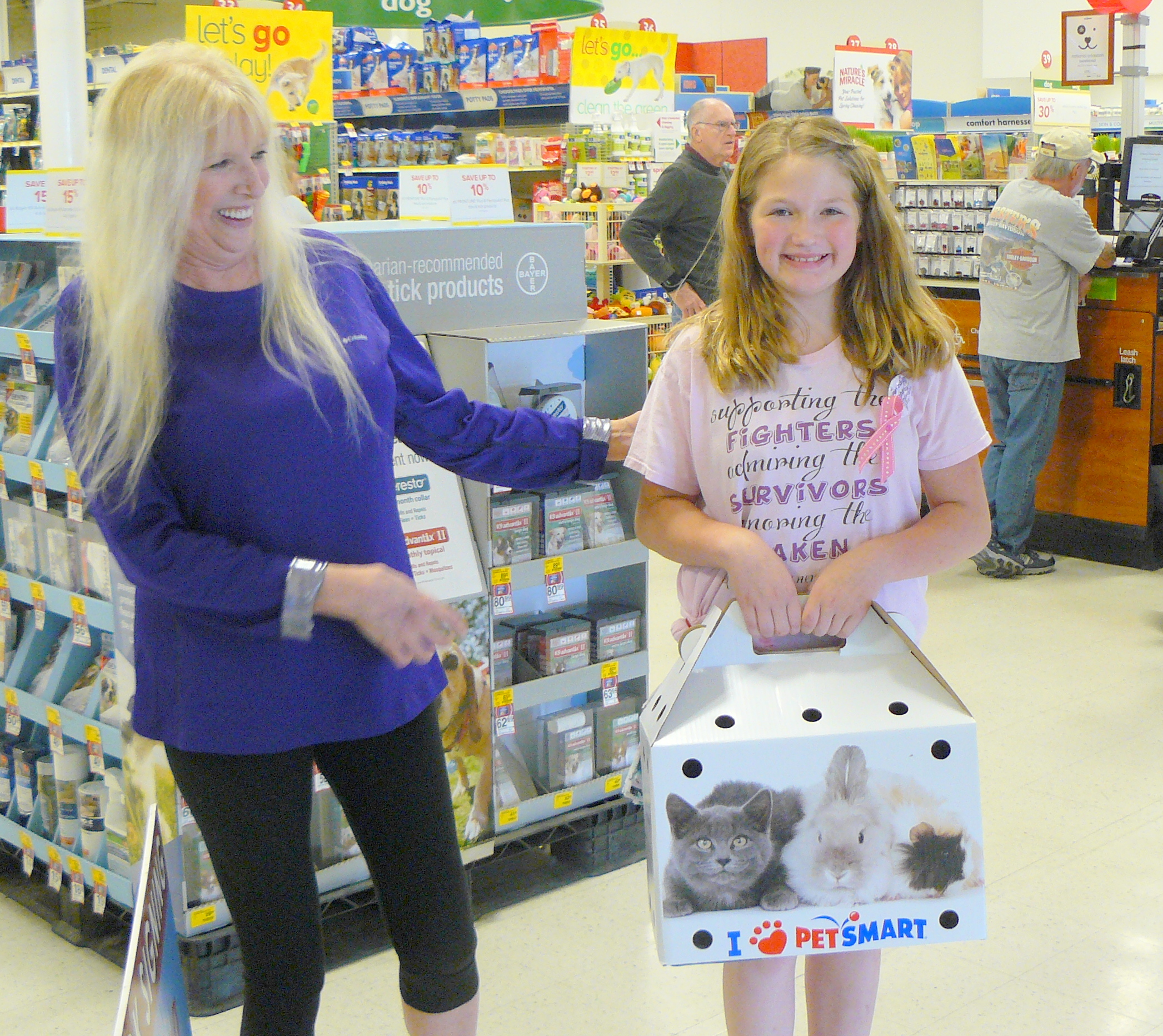
Over the days of the 13th to 15th May, in other words roughly a week-and-a-half ago, a number of pet adoption charities in Northern California and Southern Oregon came together courtesy of PetSmart in Medford, Oregon to find new homes for unadopted dogs and cats.
I came to hear about this from an email sent to me by Tammy Moore of the organisation Shelter Friends. Tammy also c.c.’d her email to Tana Mason who is Fundraising Coordinator for the charity. Tammy’s email was an invite for me, and Jean, to attend the event on the Saturday as the author of my book.
The first Picture Parade of these photographs was presented here.
Here is that final set of photographs.
oooo
oooo
oooo
oooo
oooo
oooo
… and closing the set with the evidence that new homes were found for many dogs and cats.
I wrote about this last Tuesday under the heading of Helping Hands and warned you that today and next Sunday would be picture parades of that event. For those that didn’t get to read that post here is how it opened:
The PetSmart Pet Adoption Event.
Over the days of the 13th to 15th May, in other words roughly a week-and-a-half ago, a number of pet adoption charities in Northern California and Southern Oregon came together courtesy of PetSmart in Medford, Oregon to find new homes for unadopted dogs and cats.
I came to hear about this from an email sent to me by Tammy Moore of the organisation Shelter Friends. Tammy also c.c.’d her email to Tana Mason who is Fundraising Coordinator for the charity. Tammy’s email was an invite for me, and Jean, to attend the event on the Saturday as the author of my book.
So, more pictures from the day (and my apologies for not noting names and details of each picture).
oooo
oooo
oooo
oooo
oooo
oooo
Do hope you can handle a further selection of these event photographs in a week’s time! My motivation is to give everyone concerned a bit of a special focus for they did so well.
There are some foods that are potentially very dangerous for cats.
Over two years ago I published an article that had been written by a guest. His name is Rohit Agarwal and the article that he wrote for Learning from Dogs was called Dogs and Fences. As it is likely that some readers may not have recalled Rohit’s piece and my introduction, let me repeat a part of what I said in that introduction:
I had no foreknowledge of Rohit, who described himself thus:
Author Bio: Rohit is a dog lover and pet enthusiast; he owns two adorable and wonderful dogs that include a German shepherd and a Labrador retriever. As work keeps him away from home, concerns arise about the safety and comfort of his pet friends, which made him try out various products that facilitate the same. Recently he was worried about leaving his dogs in the yard of his house and tried the underground fence for dogs, which worked great.
Rohit also made clear that he is a contributor to Petstek.com, the company behind the link in the last sentence of his bio.
Rohit’s article was well received so when he recently offered a further guest piece I had no hesitation in saying yes. Here it is.
ooOOoo
Six Foods Cats Should Never, Ever Eat!
We all are guilty of sneaking our animal family members some human food. In the case of our felines, they often sneak their own tasty treats. It is all fun and most food is generally safe for cats to eat. Unfortunately, not all of our food is considered safe for cats to consume. Here are a few foods to avoid.
Raisins seem like a totally safe option for an animal, but unfortunately they are quite dangerous for felines. Scientists haven’t figured out the toxin, but consuming raisins can lead to sudden kidney failure in cats. This also means that grapes are off limits. If you notice that your cat has consumed either grapes or raisins, watch them closely for signs of toxicity. These signs include diarrhea, lack of appetite, lethargy, and abdominal pain. Usually, to cause death, large amounts have to be consumed, but even small amounts can lead to sickness.
Onions
Onions can potentially destroy a cat’s red blood cells which can cause a number of blood problems, such as anemia. This holds true for onions in any form, such as powdered, raw, and cooked. Onion powder can be in a multitude of food so be sure to read labels if you think you might give your feline friend a taste of dinner. Garlic is in the same family as onions, so therefore, all of this holds true for garlic in all forms. Garlic is less toxic.
Raw eggs
Humans are supposed to avoid eating raw eggs, so it make sense that our felines should avoid it as well. Eating a raw egg contains a risk of a bacterial infection which is called food poisoning. Your cat could potentially get salmonella or E.coli. Both of these infections could easily lead to death in such a small animal.
Alcohol
Now, this one might seem obvious, but cats are known for being sneaky and taking a lap of their owner’s drink. Consuming even small amounts of alcohol can lead to intoxication and alcohol poisoning. Because of their size, it can take as little as two teaspoons to do damage to their system or cause the cat to enter into a coma. More than two teaspoons can quickly lead to death.
Caffeine
Just like in canines, caffeine is not recommended for any breed of cats. In large quantities, caffeine is capable of being fatal. It is a diuretic that can lead to dehydration. Caffeine also overstimulates the heart and nervous system. If your cat consumes any, watch for signs of caffeine poisoning which includes restlessness, rapid breathing, heart palpitations, and tremors. Remember, caffeine isn’t just in coffee and soda; it is also found in tea, cold medicines and chocolate of all forms.
Chocolate is also lethal to cats, just as it is extremely dangerous for dogs. The agent in chocolate that leads to death is called theobromine. It can be found in all forms of chocolate, but it is especially dangerous in unsweetened baking chocolate. Eating chocolate can lead to tremors, an abnormal heart rhythm, seizures, and death.
Fat Trimmings and Bones
This one doesn’t seem so obvious; felines eat meat so one would assume fat trimmings would be safe. Consuming fat can lead to intestinal issues such as vomiting and diarrhea. It can also cause pancreatitis. Signs of pancreatitis include lethargy, dehydration, and loss of appetite. Sometimes, a cat can also run a fever. Avoiding bones does make more sense. Small bones can easily splinter which could cause lacerations in the stomach or choking.
If you believe that your cat has eaten any of these foods, you should watch them closely for any signs of illness. Contact your veterinarian if concerned. Prevention is key to keeping your feline friend safe.
 oooo
oooo oooo
oooo oooo
oooo oooo
oooo oooo
oooo oooo
oooo oooo
oooo If you want to go back and look at the preceding sets then set one is here and set two is here.














 Learning from Dogs