For some time I have followed Ugly Hedgehog, (UHH) a photographic forum; I joined in July 2017. It is a terrific forum and I encourage all who have an interest in photography who don’t know of the forum to drop in and take a look.
For example, I chose my camera based on advice from UHH. I chose my photo-editing software, DxO Photolab, likewise. I am growing in confidence at using the camera based on UHH advice, and more.
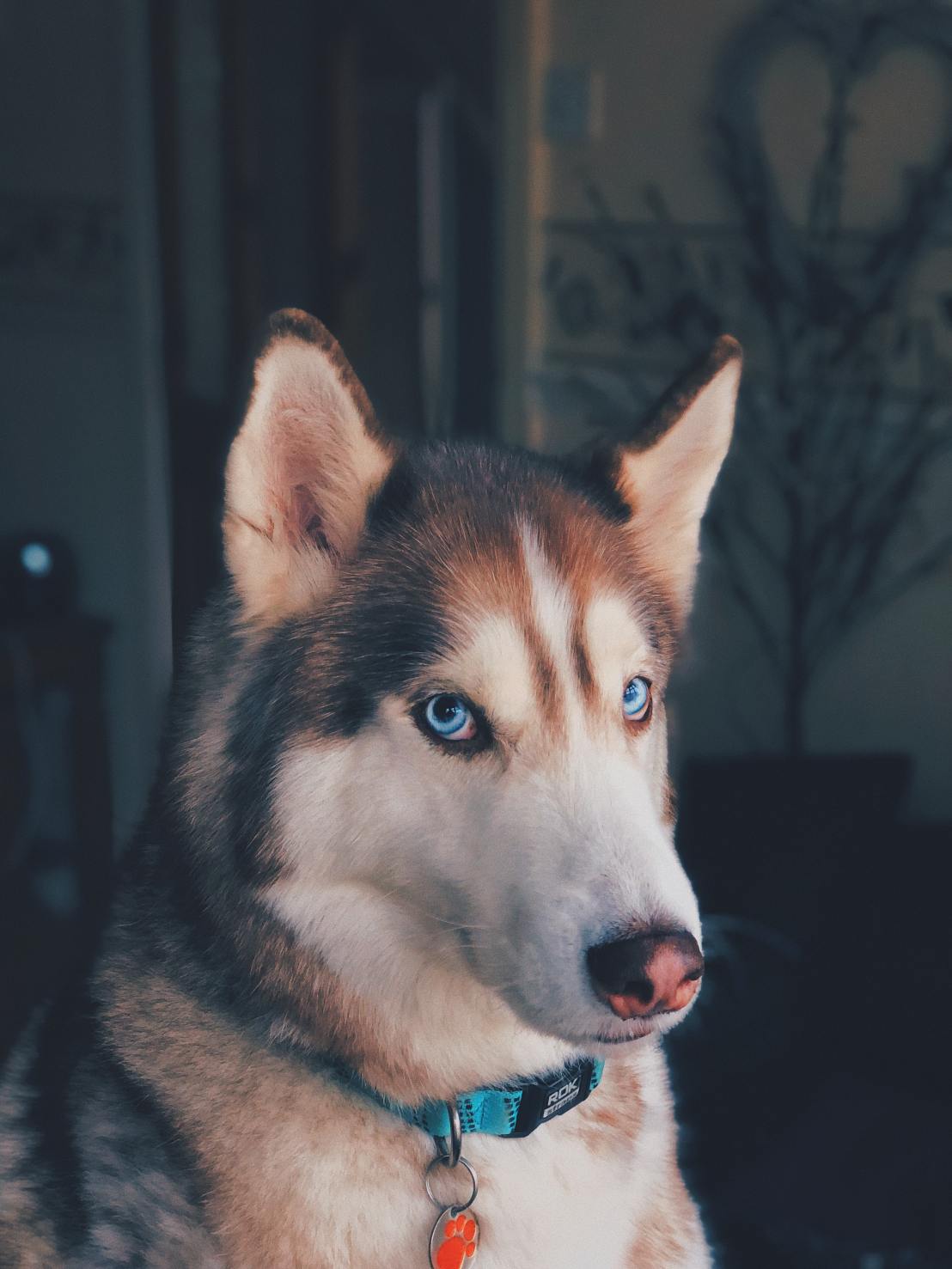
The other day, Dennis posted a photograph that his granddaughter took. I asked for permission to republish it and Dennis kindly said “Yes”.
First some background:
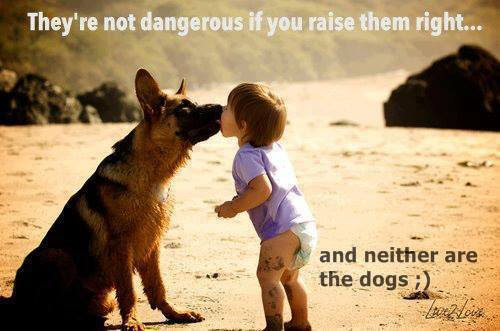
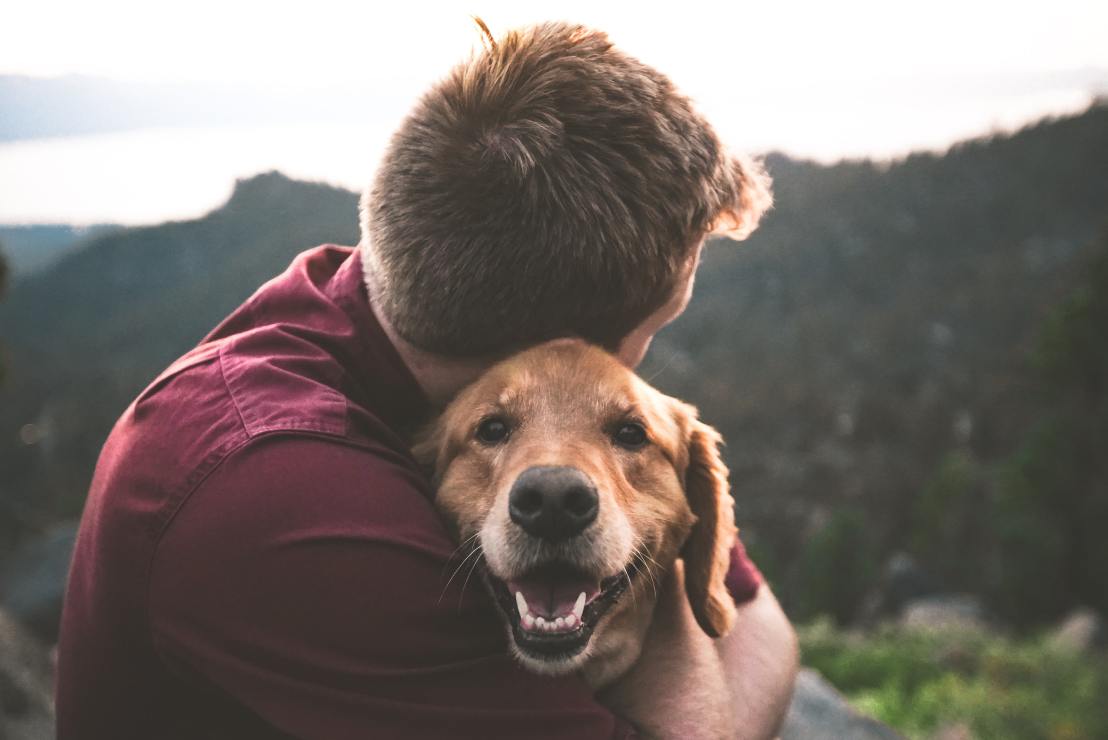
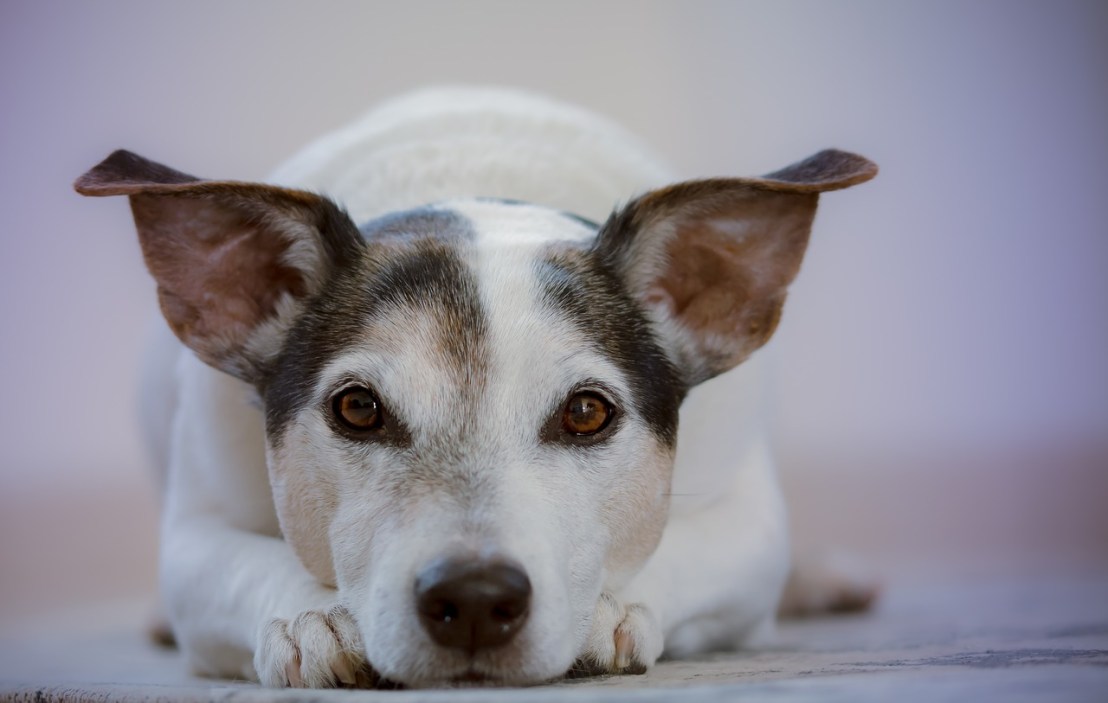
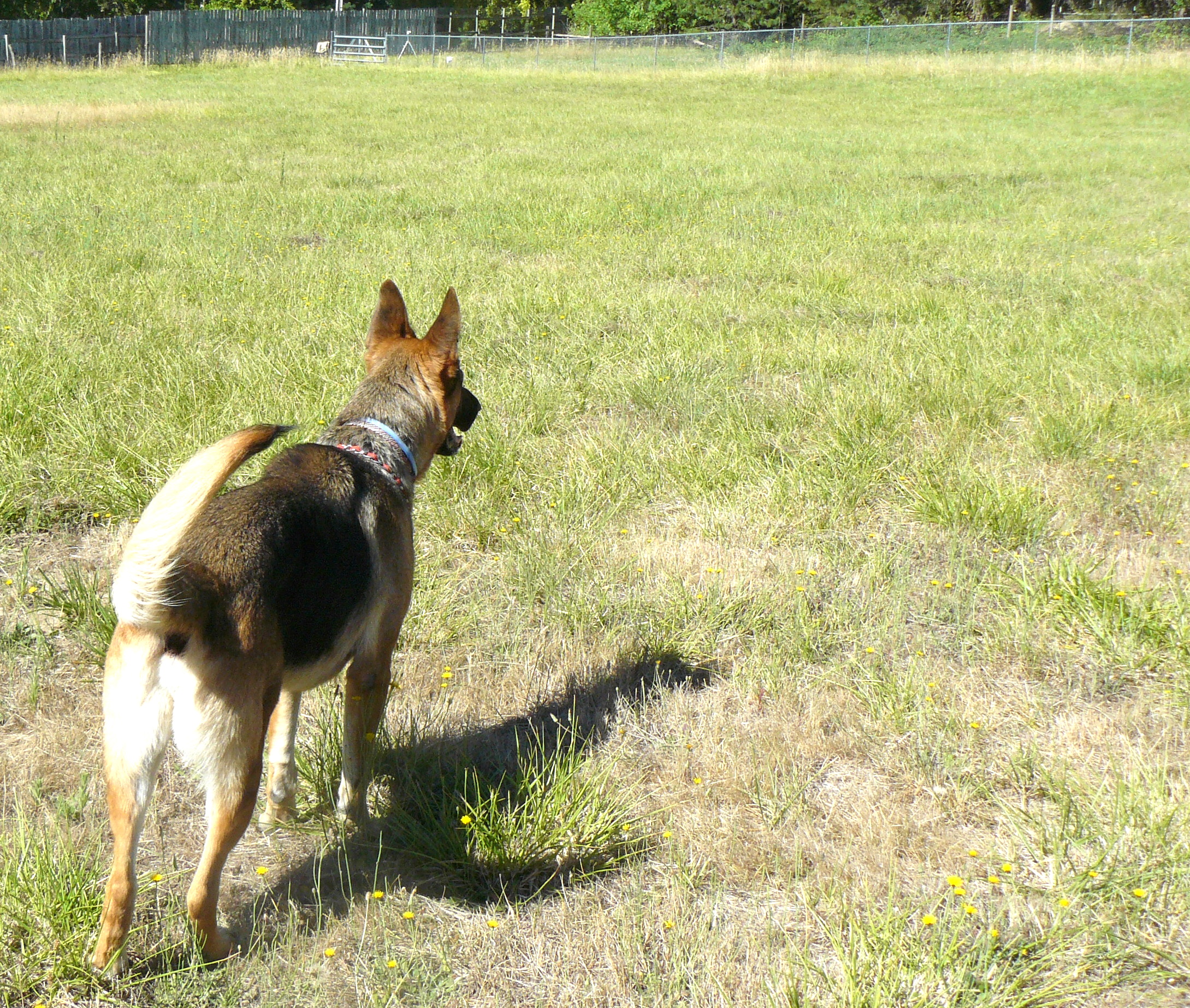
My 12 year old granddaughter took this photo of her dog recently. She used her dad’s iPhone in portrait mode. I complimented her in getting down low to take the image. And I thought it was interesting how she only captured the dog’s head. I am trying to encourage her to learn photography
The point at which the sun reaches its farthest point north of the equator is the Summer Solstice, well it is for the Northern Hemisphere. This occurs annually on June 20 or June 21, depending on your time zone.
Here in Southern Oregon, the moment of the Summer Solstice will be at 2:43 PM or 14:43 PDT on Saturday, i.e. today! For the United Kingdom it will be at 22:43 BST on the same day or 21:43 GMT/UTC.
A quick web ‘look-up’ finds that the word solstice is from the Latin solstitium, from sol (sun) and stitium (to stop), reflecting the fact that the Sun appears to stop at this time, albeit momentarily.
At the ancient stone circle of Stonehenge in Southern England, the prehistoric monument that took Neolithic builders an estimated 1,500 years to erect, for many years the Druids have celebrated the Solstice and, undoubtedly, will be doing so again.
AMESBURY, UNITED KINGDOM – JUNE 21: A man stands on top of Stonehenge as the sun rises over Salisbury Plain on June 21, 2006 in Amesbury, England. Police estimated around 17,000 people travelled to watch the sun rise over the 5,000 year old stone circle to start the longest day of the year. (Photo by Daniel Berehulak/Getty Images)
There’s a good article over at EarthSky on this year’s Solstice. I would like to quote a little from it:
At the June solstice, Earth is positioned in its orbit so that our world’s North Pole is leaning most toward the sun. As seen from Earth, the sun is directly overhead at noon 23 1/2 degrees north of the equator, at an imaginary line encircling the globe known as the Tropic of Cancer – named after the constellation Cancer the Crab. This is as far north as the sun ever gets.
All locations north of the equator have days longer than 12 hours at the June solstice. Meanwhile, all locations south of the equator have days shorter than 12 hours.
and
Where should I look to see signs of the solstice in nature? Everywhere. For all of Earth’s creatures, nothing is so fundamental as the length of the day. After all, the sun is the ultimate source of almost all light and warmth on Earth’s surface.
If you live in the Northern Hemisphere, you might notice the early dawns and late sunsets, and the high arc of the sun across the sky each day. You might see how high the sun appears in the sky at local noon. And be sure to look at your noontime shadow. Around the time of the solstice, it’s your shortest noontime shadow of the year.
If you’re a person who’s tuned in to the out-of-doors, you know the peaceful, comforting feeling that accompanies these signs and signals of the year’s longest day.
Is the solstice the first day of summer? No world body has designated an official day to start each new season, and different schools of thought or traditions define the seasons in different ways.
In meteorology, for example, summer begins on June 1. And every schoolchild knows that summer starts when the last school bell of the year rings.
Yet June 21 is perhaps the most widely recognized day upon which summer begins in the Northern Hemisphere and upon which winter begins on the southern half of Earth’s globe. There’s nothing official about it, but it’s such a long-held tradition that we all recognize it to be so.
It has been universal among humans to treasure this time of warmth and light.
For us in the modern world, the solstice is a time to recall the reverence and understanding that early people had for the sky. Some 5,000 years ago, people placed huge stones in a circle on a broad plain in what’s now England and aligned them with the June solstice sunrise.
We may never comprehend the full significance of Stonehenge. But we do know that knowledge of this sort wasn’t limited to just one part of the world. Around the same time Stonehenge was being constructed in England, two great pyramids and then the Sphinx were built on Egyptian sands. If you stood at the Sphinx on the summer solstice and gazed toward the two pyramids, you’d see the sun set exactly between them.
How does it end up hotter later in the summer, if June has the longest day? People often ask:
If the June solstice brings the longest day, why do we experience the hottest weather in late July and August?
This effect is called the lag of the seasons. It’s the same reason it’s hotter in mid-afternoon than at noontime. Earth just takes a while to warm up after a long winter. Even in June, ice and snow still blanket the ground in some places. The sun has to melt the ice – and warm the oceans – and then we feel the most sweltering summer heat.
Ice and snow have been melting since spring began. Meltwater and rainwater have been percolating down through snow on tops of glaciers.
But the runoff from glaciers isn’t as great now as it’ll be in another month, even though sunlight is striking the northern hemisphere most directly around now.
So wait another month for the hottest weather. It’ll come when the days are already beginning to shorten again, as Earth continues to move in orbit around the sun, bringing us closer to another winter.
And so the cycle continues.
Indeed, so the cycle continues as it has for time immemorial!
Just a few weeks ago new neighbours moved in to the property that adjoins us to the South.
They are Mike and Hannah Mills and they have three children; Hunter, Scarlet and Clover. Hunter is the eldest and he will be 9 on May 27th. When we went across to meet them I very quickly learnt that Hunter is a budding writer. Just as quickly I offered to publish a story from him in this place.
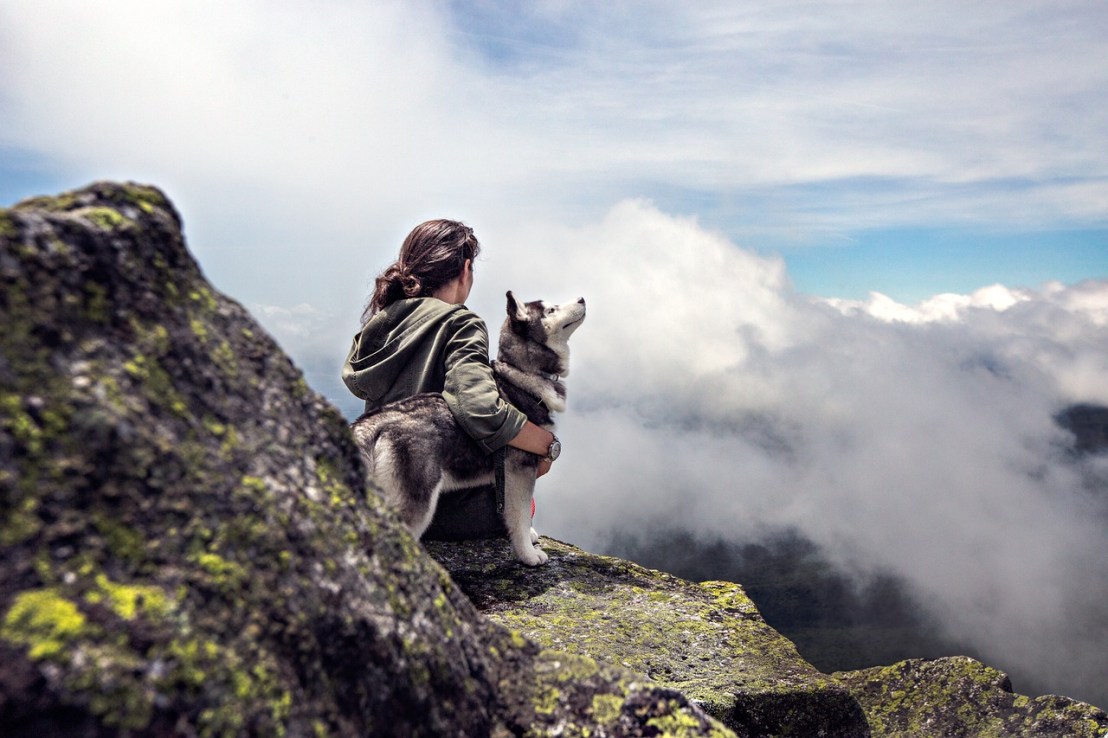
He used the following picture as a writing prompt.
Here is his story!
ooOOoo
A Big Dog
By: Hunter Mills, May 2020.
It was a cloudy morning.
A man was walking on the street and all of a sudden a big, big, big, big dog appeared out of the clouds.
The man was so cold, but he had to run! He ran fast, so he had to stop and rest and he stopped to rest, and hid. He got a little breath but the dog had a super good nose so he sniffed out the man and he had to run away again.
The dog was so fast it caught up to the man and it only licked him! The dog licked him again and the man ran away to a nearby building.
The man thought the dog was mean, but it was just trying to snuggle the man.
He went to the dog store and bought some dog treats and a big, big, big, big leash for the dog. He bought a new house so the dog could fit in the house.
So the next time a big, big, big, big dog starts to run after you, you should see if he wants to eat you or snuggle you.
If he lays down next to you, keep him. If not, run for your life!!
ooOOoo
I have not changed a single word of Hunter’s story. All I have done is to alter the formatting so that it is easier on the eye.
This is Hunter with his two dogs Soldier and Hank.
Hunter is already a good writer and it’s a delightful work of fiction.
Hopefully, this is the first of many that I may have the privilege of publishing!
May I ask a favour? That is that if you ‘Like’ this post you also say so in a comment. For I am sure Hunter will be along to see what you all thought of his creative juices! Thank you.
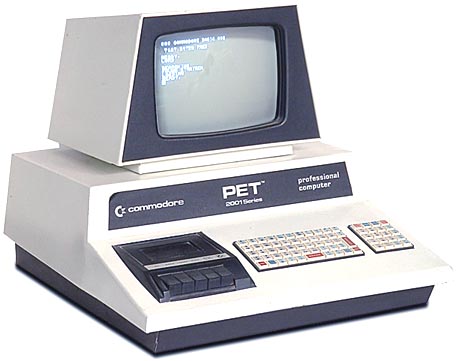
Way back in 1978 I started a company called Dataview. It was based in Colchester, Essex and I sold Commodore Computers; the ‘PET”, standing for Personal Electronic Transactor.
A photograph of a very early PET.
Now I was a word-processing salesman for IBM previously and didn’t know a thing about computers. I operated out of a small shop at first in Church Street and people came into the shop and played around with my demonstration models. Unbelievably I sold some!
Later I got involved with a software program known as Wordcraft. The first comprehensive word processing program for the PET. Indeed, I had the exclusive world distribution rights to Wordcraft. One thing lead to another and soon I was operating from much larger premises down at Portreeves House at East Bay, still in Colchester.
I appointed a Head of Marketing, Amit Roy, and the company grew and grew. I focused on appointing distributors across the world, and that included Dan Gomez in southern California, and he became a close friend being my best man when Jeannie and I were married in 2010.
Anyway, back to the story of Dataview. Eventually I sold out and escaped the country (and taxes) by moving to a yacht in the Greek side of Cyprus before April 15th. I went to Larnaca Marina. That was in 1986.
On Sunday, through a link from a mutual friend, I called Amit, the first time we had spoken since 1986. We had the most delightful of telephone conversations.
Amit was born in Burma, he is now 79, and lost his wife some 13 years ago. The counsellor who saw Amit after the death of his very dear wife said that he had to be strong and to take up something he could become passionate about. Amit joined the Colchester Photographic Society and took up studying again, in photography, and became a very good photographer.
With Amit’s permission I share some of his photographs with you.
The Red Arrows Flying After Dark
oooo
Firstsite At Dusk
oooo
Mischievous Boys of Bengal – India
oooo
Orchid Isabelia Pulchella
oooo
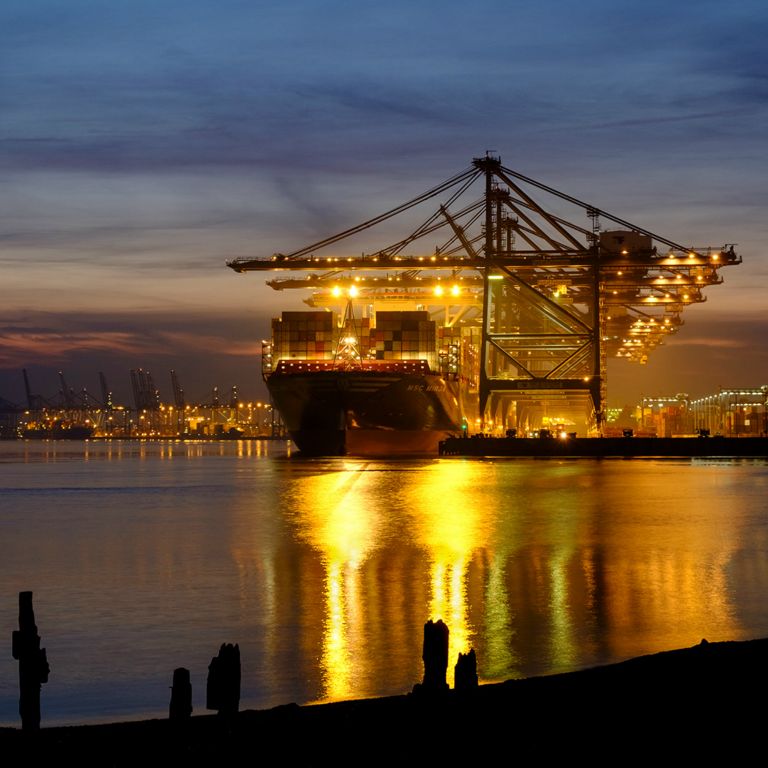
Felixstowe Docks at Dusk
oooo
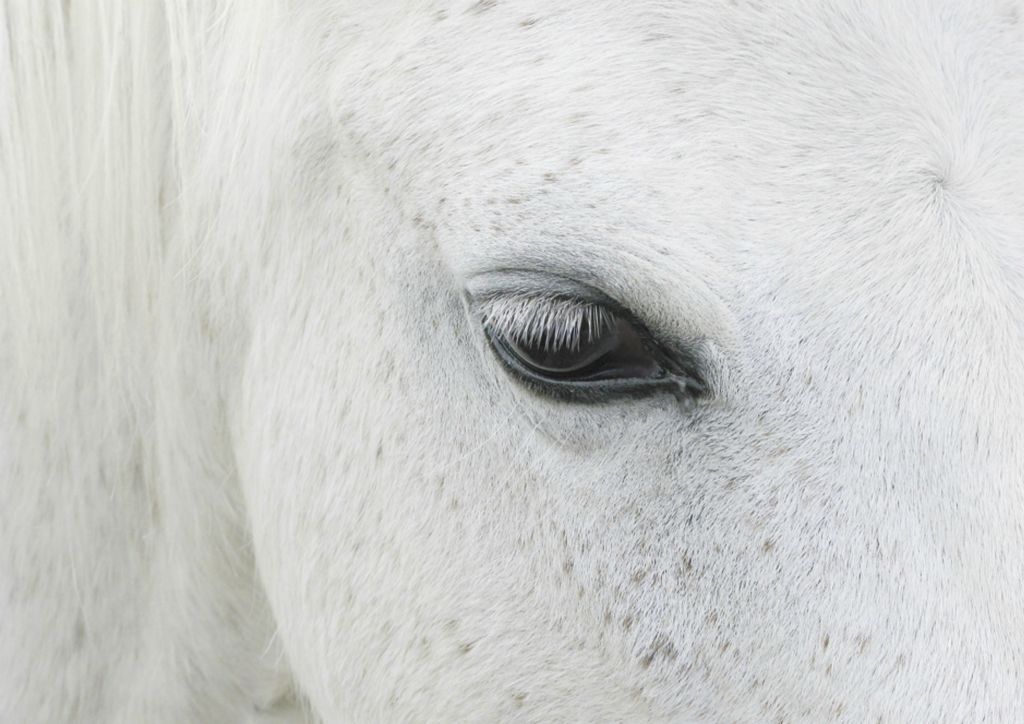
Horse Study
These are just a few but they are superb; absolutely marvellous.
That is the most welcome of connections – thanks to Roger Davis for suggesting it!
In the last twenty-four hours I was in communication with a person in Essex, England about dog training (and hopefully there will be a guest post from him) and it caused me to think of Angela Stockdale.
I then did a search on my blog for posts where I had mentioned Angela and came across quite a few in the early days of blogging. Then I thought it would be nice to republish one of them; Four Years Old.
So here it is again.
ooOOoo
How time flies!
Four years ago this day, the first post was published on Learning from Dogs. Here it is again:
Parenting lessons from Dogs!
Much too late to make me realise the inadequacies of my own parenting skills, I learnt an important lesson when training my GSD (who is called Pharaoh, by the way). That is that putting more emphasis into praise and reward for getting it right ‘trains’ the dog much quicker than telling it off. The classic example is scolding a dog for running off when it should be lots of hugs and praise for returning home. The scolding simply teaches the dog that returning home isn’t pleasant whereas praise reinforces that home is the place to be. Like so many things in life, very obvious once understood!
Absolutely certain that it works with youngsters just the same way.
Despite being a very dominant dog, Pharaoh showed his teaching ability when working with other dogs. In the UK there is an amazing woman, Angela Stockdale, who has proved that dogs (and horses) learn most effectively when being taught by other dogs (and horses). Pharaoh was revealed to be a Beta Dog, (i.e. second in status below the Alpha Dog) and, therefore, was able to use his natural pack instinct to teach puppy dogs their social skills and to break up squabbles within a pack.
When you think about it, don’t kids learn much more (often to our chagrin!) from other kids than they do from their parents. Still focusing on giving more praise than punishment seems like a much more effective strategy.
As was read somewhere, Catch them in the act of doing Right!
By Paul Handover.
As it happens, it feels a little like ‘what goes around, comes around’. Why do I say that?
Because just last Saturday, I sent off a selection of pictures and videos to Angela Stockdale. Stay with me for a while as to the reason why.
Angela trades under the name of The Dog Partnership and, frankly, what she doesn’t know about the behaviour of dogs isn’t worth bothering about!
Just take a peek at the page on her website under the heading of Teaching Dogs. Here’s a little of what Angela writes:
I consider myself so lucky for dogs alone to have been my teachers. I learnt from watching how my own dogs responded to another dog’s body language and vice versa their language. Watching, learning and working with Teaching Dogs was the only way I knew.
I was and always will be in awe of a Teaching Dog’s dogs ability to consciously adapt their body language in accordance to how the other dog was feeling. The result being, they could relax nervous dogs but at the same time maintain control of a problem situation. Remember, dogs talk dog far better than we do.
It came as quite a shock to me when I learnt about other approaches. It seemed foreign for people to have so much input in resolving what were described as ‘ behavioural’ issues. For me, working with these dogs was far more than resolving a behavioural issue. It was about improving the quality of lives of dogs who were not coping with everyday life. If they found dogs or people worrying, sometimes this was shown in displays of aggression. It is important to understand, these dogs were not aggressive, they simply displayed aggressive behaviour.
Now, I would like to introduce you to the world of Teaching Dogs and how these special dogs change the lives of less fortunate dogs, who never had the opportunity to really understand how to communicate with their own species.
Back to why those photographs and videos had been sent to Angela. A couple of weeks ago, we enjoyed an evening meal with friends of friends, so to speak. This other couple owned a beautiful-looking male German Shepherd dog: Duke. Duke was 4-years-old. Our hostess remarked that he was very boisterous and had nipped a couple of strangers who had called at the house. She added that he seemed difficult to control. Duke had been there for about a month and he was a rescue so they had little or no knowledge of past behaviour.
Well, I’m no expect with dogs, that’s Jean’s domain. But there was something about Duke that captivated me. Something in the way he looked at me, his eyes linking so directly with mine, allowing me to see a dog that offered an honest openness.
More or less on impulse I stood up, held my right arm up at 45 degrees, looked Duke in the face and said, “Duke! Sit!”
Duke held my gaze and sat back on his haunches.
I moved my arm in a complete circle, around to the right, and said, “Duke! Lie down!” Duke lay down.
H’mm, I thought. Fascinating. This dog has been professionally trained at some point in the past, using the same ‘command’ system of voice and arm signalling as I had learnt with Pharaoh way back in 2003/2004.
The food was now on the table. I grabbed a small piece of meat off my plate and returned to Duke who had, of course, resumed his pottering around the room. “Duke! Here boy!” Duke came over to me. “Duke! Lie down!” Duke did so. I placed the piece of meat on the wooden floor about three feet in front of him. Duke’s eyes were riveted on the meat. “Duke!” Duke’s eyes reluctantly engaged with mine. “Duke! Stay!” I repeated the Stay command a couple more times as I backed away about 6 or 8 feet.
“Go on, Boy. Take the meat!” Duke gleefully grabbed the piece of meat. Gracious, I thought, this dog is magnificent. I wonder ……..
I took another piece of meat, “Duke! Sit!” “Duke! Stay!” I then backed off that 8 feet again, got down on my knees and placed the piece of meat just between my lips. I knew this was potential madness with a dog I had only met some 30 minutes previously, but there wasn’t an ounce of doubt in my mind. I voiced in my throat for Duke to fetch the meat. Duke came straight over and confidently and carefully removed the meat from my lips.
What a truly fabulous dog! It was a wonderful evening and once home both Jean and I were eulogising about Duke.
Then two days later, our dinner hostess rang me. “You know, I have decided we can no longer keep Duke. He is too strong a dog, I can’t control him. Is there any chance of you finding a new home for Duke?”
Without question, Jean and I would have offered Duke a new home; in a heartbeat. The only thing stopping that was me wondering if this strong-willed, male German Shepherd might be a Beta dog, as Pharaoh was. Or just might be too dominant a male dog to fit in comfortably with our dogs, especially Pharaoh who was at the stage of life where the last thing that should happen is for his happiness and contentment to be disturbed.
I hadn’t a clue as to how to answer that question. But I knew someone who would know: Angela Stockdale.
I rang her, caught up on old times and then explained the background to Duke’s situation. Angela said to repeat the exercise that I had witnessed when I took Pharaoh to her all those years ago, when I wondered if Pharaoh was an aggressive dog. My uncertainty with regard to Pharaoh followed a number of times when walking him in a public area with other dogs and he had been very threatening, both in voice and posture, towards some of those other dogs.
This is what Angela arranged. I took Pharaoh up to her place at Wheddon Cross, near Minehead in Somerset. When we arrived, Angela was standing just by a gate into a fenced paddock, maybe a half-acre in size. In the far corner were two dogs.
Angela asked me to bring Pharaoh to the gate and let him off the leash. It was clear that Pharaoh was going to be let into the paddock. I cautioned that Pharaoh could be quite a handful with other dogs and, perhaps, it would be better that I walked him into the area still on his lead. Angela said that wouldn’t be necessary. So as she held the gate open sufficient for Pharaoh to enter the paddock, I slipped the lead off him and backed away, as requested.
Pharaoh had hardly taken 2 or 3 paces when Angela called out, “Paul, there’s nothing wrong with him!”
I was astounded and stammered, “But, er, er, how can you tell so quickly?” “Because my two dogs haven’t taken any notice!”, came the reply.
Later Angela explained that in the paddock were her female Alpha dog and her male Beta dog. Ergo, the two top dogs in terms of status so far as dogs see other dogs.
In fact, Pharaoh was utterly subservient to these dogs, in a way that I had never witnessed before. Later on, as Pharaoh relaxed and started playing, Angela said that she thought that Pharaoh was a Beta dog. Mixing some of her other dogs into the group was later able to confirm that.
So back now to present times and Duke.
Thus last Saturday, as Angela recommended, we selected two of our dogs, Cleo our female German Shepherd and the most socialable of dogs, and Casey, a strong but not aggressive male (he had some PitBull in him).
Duke arrived and was allowed freely to nose around the large grassed area some way from the fenced-off horse paddock that we were using for the ‘introduction’.
Duke pottered around and then caught sight of Cleo and Casey in the paddock.
First sighting of Cleo and Casey.
Then the meetings began!
Hello! My name is Duke. Do I smell OK? Mr. Casey?
And play didn’t seem to be too far off the agenda!
You lead, Cleo, I’ll chase!
So all the photographs and videos have been sent to Angela, and we will see what the conclusion is!
As Angela put it, “Remember, dogs talk dog far better than we do.”
ooOOoo
Yes there’s no question that dogs talk dog far better than we do!