Just a few photographs of humming birds taken from our deck.

oooo


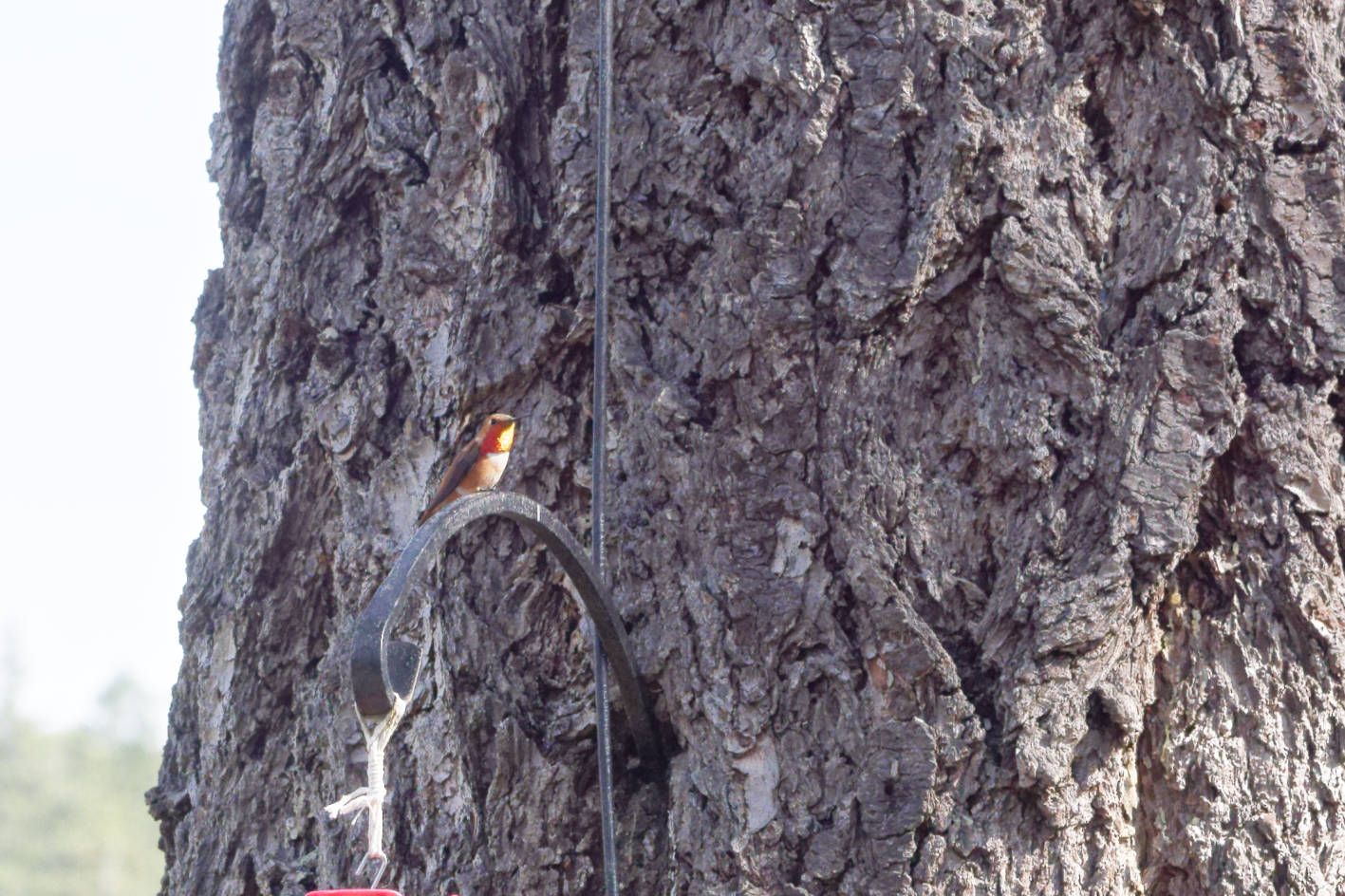
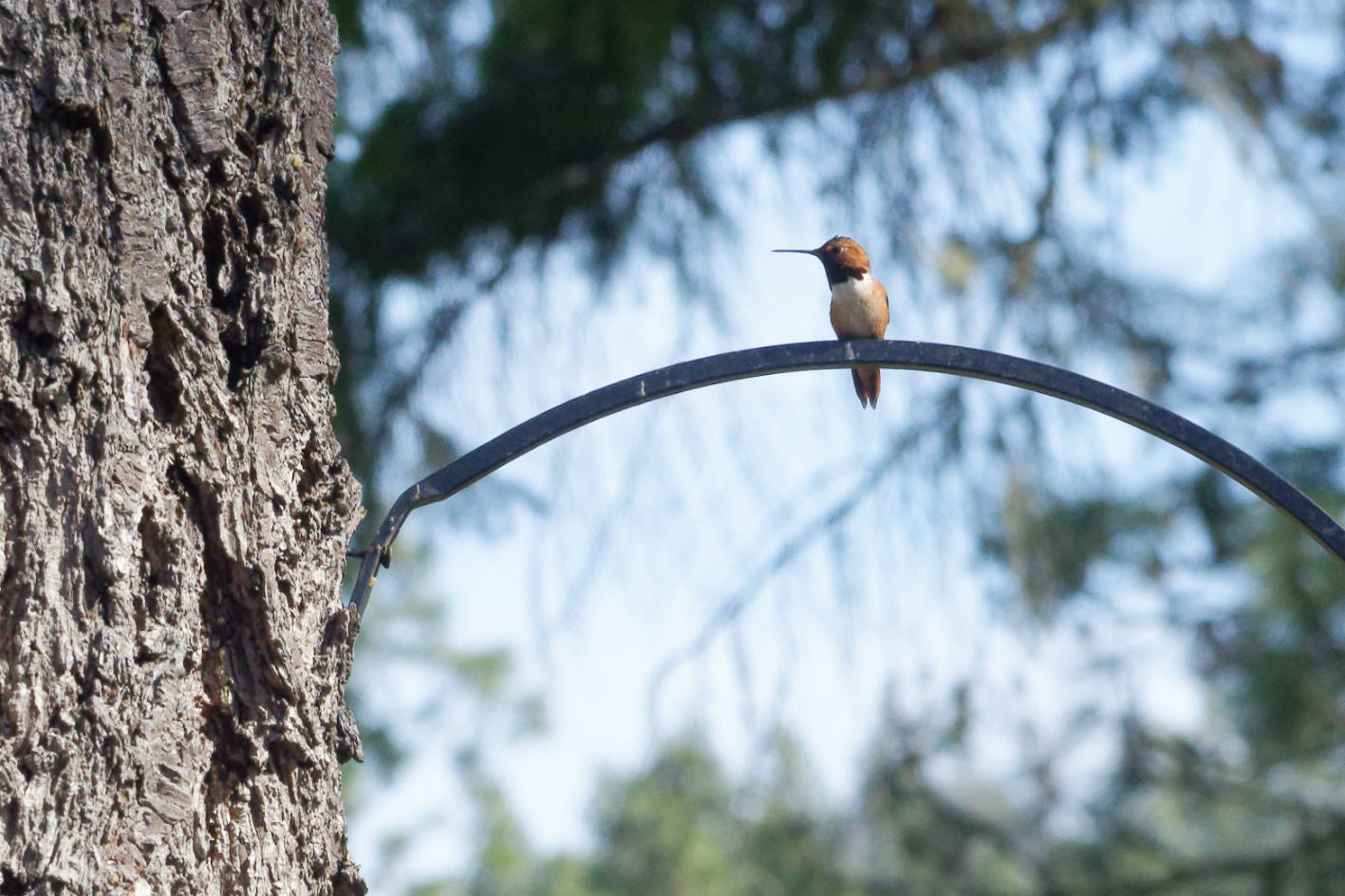
We were lucky in that they seemed to ignore the camera and the dogs!
Dogs are animals of integrity. We have much to learn from them.
Author: Paul Handover
Just a few photographs of humming birds taken from our deck.
oooo
We were lucky in that they seemed to ignore the camera and the dogs!
The unconditional love of dogs put to a very beneficial human use!
Yesterday while we were waiting to pay for a few food items in Winco we stopped behind a woman with a small service dog. The dog was a Dachshund and had a jacket on which were sewn badges saying that this was a service dog and not to make contact.
The woman suffered from panic attacks and strongly recommended an organisation that was called ADA. In fact it is a government organisation and ADA stands for Americans with Disabilities Act.
All of which makes a nice introduction to this next item that was published on The Conversation blog site.
ooOOoo
Training for service dogs starts very early.
By
March 26th, 2021
As many as 1 in 5 of the roughly 2.7 million Americans deployed to Iraq and Afghanistan since 2001 are experiencing post-traumatic stress disorder.
PTSD, a mental health problem that some people develop after experiencing or witnessing a life-threatening traumatic event, is a complex condition and can be hard to treat. Our lab is studying whether service dogs can help these military veterans, who may also have depression and anxiety – and run an elevated risk of death by suicide – in addition to having PTSD.
We’ve been finding that once veterans with post-traumatic stress disorder get service dogs, they tend to feel less depressed and less anxious and miss work less frequently.
Complementing other forms of treatment
The traditional treatments for PTSD, such as talk therapy and medication, do work for many veterans. But these approaches do not alleviate the symptoms for all veterans, so a growing number of them are seeking additional help from PTSD service dogs.
The nation’s estimated 500,000 service dogs aid people experiencing a wide array of conditions that include visual or hearing impairments, psychological challenges, epilepsy and multiple sclerosis.
For our PTSD research, we partner with K9s For Warriors and Canine Companions for Independence, two of many nonprofits that train service dogs to work with veterans with PTSD.
There is no single breed that can help people this way. These dogs can be anything from purebred Labrador retrievers to shelter mixes.
Unlike emotional support dogs or therapy dogs, service dogs must be trained to do specific tasks – in this case, helping alleviate PTSD symptoms. In keeping with the Americans with Disabilities Act, service dogs are allowed in public places where other dogs are not.
Reducing anxiety
Service dogs can help vets with PTSD in many ways. The most common tasks include helping veterans remain calm and interrupting their anxiety. The veterans said they are asking their dogs to calm or comfort them from anxiety five times per day and that their dogs independently interrupted their anxiety three times per day on average.
For example, a dog may “cover” a veteran at a supermarket, allowing its owner to calmly turn to take something off the shelf, because veterans with PTSD can get startled if they don’t know if someone is approaching and benefit if their dogs signal that this is happening. If a veteran starts to have a panic attack, a service dog can nudge its owner to “alert” and interrupt the anxiety. At that point, the veteran can focus on petting the dog to re-center on the present – ideally preventing or minimizing the panic attack.
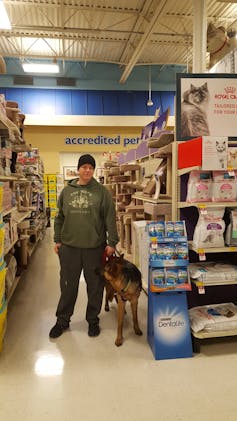
Aside from the tasks that their dogs are trained to do, veterans also shared that the love and companionship they get from simply being with their dogs is helping make their PTSD easier to manage.
Once veterans got service dogs, they described themselves in surveys as more satisfied with their lives, said they felt a greater sense of well-being and deemed themselves as having better relationships with friends and loved ones.
We have also measured levels of cortisol, commonly called the “stress hormone,” in veterans with service dogs. We found they had patterns closer to adults without PTSD.
Challenges and extra responsibilities
Not all veterans are willing or able to benefit from having their own service dogs.
Being accompanied by dogs in public can draw attention to the veterans. Some veterans appreciate this attention and the way it encourages them to get out of their shell, while others dread having to avoid well-meaning, dog-loving strangers. We’ve found that veterans do not expect this challenge, but often experience it.
Service dogs can also make it harder to travel, since bringing a dog along can require more planning and effort, especially because many people don’t understand the legal rights of people with service dogs and may ask inappropriate questions or create barriers that they aren’t legally allowed to do. Many experts believe educating the public about service dogs could alleviate these challenges.
What’s more, feeding, walking, grooming and otherwise taking care of a dog also entails additional responsibilities, including making sure they see a veterinarian from time to time.
There can also be a new sense of stigma that goes along with making a disability that might otherwise be hidden readily apparent. Someone who has PTSD might not stick out until they get a service dog that is always present.
Most veterans say it’s worth it because the benefits tend to outweigh the challenges, especially when appropriate expectations are set. Clinicians can play a role in helping veterans realize in advance what caring for the animal entails, to make the intervention positive for both the veterans and the dogs.
We are now completing the first registered clinical trial comparing what happens when these veterans get the usual PTSD interventions with what happens when they get that same treatment in addition to a trained service dog.
As our research proceeds, we are trying to see how the effects of a service dog last over time, how the service dogs affect veterans’ families and how we can support the partnership between veterans and their service dogs.
ooOOoo
I am still struggling with WordPress. For example I haven’t yet worked out how to place the credit for the photograph underneath the picture. (It did it all on its own!) And there doesn’t seem to be a ‘blockquote’ command.
But coming back to the article it was a perfect description of the way that dogs are so, so good to us humans whether we have a medical need for a service dog or not.
What is a tooth between friends.
For about three weeks I have been suffering from a rather aggravating pain in my upper, left-hand jaw.
Yesterday I saw the paediatric surgeon at our local dentist.
He removed a very bad tooth that had lost both its nerve and quite a deal of bone.
So you will forgive me from not writing more.
But I will close with a photograph!
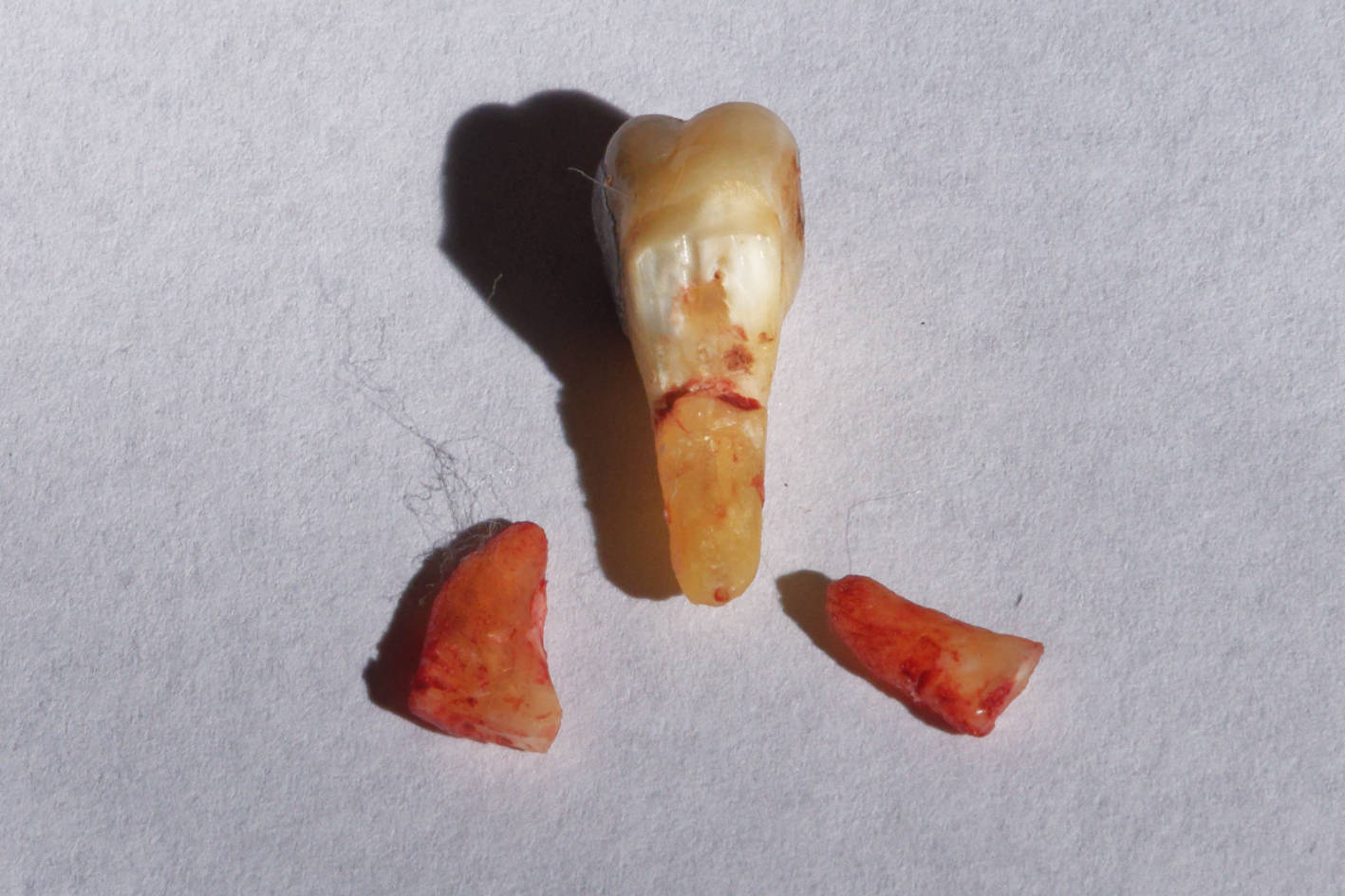
Enough said!
(Seriously it will not be until the 7th April that I will have the stitches taken out from the suture that ‘tied’ the gum together!)
Three wonderful recipes from a guest author.
On the 21st January I received the following email:
Hi, I’m Evan;
I’m a pet lover and blogger at https://petsroof.com.
I’ve been following the excellent work you guys are doing at Learning From Dogs.
I’m writing to inquire whether you accept guest posts or link insertions on your site? If so, how much is the price?
Looking forward to your reply.
Regards,Evan
Of course I was interested and after telling Evan that I didn’t charge for guest posts he then sent me the following:
ooOOoo

Oh, is the dog biscuit jar empty again? Then it’s time to replenish them. But who says that you always have to buy more dog treats? You can also easily make them yourself! We’ll show you how it’s done and present you with 3 super easy dog treats recipes.
Making dog treats yourself has one major advantage above all: you always know what’s in the dog biscuits. Unfortunately, many industrially produced dog treats contain dyes and preservatives. Flavor enhancers, sugar, and artificial flavors are also not uncommon. With your homemade dog treats, you know 100% what is inside – and you can take into account the individual needs, demands, preferences, and, if applicable, allergies of your four-legged friend.
Since your DIY dog treats are mostly based on a few natural ingredients, they are particularly healthy, natural, and easy to digest. In addition, making dog treats yourself is often much cheaper than buying ready-made dog treats, because the ingredients do not cost much.
When it comes to baking your own dog treats, there are almost no limits to your imagination. As in all other areas of dog nutrition, you should avoid prohibited, unhealthy and poisonous foods for dogs in your DIY biscuits. These include chocolate, alcohol, cocoa, grapes and sugar. Otherwise, you can use just about any food that your dog likes and benefits his health. The diverse selection of foods gives you unlimited recipe options. It is important that you can puree the food into a dough and bake it.
The most popular ingredients that keep appearing in many recipes are:
A big advantage of homemade dog treats is that they do not contain any preservatives. However, this also means that they do not last as long as industrially manufactured products. As a rule, the dog treats are plastered off relatively quickly – that’s how it should be!
Nevertheless, you can turn a few adjusting screws to ensure the longest possible durability.
In general, the drier the homemade dog biscuits are, the longer they last. Moist dog treats can unfortunately mold quickly – you should definitely avoid that! To dry out your homemade dog treats as well as possible, you can do the following:
As a rule of thumb, homemade dog treats can be kept for around 3 to 4 weeks on average. The shelf life is extended by several weeks in the refrigerator as long as no moisture penetrates. They can be stored frozen for several months.
The good thing about our delicious DIY dog biscuits is that you don’t need a lot of ingredients or fancy kitchen utensils for them. The easiest way to implement the recipes is with a food processor or a strong one. Alternatively, you can use a hand blender or even a simple whisk to prepare the dough for your DIY dog treats. In addition, cookie cutters and a rolling pin will make your work easier. If you don’t have them at hand, the cookies can also be shaped easily by hand.
Which recipe is “right” for you? Below we present our 3 favorite recipes for homemade dog biscuits. If one or the other recipe doesn’t quite suit you and your dog, we want to motivate you to try it out. There are many recipe ideas on the internet, but only you know your dog’s preferences and needs.
Therefore: Just get started, try out our recipes, and vary them from time to time. Look what supplies you still have at home and then simply test your baking skills!
Preparation time (including baking time): approx. 35 min
Ingredients:
How to make it:
Mix all ingredients together with a mixer or whisk. Add enough oat flakes or flour to make a firm but malleable dough. Now shape the biscuits as large as you want and bake them at 150°C for about 30 minutes. The baking time can vary depending on the size and thickness of the biscuits. Let your DIY tuna biscuits dry in the switched-off oven.
Store tuna dog biscuits in the refrigerator depending on the quantity.
Large portions of the fish biscuits that you will not use up within a short time should be stored in a dry, protected place in the refrigerator. This extends the shelf life of the protein-rich snacks. Depending on your needs, you can also freeze the biscuits and store them for several months.
Preparation time (including baking time): approx. 35 min
Ingredients:
How to make it:
Mix all the ingredients together (ideally with a hand blender) and shape the dough into small balls. Place the cheese balls on a baking sheet lined with baking paper and press them into small thalers with a tablespoon. Bake the DIY dog biscuits at 180°C top and bottom heat for about 25 minutes and then let them air dry for one night.
Preparation time (including baking time): approx. 40 min
Ingredients:
How to make it:
Mix all the ingredients together to create a creamy mass. Let the dough rest in the refrigerator for about 1 hour and then roll it out on a floured work surface (about 1 cm thick). If the dough is too wet to roll out, add more oatmeal. You can read more in the article “Can dogs eat oatmeal cookies?”
Pierce or cut out your DIY dog biscuits as you wish and bake them for about 30 minutes at 150°C (180°C top and bottom heat). Allow the liver sausage biscuits to air dry overnight before stowing them in a cookie jar.
Baking dog treats yourself is fun, healthy, does not cost a lot, and is easier than you think! Over time, you will learn which ingredients work best for you and your four-legged friend, and you can make them happy with tasty DIY biscuits.
Since you alone determine the size, ingredients and taste of your homemade dog biscuits, you can bake delicious chews as well as small training bites that your dog can tolerate well. The DIY dog biscuits are also suitable as a great gift idea for other dog owners – ideal for Christmas, for a birthday or just for in between. Great fun for all dog lovers!
ooOOoo
I think these are great.
What would be lovely is to hear from someone who has made the treats (and I haven’t yet shown the menus to Jeannie). Even better for that person to write up a guest post for this place.
Here are the details (and it is a big one):
ooOOoo
Dear Fellow Dog Lover,
Midwestern Pet Foods is recalling multiple brands of dog and cat food due to possible contamination with Salmonella bacteria. For full details, please visit the following link: Midwestern Pet Foods Recalls Multiple Dog and Cat Food Brands
(And if you go to that link …)
Midwestern Pet Foods Recalls Multiple Dog and Cat Food Brands
March 27, 2021 — Midwestern Pet Foods of Evansville, Indiana is recalling multiple brands of dog and cat food because they have the potential to be contaminated with disease-causing Salmonella bacteria.
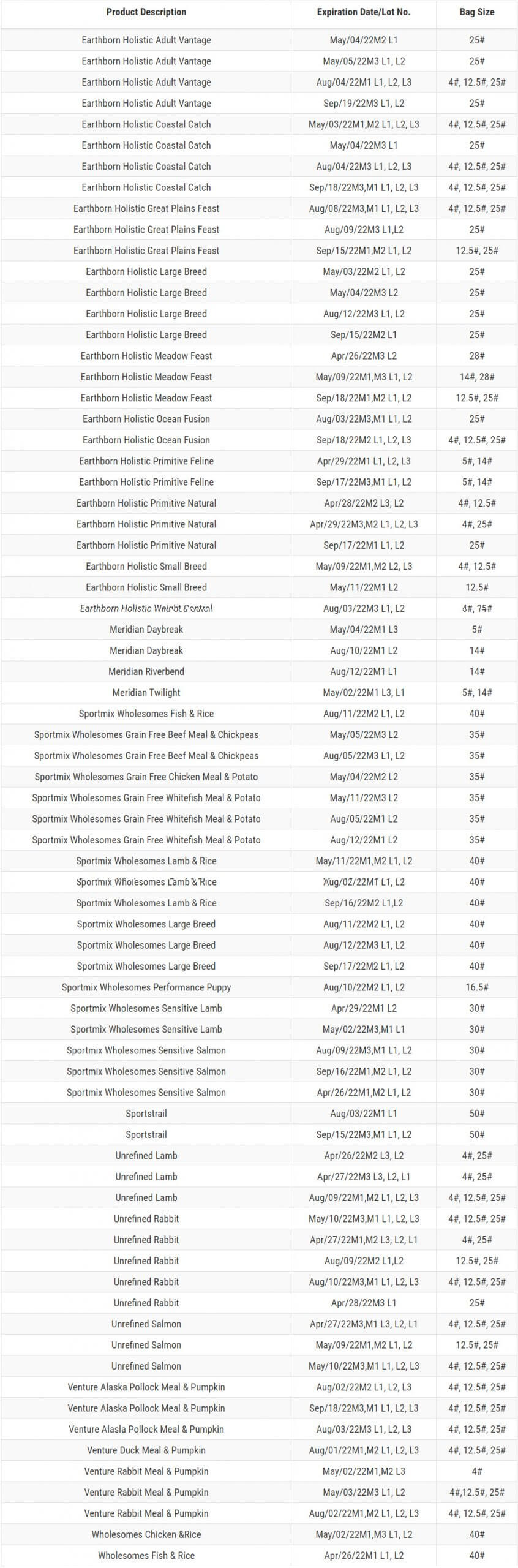
Recalled products include specific lots of CanineX, Earthborn Holistic, Venture, Unrefined, Sportmix Wholesomes, Pro Pac, Pro Pac Ultimates, Sportstrail, Sportmix and Meridian produced at its production facility in Monmouth, Illinois.


Salmonella can affect animals eating the products and there is risk to humans from handling contaminated pet products, especially if they have not thoroughly washed their hands after having contact with the products or any surfaces exposed to these products.
Healthy people infected with Salmonella should monitor themselves for some or all of the following symptoms: nausea, vomiting, diarrhea or bloody diarrhea, abdominal cramping and fever.
Rarely, Salmonella can result in more serious ailments, including arterial infections, endocarditis, arthritis, muscle pain, eye irritation, and urinary tract symptoms.
Consumers exhibiting these signs after having contact with this product should contact their healthcare providers.
Pets with Salmonella infections may be lethargic and have diarrhea or bloody diarrhea, fever, and vomiting.
Some pets will have only decreased appetite, fever and abdominal pain.
Infected but otherwise healthy pets can be carriers and infect other animals or humans.
If your pet has consumed the recalled product and has these symptoms, please contact your veterinarian.
No human or pet illnesses have been reported to date.
Products were distributed to retail store nationwide and to online retailers.
Lot code information may be found on the back of the bags with the following format:
“EXP AUG/02/22/M1/L#”

This recall covers only certain products manufactured at Midwestern Pet Foods Monmouth, Illinois facility.
The unique Monmouth Facility identifier is located in the date code as an “M”.
The recall was as the result of a routine sampling program by the company which revealed that the finished products may contain the bacteria.
Retailers and distributors should immediately pull recalled lots from their inventory and shelves.
Do not sell or donate the recalled products.
Retailers are encouraged to contact consumers that have purchased the recalled products if the means to do so exists.
Do not feed the recalled products to pets or any other animals.
Destroy the food in a way that children, pets and wildlife cannot access them.
Wash and sanitize pet food bowls, cups and storage containers.
Always ensure you wash and sanitize your hands after handling recalled food or any utensils that come in contact with recalled food.
For more information, contact Midwestern Pet Foods Consumer Affairs at info@midwesternpetfoods.com. Or call 800-474-4163, ext 455, from 8 AM to 5 PM CT, Monday through Friday.
This voluntary recall is being conducted in cooperation with the US Food and Drug Administration. All other Midwestern Pet Foods products are unaffected by this recall.
U.S. citizens can report complaints about FDA-regulated pet food products by calling the consumer complaint coordinator in your area.
Or go to the FDA’s “Report a Pet Food Complaint” page.
Canadians can report any health or safety incidents related to the use of this product by filling out the Consumer Product Incident Report Form.
ooOOoo
Phew!
Nothing to add save please share this!
Just a single photograph!
I was of two minds as to whether I should even publish a Picture Parade for today.
Then I decided “Yes”.
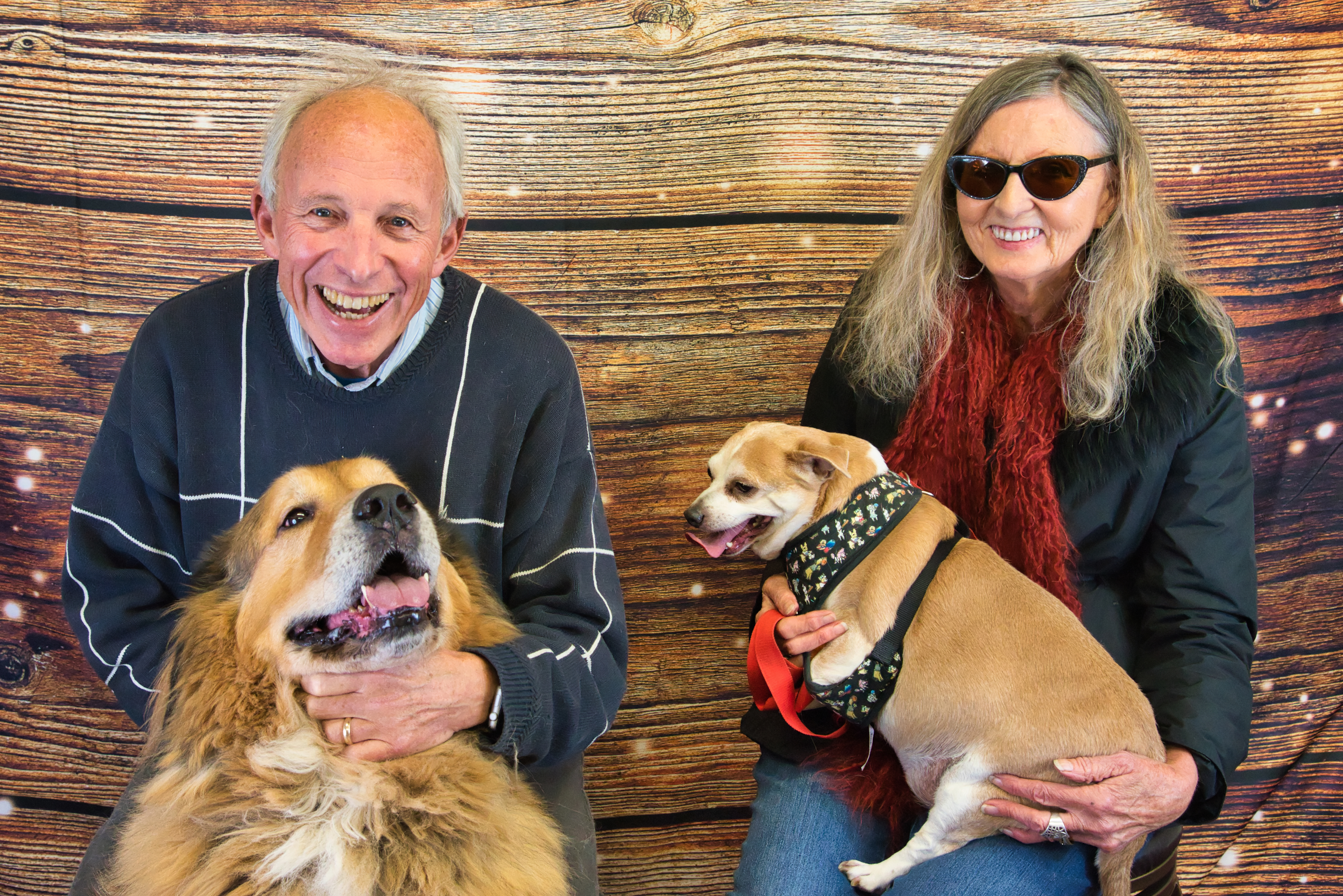
Clover comes to the aid of her human friend!
This was a story that appeared in my ‘in box’ yesterday afternoon but I didn’t want all the clutter that came with it. No problem because there were a number of videos on YouTube and I selected one that seemed to capture the essence of the story.
Words from the Today programme.
ooOOoo
By Tim Fitzsimons
March 25, 2021
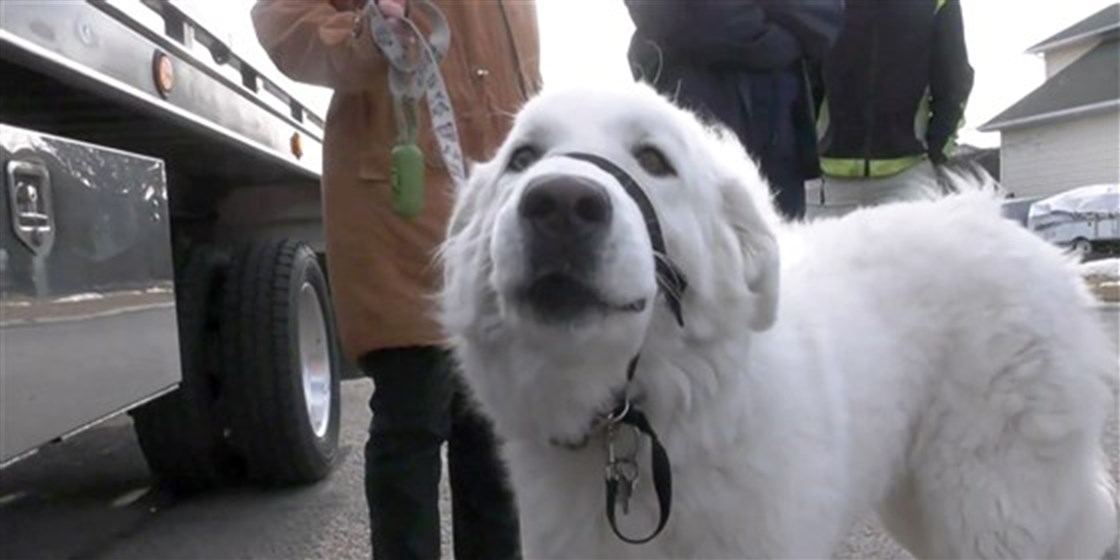
A dog named Clover is being hailed by Canadian media as a hero for helping her human, Haley Moore, survive a seizure that struck her suddenly during a walk.
Moore was strolling through the Stittsville neighborhood of Ottawa on Tuesday when she seized and fell to the curb, CTV News reported.
The incident was captured by a neighbor’s home security camera.
Clover, a year-and-a-half-old Maremma mix, sprung into action, attending first to Moore before bounding into the street and stopping traffic.
Dryden Oatway, a driver who stopped thanks to Clover’s heroics, said, “It was really impressive, the dog actually blocked my way. She kind of backed into the road to block my truck.”
Clover stopped another driver and then returned home.
“All I remember is waking up in the ambulance and being really confused, just like, ‘What is going on?'” Moore recalled in an interview with CTV. The cause of the seizure remains unknown.
Moore’s father, Randall Moore, told CTV that Clover was fed delicious steaks as a reward for her faithful service.
Psychology Today reported in March that new research suggests that seizure-predicting dogs are aided by the scent of volatile organic compounds that are excreted around seizures.
ooOOoo
Here is the YouTube video.
I’m still having some difficulty with the new WordPress but it is easier than yesterday.
A wonderful theme from John Brooks
John Brooks is a fellow author in that he writes a blog.
But he is also a dog lover and a contributor from time to time to this blog.
He last contributed in December, 2020 when he wrote about pigs.
So I am delighted once again to feature another article from John.
ooOOoo
You don’t have to be Andy Warhol or Pablo Picasso to draw artistic inspiration from your pet, but it doesn’t hurt that they were two of the first famous artists to use their pets as muses. Pet portraits have appealed to owners and their friends and loved ones for centuries. Today, many pet owners wouldn’t hesitate to invest in artwork depicting their beloved animals. Here are some reasons to get a pet portrait.

Capture Their Personality
Most pets get fidgety after spending a while in a portrait session. This is why many artists use photos to capture the essence of the pet’s behavior in a natural setting. A custom portrait of your pet can be modern, fun, and informal, depending on the artist you contract. In some cases, artists add elements based on their perception of the pet’s personality.
Artists of pet portraits may start by sketching or painting an image. It’s cheaper to have someone manipulate a digital photo to look like a real painting, but the masterful detail is why people are willing to pay more for a true portrait.
Pet Portraits can Last a Lifetime If Done by Professionals
Pet portraits or photos are beautiful memories. However, poorly done ones are rarely conducive to sentimental reminiscence. It’s important to have experts do them. The best portraits can last for years, maybe even decades.
The more qualified the professional, the more durable the material, and the better the results will be. Expert services can take care of editing and printing for you, make your pets look even more beautiful than they are, and customize photo sizes as needed. People need portraits for different reasons, for example, a traditional Christmas card or phone wallpaper.
To Memorialize your Furry Loved One
Commemorating your pet is an obvious reason to commission a portrait. You want to be reminded of them if they’re not in your life anymore.
Pet Portraits Leave Little Room for Interpretation
Art is almost always open to interpretation. We might wonder whether a blob of paint was made by a kid or an adult who wanted to make some kind of statement. A pet portrait is what it is, the end of the story.
To Support a Cause
You may want to support animals in shelters or make a statement against animal cruelty. You can support any cause by getting your pet’s portrait painted. For example, animal lovers and artists Shayan Asgharnia and Suzanne Donaldson worked on portraits of shelter dogs in collaboration with STAR, a pet rescue organization. The project got other people to save the dogs by adopting them.
If you want to raise awareness of the condition of animals in shelters, there are probably many pet owners and artists in your area who’ll be willing to help.
Finding the Right Artist for Your pet Portrait
You can ask coworkers, friends, or relatives if they’ve used such services or know an artist who does pet portraits. Their recommendation or referral will help provide first-hand feedback on the professional’s services. If nobody can give one, you can look online for artists to work on your pet’s portrait painting. Try Instagram and Etsy by all means. They’re the platforms of choice for creative types. You could do a Google search by typing “pet artist” and your state and city or district.
Pet artists work with watercolor, charcoal, oil, or acrylic paint. More specialized professionals can work on glass, metal, wood, and other less common canvases. They also have various creative outputs and styles. Some are best at comic paintings. Others excel at illustrations. Still, others do traditional portraits only. Before you decide to get in touch with an artist, look at their work samples carefully.
Image source:
https://cdn.pixabay.com/photo/2014/08/21/14/51/dog-423398_1280.jpg
ooOOoo
There is so much good advice in this post from John.
Pictures and photographs mean so much especially when one wants to remember loved ones who have died in previous years.
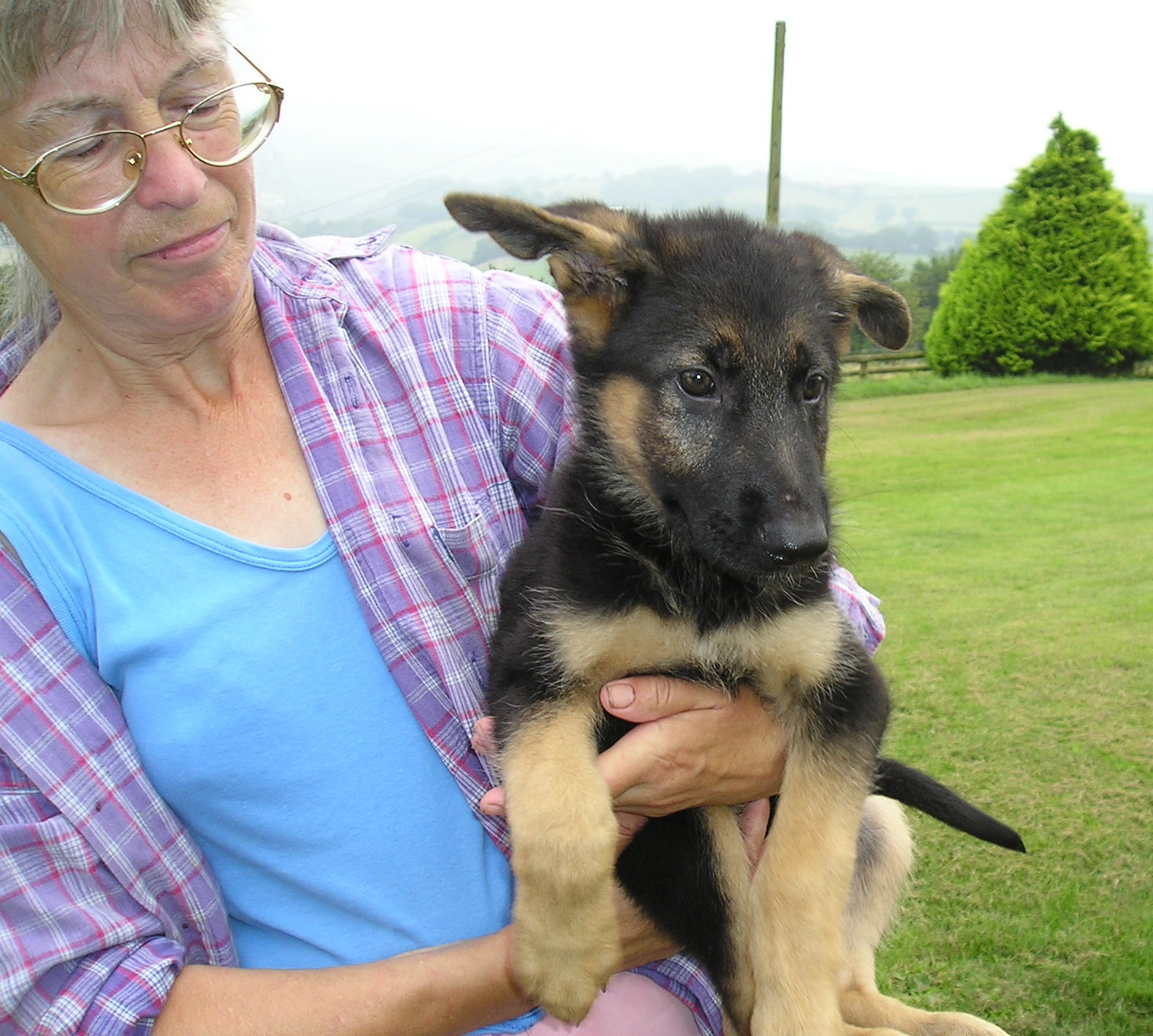
Jean has painted her pet dogs for many years and the paintings are here at home.
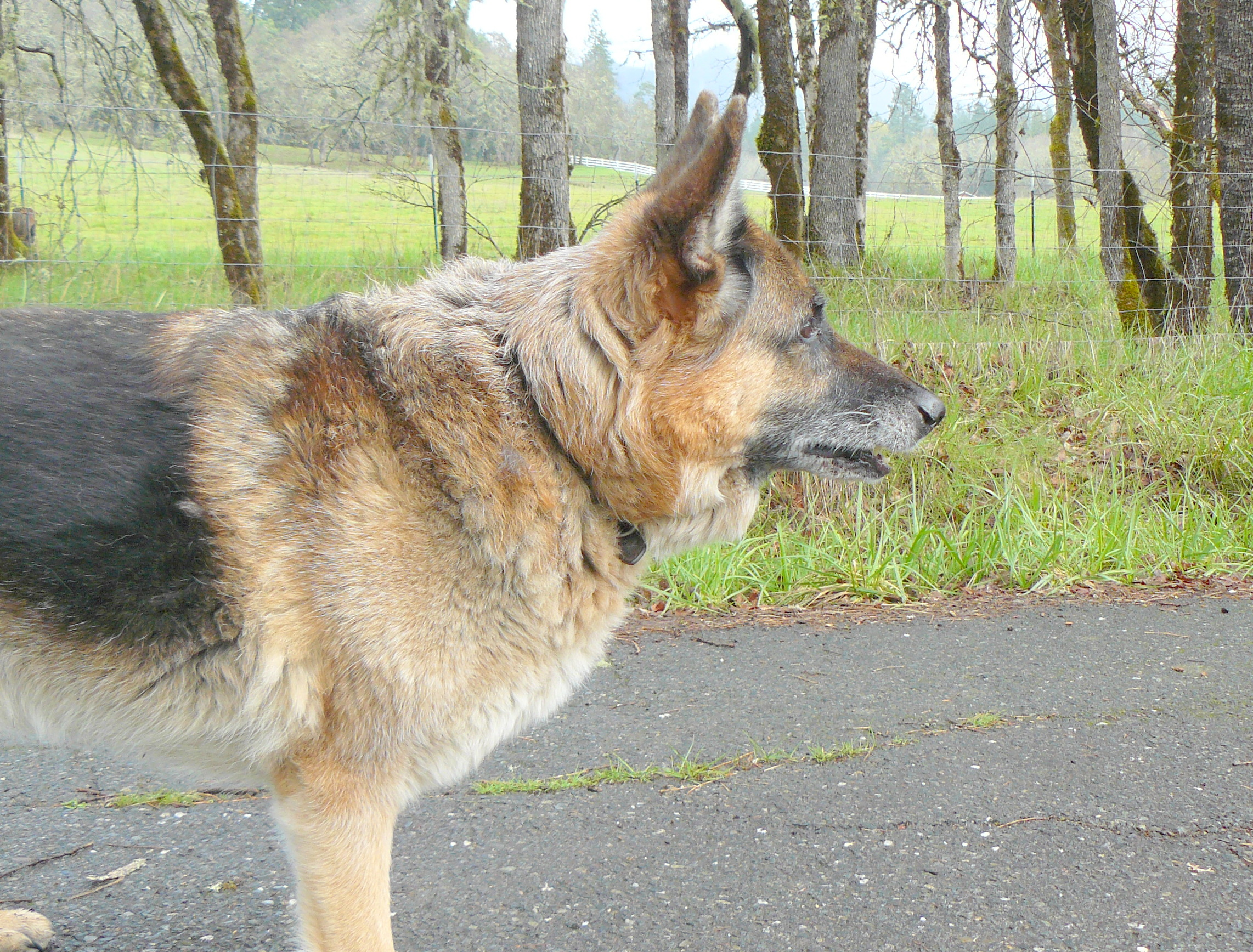
Let me close this post by remembering Pharaoh.
oooo
oooo
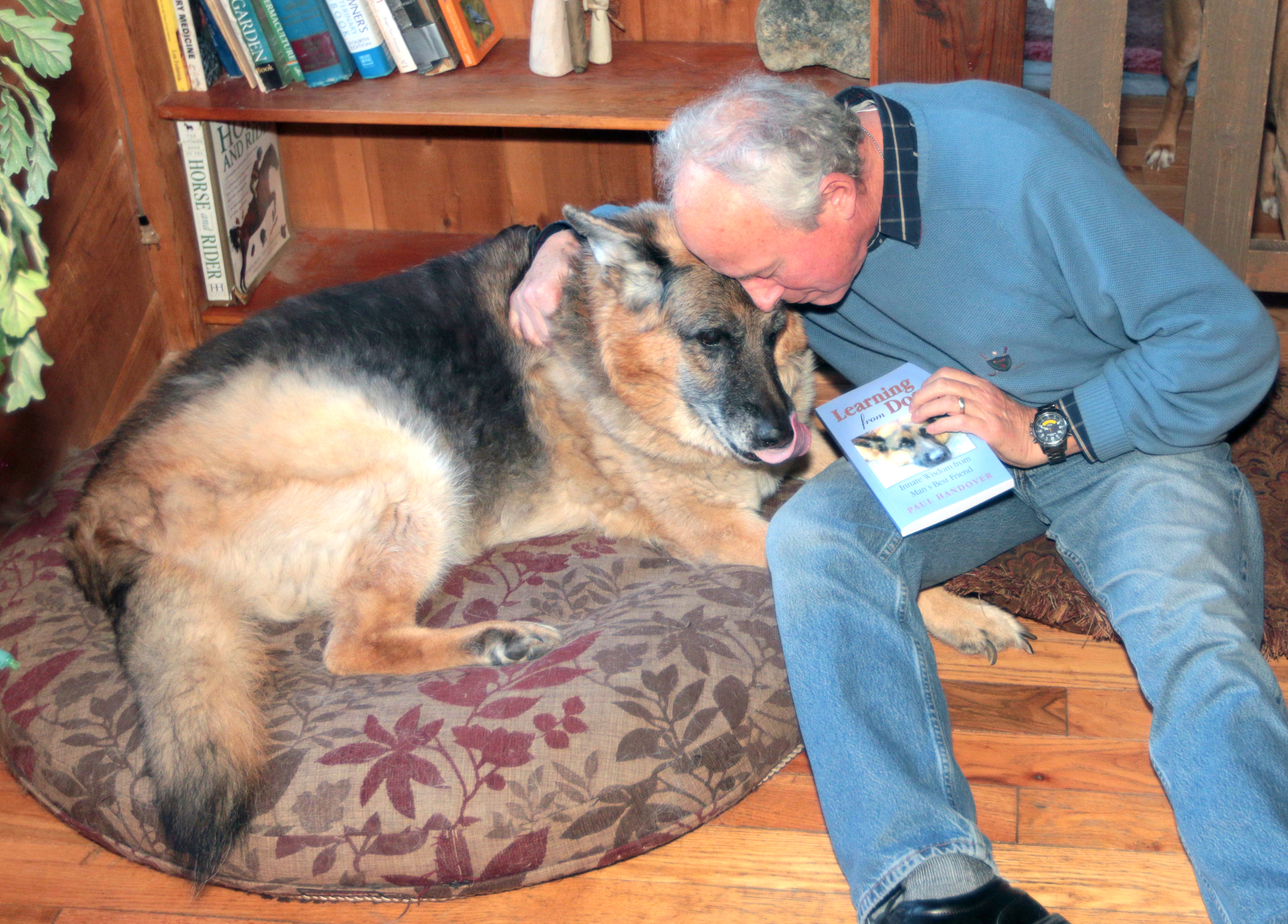
Yes, there is no question that pictures are the best.
Postscript: Overnight, the 24th that is, WordPress decided to significantly upgrade their software. So when I was writing this post during the 25th I was struggling at times. I hope it comes out alright.
And I am still talking about dogs!
I wasn’t going to publish a post for today because I had to go to the dentist yesterday for an 11 am appointment. In the afternoon the aesthetic was still making my jaw a little ‘sleepy’. But then I saw this article about a particular dog loving blueberries and figured is was too good to overlook. The article was published in The Dodo.
You will undoubtedly agree with me!
ooOOoo
She even snuggles them 😂❤️️
By Caitlin Jill Anders
Published on 3/10/2021
Ava is an incredibly sweet and caring dog, and one of her favorite things in life has always been toys.
“Any time anything happens, her answer is to bring over a toy,” Talia Henze, Ava’s mom, told The Dodo. “And I mean any time. If anyone laughs, if she sees anyone sad, she gets up and brings over a toy.”
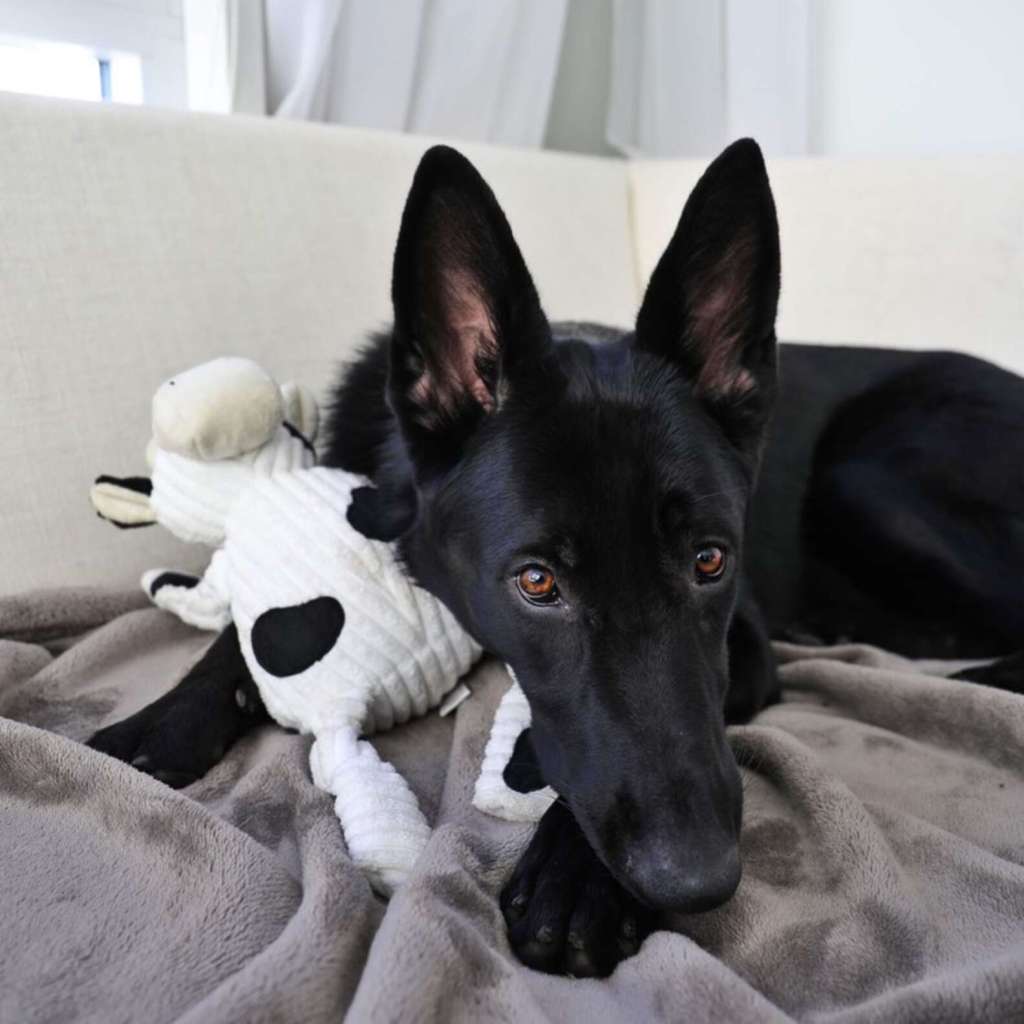
One day, Ava was watching her mom snack on some blueberries. She looked so curious that Henze decided to give her one. She thought Ava would enjoy having a little treat, but instead, for some reason, she decided to treat the blueberry exactly like one of her toys.
“She’s been trained to only eat her treats and long-lasting chew stuff on her elevated bed or in her crate, so she naturally just brings new toys, treats, etc. to those places,” Henze said. “So it didn’t surprise me that she brought the berry to it. But she just never ate it.”
Instead, Ava gently carried the blueberry around, caring for it tenderly. She showed absolutely no interest in having it as a snack. Her mom thought maybe she just didn’t understand what it was and tried to show her, but it was no use. The blueberry had become Ava’s friend, and that was that.
“She kind of just carried it around to her different places for a while and snuggled it,” Henze said. “When she eventually got bored and left it in her crate, I tried showing her [how] to eat it by breaking it open … She wanted nothing to do with it when it was broken.”
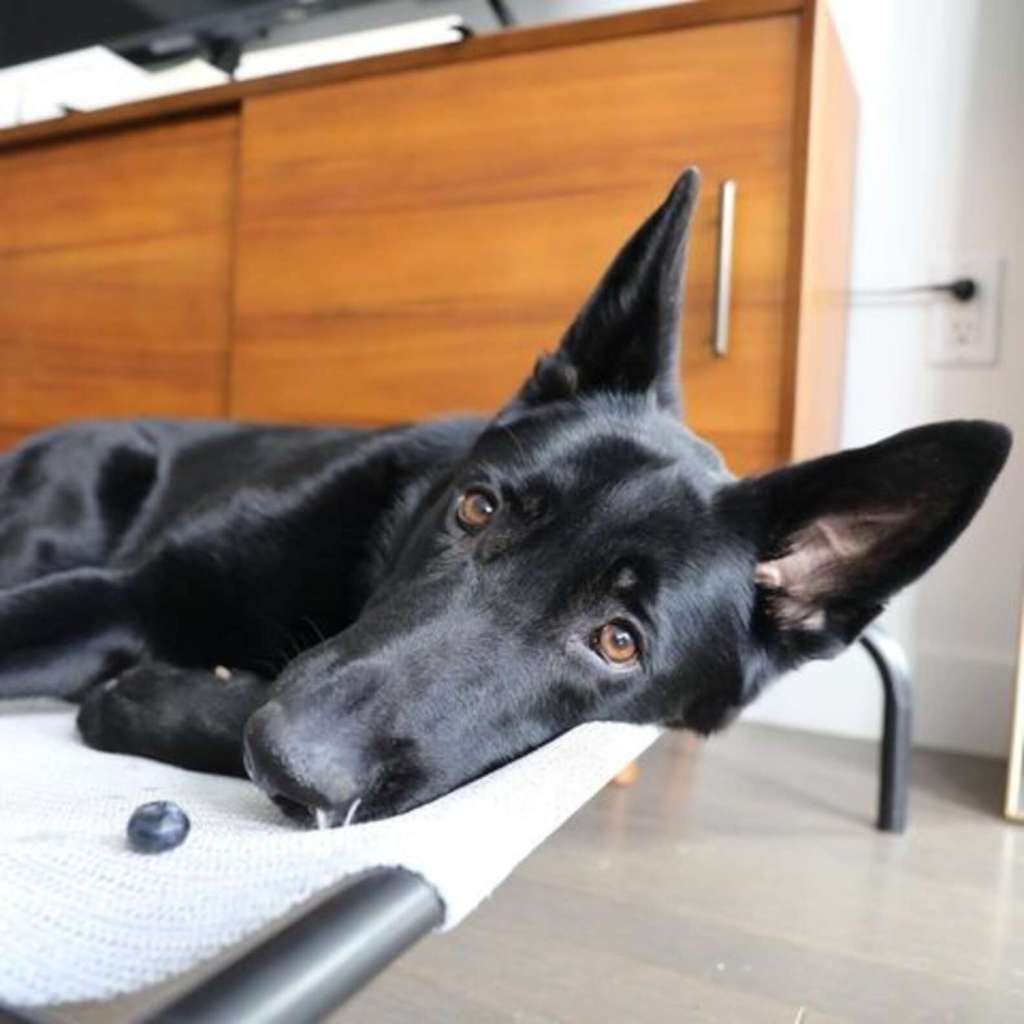
Now, every time Henze gives Ava a blueberry, the same exact thing happens. They’ve become one of her favorite toys, and it’s the cutest quirky habit ever.
“So I know she doesn’t really like eating them, but every time I eat blueberries she seems to want one,” Henze said. “So I just give her one every time … She tried to eat one once when I really encouraged it, but she just spat it out.”

To Ava, blueberries are friends, not food. They’re her little buddies, and that’s never going to change.
No one has any idea why Ava loves playing with blueberries so much, or why she’s so opposed to actually eating them. Her mom doesn’t question it anymore, though. It’s just a part of who Ava is, and that’s perfectly OK with her.
ooOOoo
Dogs are as much a mystery at times as they are pure companions. This is an example of a dog, Ava, who has set her mind on something and that is it! All of us dog carers know this about the animal. I guess there’s a logic to the way that a dog thinks even though that logic is beyond reach to us humans.
But that is one of the many characteristics that makes the dog so precious and so adorable.
Enough said!
A recent video suggests not!
I was idly browsing the BBC News online a couple of days ago and saw this small but wonderful piece.
The dogs helping endangered Tasmanian devils find a mate
A world-first trial in Australia is using detection dogs to help zookeepers identify when Tasmanian devils may be ready to breed.
If the programme is successful, it’s hoped the method could help other endangered species too.
Video by Isabelle Rodd
There is a video available but it is nearly an hour long.
Enjoy!
 Learning from Dogs