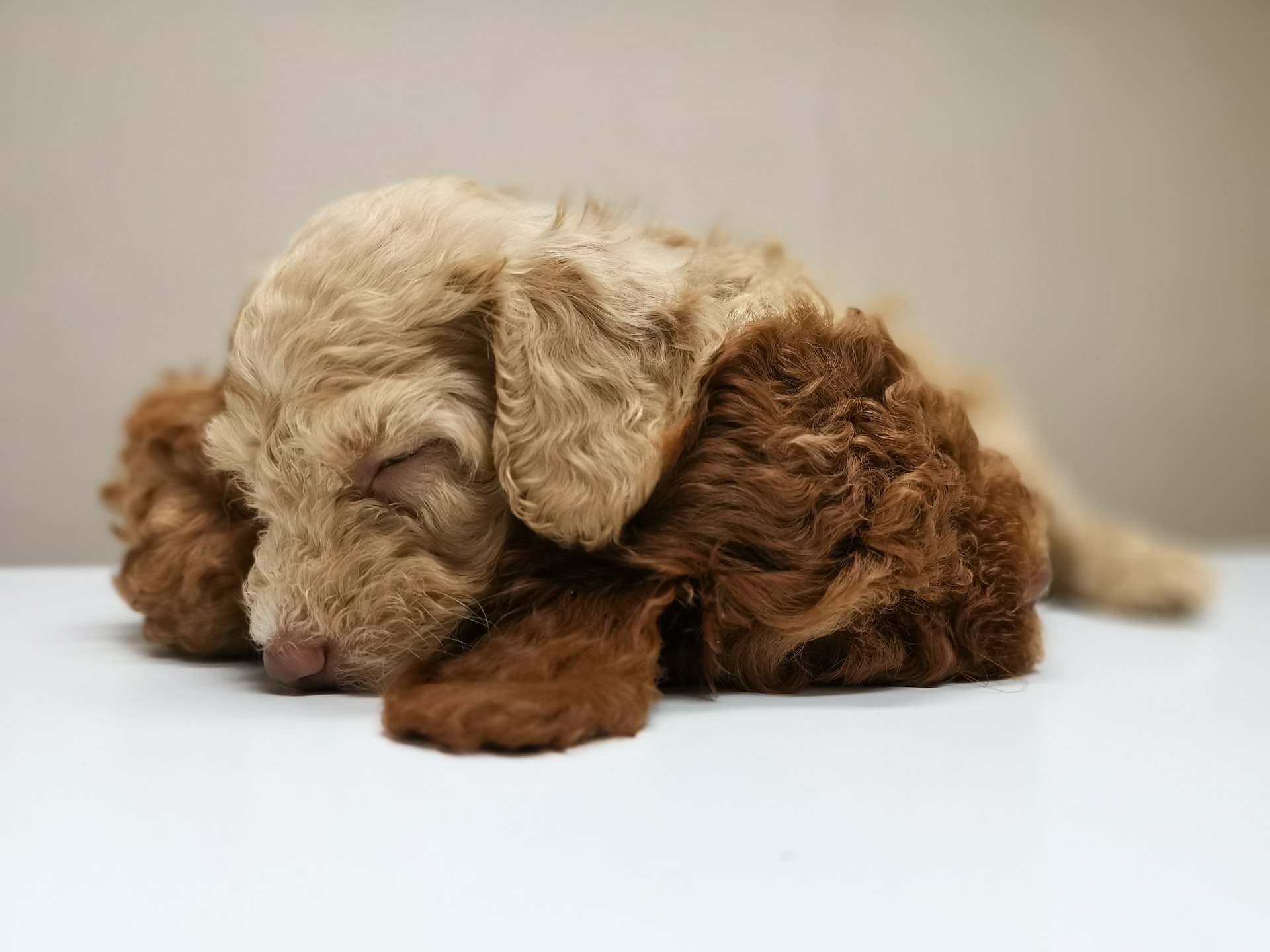
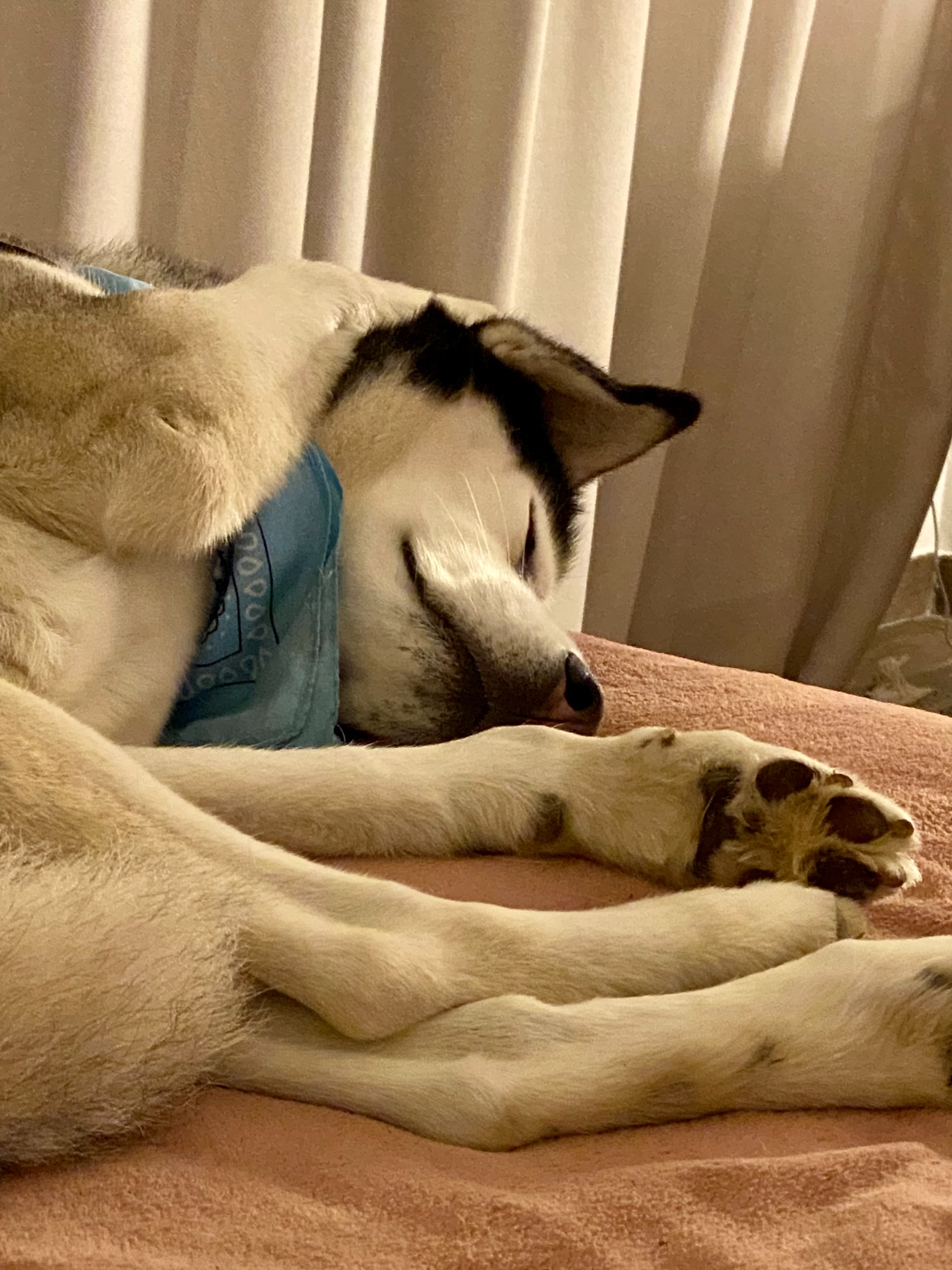
Another set of photographs that show sleeping dogs, courtesy Unsplash.
oooo

oooo

oooo

oooo
oooo

oooo

They are all so exquisite.
I am hoping there will be more sleeping dogs in a week’s time.
Dogs are animals of integrity. We have much to learn from them.
Author: Paul Handover
Another set of photographs that show sleeping dogs, courtesy Unsplash.
oooo
oooo
oooo
oooo
oooo
oooo
They are all so exquisite.
I am hoping there will be more sleeping dogs in a week’s time.
Just a single image!
The vet practice we use is Lincoln Road Veterinary Clinic, and we have used them for quite a few years. They recently sent out a mailer that contained the following:

Now the ‘CALL US’ has to be the vet in your own location; that’s obvious!
But nonetheless I thought it was worth sharing with you.
Our pets are very special!
A really fascinating article from The Conversation on Imagination.
The website The Conversation had another very interesting link to something that sorts out the humans from all other life forms. It is imagination!
I have pleasure in republishing it!
ooOOoo
Andrey Vyshedskiy, Boston University
Published February, 23rd, 2023
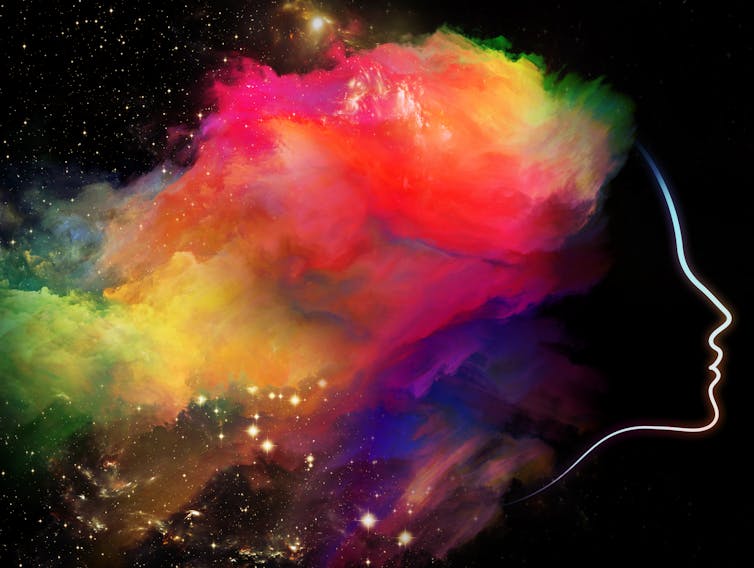
You can easily picture yourself riding a bicycle across the sky even though that’s not something that can actually happen. You can envision yourself doing something you’ve never done before – like water skiing – and maybe even imagine a better way to do it than anyone else.
Imagination involves creating a mental image of something that is not present for your senses to detect, or even something that isn’t out there in reality somewhere. Imagination is one of the key abilities that make us human. But where did it come from?
I’m a neuroscientist who studies how children acquire imagination. I’m especially interested in the neurological mechanisms of imagination. Once we identify what brain structures and connections are necessary to mentally construct new objects and scenes, scientists like me can look back over the course of evolution to see when these brain areas emerged – and potentially gave birth to the first kinds of imagination.
After life emerged on Earth around 3.4 billion years ago, organisms gradually became more complex. Around 700 million years ago, neurons organized into simple neural nets that then evolved into the brain and spinal cord around 525 million years ago.
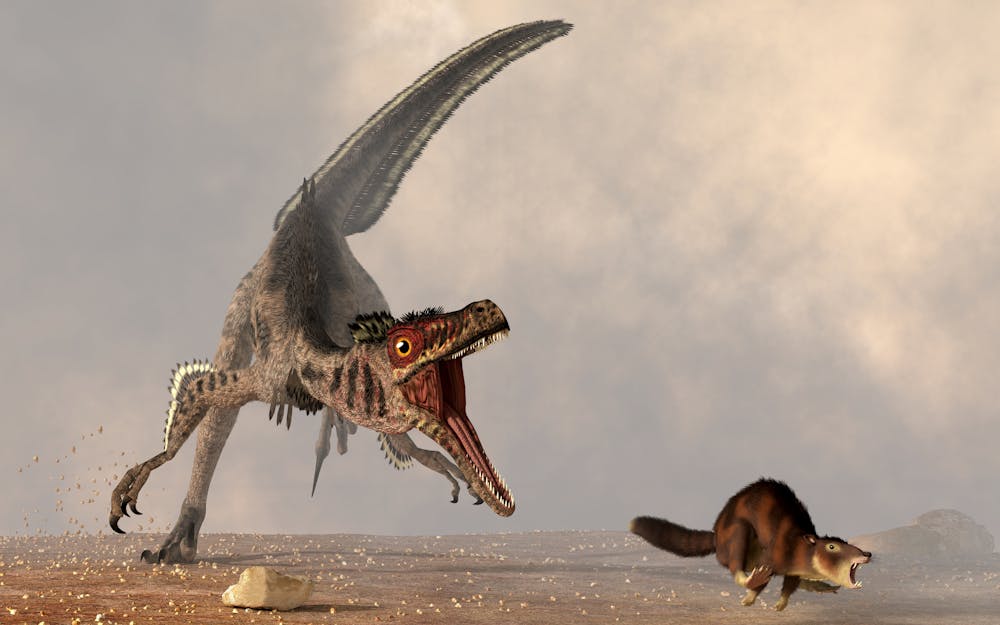
Eventually dinosaurs evolved around 240 million years ago, with mammals emerging a few million years later. While they shared the landscape, dinosaurs were very good at catching and eating small, furry mammals. Dinosaurs were cold-blooded, though, and, like modern cold-blooded reptiles, could only move and hunt effectively during the daytime when it was warm. To avoid predation by dinosaurs, mammals stumbled upon a solution: hide underground during the daytime.
Not much food, though, grows underground. To eat, mammals had to travel above the ground – but the safest time to forage was at night, when dinosaurs were less of a threat. Evolving to be warm-blooded meant mammals could move at night. That solution came with a trade-off, though: Mammals had to eat a lot more food than dinosaurs per unit of weight in order to maintain their high metabolism and to support their constant inner body temperature around 99 degrees Fahrenheit (37 degrees Celsius).
Our mammalian ancestors had to find 10 times more food during their short waking time, and they had to find it in the dark of night. How did they accomplish this task?
To optimize their foraging, mammals developed a new system to efficiently memorize places where they’d found food: linking the part of the brain that records sensory aspects of the landscape – how a place looks or smells – to the part of the brain that controls navigation. They encoded features of the landscape in the neocortex, the outermost layer of the brain. They encoded navigation in the entorhinal cortex. And the whole system was interconnected by the brain structure called the hippocampus. Humans still use this memory system for remembering objects and past events, such as your car and where you parked it.
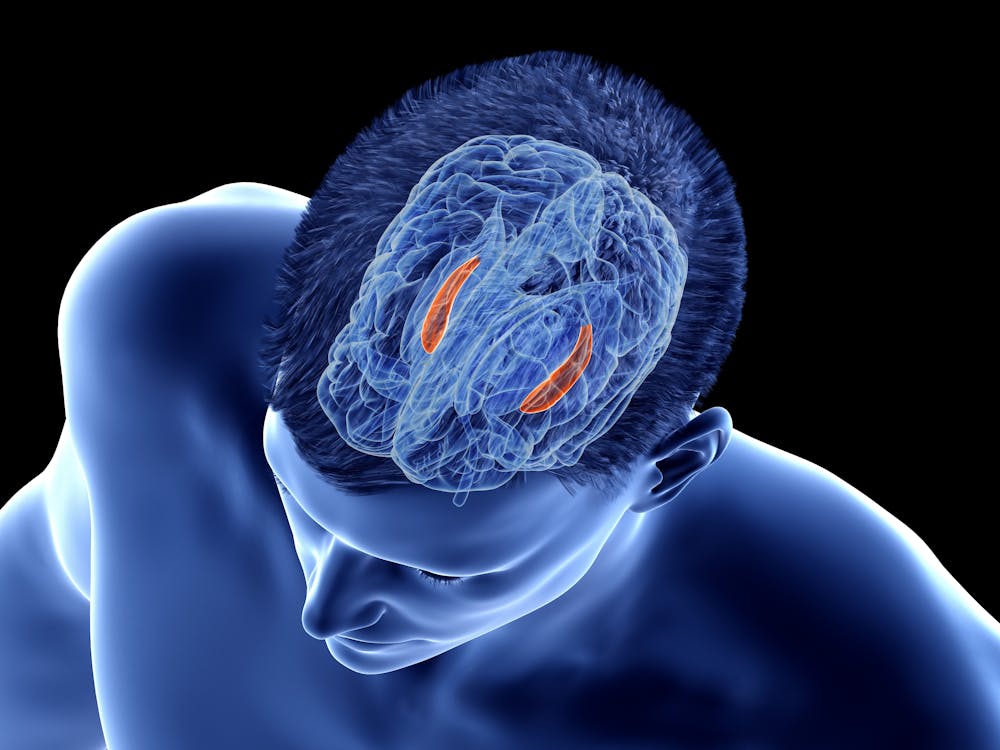
Groups of neurons in the neocortex encode these memories of objects and past events. Remembering a thing or an episode reactivates the same neurons that initially encoded it. All mammals likely can recall and re-experience previously encoded objects and events by reactivating these groups of neurons. This neocortex-hippocampus-based memory system that evolved 200 million years ago became the first key step toward imagination.
The next building block is the capability to construct a “memory” that hasn’t really happened.
The simplest form of imagining new objects and scenes happens in dreams. These vivid, bizarre involuntary fantasies are associated in people with the rapid eye movement (REM) stage of sleep.
Scientists hypothesize that species whose rest includes periods of REM sleep also experience dreams. Marsupial and placental mammals do have REM sleep, but the egg-laying mammal the echidna does not, suggesting that this stage of the sleep cycle evolved after these evolutionary lines diverged 140 million years ago. In fact, recording from specialized neurons in the brain called place cells demonstrated that animals can “dream” of going places they’ve never visited before.
In humans, solutions found during dreaming can help solve problems. There are numerous examples of scientific and engineering solutions spontaneously visualized during sleep.
The neuroscientist Otto Loewi dreamed of an experiment that proved nerve impulses are transmitted chemically. He immediately went to his lab to perform the experiment – later receiving the Nobel Prize for this discovery.
Elias Howe, the inventor of the first sewing machine, claimed that the main innovation, placing the thread hole near the tip of the needle, came to him in a dream.
Dmitri Mendeleev described seeing in a dream “a table where all the elements fell into place as required. Awakening, I immediately wrote it down on a piece of paper.” And that was the periodic table.
These discoveries were enabled by the same mechanism of involuntary imagination first acquired by mammals 140 million years ago.

The difference between voluntary imagination and involuntary imagination is analogous to the difference between voluntary muscle control and muscle spasm. Voluntary muscle control allows people to deliberately combine muscle movements. Spasm occurs spontaneously and cannot be controlled.
Similarly, voluntary imagination allows people to deliberately combine thoughts. When asked to mentally combine two identical right triangles along their long edges, or hypotenuses, you envision a square. When asked to mentally cut a round pizza by two perpendicular lines, you visualize four identical slices.
This deliberate, responsive and reliable capacity to combine and recombine mental objects is called prefrontal synthesis. It relies on the ability of the prefrontal cortex located at the very front of the brain to control the rest of the neocortex.
When did our species acquire the ability of prefrontal synthesis? Every artifact dated before 70,000 years ago could have been made by a creator who lacked this ability. On the other hand, starting about that time there are various archeological artifacts unambiguously indicating its presence: composite figurative objects, such as lion-man; bone needles with an eye; bows and arrows; musical instruments; constructed dwellings; adorned burials suggesting the beliefs in afterlife, and many more.
Multiple types of archaeological artifacts unambiguously associated with prefrontal synthesis appear simultaneously around 65,000 years ago in multiple geographical locations. This abrupt change in imagination has been characterized by historian Yuval Harari as the “cognitive revolution.” Notably, it approximately coincides with the largest Homo sapiens‘ migration out of Africa.
Genetic analyses suggest that a few individuals acquired this prefrontal synthesis ability and then spread their genes far and wide by eliminating other contemporaneous males with the use of an imagination-enabeled strategy and newly developed weapons.
So it’s been a journey of many millions of years of evolution for our species to become equipped with imagination. Most nonhuman mammals have potential for imagining what doesn’t exist or hasn’t happened involuntarily during REM sleep; only humans can voluntarily conjure new objects and events in our minds using prefrontal synthesis.
Andrey Vyshedskiy, Professor of Neuroscience, Boston University
This article is republished from The Conversation under a Creative Commons license. Read the original article.
ooOOoo
There we are! As the author of the article says: “Most nonhuman mammals have potential for imagining what doesn’t exist or hasn’t happened involuntarily during REM sleep; only humans can voluntarily conjure new objects and events in our minds using prefrontal synthesis.“
It has been a very long journey for us humans to be equipped with imagination. One wonders what the next ten or twenty years will bring? Any thoughts you want to leave as comments?
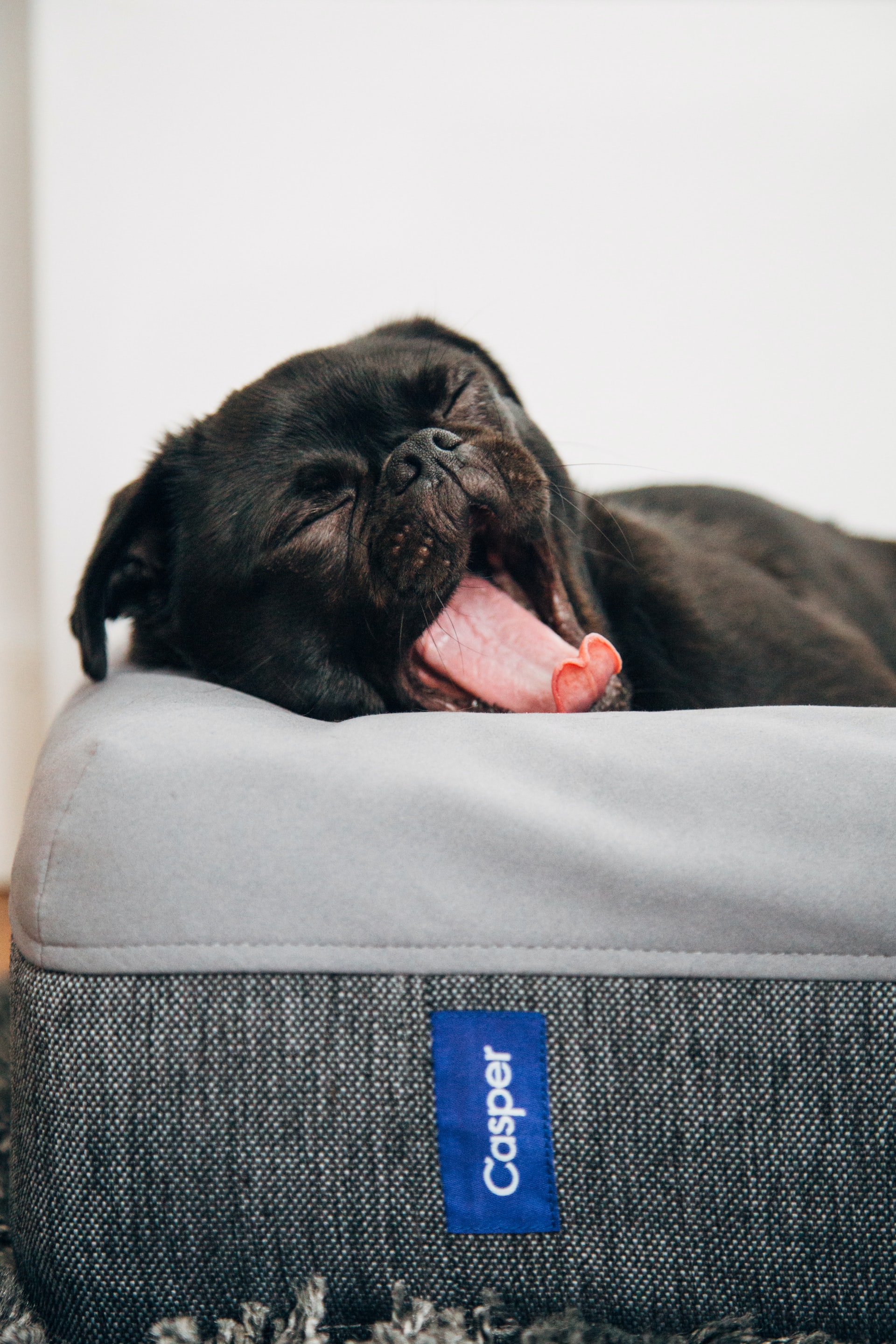
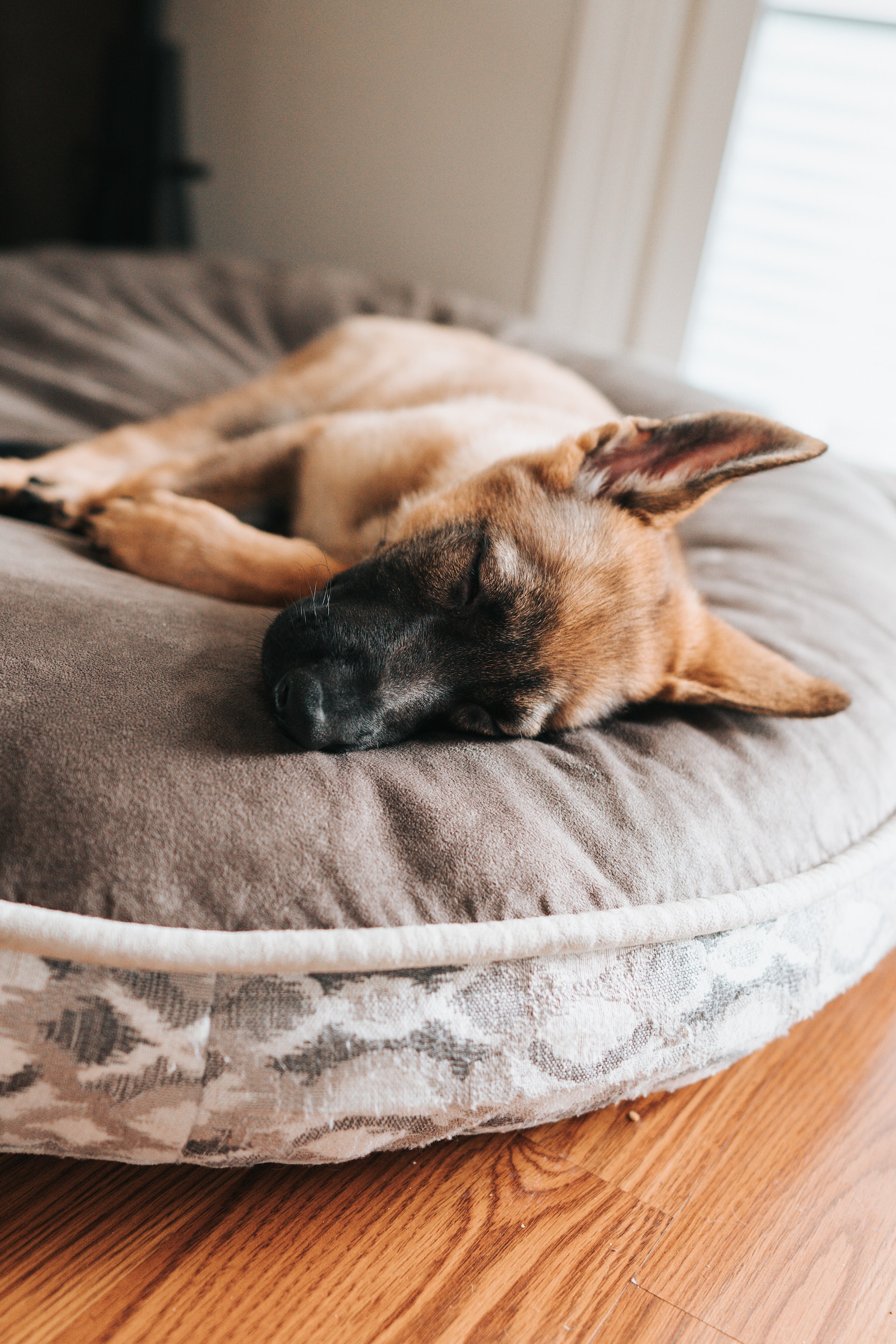
Today we have sleeping dogs, courtesy of Unsplash.

oooo

oooo
oooo
oooo

oooo

oooo

Another Sunday; another week!
Another excellent guest post from Penny Martin.
I love what Penny does and it sure does take the pressure off me because I know that Penny’s posts are first class.
This is a topic that every dog owner is keen on – keeping one’s dog fit and healthy.
Over to Penny.
ooOOoo

Image: Pexels
Keep Your Dog Healthy and Fit With This Essential Care Guide
Keeping your dog healthy and fit is a priority if you want to ensure he lives a long and happy life, but it can be difficult to know where to start. It’s important to make sure that your pup stays active, eats the right food, and gets the proper amount of exercise, but there’s more you can do to help him get fit and maintain great health. Use this guide from Learning from Dogs to create a wellness strategy for your four-legged friend and give him the long life he deserves.
Help Your Dog Stay Active
It’s important to keep your pup active throughout the day, especially if he spends time home alone while you’re at work. Take him on walks or let them run around in the yard; these activities will help keep them physically fit as well as mentally stimulated, and you can hire a pet sitter or dog-walker to help out. If you live in an area that isn’t very dog-friendly, look for a local dog park where he can run around safely.
Stimulate His Mind
While physical activity is crucial for your pet, there are also many toys and products available on the market that can help increase his activity levels. Investing in dog puzzles, treat dispensers, and chew toys can help keep your dog entertained while also providing an opportunity to burn off some extra energy throughout the day. This will also work to prevent behavioral issues if he spends time alone.
Improve His Diet With Quality Food
Investing in higher-quality food for your pup is essential for their health and well-being. Look for foods that are made with natural ingredients and provide all the nutrients they need. Avoid foods with artificial colors, flavors, and preservatives as these could potentially be harmful to your dog’s health.
You can also try air-dried food, which is cooked slowly to ensure it retains the maximum amount of nutrients and flavor. This option deserves a look, as it is also low in carbs and higher in protein than wet food options. You can even order a sample to check it out for yourself before investing.
Regulate Meals and Treats
In addition to making sure he has the right type of food, it’s important to feed your dog the required amount of food each day according to his size and age. Too little or too much could lead to health issues down the line. Additionally, limit treats, as they can contain high amounts of sugar which could lead to weight gain or other health problems over time.
Get Professional Advice
If you notice that your pup needs to lose a significant amount of weight, Chewy says that it’s best to work with a vet who can provide advice on how best to do so safely without causing harm or stress to him. Doing it this way will guarantee that your weight loss plan is secure, and you’ll still be able to give him the best possible nutrition. This is especially important if your dog is older.
Prepare With The Right Gear
Having quality gear like durable leashes and harnesses when taking your pet out for walks is essential for their safety as well as yours. Investing in quality gear now will save you money in the long run, as it will last longer than cheaper alternatives which may break easily over time due to wear and tear. Look for a harness that is comfortable and adjustable in a durable fabric.
Treat Your Dog with the Love They Deserve
Keeping your dog safe, comfortable, and healthy can go a long way toward ensuring that he’s with you for a long time. By feeding him high-quality dog food, making sure he gets enough exercise, and investing in the right gear, you can give your dog many more years. Just make sure you consult your vet with any issues along the way.
We can – and should – learn a lot from our four-legged friends and their ability to give unconditional love. Check out Learning from Dogs online to find inspiration for loving and living your life every day.
ooOOoo
All very sound advice and, once again, Penny is to be thanked for submitting this guest post. Thank you, Penny!
Why it is so important!
We go to the local Club Northwest. Jean attends the Rock Steady class and I work for an hour with Bruce Pilgreen, one of the staff. Bruce is very knowledgeable of human bodies and, indeed, trained as a Coach some years ago.
About a month ago Bruce showed me how to lay on my back, with my legs pulled back and my head slightly raised on a small cushion. My hands were palm upwards and about forty degrees either side of my body. The point of this position was to feel my spine, particularly my lower spine, flat against the ground and practice deep breathing at the same time. It was all to do with posture and Bruce remarked how common bad posture was to be seen out in the streets.
Well I came across a MedlinePlus item on Posture and wanted to share it with you all.
ooOOoo
Guide to Good Posture
Good posture is about more than standing up straight so you can look your best. It is an important part of your long-term health. Making sure that you hold your body the right way, whether you are moving or still, can prevent pain, injuries, and other health problems.
Posture is how you hold your body. There are two types:
It is important to make sure that you have good dynamic and static posture.
The key to good posture is the position of your spine. Your spine has three natural curves – at your neck, mid back, and low back. Correct posture should maintain these curves, but not increase them. Your head should be above your shoulders, and the top of your shoulder should be over the hips.
Poor posture can be bad for your health. Slouching or slumping over can:
Many Americans spend a lot of their time sitting – either at work, at school, or at home. It is important to sit properly, and to take frequent breaks:
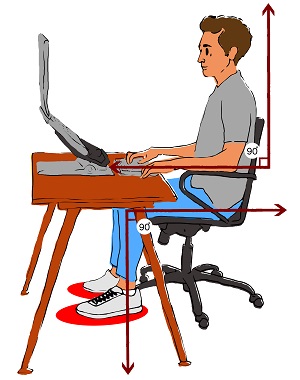
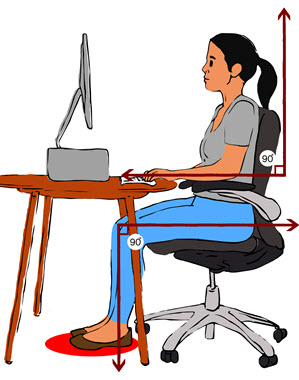
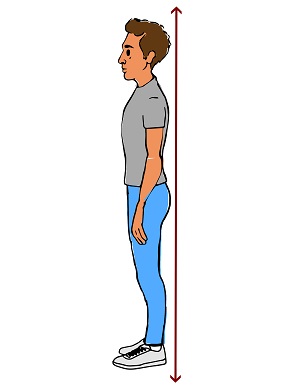
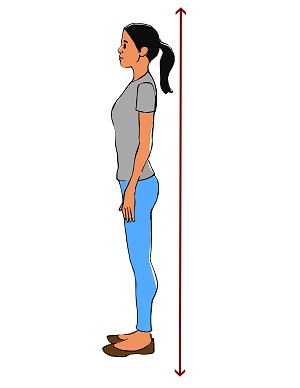
With practice, you can improve your posture; you will look and feel better.
ooOOoo
There you are! I am sure that many, many people do not have good posture and the guidance above may just inspire you to aim for better posture.
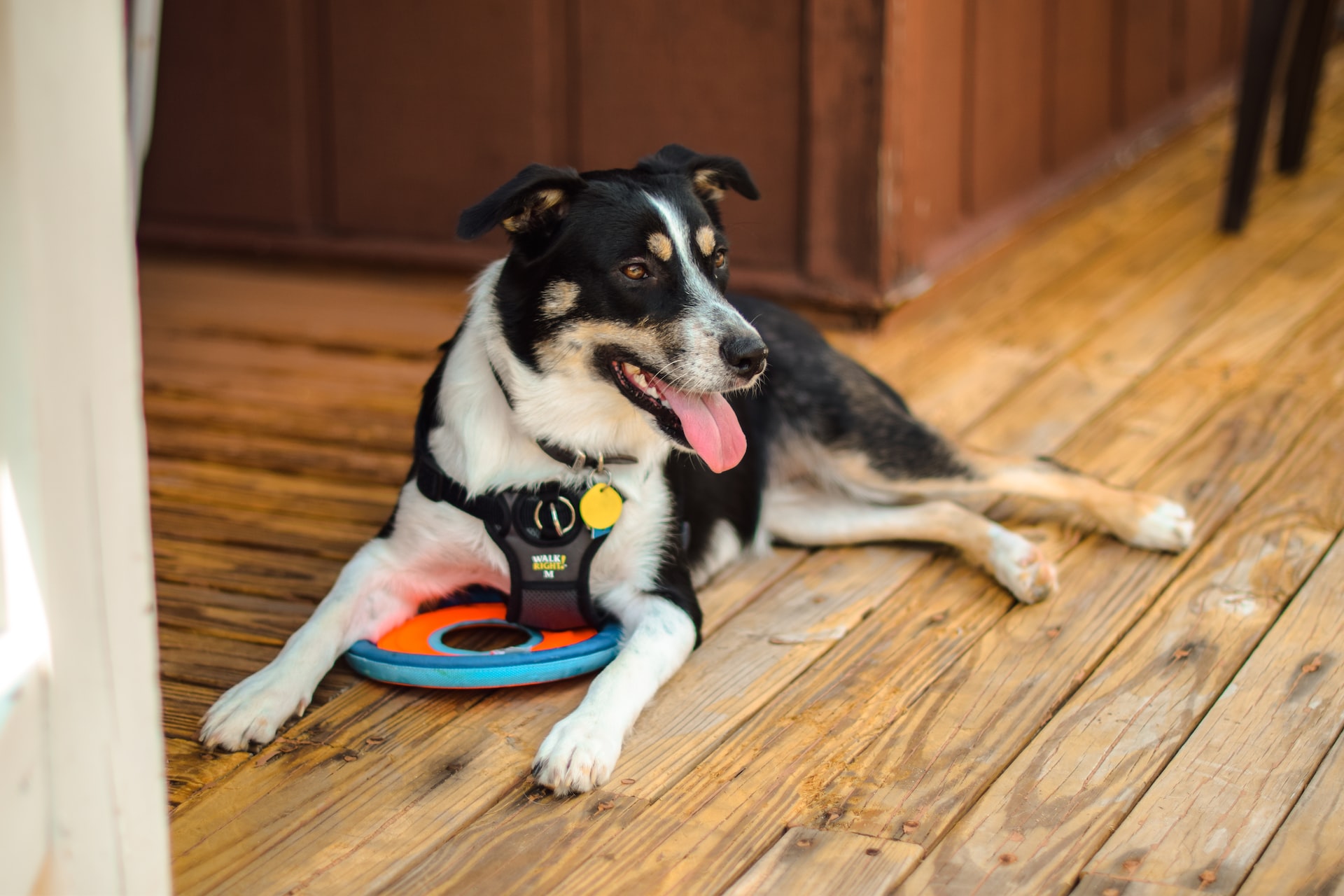
Back to Unsplash!
I put in the search description ‘Service dogs’ but that didn’t seem to be the correct way of describing the search. Anyway, I liked what was seen!
ooOOoo

oooo
oooo

oooo

oooo

oooo

oooo

oooo
oooo

There you are, good people!
A fascinating list!
Now I can’t recall where I saw these facts; I suspect they were emailed to me.
Whatever, it doesn’t matter, for they are amazing!
ooOOoo
1. Dogs have an incredible sense of smell—up to 100,000 times better than ours! They have more than 220 million olfactory receptors in their noses, while humans only have around 5 million.
2. Dogs can recognize up to 250 words and gestures, and they can even understand the tone of voice we use when we’re speaking to them.
3. Dogs can see in the dark better than us. They have a layer of cells in their eyes called the tapetum lucidum which reflects light back into the retina and helps them to see better in low light.
4. Dogs can sense when something is wrong or when you’re feeling down. They’ll often come and sit with you or give you extra cuddles when you’re feeling blue.
5. Dogs have an incredible sense of direction and can find their way back home from miles away. They use a combination of smell, sight and sound to remember the route they took.
6. Dogs can often tell when you’re about to sneeze. They have a special ability to sense subtle changes in our body language, and they can detect the slight changes that happen right before you sneeze.
7. Dogs can also tell when you’re happy or sad. They have the ability to sense changes in our breathing, body temperature, and even the amount of sweat we produce.
8. Dogs can sense when you’re getting sick. They can detect changes in your scent that you don’t even notice, and they’ll often come and comfort you when you’re feeling unwell.
9. Dogs can sense when someone is going to epileptic seizures or diabetic shock. They can detect the changes in smell, behavior and body chemistry that occur before a seizure or shock happens.
10. Dogs can detect certain types of cancer. They’re able to sniff out volatile organic compounds (VOCs) in the breath, urine or sweat of a person with cancer, which is why some organizations are training dogs to use their noses to detect cancer in humans.

ooOOoo
Dogs are amazing animals, in so many ways!
A fascinating insight into recovered plastic.
Like so many others we do our little bit regarding plastic but do not properly think about the issue. I have to admit that I am not even sure if all plastics are harmful or just some.
But I comprehend art!
That is why I am republishing, with permission, this article from The Conversation.
ooOOoo
Pam Longobardi, Georgia State University
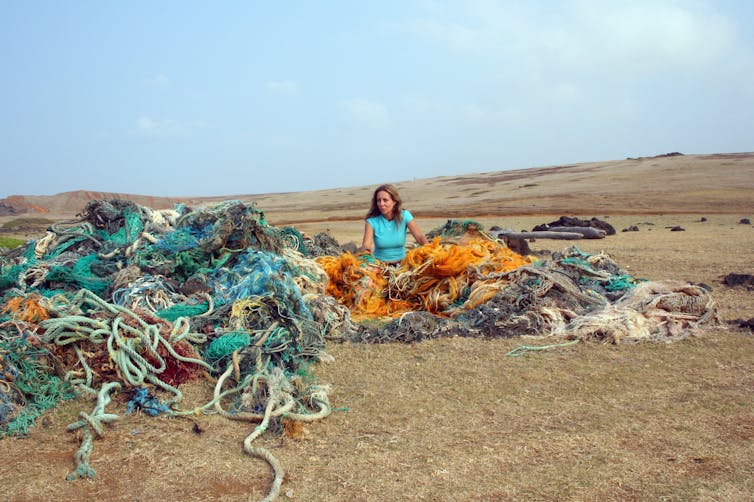
I am obsessed with plastic objects. I harvest them from the ocean for the stories they hold and to mitigate their ability to harm. Each object has the potential to be a message from the sea – a poem, a cipher, a metaphor, a warning.
My work collecting and photographing ocean plastic and turning it into art began with an epiphany in 2005, on a far-flung beach at the southern tip of the Big Island of Hawaii. At the edge of a black lava beach pounded by surf, I encountered multitudes upon multitudes of plastic objects that the angry ocean was vomiting onto the rocky shore.
I could see that somehow, impossibly, humans had permeated the ocean with plastic waste. Its alien presence was so enormous that it had reached this most isolated point of land in the immense Pacific Ocean. I felt I was witness to an unspeakable crime against nature, and needed to document it and bring back evidence.
I began cleaning the beach, hauling away weathered and misshapen plastic debris – known and unknown objects, hidden parts of a world of things I had never seen before, and enormous whalelike colored entanglements of nets and ropes.
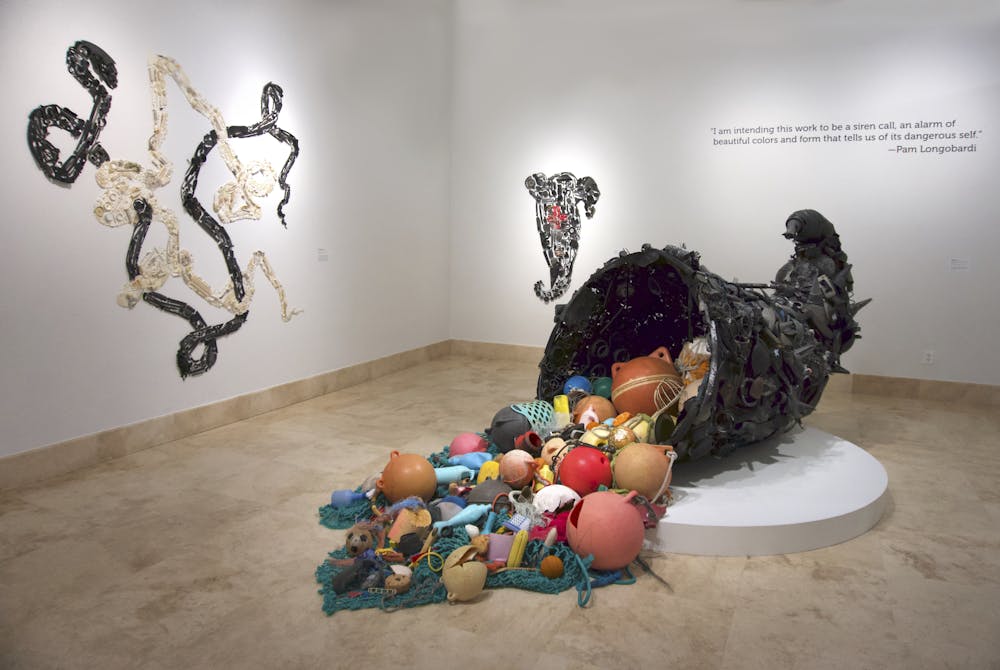
I returned to that site again and again, gathering material evidence to study its volume and how it had been deposited, trying to understand the immensity it represented. In 2006, I formed the Drifters Project, a collaborative global entity to highlight these vagrant, translocational plastics and recruit others to investigate and mitigate ocean plastics’ impact.
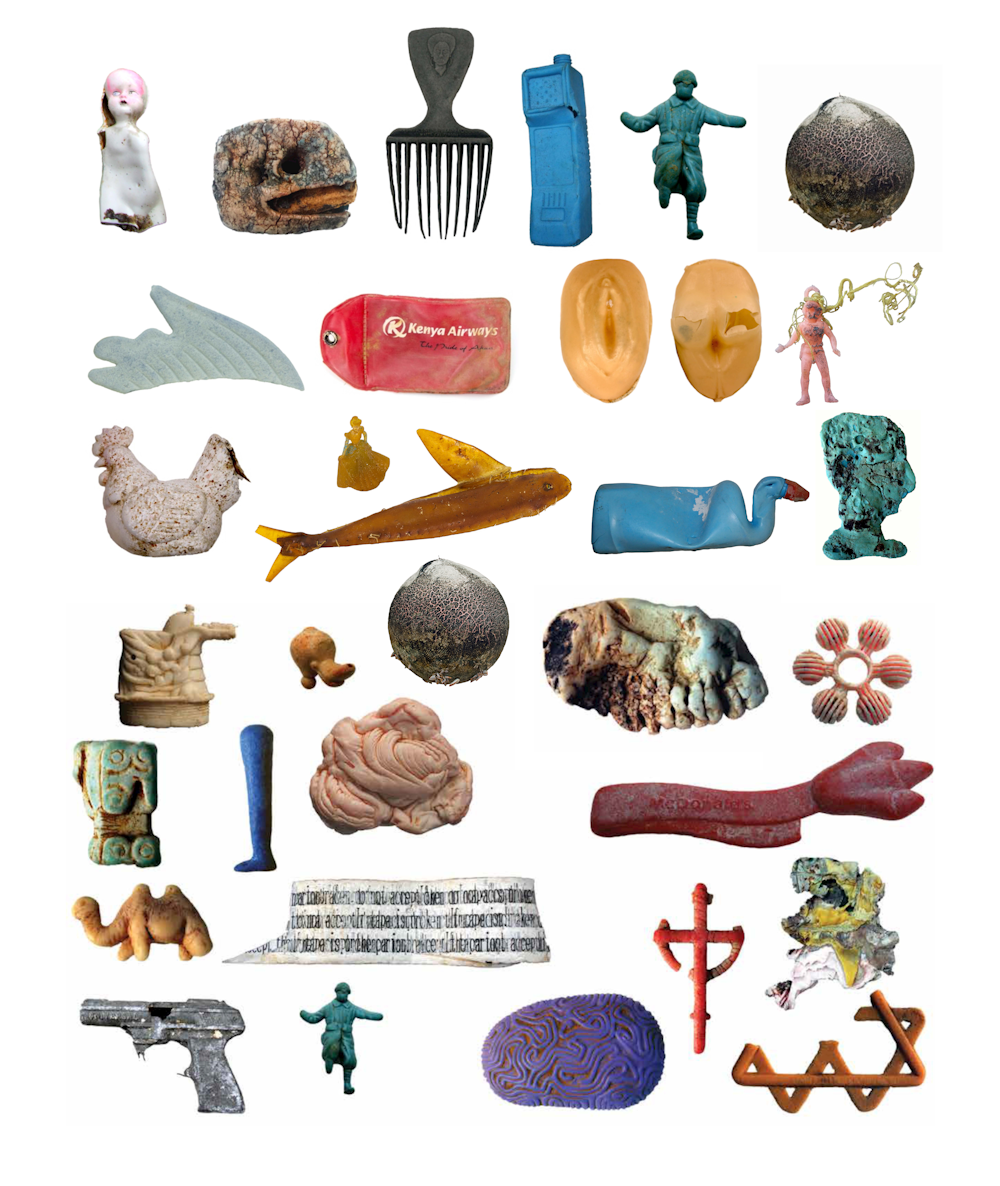
My new book, “Ocean Gleaning,” tracks 17 years of my art and research around the world through the Drifters Project. It reveals specimens of striking artifacts harvested from the sea – objects that once were utilitarian, but have been changed by their oceanic voyages and come back as messages from the ocean.
I grew up in what some now deem the age of plastic. Though it’s not the only modern material invention, plastic has had the most unforeseen consequences.
My father was a biochemist at the chemical company Union Carbide when I was a child in New Jersey. He played golf with an actor who portrayed “The Man from Glad,” a Get Smart-styled agent who rescued flustered housewives in TV commercials from inferior brands of plastic wrap that snarled and tangled. My father brought home souvenir pins of Union Carbide’s hexagonal logo, based on the carbon molecule, and figurine pencil holders of “TERGIE,” the company’s blobby turquoise mascot.
On the 2013 Gyre Expedition, Pam Longobardi traveled with a team of scientists, artists and policymakers to investigate and remove tons of oceanic plastic washing out of great gyres, or currents, in the Pacific Ocean, and make art from it.
Today I see plastic as a zombie material that haunts the ocean. It is made from petroleum, the decayed and transformed life forms of the past. Drifting at sea, it “lives” again as it gathers a biological slime of algae and protozoans, which become attachment sites for larger organisms.
When seabirds, fish and sea turtles mistake this living encrustation for food and eat it, plastic and all, the chemical load lives on in their digestive tracts. Their body tissues absorb chemicals from the plastic, which remain undigested in their stomachs, often ultimately killing them.

I see plastic objects as the cultural archaeology of our time – relics of global late-capitalist consumer society that mirror our desires, wishes, hubris and ingenuity. They become transformed as they leave the quotidian world and collide with nature. By regurgitating them ashore or jamming them into sea caves, the ocean is communicating with us through materials of our own making. Some seem eerily familiar; others are totally alien.
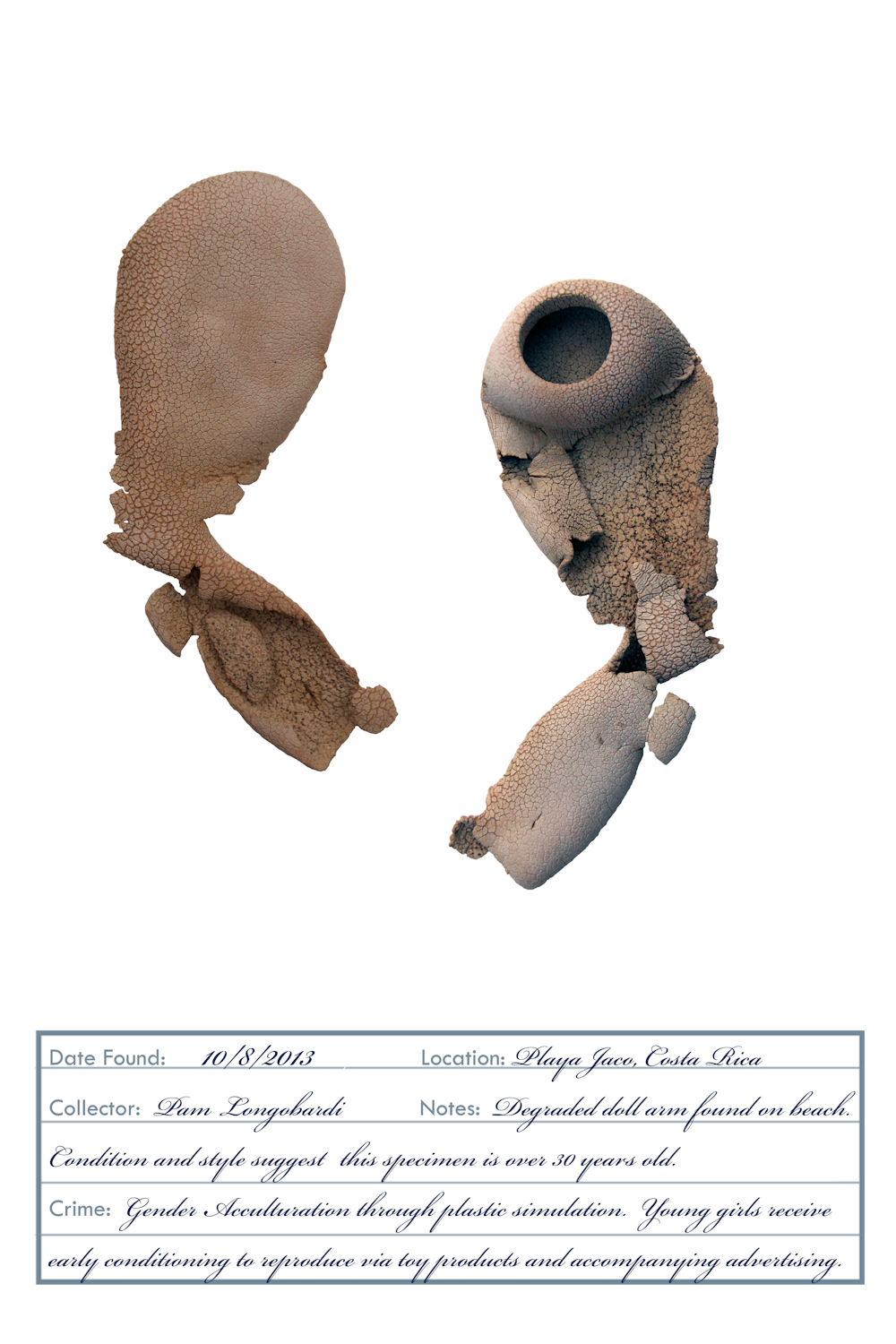
A person engaging in ocean gleaning acts as a detective and a beacon, hunting for the forensics of this crime against the natural world and shining the light of interrogation on it. By searching for ocean plastic in a state of open receptiveness, a gleaner like me can find symbols of pop culture, religion, war, humor, irony and sorrow.
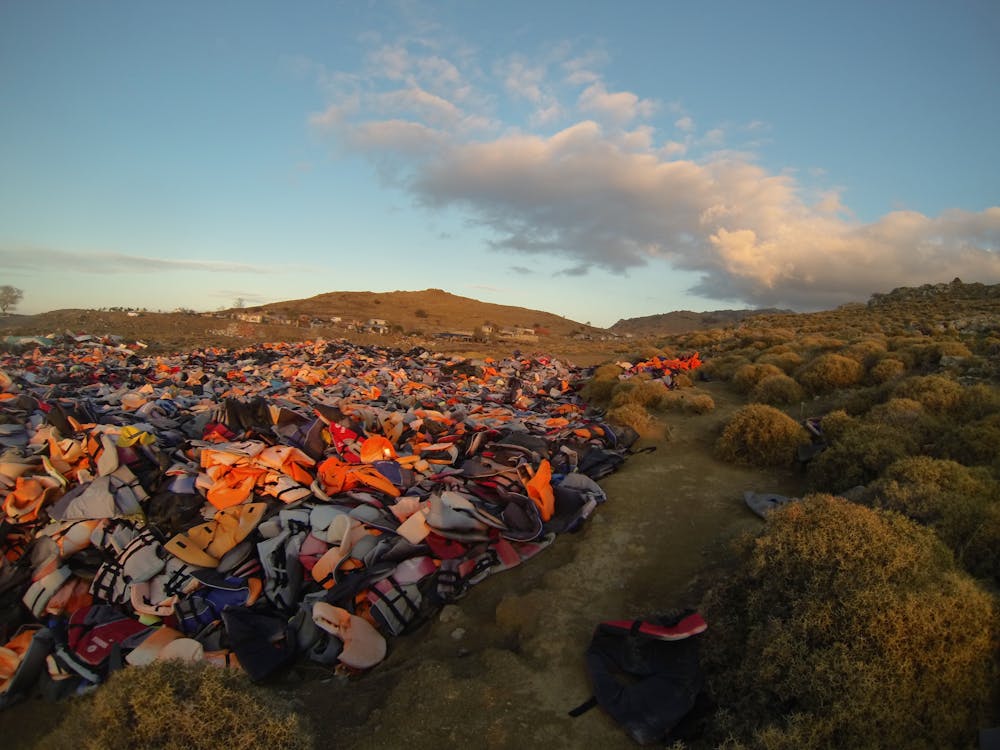
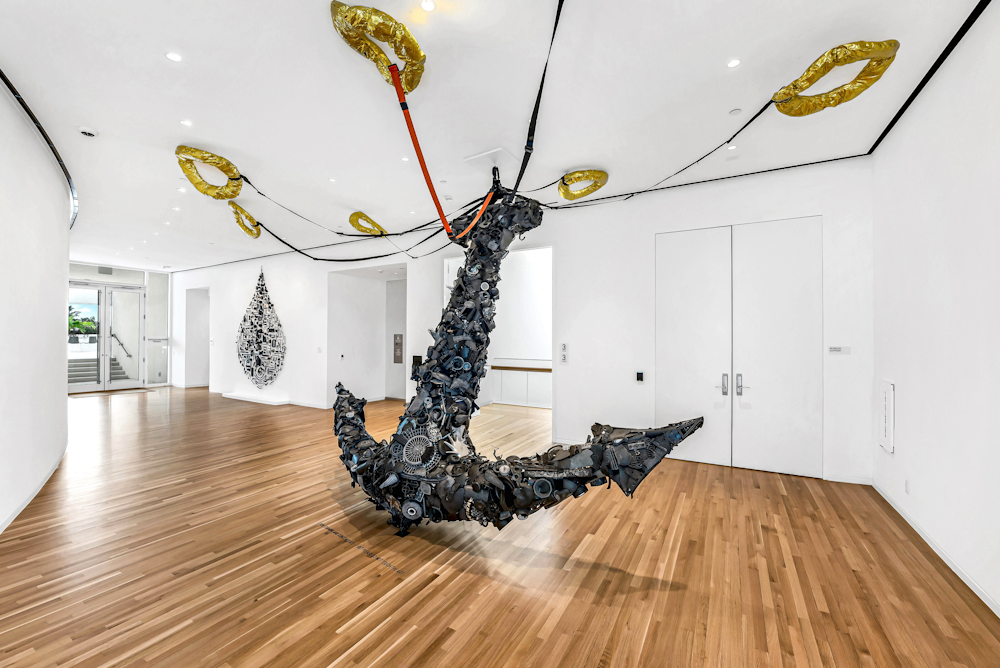
In keeping with the drifting journeys of these material artifacts, I prefer using them in a transitive form as installations. All of these works can be dismantled and reconfigured, although plastic materials are nearly impossible to recycle. I display some objects as specimens on steel pins, and wire others together to form large-scale sculptures.

I am interested in ocean plastic in particular because of what it reveals about us as humans in a global culture, and about the ocean as a cultural space and a giant dynamic engine of life and change. Because ocean plastic visibly shows nature’s attempts to reabsorb and regurgitate it, it has profound stories to tell.
I believe humankind is at a crossroads with regards to the future. The ocean is asking us to pay attention. Paying attention is an act of giving, and in the case of plastic pollution, it is also an act of taking: Taking plastic out of your daily life. Taking plastic out of the environment. And taking, and spreading, the message that the ocean is laying out before our eyes.
Pam Longobardi, Regents’ Professor of Art and Design, Georgia State University
This article is republished from The Conversation under a Creative Commons license. Read the original article.
ooOOoo
Pam at one point describes the ocean plastic”… because of what it reveals about us as humans in a global culture, and about the ocean as a cultural space and a giant dynamic engine of life and change …”. It raises questions that I can only ponder the answer. Ultimately, are there too many inhabitants on this planet? What does the next generation think? Is there an answer?
A little different for today!
Our neighbour Dordie L. sent these across earlier in the month. Enjoy!

oooo

oooo

oooo

oooo

oooo

Thank you, Dordie!

