Year: 2016

Picture parade one hundred and fifty-two

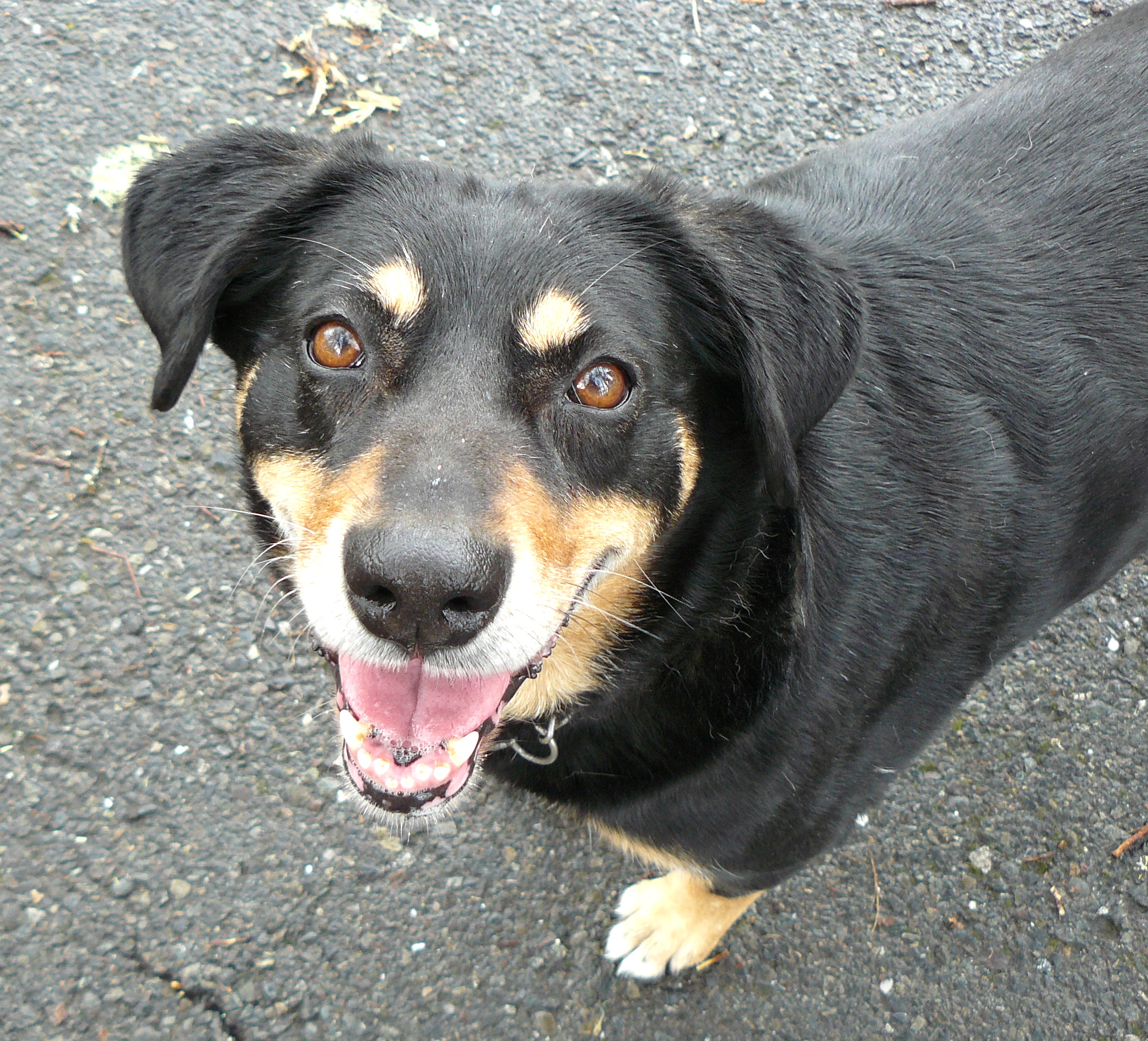
In memory of a very beautiful dog: Hazel.

(Must admit that when I was posting last week’s picture parade I had no idea that today’s would be in memory of Hazel. The lesson of always trying to live in the present!)

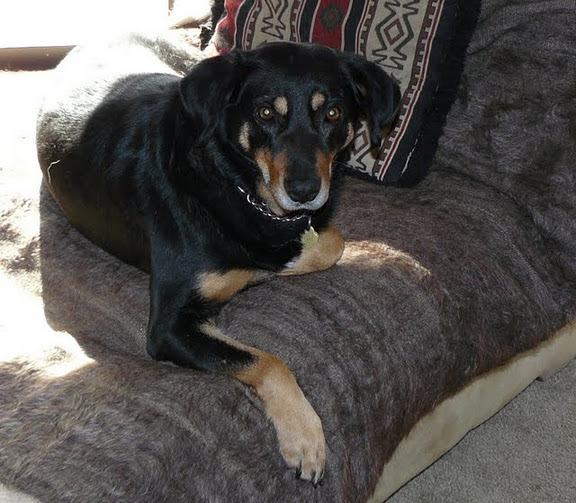
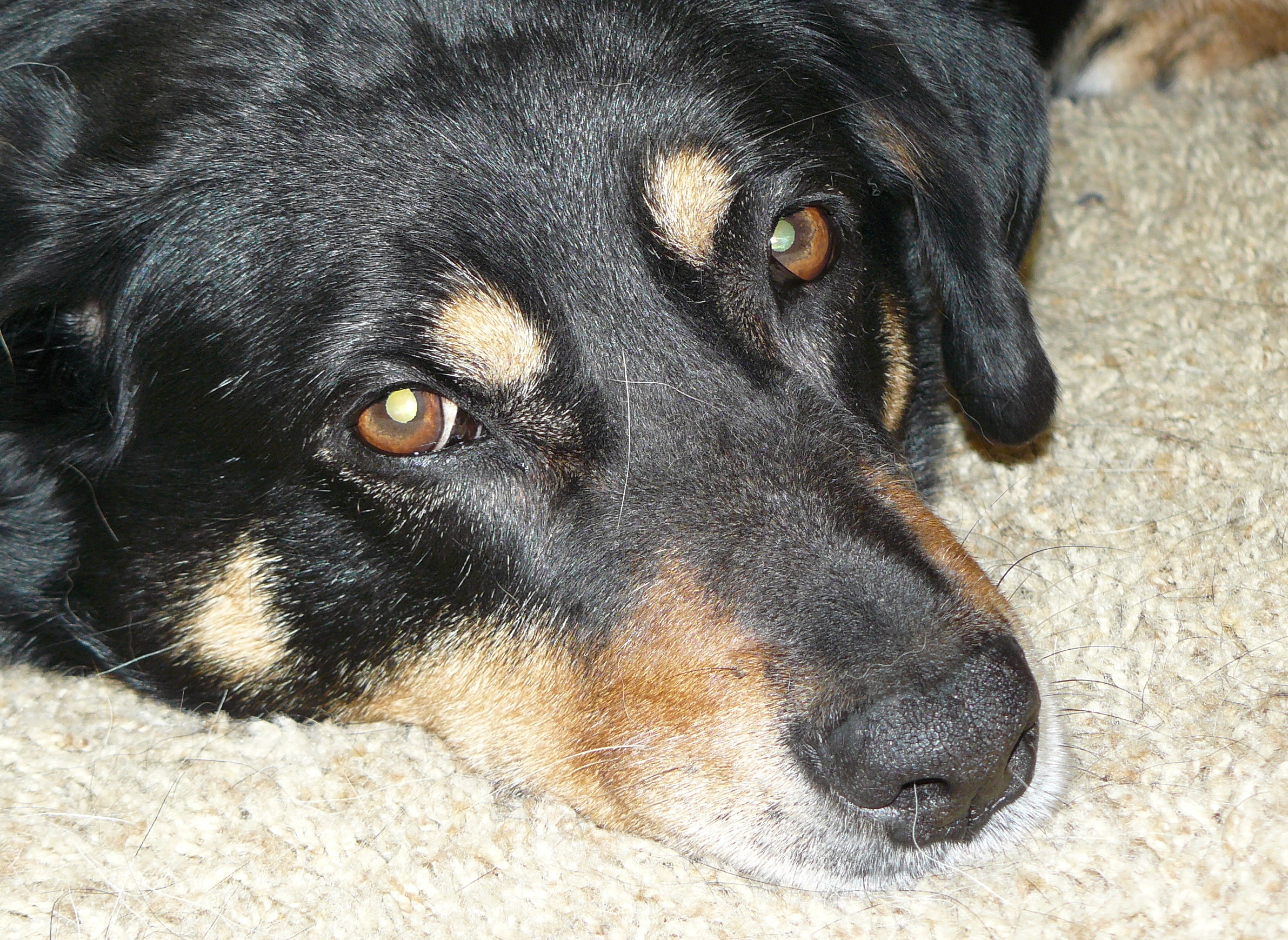
Hazel offering such openness and love in her eyes. June, 2014.

oooo

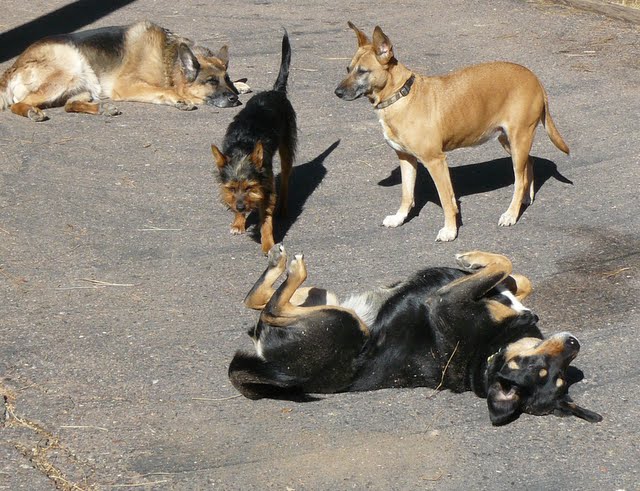
Pharaoh, and Hazel, Dhalia and little Sweeny. January, 2012.
Pharaoh, and Hazel, Dhalia (also no longer with us) and little Sweeny. January, 2012.

oooo

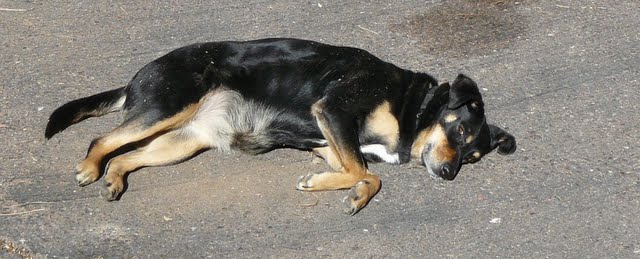
Hazel - January, 2012.
Hazel – January, 2012.

oooo

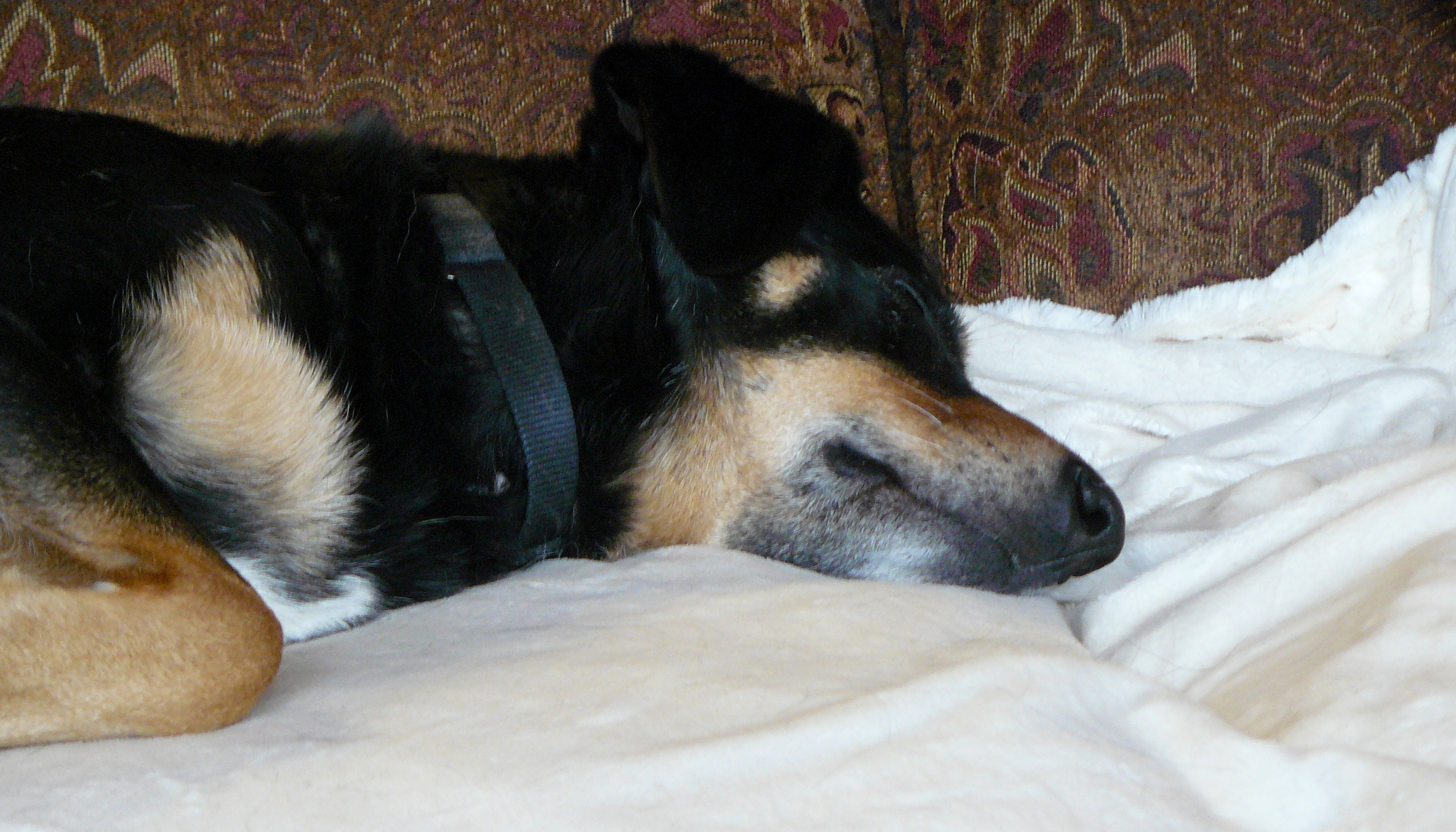
Hazel doing what she did so well - sleeping. April, 2013.
Hazel doing what she did so well – sleeping. April, 2013.

oooo

The purity of a dog's heart!
The purity of a dog’s heart!
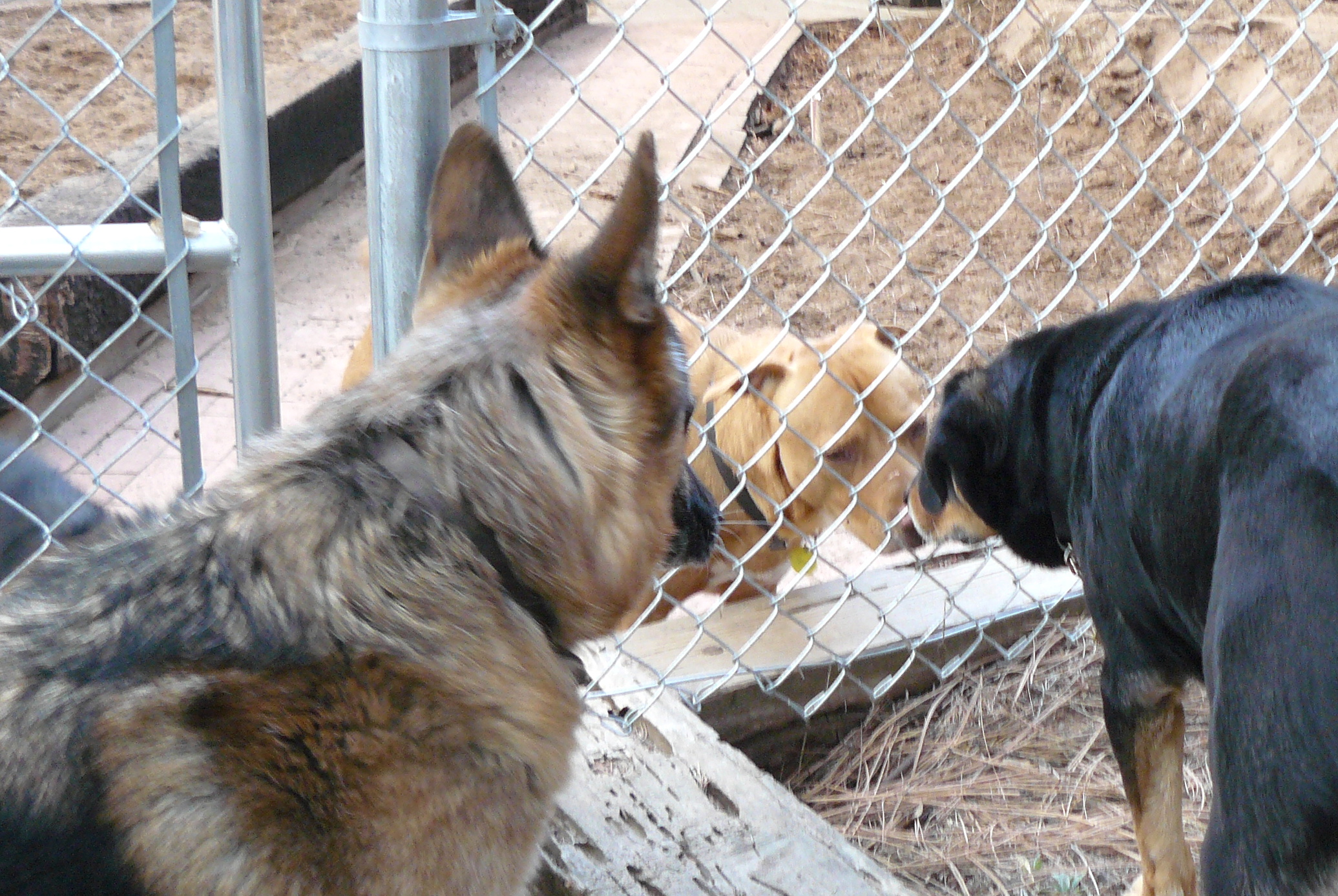
Pharaoh and Hazel saying 'Hi' through the fence to Kaycee. February, 2012.
Pharaoh and Hazel saying ‘Hi’ through the fence to Kaycee. February, 2012.

oooo

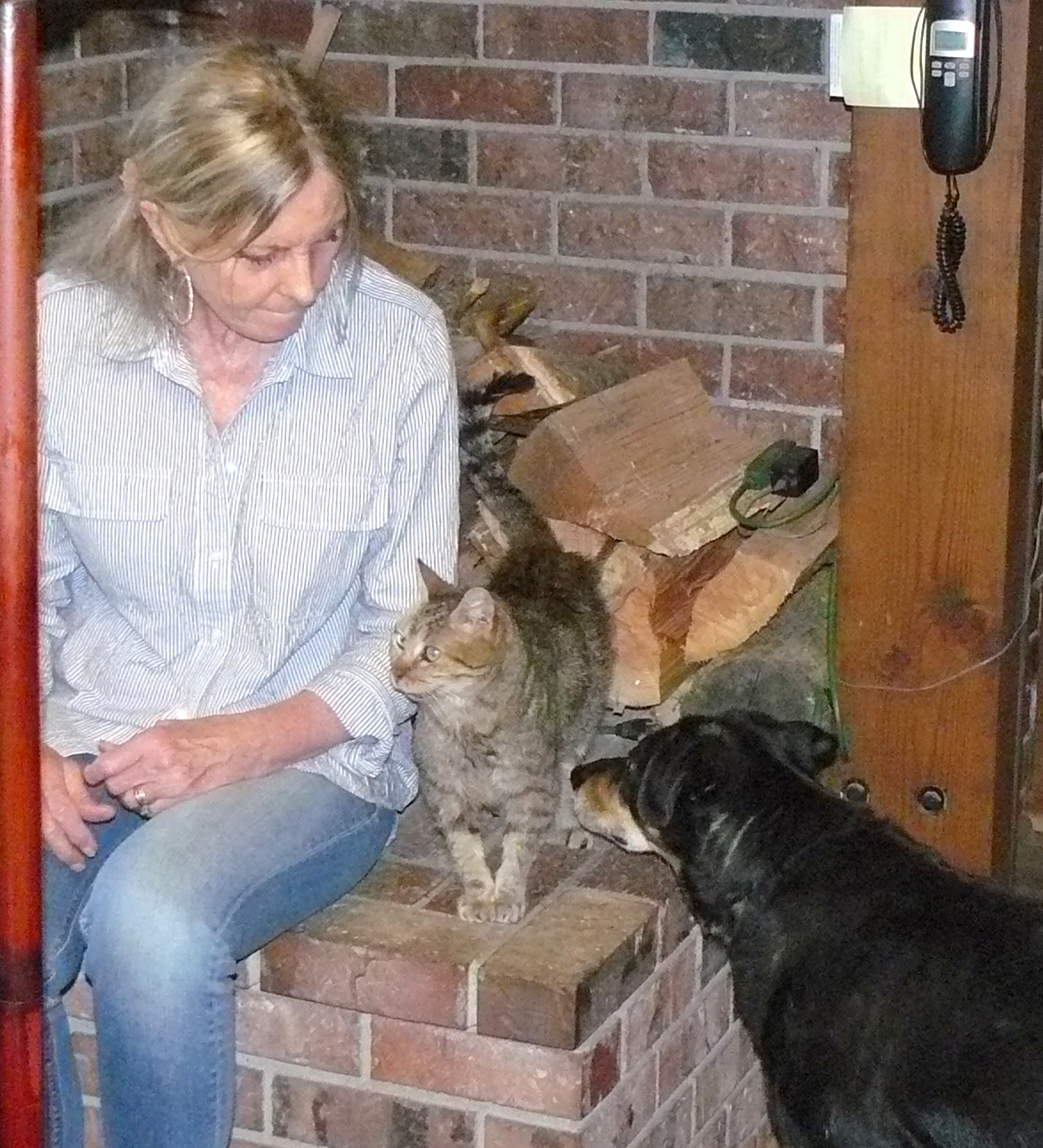
Jeannie, Hazel and cat feeling trust for each other. November, 2015.

oooo

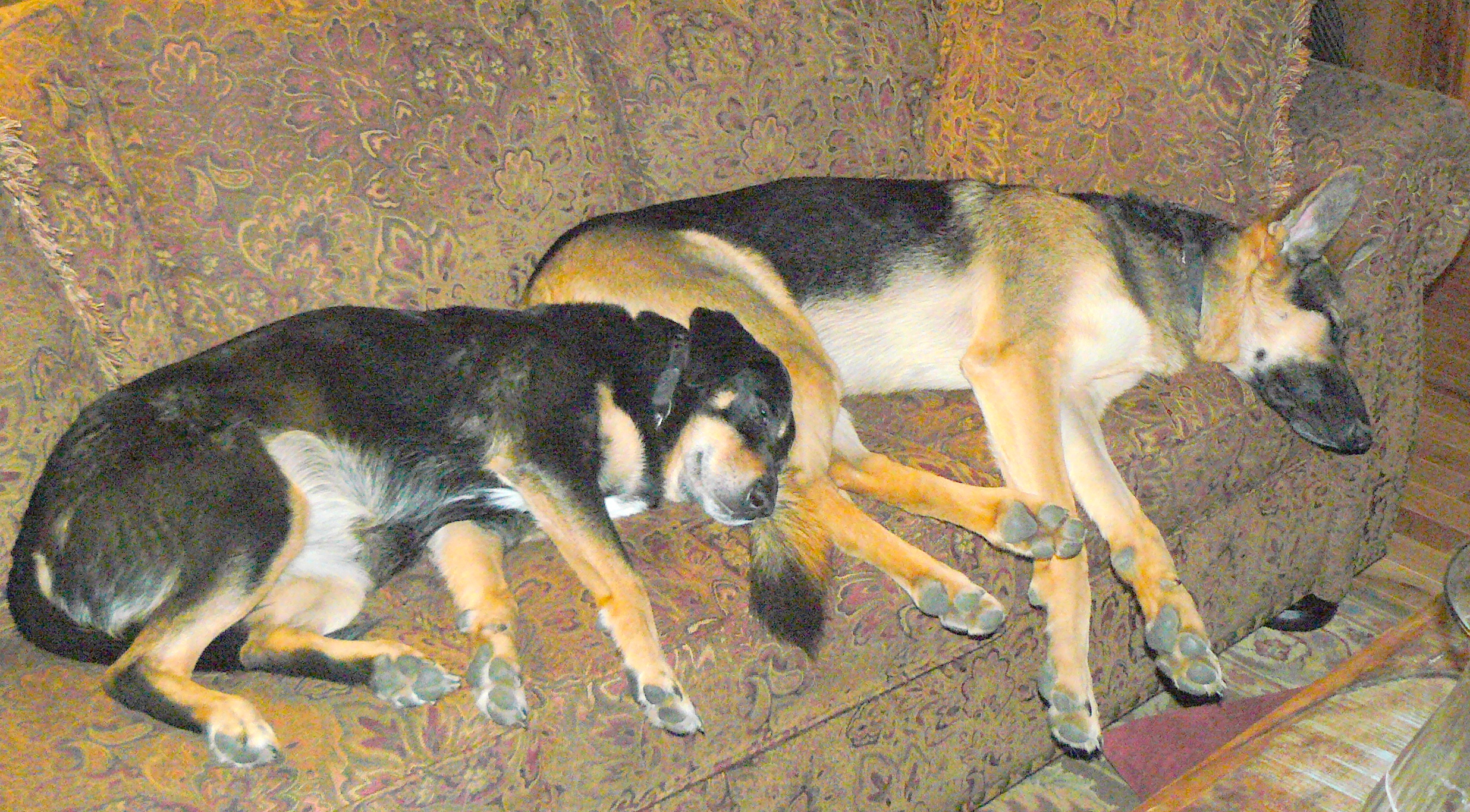
Hazel asleep alongside Cleo. May, 2014.

oooo

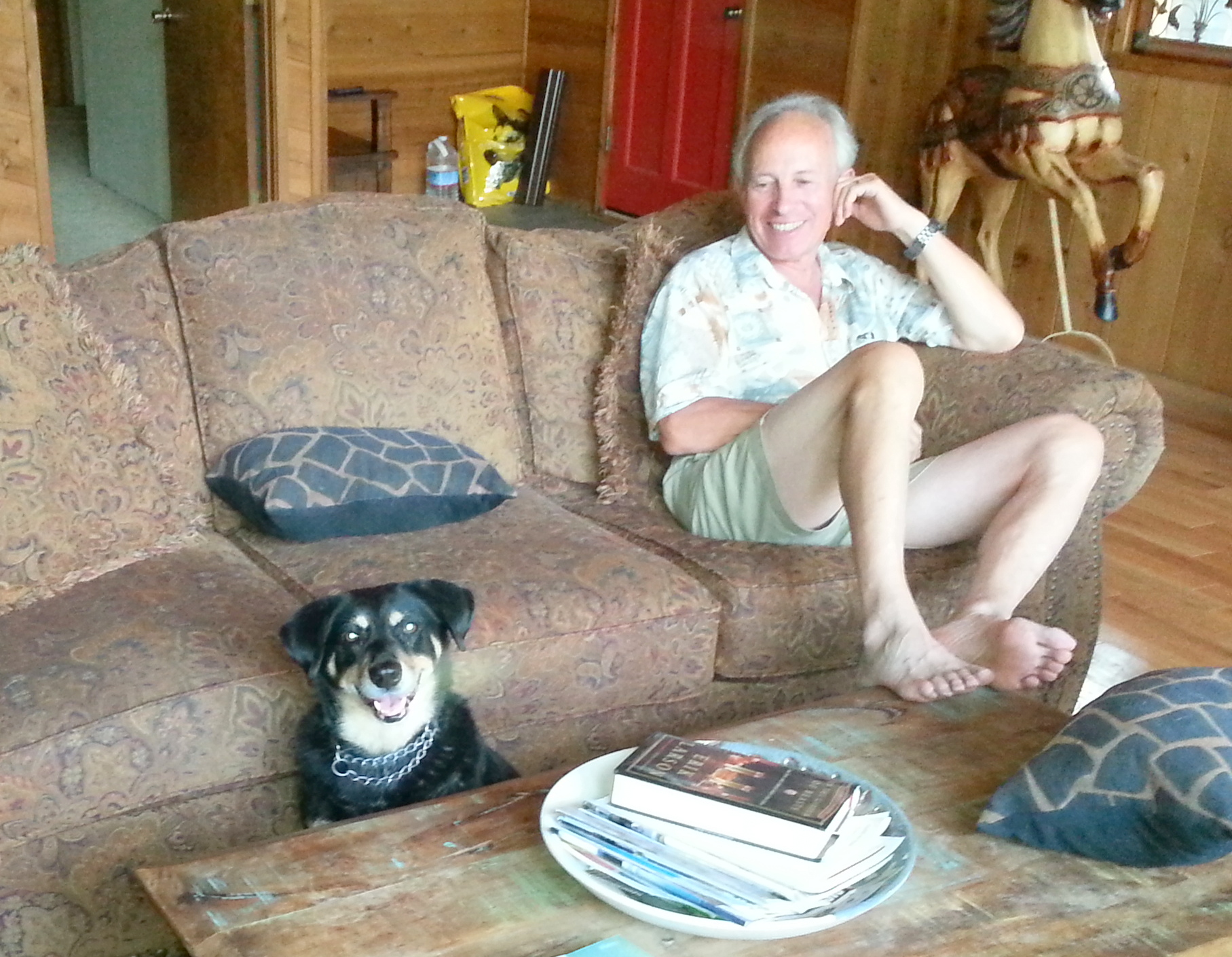
Picture taken by our guest Don Reeve of Hazel (and me). April, 2015.

oooo

Come here, Hazel! I need some loving! October, 2013.

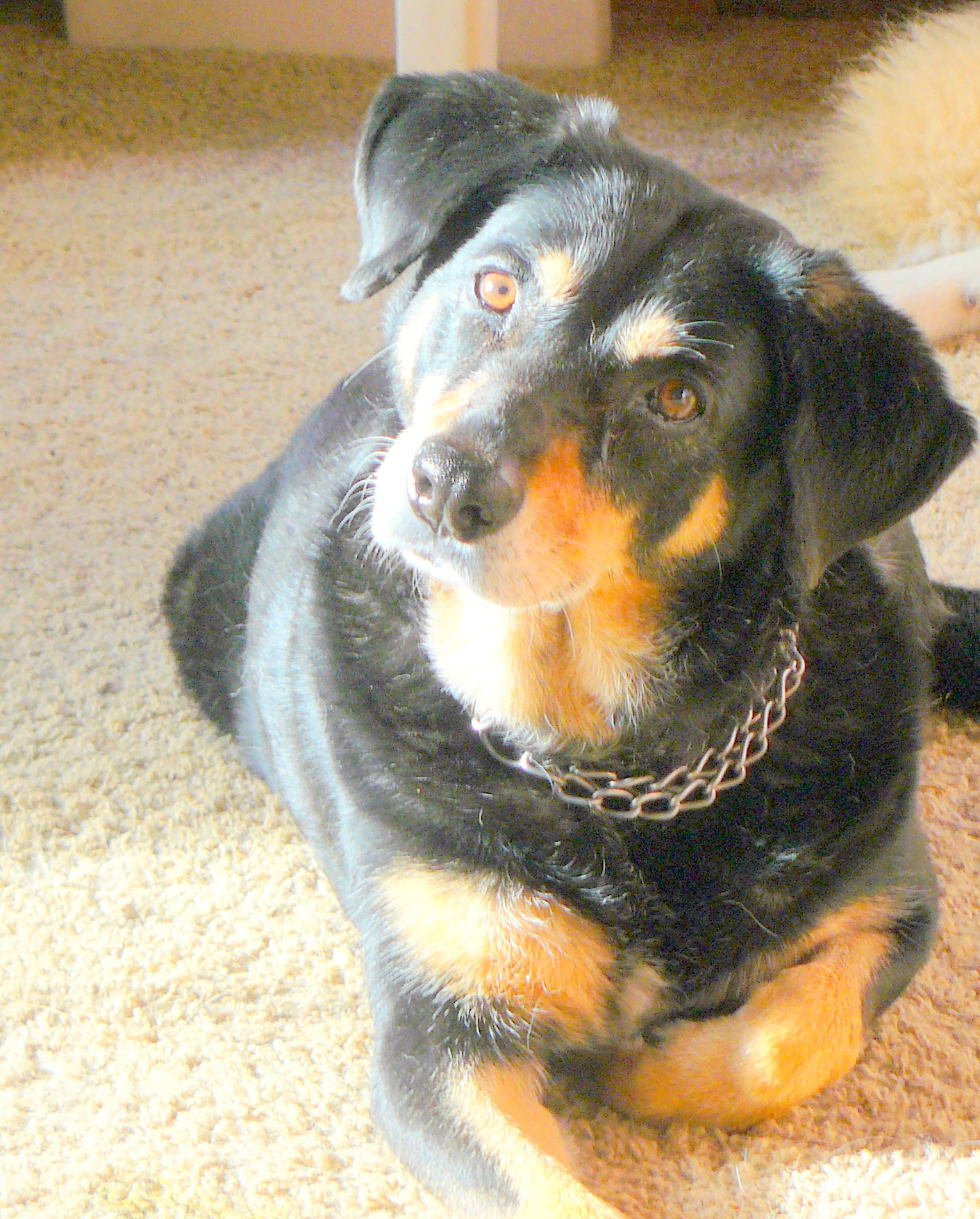
And I shall close today’s picture parade with the photograph I included in yesterday’s eulogy. For more than any other photograph this one has the camera looking deep into Hazel’s soul.

P1140387-001

A Eulogy for Hazel.

This dear, precious dog!

Back in March, 2014 when I was writing a series of posts about our dogs, I published a Meet the dogs – Hazel post. This eulogy consist mainly of what I wrote then, with a few minor changes to bring it up to date, and a closing thought.

Hazel

I first met Jean in Mexico; namely, in San Carlos, Sonora, Mexico to be precise. Just a few days before Christmas, 2007. At that time, Jean had 16 dogs, all of them rescues off the streets in and around San Carlos. Jean was well-known for rescuing Mexican feral dogs.

In September, 2008 I travelled out to Mexico, via London-Los Angeles, with my Pharaoh. Jean and I have been together ever since. In February, 2010, because we wanted to be married and to be married in the USA, we moved from San Carlos to Payson, in Arizona; some 80 miles North-East of Phoenix.

One morning, just a few days before we were due permanently to leave San Carlos and move our animals and belongings the 513 miles (827 km) to Payson, AZ, Jean went outside the front of the San Carlos house to find a very lost and disorientated black dog alone on the dusty street. The dog was a female who in the last few weeks had given birth to puppies that had been weaned. Obvious to Jean because the dog’s teats were still somewhat extended.

The dog had been abandoned outside in the street. A not uncommon happening because many of the local Mexicans knew of Jean’s rescues over many years and when they wanted to abandon a dog it was done outside Jean’s house. The poor people of San Carlos sometimes resorted to selling the puppies for a few Pesos and casting the mother dog adrift.

Of course the dog was taken in and we named her Hazel. Right from Day One Hazel was the most delightful, loving dog and quickly attached herself to me.

The truest of love between a man and a dog!

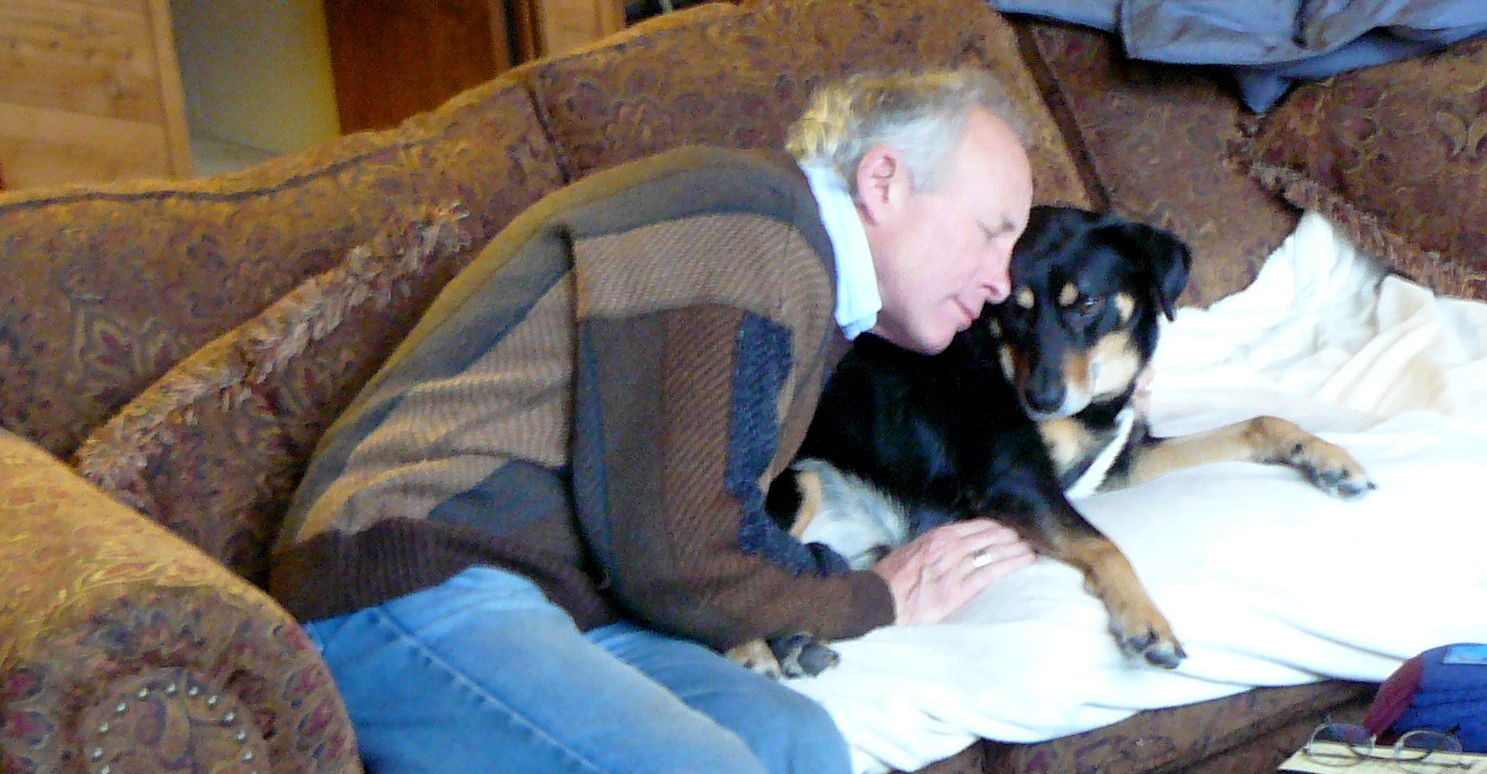
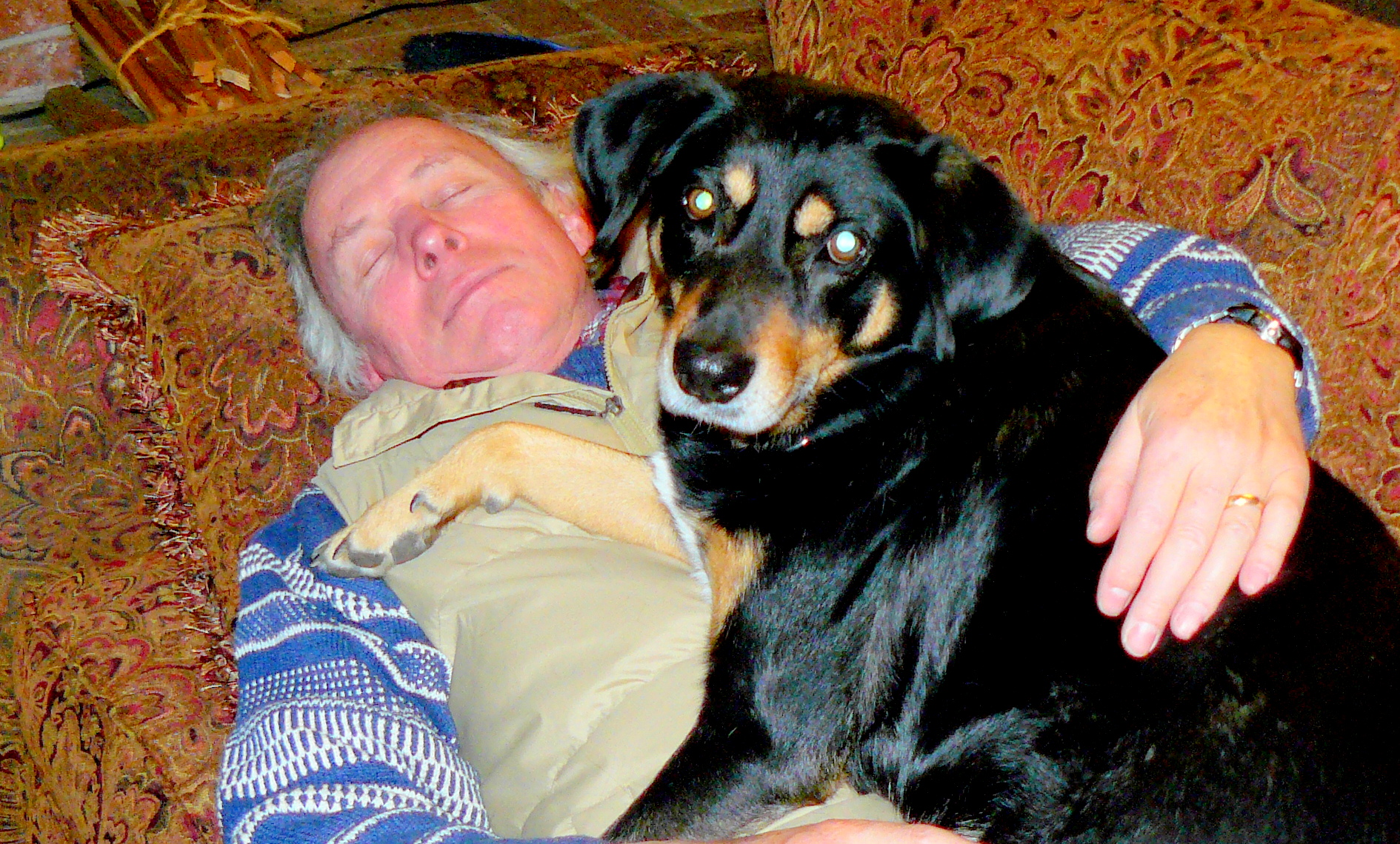
Of all the dogs that we have here at home, and, trust me, many are extremely loving, my relationship with Hazel was precious beyond description. She was in Pharaoh’s ‘group’ (Pharaoh, Cleo, Sweeny, Pedy and Brandy) so slept in our bedroom at night. Most nights Hazel was tucked up against me.

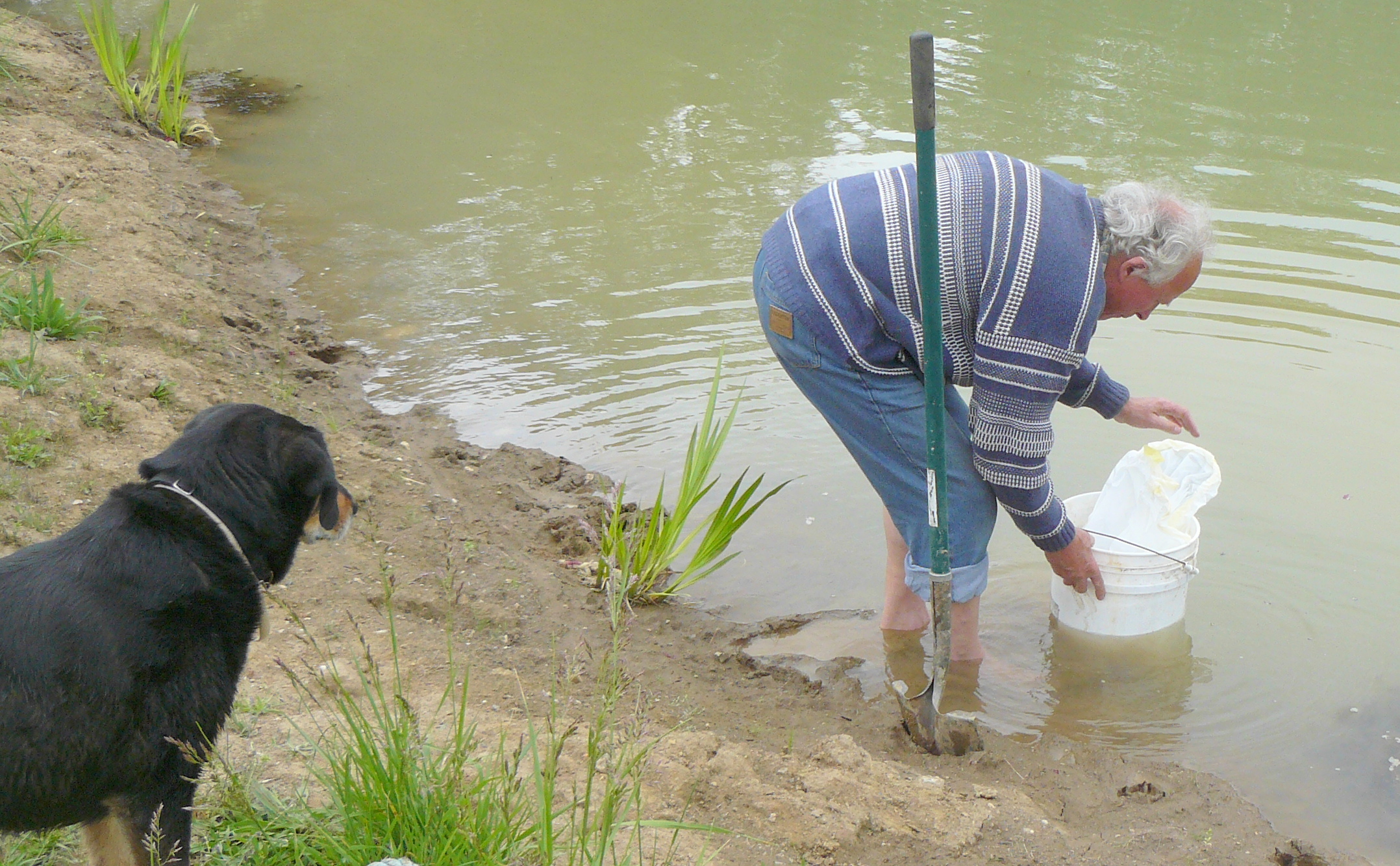
Plus frequently during the day Hazel would take an interest in what I was doing, as the next photograph illustrates.

Hazel taking an interest in my potterings.
Hazel taking an interest in my potterings; March 2014.

If ever one wanted an example of the unconditional love that a dog can offer a human, then Hazel was that example. Precious creature.

ooOOoo

Just stay with me for a little longer.

Recently there was a documentary on the BBC about Koko the gorilla and how many hand signs Koko had learnt. As Wikipedia explains (in part):

Hanabiko “Koko” (born July 4, 1971) is a female western lowland gorilla who is known for having learned a large number of hand signs from a modified version of American Sign Language (ASL).

Her caregiver, Francine “Penny” Patterson, reports that Koko is able to understand more than 1,000 signs of what Patterson calls “Gorilla Sign Language” (GSL). In contrast to other experiments attempting to teach sign language to non-human primates, Patterson simultaneously exposed Koko to spoken English from an early age. Reports state that Koko understands approximately 2,000 words of spoken English, in addition to the signs.

The reason why I mention this is at the end of the programme it is stated that Koko’s ability to communicate shows very clearly that she is capable of feelings and emotions. Indeed, the way that Koko hugs Penny is very moving.

The presenter of the BBC programme concludes how things have changed over all the years from the birth of Koko some 45 years ago to today. As in back in the ’70s’ the idea that animals had emotions was just not accepted whereas nowadays there is mounting evidence that many warm-blooded animals have emotions; are capable of emotional feelings.

Why do I mention this?

For there isn’t one shred of doubt in the minds of Jean and me that Hazel was full of feelings of love and affection towards her human friends.

That is the epitaph with which Hazel will be remembered! This is her legacy.

Picture of Hazel taken in the last twenty-four hours.
Picture of Hazel taken in March, 2014.

Hazel’s postscript.

Decisions!

In my post informing all you lovely people that Hazel had died in the early hours of Wednesday morning I included:

There has been so much interest and concern over her from you all that I wanted to post this without delay. We will be arranging to have the exact cause of death determined so that, too, may be shared with you all.

The background is that our vet, Dr. Jim Goodbrod, had been in touch with the appropriate health authority with regard to the risk of Coccidioidomycosis, the medical term for the fungal infection of Hazel’s lungs that was the first diagnosis of what was ailing Hazel. Reason why is that Coccidioidomycosis can be a danger to humans if the spores in a body are released following the corpse being open up.

The next step was that Oregon State University (OSU) expressed an interest in doing further research on Hazel’s body because Coccidioidomycosis was so rarely seen in Oregon. That would have entailed shipping Hazel’s body up to Corvallis in Oregon and then having her cremated up there.

In the end, we thought that the most dignified way of treating Hazel was to have her cremated by Stephens locally in Grants Pass. They have been very kind in keeping Hazel’s body chilled while we worked out the if’s and how’s of working with OSU.

We expect that by the end of today, Friday, our lovely dog will have been cremated.

On Saturday, I will be publishing a eulogy to Hazel and Sunday’s Picture Parade will be devoted to remembering the beautiful dog that she was.

Of dogs and play.

Part Two of Professor Bekoff’s essay.

I sitting in front of my PC writing this in what will be, by the time you read this, yesterday afternoon. One way and another it was quite an emotional day sharing the sad news of Hazel’s death with so many both in this blogging place and where we live here in Merlin, North-West of Grants Pass, Oregon.

So not going to say any more about Hazel until I have collected my thoughts about our vet’s response to Hazel’s death and what may flow from that. I should be able to post that update tomorrow.

For today, let me offer you Part Two of Marc Bekoff’s essay. Part One was yesterday.

ooOOoo

Butts and Noses: Secrets and Lessons from Dog Parks (Concluding Part)

Dog parks are gold mines of information about the behavior of dogs and humans

Post published by Marc Bekoff Ph.D. on May 16, 2015 in Animal Emotions

Are dogs really our best friends and are we really their best friends?

I’m asked these questions a lot and I always say it’s simply not so that dogs are “unconditional lovers.” They discriminate among humans just like we discriminate among dogs. And, while dogs might love “too much,” they’re very careful about to whom they open up. So, sometimes — perhaps very often — dogs are our best friends and we are their best friends but we all know of picky dogs and the horrific abuse to which dogs are subjected.

Are dogs really free at a dog park?

I often hear something like, “Oh I love coming to the dog park because my dog is so free” – and then she’s/he’s called back constantly when he plays too roughly or strays too far. People surely differ in how much control they exert, but some just don’t give their dog the opportunity to play, sniff, and hump. Control freaks often abound and they don’t realize it. Patrick Jackson, in the essay to which I referred above, writes about how “caretakers become ‘control managers’ who must negotiate problems related to a variety of dog behaviors, especially mounting, aggression, and waste management.” He’s right on the mark, but there are also those who get upset when play gets a bit rough, even when the dogs obviously are enjoying themselves.

Do dogs display dominance?

Yes, they do, just like many other animals. There is major confusion and mistakes among many “dog people” about what dominance really means, and dogs, like numerous other animals, do indeed use various forms of dominance in their social interactions. However, this does not mean that dominance is equated with overt aggression and physical harm nor that we need to dominate them in order to live in harmony with them (for more on this topic and the fact that dominance is not a myth please see this essay and and and references therein).

Why do dogs mount and hump?

Here are some of the statements I hear about dog mounting and humping: “Oh my God, my dog was fixed to stop this stuff.” “Oh, that’s easy, it’s always to dominate the other dog.” “Domination.” “Dogs are hyper-sexual because of domestication.” There are many reasons why dogs hump and there’s not a single answer (please see this essay and references therein).

Do Dogs feel shame and guilt?

While I hear numerous stories about shame and guilt, the simple and most correct answer is that we really don’t know. While we’re not all that good at reading guilt this does not mean that they do not feel guilt (please see this essay and references therein).

Do dogs get jealous?

Yes they do and a study published in 2014 showed this to be the case (please see this essay and references therein). I often hear very compelling stories about jealousy in dogs.

Do dogs get bored?

Yes, of course they do, just as do many other mammals, especially those living in various conditions of captivity. It’s clear that researchers and zoo administrators, for example, recognize that animals get bored, hence the numerous enrichment programs that are designed to relieve the animals’ boredom. The detailed research of Francois Wemelsfelder is a wonderful place to begin to learn about boredom in animals (see also the essays listed here).

Do dogs suffer from PTSD and other psychological disorders?

Yes they do as do many other animals.

Do dogs mind being used as service dogs or in animal assisted therapy?

Because dogs are such a variable lot, it’s impossible to say something like, “Of course they do.” The correct answer is that because dogs vary in personality and temperament there are some who would mind it and some who won’t. I’ve met many in each camp and I’m sure many readers have as well.

Are there Attention Deficit Dogs (ADD’s)?

I often hear people say that their dogs don’t hear them or that they ignore them most of the time. While there are many reasons why this might be so, it’s entirely possible that there are dogs who get so excited they simply don’t respond to their human’s requests. But, it’s also possible that some dogs do suffer from attention deficit disorder and hyperactivity.

How often does social play escalate into serious aggressive encounters?

We all know that play behavior predominates at dog parks and that dogs have fun when they play (see also) and that play is very contagious. Dogs play socially with one another, often involving objects, and they also play alone with objects or just go berserk on their own because it feels good. Dogs can play very roughly and still be in control and there are distinct “rules of social play” that help to keep even a vigorous interaction well within bounds so that there’s really little or no worry that play will escalate into aggression. Nonetheless, I hear this statement a lot: “Oh whenever dogs play it turns into aggression.” It doesn’t. My own observations suggest that it seems escalation happens more in large groups in which dogs can’t read one another’s subtle signals that “this still is play,” but it is very rare. Dogs can be rather fair. I want to say a bit more on this topic because it seems to be major reason why dogs are called back to their human or that humans break up rough-and-tumble play.

Although my students and I haven’t kept detailed records on this aspect of play for dogs, we all agree that play didn’t turn into serious fighting in more than around 2% of the 1000s of play bouts we’ve observed. Current observations at dog parks around Boulder, Colorado support our conclusion. And, for the approximately 1000 play bouts that my students and I observed in wild coyotes, mainly youngsters, on only about five occasions did we see play fighting escalate into serious fighting. Along these lines, Shyan, Fortune, and King (2003) discovered that fewer than 0.5% of play fights in dogs developed into conflict, and only half of these were clearly aggressive encounters. In this case our intuitions were right on the mark. Of course, there may be dogs who simply bite too hard or slam too hard into their play partners when they get highly aroused and lost in play, and this results in an aggressive encounter of varying intensity. But that is the exception rather than the rule, for play fighting only very rarely escalates into real fighting. Because play is a foundation of fairness there is a good deal of cooperation among the players as they negotiate the ongoing interaction so that it remains playful. I think one can make a good case for their having a theory of mind. Nonetheless, we still need more data on this aspect of play as well.

Do older dogs play less than younger dogs?

While this is true of wild animals who have to work harder to survive and to thrive, older dogs play a lot when they can and we really need more data on this question.

Do dogs have a theory of mind?

We don’t know. While some studies suggest they don’t, we need more “naturalistic” research especially when dogs are socially interacting. Because play is a foundation of fairness and there is a good deal of cooperation among the players as they negotiate the ongoing interaction so that it remains playful. Perhaps dogs even know what their playmates are thinking and feeling. Do they have a theory of mind? While I think so, we still need more data on this aspect of play as well.

Why do dogs roll and writhe on their back?

It could be to impart an odor. A wild canid known as the raccoon dog who lives in South America has a scent gland on its back. Dogs might also roll on their back to mask their own odor. And, of course, it might feel really good so why not do it? I love watching dogs writhe on their back and they look like they’re in doggie heaven.

Do dogs have a sense of time? The “two minute warning”

We really don’t know much at all about the dog’s sense of time. Yet, people often use what I call the “two minute warning” and ask their dog if it’s okay if they leave in 2 minutes, or people tell their dog something like, “You have 5 minutes more to play with your friends before we go to the store.” They also ask their dog, “What the hell took you so long, I’ve been calling you for minutes?” or “Where were you when I called you?” I can well imagine the dog thinking something like, “Huh?”

Why do dogs snort?

While there are physical reasons why dogs snort, recent research shows that dogs sort odors in their nose, forcing out those that aren’t relevant or salient, hence the snort and often a good deal of snot (for more on the fascinating dog’s nose please see this essay and this.

Why do dogs try to pee and nothing comes out?

This is called “dry marking” and we know that lifting a leg as if the dog is peeing serves as a visual signal to tell others he is. Often a dog will “dry mark” and then pee a few seconds later, so it’s clear their bladder isn’t empty. A study I did years ago with some students showed that dogs do this more often when there are other dogs around who can see them and then pee a bucket.

Why do dogs scratch the ground after they pee or poop?

They do this for a number of possible reasons and there isn’t a simple answer to this question.

Poop central: Why do people talk so much about dog poop at dog parks?

People also talk about poop a lot as if they’re freer to do so with their dog. Matthew Gilbert notes, “poop was more of a thing at the park than I had expected.” (p. 66) He also talks about a “stray bowel movement” as a “voluminous and frozen still life” (p, 67). Dog poop is a ripe area for future research.

Why do dogs stick their noses into butts, groins, and ears?

It’s a way of greeting and social investigation, but there haven’t been any studies of which I’m aware that provide any details about why they do this, even to their dog friends or humans. It’s been suggested that some animals might pick up information on the food others have eaten.

Are there breed specific odors?

Many people report that on their first encounter with other dogs, members of the same breed prefer one another and treat breed members differently from individuals of different breeds. There’s been some discussion that there may be a common odor to members of the same breed. However, my reading of available information is that we really know little about this question right now.

Do dogs know what they look like?

While dogs know what they smell like, they don’t know what they look like, or might they? Research done on birds in the 1960s suggests that they might learn their own color from reflections in water. So, I suppose dogs might know what they look like if they’ve seen their own reflection, but we need much more research about this question.

Why do dogs circle before lying down?

Dogs do not always circle before lying down, as some authors claim. They likely do it to flatten or soften the ground, and may also be looking around to see who’s around before they relax. In a study some of my students did years ago they reported that the dogs they watched circled around 65% of the time, but more detailed studies are needed.

Why does the hair on a dog’s back stand up?

This is called piloerection (sort of like goose bumps) and indicates that a dog is highly aroused but not necessarily aggressive. Many other species, including birds, show the same (sympathetic nervous system) response.

Dogs and humans: Why do people open up at dog parks?

Dogs can easily serve as icebreakers and social catalysts. People often open up at dog parks and talk to friends about things they likely don’t talk about in other arenas. They seem to feel safe among kinfolks. Some people began talking to me about pretty personal stuff within a minute of meeting them such as a woman who decided that she didn’t like her BFF because of how she treated a dog she just rescued, and a woman who, after meeting someone for around 10 seconds, decided that the woman wasn’t a good dog owner because she was suffering from bipolar disorder but didn’t know it! Some people – men and women, alike – have told me that dogs are social magnets and make it easy to meet other people who also are out with their canine BFF. These discussions often have very interesting “conclusions.” Enough on that for now …

Why do dogs eat grass?

There are many reasons and Stanley Coren has written a good myth-debunking essay on this. He notes that dogs do not eat grass to cause vomiting to relieve stomach distress. While it’s possible that some dogs do, we need a lot more research on this question.

More questions for a future essay

The list of questions can go on and on, and some questions I’ll consider in the future include: Why do dogs chase their tail? Why do dogs bark and what sort of barks are there? Why do dogs bark and howl at sirens? Why does my dog hoard tennis balls? Are dogs territorial as are wolves? Why do dogs pee/scent mark so much? Why do dogs sniff pee so much even when it’s their friends’ pee? Why do males sometimes squat when they pee and why do females sometimes lift their leg? Do dogs have a sense of self? Studies of “yellow snow” suggest they do. Are they conscious? (Of course they are, and scientists agree.) Why do dogs sniff and eat frozen turds? Why do dogs eat gooey feces? Why do dogs dig holes and then lie in them? Why do dogs scrape their butt on the ground? Why do people openly disparage their dog and then tell them they love them? (I often hear something like, “Oh, he’s really retarded, but I love him” or “You are so fat!” or “My goodness, your breath stinks!). Do dogs pick up on these mixed signals?“ Do dogs have a “little dog” complex? Do dogs make and use tools? (They do.) Why do dogs drink filthy water? How do dogs pick their mates? Do dogs dream? Do dogs get heartburn? Do dogs sweat? Do dogs understand baby talk? (People are well known to talk to dogs as if they’re infant humans.) What does “feral” mean? How did wolves become dogs? (Please see essays by Mark Derr.) What’s the difference between a socialized animal and a domesticated animal? (A wolf who likes humans is a socialized wolf. A domesticated wolf is a dog.) Do dogs really live in the moment? (No, their past clearly influences their behavior — just ask anyone who’s rescued an abused dog — and they think about the future — just watch a dog waiting for a frisbee or a ball to be thrown and watch them track the trajectory, although tracking might not be conscious, even in humans.)

Where to from here? There are many holes in the database and dog parks are gold mines of information.

It’s important to stress that there here are many holes in the database, and people find this very surprising because of many popular dog books that purport to “tell it like it is,” as if there are facts about this or that question. Dog parks are wonderful places for studies in dog-dog ethology and anthrozoology, the study of human-animal interactions, and I hope this essay will stimulate people to conduct formal studies and encourage citizen scientists to share their stories that can be used to generate further more systematic studies.

Studies in dog parks, that some may call “too uncontrolled,” may also shed light on questions that are being debated among different groups of researchers, for example, whether dogs follow human gazing or pointing and how well they perform these activities, or if dogs have a theory of mind. And, let’s face it, some laboratory studies also are rather uncontrolled, mainly because dogs are such a mixed bag of participants as might be the researchers themselves. Watching animals in their “natural habitats,” and dog parks might qualify as such, has shed much light on various aspects of behavior that are difficult to study in captivity or in other more controlled environs. Although many lab studies of dogs are likely more controlled than those conducted on free-running dogs, many people have seen behavior patterns that warrant reinvestigation in more ecologically relevant situations.

I continue to learn a lot about dog and human behavior when I visit dog parks. People often feel free to offer advice even when they knew who I am and what I do for a living. But, on a number of occasions, I chose to keep some distance to determine if their comments and explanations to other people (and often to the dogs) differ from when they know I’m around. For the most part, they did not. For example, I’ve been told that “familiar dogs definitely play differently from unfamiliar dogs,” that “humping is always about dominance,” that “dogs know what other dogs are thinking and feeling and they also know the same about people,” and that “know-it-all researchers ought to get off their butts and out of the ivory tower and watch dogs in the field.” On a few occasions some people made it clear that I had a lot to learn about dogs and they could teach me some valuable lessons. When I agreed, they were very surprised, and over the years I’ve had many interesting discussions that have made me re-evaluate what we know and don’t know about dog behavior and dog-human interactions. Concerning two of the areas above, we actually don’t know if familiar dogs play differently from unfamiliar dogs (I’ve got a student studying this) and, as I mentioned above, there’s not just one explanation for humping. Anyway …

There are numerous research projects just waiting to be done as we watch dogs romp here and there and have fun, meet old friends and strangers, and negotiate social relationships with other dogs and humans. I’m aware that I may have missed some studies so I hope readers will send me the details and share them in the comments section for this essay.

Dog behavior, in all of its kaleidoscopic forms, is an incredibly exciting field of research

Dogs openly share with us a lot about what they know and what they’re thinking and feeling, and we just have to be keen enough and patient enough to figure it all out. Dogs also are wonderful social catalysts and social magnets and they can help us learn a lot about ourselves. The arena of inquiry about dog-dog behavior and dogs and their humans truly is deep and boundless and there are numerous opportunities for studies at dog parks, where dogs frolic and sometimes cower and have to learn to deal with a wide variety of social situations with other dogs and humans, and at other places where dogs and humans congregate. And, as I mentioned before, talking about “the dog” can often be misleading and perilous.

Dog behavior, in all of its kaleidoscopic forms, is an incredibly exciting field of research, and I really look forward to seeing further studies of the above and other questions. When people tell me they’re having trouble coming up with a research project I humbly ask them if they’ve thought about dogs, and then the conversation gets going and going and going ….

Marc Bekoff’s latest books are Jasper’s story: Saving moon bears (with Jill Robinson), Ignoring nature no more: The case for compassionate conservation, Why dogs hump and bees get depressed, and Rewilding our hearts: Building pathways of compassion and coexistence. The Jane effect: Celebrating Jane Goodall (edited with Dale Peterson) has recently been published. (marcbekoff.com; @MarcBekoff)

ooOOoo

Take care all you good people and all your lovely animals.
Hazel died earlier today.

At 2:25am Pacific Daylight Time to be precise.

Jean and I were awoken around 2:15am to the sounds of Hazel having some trouble breathing.

We both were instantly out of bed and comforting her.

A little later she stopped breathing and then her heart ceased to beat. It was 2:25.

There has been so much interest and concern over her from you all that I wanted to post this without delay. We will be arranging to have the exact cause of death determined so that, too, may be shared with you all.

I will also write up an eulogy to be published in a few days time.

Thank you, dear friends.

This day a year ago.

What was posted exactly one year ago?

I was working outside all day yesterday and only sat down to think about today’s post after 5pm. Plus our evening meal was going to be served at 6pm.

So as I have previously done in these situations I decided to repost what was published here on Learning from Dogs one year ago to the day.

ooOOoo

Part One of a stunningly interesting essay from Professor Marc Bekoff.

As a newbie yet-to-be published author I am technically at the stage of having a completed draft that Jeannie and a close friend are proof-reading. Then after corrections, it is going to be released to some ‘beta’ readers who will give me some early feedback. (Too scary to even think of just now!)

OK, with that admission out of the way, let me move on to my ‘draft’ chapter on play; in Part Four of the book. In researching what is known about the way that dogs play and what lessons there are for us humans, I came across an essay by Marc Bekoff, Ph.D. Marc is Professor Emeritus of Ecology and Evolutionary Biology at the University of Colorado, Boulder. His essay had been published in May on the website of Psychology Today. It was incredibly interesting and full of material for the book!

Within a few minutes of me sending Professor Bekoff an email requesting permission to include quotations in my ‘draft’ chapter, he had responded in the affirmative. I had also sought his permission to publish the essay here on Learning from Dogs. Again, a very quick, positive reply.

Thus with Marc Bekoff’s generous permission, here is his essay in full. (I’ve taken the decision to split this long essay into two parts.)

Finally, Professor Bekoff includes numerous ‘html’ links within his essay to other materials. I’ve cheated by saving quite some time adding those links but have underlined the linked phrase in question, apart from the very early chapters that do have ‘html’ links. Please go to the site of the original essay to explore further those links.

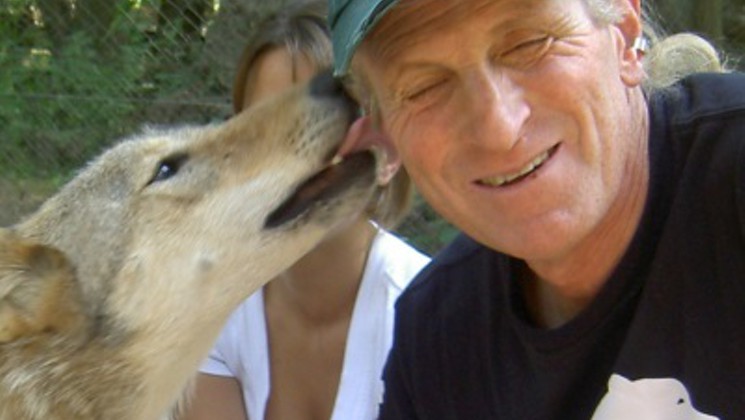
Marc Bekoff and friend.

ooOOoo

Butts and Noses: Secrets and Lessons from Dog Parks (Part One)

Dog parks are gold mines of information about the behavior of dogs and humans

Post published by Marc Bekoff Ph.D. on May 16, 2015 in Animal Emotions

I love going to dog parks. So, too, do dogs and their people. Dog parks are a fascinating recent and growing cultural phenomenon. Indeed, I go rather often to what I call my field sites, for that’s what they are, to study play behavior and other aspects of dog behavior including urination and marking patterns, greeting patterns, social interactions including how and why dogs enter, become part of, and leave short-term and long-term groups, and social relationships. I also study human-dog interactions and when I study how humans and dogs interact I also learn a lot about the humans. For example, I often hear how happy people are that their dogs are free to run here and there or free to be dogs when they’re at the dog park. Often, they say this while they’re constantly calling them back to them even when the dog is simply sniffing here or there or looking for a friend. They also call them to break up play when they think it’s gotten out of hand. You call this free?

Two works to which I often go when thinking about social dynamics at dog parks are Matthew Gilbert’s book titled Off the Leash: A Year at the Dog Park and Sonoma State University’s Patrick Jackson‘s essay called “Situated Activities in a Dog Park: Identity and Conflict in Human-Animal Space.” Linda Case writes about Dr. Jackson’s study and she is not a fan of dog parks because she feels they’re not safe and because “Dog park people frequently behave badly by not being responsible dog owners and by being inconsiderate and uncaring towards other people and their dogs.” We really need empirical studies on the safety issue. After having spent countless hours at dog parks I’ve never entertained drawing this conclusion, but there aren’t any detailed data on this topic of which I’m aware. However, on occasion, but hardly regularly, I’ve marveled at just how inconsiderate a very few people can be. But, as part of the gossip network among the other people, I often hear that a given person behaves like this even in non-dog park situations. On a few ocassions I’ve had a rather inconsiderate person ask me why their dog has bad manners and rather than get involved I call attention to some interesting dog-dog interactions.

Most people realize that “dogs are in” and countless scientific and popular essays (see also New Directions in Canine Behavior, Julie Hecht’s “Dog Spies,” and essays written for Psychology Today by writers including Mark Derr, Stanley Coren, Jessica Pierce, and yours truly) and books have been published in the past decade or so about these fascinating mammals. The bottom line is that a plethora of detailed data — and the database is rapidly increasing — clearly show that dogs are thinking, clever, and feeling sentient beings, and viewing them as sort of robotic machines is incredibly misleading and academically corrupt (please see this essay). This does not mean that they are “doggy Einsteins,” however, ample data from numerous different research groups around the world clearly show that dogs are rather complex and incredibly interesting mammals who deserve a good deal of further study. Perhaps even René Descartes would consider changing his views on nonhuman animals (animals) as unfeeling machines given the enormous amount of empirical evidence on sentience in animals.

Why do dogs do this and that? Canine confidential

“Why do dogs do this and that?” The purpose of this short essay, that can be conceived as a field guide to the extremely interesting and largely unknown world of the fascinating dogs with whom we share our lives, is to provide some lessons in dog behavior from observations and questions arising from visits to various dog parks, especially around Boulder, Colorado where I live. I see myself as “a naturalist in a dog park” and aim to show here, via a series of questions, what we know and don’t know about many different aspects of dog behavior. Dogs are often called social catalysts – icebreakers or lubricants — for social interactions with other dogs and they often open the door for pretty frank and wide-ranging conversations among familiar and unfamiliar humans. It always amazes me how dogs free up humans to talk about things they might be more reluctant to share in other venues including what they really think about their human “BFF’s — best friends forever” — and the infamous “3 p’s,” namely, pee, poop, and puke. Often when I get home and look at my notes I view them as “canine confidential.” So, what follows is a sampler of many “why” questions, including why dogs hump, why they sniff butts, genitals, and ears, why they play, and why they organize themselves the ways they do. There are also many “what” questions such as “What do they know?”, “What are they thinking?”, and “What are they feeling?” in different contexts. The list of questions is endless and I’m sure those that follow can easily mutate in many, many more.

People who are lucky enough to share their world with a dog often think they know it all. And, while they do know a good deal about what their canine buddy is thinking and feeling and what they want and need, there really are large gaps in the scientific database. As I mentioned above, there are numerous anecdotes about why dogs do this or that, and, taken together, they form their own pool of data. However, while the claim that “the plural of anecdote is data” applies in some cases, many mysteries still loom in what we actually know about the world of dogs.

Furthermore, often there is no single “right” answer to a question — even some of the most commonly asked queries — and that’s just fine. Dogs compose a highly variable group of mammals — I often say “the dog” doesn’t really exist — so it’s not surprising that just when we think we have a solid handle on what they’re thinking and feeling and why they do what they’re doing an exception or three arises. Surely, the early experience of individual dogs influences their later behavior. So, while we know a lot, people are often amazed by how little we know and that hard and fast answers can’t be given to some common questions.

Visiting dog parks can be wonderful educational experiences. Visits, some lasting hours on end each and every day, can be myth breakers and icebreakers, and also provide information about why dogs are doing this or that. People are always asking questions about why their dog is doing something and really want to know what we know. They also freely offer advice to other people about why their dog is doing something and how they can treat various problems such as shyness, aggressiveness, and why dogs ignore what their human is asking them to do. And, as I wrote above, dogs also are icebreakers – “social catalysts” the academics call them — and get people to talk with one another and to talk about things.

The questions below range from interests about basic dog behavior such as why do dogs stick their noses where they do, and why they play, bark, pee, eat turds, and roll on their back, to more lofty questions about whether dogs have a theory of mind and whether they know what they look like and if they know who they are. A good number of questions deal with dogs’ butts and noses, hence the title of this brief essay (motivated, of course, by the famous rock group, Guns N’ Roses). Butts and noses — including other “private parts” – figure into a number of the questions below. We all know dogs put their noses in places where we couldn’t imagine there would be anything of interest, and also place their active snouts, often on their first introduction, to other dogs and humans, in places that make us rather uneasy. We don’t greet friends or strangers by immediately licking their mouth or with a genital sniff or slurp. There also are many general questions that don’t center on anatomical features that figure largely in the world of the dog. I’ll answer each question briefly with what we know from various types of research, with some stories where they’re available, and note where we really need more information. It’s entirely possible that I have missed a given study (or studies) and I apologize for the oversights and look forward to hearing from readers.

While we know a lot about dogs, there are holes in the database, so the future is chock full of exciting research. Readers will discover that what we often take to be the gospel about dog behavior frequently isn’t all that well supported by published empirical research or even detailed observations. While good stories are interesting and can serve to stimulate more “controlled” research, in and of themselves they don’t constitute “data” as do detailed and more focused studies (I’ll suggest below that studies in dog parks may be more “ecologically relevant” than studies in laboratories and help to settle on-going debates among different research groups). In some ways, then, this essay is sort of a myth-buster and a fun way not only to learn about dogs but also to stimulate further research about dogs and dogs and humans. So, here we go.

(See the concluding part tomorrow.)

ooOOoo

Clearly in this last year the book was published!

For readers who haven’t read Mark Bekoff’s essay before I will repost the concluding part tomorrow.

Summer heat and Dogs

Hot, fine weather does carry a risk – for our dogs.

A week today will see us celebrating the Summer Solstice and for much of the Northern Hemisphere the heat of the summer days soon will be upon us. Both we and our dogs love taking a bit of sunshine but equally for both species the danger of heat stroke is not to be underestimated.

So it seemed highly appropriate to republish an article that was presented over on Care2 a couple of weeks ago.

ooOOoo

Five Factors That Put a Dog at Risk for Heatstroke

1383141.largeBy: Vetstreet.com May 30, 2016

About Vetstreet.com Follow Vetstreet.com at @vetstreet

Summer can be an incredibly fun season for dogs and their active owners. There are walks to go on, boat rides to take and beaches to explore!

But for all the fantastic opportunities summertime offers, there are also a number of seasonal dangers. A serious one that all dog owners should keep in mind is heatstroke. While all dogs are at risk of heatstroke, there are a few factors that can make your dog more vulnerable. From the genetic predisposition of certain breeds to the dangers some outdoor dogs face, here are five heatstroke risk factors to be aware of — and avoid.

ThinkstockPhotos-513469413-1-e1464380428868Congenital Defects or Underlying Respiratory Problems

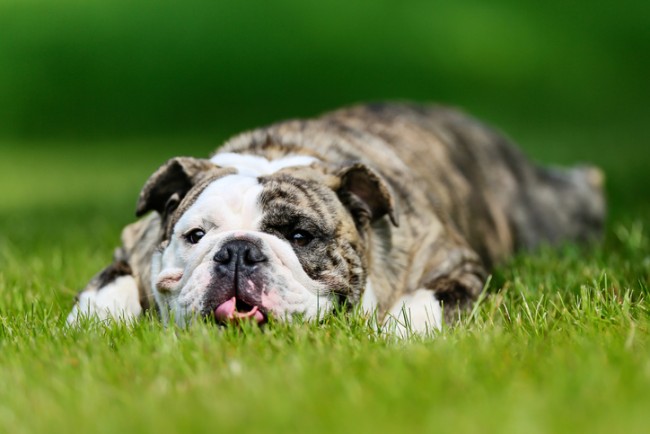
Upper-airway problems, as seen in flat-faced dogs like Pugs and Boxers, are some of the most common risk factors for heatstroke in dogs exposed to higher temperatures, according to Dr. Debbie Mandell, staff veterinarian and adjunct associate professor at the University of Pennsylvania’s Matthew J. Ryan Veterinary Hospital. As dogs get hotter, they pant to cool down, and brachycephalic breeds have a difficult time breathing so hard in hot conditions.

Brachycephalic airway syndrome isn’t the only potential issue. Large and medium breeds, like Labs and Pit Bulls, can experience laryngeal paralysis, and collapsing trachea commonly affects small dogs like Pomeranians and Yorkies. With both conditions, the dogs’ airways swell as they pant, which causes them to pant harder. That in turn increases the swelling and can create a dangerous situation quite quickly.

ThinkstockPhotos-534541239-1-e1464380439891

Not Being Acclimated to Hot Weather

That sunny weather can be so inviting that it’s nearly impossible to remain indoors, especially if you — and your dog — have been stuck inside for months. But it’s important to remember that even if you’ve been hitting the gym during the cooler months, your dog might not have built up the same tolerance for activity. And if you take him out to run or play with you, he’s not going to know when to stop, even if he reaches the brink of collapse due to heat stress, Dr. Mandell says.

So what’s a responsible dog owner to do? First of all, start with a visit to your vet, so you’re sure your dog is healthy enough for increased exercise. Second, exercise restraint when it comes to, well, exercise. Start off slowly and build up your dog’s fitness very gradually. Third, make sure you know the signs of heat stress (like excessive panting and drooling, a fast pulse and gums that have changed in color from pink to bright red) and be prepared to help your dog cool down before it becomes an emergency. If your dog vomits or has bloody diarrhea, you should call your veterinarian immediately.

ThinkstockPhotos-495804298-1-e1464380444720Being Kept Outdoors Without Access to Shade and Water

It’s not only indoor dogs who aren’t used to the heat who can find themselves at heatstroke risk — dogs who live primarily outdoors can land in trouble come summertime, too, if they’re left without shade and water. Of course, it’s best for dogs to be kept primarily indoors, but if a dog must be mostly outdoors, always provide a cool area out of the sun and plenty of fresh water.

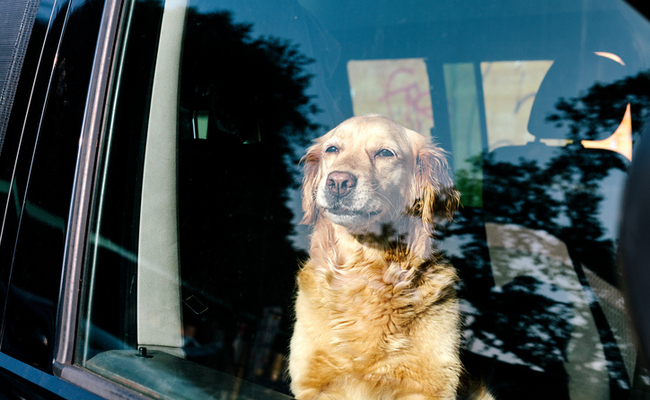
1383141.largeBeing Left In the Car

When it comes to ways to avoid heatstroke risk, never, ever leave a pet in a hot car. The temperature inside a car can reach over 120 degrees in minutes, Dr. Mandell says. And no, cracking the window doesn’t make enough of a difference to help.

Should you see an animal locked inside a hot car, there are ways to safely rescue it. The Humane Society of the United States and the ASPCA recommend that you write down the car’s make, model and license plate; attempt to locate the owner; and call animal control or your local police department for help.

ThinkstockPhotos-495739266-1-e1464380465591Obesity and Thick Fur

Obesity can make dogs more susceptible to a whole host of health issues, including heatstroke. That’s because not all heat escapes dogs through the respiratory system; in fact, some heat loss occurs through the skin. But the layer of fat in obese pets can limit their ability to cool themselves that way.

That layer of fat under the skin serves as insulation and can prevent some of that heat from getting to the skin to be released. Thick fur can create the same problem, so furry dog breeds, like Newfoundlands and Great Pyrenees are at similar risk.

By Kristen Seymour | Vetstreet.com

ooOOoo

If any reader has further advice and tips to help others then please don’t hesitate to leave a comment.

Treasures Within and Without.

We must never let go of admiring beauty.

It’s Sunday lunchtime and I have come in from outside to check my emails and to put together the post for today. For reasons I can’t exactly put my finger on I’m feeling a little distracted. I sense a yearning for being transported away from the ‘outside world’ and turning inwards: Even giving blogging a rest for a couple of weeks (but I won’t).

So thank goodness for the blogging contacts we make all around the world. Just last Saturday Sue, of Sue Dreamwalker’s blog, published an exquisitely beautiful poem. Sue very promptly gave me permission to republish it in full. Sue’s poem speaks to me just now; speaks to me in this rather introspective place. I hope her wonderful words speak to you as well.

Here it is.

ooOOoo

Mother Gaia ~ The Blue Dot.

11 Jun 2016 .

dsc02478
Three Sisters Glen Coe Scotland.

How many times have you gazed at the stars?

To ask the question of whom we are

This Blue Dot in the vastness of space

Have you questioned the existence of the Human Race?

~~

Did we really evolve from Neanderthal Man?

From Ape to Human imagine if you can

Woolly Mammoths along with Sabre Tooth Tigers

Ice Ages and Floods, Volcanoes and Fires

~~

Mountains crashing, rising from ocean floors

Fossils created into stony forms

Petrified wood in glaciers saved

While Crystals grow beneath deep dark cave

~~

How many times have you asked ‘Who am I?’

As you gaze longingly at the starlit sky

So many treasures now upon this Blue Dot

So sad that we’ve evolved, but we also forgot

~~

That we Humans just like the Dinosaur race

Could soon disappear without a trace

As our superior brains seemed to have lost the plot

Of our coexistence within this amazing Blue Dot

~~

As we pollute our Mother who brings such life

While we rage in greed creating more strife

We poison our land modifying crops

Caring less and less until the last Bee drops

~~

Long after we’re gone as the planets realign

A new dawn will break over the memory of mankind

His legacy I’m sure one day will be discovered

As some future traveller his fossils will uncover.

~~

But it’s never too late to alter our future

When we live in harmony and learn to nurture

Holding onto LOVE and Letting go of Hate

We can all help our Blue Planet Regenerate.

Copyright Sue Dreamwalker 2016.

show
This is just one of the beautiful slides from Sue’s slide show. As she writes, “The above slide show are the photo’s I took that inspired the poem above. They were taken in Scotland where I visited a crystal and mineral centre near Fort William. It was a delightful find holding a wealth of Treasures of The Earth which can be found here. “

ooOOoo

 (Please view the full slide show here.)

Sue then completes her beautiful post; as follows:

There is so much more that lays hidden beneath our Earth Mother, as well as within ourselves.

If only we dig deep enough to find the Treasures Within.  

Love and Blessings

~Sue~

I am still digging Deep How about You?

Life is an endless dig to find treasures within.

Beautiful, Sue!