Awelcome to a guest Picture Parade for the next five weeks!
I was emailed by Gary Messinetti last Monday with this message:
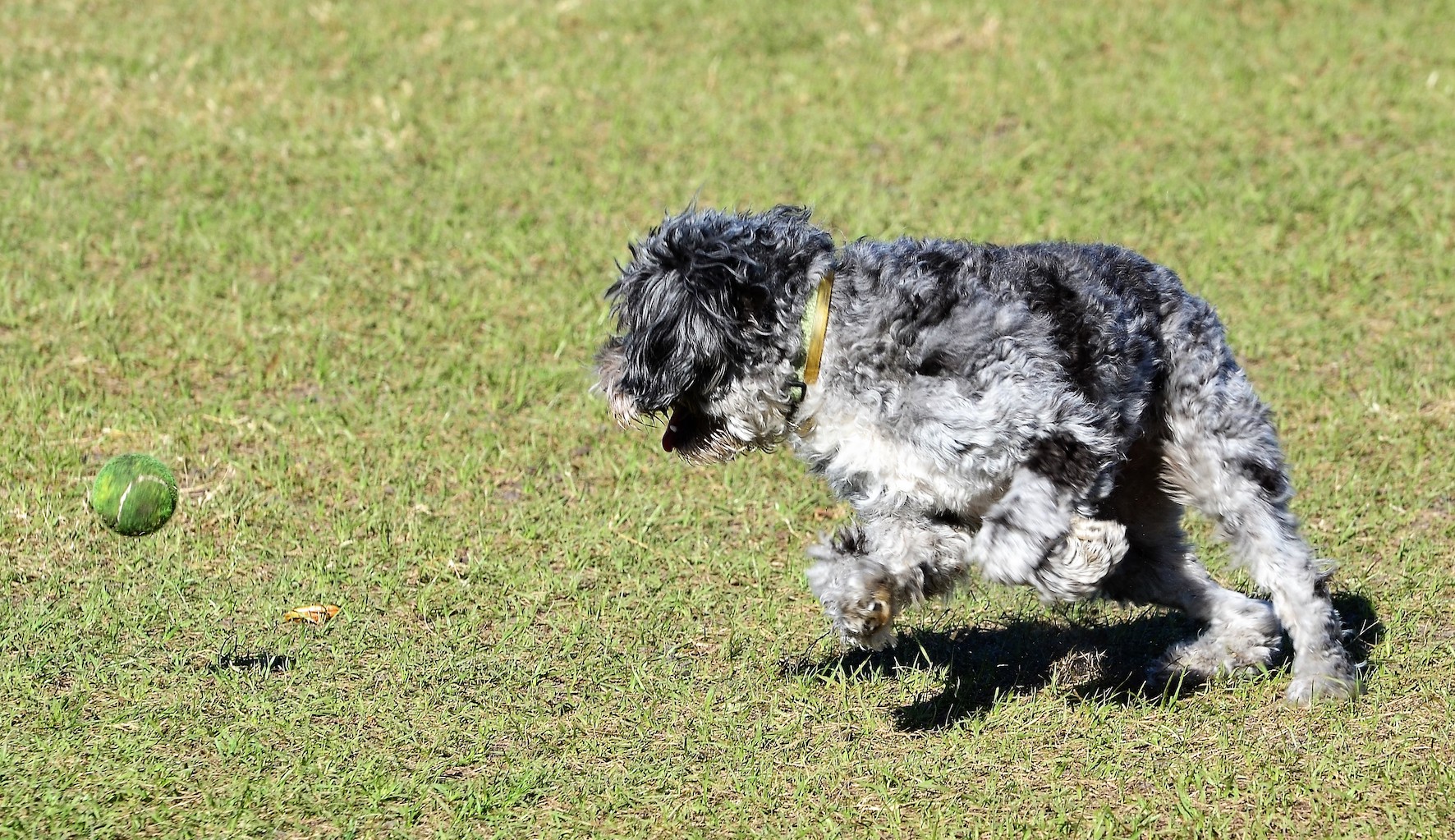
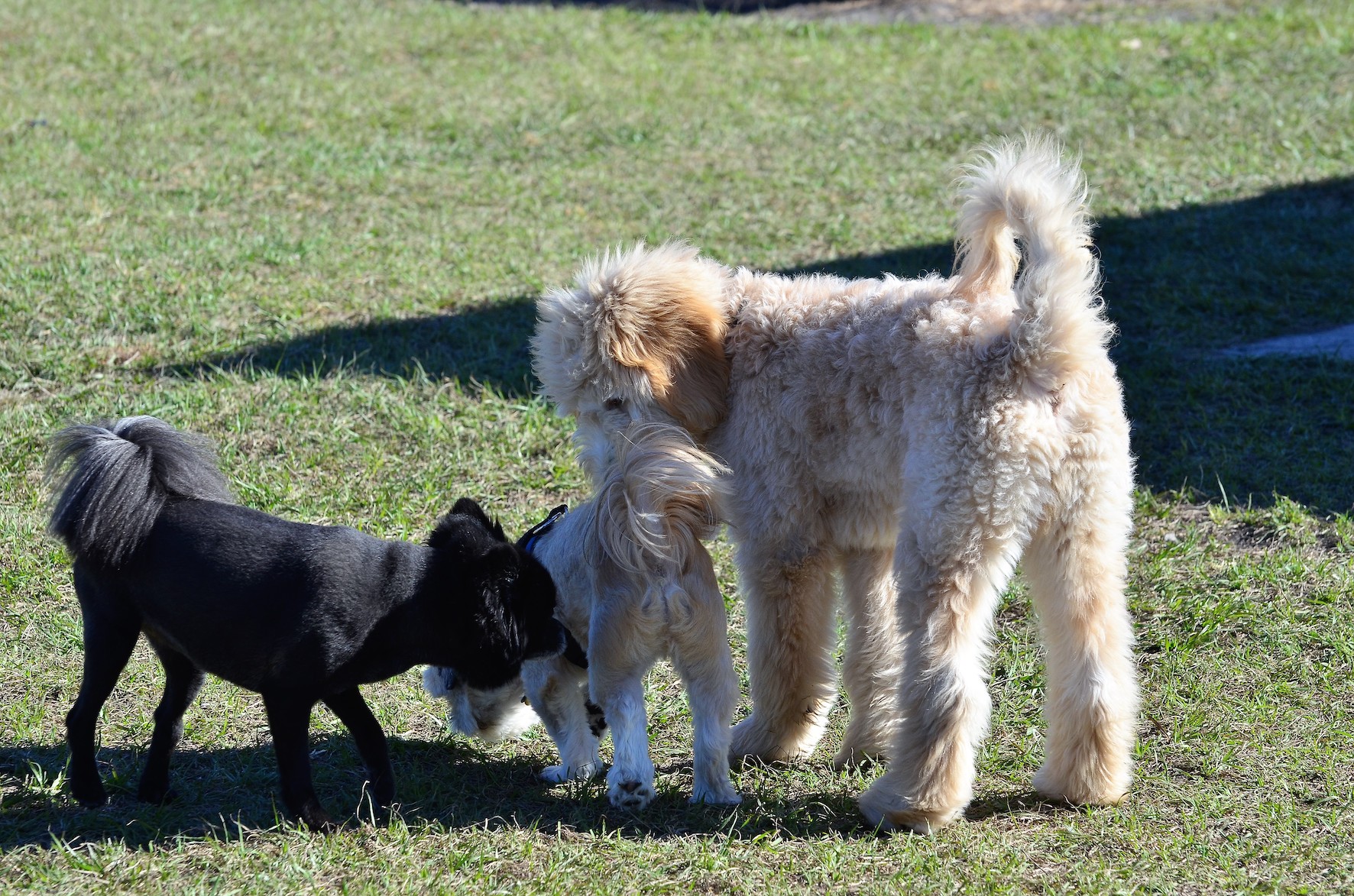
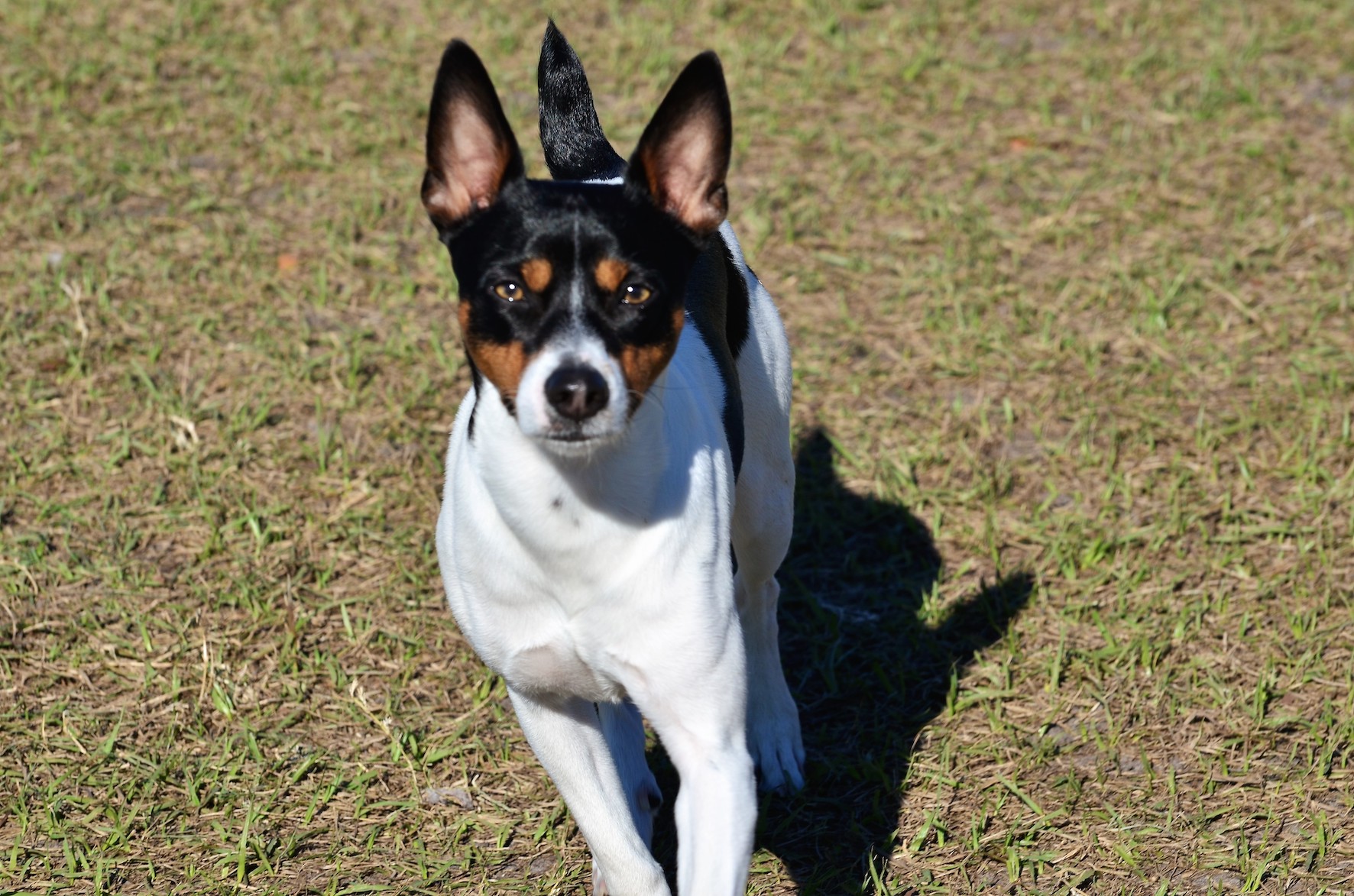
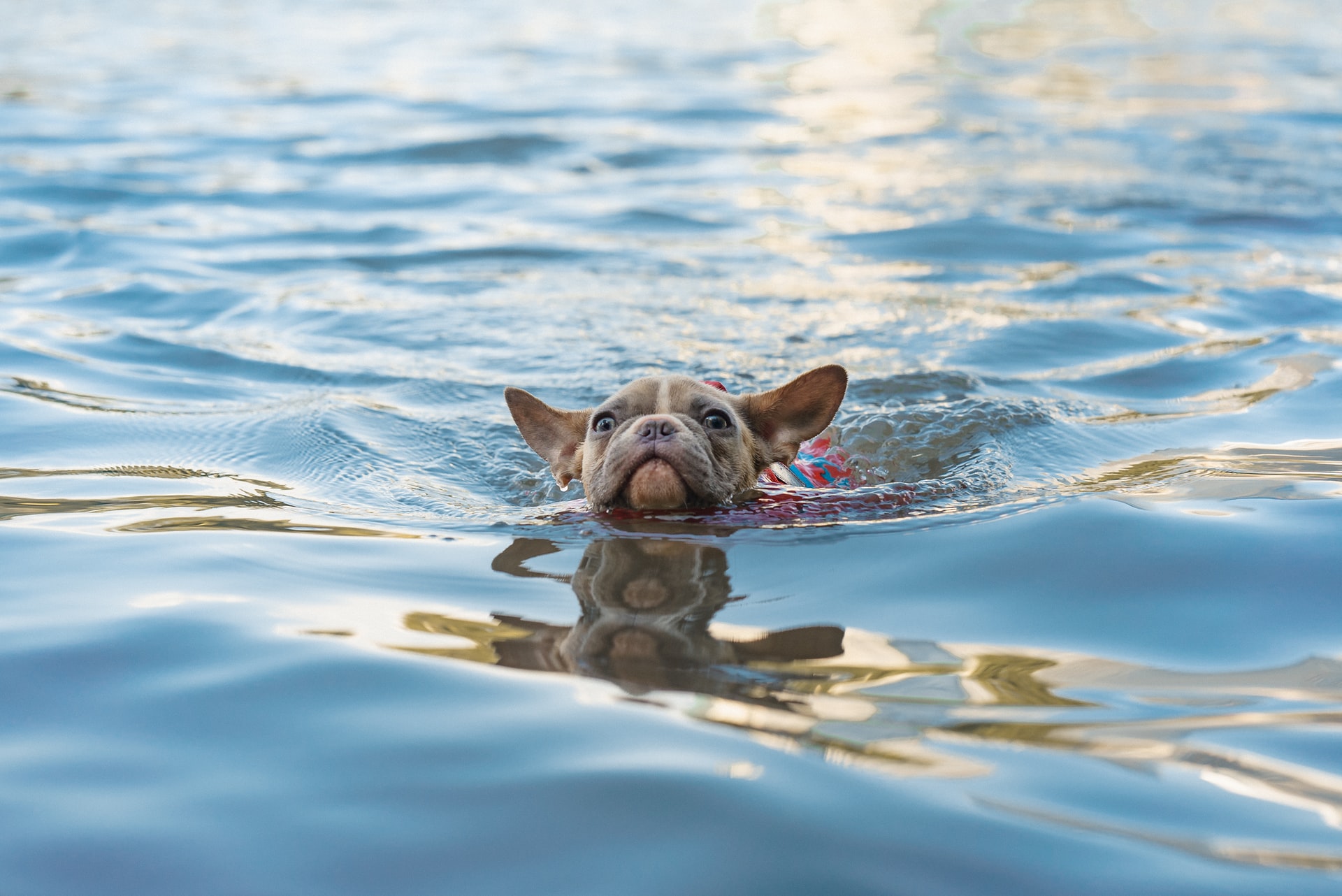
Dogs. I haven’t gotten out much with the pandemic and my other medical issues, but I did manage to shoot these yesterday!
They are so good! They are fabulous! Apart from reducing the file size a little to suit WordPress, they are unchanged.
I intend to present these photographs for the next five Picture Parades!
oooo
oooo
oooo
oooo
oooo
Just wonderful!
We wish Gary all the best regarding his medical issues and, once again, thank him for sending me the wonderful photographs. Until the next Picture Parade!
When you’re traveling in the winter, it’s always important to take some extra precautions. If you live in a location that experiences a lot of snow, ice, or cold temperatures, keeping yourself safe should be your top priority.
But, when you’re traveling with your four-legged friend, making sure you’re even more prepared is crucial. Extra considerations should always be taken when you’re on the road with your dog. While no one wants to think about getting stranded or getting into an accident, things like that can (and do) happen. Being prepared, even if you’re only taking a short trip, will make all the difference when it comes to your own health and wellness as well as your pup’s well-being.
Winter travel can be dangerous depending on weather and road conditions. Planning should always be the first thing you do before heading out with your dog. Check your local forecast as well as what the weather is like where you’ll be traveling. If possible, avoid going anywhere when the road conditions are icy or snowy.
If you have to travel or you pick a clear day, it’s still important to make sure your drive is as safe as possible. Always adapt to the conditions you’re going through, and remember to drive slowly and cautiously on icy roads.
You should always have a few extra supplies in your car for your pup, but in the winter it’s even more crucial for their safety – as well as yours. Some of the basic items you should have packed include:
A first aid kit
An extra blanket
Extra clothes/gloves
Handwarmers
Extra food/water
A compact snow shovel
For your canine companion, having an additional blanket, plenty of water for them, and a toy or treat to keep them occupied will make a big difference.
If you get “stranded” anywhere for a while, don’t leave your dog in the car while you go look for help. While most pet owners understand the risks of leaving a dog in a hot car, leaving them in a cold vehicle can cause frostbite or hypothermia in a very short time. Stay with them until help arrives. Having your car stocked with the right items will keep you both safe and warm.
Make the Most of Your Travels
Traveling with your pup is a great way to break away from the potential “winter blues” that many people face. Whether you want to head somewhere warm or just embrace the season as is, getting out can actually improve your overall health and well-being. Spending time outdoors can reduce your stress levels, give you more energy, improve your mood, and even boost your testosterone levels. You don’t even have to chop down a tree to get that last benefit, so it’s really a win-win.
No matter where you’re going, make the most of your travels by sticking to your health and wellness goals. Dogs need exercise just as much as people, so bring your furry friend with you on snowy hikes, or take them cold-weather camping to enjoy nights beneath the stars together. Just make sure to stay hydrated, dress appropriately, and moisturize your skin if you’re spending a lot of time outdoors. Dry, cracked skin can be painful and unsightly. Don’t forget your pup’s paw pads, too!
With a bit of planning, preparing, and packing, you and your dog can enjoy plenty of travels together this winter. They’ll love being able to spend that extra time with you, and you’ll both be able to get as much out of the season as possible.
ooOOoo
I hope some of you are experiencing decent snowfalls. Here in Southern Oregon we had some snow but as soon as it was on the ground the next day it had gone. The outlook for the next ten days is cold and dry!
Among the many dog-related blogs that I read is Treehugger. It covers a wide range of sustainable actions and habits and not infrequently writes about dogs. That is the main reason I follow the blog.
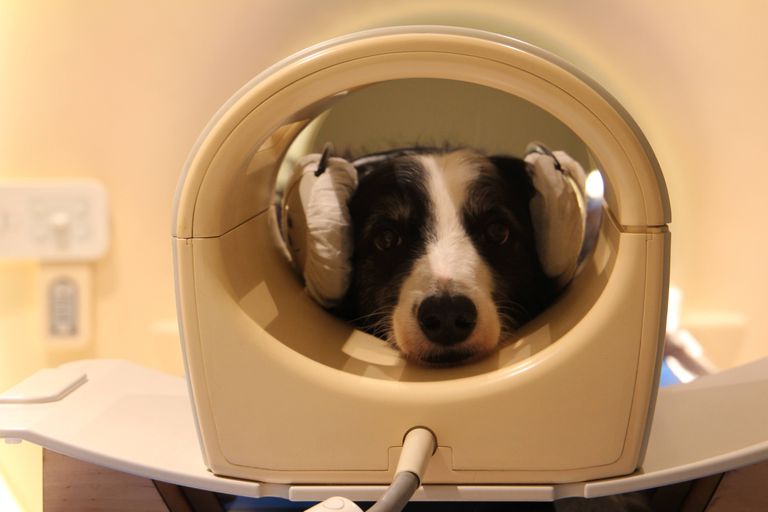
Kun-kun the border collie listens to language in an MRI machine. EnikÅ Kubinyi
You talk to your dog, and of course, you’re convinced your pup understands you. But what if a dog is plopped down in a place where suddenly everyone is speaking a different language?
In a new study, researchers have used brain imaging techniques to find that dogs can differentiate between familiar and unfamiliar languages. Researchers say the findings, from the Department of Ethology at Eötvös Loránd University in Hungary, are the first evidence that shows a non-human brain can distinguish between languages.1
A few years ago, first author Laura V. Cuaya moved from Mexico to Hungary for her postdoctoral research. Before the move, Cuaya’s border collie Kun-kun had only heard Spanish. She was curious whether he would notice that people in Budapest spoke a different language, Hungarian.2
“Like many dogs, Kun-kun tends to pay attention to humans, trying to predict their social environment,” Cuaya tells Treehugger.
“When we moved to Hungary, it was a whole new world for everyone. In Budapest, people are very friendly with dogs. When people talked to Kun-kun, I wondered if he picked up the language difference. And happily, this question fitted with the goals of the Neuroethology of Communication Lab.”
For their study, researchers recruited Kun-kun and 17 other dogs, who had been previously trained to lie still in a brain scanner for functional magnetic resonance imaging (fMRI).1
The dogs were played speech excerpts from “The Little Prince” in Spanish and Hungarian. Each of the dogs had heard only one of the two languages: Hungarian was the familiar language of 16 dogs, Spanish of the other two dogs. That allowed them to compare a very familiar language with a completely unfamiliar one.1
Researchers also played scrambled versions of the excerpts to the dogs. These were nonsensical and completely unnatural. This was to test whether they could tell the difference between speech and nonspeech.1
They compared the brain responses to the two different languages and to speech and nonspeech.
“We found distinct cerebral regions for both processes: for speech detection (speech vs. non-speech), the primary auditory cortex, and for language recognition (familiar language vs. unfamiliar language), the secondary auditory cortex,” Cuaya says.
“Our results may suggest a hierarchy processing in the dog’s brain to process speech. In the first stage, their brain would detect whether a sound is speech or not. Then, in the second stage, their brain would identify whether the speech is a familiar language or not.”
The results were published in the journal NeuroImage.
Exposure and Age
Researchers found that no matter which language the dogs were listening to, the primary auditory cortex of the dogs’ brains could distinguish between speech and scrambled, nonspeech.1
“Dog brains, like human brains, can distinguish between speech and nonspeech. But the mechanism underlying this speech detection ability may be different from speech sensitivity in humans: whereas human brains are specially tuned to speech, dog brains may simply detect the naturalness of the sound,” says Raúl Hernández-Pérez, coauthor of the study.
They also determined that dog brains could differentiate between Spanish and Hungarian. Those patterns were found in a different region of the brain called the secondary auditory cortex.1
Researchers found that the older the dog was, the better their brain was able to tell the difference between a familiar and unfamiliar language. That suggests that the longer dogs live with their people and are exposed to a language, the more they understand how their language sounds.1
“As we could not control the amount of exposure to language in our study, we used the dog age as an indirect measure of the time dogs have been exposed to a given language,” Cuaya says. “I hypothesize that dogs with a closer relationship with humans will better distinguish languages. It could be great if future studies test puppies to control the exposure to a language better.”
Dogs as Models
Researchers are curious whether this language differentiation is unique to dogs or whether other non-human animals may also be able to distinguish between languages.2
“A variety of auditory regularities characterizes each language. For example, sometimes, we cannot identify what language we are listening to. However, we can likely recognize its general origin (e.g., an Asian or Romance language) because of its auditory regularities,” Cuaya explains.
“Detecting regularities is something that brains do very well, not only humans or dogs’ brains. It is highly likely that other species can be trained to differentiate between languages successfully.”
But Cuaya points out that in their study, dogs weren’t “trained.”
“Their brains detected the difference spontaneously, perhaps due to the domestication process,” she says. “While it is likely that other species can differentiate between complex sounds, it is possible that just a few species are interested in the human language.”
Researchers believe the findings are important because by studying dogs, they can have a broader picture of the evolution of speech perception.2
“Dogs are an excellent model because they have been living—and cooperating—with humans for thousands of years. When we wonder if another species cares about what humans do, it is inevitable to think of dogs. In the case of language perception, we can learn, for example, that different brains—with different evolutive paths—can carry out a similar process,” Cuaya says.
“Also, as someone with dogs in my family, it is lovely to know that dogs are picking up subtle cues of their social environment all the time.”
2. first author Laura V. Cuaya from the Department of Ethology at Eötvös Loránd University in Hungary
ooOOoo
Time after time I learn new things about dogs. This is another example of the mystery of a dog’s brain. Thank goodness there is scientific study into our lovely animals.
A good friend of mine, Peter McCarthy, back in the UK, said that he had recently gone on to a supplement called Lion’s Mane. It is a supplement for keeping the cognition working and maintaining good brain function. Peter also mentioned a film called Fantastic Fungi that was available on Netflix.
At home we have Netflix and we watched the film. It was incredible, almost beyond words.
If you want to watch the official trailer then here it is:
The film is about the power of Mycelium. Here is an extract from Fungi Perfecti:
The activities of mycelium help heal and steer ecosystems on their evolutionary path, acting as a recycling mechanism to nourish other members of the ecological communities. By cycling nutrients through the food chain, mycelial networks benefit the soil and allow surrounding networks of plants and animals to survive and thrive.
Increasingly known as the “wood wide web”, mycelium can be found underfoot with nearly every footstep on a lawn, field, or forest floor. It has been concluded that as much as 90% of land plants are in a mutually beneficial relationship with mycelial networks. Without fungi – without mycelium – all ecosystems would fail.
Mycelium and mycological applications have enormous potential to benefit the health of both people and planet. We are committed to continuing our research efforts to find new and innovative ways to build bridges between mycological applications to both human and planetary health.
We can think of it in a way of finding the mother tree.
The film speaks of protecting the old-growth forest trees. So if you have old-growth trees nearby, do everything in your power to protect them.
Forest researcher and university professor Dr. Suzanne Simard has spent years studying trees. Her research led to the discovery that the forest’s plants and trees have an underground communication system, with trees and fungi cooperating. Her Ted talk brought her work to a larger audience, while her 200 articles in peer-reviewed journals shared her research findings with the larger science community. Now, she is releasing her first book Finding the Mother Tree, published by Penguin Random House.
‘This is not a book about how we can save the trees. This is a book about how the trees might save us’.
I haven’t got a great deal of time today (as in yesterday) to write an introduction to this story that was published on The Dodo in December last year. So I am not going to! 😉
ooOOoo
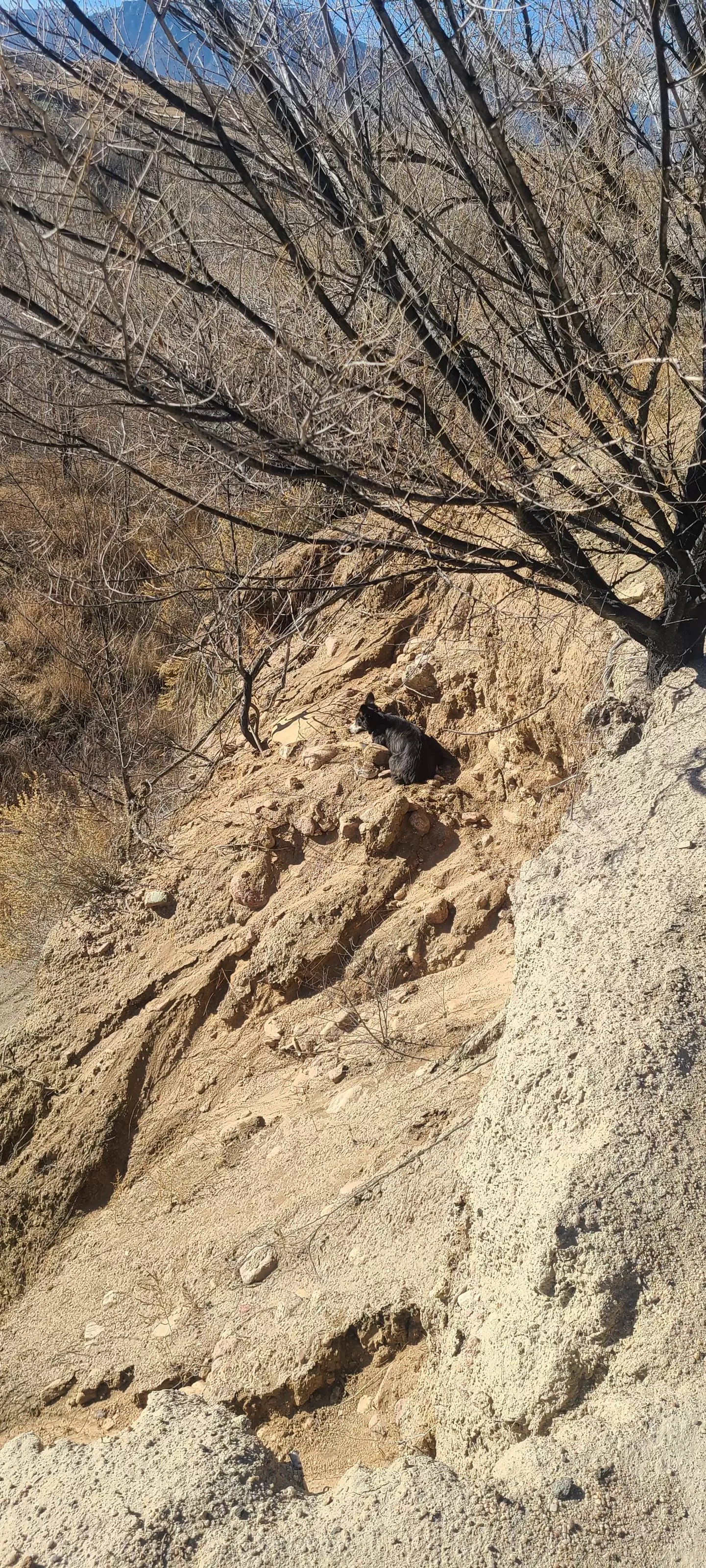
Man Sees Tiny Speck On Cliff In The Distance And Immediately Knows It’s A Dog In Need
“He was funny because I couldn’t see her without my binoculars, and he said he knew the ‘dot’ was an animal because he’s never seen that dot there before.”
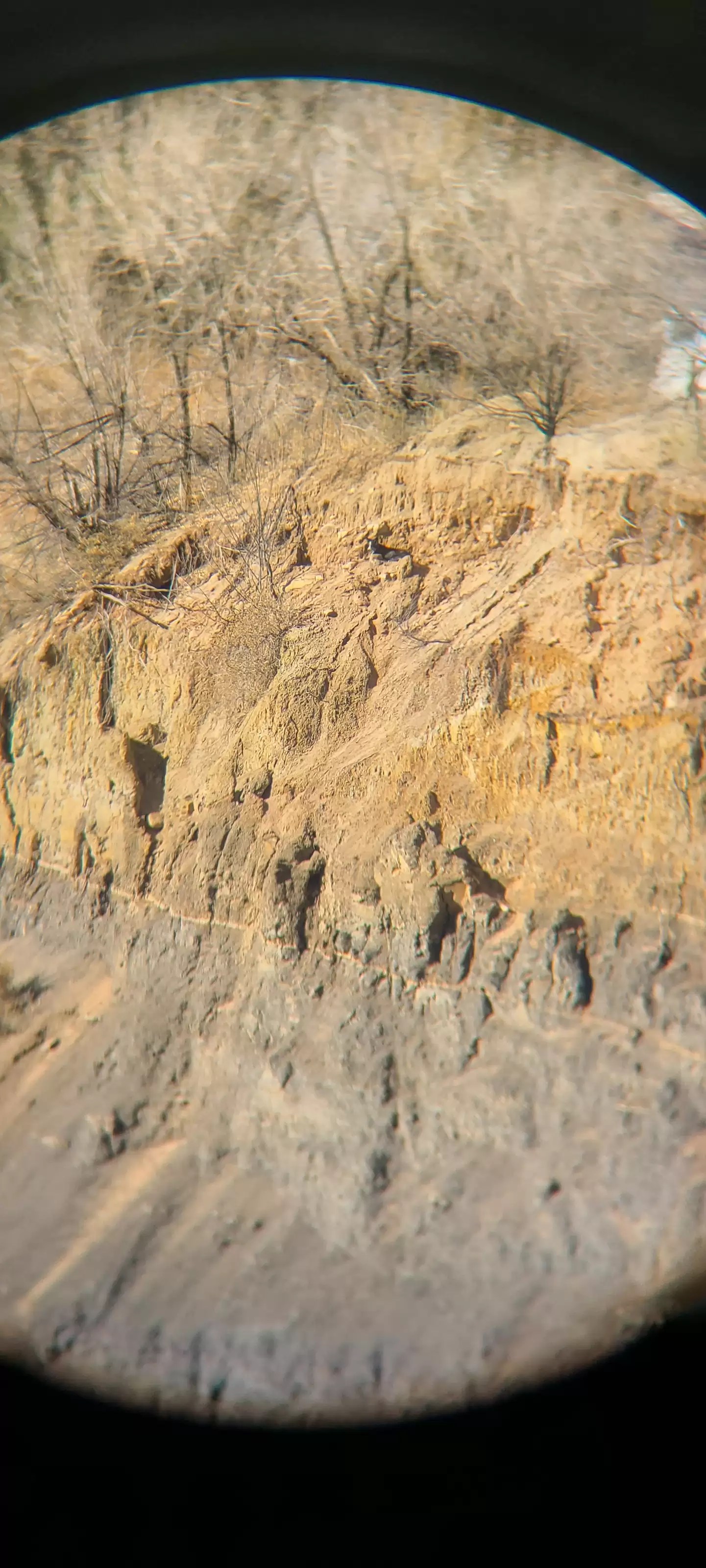
An elderly man was having his morning coffee outside his motorcycle shop one day when he noticed something unusual on a cliff in the distance. He quickly concluded that the tiny speck he was seeing was actually a stuck animal in need of help, so he contacted the Humane Society of the Pikes Peak Region (HSPPR), and they sent two animal law enforcement officers to check it out.
The officers couldn’t see the dog without a little extra help, but the man never had any doubt that she was there and desperately needed help.
“He was funny because I couldn’t see her without my binoculars, and he said he knew the ‘dot’ was an animal because he’s never seen that dot there before,” Officer Kailie Barker told The Dodo.
The dog was stuck on a small ledge about 150 feet above a creek. They weren’t sure how long she’d been there and immediately started coming up with a plan to rescue her.
“It took two and a half hours total to be able to find out exactly where she was, how we were going to get to her, obtaining the equipment and formulating an exact plan,” Barker said.
The officers were able to obtain some climbing gear, and once they were ready, Barker rappelled down to the stuck dog — who was so excited that someone had finally come to help her.
“She was obviously very scared. She had her body pressed into the dirt, she was wagging her tail quickly and was trying to crawl towards us when she very first saw us,” Barker said. “The dirt kept sliding out from under her, but she kept trying. When I was down on the cliffside with her, she tried crawling towards me again. When I finally got to her, she kept licking my hands and face.”
Once the dog had been brought to safety, they read her collar and discovered that her name was Jessie Lee. They took her back to HSPPR, where the staff was able to find her family’s contact information. It turns out she had been missing for two weeks and was found only a few blocks away from her home. Her family had searched for her every single day and was absolutely overjoyed that someone had found her.
Luckily, Jessie Lee wasn’t injured after her ordeal and was able to head home to her family shortly after being rescued. It was the perfect happy ending, all thanks to the officers who rescued her — and the man who knew that tiny speck in the distance was actually a dog.
ooOOoo
All the photographs are from the HUMANE SOCIETY OF THE PIKES PEAK REGION.
It is a precious story and just goes to show the magic we have in our hearts for dogs.Well done that man!
The article from George Monbiot came into my mailbox quite recently. Now of course Mr. Monbiot has a living to make and him publishing articles in the Guardian newspaper is normal. But I sensed that in this particular post he was worried. Worried about the situation regarding the planet and, by implication, all those who live on it.
I read yesterday on the UK Met Office blog about HILL events.
HILL events go beyond traditional weather extremes, potentially taking the climate system into uncharted territories. For example, much of the UK’s climate is predicated on two large elements of the climate system: the North Atlantic jet stream, a core of strong winds five to seven miles above the Earth’s surface, and the Atlantic Meridional Overturning Circulation (AMOC), a system of ocean currents which transports warm water northwards in the Atlantic.
Later on in that Met Office article it was said:
Prof Richard Betts MBE is the Head of Climate Impacts Research in the Met Office Hadley Centre and a Professor at the University of Exeter. Prof Betts, who led the team which prepared the Technical Report for the UK’s 3rd Climate Change Risk Assessment (CCRA3), is calling for a monitoring, attribution and prediction system that can provide early warning of HILLs. Professor Betts said: “With rising global temperatures, we are edging closer to the thresholds for more and more HILL events. Greater research into these events will help scientists advise policy makers on their thresholds and impacts.”
A week ago I wrote with real pride about the achievements of the James Webb Space Telescope (JWST). Later on I felt some shame that the focus on the real issue, that of climate change, was too low a priority for the US, let alone the world! Then I looked up the US expenditure on the military. Here’s a small quote from WikiPedia: “In May 2021, the President’s defense budget request for fiscal year 2022 (FY2022) is $715 billion, up $10 billion, from FY2021’s $705 billion.”[1] That puts the JWST into perspective. JWST cost ten billion dollars.
Expand one’s mind and just think of the global cost of war!
Here’s George Monbiot. Republished with his permission.
ooOOoo
Losing It
10th January, 2022
Faced with the gathering collapse of the biosphere, and governments’ refusal to take the necessary action, how do we stop ourselves from falling apart?
By George Monbiot, published in the Guardian 4th January 2022
No wonder journalists have slated it. They’ve produced a hundred excuses not to watch the climate breakdown satire Don’t Look Up: it’s “blunt”, it’s “shrill”, it’s “smug”. But they will not name the real problem: it’s about them. The movie is, in my view, a powerful demolition of the grotesque failures of public life. And the sector whose failures are most brutally exposed is the media.
While the film is fast and funny, for me, as for many environmental activists and climate scientists, it seemed all too real. I felt as if I were watching my adult life flash past me. As the scientists in the film, trying to draw attention to the approach of a planet-killing comet, bashed their heads against the Great Wall of Denial erected by the media and sought to reach politicians with 10-second attention spans, all the anger and frustration and desperation I’ve felt over the years boiled over.
Above all, when the scientist who had discovered the comet was pushed to the bottom of the schedule by fatuous celebrity gossip on a morning TV show and erupted in fury, I was reminded of my own mortifying loss of control on Good Morning Britain in November. It was soon after the Cop26 climate conference in Glasgow, where we had seen the least serious of all governments (the UK was hosting the talks) failing to rise to the most serious of all issues. I tried, for the thousandth time, to explain what we are facing, and suddenly couldn’t hold it in any longer. I burst into tears on live TV.
I still feel deeply embarrassed about it. The response on social media, like the response to the scientist in the film, was vituperative and vicious. I was faking. I was hysterical. I was mentally ill. But, knowing where we are and what we face, seeing the indifference of those who wield power, seeing how our existential crisis has been marginalised in favour of trivia and frivolity, I now realise that there would be something wrong with me if I hadn’t lost it.
In fighting any great harm, in any age, we find ourselves confronting the same forces: distraction, denial and delusion. Those seeking to sound the alarm about the gathering collapse of our life-support systems soon hit the barrier that stands between us and the people we are trying to reach, a barrier called the media. With a few notable exceptions, the sector that should facilitate communication thwarts it.
It’s not just its individual stupidities that have become inexcusable, such as the platforms repeatedly given to climate deniers. It is the structural stupidity to which the media are committed. It’s the anti-intellectualism, the hostility to new ideas and aversion to complexity. It’s the absence of moral seriousness. It’s the vacuous gossip about celebrities and consumables that takes precedence over the survival of life on Earth. It’s the obsession with generating noise, regardless of signal. It’s the reflexive alignment with the status quo, whatever it may be. It’s the endless promotion of the views of the most selfish, odious and antisocial people, and the exclusion of those who are trying to defend us from catastrophe, on the grounds that they are “worthy”, “extreme” or “mad” (I hear from friends in the BBC that these terms are still used there to describe environmental activists).
Even when these merchants of distraction do address the issue, they tend to shut out the experts and interview actors, singers and other celebs instead. The media’s obsession with actors vindicates Guy Debord’s predictions in his book The Society of the Spectacle, published in 1967. Substance is replaced by semblance, as even the most serious issues must now be articulated by people whose work involves adopting someone else’s persona and speaking someone else’s words. Then the same media, having turned them into spokespeople, attack these actors as hypocrites for leading a profligate lifestyle.
Similarly, it’s not just the individual failures by governments at Glasgow and elsewhere that have become inexcusable, but the entire framework of negotiations. As crucial Earth systems might be approaching their tipping point, governments still propose to address the issue with tiny increments of action, across decades. It’s as if, in 2008, when Lehman Brothers collapsed and the global financial system began to sway, governments had announced that they would bail out the banks at the rate of a few million pounds a day between then and 2050. The system would have collapsed 40 years before their programme was complete. Our central, civilisational question, I believe, is this: why do nations scramble to rescue the banks but not the planet?
So, as we race towards Earth system collapse, trying to raise the alarm feels like being trapped behind a thick plate of glass. People can see our mouths opening and closing, but they struggle to hear what we are saying. As we frantically bang the glass, we look ever crazier. And feel it. The situation is genuinely maddening. I’ve been working on these issues since I was 22, and full of confidence and hope. I’m about to turn 59, and the confidence is turning to cold fear, the hope to horror. As manufactured indifference ensures that we remain unheard, it becomes ever harder to know how to hold it together. I cry most days now.
Now there is very little that we folk can do. We can do our best but it all comes to nought. The real change is for governments, especially the governments of the US, China, Russia, the UK, and Europe, to make a difference soon.























 Learning from Dogs