A wonderful reminder of a very ancient custom.
We recently watched a programme about Britain’s Castles and Palaces. Part of the programme focussed on the long (and I mean ‘long’!) history of the Tower of London and the black ravens who watch over it.
The Tower of London is old! Very old.
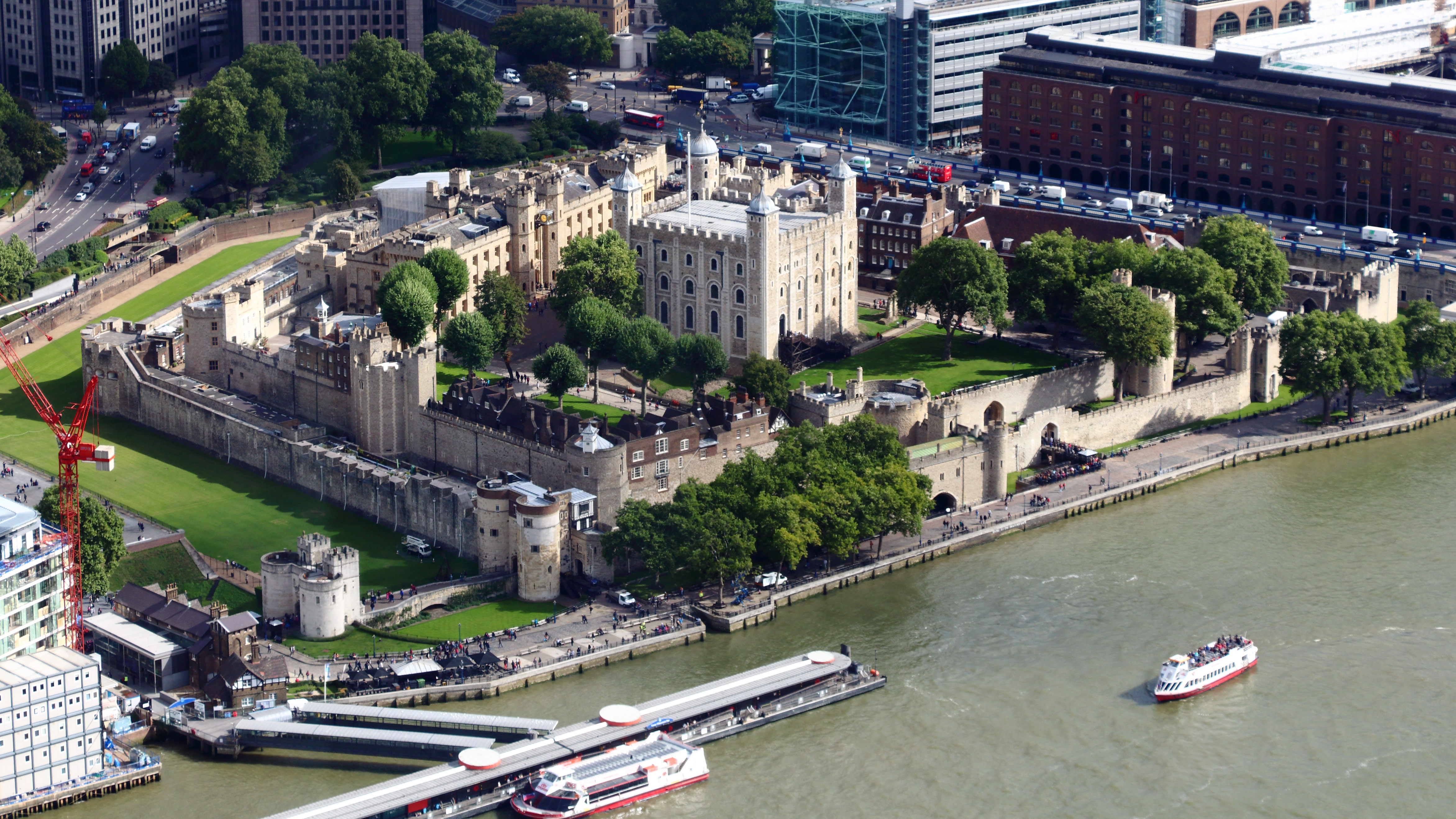
As the website Britain Express explains:
Founded nearly a millennium ago, the Tower of London has been expanded upon over the centuries by many a king and queen. The first foundations were laid in 1078 and the castle has been constantly improved and extended.
The Tower of London is the oldest palace, fortress and prison in Europe. History has it that King Edward of England backed down on his promise to give the throne to William, Duke of Normandy and ended up giving the throne to Harold Godwinson, his English brother-in-law.
Foundations laid in 1078! 936 years ago!
Almost beyond imagination is the story, according to this BBC programme, that the ravens were known to be inhabiting this part of London even before those foundations were laid!
I’m delighted to see that a segment of that programme has found its way onto YouTube.
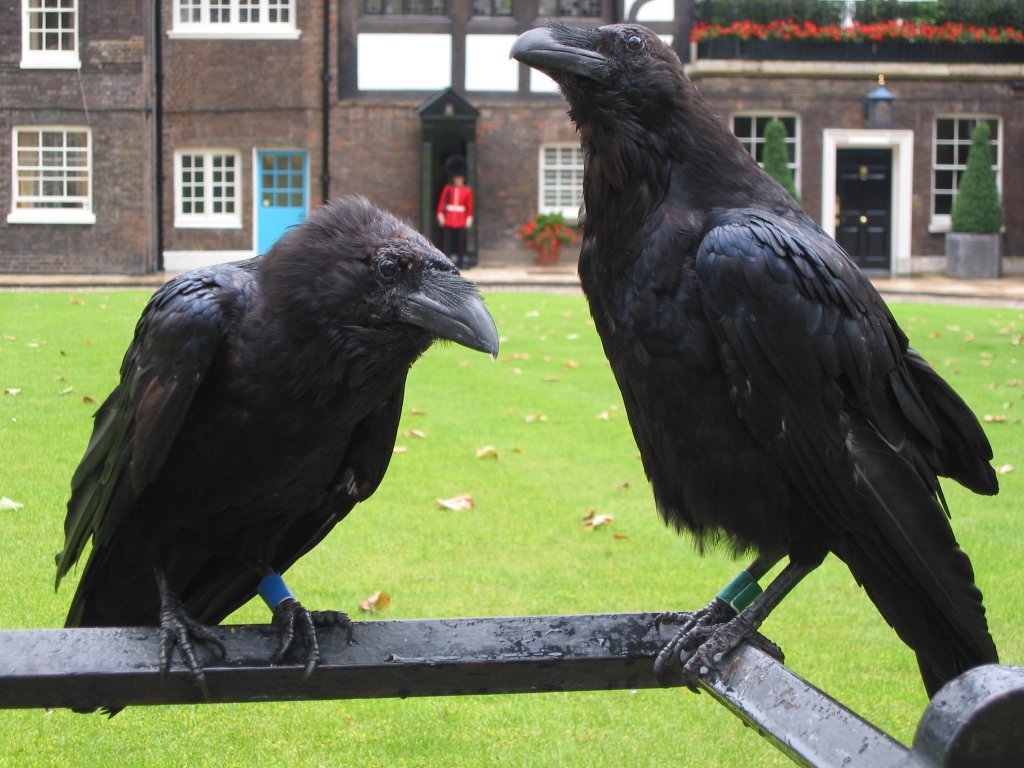
Legend says that the kingdom and the Tower will fall if the six resident ravens ever leave the fortress…
There are nine ravens at the Tower today (the required six plus a few spare!). Their lodgings are to be found next to the Wakefield Tower. These magnificent birds, large members of the genus Corvus, the crow family, respond only to the Ravenmaster and should not be approached too closely by anyone else!
Rather puts all the craziness of present times into perspective!
 Learning from Dogs
There are connections between Colchester Castle and the Tower of London:
1. Both the Tower of London and Colchester Castle was planned by Gundulf Bishop of Rochester.
2. Colchester Castle was started 1076 and the Tower of London 1078.
3. The foundations of Colchester Castle are larger than the Tower due to being built on the foundations of Temple of Claudius.
4. I believe the legend of the ravens is connected to Colchester due to a mistranslation of the location of the White Hill in the Bran legend. The Bran legend was associated to the time of Cassivellaunus, before London existed.
LikeLike
Wow! What a fascinating contribution to today’s post. How widely is this known by historians?
LikeLike
All the points are evident, but it is the nature of people to believe what they want to believe.
LikeLike
Isn’t that the truth!
LikeLike