Tag: The Conversation

The magic of touch!

At all levels and in so many ways it is life-giving.

dt14Animals must see touch as a natural way of living. We humans are less natural about touch especially with people that we don’t know so well. Not everyone, of course, but as a general statement it is probably not wrong.

The topic of touch has come to me today as a result of a recent item read over on The Conversation blogsite; specifically about the importance of touch between a doctor and his or her patient. Here it is republished within the terms of The Conversation:

ooOOoo

Touch creates a healing bond in health care

May 23, 2016 8.23pm EDT

Touch is a powerful tool in medicine. Hands via www.shutterstock.com
Touch is a powerful tool in medicine. Hands via http://www.shutterstock.com

In contemporary health care, touch – contact between a doctor’s hand and a patient – appears to be on its way out. The expanding role of CT and MRI imaging is decreasing reliance on touch as a way of making diagnoses. Pressures to move patients through the system more quickly leave health professionals with fewer opportunities to make contact. Our experience suggests that when doctors spend fewer minutes with patients, less time is available for touch.

Yet despite the rise of scanners, robots and other new medical technologies, the physician’s hand remains one of medicine’s most valuable diagnostic tools. Touch creates a human bond that is particularly needed in this increasingly hands-off, impersonal age. Medical practice is replete with situations where touch does more than any words to comfort and reassure.

The USC psychologist Leo Buscaglia, whose habit of hugging those he met soon earned him the sobriquet “Doctor Love,” bemoaned our neglect of touch in his book, “Love,” in these terms:

Too often we underestimate the power of a touch, a smile, a kind word, a listening ear, an honest compliment, or the smallest act of caring, all of which have the potential to turn a life around.

For thousands of years, touch has been recognized as an essential part of the healing arts. Native American healers relied on touch to draw out sickness, and kings and queens were long believed to possess the “Royal Touch,” through which the mere laying on of hands could heal. The Bible contains numerous stories of the healing power of touch.

Touch is an essential part of our well-being

An indication of our need for touch can be found among our primate relatives. Psychologists have observed that many such species spend upwards of five hours of each day touching one another, partly through grooming. For many human beings, however, the daily dose of touching would be measured not in hours but minutes, perhaps even seconds.

Lack of touch can be hazardous to health. In experiments with primates some 60 years ago,

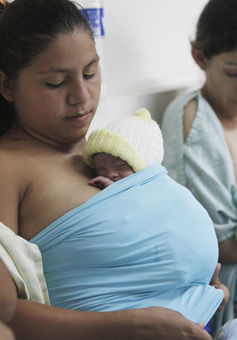
 A young mother participates in a ‘Kangaroo Mother’ program at the National Maternity Hospital in El Salvador. Luis Galdamez/Reuters
A young mother participates in a ‘Kangaroo Mother’ program at the National Maternity Hospital in El Salvador. Luis Galdamez/Reuters

researcher Harry Harlow demonstrated that young monkeys deprived of touch did not grow and develop normally. Mere food, water and shelter are not sufficient – to thrive, such creatures need to touch and be touched.

The same can be said for human beings. During the 20th century, wars landed many babies in orphanages, where their caretakers observed that no matter how well the infants were fed, they would fail to thrive unless they were held and cuddled on a frequent basis. Touch offers no vitamins or calories, yet it plays a vital role in sustaining life.

More recent studies have corroborated these findings. “Kangaroo care,” using papoose-like garments to keep babies close to their mothers, decreases the rate at which they develop blood infections. Touching also improves weight gain and decreases the amount of time that newborns need to remain in the hospital.

Touch creates a bond between doctor and patient

Novelist and physician Abraham Verghese has argued that touching is one of the most important features of the patient-physician interaction. When he examines a patient, he is not merely collecting information with which to formulate a diagnosis, but also establishing a bond that provides comfort and reassurance.

The notion that touch can reassure and comfort has a scientific basis. Ten years ago researchers used MRI scans to look at the brains of women undergoing painful stimuli. When subjects experience pain, certain areas of the brain tend to “light up.” The researchers studied subjects when they were alone, when they were holding a stranger’s hand, and when they were holding their husband’s hand.

They found the highest levels of pain activation when the women were alone. When they were holding a stranger’s hand, the pain response was decreased. And levels of activation were lowest of all when they were holding their husband’s hand. Interesting, the higher the quality of subjects’ marriages, the more pain responses were blunted.

Touch from parents helps kids in intensive care

We have been studying this phenomenon in our own institution, looking at the effect of touch not only on patients but on the parents of patients admitted to the pediatric intensive care unit.

The project, called ROSE (Reach Out, Soothe, and Embrace), sought to determine whether increasing opportunities to touch patients could promote parent well-being without compromising patient safety.

Instead of merely determining whether patients could be taken off the ventilator or fed, we also identified patients who could be safely touched and even held in their parents’ arms. When a patient was deemed safe to hold, a magnet bearing the image of a red rose embraced by two hands was placed on the door to the patient’s room.

While we are still analyzing the results and further study is needed to fully delineate the health benefits of touch, several findings are already clear.

First, increasing opportunities for touch does not compromise patient safety. Second, the subjective well-being of family members is enhanced when touching is encouraged. Third, promoting touch empowers family members to become more involved in their child’s care.

To be sure, inappropriate and unsafe touching can be harmful. But when touch is encouraged in the right ways and for the right reasons, it is good for patients, family, friends and health professionals alike. Touch is one of the most fundamental and effective ways to create a sense of connection and community among human beings.

In the words of the 20th-century theologian Henri Nouwen, who wrote in his book, “Out of Solitude”:

When we honestly ask ourselves which person in our lives means the most to us, we often find that it is those who, instead of giving advice, solutions, or cures, have chosen rather to share our pain and touch our wounds with a warm and tender hand.

So next time you find yourself confronted by a person in distress, remember the power of touch. Medicines and words both have healing power, but so does touch, and it is perhaps the most widely available, financially responsible and safest tool in the healing arts. When we touch, we connect, and when we connect, we create a healing bond for which there is simply no substitute.

ooOOoo

“When we touch, we connect, and when we connect, we create a healing bond for which there is simply no substitute.”

P1140965
Jean with my mother back in July, 2014.

P1150928The healing touch!

Or to repeat the elegant words of Leo Buscaglia:

Too often we underestimate the power of a touch, a smile, a kind word, a listening ear, an honest compliment, or the smallest act of caring, all of which have the potential to turn a life around.

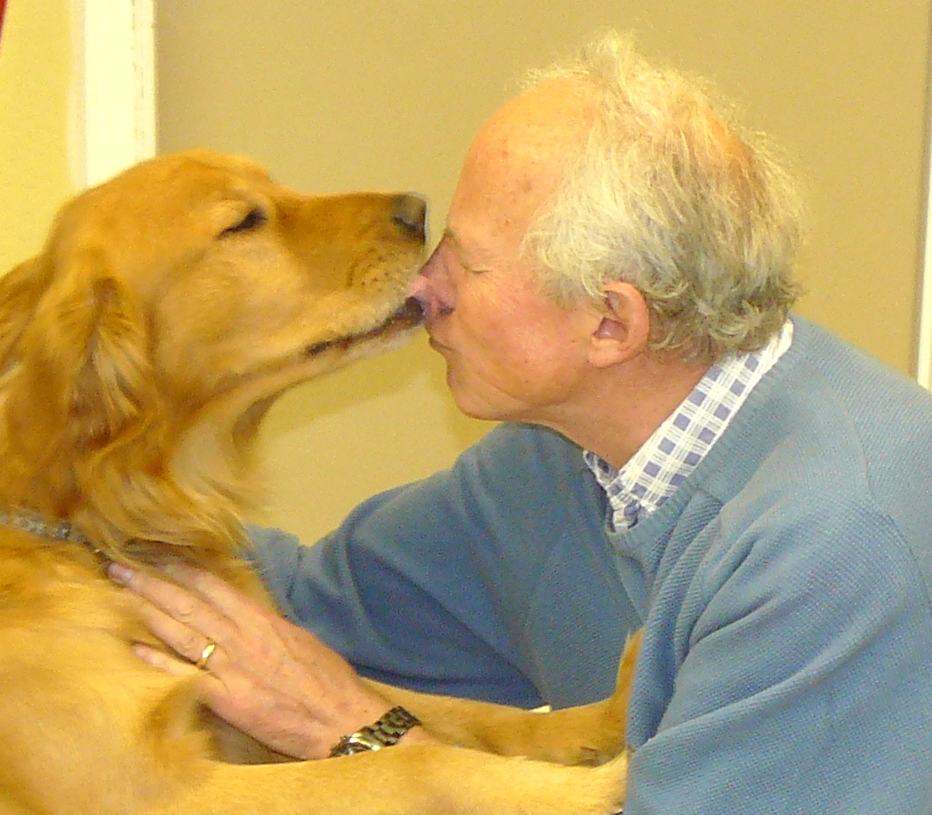
3175758.largeWho have you given a hug today?

Reflections on the internet.

An interesting item that recently crossed my ‘screen’.

I make no apologies for cutting corners for today’s post. Because the last few days of looking after, and worrying about, Hazel have soaked up so much of our time and energy that I just couldn’t find the creative impulse to do much more than ‘copy and paste’.

That’s not to downplay the great interest of this article that appeared over on The Conversation blogsite a few days ago.

ooOOoo

Why the Internet isn’t making us smarter – and how to fight back

April 15, 2016 5.58am EDT

Professor of Psychology, University of Michigan

Disclosure statement: David Dunning has received funding from the National Science Foundation, the National Institutes of Health, and the Templeton Foundation in the past.

In the hours since I first sat down to write this piece, my laptop tells me the National Basketball Association has had to deny that it threatened to cancel its 2017 All-Star Game over a new anti-LGBT law in North Carolina – a story repeated by many news sources including the Associated Press. The authenticity of that viral video of a bear chasing a female snowboarder in Japan has been called into question. And, no, Ted Cruz is not married to his third cousin. It’s just one among an onslaught of half-truths and even pants-on-fire lies coming as we rev up for the 2016 American election season.

The longer I study human psychology, the more impressed I am with the rich tapestry of knowledge each of us owns. We each have a brainy weave of facts, figures, rules and stories that allows us to address an astonishing range of everyday challenges. Contemporary research celebrates just how vast, organized, interconnected and durable that knowledge base is.

That’s the good news. The bad news is that our brains overdo it. Not only do they store helpful and essential information, they are also receptive to false belief and misinformation.

Just in biology alone, many people believe that spinach is a good source of iron (sorry, Popeye), that we use less than 10 percent of our brains (no, it’s too energy-guzzling to allow that), and that some people suffer hypersensitivity to electromagnetic radiation (for which there is no scientific evidence).

But here’s the more concerning news. Our access to information, both good and bad, has only increased as our fingertips have gotten into the act. With computer keyboards and smartphones, we now have access to an Internet containing a vast store of information much bigger than any individual brain can carry – and that’s not always a good thing.

Better access doesn’t mean better information

This access to the Internet’s far reaches should permit us to be smarter and better informed. People certainly assume it. A recent Yale study showed that Internet access causes people to hold inflated, illusory impressions of just how smart and well-informed they are.

But there’s a twofold problem with the Internet that compromises its limitless promise.

First, just like our brains, it is receptive to misinformation. In fact, the World Economic Forum lists “massive digital misinformation” as a main threat to society. A survey of 50 “weight loss” websites found that only three provided sound diet advice. Another of roughly 150 YouTube videos about vaccination found that only half explicitly supported the procedure.

Rumor-mongers, politicians, vested interests, a sensationalizing media and people with intellectual axes to grind all inject false information into the Internet.

So do a lot of well-intentioned but misinformed people. In fact, a study published in the January 2016 Proceedings of National Academy of Science documented just how quickly dubious conspiracy theories spread across the Internet. Specifically, the researchers compared how quickly these rumors spread across Facebook relative to stories on scientific discoveries. Both conspiracy theories and scientific news spread quickly, with the majority of diffusion via Facebook for both types of stories happening within a day.

Making matters worse, misinformation is hard to distinguish from accurate fact. It often has the exact look and feel as the truth. In a series of studies Elanor Williams, Justin Kruger and I published in the Journal of Personality and Social Psychology in 2013, we asked students to solve problems in intuitive physics, logic and finance. Those who consistently relied on false facts or principles – and thus gave the exact same wrong answer to every problem – expressed just as much confidence in their conclusions as those who answered every single problem right.

For example, those who always thought a ball would continue to follow a curved path after rolling out of a bent tube (not true) were virtually as certain as people who knew the right answer (the ball follows a straight path).

Defend yourself

So, how so we separate Internet truth from the false?

First, don’t assume misinformation is obviously distinguishable from true information. Be careful. If the matter is important, perhaps you can start your search with the Internet; just don’t end there. Consult and consider other sources of authority. There is a reason why your doctor suffered medical school, why your financial advisor studied to gain that license.

Second, don’t do what conspiracy theorists did in the Facebook study. They readily spread stories that already fit their worldview. As such, they practiced confirmation bias, giving credence to evidence supporting what they already believed. As a consequence, the conspiracy theories they endorsed burrowed themselves into like-minded Facebook communities who rarely questioned their authenticity.

Instead, be a skeptic. Psychological research shows that groups designating one or two of its members to play devil’s advocates – questioning whatever conclusion the group is leaning toward – make for better-reasoned decisions of greater quality.

If no one else is around, it pays to be your own devil’s advocate. Don’t just believe what the Internet has to say; question it. Practice a disconfirmation bias. If you’re looking up medical information about a health problem, don’t stop at the first diagnosis that looks right. Search for alternative possibilities.

Seeking evidence to the contrary

In addition, look for ways in which that diagnosis might be wrong. Research shows that “considering the opposite” – actively asking how a conclusion might be wrong – is a valuable exercise for reducing unwarranted faith in a conclusion.

After all, you should listen to Mark Twain, who, according to a dozen different websites, warned us, “Be careful about reading health books. You may die of a misprint.”

Wise words, except a little more investigation reveals more detailed and researched sources with evidence that it wasn’t Mark Twain, but German physician Markus Herz who said them. I’m not surprised; in my Internet experience, I’ve learned to be wary of Twain quotes (Will Rogers, too). He was a brilliant wit, but he gets much too much credit for quotable quips.

Misinformation and true information often look awfully alike. The key to an informed life may not require gathering information as much as it does challenging the ideas you already have or have recently encountered. This may be an unpleasant task, and an unending one, but it is the best way to ensure that your brainy intellectual tapestry sports only true colors.

ooOOoo

The way the world now communicates, for good and bad, using the internet is staggering. As the website Internet Live Stats reveals: (as of this moment today)

3,352,197,085 Internet Users in the world

1,016,623,500 Total number of Websites

2,060,120 Blog posts written today

So with that last figure in mind, I’ll send this for posting without delay! 😉

Hugging trees this weekend.

“The Spring is sprung, the grass is riz!”

Our delivery of trees arrived yesterday from the Arbor Day Foundation and that means that much of today will be spent in getting those trees planted.

Plus the recent wet spell has stopped me taking that first cut of the grass from around the house. So there’s another task for this relatively decent weekend coming up. And the vegetable garden needs some attention. And so on!

All of which is my way of saying that I won’t be paying my normal level of attention to Learning from Dogs for the next few days.

Rather aptly comes this item that was recently published over on The Conversation and is republished here within their kind terms.

ooOOoo

Hug a tree – the evidence shows it really will make you feel better

March 18, 2014.

The arrow of time.

Everything, eventually, falls into decay.

What is deeply fascinating, at a number of levels, is how time only goes one way. At every single level of our experience, from the scale of the universe down to the tiniest particle known to science, it all flows forward. The arrow of time!

I was reminded of this interesting question of time in a book that has been published by a local Oregon author, John Taylor Our Curious UNIVERSE (the book is not available online otherwise I would have linked to it.)

It got me thinking of age. How we are all aging. How there is nothing that we can do to stop it. How the only thing we can do is to change our relationship with age. That then reminded me of an item that was published on The Conversation site a week ago that I wanted to share with you – share within the terms provided by The Conversation. The article was called It’s time to measure 21st century aging with 21st century tools.

ooOOoo

It’s time to measure 21st century aging with 21st century tools

March 4, 2016

Disclosure statement

The research was conducted in the framework of the European Research Council ERC-2012-AdG 323947-Re-Ageing

Sergei Scherbov receives funding from the European Research Council ERC-2012-AdG 323947-Re-Ageing

oooo

The populations of most countries of the world are aging, prompting a deluge of news stories about slower economic growth, reduced labor force participation, looming pension crises, exploding health care costs and the reduced productivity and cognitive functioning of the elderly.

These stories are dire, in part because the most widely used measure of aging – the old-age dependency ratio, which measures the number of older dependents relative to working-age people – was developed a century ago and implies the consequences of aging will be much worse than they are likely to be. On top of that, this ratio is used in political and economic discussions of topics such as health care costs and the pension burden – things it was not designed to address.

Turning 65 in 2016 doesn’t mean the same thing as hitting 65 in 1916. So instead of relying on the old-age dependency ratio to figure out the impact of aging, we propose using a series of new measures that take changes in life expectancy, labor participation and health spending into account. When you take these new realities into account, the picture looks a lot brighter.

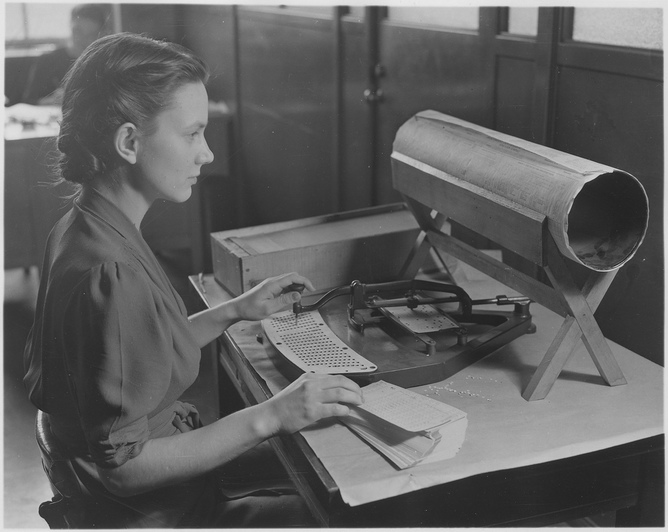
 How facts from the census questionnaire were tabulated into statistics in 1950. The U.S. National Archives/Flickr
How facts from the census questionnaire were tabulated into statistics in 1950. The U.S. National Archives/Flickr

Our tools to measure aging have aged

The most commonly used measure of population aging is the “old-age dependency ratio,” which is the ratio of the number of people 65 years or older to those 20 to 64.

But, since the old-age dependency ratio was introduced in the early 1900s, most countries have experienced a century of rising life expectancy, and further increases are anticipated.

For instance, in 1914, life expectancy at birth in Sweden was 58.2 years (average for both sexes). By 2014, it had risen to 82.2 years. In 1935, when the U.S Social Security Act was signed into law, 65-year-olds were expected to live 12.7 more years, on average. In 2013, 65 year-olds may expect to live 19.5 years more.

But these changes aren’t reflected in the conventional statistics on aging. Nor is the fact that many people don’t just stop working when they turn 65, and that people are staying healthier for longer.

To get a better sense of what population aging really means today, we decided to develop a new set of measures that take these new realities into account to replace the old-age dependency ratio. And instead of one ratio, we created several ratios to evaluate health care costs, labor force participation and pensions.

Who retires at 65 anymore?

One of these new realities is that the number of people working into their late 60’s and beyond is going up. In 1994, 26.8 percent of American men aged 65-69 participated in the labor force. That figure climbed to 36.1 percent in 2014 and is forecast to reach 40 percent by 2024. And the trend is similar for even older men, with 17 percent of those aged 75-79 expected to still be working in a decade, up from just 10 percent in 1994.

Clearly, these older people did not get the message that they were supposed to become old-age dependents when they turned 65.

Depot Supervisor Eric Headley, 74, takes a call on his mobile phone while at work for Pimlico Plumbers in London July 29, 2010. Britain announced plans to scrap the fixed retirement age next year, saying it wanted to give people the chance to work beyond 65, but business leaders warned the move would create serious problems. REUTERS/Suzanne Plunkett (BRITAIN - Tags: POLITICS SOCIETY) - RTR2GUL1
Depot Supervisor Eric Headley, 74, takes a call on his mobile phone while at work for Pimlico Plumbers in London July 29, 2010. Britain announced plans to scrap the fixed retirement age next year, saying it wanted to give people the chance to work beyond 65, but business leaders warned the move would create serious problems. REUTERS/Suzanne Plunkett.

This isn’t unique to the U.S. Rates like these in many countries have been rising. In the U.K., for instance, the labor force participation rate of 65- to 69-year-old men was 24.2 percent in 2014, and in Israel it was 50.2 percent, up from 14.8 percent and 27.4 percent, respectively, in 2000. In part this is because older people now often have better cognitive functioning than their counterparts who were born a decade earlier.

So, instead of assuming that people work only from ages 20 to 64 and become old-age dependents when they hit 65, we have computed “economic dependency ratios” that take into account observations and forecasts of labor force participation rates. This tells us how many adults not in the labor force there are for every adult in the labor force, giving us a more accurate picture than using 65 as a cutoff point. We used forecasts produced by the International Labour Organization to figure this out.

The old-age dependency ratio in the U.S. is forecast to increase by 61 percent from 2013 to 2030. But using our economic dependency ratio, the ratio of adults in the labor force to adults not in the labor force increases by just 3 percent over that period.

Clearly, doom and gloom stories about U.S. workers having to support so many more nonworkers in the future may need to be reconsidered.

Is the health care burden going to be so high?

Another reality is that while health care costs will go up with an older population, they won’t rise as much as traditional forecasts estimate.

Instead of assuming that health care costs rise dramatically on people’s 65th birthdays, as the old-age dependency ratio implicitly does, we have produced an indicator that takes into account the fact that most of the health care costs of the elderly are incurred in their last few years of life. Increasing life expectancy means those final few years happen at ever later ages.

In Japan, for example, when the burden of the health care costs of people aged 65 and up on those 20-64 years old is assessed using only the conventional old-age dependency ratio, that burden is forecast to increase 32 percent from 2013 to 2030. When we compute health care costs based on whether people are in the last few years of their lives, the burden increases only 14 percent.

Pension ages are going up

The last reality we considered concerns pensions.

In most OECD countries, the age at which someone can begin collecting a full public pension is rising. In a number of countries, such as Sweden, Norway and Italy, pension payouts are now explicitly linked to life expectancy.

In Germany, the full pension age will rise from 65 to 67 in 2029. In the U.S., it used to be 65, is now 66 and will soon rise to 67.

Instead of assuming that everyone receives a full public pension at age 65, which is what the old-age dependency ratio implicitly does, we have computed a more realistic ratio, called the pension cost dependency ratio, that incorporates a general relationship between increases in life expectancy and the pension age. The pension cost dependency ratio shows how fast the burden of paying public pensions is likely to grow.

For instance, in Germany, the old-age dependency ratio is forecast to rise by 49 percent from 2013 to 2030, but 65-year-old Germans will not be eligible for a full pension in 2030. Our pension cost dependency ratio increases by 26 percent over the same period. Instead of indicating that younger Germans will have to pay 49 percent more to support pensioners in 2030 compared to what they paid in 2013, taking planned increases in the full pension age into account, we see that the increase is 26 percent.

Pranom Chartyothin, a 72-year-old bus conductor, sells and collects bus tickets in downtown Bangkok, Thailand, February 3, 2016. Such scenes will only become more common in Thailand as its population rapidly ages, unlike its neighbours with more youthful populations. The World Bank estimates the working-age population will shrink by 11 percent by 2040, the fastest contraction among Southeast Asia's developing countries. Thailand's stage of economic development, the rising cost of living and education, and a population waiting longer to get married are among the reasons it is ageing more quickly than its neighbours. An effective contraception programme in the 1970s also played a part, said Sutayut Osornprasop, a human development specialist at the World Bank in Thailand. Picture taken February 3, 2016. REUTERS/Jorge Silva TPX IMAGES OF THE DAY - RTX269SM
Pranom Chartyothin, a 72-year-old bus conductor, sells and collects bus tickets in downtown Bangkok, Thailand, February 3, 2016. Such scenes will only become more common in Thailand as its population rapidly ages, unlike its neighbours with more youthful populations. The World Bank estimates the working-age population will shrink by 11 percent by 2040, the fastest contraction among Southeast Asia’s developing countries. Thailand’s stage of economic development, the rising cost of living and education, and a population waiting longer to get married are among the reasons it is ageing more quickly than its neighbours. An effective contraception programme in the 1970s also played a part, said Sutayut Osornprasop, a human development specialist at the World Bank in Thailand. Picture taken February 3, 2016. REUTERS/Jorge Silva.

Sixty-five just isn’t that old anymore

In addition to this suite of measures focused on particular aspects of population aging, it is also useful to have a general measure of population aging. We call our general measure of population aging the prospective old-age dependency ratio.

People do not suddenly become old-age dependents on their 65th birthdays. From a population perspective, it makes more sense to classify people as being old when they are getting near the end of their lives. Failing to adjust who is categorized as old based on the changing characteristics of people and their longevity can make aging seem faster than it will be.

In our prospective old-age dependency ratio, we define people as old when they are in age groups where the remaining life expectancy is 15 years or less. As life expectancy increases, this threshold of old age increases.

In the U.K., for instance, the conventional old-age dependency ratio is forecast to increase by 33 percent by 2030. But when we allow the old-age threshold to change with increasing life expectancy, the resulting ratio increases by just 13 percent.

Populations are aging in many countries, but the conventional old-age dependency ratio makes the impact seem worse than it will be. Fortunately, better measures that do not exaggerate the effects of aging are now just a click away.

ooOOoo

Yes, we live in interesting times!

Dogs are dirty – Thank Goodness!

A fascinating new study offering insight into the health of our gut!

P1150755It doesn’t take too much imagination to appreciate that living in a house and sharing it with nine dogs and four cats doesn’t lend itself to perfect hygiene! Indeed, just yesterday morning we found evidence of mice in one of our bedroom cabinets. Plus both the bedroom and the main living room are never completely free of fleas, as my skin attests to. Then let’s not even speak of the hair and dust around the house!

Plus we live in a very rural location and the dog traffic in and out of the house is a consequence of our lifestyle choices that we do accept (99% of the time! 😉 ).

But possibly living a healthier life as a consequence of our ‘dirty’ animals was not something that would have ever crossed my mind until now, thanks to a recent essay published over on The Conversation site.

Read it and come to your own conclusion. It is republished within the generous terms of The Conversation; viz:

We believe in the free flow of information. We use a Creative Commons Attribution NoDerivatives licence, so you can republish our articles for free, online or in print.

ooOOoo

If being too clean makes us sick, why isn’t getting dirty the solution?

January 13, 2016 5.59am EST

Author: Associate Professor of Surgery, Duke University
image-20151216-30102-sybi4b
Wash up. Riccardo Meneghini/Flickr, CC BY-NC-ND.

Today rates of allergic, autoimmune and other inflammatory diseases are rising dramatically in Western societies. If that weren’t bad enough, we are beginning to understand that many psychiatric disorders, including depression, migraine headaches and anxiety disorders, are associated with inflammation. Perhaps the most startling observation is that our children are afflicted with the same inflammatory problems, contributing to the fact that over 40 percent of US children are on medications for some chronic condition.

And the cause, according to the “hygiene hypothesis,” is that being too clean causes a malformation of the immune system, leading to a wide range of inflammatory diseases. The original idea was that decreased infections in childhood due to hygiene led to a weak immune system, prone to become allergic and inflamed.

If the problem is that we are too clean, then, hypothetically, the issue can be easily resolved. We just need to get dirty, right? Wrong.

Getting dirty doesn’t help our immune system and generally makes inflammation worse. Much worse. That means there is something very wrong with the hygiene hypothesis.

Biodiversity is the real issue

What we actually have is a biodiversity problem. Our clean, indoor-centered lives and a Western diet rich in processed foods have depleted our biomes – the bacteria and worms that naturally live in our bodies, our guts in particular. These organisms play a role in the development and regulation of our immune systems, and scientists have identified the loss of biodiversity as being central to the high rates of inflammatory disease in the developed world.

 Giving up soap won’t help your biome. Bar of soap via www.shutterstock.com.
Giving up soap won’t help your biome. Bar of soap via http://www.shutterstock.com.

The hygiene hypothesis was right…in its day

An increase in inflammatory disorders, like allergies, was first observed about 150 years ago among the aristocracy in Europe, then reached the entire population of the industrialized world by the 1960s, and seems only to have climbed steadily since then.

When trying to understand why inflammatory diseases increased in the late 1800s and throughout the 20th century, scientists put their finger on things such as toilets and water treatment facilities. In those days, having a toilet was “hygiene.”

But times change. After generations of living with toilets and water treatment facilities, some of the wildlife in our bodies has been driven to the point of extinction. Our loss of contact with the soil due to indoor working environments has further depleted the wildlife of our bodies. And the typical Western diet doesn’t help either.

Even if you were to never use soap again for the rest of your life, you would not recover the wildlife your body is missing. Many of the lost organisms of our body don’t exist in North America in the wild, and others you simply won’t come across in your daily life.

On top of tremendous social difficulties imposed by a lack of soap, you’d likely increase your exposure to a lot of aggravating and even dangerous germs. The bacteria and viruses deposited on your shopping cart handle or the light switch at a hotel are generally not good. Those are often the germs of modern society that cause infection and inflammation. Your immune system would remain inflamed, and perhaps be even more agitated than before.

So what exactly are we missing? For practical purposes, it’s important to divide the wildlife of our bodies into two groups: microbes and more complex organisms such as worms. Microbes and worms affect our immune systems in different ways and both are important to be healthy. Biodiversity is the key.

A healthy crop of microbes and a few good worms

What would the gut biomes in our hunter-gatherer ancestors have looked like? A study by Jeffrey Gordon at Washington University in St. Louis showed that people living in modern preindustrial societies had more diverse micriobiome compositions than people living in the United States today. Seventy bacterial species Gordon found in preindustrial people’s biomes were present in very different amounts from those found in the modern U.S. participants.

While each group may have been exposed to different kinds of bacteria in their day-to-day life, the primary reason for the difference in diversity was attributed to diet. The preindustrial folks ate a diet rich in corn and cassava, compared to a U.S. diet rich in animal fat and protein.

And you might think that antibiotics are an issue, but they are usually less of a long-term problem for biodiversity. They can deplete bacteria in the gut microbiome, but the dangerous and disease-inducing tailspin is generally temporary. The microbiome usually recovers quite nicely, for the most part, although some lingering effects can remain.

The second group of organisms that we need are intestinal worms called helminths. These worms are called mutualists, because they benefit from us and we benefit from having them hanging around in our intestines. They used to naturally live in our gut. In fact, only 150 years ago most people in the West had intestinal worms that helped regulate immune function and prevent inflammatory disease. The culprit here isn’t diet, but cleanliness and sanitation.

Eat some fiber. Ali Karimian/Flickr, CC BY-SA.

If getting dirty won’t help your biome, what can you do?

When it comes to bacteria, a healthy diet is the critical ingredient. We can actually achieve a good mixture of gut bacteria very similar to that of our hunter-gatherer ancestors by adopting a good diet high in fiber and low in processed foods. The right diet helps the good bacteria in your gut flourish, and might make it easier for new varieties of good bacteria to take root.

In addition, there are some products that might, in theory, support a more hunter-gatherer-like bacterial flora, by exposing us to the kind of bacteria we don’t encounter anymore, but they haven’t been tested in clinical trials.

Probiotics, generally formulations of bacteria such as bifidobacteria and lactobacilli that grow readily in milk, are safe to use unless patients are severely ill. They could help support biodiversity in our guts if we need to take antibiotics.

Worms are a bit more challenging. There are two schools of thought on how to help helminth-less guts: one is to figure out what makes good worms good for us, and develop a drug that can do the same thing. The other is just to have these good worms living in your intestines.

Personally, I don’t think we can replicate complex biological relationships using a drug. My view is that modern medicine will eventually embrace the actual worm or maybe complex single-celled organisms called protozoans that work the same way, but research in this field is still in the early stages of development.

In the meantime, some intrepid people are going straight for the worm. As in actually acquiring worms in their gut. The challenge for these adventurers is to find a worm that has more benefits than disadvantages.

For instance, the same species of worm can have different effects in different people. The human hookworm, for instance, is commercially available and easily cultured at home. It has been found to treat multiple sclerosis and severe airway hypersensitivity but can also cause severe gastrointestinal distress in many patients.

For now, most individuals interested in immune health will focus on those factors that are risk-free, like avoiding chronic psychological stress, eating well and exercising, and watching out for vitamin D deficiency. These factors, all within our control, are important for avoiding a wide range of inflammation-related diseases, including allergy, autoimmunity, depression and cancer.

ooOOoo

It seems to me that another solution is having more and more dogs and fully embracing them into our lives.

P1150854My case rests!

Feeding our furry friends.

An insight into the eating behaviours of cats and dogs.

As it happens, Jean and I are vegetarians; Jean going way back in years to when she first turned away from meat. Thus the only meat that we purchase is from Cartwrights’, a local butcher in Grants Pass, where we buy hearts and liver for the dogs. The cats are fed on dried cat biscuits and canned cat food.

All owners of cats and dogs know that they have very different eating habits, and behaviours.

So to put some flesh on the bone, so to speak, about the eating behaviours of cats and dogs I am going to republish a recent essay that appeared over on The Conversation. As always, it is republished within the terms of The Conversation.

ooOOoo

Why cats are fussy eaters but dogs will consume almost anything

by Hannah Rowland, Lecturer in Ecology and Evolution & Research Fellow at Zoological Society of London, University of Cambridge

November 13, 2015

Anyone who’s watched a cat throwing up after munching on grass knows that our feline friends aren’t natural plant eaters. So you might be surprised to discover that these carnivorous animals share some important genes that are more typically associated with herbivores. And this might help explain why cats aren’t always easy to please when it comes to food.

New research suggests that cats possess the genes that protect vegetarian animals from ingesting poisonous plants by giving them the ability to taste bitter. Animals use their sense of taste to detect whether a potential food is nutritious or harmful. A sweet taste signals the presence of sugars, an important source of energy. A bitter taste, on the other hand, evolved as a defence mechanism against harmful toxins commonly found in plants and unripe fruits.

Evolution has repeatedly tweaked animals’ taste buds to suit various dietary needs. Changes in an animal’s diet can eliminate the need to sense certain chemicals in food, and so receptor genes mutate, destroying their ability to make a working protein.

I can haz chlorophyll. Lisa Sympson/Wikimedia Commons, CC BY-SA

One example of this comes from strictly meat-eating cats, who can no longer taste sweetness. But if bitter detection evolved to warn of plant toxins, then it stands to reason that cats, which (usually) eschew plants, shouldn’t be able to taste bitter either. Humans and other vegetable-munching animals can taste bitter because we possess bitter taste receptor genes. If cats have lost the ability to taste bitterness, we should find that their receptor genes are riddled with mutations.

Geneticists at the Monell Chemical Senses Center in Philadelphia scoured the genome of cats and other carnivorous mammals like dogs, ferrets, and polar bears to see if our carnivorous cousins have bitter genes. They were surprised to find that cats have 12 different genes for bitter taste. Dogs, ferrets, and polar bears are equally well endowed. So, if meat eating animals are unlikely to encounter any bitter morsels, why do they boast genes for tasting bitterness?

Taste test

To find out, Peihua Jiang, a molecular biologist at Monell, put cat taste buds to the test. He inserted the cat taste receptor gene into human tissue cells in the lab. When combined, the cell and the gene act as a taste receptor that responds to chemicals dropped onto it.

Jiang discovered that the cat’s taste receptors responded to bitter chemicals found in toxic plants and to compounds that also activate human bitter receptors. The cat bitter taste receptor, known as Tas2r2, responded to the chemical denatonium benzoate, a bitter substance commonly smeared on the fingernails of nail-biting children.

So why have cats retained the ability to detect bitter tastes? Domestic cats owners know how unpredictable cats’ dietary choices can be. Some of the “presents” cats bring to their owners include frogs, toads, and other animals that can contain bitter and toxic compounds in their skin and bodies. Jiang’s results show that bitter receptors empower cats to detect these potential toxins, giving them the ability to reject noxious foods and avoid poisoning.

Hair of the dog. Michal Hrabovec/Flickr, CC BY-NC-SA

But how often do meat-loving cats actually get exposed to bitter and toxic compounds in their diet, compared with the plethora of plant toxins that their vegetarian counterparts have to contend with? Jiang suggests this is not enough to explain why cats have retained such an arsenal of receptors.

Instead, cat taste receptors may have evolved for reasons other than taste. In humans, bitter taste receptors are found not only in the mouth, but also in the heart and in the lungs, where they are thought to detect infections. It remains to be seen if feline bitter receptor genes also double-up as disease detectors.

The discovery of feline bitter receptors might explain why cats have got a reputation as picky eaters. But their unfussy canine counterparts have a similar number of bitter taste receptors – so why are cats so finicky? One answer might lie in how the cat receptors detect bitter-tasting compounds. Research published earlier this year by another team of researchers showed that some of the cat taste receptors are especially sensitive to bitter compounds, and even more sensitive to denatonium than the same receptor in humans.

Perhaps cats are also more sensitive to bitter chemicals than dogs, or they may detect a greater number of bitter compounds in their everyday diet. Food that tastes bland to us or to a dog could be an unpleasant gastronomic experience for cats. So rather than branding cats as picky, perhaps we should think of them as discerning feline foodies.

ooOOoo

Once again, I find it wonderful and incredible that there is so much knowledge and experience “out there” and how quickly a few clicks of a computer mouse can make it available to all of you wonderful readers!

And with that, it’s time to go off and feed the dogs. (Only showing off – Jean is the one who feeds both our dogs and our cats!)

Speaking of Jean – it’s her birthday today!

happy_birthday_alaskan_malamute_puppy_dog_card_postcard-r95e60e6e059748c58d5441d384bc8382_vgbaq_8byvr_512

Food, agriculture, and our climate.

Locavore or vegetarian? What’s the best way to reduce climate impact of food?

With Thanksgiving Day just behind us and Christmas just around the corner, this is the season of feasting.

Just last Monday I published an essay written by George Monbiot, Pregnant Silence, that highlighted the impact on our climate of modern food production. Here are a couple of paragraphs from that essay:

Freshwater life is being wiped out across the world by farm manure. In England, as I reported last week, the system designed to protect us from the tide of crap has comprehensively broken down. Dead zones now extend from many coasts, as farm sewage erases ocean life across thousands of square kilometres.

Livestock farming causes around 14% of the world’s greenhouse gas emissions: slightly more than the output of the world’s cars, lorries, buses, trains, ships and planes. If you eat soya, your emissions per unit of protein are 20 times lower than eating pork or chicken, and 150 times lower than eating beef.

Thus it seemed both timely and appropriate to republish a further essay on the topic. This one published in The Conversation by Elliott Campbell, who is Associate Professor, Environmental Engineering, at the University of California.  It is republished here under the terms of essays published in The Conversation.

ooOOoo

Locavore or vegetarian? What’s the best way to reduce climate impact of food?

November 25, 2015

Elliott Campbell

This year’s Thanksgiving feast falls only a few days before the start of the global climate summit in Paris. Although the connections are not always obvious, the topic of food – and what you choose to eat – has a lot to do with climate change.

Our global agriculture system puts food on the table but it also puts greenhouse gases (GHG) in the air, which represent a huge portion of global emissions. GHG emissions come directly from farms such as methane from cows and nitrous oxide from fertilized fields, while other emissions come from the industries that support agriculture, such as fertilizer factories that consume fossil fuels.

Still other emissions come from natural lands, which have massive stocks of natural carbon stored in plants and soils. When natural lands are cleared to make room for more food production, the carbon in those natural pools is emitted to the atmosphere as carbon dioxide.

Adding all these emissions together makes agriculture responsible for between roughly one fifth and one third of all global anthropogenic, or man-made, greenhouse gas emissions.

How can these emissions be reduced? My own research through the University of California Global Food Initiative has focused on evaluating a wide range of factors from biofuels to local food systems.

Undoubtedly, broad emissions reductions must come from political action and industry commitments. Nevertheless, an enlightened consumer can also help achieve meaningful reductions in GHG emissions, particularly for the case of food. The trick is to understanding what food means for your personal carbon footprint and how to effectively shrink this footprint.

On par with electricity

Zooming in from the global picture on emissions to a single home reveals how important our personal food choices are for climate change. You can use carbon footprint calculators, such as the University of California CoolClimate Tool, to get an idea of how important food is in relation to choices we make about commuting, air travel, home energy use, and consumption of other goods and services.

For the average U.S. household, food consumption will be responsible for about the same GHG emissions as home electricity consumption for the average US household.

Measuring the greenhouse gas impact of different foods is complex but in general, it’s commonly agreed that plant-based diets have a lower carbon footprint. davidwoliver/flickr, CC BY-NC

That’s a significant portion of an individual’s GHG footprint but it could be seen as a blessing in disguise. While you may be stuck with your home or your vehicle for some time and their associated GHG emissions, food is something we purchase with great frequency. And every trip to the grocery store or farmer’s market is another opportunity for an action that has a significant and lasting impact on our climate.

Making concrete decisions, though, is not always straight-forward. Many consumers are faced with a perplexing array of options from organic to conventional foods, supermarkets to farmers markets, and genetically modified organisms to more traditional varieties.

And in truth, the carbon footprint of many food options is disputed in the scientific literature. Despite the need for more research, there appears to be a very clear advantage for individuals to chose a more plant-based diet. A meat-intensive diet has more than twice the emissions of a vegan diet. Reducing the quantity of meat (particularly red meat) and dairy on the table can go a long way to reducing the carbon footprint of your food.

Food miles and water recycling

Local food systems are popularly thought to reduce GHG emissions through decreased food transport or food miles. But in many cases food miles turn out to be a meaningful but small piece of the overall GHG emissions from food.

For example, a broad analysis of the US food supply suggests that food miles may be responsible for less than 10% of the GHG emissions associated with food. This general trend suggests that where you get your food from is much less important than first-order issues, such as shifting to a more plant-based diet.

A little-appreciated way of reducing the carbon footprint of food is to recycle nearby water rather than pump it long distances. The Pajaro Valley Water Management Agency (PVWMA) Water Resources Center in California sanitizes wastewater for direct use or blending with ground (well) water. US Department of Agriculture, CC BY

Where, then, does this leave a rapidly emerging local food movement?

For starters, there are some cases where food miles have greater importance. For example, food miles can play a big part in the carbon footprint of foods when airplanes or refrigeration are required during transport.

There is, however, untapped potential for locally produced food to deliver carbon savings around water and fertilizers.

When water is pumped long distances, it can add to food’s carbon footprint. Re-use of purified urban wastewater for irrigating crops represents one strategy for addressing this challenge but is only economically and environmentally feasible when food production is in close proximity to cities.

Using fossil fuels to produce fertilizers, such as ammonia, can also be a big piece of the carbon footprint of food. Nutrients in reclaimed wastewater and urban compost may provide a low-carbon alternative to fossil fuel-based fertilizers. But similar to water re-use, reusing nutrients is most easily done when there is a short distance between food production and consumption.

To be sure, buying local food doesn’t imply that food or nutrient recycling has happened. But developing local food systems could certainly be a first step towards exploring how to close the water and nutrient loop.

ooOOoo

I am sure many, as with me, tend not to follow through on all the links in an online essay. But there was one that really caught my eye. It was the CoolClimate Calculator on the Berkeley Edu website. It allows one to fill in a number of figures in terms of living, travel, food and more, and determine one’s total tons CO2/year emitted and how that compares with other people in your neighbourhood.  Unfortunately, it only calculates CO2/year for US locations. Does anyone know of similar calculators online in, say, the United Kingdom? Would love to know.

New insight into the history of our dogs.

Our dogs have come a very long way.

I feel a little guilty at just dropping this full article in your path, and running away, so to speak, but yesterday was one of those days where Jean and I were “full on” for most of the day, and then out from the house from 4pm onwards.

It doesn’t lessen the interest, in my humble opinion, of this essay, that was recently published by The Conversation, and is republished within their terms.

ooOOoo

New DNA analysis says your pooch’s ancestors were Central Asian wolves

October 20, 2015

Author: Laura Shannon, Postdoctoral Research Associate in Biological Sciences, Cornell University

Dogs’ origin story goes something like this: sometime between 16,000 and 30,000 years ago, there were some stressed-out hungry wolves whose hunting territory had been encroached upon by humans. Luckily, these wolves were resourceful and they noticed human beings have a tendency to leave delicious things lying around. Scavenging leftovers seemed significantly easier than going out and hunting, so they hung around the people.

Wolves make unnerving neighbors. However, some are less unnerving than others. The humans were a lot more inclined to tolerate the proximity of less aggressive, more people-oriented wolves. As an added bonus, other predators are less likely to harass you when you are surrounded by wolves. So the people and the nicest wolves came to an agreement – the people tolerated and fed the tamest and most helpful wolves.

Smart, tame wolves have smarter, tamer wolf cubs, and so over time the wolves became more and more pleasant to have around. Obviously, friendly, helpful wolves hanging around people and eating leftovers aren’t really wolves; we have a word for those things – they’re dogs.

That’s biologists’ reasonable guess for how dogs came about. We have some idea when it all happened, but it’s been harder to figure out where. Who first took in scavenging gray wolves and turned them into dogs?

Dogs still know a good thing when they see it – warmth and food with people ‘round the campfire. Camping image via www.shutterstock.com.
Dogs still know a good thing when they see it – warmth and food with people ‘round the campfire. Camping image via http://www.shutterstock.com.

Investigating this wheredunit

Scientists have looked at DNA inherited exclusively from the mother (called mitochondrial) and DNA inherited exclusively from the father (the Y-chromosome) and suggested that dogs were first domesticated in China, south of the Yangtze River.

However, the oldest dog bones anyone has found are from the other end of Eurasia, all the way in Northern Europe. Furthermore, the mitochondria of modern dogs are closely related to the mitochondria of ancient European wolves.

Finally, Middle Eastern wolves share the most genetic sequences with today’s dogs, which makes it seem like maybe Middle Eastern wolves are the ancestral wolf population.

All these threads of evidence broadly agree that dogs are from somewhere in Eurasia. But my colleagues and I wanted to narrow that down a bit – and to do that, we decided we needed DNA from as many dogs as possible for our new study.

Team members sampling a village dog in the Pacific Islands. Adam Boyko, CC BY-ND

Modern dogs cover the globe

Dogs are found almost everywhere people are, and over time we have bred them to do everything from guarding livestock to going fishing. The breeds we’ve created come in many shapes and sizes, ranging from tiny Chihuahuas to giant Great Danes. The vast majority of these breeds are less than 200 years old and come from Europe. But these purebred dogs or even mixes of these breed dogs are the minority of dogs on the planet.

Most dogs are free-ranging village dogs, which live around and among people but aren’t necessarily what you’d think of as pets. You can learn more about ancient dogs by studying these village dogs (as compared to studying breed dogs) because village dogs have more genetic diversity; the number of different versions of the same genes in village dogs is higher than it is in breed dogs.

All dogs were formed from a select group of wolves, and therefore have a subset of the genetic diversity found in wolves. But breeds were formed from a subset of dogs so they have only a further subset of the diversity found in dogs.

In the cradle of dogkind? Coss and Johanna, CC BY-NC

Tracing the trail through DNA sequences

Members of our lab traveled to collect blood or spit from dogs in a variety of locales, and collaborators sent us fluids from places to which we didn’t manage to travel. Village dogs are fairly easy to find for researchers carrying food. In total, we extracted DNA from the fluids of 549 dogs from 38 countries spanning the majority of the globe as well as 4,676 purebred dogs. Our lab at Cornell is conveniently located in the same building as a veterinary hospital, so most of our purebred dogs were patients.

Once we had our samples, we then determined each dog’s genotype at about 180,000 distinct points in the genome. This is the largest data set anyone has used to address the question of dog origins so far.

We were looking for a very specific pattern of historical genetic diversity. When a select group of wolves became dogs, those dogs contained only the genetic diversity present in that subset of wolves. When people took some of the dogs and moved on to new regions of the globe, or traded dogs with people in other regions, they took only a subset of the total dogs, and by extension a subset of the total diversity.

Therefore, we expect the original population of dogs to be the most diverse. There would be a gradient of decreasing diversity in all populations as they move away from the center of origin.

And this is the pattern we observed when we compared the genetics of dogs from different populations. Dogs from Central Asia, Mongolia and Nepal are the most diverse, with genomes that correspond to the early, original variation in the population right after domestication happened. When we look at the same DNA markers in dogs from neighboring regions, diversity decreases. It decreases further corresponding to the location’s increasing distance from Central Asia. This is the pattern we would expect if the people who first took in scavenging gray wolves and turned them into dogs were located in Central Asia.

Even dogs we sampled in the Pacific Islands traced their forebears back to Central Asia. Adam Boyko, CC BY-ND

Looking at the largest data set of dogs amassed so far, we observe a very clear signal that most dogs alive today descended from dogs in Central Asia. However, we only looked at dogs alive right now. We have no information about historical populations of dogs that have no living descendants. Furthermore, the patterns of diversity we observe are reflective of the origins of dogs but also of everything that has happened to dog populations since domestication.

Other research groups are extracting DNA from bones of ancient dogs, and these sequences will provide exciting new insights from time points closer to domestication. However, ancient DNA studies are limited by the availability of ancient dog bones – which is affected by many factors other than the distribution of historic populations; for instance, some environments are more conducive to the preservation of bone and DNA than others, some regions have been more extensively investigated by archaeologists than others, and so on. If we see similar patterns in ancient and modern dogs, that will add clarity to the history of dogs and the people who love them.

ooOOoo

 Ultimately, it doesn’t matter one hoot, in a non-scientific sense, from where our dogs are descended. Just that they did evolve.

For human life without our dogs would be unthinkable.

Animal survival.

The wonderful way that animals have evolved to survive life on the go.

It is very easy to look at our wonderful domesticated dogs and forget that genetically they are still very much hunting dogs. Of all the dogs that we have had Dhalia seemed the most closely connected with those instincts, and she is still missed more than a year after she died. So much so that I’m going to republish part of the post that commemorated her life just after she died. Here it is:

Dhalia, as with so many other dogs, offered lasting lessons.
April 8th, 2014

Inevitably, as Jean and I went around our ‘stuff’ yesterday after burying Dhalia in the morning, there were moments of quiet contemplation and gentle discussion.  Interludes over a hot drink where we reflected on the special dog that she was.

Much has already been written in this place but there can’t be too many reminders for us quirky humans of how valuable are the qualities of trust and love given to us by our dogs.

We need reminding how dogs are so intuitive and can reach out to a stranger without a moment of hesitation.  As Jean described when recalling how she first came across Dhalia.

Dhalia - domesticated but still the wild dog shows through.
Dhalia – domesticated but still the wild dog shows through.

It was a Sunday around the middle of the month of September in the year 2005. My friend, Gwen, and I had set off for La Manga, a small fishing village three miles from San Carlos, Mexico.  As the trip would take us through areas of desolate desert and the day was forecast to be a sizzler, we left early. The purpose of the journey was to feed a pack of dogs that were living on the outskirts of La Manga. These wild dogs were gradually getting used to our presence and with the aid of a humane trap we had previously caught two of them, a small puppy and her mother. Those two dogs were at my home and were gradually becoming tame so that good homes could be found for them.

Half-way to our destination, we saw two dogs running by the side of the road.   It wasn’t unusual to see strays searching for road-kill. I stopped the car and prepared food and water for them. One dog took off almost immediately but the other just stood perfectly still looking intently at me. She was rail-thin and full of mange.  Her ears and chest were scabbed with blood, and I could see that previously she had had pups. Tentatively, I pushed the food towards her. She took a bite and sat on her haunches; her eyes never leaving mine. Then she lifted a paw and reached out to me. Immediately, I burst into tears and scooped her into my arms.  I carried her back to the car where she lay quietly in my lap whilst we went on to do our feeding.  She was bloody and very smelly. However, I didn’t care.

Dhalia was always a gentle dog.  One that would mix with any of the other dogs. A dog that loved people, of all types and ages.

Love and Trust - Grandson Morten hugging Dhalia.
Love and Trust – Grandson Morten hugging Dhalia, September 2013.

You can read the full post here.

The reason that my post from last year came to mind was as a result of a recent article on The Conversation blogsite. It was called Motion dazzle: spotting the patterns that help animals outsmart predators on the run and seemed ideal to share with all you good people who support this place.

ooOOoo

Motion dazzle: spotting the patterns that help animals outsmart predators on the run

Laura Kelley, University of Cambridge

Zebra are seen running at the Serengeti National Park in Tanzania Nov. 14, 2013. (U.S. Navy photo by Mass Communication Specialist 1st Class Eric Dietrich/Released)

Many animals use the colours and patterns on their bodies to help them blend into the background and avoid the attention of predators. But this strategy, crypsis, is far from perfect. As soon as the animal moves, the camouflage is broken, and it is much easier for a predator to see and catch it. So how do animals protect themselves when they’re on the move?

Researchers are exploring whether high-contrast patterns during motion, such as stripes and zigzags, may be distorting the predator’s perception of where the animal is going. But, as little is known about such “motion dazzle”, we have built an online game to help shed light on it.

Lessons from war

The idea is that it may be more effective for animals to focus on preventing capture, rather then preventing detection or recognition, is actually more than 100 years old. It was naturalist Abbott Thayer who suggested that high-contrast patterns may distort the perceived speed or direction of a moving object, making it harder to track and capture.

Such motion dazzle patterns were actually used in World War I and II, where some ships were painted with black and white geometric patterns in an attempt to reduce the number of successful torpedo attacks from submarines. However, due to many other factors affecting wartime naval losses, it is unclear whether motion dazzle patterns actually had the desired effect.

HMS Argus displaying a coat of dazzle camouflage in 1918. wikimedia

What about the natural world? Zebras have bold stripes, and scientists have debated the function of their patterns since Darwin’s time. A recent modelling study suggested that when zebras move, their stripes create contradictory signals about their direction of movement that is likely to confuse predators. There are potentially two visual illusions responsible for this, which could form the basis of motion dazzle effects: the wagon wheel effect and the barber pole illusion.

The wagon wheel effect is named after Western movies, where the wheels on wagons often appear to be moving backwards. This is because the visual system takes “snapshots” over time and links them to create a continuous scene, in the same manner as recording film. If a wheel spoke moves forward rapidly between sampling events, it will appear to have moved backwards as it will be misidentified as the following spoke.

The barber pole illusion (also known as the aperture effect) occurs because the moving stripes provide ambiguous information about the true direction of movement. These illusory effects produced by stripes could therefore lead to difficulties in judging the speed and movement of a moving target. However, the zebra study was entirely theoretical and didn’t test whether striped patterns actually affected the judgements of real observers.

Dazzle Bug

Surprisingly, the first experimental tests of the effectiveness of motion dazzle patterns weren’t carried out until recently. Some studies have shown that strikingly patterned targets can be more difficult to catch than targets with other patterns in studies using humans as “predators” playing touch screen computer games. However, other studies have found no clear advantage for motion dazzle patterns So although patterns can affect our perception of movement, it’s still not clear which are most effective at doing so.

Can you see the spider? Crypsis can be pretty effective – as long as you don’t move. J Kelley, Author provided

We are addressing the question of which patterns are best for avoiding predators during movement using Dazzle Bug – an online game that asks players to imagine themselves as a predator, trying to catch a moving bug as fast as possible. Each bug has a different body pattern as well as a random pattern of movement. Bugs with easy to catch patterns will disappear, whereas those that are particularly tricky to catch will survive ––just like in nature. Over time, the patterns on the bugs’ body will evolve so that they become harder to catch with each successive generation.

This citizen science project will allow us to see what patterns are most effective at evading capture. We can then use these results to look at what visual effects these patterns have, and to see whether these patterns match up with those found on real animals in the wild.

Our findings will offer insight into the role of stripes, which are common in many species. While these patterns may have evolved to confuse the visual perception of a predator, they may also be a result of other selection pressures, such as attracting a mate or regulating body temperature. If striped patterns survive and evolve in the game, this would provide strong evidence that these patterns do act to confuse human predators, perhaps by producing the illusions described above. As motion perception seems to be highly conserved across a wide range of populations, these illusions may occur for many other predators too.

If we find that patterns other than stripes – such as speckles, splotches or zigzags – are most effective in preventing capture, this then leads to new and interesting questions about how these patterns may act to confuse or mislead. Whatever the outcome, Dazzle Bug will provide insight into how bodily patterns may have evolved to help animals to survive life on the go.

The ConversationLaura Kelley, Research Fellow, University of Cambridge

This article was originally published on The Conversation. Read the original article.

ooOOoo

 The natural world is so incredibly interesting.

Wild Dogs and Englishmen …

… go out in the mid-day sun!

Say the word ‘dog’ to me and my immediate thought would be of the domesticated animal, as I’m sure would be the first thought of thousands of others.

But our wonderful doggie companions came from the wild and in some countries wild dogs still are widely found. There was an article on the Mokolodi Nature Reserve blogsite in November, 2009 specifically about wild dogs, that included the following picture:

Wild hunting dogs drinking.

All of which is a wonderful reminder that wilderness is a critical and essential element in the overall health of our planet, and by extension, of ourselves.

The academic blogsite The Conversation yesterday published an article by William Lynn who is a Research Scientist in Ethics and Public Policy at Clark University. It proposes a wonderful way of keeping our populations of wild animals healthy and vibrant through rewilding.  It is republished here within the terms of The Conversation.

ooOOoo

Setting aside half the Earth for ‘rewilding’: the ethical dimension

August 26, 2015 5.50am EDT

image-20150821-31391-7a173d
Wildlife corridors: four proposals to ‘rewild’ portions of North America. Smithsonian Institute, CC BY-NC

A much-anticipated book in conservation and natural science circles is EO Wilson’s Half-Earth: Our Planet’s Fight for Life, which is due early next year. It builds on his proposal to set aside half the Earth for the preservation of biodiversity.

The famous biologist and naturalist would do this by establishing huge biodiversity parks to protect, restore and connect habitats at a continental scale. Local people would be integrated into these parks as environmental educators, managers and rangers – a model drawn from existing large-scale conservation projects such as Area de Conservación Guanacaste (ACG) in northwestern Costa Rica.

The backdrop for this discussion is that we are in the sixth great extinction event in earth’s history. More species are being lost today than at any time since the end of the dinosaurs. There is no mystery as to why this is happening: it is a direct result of human depredations, habitat destruction, overpopulation, resource depletion, urban sprawl and climate change.

Wilson is one of the world’s premier natural scientists – an expert on ants, the father of island biogeography, apostle of the notion that humans share a bond with other species (biophilia) and a herald about the danger posed by extinction. On these and other matters he is also an eloquent writer, having written numerous books on biodiversity, science, and society. So when Wilson started to talk about half-Earth several years ago, people started to listen.

As a scholar of ethics and public policy with an interest in animals and the environment, I have been following the discussion of half-Earth for some time. I like the idea and think it is feasible. Yet it suffers from a major blind spot: a human-centric view on the value of life. Wilson’s entry into this debate, and his seeming evolution on matters of ethics, is an invitation to explore how people ought to live with each other, other animals and the natural world, particularly if vast tracts are set aside for wildlife.

The ethics of Wilson’s volte-face

I heard Wilson speak for the first time in Washington, DC in the early 2000s. At that talk, Wilson was resigned to the inevitable loss of much of the world’s biodiversity. So he advocated a global biodiversity survey that would sample and store the world’s biotic heritage. In this way, we might still benefit from biodiversity’s genetic information in terms of biomedical research, and perhaps, someday, revive an extinct species or two.

Not a bad idea in and of itself. Still, it was a drearily fatalistic speech, and one entirely devoid of any sense of moral responsibility to the world of nonhuman animals and nature.

What is striking about Wilson’s argument for half-Earth is not the apparent about-face from cataloging biodiversity to restoring it. It is the moral dimension he attaches to it. In several interviews, he references the need for humanity to develop an ethic that cares about planetary life, and does not place the wants and needs of a single species (Homo sapiens sapiens) above the well-being of all other species.

people to consider the role of humans in nature. jene/flickr, CC BY-NC-ND
The half-earth proposal prompts people to consider the role of humans in nature. jene/flickr, CC BY-NC-ND

To my ear, this sounds great, but I am not exactly sure how far it goes. In the past, Wilson’s discussions of conservation ethics appear to me clearly anthropocentric. They espouse the notion that we are exceptional creatures at the apex of evolution, the sole species that has intrinsic value in and of ourselves, and thus we are to be privileged above all other species.

In this view, we care about nature and biodiversity only because we care about ourselves. Nature is useful for us in the sense of resources and ecological services, but it has no value in and of itself. In ethics talk, people have intrinsic value while nature’s only value is what it can do for people – extrinsic value.

For example, in his 1993 book The Biophilia Hypothesis, Wilson argues for “the necessity of a robust and richly textured anthropocentric ethics apart from the issues of rights [for other animals or ecosystems] – one based on the hereditary needs of our own species. In addition to the well-documented utilitarian potential of wild species, the diversity of life has immense aesthetic and spiritual value.”

The passage indicates Wilson’s long-held view that biodiversity is important because of what it does for humanity, including the resources, beauty and spirituality people find in nature. It sidesteps questions of whether animals and the rest of nature have intrinsic value apart from human use.

His evolving position, as reflected in the half-Earth proposal, seems much more in tune with what ethicist call non-anthropocentrism – that humanity is simply one marvelous but no more special outcome of evolution; that other beings, species and/or ecosystems also have intrinsic value; and that there is no reason to automatically privilege us over the rest of life.

Consider this recent statement by Wilson:

What kind of a species are we that we treat the rest of life so cheaply? There are those who think that’s the destiny of Earth: we arrived, we’re humanizing the Earth, and it will be the destiny of Earth for us to wipe humans out and most of the rest of biodiversity. But I think the great majority of thoughtful people consider that a morally wrong position to take, and a very dangerous one.

The non-anthropocentric view does not deny that biodiversity and nature provide material, aesthetic and spiritual “resources.” Rather, it holds there is something more – that the community of life has value independent of the resources it provides humanity. Non-anthropocentric ethics requires, therefore, a more caring approach to people’s impact on the planet. Whether Wilson is really leaving anthropocentrism behind, time will tell. But for my part, I at least welcome his opening up possibilities to discuss less prejudicial views of animals and the rest of nature.

The 50% solution

It is interesting to note that half-Earth is not a new idea. In North America, the half-Earth concept first arose in the 1990s as a discussion about wilderness in the deep ecology movement. Various nonprofits that arose out of that movement continued to develop the idea, in particular the Wildlands Network, the Rewilding Institute and the Wild Foundation.

These organizations use a mix of conservation science, education and public policy initiatives to promote protecting and restoring continental-scale habitats and corridors, all with an eye to preserving the native flora and fauna of North America. One example is ongoing work to connect the Yellowstone to Yukon ecosystems along the spine of the Rocky Mountains.

Take it up a notch? The British Columbia Ministry of Transportation recently started to add signs warning motorists when they are likely to encounter wildlife. British Columbia Ministry of Transportation, CC BY-NC-ND

When I was a graduate student, the term half-Earth had not yet been used, but the idea was in the air. My classmates and I referred to it as the “50% solution.” We chose this term because of the work of Reed Noss and Allen Cooperrider’s 1994 book, Savings Nature’s Legacy. Amongst other things, the book documents that, depending on the species and ecosystems in question, approximately 30% to 70% of the original habitats of the Earth would be necessary to sustain our planet’s biodiversity. So splitting the difference, we discussed the 50% solution to describe this need.

This leads directly into my third point. The engagement of Wilson and others with the idea of half-Earth and rewilding presupposes but does not fully articulate the need for an urban vision, one where cities are ecological, sustainable and resilient. Indeed, Wilson has yet to spell out what we do with the people and infrastructure that are not devoted to maintaining and teaching about his proposed biodiversity parks. This is not a criticism, but an urgent question for ongoing and creative thinking.

Humans are urbanizing like never before. Today, the majority of people live in cities, and by the end of the 21st century, over 90% of people will live in a metropolitan area. If we are to meet the compelling needs of human beings, we have to remake cities into sustainable and resilient “humanitats” that produce a good life.

Such a good life is not to be measured in simple gross domestic product or consumption, but rather in well-being – freedom, true equality, housing, health, education, recreation, meaningful work, community, sustainable energy, urban farming, green infrastructure, open space in the form of parks and refuges, contact with companion and wild animals, and a culture that values and respects the natural world.

To do all this in the context of saving half the Earth for its own sake is a tall order. Yet it is a challenge that we are up to if we have the will and ethical vision to value and coexist in a more-than-human world.

ooOOoo

I am sure many will agree that this is a very interesting idea and one that I hope is eventually adopted. For the sake of all our wild animals, including our dogs.