Dogs can smell our human stress

An article from Live Science tells all.

Before I share the article with you, I felt I should mention that I haven’t found a link to share the Live Science item and it may need to be moved. We will see what happens.

ooOOoo

Dogs can smell their humans’ stress, and it makes them sad.

By Sara Novak,  published July 27, 2024.

Dogs can smell when people are stressed, and it seems to make them feel downhearted.

A new study shows that dogs pick up on our emotions through their sense of smell. (Image credit: Catherine Falls Commercial via Getty Images)

Humans and dogs have been close companions for perhaps 30,000 years, according to anthropological and DNA evidence. So it would make sense that dogs would be uniquely qualified to interpret human emotion. They have evolved to read verbal and visual cues from their owners, and previous research has shown that with their acute sense of smell, they can even detect the odor of stress in human sweat. Now researchers have found that not only can dogs smell stress—in this case represented by higher levels of the hormone cortisol—they also react to it emotionally.

For the new study, published Monday in Scientific Reports, scientists at the University of Bristol in England recruited 18 dogs of varying breeds, along with their owners. Eleven volunteers who were unfamiliar to the dogs were put through a stress test involving public speaking and arithmetic while samples of their underarm sweat were gathered on pieces of cloth. Next, the human participants underwent a relaxation exercise that included watching a nature video on a beanbag chair under dim lighting, after which new sweat samples were taken. Sweat samples from three of these volunteers were used in the study.

Participating canines were put into three groups and smelled sweat samples from one of the three volunteers. Prior to doing so, the dogs were trained to know that a food bowl at one location contained a treat and that a bowl at another location did not. During testing, bowls that did not contain a treat were sometimes placed in one of three “ambiguous” locations. In one testing session, when the dogs smelled the sample from a stressed volunteer, compared with the scent of a cloth without a sample, they were less likely to approach the bowl in one of the ambiguous locations, suggesting that they thought this bowl did not contain a treat. Previous research has shown that an expectation of a negative outcome reflects a down mood in dogs.

The results imply that when dogs are around stressed individuals, they’re more pessimistic about uncertain situations, whereas proximity to people with the relaxed odor does not have this effect, says Zoe Parr-Cortes, lead study author and a Ph.D. student at Bristol Veterinary School at the University of Bristol. “For thousands of years, dogs have learned to live with us, and a lot of their evolution has been alongside us. Both humans and dogs are social animals, and there’s an emotional contagion between us,” she says. “Being able to sense stress from another member of the pack was likely beneficial because it alerted them of a threat that another member of the group had already detected.”

The fact that the odor came from an individual who was unfamiliar to the dogs speaks to the importance of smell for the animals and to the way it affects emotions in such practical situations, says Katherine A. Houpt, a professor emeritus of behavioral medicine at Cornell University’s College of Veterinary Medicine. Houpt, who was not involved in the new study, suggests that the smell of stress may have reduced the dogs’ hunger because it’s known to impact appetite. “It might not be that it’s changing their decision-making but more that it’s changing their motivation for food,” she says. “It makes sense because when you’re super stressed, you’re not quite as interested in that candy bar.”

This research, Houpt adds, shows that dogs have empathy based on smell in addition to visual and verbal cues. And when you’re stressed, that could translate into behaviors that your dog doesn’t normally display, she says. What’s more, it leaves us to wonder how stress impacts the animals under the more intense weight of an anxious owner. “If the dogs are responding to more mild stress like this, I’d be interested to see how they responded to something more serious like an impending tornado, losing your job or failing a test,” Houpt says. “One would expect the dog to be even more attuned to an actual threat.”

Sara Novak, Science Writer

Sara Novak is a science writer based on Sullivan’s Island, S.C. Her work has appeared in Discover, Sierra Magazine, Popular Science, New Scientist, and more. Follow Novak on X (formerly Twitter) @sarafnovak

ooOOoo

Dogs are such perfect animals and Sara brings this out so well. As was pointed out in the article dogs have learned to live with us humans over thousands of years.

Well done, Sara!
Our amazing trees.

Beyond our imagination.

Until quite recently I had imagined that a tree was just a tree. Then Jean and I got to watch a YouTube video on trees and it blew our minds. Here is what we watched:

That led us on to watching Judi Dench’s video of trees:

Which is a longish introduction to a piece on The Conversation about trees.

ooOOoo

Trees don’t like to breathe wildfire smoke, either – and they’ll hold their breath to avoid it

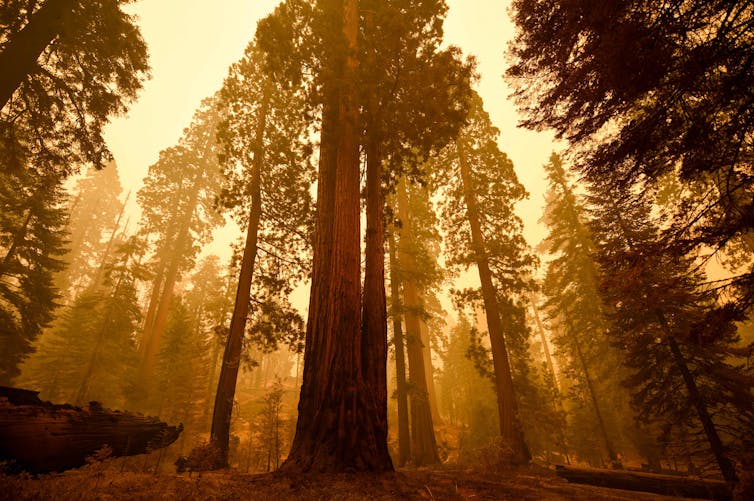
Trees and other plants can’t escape wildfire smoke. Patrick T. Fallon/AFP via Getty Images

Delphine Farmer, Colorado State University and Mj Riches, Colorado State University

When wildfire smoke is in the air, doctors urge people to stay indoors to avoid breathing in harmful particles and gases. But what happens to trees and other plants that can’t escape from the smoke?

They respond a bit like us, it turns out: Some trees essentially shut their windows and doors and hold their breath.

As atmospheric and chemical scientists, we study the air quality and ecological effects of wildfire smoke and other pollutants. In a study that started quite by accident when smoke overwhelmed our research site in Colorado, we were able to watch in real time how the leaves of living pine trees responded.

How plants breathe

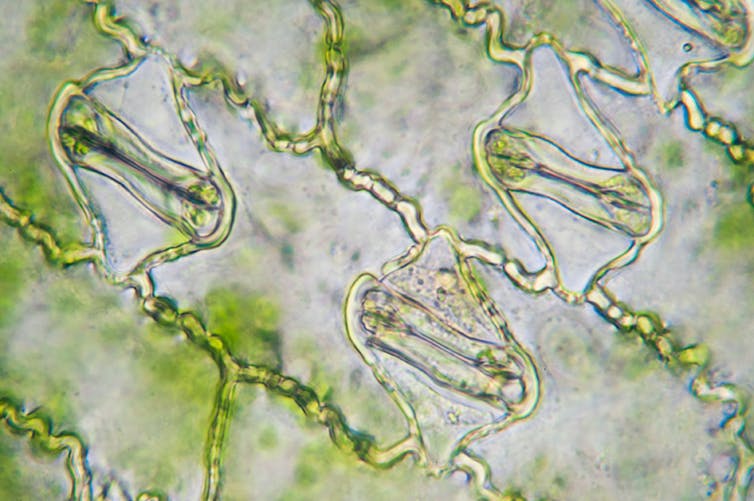
Plants have pores on the surface of their leaves called stomata. These pores are much like our mouths, except that while we inhale oxygen and exhale carbon dioxide, plants inhale carbon dioxide and exhale oxygen.

A highly magnified view of stomata in a maize leaf. Umberto Salvagnin/Flickr, CC BY

Both humans and plants inhale other chemicals in the air around them and exhale chemicals produced inside them – coffee breath for some people, pine scents for some trees.

Unlike humans, however, leaves breathe in and out at the same time, constantly taking in and releasing atmospheric gases.

Clues from over a century of research

In the early 1900s, scientists studying trees in heavily polluted areas discovered that those chronically exposed to pollution from coal-burning had black granules clogging the leaf pores through which plants breathe. They suspected that the substance in these granules was partly created by the trees, but due to the lack of available instruments at the time, the chemistry of those granules was never explored, nor were the effects on the plants’ photosynthesis.

Most modern research into wildfire smoke’s effects has focused on crops, and the results have been conflicting.

For example, a study of multiple crop and wetland sites in California showed that smoke scatters light in a way that made plants more efficient at photosynthesis and growth. However, a lab study in which plants were exposed to artificial smoke found that plant productivity dropped during and after smoke exposure – though those plants did recover after a few hours.

There are other clues that wildfire smoke can impact plants in negative ways. You may have even tasted one: When grapes are exposed to smoke, their wine can be tainted.

What makes smoke toxic, even far from the fire

When wildfire smoke travels long distances, the smoke cooks in sunlight and chemically changes.

Mixing volatile organic compounds, nitrogen oxides and sunlight will make ground-level ozone, which can cause breathing problems in humans. It can also damage plants by degrading the leaf surface, oxidizing plant tissue and slowing photosynthesis.

Illustration of a burning tree with particles showing their size.
Smoke has particles much smaller than the width of a hair and gases that evolve in sunlight. Jen Burgess/IsolineStudios for BC Centre for Disease Control

While scientists usually think about urban regions as being large sources of ozone that effect crops downwind, wildfire smoke is an emerging concern. Other compounds, including nitrogen oxides, can also harm plants and reduce photosynthesis.

Taken together, studies suggest that wildfire smoke interacts with plants, but in poorly understood ways. This lack of research is driven by the fact that studying smoke effects on the leaves of living plants in the wild is hard: Wildfires are hard to predict, and it can be unsafe to be in smoky conditions.

Accidental research – in the middle of a wildfire

We didn’t set out to study plant responses to wildfire smoke. Instead, we were trying to understand how plants emit volatile organic compounds – the chemicals that make forests smell like a forest, but also impact air quality and can even change clouds.

Fall 2020 was a bad season for wildfires in the western U.S., and thick smoke came through a field site where we were working in the Rocky Mountains of Colorado.

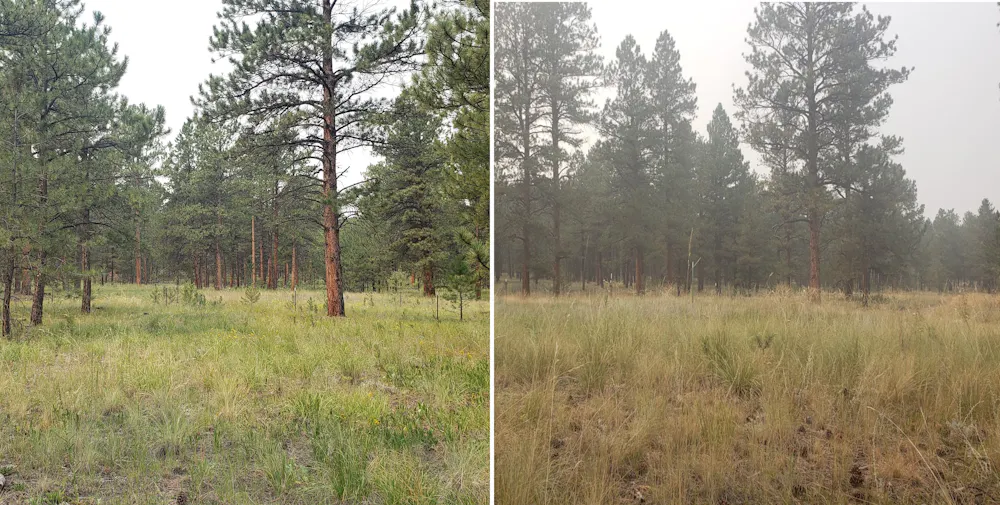
On the first morning of heavy smoke, we did our usual test to measure leaf-level photosynthesis of Ponderosa pines. We were surprised to discover that the tree’s pores were completely closed and photosynthesis was nearly zero.

We also measured the leaves’ emissions of their usual volatile organic compounds and found very low readings. This meant that the leaves weren’t “breathing” – they weren’t inhaling the carbon dioxide they need to grow and weren’t exhaling the chemicals they usually release.

Side-by-side photos show the air was smoky, similar to a foggy or smoggy day, but no so think that you can't see the forest ahead.
A clear day at the Colorado test site, on the left, compared to the smoky day when trees responded to the poor air quality, on the right. Mj Riches, CC BY-SA

With these unexpected results, we decided to try to force photosynthesis and see if we could “defibrillate” the leaf into its normal rhythm. By changing the leaf’s temperature and humidity, we cleared the leaf’s “airways” and saw a sudden improvement in photosynthesis and a burst of volatile organic compounds.

What our months of data told us is that some plants respond to heavy bouts of wildfire smoke by shutting down their exchange with outside air. They are effectively holding their breath, but not before they have been exposed to the smoke.

We hypothesize a few processes that could have caused leaves to close their pores: Smoke particles could coat the leaves, creating a layer that prevents the pores from opening. Smoke could also enter the leaves and clog their pores, keeping them sticky. Or the leaves could physically respond to the first signs of smoke and close their pores before they get the worst of it.

It’s likely a combination of these and other responses.

The long-term impact is still unknown

The jury is still out on exactly how long the effects of wildfire smoke last and how repeated smoke events will affect plants – including trees and crops – over the long term.

With wildfires increasing in severity and frequency due to climate change, forest management policies and human behavior, it’s important to gain a better understanding of the impact.

Delphine Farmer, Professor of Chemistry, Colorado State University and Mj Riches, Postdoctoral Researcher in Environmental and Atmospheric Science, Colorado State University

This article is republished from The Conversation under a Creative Commons license. Read the original article.

ooOOoo

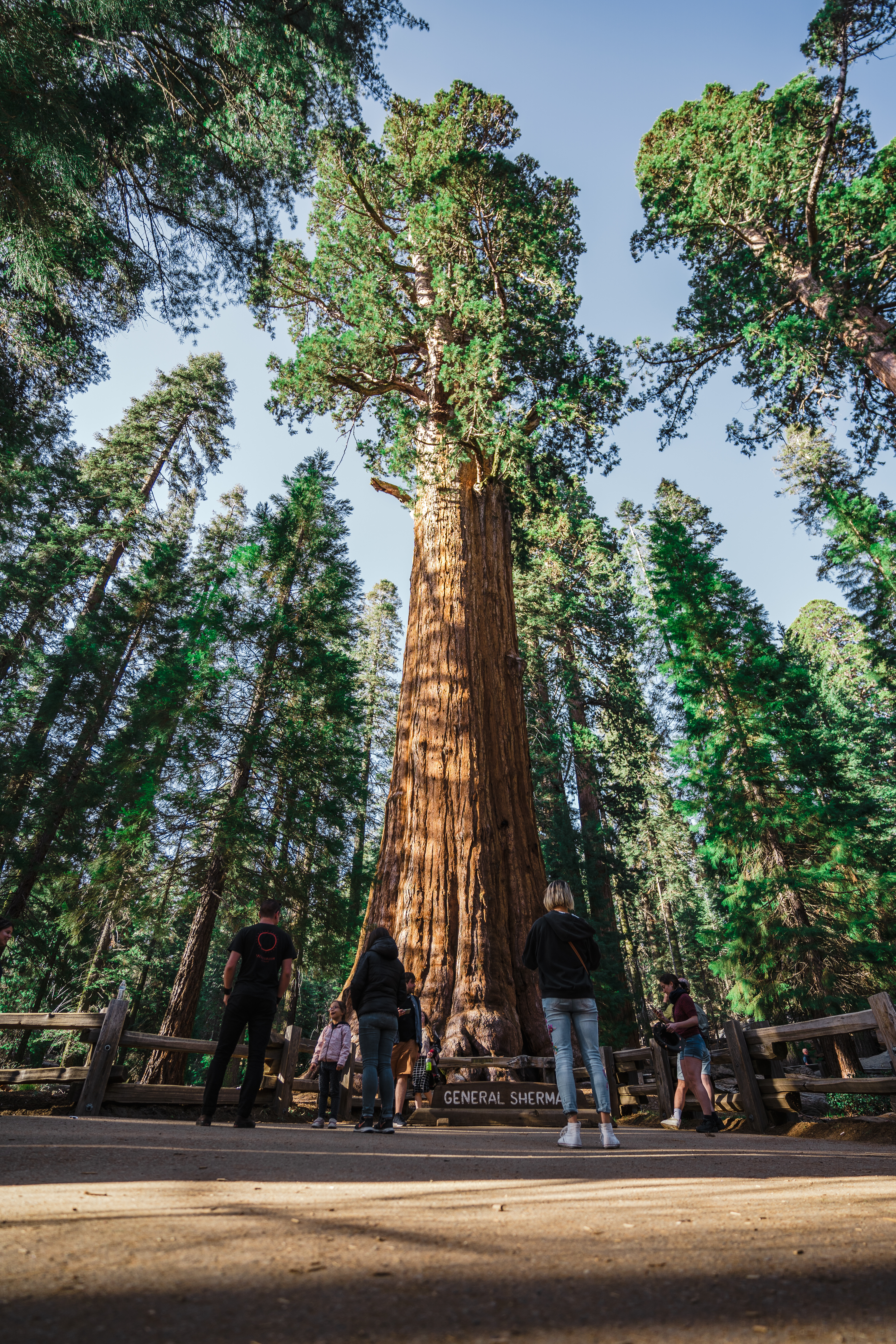
The biggest tree in the world is reputed to be the General Sherman tree in California. Here is the introduction from WikiPedia:

General Sherman is a giant sequoia (Sequoiadendron giganteum) tree located at an elevation of 2,109 m (6,919 ft) above sea level in the Giant Forest of Sequoia National Park in Tulare County, in the U.S. state of California. By volume, it is the largest known living single-stem tree on Earth.

Amazing!

Picture Parade Four Hundred and Forty-Three

Now for a change!

Jess has sent me a great collection of dog pictures that she has found on Instagram and elsewhere and for a few weeks I am going to be sharing them with you.

Yeah, Babe Ruth was one of the most famous baseball players. I love old historical photos and happen to run into that one and thought I’d share. I’m happy that you enjoy my contributions. Have a wonderful day. It’s another hot one here!   Jess

oooo

oooo

This is a very touching photo. Dogs grieve about loss just as we do.  Jess

oooo

oooo

oooo

More from Jess next Sunday.

Dogs rescued from ‘Park Fire’.

That’s the fire in California that is growing so quickly!

There are so many stories around about these dogs being rescued. I have chosen the YouTube video which is the CBS News, Chicago, presentation.

A homeowner was forced to leave their truck behind with the adult rottweiler and her puppies. The owner told rescuers where they were, but the intense fire blocked access to the truck. Several days later, rescuers spotted the dogs from a helicopter and landed to get them.

Parkinson’s Disease (PD)

More information on this terrible condition.

As you know, Jean suffers from PD and was diagnosed in 2015.

Very recently there was this article on PD and I reproduce parts of it (I have not applied for permission to republish) but I have provided the link to a pdf.

ooOOoo

Protein discovery linked to Parkinson’s disease opens future research areas

by WEHI

Mitochondria (blue) being targeted by mitophagy (green and red). Credit: WEHI

Parkinson’s disease is the world’s fastest growing neurological condition. Currently there are no drugs or therapies that slow or stop the progression of the disease.

In Australia, someone is diagnosed with Parkinson’s approximately every 30 minutes. Current estimates show there are more than 219,000 people living with Parkinson’s in Australia, a number forecast to double in the next 15 years.

WEHI’s Parkinson’s Disease Research Center has some of the world’s leading researchers tackling the problem using a multi-disciplinary collaborative approach.

New proteins linked to Parkinson’s pathway

Mitochondria are the energy generating machines in our cells and are kept healthy by mitophagy, which is the molecular process of removing or recycling damaged or dysfunctional mitochondria.

PINK1 and Parkin are two key genes involved in mitophagy, and mutations in these genes are linked to early-onset Parkinson’s disease.

Until the discovery of two proteins, NAP1 and SINTBAD, exactly how PINK1/Parkin mitophagy activation was regulated was unknown.

ooOOoo

We wish the scientists all the best as they delve into PD.

That link to the PDF file is https://www.nature.com/articles/s41594-024-01338-y

Picture Parade Four Hundred and Forty-Two

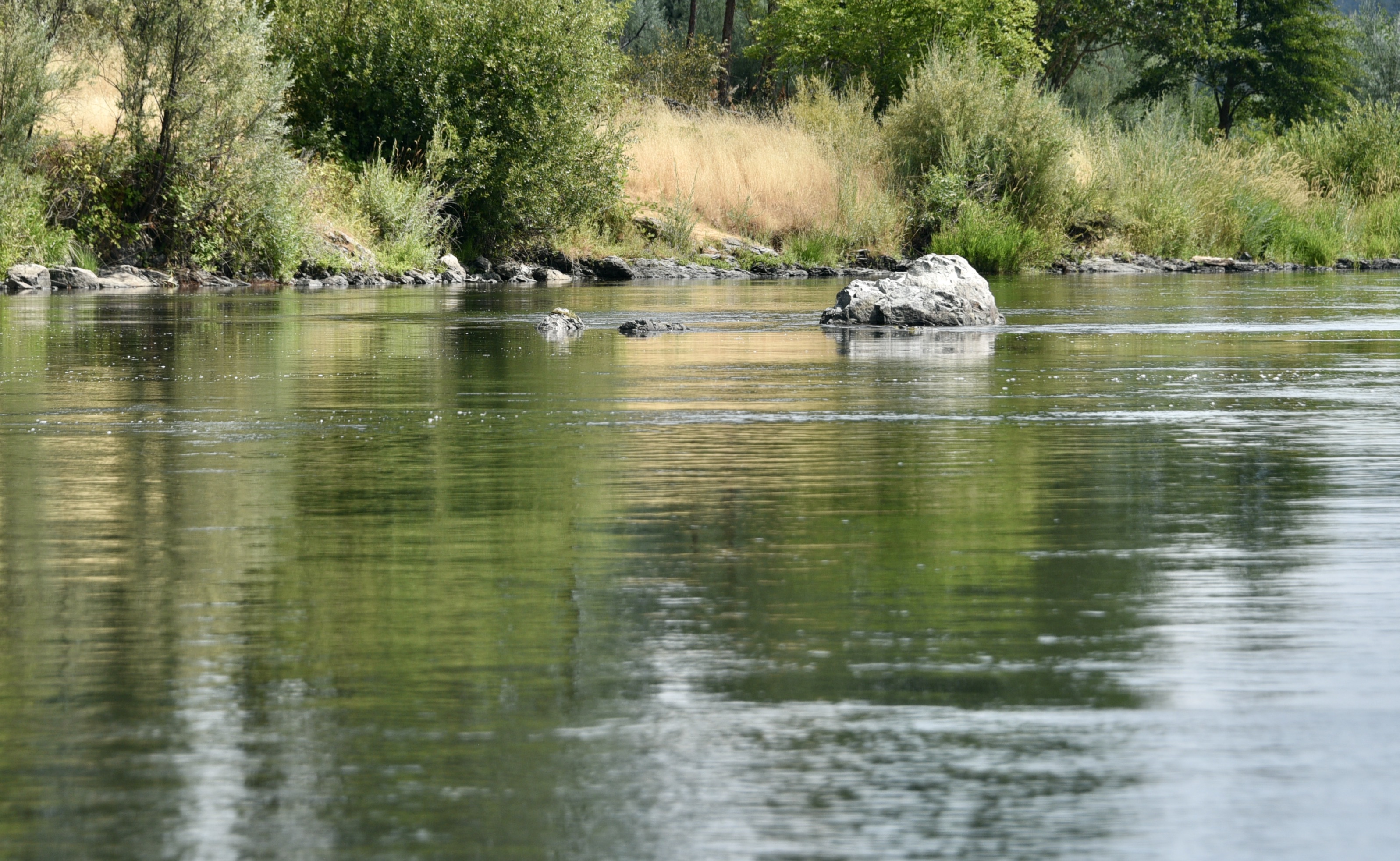
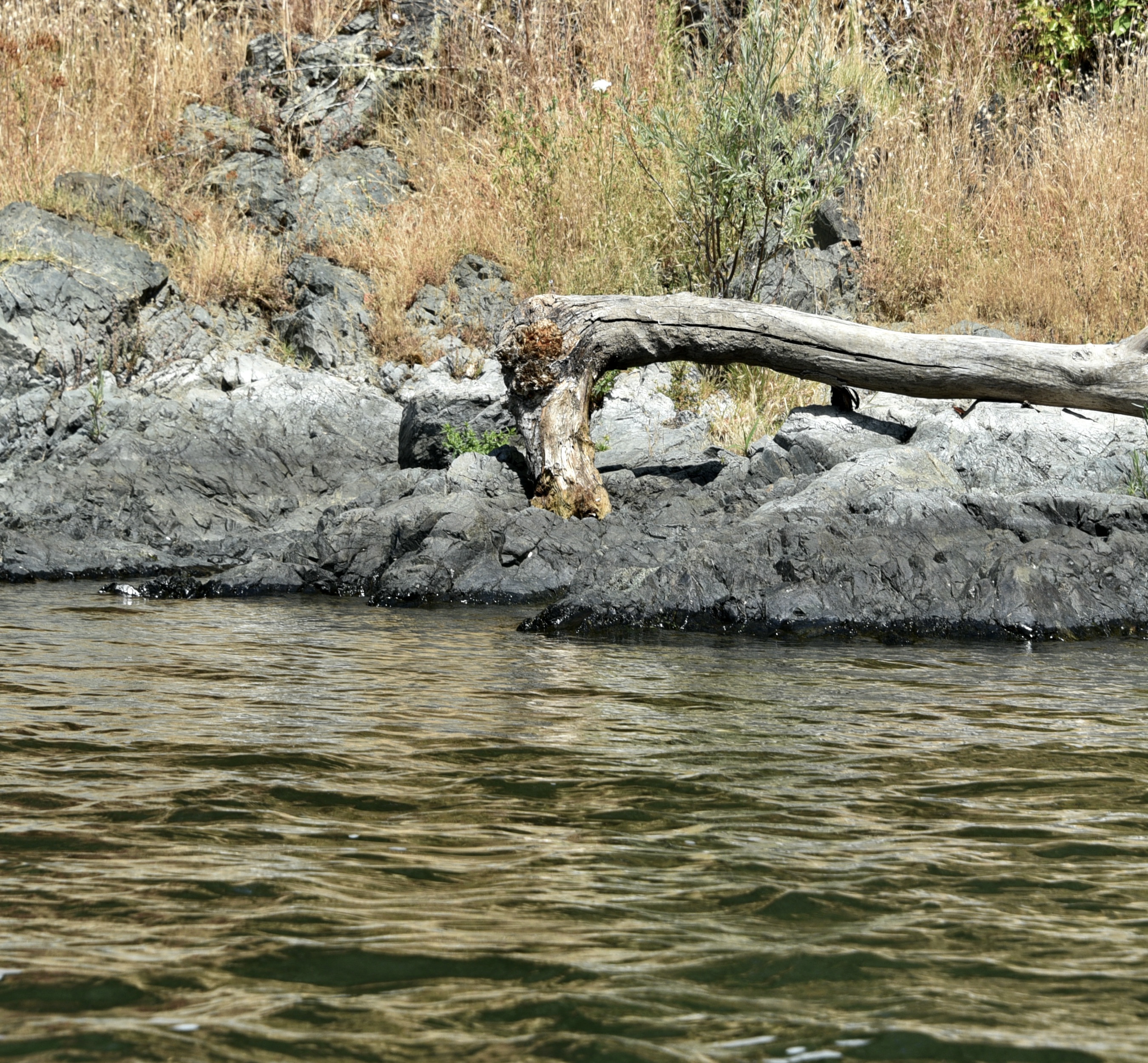
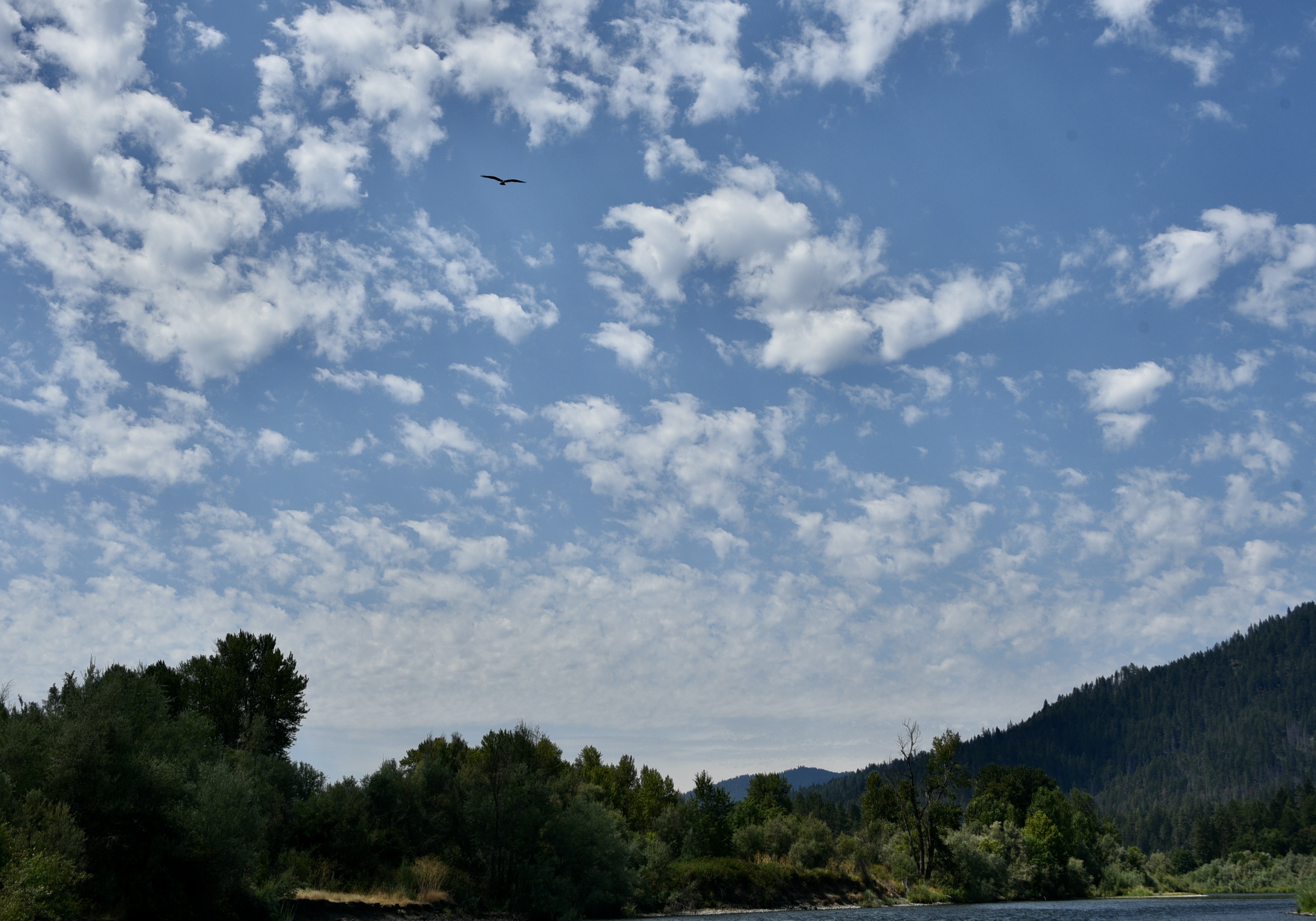
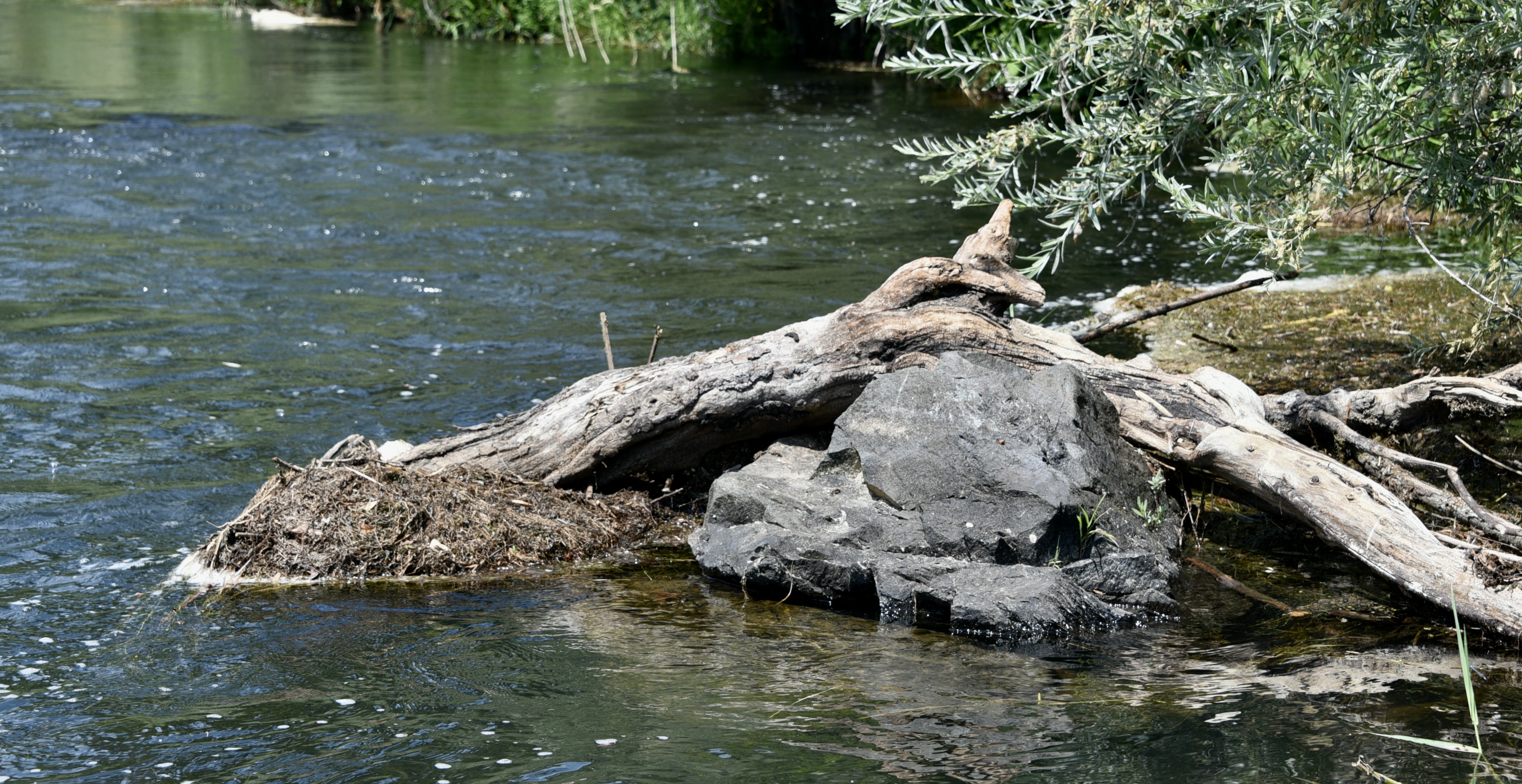
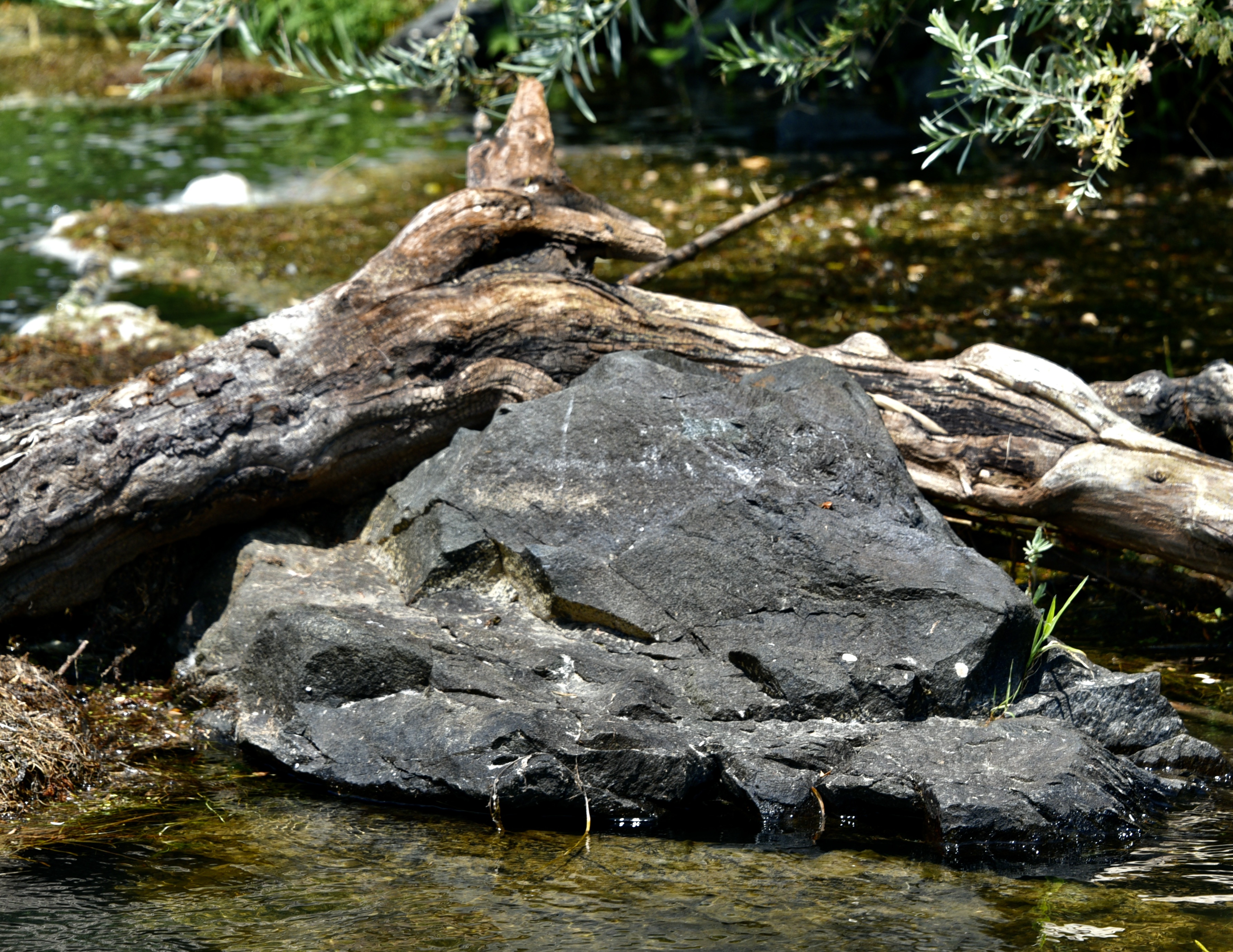
The second batch of photographs taken recently on the Rogue River

oooo

oooo

oooo

oooo

oooo

oooo

That is the last photograph from what was a gorgeous trip.

My thanks to Rusty and his dog, Mercy.

Dogs and wolves, sleeping difference

Just a short video!

Here are details of the author.

Vivien is from the Institute of Cognitive Neuroscience and Psychology, Research Centre for Natural Sciences. She is Hungarian.

Wildfire prevention

This is a precarious time of the year!

We live just outside Merlin in Southern Oregon. We have 13 acres of which roughly half is wooded. With the year-on-year warming wildfires are never far from our minds during our Summer. Here’s a part of a message from OPB.

What’s happening

High temperatures are in the forecast along the Interstate 5 corridor, the Willamette Valley and in Central and Eastern Oregon. More than a quarter million acres across multiple counties in Eastern Oregon are ablaze with wildfires, and that could mean smoke and haze, especially in Central and northeastern Oregon.

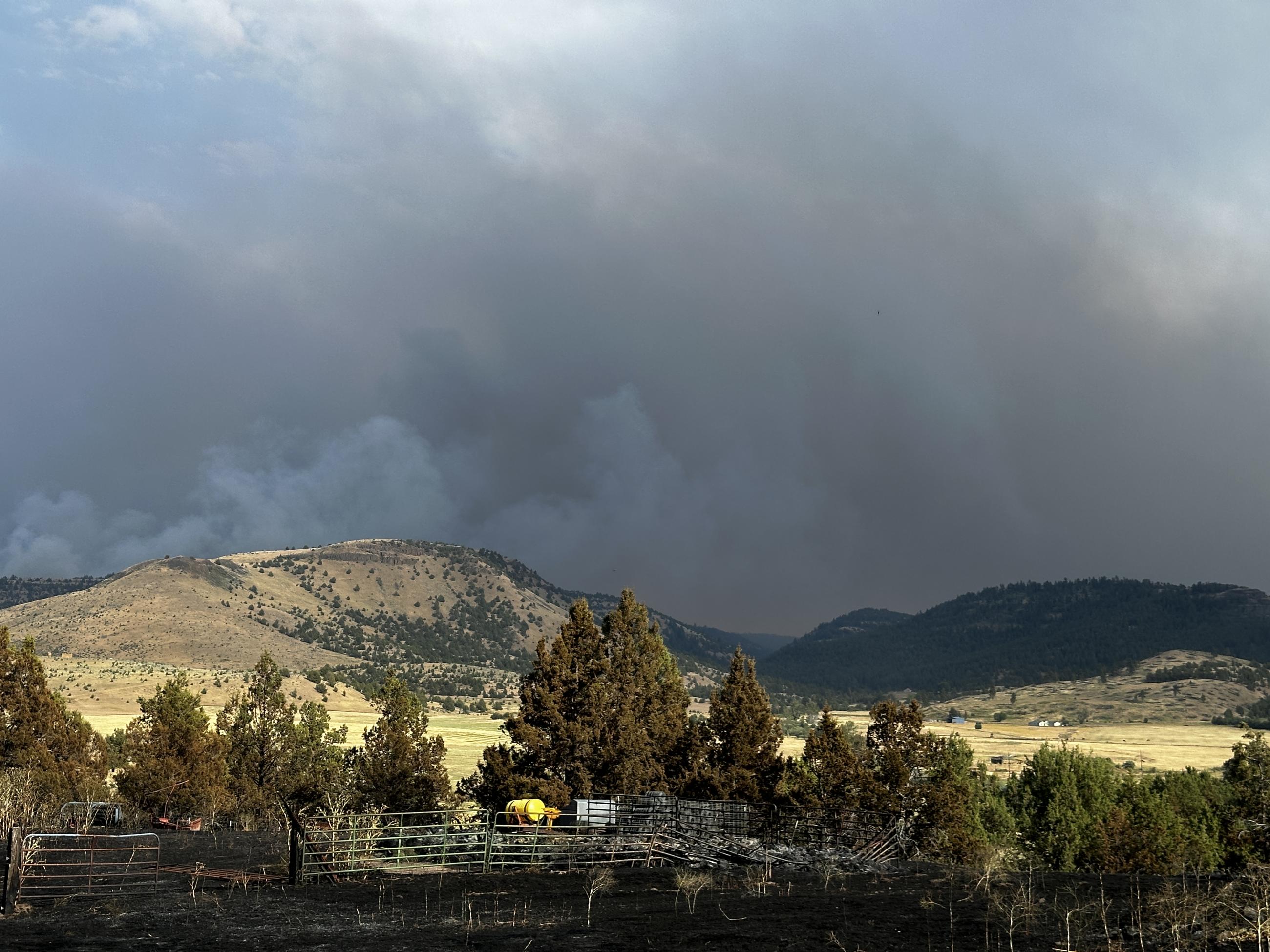
A view of the southern portion of the Lone Rock Fire in north-central Oregon on Wednesday, July 17, 2024.
A view of the southern portion of the Lone Rock Fire in north-central Oregon on Wednesday, July 17, 2024.Courtesy InciWeb 

Hot weather persists

The National Weather Service is anticipating a hot weekend across much of Oregon and Southwest Washington. The agency on Friday issued a heat advisory along the Interstate 5 corridor from Battle Ground, Washington to Cottage Grove, Oregon from 11 a.m. to 11 p.m. Saturday. Temperatures could reach the mid-90s.

From central Oregon east towards Burns a heat advisory is in place from 11 a.m. Saturday to 11 p.m. Monday. Harney County could see temperatures over 100 degrees over the weekend.

Which neatly serves as an introduction to an article from The Conversation about protecting one’s home.

ooOOoo

How to protect your home from wildfires – here’s what fire prevention experts say is most important

Bryce Young, University of Montana and Chris Moran, University of Montana

Extreme heat has already made 2024 a busy wildfire year. More acres had burned by mid-July than in all of 2023, and several communities had lost homes to wildfires.

As fire season intensifies across the West, there are steps homeowners can take to make their homes less vulnerable to burning and increase the likelihood that firefighters can protect their property in the event of a wildfire.

We research wildfire risk to homes and communities. Here’s what decades of research suggest homeowners in high-fire-risk areas can do to protect their properties.

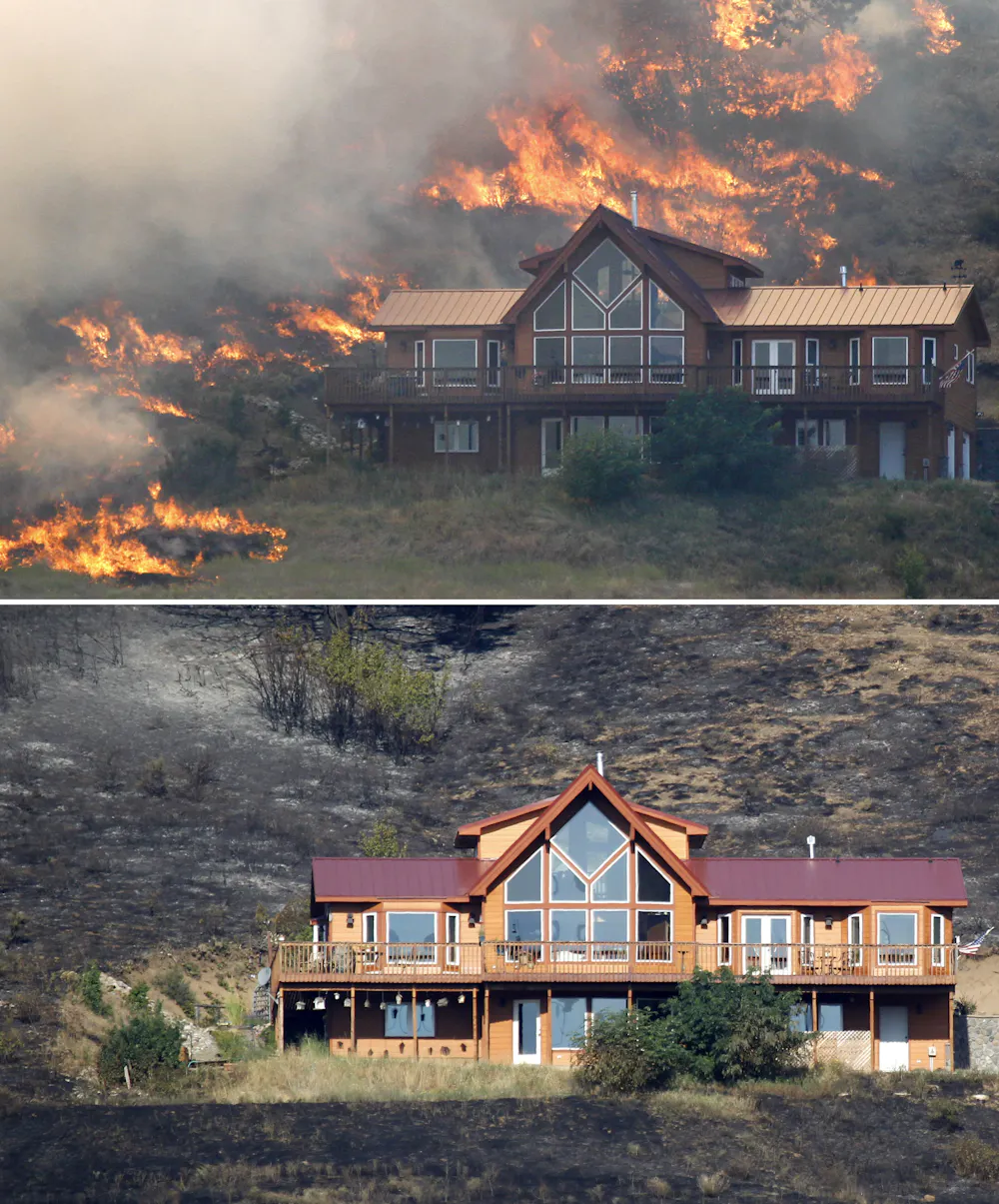
Two photos show the house with the fire behind it and after the fire, with burned land around it but the house untouched.
This house near Cle Elum, Wash., survived a 2012 wildfire because of the defensible space around the structure, including a lack of trees and brush close to the house, according to state officials. AP Photo/Elaine Thompson

Small improvements make big differences

A structure’s flammability depends on both the materials that were used to build it and the design of the building. In general, the vulnerability of a house is determined by its weakest point.

The roof, windows, siding and vents are all vulnerable points to pay attention to.

Roof: The roof provides a landing pad where airborne embers can accumulate like snowflakes. Roofs with lots of valleys can collect pine needles and leaves, which can be ignited by flying embers. This is why it’s important for the roof itself to be made of Class A non-flammable material like clay tiles or asphalt shingles, and why roof maintenance, including cleaning gutters, is important. Embers can easily find their way under peeling shingles, through gaps of clay tiles, or into gutters where pine needles and leaves can accumulate.

Windows: If windows are exposed to heat, they can shatter and allow fire inside the home, where curtains can easily ignite. Even double-paned windows can be shattered by the heat of a burning shed 30 feet away, unless the window glass is tempered, making it stronger. Fire-resistant shutters made of metal, if closed before a fire arrives, can offer additional protection. https://www.youtube.com/embed/HjA9yLP1icg?wmode=transparent&start=0 A life-size test with blowing embers at IBHS’s fire lab shows ways homes are at risk form a nearby fire.

Siding: Materials like stucco are non-flammable, while cedar shake siding will burn. Your exterior siding should be non-flammable, but the siding is only as strong as its weakest point. If there are holes in the siding, plug them with caulk to prevent embers from reaching the wooden frame in your walls. Ideally, there will be a 6- to 12-inch concrete foundation between the ground and the bottom of your siding material.

Vents: Reducing risk from vents is easy and affordable and can drastically reduce the flammability of your home. Make sure that one-eighth inch or finer metal mesh is installed over all vents to keep embers out of your attic and your home’s interior.

Controlling your home ignition zone

A home’s vulnerability also depends on the area around it, referred to as the home ignition zone.

The risk in your home ignition zone depends on things such as the slope of your land and the ecosystem surrounding your home. Here are a few guidelines the National Fire Protection Association recommends, both to reduce the chance of flames reaching your home and make it easier for firefighters to defend it.

Zone 1 – Within 5 feet

From the home’s exterior to 5 feet away, you want to prevent flames from coming in contact with windows, siding, vents and eaves. The gold standard is to have only non-flammable material in Zone 1.

The most common risks are having flammable mulch, plants, firewood, lawn furniture, decks and fences. These items have been a primary reason homes burned in many wildfires, including the 2018 Camp Fire that destroyed much of Paradise, California, and the 2012 Waldo Canyon Fire near Colorado Springs, Colorado.

An illustration of a house with rings at different distances around it and advice for each ring.
Fire protection guidelines take into consideration the surrounding ecosystem. Here some examples based on the National Fire Protection Association’s guidelines. Bryce Young, CC BY

Replacing mulch with gravel or pavers and having only short, sparse plants that don’t touch the house can help reduce the risk.

Wooden decks and fences can burn even if they are well-maintained. Replacing them with non-flammable materials or installing a thin sheet of metal on the house where the siding touches a wooden deck or fence can help protect the home. Mesh screens can prevent the accumulation of debris and embers under the deck.

Zone 2 – 5 to 30 feet away

In the next ring, between 5 and 30 feet from the home, the lawn should be green and short. This is Zone 2.

Be sure to rake up pine needles and leaves and take care to prune the lowest tree branches at least 6 feet high.

There should be about 18 feet of space between trees on a flat slope, and the spacing should increase with slope because steeper terrain drives faster, more intense fires. Walks, pathways, patios, decks and firewood can be kept in this zone.

Zone 3 – 30 to 100 feet away

Beyond Zone 2 and out to about 100 feet from the home is Zone 3. In this area, be sure to give sheds and propane tanks their own defensible space, just like around the house, and prune all low branches to 6 feet.

You can contact your local emergency management office or community wildfire nonprofit to learn more about grant funding that can offset the costs of pruning and removing trees on a forested property.

Beyond 100 feet may extend past your property boundary, but the adjacent house can still be fuel for a wildfire. That’s why it’s smart to plan with your neighbors as you’re reinforcing your own home. Once one house catches fire, house-to-house fire spread is facilitated by closer distances between buildings.

Be prepared

While most U.S. government spending aims to mitigate wildfire hazard on national forests, it is up to residents and communities themselves to reduce their vulnerability to a wildfire disaster.

Following the guidelines required by your community or state and those outlined above can help. Communities can also take steps to reduce fire risk and make fires easier to control by developing a community wildfire protection plan, exploring their wildfire risk, and adopting wildfire-specific building codes.

As the nation rolls into fire season, make sure your property is prepared. And when the call to evacuate comes, know where to go and get the heck out.

Bryce Young, Graduate Student Researcher, Fire Center, University of Montana and Chris Moran, Post-doctoral Researcher, Fire Center, University of Montana

This article is republished from The Conversation under a Creative Commons license. Read the original article.

ooOOoo

Where we live is beautiful and earlier this year we had a great deal of rain. But the summers are dry; that is a function of the climate in this part of the world. So for July so far we have had no rain and that is normal. Also no rain in July in 2023.

The three zones, as described earlier in this post, are very helpful.

Picture Parade Four Hundred and Forty-One

The Rogue River

Last Tuesday, Rusty S. and his dog, Mercy, took me for a trip along the Rogue River. Jeannie decided not to come.

The river is just a few miles from home and I met Rusty and Mercy at Robertson Bridge County Park.

The Rogue River in southwest Oregon starts as a spring bursting from the slopes of the Cascade Mountains west of Crater Lake before flowing 215 miles to the Pacific Ocean.

Here are some of the photos I took; more in a week’s time.

oooo

oooo

oooo

oooo

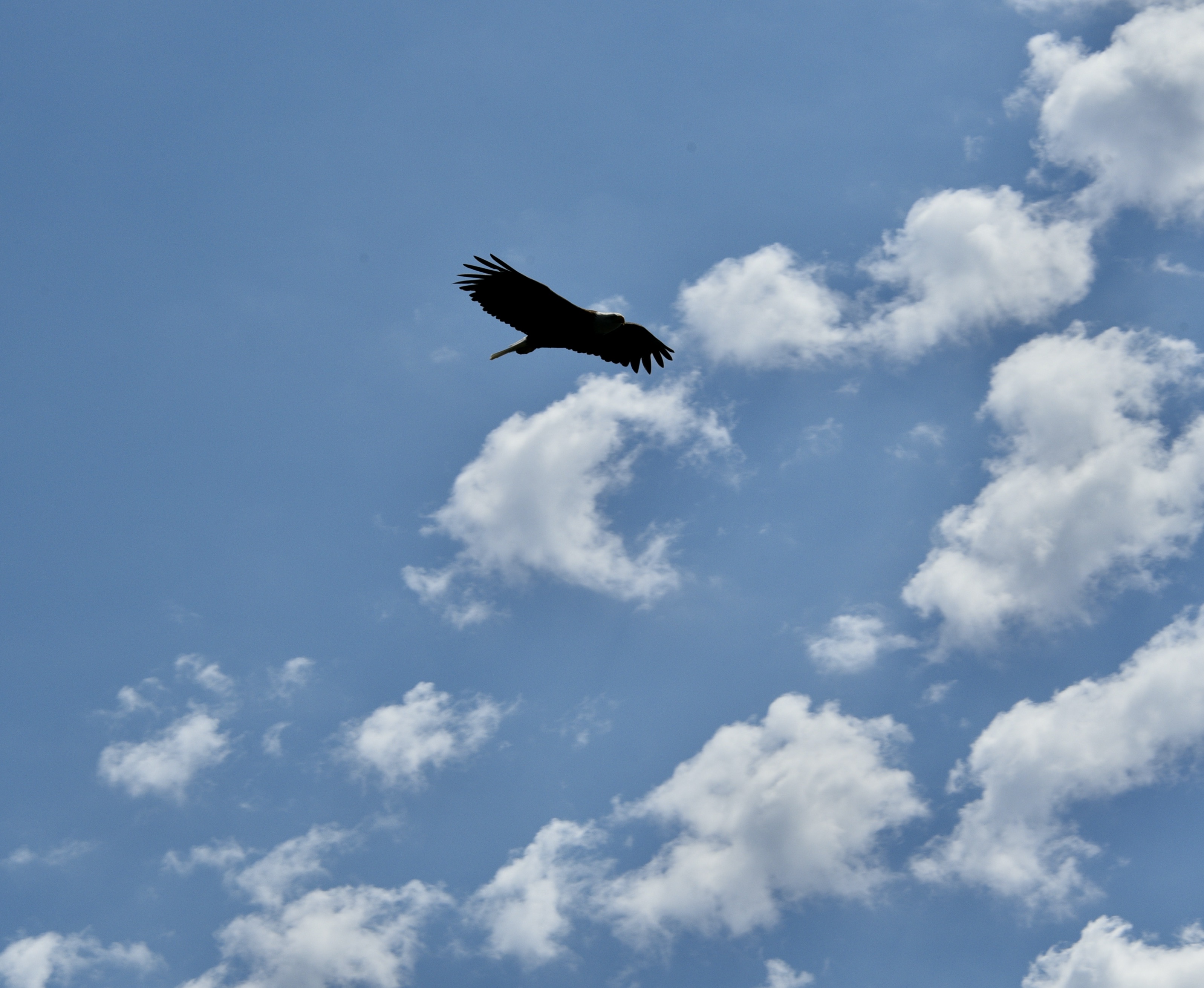
Rusty shows the small fish that he caught to feed the bald eagles; one circling overhead in the next photo.

oooo

It was a beautiful morning!

A delightful story

About a blind man and his dog being rescued.

Today’s post is a short video that has no sound. But don’t let that stop you from watching it.

Blind man and dog rescued after days stuck on trail.

A 55-year-old blind man and his dog have been rescued from the Rogue River trail in South-Western Oregon. They began hiking on the trail on July 3 or 4 with a friend. During the hike, the man began to experience heat exhaustion, so the friend left to try to call emergency services. A US Coast Guard helicopter crew airlifted them to safety and the man and his dog were taken to emergency medical services.

My understanding is that they were rescued on July 11th, just a week ago.