Category: Writing

Saving dogs big time

This is really what matters!

Well it does in the worlds of Jean and me and many of you who frequent this place.

Whatever is going wrong in the world around us, all we need is examples of people putting animals in front of them.

No better illustrated than by a recent news item released by Humane Society International. Albeit, I am using the story as it was presented on the Care2 site.

ooOOoo

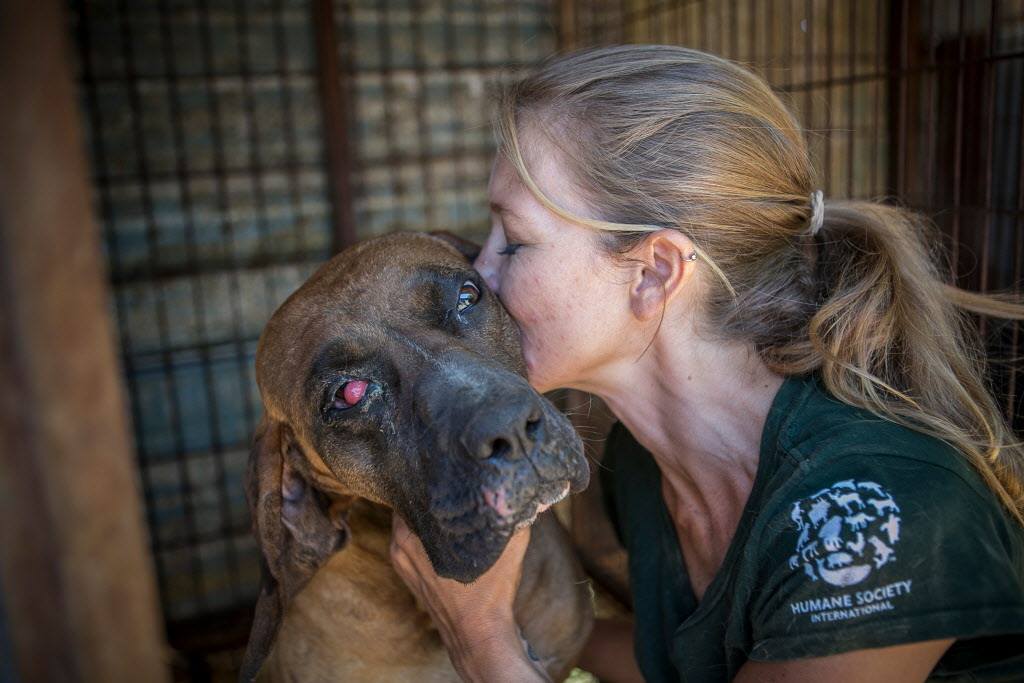
Nearly 150 Dogs Saved From the Dog Meat Trade in South Korea

Get ready for some happy news: 149 dogs who were destined to be turned into food have been successfully rescued and will now be starting their new lives in peace.

These dogs, who were rescued by a team from Humane Society International (HSI), are among millions who are raised and killed for their meat in South Korea. According to HSI, more than one million dogs are killed and eaten during Bok Nal days – the three hottest days of the summer – mainly as a soup that’s mistakenly believed to improve stamina and virility.

Fortunately, their fate changed when the farmer who was raising them turned to HSI for help. The organization has been working in partnership with those in the industry who express interest in getting out to help them close their farms and transition into other lines of work.

This latest rescue marks the ninth dog meat farm that HSI has permanently closed since 2014, which has resulted in saving the lives of nearly 1,000 dogs who would have otherwise been brutally slaughtered.

The dogs from this farm will now be free from the cages and chains that confined them, and are headed to HSUS Emergency Placement Partner shelters in the U.S. located in Florida, Illinois, Indiana, New Jersey, New York, Pennsylvania and Wisconsin, where they’ll be prepared to be adopted into homes where they’ll become members of a family.

The first few have already arrived, and the rest will be on their way in the coming weeks. A group of 15 puppies who were too young to fly are being fostered with their moms until they’re ready to make the trip.

“With every dog meat farm we close, we are not only saving the lives of these poor, terrified dogs caught up in this cruel trade, but we are also presenting a successful blueprint for change that we hope the government will follow. Eating dog is a dying practice in Korea, especially among young people. However, the Bok Nal days of summer still lead many to eat dog meat soup in the mistaken belief that it will invigorate the blood in the sluggish heat. Our campaign shows them the disgusting conditions in which the dogs are forced in live in their own feces, and their pitiful suffering, and it is changing hearts and minds,” said Nara Kim, HSI’s South Korea dog meat campaigner.

While millions of dogs are still at risk, attitudes among the public are changing for the better, particularly among younger generations who are eschewing dog meat.

“Some people say that dog eating is Korean culture, but you won’t find many young people who feel it’s a cultural habit we want to hold on to. It’s intellectually lazy to use culture as an excuse for cruelty because all cultures evolve over time and we often shed practices of the past. We are hopeful that things will change, and that the new Korean president will advance a new culture of compassion to animals. I am so happy that for these dogs the dog meat trade is over, but we have to fight on for the millions who are still suffering,” added Kim.

HSI is continuing to urge the government to act to end the trade ahead of the 2018 Winter Olympics, which will be hosted in South Korea, and will be heavily campaigning this summer to raise more awareness about the issue locally.

For more info on how to help, and updates on the dogs, check out Humane Society International.

Photo credit: Friends of Oregon Zoo Elephants/IDA

ooOOoo

The Care 2 version also included a number of very moving photographs but this one, in particular, seemed a great one to share with you. The rest will form the next Picture Parade.

Well done HSI!


Never taking democracy for granted!

Cold-water shower time again!

All you good people who stick with this blog know that the majority of the posts are to do with dogs or cats in one form or another.

Yet, I am cognizant of the fact that no one can completely hide, metaphorically speaking, in the warm fur of our favourite dog or cat and let the rest of the world go tits up. From time to time I read an article or an essay that touches on something fundamentally important to a civil society and am compelled to share same with you.

That was the case on July 5th when I published a post called The Implications of Inequality.

OK – moving on!

Regulars know that I am a great admirer of the writings of essayist George Monbiot. He is a very regular contributor to The Guardian newspaper. Just a few days ago, Mr. Monbiot published an essay that really does need to be read as widely as possible. It is called Missing Link and is republished here with George Monbiot’s very kind permission.

ooOOoo

Missing Link

21st July 2017
How a secretive network built around a Nobel prizewinner set out to curtail our freedoms

By George Monbiot, published in the Guardian 19th July 2017

It’s the missing chapter: a key to understanding the politics of the past half century. To read Nancy MacLean’s new book Democracy in Chains: the deep history of the radical right’s stealth plan for America is to see what was previously invisible.

The history professor’s work on the subject began by accident. In 2013 she stumbled across a deserted clapboard house on the campus of George Mason University in Virginia. It was stuffed with the unsorted archives of a man who had died that year, whose name is probably unfamiliar to you: James McGill Buchanan. She writes that the first thing she picked up was a stack of confidential letters concerning millions of dollars transferred to the university by the billionaire Charles Koch.

Her discoveries in that house of horrors reveal how Buchanan, in collaboration with business tycoons and the institutes they founded, developed a hidden programme for suppressing democracy on behalf of the very rich. The programme is now reshaping politics, and not just in the US.

Buchanan was strongly influenced by both the neoliberalism of Friedrich Hayek and Ludwig von Mises and the property supremacism of John C Calhoun, who argued, in the first half of the 19th century, that freedom consists of the absolute right to use your property – including your slaves – however you may wish. Any institution that impinges on this right is an agent of oppression, exploiting men of property on behalf of the undeserving masses.

James Buchanan brought these influences together to create what he called “public choice theory”. He argued that a society could not be considered free unless every citizen has the right to veto its decisions. What he meant by this was that no one should be taxed against their will. But the rich were being exploited by people who use their votes to demand money that others have earned, through involuntary taxes to support public spending and welfare. Allowing workers to form trade unions and imposing graduated income taxes are forms of “differential or discriminatory legislation” against the owners of capital.

Any clash between what he called “freedom” (allowing the rich to do as they wished) and democracy should be resolved in favour of freedom. In his book The Limits of Liberty, he noted that “despotism may be the only organisational alternative to the political structure that we observe.” Despotism in defence of freedom.

His prescription was what he called a “constitutional revolution”: creating irrevocable restraints to limit democratic choice. Sponsored throughout his working life by wealthy foundations, billionaires and corporations, he develop both a theoretical account of what this constitutional revolution would look like and a strategy for implementing it.

He explained how attempts to desegregate schooling in the American South could be frustrated by setting up a network of state-sponsored private schools. It was he who first proposed the privatisation of universities and the imposition of full tuition fees on students: his original purpose was to crush student activism. He urged the privatisation of Social Security and of many other functions of the state. He sought to break the links between people and government and demolish trust in public institutions. He aimed, in short, to save capitalism from democracy.

In 1980, he was able to put the programme into action. He was invited to Chile, where he helped the Pinochet dictatorship to write a new constitution, which, partly through the clever devices Buchanan proposed, has proved impossible to reverse in its entirety. Amid the torture and killings, he advised the government to extend its programmes of privatisation, austerity, monetary restraint, deregulation and the destruction of trade unions: a package that helped trigger economic collapse in 1982.

None of this troubled the Swedish Academy, that, through his devotee at Stockholm University, Assar Lindbeck, in 1986 awarded James Buchanan the Nobel Memorial Prize for economics. It is one of several decisions that have turned this prize toxic.

But his power really began to be felt when Charles Koch, currently the seventh richest man in the US, decided that Buchanan held the key to the transformation he sought. Koch saw even such ideologues as Milton Friedman and Alan Greenspan as “sellouts”, as they sought to improve the efficiency of government rather than destroying it altogether. But Buchanan took it all the way.

MacLean says that Charles Koch poured millions into Buchanan’s work at George Mason University, whose law and economics departments look as much like corporate-funded thinktanks as they do academic faculties. He employed the economist to select the revolutionary “cadre” that would implement his programme (Murray Rothbard, at the Cato Institute that Koch founded, had urged the billionaire to study Lenin’s techniques and apply them to the libertarian cause). Between them, they began to develop a programme for changing the rules.

The papers Nancy Maclean discovered show that Buchanan saw stealth as crucial. He told his collaborators that “conspiratorial secrecy is at all times essential.” Instead of revealing their ultimate destination, they would proceed by incremental steps. For example, in seeking to destroy the Social Security system, they would claim to be saving it, arguing that it would fail without a series of radical “reforms”. (The same argument is used by those attacking the NHS over here). Gradually they would build a “counter-intelligentsia”, allied to a “vast network of political power” that would eventually become the new establishment.

Through the network of thinktanks that Koch and other billionaires have sponsored, through their transformation of the Republican Party, and the hundreds of millions they have poured into state congressional and judicial races, through the mass colonisation of Trump’s administration by members of this network and lethally effective campaigns against everything from public health to action on climate change, it would be fair to say that Buchanan’s vision is maturing in the USA.

But not just there. Reading this book felt like a demisting of the window through which I see British politics. The bonfire of regulations highlighted by the Grenfell Tower disaster, the destruction of state architecture through austerity, the budgeting rules, the dismantling of public services, tuition fees and the control of schools: all these measures follow Buchanan’s programme to the letter. I wonder how many people are aware that David Cameron’s free schools project originated with an attempt to hamper racial desegregation in the American South.

In one respect, Buchanan was right: there is an inherent conflict between what he called “economic freedom” and political liberty. Complete freedom for billionaires means poverty, insecurity, pollution and collapsing public services for everyone else. Because we will not vote for this, it can be delivered only through deception and authoritarian control. The choice we face is between unfettered capitalism and democracy. You cannot have both.

Buchanan’s programme amounts to a prescription for totalitarian capitalism. And his disciples have only begun to implement it. But at least, thanks to Maclean’s discoveries, we can now apprehend the agenda. One of the first rules of politics is know your enemy. We’re getting there.

http://www.monbiot.com

ooOOoo

I found it very difficult to write these closing thoughts; as is obvious as you read this sentence!

Looking up quotations online under the headings of fairness or equality brought up many that could have worked here. Yet they seemed too trite, too obvious, too remote from the reality of what Mr. Monbiot describes here today.

So let me leave you with this: US income inequality is the highest it’s been since 1928. (Source: Pew Research.) But worse than that, US wealth inequality is even greater than income inequality. (Source: Pew Research.) (I’m certain that this is not exclusive to the USA.)

That is wrong! Plain and Simple!
New ideas about our relationship with dogs.

What a delight to read this latest scientific news.

There’s so much ‘doom and gloom’ to be seen on the news services across the world that a genuine discovery that enlarges the mind is always a treat. Now make that a discovery about our dogs. Better still, let the BBC do it for you.

ooOOoo

How did dogs become our best friends? New evidence

19 July 2017

Dogs most probably evolved from wolves at a single location about 20,000 to 40,000 years ago, a study suggests.

Previously, it had been thought that dogs were tamed from two populations of wolves living thousands of miles apart.

Researchers studied DNA from three dogs found at archaeological sites in Germany and Ireland that were between 4,700 and 7,000 years old.

The ancient canines share ancestry with modern European dogs.

By looking at the rates of change to the DNA from the oldest specimen, scientists were able to place the timing of the domestication of dogs to between 20,000 and 40,000 years ago.

Krishna Veeramah of Stony Brook University in New York is a researcher on the study.

He said the process of dog domestication began when a population of wolves moved to the outskirts of hunter-gatherer camps to scavenge for leftovers.

”Those wolves that were tamer and less aggressive would have been more successful at this,” he explained.

“While the humans did not initially gain any kind of benefit from this process, over time they would have developed some kind of symbiotic relationship with these animals, eventually evolving into the dogs we see today.”

DNA was obtained from the skull of an ancient dog.

The story of how dogs came to be tamed from wolves is complex and hotly debated.

Scientists believe dogs started moving around the world, perhaps with their human companions, about 20,000 years ago.

By 7,000 years ago, they were pretty much everywhere, although they were not the kind of dogs that we would consider pets.

”They would likely have resembled dogs we today call village dogs, which are free-breeding that did not live in specific people’s houses and have a similar look to them across the world,” said Dr Veeramah.

The dogs were later bred for their skills as hunters, herders or gundogs, eventually creating hundreds of modern breeds.

The research, published in Nature Communications, suggests even the dog breeds and village dogs found in the Americas and Pacific Islands are almost completely derived from recent European dog stock.

This is probably due to prolific dog breeding in Victorian times.

The dog skull inside an ancient burial chamber.

”In this regard, it appears therefore that our 7,000-year, Neolithic-old dog from Europe is virtually an ancestor to most modern breed dogs found throughout the world,” said Dr Veeramah.

”This ancestral relationship may even stretch back to the oldest dog fossil we know of, which is approximately 14,000 years old from Germany.”

Previous evidence suggested that the first domestic dogs appeared on opposite sides of the Eurasian continent more than 12,000 years ago.

Later, the eastern dogs moved with migrating humans and bred with those from the west, according to this theory.

Dr Greger Larson of the University of Oxford said it was great to see more ancient dog genomes being published.

“There is a fascinating story here and we’re only just scraping the surface,” he said.

“The more we get the more we might have a shot at finally unravelling the story of how we became such good friends over such a long time.”

Follow Helen on Twitter.

ooOOoo

Once read, it was but a moment to do a web search for Dr Veeramah and bring up the news of his research on the Stony Brook Newsroom.

ooOOoo

Study Reveals Origin of Modern Dog Has a Single Geographic Origin

Reported in Nature Communications, the finding counters previous research that suggested two domestication events led to the modern dog

Stony Brook, NY; Stony Brook University: Department of Ecology and Evolution Assistant Professor Krishna Veeramah. His research will be published in Nature and his study reveals origin of modern dog has a single geographic origin.

STONY BROOK, N.Y., July 18, 2017 – By analyzing the DNA of two prehistoric dogs from Germany, an international research team led by Krishna R. Veeramah, PhD, Assistant Professor of Ecology & Evolution in the College of Arts & Sciences at Stony Brook University, has determined that their genomes were the probable ancestors of modern European dogs. The finding, to be published in Nature Communications, suggests a single domestication event of modern dogs from a population of gray wolves that occurred between 20,000 and 40,000 years ago.

Dogs were the first animal to be domesticated by humans. The oldest dog fossils that can be clearly distinguished from wolves are from the region of what is now Germany from around 15,000 years ago. However, the archeological record is ambiguous, with claims of ancient domesticated dog bones as far east as Siberia. Recent analysis of genetic data from modern dogs adds to mystery, with some scientists suggesting many areas of Europe, Central Asia, South Asia and the Middle East as possible origins of dog domestication.

(L to R) Shyamalika Gopalan, PhD Candidate, Dean Bobo, Bioinformatics Scientist, and Krishna Veermah, Assistant Professor of Ecology & Evolution. (F) Four-legged friend, Joci

In 2016, research by scientists using emerging paleogenomics techniques proved effective for sequencing the genome of a 5,000-year-old ancient dog from Ireland. The results of the study led the research team to suggest dogs were domesticated not once but twice. The team from Oxford University also hypothesized that an indigenous dog population domesticated in Europe was replaced by incoming migrants domesticated independently in East Asia sometime during the Neolithic era.

“Contrary to the results of this previous analysis, we found that our ancient dogs from the same time period were very similar to modern European dogs, including the majority of breed dogs people keep as pets,” explained Dr. Veeramah. “This suggests that there was no mass Neolithic replacement that occurred on the continent and that there was likely only a single domestication event for the dogs observed in the fossil record from the Stone Age and that we also see and live with today.”

In the paper, titled “Ancient European dog genomes reveal continuity since the Early Neolithic,” Veeramah and colleagues used the older 7,000 year old dog to narrow the timing of dog domestication to the 20,000 to 40,000 years ago range.

They also found evidence of the younger 5,000 year old dog to be a mixture of European dogs and something that resembles current central Asian/Indian dogs. This finding may reflect that people moving into Europe from the Asian Steppes at the beginning of the Bronze Age brought their own dogs with them.

“We also reanalyzed the ancient Irish dog genome alongside our German dog genomes and believe we found a number of technical errors in the previous analysis that likely led those scientists to incorrectly make the conclusion of a dual domestication event,” added Veeramah.

Overall, he emphasized, their new genomic analysis of ancient dogs will help scientists better understand the process of dog evolution, even if the exact geographic origin of domestication remains a mystery. He expects further sequencing of the ancient genomes from Eurasia will help to eventually solve the issue.

The study and findings are a collaboration between scientists at Stony Brook University; the University of Michigan, Johannes Gutenberg-University, Germany; University of Bamberg, Germany; Trinity College, Ireland; and the Department of Monumental Heritage in Germany.

The research was supported in part by the National Institutes of Health.

###

 About Stony Brook University
Stony Brook University is going beyond the expectations of what today’s public universities can accomplish. Since its founding in 1957, this young university has grown to become one of only four University Center campuses in the State University of New York (SUNY) system with more than 25,700 students, 2,500 faculty members, and 18 NCAA Division I athletic programs. Our faculty have earned numerous prestigious awards, including the Nobel Prize, Pulitzer Prize, Indianapolis Prize for animal conservation, Abel Prize and the inaugural Breakthrough Prize in Mathematics. The University offers students an elite education with an outstanding return on investment: U.S. News & World Report ranks Stony Brook among the top 40 public universities in the nation. Its membership in the Association of American Universities (AAU) places Stony Brook among the top 62 research institutions in North America. As part of the management team of Brookhaven National Laboratory, the University joins a prestigious group of universities that have a role in running federal R&D labs. Stony Brook University is a driving force in the region’s economy, generating nearly 60,000 jobs and an annual economic impact of $4.65 billion. Our state, country and world demand ambitious ideas, imaginative solutions and exceptional leadership to forge a better future for all. The students, alumni, researchers and faculty of Stony Brook University are prepared to meet this challenge.

ooOOoo

Even better than the University providing the link to the above, it also gave me the good Doctor’s email address. I shall reach out to him and see if there is more that I can share with you!

Protecting our dogs from being stolen!

Can you imagine anything more awful!

I’m not sure if we are out and about with our dogs more frequently in the Summer but one would assume so.

But whatever the season, the number of people that do take their dogs with them when they are out is very significant.

So a recent article published by Care 2 about how thieves do steal dogs seemed timely.

ooOOoo

5 Ways Thieves Could Steal Your Dog

Editor’s note: This Care2 favorite was originally posted on January 1, 2013. Enjoy!

Sergeant Kenneth Chambers was playing Frisbee with his dog in the parking lot of a Jacksonville, Florida, grocery store recently when lightning struck out of the clear blue sky. The young American veteran, in recovery for post traumatic stress disorder, rolled down the car windows and placed his Australian Shepard/Blue Heeler Mix inside the vehicle just briefly, while he went inside to help his mother with the bags. When he came out moments later, Adalida was gone.

Unfortunately for Sergeant Chambers, and for Adalida, the parking lot scenario placed them in two of the top five high-risk situations for pet theft. And while Sergeant Chamebers’ search continues for Adalida, there are measures that all of us can take to prevent a similar tragedy.

Here are five of the top high-risk pet theft scenarios to avoid: 

1. Dogs in cars

In the blink of an eye, a partially opened window can be forced down or smashed. It takes 20 seconds or less to abduct a dog, and by the time a pet owner returns to the car, their dog is long gone. The American Kennel Club reports a 70 percent rise in dog theft in 2012 and a 40 percent rise the year before. A weak economy has fueled financially motivated dog-napping — and a dog in a car is, quite simply, a sitting duck.

2. Highly prized breeds or dogs with special abilities

A purebred dog or a dog with special skills is a bit like a gold watch. Thieves see dollar signs, and that’s more than enough temptation. Any dog left unattended can be taken, but there is far greater motivation for criminals to walk off with a dog who can bring in a large sum of cash.

3. Pets left in fenced backyards

Everyone loves the convenience of a doggy door — especially criminals. Homeowners who let their pet explore the fenced yard without supervision maintain the illusion of safety, but police departments across the country will tell you that this isn’t enough.

In broad daylight on a single Saturday in November, Corning Animal Shelter Manager Debbie Eaglebarger documented the theft of four Dobermans, four Australian shepherds and two Rottweilers. One neighbor witnessed a man and a woman lure one of the dogs out of a backyard and into their vehicle. All dogs taken that day were purebred, but that is not always the case.

4. Pets left tied in front of businesses

This one may sound like a no-brainer, but particularly in urban areas where pets accompany their owners on errands, it’s not uncommon to find dogs tied up in front of a bank or grocery store. Typically, these are dogs with a gentle demeanor — and that makes them highly susceptible to the commands of a would-be thief.

“Leaving your dog tied up in front of a store is about as ludicrous as leaving your child out front and saying, ‘Wait right there, I’ll be back in 10 minutes,” explains Howard Simpson of Integrated Security and Communications in Tyngsboro, Massachusetts. “Do yourself a favor and realize that there are security risks in even the safest of neighborhoods. Being naive makes you a target.”

5 Strangers in the neighborhood

Any strangers on your property can be a risk to your pets. Whether they are invited contractors, deliverymen or political campaigners, visitors could easily grab a pet during a moment when the homeowner is distracted. In some cases, they are making a mental note of homes with valuable breeds or easy-to-subvert home security that will facilitate a quick dog-napping at a later time. It bears mentioning that it’s not uncommon for cats to jump into the back of truck beds for a snooze and to be unwittingly carried off at the end of the day.

Which breeds are most likely to be stolen?

According to the American Kennel Club, the most stolen dog of 2011 was the Yorkshire terrier, followed by the Pomeranian, Maltese and Boston terrier. Small breeds are targeted by thieves because of their size but also because of their value on the market — a single dog can fetch well over $1,000! Among the large breeds, Labrador retrievers are a frequent target, as well as pit bull terriers and pit bull mixes – perhaps for a much more sinister purpose.

Why do thieves target pets?

1. Bait dogs and laboratory dogs

This is every dog guardian’s worst nightmare. Indeed people involved in dog fighting will gather “bait” dogs to be used as training tools for fighting dogs. It happens in both urban and rural areas, and there has been no measurable decline in dog fighting in recent years. Despite some legislation intended to stop the sale of undocumented dogs to research laboratories, under-the-table sales continue — and, in some countries, these exchanges are not considered a crime.

2. Financially motivated theft

“For the first time ever we’ve seen a trend now where shelters are being broken into and purebred and mixed breed dogs are being stolen,” said Lisa Peterson, spokesperson for the American Kennel Club. In fact, any purebred dog, particularly puppies, is considered a high-value commodity. Even with a microchip, it’s often too late when a pet buyer discovers that they have purchased a stolen dog.  By then, the thief is long gone.

3. Emotionally driven theft

What’s often overlooked are the emotionally motivated crimes that rob dogs of their families. This can happen because the perpetrator feels that a dog is not being properly cared for. Some animal lovers will feel justified in stealing a dog that is tied in front of a store or who gets  loose one day. Other times it’s an act of revenge, and, in many cases, a former romantic partner is considered the prime suspect.

Whatever the scenario or the motivation, dog guardians can best protect their dogs with watchfulness. Never leave a dog unattended. Secure your home, including all doors and windows, to the best of your ability and budget. And be wary of strangers in your neighborhood at all times.

Brought to you by the Harmony Fund, an international animal rescue charity.

One very lucky dog!

Don’t try this yourself!

(NB: For much of the next three days I am going to have my attention diverted elsewhere. So, apologies in advance if I am not as attentive as I try to be.)

This was seen on the BBC News website last Sunday.

ooOOoo

Dog survives after chasing stone off 150ft cliff

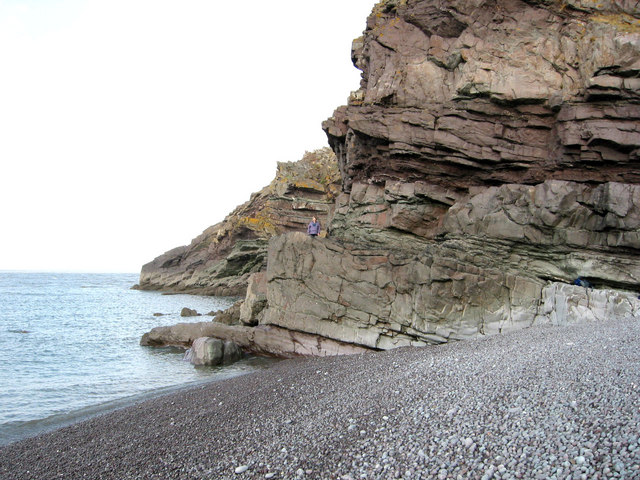
A cocker spaniel has survived a 150ft (46m) fall from a cliff in Somerset.

The dog, called Indy, plunged off Hurlstone Point, near Porlock, while chasing a stone during a walk with her owners.

Minehead’s lifeboat crew was scrambled to rescue her and found her among boulders at the foot of the cliff.

A spokesman said: “She had a few scratches and bumps and was very shaken up, but it could have been much worse.” (Ed: Understatement of the year!)

ooOOoo

A quick search brought up this item on Wikipedia:

Hurlstone point (grid referenceSS898492) is a promontory of land between Porlock Weir and Minehead in the Exmoor National Park on the coast of Somerset, England.

Hurlstone Point marks the boundary between Porlock Bay and Blue Anchor Bay in the Bristol Channel and is on the South West Coast Path.[1] There is a coastguard lookout shelter on the point.[2]

The rocks, including a large slab known as “coastguard wall” are popular with climbers.[3]

In 2007 a cyclist was rescued after falling 40 feet (12 m) down the cliff.[4]

References

  1. “Bossington to Selworthy”. Official Guide to the South West Coast Path. Natural England. Retrieved 24 March 2010.
  2. “Coastguard’s lookout at Hurlstone Point, Selworthy, Somerset”. Viewfinder National Monuments Record. English Heritage. Archived from the original on 6 June 2011. Retrieved 24 March 2010.
  3. “Hurlstone point”. UK Climbing.com. Retrieved 2008-08-09.
  4. “Cyclist rescued after cliff fall”. BBC News. BBC. 2007-05-03. Retrieved 2008-08-09.

Plus this photograph that only underlines how very lucky was Indy.

Anniversaries!

We still keep going!

Learning from Dogs published its first post on July 15th., 2009.

In other words 8 years ago.

But will we make it 80 years?

Bob Derham back in England sent me a possible answer to that question!

Onwards and upwards!

This is the dog!

Precious!

Yesterday, Julie, Richard’s wife back in England, sent me a photograph of what some unknown dog lover has put on one of the walls of their home.

I can’t find the words to better what is written on that wall.

To increase the impact for you, dear reader, seeing this for the first time, it is presented with a ‘read more’ link.

In other words …..

Continue reading “This is the dog!”

Potty training.

Advice from DoctorPup.

I’m always a little cautious about submissions of guest articles from those who are ‘in the business’. But sometimes drawing the line between a genuinely informative article from a pet-related business and overt promotion is a fine one. I chose to publish an article from Alex back in November last year. It was about behavioral issues with dogs and was well received.

Earlier this month, in came another guest article from DoctorPup and, again, I think this is a good share with you. But please do let me know if you think it is too much of a product ‘sell’. I protect the integrity of this blog without question.

ooOOoo

Michael Schoeff reveals how to effectively potty train a puppy

Written by Florentina Popa on behalf of the company
Michael Schoeff, the inventor of the innovative potty training system called Pup Pee Poo Palace, considers that classic house training a puppy is a difficult process that takes time, patience, commitment and consistency.

Traditional potty training

If you want to follow the traditional path, it is important to inform yourself carefully and to establish clear guidelines to get on the right track your pup in just a few weeks. Puppies learn very fast from two to four months, picking up easily on the concept of housebreaking. Five to 30 minutes after eating, puppies want to defecate, so it is important to respect a clear schedule. The most important aspects you should take into consideration is to stay consistent, positive and patient and the results will appear gradually.
The first step is to establish a routine by creating a schedule for eating and playing. Feeding your puppy according to a clear schedule depending on his age, ensures eliminations at consistent times. This is crucial because generally, a puppy has control of his bladder one hour for every month of age so they are prone to accidents if they are not taken outdoor regularly. During his first months of life, a puppy should be taken outside at least every two hours as well as immediately after he wakes up, during and after playing and after eating.

Pick a specific spot outside and always take him there. Also, use a specific word or phrase before he goes outside to remind what he has to do. Take him to walks or playtime after he eliminated. Your attitude is important during potty training, so avoid being nervous or impatient as well as using a loud tone because you’ll make your pup anxious.

Reward him every time he eliminates outdoor, praising or giving treats immediately after he has finished and before coming back inside. This will help teaching him what you are expecting from him.
It is recommended to pick up his water dish about two hours before bedtimes to avoid relieving himself during the night.
An essential rule and hard to apply is to always supervise your puppy when he is indoor to avoid accidents or soiling. Keep your puppy in a specific area and watch him for signs he needs to go out. If you notice him barking, scratching the door, squatting, sniffing or circling, take him outdoor.
If there are times when you cannot supervise him, restrict him to an area small enough that he won’t want to eliminate there. Make sure that the space is comfortable to stand, lie down and turn around. A good idea is to use a crate or a leash, but don’t forget to take him outdoors whenever he needs to eliminate. You can gradually give him more freedom in the house as he learns to eliminate outdoor.
Keep in mind that accidents can happen anytime and make sure you act properly. If you see him eliminating indoor, interrupt him by saying “outside!” or making a noise without scaring him and take him to his eliminating spot outdoors. Always use positive reinforcement, keep calm and be assertive. Don’t punish him for eliminating in the house to avoid a negative connection with his bodily function, just clean up the room and make sure to remove the smell.
If your program doesn’t allow to stay at home with your puppy, you need to find someone to take your pup for bathroom breaks several times a day. You can teach him to eliminate in specific place indoors, but be careful regarding this process as he will get used to it and will practice it as well when becoming adult.
Pup Pee Poo Palace was released in 2013 as an ideal solution for busy dog owners that don’t have enough time to spend with their puppies. The system is based on puppies’ natural behavior to get up on things, so it contains the separate elevated sleep and play area and the elimination area. Bedding area is made of a frame covered in bedding material and it is raised above the floor of the cage using frame extensions. The system helps reinforcing good patterns for puppies and encouraging them to repeat the actions.Puppy owners can let the palace door open when being with their puppies so they can return to the cage whenever they need to eliminate.
Using Pup Pee Poo Palace avoids the risks of infections especially if your puppy hasn’t completed all his vaccinations. You can perform your daily activities while your pup is enjoying his comfortable private space without worrying that he needs to potty.
Furthermore, you can still train your puppy to go outdoors whenever you can, especially after eating, drinking, playing or sleeping, but if you are busy or you’re not at home, count on Pup Pee Poo Palace and stay assured. Your puppy potty training will be easier and faster.
Michael Schoeff and his partner, Gary Rybka, have created not only a very useful tool for dog owners, but a tool that suits any dog breed, starting with breeds that weigh under 5 lbs at maturity and finishing with those that weigh under 70 lbs at maturity.
Author Bio

Florentina Popa is the founder of the digital marketing agency. She is a young entrepreneur with a strong passion for innovation, digital marketing technologies and a real focus on marketing strategies and evaluation process for her clients. She currently advises several companies in the Southeastern Europe and USA. She is content writer and social media manager for several small and medium companies located in the Southeastern Europe. She loves to create articles about business, leadership, digital marketing, lifestyle, animals (especially dogs). She has a great collection of materials published on various online marketing, business and lifestyle websites. When she’s not online, Florentina loves exploring the mountains and local coffee shops with her dogs, traveling and discovering new cultures watching movies and reading. ‘If you believe, you can achieve’ – that’s her motto!

ooOOoo

Good people, I do hope you found this interesting and not crossing the line of offering free promotion to a business. Neither me nor Learning from Dogs in publishing this guest post can offer any explicit or implicit endorsement of the company or this product. Any reader interesting in learning more must conduct their own research.

Scouring the Horse.

Fascinating almost beyond words.

In the days when I lived in South Devon in England and had cause to travel, as in drive, to London one of the route options was to take the M5 motorway (Freeway in American speak) up to Bristol and then follow the M4 motorway that ran from Bristol all the way into the outskirts of London.

One of the benefits of this was that half-way, give or take, was at the Swindon exit and a further ten-minute drive took one to the delightful car-park at the White Horse at Uffington. No, it wasn’t a pub despite numerous pubs in England being called The White Horse; it was something much more special.

Yes, this is the very ancient White Horse that is introduced in Wikipedia, thus:

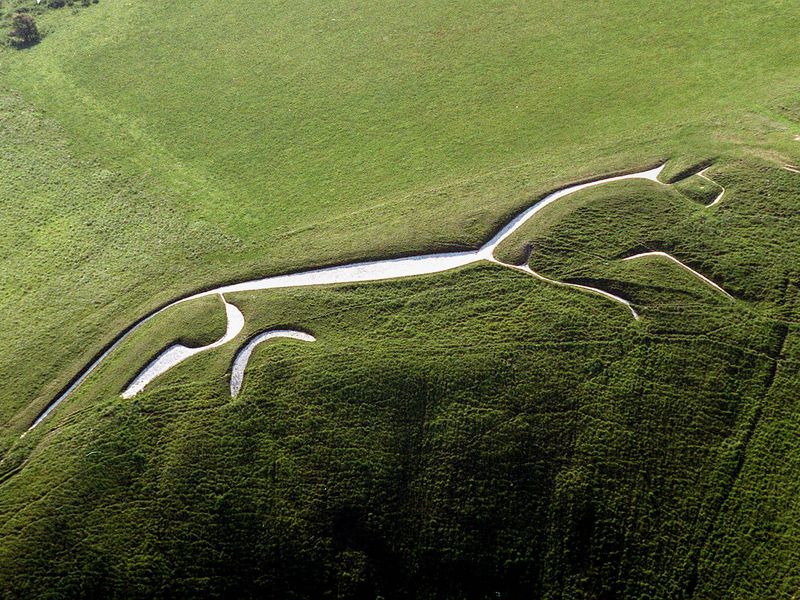
The Uffington White Horse is a highly stylised prehistoric hill figure, 110 m (360 ft) long, formed from deep trenches filled with crushed white chalk. The figure is situated on the upper slopes of White Horse Hill in the English civil parish of Uffington (in the county of Oxfordshire, historically Berkshire), some 8 km (5 mi) south of the town of Faringdon and a similar distance west of the town of Wantage; or 2.5 km (1.6 mi) south of Uffington. The hill forms a part of the scarp of the Berkshire Downs and overlooks the Vale of White Horse to the north. The best views of the figure are obtained from the air, or from directly across the Vale, particularly around the villages of Great Coxwell, Longcot and Fernham. The site is owned and managed by the National Trust and is a Scheduled Ancient Monument. The Guardian stated in 2003 that “for more than 3,000 years, the Uffington White Horse has been jealously guarded as a masterpiece of minimalist art.” It has also inspired the creation of other white horse hill figures.

So what prompted today’s post?

A recent article published online by The Smithsonian. Read and be amazed!

ooOOoo

Against All Odds, England’s Massive Chalk Horse Has Survived 3,000 Years

Cleaning up the Uffington Horse is the neigh-borly thing to do

The White Horse at Uffington, Oxfordshire (AP Photo)

If you stand in the valley near the village of Uffington in Oxfordshire, England, and look up at the high curve of chalk grassland above you, one thing dominates the view. Across the flank of the hill runs an enormous white, abstract stick figure horse cut from the chalk itself. It has a thin, sweeping body, stubby legs, a curiously long tail and a round eye set in a square head.

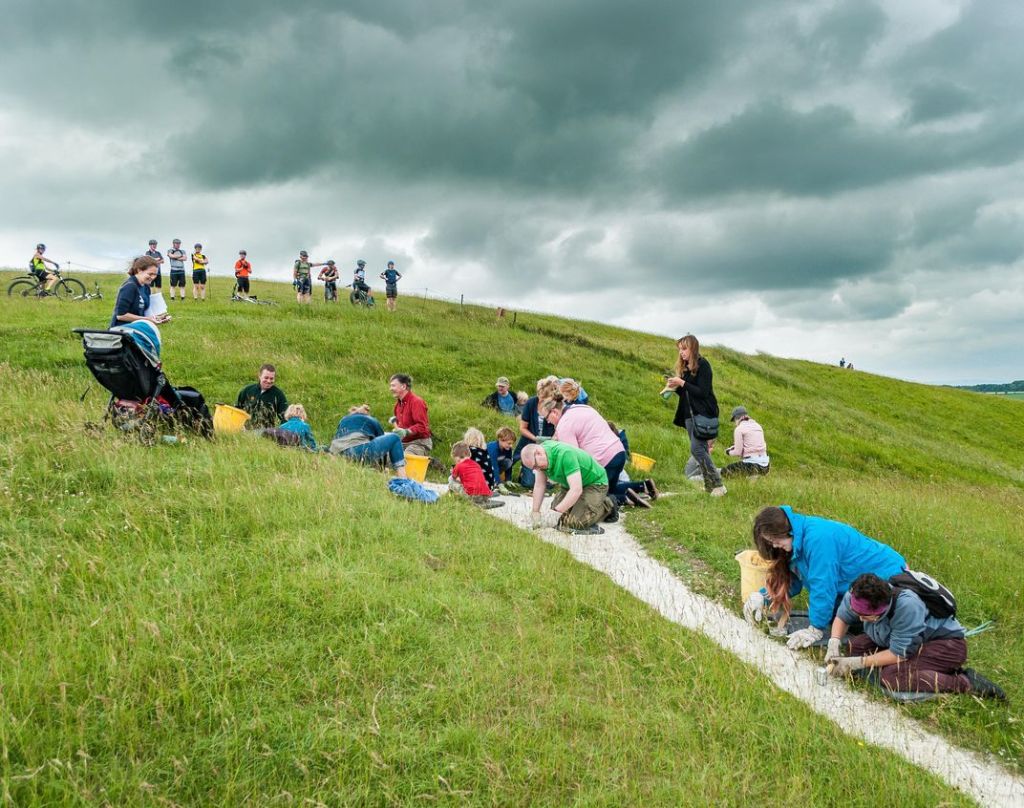
 This is the Uffington White Horse, the oldest of the English hill figures. It’s a 3,000-year-old pictogram the size of a football field and visible from 20 miles away. On this July morning black specks dot the lower slopes as small groups of people trudge slowly upwards. They’re coming to clean the horse.

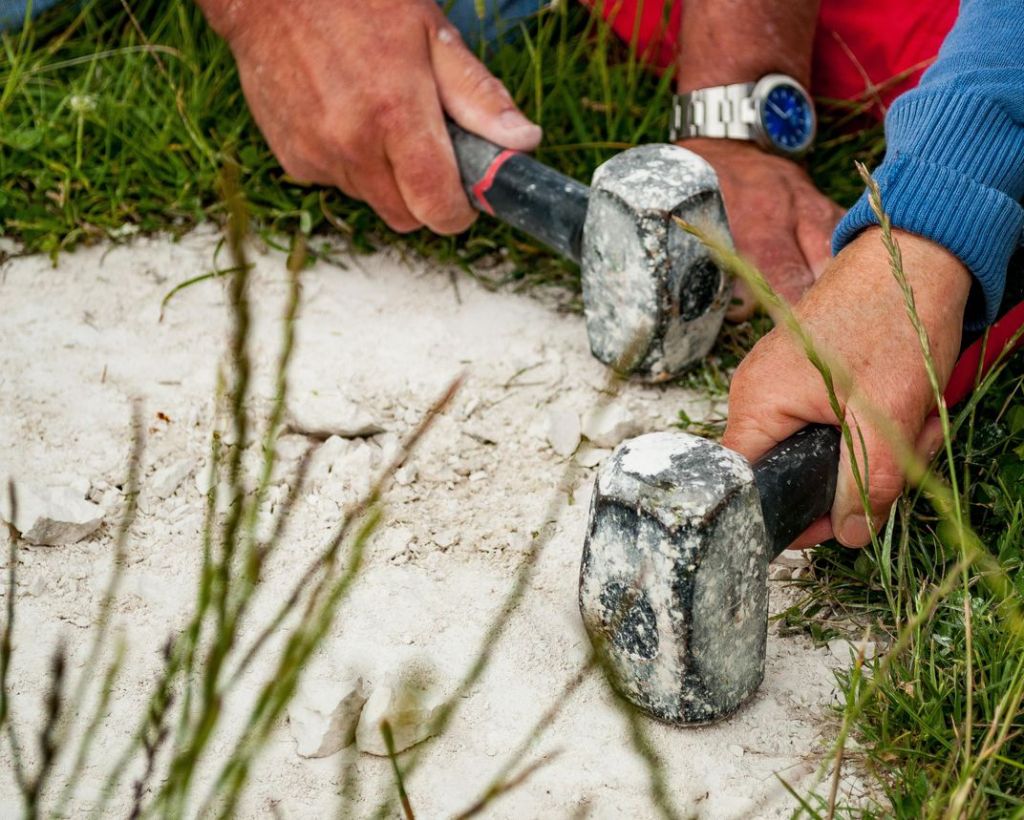
It’s chalking day, a cleaning ritual that has happened here regularly for three millennia. Hammers, buckets of chalk and kneepads are handed out and everyone is allocated an area. The chalkers kneel and smash the chalk to a paste, whitening the stony pathways in the grass inch by inch. “It’s the world’s largest coloring between the lines,” says George Buce, one of the participants.

Chalking or “scouring” the horse was already an ancient custom when antiquarian Francis Wise wrote about it in 1736. “The ceremony of scouring the Horse, from time immemorial, has been solemnized by a numerous concourse of people from all the villages roundabout,” he wrote.

In the past, thousands of people would come for the scouring, holding a fair in the circle of a prehistoric fort nearby. These days it’s a quieter event. The only sounds are the wind, distant birdsong and the thumping of hammers on the chalk that can be felt through the feet.

Conservation organization the National Trust oversees the chalking, making sure the original shape of the horse is maintained. But the work is done by anyone who wants to come along. Lynda Miller is working on the eye, a circle the size of a car wheel. “The horse has always been part of our lives,” she says. “We’re really excited that we’re cleaning the eye today. When I was a little girl and I came here with my mother and father, the eye was a special spot. We used to make a wish on it.”

National Trust ranger Andy Foley hands out hammers. “It must have happened in this way since it was put on the hillside,” he says. “If people didn’t look after it the horse would be gone within 20 to 30 years; overgrown and eroded. We’re following in the footsteps of the ancients, doing exactly what they did 3,000 years ago.”

“There is something very special about this landscape that attracts people,” says archaeologist David Miles. In the 1990s, he led an excavation of the site that established the prehistoric date for the horse. Before the excavation, it was thought that the design was only scratched into the chalk surface, and therefore un-datable, but Miles’ team discovered the figure was actually cut into the hill up to a meter deep. That meant it was possible to use a technique called optical stimulated luminescence to date layers of quartz in the trench.

Emily Cleaver
Emily Cleaver

Up on the hill it’s not possible to view the whole horse at once; the curve of the slope gets in the way, the sheer scale of it confuses the eye. It is only from the valley below that the whole picture can be taken in. From this long distance, the horse is a tiny white figure prancing timelessly across the brow of the hill. But to the people who live near and tend the horse, it’s a monumental reminder of Britain’s ancient past.

“It was older than I’d been expecting,” Miles remembers. “We already knew it must be ancient, because it’s mentioned in the 12th-century manuscript The Wonders of Britain, so it was obviously old then. And the abstract shape of the horse is very similar to horses on ancient British coins just over 2,000 years old. But our dating showed it was even older than that. It came out as the beginning of the Iron Age, perhaps even the end of the Bronze Age, nearly 3,000 years ago.”

The trenches would have been dug out using antler picks and wooden spades: tough, labor-intensive work. How the builders planned and executed such a large figure when the full effect can only be taken in from several miles away is still a mystery.

Nobody knows for certain why the horse was made. “It’s a beautiful shape, very elegant,” says Miles. “It looks like it’s bounding across the hillside. If you look at it from below, the sun rises from behind it and crosses over it. In Celtic art, horses are often shown pulling the chariot of the sun, so that may be what they were thinking of here.”

From the start the horse would have required regular upkeep to stay visible. It might seem strange that the horse’s creators chose such an unstable form for their monument, but archaeologists believe this could have been intentional. A chalk hill figure requires a social group to maintain it, and it could be that today’s cleaning is an echo of an early ritual gathering that was part of the horse’s original function.

The Berkshire Downs where the horse lies are scattered with prehistoric remains. The Ridgeway, Britain’s oldest road, runs nearby. This is the heart of rural England and the horse is one of the country’s most recognizable landmarks, an identity badge stamped into the landscape. During World War II, it was covered over with turf and hedge trimmings so Luftwaffe bombers couldn’t use it for navigation. (Oxford is about a 30-minute drive and London about an hour-and-a-half.)

For locals, it’s part of the backdrop of daily life. Residents in the village reportedly arrange their rooms so that they sit facing the horse. Offerings, flowers, coins and candles are left on the site.

The people who come to the chalking have a variety of motivations. Martha Buckley is chalking the horse’s neck. ” I’m a neo-Pagan and I feel it connects me to the land. It’s of great spiritual significance,” she says. Lucy Bartholomew has brought her children. “It’s good to be able to explain to them why it’s here.” For Geoff Weaver, it’s the imperative to preserve history. “If we don’t do it, it would disappear, and the world would be a sorrier place,” he says.

ooOOoo

There are more fascinating photographs to view in that Smithsonian article.

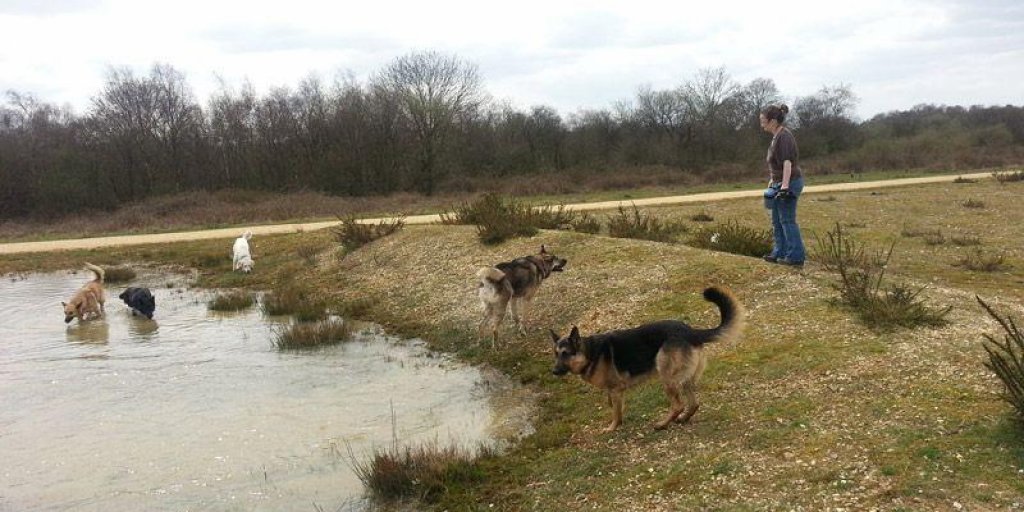
Speaking of Berkshire, as in the Berkshire Downs, the only way to close today’s post is with a link to a dog walk on Greenham Common in Berkshire. That includes the following photograph.

Have a great weekend all of you!


Never give up!

Sharing and caring in abundance!

Please forgive the shortness of the introduction. It’s just that Jean and I were out all day and I didn’t sit down to present today’s post for all you good people until 4pm.

Frankly, this is such a wonderful account of caring for dogs that any intro from me would be superfluous!

ooOOoo

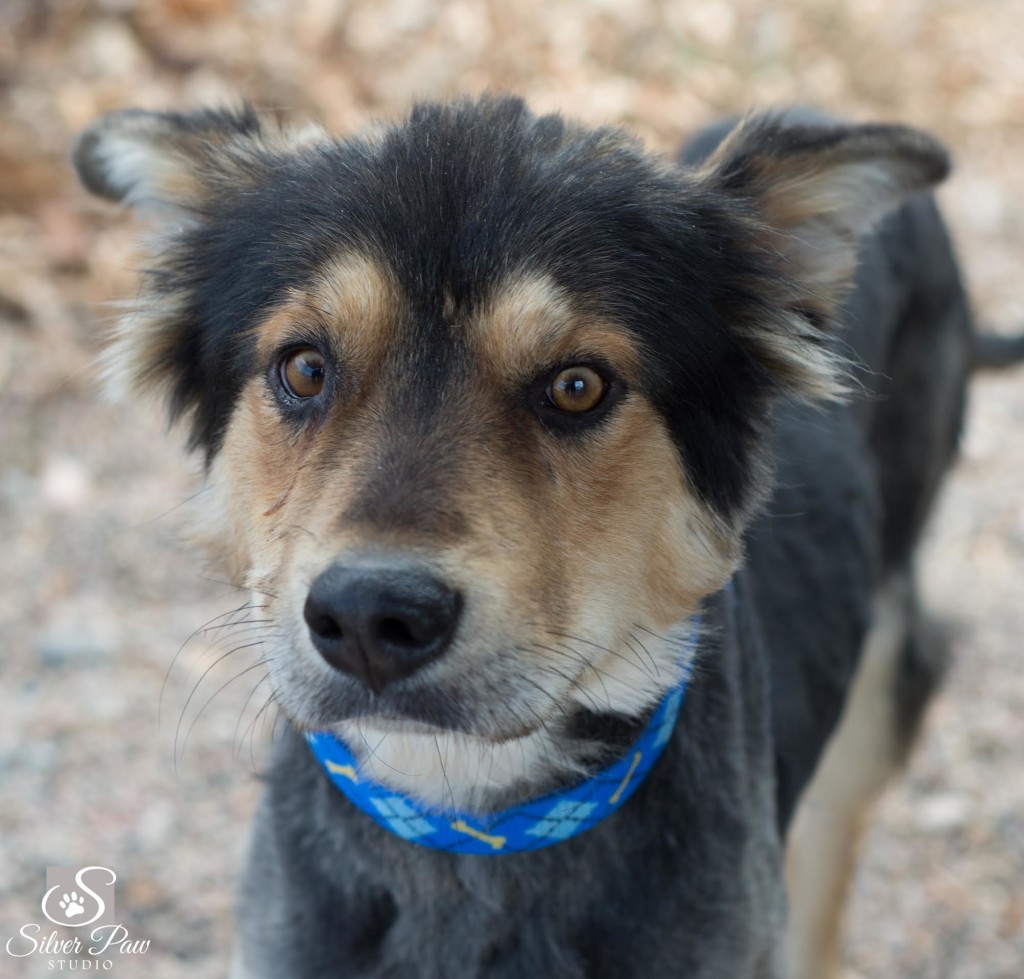
From Rags to Kisses: Abused Dogs Find Happy Homes in Colorado

By: Laura Burge July 1, 2017

About Laura Follow Laura at @literarylaura

In December 2014, Animal House Rescue and Grooming in Fort Collins, Colorado, found a very special delivery on its doorstep. Three dogs arrived from the Pine Ridge Reservation in South Dakota, an Oglala Lakota Native American reservation.

One of the poorest communities in the country, the reservation has an overabundance of unwanted pets facing the risk of disease, starvation, exposure to the elements and, unfortunately, violence.

After a five-hour drive, DeeDee, Prince and Maizy made the first step to finding new and happy lives.

DeeDee was originally discovered living in the trash dump on the Pine Ridge Reservation, where she made her home upon an old discarded sofa atop a pile of tires. A local rescuer, aware of her plight, spent a week slowly gaining DeeDee’s trust with food.

Once the understandably nervous dog allowed the rescuer to get close enough to her, she found herself on a leash and then in a car. Little did DeeDee know she was on her long way home.

DeeDee spent some time in foster care in South Dakota, recovering from mange and learning to trust again before she was transferred to Animal House to give her a better chance of finding her future family. It didn’t take long for them to find each other, with DeeDee’s charming and playful nature quickly winning over their hearts.

Prince, a 2-year-old shepherd mix, had been found covered in matted fur and burrs. He showed up at Animal House having been shaved, but full of affection.

When Prince arrived, they noticed that there was a problem with his back leg and quickly got him in for x-rays. The cause became quickly apparent, and horrible: Prince had been shot on the reservation. The bullet had travelled through his rear hip and shattered his femoral head.

Not knowing how long he had been suffering through the pain of his injury, the staff at Animal House was anxious for Prince to find relief as quickly as possible. He was sent to CSU Veterinary Teaching Hospital for a femoral head osteotomy, a surgery that alleviated his pain and allowed him to keep his rear leg.

Thankfully, his lovable nature showed through. Prince was able to recover in comfort and bask in newfound love, as he went to his new home shortly after surgery.

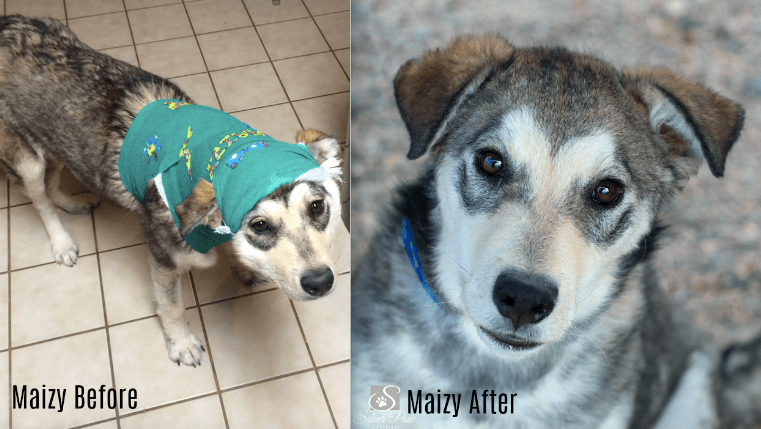
Maizy was a beautiful 8-month-old Husky mix puppy with eyes that melted hearts. Whatever happened to Maizy on the reservation, something that will remain a mystery, she came to Animal House in a lot of pain.

Maizy had several neurological symptoms and pain in her neck. After x-rays, the shelter soon found that the puppy had a fractured cervical vertebra, which was causing compression on her spinal cord. This could have been catastrophic for Maizy, but she’s a fighter.

Maizy’s foster family dedicated their time to bringing her to CSU Veterinary Teaching Hospital for regular bandaging and casting to keep her spine in place. Her beautiful face and wonderful personality through all of this ended up winning the heart of an Animal House volunteer. Having made a full recovery and a lifelong connection, Maizy now lives happily in her loving forever home.

Adoption Highlight: Special Needs Dogs

These adorable special needs dogs are still waiting to find their way to new homes.

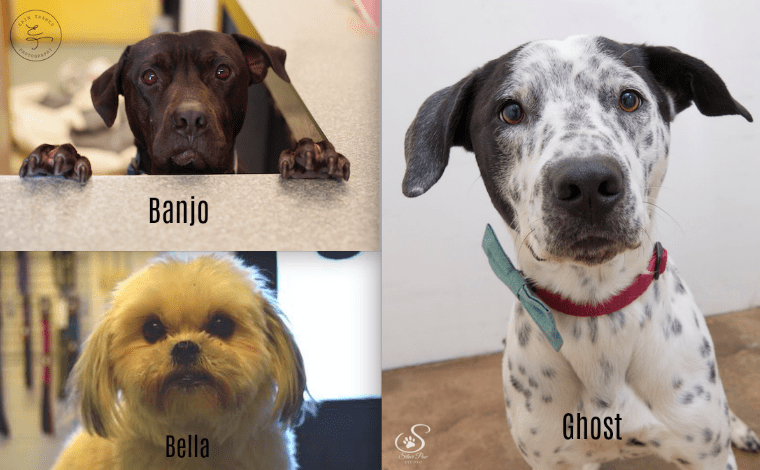
Banjo is a 6-year-old pit bull terrier mix who had a rough start to life, facing his many challenges with a great attitude. He arrived at Animal House with skin issues related to allergies, worn down teeth and scarring on his body, as well as kidney disease. Banjo gives the best hugs and thinks he is a lap dog, so he would make an excellent snuggle buddy.

Bella is a 2-year-old shih tzu mix who arrived at Animal House after her former sanctuary had to close its doors. Bella has a love for life and gets along well with other dogs and cats. She does struggle in some areas, though, specifically with constipation and some house-training. Bella is looking for a patient and kind forever home willing to help her live comfortably with her condition.

Ghost is a 2-year-old Australian Cattle Dog mix who is sensitive, intelligent, and inquisitive. He is nervous about new people and environments and needs a home that can build his confidence so that he can be happy and comfortable in a variety of situations. Ghost just wants some good old-fashioned love and patience!

You can find out more about these adoptable dogs here.

Photo credits: Animal House Rescue and Grooming, Colorado

ooOOoo

Whatever the state of the world, as long as there are organisations and people who will love and care for animals in need then I will be at peace.