Ancient genomes reveal the common history of human and dog.
At the end of October, 2020 Science magazine published an article about the evolutionary genetics of humans and dogs.
I am not allowed to republish the full text, despite being an AAAS member, but I am sure that selected quotes will be alright.
The article was written by Pavlos Pavlidis and Mehmet Somel.
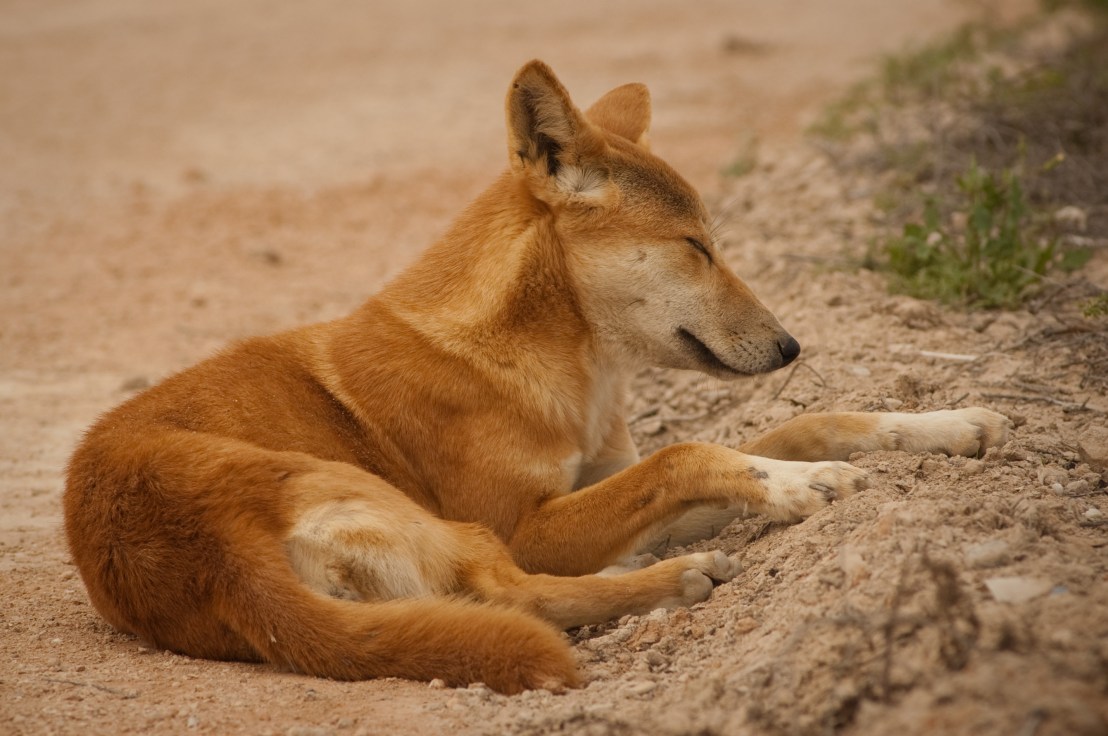
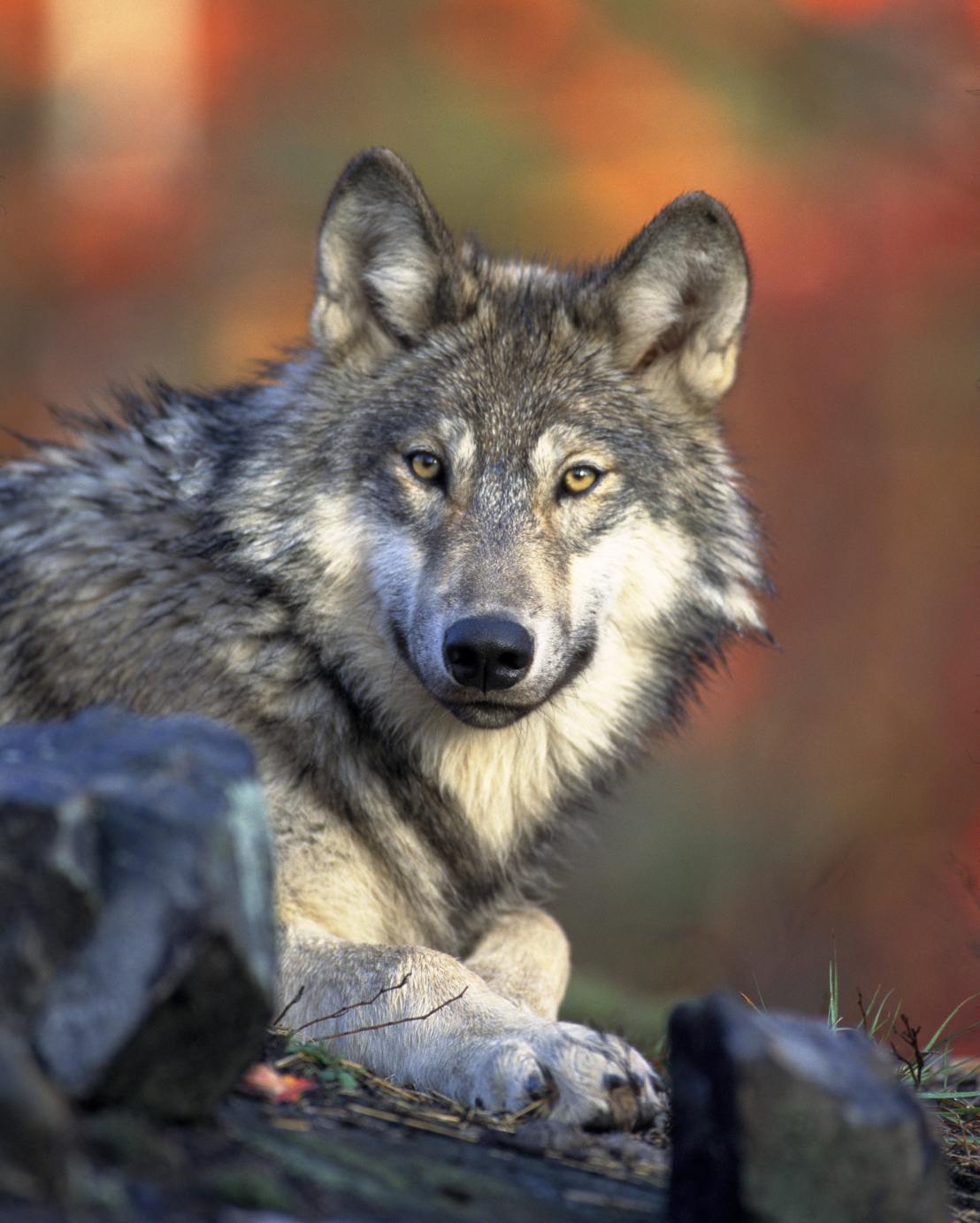
Dogs likely evolved from a wolf population that self-domesticated, scavenging for left-overs from Palaeolithic hunter-gatherers in Eurasia. However, the exact timing and geographic location where the dog lineage started remain unknown, owing to the scarcity of Palaeolithic dogs in the archaeological record. Analyses of genetic data suggest that dog-wolf divergence took place ~25,000 to 40,000 years ago, providing an earliest possible date for dog domestication.
The last paragraph in the short article is as follows:
For example, there is evidence that pigs were domesticated in both Anatolia and China. For dogs, however, the story is different. Dogs and modern-day Eurasian grey wolves appear as monophyletic groups; that is, any dog is genetically closer to another dog than to a wolf, and vice versa, Monophyly supports a single origin of dogs from a possible extinct wolf lineage.
Absolutely fascinating!
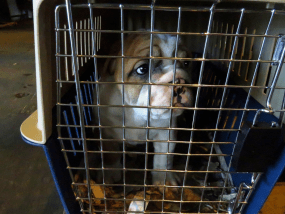
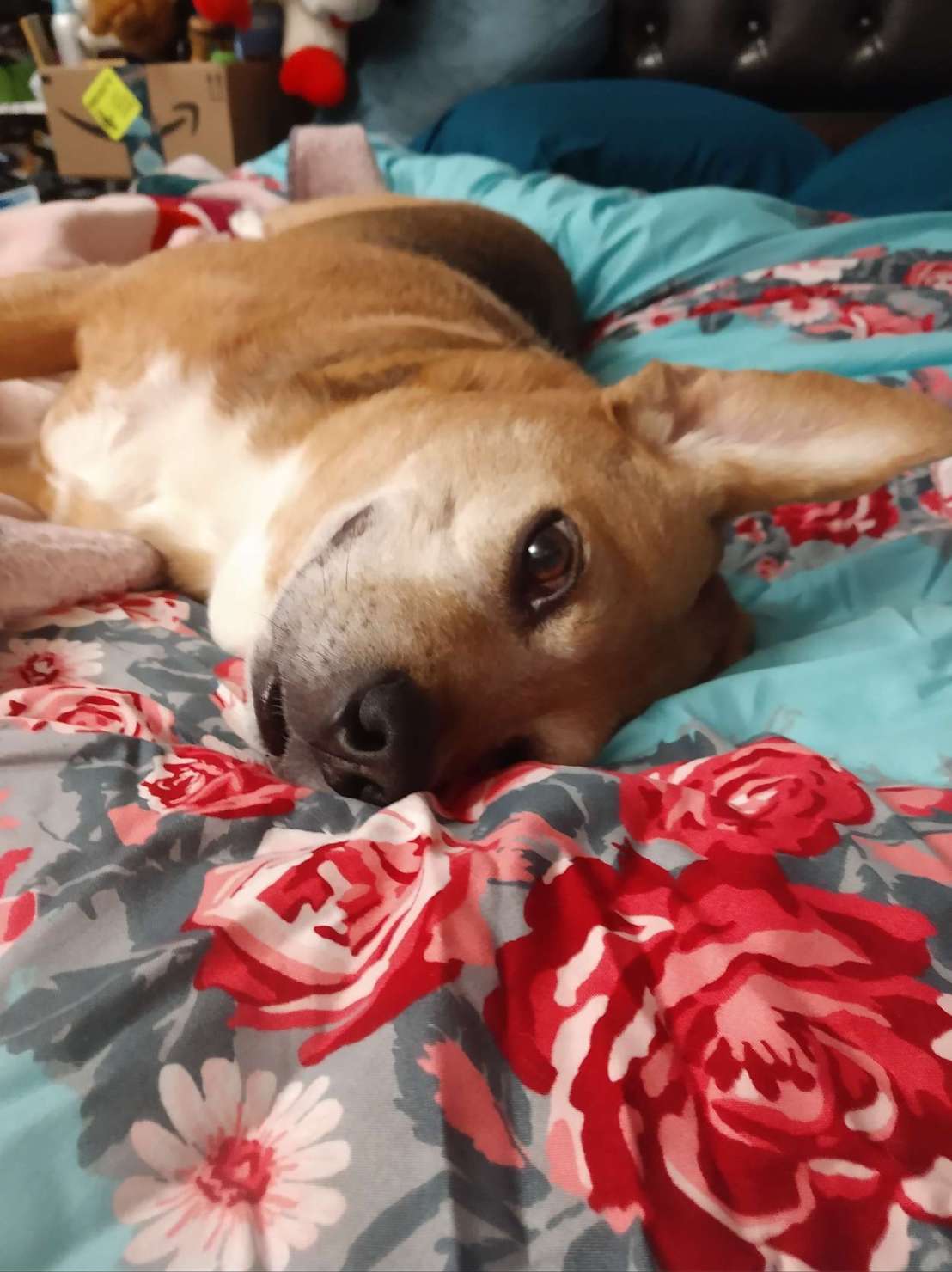
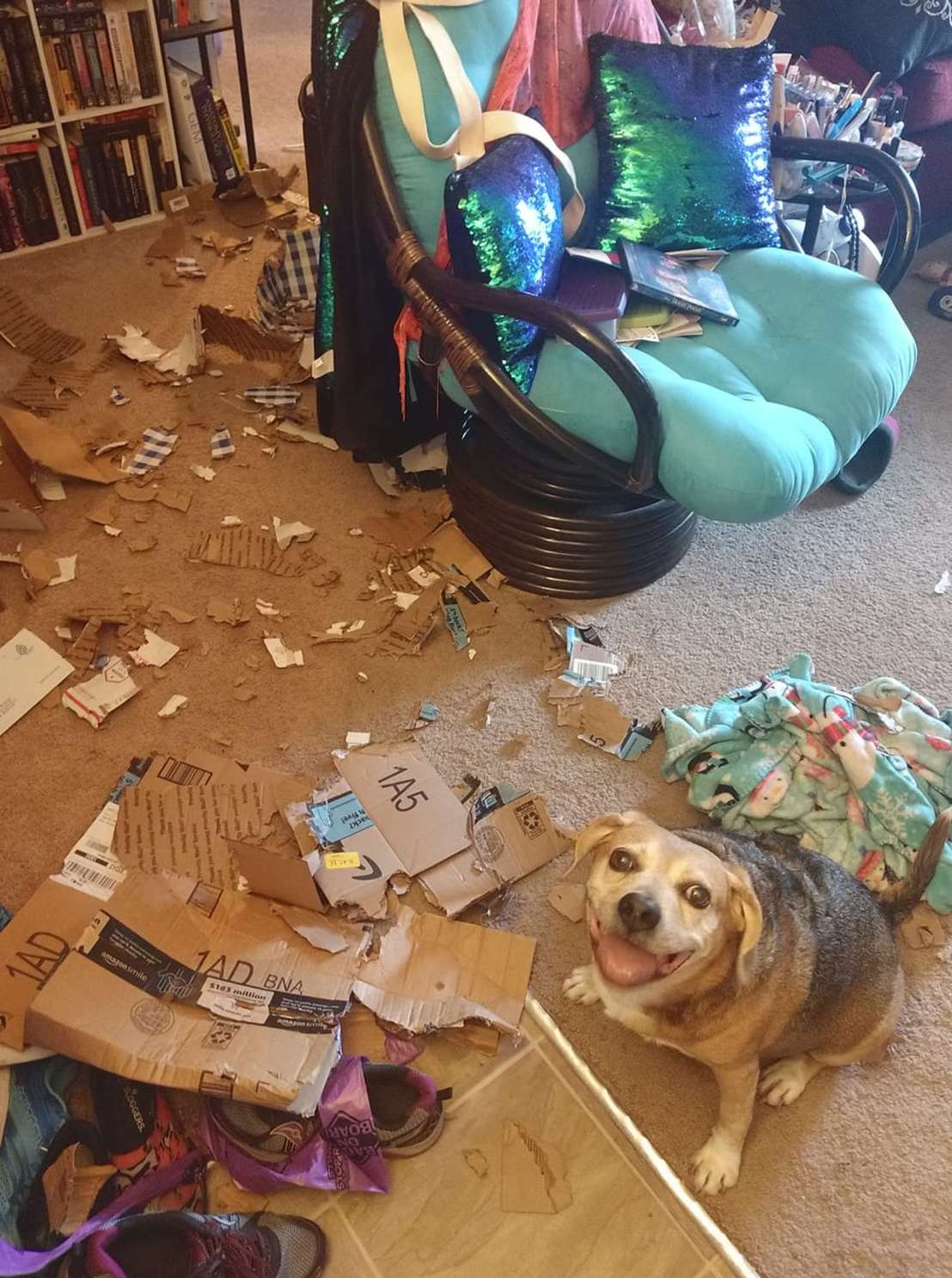
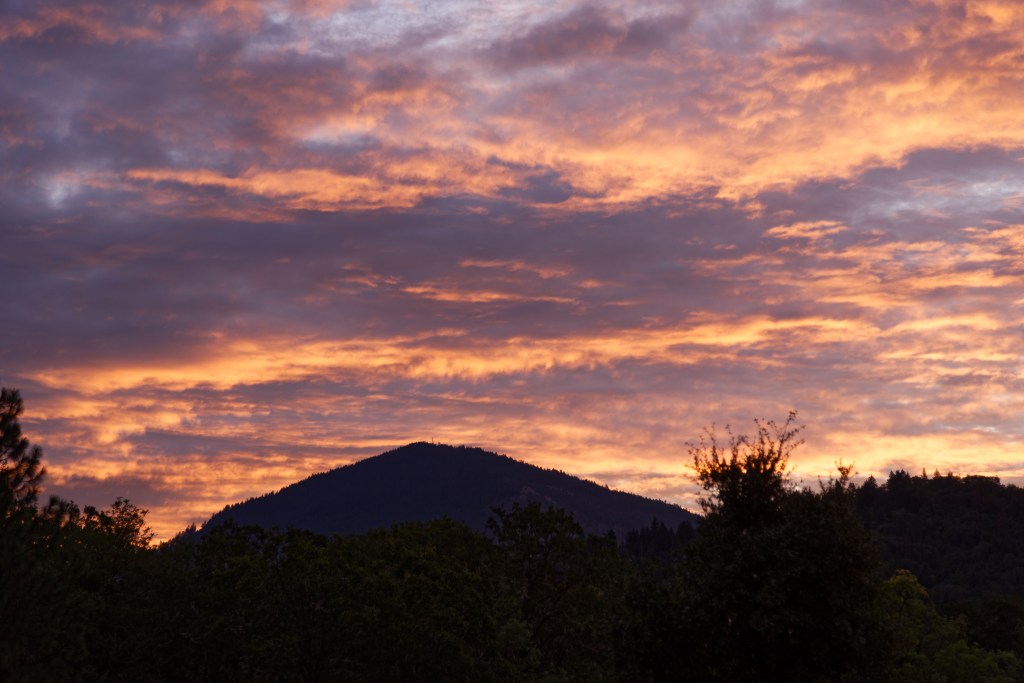
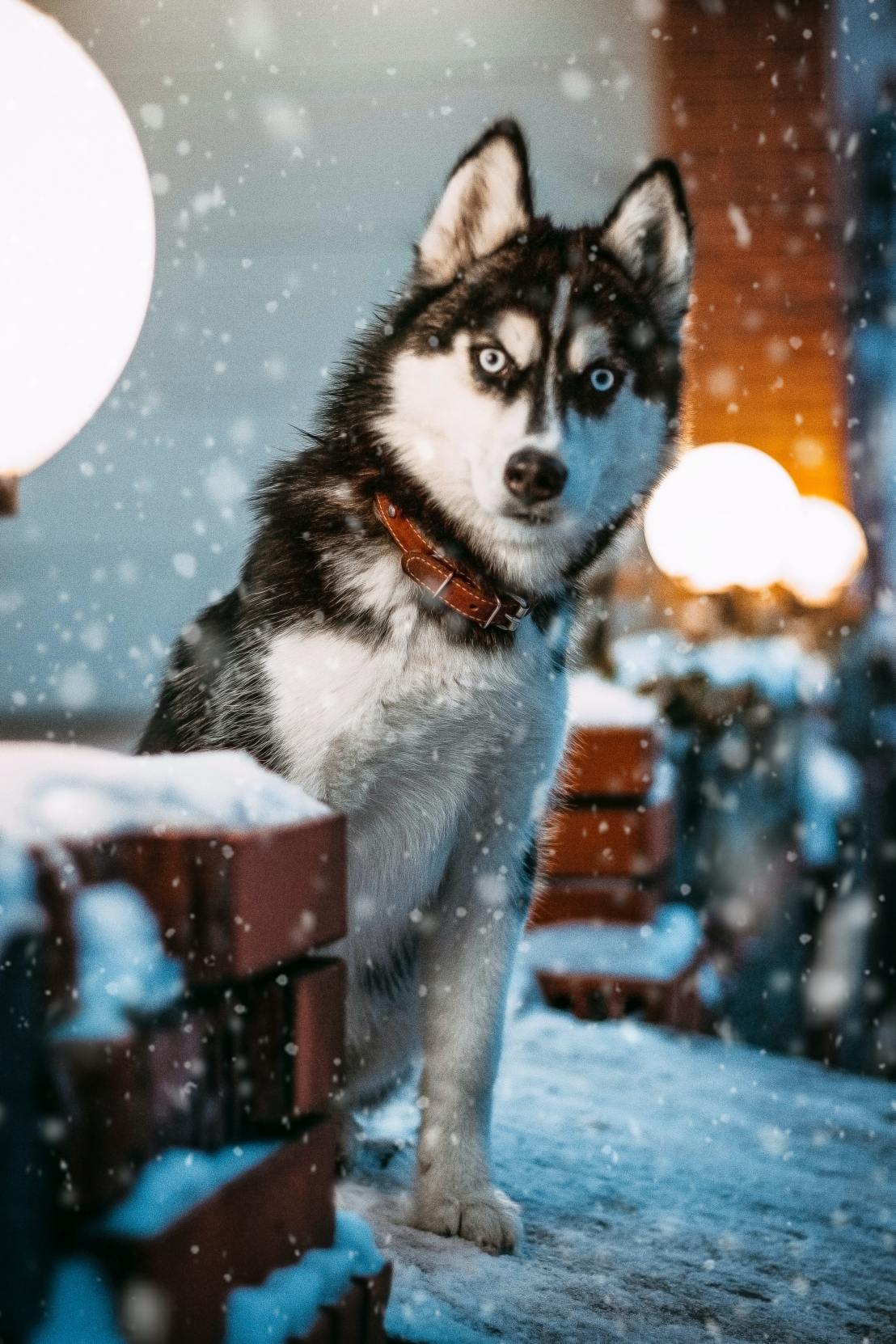
A couple of photographs, courtesy of Pexels, to close the piece.
Doodle is a super happy, loving tripod dog who is absolutely obsessed with food. Her family has to keep an eye on her when she’s around food, because she’s always on a mission to try and steal it.
BRANDY STENZEL
One day, Doodle’s mom was doing laundry when she suddenly realized that she had no idea where Doodle was.
“I first noticed she was missing after I didn’t see her next to me which she’s normally pretty close to me when I’m home,” Brandy Stenzel, Doodle’s mom, told The Dodo.
For the next half hour, Stenzel searched everywhere for Doodle. She ran all around the house, searching from top to bottom, and even checked outside to see if she’d somehow escaped. She was at a loss and starting to panic — when suddenly, she heard a crunching sound.
“I knew that crunching sound was her but I didn’t know where it was initially coming from,” Stenzel said.
Finally, the crunching sound led her to the food bin, and there was Doodle. She had somehow squeezed herself inside and was very happily eating to her heart’s content.
BRANDY STENZEL
The lid had shut behind her, and while Doodle could have easily pushed it off and hopped out again, she was enjoying herself way too much. If her mom hadn’t found her, she may have never stopped eating.
“The food bin was hinged on one side so she easily could have hopped right out if she wanted to, but she’s a pork chop so she didn’t want to,” Stenzel said.
BRANDY STENZEL
As soon as Doodle saw her mom, she knew she was in trouble, but of course, it was still worth it.
“She knew she got caught so when that happens she puts her ears back and it makes her look like Dobby the house elf of ‘Harry Potter,’” Stenzel said.
BRANDY STENZEL
To avoid losing Doodle in the food bin again, her family got one that locks, much to her dismay. Whenever someone forgets to lock it, she’ll try to hop in and repeat her great food bin feast, but her mom is now always close by to stop her.
Doodle loves food, and she’ll never stop trying to steal it, no matter what.
ooOOoo
Yes, that’s a duplication of our Sheena.
Here’s a photograph of Sheena looking very serene and relaxed.
Sheena
Sheena is the most friendly of dogs and while we are uncertain of her age that is of no consequence.
We have to be so careful here at home when we are speaking of anything to do with the dogs. For they listen even when they don’t appear to be so doing.
So, for example, me saying: “Jeannie, shall we let the dogs out?” is a no-no because almost before the sentence is finished they are up on their feet and crowding towards the front door. And there are plenty of other examples.
That requires speaking in code or sign language in an attempt to communicate something without the dogs cottoning on to what we are speaking about.
All of which is my introduction to yet another story from The Dodo to be shared with you.
Titan was adopted by his family from Furry Friends Animal Refuge in Iowa at the end of August. His parents have had so much fun getting to know him over the past few months, and have learned that he’s pretty much the friendliest and most stubborn dog they’ve ever met.
“He has to say hello to EVERYONE when we go out,” Natalie Bretey, Titan’s mom, told The Dodo. “Everyone is his friend. While he does love being a big, friendly baby, he is also severely stubborn. He will frequently halt on walks until we go the way he has decided, or to stop and watch cars and people go by. We knew he was loving and friendly, but we had no clue how stubborn he was.”
NATALIE BRETEY
Titan’s favorite thing in the world is going on walks, and his least favorite thing is when it’s time for his walk to end. He frequently tries to make his walks last longer, and he and his parents have already had many standoffs in the short time he’s been in their lives.
“He walks as if he has never had a walk before in his life,” Bretey said. “Which at first, may have been the case!”
NATALIE BRETEY
Titan is 7 years old and does have a few health issues, including chronic ear ulcers, mild hip dysplasia and allergies. While his parents are actively addressing his ear issues, his hip dysplasia hasn’t acted up yet — but they were worried it might be the very first time Titan encountered stairs.
“We realized he wasn’t a fan of stairs the very first day,” Bretey said. “We got back to my boyfriend’s apartment, and quickly realized that Titan had no intention of walking up the stairs. We started panicking; was this because of his hip dysplasia?!”
Titan’s parents were worried that his aversion to stairs might be because he was in pain — but quickly realized it was just because he didn’t feel like climbing them.
NATALIE BRETEY
Now, every time Titan encounters the stairs, he tries to convince his parents to carry him up them. Sometimes he’ll even fake a limp, but as soon as his parents reach the top of the stairs and put him down again, the limp magically disappears and he runs down the hallway like the most athletic dog in the world.
“Titan pulls his limp trick at least once a week,” Bretey said. “This past week, he tripped on his new jammies going up the first step and stumbled back. He held his paw in the air and looked at me with the most pained look he could muster. I called his dad to come carry him up the stairs. Since he had stumbled this time, I was worried he wasn’t faking it for once! His dad came down and said, ‘He’s probably faking it again’ and hoisted him into his arms and up the stairs. Before we even reached the top, Titan was wiggling his way out of the set of arms and onto the floor. His limp was gone, and he jogged to the front door. We just laugh. He is a great actor!”
NATALIE BRETEY
Titan’s parents are pretty sure he’d never encountered stairs before he came to live with them, and just never developed a taste for them. They’re very careful to listen and watch for any signs of actual pain and carry him up the stairs frequently — even though most of the time, it’s just Titan being Titan, but that’s OK. They love him enough to carry him anywhere.
When Titan was first adopted, there was a lot he had to learn about being a dog. His parents have absolutely adored watching him come out of his shell and explore the world around him. They want to give him the best life they possibly can, and are more than willing to put up with a little stubbornness along the way.
NATALIE BRETEY
“We try not to think about all the things he went through, but have had fun watching him learn how to ride in a car, enjoy pup cups from coffee places, go on walks, and interact with everyone,” Bretey said. “His big heart has made every hard moment worth it.”
ooOOoo
It’s very true. Dogs can be stubborn. It often comes from their early days when they were unloved and had to decide what to do and what not to do.
I would like to think that over time Titan will display less stubbornness and, as was written at the end, learn lots of new things to do and, above all, to be loved.
I came to my desk a little late in the day but wanted to share this article. Again it is from The Dodo and, apologies, I am going straight into it. It’s a very lovely story.
ooOOoo
Dog Gives Woman The Sweetest Hug When He Realizes He’s Being Rescued
“I think he was just really happy that someone was being nice to him.”
On a cold rainy day, a little puppy named Chowder thought he’d found the perfect spot to stay dry. A garage behind an abandoned building had become a dumping ground for neighborhood furniture and trash, and that’s where Chowder discovered a discarded mattress and crawled underneath.
But things were about to get a whole lot better for the little stray.
STRAY RESCUE OF ST. LOUIS
“[There’s a] super nice couple who lives in the area, and the husband had apparently gone out to the alley to throw some trash away,” Donna Lochmann, a rescuer with Stray Rescue of St. Louis, told The Dodo. “When the husband went out, he noticed that this white dog had found shelter underneath this corner of a mattress … and he gave him a little bit of food and water.”
The man called Stray Rescue of St. Louis, and Lochmann and her fellow rescuer rushed to the scene. When Lochmann met the 4-month-old puppy, she was shocked by how trusting he was.
“When we got out [of the car] he ran right up to me,” Lochmann said. “He was just the friendliest little guy. He wasn’t afraid of us or anything like that. I think he was just really happy that someone was being nice to him.”
Lochmann clipped a leash around Chowder’s neck, and the puppy was immediately excited. He put his paws on her shoulders as she picked him up to help him into the car and handed him over to her fellow rescuer.
STRAY RESCUE OF ST. LOUIS
“He went up and sat on her lap and just snuggled with her,” Lochmann said. “He had his head on her shoulder and just buried his face in her arm. He was just so thankful to be warm and to have people be nice to him.”
STRAY RESCUE OF ST. LOUIS
Chowder snuggled his rescuers the whole drive to the shelter as if he knew he was finally safe.
STRAY RESCUE OF ST. LOUIS
At the shelter, Chowder started to relax and let his puppy personality shine. The energetic dog became even happier to see people, get attention and play with toys.
Now in a foster home, Chowder is adjusting to indoor life and learning how to live with people.
STRAY RESCUE OF ST. LOUIS
Once he is neutered and his eye infection has cleared up, he will be ready to find his forever family. And his rescuers know whoever ends up adopting the grateful puppy will be in for plenty of snuggles and hugs in the years to come.
ooOOoo
Please, please someone adopt this puppy. He is a beautiful dog. That comes out even via these blog pages.
In case you or someone you know wants to know more then:
A Joe Biden presidency means the return of a long-held tradition of pets in the White House.
The President-elect and his wife have two dogs at present: Champ and Major. They are German Shepherds. Champ, who was then a puppy, was given to Joe Biden in 2018 by his wife. Major was fostered and then adopted, also in 2018, from the Delaware Humane Association.
Joe Biden with Major. Courtesy of The New York Times.
Here is another picture of the two dogs. This time featuring Mrs Biden.
Courtesy of Yahoo News.
So GSD Major will be the first shelter dog that from January, 2021 will reside in the White House.
The 2020 presidential election is bringing a slew of firsts into the White House: the first woman vice president, as well as the first Black woman and person of South Asian heritage to hold the position. The first first lady to continue working a full-time job. The first Jewish spouse of either a president or vice president.
But President-elect Joe Biden is bringing yet another first this January: The first-ever shelter dog will now reside in the White House.
Whatever one thinks about the current politics it is brilliant that dogs are back in the White House.
Maybe President-elect Biden should think of a more formal role for Champ and Major!
I am speaking of a UPS driver who has a love for dogs and, like my Jeannie, loves Pit Bulls. The breed have got such a bad reputation for being aggressive and always fighting but the truth is that men have used a few of them as fighting dogs and trained them to be the way they are.
There’s more about the breed on WebMD and I just quote a small piece from the article.
Doberman pinschers, rottweilers, and German shepherds topped lists of dogs some considered dangerous in the not-too-distant past.
These days, pit bulls often make headlines and it’s rarely good news. If it isn’t about an attack on a child or a shooting by police, it’s a tale of neglect or abuse. The heat of such reports has forged a frightening image of the pit bull as having a hair-trigger temper and a lock-jawed bite.
But pit bull advocates and some experts say the dogs get a bad rap. They say the dogs are not inherently aggressive, but in many cases suffer at the hands of irresponsible owners drawn to the dog’s macho image who encourage aggression for fighting and protection.
Indeed, the ASPCA web site gives the breed an endorsement that could fit a golden retriever. It says, “A well-socialized and well-trained pit bull is one of the most delightful, intelligent, and gentle dogs imaginable.”
For as long as he can remember, Scott Hodges has loved pit bulls. He used to have a pittie of his own, Sheba, but after 15 years she passed away in 2004.
Luckily, Hodges has been a UPS driver for the past 32 years, and gets to see pit bulls every single day as he goes along his route. He sees lots of animals on the job, including a very friendly pig, but he’s always had a particular soft spot for the pit bulls. He’s gotten to know them all over the years — and they love him just as much as he loves them.
Scott Hodges
“I know most, but not all, of the pitties by name,” Hodges told The Dodo.
Every day, as Hodges does his UPS route, he stops to say hi to his pit bull friends (and all the other dogs, too). They know who he is by now and are always waiting for him, because they know Hodges can always be counted on to give them love and treats.
Scott Hodges
“All the pitties on my route are friendly and I give them biscuits every time I see them,” Hodges said.
In order to keep track of all the pitties he sees, he takes lots of pictures …
Scott Hodges
… and probably has at least one picture of every pit bull on his route by now.
Scott Hodges
The pitties are of course always happy to see him …
Scott Hodges
… and some like to ham it up a little more than others.
Scott Hodges
Sometimes he takes pictures of the other dogs along his route too …
Scott Hodges
… but the pit bulls will always and forever be his favorites.
Scott Hodges
Hodges is lucky to get to work a job where he can see pit bulls every single day, and he never gets tired of stopping to say hi to all of his friends.
ooOOoo
Scott has been a UPS driver for 32 years!
My guess is that he was pretty quick at welcoming pit bulls and one can presume that he has been kind and generous to these dogs for most of the 32 years.
I think this is a delightful story and one that I am so pleased was carried by The Dodo.
I have only recently made the acquaintance of Sarah’s blog The Two Of Us but it already has been a delight. So much so that I reached out to Sarah and asked if she would like to be a guest author. I am delighted to report that Sarah was pleased to do so.
First, let me add a little more about her blog. The Two Of Us has a sub-title of A college student and a Border Collie stumbling through life.
Next, Sarah explained in an email to me that:
I’m Sarah and my dog is Brèagha. She’s a Border Collie and I’m a college student hoping to become an animal behaviorist of some sort. Brèagha and I have been together for 3 years, and they have been the best three years of my life so far.
So with no further ado, here is Sarah’s guest post.
ooOOoo
Every breath you take
By Sarah, November 6th, 2020
One of the things you get used to when you have a herdy type of dog (especially a Border Collie) is the staring. They stare. And they stare intensely. Your own personal stalker.
One of those things that might be rated “annoying” for some but definitely falls under “endearing” for me.
I love every last weird thing about her.
ooOOoo
Now that last picture reminds me of a recent post on Learning from Dogs, namely The dog world!where I republished the scientific work by Ellen Furlong, Associate Professor of Psychology, Illinois Wesleyan University.
In her report Ellen said, and I quote an extract from that post:
Because while 95% of the time this is a loving trait it is possible that the other 5% is an issue; your dog suffers from anxiety.
ooOOoo
Why Does My Dog Follow Me Everywhere?
The cutest little stalker 😅
By DANIELLE ESPOSITO
PUBLISHED ON 9/11/2020
Have you ever noticed that no matter what room you go into, your dog will eventually follow along and sprawl out — seemingly watching your every move?
While it might make your heart happily flutter when you find your dog constantly right behind you, you might also wonder why that is.
That’s why The Dodo reached out to Dr. Andrea Tu, medical director at Behavior Vets NYC, to find out a little bit more.
“Your dog may follow you everywhere simply because they like you and want to spend time with you!” Dr. Tu said.
That’s the simple answer in most cases: Dogs are pack animals and tend to feel more comfortable when their pack — aka YOU, gahh how cute — is around them.
But there can be times when the behavior might be more serious than your dog’s natural pack mentality.
“If your dog truly is like your shadow and acts like he or she is attached to you by a bungee cord, this may be indicative of an anxiety condition,” Dr. Tu said.
According to Dr. Tu, there are other anxiety signs that tend to be missed. “Other signs of anxiety that are often missed include excessive air licking, especially when there is no food around, and yawning, especially when the dog is not tired or not at times when your dog would be sleeping,” she explained.
So while there’s a good chance your pup following you around is just out of love, Dr. Tu recommends that if you are concerned, you should speak to your veterinarian — or a veterinary behaviorist — to rule out a behavior condition that may need treating.
ooOOoo
Our little Sweeny suffers from an anxiety issue and if he was the only dog we had then we would have a problem.
But because he mixes so well with all the other dogs it is more or less under control.
Gorgeous Sweeny!Pedy in front of Sweeny. Picture taken October, 2016.
Overnight, as in last night, we were in for some heavy rain and the next few days see the arrival of Winter. Ah well, it was good while it lasted and it lasted for some considerable time.
There are so many stories about dogs that I stick into a folder to keep them separate from my general inbox. They come in on a more-or-less daily basis. I love republishing them and until I can’t tell up from down will continue to do so.
Take this article for instance. Published by The Dodo it is a supreme example of why our dogs are so treasured.
ooOOoo
Dog Can’t Believe His Dad Finally Found Him After 200 Days Apart
“Blue was shocked for a split second, like, ‘Am I believing my eyes?’”
In early April, the Washington County Animal Shelter received a call: a stray dog named Blue had shown up at a stranger’s house, looking for a safe place to rest. An animal control officer rushed over to pick up the pit bull mix and bring him back to the shelter.
No one knew how long Blue had been on the streets, but the homeless pup seemed to love every human he came across.
WASHINGTON COUNTY ANIMAL SHELTER
“He was a happy-go-lucky dog,” Tammy Davis, the shelter’s executive director, told The Dodo. “He was a little shy at first, and he wasn’t very fond of all the other dogs being around him, but he was extremely affectionate to people and very loving to the staff.”
Due to the COVID-19 pandemic, the shelter had to close its doors to the public and make any visits by appointment only. With less foot traffic, Blue sat waiting in his kennel for months — which turned out to be a blessing in disguise.
WASHINGTON COUNTY ANIMAL SHELTER
To introduce Blue to some potential adopters, the shelter posted a video of Blue playing with his favorite toy on their Facebook page. Moments later, a comment on the video read, “That’s my dog.”
Blue had gone missing from his Tennessee home six months before. His dad tirelessly searched for him but eventually had to relocate to Texas for work. He thought that he’d never see his dog again until his friend sent him the video of Blue on Facebook.
All that was left to do was confirm whether the man claiming to be Blue’s owner was telling the truth: “Blue’s favorite toy in the shelter was a blue squeaky ball and in our video, he was playing with that ball,” Davis said. “Once we started the conversation with the owner he said, ‘Yes, I have pictures of my dog.’ He sent us pictures of Blue in his home with that same blue ball, which was his favorite toy at home. It was crazy.”
WASHINGTON COUNTY ANIMAL SHELTER
Blue’s dad drove 1,200 miles to get his boy, and the reunion was everything they could have hoped for.
WASHINGTON COUNTY ANIMAL SHELTER
“It was very obvious that the dog had a bond with that person,” Davis said. “Blue was shocked for a split second, like, ‘Am I believing my eyes?’ And then it was just immediate kisses and the man was crying, it was great.”
WASHINGTON COUNTY ANIMAL SHELTER
You can watch the heartwarming reunion here:
Now, Blue is back with his dad and the two are starting a new life together in Texas full of love, snuggles and squeaky balls.
“We wish that every animal could have a happy ending like that,” Davis said. “It makes all of our hard work worth it to be able to have moments like this.”
See what I mean. Blue’s Dad, from the photographs a gent in the later stages of life, brought to tears by the reunion. It’s an incredible story as well as a very beautiful account of bringing together Blue and his Dad across all those miles.
This recent post from EarthSky is a fascinating read!
By some amazing luck when we came to Merlin, Oregon some eight years ago we found these acres distant from any form of light pollution. Frankly, light pollution at night never crossed our mind at the time.
But almost every evening, when it is dark, I go outside to call in the dogs and look up at the night sky. At this time of the year the Big Dipper is high in the sky. Also the Milky Way can be seen as a faint ‘smudge’ of light. It is a glorious sight and one that I will never, ever tire of seeing.
Posted by Kelly Whitt in ASTRONOMY ESSENTIALS, October 29, 2020
Light at night may be a sign of life on Earth, but the darkness will proclaim our true intelligence. Check out this video on why we need darkness, from Paul Bogard. In his captivating talk Paul describes what we call “light pollution,” the overuse and misuse of artificial light at night. In cities and towns, in suburbs and villages all over the world, we are using more light than we need, and we are using it ways that waste money and energy, harm our physical health, harm the environment, and yes — rob us of the stars. What are the solutions for this problem? A native Minnesotan, Paul Bogard loves night’s natural darkness. So much so that he wrote two successful books about it. He is author of The End of Night: Searching for Natural Darkness in an Age of Artificial Light and editor of Let There Be Night: Testimony on Behalf of the Dark. He also likes to walk through the woods, surrounded by the trees and birds and hidden animals. For 15 years he had a dog who would come with him on these walks. Her name was Luna, like the moon. He misses her a lot. He loves coffee in the morning and red wine at night. Paul is now an assistant professor at James Madison University in Harrisonburg, Virginia, where he teaches creative writing and environmental literature.
The dark is good for our sleep, our biology, and the health of our ecosystems. It’s good for our creativity and our spirits, and, yes, it’s even good for our safety and security. That’s the message of Paul Bogard, who has written extensively on the importance of darkness. His book is titled “The End of Night.” His TEDx Talk – above – focuses on why we need darkness. I’ve spent time mulling over both the book and this video and recommend them highly. In this pandemic year – as many wondered whether lockdowns gave us darker skies – you might enjoy thinking about it, too.
Bogard researched night-shift workers, those who are exposed to light during the hours that most bodies crave darkness and sleep. Humans have a circadian trough from approximately midnight to 6 am. The absence of darkness and sleep during this trough contributes to night-shift work being labeled a probable carcinogen, with workers more likely to suffer from obesity, diabetes, cardiovascular issues, depression, substance abuse, and especially breast and prostate cancer. Light at night disrupts the body’s production of melatonin, which is thought to be needed to keep these types of cancers at bay.
But it’s not just night-shift workers who suffer from exposure to lights at night. Any quick look at a photo of the Earth at night shows the great glows of cities and suburbs spilling across the land and down highways into the edges of the countryside. Even when we keep the lights dark outside our own home, the light from our neighbors’ homes seeps around the cracks in our blinds and splashes across our back patio.
Earth at night, via NASA.
The light we see on maps of Earth at night isn’t just interrupting our sleep or blinding us on a late-night walk with our dog. It’s also wasting money. Bogard claims that billions of dollars are wasted each year throughout the world on light that illuminates nothing on the ground, but instead points straight up.
He points out that proper lighting directs illumination toward the ground, away from the sky and out of the eyes of those nearby. Bright lights near someone’s front door create an illusion of safety, but not true safety, according to Bogard. That’s because the glare shining into our eyes makes it difficult to impossible to see what is hiding in the deep shadows cast by the light.
Policing in some communities has been made much easier with the replacement of constant lighting by motion lights. For example, Bogard recounts how Loveland, Colorado, changed their schoolyard lighting to motion detectors, which made it simple for patrols to see if someone was present or not determined by whether or not the area was dark or light.
The issue with safety and lighting isn’t black or white, or darkness or light. It’s choosing proper lighting for each situation, which helps to make an area safer, saves money, preserves sleep, and protects the dark night sky.
When we protect the night sky, Bogard says, we’re also protecting not just ourselves and our biology but those of the ecosystem around us. In his book “The End of Night,” Bogard writes:
I remember Pierre Brunet arguing in Paris that the presence of an astronomer was the sign of a healthy ecosystem; that when the sky grows too bright for astronomy and the astronomers go away, you know you have a light-polluted sky, and whatever has polluted that sky will eventually pollute other resources, given time.
Countless animals are dependent on darkness, Bogard points out. More than 60% of invertebrates and 30% of vertebrates are nocturnal, having evolved to find food and mates in uninterrupted darkness.
Sea turtles are a well-known example of animal life that needs darkness to survive. Anyone who has been to the oceanfront has seen the lighting adapted to help the sea turtles find their way back to the sea. At my parents’ condo in Florida, the ocean-facing side of lamps have been blacked out so that the newly-hatched sea turtles, upon leaving their nests, are not lured onshore by false light but find their right paths into the water.
When you examine the night sky map of the United States and consider where most of the population lies, it’s not hard to believe, as Bogard tells us, that more than 80% of Americans can no longer see the Milky Way from their home. I live in the suburbs of a large city, for example, and my location on a map of light pollution is nearly bright white.
Recently, I spent some time about three hours west of Chicago in a quiet patch of countryside that is a rare blue shade of darkness on light pollution maps. When I stepped out onto the deck on a crystal-clear evening, I looked up at the stars and was immediately lost.
I’ve been observing and writing about the night sky for two decades, but my familiarity with the sky is linked to recognizing what I see nightly above me, which is usually a dim cousin to the depth and wonder of a truly dark sky. None of the conventional patterns were popping out at me like I was used to: the Big Dipper, the Summer Triangle, the V-shape of Taurus’s head. Instead, a brilliant orange Mars was bright enough to wash out the stars around it, yet the lush Milky Way held her own and a thousand normally unseen stars twinkled in a chorus.
For the first time ever, I witnessed the fuzzy oval glow of the Andromeda Galaxy with nothing more than my eyes. I saw star clusters dig out patches of sky and anchor their surroundings instead of having to hunt them down with binoculars. Cassiopeia and Perseus were nearly swallowed up by the sea of stars flowing from the Milky Way behind them.
We need darkness for moments like that. We need darkness to feed our spirit, protect our health and protect the health of our planet. Light at night may be a sign of life on Earth, but the darkness will proclaim our true intelligence.
Bottom line: A video on why we need darkness from Paul Bogard, author of the book “The End of Night.” The video explains why light pollution is detrimental and why darkness is good for our bodies, our world and our spirits.
So, please, take a moment to view the night sky. If you are somewhere where there is excessive light pollution then plan at some point to get away to the darkness. Also make sure you sleep in a dark room. It’s too easy to let a light or two get in the way of a properly darkened room.
Finally, amongst my many photographs I do not have is one of the night sky. And, frankly, if I did it wouldn’t be as fantastic as the one below. So let me close with a Pexels photograph of the Milky Way by Sam Kolder.