Category: Water

Picture Parade Four Hundred and Forty-Four

A complete change of photos but I guarantee you will love these!

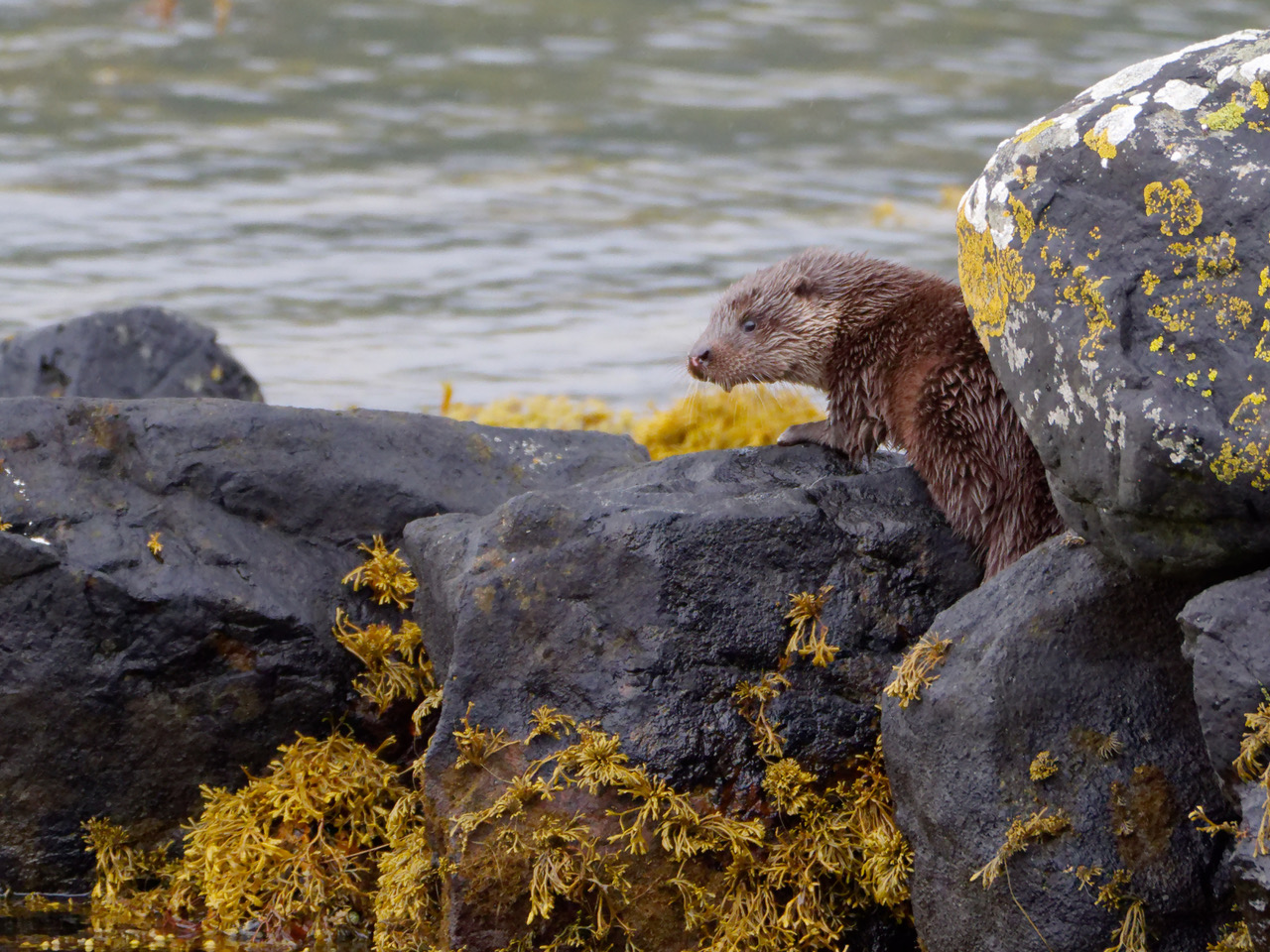
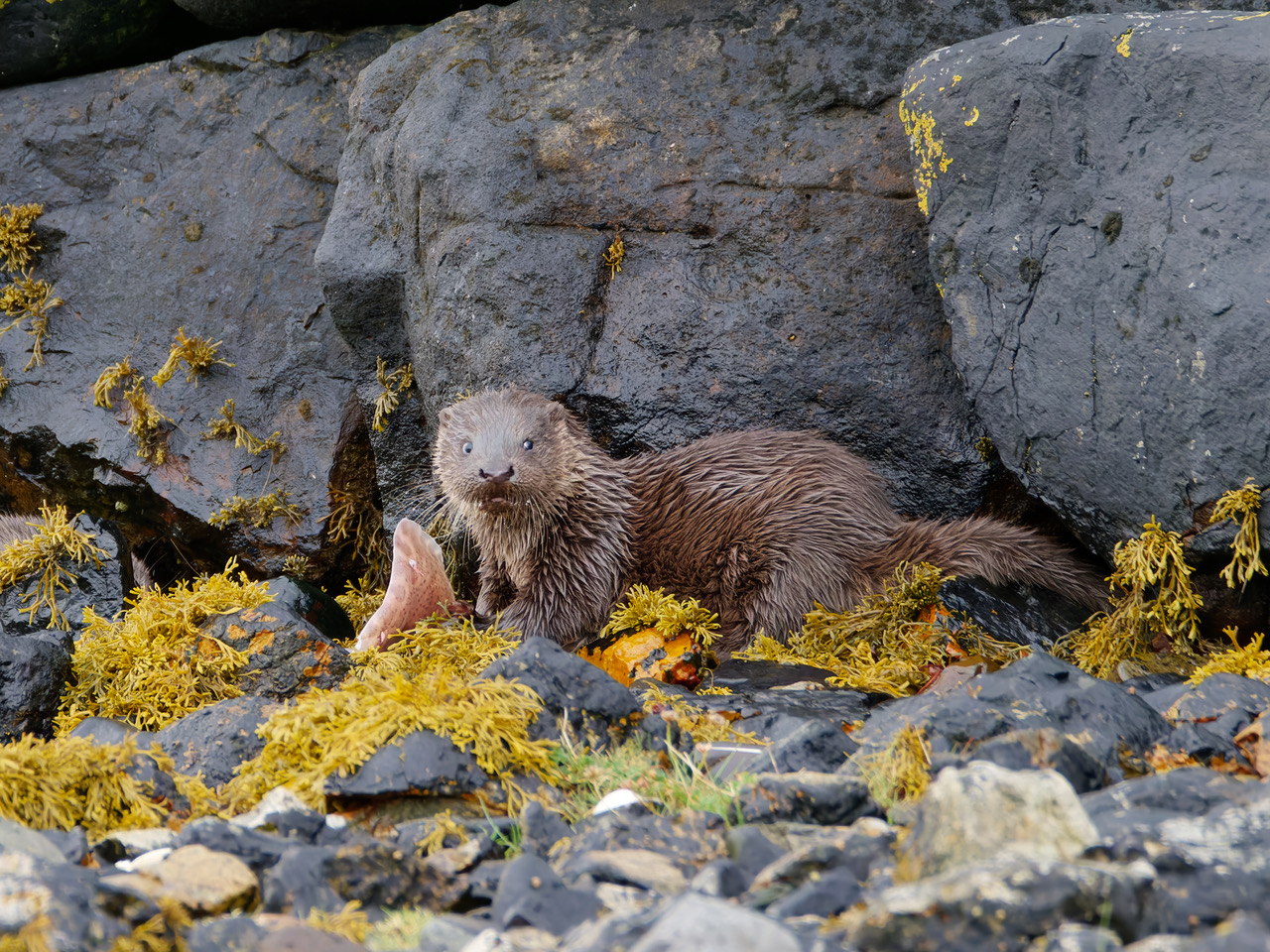
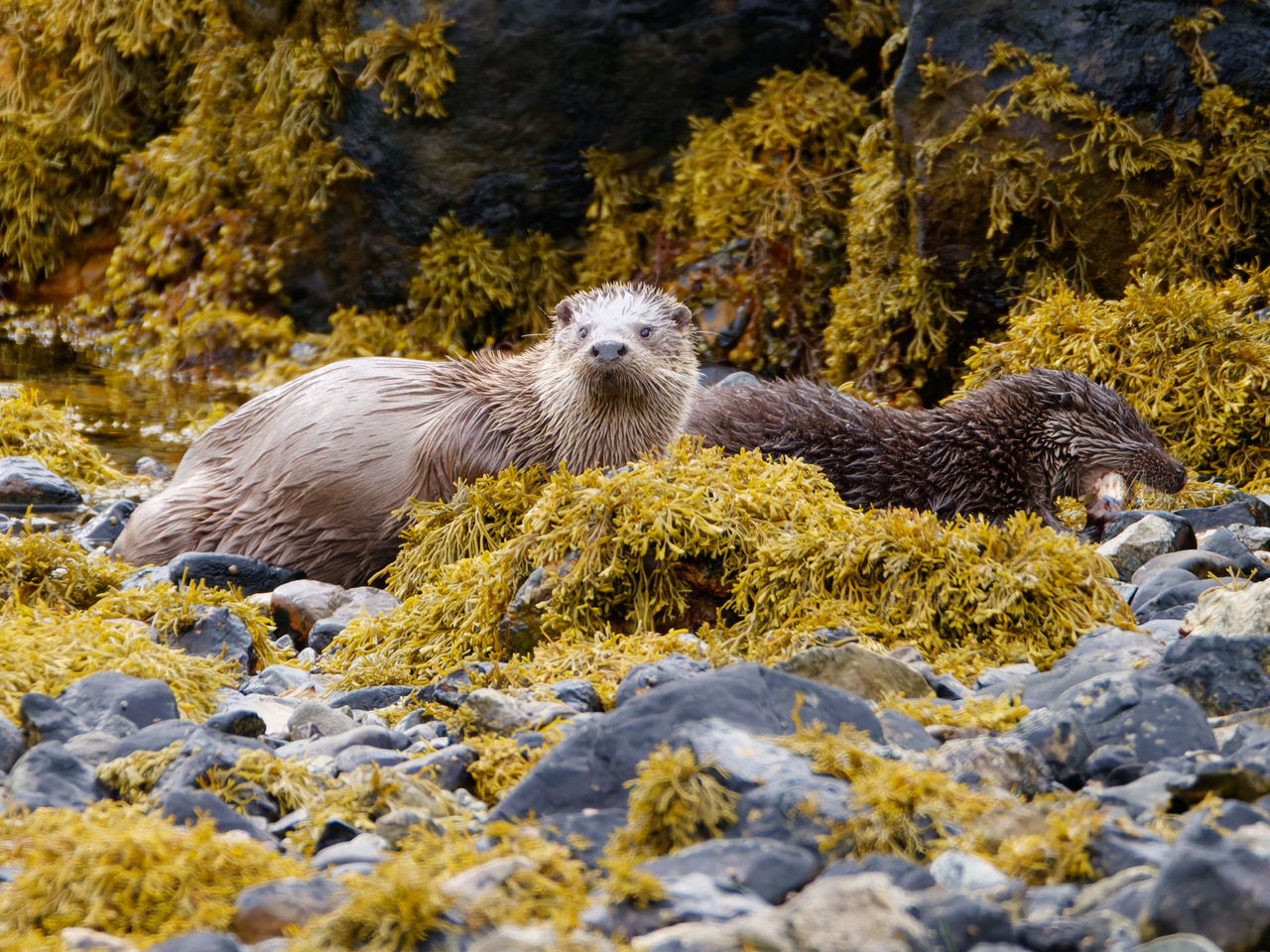
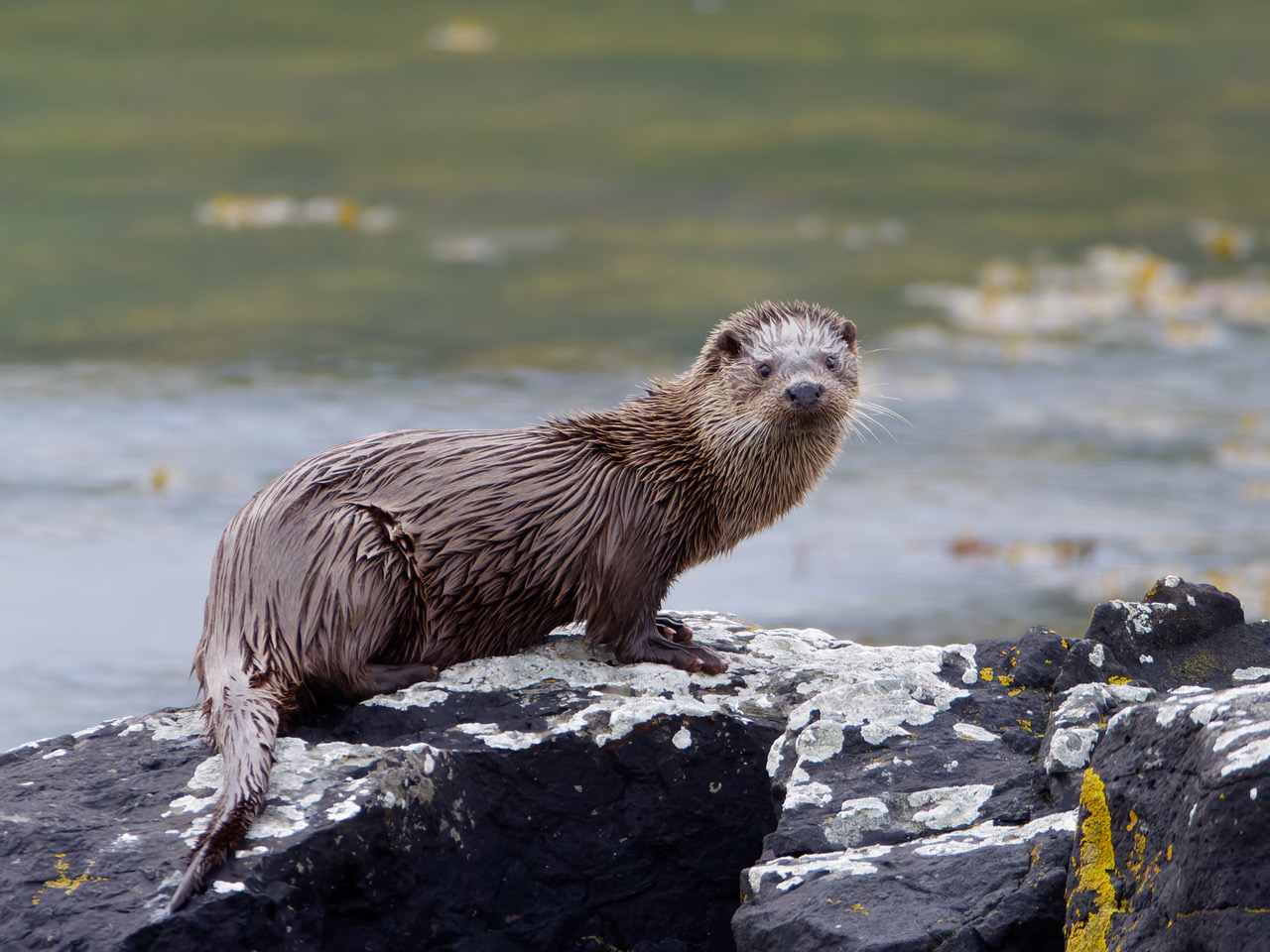
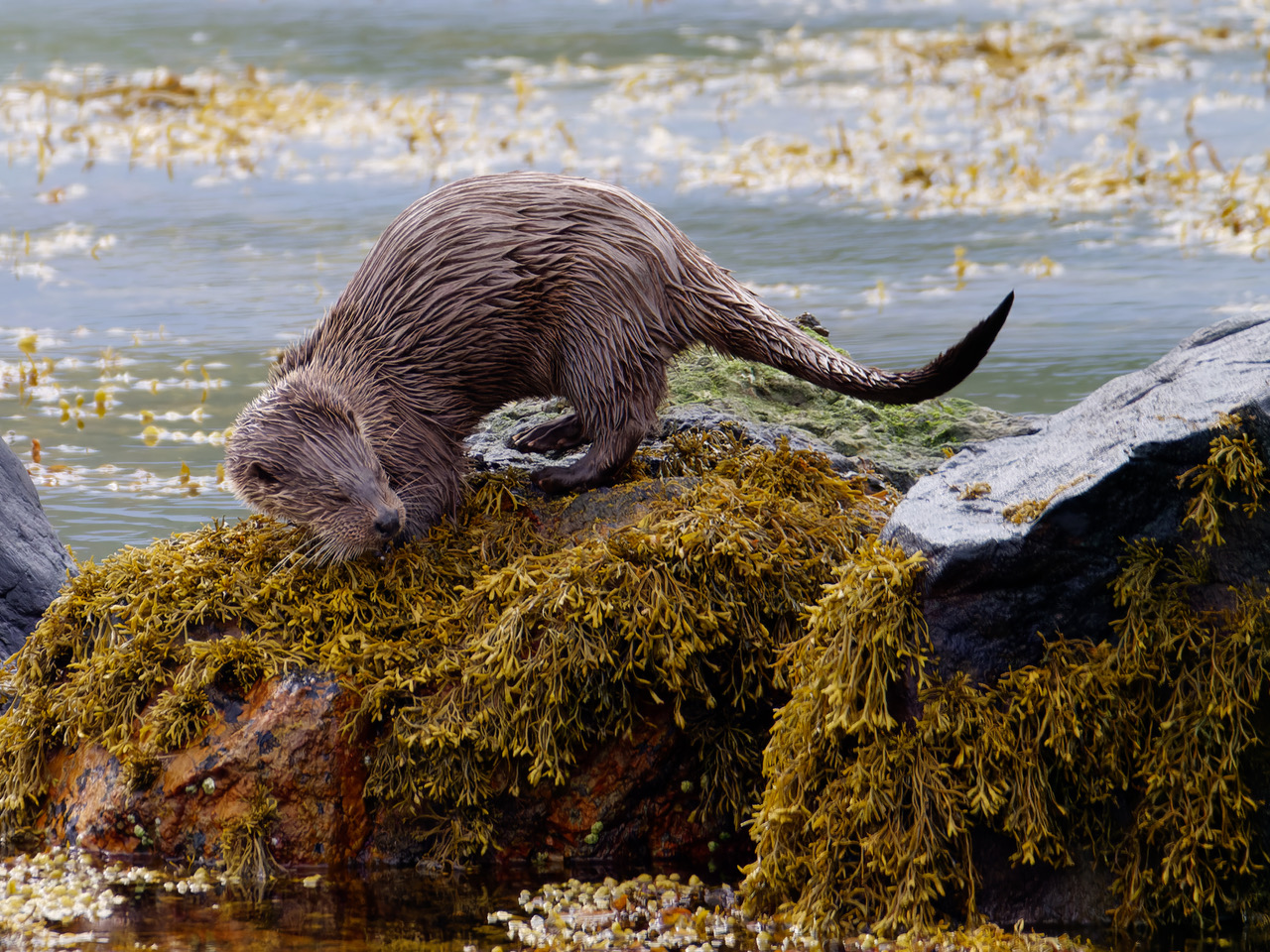
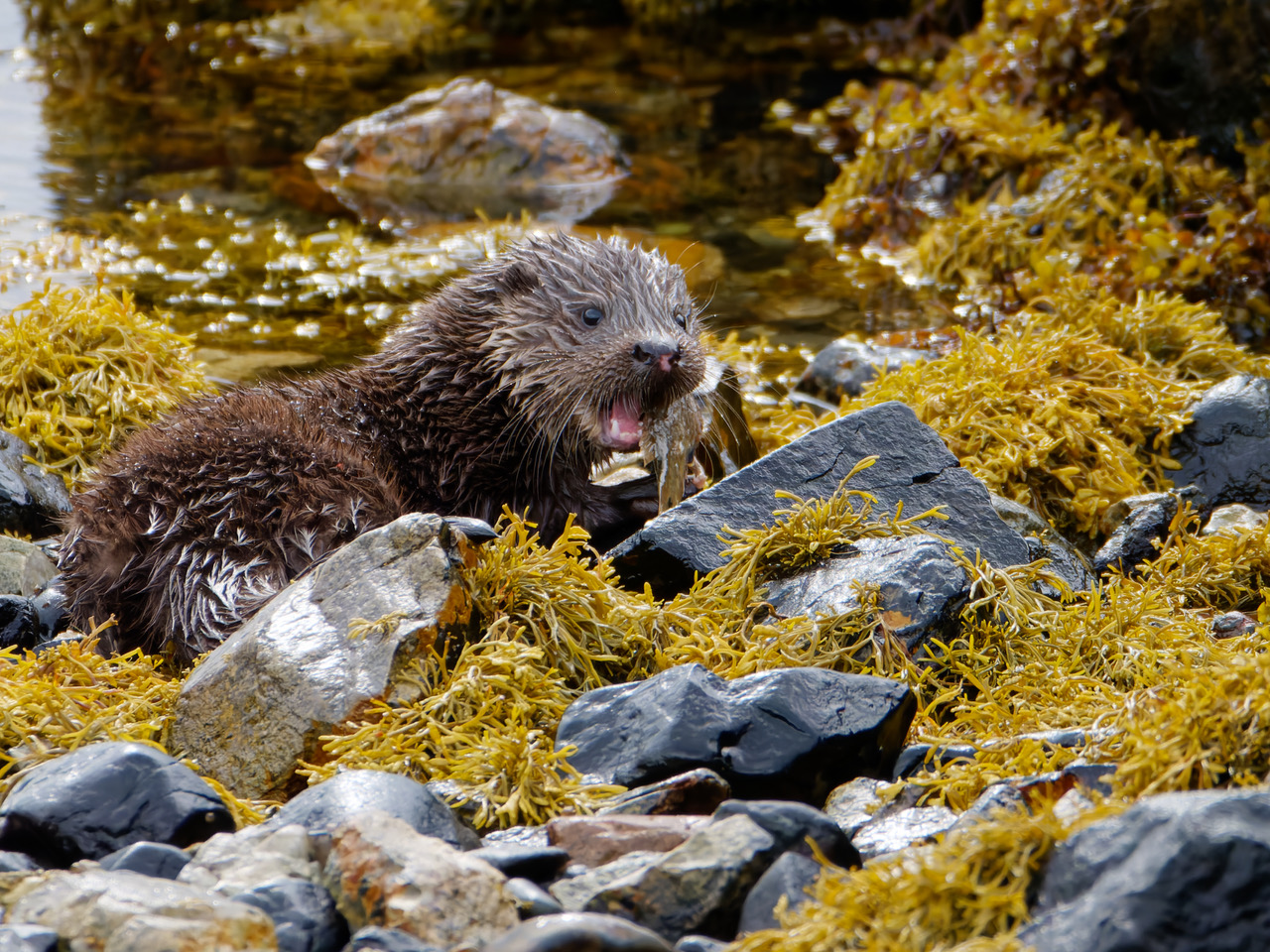
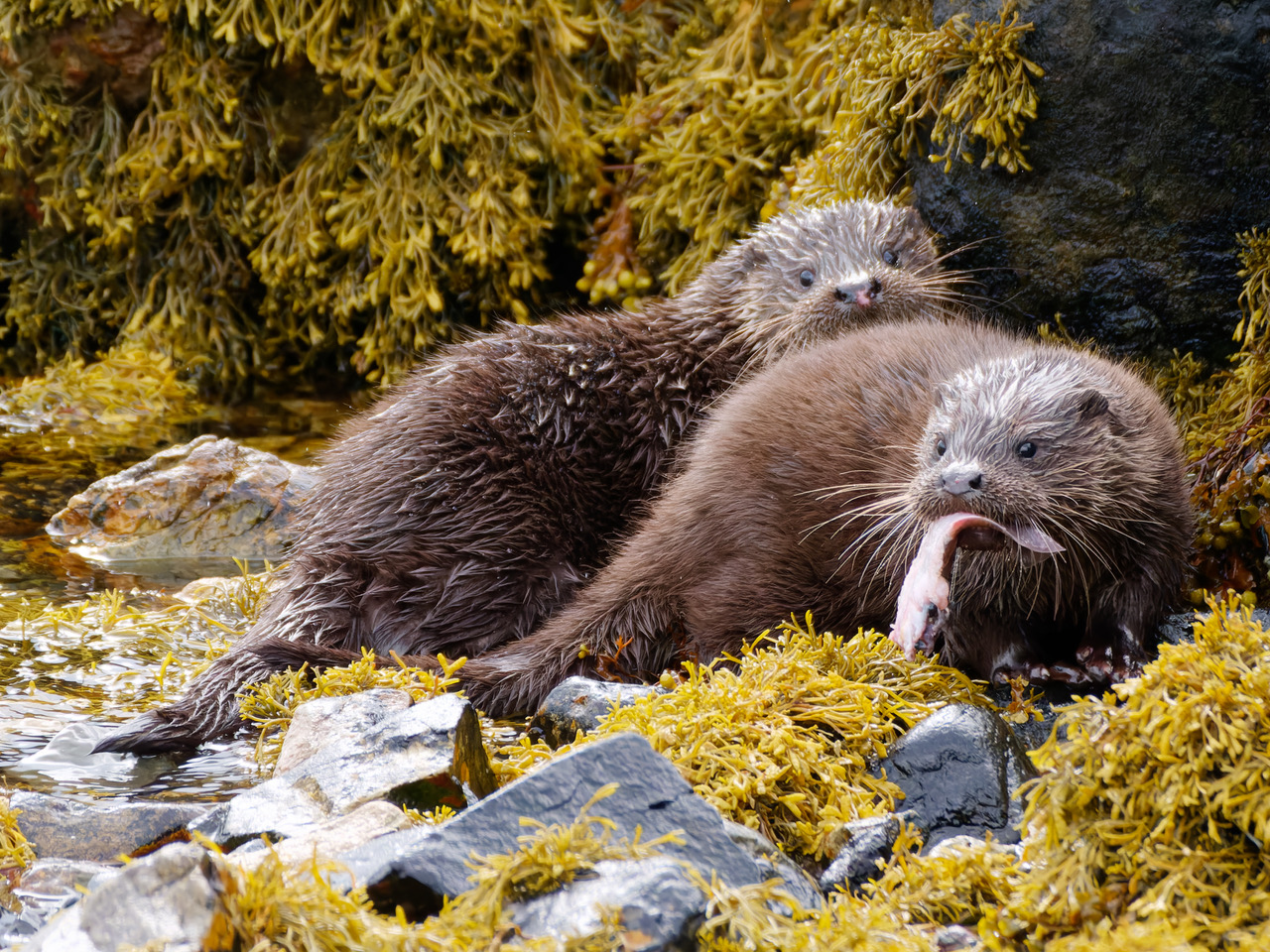
My son, Alex, and his partner, Lisa, recently returned from a vacation on the Isle of Mull. This is a Scottish island lying off the west coast of the mainland. (Home for Alex and Lisa is just outside Bristol in the south-west of England.) Between them they took many photographs.

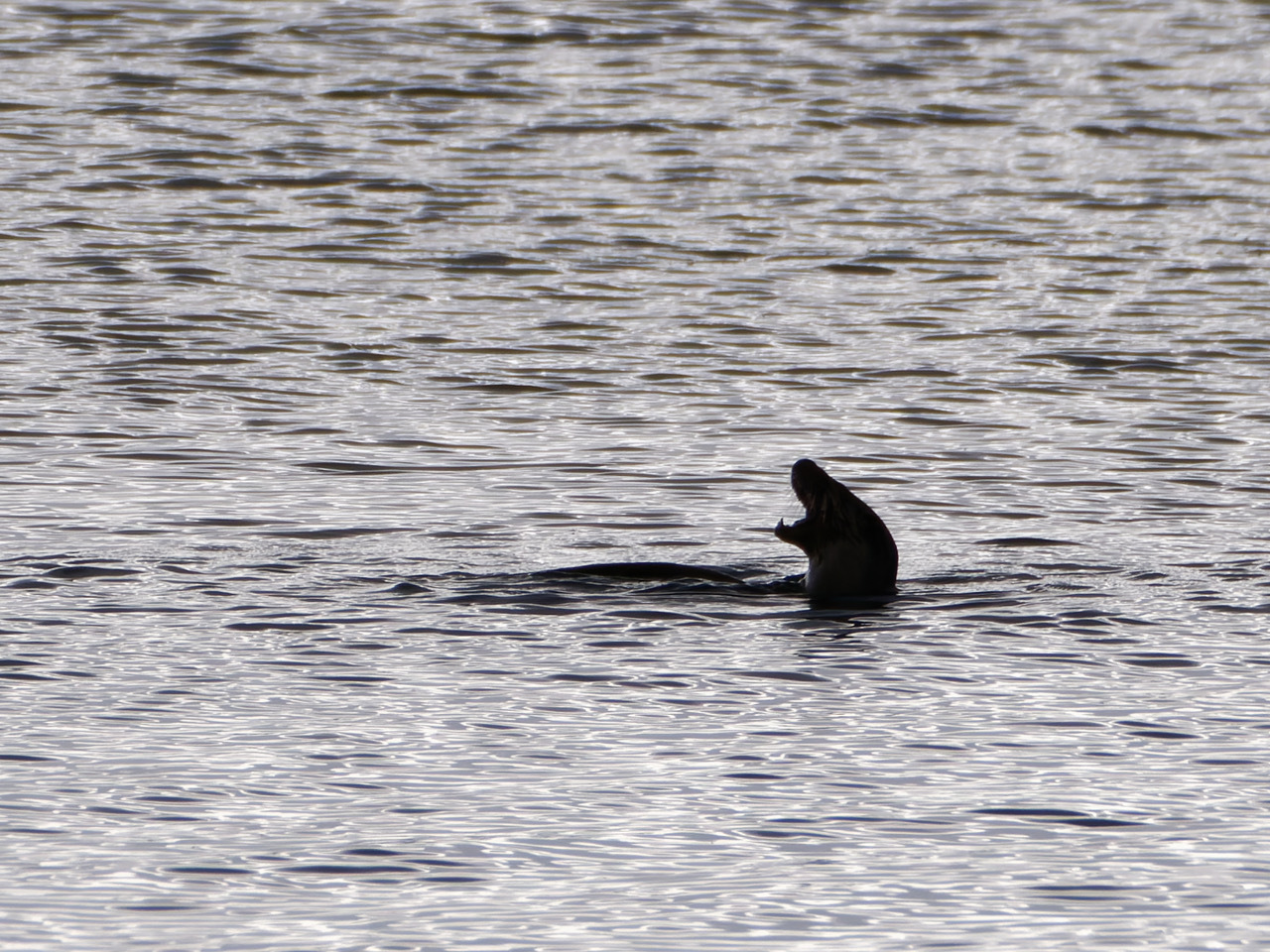
For the next two Sundays I want to share the photos that Alex took of the otters, eight today and seven next Sunday.

Here is the introduction that Alex wrote on Facebook.

Was very lucky to spot this Otter Family whilst on a guiding trip with Brian Boyes and Lisa Williams on the Isle of Mull, the Mum fed the young pups three fish, we watched from the road and then later using Brian’s advice, quietly settled into the rocks and watched the Mum come right past us, a fantastic encounter and these are only a few of the photos I got.

oooo

oooo

oooo

oooo

oooo

oooo

oooo

These are absolutely gorgeous and that’s an understatement!

A pool party with a difference

Dogs are such fun!

Over at The Dodo is an item that I want to share with you. And my apologies for keeping my own comments really short; it is a hectic couple of hours here.

ooOOoo

Random Dog Crashes Pool Party And Everyone Is Overjoyed 

“He floated around the pool, got pets and kisses, went swimming and had a great time!”

By Caitlin Jill Anders

Published on the 24th June, 2022

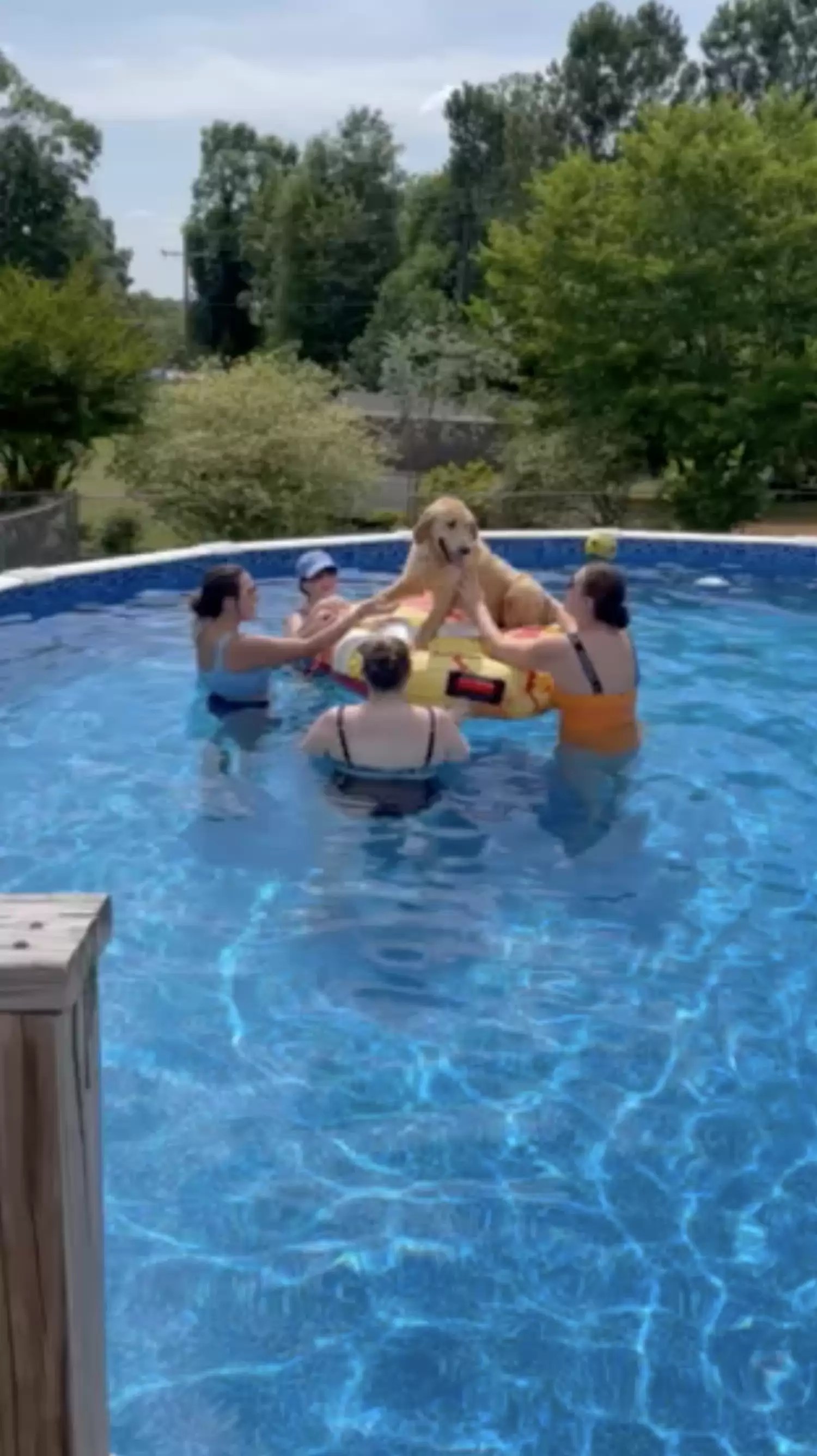
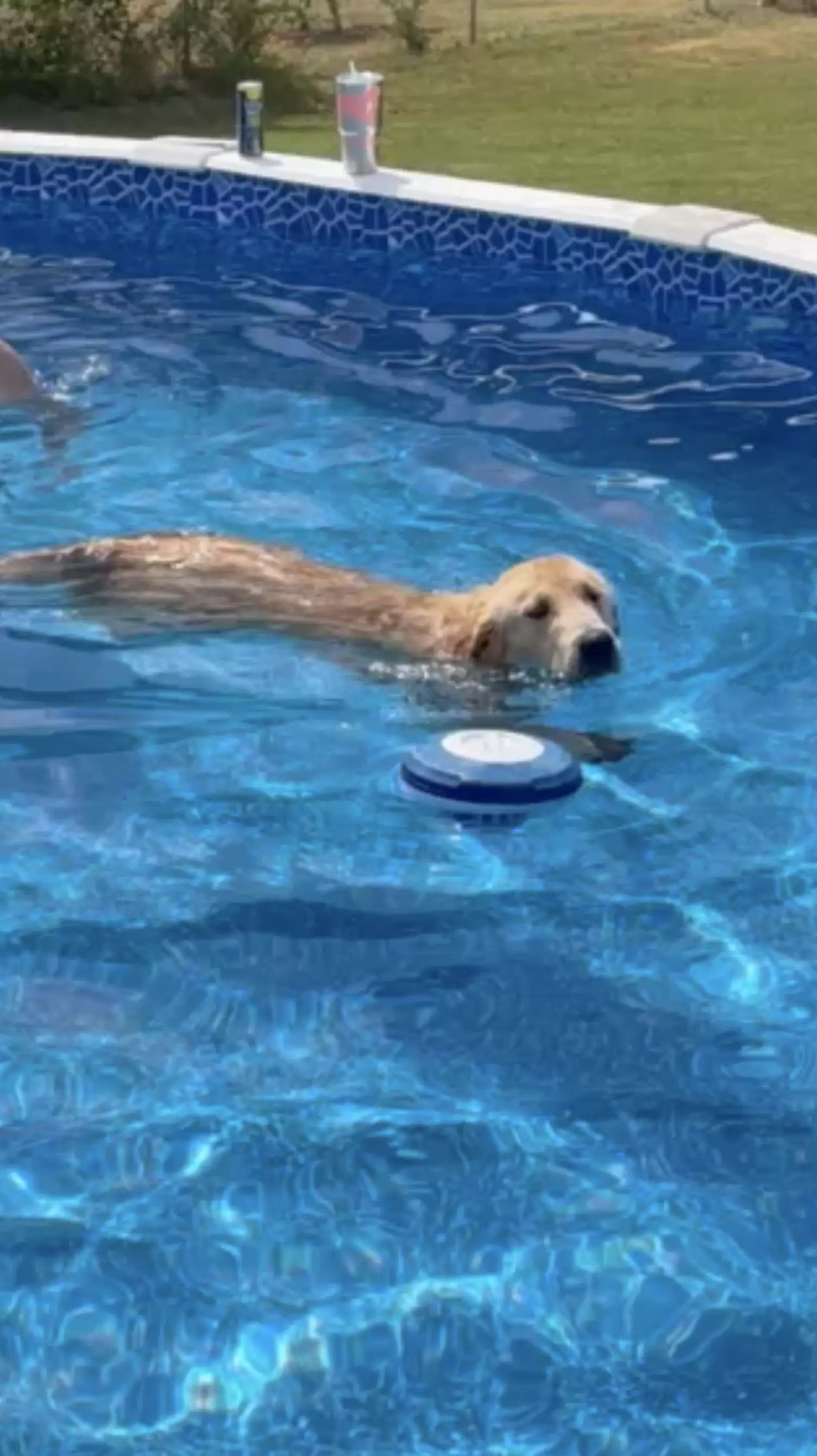
A bunch of friends were having a pool party when they noticed two dogs hanging around outside the fence on the edge of the yard. The dogs seemed like they wanted to come in, so a bunch of partygoers went over to investigate. One of the dogs had a tag, so they decided to let the dogs into the yard to hang out until they could track down their owners.

The dogs ran into the yard, and while one of them was a little shy, the other immediately decided he was joining the party.

“At that point, some of us were on the deck, some in the pool, and some out in the yard,” Jennifer Motes, one of the partygoers, told The Dodo. “The golden was down to party right away and immediately started running around, wagging its tail, going up to everyone and getting pets. The shepherd was much more timid, kinda stayed in the yard for a bit, but then when she saw her friend up on the deck with us, she eventually came up there too.”

The golden retriever, who they later found out is named Stoker, clearly knew how to have a good time. He didn’t hesitate to join the fun and ran around playing fetch, begging for food, stealing shoes and eventually even hopping into the pool with everyone.

“Some of the people in the pool had slid the innertube raft over to the edge and Stoker climbed right on,” Motes said. “He floated around the pool, got pets and kisses, went swimming and had a great time! The shepherd never was brave enough to go in the pool, she just walked around and watched us, let some of us pet her and she chased after Stoker.”

As the dogs partied, someone was able to get in touch with Stoker’s dad, who said the other dog belonged to his neighbor and that she and Stoker were best friends who played together all the time. Apparently, the pair had run off together in search of a party, and they’d certainly succeeded in that endeavor.

The dogs were there for a few hours before they got picked up — and the party hosts made sure to emphasize that they’re absolutely welcome to come back anytime they want.

The only thing that can make a pool party even better is dogs, and Stoker and his best friend were more than happy to make that dream come true.

ooOOoo

(All pictures are by Jennifer Motes.)

The critical value of a dog.

I am republishing an item from the American Kennel Club on the subject.

Oliver has a very special relationship with me. Plus Jean loves him just as much. That is not to say that he isn’t very friendly with other humans that he knows but there’s something that I have trouble putting into words when it comes to the bond between me and Oliver.

It is very, very special and truly magical.

I am reminded of this bond between Oliver and me because of a post that I want to republish.

It is about emotional support animals and was published by the American Kennel Club. Here is that article.

ooOOoo

Everything You Need to Know About Emotional Support Animals

By Stephanie Gibeault, MSc, CPDT

February 24th, 2021

Key Points

  • Emotional support dogs (ESAs) are pets and not service dogs.
  • Mental health professionals prescribe emotional support animals under the law.
  • Airlines are no longer required to accommodate emotional support animals.

Every dog owner knows there are many benefits to having a dog, from getting themselves out for exercise to receiving loyal companionship. However, for some people with mental or emotional conditions, the presence of a dog is critical to their ability to function normally on a daily basis. The pet provides emotional support and comfort that helps them deal with challenges that might otherwise compromise their quality of life. These pets are known as emotional support animals (ESAs).

What Is an Emotional Support Dog?

Although all dogs offer an emotional connection with their owner, to legally be considered an emotional support dog, also called an emotional support animal (ESA), the pet needs to be prescribed by a licensed mental health professional to a person with a disabling mental illness. A therapist, psychologist, or psychiatrist must determine that the presence of the animal is needed for the mental health of the patient. For example, owning a pet might ease a person’s anxiety or give them a focus in life. The dogs can be of any age and any breed.

Emotional Support Dog vs. Service Dogs

ESAs provide support through companionship and can help ease anxiety, depression, and certain phobias. However, they are not service dogs, and ESA users do not receive the same accommodations as service dog users.

A service dog, such as a guide dog or psychiatric service dog, is generally allowed anywhere the public is allowed; ESAs are not. For example, ESAs generally cannot accompany their owners into restaurants or shopping malls.

The Americans With Disabilities Act (ADA) defines service animals as “dogs that are individually trained to do work or perform tasks for people with disabilities.” The act clearly states that animals that simply provide emotional comfort do not qualify as service animals. Some state and local laws have a broader definition, so be sure to check with local government agencies to learn if ESAs qualify for public access in your area.

The key difference between a service dog and an emotional support dog is whether the animal has been trained to perform a specific task or job directly related to the person’s disability. For example, service dogs are trained to alert a hearing-impaired person to an alarm or guide a visually impaired person around an obstacle or provide pressure on someone with PTSD who is suffering from a panic attack.

Behaviors such as cuddling on cue, although comforting, do not qualify. The tasks need to be specifically trained to mitigate a particular disability, not something instinctive the dog would do anyway.

Emotional Support Dogs Are Not Psychiatric Service Dogs

There are service dogs, known as psychiatric service dogs that require extensive training to work specifically with people whose disability is due to mental illness. These dogs detect the beginning of psychiatric episodes and help ease their effects. Although this sounds similar to the role of an ESA, the difference between a psychiatric service dog and an ESA is again in the tasks performed by the dog and the training received to perform these tasks.

Psychiatric service dogs (recognized by the ADA as service dogs) have been trained to do certain jobs that help the handler cope with a mental illness. For example, the dog might remind a person to take prescribed medications, keep a disoriented person in a dissociative episode from wandering into a hazardous situation such as traffic or perform room searches for a person with post-traumatic stress disorder. If it is simply the dog’s presence that helps the person cope, then the dog does not qualify as a psychiatric service dog.

Housing Accommodations for Individuals Who Use Emotional Support Dogs

Individuals who use ESAs are provided certain accommodations under federal law in the areas of housing and air travel. The Fair Housing Act includes ESAs in its definition of assistance animals. Under the act, people cannot be discriminated against due to a disability when obtaining housing. Rules such as pet bans or restrictions are waived for people who have a prescription for an ESA, and they cannot be charged a pet deposit for having their ESA live with them.

Are Emotional Support Dogs Allowed on Flights?

In December 2020, the United States Department of Transportation (DOT) announced final revisions to its Air Carrier Access Act (ACAA). The final rule, effective in January 2021, defines a service animal as a dog, regardless of breed or type, that is individually trained to do work or perform tasks for the benefit of a qualified individual with a disability, including a physical, sensory, psychiatric, intellectual, or other mental disability.  This change in the DOT’s definition of “service animal”  aligns closely with the definition that the Department of Justice uses under the federal Americans with Disabilities Act.

The changes also clarify that emotional support animals (ESAs), comfort animals, companionship animals, animals being trained to be service animals, and species other than dogs are not considered to be “service animals” under the new DOT definition. Instead, airlines may recognize and accommodate emotional support animals as pets. For most airlines, the new no-fly policy for ESAs started on January 11. Some airlines now require passengers with service dogs to complete a DOT-authorized form prior to travel that confirms their training, health, and certification.

In the past, the AKC has expressed concern for safety with the previous recognition of ESAs as service animals, including the growing number of people misrepresenting their pets as service animals.

Emotional support dogs can perform an important role in the life of a person with mental or emotional conditions. When people who do not have a disability abuse the system by misrepresenting a pet as an ESA to obtain special accommodation, they undermine important accommodations for individuals with a legitimate need for this assistance.

ooOOoo

This is a valuable article in my opinion and, I am sure, in the opinion of many others. It clarifies the legal position of dogs that are not, however loving the animal is to you, legally-defined as service dogs.

It may seem trivial for those not in the category of requiring a dog that is a service dog but I am certain that for those who definitely do require such an animal this clarification was necessary.

Meantime I will stick with our Oliver, our Brandy, our Sheena, our Cleo, and our Pedi.

And we still miss Pharaoh.

Just being a dog!

Picture Parade Four Hundred and Thirty-Four

Delighted to go back to Gary! (But I screwed up. They are not Gary’s pictures. I will correct this post and republish it tomorrow.)

oooo

oooo

oooo

oooo

oooo

oooo

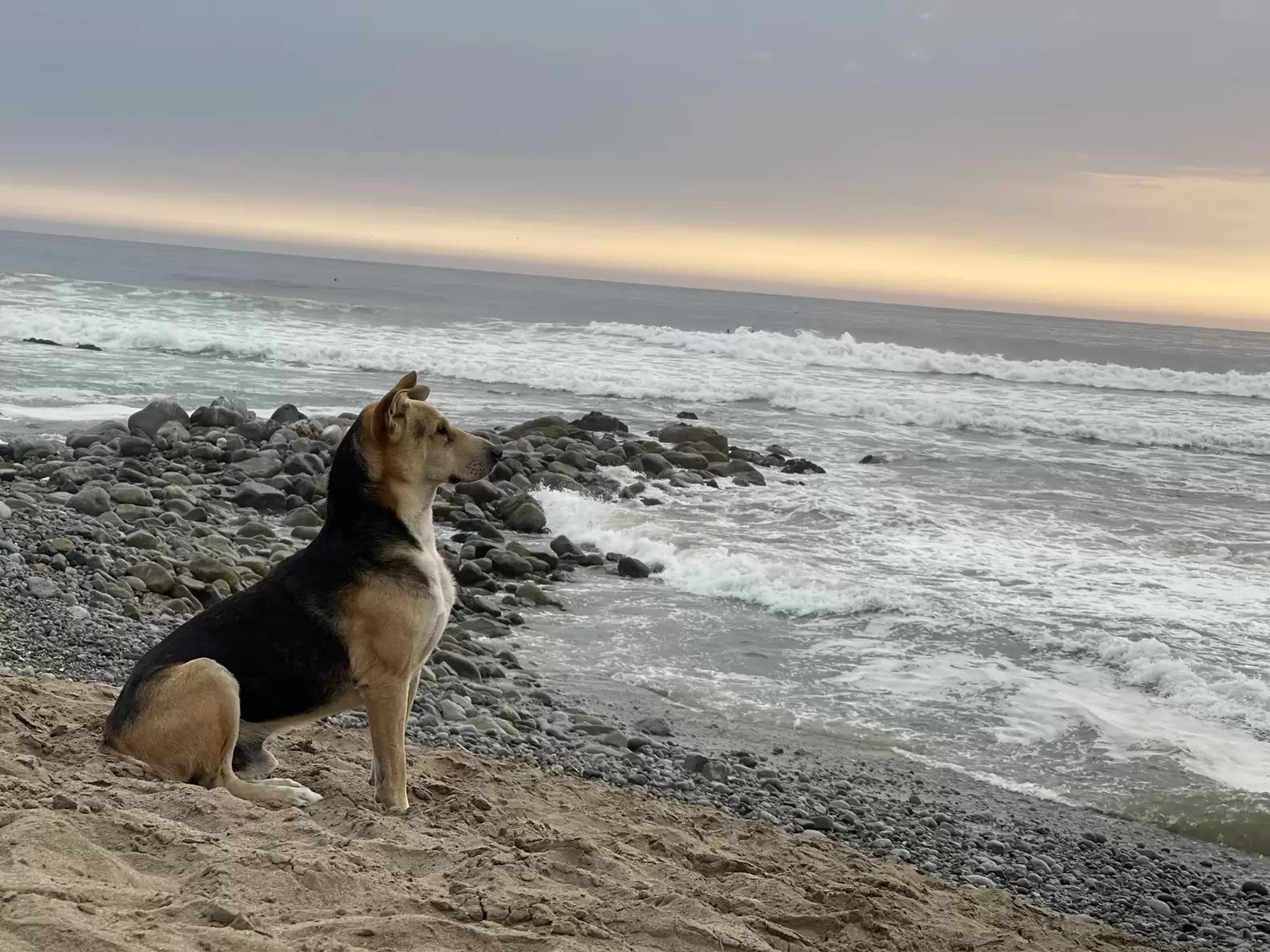
Just fabulous and these photographs from Gary remind me of the post the other day about the dog staring out to sea!

Thank you, Gary.

The never-ending sensitivity of dogs!

How about this for a story from Peru.

Not only do dogs come in a myriad of sizes and shapes, witness our own Brandy and Pedi, but they are also conscious creatures, as in they remember and grieve; albeit in a dog fashion.

The Dodo presented this story back on the 4th March about just a dog. Read it and be swept away in the world of dogs.

ooOOoo

Woman At The Beach Meets A Dog Who Won’t Stop Staring Out To Sea

The reason why touched her heart ❤️️

By Stephen Messenger

Published on the 4th March, 2022

The other day, Jolie Mejía and her family decided to visit Punta Negra, a small seaside community near their home in Peru.

It was there, along a rocky shore overlooking the sea, that they came to learn a story of love in its purest form.

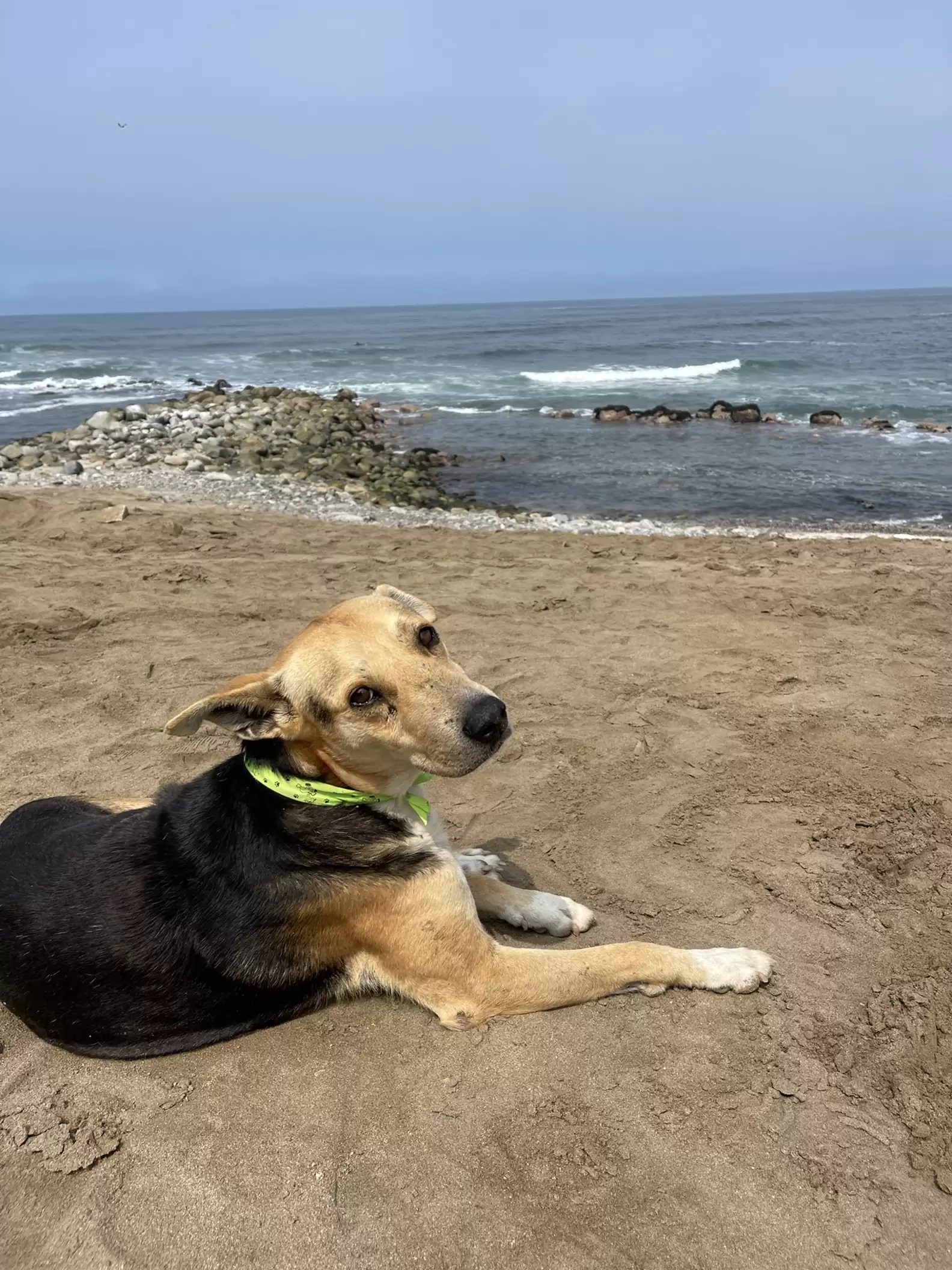
After Mejía and her family settled down along the shore, they were approached by a random dog who appeared to be all by himself.

“He didn’t seem abandoned. He wore a ribbon around his neck and his fur was clean,” Mejía told The Dodo. “I pet him, waiting for his owner, but minutes passed and no one came.”

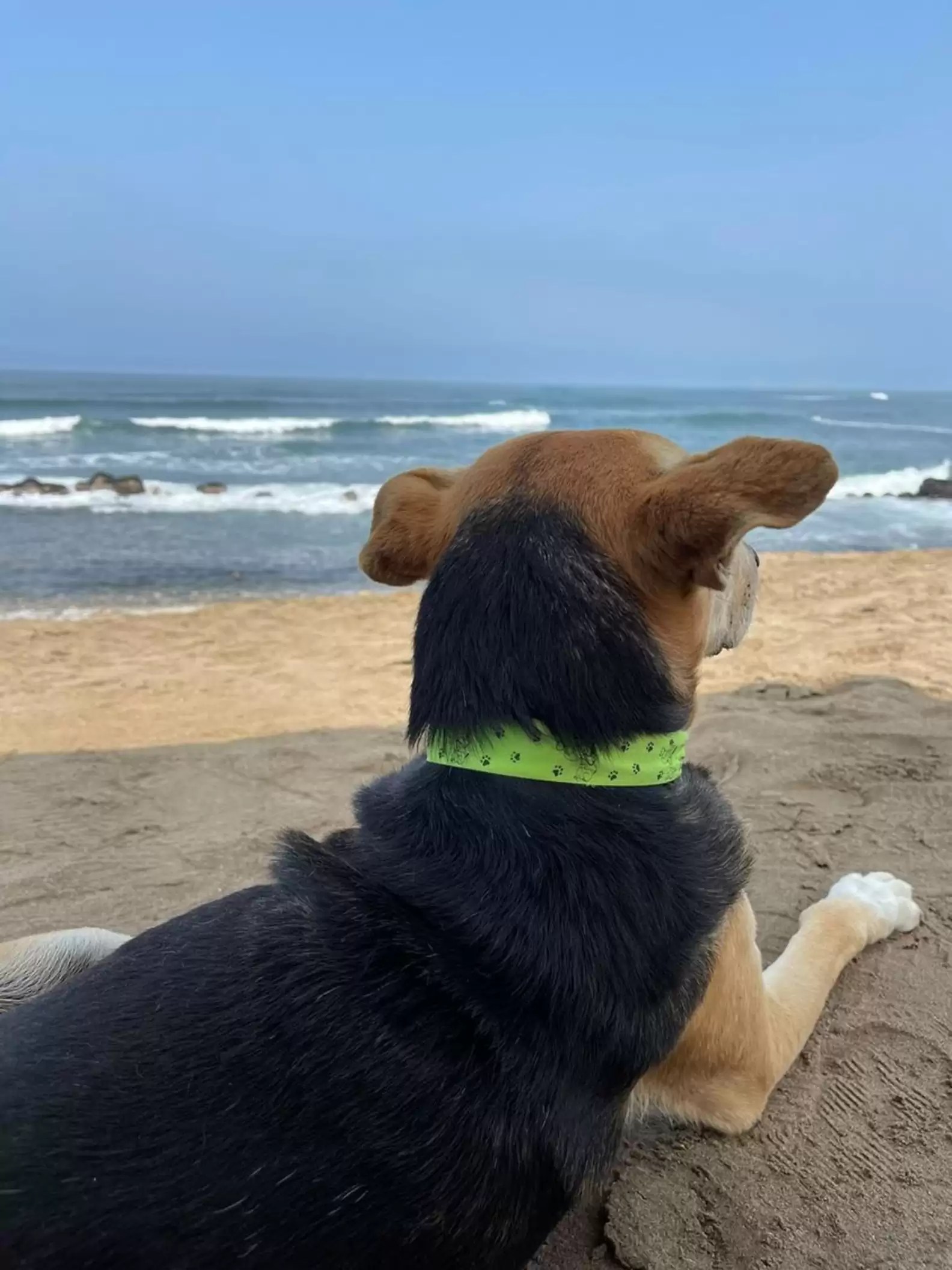
The dog enjoyed Mejía’s pets, but all the while his gaze remained fixed upon the ocean.

And Mejía soon came to learn the touching reason why.

Mejía and her family considered adopting the dog themselves, assuming he had indeed been abandoned. So, when a man local to the area walked by, Mejía asked him if he knew the dog’s status.

“He explained that practically everyone in the area knows the dog and is very fond of him,” Mejía said. “He told us that the dog’s owner was a fisherman who passed away some time ago, and that the dog comes to the beach every day and stares out to sea.”

The dog, it seems, has been holding vigil — awaiting the return of his friend who will never come home.

“We were very moved,” said Mejía.

Mejía believes the dog’s owner died at sea about a year ago, and that the dog has been watching out for him daily ever since.

But though the dog’s owner may never return, the dog isn’t without friends who care for him.

The dog’s sad story is evidently well-known by people in the community, who feed him, shelter him and provide him with health care when he needs it.

A local veterinarian in Punta Negra confirmed to The Dodo that the dog’s name is Vaguito, and that he’s currently in the care of a woman who lives nearby.

By day’s end, Mejía and her family eventually parted ways with Vaguito, his eyes still cast out to sea. But his bittersweet story — one of loyalty to a love he lost, and the loyalty and love he found in the community — is one she won’t soon forget.

“I have a dog at home,” Mejía said. “I love dogs in general. His story really touched my heart.”

(Photos by Jolie Mejía)

ooOOoo

This is the perfect story. But it is more! It is the perfect story of how special a dog is. For this particular dog, Vaguito, clearly was loved by his fisherman and even after a year Vaguito still holds a vigil for him. It is a very lovely article, but that is the unconditional love shown by dogs to humans who care and love them back.

Cruising over the Edge

I am very grateful to the Free Inquiry for permission to republish this article!

I am a subscriber to the print edition of Free Inquiry. Have been for quite a while. In the last issue, the April/May magazine, there was an article by Ophelia Benson that just seemed to ‘speak’ to me. I was sure that I was not alone. It was an OP-ED.

I emailed Julia Lavarnway, the Permissions Editor, to enquire what the chances were of me being granted permission to share the story. Frankly, I was not hopeful!

So imagine my surprise when Julia wrote back to say that she had contacted the author, Ophelia, and she had said ‘Yes’.

ooOOoo

Cruising over the Edge

By Ophelia Benson

The trouble with humans is that we never know when to stop. We know how to invent things, but we seem to be completely unable to figure out how to uninvent them—or even just stop using them once we’ve invented them. We can commission like crazy but we can’t decommission.

Like, for instance, cruise ships the size of condo towers. They’re feats of engineering and ship building no doubt, but as examples of sustainable tourism, a small carbon footprint, a sensible approach to global warning, not so much. How many gallons of fuel do you suppose they burn while cruising? Eighty thousand a day, for one ship.

We can’t uninvent, we can’t let go, we can’t stop. We can as individuals, but that’s useless when most people are doing the opposite. It’s useless when cruise ships keep cruising, SUVs keep getting bigger, container ships are so massive they get stuck in canals, more people move to Phoenix as the Colorado River dries up, more people build houses in the Sierras just in time for more wildfires, air travel is almost back to “normal,” and Christmas lights stay up until spring.

So heads of state go to meetings on climate change and sign agreements and pretend they’ve achieved something, but how can they have? Have any of them promised to shut down nonessential enterprises such as the cruise industry? Will they ever? The CEOs and lobbyists and legislatures would eat their lunch if they did. They can’t mess with profitable industries like that unless they’re autocrats like Putin or Xi … and of course Putin and Xi and other autocrats have zero inclination to act in the interests of the planet.

Janos Pasztor wrote in Foreign Policy after COP26, the UN climate change conference in Glasgow this past November:

Even if all Glasgow pledges are fulfilled, we are still facing a temperature overshoot of approximately 2 degrees Celsius. In the more likely scenario of not all pledges being fulfilled, warming will be more: perhaps 3 degrees Celsius. This would be catastrophic in nearly every sense for large parts of humanity, especially the poorest and most vulnerable who are suffering first and worst from escalating climate impacts.

Ironically, the technologies we can’t uninvent aren’t just the material luxuries such as huge cars, they’re also intangibles like democracy and freedom and individual rights. It may be our very best inventions along these lines that are the biggest obstacles to doing anything about the destruction we’ve wrought. We believe in democracy, and a downside of democracy is that governments that do unpopular things, no matter how necessary, are seldom governments for long. Biden and Macron and Trudeau and Johnson probably can’t do anything really serious about global warming and still stay in office to carry the work through.

Pasztor went on to ask a pressing question:

So how do we avoid temperature overshoot? The most urgent and important task is to slash emissions, including in the hard-to-abate sectors (such as air transport, agriculture, and industry), which will require substantial lifestyle changes.

Yes, those substantial lifestyle changes—the ones we show absolutely no sign of making. Maybe the biggest luxury we have, and the one we can least afford to sustain, is democracy.

Democracy at this point is thoroughly entangled with consumerism or, to put it less harshly, with standards of living. We’re used to what we’re used to, and anybody who tries to take it away from us would be stripped of power before the signature dried.

This is why beach condos in Florida aren’t the only kind of luxury we have to give up; we also have to give up the “consent” part of the “consent of the governed” idea when it comes to this issue. Not that I have the faintest idea how that would happen, but it seems all too obvious that democratic governance as we know it can’t do what needs to be done to avoid catastrophe.

We don’t usually think of democracy as a luxury alongside skiing in Gstaad or quick trips into space, but it is. It relies on enough peace and prosperity to be able to afford a few mistakes.

We take it for granted because we’ve always had it, at least notionally (some of us were excluded from it until recently), but it’s not universal in either time or place. To some it’s far more intuitive and natural to have “the best” people in charge, because they are the best. It’s a luxury of time and location to have grown up in a moment when non-aristocrats got a say.

The British experience in the Second World War is an interesting exception to the “take people’s pleasures away and lose the next election” pattern. Hitler’s blockade on shipping created a very real threat of starvation, and the Churchill government had to take almost all remaining pleasures away in pursuit of defeating the Nazis. Rationing, the blackouts, conscription, censorship, evacuation, commandeering of houses and extra bedrooms were all commonplace. Much of the dismal impoverished atmosphere of George Orwell’s 1984 is a picture not of Stalin’s Russia but of Churchill’s Britain. Life was grim and difficult, but Hitler was worse, so people drank their weak tea without sugar and planted root vegetables where the roses had been.

It’s disastrous but not surprising that it doesn’t work that way with a threat that’s unfolding swiftly but not so swiftly that everyone can see how bad it’s going to get. We can see what’s in front of us but not what’s too far down the road, especially if our contemporary pleasures depend on our failure to see. We’re default optimists until we’re forced to be otherwise, Micawbers assuring ourselves that “something will turn up”—until the wildfires or crop failures or mass migrations appear over our horizons.

ooOOoo

I do not know what the answer is? But I do know that we have to change our ways and change in the relatively near future; say, ten years maximum.

Because as Janos wrote, quoted in part above: “This would be catastrophic in nearly every sense for large parts of humanity…”

We are in a war. Not a military one but a war with the reality of where we are, all of us, heading. We have to stop ducking and weaving and come out fighting. Fighting for the very survival of our species. Do I think it will happen? I am afraid I do not. Not soon enough anyway: not without the backing of every government in the free world.

I really wonder what will become of us all!
Therapy dogs.

What a precious dog this one is.

Margaret down in Tasmania recently sent me a link to a story about a surfing dog. It was remarkable and I am going to share it with you. (I hope that I am allowed to!)

The link was to a website called Goodness-Exchange.

Here is the story.

ooOOoo

The Surfing Therapy Dog Helping Those with PTSD and Autism

It’s no secret that dogs are capable of extraordinary things. We’ve seen them predict seizuresdetect cancersniff out buried truffles, and assist in the conservation of some of our world’s most precious ecosystems. But can a canine heal a wounded soul? Grab your surfboard (and maybe some tissues) because we are about to introduce a dog named Ricochet who is sure to melt your heart and bring on the happy tears. This sweet golden retriever has multiple championship surfing titles under her collar, but it’s the way she uses her unique talents to help others that truly makes her so special. 

As many remarkable stories do, Ricochet the Surf Dog’s story began where another journey ended. She was just a lil’ pup when she began training to become a service dog, where part of her training was balancing on a boogie board in a kiddie pool. In 2009 she took her first steps into the ocean, and just a short time later that year she won third place in the Purina Incredible Dog Challenge Surfing Dogs Competition!

Alas, the temptation to chase critters was too great for Ricochet to become a service dog, but her owner Judy decided to focus on what she could do instead.

Courtesy of Judy and Surf Dog Ricochet

The “Aha Moment” that decided Ricochet’s destiny. 

2009 was a big year for Ricochet, as this was the year she made it clear to the rest of us what her purpose really was. One day out in the water, she decided to jump aboard the board of quadriplegic surfer Patrick Ivison, and it was at this moment that her owners discovered Ricochet’s true potential.

Surfing has been at the forefront of Ricochet’s work, but her true magic lies in the way that she intuitively adapts with each individual she interacts with. According to her owner,

“…It’s her mystifying ability to make immediate, heart-to-heart, soul-to-soul connections with strangers both in and out of the water.”

Ricochet makes deep connections with all types of people, but she is most sensitive to those with PTSD who have served in the military, and children with autism. In the video we’re about to watch by the Smithsonian Channel, you can see for yourself how Ricochet has an instant calming effect on Audrey Estrada, a military veteran who suffers from PTSD and an intense fear of the ocean.

I get by with a little help from man’s best friend.

Many of us suffer from invisible threats that intrude on our mental well-being. In the U.S. alone, 6% of the population have PTSD, that’s approximately 15 million adults each year. 2

It’s a condition that is often hard to explain to other humans, so it makes total sense that a dog would make the perfect confidant. They don’t judge you, they don’t talk back or tell your secrets, they simply feel you. And in turn, carrying the weight of it all feels less heavy.

Ricochet has had such a profound impact on people’s mental health, it’s enough to make one want to ask the doctor to prescribe an empathetic dog with a pink vest. But in addition to being an adorable floof of empathy and innocence, as of 2015, Ricochet is a certified therapy dog and level II Reiki healer!

The story has only just begun.

Our wish for anything pure and good like Ricochet’s story, is that it will continue to fan out over humanity in the best way possible. And in this case, it really has.

Ricochet’s owner Judy started a non-profit called Puppy Prodigies that offers swimming lessons, canine assisted water rescue, dog training, and adaptive surfing! Click here to meet Aqua Dog Cori, a super cute female golden lab who was donated to the group and now uses her natural instinct to perform trained water rescues!

In addition to these programs, Puppy Prodigies also tackles the root of the problem that they see in many of the people they help by creating awareness for PTSD, anti-bullying campaigns, and mentorship programs. Learn more about these branches of their mission and learn how you can contribute by checking out their website here.

Catch a wave and ride that baby for as long as you can!

I hope you found this story as wonder-filled and inspiring as I did. It really made me think about the journeys that we find ourselves traveling, and the people we can help along the way if we look at our abilities through a lens of opportunity. 

If you find yourself failing at something, or your plans didn’t turn out the way you had hoped, remember Ricochet. If a golden retriever can find it’s true purpose and have such a life-changing impact on others, I have full confidence that you can, too. 

And when you do find it, stand sturdy and ride that wave of goodness!

ooOOoo

What a fantastic video that was. But there are many videos about Ricochet so if you want to stay with him then YouTube is as good as place to start as any.

But as we all know when it comes to dogs each dog is an individual with their own likes and dislikes. Their ability to understand us humans is magical as well. I swear that many of our dogs here at home can understand words spoken by Jean and me. Whether they interpret the words directly or associate the tones expressed with each phrase, rather like a musical sound, is beyond me. I am sure someone knows and if anyone has a link to the researcher who has discovered this about dogs then please let me know.

A heart-rending plea from George Monbiot

It is about global warming.

The article from George Monbiot came into my mailbox quite recently. Now of course Mr. Monbiot has a living to make and him publishing articles in the Guardian newspaper is normal. But I sensed that in this particular post he was worried. Worried about the situation regarding the planet and, by implication, all those who live on it.

I read yesterday on the UK Met Office blog about HILL events.

HILL events go beyond traditional weather extremes, potentially taking the climate system into uncharted territories. For example, much of the UK’s climate is predicated on two large elements of the climate system: the North Atlantic jet stream, a core of strong winds five to seven miles above the Earth’s surface, and the Atlantic Meridional Overturning Circulation (AMOC), a system of ocean currents which transports warm water northwards in the Atlantic.

Later on in that Met Office article it was said:

Prof Richard Betts MBE is the Head of Climate Impacts Research in the Met Office Hadley Centre and a Professor at the University of Exeter. Prof Betts, who led the team which prepared the Technical Report for the UK’s 3rd Climate Change Risk Assessment (CCRA3), is calling for a monitoring, attribution and prediction system that can provide early warning of HILLs. Professor Betts said: “With rising global temperatures, we are edging closer to the thresholds for more and more HILL events. Greater research into these events will help scientists advise policy makers on their thresholds and impacts.”

A week ago I wrote with real pride about the achievements of the James Webb Space Telescope (JWST). Later on I felt some shame that the focus on the real issue, that of climate change, was too low a priority for the US, let alone the world! Then I looked up the US expenditure on the military. Here’s a small quote from WikiPedia: “In May 2021, the President’s defense budget request for fiscal year 2022 (FY2022) is $715 billion, up $10 billion, from FY2021’s $705 billion.”[1] That puts the JWST into perspective. JWST cost ten billion dollars.

Expand one’s mind and just think of the global cost of war!

Here’s George Monbiot. Republished with his permission.

ooOOoo

Losing It

10th January, 2022

Faced with the gathering collapse of the biosphere, and governments’ refusal to take the necessary action, how do we stop ourselves from falling apart?

By George Monbiot, published in the Guardian 4th January 2022

No wonder journalists have slated it. They’ve produced a hundred excuses not to watch the climate breakdown satire Don’t Look Up: it’s “blunt”, it’s “shrill”, it’s “smug”. But they will not name the real problem: it’s about them. The movie is, in my view, a powerful demolition of the grotesque failures of public life. And the sector whose failures are most brutally exposed is the media.

While the film is fast and funny, for me, as for many environmental activists and climate scientists, it seemed all too real. I felt as if I were watching my adult life flash past me. As the scientists in the film, trying to draw attention to the approach of a planet-killing comet, bashed their heads against the Great Wall of Denial erected by the media and sought to reach politicians with 10-second attention spans, all the anger and frustration and desperation I’ve felt over the years boiled over.

Above all, when the scientist who had discovered the comet was pushed to the bottom of the schedule by fatuous celebrity gossip on a morning TV show and erupted in fury, I was reminded of my own mortifying loss of control on Good Morning Britain in November. It was soon after the Cop26 climate conference in Glasgow, where we had seen the least serious of all governments (the UK was hosting the talks) failing to rise to the most serious of all issues. I tried, for the thousandth time, to explain what we are facing, and suddenly couldn’t hold it in any longer. I burst into tears on live TV.

I still feel deeply embarrassed about it. The response on social media, like the response to the scientist in the film, was vituperative and vicious. I was faking. I was hysterical. I was mentally ill. But, knowing where we are and what we face, seeing the indifference of those who wield power, seeing how our existential crisis has been marginalised in favour of trivia and frivolity, I now realise that there would be something wrong with me if I hadn’t lost it.

In fighting any great harm, in any age, we find ourselves confronting the same forces: distraction, denial and delusion. Those seeking to sound the alarm about the gathering collapse of our life-support systems soon hit the barrier that stands between us and the people we are trying to reach, a barrier called the media. With a few notable exceptions, the sector that should facilitate communication thwarts it.

It’s not just its individual stupidities that have become inexcusable, such as the platforms repeatedly given to climate deniers. It is the structural stupidity to which the media are committed. It’s the anti-intellectualism, the hostility to new ideas and aversion to complexity. It’s the absence of moral seriousness. It’s the vacuous gossip about celebrities and consumables that takes precedence over the survival of life on Earth. It’s the obsession with generating noise, regardless of signal. It’s the reflexive alignment with the status quo, whatever it may be. It’s the endless promotion of the views of the most selfish, odious and antisocial people, and the exclusion of those who are trying to defend us from catastrophe, on the grounds that they are “worthy”, “extreme” or “mad” (I hear from friends in the BBC that these terms are still used there to describe environmental activists).

Even when these merchants of distraction do address the issue, they tend to shut out the experts and interview actors, singers and other celebs instead. The media’s obsession with actors vindicates Guy Debord’s predictions in his book The Society of the Spectacle, published in 1967. Substance is replaced by semblance, as even the most serious issues must now be articulated by people whose work involves adopting someone else’s persona and speaking someone else’s words. Then the same media, having turned them into spokespeople, attack these actors as hypocrites for leading a profligate lifestyle.

Similarly, it’s not just the individual failures by governments at Glasgow and elsewhere that have become inexcusable, but the entire framework of negotiations. As crucial Earth systems might be approaching their tipping point, governments still propose to address the issue with tiny increments of action, across decades. It’s as if, in 2008, when Lehman Brothers collapsed and the global financial system began to sway, governments had announced that they would bail out the banks at the rate of a few million pounds a day between then and 2050. The system would have collapsed 40 years before their programme was complete. Our central, civilisational question, I believe, is this: why do nations scramble to rescue the banks but not the planet?

So, as we race towards Earth system collapse, trying to raise the alarm feels like being trapped behind a thick plate of glass. People can see our mouths opening and closing, but they struggle to hear what we are saying. As we frantically bang the glass, we look ever crazier. And feel it. The situation is genuinely maddening. I’ve been working on these issues since I was 22, and full of confidence and hope. I’m about to turn 59, and the confidence is turning to cold fear, the hope to horror. As manufactured indifference ensures that we remain unheard, it becomes ever harder to know how to hold it together. I cry most days now.

http://www.monbiot.com

ooOOoo

Now there is very little that we folk can do. We can do our best but it all comes to nought. The real change is for governments, especially the governments of the US, China, Russia, the UK, and Europe, to make a difference soon.

Don’t hold your breath!

The Isle of Mull

and the White-tailed Eagle.

This is a story about one of the islands in the Inner Hebrides of Scotland. But more than that it is an opportunity to share with you all a video that my son, Alex, and his partner, Lisa, took on a recent trip to that part of the world.

But first a few words about Mull from the Scotland Info Guide.

Isles of Mull and Iona

The Isle of Mull is the second largest island of the Inner Hebrides, off the west coast of Scotland in the council area of Argyll and Bute. Mull is the fourth largest Scottish island and has an area of 338 square miles. The coastline of Mull is almost 300 miles long. The population of Mull, Iona and Ulva is around 1,800 people which is probably doubled in the summer because of the many tourists that visit Mull each year. Much of the population lives in Tobermory, the only burgh on Mull until 1973, and its capital. Mull is surrounded by the Sound of Mull in the north, the Firth of Lorn in the south and east and the Atlantic Ocean in the west.

History of Mull

Mull has been inhabited since around 6000 BC. Bronze Age inhabitants built menhirs, brochs and a stone circle. In the 14th century Mull became part of the Lordship of the Isles. After the collapse of the Lordship in 1493 the island was taken over by the clan MacLean, and in 1681 by the clan Campbell. During the Highland Clearances in the 18th and 19th centuries, the population fell from 10,000 to less than 4000.

Wildlife on Mull

The island is home to over 250 different bird species including the White-tailed Eagle, which was reintroduced in the nearby Island of Rùm and migrated to Mull, where they now have a stronghold. Minke whales, porpoises and dolphins are among the sea life that can be seen on boat tours from Mull.

Now here is the video.

It is a beautiful review of what must be a magical place!

Picture Parade Four Hundred and Eighteen

The first of the New Year!

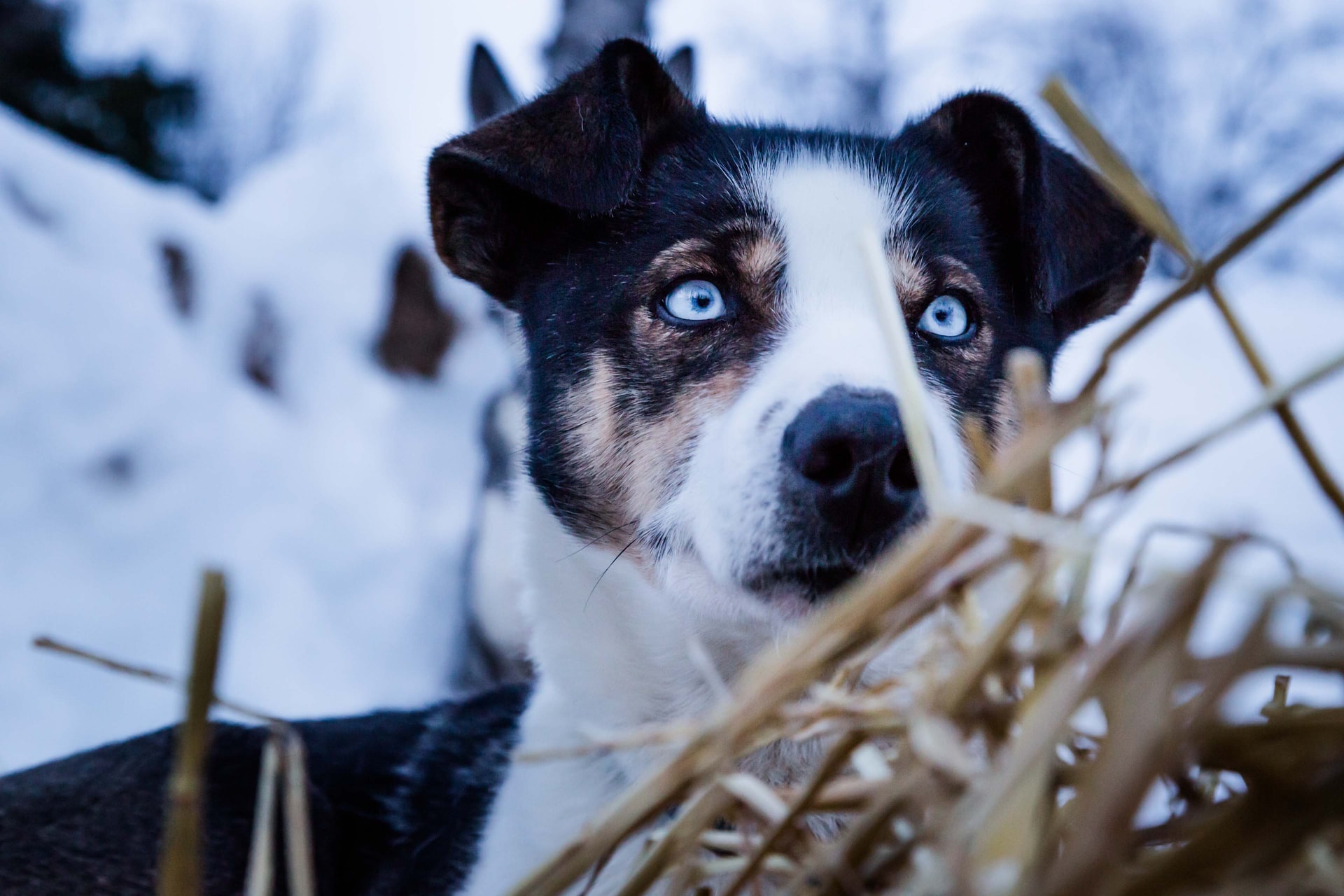
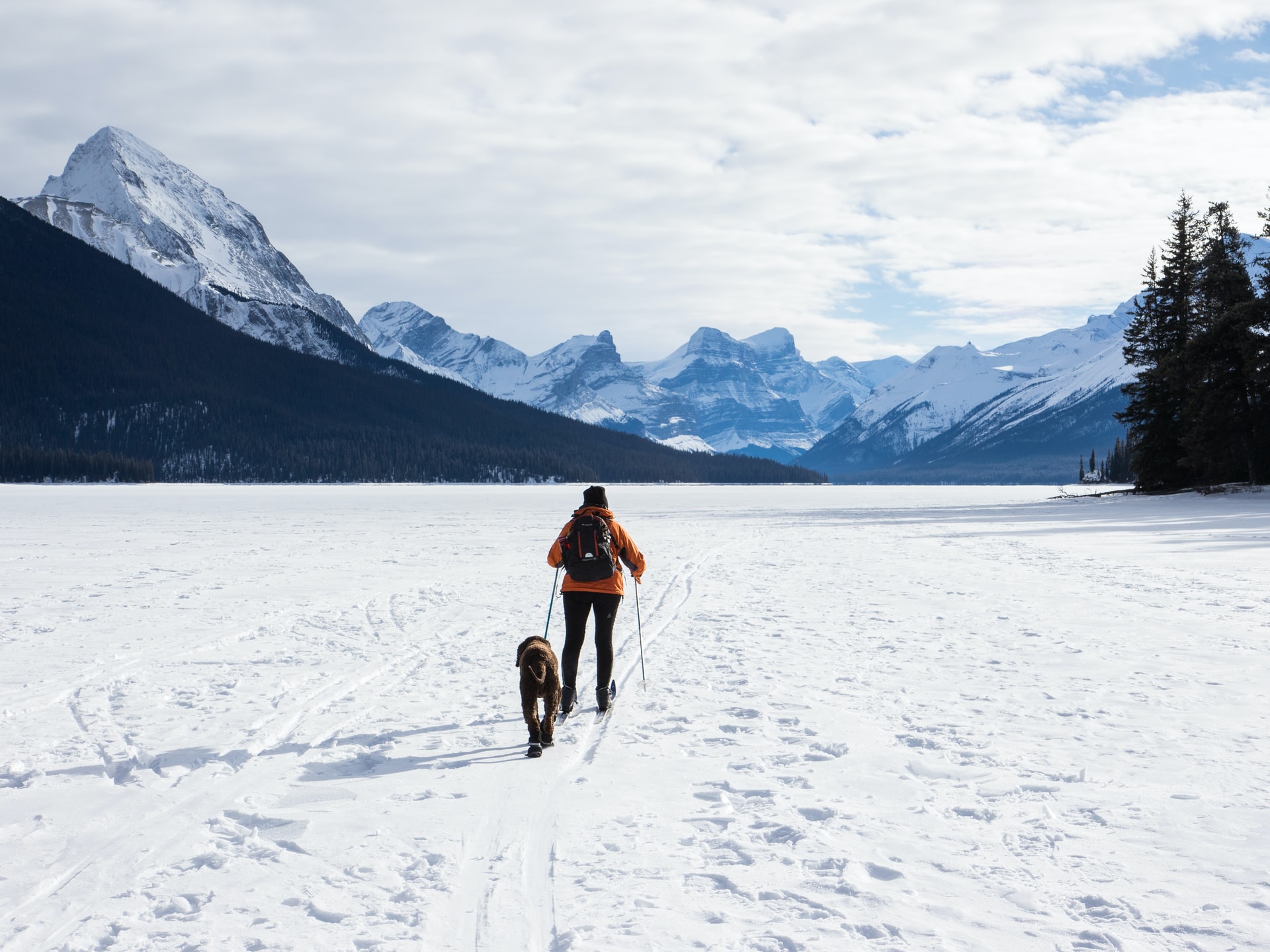
It seemed appropriate to have pictures of dogs in the snow, again from Unsplash!

But first a photograph taken locally of nearby Mount Sexton.

oooo

oooo

oooo

oooo

oooo

oooo

Happy New Year to all!