Category: Uncategorized

Our internet safety!

Completely overwhelmed by all you wonderful followers.

Yesterday, around mid-morning time, the number of good persons who are following this blog reached 3,000!

That is both wonderful and hugely generous of each and every one of you that ‘subscribes’ to this place.

I was going to publish another guest post but will delay that for twenty-four hours.

For as a mark of respect for all of you online people who have signed up to follow Learning from Dogs I want to republish a recent item that appeared on The Conversation site.

Here it is. Republished within the terms of The Conversation.

ooOOoo

Improve your internet safety: 4 essential reads

by    Science + Technology Editor, The Conversation US

On Feb. 6, technology companies, educators and others mark Safer Internet Day and urge people to improve their online safety. Many scholars and academic researchers around the U.S. are studying aspects of cybersecurity and have identified ways people can help themselves stay safe online. Here are a few highlights from their work.

1. Passwords are a weakness

With all the advice to make passwords long, complex and unique – and not reused from site to site – remembering passwords becomes a problem, but there’s help, writes Elon University computer scientist Megan Squire:

“The average internet user has 19 different passwords. … Software can help! The job of password management software is to take care of generating and remembering unique, hard-to-crack passwords for each website and application.”

That’s a good start.

2. Use a physical key

To add another layer of protection, keep your most important accounts locked with an actual physical key, writes Penn State-Altoona information sciences and technology professor Jungwoo Ryoo:

“A new, even more secure method is gaining popularity, and it’s a lot like an old-fashioned metal key. It’s a computer chip in a small portable physical form that makes it easy to carry around. The chip itself contains a method of authenticating itself.”

Just don’t leave your keys on the table at home.

3. Protect your data in the cloud

Many people store documents, photos and even sensitive private information in cloud services like Google Drive, Dropbox and iCloud. That’s not always the safest practice because of where the data’s encryption keys are stored, explains computer scientist Haibin Zhang at University of Maryland, Baltimore County:

“Just like regular keys, if someone else has them, they might be stolen or misused without the data owner knowing. And some services might have flaws in their security practices that leave users’ data vulnerable.”

So check with your provider, and consider where to best store your most important data.

4. Don’t forget about the rest of the world

Sadly, in the digital age, nowhere is truly safe. Jeremy Straub from North Dakota State University explains how physical objects can be used to hijack your smartphone:

“Attackers may find it very attractive to embed malicious software in the physical world, just waiting for unsuspecting people to scan it with a smartphone or a more specialized device. Hidden in plain sight, the malicious software becomes a sort of ‘sleeper agent’ that can avoid detection until it reaches its target.”

It’s a reminder that using the internet more safely isn’t just a one-day effort.

ooOOoo

So be safe all of you! It’s a very different world to that of twenty or more years ago!

Nutrition for dogs

Good food matters just as much for our dogs!

In yesterday’s post I mentioned that Justina had sent me a couple of links in response to me wondering if there was good nutritional advice for dogs as well as there clearly was for us!

Here are those two articles that Justina sent me links to.

Namely, the first being an article that is on Dr. Patrick Mahaney’s website.

Specifically:  Feeding Your Pet from the Perspective of Chinese Medicine

That article opens thus:

This article originally appeared as Using Warming, Cooling, or Neutral Food Energy to Promote Your Pet’s Health and Nutrition on PetFoodDirect.com

Since the onset of my veterinary career, I’ve had a strong interest in how the foods our pets consume contribute to an overall state of wellness or illness. Learning how to apply this interest to my patients took many years of post-veterinary school practice, continuing education, and an ongoing belief in the inherent nutritional benefits of whole foods.

During veterinary school, students’ brains are heavily saturated with a variety of academic information. As graduation date nears, a general sense of insecurity develops about making the appropriate professional choices to best serve our patients. As a result, common sense notions about the value of looking more discerningly at the ingredients formulating a pet’s diet are often overlooked.

You may read the full article here.

The second one is on the DogVills site.

Again, specifically about the role of Chinese Medicine as part of dog food therapy.

Chinese Medicine Meets Dog Food Therapy: What You Need to Know

You may have heard of Chinese medicine for people, but did you know that it can also be used for dogs? In fact, Chinese medicine has an entire approach to dog food therapy that is quite intriguing. Let’s talk a bit about it so you can decide if it’s right for your dog.

Chinese medicine is often referenced when anyone talks about holistic approaches to healthcare. It seems that it has a treatment for almost everything, and often those treatments work. Something I learned recently is that traditional Chinese medicine extends to dogs, and many people use hot, cold, and neutral foods to help their dogs feel better.

I am going to explore getting permission to republish both articles in full.

Picture Parade Two Hundred and Twenty-Seven

Guess what!

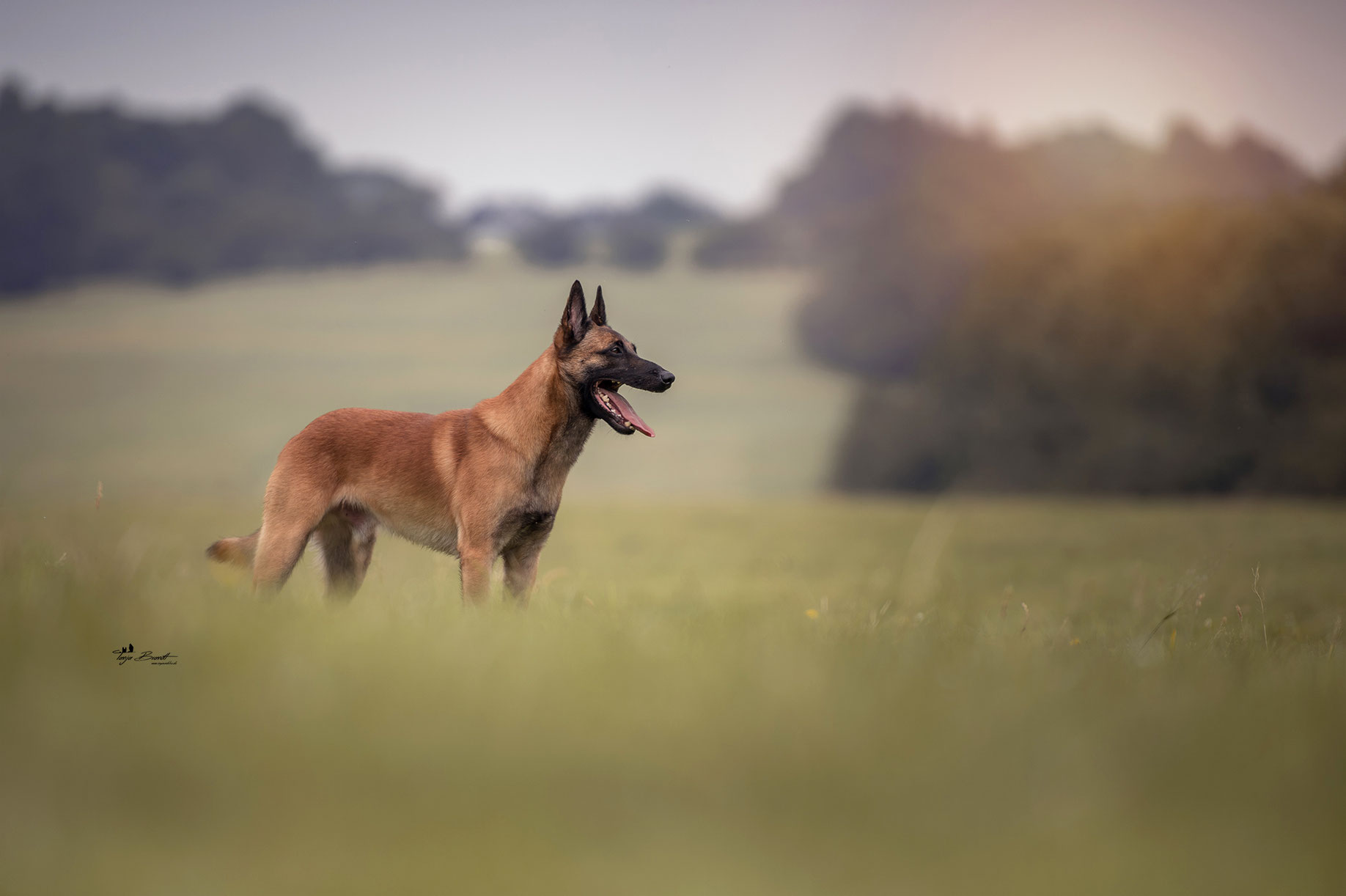
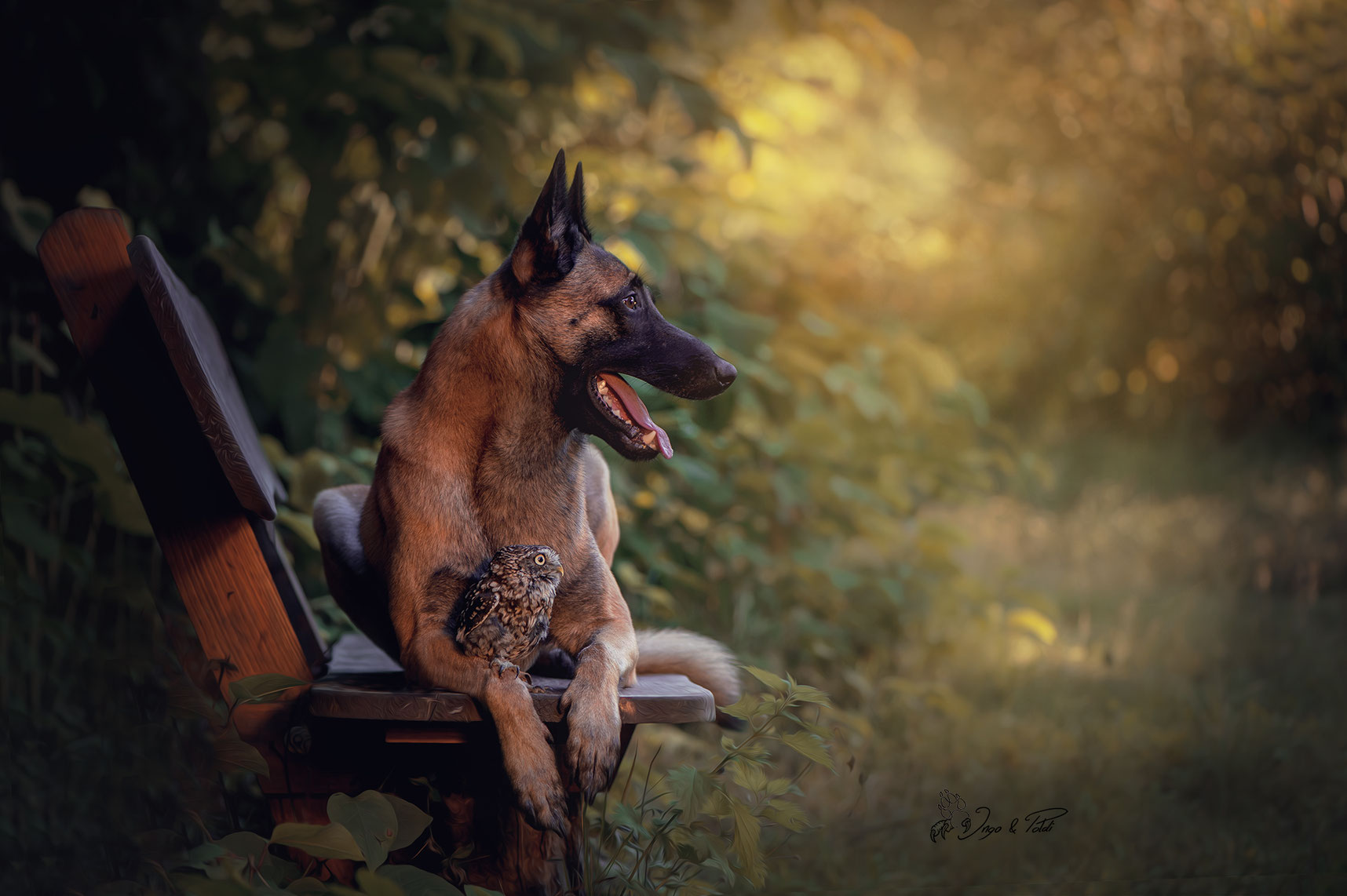
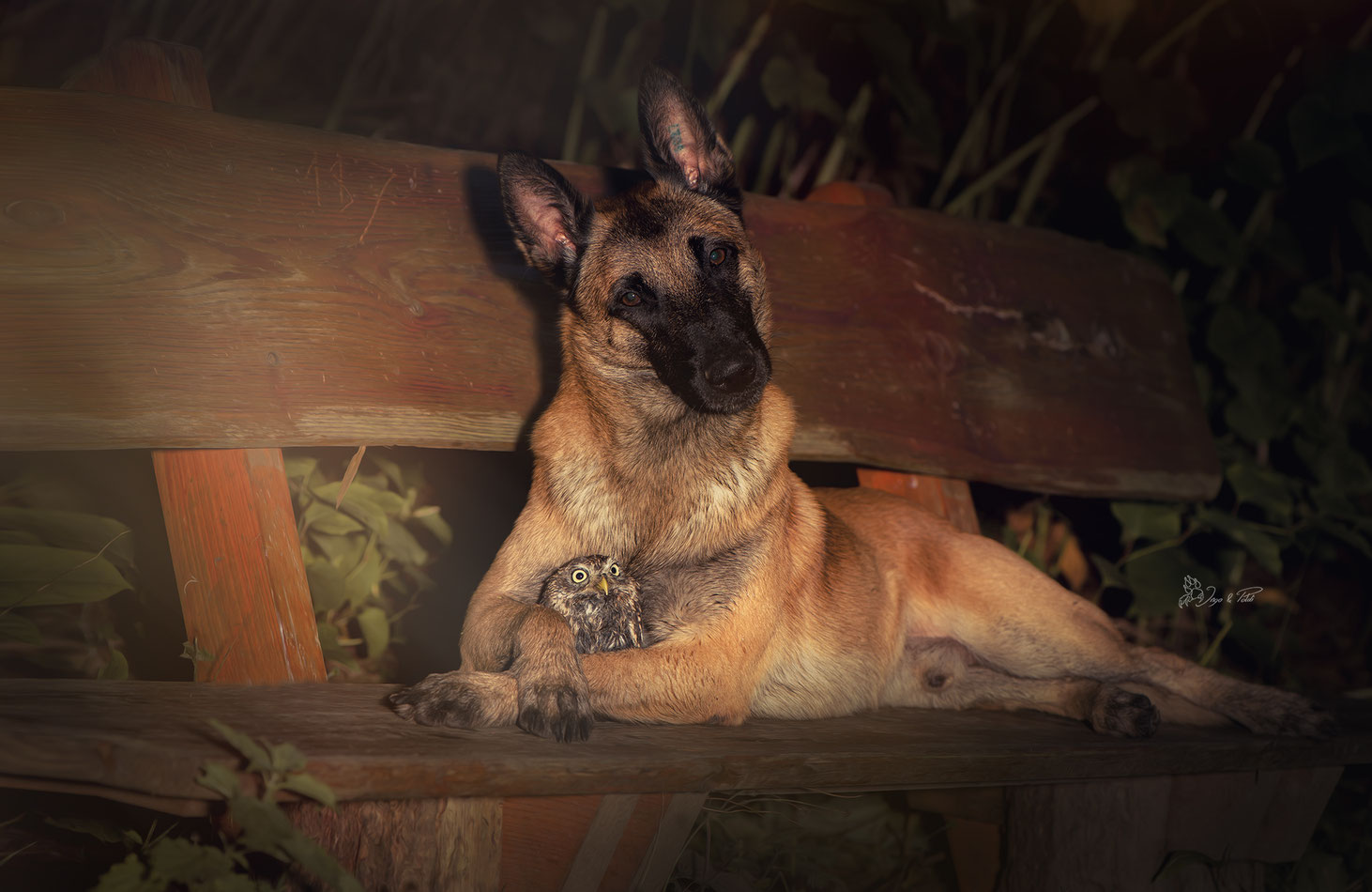
More taken from here. Spoiling us all for today there are nine of Tanja’s incredible photographs!

oooo

oooo

oooo

oooo

oooo

oooo

oooo

oooo

You do realise good people that at some point I will come to the end of Tanja’s fabulous photographs! But worry about that when it happens!

Haven’t forgotten you all!

Hope you are all having a wonderful time!

Just wanted you to know that you haven’t been forgotten!

love to you all,

Paul

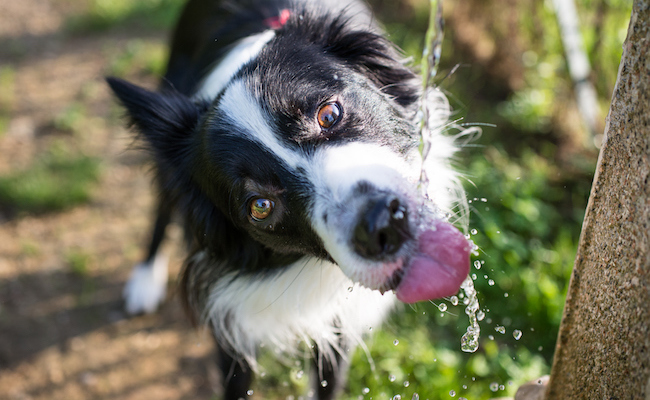
Life-giving water!

Funny how the world goes around!

Why do I write that?

Well during the last week I was referred by my local doctor to see a urologist in connection with a query regarding my ‘back end’. Dr. N, the urologist pointed out that the human body, especially the brain, places such demands on ensuring that water is readily available (non-scientific description!) that it will ‘steal’ water from the bowel. Ergo, when I do my bike rides in the morning I was told to drink the water that I carry with me but previously have not been consuming. For even my hour’s ride three times a week will cause sufficient perspiration that other parts of my body will remove water from my bowel.

All of which seems more than sufficient introduction to today’s post that I first read on the Care 2 site.

ooOOoo

Is Your Dog Drinking Enough Water?

By: Abigail Geer October 14, 2017

About Abigail

Editor’s note: This Care2 favorite was originally posted on June 14, 2015. Enjoy!
Water makes up around 80 percent of a dog’s body. It’s essential for optimum health — for both humans and pets — but how much is enough for our pets? And is there such thing as too much water?

Looking after an animal is a major responsibility, since they depend on humans for their needs. We tend to assume that as long as we provide our dogs with a water bowl, they will drink the necessary amount, but unfortunately this is not always true.

Some dogs are under-hydrated, while others may drink too much. Here’s what every pet owner should know about hydration.

Water’s Vital Role in the Body

Water is the basis of life, as it hydrates, nourishes and cleanses the body. While your dog can survive for a long time without food, insufficient water consumption can seriously damage the body. In a relatively short period of time, just a 10 percent drop in hydration can be fatal.

From mental alertness and ease of breathing, to optimum digestion and bowel movements, every metabolic process in a dog’s body will be affected by its level of hydration.

Blood flow pumps oxygen through the body and removes toxins, but poor hydration can lead to a buildup of toxins in the muscles and organs, causing a huge array of health issues. Dogs regulate their heat by panting, and this heavy breath causes a lot of moisture to leave the body — especially on hot days or while exercising.

Lack of water can result in dehydration, organ failure and kidney stones or other urinary tract problems, but apart from these direct health issues, insufficient water intake can be an indicator of existing problems.

Water Consumption Can Be a Health Indicator

Dogs who are not drinking enough water or who have an insatiable thirst could be displaying signs of more serious health problems — and that’s why it’s essential to keep a close eye on their drinking habits.

Dogs with illnesses such as parvovirus, pancreatitis and leptospirois — as well as many others — do not tend to drink much water, so if you notice that your dog is barely drinking anything, it may be worth taking them for a check-up. On the flip side, dogs with bladder infections, diabetes and Cushing’s disease — among others — are often extremely thirsty and can be observed drinking excessive amounts of water.

While it’s important to monitor how much your dog is drinking, remember to keep things in perspective with their other behaviors, temperature conditions and so on, so that you don’t become overly concerned every time your dog has a big drink of water!

So How Much Water Does Your Dog Need?

A dog’s water needs vary from breed to breed, and they also depend on size, age, diet, activity level and environmental conditions.

The recommended water intake for a dog is approximately one ounce of water per pound of bodyweight, per day.

Your dog’s diet will play a big role in the amount of water that it needs to consume. For instance, dogs who solely eat dry biscuits or kibble will get significantly less hydration from their food than those on moisture-rich diets.

During the hot weather, if your dog is very thirsty after a long walk or play session, it’s a good idea to let him or her rehydrate over an extended period of time, rather than letting the dog guzzle down too much water at once.

If your dog finishes all the water in its bowl, wait for half an hour before refilling it, so that your pup has time to rest and digest. You can also help keep dogs hydrated during exercise by giving them access to water — little and often is best.

To test whether your dog may be dehydrated, you can lift the skin on the back of the neck and watch to see how quickly it returns to its normal position. If it forms a sort of tent, and doesn’t fall back into place immediately, then your dog may be dehydrated.

Nobody knows your dog better than you, and by keeping a close eye on your dog’s behavior you can tell if he or she is happy and healthy — or showing signs of dehydration or illness. Regularly monitoring water intake should become a habit, as it can tell you a lot about your dog’s health and wellness.

Photo Credit: ThePatronSaint

ooOOoo

Thus picking up on that recommended water intake, a 20lb dog should be drinking 20 oz of water a day. And for your reference:

USA system: 16 USA ounces to the USA pint
Imperial system (old British system): 20 imperial fluid ounces to the imperial pint

So Brandy, who weighs in at 140 lbs, should be drinking 8.75 US pints or more than 1 gallon of water a day!

Our Brandy!

Back to what you and I should be drinking? Sound advice in this Mayo Clinic article (that includes this):

So how much fluid does the average, healthy adult living in a temperate climate need? The National Academies of Sciences, Engineering, and Medicine determined that an adequate daily fluid intake is:

  • About 15.5 cups (3.7 liters) of fluids for men
  • About 11.5 cups (2.7 liters) of fluids a day for women

These recommendations cover fluids from water, other beverages and food. About 20 percent of daily fluid intake usually comes from food and the rest from drinks.

Cheers!

What your views mean to me!

Reflections on the results of the survey.

I have approached this by looking at the responses to each question, and the message that it offers, and then speaking of my overall conclusions.

But once again, let me offer my warmest thanks for your feedback. What a great family of readers you are!

Total number of votes

You good people contributed a total of 245 votes. Fully 42% (102) of those votes were responses to Questions Eight and Nine, the survey questions that sought to understand what your reading preferences were.

Question One

For how long have you been reading Learning from Dogs?

83% of you have been readers of this blog for fewer than three years.

I don’t find that surprising because one can only actively engage in a blog for so long before it becomes fairly predictable. I, too, have blog posts that come into my ‘in-box’ that frequently are not read. Yet for some reason I do not want to cancel that subscription.

Question Two:
For how many years have you had a pet animal/s in your life?

86% of you have had pets in your life for more than ten years. That is fabulous.

Question Three:
Do you presently have one or more pet dogs in your life?

73% of you have a dog in your life! Again, that is fabulous.

Question Four:
Please indicate to what extent having a dog improves your life? (Please answer even if you currently do not have a dog in your life but, nonetheless, have a view.)

81% of you declared that having a dog offered a huge improvement to your life.

(Let me jump straight to the results of Question Seven for it connects with Q.4.)

Question Seven:
Please read the following statement and then record your reaction to it: “Having one or more dogs in my life allows me a much better connection with and awareness of my inner self.”

89% of you agreed (56% strongly agreeing) that having a dog in your life offered that better connection.

Question Five:
On the ‘About’ page of the blog, it is stated that: The underlying theme of Learning from Dogs is about truth, integrity, honesty and trust in every way. We use the life of dogs as a metaphor.

85% were comfortable with the blog conforming to that theme. That is very good news for the founder of Learning from Dogs! 😉

Question Six:
Not infrequently blog posts are published that do not refer to dogs. Please indicate your views on these other ‘non-dog’ posts?

80% found this mix acceptable.

Question Eight:
Please indicate, by ticking the relevant boxes, which dog and animal topics you would like to read more of on Learning from Dogs.

The top four categories that you readers desire are:

Animal rescue, 22.72%
Dog training, 20.34%
Humorous animal stories. 20.34%
Specific dog breeds, 15.25%

Question Nine:
Please indicate, by ticking the relevant boxes, which non-animal topics you would like to read more of on Learning from Dogs.

The top four categories that you readers desire are:

Environmental issues, 20.93%
Philosophy, 18.6%
Regional articles from around the world, 16.28%
Technology. 13.95%

Question Ten:
Do you believe the blog could be improved for you?

No 42.86%
I don’t have a view. 35.71%
Yes 21.43%

Now while 43% said the blog could not be improved that left 57% with differing views or no view.

But there were in the end two comments as to a possible improvement.

I enjoy getting LFD very much. However, I also get many other emails and subscribe to various news, politics and lifestyle blogs. (Yes the Internet takes up far too much of my life and my iPad is practically like a conjoined twin! ). I would prefer that LFD came only twice a week.

and

Very interesting feedback, including the comment. Because I have almost 400 blogs I haven’t had time to read and have kept mine to once every week or two, the comment resonates for me as well. I struggle to read anyway but those that post daily won’t always get my time. I have to do two things at once as it is. I do love coming here and “learning from dogs”.

My overall conclusions

  1. Maintain the mix between dog and non-dog posts more or less as it is.
  2. But focus on increasing the number of dog story topics that are about animal rescues and dog training.
  3. Then when it comes to non-dog posts be more selective and choose stories that feature Environmental issues, Philosophy, and Regional articles from around the world.
  4. Last, but by no means least, explore reducing the number of posts published each week.

This last finding is extremely useful. None of you would be surprised to hear that writing or coordinating a daily post is hard work. Extremely rewarding but nevertheless hard work.

Then this coming October I have to keep my head down for a couple of months because I want to finish the draft of my second book by the end of November. Thus, reducing the number of posts published would be a great help in the book-writing department!

However, and this is key, this blog only functions because you, dear reader, read the flippin’ thing!

So let me reflect on a few ways that I might reduce that number of posts and offer those options to you perhaps in a further survey.

Thank you all so very much!

Picture Parade Two Hundred and Nine

Just a few memories of the last week.

Our English guests, Mark and Debbie, who stayed with us after traveling to Warm Springs, South-East of Portland, Oregon, to view the eclipse took the following three photographs.

See the crescents in the dappled shade of a near by bush. 10 minutes before totality.

oooo

Totality – August 21st, 2017.

oooo

Our English guests.

oooo

Then you will love the next one. Sent in by Neil Kelly from Devon, England.

Madison wears sunglasses to view the eclipse along the Cumberland River, Nashville, USA

oooo

And another beauty courtesy of Neil K.

Last but not least ….

oooo

Back to the stars!

The rising moon a little after 5am on the 19th August.

oooo

And there hanging above that rising moon was Venus!

oooo

Finally, back to Tanja Brandt whose most beautiful photographs will be gracing these Picture Parades in the future.

Sabrina’s Loyalty

Lisa Mae DeMasi offers you all a beautiful guest post.

Not going to allow my words to delay you reading this wonderful essay from Lisa.

ooOOoo

How this Handler and Service Dog Nurture One Another

by Lisa Mae DeMasi

At two years old, Lady’s ribs protruded from her coat and her belly was swollen with milk.

Like the thirteen other Labs that had arrived at a rest stop in Union, CT on the straight 12½-hour drive from Muncie, IN, she was presented to us on a crisp autumn day amid the chaos of respective adopters.

My husband Dennis had never experienced the warmth and companionship of having a dog and well, I surprised him with Lady, who we quickly renamed to Sabrina. The very afternoon we picked her up, we raced to the park, wanting her to feel the joy of freedom and play. My husband’s face lit up and while I was thrilled at the opportunity to befriend and care for Sabrina; it meant closing the 20-year gap since our beloved German Shepard from my childhood passed away.

Until laying my eyes on Sabrina’s profile, my heart couldn’t entertain loving another dog.

And what canine isn’t after the same love?

 In Sabrina’s case, she couldn’t know of the family members that awaited to embrace her presence. Within days of the initial hair-raising excitement, the cat sought out occasions to groom her ears. Our pet rat was free to waddle the kitchen floor un-bothered, and the pair of bonded bunnies in want of company stretched out beside her on the living room floor.

Dog, cat, rat, rabbit?
You bet.
And Dennis and me?
Like kids again.
Sabrina settled into the folds of our lives, well-nourished and exercised in Boston’s epic snowfall in the winter of 2009-2010, taking careful watch over all of us. The fear expressed in her eyes pre-adoption disappeared.
Eight years later, she watches over me in particular. Thirty years ago, I was struck and thrown from the passenger side of a car until my abdomen collided with the steering wheel—blunt force that called for iterative repair to my digestive system  and caused permanent damage to the nerves that signal my bladder is full.

Today when I’m busy working away, Sabrina will alert me to get up every couple of hours to make a trip to the restroom by gently placing her head in my lap.

When I suffer acute intestinal cramping, Crohns-like symptoms, she’ll sit at my side and lean her body against mine. Her calm and steady source of nurturing, helps me to relax and mitigates the cramps.

In 2008, the Department of Justice amended the Americans with Disabilities Act (ADA). This was amended to include digestive, bowel and bladder impairments that limit major life activities as the disabled, calling for employers to make reasonable accommodations and if the individual elects, to allow task-oriented service animals [dog or miniature horse] to accompany them on the job.

Sabrina, serving in the capacity of a sensory/medical assist – alerting me to get up and take care of myself –  qualifies.

The HR Director, Debra Susler of Reputation Institute in Cambridge, MA this past April would not allow Sabrina to accompany me on-the-job. I sent her an elaborate email explaining my condition and Sabrina’s certification. She did not reply to me but to my supervisor.

She said “no”.

My response?

I walked out of the place

Sabrina: rescue dog to devoted helper dog.

Respectively, Sabrina’s competencies and understanding of language cease to astound us and her behavior on-the-job at Dell EMC is so well-mannered, coworkers never run out of compliments.

And bystanders in public? The grocery store, pharmacy, gym, dentist, doctor?

Gazes from cell phones are broken, conversations fall short.

Then, come the smiles. A question. Praises. The feel-good moment.

Sabrina brings people together.

I recently read a distressing post from a woman who said every time she looks into a service dog’s eyes, she sees sadness. Even Ingrid Newkirk, CEO and Co-Founder of PETA, has told me, “the life of a typical service dog is a terrible one.”

It’s true. Any canine enslaved to servitude is doomed a dog’s life unlived.

Service animals are working animals, not pets.

The ADA confirms it.

But that’s not the relationship Sabrina and I share [and I understand it can’t be the same with other handlers and service dogs]. In addition to being my devoted helper, Sabrina teaches me to exist in the moment — just like she does. To enjoy the sight of the sun shimmering through the trees, the call of the birds, the fragrance of wildflowers, the feel of the soft soil I tread a few yards behind her when we’re on our hikes.

What more could a dog do for a girl?

ooOOoo

There is something rather special about Lisa’s guest post; special in an introspective way!

That will be better appreciated if you go across to Lisa’s blog site at Nurture Is My Nature.
In particular when you read, via her ‘About’ link, what Lisa offers about herself. Republished here in full.

ooOOoo

As time goes by and you’re getting older and stuff like that—getting older sucks. You know, I hear all this crap about, ‘Oh, you can age with dignity.’ Really? —Mickey Rourke

Lisa’s creative work has recently placed second in Fiftiness’s 2017 Writing Contest (Why I Love Bike Commuting in Boston) and been featured in the anthologies, Unmasked, Women Write About Sex & Intimacy After Fifty (9/17, print) and The Best of Vine Leaves Literary Journal (11/17, print). Her essays have been published in the lit journals and several other media outlets. She considers Massachusetts her home, but has lived in Connecticut, Vermont, New York State and two other planets called Wyoming and Arizona. She earned a B.A. from Regis College and an MBA from Babson College, and holds a Master certificate in Reiki.

Lisa is seeking a development editor [that gets her] to work on her collection of essays and her memoir.

Published work:

Contests:

Why I Love Bike Commuting in Boston, Fiftiness, Second Place Winner, 5/23/17

Anthologies:

  1. The Kickass Formula that Restored My Libido, Unmasked, Women Write About Sex & Intimacy After Fifty, print, 9/17
  2. Grievances, Vine Leaves Vignette Collection (coffee table book), 11/1/17

Literary journals:

  1. This Writer’s Secret (Fiction Southeast, 11/1/170
  2. Snowflake (Crux Magazine, 9/17) [FINALLY got picked up!]
  3. Ain’t Misbehavin’ (Gravel, 12/4/16)
  4. T-boned (Gravel, 12/4/16)
  5. Forgive Me (Slippery Elm, 12/16)
  6. What More Is There to Ask? (Foliate Oak, 9/1/16)
  7. Becoming Our Fathers (East Bay Review, 2/23/16)
  8. The Subversive Writer (Shark Reef, 7/9/14)

Media Outlets:

  1. Not Having Children Was My Perfect Path (Fiftiness, 12/16)
  2. What More Is There to Ask? (Huffpost, 9/16)
  3. The Secret to Doing What You Love (The Artist Unleashed 9/16; HuffPost 3/15)
  4. The Kickass Formula That Restored My Libido (HuffPost 2/16; Rebelle Society 4/15)
  5. My Dear Friend, the Dirty (HuffPost 1/16; Elephant Journal, 12/14)
  6. She, Mother. Me, Daughter. (Huffpost 2/16; Elephant Journal, 1/15)
  7. What the Wrong Job Can Teach You (HuffPost 1/16)
  8. What Happened When I Performed Reiki on My Conservative Mother (Elephant Journal, 1/15)
  9. Why Regret Is So Deliciously Fun (HuffPost 1/16; Midlife Boulevard 8/15)

 Write to me at lisa dot demasi at gmail

ooOOoo

Now please watch “Just Like Heaven,” the video Lisa filmed of Sabrina, post-adoption in 2009.

Flooring Diversion Day Two

In lieu of being ‘off line’ until the 15th.

oooo

oooo

oooo

oooo

They continue to be stunning images.


Picture Parade One Hundred and Eighty-Nine

The final set of these wonderful pictures.

oooo

oooo

oooo

oooo

Sometimes I think a particular Picture Parade series will be impossible to follow. So let’s see what I can find for next week. Dear Bob, thank you for these!

Meantime, you all take care out there.